
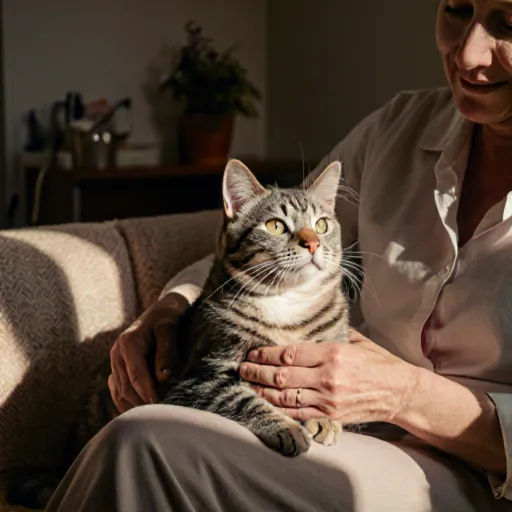
Nurture Your Senior Cat's Health Today!
Protect Your Aging Feline Now
Table of Contents
- Section 1: Introduction to Senior Cat Health Care
- Section 2: Signs of Aging in Cats
- Section 3: Nutritional Needs for Seniors
- Section 4: Dental Health and Care
- Section 5: Regular Veterinary Check-ups
- Section 6: Behavioral Changes in Older Cats
- Section 7: Managing Arthritis and Joint Pain
- Section 8: Grooming Your Senior Cat
- Section 9: Indoor Safety for Older Cats
- Section 10: Providing Mental Stimulation
- Section 11: Managing Stress and Anxiety in Senior Cats
- Section 12: Understanding and Treating Chronic Conditions
- Section 13: Planning for End-of-Life Care
- Section 14: FAQ About Senior Cat Health Care
- Conclusion
Section 1: Introduction to Senior Cat Health Care
Caring for a senior cat involves understanding their unique health needs as they age. As cats enter their later years, typically around 7-10 years old depending on the breed and size of the cat, their bodies start to show signs of aging. This can include decreased mobility, changes in appetite, increased risk of certain diseases, and more frequent vet visits. Proper senior cat health care is essential for maintaining a high quality of life.
Tips for Senior Cat Health Care
- Regular Veterinary Check-ups: Just like humans, cats need regular check-ups to monitor their overall health. Your vet can detect early signs of diseases such as dental disease, kidney issues, or arthritis.
- Dietary Adjustments: Older cats often require a diet that is lower in protein and calories but higher in fiber. This helps manage weight and supports digestive health. Feeding high-quality senior cat food can greatly improve their health.
- Vaccinations: Even older cats should receive vaccinations to protect against common diseases like rabies, feline leukemia (FeLV), and others recommended by your vet.
- Liquid Intake: Encourage your senior cat to drink more water. Providing wet food or using a pet water fountain can help increase their water intake, which is important for kidney health.
- Mental Stimulation: Keep your senior cat mentally active with toys and play sessions. This helps prevent cognitive decline and keeps them engaged.
In conclusion, caring for a senior cat involves more than just physical health; it includes mental well-being as well. By following these tips and working closely with your veterinarian, you can help ensure that your aging feline companion enjoys many happy years of life.
Section 2: Signs of Aging in Cats
Cats, like humans, undergo natural aging processes that can affect their physical and behavioral traits. Recognizing the signs of aging is crucial for providing appropriate care and ensuring a comfortable life for your senior cat. Below are some key indicators to watch out for:
Behavioral Changes
- Sleep Patterns: Older cats often sleep more than younger ones, sometimes up to 20 hours per day. This increased sleeping is a natural part of aging.
- Less Playful: Reduced interest in playing or exploring can be an indicator that your cat is entering its senior years.
- Lethargy: While some older cats remain active, others may show signs of reduced energy and motivation to engage in activities they once enjoyed.
Physical Changes
- Movement Issues: Older cats might experience stiffness or difficulty getting up from a sitting position. Providing soft bedding, ramps, or steps can help them navigate their environment more easily.
- Skin and Coat Changes: Hair thinning, dullness of the coat, and increased shedding are common signs of aging in cats. Regular brushing can help manage these changes and promote overall health.
- Weight Management: Some senior cats may gain weight due to decreased activity levels or reduced metabolism, while others might lose weight if they become less active. Maintaining a healthy diet is important to prevent these issues.
Tips for Senior Cat Health Care
By understanding the signs of aging in cats and implementing preventive care measures, you can help your senior cat live longer and more comfortably. Here are some practical tips:
Dietary Considerations
- Nutrient-Rich Foods: Opt for premium quality food that is specifically formulated for senior cats, as they have different nutritional needs than younger ones.
- Portion Control: Monitor your cat's portion sizes to prevent obesity. Obesity in older cats can exacerbate joint problems and other health issues.
Daily Care Routine
- Veterinary Check-Ups: Regular visits to the vet are essential for monitoring your cat's overall health. Early detection of potential problems can improve treatment outcomes.
- Toilet Training: Older cats may have less control over their bladder and bowels, so litter boxes should be easily accessible in multiple locations around the house.
Mental Stimulation
- Interactive Toys: Even if your cat is less active, engaging them with interactive toys can keep their minds sharp and prevent boredom which might lead to behavioral issues.
- Enrichment Activities: Simple activities like hiding treats around the house for your cat to find or setting up a scratching post with different textures can provide mental stimulation.
In conclusion, recognizing the signs of aging in cats and taking proactive steps is vital. With proper care and attention, you can help your senior feline companion maintain a high quality of life for as long as possible.
Section 3: Nutritional Needs for Seniors
As seniors age, their nutritional needs change. Just like a senior cat, elderly humans also require specific dietary considerations to maintain health and well-being. Proper nutrition can help manage conditions such as osteoporosis, arthritis, heart disease, and cognitive decline.
- Bone Health: Calcium and vitamin D are crucial for maintaining bone density. Foods rich in these nutrients include dairy products (if tolerated), leafy greens, fortified orange juice, and fatty fish like salmon.
- Heart Health: A diet high in fiber and low in saturated fats is beneficial. Whole grains, fruits, vegetables, lean proteins, and nuts are good choices. Omega-3 fatty acids from sources like flaxseeds or walnuts can also help reduce inflammation and support heart health.
- Cognitive Function: Antioxidants found in berries, green tea, and dark chocolate may help protect brain cells against oxidative stress and improve cognitive function.
The same principles apply to senior cats. Proper nutrition is essential for maintaining a healthy weight, supporting joint health, and promoting overall well-being. Here are some tips:
Weight Management
- Monitor Portion Sizes: Older cats may not need as many calories as they did in their prime. Reducing portion sizes can help prevent obesity, which is a common issue for senior cats.
- Switch to a Senior Formula: Many cat food brands offer special formulas designed specifically for older cats that are lower in calories and higher in fiber.
Joint Health
- Incorporate Glucosamine and Chondroitin: These supplements can help reduce joint pain and inflammation. They are often found in prescription or over-the-counter cat foods formulated for senior cats.
- Maintain Regular Exercise: Even low-impact activities like gentle play sessions can benefit a senior cat's mobility. This not only helps with joint health but also prevents muscle loss.
Cognitive Health
- Enrich the Environment: Providing mental stimulation through toys and interactive feeding puzzles can help keep your senior cat's mind sharp and engaged. Puzzle feeders encourage foraging behavior, which is natural for cats.
- Consider Cognitive Enhancement Foods: Some premium senior cat foods include ingredients that are believed to support brain function, such as DHA (docosahexaenoic acid), an omega-3 fatty acid found in fish oil.
In conclusion, proper nutrition plays a vital role in the health and longevity of seniors. By understanding and addressing their unique nutritional needs, you can help ensure they lead happy and healthy lives.
Section 4: Dental Health and Care
Just as dental health is crucial for human seniors, it plays a significant role in maintaining the well-being of senior cats. Dental issues can lead to various health problems if left unaddressed, affecting their overall quality of life. Proper dental care ensures that your senior cat enjoys better health and comfort.
Tips for Senior Cat Dental Health
- Daily Brushing: Regular brushing is one of the most effective ways to prevent plaque buildup. Use a soft-bristled toothbrush designed specifically for cats, and gently brush your senior cat's teeth at least two times per week. Start by introducing your cat to the routine gradually; it may take some time before they get comfortable with this process.
- Example: Use a reward system such as treats or playtime to make brushing sessions enjoyable and less stressful for your senior cat.
- Dietary Considerations: Feeding your senior cat a diet rich in nutrients that promote oral health is beneficial. Dry food can be particularly effective because it helps clean the teeth as they eat, reducing plaque formation. However, always consult with your veterinarian before making any significant changes to your cat's diet.
- Example: Ask your vet about special dental formulas in cat food that are designed specifically for improving oral health.
- Dental Examinations: Regular visits to the veterinarian for professional cleanings and check-ups can help identify potential issues early on. These exams should be part of your senior cat's routine care, especially since their risk of developing dental problems increases as they age.
- Example: If you notice signs such as bad breath, excessive salivation, or difficulty eating, it’s important to schedule an appointment with your vet sooner rather than later.
- Toys and Treats for Oral Health: Interactive toys that encourage chewing can stimulate your senior cat's mouth, promoting better oral hygiene. Additionally, there are dental treats available in the market specifically formulated to promote healthy teeth and gums.
- Example: Choose toys or treats that mimic natural prey for your cat; these can be more engaging than standard options.
- Mental Stimulation: Keeping your senior cat mentally stimulated through play and activities can also contribute to their overall health, including oral health. Regular interaction and engagement with you or other family members can help keep your senior cat's teeth cleaner for longer periods between professional cleanings.
- Example: Spend time playing fetch or teaching new tricks; these activities not only promote oral health but also strengthen the bond between you and your pet.
In summary, maintaining good dental hygiene is essential for senior cats to live healthier lives. By following these tips and incorporating them into your daily routine, you can help ensure that your aging feline companion enjoys optimal health and comfort in their golden years.
Section 5: Regular Veterinary Check-ups
Just like humans, senior cats require more frequent and thorough health check-ups to ensure they are aging gracefully and living a healthy life. Regular veterinary visits can help identify potential health issues early on, allowing for timely treatment and better management of conditions.
Tips for Senior Cat Health Care
- Age-Appropriate Nutrition: As cats age, their nutritional needs change. Foods that are formulated to support senior health can help manage common issues like joint pain and kidney function. It's important to consult with your vet to determine the best diet for your cat.
- Example: Brands like Hill’s Science Diet Sensitive Skin & Stomach or Purina Beyond Senior are designed to meet the nutritional needs of senior cats.
- Vaccination Updates: Even though senior cats may no longer be at high risk for certain diseases, it's crucial to keep their vaccinations up to date. This helps protect against preventable illnesses and ensures your cat remains healthy overall.
- Example: Your vet will recommend a rabies vaccine every 1-3 years depending on local regulations, and a feline leukemia vaccine if your senior cat has been previously exposed or is at high risk.
- Dental Care: Gum disease and tooth decay are common in senior cats. Regular dental check-ups can help prevent these issues from becoming more serious problems. Dentistry for cats often involves professional cleanings under anesthesia, but routine home care like brushing teeth with a cat-safe toothbrush and toothpaste is also beneficial.
- Example: Daily brushing with a soft-bristled brush or using dental treats can help maintain your senior cat's oral hygiene.
- Laboratory Tests: Blood tests and other diagnostic procedures are essential for monitoring your senior cat’s health. These tests can detect early signs of diseases such as kidney disease, diabetes, hyperthyroidism, and more. Early detection is crucial in managing these conditions effectively.
- Example: Your vet may recommend annual blood panels to monitor organ function and overall health.
- Behavioral Changes: Senior cats might exhibit behavioral changes due to physical discomfort or cognitive decline. Regular check-ups can help your veterinarian determine if these changes are related to medical issues that need treatment. Discussing any noticeable behavior changes with your vet is important for timely intervention.
- Example: If your senior cat starts hiding more often, this could indicate joint pain or other physical discomfort; a check-up can help identify the cause.
- Weight Management: Obesity is common in older cats and can lead to various health problems. Regular veterinary visits allow for proper monitoring of your cat's weight and body condition score, helping you make adjustments to their diet or activity level if necessary.
- Example: Working with your vet to create a weight loss plan if your senior cat is overweight can improve overall health and quality of life.
In conclusion, regular veterinary check-ups are crucial for the health and well-being of senior cats. They provide an opportunity for early detection and management of age-related health issues, ensuring that your furry friend enjoys a long and healthy life. By following these tips and working closely with your veterinarian, you can help keep your senior cat in the best possible condition.
Section 6: Behavioral Changes in Older Cats
As cats age, they often experience behavioral changes that can be subtle but significant. These changes are not only due to physical decline but also to cognitive and emotional adjustments. Understanding these changes is crucial for providing the best care possible for your senior cat. Below are some common behavioral signs you might notice in an older feline.
Increased Restlessness
Many senior cats become more restless at night, experiencing a condition known as "sunset restlessness." This is similar to the human phenomenon of insomnia, where they may wake up frequently or have trouble sleeping. It can be linked to joint pain or cognitive issues.
Tips for Senior Cat Health Care: Ensure your cat has a comfortable and quiet place to sleep at night. Consider using a calming diffuser or pheromone spray like Feliway to help them feel more secure in their sleeping environment.
Changes in Eating Habits
Older cats might show changes in appetite, eating smaller amounts, or even loss of appetite. This can be a symptom of various health issues including dental problems, kidney disease, or simply reduced energy levels.
Tips for Senior Cat Health Care: Monitor your cat's weight and consult with your vet if you notice significant changes in eating habits. Consider switching to a senior-specific diet that is formulated to meet the nutritional needs of older cats.
Increased Grooming
Cats may spend more time grooming themselves as they age, sometimes excessively so. This can be due to discomfort from skin problems or joint pain.
Tips for Senior Cat Health Care: Regularly check your cat's coat and skin for any unusual patches or lumps. Offer additional brushing sessions if your senior cat seems to enjoy it, which can also help them relax.
Memory Issues
Cognitive decline is a common issue in older cats, leading to memory issues that might make it difficult for them to perform familiar tasks such as using the litter box or even recognizing family members. This condition, known as feline cognitive dysfunction (FCD), can be distressing for both your cat and you.
Tips for Senior Cat Health Care: Engage your senior cat in interactive play sessions to stimulate their mind. Provide a variety of toys that encourage exploration and physical activity. You might also consider speaking to your vet about cognitive support supplements or medication if necessary.
Loss of Coordination
Arthritis and other joint problems can lead to loss of coordination, making it harder for older cats to jump up or down from high surfaces. This is a common sign that your senior cat might be in pain.
Tips for Senior Cat Health Care: Provide ramps or steps so they can move around more easily without straining their joints. Regular vet check-ups are important to address any issues early and prevent further discomfort.
Section 7: Managing Arthritis and Joint Pain
In our quest to provide comprehensive health care tips, we often focus on various aspects that affect both humans and pets. Today, let's delve into a crucial topic for many seniors – managing arthritis and joint pain. This condition can significantly impact the quality of life, but there are several effective strategies and practical advice you can follow.
Understanding Arthritis
Arthritis is inflammation of one or more joints in the body. It can cause pain, stiffness, and swelling, making it difficult for seniors to perform daily activities comfortably. For cats, arthritis can manifest as reduced mobility, difficulty jumping, and reluctance to exercise.
Tips for Managing Arthritis
- Consult a Veterinarian: Regular check-ups are essential to monitor the progression of arthritis. Your vet might suggest pain management strategies such as anti-inflammatory medications or recommend physical therapy.
- Weight Management: Excess weight can put extra stress on joints, exacerbating arthritis symptoms. Encourage a balanced diet and regular exercise suitable for your senior cat's needs.
- Hydration: Ensure your cat drinks plenty of water to help maintain joint health. Hydration can also aid in managing inflammation and maintaining overall wellness.
- Warm Baths: A warm bath followed by gentle massage can provide temporary relief for arthritic cats. Be cautious not to overdo it, as too much time in the water could be stressful.
- Comfortable Resting Areas: Provide soft, elevated beds where your cat can rest comfortably without strain on their joints. This might include heated pads or high platforms that are easy for them to access.
Pain Relief and Supplements
Besides lifestyle changes, certain supplements may help alleviate arthritis pain:
- Glucosamine: This is often recommended to support joint health. It helps maintain cartilage integrity.
- Chondroitin: Works together with glucosamine to reduce inflammation and improve mobility.
- Carnitine: Supports energy metabolism in cells, which can be beneficial for overall health.
Always consult your veterinarian before starting any new supplement regimen for your cat.
Physical Activity and Exercise
Moderate exercise can help maintain muscle strength and joint flexibility. However, it's important to tailor activities according to the senior cat's capabilities:
- Short Walks or Indoor Play: Encourage short walks or play sessions that involve minimal jumping and high-impact movements.
- Interactive Toys: Use interactive toys like feather wands to stimulate your cat's natural hunting instincts without the need for strenuous activity.
Aim for activities that are enjoyable and sustainable, ensuring they don't cause discomfort or stress.
Conclusion
Managing arthritis is a multifaceted approach that requires a combination of medical care, lifestyle adjustments, and supportive supplements. By implementing these strategies, you can help your senior cat maintain a comfortable and active life despite the challenges posed by arthritis.
Section 8: Grooming Your Senior Cat
As your cat ages, their grooming needs may change. Regular grooming is not only a way to keep your senior cat looking and feeling great but also helps in early detection of health issues such as skin problems or tumors. Here are some tips for effectively grooming your senior cat:
1. Brushing Your Senior Cat
Senior cats often develop more shedding, which can lead to hairballs and matting if not properly managed. Use a soft-bristled brush or a slicker brush that is designed for long-haired breeds. For short-haired seniors, a firm bristle brush works well.
Practical Tips:
- Frequency: Brush your senior cat at least three times a week to prevent matting and excessive shedding.
- Duration: Spend about 5-10 minutes grooming each session, focusing on areas prone to matting like the tail and hindquarters.
- Treatment for Matted Hair: If you find matted hair, try to gently comb it out with a de-matting tool. Avoid pulling directly; instead, cut through the tangles carefully if necessary.
2. Nail Trimming
Nails can grow quickly in senior cats, which may lead to discomfort or difficulty walking. It's important to trim your senior cat’s nails regularly to avoid painful overgrowth.
Practical Tips:
- Frequency: Trim your senior cat's nails every 2-3 weeks, depending on how quickly they grow. Check the tips of their claws for a pink or red spot; this is where you should cut.
- Tools: Use sharp, clean scissors or an electric nail trimmer designed specifically for cats. Always have some treats handy to reward your cat during the process.
- Comfort: If your cat is nervous about having their nails trimmed, try to make it a positive experience by offering treats and praise.
3. Dental Care
Just like humans, senior cats are more susceptible to dental issues such as plaque buildup, tartar, and gum disease. Proper grooming involves regular cleaning of your cat's teeth and gums.
Practical Tips:
- Bonus Tip: Offer cat-safe chew toys or treats that promote dental health. Avoid giving bones as they can cause choking hazards or damage teeth.
- Dental Check-ups: Have your vet check your senior cat's teeth at least once a year, and consult them about any signs of gum disease like bad breath, red gums, or excessive drooling.
4. Monitoring Skin and Coat
Skin problems are common in senior cats due to changes in their immune system and possibly reduced mobility leading to less frequent grooming. Regular inspections of the coat can help detect any issues early.
Practical Tips:
- Visual Inspection: Check for unusual lumps, redness, or signs of infection like hair loss and flaky skin.
- Careful Handling: If you notice any areas that are causing your cat discomfort, consult a vet immediately. Early intervention can prevent more serious conditions.
Remember, grooming is not just about appearance; it's an essential part of senior cat health care. By providing the right attention to their grooming needs, you contribute significantly to maintaining their overall well-being and quality of life.
Section 9: Indoor Safety for Older Cats
Ensuring indoor safety is crucial for older cats, as they may face various challenges that can affect their mobility and health. Creating a secure environment at home not only helps in preventing accidents but also ensures your senior cat remains comfortable and happy. Here are some practical tips to enhance the safety of your indoor space:
1. Secure Your Home
- Remove Hazards: Remove any potential hazards such as electrical wires, loose rugs that could trip your cat, and small objects that could be accidentally ingested.
- Maintain Cleanliness: Keep the home environment clean and free from clutter. This reduces the risk of injury and makes it easier for your older cat to navigate around the house.
2. Modify Furniture and Accessories
To make navigating easier, consider making some modifications:
- Ramps and Steps: Install ramps or steps to help your cat access higher surfaces easily without straining.
- Gentle Flooring: Use non-slip flooring in areas where your cat spends a lot of time. This includes the litter box area, sleeping spots, and favorite play zones.
3. Provide Comfortable Resting Spots
Your older cat may need more comfortable resting places to accommodate their reduced mobility:
- Folding Beds: Place multiple folding beds around the home in strategic spots such as near windows, by the fireplace, or next to your bed.
- Heated Litter Boxes: These can help with arthritic cats that may find it challenging to move about easily. Ensure they are placed in accessible areas.
4. Monitor Your Cat's Health
Regular check-ups and monitoring of your senior cat's health are crucial:
- Diet Adjustments: Discuss with your vet about a diet plan that supports joint health, helps manage weight, and provides essential nutrients.
- Vet Visits: Regular veterinary check-ups can help in early detection of any potential issues. Follow up on the advice from "Tips for Senior Cat Health Care."
5. Enrich the Environment
Making your home stimulating and fun can improve your older cat's quality of life:
- Toys and Puzzle Feeders: Engage your cat’s mind with interactive toys and puzzle feeders that encourage movement.
- Garden Access: If possible, allow outdoor access in a controlled environment (such as a catio) to give them some fresh air and sunlight. Always ensure the space is secure from predators and dangers.
By implementing these tips, you can help make your home a safer haven for your older cat, enhancing their overall well-being and quality of life. Remember that regular check-ups and adjustments as needed are key to keeping your senior cat safe and healthy.
Section 10: Providing Mental Stimulation
Mental stimulation is crucial for senior cats, just as it is for humans. Keeping a cat mentally active can help improve cognitive function and prevent the onset of age-related issues such as cognitive decline or behavioral changes. Here are some tips to provide mental stimulation for your senior cat:
1. Puzzle Toys
Puzzle toys are excellent tools for keeping cats engaged. These toys encourage problem-solving skills, which are essential in maintaining a sharp mind. For example, you can use treat-dispensing toys where the cat needs to paw or press a certain part of the toy to release treats. This not only provides mental stimulation but also encourages physical activity.
2. Interactive Play Sessions
Dedicate time each day for interactive play with your senior cat using feather wands, laser pointers, or small balls on a string. These sessions can be both fun and beneficial. The key is to mimic natural hunting behaviors, which are crucial for mental health in cats. Remember, the goal is not just to entertain but also to engage their minds.
3. Environmental Enrichment
Creating an enriched environment can significantly enhance your cat's mental and physical well-being. This could include providing multiple scratching posts, climbing trees, or even hiding treats around the house for them to find. Cats are naturally curious creatures, so offering them new items to explore can keep their minds sharp.
4. Feeding Games
Turn mealtime into a game by using food puzzles designed specifically for cats. These toys require your cat to work for their meal, which helps in stimulating the mind and body. You can also scatter treats throughout the house or hide them under cushions or furniture, encouraging your senior cat to use its instincts and senses to locate them.
5. Regular Routine
A predictable daily routine is beneficial for cats as it provides a sense of security. However, you can also incorporate changes that stimulate their minds without causing stress. For instance, vary the times when they are fed or the places where toys are placed. This way, your senior cat remains alert and curious.
Conclusion
Incorporating these mental stimulation techniques into your daily routine can greatly benefit your senior cat's health and well-being. Not only does it help in keeping their minds sharp but also strengthens the bond between you and your feline companion. Remember, each cat is unique, so observe what activities they enjoy most and adjust accordingly.
Section 11: Managing Stress and Anxiety in Senior Cats
As cats age, they can experience physical changes that affect their mental health, leading to stress and anxiety. Managing these conditions is crucial for maintaining the quality of life of senior cats. Stress and anxiety can manifest in various ways, such as changes in behavior, loss of appetite, increased clinginess, or even aggression.
Tips for Senior Cat Health Care Related to Stress Management
1. Routine and Stability
A consistent routine helps senior cats feel secure and less anxious. Keep feeding times, playtime, and other activities as regular as possible. Predictability can significantly reduce stress levels in older felines.
2. Environment Enrichment
Creating a stimulating environment is vital for keeping senior cats mentally active and engaged. This could include interactive toys, puzzle feeders to encourage natural hunting behaviors, and cat trees or perches that provide them with observation points.
3. Regular Veterinary Check-ups
Regular visits to the vet are essential to monitor any underlying health issues that may be contributing to your senior cat's stress or anxiety. Early intervention can prevent the condition from worsening and ensure timely treatment.
4. Calming Aids
Certain pheromone diffusers like Feliway, which mimic natural cat pheromones, can help soothe anxious cats. Additionally, there are calming sprays, treats, and even medications prescribed by veterinarians that can aid in reducing stress.
5. Quality Time
Spend quality time with your senior cat to strengthen the bond and provide comfort. Gentle petting, ear scratching, or simply spending time together in a quiet corner can be very reassuring for them.
6. Diet and Nutrition
A balanced diet rich in nutrients essential for mental health is important. Omega-3 fatty acids found in fish oil supplements are known to support brain function and reduce stress levels. Consult your veterinarian regarding the best dietary options for your senior cat.
7. Exercise
Elderly cats may have reduced energy levels, but gentle exercise like short walks (if they can handle it), play sessions with interactive toys, or simply moving around the house can help alleviate stress and anxiety.
8. Consideration for Changes in Behavior
If your senior cat shows signs of increased anxiety such as hiding more frequently or becoming overly attached to you, consider these tips. It may also be a good idea to consult with a veterinarian or animal behaviorist who can offer specialized advice.
Managing stress and anxiety in senior cats requires a holistic approach that includes physical care, mental stimulation, and emotional support. By implementing these strategies, you can help your elderly feline companion live a more peaceful and comfortable life.
Section 12: Understanding and Treating Chronic Conditions
Maintaining the health of senior cats involves understanding various chronic conditions that they may face. Common chronic conditions include arthritis, kidney disease, dental issues, and hyperthyroidism. Each condition requires a tailored approach to ensure your cat remains comfortable and healthy.
Arthritis in Senior Cats
Arthritis is one of the most common age-related issues for senior cats. It causes pain and stiffness, making it difficult for them to move around comfortably. Early signs include decreased activity levels, reluctance to jump or climb, and visible discomfort during movement.
- Management: Regular exercise, a balanced diet rich in omega-3 fatty acids, and supplements like glucosamine can help manage arthritis symptoms.
- Medication: Over-the-counter pain relievers or prescription medications from your vet may be necessary to ease the discomfort.
Kidney Disease
Cats are particularly prone to kidney disease as they age, which can lead to reduced function and electrolyte imbalances. Early detection and management are crucial for maintaining quality of life.
- Monitoring: Regular blood tests and urinalysis are essential for early diagnosis.
- Diet: A renal diet can help manage the condition by reducing phosphorus intake. Consult your vet for specific recommendations.
- Liquid Intake: Ensuring adequate hydration is vital, which may include feeding canned food or encouraging water consumption through interactive toys.
Dental Issues
Dental problems are common in older cats and can lead to pain, infection, and even systemic health issues. Regular veterinary check-ups for teeth cleaning and early intervention are key.
- Hygiene: Brush your cat's teeth regularly with a pet-specific toothbrush and toothpaste. Dental chews and rinses can also help maintain oral hygiene.
- Vet Visits: Professional cleanings by a vet are essential for addressing serious dental issues that may require extractions or other treatments.
Hyperthyroidism
This condition is often seen in older cats and can cause weight loss, increased appetite, vomiting, diarrhea, and hyperactivity. Early diagnosis and treatment are important to prevent complications.
- Treatment Options: Treatment options include medication, dietary management, or even surgery depending on the severity and your cat's overall health.
- Monitoring: Regular check-ups to monitor thyroid hormone levels are crucial throughout treatment.
Managing chronic conditions in senior cats requires a holistic approach. Here are some practical tips to help you care for your aging feline:
- Regular Veterinary Check-ups: At least twice-yearly visits can detect and manage health issues early.
- Diet Adjustments: Tailor your cat's diet based on their specific needs, including reduced caloric intake if they are overweight or have kidney disease.
- Mental Stimulation: Keep your senior cat mentally active with puzzle feeders and interactive play sessions to maintain cognitive health.
- Comfortable Environment: Ensure your home is a safe, comfortable place for them to rest. Soft beds and easy access to elevated surfaces are beneficial.
Section 13: Planning for End-of-Life Care
Maintaining a senior cat's health requires careful planning, especially as they approach their golden years. Just like preparing for the end of life care for seniors in human terms, it is essential to plan ahead for your pet’s needs during this final phase. Understanding and acknowledging these needs can significantly enhance both the quality of life and comfort for your elderly feline companion.
Tips for Senior Cat Health Care
- Regular Veterinary Visits: As cats age, they become more prone to health issues. Regular check-ups help in early detection and management of any potential problems. This is crucial as it allows your vet to monitor the overall health status of your senior cat.
- Dietary Adjustments: Older cats have different nutritional needs compared to younger ones. Feeding them a diet that supports their specific age group can help in maintaining a healthy weight and reducing risks associated with obesity or malnutrition.
- Vaccinations and Parasite Control: Despite being older, your senior cat still requires vaccinations and parasite control measures. These are important to protect against common diseases such as rabies, feline leukemia, and external parasites like fleas and ticks.
- Dental Care: Dental health is often overlooked in elderly cats but it’s critical for overall well-being. Routine dental cleanings can help prevent gum disease, tooth loss, and other oral infections that could affect your cat's general health.
- Environmental Enrichment: Keeping a senior cat mentally stimulated and physically active is vital to maintaining their health. This includes providing them with interactive toys, climbing structures, and opportunities for playtime.
The same principles apply when planning for the end-of-life care of your pet. Discussing these issues openly can help you make informed decisions about your senior cat's future medical needs, comfort levels, and the quality of life they will continue to have until the very end. It also ensures that both you and your veterinarian are prepared to manage any health challenges effectively.
By preparing for potential scenarios with your veterinarian, you can ensure that your senior cat receives compassionate care throughout their life and beyond into this final stage. Remember, proactive planning now can make a significant difference in the quality of life during these last days or weeks.
Section 14: FAQ About Senior Cat Health Care
Q: What are the signs that my senior cat may need special health care?
A: As cats age, they often start to show signs of declining health. Common indicators include a decrease in energy levels, changes in appetite or digestion, increased thirst and urination, as well as slower reflexes and mobility issues. Regular veterinary check-ups are crucial for early detection and intervention.
Q: How does diet play into senior cat health care?
A: Proper nutrition is vital for maintaining your senior cat's health. A diet formulated specifically for older cats should be rich in essential vitamins, minerals, and proteins that support joint function, muscle maintenance, and overall organ health. Avoid feeding them table scraps as these can upset their digestive system. Transitioning to a senior formula after consulting with your vet ensures they get the right nutrients.
Q: Is it necessary for my senior cat to have regular veterinary check-ups?
A: Absolutely, routine veterinary visits are essential for monitoring any changes in your cat's health. Veterinarians can perform thorough examinations and recommend appropriate vaccinations and treatments based on your cat’s specific needs. Early detection of issues such as kidney disease or diabetes is easier to manage when caught early.
Q: Can I help my senior cat stay active?
A: Yes, keeping your senior cat physically active helps maintain muscle mass and supports joint health. Interactive play sessions with toys that encourage movement are a great way to keep them engaged. Additionally, providing platforms at different heights in your home allows for exercise while also supporting their mobility.
Q: How can I ensure my senior cat is getting enough water?
A: Dehydration can be particularly dangerous for senior cats, so it's important to encourage them to drink plenty of water. Providing multiple sources of fresh, clean water around your home, and using wet food in their diet increases the likelihood that they will stay hydrated.
Q: Are there specific supplements recommended for senior cats?
A: Supplements like omega-3 fatty acids can support skin and coat health while also promoting brain function. Glucosamine and chondroitin are often used to help manage joint pain, but always consult your veterinarian before adding any new supplement to your cat’s diet.
Q: What about grooming for senior cats?
A: Regular grooming helps prevent matting of the coat and can also reduce stress. It's important to pay special attention to areas that may be difficult for older cats to reach, such as their back or legs. Brushing your senior cat regularly not only maintains their fur but also provides you with an opportunity to check for any lumps, bumps, or changes in skin texture.
Q: How can I manage my senior cat’s stress and anxiety?
A: Stress management is key for ensuring your senior cat remains comfortable. Creating a calm environment by minimizing loud noises and disruptions at home can be beneficial. Consider adding pheromone diffusers or calming aids to their routine if necessary.
Q: What should I do if my senior cat starts displaying unusual behavior?
A: Unusual behaviors in senior cats could indicate various underlying health conditions. It's important not to dismiss these changes and seek immediate veterinary advice. Early diagnosis can make a significant difference in treating any issues effectively.
Conclusion
As we transition into the later stages of a cat's life, senior cats require special care and attention. By understanding their unique health needs, owners can ensure that their beloved pets enjoy a comfortable and fulfilling old age. Here are some key tips for senior cat health care:
Regular Veterinary Check-ups
Seniors should visit the veterinarian at least twice a year for check-ups. Early detection of health issues can significantly improve treatment outcomes. During these visits, the vet will monitor vital signs and conduct thorough examinations to catch any potential problems early.
Dietary Adjustments
As cats age, their metabolism slows down, which affects how they process nutrients. A diet rich in proteins and easily digestible carbohydrates is essential for maintaining muscle mass and energy levels. It's important to consult with your vet about specific dietary needs, as each senior cat may have different requirements based on health conditions or activity levels.
Exercise and Mental Stimulation
Even in their later years, regular exercise is crucial for maintaining mobility and overall well-being. Engage your senior cat in activities they enjoy, such as interactive play sessions with toys that mimic natural hunting behaviors or puzzle feeders. Mental stimulation can also help keep your cat mentally sharp.
Environmental Enrichment
A comfortable living environment is vital for a senior cat's health and happiness. Ensure your home provides plenty of hiding spots, soft bedding, and areas where they can easily access food and water. Cats may also benefit from vertical spaces like shelves or trees to climb.
Monitor Common Senior Cat Health Issues
Cats are generally good at concealing illness until it's severe. Keep an eye out for signs of common senior cat health issues, such as arthritis (difficulty jumping, reduced activity), kidney disease (increased drinking and urination), or dental problems (loss of appetite due to painful chewing).
Stay Informed
Knowledge is power when it comes to caring for a senior cat. Stay updated on the latest research and recommendations regarding senior cat care by joining reputable online forums, following veterinarians' social media accounts, or subscribing to pet health newsletters.
In conclusion, providing comprehensive and compassionate care for your senior cat not only enhances their quality of life but also strengthens the bond between you. By implementing these tips into your routine, you can help ensure that your furry friend enjoys a healthy and happy senior phase in their life.
Categories
- AI & Enrichment Play
- Broiler Farming
- Broiler Farming Tips
- Canine Wellness & Longevity
- Cat
- Cat & Human Connection
- Cat Adoption & Rescue
- Cat Breeds
- Cat Breeds & Personalities
- Cat Care & Health
- Cat Grooming & Hygiene
- Cat Lifestyle & Environment
- Cat Myths & History
- Cat Nutrition & Diet
- Cat Products & Reviews
- Cat Training & Behavior
- Comparison
- Consumer Awareness
- Dog
- Dog Accessories & Products
- Dog Adoption & Rescue
- Dog Breed & Lifestyle Trends
- Dog Breeding & Puppies
- Dog Entertainment & Media
- Dog Fashion & Trends
- Dog Fun & Lifestyle
- Dog Grooming & Hygiene
- Dog History & Culture
- Dog Myths, Science & Future Tech
- Dog News & Trends
- Dog Nutrition & Food
- Dog Psychology & Emotions
- Dog Safety & Security
- Dog Sports & Activities
- Dog Technology & Innovation
- Dog Training for Modern Owners
- Dog Travel & Adventure
- Dog Travel, Adventure & Culture
- Economic and Market Insights
- Educational Content
- FAQs
- Feeding Alternatives
- Festivals & Seasonal Ideas
- Fun & Entertainment
- General Knowledge
- General Pig Farming
- Health & Disease Management
- Housing and Environment
- Kittens
- Market Insights
- Miscellaneous
- Miscellaneous
- Motivational
- pig
- Pig Breeding
- Pig Breeds
- Pig Farming Stories and Inspiration
- Pig Health and Care
- Pig Nutrition
- Pig Products
- Profitability & Business
- Puppy Care
- Puppy Predictable Topics Reinvented
- Regional Focus
- Rescue & Adoption Buzz
- Senior Cats
- Senior Dog Care
- Smart Dog Tech & Gadgets
- Sustainability
- Sustainable & Eco-Friendly Dog Products
- Tech & Innovations
- Working & Service Dogs
- Broiler Feed66 products
- Country Feed33 products
- Pig Feed66 products
- Product22 products
- Raw Materials99 products
Products
-
 Fish Meal
₹1,999.00 – ₹2,999.00Price range: ₹1,999.00 through ₹2,999.00Rated 0 out of 5
Fish Meal
₹1,999.00 – ₹2,999.00Price range: ₹1,999.00 through ₹2,999.00Rated 0 out of 5 -
 FATTENING BROILER FEED
₹2,299.00 – ₹2,349.00Price range: ₹2,299.00 through ₹2,349.00Rated 0 out of 5
FATTENING BROILER FEED
₹2,299.00 – ₹2,349.00Price range: ₹2,299.00 through ₹2,349.00Rated 0 out of 5 -
 LAYER COUNTRY FEED
₹1,549.00 – ₹1,649.00Price range: ₹1,549.00 through ₹1,649.00Rated 0 out of 5
LAYER COUNTRY FEED
₹1,549.00 – ₹1,649.00Price range: ₹1,549.00 through ₹1,649.00Rated 0 out of 5 -
 COUNTER BROILER FEED
₹1,199.00 – ₹1,299.00Price range: ₹1,199.00 through ₹1,299.00Rated 0 out of 5
COUNTER BROILER FEED
₹1,199.00 – ₹1,299.00Price range: ₹1,199.00 through ₹1,299.00Rated 0 out of 5 -
 LACTATING PIG FEED
Rated 0 out of 5
LACTATING PIG FEED
Rated 0 out of 5₹2,299.00Original price was: ₹2,299.00.₹1,740.00Current price is: ₹1,740.00. -
 Maize
Rated 0 out of 5
Maize
Rated 0 out of 5₹1,650.00Original price was: ₹1,650.00.₹1,300.00Current price is: ₹1,300.00. -
 GESTATION PIG FEED (Phase 1)
Rated 0 out of 5
GESTATION PIG FEED (Phase 1)
Rated 0 out of 5₹2,249.00Original price was: ₹2,249.00.₹1,699.00Current price is: ₹1,699.00. -
 Pre Starter Broiler Feed
₹2,399.00 – ₹2,499.00Price range: ₹2,399.00 through ₹2,499.00Rated 0 out of 5
Pre Starter Broiler Feed
₹2,399.00 – ₹2,499.00Price range: ₹2,399.00 through ₹2,499.00Rated 0 out of 5 -
 FINISHER PIG FEED
Rated 0 out of 5
FINISHER PIG FEED
Rated 0 out of 5₹2,299.00Original price was: ₹2,299.00.₹1,749.00Current price is: ₹1,749.00. -
 Broiler Premix
Rated 0 out of 5
Broiler Premix
Rated 0 out of 5₹820.00Original price was: ₹820.00.₹699.00Current price is: ₹699.00.