
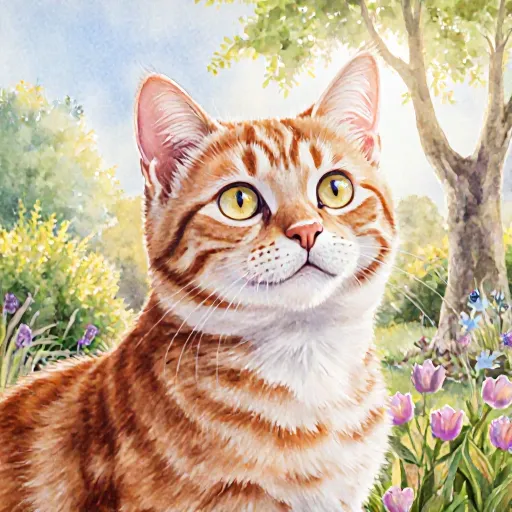
Cracking the Code: How to Read Your Cat’s Silent Messages
Unlock Your Cat's Mind: Decoding Their Body Language
Table of Contents
- Understanding Cat Behavior Basics
- The Importance of Tail Movements
- Ears as Indicators of Mood
- Eye Contact and Blinking
- Purring: Meaning Behind the Sound
- Posture and Grooming Habits
- Tail Waving vs. Twitching
- Rubbing Against You
- Scent Marking and Spraying
- Pawing and Touching Objects or People
- Signs of Stress or Fear
- Play Behavior and Hunting Stance
- Approaching Slowly vs. Leaps
- Tail Chasing and Circling Patterns
- Frequently Asked Questions (FAQ)
- Conclusion
Understanding Cat Behavior Basics
Understanding cat behavior basics is crucial for anyone who shares their home with a feline companion. While body language provides immediate insights into your cat's current emotional state, it is equally important to explore other aspects of behavior that influence how cats interact and express themselves.
Cat behavior is multifaceted, involving various factors such as genetics, environment, socialization, and individual personality traits. By delving into these elements, you can better comprehend why your cat behaves the way it does. Here are some key points to consider:
Genetics
Cats inherit certain behaviors from their ancestors. For example, hunting instincts are deeply rooted in feline nature due to their wild heritage. Domestic cats still retain these survival skills, even if they live indoors. Observing a cat pouncing on a toy or batting at shadows can be seen as an extension of its natural prey-catching behavior.
Environment
The environment in which your cat lives plays a significant role in shaping its behavior. Cats that have access to outdoor spaces may exhibit different behaviors compared to those kept indoors full-time. Indoor cats might engage more with their owners and toys, while outdoor cats could spend more time exploring territories or socializing with other felines.
Socialization
Early socialization greatly affects how a cat interacts with humans and other animals. A well-socialized kitten will be friendlier towards new people and pets, while an unsocialized cat might be more reserved or even fearful around strangers. Encouraging positive interactions during early weeks helps create a strong bond between you and your feline companion.
Personality Traits
Every cat has its unique personality. Some cats are outgoing, friendly, and love attention; others may be more independent or aloof. Understanding your cat's individuality allows for tailored approaches to care-giving. For instance, an extroverted cat might enjoy frequent playtime sessions, whereas a more introverted one would prefer quiet moments of interaction.
- Observe Regularly: Pay attention to patterns in your cat's behavior over time. This helps identify triggers for specific actions or behaviors, allowing you to address them proactively.
- Provide Enrichment: Offer various types of enrichment such as puzzle feeders, scratching posts, and interactive toys to keep your cat mentally stimulated and physically active.
- Create Safe Spaces: Ensure there are areas in your home where your cat feels secure. These safe spaces could be cozy corners with blankets or elevated perches for them to explore.
In summary, understanding the basics of cat behavior involves considering genetic factors, environmental influences, social interactions, and personal characteristics. By taking the time to observe and learn about your pet's behaviors, you can foster a healthier relationship with your feline friend.
The Importance of Tail Movements
Understanding tail movements is crucial for comprehending cat body language, as it provides valuable insights into their emotional state and intentions. Cats use their tails to communicate a wide range of emotions, from happiness and contentment to fear and aggression. Tail movements can complement or contradict the sounds they make, making them an essential tool in interpreting their behavior.
A fluffy tail that is held high with a slight curve at the tip often indicates a happy cat. This posture suggests contentment and playfulness. When your cat wags its tail, it may be expressing a playful mood or excitement about something in their environment.
If you notice your cat's tail tucked between its legs, this is a clear sign of fear or anxiety. It can also indicate submission and a desire to avoid confrontation. In such moments, it’s important to provide comfort and reassurance.
A lashing tail with fur standing on end is a classic sign of aggression in cats. This movement indicates that the cat feels threatened or is preparing for an attack. It's best to give your cat space during these moments and avoid provoking further action.
Cats can communicate various messages by positioning their tails differently: - A low tail with a slight curl at the end shows indifference. - A puffed-up tail, often fluffed up around the eyes and ears, is usually a sign of anger or aggression. - A quivering tail between your legs during grooming indicates relaxation.
- Stay Calm: If you notice your cat's tail movements indicating fear, approach the situation calmly to avoid escalating anxiety.
- Promote Playfulness: Encourage play sessions when you observe a tail wagging, as it can be an invitation for fun and bonding time.
- Respect Space: If your cat's tail is tucked between its legs or held low with a kink at the base, respect their need for space and avoid any confrontational actions.
The importance of tail movements in understanding cat body language cannot be overstated. By paying attention to these signals, you can better understand your feline companion's needs and ensure a harmonious relationship based on mutual respect and understanding.
Ears as Indicators of Mood
Understanding a cat's body language is essential for pet owners and enthusiasts alike, as it helps in building strong bonds with their feline companions. One critical aspect to observe when interpreting your cat’s emotional state is its ears. The position of the ears can provide significant insights into how your cat feels at any given moment.
Normal Ears
When a cat's ears are perked up and pointing forward, it generally indicates that the cat is alert or interested in its surroundings. This position suggests curiosity and an open-minded attitude towards what’s happening around them. For instance, if your cat hears a bird outside the window or notices something unusual in its environment, you might see this ear position.
Relaxed Ears
If the ears are slightly back but still relaxed and not flattened against the head, it usually means that the cat feels comfortable and at ease. This could be observed during a casual interaction or when your cat is enjoying a meal or playtime.
Flattened Ears
When a cat's ears flatten against its head, this can signal several things depending on the context. It might indicate fear, stress, or aggression, particularly if other body language cues like dilated pupils or raised fur are also present. This position is often seen when your cat feels threatened or scared by something in its environment.
Forward Ears with Flattened Tips
This specific ear position can be a sign of frustration or annoyance, especially if the cat has been trying to get your attention without success. For example, if your cat is meowing loudly and you are ignoring it, you might notice its ears positioned forward but with slightly flattened tips.
Backward Ears
When a cat’s ears are backward and pointed down, this can be an indication of extreme stress or fear. This position is often seen during encounters with unfamiliar people or in environments where the cat feels overwhelmed, such as at a vet's office.
Pinning Back Ears
This aggressive stance, where a cat’s ears are pinned back and flattened against its head, can be observed when your cat is feeling territorial or defensive. It might also occur during play-fighting with other cats; however, the intensity of this behavior should be carefully assessed to differentiate between playful and truly aggressive scenarios.
Practical Advice
- Observe Other Cues: Remember that while ear positioning is a great indicator of your cat’s mood, it's important to observe other body language cues as well. Tail position, pupil dilation, and overall posture all contribute to understanding the full picture.
- Respond Appropriately: Knowing what your cat’s ear position means can help you respond appropriately to its needs. If you see flattened ears during playtime, it might be time to wind down the activity gently. On the other hand, if your cat has perked ears and is watching closely, it could be a good moment to engage in more interaction.
- Comfort Your Cat: If your cat’s ears are flattened or pinned back due to fear or stress, try to calm its environment. Speak softly, remove any perceived threats, and provide comfort through gentle petting or cuddling until it feels safe again.
For example, if you notice flattened ears along with dilated pupils and arched back, your cat is likely feeling highly stressed or scared. Conversely, when paired with a relaxed tail and wide eyes, perked ears might indicate excitement and curiosity.
Eye Contact and Blinking
Understanding eye contact and blinking is crucial for interpreting your cat's body language. Cats use their eyes not just for seeing, but also as a powerful tool to communicate with you and other cats.
Eyeball Position
The position of the eyeball can reveal different emotions and intentions:
- Wide-eyed stare: This is often associated with curiosity, playfulness, or even a mild form of aggression. If your cat is fixated on an object or another animal, it might be preparing for play.
- Narrowed eyes: When a cat narrows its eyes, it can signal relaxation and contentment during peaceful interactions. However, if the narrowed eyes are combined with flattened ears or a low growl, this could indicate caution or mild aggression.
Blinking
Blinking is one of the most important aspects of cat body language and can convey a wide range of emotions:
- Soft, slow blink: A soft, slow blink is often interpreted as a sign of trust and affection. It's almost like the cat is saying, "I feel safe with you." This gesture can also be used during play when your cat feels secure enough to relax.
- Frequent blinks or fast blinking: If your cat is frequently blinking or doing so very quickly, it could indicate stress, fear, or discomfort. Cats often blink their eyes shut tightly as a defense mechanism when they feel threatened.
Understanding Context
The context in which you observe the eye contact and blinking is crucial for accurate interpretation:
- During play: Cats often use their eyes to gauge your reaction during play. A playful cat will typically have dilated pupils, a wide-eyed stare, and may blink slowly as it relaxes into the game.
- In social situations: When cats meet other animals or humans in unfamiliar settings, they might widen their eyes slightly as a sign of curiosity. However, if there is tension, they may narrow them, showing caution.
Practical Advice
To better understand your cat's eye contact and blinking:
- Observe consistently: Pay attention to the context in which these behaviors occur. Consistent observation will help you recognize patterns.
- Respond appropriately: If your cat is signaling contentment with a soft, slow blink, respond with gentle play or affectionate petting. This reinforces positive interactions.
- Be cautious during stress periods: If your cat shows frequent fast blinking or tight-closed eyes, it might be time to assess its environment for potential stressors and make necessary adjustments.
Cat body language is rich and complex, with eye contact and blinking playing a vital role. By paying attention to these subtle cues, you can deepen your bond with your feline companion and better understand their emotional state.
Purring: Meaning Behind the Sound
Purring is a complex and fascinating behavior that cats exhibit, often interpreted as a sign of happiness or contentment. However, purring can also serve other purposes, such as stress relief, healing, and even attracting mates. This section delves deeper into the meaning behind this unique vocalization and its connection to cat body language.
Purring is a low-frequency sound generated by rapid vibrations in the larynx (voice box) that occur when the muscles there contract and relax up to 40 to 50 times per second. This rapid movement causes the air passing through the vocal cords to vibrate, creating the purring sound.
Cats may not only purr when they are content; in some cases, they use this behavior as a way to signal stress or discomfort. This can be seen particularly during their early life stages when they are nursing and while being groomed by their mother. Purring during these times is believed to help soothe the kitten and encourage bonding.
Purring for Healing
It has been observed that cats may also purr when they are injured or sick, possibly as a form of self-healing mechanism. The low-frequency vibrations could help break down calcified tissue deposits known as heterotopic ossification or reduce inflammation and pain.
Purring for Attention
In some instances, cats may purr to get your attention. This is especially common when they are seeking food or companionship. Purring can be a subtle yet effective way for them to communicate their needs.
Purring often accompanies other forms of cat body language that indicate relaxation and contentment, such as lying on their back or closing their eyes while purring. However, it's important to pay attention to the overall context. For example:
- Back Arching: When a cat arches its back and purrs, this is typically a sign of contentment and trust. The arch shows that they feel safe with you.
- Closed Eyes: Cats may close their eyes while purring when they are feeling relaxed or comfortable. This could be during grooming, resting, or simply enjoying your company.
However, if a cat is tense and has its fur standing up (hackles), even though it might be purring, the overall body language suggests stress or fear rather than contentment. It's essential to observe multiple cues together for a fuller understanding of what your cat is trying to communicate.
If you notice your cat consistently purring and exhibiting signs of discomfort, it might be time to consult a veterinarian. Purring alone should not be the only indicator used to determine the cat's wellbeing; other behaviors are crucial for accurate assessment.
To encourage contentment and reduce stress in your cat, consider creating a calm environment where they feel secure. Regular grooming sessions can also help them relax and may elicit purring. Additionally, providing mental stimulation through toys or interactive play could strengthen the bond between you and your cat while promoting physical health.
Posture and Grooming Habits
Understanding a cat's posture and grooming habits is crucial for interpreting their body language effectively. These behaviors often reveal important information about how your cat feels, what they need, or what might be troubling them.
- Tail Position: The tail can provide a lot of insight into the cat's mood. A straight-up tail usually indicates confidence and friendliness, while a low or tucked tail often signifies fear or submission. If the tail is bushy with a quivering motion, it may indicate excitement or stress.
- Example: When greeting you at the door, if your cat's tail is straight and high, they are likely happy to see you.
- Ears Position: Ears that are flat or pressed back can signal fear, aggression, or discomfort. Forward-facing ears generally indicate alertness and interest.
- Example: If your cat’s ears perk up when you call their name, they might be curious about the sound.
- Crouch Position: A crouched posture with the tail tucked between legs suggests fear or submission. However, a slightly crouched stance can also indicate relaxation and contentment.
Grooming is not just about keeping themselves clean; it’s also an important behavior that communicates their emotional state:
- Over-grooming: Excessive grooming can be a sign of stress, anxiety, or even pain. If you notice your cat overgrooming areas like the belly or paws, it might be time to consult with a veterinarian.
- Example: Your cat may start licking their paws more frequently if they are stressed due to changes in the environment.
- Under-grooming: Conversely, neglecting grooming can be a sign of lethargy or health issues. Cats might stop grooming themselves if they are unwell.
- Example: If your usually fastidious cat has stopped cleaning their fur for no apparent reason, it could indicate an underlying health problem that needs attention.
- Normal Grooming: A healthy cat will groom themselves regularly. This helps maintain a clean coat and can also be a stress-relieving activity. However, it’s important to ensure this doesn't become excessive or lackadaisical grooming habits.
By understanding these nuances in posture and grooming, you can better communicate with your cat:
- Create a Relaxing Environment: By ensuring your home is calm, quiet, and free from stressors like loud noises or disruptions, you encourage your cat to relax and groom naturally.
- Example: Provide a peaceful space for your cat where they can retreat if they feel stressed. This could be a cozy corner with soft cushions and a few toys.
- Encourage Playtime: Engaging in play helps release pent-up energy, which can reduce stress levels and encourage normal grooming behavior.
- Example: Use interactive toys that mimic prey to engage your cat. Feather wands or laser pointers are great options for stimulating physical activity and mental engagement.
Tail Waving vs. Twitching
In understanding cat body language, one must differentiate between tail waving and twitching as both can convey different messages depending on the context.
Tail Waving
When a cat is in an excited or playful mood, you might notice them waving their tails. This behavior typically indicates that your cat is feeling happy and open to interaction. It's a sign they are ready for some playtime or perhaps just want attention from you. If your cat starts wagging its tail while looking at you, it could be inviting you to engage in play or simply expressing positive emotions.
Tail Twitching
On the other hand, a twitching tail often indicates an alert and sometimes anxious state of mind. This behavior is common when cats are paying attention to something outside the window, like birds or squirrels. While they might not be directly reacting to you, the twitching could show that they're feeling stimulated by their environment.
However, if your cat's tail twitches while it's facing you, it might indicate frustration or annoyance. For example, a cat may twitch its tail if you are trying to pet them but they are not in the mood for attention. This is often accompanied by other signs of discomfort such as ears flattening back and dilated pupils.
Practical Advice
If your cat is waving its tail, it's a good idea to engage with them in play or provide some form of stimulation like toys. This can help satisfy their energy and maintain a positive relationship between you two.
When observing a twitching tail, try to identify what might be causing the alertness. If it’s due to external stimuli, giving your cat some space and allowing them to observe may suffice. But if they are reacting to something that can be controlled (like the position of furniture), adjusting the environment could help.
Rubbing Against You
Cats have a unique way of expressing their affection and trust towards their human companions, one of the most recognizable behaviors being "rubbing against you." This action is more than just casual physical contact; it's deeply rooted in feline body language. When your cat rubs its face or body against you, it is essentially marking you with its scent—a behavior that originates from ancestral hunting and social grooming practices.
Cats have glands in their faces, cheeks, and paws that release pheromones when they rub against objects or people. This action not only leaves a scent but also serves as a way of leaving your scent on them, creating a bond between you two. It’s like your cat is saying, "You are part of my territory now." This behavior can be seen as a form of love and trust, indicating that the cat feels safe and secure in your presence.
Why Cats Rub Against You
- To Mark You: By leaving their scent on you, cats are marking you as part of their territory. This is a behavior inherited from their wild ancestors who needed to signal other animals that an area was claimed.
- To Ask for Attention or Affection: If your cat starts rubbing against you and then looks at you with big, adoring eyes, it’s likely asking for some attention. This is a gentle way of saying, "Hey, I love being around you!"
- To Show Affection: Cats that rub against their owners often do so as a sign of affection and trust. It’s like the cat is giving you a big hug.
What to Do When Your Cat Rubs Against You
If your cat starts rubbing against you, it's important to recognize this behavior as a sign of affection and trust. Here are some tips on how to respond:
- Return the Affection: Pet your cat gently or give them a rub themselves back. This reciprocation reinforces the bond between you two.
- Play with Them: If they are particularly affectionate, consider playing a short game with them. This can be an excellent way to strengthen your relationship while providing mental and physical stimulation for your cat.
- Pet Them Regularly: Consistent petting can help reinforce the bond you have with your cat. Cats love being touched, especially in areas like their heads, cheeks, and bellies (if they’re comfortable).
Cats are fascinating creatures with complex behaviors that reflect their deep emotional connections with humans. Understanding how to interpret these signals can help you strengthen the bond between you and your feline companion.
Scent Marking and Spraying
Understanding cat behavior is crucial for any pet owner, especially when it comes to addressing issues like scent marking and spraying. Cats use various methods of communication, including body language, vocalizations, and scent marking, which can sometimes lead to unwanted behaviors such as spraying.
Cats are naturally inclined to mark their territory with scents, a behavior that is deeply rooted in their instincts. This process involves the cat rubbing its face or body against objects, furniture, or people. By doing so, cats leave behind pheromones from glands located around the face and paws. This behavior helps them feel secure and reinforces their sense of territory.
For example, a cat may rub its face on your leg while sitting in your lap. It is showing affection but also marking you as part of its territory. Similarly, when cats rub against furniture or doorsills, they are leaving behind scent markers to inform other cats that this area belongs to them.
While normal scent marking is generally harmless and can be managed through positive reinforcement training, spraying is a different matter. Spraying involves the cat urinating on vertical surfaces while lifting its tail to expose the scent glands beneath it. This behavior is often associated with stress or anxiety.
Cats may spray when they feel threatened by changes in their environment, such as the arrival of a new pet or the smell of other cats. It can also be a sign of territorial disputes. For instance, if you bring home a new family member and your cat starts spraying around the house, it could indicate discomfort with this change.
To address spraying issues effectively, understanding the underlying causes is essential. Here are some common triggers:
- New Pets or Animals: The introduction of a new pet can cause stress and lead to territorial marking.
- Changes in Routine: Any disruption in the daily routine, such as moving furniture or changing feeding times, can upset your cat's sense of security.
- Health Issues: Pain or discomfort from injuries or medical conditions may cause a cat to become more territorial and prone to spraying.
- Pheromone-Based Products: The use of certain products, like air fresheners or scented candles, can mask natural pheromones that cats rely on for communication. Using a product with synthetic pheromones (like Feliway) may help reduce stress and prevent spraying.
Addressing the root cause of your cat's spraying is key to resolving this behavior. Here are some practical steps you can take:
- Create a Comfortable Environment: Ensure that your home provides plenty of hiding spots, vertical spaces for climbing and perching, and areas where your cat feels safe and secure.
- Routine Stability: Keep feeding times consistent and avoid moving furniture or other objects around the house unnecessarily.
- Use Feliway: A product that mimics natural feline pheromones can help calm your cat and reduce stress-related behaviors like spraying. Apply it to areas where your cat has sprayed before, as this can discourage further marking in those places.
- Treat Underlying Health Issues: If you suspect that health problems are contributing to the behavior, consult a veterinarian for proper diagnosis and treatment.
In conclusion, understanding your cat's body language is vital when addressing issues like scent marking and spraying. By recognizing these behaviors as natural but sometimes problematic instincts, you can take proactive steps to manage them effectively and create a harmonious living environment for both you and your feline companion.
Pawing and Touching Objects or People
In understanding cat body language, one of the key behaviors you'll encounter is "pawing and touching objects or people." This behavior can be seen as a way for cats to communicate their feelings, needs, or simply express affection. Here’s how to interpret this action:
Expressing Affection
Cats often use their paws to nudge or touch you or other objects around the house as a sign of affection. For instance, they may paw your leg while sitting near you, indicating that they want attention or are feeling sociable. If your cat does this frequently, it's likely expressing a desire for interaction or companionship.
Seeking Attention
Cats are known to be quite vocal when seeking attention, but sometimes their actions speak louder than words. Pawing at you can also be a way to get your attention if they notice something interesting nearby or simply want to join you in an activity.
Exploration and Curiosity
Cats are naturally curious creatures, always exploring the environment around them. When a cat paws at objects or people, it might be purely out of curiosity. They may be testing new scents, textures, or simply enjoying the sensation of interaction.
Marking Territory
In some instances, especially when your cat is more territorial, they may paw at you as a way to mark their territory. This behavior can sometimes be mistaken for affection but should always be interpreted with caution, particularly if it involves excessive scratching or nipping.
Seeking Comfort
Cats often seek comfort and safety by touching familiar objects or people. If your cat paws at you when they are feeling scared or nervous, this could indicate a need for reassurance and protection. It’s important to be there as a source of security during such times.
Practical Advice
- Respond Positively: When your cat paws at you, it's best to respond positively by petting them or giving them some attention. This reinforces the positive association between this behavior and receiving affection.
- Create a Routine: Establishing routines can help manage how much pawing is expected from your cat. If they are used to being pampered, they will learn that pawing leads to playtime or cuddle time.
- Provide Alternatives: For cats who tend to mark their territory by pawing, providing them with toys and engaging them in games can help redirect this behavior into something more constructive.
Examples
Example 1: Seeking Attention
Your cat is sitting quietly but suddenly paws at your hand resting on the table. This could be a sign that they want you to play or just want some attention.
Example 2: Marking Territory
If your cat has recently been introduced to a new family member, it may paw at them as a way of marking the person. This is more common in cats that are not used to sharing their space with others.
Conclusion
Pawing and touching objects or people is an essential part of cat communication. By understanding this behavior, you can better connect with your feline friend and ensure they feel loved and understood.
Signs of Stress or Fear
Cats, like humans, have their own ways to communicate emotions and needs. Understanding cat body language is crucial for pet owners as it helps in recognizing signs of stress or fear early on, which can prevent the escalation of negative behaviors and ensure a healthier living environment for your feline companion.
1. Hunched Posture
Cats tend to hunch their bodies when they feel threatened or stressed. This posture is often accompanied by a flattened tail, which signals discomfort or fear. When a cat is in this state, it feels vulnerable and seeks protection.
2. Flattened Tail
A cat's tail can be an excellent indicator of its emotional state. A flattened tail that lies close to the body suggests stress or anxiety. However, it’s important to observe other behaviors as well since a relaxed cat might also flatten its tail when it is feeling playful.
3. Intense Grooming
Cats sometimes engage in excessive grooming (fur licking) as a coping mechanism for stress or fear. If your cat suddenly starts over-grooming itself, this could be an indication that something is bothering it emotionally. It's important to identify the cause and address it promptly.
4. Dilated Pupils
Dilated pupils can occur when a cat feels threatened or scared. This is your cat’s natural response to perceive its surroundings more clearly in threatening situations. If you notice this change, it might be wise to provide additional reassurance and remove any potential threats.
5. Avoidance Behavior
Cats that are stressed or afraid often avoid contact with people or other pets. This could include hiding under furniture or avoiding certain areas of the home. If your cat usually enjoys attention but now seems to want nothing to do with you, it might be experiencing stress.
6. Pacing
A cat that is feeling anxious may pace back and forth in its environment. This behavior can indicate unease or fearfulness. If your cat is normally calm but suddenly becomes restless, this could be a sign of stress.
7. Vocalizations
Cats that are stressed or afraid might vocalize more than usual. They may meow louder or with different tones, which can be a way to express their discomfort. Listening closely to your cat’s sounds can provide valuable insight into its emotional state.
Practical Advice
- Create a Safe Space: Ensure that your cat has a secure and quiet area where it feels safe. This could be a cozy corner with soft blankets or a small enclosed space like a cat tent.
- Avoid Changes if Possible: Large changes in the environment can stress out cats. Try to minimize disruptions, especially during times when your cat is already showing signs of stress.
- Observe and Respond: If you notice any signs of stress or fear, observe closely for a while. Once you’ve identified the cause, try to address it appropriately. Sometimes offering extra petting or playing can help calm them down.
In conclusion, understanding cat body language is essential for keeping your feline friend healthy and happy. By recognizing these signs of stress or fear early on, you can provide the necessary support and ensure a loving environment that promotes well-being.
Play Behavior and Hunting Stance
Understanding a cat's play behavior and hunting stance is crucial for pet owners looking to nurture their feline friend’s natural instincts. Cats are predators by nature, and these behaviors often mirror their ancestral hunting techniques. By observing and interpreting your cat's body language during play or when they sense prey, you can better understand how to enrich their environment and ensure they have outlets for this behavior.
Play Behavior
Cats engage in playful activities that mimic the stalking and pouncing behaviors used when hunting. This type of play is not only a fun activity but also serves an important function in their development, helping them refine their skills and build strength and coordination.
Signs of Playfulness:
- Chasing small objects like feathers or laser pointers
- Sudden bursts of speed followed by quick stops
- Mimicking pouncing movements with a toy
- Tail flicking and twitching, indicating excitement or interest
To encourage healthy play behaviors, provide your cat with toys that mimic natural prey. This could include interactive toys like feather wands or small, movable objects. Ensure these items are safe for your cat to interact with.
Hunting Stance
When a cat is in a hunting stance, they often assume a low posture with their body slightly crouched and ears forward. Their eyes narrow as they focus on the target of interest, preparing to pounce at any moment.
Signs of a Hunting Stance:
- Low posture, almost lying flat with legs tucked in
- Ears perked forward and slightly back
- Narrowed eyes, focusing intently on the target
- Quiet breathing as they prepare to spring into action
Cats may adopt this stance when watching birds through a window or even while playing. In both cases, it’s essential to respect their focus and ensure they don’t become overly stressed. If your cat is in a hunting stance, provide them with a toy or something else safe for them to interact with.
Encouraging Positive Play Behavior
To encourage positive play behavior, it's important to understand what triggers these instincts and how you can facilitate them safely. Here are some practical tips:
- Use Interactive Toys: Toys that move on their own or require your cat to chase after them mimic natural prey scenarios.
- Create Obstacle Courses: Set up a simple obstacle course with tunnels, perches, and hiding spots. This can stimulate your cat's natural exploration instincts.
- Rotate Toys Regularly: Cats get bored easily, so rotating toys every few days keeps their interest high.
- Watch for Signs of Stress: If you notice signs that your cat is becoming anxious or stressed during playtime, it's best to end the session and provide them with a quiet space to relax.
By understanding and encouraging these behaviors, you can help ensure that your cat remains healthy both physically and mentally. Remember, every cat is unique, so pay attention to what works for your particular feline friend and adjust as needed.
Approaching Slowly vs. Leaps
Understanding cat body language is crucial for anyone who wants to interact safely and effectively with their feline companion. One key aspect of this understanding involves how cats approach situations or individuals, specifically whether they choose to approach slowly or make leaps.
Cats approaching slowly often exhibit a series of subtle cues that indicate they are feeling cautious and unsure about the situation. This behavior is particularly common when a cat first encounters someone new, such as a visitor to your home or another household member after an absence.
- Hunched posture: The cat may hunch its back slightly, indicating tension or caution.
- Tail position: A tail that is held low or between the legs can signal discomfort or wariness.
- Ears: Ears might be flattened against the head, which is a sign of nervousness or fear.
To approach a cat that is behaving in this way, it's important to respect their space. Avoid sudden movements and loud noises, as these can startle the cat further. Instead, let them come to you at their own pace. Once they are comfortable enough, they may slowly extend their body or lift their tail slightly.
In contrast to a cautious approach, when cats leap towards someone or something, it usually indicates excitement and confidence. However, this behavior can also be misinterpreted if not understood in the context of cat communication. Cats might leap during play, greeting, or when they feel fully secure.
- Energetic movements: A cat that leaps may have its ears perked up and eyes wide open, showing signs of high alertness.
- Tail position: A tail that is straight or raised vertically can signal confidence and enthusiasm.
- Hair: In some cases, the cat's fur might stand on end as a form of excitement, which can sometimes be mistaken for fear. However, in the context of leaps, this typically indicates positive emotions.
When a cat leaps towards you, it’s important to understand that they are likely seeking attention or inviting play. If the leap is initiated during playtime, respond positively by engaging in gentle interactions like petting or using toys. However, if the leap seems out of context and causes discomfort, gently guide them with soft words and movements to a more appropriate approach.
To summarize, approaching cats slowly and understanding their body language is essential for building trust and ensuring safe interactions. Always observe your cat's signals and adjust your behavior accordingly. If you're introducing a new person or animal to the household, let them get used to each other gradually. This can help prevent any unnecessary stress or fear on the part of the cats.
Tail Chasing and Circling Patterns
In the context of understanding cat body language, it's important to recognize that certain behaviors can indicate a range of emotional states. Two common patterns that often perplex owners are tail chasing and circling. These actions are not merely idle movements but are rooted in various underlying reasons. Understanding these behaviors can help you provide appropriate care for your feline companion.
When a cat chases its own tail, it might be expressing frustration or boredom, which could stem from a lack of mental and physical stimulation. This behavior can also indicate anxiety or stress due to changes in the environment or routine. Some cats may chase their tails as a form of self-soothing, much like humans biting their nails.
For instance, if your cat starts chasing its tail after you bring home a new pet or when there are unexpected noises outside, this could be linked to stress. Tail chasing can also occur during the early stages of play, where it might seem more like an excited dance rather than distress.
Practical Advice
- Provide Enrichment: Ensure your cat has plenty of toys and stimulating activities. Puzzle feeders or interactive toys can keep your cat engaged and prevent boredom.
- Create a Safe Space: Sometimes, cats need a quiet place to feel secure. Provide a cozy spot where your cat can relax without feeling threatened.
- Mimic Playtime: If tail chasing seems linked to playfulness, try interactive games like wand toys or laser pointers that can mimic the movement of prey.
Cats often circle a spot before settling down. This behavior is typically associated with marking territory and feeling secure in their environment. However, it can also indicate stress or an underlying health issue if done excessively or in an unusual manner.
For example, you might notice your cat circling more frequently when you are preparing to leave the house, suggesting that the routine change is affecting them. Excessive circling could also be a sign of pain or discomfort, such as arthritis or urinary tract issues.
Practical Advice
- Monitor Changes: Keep an eye on your cat's behavior for any unusual changes in circling frequency and patterns. This can help you catch health issues early.
- Consult a Vet: If you notice excessive circling or if it seems out of character, consult with a veterinarian to rule out medical problems.
- Create Consistent Routines: Establishing and maintaining consistent routines can reduce stress and help your cat feel more secure in its environment.
Frequently Asked Questions (FAQ)
Understanding Cat Body Language
Cats are fascinating creatures with a complex range of body languages that can help you understand their feelings and needs. Here are some common questions about interpreting cat body language:
1. Why does my cat flatten its ears?
Your cat might flatten its ears when it feels threatened or anxious. This is a defensive posture to make itself appear smaller, which can help reduce the chances of being attacked. It's a sign that your cat may be feeling scared or stressed in the situation.
2. What does it mean if my cat wags its tail?
Cats don't wag their tails like dogs do, but they can use tail movements to convey different messages. A slow, low tail swish usually indicates a bad mood or irritation. However, a happy and relaxed cat may swing its tail back and forth quickly and gently.
3. How can I tell if my cat is relaxing?
A relaxed cat will have soft, loose body movements with no rigid tension. A relaxed posture might include the cat lying on its side or belly, with its legs slightly stretched out. This position shows contentment and comfort.
4. What does it mean if my cat paws at me?
Pawing can be a sign of affection or attention seeking. Your cat might want something from you, such as food, playtime, or just some cuddling time. If your cat is pawing at you and looking into your eyes, it may be asking for interaction.
5. How do I know if my cat is scared?
Cats that are afraid might cower in a corner, tucking their head between their legs. Their ears may lie flat against their heads, and they may breathe rapidly or tremble slightly. These signs indicate fear and stress.
6. What does it mean if my cat's fur is standing on end?
This phenomenon is known as "piloerection" and can be a sign of the cat being afraid, angry, or excited. When a cat's hair stands up, its body appears larger, which can make an intruder think twice before approaching it. This behavior is often seen in situations where the cat feels threatened or startled.
7. How do I know if my cat is comfortable with me?
A cat that feels safe and secure around you will likely approach you confidently, rub against your legs, or even nuzzle up to you for affection. If your cat does these things, it's a clear sign of trust and comfort.
8. What does it mean if my cat stares at me?
A direct stare can be a sign that your cat is focused on something or someone. However, if the staring continues for an extended period without blinking or looking away, it might indicate curiosity or a desire to interact with you.
Understanding and responding appropriately to these signals will help strengthen the bond between you and your feline friend. By paying attention to small details like posture, ear positions, tail movements, and even facial expressions, you can learn more about what your cat is feeling and thinking.
Conclusion
Understanding cat body language is crucial for anyone who shares their home with a feline companion. Cats are not always expressive through vocalization, and thus, they rely heavily on body movements, facial expressions, and posture to communicate their feelings and intentions. By learning these signals, you can ensure that your cat feels comfortable in its environment and enhance the bond between you both.
Common Signals of Cat Body Language
- Tail Movements: A straight or upright tail with a slight bend at the tip usually indicates confidence and playfulness. However, if the tail is held low, it might suggest fear or submission.
- Ears: The position of your cat’s ears can also provide important clues about its state of mind. Ears perked forward and slightly back indicate curiosity or interest in something around them.
- Purring: While purring is often associated with contentment and relaxation, there are instances where cats may purr when they feel stressed. This behavior can sometimes indicate discomfort or illness.
- Bow Legs: When a cat bows down low with their legs slightly bent, it can signal either playfulness or aggression. The context of the situation will help in interpreting this behavior correctly.
- Covering Up: Cats have the unique habit of covering up their droppings or other messes with dirt, grass, or litter. This behavior is an instinctive way for them to mark territory and hide waste from predators.
Example: When your cat approaches you with its tail held high but slightly curved, it's inviting playtime or simply showing that they are in a good mood. On the other hand, if the tail is tucked between the legs, it could mean the cat feels threatened or anxious.
Example: If you notice that your cat's ears are moving frequently, it might be because they are trying to listen for sounds or sniff out the source of a scent.
Example: If you hear your cat purring while lying on its side, it might be trying to tell you that it feels unwell and is seeking attention for comfort.
Example: During playtime, if your cat assumes this stance and starts batting at toys, it's clear that they are inviting you to join them. But during an encounter with another cat, a similar posture might be a precursor to an attack.
Example: If you see your cat repeatedly digging at a specific spot in its litter box, it's likely trying to cover up something there. Paying attention to these behaviors can help you maintain a clean environment for your pet.
Tips for Improving Cat Communication
- Observe Regularly: Spend time watching and observing your cat’s body language. Over time, you will become more adept at interpreting the subtle signals they send out.
- Create a Comfortable Environment: Ensure that your home provides areas for your cat to feel secure and relaxed. This could include high places, quiet spaces, and hiding spots where they can retreat when needed.
- Use Positive Reinforcement: Reward your cat for good behavior through treats and affection. This can encourage them to maintain positive interactions with you.
Example: Set aside short periods each day where you focus solely on your cat's activities. Note any changes in behavior that might indicate a change in their mood or health.
Example: If you have multiple cats, make sure there are enough perches, beds, and toys so that each one has their own space without feeling crowded or threatened by the others.
Example: When your cat approaches you in a friendly manner, give it a treat or pet it gently as a way of praising its good behavior and strengthening the bond between you.
Final Thoughts
In conclusion, understanding cat body language is essential for anyone who wants to ensure their feline friend feels safe, healthy, and happy. By paying close attention to these subtle signals, you can better meet your pet's needs and foster a deeper connection. Remember that every cat is unique, so it may take some time to fully understand what each specific behavior means for your individual animal.
Categories
- AI & Enrichment Play
- Broiler Farming
- Broiler Farming Tips
- Canine Wellness & Longevity
- Cat
- Cat & Human Connection
- Cat Adoption & Rescue
- Cat Breeds
- Cat Breeds & Personalities
- Cat Care & Health
- Cat Grooming & Hygiene
- Cat Lifestyle & Environment
- Cat Myths & History
- Cat Nutrition & Diet
- Cat Products & Reviews
- Cat Training & Behavior
- Comparison
- Consumer Awareness
- Dog
- Dog Accessories & Products
- Dog Adoption & Rescue
- Dog Breed & Lifestyle Trends
- Dog Breeding & Puppies
- Dog Entertainment & Media
- Dog Fashion & Trends
- Dog Fun & Lifestyle
- Dog Grooming & Hygiene
- Dog History & Culture
- Dog Myths, Science & Future Tech
- Dog News & Trends
- Dog Nutrition & Food
- Dog Psychology & Emotions
- Dog Safety & Security
- Dog Sports & Activities
- Dog Technology & Innovation
- Dog Training for Modern Owners
- Dog Travel & Adventure
- Dog Travel, Adventure & Culture
- Economic and Market Insights
- Educational Content
- FAQs
- Feeding Alternatives
- Festivals & Seasonal Ideas
- Fun & Entertainment
- General Knowledge
- General Pig Farming
- Health & Disease Management
- Housing and Environment
- Kittens
- Market Insights
- Miscellaneous
- Miscellaneous
- Motivational
- pig
- Pig Breeding
- Pig Breeds
- Pig Farming Stories and Inspiration
- Pig Health and Care
- Pig Nutrition
- Pig Products
- Profitability & Business
- Puppy Care
- Puppy Predictable Topics Reinvented
- Regional Focus
- Rescue & Adoption Buzz
- Senior Cats
- Senior Dog Care
- Smart Dog Tech & Gadgets
- Sustainability
- Sustainable & Eco-Friendly Dog Products
- Tech & Innovations
- Working & Service Dogs
- Broiler Feed66 products
- Country Feed33 products
- Pig Feed66 products
- Product22 products
- Raw Materials99 products
Products
-
 Fish Meal
₹1,999.00 – ₹2,999.00Price range: ₹1,999.00 through ₹2,999.00Rated 0 out of 5
Fish Meal
₹1,999.00 – ₹2,999.00Price range: ₹1,999.00 through ₹2,999.00Rated 0 out of 5 -
 FATTENING BROILER FEED
₹2,299.00 – ₹2,349.00Price range: ₹2,299.00 through ₹2,349.00Rated 0 out of 5
FATTENING BROILER FEED
₹2,299.00 – ₹2,349.00Price range: ₹2,299.00 through ₹2,349.00Rated 0 out of 5 -
 LAYER COUNTRY FEED
₹1,549.00 – ₹1,649.00Price range: ₹1,549.00 through ₹1,649.00Rated 0 out of 5
LAYER COUNTRY FEED
₹1,549.00 – ₹1,649.00Price range: ₹1,549.00 through ₹1,649.00Rated 0 out of 5 -
 COUNTER BROILER FEED
₹1,199.00 – ₹1,299.00Price range: ₹1,199.00 through ₹1,299.00Rated 0 out of 5
COUNTER BROILER FEED
₹1,199.00 – ₹1,299.00Price range: ₹1,199.00 through ₹1,299.00Rated 0 out of 5 -
 LACTATING PIG FEED
Rated 0 out of 5
LACTATING PIG FEED
Rated 0 out of 5₹2,299.00Original price was: ₹2,299.00.₹1,740.00Current price is: ₹1,740.00. -
 Maize
Rated 0 out of 5
Maize
Rated 0 out of 5₹1,650.00Original price was: ₹1,650.00.₹1,300.00Current price is: ₹1,300.00. -
 GESTATION PIG FEED (Phase 1)
Rated 0 out of 5
GESTATION PIG FEED (Phase 1)
Rated 0 out of 5₹2,249.00Original price was: ₹2,249.00.₹1,699.00Current price is: ₹1,699.00. -
 Pre Starter Broiler Feed
₹2,399.00 – ₹2,499.00Price range: ₹2,399.00 through ₹2,499.00Rated 0 out of 5
Pre Starter Broiler Feed
₹2,399.00 – ₹2,499.00Price range: ₹2,399.00 through ₹2,499.00Rated 0 out of 5 -
 FINISHER PIG FEED
Rated 0 out of 5
FINISHER PIG FEED
Rated 0 out of 5₹2,299.00Original price was: ₹2,299.00.₹1,749.00Current price is: ₹1,749.00. -
 Broiler Premix
Rated 0 out of 5
Broiler Premix
Rated 0 out of 5₹820.00Original price was: ₹820.00.₹699.00Current price is: ₹699.00.