
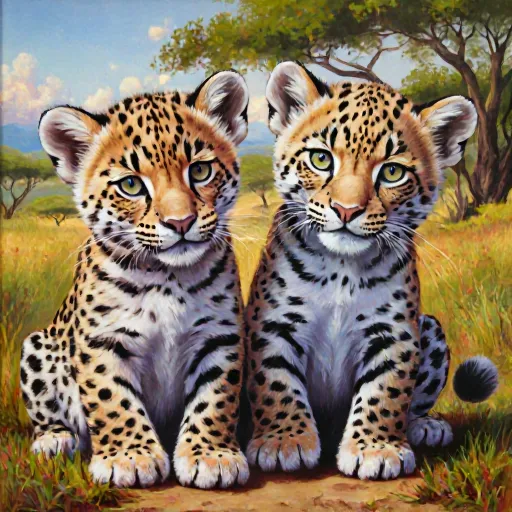
Cute Mini Leopards Show Off Their Bold Personalities
Mini Leopards with Big Personality
Table of Contents
- Introduction to Bengal Cats
- Origin and History of Bengal Cats
- Physical Characteristics of Bengal Cats
- Temperament and Personality Traits
- Health and Lifespan of Bengal Cats
- Dietary Requirements for Bengals
- Exercise Needs of Bengal Cats
- Grooming Your Bengal Cat
- Common Health Issues in Bengals
- Breeding and Litter Information for Bengals
- Training Tips for Bengal Cats
- Adopting a Bengal Cat as a Pet
- Conclusion
- FAQs About Bengal Cats
Introduction to Bengal Cats
Bengal cats, a captivating blend of beauty and grace, have gained immense popularity among cat enthusiasts worldwide. They are known for their striking coat patterns that resemble those of leopards or jaguars, giving them the nickname "Miniature Leopards." The Bengal breed is not just about appearance; it also embodies charm, intelligence, and an active, playful nature that makes them a unique addition to any family.
The history of Bengal cats dates back to the 1960s when Jean Mill, a breeder in California, began crossbreeding domestic cats with Asian Leopard Cats (Prionailurus bengalensis) to create a new breed that combined the exotic looks of wildcats with the temperament and health of house cats. This pioneering effort led to the establishment of the Bengal breed as we know it today.
Bengals are known for their agility, energy, and curiosity. They require plenty of mental and physical stimulation through toys, puzzles, and interactive play sessions. Unlike many other cat breeds, Bengals thrive in households where they can engage in activities that mimic the natural behaviors of a wildcat. This includes climbing, jumping, and exploring.
One of the most distinctive features of Bengal cats is their coat pattern. Their fur can be spotted or marbled, resembling the markings of a leopard or jaguar. The coloration ranges from golden to dark brown, with contrasting darker spots or stripes. The breed standard also allows for silver and champagne hues, which add to the unique look of each Bengal cat.
Bengals are highly intelligent and trainable. With proper training, they can learn tricks similar to those taught to dogs. Their ability to bond closely with their human companions makes them excellent pets for individuals who spend a lot of time at home or have active lifestyles that include regular playtime.
While Bengals are generally healthy cats, it is important to note that they may carry certain genetic traits from the wildcat ancestors. Therefore, potential owners should ensure they choose reputable breeders and inquire about health certifications for their future pet. Regular veterinary check-ups and a balanced diet tailored to meet their specific nutritional needs will help keep them in top condition.
In summary, Bengal cats are not only visually stunning but also lively and affectionate companions. Their unique combination of wildcat appearance and domestic cat temperament makes them an ideal choice for those looking for a pet that combines beauty with intelligence and energy.
Origin and History of Bengal Cats
Bengal cats, known for their stunning coat patterns that resemble those of leopards or marbled clouds, have a fascinating origin story. The first Bengal cat was created through a breeding program in the late 1960s and early 1970s by Jean Mill, an American breeder with a passion for creating a domesticated version of a wild leopard.
The Bengal's lineage traces back to the Siamese and domestic cats crossed with the Asian Leopard Cat (ALC), which is native to Southeast Asia. The aim was to create a domestic cat that could retain some of the exotic beauty of the leopard while maintaining the temperament of a house cat. This unique blend resulted in the creation of Bengal cats, who combine striking looks with an active and playful nature.
Initially, these cats were bred for their wild appearance but quickly gained popularity for their friendly and interactive personalities. The first Bengal cat was recognized by the International Cat Association (TICA) as a new breed in 1983. Over the years, the breed has become increasingly popular among cat enthusiasts who appreciate both their striking looks and their playful, energetic nature.
Their origins are a testament to human ingenuity and the desire to create something uniquely beautiful within the bounds of domestication. Bengal cats continue to captivate people with their unique blend of wild charm and domestic grace.
Physical Characteristics of Bengal Cats
The physical characteristics of Bengal cats are a fascinating blend of elegance and wild charm, making them some of the most striking felines around. In "Bengal Cats: The Miniature Leopard," these traits are highlighted as key features that set them apart from other domestic breeds.
Bengal cats are known for their unique and often mesmerizing appearance, which includes a sleek, muscular build. This breed is medium to large in size, with males typically larger than females. Their coat is short and water-resistant, thanks to the influence of their wild ancestor, the Asian leopard cat.
- Coat: The coat can be a variety of colors including brown tabby, snow (a lighter version), and silver. It has a distinct pattern that includes spots or marbling, resembling the markings of a leopard.
- Eyes: Their eyes are almond-shaped and typically have a greenish-gold hue, adding to their exotic appearance.
- Tail: Bengal cats have long, thick tails that are ringed like those of their wild cousins. The tail is an important part of their overall agility and grace.
The muscular structure of Bengal cats reflects their heritage as descendants of the agile jungle cat. This breed is known for its strength, speed, and flexibility. Their body is built with a strong, athletic frame that allows them to be both graceful and powerful.
Because of this build, Bengal cats are excellent climbers and jumpers. They have a natural curiosity and an active lifestyle which makes them thrive in environments where they can exercise their agility. This physicality also means that they require adequate space for play and activity.
Bengal cats are often described as having personalities that match their striking looks - lively, intelligent, and social. They are known to be very affectionate towards their human companions but can also be quite independent at times. Their energy levels are high, making them perfect for households where there is an active lifestyle.
Due to their wild heritage, they may exhibit some behaviors that remind one of their ancestors. For instance, they might enjoy swimming and climbing trees or fences in the house. Regular playtime and mental stimulation are important aspects of their care, keeping them happy and healthy.
- Diet: It is crucial to provide a balanced diet rich in nutrients suitable for active cats. Bengal cats should have access to high-quality cat food that meets their nutritional needs.
- Grooming: Despite having short, water-resistant coats, regular grooming is necessary due to the tendency of their coat to develop matting and tangles. Daily brushing can help maintain a healthy and shiny coat.
- Exercise: Regular play sessions are essential for keeping Bengal cats physically fit and mentally stimulated. Toys that encourage climbing or jumping can be particularly beneficial.
In conclusion, the physical characteristics of Bengal cats are not just about appearance; they also reflect their active lifestyle and wild heritage. Understanding these traits helps in providing appropriate care to ensure a happy and healthy life for these beautiful creatures.
Temperament and Personality Traits
Bengal cats, known for their strikingly beautiful coat patterns that resemble leopards, also come with unique temperaments and personality traits. These cats are a cross between domestic cats and Asian leopard cats, creating a fascinating blend of wildness and domesticity. Here’s an in-depth look at the temperament and personality traits you can expect from these miniature leopards:
Playfulness
Bengals are often described as playful and energetic. They love to chase toys, climb, and explore their environment. Due to their high energy levels, they require plenty of stimulation to keep them mentally and physically active. Interactive toys such as feather wands or laser pointers can help satisfy this natural curiosity.
Intelligence
Bengals are highly intelligent cats. They learn tricks quickly and have been known to open cabinet doors in search of treats. Their intelligence makes them excellent companions for families with children, as they often enjoy the company and interaction. However, this intelligence also means that they can be quite independent and may not always follow commands like some other breeds.
Affectionate
Bengals are affectionate cats but in their own unique way. They love to be around people, often following them from room to room, but they prefer quality time over constant attention. Their bond with their owners is strong and they enjoy being petted and cuddled when it suits them.
Curiosity
Bengals are naturally curious, much like their wild cousins. This curiosity often leads to adventures around the house or yard, so it’s important to provide a safe environment for them to explore. They will spend hours observing and interacting with their surroundings.
Independence
While affectionate, Bengals also value their independence. They are not overly clingy but do enjoy having someone to interact with. Their wild heritage means that they can be more self-sufficient than other breeds, which may make them more suitable for experienced cat owners.
Social
Bengals generally get along well with people and other pets in the household. They are social animals and thrive when there is a balanced environment of interaction and space to explore on their own terms.
Overall, Bengal cats bring a lot of excitement and companionship into your home. Their unique personality traits make them not just pets but also fascinating companions with whom you can share many memorable moments.
Health and Lifespan of Bengal Cats
Bengal cats, often referred to as "The Miniature Leopard," are known for their striking looks and active personalities. Understanding the health and lifespan of these feline companions is crucial for any owner looking to provide them with a long, healthy life.
Bengals are a relatively new breed, created by crossing domestic cats with Asian leopard cats. While this makes them unique in appearance, it also introduces potential health challenges due to the mixing of genes from different species. Owners should be aware that some genetic traits can increase the risk for certain health issues, such as:
- Patellar Luxation: A condition where the patella (knee cap) does not stay in its proper position.
- Hypertrophic Cardiomyopathy: An enlargement of the heart muscle that can lead to heart failure or other cardiac issues.
- Dental Issues: Bengals, like many cats, are prone to dental problems if not properly cared for.
To ensure a healthy life span, proper care is essential. Here are some key points:
- Diet: Bengals have high energy levels due to their wild heritage, so they require premium quality cat food that meets their nutritional needs without being too rich or heavy.
- Veterinary Check-ups: Regular visits to the vet for check-ups and vaccinations are important. Early detection of potential health issues can significantly improve outcomes.
- Dental Hygiene: Brushing their teeth regularly and providing appropriate chew toys or treats can help prevent dental problems.
The average lifespan for Bengal cats is similar to other breeds, typically around 12-15 years. However, with proper care and attention to health issues, it's possible for them to live even longer. Owners should aim to provide a balanced diet, plenty of exercise, and regular vet visits.
Bengals are incredibly active cats, often described as the "feline equivalent of a dog." They need lots of physical activity and mental stimulation. Owners should provide:
- Interactive toys like feather wands or laser pointers.
- Hanging platforms and climbing trees to encourage natural behaviors.
- Daily play sessions to keep them fit and healthy both physically and mentally.
In summary, Bengal cats are a wonderful addition to any home. By being aware of their potential health concerns and providing the right care, owners can help ensure that these beautiful and energetic felines live long, happy lives. Remember, every cat is unique, so regular check-ups and attentive care will go a long way in maintaining your Bengal's wellbeing.
Dietary Requirements for Bengals
Bengal cats, often referred to as "The Miniature Leopard," have unique dietary requirements due to their high energy levels and active nature. Proper nutrition is crucial for maintaining their health, vigor, and overall well-being.
High Protein Diet
Bengals require a higher protein content in their diet compared to other domestic cat breeds. This reflects their wild ancestry, as leopards are primarily carnivorous predators. A quality commercial cat food formulated specifically for active cats is ideal. Look for brands that list meat proteins (like chicken, fish, or turkey) as the first few ingredients.
Fresh Water and Hydration
Bengals need easy access to fresh water at all times. Due to their high energy expenditure, they require more hydration than other cats. Offering a variety of water sources such as a dripping faucet or a fountain-style bowl can encourage them to drink more. Avoid feeding your Bengal wet food only; ensure they have dry kibble and/or raw meat as well.
Supplements
Bengals may benefit from certain supplements, particularly if their diet is not perfectly balanced or during specific life stages like pregnancy or old age. Discuss with your veterinarian about the need for supplements such as:
- Vitamin E - To support immune health and skin integrity.
- Omega-3 Fatty Acids - For coat quality and joint health, which is especially important if your cat has a high activity level.
Digestibility
Bengals have a digestive system that is more similar to wild cats than domesticated breeds. Their fast metabolisms require food that is highly digestible and easy for their bodies to process. Foods low in filler ingredients like corn, soy, or wheat are preferable.
Special Considerations
Bengals can be prone to certain health issues such as dental disease and urinary tract problems. Therefore, incorporating foods that support oral hygiene (like taurine-rich foods) and promoting a healthy urinary system is essential. Feeding them canned tuna in spring water or other similar products can help with hydration.
Feeding Schedule
To meet their energetic needs, feeding Bengals multiple small meals throughout the day rather than one large meal may be beneficial. This mimics their wild ancestors' hunting and eating patterns. Always consult your veterinarian to determine the best feeding schedule for your specific Bengal.
Understanding and addressing the dietary requirements of a Bengal cat is key to ensuring they live long, healthy lives. By providing them with a balanced diet that meets these special needs, you can ensure your Bengal remains a vibrant, active companion for many years.
Exercise Needs of Bengal Cats
Bengal cats, often referred to as "the miniatures leopards," are known for their high energy levels and playful nature. Their unique physical attributes make them particularly active creatures that require ample opportunities for exercise. Here’s a detailed look at the exercise needs of Bengal cats:
Bengals have an instinctual drive to hunt, explore, and climb. This is rooted in their wild ancestry, making them more energetic than many other domesticated breeds. Providing sufficient outlets for this energy can prevent behavioral issues such as destructiveness or excessive vocalization.
Playtime
The cornerstone of exercise for Bengal cats involves playtime. Interactive toys that mimic prey are particularly effective in keeping them engaged and active. For example, laser pointers or feather wands can stimulate their natural hunting instincts. Ensure these sessions are frequent; ideally, 15-20 minutes daily.
Climbing and Jumping
Bengals love to climb high places just like their wild counterparts. Investing in multi-level cat furniture or climbing structures can provide them with the vertical space they crave. These setups not only keep your Bengal active but also help maintain their mental health by offering various exploration opportunities.
Environmental Enrichment
Creating an enriched environment is crucial for Bengals. Rotate toys regularly to prevent boredom, and introduce new stimuli such as scents or different textures. This variation keeps their senses engaged and encourages them to explore their surroundings more thoroughly.
Daily Walks (Optional)
While Bengal cats are not typically suited for outdoor walks due to their high energy levels, some pet owners opt for supervised outdoor time in secure areas. This allows Bengals to run free and exercise under controlled conditions, but it should be approached with caution.
- Interactive Toys: Choose toys that encourage chasing, pouncing, or hunting behaviors. Feather wands and laser pointers are excellent options.
- Climbing Structures: Provide multi-level furniture to satisfy their climbing needs. These can be vertical poles with platforms at different heights.
- Mental Stimulation: Use puzzle feeders or treat-dispensing toys that require some effort to solve, stimulating both physically and mentally.
- Vary the Routine: Avoid monotony by rotating their toys and introducing new objects periodically. This keeps them curious and engaged.
In summary, Bengal cats have a higher exercise requirement due to their heritage and personality traits. By providing ample playtime, climbing structures, environmental enrichment, and varied activities, you can help ensure your Bengal stays healthy both physically and mentally.
Grooming Your Bengal Cat
Common Health Issues in Bengals
Bengal cats, often referred to as the "miniature leopards" due to their striking appearance and wild cat-like behavior, are a unique breed known for their energy, intelligence, and athletic prowess. However, like any other feline, they can also be prone to certain health issues that owners should be aware of.
Bengals have a high metabolic rate and are very active, but this also makes them susceptible to respiratory infections. Common signs include sneezing, runny nose, and difficulty breathing. If you notice your Bengal exhibiting these symptoms, it's important to take them to the vet as soon as possible. Early treatment can prevent more serious complications.
Bengals are extremely active cats that enjoy climbing, jumping, and exploring their environment. This high level of activity can sometimes lead to joint problems such as hip dysplasia or arthritis. Owners should provide plenty of vertical space for climbing trees or cat towers, which can help alleviate some pressure on the joints.
Just like humans and other cats, Bengals need regular dental care to prevent issues such as plaque buildup, gingivitis, and periodontal disease. Owners should brush their cats' teeth regularly or use enzyme-based oral care products designed for pets. Regular check-ups with a veterinarian are also crucial for maintaining good dental health.
Bengals have hearty appetites due to their high energy levels and metabolism, which can sometimes lead them to overeat if not properly regulated. Overeating can cause weight gain, leading to obesity, which in turn increases the risk of various health problems including diabetes and heart disease.
Bengals are known for their intelligence and curiosity, but this can sometimes lead to destructive behaviors if not properly managed. For example, they might chew on wires or other household items out of boredom or curiosity. Providing plenty of mental stimulation through toys and puzzles can help keep your Bengal engaged and reduce the likelihood of destructive behavior.
Bengals have a strong immune system, but they can also be prone to certain immune-mediated diseases such as inflammatory bowel disease (IBD) or Felidae coronavirus. These conditions require careful monitoring and management by your veterinarian. Early diagnosis and appropriate treatment are key to managing these disorders effectively.
In summary, while Bengal cats are generally healthy and robust due to their selective breeding process, it's important for owners to be aware of the potential health issues they may face. Regular vet check-ups, proper diet control, adequate exercise, and good dental care can go a long way in keeping your Bengal cat happy and healthy.
Breeding and Litter Information for Bengals
Bengal cats, known as "the miniature leopard," are a fascinating breed due to their striking appearance and wild cat-like temperament. Breeding these beautiful felines requires careful attention to health, genetics, and temperament to ensure that each litter is as impressive as the last.
The breeding of Bengals involves a deep understanding of their genetic makeup. Bengals are the result of crossing domestic cats with Asian leopard cats (Prionailurus bengalensis), which contributes to their unique coat patterns and striking eyes. Breeders must carefully select parents that carry desirable traits such as coloration, pattern, and temperament.
Health Considerations
Health is paramount in breeding Bengals. Common health issues for Bengals include kidney disease and patella luxation. Regular vet check-ups are essential to monitor the health of both the mother and her kittens. Breeders should also ensure that their cats are vaccinated and free from any infectious diseases before starting a litter.
Selection of Parent Cats
Selecting the right parent cats is crucial for producing high-quality litters. Breeders often choose parents with similar traits, such as coat patterns, eye color, and temperament. However, it's important to balance these similarities with genetic diversity to prevent inbreeding depression.
Temperament and Socialization
Bengals are known for their playful and sociable nature, but this doesn't mean they can be left unsocialized. Breeders must ensure that the mother cat is socialized from a young age to maintain her friendly temperament with humans and other animals. This helps in producing kittens that are well-adjusted and easy-going.
Litter Care
Once the litter is born, proper care is essential for their healthy development. Kittens should be checked regularly for signs of health issues such as respiratory infections or diarrhea. The mother cat typically licks her kittens to stimulate urination and defecation, but breeders may need to assist if she doesn't do so.
Feeding and Nutrition
Nutrition plays a key role in the development of Bengal kittens. Breeders should provide a balanced diet that meets the specific nutritional needs of growing cats. This includes high-quality kitten food, which provides essential nutrients for their rapid growth.
Monitoring Growth and Development
Breeders need to monitor the physical development of each litter closely. Regular weigh-ins can help ensure that kittens are growing at a healthy rate. Additionally, breeders should observe behavior patterns to identify any signs of developmental issues early.
Preparing for Adoption
The final step in breeding Bengals is preparing the kittens for their new homes. This involves ensuring they are well socialized and have received all necessary vaccinations. It's also important to provide potential adopters with information about the breed's temperament, care requirements, and any specific health concerns.
Training Tips for Bengal Cats
Bengal cats, often referred to as "The Miniature Leopards," are known for their playful and energetic nature. Training these unique felines can be both challenging and rewarding. Here are some valuable training tips specifically tailored for Bengal cats:
Understanding Bengal Cat Behavior
Bengals are intelligent, curious, and highly active, which makes them excellent candidates for training. However, their prey drive and high energy levels mean that they need plenty of mental stimulation to keep them engaged and happy.
To effectively train your Bengal cat, it's crucial to understand their behavior:
- Playfulness: Bengals love to play and explore. Use this trait by incorporating games into training sessions.
- Energetic: Provide regular physical activity to prevent boredom or destructive behaviors.
- Inquisitive: They are curious, which can be both an asset and a challenge. Use this curiosity to your advantage when teaching new skills.
Consistency is Key
Like any other cat breed, consistency in training methods and routines is essential for Bengal cats as well. Cats learn through repetition and positive reinforcement. Be patient and persistent:
- Choose the right time: Train your Bengal when they are alert and not too hungry or tired.
- Stay positive: Use treats and praise to reward good behavior. Never punish; instead, redirect unwanted behaviors with gentle guidance.
- Be consistent: Stick to a routine for training sessions so your Bengal knows what to expect.
Use Clicker Training
Clicker training is an effective method that Bengals often respond well to. This technique involves using a small clicker followed by a treat when the cat performs the desired behavior:
- Introduce the clicker: Before starting training, allow your cat to associate the sound with treats.
- Click for action: Use the clicker as a signal that the behavior is correct and followed by offering a treat.
- Pause: Give your cat time to process the new command before repeating the exercise.
Mental Stimulation
To keep your Bengal engaged during training sessions, incorporate mental stimulation exercises that challenge their intelligence and physical activities that expend energy. Here are a few ideas:
- Treat-dispensing toys: Use toys that require problem-solving to get treats out.
- Flying discs: Throw small flying discs for your Bengal to chase and catch, mimicking their natural hunting instincts.
- Maze puzzles: Provide puzzle feeders or DIY maze structures where the cat has to work through to get food rewards.
Training Tips
Here are some practical tips that can help you train your Bengal effectively:
- Short sessions: Keep training sessions short (5-10 minutes) to avoid overwhelming your cat.
- Vary locations: Train in different areas of the house to prevent boredom and enhance learning.
- Pick up the pace: Occasionally mix in quick, high-energy training sessions with more relaxed ones to keep things interesting.
In conclusion, training a Bengal cat can be an enjoyable experience if you take into account their unique behaviors and needs. With patience, consistency, and creativity, you'll find that your Bengal will respond positively to training, leading to a stronger bond between you both.
Adopting a Bengal Cat as a Pet
Bengal cats, often referred to as "Miniature Leopards," are known for their striking appearance and high-energy personalities. If you're considering adopting a Bengal cat as a pet, there are several important factors to keep in mind before making this commitment.
Bengals are incredibly active and intelligent cats that require plenty of mental and physical stimulation. They are known for their playful nature, often engaging in activities like fetching toys or climbing up high surfaces. It’s crucial to provide them with interactive toys, scratching posts, and opportunities to explore both indoors and outdoors.
Bengal cats need ample space to run around and stretch their muscles. They are not suited for small apartments or crowded living spaces. If you live in an apartment, ensure that your balcony is secure enough so they can enjoy the fresh air safely without escaping. In homes with yards, a secure enclosed area would be ideal.
Bengals have high energy levels and require a diet rich in protein to maintain their health. High-quality dry or canned food formulated for active cats is recommended. It’s also beneficial to incorporate raw meat into your Bengal's diet, as it mimics their natural prey-driven instincts.
Regular vet check-ups are essential for Bengal cats due to their higher susceptibility to certain health issues like dental problems and skin infections. Additionally, they may need vaccinations specific to their lifestyle, such as those against rabies or feline leukemia depending on whether you expose them to other pets.
These cats learn quickly, making training easier but also necessitating ongoing education. Teaching basic commands and tricks can be both fun and rewarding for both the owner and the cat. Positive reinforcement methods work best with Bengals; using treats as rewards helps strengthen the bond between you.
In summary, adopting a Bengal cat involves more than just welcoming a beautiful feline into your home—it means preparing for an active companion who needs lots of attention and care. By understanding their unique characteristics and providing appropriate environments and diets, you can create a fulfilling relationship with this exotic yet loving pet.
Conclusion
The Bengal cat, often referred to as the "miniature leopard," is a unique and fascinating breed that has captured the hearts of many. This rare and strikingly beautiful cat was created through the hybridization of wild Asian Leopard cats with domesticated cats. The result is a sleek, muscular body with an array of elegant patterns reminiscent of its wild ancestor.
The Bengal's coat can vary widely in pattern, including marble, spotted, and raagdoll-like markings, all set against a rich background of black, brown, or gold. Their eyes are typically deep green, adding to their mystical appearance that evokes the wildness they carry within. Despite their wild origins, Bengals are known for their friendly and affectionate nature, making them great pets with a perfect balance between domesticated and wild behavior.
These cats require special care due to their unique coat type, which can be prone to matting if not properly maintained. Regular brushing is essential to keep their coats in top condition. Additionally, Bengals have high energy levels and need plenty of stimulation and exercise to prevent boredom and potential behavioral issues. Interactive toys and regular playtime are crucial for keeping them mentally engaged.
Feeding a Bengal cat should be tailored to its specific dietary needs; they tend to do well on high-quality dry food, but canned food can also be beneficial as it helps keep their teeth clean. It's important to monitor their weight due to their tendency to gain weight easily if not properly managed.
For those considering adopting a Bengal cat, understanding the breed's unique care requirements and ensuring they have the right environment is crucial. Bengals thrive in households where they receive ample attention and are given opportunities for physical activity and mental stimulation. Proper socialization from an early age can also help them adapt well to their home environment.
In conclusion, while Bengals may appear wild and exotic at first glance, with proper care and attention, they make wonderful pets that offer a unique experience of domesticated luxury and wild charm.
FAQs About Bengal Cats
- What makes a Bengal cat unique?
Bengal cats are often referred to as the "miniature leopards" due to their striking appearance and wild heritage. They carry genes from Asian leopard cats, which contribute to their distinctive coat patterns, such as spots or marbling. Their physical characteristics include thick coats, a muscular build, and large, expressive eyes.
- Are Bengal cats hypoallergenic?
No, Bengal cats are not generally considered hypoallergenic. However, like other breeds, individual sensitivities can vary. Some owners find that certain Bengals cause less allergic reactions than others, but there is no definitive proof of hypoallergenicity for this breed.
- How much exercise do Bengal cats need?
Bengals are energetic and playful. They thrive on mental and physical stimulation. Daily playtime with toys or interactive sessions can help satisfy their high energy levels. Providing them with scratching posts, climbing trees, and puzzle feeders is beneficial.
- How long do Bengal cats live?
The average lifespan of a Bengal cat is around 12 to 15 years. Like many other breeds, their overall health and longevity depend on proper nutrition, regular veterinary care, and a loving home.
- What kind of grooming does a Bengal cat need?
Bengals have thick coats that require regular brushing to prevent matting and reduce shedding. Weekly brushing sessions can help maintain their coat's health and appearance. Regular nail trimming, ear cleaning, and dental care are also essential.
- Are Bengal cats suitable for first-time owners?
Bengals tend to be very active and require a lot of attention. They may not always be the best choice for first-time cat owners who prefer lower-maintenance pets. However, if you can provide them with an enriched environment and plenty of interaction, they can make excellent companions.
- Do Bengal cats shed?
Bengal cats do shed, especially during certain times of the year like spring and fall. Their thick coats contribute to this higher level of shedding. Regular grooming can help manage this issue effectively.
- What special dietary considerations should owners keep in mind?
Bengals have high energy levels, so their diet should be tailored to meet these needs with a balanced mix of protein, fats, and carbohydrates. Consult your veterinarian for specific recommendations but generally aim for quality canned or dry food formulated for active cats.
- How social are Bengal cats?
Bengals are known for their sociable nature and love to engage with humans. They often form strong bonds with family members and can be very affectionate. However, they also enjoy playing independently and exploring their surroundings.
- What health issues should owners watch out for?
Bengals are generally healthy cats, but like all breeds, they can be prone to certain conditions such as dental disease due to their high energy levels which lead to more chewing and eating. Regular check-ups with a vet are recommended to catch any potential issues early.
Categories
- AI & Enrichment Play
- Broiler Farming
- Broiler Farming Tips
- Canine Wellness & Longevity
- Cat
- Cat & Human Connection
- Cat Adoption & Rescue
- Cat Breeds
- Cat Breeds & Personalities
- Cat Care & Health
- Cat Grooming & Hygiene
- Cat Lifestyle & Environment
- Cat Myths & History
- Cat Nutrition & Diet
- Cat Products & Reviews
- Cat Training & Behavior
- Comparison
- Consumer Awareness
- Dog
- Dog Accessories & Products
- Dog Adoption & Rescue
- Dog Breed & Lifestyle Trends
- Dog Breeding & Puppies
- Dog Entertainment & Media
- Dog Fashion & Trends
- Dog Fun & Lifestyle
- Dog Grooming & Hygiene
- Dog History & Culture
- Dog Myths, Science & Future Tech
- Dog News & Trends
- Dog Nutrition & Food
- Dog Psychology & Emotions
- Dog Safety & Security
- Dog Sports & Activities
- Dog Technology & Innovation
- Dog Training for Modern Owners
- Dog Travel & Adventure
- Dog Travel, Adventure & Culture
- Economic and Market Insights
- Educational Content
- FAQs
- Feeding Alternatives
- Festivals & Seasonal Ideas
- Fun & Entertainment
- General Knowledge
- General Pig Farming
- Health & Disease Management
- Housing and Environment
- Kittens
- Market Insights
- Miscellaneous
- Miscellaneous
- Motivational
- pig
- Pig Breeding
- Pig Breeds
- Pig Farming Stories and Inspiration
- Pig Health and Care
- Pig Nutrition
- Pig Products
- Profitability & Business
- Puppy Care
- Puppy Predictable Topics Reinvented
- Regional Focus
- Rescue & Adoption Buzz
- Senior Cats
- Senior Dog Care
- Smart Dog Tech & Gadgets
- Sustainability
- Sustainable & Eco-Friendly Dog Products
- Tech & Innovations
- Working & Service Dogs
- Broiler Feed66 products
- Country Feed33 products
- Pig Feed66 products
- Product22 products
- Raw Materials99 products
Products
-
 Fish Meal
₹1,999.00 – ₹2,999.00Price range: ₹1,999.00 through ₹2,999.00Rated 0 out of 5
Fish Meal
₹1,999.00 – ₹2,999.00Price range: ₹1,999.00 through ₹2,999.00Rated 0 out of 5 -
 FATTENING BROILER FEED
₹2,299.00 – ₹2,349.00Price range: ₹2,299.00 through ₹2,349.00Rated 0 out of 5
FATTENING BROILER FEED
₹2,299.00 – ₹2,349.00Price range: ₹2,299.00 through ₹2,349.00Rated 0 out of 5 -
 LAYER COUNTRY FEED
₹1,549.00 – ₹1,649.00Price range: ₹1,549.00 through ₹1,649.00Rated 0 out of 5
LAYER COUNTRY FEED
₹1,549.00 – ₹1,649.00Price range: ₹1,549.00 through ₹1,649.00Rated 0 out of 5 -
 COUNTER BROILER FEED
₹1,199.00 – ₹1,299.00Price range: ₹1,199.00 through ₹1,299.00Rated 0 out of 5
COUNTER BROILER FEED
₹1,199.00 – ₹1,299.00Price range: ₹1,199.00 through ₹1,299.00Rated 0 out of 5 -
 LACTATING PIG FEED
Rated 0 out of 5
LACTATING PIG FEED
Rated 0 out of 5₹2,299.00Original price was: ₹2,299.00.₹1,740.00Current price is: ₹1,740.00. -
 Maize
Rated 0 out of 5
Maize
Rated 0 out of 5₹1,650.00Original price was: ₹1,650.00.₹1,300.00Current price is: ₹1,300.00. -
 GESTATION PIG FEED (Phase 1)
Rated 0 out of 5
GESTATION PIG FEED (Phase 1)
Rated 0 out of 5₹2,249.00Original price was: ₹2,249.00.₹1,699.00Current price is: ₹1,699.00. -
 Pre Starter Broiler Feed
₹2,399.00 – ₹2,499.00Price range: ₹2,399.00 through ₹2,499.00Rated 0 out of 5
Pre Starter Broiler Feed
₹2,399.00 – ₹2,499.00Price range: ₹2,399.00 through ₹2,499.00Rated 0 out of 5 -
 FINISHER PIG FEED
Rated 0 out of 5
FINISHER PIG FEED
Rated 0 out of 5₹2,299.00Original price was: ₹2,299.00.₹1,749.00Current price is: ₹1,749.00. -
 Broiler Premix
Rated 0 out of 5
Broiler Premix
Rated 0 out of 5₹820.00Original price was: ₹820.00.₹699.00Current price is: ₹699.00.