
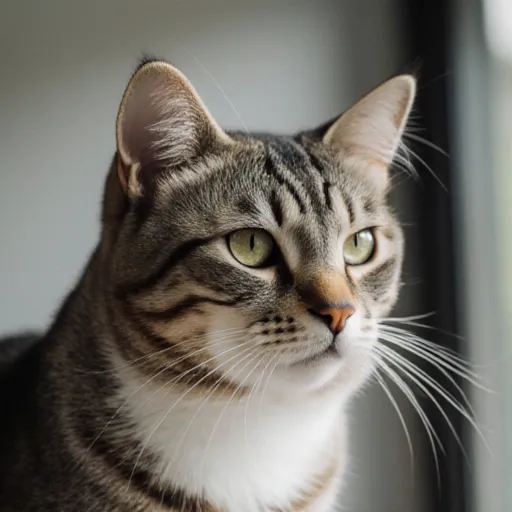
Transform your home into a cozy cat paradise!
How to Make Your Home Cat-Friendly
Table of Contents
- Selecting Cat-Safe Furniture
- Providing Appropriate Toys and Enrichment
- Creating a Safe Outdoor Space (If Possible)
- Ensuring Proper Nutrition
- Maintaining Cleanliness and Hygiene
- Establishing a Routine
- Providing Plenty of Water
- Creating Cat-Accessible Spaces
- Avoiding Toxic Plants and Chemicals
- Handling Stress and Separation Anxiety
- Regular Veterinary Check-Ups
- Introducing New Cats Gradually
- Training Your Cat Basic Commands
- FAQs
- Conclusion
Selecting Cat-Safe Furniture
Creating a cat-friendly home isn't just about providing scratching posts and litter boxes; it's also about ensuring that your furniture is safe and appealing to your feline companions. Cats are natural climbers, jumpers, and explorers, which means their environment should be designed with these behaviors in mind. Here’s how you can select furniture that not only looks good but is also cat-safe.
1. Upholstered Furniture
Cats love to climb on and jump onto furniture for a bird’s-eye view of the world. However, upholstered furniture can be problematic as it attracts fur, which can irritate your cat's sensitive skin or cause allergies. Opt for furniture made from materials like leather, which are less likely to attract fur.
- Leather: Leather is a great choice as it resists shedding and doesn't attract dust or pet hair.
- Vinyl: Vinyl is another excellent option as it is easy to clean and doesn’t hold onto fur or dander.
2. Built-In Furniture
Built-in furniture can be a stylish addition to your home, but it’s important to ensure that the design allows for easy cleaning and access for your cat. Ensure that built-ins have no sharp corners or small spaces where fur might get trapped.
- Bookshelves: Opt for open shelves over closed ones as they allow your cat to explore without getting stuck.
- Cabinets: Choose designs with easy-to-clean surfaces and consider adding a scratching post or window perch above them.
3. Furniture Placement
The way you place furniture can significantly impact your cat's behavior. Cats need spaces where they feel secure, so arrange your furniture to create natural pathways and perches that encourage exploration without causing stress.
- Main Paths: Ensure that main paths through the home are wide enough for your cat to walk on comfortably.
- Perches: Place a few low perches around the house, especially near windows or in quiet areas, so your cat can enjoy watching birds and sunbathing.
4. Safe Decorations
Furniture isn’t just about structure; it’s also about aesthetics. When choosing decorations for your furniture, consider items that are safe for cats to interact with. Cats love to play with dangling objects and strings.
- Bird Feathers: Attach small bird feathers to the edges of cushions or backs of chairs for an attractive decoration that also provides entertainment.
- Silks or Satins: These materials are not only beautiful but can also offer your cat a fun texture to explore and play with.
5. Furniture That Encourages Activity
Cats need mental stimulation just as much as they need physical exercise. Choose furniture that encourages them to climb, jump, or move around. This will help keep them happy and healthy.
- Cat Tree: A well-designed cat tree can serve as a multifunctional piece of furniture, providing scratching posts, perches, and even cozy spots for your cat to rest.
- Moving Platforms: Furniture that allows movement, such as ottomans with wheels or swiveling chairs, can keep cats engaged and active.
By considering these factors when selecting cat-safe furniture, you're not only creating a beautiful home but also ensuring the well-being of your furry friend. Remember, a little creativity goes a long way in making your home both stylish and safe for cats!
Providing Appropriate Toys and Enrichment
To make your home cat-friendly, providing appropriate toys and enrichment is a crucial step. Cats need stimulation to keep them mentally and physically healthy. Here are some practical tips and examples to help you create an environment that meets their needs.
Understanding Your Cat’s Needs
Cats are natural hunters and climbers, so it's essential to provide toys and activities that cater to these instincts. Spend time observing your cat; this will give you insight into what they enjoy most—whether it’s playing with a feather toy, chasing laser pointers, or climbing up tall trees.
Types of Toys
- Pouncing Toys: These toys are designed for pouncing and biting. Feather wands, mouse-like toys, and small balls that roll quickly are great options.
- Climbing Toys: Cats love to climb; consider getting a cat tree or climbing post with various levels where your pet can explore vertically. Some trees even have built-in scratch surfaces which help maintain their claws.
- Moving Toys: Devices that move on their own, like robotic mice or laser pointers, are fantastic for exercise and mental stimulation. These toys encourage cats to chase after moving targets, mimicking prey behavior.
Interactive Playtime
Playing with your cat regularly is not only fun but also strengthens the bond between you both. Interactive play sessions should be a part of daily routine. You can use string or feathers to mimic natural hunting behaviors, or try out puzzle feeders which make eating an engaging activity.
Enrichment Ideas
- Create Obstacle Courses: Use cardboard boxes, tunnels, and perches to create fun obstacle courses that encourage your cat to explore different parts of the house.
- Scent Enrichment: Cats are highly sensitive to scents. Introducing new smells can be exciting for them; consider adding fresh herbs like mint or rosemary around their play area.
- Vary Their Diet: Sometimes, changing the type of food you feed your cat slightly (e.g., switching between wet and dry) can provide an interesting twist that keeps them engaged with their meals.
Encouraging Natural Behaviors
Cats spend a lot of time grooming themselves, which is also a form of enrichment. Providing scratching posts or boxes where they can hide helps fulfill this need. Additionally, keeping an eye on their physical health—regular vet check-ups and proper nutrition—is important to ensure they are happy and content in their environment.
Conclusion
In summary, creating a cat-friendly home involves understanding your pet’s natural behaviors and providing them with suitable toys and enriching activities. By doing so, you not only keep your feline friend entertained but also support their overall health and wellbeing. Remember, every cat is unique; observe what brings joy to your specific kitty and tailor the environment accordingly.
Creating a Safe Outdoor Space (If Possible)
Creating a safe outdoor space for your pet, if possible, can significantly enhance their quality of life and provide them with much-needed exercise and stimulation. This is especially important for pets like cats who are naturally inclined to explore the outdoors. However, it's crucial to ensure that the space you create does not pose any risks to your cat or other animals.
Assessing Your Environment
The first step in creating a safe outdoor space is assessing your immediate environment. Look for potential hazards such as busy roads, toxic plants, and aggressive wildlife. If you live near a highway or busy street, the noise and traffic could be harmful to your cat. Additionally, certain plants like rhododendron, azalea, and sago palm can be poisonous if ingested by cats.
Secure Fencing
If you have a secure fence around your property, it’s essential to ensure that gaps are minimal. Cats are agile but not invincible when it comes to escaping enclosed spaces. Install motion-activated lights or reflective strips near the fence tops to deter cats from climbing over.
Safe Play Areas
Create a dedicated play area within your outdoor space where your cat can safely explore and play without facing external threats. Incorporate features such as bird feeders, climbing structures, and scratching posts that encourage natural behaviors while keeping them safe from harmful elements.
Monitor Your Cat
Even in a secure environment, it's important to monitor your cat when they are outdoors. Use a harness instead of a collar, which can slip off easily, and allow them to enjoy the fresh air while being under your supervision. This way, you can quickly intervene if there is any sign of danger.
Keep It Clean
A clean outdoor space is crucial for keeping your cat healthy. Remove any debris or waste regularly to prevent disease and parasites from affecting both your pet and the local wildlife. If using a litter tray outside, ensure it’s easily accessible but away from the main play area.
Encourage Healthy Behaviors
Incorporate activities that encourage healthy behaviors such as hunting or playing fetch. Interactive toys that mimic prey can be particularly engaging for cats. This not only keeps them physically active but also mentally stimulated, reducing boredom and stress.
Consider a Cat-Enclosed Yard
If you’re concerned about your cat’s safety outdoors, consider creating an enclosed yard with a secure fence or netting. This allows your cat to experience the outdoors without the risk of harm from traffic, predators, or other dangers.
By following these guidelines and taking precautions, you can create a safe outdoor space for your cat that enriches their life while keeping them protected from potential hazards. Remember, always prioritize your cat’s well-being above all else when designing an outdoor environment.
Ensuring Proper Nutrition
To ensure your home is truly cat-friendly, providing proper nutrition is one of the most important aspects. Proper nutrition isn't just about feeding your cat; it's about ensuring they have access to all necessary nutrients in the right proportions. This guide will help you understand what your cat needs and how to provide it effectively.
Understanding Your Cat's Nutritional Needs
Cats are obligate carnivores, which means their diet should primarily consist of meat. This is because cats have specific nutritional requirements that differ from those of omnivorous animals like humans and dogs. They need essential amino acids, vitamins, minerals, water, and protein to thrive.
Essential Nutrients for Cats
- Protein: Cats require high-quality animal proteins in their diet. Meat sources such as chicken, turkey, fish, and beef are ideal.
- Amino Acids: Essential amino acids like taurine, arginine, and methionine must be present in your cat's food to support heart health, vision, and overall metabolism.
- Vitamins: Vitamins A, D, E, and K are crucial for a healthy coat, strong bones, and proper immune function.
- Minerals: Cats need calcium, phosphorus, magnesium, potassium, sodium, chloride, sulfur, chlorine, and iodine. These minerals support bone health, muscle function, and electrolyte balance.
Creating a Cat-Friendly Environment
In addition to the right diet, creating an environment that encourages your cat's natural behaviors is essential for their overall well-being. This includes providing opportunities for play, exercise, and mental stimulation.
Playful Environments
- Toys: Offer a variety of toys such as feather wands, laser pointers, and interactive puzzle feeders to encourage physical activity and mental engagement.
- Trees and Climbing Structures: Cats are natural climbers. Providing vertical space for climbing and scratching helps satisfy their instincts while keeping them active.
Practical Tips for Ensuring Proper Nutrition
To ensure your cat gets the nutrients it needs, follow these practical tips:
- Choose High-Quality Food: Select a food that is specifically formulated for your cat's life stage—whether it’s kitten, adult, or senior. Look for brands that use high-quality meat as the main ingredient and avoid foods with excessive fillers.
- Mix Variety: While consistency in feeding is important, occasionally changing the type of food can help prevent boredom and ensure you're getting a wider range of nutrients.
- Supplement Wisely: Some cats may need supplements, especially if they have specific health conditions or dietary restrictions. Always consult with your veterinarian before adding any new supplements to your cat's diet.
- Provide Fresh Water: Clean, fresh water is essential for hydration and overall health. Consider using a pet fountain to encourage your cat to drink more water.
Frequent Check-Ups
Regular veterinary check-ups are vital to monitor your cat's nutritional status and overall health. Your vet can provide advice on specific dietary needs based on your cat's individual health profile. They may also recommend blood tests or other diagnostics if there are any concerns about nutrition.
In conclusion, ensuring proper nutrition is key to maintaining a healthy, happy home for your cat. By understanding their unique nutritional requirements and creating an enriching environment, you can help them lead a long, fulfilling life.
Maintaining Cleanliness and Hygiene
Ensuring that your home remains clean and hygienic is essential for both your health and your cat's well-being. A tidy environment can prevent the spread of bacteria, reduce the risk of infections, and create a safe space for your furry friend. Here are some practical tips to help you maintain cleanliness and hygiene while making your home cat-friendly.
1. Regular Cleaning
To keep your home clean, establish a regular cleaning schedule. This includes vacuuming or sweeping floors, washing bedding, and wiping down surfaces that come into contact with your cat. Cats are natural groomers, but they can still leave hair, food, and other debris behind.
2. Litter Box Maintenance
A clean litter box is crucial for both you and your cat. Scoop the litter at least once a day to remove any waste or clumps. An ideal frequency is to scoop after each time your cat uses it, especially if there are multiple cats in the household.
- Use unscented litter whenever possible to avoid irritating your cat's sense of smell.
- Change the litter entirely every 3-4 weeks or when it becomes soiled. This helps prevent the buildup of odors and bacteria.
- Aim for at least one litter box per cat, plus an extra one in larger households to reduce stress and promote cleanliness.
3. Furniture and Upholstery Care
Cats love to nap on soft furniture, but this can lead to hairballs and dust accumulation. Regularly clean your cat's preferred spots with a vacuum cleaner or brush. Consider using covers for couches and armchairs if you have a particularly adventurous feline.
4. Pest Control
Pests like fleas, ticks, and rodents can spread diseases not only to your cat but also to humans. Implementing an effective pest control plan is essential for maintaining hygiene in the home. Speak with a professional if you suspect any infestations.
- Use pet-safe flea collars or sprays designed to repel pests without harming your cat.
- Clean bedding and plush toys regularly to eliminate potential breeding grounds for insects.
- Avoid using harsh chemicals around your cat, as they may be toxic when ingested.
5. Water Sources
Your cat's water bowl should always be clean and filled with fresh water. Change the water at least once a day to prevent stagnation which can lead to bacterial growth. Consider using a fountain-style waterer as cats are more likely to drink from moving water.
6. Proper Disposal of Waste
Better waste management practices will help maintain cleanliness in your home. Use sealed trash bags for all cat-related waste, including litter box contents and any used bedding. Dispose of these items regularly to avoid attracting pests or spreading odors.
7. Ventilation
A well-ventilated space is important for both you and your cat's health. Ensure that windows are open whenever possible, especially in warmer months, allowing fresh air into the home. Proper ventilation helps reduce humidity levels, which can prevent mold growth.
Conclusion
Maintaining cleanliness and hygiene is a joint effort between you and your cat. By following these tips, you not only create a healthier living environment but also foster a stronger bond with your pet. A clean home contributes to a happy and healthy life for both you and your feline companion.
Establishing a Routine
Establishing a routine is crucial for maintaining your cat's well-being and making your home truly cat-friendly. Cats are naturally creatures of habit, and by creating a consistent daily schedule, you can ensure that both you and your feline companion have the best possible experience.
To effectively establish a routine for your cat, it's important to understand their natural behavior. Cats are crepuscular animals, meaning they tend to be most active at dawn and dusk. This is why many cats spend much of the day sleeping and napping. By aligning your routine with theirs, you can create an environment where both you and your pet thrive.
Feeding Times
Cats need定时ายน了
To make your home cat-friendly, it is crucial to ensure that your kitty has access to plenty of water. Cats are naturally inclined to be somewhat elusive when it comes to drinking, and they often prefer fresh, clean water over stagnant or chemically treated options. Here are some practical tips to encourage your cat to drink more: Cats have a higher threshold for detecting impurities in their water than humans do. Ensuring that the water you provide is clean and fresh can make a significant difference in their willingness to drink. Change the water at least once a day, or more frequently if your cat has access to it throughout the day. Cats are territorial creatures, and they often feel safer when there is more than one option for drinking. Place water bowls in different areas of your home so that your cat doesn't have to walk far or worry about territory disputes with other cats in the house. Cats often prefer moving water, and a pet drinking fountain can be an excellent option for encouraging them to drink more. These fountains typically have a filter that keeps the water fresh, and the flow of water is usually appealing to cats. The type of bowl you choose can also impact your cat's willingness to drink from it. Some cats prefer wider, shallow bowls, while others prefer deeper ones. It might be a good idea to try different types and see which one works best for your furry friend. Incorporating flavors or adding ice cubes can sometimes make water more appealing to cats. However, it’s important not to overdo this as too many additives might deter them from drinking altogether. A little bit of chicken broth (unsalted) or tuna water could be a good start. Regularly monitoring your cat’s water intake can help you notice any changes in behavior that might indicate health issues. If your cat is not drinking as much as usual, it could signal dehydration or other underlying problems. In conclusion, providing plenty of water for your cat should be a priority to ensure their overall well-being. By following these tips and being attentive to your cat's preferences, you can help maintain a healthy lifestyle for your feline companion. Creating cat-accessible spaces is crucial for ensuring your feline friend feels safe, secure, and stimulated within your home. A cat-friendly environment allows them to explore, play, and relax in areas that are designed specifically for their needs. By making these modifications, you can help prevent behavior issues such as scratching furniture or pouncing on inappropriate objects. Cat towers provide a vertical space where your cat can roam and explore without worrying about falling off. These multi-leveled structures are perfect for keeping cats entertained and out of trouble. When choosing a tower, consider its height; taller ones give cats the best vantage point from which to observe their surroundings. Besides vertical space, horizontal spaces are equally important for cats. These include areas such as shelves, tables, and even the tops of doors which can be transformed into safe havens by adding platforms or perches. A labyrinth play area is a fun and engaging environment that encourages exercise and mental stimulation for cats. This can be as simple as stringing up yarn or fabric strips between furniture pieces, creating paths that lead to interesting destinations like toys or treats. If possible, allowing outdoor access can greatly enhance a cat's quality of life. However, you should take precautions to ensure their safety outside. A secure catio (cat patio) can provide this environment. It allows your cat to enjoy the outdoors while being protected from dangers such as traffic and other animals. Incorporating these features into your home not only makes it more cat-friendly but also strengthens the bond between you and your pet. Remember, creating accessible spaces involves planning and creativity, yet the result is a happier and healthier companion. To ensure your home is truly cat-friendly, it's crucial to avoid toxic plants and chemicals that could harm your furry companion. Cats are curious creatures, and they often explore their environment by sniffing, chewing, or licking objects around them. This natural behavior can unfortunately lead to ingestion of harmful substances if precautions aren't taken. Cleaning products and other household chemicals should be stored securely as they pose a risk to your cat's health. Here’s what you need to look out for: To make your home safer for cats, follow these practical tips: By taking these steps, you can create a safer and happier environment for your beloved feline companion. Remember that prevention is key, so it's better to be proactive in safeguarding against potential dangers rather than reactive after an incident has occurred. Dealing with stress and separation anxiety is a critical aspect of making your home cat-friendly, especially for pet owners who are often away from home during the day. Cats, like all animals, can experience stress when they feel anxious or unsafe in their environment. Here’s how you can create a more cat-friendly home to help manage these issues: Cats are creatures of habit and thrive on routine. When their daily routines are disrupted, it can lead to stress. Cats that experience separation anxiety may exhibit signs such as excessive meowing, scratching at doors or windows, destroying furniture, or even eliminating outside the litter box. These behaviors not only distress your cat but also create a stressful environment for you. To make your home more cat-friendly and reduce stress and separation anxiety: To help manage your cat's separation anxiety, try these practical tips: By creating a comfortable, stimulating, and secure home environment, you can significantly reduce your cat's stress levels and manage their separation anxiety effectively. Remember, the key is consistency and understanding of your cat’s needs. Regular veterinary check-ups are essential for maintaining your cat's health and ensuring that any potential issues are caught early. Just like keeping your home cat-friendly, regular vet visits play a crucial role in preventing diseases and promoting overall well-being. To make the experience less stressful for both you and your cat, here are some tips: While this section focuses on regular veterinary check-ups, it’s also important to create a home environment that supports your cat's health and well-being. Here are some practical steps: In conclusion, regular veterinary check-ups are a key part of maintaining your cat's health, just like making your home cat-friendly is essential for their overall well-being. By combining these two approaches, you can ensure that your furry friend lives a long and healthy life. Welcome to your new furry family members! Introducing a new cat into your home can be exciting, but it's important to make the transition as smooth as possible for both the existing cats and the newcomer. This process should be gradual and considerate of the established hierarchy within your household. Here’s how you can ensure a successful introduction. To prepare your home for the new addition, create an environment that is welcoming to both the existing cats and the newcomer. Follow the advice from our guide on how to make your home cat-friendly. This includes providing separate feeding areas, water sources, litter boxes, and spaces for each cat to feel secure. The key to a successful introduction is to introduce the cats gradually. This involves keeping them in separate rooms at first, allowing one or both of them time to get used to the scent and sounds of the new arrival through closed doors. Here’s how you can proceed: To encourage positive interactions, it's important to keep the experience rewarding for both cats. Here are some tips: It's crucial to closely monitor the behavior of your existing cats and the new arrival. Signs of stress can include hiding, decreased appetite, and increased aggression. If you notice any of these signs, it may be necessary to slow down the introduction process or seek professional advice. If the introduction is not going well despite your best efforts, consider seeking help from a veterinarian or animal behaviorist who can provide tailored advice and possibly recommend medication or other interventions to ease tensions between cats. By following these steps and creating a cat-friendly environment, you will be setting both your existing cats and the new arrival up for success. A gradual introduction ensures that everyone feels secure and respected within their home. Training your cat basic commands can significantly enhance its behavior and make living together more enjoyable for both you and your feline companion. This section will guide you through essential steps to train your cat, ensuring a harmonious home environment. Before diving into command training, it's crucial to create an environment that promotes positive behavior and minimizes stress. Refer to the "How to Make Your Home Cat-Friendly" guide for practical tips on arranging your living space to cater to your cat's needs. Cats respond well to positive reinforcement, which involves rewarding good behavior rather than punishing bad behavior. Understanding what motivates your cat is key to successful training. Cats are naturally curious and can be trained using treats or playtime as incentives. To effectively train your cat, consistency is paramount. Cats thrive in routines and respond well to repetition. Always use the same command words for each action and ensure that all family members are consistent with their training methods. Cats can be unpredictable, and they may not learn commands as quickly as dogs. Be patient and persistent in your efforts. If one method doesn't work, try another. Positive reinforcement is the most effective approach for training cats. By creating a cat-friendly home environment and consistently applying these training tips, you can successfully teach your feline friend basic commands. Remember, the goal is not only for your cat to perform these actions but also to enjoy the process and strengthen your bond. Making your home cat-friendly involves creating a safe, stimulating environment that meets all of your pet’s needs. Here are some practical steps and tips: Interactive toys: Stimulate your cat’s mind with interactive toys like feather wands or laser pointers. These can help keep your cat active and engaged. Regular cleaning and maintenance: Keep your home clean to reduce stress for your cat. Regularly vacuum, dust, and clean litter boxes. Cats can show signs of stress in various ways, such as hiding more than usual or over-grooming themselves. Here are some steps to help reduce stress: If you notice persistent stress behaviors that do not improve with adjustments, consult your veterinarian for further advice. Stress in cats can lead to health issues if left unaddressed. Cats are natural-born hunters and require mental and physical stimulation to stay healthy and happy. Here’s how you can ensure your cat gets enough exercise: Cats that receive adequate exercise are less likely to suffer from obesity or behavioral problems such as aggression due to pent-up energy. Creating a cat-friendly home is essential for both your pet's well-being and peace of mind. A safe, stimulating, and comfortable environment can significantly enhance your cat's quality of life, leading to increased happiness and health. Here are some practical steps and tips to make your home safer and more welcoming for your feline friend: A designated space away from busy areas is crucial for cats who feel anxious in high-traffic zones. This can be a cozy corner with a soft bed, toys, and perches. Ensure that this area has minimal foot traffic so your cat feels secure. Cats often jump on curtains to reach birds or simply because they are curious. To prevent accidents, consider installing pet-friendly window treatments such as baby-proof window guards or heavy drapes that cats cannot easily climb onto. Raised feeding stations can help reduce shoulder pain for your cat while eating and drinking. Place these at a height where your cat feels safe and secure, often slightly above the ground level but not too high to be stressful. Cats are natural climbers and nibblers; thus, ensuring that no toxic plants are within their reach is a must. Research common indoor plants like lilies or oleander which can be deadly to cats. Instead, opt for cat-safe alternatives. Cats love vertical space; providing multi-level perches allows them to feel safe and observe their surroundings without feeling cornered. These perches should be strategically placed around the home at various heights. A well-ventilated home is essential for both you and your cat's health. However, ensure that drafts or strong airflows do not blow directly on your cat’s sleeping areas as they can be uncomfortable and stressful. To keep your cat mentally stimulated, provide interactive toys such as feather wands or laser pointers. Puzzle feeders are also excellent for mental stimulation as they require problem-solving to access food. A clean home is not only safer but can help prevent health issues. Regularly clean litter boxes and maintain hygiene in eating areas. Cats are fastidious groomers, so ensure their environment supports this behavior without causing stress or discomfort. By implementing these steps, you will create a home that fosters a happy and healthy life for your cat. Remember, the key is to observe your pet's behaviors and preferences to tailor the environment accordingly. Each cat is unique, so what works well for one might not be suitable for another.Providing Plenty of Water
1. Offer Fresh Water Regularly
2. Use Multiple Water Bowls
3. Consider a Drinking Fountain
4. Choose the Right Bowl
5. Make Water More Appealing
6. Monitor Your Cat's Water Intake
Creating Cat-Accessible Spaces
High-Rise Cat Towers
Horizontal Spaces
Labyrinth Play Areas
Safe Outdoors
Conclusion
Avoiding Toxic Plants and Chemicals
Common Toxic Plants for Cats
Potentially Harmful Chemicals
Practical Advice for Creating a Cat-Friendly Home
Handling Stress and Separation Anxiety
Regular Veterinary Check-Ups
Introducing New Cats Gradually
Creating a Cat-Friendly Environment
Gradual Introduction
Encouraging Positive Interactions
Monitoring Their Behavior
Professional Help
Training Your Cat Basic Commands
Cat-Specific Needs
Basic Commands to Teach
Patience Is Paramount
FAQs
How can I make my home cat-friendly?
What should I do if my cat is stressed?
How much exercise does my cat need?
Conclusion
1. Provide a Safe Space
2. Install Pet-Friendly Curtains
3. Elevate Food and Water Bowls
4. Keep Toxic Plants Away
5. Offer Multi-Level Perches
6. Ensure Proper Ventilation
7. Provide Enrichment Activities
8. Maintain a Clean Environment
Categories
- AI & Enrichment Play
- Broiler Farming
- Broiler Farming Tips
- Canine Wellness & Longevity
- Cat
- Cat & Human Connection
- Cat Adoption & Rescue
- Cat Breeds
- Cat Breeds & Personalities
- Cat Care & Health
- Cat Grooming & Hygiene
- Cat Lifestyle & Environment
- Cat Myths & History
- Cat Nutrition & Diet
- Cat Products & Reviews
- Cat Training & Behavior
- Comparison
- Consumer Awareness
- Dog
- Dog Accessories & Products
- Dog Adoption & Rescue
- Dog Breed & Lifestyle Trends
- Dog Breeding & Puppies
- Dog Entertainment & Media
- Dog Fashion & Trends
- Dog Fun & Lifestyle
- Dog Grooming & Hygiene
- Dog History & Culture
- Dog Myths, Science & Future Tech
- Dog News & Trends
- Dog Nutrition & Food
- Dog Psychology & Emotions
- Dog Safety & Security
- Dog Sports & Activities
- Dog Technology & Innovation
- Dog Training for Modern Owners
- Dog Travel & Adventure
- Dog Travel, Adventure & Culture
- Economic and Market Insights
- Educational Content
- FAQs
- Feeding Alternatives
- Festivals & Seasonal Ideas
- Fun & Entertainment
- General Knowledge
- General Pig Farming
- Health & Disease Management
- Housing and Environment
- Kittens
- Market Insights
- Miscellaneous
- Miscellaneous
- Motivational
- pig
- Pig Breeding
- Pig Breeds
- Pig Farming Stories and Inspiration
- Pig Health and Care
- Pig Nutrition
- Pig Products
- Profitability & Business
- Puppy Care
- Puppy Predictable Topics Reinvented
- Regional Focus
- Rescue & Adoption Buzz
- Senior Cats
- Senior Dog Care
- Smart Dog Tech & Gadgets
- Sustainability
- Sustainable & Eco-Friendly Dog Products
- Tech & Innovations
- Working & Service Dogs
- Broiler Feed66 products
- Country Feed33 products
- Pig Feed66 products
- Product22 products
- Raw Materials99 products
Products
-
 Fish Meal
₹1,999.00 – ₹2,999.00Price range: ₹1,999.00 through ₹2,999.00Rated 0 out of 5
Fish Meal
₹1,999.00 – ₹2,999.00Price range: ₹1,999.00 through ₹2,999.00Rated 0 out of 5 -
 FATTENING BROILER FEED
₹2,299.00 – ₹2,349.00Price range: ₹2,299.00 through ₹2,349.00Rated 0 out of 5
FATTENING BROILER FEED
₹2,299.00 – ₹2,349.00Price range: ₹2,299.00 through ₹2,349.00Rated 0 out of 5 -
 LAYER COUNTRY FEED
₹1,549.00 – ₹1,649.00Price range: ₹1,549.00 through ₹1,649.00Rated 0 out of 5
LAYER COUNTRY FEED
₹1,549.00 – ₹1,649.00Price range: ₹1,549.00 through ₹1,649.00Rated 0 out of 5 -
 COUNTER BROILER FEED
₹1,199.00 – ₹1,299.00Price range: ₹1,199.00 through ₹1,299.00Rated 0 out of 5
COUNTER BROILER FEED
₹1,199.00 – ₹1,299.00Price range: ₹1,199.00 through ₹1,299.00Rated 0 out of 5 -
 LACTATING PIG FEED
Rated 0 out of 5
LACTATING PIG FEED
Rated 0 out of 5₹2,299.00Original price was: ₹2,299.00.₹1,740.00Current price is: ₹1,740.00. -
 Maize
Rated 0 out of 5
Maize
Rated 0 out of 5₹1,650.00Original price was: ₹1,650.00.₹1,300.00Current price is: ₹1,300.00. -
 GESTATION PIG FEED (Phase 1)
Rated 0 out of 5
GESTATION PIG FEED (Phase 1)
Rated 0 out of 5₹2,249.00Original price was: ₹2,249.00.₹1,699.00Current price is: ₹1,699.00. -
 Pre Starter Broiler Feed
₹2,399.00 – ₹2,499.00Price range: ₹2,399.00 through ₹2,499.00Rated 0 out of 5
Pre Starter Broiler Feed
₹2,399.00 – ₹2,499.00Price range: ₹2,399.00 through ₹2,499.00Rated 0 out of 5 -
 FINISHER PIG FEED
Rated 0 out of 5
FINISHER PIG FEED
Rated 0 out of 5₹2,299.00Original price was: ₹2,299.00.₹1,749.00Current price is: ₹1,749.00. -
 Broiler Premix
Rated 0 out of 5
Broiler Premix
Rated 0 out of 5₹820.00Original price was: ₹820.00.₹699.00Current price is: ₹699.00.