
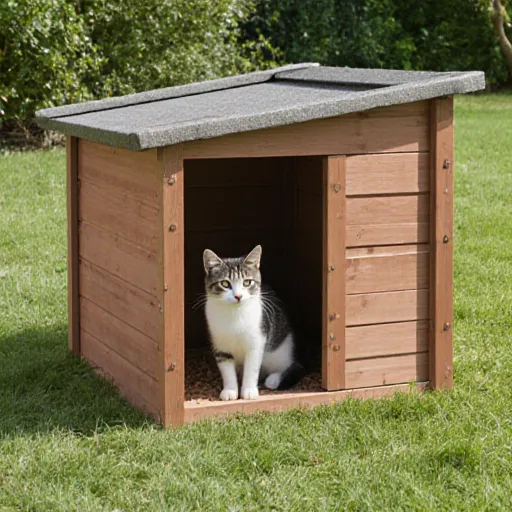
Protect your cat's outdoor space today!
Secure Your Feline Outdoors Haven
Table of Contents
- Selecting the Right Location for Your Cat's Enclosure
- Choosing Materials for Your Enclosure
- Building a Fence-Free Design
- Ensuring Proper Ventilation
- Adding Perches and Platforms
- Including Hidden Spaces for Resting
- Planting Native Plants to Attract Insects
- Providing Shade in Hot Weather
- Offering Fresh Water and Food Sources
- Securing the Enclosure Against Predators
- Regular Maintenance to Keep It Clean
- Introducing Your Cat Gradually
- Observing and Adjusting as Needed
- Frequently Asked Questions (FAQ)
- Conclusion
Selecting the Right Location for Your Cat's Enclosure
Selecting the right location for your cat's enclosure is crucial in ensuring both their safety and comfort. While creating a safe outdoor cat enclosure, careful consideration of several factors can make all the difference. Here are some key points to consider:
1. Shade and Sunlight
Your cat’s enclosure should be placed where they will receive appropriate shade during hot summer days and sufficient sunlight for cold winter mornings. Direct exposure to extreme temperatures can be harmful, so finding the right balance is essential. For instance, placing an enclosure under a large tree or near a covered porch can provide natural protection from harsh sun rays.
2. Privacy
Cats are naturally territorial and prefer privacy when they feel safe and secure. Ensure that the location of your cat’s enclosure is not too exposed, but also visible enough to you so that you can monitor them without intruding on their space. A quiet corner far from busy streets or loud areas will help your cat feel comfortable.
3. Ventilation
Adequate ventilation is key for maintaining good air quality and preventing stuffiness inside the enclosure. If possible, choose a spot with gentle cross-breezes that can naturally ventilate the area without causing discomfort to your cat. Avoid locations where stagnant or toxic fumes might accumulate.
4. Security
The safety of your cat is paramount when choosing a location for their enclosure. Ensure it’s not near busy roads, construction sites, or other potentially dangerous areas. Additionally, consider the proximity to neighbors and pets; you don’t want to inadvertently cause a conflict in the neighborhood.
5. Accessibility
While ensuring your cat has privacy is important, so too is making sure that you can access the enclosure easily for feeding, cleaning, or simply checking on them. A location close enough to your home but not overly convenient (to avoid constant visits) strikes a good balance.
6. Climate Considerations
Different climates present different challenges; thus, selecting the right spot is vital. For instance, in regions prone to heavy snowfalls, ensuring that the enclosure remains accessible and safe throughout winter months becomes crucial. In areas with frequent storms or strong winds, choose a sheltered area.
Practical Advice
- Use Fencing: Install secure fencing around the enclosure to prevent escapees and keep out unwanted visitors like wild animals or neighborhood dogs.
- Provide Shelter: Include a sheltered area within the enclosure for your cat to retreat into during bad weather or when feeling anxious.
- Regular Maintenance: Keep the enclosure clean and maintain it regularly to ensure its safety and comfort for your cat over time.
In conclusion, finding the right location for your cat’s outdoor enclosure involves thoughtful planning that considers multiple factors. By providing a safe, comfortable, and inviting space, you can enhance both the health and happiness of your feline companion while also reducing any risks associated with free-roaming cats.
Choosing Materials for Your Enclosure
When creating a safe outdoor cat enclosure, selecting the right materials is crucial to ensure your feline friend has a comfortable and secure space. The materials you choose will impact not only the durability of the structure but also its ability to provide shade, protection from elements, and visual stimulation for your pet.
1. Fencing Material
The fencing material should be sturdy enough to prevent your cat from escaping while still being safe for them. Some popular options include:
- Zinc-coated or galvanized wire mesh: This is a common choice due to its durability and affordability. Ensure the wires are small enough (1/2 inch) so that your cat cannot squeeze through.
- PVC-coated wire mesh: Offers similar protection but may be more suitable for areas where rabbits or other small animals might also use it, as it's easier to clean and does not rust.
- Fencing panels: Pre-fabricated fencing panels can make construction easier. They come in various styles and colors that blend well with your garden.
2. Roofing Material
A roof is essential to protect your cat from rain, sun, and excessive heat or cold. Consider the following options:
- Canvas: Lightweight and breathable, making it ideal for a summer shelter. However, it requires regular cleaning to prevent mold.
- PVC: Durable and easy to clean, but less aesthetically pleasing than other options.
- Tarp or plastic sheeting: Inexpensive and quick to install, but not the most visually appealing. It can also be a fire hazard if not properly secured.
3. Flooring Material
The flooring material should provide comfort for your cat and durability for the enclosure:
- Grass: Natural grass is a great option as it allows your cat to dig, roll around, and enjoy fresh air. However, it requires regular maintenance.
- Pebbles or gravel: Easy to clean but can be uncomfortable for your cat's paws in the long run.
- Bamboo matting: Soft yet durable, making it a good balance between comfort and longevity. It’s also easy to clean.
4. Additional Elements
Incorporating additional elements can enhance your cat's experience in the enclosure:
- Shelves or perches: These can be made from wood or metal and placed at various heights to give your cat a variety of climbing and resting options.
- Toys and scratching posts: Include these to keep your cat mentally and physically stimulated. Rotate toys regularly to maintain interest.
- Beds: Provide soft beds for your cat to rest in, ensuring they have a comfortable space to relax.
In summary, when choosing materials for your outdoor cat enclosure, consider the climate of your region, the amount of maintenance you are willing to commit to, and the comfort and safety of your pet. By selecting appropriate fencing material, roofing, flooring, and additional elements, you can create an enclosed space that is both functional and enjoyable for your feline friend.
Building a Fence-Free Design
In the quest for creating a safe and stimulating outdoor environment for your beloved cats, you might be considering traditional fenced enclosures. However, modern advancements in design have led to innovative solutions that eliminate the need for fences while maintaining safety. These fence-free designs are not only aesthetically pleasing but also provide ample space for your cat's exploration and play.
The concept of building a fence-free design revolves around creating an enclosed area that is secure yet open. This approach ensures that your cats have the freedom to explore while being protected from potential dangers such as traffic, predators, and other hazards.
1. Utilizing Natural Boundaries
Nature provides its own set of boundaries which can be harnessed effectively for creating a secure outdoor space. Trees, shrubs, and hedges can act as natural barriers that complement man-made structures to form an enclosed area.
Example: Place your cat's enclosure in the corner of your garden where it is surrounded by tall trees on one side and a hedge on another. This setup not only offers protection but also enhances the aesthetic appeal of the space.
2. Implementing High-Quality Fencing Alternatives
While completely eliminating fences may be impractical, using high-quality alternatives can offer excellent security without sacrificing beauty. Options such as high-tensile wire mesh or bamboo fencing can serve both functional and decorative purposes.
Practical Tip: Use a combination of materials to create interesting visual patterns that blend in with your existing garden design. For instance, mix bamboo and ironwork to create a fence that is both strong and elegant.
3. Installing Secure Gates
While you may want to allow your cats the freedom to come and go as they please, it's crucial that there are secure gates at strategic points of entry and exit. These gates should be made from sturdy materials like metal or reinforced wood.
Example: Install a sliding gate with a latch mechanism on one side of the enclosure for easy access. Ensure that you also have a secondary lock system for added safety.
4. Adding Obstacles and Enrichment Features
To keep your cats engaged and stimulated, incorporate various obstacles within the enclosed space. These can include tunnels made from old carpet rolls, perches on trees or poles, and hanging toys that encourage climbing and stretching.
Practical Advice: Rotate enrichment items periodically to maintain novelty and interest for your cats. This could involve swapping out different types of treats or introducing new interactive puzzles daily.
5. Ensuring Visibility and Ventilation
A well-designed fence-free enclosure should have ample windows or glass panels to allow natural light and fresh air inside. Proper ventilation helps maintain a healthy environment for your cats by preventing stuffiness and ensuring proper airflow.
Tip: Incorporate skylights if possible; they not only let in sunlight but also create an inviting atmosphere that mimics the outdoors.
In conclusion, building a fence-free design for your outdoor cat enclosure is achievable with creativity and careful planning. By leveraging natural boundaries, using high-quality fencing alternatives, installing secure gates, adding enriching features, and ensuring good ventilation, you can create an inviting yet safe space that your cats will love.
Ensuring Proper Ventilation
To ensure your outdoor cat enclosure is safe and comfortable, proper ventilation is crucial. Cats need fresh air circulation to maintain good health, prevent heatstroke during warmer months, and reduce the risk of mold and mildew buildup which can be harmful if ingested.
Understanding Ventilation Needs
Cats are sensitive to changes in temperature and humidity. By providing adequate ventilation, you help regulate these factors, creating an environment that is both comfortable for your cat and free from potential health risks. Ventilation also helps to prevent the accumulation of carbon dioxide and other potentially harmful gases.
Types of Ventilation
- Top Ventilation: Ensuring there are openings at the top of the enclosure allows for better air circulation. This can be achieved through mesh panels or specially designed ventilation covers.
- Sidewall Ventilation: Side vents provide additional airflow and help to control temperature by allowing hot air to escape in summer and cold air to enter in winter.
Practical Examples
You can install vents that are easy to open or close depending on the weather. For instance, using sliding mesh panels can be a great option as they allow for adjustable ventilation based on your cat's needs and the outdoor conditions.
An example of a practical solution is installing screened windows in the enclosure walls. These not only provide necessary airflow but also protect against pests like mosquitoes and flies that might pose a threat to your cat.
Considerations for Humidity
High humidity can be a significant issue, especially if your area experiences frequent rain or high moisture levels. To combat this, ensure that the enclosure is elevated off the ground, allowing for better air flow underneath and around it. Avoid placing the enclosure in areas prone to standing water.
Monitoring and Maintenance
Regularly check the ventilation system of your cat’s outdoor enclosure. Ensure that the openings are not blocked by debris such as leaves, twigs, or dirt, which can impede airflow. Clean the vents periodically to remove any dust or cobwebs.
By keeping a close eye on the condition of the ventilation in your cat's outdoor space, you help ensure it remains safe and comfortable year-round. Always consider the specific needs of your pet when setting up these features; after all, creating a safe environment for your feline friend is paramount.
Adding Perches and Platforms
To ensure your outdoor cat enclosure is not just a secure space but also stimulating and comfortable, adding perches and platforms is an essential step. These features provide vertical spaces for your cat to explore, play, and rest, which are crucial elements in creating a balanced environment that mimics their natural habitat.
Why Perches and Platforms?
- Mimics Natural Behavior: Cats love to climb and perch. Providing vertical spaces helps them exercise this natural instinct, reducing stress and promoting physical health.
- Enhances Exploration: Vertical structures offer a new dimension for your cat to explore, which can help keep them mentally stimulated.
- Social Interaction: Platforms create vantage points where cats can observe their environment without feeling enclosed or threatened. This promotes a sense of security and socialization.
Selecting the Right Perches and Platforms
The choice of perches and platforms largely depends on your cat's size, preferences, and the overall design of your enclosure. Here are some practical tips:
Size and Design
- Cat Size: Ensure that the perches and platforms are appropriately sized for your cat. Overly large or small options can be uncomfortable or unsafe.
- MATERIAL: Opt for durable, non-slip materials like wood, bamboo, or metal. Avoid slippery surfaces to prevent accidents.
Placement and Layout
The location of perches and platforms within the enclosure is just as important as their design. Consider the following:
- Vary Heights: Mix heights to create different levels, encouraging your cat to explore various spots.
- Natural Views: Place a perch or platform in an area where your cat can enjoy natural views, such as trees or other outdoor features.
- Visibility: Ensure there are no hiding spots for predators. The goal is to make the enclosure safe and secure.
Examples of Perches and Platforms
Here are some practical examples you can consider incorporating into your outdoor cat enclosure:
Bamboo Bonsai Trees
Bamboo bonsai trees provide a beautiful, natural option for perching. They come in various sizes and can be adjusted to suit the space within your enclosure.
Wire Mesh Platforms
Wire mesh platforms are both secure and allow your cat to climb up and over them easily. These platforms often have holes that provide excellent views of the surrounding area.
Hanging Cat Beds or Tents
A hanging cat bed or tent adds a cozy, elevated space for your cat to rest or hide in. They are especially useful during cooler weather or if you live in an area with unexpected temperature changes.
Practical Advice and Maintenance
To keep your perches and platforms safe and functional:
- Regular Inspections: Check for any signs of wear or damage, such as loose screws, splintering wood, or rust. Repairs should be made promptly to ensure safety.
- Cleanliness: Regularly clean the perches and platforms to remove debris or dirt that could pose a risk if ingested by your cat.
- Encourage Use: Place treats or toys on the perches and platforms to encourage your cat to use them, promoting exercise and playtime.
Conclusion
Adding perches and platforms to your outdoor cat enclosure is a simple yet effective way to enhance both the safety and enjoyment of your pet's environment. By providing vertical spaces that mimic their natural habitat, you create a stimulating and secure space that will keep your cat happy and healthy.
Including Hidden Spaces for Resting
In creating a safe outdoor cat enclosure, it is crucial to consider every element that contributes to your pet's well-being. One often overlooked aspect is the inclusion of hidden spaces for resting. These areas provide cats with the privacy and safety they need when seeking respite from their environment or during moments of stress.
The Importance of Hidden Spaces
Cats are naturally territorial animals who appreciate having safe spots where they can relax without feeling exposed. By incorporating hidden spaces into your enclosure, you ensure that your cat feels secure and comfortable at all times. This not only enhances their quality of life but also promotes better health and behavior.
Examples of Hidden Spaces
- Nesting Boxes: These are small, enclosed areas specifically designed for cats to sleep or hide in. They can be made from sturdy cardboard boxes lined with soft bedding such as towels or fleece.
- Covered Shelters: Provide your cat with a shelter that offers partial cover and shade while still allowing them access to the outdoors. This could be a small house attached to a fence or built into your enclosure structure.
- Tree Stumps or Elevated Platforms: These natural features not only offer excellent resting spots but also stimulate climbing behaviors which are essential for keeping your cat physically active and mentally stimulated.
Tips for Incorporating Hidden Spaces
- Positioning: Place hidden spaces in quiet areas of the enclosure where cats feel less exposed. This might include corners or behind shrubs within your outdoor space.
- Variety is Key: Offer a range of different types of resting spots to meet various preferences and needs. Some cats may prefer being enclosed, while others enjoy open spaces with some cover.
- Maintain Cleanliness: Regularly clean and replace bedding materials in nesting boxes or shelters to keep them fresh and inviting for your cat.
Conclusion
Including hidden spaces for resting is an essential component of a well-designed outdoor enclosure for cats. By providing these areas, you create a more enriching environment that supports both physical health and emotional security. Remember, every detail counts when it comes to ensuring your feline companion enjoys a happy and stress-free life in their outdoor space.
Planting Native Plants to Attract Insects
Creating a safe outdoor cat enclosure is not just about providing your feline friend with a secure space; it's also an opportunity to enhance your garden and ecosystem. One effective way to achieve this balance is by planting native plants that attract insects, which in turn can provide food sources for beneficial insects and pollinators.
Understanding Native Plants
Native plants are those species that have evolved over time within a particular region. They are adapted to the local climate, soil conditions, and water availability. By choosing native plants, you ensure they will thrive without excessive watering or fertilization, making your garden more sustainable.
Benefits of Attracting Insects
- Support for Pollinators: Bees, butterflies, and other pollinating insects are crucial for maintaining biodiversity. Native plants provide nectar and pollen essential for their survival.
- Natural Pest Control: Attracting beneficial insects like ladybugs and lacewings can help manage pest populations naturally within your garden.
- Ecosystem Balance: A diverse insect population helps maintain a healthy ecosystem, promoting the overall well-being of your outdoor cat enclosure and surrounding environment.
Selecting Suitable Native Plants
To create an effective habitat that attracts insects, consider selecting a variety of plants with different bloom times. This ensures there are always flowers available to feed pollinators throughout the growing season.
- Flowering Shrubs: Such as viburnum and hydrangea, which provide long-lasting blooms that attract many types of insects.
- Perennials: Like coneflowers (Echinacea) and black-eyed Susans (Rudbeckia), which are favorites among pollinators and also add color to your garden.
- Trees and Vines: Native trees like oak or hickory, along with vines such as trumpet creeper, offer additional food sources for insects.
Paving the Way for a Safe Outdoor Cat Enclosure
By planting native plants that attract insects, you're not only supporting your garden's ecosystem but also enhancing the safety of your outdoor cat enclosure. Here’s how:
- Natural Habitat: Native plants create a natural habitat for various creatures, making it less likely that pests will threaten your feline friend.
- Reduction in Pesticides: With beneficial insects present to control pest populations naturally, you can reduce the need for chemical pesticides. This creates a safer environment for both your cat and any other wildlife that may visit or reside around the enclosure.
Practical Advice
To maximize the effectiveness of these plantings:
- Research: Familiarize yourself with native plants specific to your region. Local gardening centers and agricultural extension offices can provide valuable information.
- Diversity: Include a variety of plant types and colors to attract different insect species, ensuring a rich ecosystem within your garden.
- Cat-Safe Plants: Some plants can be harmful if ingested by cats. Ensure all chosen plants are safe for felines before planting them in the enclosure area.
Incorporating native plants into your outdoor cat enclosure design is a simple yet powerful way to support local ecosystems and create a safe, enriching environment for both you and your pet.
Providing Shade in Hot Weather
When creating a safe outdoor enclosure for your cat, providing shade is one of the most critical aspects. Excessive heat can be dangerous for cats and may lead to health issues such as overheating or heatstroke. Cats are not naturally inclined to seek shelter from the sun like dogs might, so it's essential to design an environment that encourages them to stay cool during hot weather.
Choosing the Right Location
The first step in providing shade is selecting a suitable location for your cat's outdoor space. Ideally, this area should be situated in partial sunlight or shaded by a large tree or structure. Avoid spots that receive direct sunlight all day long as these can quickly become too hot and uncomfortable.
Types of Shade Structures
- Canopy or A-Frame Shelter: These structures provide a small, enclosed space where your cat can retreat from the sun. They are often made with lightweight materials such as mesh or bamboo to allow for ventilation while still offering protection.
- Treed Areas: If your outdoor space allows, planting trees is another option. Trees not only offer natural shade but also improve the overall aesthetics and provide additional benefits like better air quality and noise reduction.
- Reflective Floors: For areas where direct sunlight cannot be avoided, consider using reflective materials on the ground. This helps reduce heat absorption and keeps the area cooler beneath foot.
Example: You could use a simple canopy setup that attaches to existing fencing or builds an A-frame shelter out of wood and metal.
Example: Planting a few large deciduous trees in strategic positions around your enclosure can create several shaded areas for your cat to relax in during hot spells.
Example: Place tiles or stone pavers with reflective properties in open spaces to help keep the ground cooler compared to standard concrete or asphalt.
Water Sources
In addition to shade, providing a reliable water source is essential for keeping your cat hydrated and cool. Make sure the water is easily accessible within the enclosure and change it regularly if necessary. Cats often prefer clean, fresh water over stagnant pools.
Monitoring Temperatures
Regularly monitor temperatures both inside and outside of the enclosure to ensure your cat always has access to a cool area during peak heat hours. You might also consider using temperature-sensitive paint on some surfaces to gauge how hot certain areas get throughout the day.
In conclusion, creating a safe outdoor space for your cat should prioritize their comfort above all else. By thoughtfully incorporating shade structures and water sources into the design of an enclosure, you can help ensure that your feline friend remains healthy and happy even during the hottest months.
Offering Fresh Water and Food Sources
To create a safe outdoor cat enclosure, offering fresh water and food sources is crucial for your pet's well-being. Ensuring that there is always clean, accessible water available can prevent dehydration and promote overall health. Fresh water should be easily visible and within reach of the enclosed space so that your cat does not have to go far to drink.
Similarly, providing a reliable food source inside the enclosure helps maintain consistent nutrition for your cat. Opt for durable, weather-resistant dishes designed specifically for outdoor use to ensure they are safe from the elements and wildlife. These dishes should be placed in a secure area of the enclosure where they won't be knocked over easily.
To enhance hydration and nutrition, consider adding a small water fountain within the enclosure. Cats often prefer moving water, which can increase their interest in drinking. A simple, durable water fountain designed for outdoor use will not only provide fresh water but also encourage your cat to drink more frequently.
When selecting food sources, choose high-quality cat foods that are appropriate for your pet's age and health needs. Avoid leaving large amounts of food outside; instead, offer small portions multiple times a day if possible. This practice not only keeps the environment clean but also mimics the natural hunting behavior cats exhibit when seeking their meals.
Lastly, remember to regularly check and refill both water and food sources. A schedule can help maintain consistency, especially if you're not always around to monitor your cat's needs. Additionally, cleaning these dishes after each use is essential for maintaining hygiene and preventing the spread of bacteria or parasites.
In conclusion, by offering fresh water and appropriate food sources within a safe outdoor cat enclosure, you are contributing significantly to your pet's health and happiness. This thoughtful setup ensures that your feline companion has everything it needs while being protected from potential dangers outside.
Securing the Enclosure Against Predators
To ensure that your outdoor cat enclosure remains a safe and secure place for your pet, it's crucial to take extra precautions against potential predators. Even if you live in an area with relatively low predator activity, it is always best to be proactive about securing the enclosure.
Physical Barriers
The first line of defense against predators is a robust physical barrier. This can include:
- Fencing: Ensure that your fencing is tall and secure, with no gaps where animals could squeeze through. A minimum height of 6 feet (1.8 meters) is recommended for cats to be safe from most ground predators.
- Wire Mesh: If you're using wire mesh, make sure it's attached tightly around the perimeter and buried a few inches into the ground to prevent tunneling.
- Hiding Spots: Adding features such as shrubs or bushes can provide your cat with places to hide. However, ensure these plants are securely anchored so they do not come loose or attract unwanted attention from predators.
Natural Deterrents
Beyond physical barriers, you can also use natural deterrents to keep predators at bay:
- Scents: Cats have a strong aversion to certain scents. Consider using plants like rue or citronella around the enclosure. You could also try hanging strips of aluminum foil, which cats find irritating.
- Noise: Devices that emit sounds such as ultrasonic noise can be placed in strategic locations within the enclosure. These noises are often unpleasant to animals but harmless to humans.
Maintenance
Regular maintenance of your outdoor cat enclosure is essential for long-term security:
- Inspect Fencing Regularly: Check for any damage or wear and tear that could provide an entry point for predators. Repairs should be made immediately if necessary.
- Remove Hazards: Keep the area around the enclosure clear of debris, logs, and other potential hiding spots for predators. Regular cleaning ensures that your cat's space remains inviting and secure.
Practical Advice
To help you create a safe outdoor environment for your pet:
- Consider the Surroundings: Understand the local wildlife. If there are known predators like coyotes or foxes in your area, take extra measures to secure the enclosure.
- Consult Experts: Local animal control officers or wildlife experts can provide valuable insights and advice tailored to your specific location.
- Test Your Setup: Before fully committing to an outdoor setup, consider test periods where you monitor your cat's behavior. This helps ensure that the enclosure is truly secure and inviting for them.
In summary, by combining sturdy physical barriers with natural deterrents and regular maintenance, you can significantly enhance the safety of your outdoor cat enclosure against predators. Prioritizing your pet's well-being ensures they enjoy their time outdoors safely and securely.
Regular Maintenance to Keep It Clean
Just as creating a safe outdoor cat enclosure involves regular maintenance to ensure the safety and comfort of your pet, keeping your WordPress blog clean and well-maintained is equally important. Regular maintenance helps to prevent issues such as security vulnerabilities, slow loading times, and an overall cluttered appearance that can negatively impact user experience.
1. Update Your Themes and Plugins
To maintain a safe and secure environment for your cat in the enclosure, you need to regularly check and update the structure, materials, and any accessories. Similarly, keeping your WordPress themes and plugins up-to-date is crucial for maintaining security and performance.
- Themes: Always use a clean, simple theme that is optimized for speed and security. Avoid using outdated or non-maintained themes as they can pose significant security risks.
- Plugins: Regularly update your plugins to patch any vulnerabilities and ensure compatibility with the latest versions of WordPress and its core files.
2. Clean Up Unused Plugins and Themes
Just as you would remove unnecessary items from your cat's enclosure, removing unused or abandoned themes and plugins can help keep your blog clean and efficient. This reduces the risk of security breaches and ensures that only necessary components are running on your site.
- Unused Themes: If you have installed a theme but never used it, consider deactivating or uninstalling it to free up resources and reduce clutter.
- Abandoned Plugins: Uninstall any plugins that are no longer needed or maintained. This includes anything from social media widgets to analytics tools if they are not actively contributing to your blog's functionality.
3. Monitor and Maintain Security
Security is paramount in both a safe outdoor cat enclosure and a WordPress blog. Regularly monitor your site for potential security threats, such as unauthorized access or malware infections.
- Use Security Plugins: Consider installing reputable security plugins like Wordfence or Sucuri to protect against attacks and monitor suspicious activity.
- Set Strong Passwords: Ensure that all accounts on your blog, including user accounts and admin accounts, have strong, unique passwords. Avoid using easily guessable information such as birthdays or common words.
4. Optimize Performance
A slow-loading WordPress blog can be frustrating for both you and your visitors, just as a cluttered outdoor enclosure can cause stress for your cat. Ensuring that your site runs smoothly is essential to maintaining user satisfaction.
- Minimize Code: Remove any unnecessary code or scripts from your theme files to reduce the load time of your pages.
- Clean Up Media Files: Regularly check and clean up old media files such as images, videos, and documents that are no longer needed. This helps keep your site's storage space efficient.
5. Backup Your Data
As with preparing for emergencies in a safe outdoor cat enclosure by having supplies and backup plans ready, backing up your WordPress blog data is crucial to prevent loss of important information or files.
- Regular Backups: Set up automatic backups using plugins like UpdraftPlus or VaultPress. This ensures that you can quickly restore your site in case of a disaster, such as a hacking attempt or accidental deletion of content.
- Off-Site Storage: Consider storing your backups off-site to ensure they are safe from local disasters.
In conclusion, keeping your WordPress blog clean and well-maintained is essential for ensuring its security, performance, and overall user experience. By following these regular maintenance tips, you can create a safe space not only for your online visitors but also for yourself as the site administrator.
Introducing Your Cat Gradually
When transitioning your cat to an outdoor environment, it's crucial to introduce them gradually. This process ensures their safety and helps them adjust to new experiences without overwhelming them. Just like creating a safe outdoor cat enclosure, the gradual introduction to the outdoors should be planned thoughtfully. Here are some steps and tips for introducing your cat gradually:
Begin by allowing your cat to spend short periods of time outside in a controlled area, such as on a balcony or in a secure outdoor enclosure. This helps them get used to the sights, sounds, and smells of the outdoors without being exposed to potential dangers like traffic, other animals, or unpredictable weather.
Example: Start with 15-minute sessions outside your home, gradually increasing this time as they become more comfortable. Ensure that these outdoor areas are secure and free from any hazards.
Analogous to creating a safe outdoor cat enclosure, it's important to provide your cat with a controlled environment before full exposure to the outdoors. This can include using a well-ventilated and enclosed space that shields them from harsh elements and potential threats.
Practical Advice: Consider using mesh or wire fencing for better visibility while keeping your cat safe. Ensure there are no gaps large enough for a curious cat to escape through, and always check the enclosure for any loose parts that could cause injury.
During each outdoor session, closely observe how your cat reacts to their surroundings. Look out for signs of stress or discomfort. If they seem nervous or anxious, it might be time to spend more time indoors before increasing the duration of their outdoor excursions.
Tip: Cats are very sensitive to changes in their environment, so trust your instincts and adjust the introduction process accordingly.
Making positive associations with outdoor time can help make the transition smoother. Reward good behavior with treats or extra playtime if they seem to enjoy their time outside. This positive reinforcement will encourage them to look forward to their outdoor sessions.
Example: After each successful 15-minute session, engage in a fun game of fetch or laser pointer play inside the enclosure. Over time, your cat may begin to anticipate these activities positively.
As your cat becomes more comfortable with short outdoor sessions and starts showing interest, gradually increase their exposure to different environments. Start by introducing them to new areas within the secure enclosure or gradually extending the time they spend outside.
Advice: Always ensure that any new area is safe and free from potential risks before allowing your cat full access. This could include checking for other pets, ensuring there are no gaps in fences, and avoiding busy roads and areas with wildlife.
Introducing your cat gradually to the outdoors is essential for their safety and well-being. By following these steps and using a controlled environment like an outdoor enclosure, you can help them adapt to this new lifestyle at their own pace. Remember, patience and consistency are key in ensuring a smooth transition.
Observing and Adjusting as Needed
Once your outdoor cat enclosure is up and running, it's important to observe and adjust as needed. This ensures that your feline friend remains safe, comfortable, and stimulated in her new environment. Here are some key points to consider:
Monitoring Your Cat’s Behavior
Keep a close eye on how your cat behaves within the enclosure. Cats need space to explore and play, so make sure she has enough room to stretch out and move around without feeling confined. If you notice that your cat is restless or shows signs of stress (like pacing or hiding), it might be time to reassess the size or layout of the enclosure.
Checking for Potential Hazards
Regularly inspect the enclosure for any potential hazards. Even with thorough planning, unforeseen issues can arise over time. Look out for signs of damage such as broken branches, weak fence posts, or gaps that could allow your cat to escape or unwanted visitors in.
Adjusting Based on Weather Conditions
The environment outside can vary greatly, and it's crucial to adapt the enclosure accordingly. For instance, during hot weather, ensure there are shaded areas where your cat can rest comfortably out of direct sunlight. Conversely, in cold climates, provide extra insulation or heating elements if necessary.
Offering Stimulating Environments
A static environment can quickly become boring for a curious feline. To keep things interesting, rotate toys and change the layout occasionally. You could also include items like scratching posts, climbing structures, and perches to encourage exploration and physical activity.
Health Checks and Veterinary Visits
Your outdoor cat enclosure should be a safe space for her, but it's not a substitute for regular veterinary check-ups. Monitor your cat’s health closely while she is outside and consult with your vet if you notice any unusual behavior or signs of illness.
Adjusting Based on Seasonal Changes
The changing seasons can affect how your outdoor enclosure functions. For example, during colder months, ensure that your cat has easy access to shelter from the elements. Conversely, in warmer weather, increase ventilation and provide more cooling options.
By regularly observing and adjusting your outdoor cat enclosure, you'll be able to maintain a safe and enjoyable environment for your feline companion. Remember, every cat is unique, so it's important to tailor these adjustments to suit her specific needs and preferences.
Frequently Asked Questions (FAQ)
Creating a Safe Outdoor Cat Enclosure
Q: How do I ensure my outdoor cat enclosure is safe?
To create a safe outdoor cat enclosure, start by choosing a secure location away from busy roads and predators. Ensure the enclosure has sturdy materials like wire mesh or chicken wire to prevent escapes and unauthorized entry. Regularly check for any signs of wear and tear in the structure.
Q: What type of flooring is best for an outdoor cat enclosure?
The ideal flooring will be both comfortable and easy to clean. Consider using a combination of sand and gravel, which provides traction for your cat while also being easy to scoop out or rake away. Avoid slippery surfaces like tiles or smooth concrete.
Q: How do I prevent my cat from digging their way out?
To prevent digging, extend the enclosure underground by at least a few inches. This not only discourages your cat but also stops other animals from accessing it. Additionally, burying chicken wire along the bottom of the enclosure can add extra security.
Q: How do I make sure my cat has enough space and stimulation?
Cats need a balance between space for exploration and areas where they can relax. Include climbing structures, platforms at different heights, and hiding spots to stimulate your cat's natural instincts. Rotate toys frequently to keep them engaged.
Q: What should I do if my cat is injured while in the enclosure?
If you suspect an injury, it’s important to act quickly. Keep your cat calm and avoid moving them unless necessary for safety. Contact a veterinarian immediately. Ensure that all parts of the enclosure are safe to prevent further injuries.
Q: How do I keep my cat hydrated in an outdoor setting?
Provide a water bowl inside the enclosure, and consider using a gravity-fed waterer or one with a built-in filter for cleaner water. Some cats prefer moving water, so you might also try a shallow dish filled with ice cubes to encourage them to drink.
Q: How often should I clean the enclosure?
Clean the enclosure at least once a week or more frequently if necessary. Focus on removing any waste and cleaning surfaces that your cat frequently interacts with, such as platforms and perches. This helps maintain hygiene and keeps your cat comfortable.
Q: What should I do if my cat refuses to use the enclosure?
If your cat is reluctant to go into the enclosure, try introducing it gradually over several days. Spend time with them near the enclosure to make it a positive space and provide treats inside it when you first start using it. Ensure there are no negative associations with the area.
Conclusion
In creating a safe outdoor cat enclosure for your pet, it's crucial to consider both the physical structure and the environment within. The primary goal is to provide a secure space that mimics natural habits while ensuring safety from external dangers such as predators, traffic, and diseases.
Firstly, choose an appropriate location. Ensure the enclosure is placed in a quiet area where there are fewer risks of being disturbed or attacked by larger animals like dogs or wildlife. It should be elevated if possible to avoid ground-level hazards and moisture issues. Additionally, consider the orientation of the structure; north-facing sides can help protect against heat during hot weather.
When it comes to building materials, opt for sturdy yet comfortable options that are easy to clean and maintain. Wood is a popular choice due to its durability but may need regular maintenance. Metal or plastic enclosures offer more resistance to damage but require thorough cleaning to prevent health issues for your cat.
Internal design plays a vital role in making the enclosure appealing and stimulating for your cat. Include perches, platforms, scratching posts, and hiding spots to encourage exploration and physical activity inside the enclosure. Providing vertical space can also help reduce stress by giving them areas where they feel safe and secure.
Environmental enrichment is key to maintaining a happy and healthy indoor-outdoor lifestyle for your cat. Rotate toys frequently so as not to bore your kitty, introduce new scents or textures occasionally, and ensure access to natural light which helps regulate their circadian rhythms.
To keep the enclosure clean and free from hazards, regular inspections are essential. Look out for any damage that could pose risks to your cat’s well-being, such as splintered wood, rusting metal parts, or overgrown plants that might provide hiding spots for pests like mice. Regular cleaning also prevents the accumulation of dirt, dust, and allergens.
Lastly, consider adding a small water feature within the enclosure if your cat enjoys playing near water sources. This can enhance both their physical activity levels and mental stimulation, making it an enjoyable space for them to explore while being safe from external threats.
By following these guidelines and regularly maintaining your outdoor cat enclosure, you will create a secure environment that allows your feline friend to enjoy the outdoors without compromising on safety or comfort. Remember, every detail counts in ensuring your pet’s well-being; small adjustments can make all the difference!
Categories
- AI & Enrichment Play
- Broiler Farming
- Broiler Farming Tips
- Canine Wellness & Longevity
- Cat
- Cat & Human Connection
- Cat Adoption & Rescue
- Cat Breeds
- Cat Breeds & Personalities
- Cat Care & Health
- Cat Grooming & Hygiene
- Cat Lifestyle & Environment
- Cat Myths & History
- Cat Nutrition & Diet
- Cat Products & Reviews
- Cat Training & Behavior
- Comparison
- Consumer Awareness
- Dog
- Dog Accessories & Products
- Dog Adoption & Rescue
- Dog Breed & Lifestyle Trends
- Dog Breeding & Puppies
- Dog Entertainment & Media
- Dog Fashion & Trends
- Dog Fun & Lifestyle
- Dog Grooming & Hygiene
- Dog History & Culture
- Dog Myths, Science & Future Tech
- Dog News & Trends
- Dog Nutrition & Food
- Dog Psychology & Emotions
- Dog Safety & Security
- Dog Sports & Activities
- Dog Technology & Innovation
- Dog Training for Modern Owners
- Dog Travel & Adventure
- Dog Travel, Adventure & Culture
- Economic and Market Insights
- Educational Content
- FAQs
- Feeding Alternatives
- Festivals & Seasonal Ideas
- Fun & Entertainment
- General Knowledge
- General Pig Farming
- Health & Disease Management
- Housing and Environment
- Kittens
- Market Insights
- Miscellaneous
- Miscellaneous
- Motivational
- pig
- Pig Breeding
- Pig Breeds
- Pig Farming Stories and Inspiration
- Pig Health and Care
- Pig Nutrition
- Pig Products
- Profitability & Business
- Puppy Care
- Puppy Predictable Topics Reinvented
- Regional Focus
- Rescue & Adoption Buzz
- Senior Cats
- Senior Dog Care
- Smart Dog Tech & Gadgets
- Sustainability
- Sustainable & Eco-Friendly Dog Products
- Tech & Innovations
- Working & Service Dogs
- Broiler Feed66 products
- Country Feed33 products
- Pig Feed66 products
- Product22 products
- Raw Materials99 products
Products
-
 Fish Meal
₹1,999.00 – ₹2,999.00Price range: ₹1,999.00 through ₹2,999.00Rated 0 out of 5
Fish Meal
₹1,999.00 – ₹2,999.00Price range: ₹1,999.00 through ₹2,999.00Rated 0 out of 5 -
 FATTENING BROILER FEED
₹2,299.00 – ₹2,349.00Price range: ₹2,299.00 through ₹2,349.00Rated 0 out of 5
FATTENING BROILER FEED
₹2,299.00 – ₹2,349.00Price range: ₹2,299.00 through ₹2,349.00Rated 0 out of 5 -
 LAYER COUNTRY FEED
₹1,549.00 – ₹1,649.00Price range: ₹1,549.00 through ₹1,649.00Rated 0 out of 5
LAYER COUNTRY FEED
₹1,549.00 – ₹1,649.00Price range: ₹1,549.00 through ₹1,649.00Rated 0 out of 5 -
 COUNTER BROILER FEED
₹1,199.00 – ₹1,299.00Price range: ₹1,199.00 through ₹1,299.00Rated 0 out of 5
COUNTER BROILER FEED
₹1,199.00 – ₹1,299.00Price range: ₹1,199.00 through ₹1,299.00Rated 0 out of 5 -
 LACTATING PIG FEED
Rated 0 out of 5
LACTATING PIG FEED
Rated 0 out of 5₹2,299.00Original price was: ₹2,299.00.₹1,740.00Current price is: ₹1,740.00. -
 Maize
Rated 0 out of 5
Maize
Rated 0 out of 5₹1,650.00Original price was: ₹1,650.00.₹1,300.00Current price is: ₹1,300.00. -
 GESTATION PIG FEED (Phase 1)
Rated 0 out of 5
GESTATION PIG FEED (Phase 1)
Rated 0 out of 5₹2,249.00Original price was: ₹2,249.00.₹1,699.00Current price is: ₹1,699.00. -
 Pre Starter Broiler Feed
₹2,399.00 – ₹2,499.00Price range: ₹2,399.00 through ₹2,499.00Rated 0 out of 5
Pre Starter Broiler Feed
₹2,399.00 – ₹2,499.00Price range: ₹2,399.00 through ₹2,499.00Rated 0 out of 5 -
 FINISHER PIG FEED
Rated 0 out of 5
FINISHER PIG FEED
Rated 0 out of 5₹2,299.00Original price was: ₹2,299.00.₹1,749.00Current price is: ₹1,749.00. -
 Broiler Premix
Rated 0 out of 5
Broiler Premix
Rated 0 out of 5₹820.00Original price was: ₹820.00.₹699.00Current price is: ₹699.00.