
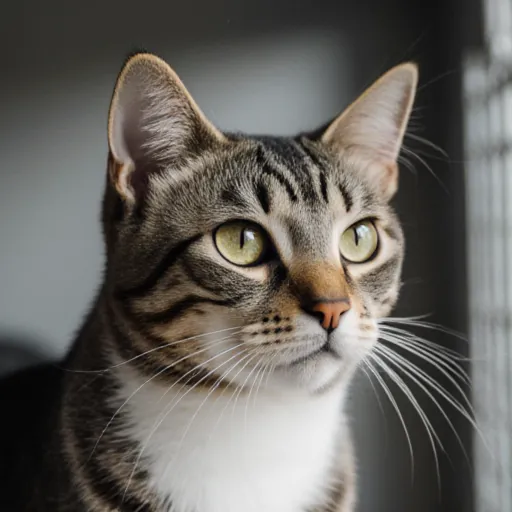
Uncover truths about shelter cats to help them find homes.
Shedding Myths for a Better Understanding of Shelter Cats
Table of Contents
- Myth 1: Shelter Cats Are Less Healthy Than Pets From Breeders
- Myth 2: Cats from Shelters Are Hard to Train
- Myth 3: All Cats in Shelters Have Behavior Issues
- Myth 4: Shelter Cats Are Older and Less Active
- Myth 5: Cats from Shelters Are Diseased or Dangerous
- Myth 6: There's Never a Good Cat Available at Shelters
- Myth 7: Adopting From a Shelter Is Expensive
- Myth 8: Shelter Cats Are All Stray and Unwanted Animals
- Myth 9: It's Better to Buy a Cat Instead of Adopting One
- Myth 10: Cats from Shelters Have Poor Socialization
- Myth 11: Shelter Cats Are Less Intelligent Than Other Cats
- Myth 12: Adopting a Cat From a Shelter is Risky
- Myth 13: Shelter Cats Are Always Overfed or Underfed
- Myth 14: It's Better to Adopt a Cat From Friends and Family Than from Shelters
- Conclusion
- FAQ
Myth 1: Shelter Cats Are Less Healthy Than Pets From Breeders
One common misconception about shelter cats is that they are less healthy than pets from breeders. This belief often stems from the assumption that shelter animals are not as well cared for or do not receive proper medical attention compared to those bred in controlled environments.
Understanding the Reality
In reality, most shelters and rescue organizations take great care of their cats before they go up for adoption. Cats in shelters undergo a thorough health check-up upon arrival. They are vaccinated, spayed or neutered, microchipped, and treated for any common illnesses like fleas or ear mites.
Examples from Real Life
A study conducted by the ASPCA (American Society for the Prevention of Cruelty to Animals) revealed that the health status of shelter cats is comparable to those bred by reputable breeders. The research found that:
- The majority of shelter cats are healthy and require only routine care.
- Shelter veterinarians are skilled in diagnosing and treating common feline ailments, ensuring that the cats receive the necessary medical attention.
- Sometimes, a cat may have been relinquished by its previous owner due to unforeseen circumstances rather than health issues. Thus, many shelter cats come from loving homes or even purebred backgrounds.
Practical Advice for Adopters
If you're considering adopting a cat from a shelter, here are some practical tips to ensure the health and happiness of your new pet:
- Visit Regularly: Schedule regular visits to the vet to keep an eye on any potential health issues early.
- Observe Behavior: Keep a close watch for any changes in behavior or signs of illness such as lethargy, loss of appetite, or discharge from eyes/nose.
- Familiarize with the Vet: Establish a relationship with a vet who understands the unique needs of shelter cats. They can provide personalized care and advice tailored to your new pet's history and current health status.
Conclusion
In summary, adopting a cat from a shelter does not mean compromising on its health. With proper care and attention, shelter cats can be equally healthy and loving companions as those bred by reputable breeders. By debunking this myth, more people may choose to give shelter cats the chance they deserve, ultimately improving their quality of life.
Myth 2: Cats from Shelters Are Hard to Train
One of the most common misconceptions about adopting cats from shelters is that they are difficult or impossible to train. This couldn’t be further from the truth! Shelter cats, like any other cat, can be trained with patience and consistency just like their home-raised counterparts.
Understanding Shelter Cats
The environment in a shelter is very different from a home setting. As a result, many cats may exhibit behavior that appears untrainable or unpredictable due to stress or fear. However, once they find themselves in a stable and loving home environment, these behaviors often improve.
Training Basics
Cats are intelligent animals capable of learning basic commands like “sit,” “stay,” and even more complex tricks over time. The key to successful training lies in positive reinforcement, consistency, and a calm demeanor from the owner.
Positive Reinforcement
Using treats or praise as rewards can significantly enhance your cat’s learning process. For example, if you want your cat to sit still during feeding time, place a treat in front of their nose while gently pressing on the lower part of its head until it sits. Once they do so, immediately reward them with the treat and lots of affection.
Consistency
To ensure your cat learns effectively, you should maintain consistent training sessions daily or multiple times a week. This helps build routines that are beneficial for both you and your pet while reducing confusion about what behaviors are expected from them.
A Calm Environment
Shelter cats often need time to adjust after being adopted into new homes where they might feel anxious or unsure. Creating a calm, quiet space for them during their adjustment period can help ease this transition and make training easier when the right moment comes.
Examples of Trained Shelter Cats
Many shelters have success stories about cats who were once considered untrainable but went on to master various skills. One such example is Whiskers, a rescue cat adopted from a local shelter known for his impressive agility and obedience training. Another instance is Mr. Fluffy, who was initially frightened of new surroundings yet now enjoys playing fetch with his owner.
Practical Advice
- Be Patient: Understand that it may take longer for a shelter cat to warm up to training compared to a pet that has grown up in one household.
- Start Simple: Begin with basic commands before moving on to more advanced techniques. This gradual approach allows your cat to build confidence slowly.
- Stay Positive: Always focus on positive aspects of the training process rather than dwelling on failures or setbacks.
In conclusion, while it’s true that some shelter cats may require extra time and effort initially due to past experiences, with love, patience, and proper techniques, these same cats can become delightful companions who respond beautifully to commands and training exercises. Embrace the journey of teaching your adopted cat new tricks; it will not only strengthen your bond but also bring much joy to both you and your feline friend!
Myth 3: All Cats in Shelters Have Behavior Issues
Another common misconception about shelter cats is that they all have behavior issues. While it's true that some cats may have behavioral challenges, this isn't the case for every cat in a shelter. Many cats are simply anxious or have not had enough socialization, which can lead to temporary behavioral problems.
Many shelters provide information about each cat’s temperament and behavior through detailed profiles, photos, and sometimes even videos. This allows potential adopters to get a better sense of the cat's personality before bringing them home. For example, one shelter might note that a particular cat is shy around new people but becomes playful with children.
If you're adopting from a shelter, it’s important to communicate openly with the shelter staff about your concerns and preferences regarding behavior. They can provide guidance on which cats would be the best fit for your home environment. For instance, if you have young children, you might want to look for a cat that enjoys interaction with kids.
It's also worth noting that some shelters offer training programs or have connections with local trainers who can help address any behavioral issues your new pet may have. By working together, you and the shelter can ensure that both the cat and your family thrive in their new home.
In conclusion, while it's understandable to be cautious when adopting a cat from a shelter due to potential behavioral concerns, not all cats present behavior issues. With proper communication, preparation, and support from the shelter staff, you can find the perfect feline companion who will bring joy and love into your home.
Myth 4: Shelter Cats Are Older and Less Active
One common myth about shelter cats is that they are older and less active compared to their counterparts found in homes. This couldn't be further from the truth.
Dispelling the Myth
Shelter cats come in all ages, just like any other cat population. While it’s true that some shelter cats are older and may have had less stimulation or care in previous environments, many of these cats are young, energetic, and ready for a new home.
Examples
- Young Kittens: Shelter kittens can be as young as just a few weeks old. These kittens require special care but are full of energy and love. They often form strong bonds with their new families quickly.
- Adult Cats: Adult shelter cats, from around six months to five years, can also range widely in activity levels. Just like any other adult cat, they have different personalities and energy levels. Some are playful and curious while others might be more laid-back but still loving.
- Senior Shelter Cats: While some shelter cats may be older, just like in homes, many of these senior cats are healthy and enjoy company. They can be very affectionate and easy to care for due to their lower energy levels.
Practical Advice
If you're considering adopting a shelter cat, it's important to spend time with the cat or kittens in the shelter environment to understand their true personality. Many shelters offer playtime and socialization opportunities that can help assess an animal's energy levels.
By fostering or adopting from a shelter, you are not only giving a cat a second chance but also supporting the community by reducing overcrowding. Remember, each cat has unique needs and characteristics, regardless of age or perceived activity level.
Myth 5: Cats from Shelters Are Diseased or Dangerous
One of the most persistent myths about cats from shelters is that they are diseased or dangerous. This couldn’t be further from the truth. Most shelter cats have been vaccinated, spayed or neutered, and are given medical attention before adoption.
Dispelling the Myth
The primary reason for this misconception is often due to fear and lack of knowledge about the conditions in which some shelters operate. However, reputable animal shelters have strict protocols to ensure that all cats are in good health upon being adopted. They typically provide basic medical care, including vaccinations against common diseases such as rabies, distemper, and leukemia.
It’s important to remember that just like any other cat, shelter cats can sometimes carry parasites or develop illnesses after adoption due to stress or a change in environment. However, these are not inherent problems of the shelter system but rather individual health issues that require prompt attention from veterinarians.
Examples and Statistics
A study by the ASPCA found that approximately 70% of cats adopted from shelters do not have any serious health concerns. Furthermore, many shelters now offer preventive care programs to help adopters cover initial vet visits and vaccinations for their new pets.
Some shelters also work closely with local veterinary clinics to provide follow-up care for newly adopted animals, ensuring they receive necessary medical attention early on.
PRACTICAL ADVICE
If you're considering adopting a cat from a shelter, it's always wise to spend time getting to know the cat and observing its behavior. This can give you a good sense of whether the cat is suitable for your home environment.
Additionally, many shelters offer free or low-cost health check-ups within the first few days after adoption. Take advantage of these services to ensure your new pet is in optimal health before bringing it into your family.
Myth 6: There's Never a Good Cat Available at Shelters
One common myth about shelter cats is that "there's never a good cat available." This couldn't be further from the truth. Many people believe that all cats in shelters have behavioral issues, are too shy to adapt, or simply aren't lovable. However, this couldn’t be more untrue.
Shelters are filled with a diverse range of personalities and breeds. Just like any other pet, each cat has its own unique quirks and characteristics that make it special. Some cats might need extra time to warm up to new environments, while others have been waiting patiently for just the right home.
For example, many shelter cats were once cherished pets who simply needed a change of environment or an owner who was unable to care for them anymore. These cats are often well-mannered and affectionate with the right amount of attention and time.
To find a good cat at your local animal shelter, consider visiting during different times of the day. Some shelters have "cat cafes" where you can sit and interact with potential adoptees. This hands-on experience can give you a better sense of each cat's personality.
Additionally, if you're looking for a specific breed or type, don't hesitate to ask the shelter staff about their current stock. Many shelters have cats that are waiting patiently for someone who understands and appreciates them.
Remember, patience is key when adopting from a shelter. By taking your time, you'll likely find a cat that matches your lifestyle perfectly. With a little love and care, every shelter cat can become an integral part of your family.
Myth 7: Adopting From a Shelter Is Expensive
One common myth about adopting cats from shelters is that it is an expensive endeavor. While initial adoption fees may vary depending on the shelter, most shelters provide affordable options for cat adoptions. Many shelters offer low-cost or even free adoptions during certain events or promotions.
For example, some shelters have "Adopt-a-Pet" days where you can adopt a cat for as little as $50. Other shelters may charge around $75 to $125 for adoption fees that cover spaying/neutering, vaccinations, and microchipping—all critical services provided at the shelter itself.
In contrast to buying from pet stores or breeders where you could end up spending hundreds of dollars just on the initial cost, adopting from a shelter can be significantly more economical. Additionally, shelters often have foster programs that further reduce costs and ensure the cat receives proper care before placement in your home.
To make it even easier for potential adopters on a budget, many shelters offer sliding-scale fees based on income or provide assistance through grants from local organizations. This way, every family has an opportunity to bring home a loving pet without breaking the bank.
By adopting from a shelter, you not only save money but also support animal welfare efforts and give a second chance to a homeless cat who needs love just as much as any other pet does. So dispel this myth—shelter adoptions can be both affordable and beneficial for your family.
Myth 8: Shelter Cats Are All Stray and Unwanted Animals
One common misconception about shelter cats is that they are all strays or unwanted animals. In reality, the majority of shelter cats come from loving homes where circumstances have led to their surrender. These situations can range from owners moving to a no-pet environment, changes in family dynamics, medical issues for both pets and guardians, or financial constraints.
Shelter cats often represent a wide variety of breeds and mixed-breed felines that have been surrendered by their original families. While some may indeed be strays, the majority are simply seeking new homes due to circumstances beyond their control. It's important to understand that shelters house a diverse group of animals who deserve the same chance at finding loving forever homes.
For example, imagine a family with children moving away for educational reasons, leaving behind pets they cannot take with them. In these cases, shelter cats can be well-loved and socialized but are now in need of a new home. Another scenario involves elderly pet owners who may no longer have the capacity to care for their aging companions.
To address this myth directly, it's crucial to educate potential adopters about the diverse backgrounds of shelter cats. Promoting adoption from shelters helps reduce overcrowding and improves the chances of finding loving homes for these animals. By fostering an understanding that shelter cats are not just strays but also family pets in need, we can encourage more adoptions and support for local animal welfare organizations.
In conclusion, supporting your local shelter by adopting a cat directly challenges this myth. Each story behind a shelter cat is unique, and every adoption contributes to breaking the cycle of pet overpopulation and giving these animals the second chance they deserve.
Myth 9: It's Better to Buy a Cat Instead of Adopting One
The idea that it’s better to buy a cat instead of adopting one from a shelter is a common misconception. Many people believe that buying a cat ensures they are getting a healthy, purebred pet with no history of abuse or neglect. However, there are several compelling reasons why adopting a cat from a shelter is often the better choice:
1. Rescue Cats Are Often Healthy and Vaccinated
Shelter cats go through thorough health check-ups before being made available for adoption. They are vaccinated, spayed or neutered, and microchipped, which means you don’t have to worry about unexpected medical bills or the cost of these procedures upfront.
2. Saving a Life
The most significant benefit of adopting from a shelter is saving a life. Many cats in shelters are there because they were either abandoned, neglected, or their previous owners couldn’t care for them anymore. By adopting one of these cats, you’re giving a cat a second chance at a happy and healthy life.
3. Unique Personalities
Cats in shelters often have unique personalities that make them perfect companions. While buying from breeders or pet stores might give you a more predictable behavior pattern, shelter cats can bring unexpected charm and quirks to your home. Each cat has its own story and character.
4. Cost Considerations
In addition to vaccinations and spaying/neutering, buying a cat from a breeder or pet store can be significantly more expensive than adopting one from a shelter. Costs associated with purchasing a cat from a breeder often include registration fees, pedigree documentation, and sometimes even early training costs.
5. Supporting Animal Welfare
By choosing to adopt a cat from a shelter, you’re directly supporting the animal welfare cause. Your decision helps in reducing overpopulation by providing an alternative for cats who might otherwise be euthanized due to overcrowding at shelters.
6. Local Cats
If you prefer a specific breed or type of cat, many breed-specific rescue groups exist that can help you find the right fit without contributing to the demand for commercially bred cats. This also supports local shelters and rescues who are dedicated to helping animals in your community.
Conclusion
In summary, while buying a cat may seem like an easier option at first glance, adopting one from a shelter is not only compassionate but also practical and cost-effective. It’s a way to provide love and care to a cat in need while enhancing your own life with the companionship of a new pet.
Myth 10: Cats from Shelters Have Poor Socialization
One common misconception about cats from shelters is that they have poor socialization. This belief stems from the assumption that shelter environments are stressful, which can indeed be true for some cats. However, many factors influence a cat's ability to bond and adapt in new environments.
Cats in shelters often come from various backgrounds—some may have been abandoned or mistreated, while others were surrendered by owners who could no longer care for them. The shelter environment can be overwhelming, but it is not inherently damaging. In fact, many cats bond well with their new families after a period of adjustment.
Shelter staff and volunteers play an important role in socializing the cats under their care. They spend time interacting with each cat, providing gentle handling, and offering affectionate attention. This interaction helps to identify which behaviors are due to stress and which are natural traits that can be managed with proper care.
For example, a cat who is initially shy or withdrawn may need more patience and positive reinforcement when being introduced to a new family. On the other hand, cats that have been well-socialized in shelters often adjust quickly to their new homes. These cats are typically those that spent time playing with toys and engaging with people while at the shelter.
It is also worth noting that many cats from shelters are already neutered, vaccinated, and microchipped—features that make them an excellent choice for adoption. With proper care and attention, these cats can thrive in any household environment.
In conclusion, while the shelter environment can be challenging, it does not automatically result in poor socialization. By understanding individual needs and providing a nurturing environment at home, cats from shelters often become well-adjusted pets with strong bonds to their families.
Myth 11: Shelter Cats Are Less Intelligent Than Other Cats
The belief that shelter cats are less intelligent than other cats is a common misconception. This myth often stems from the assumption that because shelter cats have been through difficult experiences, they may behave differently or require more time to adjust. However, intelligence in cats does not diminish based on their living conditions.
Understanding Cat Intelligence
Cats, regardless of where they live, possess similar cognitive abilities. Shelter cats are just as capable of learning tricks, problem-solving, and forming strong bonds with humans as any other cat. In fact, many shelters have programs specifically designed to socialize and train shelter cats to help them find loving homes.
Examples of Intelligent Shelter Cats
- Cleo**: Cleo was found in a busy city environment after being abandoned. Despite her initial fear, she quickly adapted to a home setting and learned numerous tricks. She can fetch toys, open cabinet doors, and even play hide-and-seek with her family.
- Bella**: Bella came from a shelter where she was exposed to various noises and unfamiliar people. Through patient training, Bella became an excellent companion for her owner, who says she "thinks before acting." Bella has shown remarkable problem-solving skills by using objects around the house in creative ways.
Practical Advice
If you are considering adopting a cat from a shelter, do not let preconceived notions about intelligence deter you. Each cat brings its own unique personality and potential for learning. Here are some tips to help integrate a new shelter cat into your home:
- Start Slowly**: Give the cat time to adjust to its new environment without rushing it.
- Observe Behavior**: Pay attention to how the cat behaves and respond positively to those behaviors, encouraging them through praise and treats.
- Consistent Routine**: Establish a routine that includes feeding times, play sessions, and interactions with family members. Consistency helps cats feel secure and builds trust.
- Play and Mental Stimulation**: Use toys and puzzles to keep your cat mentally engaged, which is crucial for all cats but especially important for those who may have spent time in a shelter environment.
In conclusion, every cat has its own level of intelligence, and this should not be judged by where it came from. Shelter cats are just as capable of being loving, intelligent companions as any other cat. By giving them the time and care they need, you can help unlock their full potential.
Myth 12: Adopting a Cat From a Shelter is Risky
The idea that adopting a cat from a shelter carries significant risks is one of the most common misconceptions. In fact, shelters are filled with cats who have been abandoned or left behind by their previous owners, and they often undergo careful health checks before being made available for adoption. This ensures that you are taking home a healthy pet.
Moreover, many shelters offer veterinary check-ups and vaccinations to ensure your new cat is in the best possible health when you bring them home. The shelter staff can also provide advice on how to care for the cat, which is invaluable for a first-time cat owner or someone adopting an older cat.
The socialization process at shelters plays a crucial role in helping cats adjust to new environments. Shelter staff and volunteers spend time with each cat, ensuring they are friendly and well-behaved before adoption. This means that the chances of bringing home a frightened or aggressive cat are minimal.
Adopting from a shelter also supports animal welfare by reducing the number of cats in shelters waiting for homes. It helps these animals find loving families who will care for them, making it a win-win situation not just for you but for the cat as well.
For those looking to adopt a specific breed or a particular type of cat, shelters often have a mix of different breeds and mixed-breed cats. While some shelters specialize in certain types of cats, others are more general, making it possible to find almost any kind of cat you're interested in.
It's important to remember that each cat has its own unique personality. By spending time with the cat at the shelter and observing their behavior, you can determine if they are a good fit for your lifestyle and home environment. This hands-on approach allows you to make an informed decision about adopting a specific cat.
In conclusion, adopting a cat from a shelter is not risky; it's actually one of the safest ways to bring home a new pet. You get a healthy, socialized cat who has been thoroughly vetted and prepared for its transition into a loving home. By choosing to adopt, you are also contributing positively to animal welfare.
Myth 13: Shelter Cats Are Always Overfed or Underfed
One common myth about shelter cats is that they are always either overfed or underfed. This misconception can lead to misguided assumptions and unfair treatment of these animals.
This belief stems from the fact that shelters, like any other environment, have varying levels of care and resources available for their residents. Some cats may indeed be overfed or underfed due to a lack of proper supervision or oversight by staff members who are stretched thin.
Overfeeding Shelter Cats
In some shelters, the environment might be chaotic, leading to unintentional overfeeding. For instance, well-meaning volunteers may bring excess food or treats that can contribute to weight issues for the cats. Additionally, stressed staff members who are short on time may not always accurately measure portions of food.
Underfeeding Shelter Cats
On the flip side, underfeeding occurs when there is a lack of proper nutrition or resources in the shelter. This can happen due to budget constraints where funds allocated for food are insufficient. In some cases, shelters may also have limited space for storage of high-quality cat food.
To address these issues and ensure that cats receive proper nutrition, several steps can be taken:
- Training Staff and Volunteers: Providing comprehensive training on the importance of balanced diets and correct portion sizes for shelter cats.
- Caters to the specific dietary needs of each cat, including age, weight, health conditions, etc.
- Implementing a Consistent Feeding Schedule: Ensures that all cats receive food at regular intervals, preventing overeating or underfeeding.
- Regularly check on the food levels and replenish promptly to avoid stockouts.
- Partnering with Local Pet Food Donors: Collaborating with local pet food companies and individuals who can provide high-quality, affordable donations of cat food.
Shelters like the Animal Shelter Organization have successfully implemented these practices. By educating their staff and volunteers, setting clear feeding guidelines, and securing consistent donations, they’ve managed to provide better nutrition for all cats in their care.
The key is finding a balance that meets every cat’s nutritional needs without leading to overfeeding or underfeeding. Proper nutrition directly impacts a cat's overall health and well-being, which can improve the chances of finding a home faster and ensure they are in top condition for adoption.
In conclusion, it is crucial to recognize that shelter cats do not always fall into one extreme—overfed or underfed. By addressing this myth through education and proactive measures, shelters can provide the best possible care for their feline residents.
Myth 14: It's Better to Adopt a Cat From Friends and Family Than from Shelters
One common myth about adopting cats is that it’s better to get one from friends or family than from shelters. While getting a cat from a friend or family member can be an easy way to bring home a pet, there are several reasons why adopting from a shelter might actually be the better option.
Health and Background Information
Shelters provide detailed health records, vaccination histories, and often spay/neuter status for their cats. This is crucial information that can help you make an informed decision about your new pet's care. When adopting from a friend or family member, you might not have access to this level of detail unless the owner has taken your cat to regular veterinary check-ups. Even then, there’s no guarantee that all health issues will be disclosed.
Behavioral Assessment
Cats in shelters undergo behavioral assessments and are observed in a variety of situations, including interactions with other cats and humans. This can give you insight into their temperament and how they might behave in your home. Adopting from friends or family members may not provide this level of evaluation unless the owner has multiple pets and has extensive experience observing cat behavior.
Adopting a Shelter Cat
Many cats in shelters are there because they were surrendered by previous owners who could no longer care for them. These cats often have had different experiences than those adopted from friends or family, which can make them more adaptable to new environments. They might be used to living with other pets and adjusting to a new home.
Community Impact
Adopting a cat from a shelter helps reduce the number of animals in shelters, which is an important consideration for animal welfare. By adopting from a shelter, you are directly contributing to decreasing overpopulation, reducing euthanasia rates, and supporting the community.
Practical Advice
If you decide to adopt from friends or family, it’s essential to have a conversation with them about your expectations and lifestyle changes. Ensure that they provide all relevant health information and are willing to assist during the transition period. However, if you’re looking for a cat with specific needs or characteristics, consider visiting shelters where staff can help match you with the right cat.
Ultimately, whether you adopt from friends and family or a shelter depends on your preferences and circumstances. Both options have their benefits, but being aware of these differences can help you make an informed decision that’s best for both you and your new pet.
Conclusion
Despite popular belief, shelter cats are often misunderstood and misrepresented. Many people assume that shelter cats are less affectionate or more problematic than their counterparts found in other settings. However, these common myths about shelter cats can be debunked with a little knowledge and understanding.
Myth 1: Shelter Cats Are Less Affectionate
This myth is perpetuated by the belief that shelter cats are often more reserved or shy due to their past experiences. While it's true that some shelter cats may need a bit more time and patience, this does not mean they are less affectionate. In fact, many shelter cats form deep bonds with their adoptive families once given the opportunity.
For example, take the story of Whiskers, a stray cat who was found wandering in a city park. When taken to the local animal shelter, Whiskers seemed withdrawn and shy at first. However, after several weeks of care and attention from volunteers, Whiskers began to trust humans again. He now greets every visitor with affectionate purrs and headbutts.
Practical advice: If you're interested in adopting a shelter cat, be patient and give them time to adjust to their new home. Consistent positive reinforcement can help build trust between you and your new feline friend.
Myth 2: Shelter Cats Are More Problematic
This myth stems from the fear that shelter cats may have behavioral issues or health problems due to neglect in their previous lives. However, many of these concerns are unfounded once a cat is placed in a stable environment.
For example, Bella, an elderly shelter cat who had been living on the streets for several years, was brought into the shelter with signs of arthritis and behavioral issues due to past trauma. With proper care and attention from her new family, Bella's behavior improved significantly over time.
Practical advice: Before adopting a shelter cat, ask about their medical history and any known behavioral issues. Most shelters are happy to provide this information if you inquire politely. Additionally, consider consulting with a veterinarian or animal behaviorist who can offer guidance on how best to address any concerns.
Myth 3: Shelter Cats Are Not As Healthy
This myth suggests that shelter cats are more likely to have health problems because they may not receive the same level of care as those in private homes. However, this is often not the case. Many shelters provide thorough medical exams and vaccinations for all incoming animals.
For example, Max, a young cat who was rescued from a bad situation, came to the shelter with several health concerns. After receiving treatment at the animal hospital attached to the shelter, Max made a full recovery and is now in excellent health.
Practical advice: If you're concerned about a potential health issue with your new pet, consult with your veterinarian promptly. Regular check-ups can help catch any problems early on and ensure that your cat remains healthy for years to come.
Conclusion
In summary, shelter cats are wonderful companions who deserve a second chance at life. By dispelling these common myths, we can foster greater understanding and appreciation for the many benefits of adopting from shelters.
FAQ
Many people have misconceptions about shelter cats, often due to preconceived notions or limited experiences. Here are some common myths and the realities behind them:
Myth 1: Shelter Cats Are Less Healthy
It's a widespread belief that shelter cats are sickly or unhealthy because they've been in shelters for some time, but this is far from true. Most shelters have strict protocols to ensure that only healthy animals are placed up for adoption. Before being put on the adoption floor, each cat undergoes a thorough health check-up which includes vaccinations, deworming, and spaying/neutering. If a cat does have any medical issues, they are treated accordingly before placement.
Example: A shelter may offer additional support for cats with specific conditions like diabetes or arthritis, ensuring that these animals receive the care they need while also providing an opportunity for potential adopters to understand how best to care for them.
Myth 2: Shelter Cats Are Shy and Fearful
Shelter cats are often perceived as being scared or withdrawn due to past experiences, but this isn't always the case. While some shelter animals may take more time to warm up to new environments, many adjust quickly once they feel safe. The behavior of a cat is greatly influenced by its environment; given proper care and love, most become confident and affectionate pets.
Practical Advice: If you're considering adopting from a shelter, ask about the socialization process for each animal. Many shelters have programs designed to help cats transition smoothly into their new homes by exposing them to different stimuli in controlled environments.
Myth 3: Shelter Cats Are Less Affectionate
This myth suggests that shelter cats are cold or unloving, which couldn't be further from the truth. In fact, many shelter animals develop strong bonds with their adoptive families because they have been given a second chance at happiness and love.
Example: A story of a cat named "Milo" who was found abandoned in an alleyway but eventually became incredibly affectionate towards his new family, seeking attention from them every day after a long period spent alone.
Myth 4: Shelter Cats Are Older and Less Active
The idea that shelter cats are older and less energetic is another misconception. While some shelters do have senior cats who might require extra care, the majority of animals up for adoption are young or in their prime years.
Practical Advice: Always inquire about an animal's age when considering adopting from a shelter. This information can help you determine if the cat’s energy level aligns with your lifestyle and expectations.
Myth 5: Adopting From Shelters Is Risky
Some people worry that adopting from shelters is risky, fearing they might bring home a pet with behavioral issues or health problems. However, reputable shelters are committed to providing potential adopters with all necessary information about the animals.
Example: A shelter might provide detailed notes on each cat's temperament and behavior, allowing adoptive parents to make informed decisions based on what best suits their household dynamics.
Myth 6: Shelter Cats Are Hard To Train
The notion that shelter cats are untrainable is incorrect. With patience and consistent training methods, most cats can be taught basic commands or behaviors just like any other pet.
Practical Advice: Start by introducing small, achievable tasks for your cat to learn. Positive reinforcement techniques such as treats and praise go a long way in encouraging good behavior.
Conclusion
In summary, shelters are filled with wonderful cats waiting for loving homes. By understanding these common myths about shelter cats, you can make more informed decisions when considering adopting one of these amazing animals.
Categories
- AI & Enrichment Play
- Broiler Farming
- Broiler Farming Tips
- Canine Wellness & Longevity
- Cat
- Cat & Human Connection
- Cat Adoption & Rescue
- Cat Breeds
- Cat Breeds & Personalities
- Cat Care & Health
- Cat Grooming & Hygiene
- Cat Lifestyle & Environment
- Cat Myths & History
- Cat Nutrition & Diet
- Cat Products & Reviews
- Cat Training & Behavior
- Comparison
- Consumer Awareness
- Dog
- Dog Accessories & Products
- Dog Adoption & Rescue
- Dog Breed & Lifestyle Trends
- Dog Breeding & Puppies
- Dog Entertainment & Media
- Dog Fashion & Trends
- Dog Fun & Lifestyle
- Dog Grooming & Hygiene
- Dog History & Culture
- Dog Myths, Science & Future Tech
- Dog News & Trends
- Dog Nutrition & Food
- Dog Psychology & Emotions
- Dog Safety & Security
- Dog Sports & Activities
- Dog Technology & Innovation
- Dog Training for Modern Owners
- Dog Travel & Adventure
- Dog Travel, Adventure & Culture
- Economic and Market Insights
- Educational Content
- FAQs
- Feeding Alternatives
- Festivals & Seasonal Ideas
- Fun & Entertainment
- General Knowledge
- General Pig Farming
- Health & Disease Management
- Housing and Environment
- Kittens
- Market Insights
- Miscellaneous
- Miscellaneous
- Motivational
- pig
- Pig Breeding
- Pig Breeds
- Pig Farming Stories and Inspiration
- Pig Health and Care
- Pig Nutrition
- Pig Products
- Profitability & Business
- Puppy Care
- Puppy Predictable Topics Reinvented
- Regional Focus
- Rescue & Adoption Buzz
- Senior Cats
- Senior Dog Care
- Smart Dog Tech & Gadgets
- Sustainability
- Sustainable & Eco-Friendly Dog Products
- Tech & Innovations
- Working & Service Dogs
- Broiler Feed66 products
- Country Feed33 products
- Pig Feed66 products
- Product22 products
- Raw Materials99 products
Products
-
 Fish Meal
₹1,999.00 – ₹2,999.00Price range: ₹1,999.00 through ₹2,999.00Rated 0 out of 5
Fish Meal
₹1,999.00 – ₹2,999.00Price range: ₹1,999.00 through ₹2,999.00Rated 0 out of 5 -
 FATTENING BROILER FEED
₹2,299.00 – ₹2,349.00Price range: ₹2,299.00 through ₹2,349.00Rated 0 out of 5
FATTENING BROILER FEED
₹2,299.00 – ₹2,349.00Price range: ₹2,299.00 through ₹2,349.00Rated 0 out of 5 -
 LAYER COUNTRY FEED
₹1,549.00 – ₹1,649.00Price range: ₹1,549.00 through ₹1,649.00Rated 0 out of 5
LAYER COUNTRY FEED
₹1,549.00 – ₹1,649.00Price range: ₹1,549.00 through ₹1,649.00Rated 0 out of 5 -
 COUNTER BROILER FEED
₹1,199.00 – ₹1,299.00Price range: ₹1,199.00 through ₹1,299.00Rated 0 out of 5
COUNTER BROILER FEED
₹1,199.00 – ₹1,299.00Price range: ₹1,199.00 through ₹1,299.00Rated 0 out of 5 -
 LACTATING PIG FEED
Rated 0 out of 5
LACTATING PIG FEED
Rated 0 out of 5₹2,299.00Original price was: ₹2,299.00.₹1,740.00Current price is: ₹1,740.00. -
 Maize
Rated 0 out of 5
Maize
Rated 0 out of 5₹1,650.00Original price was: ₹1,650.00.₹1,300.00Current price is: ₹1,300.00. -
 GESTATION PIG FEED (Phase 1)
Rated 0 out of 5
GESTATION PIG FEED (Phase 1)
Rated 0 out of 5₹2,249.00Original price was: ₹2,249.00.₹1,699.00Current price is: ₹1,699.00. -
 Pre Starter Broiler Feed
₹2,399.00 – ₹2,499.00Price range: ₹2,399.00 through ₹2,499.00Rated 0 out of 5
Pre Starter Broiler Feed
₹2,399.00 – ₹2,499.00Price range: ₹2,399.00 through ₹2,499.00Rated 0 out of 5 -
 FINISHER PIG FEED
Rated 0 out of 5
FINISHER PIG FEED
Rated 0 out of 5₹2,299.00Original price was: ₹2,299.00.₹1,749.00Current price is: ₹1,749.00. -
 Broiler Premix
Rated 0 out of 5
Broiler Premix
Rated 0 out of 5₹820.00Original price was: ₹820.00.₹699.00Current price is: ₹699.00.