
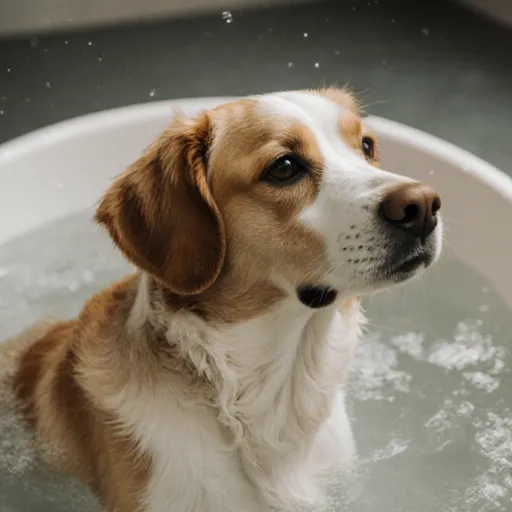
Ease Your Pet's Stress with Gentle Bath Time
Peaceful Pet Baths: The New Normal
Table of Contents
- How to Prepare for Bathtime
- Choosing the Right Shampoo
- Gathering Necessary Supplies
- Creating a Calm Environment
- Introducing Your Cat to the Scent of Water
- Handling Your Cat Gently but Firmly
- Wetting and Rubbing Down Your Cat
- Lathering Up the Shampoo
- Rinsing Thoroughly
- Drying Your Cat Off
- Post-Bath Care and Comfort
- Training Your Cat to Enjoy Bathing
- Handling Resistance or Fear in Cats
- Conclusion
- FAQ
How to Prepare for Bathtime
Bathing your cat can be a stressful experience, both for you and your feline friend. However, with proper preparation, you can make the process smoother and less traumatic for everyone involved. Here are some steps and tips to help you prepare for bathtime:
1. Gather Supplies
- Cat-specific shampoo (never use human shampoo)
- Nylon brush or comb
- Towel
- Cat treats
- Cat carrier or harness if needed
- Warm water (not too hot!)
2. Familiarize Your Cat with the Routine
To reduce stress, start by familiarizing your cat with being handled and getting wet. You can do this gradually:
- Give your cat short, positive experiences with water, like spraying a water bottle gently on them from a distance while giving treats.
- Clean their paws occasionally to get them used to the sensation of water and being handled.
- Use a damp cloth or towel to wipe down your cat periodically. This helps reduce the fear associated with water.
3. Choose the Right Environment
Select an environment that is calm, quiet, and free from distractions:
- Use a bathroom or small room where your cat won't be overwhelmed by space.
- Keep the temperature warm to avoid making them feel cold.
- Avoid using loud water faucets; instead, use a rubber mat for better control over the water flow.
4. Get Your Cat Comfortable
Making your cat comfortable can significantly reduce their stress levels:
- Allow your cat to approach the bath area on their own terms, ensuring they feel safe and secure.
- If necessary, use a cat carrier for transport but be gentle when placing them in the water. You might need to support or guide them into the bath to prevent stress.
- Make sure your cat is dry thoroughly after the bath to avoid chill or discomfort.
5. Positive Reinforcement
End each bathtime on a positive note:
- Give your cat treats and praise immediately after the bath.
- Create a happy, stress-free environment associated with bathtimes by using favorite toys or playing a fun game right after bathing.
6. Avoid Over-Bathing
Cats have natural oils that keep their skin healthy, so over-bathing can cause harm:
Only bathe your cat when necessary (usually every 2-4 months). This will help maintain their health and prevent stress.
By following these steps, you can prepare for a less stressful bathtime experience. Remember that consistency is key in training your cat to enjoy the process. With patience and positive reinforcement, you'll both have a much more relaxed time!
Choosing the Right Shampoo
Cat bathing can be a stressful experience for both you and your feline friend. To make this process smoother, it's important to choose the right shampoo that is gentle on your cat’s skin and fur. The wrong choice of shampoo can lead to irritation, dryness, or even more stress during bath time.
Key Considerations for Selecting a Cat Shampoo
- Skin Type: Cats have different skin types just like humans. Some cats may have sensitive skin that requires hypoallergenic or gentle shampoos to avoid irritation.
- Paw Care: Look for shampoos that are not only good for your cat’s fur but also help in keeping their paws clean and healthy.
- Flea Control: If you’re dealing with fleas, consider using a shampoo that contains natural or safe flea-fighting ingredients. Always ensure these are pet-safe as some can be toxic to cats.
Examples of Suitable Cat Shampoos
Here are some examples of shampoos you might find in your local pet store:
- Feline Essence Shampoo: This shampoo is specifically formulated for cats and designed to be gentle on their sensitive skin. It helps maintain the natural pH balance of your cat’s fur.
- VetRUBH: Known for its flea-fighting properties, this shampoo is a good choice if you’re dealing with fleas or other parasites.
Practical Advice for Bath Time
To minimize stress and make the bathing process easier, follow these steps:
- Warm Water: Use warm water rather than hot as cats can burn their skin in temperatures that are too high.
- Gentle Handling: Be gentle when handling your cat to avoid any unnecessary stress. Speak softly and reassure them throughout the process.
- Rinse Thoroughly: Make sure all shampoo is rinsed off completely to prevent irritation or skin issues.
By choosing the right shampoo and following these tips, you can help make your cat’s bath time a less stressful experience for both of you. Remember, consistency in routine can also help reduce anxiety during bath times.
Gathering Necessary Supplies
Bathing your cat can be an intimidating task, but with the right supplies and a calm approach, you can make the experience much less stressful for both you and your furry friend. Here’s what you need to gather before you start:
1. A Suitable Bathing Area
Choose a space that is warm, quiet, and free from distractions. This could be in the bathroom or kitchen sink, ensuring it's at a height where your cat can comfortably stand without feeling overwhelmed.
2. Cat-Specific Shampoo
Cats have sensitive skin, so it’s important to use a shampoo formulated for cats. Human shampoos are too strong and can irritate their skin. Brands like Feliway or Earthbath are popular choices.
3. Non-Slip Surface
To prevent your cat from slipping, place a non-slip mat in the bottom of the bathtub or sink. You could also use rubber grips to secure the base further.
4. Warm Water
The water should be warm but not hot, around 100°F (38°C). Test it with your hand to ensure it’s comfortable for you and your cat.
5. Towels
Have several towels ready: one for drying the cat outside the bath area and another for cleaning them during the bath itself. Use soft, absorbent towels or even baby wipes for a quick clean-up.
6. Comfy Carrier (Optional)
If your cat is particularly nervous or difficult to handle, consider using a carrier to transport them to and from the bathroom. This can help reduce stress during the actual bathing process.
7. Treats
To keep your kitty motivated, have a few treats on hand as positive reinforcement. A simple piece of tuna or catnip-infused treat can make the experience more enjoyable for your pet.
8. Gentle Brush or Comb (Optional)
If your cat’s fur is matted, you may want to have a soft brush ready to gently comb through their coat before bathing them. This helps prevent mats from getting worse during the bath.
Tips for Bathing Your Cat Without Stress
- Keep the environment calm: Talk softly and avoid sudden movements or loud noises that could startle your cat.
- Pet them before bathing: Spend some time petting your cat to build trust. This can help make the transition into the bath less stressful.
- Short, frequent baths: Instead of long, drawn-out baths, try quick sessions that are more manageable for both you and your cat.
- Dry them thoroughly: Cats can get cold easily after a bath, so make sure they’re completely dry before letting them out. Use warm towels to help speed up the drying process.
By gathering these supplies and preparing yourself mentally for the task at hand, you’ll be well-equipped to bathe your cat in a way that minimizes stress for both of you. Remember, patience and consistency are key when it comes to training your cat to tolerate baths!
Creating a Calm Environment
To bathe your cat without causing stress, it is essential to create a calm environment. This not only helps reduce anxiety for your pet but also makes the experience more manageable for you. Here are some practical tips and steps to ensure your cat feels safe and secure during bath time.
1. Prepare Everything in Advance
To minimize stress, gather all necessary items before beginning the bath. This includes a calm environment, a non-slip mat, lukewarm water, pet shampoo, towels, and a muzzle if needed for a particularly nervous cat.
2. Use a Calm Voice
Your tone of voice can greatly influence your cat's behavior during the bath. Speak in a gentle and soothing manner to reassure them that everything is okay. Avoid sudden movements or loud noises, which might trigger stress.
3. Create Familiarity with Water
To make the water experience less daunting for your cat, you can gradually introduce them to the concept of baths by letting them smell and occasionally play in a shallow bowl of water. This helps reduce their fear and anxiety.
4. Use Pet-Specific Products
Avoid using human shampoos or harsh soaps, as they can irritate your cat's skin and eyes. Instead, opt for pet-specific products designed to be gentle on their sensitive skin and coat. This ensures a more comfortable experience.
5. Keep the Environment Warm
A warm room temperature is crucial to keep your cat calm during bath time. Cold environments can increase stress levels, so ensure that the bathroom or area where you're bathing your cat is warm and cozy.
6. Shorten the Bathing Time
Cats typically do not enjoy baths for long periods. Keep the bathing process as brief as possible to reduce their stress levels. Focus on getting them clean without making it a prolonged ordeal.
7. Offer Positive Reinforcement
Use treats and praise to reward your cat for staying calm during the bath. This positive reinforcement can help create a more pleasant association with bath time in the future.
8. Consider Professional Help
If your cat is extremely anxious or resistant, consider seeking professional grooming services. Some pet groomers specialize in handling nervous cats and can provide a stress-free experience for both you and your feline friend.
In conclusion, creating a calm environment during bath time is crucial for bathing your cat without causing undue stress. By following these steps and ensuring a positive and gentle experience, you can make bath time less stressful for both you and your pet.
Introducing Your Cat to the Scent of Water
Introducing your cat to the scent of water can be an effective way to make bath time less stressful and more manageable. Cats are naturally wary of water due to their instinctive fear of it, but by gradually introducing them to the concept through scents and indirect interactions, you can help ease this anxiety.
Understanding Your Cat's Sensitivity to Water
Cats have a heightened sense of smell and are often sensitive to certain scents. The first step in introducing your cat to water is to familiarize them with the scent itself, without any direct contact. Use a damp cloth or towel and let it air dry near where they spend most of their time—on furniture, bedding, or even near you during your daily activities. This gradual introduction helps cats become accustomed to the presence of water without overwhelming them.
Creating Positive Associations
To make bath time a positive experience for both you and your cat, it’s important to create associations that are pleasant for your pet. Before you introduce actual water, try using scented lotions or shampoos that have a calming effect on cats. Brands like Feliway offer products that can help reduce stress during grooming sessions. Applying these scents before bath time can signal to your cat that it’s an enjoyable and safe activity.
Practical Steps for Gradual Introduction
- Use Water-Scented Toys: Introduce toys that are sprayed with water or have a scent reminiscent of water. This can help desensitize your cat to the concept over time.
- Calm Sprays and Diffusers: Use calming sprays or diffusers in the bathroom where you plan to bathe your cat, so they get used to the smell before actual contact is made.
- Short Exposures: Mildly dampen your cat’s fur with a soft cloth and let it air dry. Gradually increase these short exposures over time until your cat becomes comfortable with this process.
Additional Tips for Stress-Free Bathing
Remember, the goal is to make bath time as stress-free as possible. Here are some additional tips:
- Short Sessions: Keep bath sessions brief—ideally just a few minutes—and focus on essential grooming tasks.
- Calm Environment: Make sure the bathroom is warm and quiet, with no sudden movements or loud noises. Your cat will feel much more secure in such an environment.
- Use Comfortable Equipment: Invest in a pet-friendly bath seat that allows you to sit while bathing your cat, reducing the need for lifting or stress on both of you.
- Careful Handling: Always support their body properly and avoid rough handling. Gentle restraint can be used if necessary, but ensure it’s done with care and understanding of your cat's comfort level.
Conclusion
By introducing the scent of water gradually and creating positive associations, you can significantly reduce your cat's stress during bath time. This approach not only makes grooming more manageable but also strengthens the bond between you and your feline companion.
Handling Your Cat Gently but Firmly
To handle your cat gently but firmly, it's essential to create an environment that is both safe and stress-free for your pet. This approach ensures that the interaction between you and your cat remains positive and constructive, which is particularly important when bathing a cat without causing stress.
The first step in handling your cat gently but firmly is to ensure the environment is suitable for both you and your pet. Cats are sensitive to changes, so it's crucial to keep their surroundings familiar and calm. Here are some tips:
- Use a Quiet Room: Bathing in a quiet room will help reduce any external stressors that could startle your cat.
- Familiar Scents: Use cat-friendly shampoos and conditioners that have scents your cat is accustomed to. Avoid harsh chemicals or strong perfumes.
- Warm Water: Ensure the water temperature is not too hot or cold, as this can be uncomfortable for your cat.
When handling your cat during a bath, it's vital to balance gentleness with firmness. This ensures that the process remains stress-free while ensuring thorough cleanliness:
Preparation Before Bathing
- Wrap Your Cat Gently in a Blanket: For some cats, being bathed can be an overwhelming experience. Wrapping them in a soft blanket can provide a sense of security and comfort.
- Calm Voice: Speak to your cat gently but firmly. A calm voice can help reassure your pet that everything is okay.
During the Bath
- Start with the Back End: Begin bathing by starting from the back end of your cat and work towards its front. This helps to prevent water from getting into your cat's eyes or ears.
- Gently Massage the Shampoo: Use your fingers to gently massage the shampoo into your cat’s fur, avoiding sensitive areas like the face and paws.
- Avoid Overstimulation: Keep any additional activities minimal. The focus should be on bathing your cat in a calm manner without adding extra stress.
After the Bath
After giving your cat a bath, it's essential to dry them off thoroughly and provide comfort:
- Dry Off Gently: Use a towel or a hairdryer on its lowest setting to ensure that your cat does not get overheated. Ensure all areas are completely dry.
- Reinforce Positive Associations: Reward your cat with treats and praise after the bath to reinforce positive experiences.
To ensure a stress-free bathing experience, here are some practical tips:
- Consistency in Routine: Establish a regular routine for bath time to make the process predictable and less stressful.Use Positive Reinforcement: Reward your cat with treats after each successful bathing session.
- Short Sessions: Keep bath sessions short. Cats have shorter attention spans than dogs, so aim for quick and efficient baths.
By handling your cat gently but firmly during a bath, you can ensure that the experience is both comfortable and stress-free. This approach not only promotes better hygiene for your pet but also strengthens the bond between you and your feline companion.
Wetting and Rubbing Down Your Cat
Bathing your cat can be a daunting task, but with the right approach, it can be done without causing stress for you or your furry friend. After successfully wetting and rubbing down your cat, you are well on your way to a successful bath experience. Here’s how to proceed:
Step-by-Step Guide
- Prepare the Environment: Set up everything you need in one spot, including the bathtub or shower, shampoo, towels, and treats. Make sure the space is warm and cozy.
- Start by Wetting Your Cat: Begin by gently wetting your cat's coat with warm water. Use a large cup or a spray bottle to avoid startling them. Start from the back and work forward, ensuring you cover all areas of their body.
- Be gentle and patient. Cats can be skittish around water, so take it slow.
- Avoid getting water in your cat’s ears to prevent infection.
- If your cat is particularly scared of water, consider using a damp cloth instead of submerging them completely.
- Rub Down Your Cat: Once the coat is wet, use your hands or a soft brush to rub down your cat's fur. This helps distribute the shampoo evenly and prepares their skin for cleaning.
- Massage the shampoo into your cat’s coat gently but thoroughly, avoiding the face and paws.
- Pay extra attention to areas that are prone to dirt or tangles, such as around the ears, tail, and legs.
- Use a soft-bristled brush if you have one, but be careful not to cause any discomfort or pain.
Practical Advice
Here are some tips to make the process smoother and less stressful:
- Praise Throughout: Offer verbal encouragement and treats as you go, which can help keep your cat calm.
- Use a Calming Spray or Essential Oil: Some pet owners find that using a calming spray or essential oil on their cat before bathing helps reduce anxiety. Lavender is a popular choice for this purpose.
- Avoid Overwhelming Your Cat: Limit the time spent in the bath and keep the process as short and stress-free as possible.
Examples
Imagine your cat is a small, delicate creature who might not enjoy being underwater. Here’s how you can approach the task:
- Use a Gentle Shampoo: Choose a shampoo specifically designed for cats to avoid irritating their skin.
- Limit the Water Exposure: Instead of submerging your cat in water, use a damp cloth or sponge to clean them. This method can be less stressful and is safer if your cat is afraid of water.
In conclusion, wetting and rubbing down your cat before bathing is crucial for ensuring their comfort and the effectiveness of the bath. By following these steps and tips, you’ll set a positive tone for the entire process and make it more enjoyable for both you and your cat.
Lathering Up the Shampoo
Bathing your cat can be an essential part of their grooming routine, especially for long-haired or oily cats. However, many owners dread this task due to the stress it often causes both the cat and the owner. By following some practical steps and using the right techniques, you can make the shampooing process smooth and less stressful for your feline friend.
Choosing the Right Shampoo
Selecting the appropriate cat shampoo is crucial to ensure a comfortable bathing experience. Cats have sensitive skin, so it's important to avoid human shampoos or those formulated for dogs as they can be harsh on your pet’s coat and skin. Opt for a hypoallergenic, pH-balanced feline shampoo designed specifically for cats. These products are typically milder and contain ingredients that are less likely to irritate the cat's skin.
Preparing the Environment
Create a calm and stress-free environment by using familiar scents and sounds. For instance, play your cat’s favorite music or have their favorite blanket nearby. It might also be helpful to keep the bathroom door open if possible so that the cat can feel it is part of the household rather than an enclosed space.
Starting the Bath
Start by gently lifting your cat from its resting place and placing them in the bathtub or a large sink. Be sure to support their body and make them feel secure. It might be helpful to wrap them in a towel before bathing, as this can reduce their anxiety. Once they are in the water, allow them time to acclimate to the temperature of the water.
Lathering Up
With your cat now feeling more at ease, it’s time to lather up with the shampoo. Begin by wetting the coat thoroughly using lukewarm water. Apply a small amount of shampoo (no more than a tablespoon) and gently massage into their fur in circular motions. Focus on areas that are particularly oily or dirty, such as the tail base and legs.
Thorough Rinsing
After lathering, thoroughly rinse your cat’s coat under warm water to ensure all shampoo residue is removed. Be gentle but thorough; leaving soap in the fur can lead to irritation and skin problems. Once rinsed, wrap them back up in a towel for drying.
Post-Bath Care
A happy cat after their bath deserves some extra love and attention. Spend time petting and praising your cat to reinforce positive associations with the bathing experience. This can also help alleviate any anxiety they might have about future baths.
In conclusion, lathering up the shampoo is a critical step in bathing a cat without stress. By choosing the right products, preparing the environment, and taking it slow, you can make this grooming task enjoyable for both your cat and yourself.
Rinsing Thoroughly
Once you have applied the shampoo and gently massaged it into your cat's fur, it is important to rinse thoroughly. Proper rinsing ensures that all the shampoo is removed from your cat’s coat, which prevents skin irritation and keeps your cat comfortable after the bath.
Water Temperature
Ensure the water used for rinsing is lukewarm, not hot or cold. Cats prefer a temperature similar to room temperature, which helps in reducing stress and making the experience more pleasant. The goal is to remove all traces of shampoo without causing discomfort.
Tips for Thorough Rinsing
- Use Abundant Water: Make sure you have plenty of water available during rinsing. Cats need a thorough rinse, so avoid using too little water, which can leave residues that might cause skin issues.
- Ladle or Cup Method: If your cat is uncomfortable with the water flow from a showerhead, consider using a ladle or cup to pour water over their fur. This method allows you to control the amount of water and direct it precisely where needed.
- Rinse Multiple Times: For thorough cleaning, rinse your cat at least twice. The first rinse should be focused on removing the shampoo foam, while a second rinse ensures that any remaining residue is washed away completely.
Signs of Proper Rinsing
Your cat's coat should emerge from the bath clean and soft to touch. If you notice any residues or soap bubbles clinging to your cat’s fur, it indicates that more rinsing is necessary. Another sign is if your cat seems uncomfortable after bathing—this could be due to residual shampoo.
Post-Rinse Steps
After thorough rinsing, you can gently dry your cat with a towel. Start from the legs and work upwards, ensuring that no water remains in their fur. You might also consider using a hairdryer on low heat to further assist in drying. Always avoid direct hot air on your cat’s skin to prevent burns.
Practical Advice
If you find bathing your cat particularly stressful, consider hiring professional grooming services or training your cat to be more comfortable with the process over time. Positive reinforcement and gradual exposure can significantly reduce stress for both you and your feline friend.
Drying Your Cat Off
Bathing a cat can be stressful for both you and your feline friend. Ensuring that your kitty dries off properly after a bath is an important step in minimizing stress, promoting comfort, and maintaining their overall health. Here are some practical tips and strategies to help you dry your cat effectively without causing any unnecessary distress.
After bathing your cat, the first step towards drying them off is by using a large towel to gently blot excess water from their fur. This should be done in a calm and reassuring manner to avoid scaring your cat. After blotting, use a hairdryer on its lowest heat setting at a safe distance. It's important not to point the dryer directly at your cat, as this can cause discomfort or anxiety.
Using a Suction Brush
A suction brush is an excellent tool for drying off your cat after bathing. It works by gently pulling excess water out of the fur, leaving it dry and fluffy. This method can be particularly helpful if your cat has long hair as it mimics the way their coat dries naturally. Ensure that you use a soft-bristled brush to prevent any injury or irritation.
Patience and Comfort
Drying off your cat should not rush. Allow them to relax by providing some cuddles, treats, or favorite toys. This will help distract them from the drying process and make it more enjoyable for both of you. Remember that cats are naturally cautious after a bath, so take things slowly and be patient.
Post-Bath Care
After your cat is properly dried off, consider giving them a small snack or some playtime to reward their good behavior during the bath. This will reinforce positive associations with bath time in the future. Additionally, keeping an eye on your cat's coat for any signs of irritation or changes in skin condition can help you catch any potential issues early.
Drying off a cat after bathing is just as important as the actual bathing process itself to ensure their comfort and well-being. By following these steps, you can make sure that your kitty dries off thoroughly without feeling stressed or uncomfortable. With patience and care, you'll be able to create a relaxing experience for both of you.
Post-Bath Care and Comfort
After successfully bathing your cat without causing stress, it's crucial to ensure they feel comfortable and dry. Proper post-bath care can help prevent skin irritations and promote a smooth recovery from the bath experience.
1. Drying Off Thoroughly
To prevent your cat from catching a chill or developing skin issues, it's essential to dry them off thoroughly after bathing. Use a soft towel to gently blot the water away, taking care not to rub too hard as this can irritate their skin. For particularly stubborn areas, you might consider using a hairdryer on a low heat setting—ensure the air is warm and not hot to avoid burning your cat's sensitive skin.
2. Checking for Hidden Moisture
Cats often hide moisture in hard-to-reach places like their belly, between legs, or under their tail. After towel drying, use a soft-bristled brush to gently brush through your cat’s fur, which can help identify and dry out these areas more effectively.
3. Applying a Cat-Safe Shampoo
If your vet recommends using a specific shampoo for your cat's skin condition or type, make sure you apply it correctly following the instructions provided. Ensure that all soap is rinsed off completely to prevent irritation and maintain a healthy coat.
4. Providing a Comfortable Environment
A warm and cozy environment can help your cat relax after their bath. Keep them in a quiet room away from drafts until they are fully dry. You could even offer them some tasty treats or cuddles to make the experience more positive.
5. Monitoring for Any Signs of Discomfort
Post-bath, keep an eye on your cat’s behavior and skin condition. If you notice any redness, flaking, hair loss, or unusual behavior, contact your veterinarian immediately as these could be signs of an underlying issue that needs professional attention.
6. Regular Grooming
Grooming is a great way to maintain the health and comfort of your cat’s skin and coat between baths. For short-haired cats, this might mean simply brushing them daily or every other day. Long-haired cats may need more frequent grooming, especially around their ears and tail where water often accumulates.
7. Encouraging Positive Associations with Bath Time
To minimize stress during future bath times, it's important to make positive associations for your cat. Reward them with treats or affection after each bath session. Over time, this can turn what might otherwise be a stressful experience into something they associate positively.
8. Professional Grooming Services
If you find that bathing your cat at home is too stressful for either of you, consider using professional grooming services. These experts are trained to handle cats gently and can provide thorough care in a stress-free environment.
Training Your Cat to Enjoy Bathing
Training your cat to enjoy bathing is essential for maintaining their hygiene and overall health. Bathing can be a stressful experience for both cats and owners, but with consistent training, it's possible to make the process more comfortable for your pet. Here are some practical tips and advice based on how to bathe a cat without stress.
Start Early
Starting the bathing routine early in your cat’s life can significantly reduce their fear and anxiety about it later. Begin by acclimating them to the sound, smell, and feel of water during playtime or grooming sessions.
Familiarize Them with the Equipment
Gradually introduce your cat to the bathtub or sink where they will be bathed. Let them sniff and explore the area without any pressure. You can also gently pour water over their paws in a controlled, non-threatening manner.
Use Comfortable Water Temperature
Cats prefer slightly warm water that is not too hot or cold. Test the temperature with your hand before submerging your cat to ensure it's comfortable for them.
Keep Sessions Short and Sweet
Keep bathing sessions short—aim for no more than five minutes. This helps prevent stress and keeps the experience positive.
Praise and Reward Positively
Use positive reinforcement during bath time by praising your cat, giving them treats, or petting them gently when they are calm and cooperative. This will help associate bathing with good experiences rather than stress.
Choose the Right Shampoo
Cats have sensitive skin, so it’s crucial to use a gentle cat-specific shampoo. Avoid human shampoos as they can be harsh on your cat's skin and coat.
Use Gloves for Comfort
If your cat is particularly anxious about being handled, consider wearing gloves while bathing them to give them a sense of security. This reduces the risk of scratches or injury during the process.
Create a Relaxing Environment
Make sure the environment is calm and quiet. Background music or white noise can help reduce any anxiety your cat might feel in an unfamiliar setting.
Be Gentle but Firm
Handle your cat gently during bathing, but be firm about them staying still when necessary. If they become overly stressed, it’s okay to stop and try again another time.
Practice Makes Perfect
Consistency is key in training your cat to enjoy bath time. The more you practice these steps, the more comfortable your cat will become with the bathing process over time.
Seek Professional Help if Needed
If despite all efforts, your cat remains extremely anxious about baths, consider seeking advice from a professional animal behaviorist or veterinarian. They can offer additional strategies and techniques to help ease their stress during bathing.
Handling Resistance or Fear in Cats
Bathing a cat can be stressful for both the pet and the owner. However, with the right approach and understanding of your cat's behavior, you can make the process smoother and less traumatic. Handling resistance or fear in cats is crucial to ensure that they remain calm and cooperative during bathing.
Understanding Your Cat's Fear
Cats often resist baths due to fear or anxiety. They may associate water with negative experiences, such as past grooming sessions where they felt uncomfortable or scared. Understanding your cat’s body language is key in identifying their fear or resistance.
- Body Language Indicators: A tense posture, flattened ears, wide eyes, and a tail tucked between the legs are common signs of stress or fear.
- Vocalizations: Crying, meowing, or hissing can also indicate that your cat is scared.
Tips to Reduce Fear During Bathing
The goal is to make bath time as stress-free and positive as possible. Here are some practical tips:
- Gradual Introduction: Start by getting your cat used to the water gradually. Let them sniff a damp towel or run their paws in a shallow dish of warm water.
- Use Gentle Products: Choose a mild, unscented shampoo that is safe for cats. Avoid products with strong fragrances which can be overwhelming for sensitive noses.
- Short Sessions: Aim to make the bath as quick and simple as possible. A short dip in warm water or a quick rinse off with a damp cloth can often suffice instead of a full bath.
Creating a Positive Association
Just like rewarding good behavior during training, positive reinforcement is vital when handling your cat's resistance. Here are some ways to create a positive association:
- Reward Calm Behavior: If your cat remains calm during the bath or grooming process, reward them with treats and praise.
- Positive Experiences: After the bath, provide extra playtime or a special treat. This positive reinforcement can help your cat associate baths with enjoyable experiences rather than something to fear.
Pet-Safe Alternatives
If full baths are too stressful for your cat, consider other grooming alternatives:
- Dry Brushing: Use a soft brush or a mitt made specifically for cats to gently remove loose fur and dirt. This can be less overwhelming than water.
- Spraying with Water: Instead of submerging your cat in water, you can spray them lightly with a water bottle aimed at their paws or the base of their tail. This simulates the sensation of being wet without fully immersing them.
Patient and Consistent Approach
Consistency is key when dealing with cat resistance to baths. Be patient, persistent, and gentle in your approach. Over time, you can help your cat overcome their fear or resistance by making each experience less stressful.
Remember that every cat is different, so it may take some trial and error to find the right method for yours. With understanding, patience, and positive reinforcement, you can make bath time a more manageable and stress-free process for both you and your feline companion.
Conclusion
When it comes to bathing a cat without stress, the key is preparation and gentle handling. Cats are naturally wary of water, so creating a calm environment can significantly reduce their anxiety during bath time. It's important to accustom your cat to being handled and getting wet gradually. Start by giving your cat short baths with warm water in a shallow container or basin. This helps them get used to the sensation of water without feeling overwhelmed.
Always use a pet-friendly shampoo designed for cats, as human shampoos can be harsh on their skin. For extra comfort, you might consider using a feliway spray, which emits pheromones that are calming to cats. Feliway sprays can be applied in the bath area or directly on your cat before bathing to reduce stress levels.
Handling techniques are crucial for a stress-free bath. Gently lift and support your cat’s body while keeping their head above water. Use both hands to hold them securely but not tightly; cats appreciate firm, gentle restraint rather than being squeezed. Speak in a soothing voice throughout the process to reassure your pet.
For long-haired or particularly dirty cats, it may be necessary to brush them thoroughly before bathing. This helps remove dirt and tangles without causing discomfort during the bath. After the bath, make sure to dry your cat completely with a warm towel, paying special attention to their paws and ears to prevent infections.
It's important to keep in mind that not all cats will enjoy baths, and some may never fully relax during this process. The goal is to minimize stress for both you and your pet. If possible, consider professional grooming services or consult a veterinarian if your cat’s coat becomes excessively matted or dirty.
Remember, the most important thing is to make bath time as stress-free as possible for your furry friend. With patience, preparation, and gentle handling, you can help ensure that your cat remains calm and comfortable during this necessary hygiene routine. By following these tips, you’ll not only keep your cat happy but also maintain a positive relationship with them.
FAQ
When it comes to bathing your cat, many owners face challenges. Here are some frequently asked questions and detailed advice on how to bathe a cat without causing stress.
1. When Should I Bathe My Cat?
The frequency of baths depends on the breed and lifestyle of your cat. Generally, cats don't need frequent bathing like humans do. However, certain breeds with longer hair or those that spend a lot of time outdoors may require more regular grooming.
2. What Supplies Do I Need?
- A large sink or bathtub
- Non-drying cat shampoo (never use human shampoos on cats)
- Cotton balls for ears
- Towel
- Pet brush
- Baby wipes or a washcloth
3. How Do I Prepare My Cat?
The key to stress-free bathing is preparation. Start by getting your cat used to the water and the routine. Let them sniff at the water bowl, and let them get familiar with the tub or sink.
Example: Before you start, take a towel and gently wrap it around yourself. This will help you stay calm during the bath. Use treats to reward your cat for good behavior before and after the bath. This positive reinforcement can make the experience more enjoyable for both of you.
4. How Do I Bathe My Cat?
- Lift your cat gently: Support their weight, especially if they are older or smaller.
- Rinse the fur first: Use a wet washcloth to rinse the fur before applying shampoo. This helps reduce any stress by minimizing direct contact with water on the skin.
- Apply the shampoo carefully: Start from the neck and work your way down, avoiding the eyes, nose, and ears. Massage the shampoo into the coat for a few minutes to allow it to clean effectively.
- Rinse thoroughly: Use lukewarm water to rinse all the shampoo out of your cat's fur. Make sure you get rid of any residue that could irritate their skin.
5. How Do I Dry My Cat?
Drying off your cat is just as important as bathing them. Use a towel to gently pat dry the areas where they don't like to be dried with a blow dryer, such as their face and paws.
Practical Tip: If you need to use a blow dryer for parts of your cat's body, make sure it is set on low heat. Hold the dryer at least 12 inches away from your cat to avoid scaring them.
6. What Should I Do After the Bath?
After bathing, it’s important to reward your cat for their cooperation with treats and cuddles. This positive reinforcement can make future baths easier.
Example: After the bath, spend some quality time with your cat by playing or giving them a special toy. This helps them feel loved and appreciated even if they didn't enjoy the bath itself.
Conclusion
Bathing your cat can be a challenging task for both you and your pet. However, with proper preparation, patience, and positive reinforcement, it can become a less stressful experience for everyone involved. Remember to always prioritize your cat's comfort and safety above all else.
Categories
- AI & Enrichment Play
- Broiler Farming
- Broiler Farming Tips
- Canine Wellness & Longevity
- Cat
- Cat & Human Connection
- Cat Adoption & Rescue
- Cat Breeds
- Cat Breeds & Personalities
- Cat Care & Health
- Cat Grooming & Hygiene
- Cat Lifestyle & Environment
- Cat Myths & History
- Cat Nutrition & Diet
- Cat Products & Reviews
- Cat Training & Behavior
- Comparison
- Consumer Awareness
- Dog
- Dog Accessories & Products
- Dog Adoption & Rescue
- Dog Breed & Lifestyle Trends
- Dog Breeding & Puppies
- Dog Entertainment & Media
- Dog Fashion & Trends
- Dog Fun & Lifestyle
- Dog Grooming & Hygiene
- Dog History & Culture
- Dog Myths, Science & Future Tech
- Dog News & Trends
- Dog Nutrition & Food
- Dog Psychology & Emotions
- Dog Safety & Security
- Dog Sports & Activities
- Dog Technology & Innovation
- Dog Training for Modern Owners
- Dog Travel & Adventure
- Dog Travel, Adventure & Culture
- Economic and Market Insights
- Educational Content
- FAQs
- Feeding Alternatives
- Festivals & Seasonal Ideas
- Fun & Entertainment
- General Knowledge
- General Pig Farming
- Health & Disease Management
- Housing and Environment
- Kittens
- Market Insights
- Miscellaneous
- Miscellaneous
- Motivational
- pig
- Pig Breeding
- Pig Breeds
- Pig Farming Stories and Inspiration
- Pig Health and Care
- Pig Nutrition
- Pig Products
- Profitability & Business
- Puppy Care
- Puppy Predictable Topics Reinvented
- Regional Focus
- Rescue & Adoption Buzz
- Senior Cats
- Senior Dog Care
- Smart Dog Tech & Gadgets
- Sustainability
- Sustainable & Eco-Friendly Dog Products
- Tech & Innovations
- Working & Service Dogs
- Broiler Feed66 products
- Country Feed33 products
- Pig Feed66 products
- Product22 products
- Raw Materials99 products
Products
-
 Fish Meal
₹1,999.00 – ₹2,999.00Price range: ₹1,999.00 through ₹2,999.00Rated 0 out of 5
Fish Meal
₹1,999.00 – ₹2,999.00Price range: ₹1,999.00 through ₹2,999.00Rated 0 out of 5 -
 FATTENING BROILER FEED
₹2,299.00 – ₹2,349.00Price range: ₹2,299.00 through ₹2,349.00Rated 0 out of 5
FATTENING BROILER FEED
₹2,299.00 – ₹2,349.00Price range: ₹2,299.00 through ₹2,349.00Rated 0 out of 5 -
 LAYER COUNTRY FEED
₹1,549.00 – ₹1,649.00Price range: ₹1,549.00 through ₹1,649.00Rated 0 out of 5
LAYER COUNTRY FEED
₹1,549.00 – ₹1,649.00Price range: ₹1,549.00 through ₹1,649.00Rated 0 out of 5 -
 COUNTER BROILER FEED
₹1,199.00 – ₹1,299.00Price range: ₹1,199.00 through ₹1,299.00Rated 0 out of 5
COUNTER BROILER FEED
₹1,199.00 – ₹1,299.00Price range: ₹1,199.00 through ₹1,299.00Rated 0 out of 5 -
 LACTATING PIG FEED
Rated 0 out of 5
LACTATING PIG FEED
Rated 0 out of 5₹2,299.00Original price was: ₹2,299.00.₹1,740.00Current price is: ₹1,740.00. -
 Maize
Rated 0 out of 5
Maize
Rated 0 out of 5₹1,650.00Original price was: ₹1,650.00.₹1,300.00Current price is: ₹1,300.00. -
 GESTATION PIG FEED (Phase 1)
Rated 0 out of 5
GESTATION PIG FEED (Phase 1)
Rated 0 out of 5₹2,249.00Original price was: ₹2,249.00.₹1,699.00Current price is: ₹1,699.00. -
 Pre Starter Broiler Feed
₹2,399.00 – ₹2,499.00Price range: ₹2,399.00 through ₹2,499.00Rated 0 out of 5
Pre Starter Broiler Feed
₹2,399.00 – ₹2,499.00Price range: ₹2,399.00 through ₹2,499.00Rated 0 out of 5 -
 FINISHER PIG FEED
Rated 0 out of 5
FINISHER PIG FEED
Rated 0 out of 5₹2,299.00Original price was: ₹2,299.00.₹1,749.00Current price is: ₹1,749.00. -
 Broiler Premix
Rated 0 out of 5
Broiler Premix
Rated 0 out of 5₹820.00Original price was: ₹820.00.₹699.00Current price is: ₹699.00.