
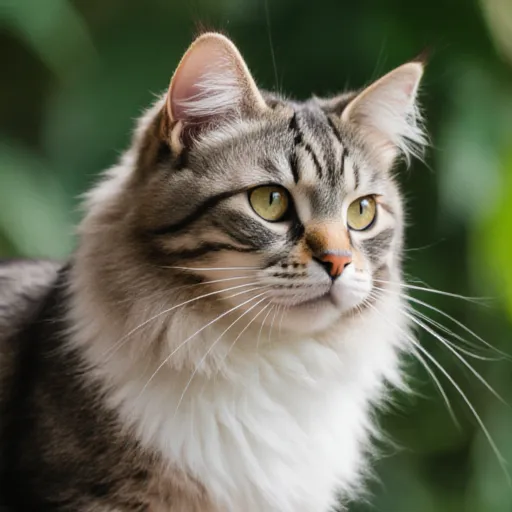
Reveal Your Feline's Graceful Beauty
Unlock Your Cat's Stunning Elegance
Table of Contents
- Understanding the Importance of Grooming for Long-Haired Cats
- Choosing the Right Grooming Tools
- Brushing Techniques and Frequency
- Handling Matting Issues
- Trimming Claws Appropriately
- Cleaning Ears Regularly
- Feeding and Nutrition Impact on Hair Health
- Hydration: Importance for Coat Quality
- Showering Your Cat Occasionally
- Handling Shedding Seasons
- Spotting Skin Issues Early On
- Training Your Cat for Grooming Sessions
- Maintaining a Healthy Environment for Your Long-Haired Cat
- Conclusion: The Benefits of Regular Grooming
- FAQs About Grooming Long-Haired Cats
Understanding the Importance of Grooming for Long-Haired Cats
Grooming is more than just a routine task; it's an essential aspect of caring for long-haired cats. Regular grooming helps to prevent matting, reduces shedding, and ensures the overall health and well-being of your pet. Here are some key reasons why grooming is so important:
Preventing Matting
Long-haired cats can easily develop mats if not groomed regularly. Mats can lead to skin irritation, discomfort, and even infection. By brushing your cat frequently, you can prevent these issues from arising. Regular grooming also helps to distribute the natural oils throughout their fur, keeping it soft and healthy.
Reduction in Shedding
Grooming not only reduces shedding but also makes it more manageable when it does occur. By removing loose hair during grooming sessions, you can significantly cut down on the amount of hair your cat sheds around the house. This is especially important if you have a long-haired breed such as a Siberian or Maine Coon.
Improving Skin Health
During grooming sessions, it's common to notice any skin issues that may be developing under the fur. Regular brushing allows you to check for signs of fleas, ticks, or other parasites early on, which can prevent more serious infestations. Additionally, grooming helps to keep the coat clean and free from debris, promoting healthy skin.
Promoting Bonding
Grooming provides an excellent opportunity for bonding with your cat. Many cats enjoy the process of being groomed, and it can be a relaxing experience for both you and your pet. Taking time to interact with your cat during grooming sessions can strengthen your relationship and make them more comfortable with handling.
Grooming Tips for Long-Haired Cats
- Brush Regularly: Use a wide-toothed comb or a slicker brush, depending on the coat type. Aim to groom your cat at least once a week, but more frequently if they are shedding heavily.
- Start Early: Introduce grooming early in your cat's life to ensure they grow accustomed to it and look forward to these sessions.
- Check for Health Issues: During brushing, inspect the coat and skin for any abnormalities such as lumps or spots that could indicate underlying health problems.
- Use Proper Tools: Invest in quality grooming tools appropriate for your cat's coat type to make the process more effective and comfortable for both you and your pet.
Choosing the Right Grooming Tools
Grooming your long-haired cat is a crucial aspect of ensuring their health and comfort. The right tools can make the process more manageable, reducing stress for both you and your pet. Here are some essential grooming tools that you should consider:
1. Slicker Brush
The slicker brush is a must-have tool for long-haired cats. It helps remove loose hair, tangles, and mats without causing discomfort to your cat. When choosing a slicker brush, look for one with fine needles that won't pull too hard on your cat's skin.
- Example: FURminator Slicker Brush
- Usage: Use it regularly to prevent matting and keep your cat’s coat smooth.
2. Metal Comb
A metal comb is essential for detangling the longer hair of long-haired cats. It helps in getting into those hard-to-reach areas that a slicker brush might miss. Choose a wide-toothed metal comb to avoid pulling on your cat's skin.
- Example: Grooming Comb for Cats
- Usage: Use it after the slicker brush to ensure all tangles are removed.
3. Pin Brush
A pin brush is great for detangling and brushing out longer hair on a cat’s body, especially around the tail and legs. It has fine pins that glide through the fur easily without causing pain or discomfort to your cat.
- Example: Pin Brush by FURminator
- Usage: Use it after using a slicker brush and before finishing with a comb.
4. Nail Clippers
Maintaining your long-haired cat's nails is just as important as their coat grooming. Long-haired cats tend to keep their nails shorter due to the weight of their fur, but it’s still essential to check and trim them regularly.
- Example: Nail Clippers for Cats
- Usage: Trim your cat's nails every few weeks or as needed. Be cautious not to cut too close to the quick, which is the pink part of the nail.
5. Bathing Tools (If Needed)
Bathing a long-haired cat can be challenging due to their tendency to mat easily. If you need to bathe your cat more often than usual, invest in a few tools that make the process easier and less stressful for both of you.
- Example: Puppy Shampoo
- Usage: Use gentle shampoo specifically formulated for cats to avoid irritation. Consider using a slip-resistant mat in the bathtub or shower to prevent your cat from slipping.
To ensure you are choosing the right tools, consider consulting with your veterinarian or a professional groomer who can provide personalized advice based on your cat's specific needs and coat type. Regular grooming not only keeps your cat’s coat healthy but also strengthens the bond between you and your pet.
Brushing Techniques and Frequency
For long-haired cats, regular grooming is essential to maintain their coat health and prevent matting. Brushing your cat frequently can help distribute natural oils through the fur, reduce shedding, and keep the skin healthy.
Bristle Brushes vs Slicker Brushes
When choosing a brush for your long-haired cat, it's important to select one that is appropriate for their coat type. Bristle brushes are generally more suitable for cats with longer, thicker coats as they can help separate and detangle the fur without causing too much pulling on the skin. Slicker brushes, on the other hand, have finer teeth which make them ideal for shorter, sleeker hair but can be less effective on long-haired cats.
Brushing Techniques
- Start at the Back End: Begin brushing from the hindquarters and work your way forward. This helps to identify any knots or mats early, making it easier to deal with them before they become more severe.
- Follow the Grain of the Fur: Always brush in the direction that follows the natural grain of the fur. Running your hand over the coat can help you determine which way is correct; if your hand moves easily and smoothly, you're following the right direction.
- Use Short, Firm Strokes: Apply short, firm strokes as you brush to ensure that knots are loosened without causing discomfort to your cat. Gentle tugging can sometimes cause more harm than good.
Frequency of Brushing
The frequency with which you should brush your long-haired cat depends on several factors including the season and the breed of your cat. Generally, it's recommended to brush your cat at least three times a week, but during shedding seasons (usually spring and fall), daily brushing may be necessary.
Practical Tips
- Create a Routine: Consistency is key. Try to establish a grooming routine that works for both you and your cat. This could involve brushing immediately after playtime or during quiet moments in the evening.
- Pet-Safe Brushes: Always choose brushes made specifically for pets as they are designed to be soft on sensitive skin and less likely to cause irritation.
- Consult a Vet: If you notice unusual shedding, patches of missing fur, or if your cat seems uncomfortable during grooming sessions, it might be wise to consult with your veterinarian. These could indicate underlying health issues that require professional attention.
Handling Matting Issues
Handling matting issues is a critical aspect of grooming long-haired cats. These mats can lead to discomfort, skin irritation, and even health problems if left unchecked. Regular brushing and proper techniques are essential for managing and preventing matting in your cat's fur.
Understanding Matting
Mats occur when the individual strands of a long-haired cat’s coat become tangled together, forming dense patches that can grow larger over time if not addressed. These mats can be painful for your cat and may restrict movement in their legs or body.
Regular Brushing
The key to preventing matting is consistent brushing. Use a comb designed specifically for long-haired cats, such as a de-matting brush or a pin brush. Aim to brush your cat at least twice a week, and more frequently if you notice signs of matting.
Brushing Techniques
- Start from the End: Begin brushing from the tips of your cat’s tail and work upwards. This helps to identify any areas where mats may be forming early on.
- Use a Comb First: For stubborn mats, use a comb or de-matting brush. Gently pull the comb through the mat while applying slight pressure. Avoid pulling too hard as this can cause your cat pain.
- Brush in One Direction Only: Always brush in one direction to avoid creating more tangles and mats.
Detecting Early Signs of Matting
Early detection is crucial for effective treatment. Look out for the following signs that indicate your cat may have matting issues:
- Your cat shows discomfort when being brushed or petted.
- The fur appears patchy or knotted in certain areas.
- There are visible mats forming between the legs, underbelly, or around the tail.
Treating Existing Mats
If your cat already has matting issues, it’s important to treat them promptly. Here’s how you can do it:
- Use Conditioner or Leave-In Spray: Apply a pet-friendly conditioner or leave-in spray to the affected area before brushing. This helps to separate the fibers and make the mat easier to comb through.
- Be Gentle but Firm: Use your fingers to gently pull apart any loose strands of hair, then continue brushing with a comb in one direction.
- Trimming as a Last Resort: If the mats are too severe and can’t be separated by hand, trimming them out may be necessary. Always trim around the skin to avoid cutting sensitive areas. Consider seeking help from a professional groomer if you’re unsure about this step.
Professional Grooming
If your cat’s matting is severe or frequent, consider professional grooming services. A professional can provide thorough de-matting and maintain your cat’s coat in excellent condition with regular visits.
Conclusion
Handling matting issues requires dedication and patience. By following these grooming tips and maintaining a routine of regular brushing, you can keep your long-haired cat looking and feeling their best. Remember, early detection is key to preventing more serious problems down the line.
Trimming Claws Appropriately
Trimming your long-haired cat's claws appropriately is an essential part of grooming, ensuring their comfort and safety. Overgrown claws can lead to discomfort or even infections if they catch on fabrics or other surfaces. Regular trimming also prevents accidental scratching by visitors or furniture.
Grooming Tips for Long-Haired Cats
Long-haired cats require more attention than their short-haired counterparts due to the high maintenance of their fur. Proper grooming can minimize shedding, reduce the risk of matting, and keep your cat healthy and happy. Here are some tips specifically tailored to long-haired cats:
1. Regular Brushing
Regular brushing is crucial for long-haired cats to prevent tangles and mats from forming. Use a suitable brush designed for shedding fur, such as a slicker brush or a de-shedding tool. Aim to brush your cat at least three times a week, increasing the frequency during high-shedding periods like spring.
2. Bathe Your Cat Sparingly
Bathing long-haired cats should be done only as needed, typically every few months or when necessary due to dirtiness. Over-bathing can strip natural oils from the skin and coat, leading to dryness and irritation. When bathing, use a gentle cat shampoo specifically formulated for sensitive skins.
3. Monitor Claw Health
Cats with long hair may have their claws hidden, making it harder to notice potential issues such as overgrown nails or infections. It’s important to regularly check your cat's paws and trim the claws when necessary. Overgrown nails can lead to discomfort or difficulty walking.
4. Professional Grooming Sessions
If you find it challenging to groom your long-haired cat at home, consider scheduling regular appointments with a professional groomer. They can provide thorough grooming services that may be difficult for owners to manage alone, ensuring the best care for your pet.
5. Claw Trimming
Cutting your long-haired cat’s nails properly is very important to avoid injuring them or damaging their claws. Use a sharp clipper designed specifically for cats, and always check that you are trimming only the tips of the claw, avoiding the pink part (quick) where blood vessels and nerves reside.
- Use the Correct Tool: Invest in good quality nail clippers. Manual scissors or an electric clipper for cats can be used depending on your preference and your cat's tolerance to these tools.
- Start Slowly: If your cat is not accustomed to having their claws trimmed, start by holding them gently and acclimatizing them to the process. Positive reinforcement with treats can help make this experience less stressful for both you and your pet.
- Be Prepared for Quick Trimming: Always keep a styptic powder or cornstarch handy in case the nail is accidentally cut too short, preventing bleeding.
In conclusion, trimming claws appropriately plays a significant role in maintaining your long-haired cat's overall health and comfort. By integrating regular grooming routines into your daily schedule, you can help ensure that your cat lives a healthy, happy life free from the discomfort caused by overgrown nails or tangles.
Cleaning Ears Regularly
Cleaning your long-haired cat's ears regularly is an essential part of their grooming routine. Neglecting this can lead to discomfort, infections, and potential ear issues that may require veterinary intervention. Here are some tips and practical advice to help you keep your feline friend’s ears in top condition.
Why Regular Ear Cleaning Is Important
- Promotes Health: Clean ears prevent the buildup of wax, dirt, and debris that can irritate your cat's ear canal and lead to infections.
- Avoids Odor: Regular cleaning helps eliminate any unpleasant smells associated with dirty or infected ears.
- Maintains Comfort: A clean environment in the ears ensures your cat is more comfortable, which can reduce fussiness during grooming sessions.
Tools You'll Need
To effectively clean your long-haired cat’s ears, you’ll need a few essential tools:
- Ears Cleaner: Use a veterinarian-recommended ear cleaner specifically designed for cats. Avoid human products as they may contain ingredients harmful to felines.
- Syringe or Cotton Balls/Pads: A syringe can help you deliver the cleaner deep into your cat’s ears, while cotton balls or pads are useful for wiping away excess debris.
- Gloves (Optional): Wearing gloves during the process can protect your hands from potential messes and irritation.
Step-by-Step Guide to Ear Cleaning
- Prepare Your Cat: Gently but firmly hold your cat in a secure position. You may need someone to assist you, especially if your cat is not cooperative.
- Warm the Cleaner: If your cleaner comes in a cold bottle, gently warm it between your hands before use to make it more comfortable for your cat.
- Apply the Cleaner: Using the syringe or your fingers, apply a small amount of ear cleaner into the outer part of the ear canal. Be careful not to force anything deeper inside.
- Massage Gently: Massage the base of the ear gently for about 30 seconds. This helps distribute the cleaner and loosen any debris within the ear canal.
- Remove Debris: After massaging, use a clean cotton ball or pad to wipe away the loosened dirt and wax from the outside of the ear. Be gentle; do not insert anything into your cat’s ear canal.
Preventing Ear Infections
<|im_start|><|im_start|><|im_start|><|im_start|><|im_start|>: It seems like your response got cut off. To provide you with a complete and accurate response, could you please specify what exactly you would like to be expanded or corrected in the "Preventing Ear Infections" section? For example, are you looking for more information on recognizing signs of an ear infection, additional preventive measures, or specific products that can help?
Feeding and Nutrition Impact on Hair Health
Feeding and Nutrition Impact on Hair Health: Grooming Tips for Long-Haired Cats
When it comes to long-haired cats, their luxurious coats can be a source of pride. However, maintaining this beauty requires understanding the intricate relationship between feeding and nutrition, grooming habits, and overall health. Proper nutrition plays a crucial role in keeping your cat's coat healthy, shiny, and free from tangles.
Key Nutrients for Hair Health:
- Omega-3 Fatty Acids: These are essential for maintaining the skin’s integrity and promoting hair growth. They can be found in fish oil supplements or fatty fish like salmon and mackerel.
- Vitamin E: This vitamin is vital for preventing dry, flaky skin which can lead to dandruff and dull fur. Foods rich in Vitamin E include nuts, seeds, and avocados.
- Zinc: Necessary for healthy cell growth and repair; it aids in reducing inflammation of the skin that might cause hair loss or alopecia. Sources of zinc include oysters, beef, and whole grains.
- Biotin: Also known as Vitamin B7, biotin is crucial for keratin production which helps strengthen nails but also supports healthy hair growth. Eggs, legumes, and mushrooms are good sources.
- Vitamin A: This vitamin promotes cell division and the maintenance of tissues including skin and hair. Carrots, sweet potatoes, and spinach contain this nutrient.
Grooming Tips for Long-Haired Cats:
- Daily Brushing: Regular brushing is essential to prevent matting and tangles. Use a wide-toothed comb or a de-matting brush suitable for your cat’s coat type.
- Bath Carefully: Bathe your long-haired cat only when necessary, as frequent baths can strip natural oils from the skin leading to dryness and further complications with grooming. If you must bathe them, use gentle pet shampoos designed specifically for cats.
- Proper Diet: Ensure that your cat is eating a diet rich in nutrients beneficial for hair health as mentioned above. Consider consulting with your vet about specialized foods formulated to meet the specific needs of long-haired breeds like Maine Coons or Persians.
- Hydration: Keep your cat hydrated by providing fresh water daily and consider feeding them canned food which contains more moisture compared to dry kibble.
- Professional Grooming: For very serious cases where tangles have set in, seek professional grooming. This will help keep the coat clean while preventing further damage during at-home brushing sessions.
In conclusion, feeding a balanced diet that includes these key nutrients and maintaining good grooming practices are both crucial aspects of ensuring your long-haired cat maintains their beautiful coat. Regular check-ups with your veterinarian can also provide additional insights into specific dietary requirements based on individual health conditions or breed characteristics.
Hydration: Importance for Coat Quality
Hydration plays a crucial role in maintaining optimal coat quality, especially for long-haired cats. Proper hydration ensures that your cat's skin and coat remain healthy and free from issues such as dryness, flakiness, and dullness. In long-haired breeds like the Siberian or Maine Coon, maintaining proper hydration is essential for keeping their luxurious coats manageable and beautiful.
Understanding the Impact of Hydration on Coat Health
When a cat is well-hydrated, it not only benefits its internal organs but also enhances the quality of its coat. Dehydration can lead to dull or lifeless fur, which can be aesthetically unappealing and uncomfortable for your pet. Ensuring that your long-haired cat drinks enough water can help maintain the natural oils in their skin and coat, promoting a glossy and vibrant appearance.
How Grooming Tips Can Help With Hydration
Grooming is not just about cleaning but also about ensuring that your long-haired cat stays hydrated. Regular brushing helps to distribute the natural oils from the skin to the surface of the coat, making it shinier and healthier. This process can be particularly beneficial during shedding seasons when there's an increased amount of fur in the environment.
Practical Grooming Tips for Long-Haired Cats
- Daily Brushing: For long-haired cats, daily brushing is highly recommended. Use a wide-toothed comb or a slicker brush to remove tangles and loose hair. This helps in reducing the amount of shedding fur you find around your home.
- Regular Baths: While frequent bathing can strip natural oils from the coat, it's important to bathe your cat every few months if needed. Use a gentle shampoo designed for cats, and always thoroughly dry their coat afterward to prevent any skin issues that might arise from too much moisture.
- Moisturizing: Consider using a specialized spray or oil designed for long-haired coats to add extra hydration and shine. This can be especially useful during the winter months when indoor heating systems tend to dry out the air.
Ensuring Your Cat Drinks Enough Water
In addition to grooming, providing your cat with plenty of fresh water is critical for maintaining their overall health and coat quality. Cats can be less inclined to drink enough water compared to dogs, so it's important to make sure they have access to clean and appealing water sources.
- Multiple Water Sources: Place several water bowls around your home in different locations. You might find that your cat prefers drinking from one over another.
- Freshness Counts: Ensure the water is always fresh and change it frequently to keep it appealing for your cat.
- Treats as Motivation: Sometimes, you can use treats or interactive toys that involve chasing a toy through water to encourage your cat to drink more.
Conclusion
In summary, maintaining proper hydration is key to keeping your long-haired cat's coat healthy and beautiful. By following these grooming tips and ensuring they have access to plenty of fresh water, you can help your pet look their best while promoting overall health.
Showering Your Cat Occasionally
Grooming is a crucial aspect of taking care of long-haired cats, and while brushing regularly is essential, there might come times when you need to resort to more drastic measures. Occasionally showering your cat can be beneficial for their coat health and hygiene. Here are some grooming tips specifically tailored for long-haired cats:
When to Shower Your Cat
- After a Walk or Playtime: If your cat has been outdoors, they might bring in dirt, pollen, or other debris. A quick shower can help remove these irritants.
- If They Roll in Something Unpleasant: Long-haired cats are more prone to getting matted fur if they roll around in something foul like mud or leaves.
- Before Brushing: Sometimes, a light shower can make the coat easier to brush, reducing the risk of pulling out tangles and mats.
How to Safely Bathe Your Long-Haired Cat
- Select the Right Shampoo: Use a cat-specific shampoo that is gentle on their skin. Human shampoos can be harsh and lead to dry, irritated skin.
- Keep Their Eyes Covered: Use eye covers or towels to protect your cat's eyes from getting soapy water in them. This will prevent irritation and infections.
- Gently Wash the Coat: Start by wetting their fur thoroughly, then apply shampoo, starting at the bottom of the coat and working your way up. Be careful not to get water or soap into their eyes, ears, or mouth.
- Rinse Thoroughly: Make sure all the shampoo is rinsed out completely to avoid any residue that could irritate their skin.
- Dry Carefully: Use a soft towel to gently blot excess water from your cat's coat. Avoid rubbing as this can cause matting. Allow them to air dry or use a low-heat dryer on the coolest setting possible.
Post-Shower Care
After showering, it is important to properly groom your cat. Here’s how you can do it:
- Brush Immediately After Bathing: This will help remove any loose hair and prevent matting while the coat is still damp.
- Use a Comb or Slicker Brush: These tools are effective for detangling long-haired cats. Start from the base of the fur and gently work your way towards the tips.
Remember, while occasional showers can be beneficial, regular grooming is still essential to maintain the health of your long-haired cat's coat. Always consult with a veterinarian if you notice any changes in their behavior or skin condition after bathing.
Handling Shedding Seasons
Grooming your long-haired cat during shedding seasons is crucial to keep their coat healthy and comfortable. Shedding can be a challenging time for both cats and their owners, but with the right approach and tools, you can make it easier.
Cats generally shed twice a year: once in spring and again in fall. However, some breeds may have more frequent shedding throughout the year due to their long coats. Recognizing when your cat’s coat starts to change is key to preparing for these periods.
Signs Your Cat is Shedding:
- Your home feels like you live in a cloud of fur
- You notice more shedding hair in your cat's food bowl or litter box
- Your cat seems to be grooming themselves less often
1. Regular Brushing:
Regular brushing is the cornerstone of shedding management. Use a comb or brush designed for long-haired cats, such as a de-shedding tool or a slicker brush. Aim to brush your cat at least twice a week during high-shedding periods.
- Slicker Brush: Ideal for removing loose undercoat and tangles
- De-Shedding Tool: Helps reduce shedding by targeting the undercoat
- Bristle Brush: Best for thinning out long fur
Remember, brushing not only helps remove excess hair but also stimulates circulation and distributes natural oils through the coat.
2. Proper Diet:
A balanced diet rich in essential nutrients can significantly improve your cat’s overall health and skin condition, which in turn supports a healthy coat. Ingredients like Omega-3 and Omega-6 fatty acids are particularly beneficial for skin and coat health.
- Omega-3 Fatty Acids: Found in fish oil supplements or foods like salmon
- Omega-6 Fatty Acids: Available through foods like chicken, eggs, and certain seeds
Consult your veterinarian for recommendations tailored to your cat's specific needs.
3. Hydration and Environment:
Hydrated skin is vital for maintaining a healthy coat. Ensure your cat has access to fresh, clean water at all times.
- Water Fountain: Encourage drinking by using a water fountain
- Ventilation: Keep the area where your cat spends most of its time well-ventilated and not overly humid or dry.
4. Regular Baths:
Baths can help remove loose hair, dirt, and allergens from your long-haired cat’s coat. However, it's important to strike a balance as frequent baths can strip away essential oils.
- Frequent Baths: Every 6-8 weeks for most cats
- Shampoo: Choose a gentle shampoo suitable for long-haired breeds, such as ones formulated without harsh detergents
Follow up with a thorough drying and brushing session after bathing to ensure your cat is comfortable.
5. Professional Grooming:
If managing daily grooming becomes too time-consuming or if you notice persistent matting, consider professional grooming sessions. These can be particularly beneficial for long-haired breeds that require frequent trimming and detangling.
- Frequency: Every 4-6 weeks depending on the breed
- Breeders or Groomers: Look for a professional who specializes in your cat’s specific breed
In conclusion, by addressing shedding and grooming needs proactively, you can help ensure your long-haired cat enjoys a healthy and comfortable coat all year round. Regular maintenance will not only keep your home fur-free but also enhance the bond between you and your pet.
Spotting Skin Issues Early On
When it comes to long-haired cats, regular grooming is not just about keeping your pet looking its best; it's a crucial part of maintaining their overall health. Long-haired cats are prone to various skin issues due to the amount of hair they have, which can sometimes trap dirt, allergens, and moisture against the skin. By spotting these skin issues early on, you can prevent more serious conditions from developing.
Common Skin Issues in Long-Haired Cats
- Hot Spots: Hot spots are areas of inflamed skin that develop when a cat licks or bites at an itchy spot. They can be caused by flea infestations, allergies, and poor grooming practices. Regular brushing helps to remove excess hair and irritants before they have the chance to cause discomfort.
- Ringworm: Although ringworm is more common in short-haired cats, long-haired ones are not immune. The extra hair can make it harder to spot and treat. Early signs include small, circular patches of missing fur that may be scaly or inflamed.
- Flea Allergy Dermatitis: Fleas can cause severe itching and allergic reactions in cats. Regular grooming helps remove fleas and their eggs before they have a chance to bite your cat. Look for signs like redness, hair loss, and excessive scratching around the head or neck.
- Seborrhea: This condition causes scaly skin that can lead to more serious infections if left untreated. It is often caused by a fungal infection but can also be related to poor nutrition or hormonal imbalances. Early detection can prevent these issues from worsening.
Grooming Tips for Spotting Skin Issues
- Regular Brushing: Use a slicker brush designed for long-haired cats to remove dead hair and any irritants. Aim to brush your cat at least twice a week, more often during shedding seasons like spring and fall.
- Check for Abnormalities: During grooming sessions, closely examine the skin and coat for any unusual signs such as redness, bumps, or changes in texture. Pay special attention to areas that are harder to reach like the belly, legs, and tail base.
- Look Under the Tail: This area is often overlooked but can be a hotspot for skin issues due to moisture retention from fur. Regularly check this area for any signs of infection or irritation.
- Use a Reflective Surface: Use a mirror or a reflective surface like a window to get a better view of hard-to-reach areas during grooming sessions. This can help you spot issues early before they become more severe.
Practical Advice for Early Detection
If you notice any skin issues, it's important to take action promptly. Here are some practical steps:
- Contact Your Veterinarian: If the issue persists or worsens despite grooming efforts, consult your vet. They can provide a proper diagnosis and recommend appropriate treatments.
- Use Medications: Depending on the issue, your veterinarian may prescribe antifungal creams, antibiotics, or other medications to treat infections or inflammatory conditions.
- Nutritional Support: Ensure that your cat is receiving a balanced diet rich in essential fatty acids and vitamins. This can support skin health from the inside out.
Training Your Cat for Grooming Sessions
Training your cat for grooming sessions can be a crucial step towards maintaining their health and overall well-being. Grooming is especially important for long-haired cats, as it helps prevent matting, reduces shedding, and keeps the coat healthy. Here are some detailed steps and tips to make this process smoother:
Start Early
Introducing your cat to grooming sessions early in their life can help them become more accustomed to the routine from a young age. This makes it easier for both you and your pet as they grow older, especially if you have a long-haired breed like a Maine Coon or Persian.
Choose the Right Tools
Selecting appropriate grooming tools is essential for both your cat's comfort and the effectiveness of the session. For long-haired cats, it’s important to use brushes and combs designed specifically for detangling and removing loose hair without causing discomfort.
- Slicker Brush: Great for removing tangles but can be too harsh on very sensitive skin.
- Comb: Useful for separating knots and ensuring the coat is smooth.
- Feliflex or Pin Cushion Brush: Best for long-haired cats as they are gentler than slicker brushes.
Make It a Positive Experience
Making grooming sessions enjoyable will encourage your cat to look forward to them rather than dreading them. Here’s how you can make the process more positive:
- Reward Good Behavior: Offer treats and praise when your cat cooperates during grooming. Positive reinforcement helps build a good association with the experience.
- Short Sessions: Keep each session short—about 10-15 minutes—and gradually increase the duration as your cat becomes more comfortable.
- Create a Calm Environment: Grooming should be done in a quiet, low-stress environment. Avoid loud noises or sudden movements that could startle or stress your cat.
Dress for Success
Your clothing can also play a role in making grooming sessions more enjoyable and less stressful for both you and your pet. Opt for soft, loose-fitting clothes to avoid accidentally hurting your cat during the process.
- Choose fabrics like cotton or silk that are gentle on your skin and comfortable for long periods of time.
- A pair of old pants or a robe can be ideal as they won't get damaged if there’s any shedding during grooming.
Address Matted Fur
Matted fur is a common challenge when grooming long-haired cats, but it doesn’t have to be overwhelming. Here are some tips for dealing with matts:
- Pet the Area Gently First: Before attempting to untangle, gently pet your cat’s coat around the matted area to see if they will brush out easily.
- Use Conditioner or Grooming Oil: Apply a grooming oil or conditioner to the matt. Let it sit for a few minutes before trying to comb through it with a slicker brush.
- Be Patient and Gentle: If the matted area is particularly difficult, you may need to clip it out carefully with scissors designed for pet grooming. Always remove matts slowly to avoid causing pain or injury.
Regular Maintenance
The key to managing long-haired cats’ coats lies in regular maintenance rather than sporadic, intense sessions. Aim to groom your cat weekly, but you may need to increase the frequency during shedding seasons.
By following these tips and creating a positive grooming routine, you can help ensure that your long-haired cat remains healthy and happy. Remember, consistency is key when training your cat for grooming sessions!
Maintaining a Healthy Environment for Your Long-Haired Cat
Maintaining a healthy environment for your long-haired cat is crucial to ensure their overall well-being and comfort. Long-haired cats require more attention than short-haired breeds due to the amount of fur they accumulate, which can lead to various health issues if not properly managed. Here are some essential grooming tips and advice tailored specifically for long-haired cats.
Grooming Frequency
The frequency of grooming depends on several factors including shedding patterns, breed, and environmental conditions. Regular brushing is key in managing their fur, reducing the risk of matting, and promoting a healthy skin condition.
- Daily Brushing: During heavy shedding seasons or for cats with high-maintenance breeds, daily brushing can help prevent hairballs and reduce shedding around your home.
- Weekly Grooming: For lighter days, aim to brush at least once a week. This helps keep the coat clean and reduces the amount of loose fur in your living space.
Tools for Effective Grooming
To make grooming easier and more effective, consider investing in high-quality tools designed specifically for long-haired cats:
- Slicker Brush: Great for removing loose fur without causing discomfort to your cat. Ideal for daily grooming sessions.
- Roller Brush: Excellent for detangling and smoothing the coat, especially useful during shedding periods.
- Comb: Useful for de-tangling knots that may have formed over time. Use with care to avoid causing pain or stress to your cat.
- Sandpaper Brush: Perfect for removing dead undercoat and helping keep the coat healthy, especially during heavy shedding seasons.
Diet and Supplements
A balanced diet is essential in maintaining a healthy coat. Incorporate fatty acids into your cat's meals to promote shiny fur and a healthy skin condition.
- Fatty Acids: Omega-3 and omega-6 fatty acids are vital for skin and coat health. Foods rich in these nutrients include fish oil supplements, flaxseed, and certain brands of cat food formulated specifically to support a healthy coat.
- Vitamins: Ensure your cat gets adequate amounts of vitamin E and B-complex vitamins, which are beneficial for skin and fur health. Supplements can be considered if dietary sources alone are insufficient.
Hydration and Cleanliness
Keeping your long-haired cat hydrated is essential to their overall health. Ensure they have access to fresh water at all times, which also aids in preventing hairballs caused by dry fur.
Besides regular grooming, maintaining cleanliness is important. Bathe your cat as needed but not too frequently since frequent baths can strip the natural oils from their skin and coat. Use mild shampoos that are formulated for cats to avoid irritation or skin problems.
Encouraging Natural Grooming
Cats often groom themselves, but they may miss areas that you can help them with during brushing sessions. Interactive play also helps encourage natural grooming behavior:
- Treats: Use treats as an incentive to get your cat closer and more cooperative during brushing.
- Toys: Engage in playtime, which can help keep them active and reduce stress. This also provides a natural way for them to groom themselves.
By following these grooming tips, you can help ensure that your long-haired cat remains healthy, happy, and comfortable. Regular care will not only enhance their appearance but also improve their overall health and well-being.
Conclusion: The Benefits of Regular Grooming
Regular grooming is an essential part of taking care of any cat, but it becomes especially crucial for long-haired cats. Unlike their short-coated counterparts, long-haired breeds require more attention and effort in maintaining their coats to prevent matting, reduce shedding, and minimize the risk of skin irritation.
Preventing Matting
Matted fur can lead to a painful experience for your cat. Regular brushing helps remove loose hair and tangles before they become serious knots. For long-haired cats, it's important to use a comb designed specifically for this purpose. Begin by starting at the bottom of the coat and work your way up, always brushing in the direction of the hair growth.
Reducing Shedding
Long-haired cats shed year-round, not just seasonally like short-haired breeds. By regularly grooming them, you can significantly reduce the amount of fur that ends up on your furniture and clothing. This is particularly beneficial if you have allergies or sensitive skin.
Maintaining Skin Health
Brushing your long-haired cat’s coat also aids in removing dead skin cells and promoting a healthy, shiny coat. It stimulates the flow of blood to the skin, which helps keep it soft and prevents infections or other issues. During grooming sessions, pay close attention to any areas that appear inflamed or irritated.
Building Bonding Time
Grooming provides an excellent opportunity to bond with your cat. It’s a chance for you both to relax and enjoy each other's company. As you groom, engage in conversation and provide gentle petting. This positive interaction can help strengthen the trust between you and your feline companion.
Professional Grooming
While regular at-home grooming is essential, it’s also wise to schedule professional grooming sessions every few months. Professional groomers have specialized tools and techniques that can address more difficult areas of the coat that might be challenging for you to manage alone.
In conclusion, the benefits of regular grooming for long-haired cats are numerous and significant. By following these tips, you can ensure your cat remains comfortable, healthy, and happy. Remember, the key is consistency—making grooming a routine part of your daily or weekly schedule.
FAQs About Grooming Long-Haired Cats
Grooming long-haired cats is essential for maintaining their health and preventing matting. Here are some frequently asked questions along with detailed answers to help you manage this task effectively.
1. How Often Should I Groom My Long-Haired Cat?
The frequency of grooming can vary depending on the breed and the cat's shedding habits, but generally, long-haired cats should be groomed at least two to three times a week. During shedding seasons (spring and fall), you may need to increase this to daily or every other day.
2. What Tools Do I Need for Grooming?
- Slicker Brush: Ideal for removing tangles and loose fur during the first stages of grooming.
- Comb: Essential for detangling knots that are too tight for a slicker brush. Look for combs with wide teeth to prevent pulling on your cat's skin.
- Felting Mittens or Rubber Gloves: These can help remove loose fur without needing additional brushes.
- Scissors: Use them carefully to cut out mats, especially around the tail and paws where they are more likely to form. Be sure to trim only the mat itself, not the healthy fur around it.
- Bristle Brush or Pin Brush: These can be used for a final polish after combing, helping to distribute natural oils through your cat's coat and give it a sleek appearance.
3. How Do I Start Grooming My Long-Haired Cat?
Begin by familiarizing your cat with the process gently. Start grooming when your cat is still young to make it a routine activity that they enjoy. Use treats and positive reinforcement to encourage them during the session.
4. What Should I Do if My Cat Has Matted Fur?
Mats can be painful for cats, so it's crucial to handle them carefully. Start by brushing around the mat with a slicker brush, then use your fingers or a comb to gently separate the knot. Once you've separated the mat slightly, try using a spray detangler to help loosen it further. If the mat is still too stubborn, you may need to trim it out carefully with scissors, but always be cautious not to cut into the skin.
5. Can I Bathe My Long-Haired Cat?
Bathing a long-haired cat can be both necessary and enjoyable if done correctly. Use a cat-specific shampoo designed for sensitive skin to avoid irritation. Start by giving your cat a thorough brush before bathing, as this will remove much of the loose hair and prevent it from clogging up the water. Bathe your cat in warm (but not hot) water and rinse thoroughly. After bathing, dry them carefully with towels to absorb excess moisture, then finish grooming their fur.
6. What Are Some Tips for Preventing Matting?
- Maintain a regular grooming schedule as mentioned above.
- Brush your cat immediately after they come inside if they’ve been outside to prevent any dirt and debris from sticking to their fur.
- Consider clipping or shaving the hair around the paws, tail, and belly areas where mats are more likely to form. This is particularly important for older cats who may not groom themselves as effectively as younger ones.
7. What Should I Do if My Cat Hates Grooming?
If your cat does not enjoy grooming, it's vital to make the experience less stressful. Gradually introduce brushing into their routine over several weeks or months. Use positive reinforcement like treats and praise, and keep sessions short and sweet at first. If necessary, seek advice from a professional groomer who can help you approach this with more success.
8. Can I Trim My Long-Haired Cat's Fur?
While trimming is not always necessary, it can be beneficial for certain breeds or cats that are particularly prone to matting. Trimming should only be done by a professional groomer if you're unsure of how to do it yourself. Over-trimming can lead to uneven hair growth and skin irritation.
Feeding and Nutrition Impact on Hair Health
Feeding and Nutrition Impact on Hair Health: Grooming Tips for Long-Haired Cats
When it comes to long-haired cats, their luxurious coats can be a source of pride. However, maintaining this beauty requires understanding the intricate relationship between feeding and nutrition, grooming habits, and overall health. Proper nutrition plays a crucial role in keeping your cat's coat healthy, shiny, and free from tangles.
Key Nutrients for Hair Health:
- Omega-3 Fatty Acids: These are essential for maintaining the skin’s integrity and promoting hair growth. They can be found in fish oil supplements or fatty fish like salmon and mackerel.
- Vitamin E: This vitamin is vital for preventing dry, flaky skin which can lead to dandruff and dull fur. Foods rich in Vitamin E include nuts, seeds, and avocados.
- Zinc: Necessary for healthy cell growth and repair; it aids in reducing inflammation of the skin that might cause hair loss or alopecia. Sources of zinc include oysters, beef, and whole grains.
- Biotin: Also known as Vitamin B7, biotin is crucial for keratin production which helps strengthen nails but also supports healthy hair growth. Eggs, legumes, and mushrooms are good sources.
- Vitamin A: This vitamin promotes cell division and the maintenance of tissues including skin and hair. Carrots, sweet potatoes, and spinach contain this nutrient.
Grooming Tips for Long-Haired Cats:
- Daily Brushing: Regular brushing is essential to prevent matting and tangles. Use a wide-toothed comb or a de-matting brush suitable for your cat’s coat type.
- Bath Carefully: Bathe your long-haired cat only when necessary, as frequent baths can strip natural oils from the skin leading to dryness and further complications with grooming. If you must bathe them, use gentle pet shampoos designed specifically for cats.
- Proper Diet: Ensure that your cat is eating a diet rich in nutrients beneficial for hair health as mentioned above. Consider consulting with your vet about specialized foods formulated to meet the specific needs of long-haired breeds like Maine Coons or Persians.
- Hydration: Keep your cat hydrated by providing fresh water daily and consider feeding them canned food which contains more moisture compared to dry kibble.
- Professional Grooming: For very serious cases where tangles have set in, seek professional grooming. This will help keep the coat clean while preventing further damage during at-home brushing sessions.
In conclusion, feeding a balanced diet that includes these key nutrients and maintaining good grooming practices are both crucial aspects of ensuring your long-haired cat maintains their beautiful coat. Regular check-ups with your veterinarian can also provide additional insights into specific dietary requirements based on individual health conditions or breed characteristics.
Hydration: Importance for Coat Quality
Hydration plays a crucial role in maintaining optimal coat quality, especially for long-haired cats. Proper hydration ensures that your cat's skin and coat remain healthy and free from issues such as dryness, flakiness, and dullness. In long-haired breeds like the Siberian or Maine Coon, maintaining proper hydration is essential for keeping their luxurious coats manageable and beautiful.
Understanding the Impact of Hydration on Coat Health
When a cat is well-hydrated, it not only benefits its internal organs but also enhances the quality of its coat. Dehydration can lead to dull or lifeless fur, which can be aesthetically unappealing and uncomfortable for your pet. Ensuring that your long-haired cat drinks enough water can help maintain the natural oils in their skin and coat, promoting a glossy and vibrant appearance.
How Grooming Tips Can Help With Hydration
Grooming is not just about cleaning but also about ensuring that your long-haired cat stays hydrated. Regular brushing helps to distribute the natural oils from the skin to the surface of the coat, making it shinier and healthier. This process can be particularly beneficial during shedding seasons when there's an increased amount of fur in the environment.
Practical Grooming Tips for Long-Haired Cats
- Daily Brushing: For long-haired cats, daily brushing is highly recommended. Use a wide-toothed comb or a slicker brush to remove tangles and loose hair. This helps in reducing the amount of shedding fur you find around your home.
- Regular Baths: While frequent bathing can strip natural oils from the coat, it's important to bathe your cat every few months if needed. Use a gentle shampoo designed for cats, and always thoroughly dry their coat afterward to prevent any skin issues that might arise from too much moisture.
- Moisturizing: Consider using a specialized spray or oil designed for long-haired coats to add extra hydration and shine. This can be especially useful during the winter months when indoor heating systems tend to dry out the air.
Ensuring Your Cat Drinks Enough Water
In addition to grooming, providing your cat with plenty of fresh water is critical for maintaining their overall health and coat quality. Cats can be less inclined to drink enough water compared to dogs, so it's important to make sure they have access to clean and appealing water sources.
- Multiple Water Sources: Place several water bowls around your home in different locations. You might find that your cat prefers drinking from one over another.
- Freshness Counts: Ensure the water is always fresh and change it frequently to keep it appealing for your cat.
- Treats as Motivation: Sometimes, you can use treats or interactive toys that involve chasing a toy through water to encourage your cat to drink more.
Conclusion
In summary, maintaining proper hydration is key to keeping your long-haired cat's coat healthy and beautiful. By following these grooming tips and ensuring they have access to plenty of fresh water, you can help your pet look their best while promoting overall health.
Showering Your Cat Occasionally
Grooming is a crucial aspect of taking care of long-haired cats, and while brushing regularly is essential, there might come times when you need to resort to more drastic measures. Occasionally showering your cat can be beneficial for their coat health and hygiene. Here are some grooming tips specifically tailored for long-haired cats:
When to Shower Your Cat
- After a Walk or Playtime: If your cat has been outdoors, they might bring in dirt, pollen, or other debris. A quick shower can help remove these irritants.
- If They Roll in Something Unpleasant: Long-haired cats are more prone to getting matted fur if they roll around in something foul like mud or leaves.
- Before Brushing: Sometimes, a light shower can make the coat easier to brush, reducing the risk of pulling out tangles and mats.
How to Safely Bathe Your Long-Haired Cat
- Select the Right Shampoo: Use a cat-specific shampoo that is gentle on their skin. Human shampoos can be harsh and lead to dry, irritated skin.
- Keep Their Eyes Covered: Use eye covers or towels to protect your cat's eyes from getting soapy water in them. This will prevent irritation and infections.
- Gently Wash the Coat: Start by wetting their fur thoroughly, then apply shampoo, starting at the bottom of the coat and working your way up. Be careful not to get water or soap into their eyes, ears, or mouth.
- Rinse Thoroughly: Make sure all the shampoo is rinsed out completely to avoid any residue that could irritate their skin.
- Dry Carefully: Use a soft towel to gently blot excess water from your cat's coat. Avoid rubbing as this can cause matting. Allow them to air dry or use a low-heat dryer on the coolest setting possible.
Post-Shower Care
After showering, it is important to properly groom your cat. Here’s how you can do it:
- Brush Immediately After Bathing: This will help remove any loose hair and prevent matting while the coat is still damp.
- Use a Comb or Slicker Brush: These tools are effective for detangling long-haired cats. Start from the base of the fur and gently work your way towards the tips.
Remember, while occasional showers can be beneficial, regular grooming is still essential to maintain the health of your long-haired cat's coat. Always consult with a veterinarian if you notice any changes in their behavior or skin condition after bathing.
Handling Shedding Seasons
Grooming your long-haired cat during shedding seasons is crucial to keep their coat healthy and comfortable. Shedding can be a challenging time for both cats and their owners, but with the right approach and tools, you can make it easier.
Cats generally shed twice a year: once in spring and again in fall. However, some breeds may have more frequent shedding throughout the year due to their long coats. Recognizing when your cat’s coat starts to change is key to preparing for these periods.
Signs Your Cat is Shedding:
- Your home feels like you live in a cloud of fur
- You notice more shedding hair in your cat's food bowl or litter box
- Your cat seems to be grooming themselves less often
1. Regular Brushing:
Regular brushing is the cornerstone of shedding management. Use a comb or brush designed for long-haired cats, such as a de-shedding tool or a slicker brush. Aim to brush your cat at least twice a week during high-shedding periods.
- Slicker Brush: Ideal for removing loose undercoat and tangles
- De-Shedding Tool: Helps reduce shedding by targeting the undercoat
- Bristle Brush: Best for thinning out long fur
Remember, brushing not only helps remove excess hair but also stimulates circulation and distributes natural oils through the coat.
2. Proper Diet:
A balanced diet rich in essential nutrients can significantly improve your cat’s overall health and skin condition, which in turn supports a healthy coat. Ingredients like Omega-3 and Omega-6 fatty acids are particularly beneficial for skin and coat health.
- Omega-3 Fatty Acids: Found in fish oil supplements or foods like salmon
- Omega-6 Fatty Acids: Available through foods like chicken, eggs, and certain seeds
Consult your veterinarian for recommendations tailored to your cat's specific needs.
3. Hydration and Environment:
Hydrated skin is vital for maintaining a healthy coat. Ensure your cat has access to fresh, clean water at all times.
- Water Fountain: Encourage drinking by using a water fountain
- Ventilation: Keep the area where your cat spends most of its time well-ventilated and not overly humid or dry.
4. Regular Baths:
Baths can help remove loose hair, dirt, and allergens from your long-haired cat’s coat. However, it's important to strike a balance as frequent baths can strip away essential oils.
- Frequent Baths: Every 6-8 weeks for most cats
- Shampoo: Choose a gentle shampoo suitable for long-haired breeds, such as ones formulated without harsh detergents
Follow up with a thorough drying and brushing session after bathing to ensure your cat is comfortable.
5. Professional Grooming:
If managing daily grooming becomes too time-consuming or if you notice persistent matting, consider professional grooming sessions. These can be particularly beneficial for long-haired breeds that require frequent trimming and detangling.
- Frequency: Every 4-6 weeks depending on the breed
- Breeders or Groomers: Look for a professional who specializes in your cat’s specific breed
In conclusion, by addressing shedding and grooming needs proactively, you can help ensure your long-haired cat enjoys a healthy and comfortable coat all year round. Regular maintenance will not only keep your home fur-free but also enhance the bond between you and your pet.
Spotting Skin Issues Early On
When it comes to long-haired cats, regular grooming is not just about keeping your pet looking its best; it's a crucial part of maintaining their overall health. Long-haired cats are prone to various skin issues due to the amount of hair they have, which can sometimes trap dirt, allergens, and moisture against the skin. By spotting these skin issues early on, you can prevent more serious conditions from developing.
Common Skin Issues in Long-Haired Cats
- Hot Spots: Hot spots are areas of inflamed skin that develop when a cat licks or bites at an itchy spot. They can be caused by flea infestations, allergies, and poor grooming practices. Regular brushing helps to remove excess hair and irritants before they have the chance to cause discomfort.
- Ringworm: Although ringworm is more common in short-haired cats, long-haired ones are not immune. The extra hair can make it harder to spot and treat. Early signs include small, circular patches of missing fur that may be scaly or inflamed.
- Flea Allergy Dermatitis: Fleas can cause severe itching and allergic reactions in cats. Regular grooming helps remove fleas and their eggs before they have a chance to bite your cat. Look for signs like redness, hair loss, and excessive scratching around the head or neck.
- Seborrhea: This condition causes scaly skin that can lead to more serious infections if left untreated. It is often caused by a fungal infection but can also be related to poor nutrition or hormonal imbalances. Early detection can prevent these issues from worsening.
Grooming Tips for Spotting Skin Issues
- Regular Brushing: Use a slicker brush designed for long-haired cats to remove dead hair and any irritants. Aim to brush your cat at least twice a week, more often during shedding seasons like spring and fall.
- Check for Abnormalities: During grooming sessions, closely examine the skin and coat for any unusual signs such as redness, bumps, or changes in texture. Pay special attention to areas that are harder to reach like the belly, legs, and tail base.
- Look Under the Tail: This area is often overlooked but can be a hotspot for skin issues due to moisture retention from fur. Regularly check this area for any signs of infection or irritation.
- Use a Reflective Surface: Use a mirror or a reflective surface like a window to get a better view of hard-to-reach areas during grooming sessions. This can help you spot issues early before they become more severe.
Practical Advice for Early Detection
If you notice any skin issues, it's important to take action promptly. Here are some practical steps:
- Contact Your Veterinarian: If the issue persists or worsens despite grooming efforts, consult your vet. They can provide a proper diagnosis and recommend appropriate treatments.
- Use Medications: Depending on the issue, your veterinarian may prescribe antifungal creams, antibiotics, or other medications to treat infections or inflammatory conditions.
- Nutritional Support: Ensure that your cat is receiving a balanced diet rich in essential fatty acids and vitamins. This can support skin health from the inside out.
Training Your Cat for Grooming Sessions
Training your cat for grooming sessions can be a crucial step towards maintaining their health and overall well-being. Grooming is especially important for long-haired cats, as it helps prevent matting, reduces shedding, and keeps the coat healthy. Here are some detailed steps and tips to make this process smoother:
Start Early
Introducing your cat to grooming sessions early in their life can help them become more accustomed to the routine from a young age. This makes it easier for both you and your pet as they grow older, especially if you have a long-haired breed like a Maine Coon or Persian.
Choose the Right Tools
Selecting appropriate grooming tools is essential for both your cat's comfort and the effectiveness of the session. For long-haired cats, it’s important to use brushes and combs designed specifically for detangling and removing loose hair without causing discomfort.
- Slicker Brush: Great for removing tangles but can be too harsh on very sensitive skin.
- Comb: Useful for separating knots and ensuring the coat is smooth.
- Feliflex or Pin Cushion Brush: Best for long-haired cats as they are gentler than slicker brushes.
Make It a Positive Experience
Making grooming sessions enjoyable will encourage your cat to look forward to them rather than dreading them. Here’s how you can make the process more positive:
- Reward Good Behavior: Offer treats and praise when your cat cooperates during grooming. Positive reinforcement helps build a good association with the experience.
- Short Sessions: Keep each session short—about 10-15 minutes—and gradually increase the duration as your cat becomes more comfortable.
- Create a Calm Environment: Grooming should be done in a quiet, low-stress environment. Avoid loud noises or sudden movements that could startle or stress your cat.
Dress for Success
Your clothing can also play a role in making grooming sessions more enjoyable and less stressful for both you and your pet. Opt for soft, loose-fitting clothes to avoid accidentally hurting your cat during the process.
- Choose fabrics like cotton or silk that are gentle on your skin and comfortable for long periods of time.
- A pair of old pants or a robe can be ideal as they won't get damaged if there’s any shedding during grooming.
Address Matted Fur
Matted fur is a common challenge when grooming long-haired cats, but it doesn’t have to be overwhelming. Here are some tips for dealing with matts:
- Pet the Area Gently First: Before attempting to untangle, gently pet your cat’s coat around the matted area to see if they will brush out easily.
- Use Conditioner or Grooming Oil: Apply a grooming oil or conditioner to the matt. Let it sit for a few minutes before trying to comb through it with a slicker brush.
- Be Patient and Gentle: If the matted area is particularly difficult, you may need to clip it out carefully with scissors designed for pet grooming. Always remove matts slowly to avoid causing pain or injury.
Regular Maintenance
The key to managing long-haired cats’ coats lies in regular maintenance rather than sporadic, intense sessions. Aim to groom your cat weekly, but you may need to increase the frequency during shedding seasons.
By following these tips and creating a positive grooming routine, you can help ensure that your long-haired cat remains healthy and happy. Remember, consistency is key when training your cat for grooming sessions!
Maintaining a Healthy Environment for Your Long-Haired Cat
Maintaining a healthy environment for your long-haired cat is crucial to ensure their overall well-being and comfort. Long-haired cats require more attention than short-haired breeds due to the amount of fur they accumulate, which can lead to various health issues if not properly managed. Here are some essential grooming tips and advice tailored specifically for long-haired cats.
Grooming Frequency
The frequency of grooming depends on several factors including shedding patterns, breed, and environmental conditions. Regular brushing is key in managing their fur, reducing the risk of matting, and promoting a healthy skin condition.
- Daily Brushing: During heavy shedding seasons or for cats with high-maintenance breeds, daily brushing can help prevent hairballs and reduce shedding around your home.
- Weekly Grooming: For lighter days, aim to brush at least once a week. This helps keep the coat clean and reduces the amount of loose fur in your living space.
Tools for Effective Grooming
To make grooming easier and more effective, consider investing in high-quality tools designed specifically for long-haired cats:
- Slicker Brush: Great for removing loose fur without causing discomfort to your cat. Ideal for daily grooming sessions.
- Roller Brush: Excellent for detangling and smoothing the coat, especially useful during shedding periods.
- Comb: Useful for de-tangling knots that may have formed over time. Use with care to avoid causing pain or stress to your cat.
- Sandpaper Brush: Perfect for removing dead undercoat and helping keep the coat healthy, especially during heavy shedding seasons.
Diet and Supplements
A balanced diet is essential in maintaining a healthy coat. Incorporate fatty acids into your cat's meals to promote shiny fur and a healthy skin condition.
- Fatty Acids: Omega-3 and omega-6 fatty acids are vital for skin and coat health. Foods rich in these nutrients include fish oil supplements, flaxseed, and certain brands of cat food formulated specifically to support a healthy coat.
- Vitamins: Ensure your cat gets adequate amounts of vitamin E and B-complex vitamins, which are beneficial for skin and fur health. Supplements can be considered if dietary sources alone are insufficient.
Hydration and Cleanliness
Keeping your long-haired cat hydrated is essential to their overall health. Ensure they have access to fresh water at all times, which also aids in preventing hairballs caused by dry fur.
Besides regular grooming, maintaining cleanliness is important. Bathe your cat as needed but not too frequently since frequent baths can strip the natural oils from their skin and coat. Use mild shampoos that are formulated for cats to avoid irritation or skin problems.
Encouraging Natural Grooming
Cats often groom themselves, but they may miss areas that you can help them with during brushing sessions. Interactive play also helps encourage natural grooming behavior:
- Treats: Use treats as an incentive to get your cat closer and more cooperative during brushing.
- Toys: Engage in playtime, which can help keep them active and reduce stress. This also provides a natural way for them to groom themselves.
By following these grooming tips, you can help ensure that your long-haired cat remains healthy, happy, and comfortable. Regular care will not only enhance their appearance but also improve their overall health and well-being.
Conclusion: The Benefits of Regular Grooming
Regular grooming is an essential part of taking care of any cat, but it becomes especially crucial for long-haired cats. Unlike their short-coated counterparts, long-haired breeds require more attention and effort in maintaining their coats to prevent matting, reduce shedding, and minimize the risk of skin irritation.
Preventing Matting
Matted fur can lead to a painful experience for your cat. Regular brushing helps remove loose hair and tangles before they become serious knots. For long-haired cats, it's important to use a comb designed specifically for this purpose. Begin by starting at the bottom of the coat and work your way up, always brushing in the direction of the hair growth.
Reducing Shedding
Long-haired cats shed year-round, not just seasonally like short-haired breeds. By regularly grooming them, you can significantly reduce the amount of fur that ends up on your furniture and clothing. This is particularly beneficial if you have allergies or sensitive skin.
Maintaining Skin Health
Brushing your long-haired cat’s coat also aids in removing dead skin cells and promoting a healthy, shiny coat. It stimulates the flow of blood to the skin, which helps keep it soft and prevents infections or other issues. During grooming sessions, pay close attention to any areas that appear inflamed or irritated.
Building Bonding Time
Grooming provides an excellent opportunity to bond with your cat. It’s a chance for you both to relax and enjoy each other's company. As you groom, engage in conversation and provide gentle petting. This positive interaction can help strengthen the trust between you and your feline companion.
Professional Grooming
While regular at-home grooming is essential, it’s also wise to schedule professional grooming sessions every few months. Professional groomers have specialized tools and techniques that can address more difficult areas of the coat that might be challenging for you to manage alone.
In conclusion, the benefits of regular grooming for long-haired cats are numerous and significant. By following these tips, you can ensure your cat remains comfortable, healthy, and happy. Remember, the key is consistency—making grooming a routine part of your daily or weekly schedule.
FAQs About Grooming Long-Haired Cats
Grooming long-haired cats is essential for maintaining their health and preventing matting. Here are some frequently asked questions along with detailed answers to help you manage this task effectively.
1. How Often Should I Groom My Long-Haired Cat?
The frequency of grooming can vary depending on the breed and the cat's shedding habits, but generally, long-haired cats should be groomed at least two to three times a week. During shedding seasons (spring and fall), you may need to increase this to daily or every other day.
2. What Tools Do I Need for Grooming?
- Slicker Brush: Ideal for removing tangles and loose fur during the first stages of grooming.
- Comb: Essential for detangling knots that are too tight for a slicker brush. Look for combs with wide teeth to prevent pulling on your cat's skin.
- Felting Mittens or Rubber Gloves: These can help remove loose fur without needing additional brushes.
- Scissors: Use them carefully to cut out mats, especially around the tail and paws where they are more likely to form. Be sure to trim only the mat itself, not the healthy fur around it.
- Bristle Brush or Pin Brush: These can be used for a final polish after combing, helping to distribute natural oils through your cat's coat and give it a sleek appearance.
3. How Do I Start Grooming My Long-Haired Cat?
Begin by familiarizing your cat with the process gently. Start grooming when your cat is still young to make it a routine activity that they enjoy. Use treats and positive reinforcement to encourage them during the session.
4. What Should I Do if My Cat Has Matted Fur?
Mats can be painful for cats, so it's crucial to handle them carefully. Start by brushing around the mat with a slicker brush, then use your fingers or a comb to gently separate the knot. Once you've separated the mat slightly, try using a spray detangler to help loosen it further. If the mat is still too stubborn, you may need to trim it out carefully with scissors, but always be cautious not to cut into the skin.
5. Can I Bathe My Long-Haired Cat?
Bathing a long-haired cat can be both necessary and enjoyable if done correctly. Use a cat-specific shampoo designed for sensitive skin to avoid irritation. Start by giving your cat a thorough brush before bathing, as this will remove much of the loose hair and prevent it from clogging up the water. Bathe your cat in warm (but not hot) water and rinse thoroughly. After bathing, dry them carefully with towels to absorb excess moisture, then finish grooming their fur.
6. What Are Some Tips for Preventing Matting?
- Maintain a regular grooming schedule as mentioned above.
- Brush your cat immediately after they come inside if they’ve been outside to prevent any dirt and debris from sticking to their fur.
- Consider clipping or shaving the hair around the paws, tail, and belly areas where mats are more likely to form. This is particularly important for older cats who may not groom themselves as effectively as younger ones.
7. What Should I Do if My Cat Hates Grooming?
If your cat does not enjoy grooming, it's vital to make the experience less stressful. Gradually introduce brushing into their routine over several weeks or months. Use positive reinforcement like treats and praise, and keep sessions short and sweet at first. If necessary, seek advice from a professional groomer who can help you approach this with more success.
8. Can I Trim My Long-Haired Cat's Fur?
While trimming is not always necessary, it can be beneficial for certain breeds or cats that are particularly prone to matting. Trimming should only be done by a professional groomer if you're unsure of how to do it yourself. Over-trimming can lead to uneven hair growth and skin irritation.
Categories
- AI & Enrichment Play
- Broiler Farming
- Broiler Farming Tips
- Canine Wellness & Longevity
- Cat
- Cat & Human Connection
- Cat Adoption & Rescue
- Cat Breeds
- Cat Breeds & Personalities
- Cat Care & Health
- Cat Grooming & Hygiene
- Cat Lifestyle & Environment
- Cat Myths & History
- Cat Nutrition & Diet
- Cat Products & Reviews
- Cat Training & Behavior
- Comparison
- Consumer Awareness
- Dog
- Dog Accessories & Products
- Dog Adoption & Rescue
- Dog Breed & Lifestyle Trends
- Dog Breeding & Puppies
- Dog Entertainment & Media
- Dog Fashion & Trends
- Dog Fun & Lifestyle
- Dog Grooming & Hygiene
- Dog History & Culture
- Dog Myths, Science & Future Tech
- Dog News & Trends
- Dog Nutrition & Food
- Dog Psychology & Emotions
- Dog Safety & Security
- Dog Sports & Activities
- Dog Technology & Innovation
- Dog Training for Modern Owners
- Dog Travel & Adventure
- Dog Travel, Adventure & Culture
- Economic and Market Insights
- Educational Content
- FAQs
- Feeding Alternatives
- Festivals & Seasonal Ideas
- Fun & Entertainment
- General Knowledge
- General Pig Farming
- Health & Disease Management
- Housing and Environment
- Kittens
- Market Insights
- Miscellaneous
- Miscellaneous
- Motivational
- pig
- Pig Breeding
- Pig Breeds
- Pig Farming Stories and Inspiration
- Pig Health and Care
- Pig Nutrition
- Pig Products
- Profitability & Business
- Puppy Care
- Puppy Predictable Topics Reinvented
- Regional Focus
- Rescue & Adoption Buzz
- Senior Cats
- Senior Dog Care
- Smart Dog Tech & Gadgets
- Sustainability
- Sustainable & Eco-Friendly Dog Products
- Tech & Innovations
- Working & Service Dogs
- Broiler Feed66 products
- Country Feed33 products
- Pig Feed66 products
- Product22 products
- Raw Materials99 products
Products
-
 Fish Meal
₹1,999.00 – ₹2,999.00Price range: ₹1,999.00 through ₹2,999.00Rated 0 out of 5
Fish Meal
₹1,999.00 – ₹2,999.00Price range: ₹1,999.00 through ₹2,999.00Rated 0 out of 5 -
 FATTENING BROILER FEED
₹2,299.00 – ₹2,349.00Price range: ₹2,299.00 through ₹2,349.00Rated 0 out of 5
FATTENING BROILER FEED
₹2,299.00 – ₹2,349.00Price range: ₹2,299.00 through ₹2,349.00Rated 0 out of 5 -
 LAYER COUNTRY FEED
₹1,549.00 – ₹1,649.00Price range: ₹1,549.00 through ₹1,649.00Rated 0 out of 5
LAYER COUNTRY FEED
₹1,549.00 – ₹1,649.00Price range: ₹1,549.00 through ₹1,649.00Rated 0 out of 5 -
 COUNTER BROILER FEED
₹1,199.00 – ₹1,299.00Price range: ₹1,199.00 through ₹1,299.00Rated 0 out of 5
COUNTER BROILER FEED
₹1,199.00 – ₹1,299.00Price range: ₹1,199.00 through ₹1,299.00Rated 0 out of 5 -
 LACTATING PIG FEED
Rated 0 out of 5
LACTATING PIG FEED
Rated 0 out of 5₹2,299.00Original price was: ₹2,299.00.₹1,740.00Current price is: ₹1,740.00. -
 Maize
Rated 0 out of 5
Maize
Rated 0 out of 5₹1,650.00Original price was: ₹1,650.00.₹1,300.00Current price is: ₹1,300.00. -
 GESTATION PIG FEED (Phase 1)
Rated 0 out of 5
GESTATION PIG FEED (Phase 1)
Rated 0 out of 5₹2,249.00Original price was: ₹2,249.00.₹1,699.00Current price is: ₹1,699.00. -
 Pre Starter Broiler Feed
₹2,399.00 – ₹2,499.00Price range: ₹2,399.00 through ₹2,499.00Rated 0 out of 5
Pre Starter Broiler Feed
₹2,399.00 – ₹2,499.00Price range: ₹2,399.00 through ₹2,499.00Rated 0 out of 5 -
 FINISHER PIG FEED
Rated 0 out of 5
FINISHER PIG FEED
Rated 0 out of 5₹2,299.00Original price was: ₹2,299.00.₹1,749.00Current price is: ₹1,749.00. -
 Broiler Premix
Rated 0 out of 5
Broiler Premix
Rated 0 out of 5₹820.00Original price was: ₹820.00.₹699.00Current price is: ₹699.00.