
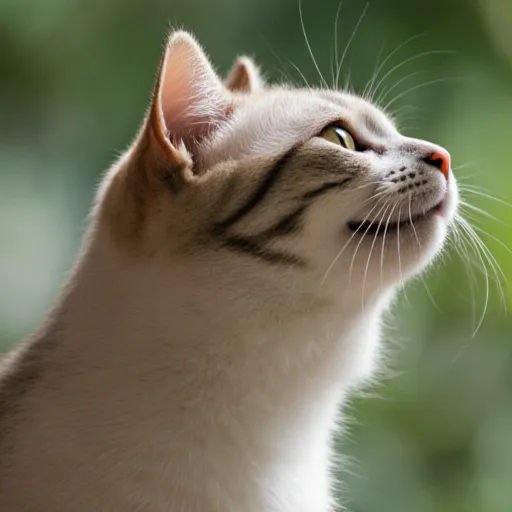
Cute Oddities That’ll Brighten Your Day
Cat Anomalies That Will Make You Smile
Table of Contents
- Introduction to Cat Behavior
- Why Cats Scratch Furniture
- The Mystery of the Missing Litter Box
- Cat Naps and Their Purpose
- Purring: More Than Just Comfort
- Why Cats Bring You Gifts
- The Curious Case of the Tail Wagging
- Sneaky Cat Sneezes
- Cats and Their Love for Boxes
- Why Cats Pounce on Toys
- The Art of Fluffy Grooming
- Cats and Their Nighttime Activities
- Understanding Meowing: What It All Means
- Conclusion
- FAQ
Introduction to Cat Behavior
Cats are fascinating creatures known for their independent and often unpredictable behaviors. Understanding cat behavior is crucial for pet owners, as it helps in creating a harmonious living environment. In this section, we will delve deeper into the world of feline behavior with specific reference to some of the funniest and most peculiar cat actions that many have encountered.
Cats exhibit behaviors that can range from playful and affectionate to aloof and territorial. Their actions are often driven by instincts, emotions, or even simple curiosity. Understanding these behaviors is key to managing interactions effectively and providing a stimulating environment for your pet.
Playful Behavior
Cats are natural hunters, and their playfulness can be traced back to this instinct. They often engage in high-energy activities such as pouncing, batting at objects, or chasing shadows. These behaviors mimic hunting and are essential for keeping them mentally stimulated.
Aloofness
While cats are known for their independence, they can also be quite aloof, especially when they choose to ignore their owners' calls or requests. This behavior is often a form of self-preservation and stress management. It's important to respect their space while still attempting to build trust.
Territorial Behavior
Cats are territorial creatures, and marking their territory helps them feel safe and secure. Scratching furniture or spraying urine are common ways cats express this behavior. While it may seem frustrating for owners, understanding the reason behind these actions can help in managing them effectively.
Cats often surprise us with their unique and sometimes funny behaviors. Here are a few examples:
- Nose Poking: Cats have been known to nuzzle and poke their noses into objects or people, often for no clear reason. This behavior can be attributed to curiosity or simply enjoying the interaction. Lifting Legs: Some cats lift their legs when sitting down, which is a display of territorial marking by leaving behind pheromones. This action is similar to how dogs sniff each other's rear ends.
Cats are incredibly adaptable and can find humor in the most ordinary situations. By understanding their behavior, owners can better appreciate these quirks and enjoy the unique bond that comes with living with a cat.
Why Cats Scratch Furniture
Cats are fascinating creatures, and their behavior can sometimes seem mysterious or even frustrating to owners. One common behavior that often raises questions is why cats scratch furniture. While it may appear destructive, scratching is actually a natural and essential part of your cat's life. Scratching helps cats keep their sharp claws in check, marks territory, and provides mental stimulation.
Understanding the Root Cause
When you look at why cats scratch furniture from a biological perspective, it's clear that this behavior is not just about destruction but serves multiple purposes:
- Sharpens Claws: Cats' claws grow continuously and need to be maintained. Scratching helps them remove the old outer layer of their claws and keep their nails at a suitable length.
- Marks Territory: By scratching, cats leave behind pheromones that signal they own or are familiar with the space. It's much like humans marking territory with a scent or sound.
- Promotes Exercise and Mental Stimulation: Scratching is also an exercise for your cat’s body and mind. The physical activity involved in scratching helps them stay healthy and engaged mentally.
Funniest Cat Behaviors Explained
Cats exhibit a wide range of funny behaviors, and their love for scratching furniture can certainly be one of the funniest aspects. For example:
- The "Unexpected Scratch": Ever notice your cat scratching at an odd time or place? Cats are often unpredictable in their timing, leading to some humorous situations.
- The Furniture-Focused Scratcher: Some cats develop a preference for specific pieces of furniture, like couches or chairs. Witnessing their dedication can be quite amusing.
Promoting Positive Behavior
To help your cat direct its scratching energy towards appropriate targets rather than your favorite chair, here are some practical tips:
- Provide Scratching Posts or Boards: Invest in a variety of scratching posts and pads made from materials like cardboard or sisal. Place them strategically around the house where your cat spends time.
- Encourage Use: Encourage your cat to use these new scratching spots by gently guiding its paws or using treats as positive reinforcement.
- Maintain Cleanliness: Keep the scratching areas clean and fresh. Cats are more likely to scratch if their scratching posts aren't covered in dust or detritus.
In conclusion, understanding why cats scratch furniture is key to appreciating this behavior for what it truly is—a natural part of your cat's life. By providing the right tools and encouragement, you can help direct that energy into positive outlets, ensuring both a happy cat and a satisfied owner.
The Mystery of the Missing Litter Box
The mystery of the missing litter box is one of the most perplexing challenges faced by many pet owners. While it's true that cats are known for their impeccable cleanliness, there can be various reasons behind a cat choosing to eliminate outside of its designated litter box. This behavior can range from simple misunderstandings to more serious underlying health issues.
Understanding and addressing this issue requires a thorough examination of your cat’s routine, environment, and well-being. Here are some common causes and practical solutions:
Common Causes
- Location Issues: Cats may avoid the litter box if it is placed in an area where they feel threatened or anxious. Ensure that the litter box is located in a quiet, secure spot.
- Cleanliness: Cats are meticulous about their personal hygiene and may refuse to use a dirty litter box. Regular cleaning is essential; scoop daily and change the litter regularly.
- Type of Litter: Some cats prefer sand-like litters, while others dislike perfumed or clumping types. Experiment with different kinds until you find one your cat enjoys.
- Number of Boxes: Having multiple litter boxes in the home can reduce stress and territorial disputes among cats, especially if there are more than two pets sharing the same space.
- Medical Issues: Underlying health problems like urinary tract infections or arthritis may cause your cat to avoid the litter box. If you suspect this is the case, consult a veterinarian immediately.
Solutions and Tips
To address the issue of a missing litter box, consider implementing these strategies:
- Observe Behavior Changes: Pay attention to any changes in your cat's behavior. If you notice a sudden reluctance to use the litter box, it might be time to investigate further.
- Multiple Boxes: Place litter boxes in multiple locations throughout your home, especially if you have more than one pet. Cats prefer easy access and privacy.
- Check for Hidden Spots: Sometimes cats will hide their litter box out of sight or cover it up. Ensure the box is not obstructed by furniture or other objects.
- Consult a Veterinarian: If you have tried everything else and your cat still avoids its litter box, seek professional advice from a vet to rule out any medical issues.
Understanding the nuances of your cat's behavior can help you solve these mysteries. Remember, every cat is unique, just like in "Funniest Cat Behaviors Explained," where each cat has its quirky and amusing quirks. By providing a clean, comfortable, and accessible litter box setup, you’ll not only resolve this mystery but also enhance the overall well-being of your beloved pet.
Cat Naps and Their Purpose
Cat naps are a common behavior among cats, characterized by short periods of sleep that can last from a few seconds to several minutes. These quick power naps serve multiple purposes for felines, ensuring their well-being and survival in the wild or even in domestic settings.
Firstly, cat naps help cats conserve energy. In the wild, this behavior has evolved as an adaptive mechanism to avoid predators while still being alert enough to catch prey. Even though indoor cats don't need to worry about such dangers, this instinct persists. By taking frequent short naps, they are able to maintain high levels of energy without expending too much during awake hours.
Secondly, cat naps play a crucial role in brain function and learning. Cats, like humans, need periods of rest to consolidate memory and process information. Short naps allow them to "refresh" their cognitive abilities, making it easier for them to engage with their environment or toys when they are awake.
Another important aspect is that cat naps contribute to overall health by allowing the body time to heal and repair tissues. During sleep, especially these short periods of rest, cats' bodies produce growth hormones which aid in recovery from physical exertion.
Cat naps also help manage stress levels. In a world full of constant stimuli, whether it's the TV blaring or family members bustling around, a cat needs moments to decompress and recharge. These brief periods of sleep provide them with much-needed quiet time.
When comparing this behavior to other animals, including humans who often experience "funniest cat behaviors," such as scratching furniture or chasing shadows, we can see that the need for naps is not just peculiar but essential. For instance, a cat might suddenly pounce on an imaginary prey while you're watching TV and then quickly revert back into a nap. This sudden burst of activity followed by rest highlights how crucial these short breaks are in their daily routine.
In conclusion, while cat naps may seem like random bursts of behavior to some, they serve vital functions for the feline's health, mental acuity, and physical well-being. Understanding this can help pet owners appreciate and accommodate this natural habit better, leading to happier pets and more enjoyable interactions.
Purring: More Than Just Comfort
Purring is often associated solely with comfort, but it's much more than that. Cats purr for a variety of reasons, and understanding these can provide deeper insights into your feline companion's emotional state.
Cats use purring not only to express contentment but also as a form of communication. For instance, when they are injured or stressed, cats have been observed to purr in an attempt to soothe themselves and signal to their caretakers that they need attention. This behavior is particularly fascinating because it shows the complexity of cat emotions.
Purring involves a complex interaction between the larynx, diaphragm, and respiratory system. It's believed to have therapeutic effects due to its soothing frequency. Studies suggest that purring might help in healing by stimulating bone density and promoting tissue repair.
- Calm Moments: When your cat is curled up on the couch, you'll often hear a contented purr. This is a clear sign that they are happy and relaxed.
- Nurturing Instincts: Mother cats use their purring to comfort and reassure their kittens. You might see this behavior in cats who adopt orphans as well.
- Coping Mechanism: When a cat is feeling anxious or injured, it may purr to self-soothe and signal for help.
- Observe the Context: The context in which your cat is purring can give you clues about its emotional state. For example, if they are purring while nuzzling you, it might indicate affection.
- Listen Carefully: Different cats may have different tones when they purr. Pay attention to the sound and intensity of their purrs for deeper insights.
- Provide Comfort: If your cat is purring while seeking attention, make sure to give them the care and affection they need.
Just as cats have a variety of reasons for purring, they also exhibit funny behaviors that can be quite endearing. For example:
- Tail Twirling: Cats sometimes twirl their tails in circles, which can signify excitement or stress.
- Hitting the Wall: Known as "wall walking" or "high-five," this behavior is where a cat will hit its paws on a wall. It’s not clear why they do it, but it's often seen when they’re excited or playful.
Why Cats Bring You Gifts
Cats, often misunderstood as solitary creatures, possess a complex and sometimes baffling array of behaviors that can leave pet owners both bewildered and entertained. One such behavior is the act of "bringing you gifts," where your feline friend presents you with various items it has found or killed. This behavior, while seemingly strange to humans, is actually quite natural in the context of a cat's wild ancestry.
Cats have evolved over thousands of years from their ancestors who lived primarily as solitary hunters in the wild. In nature, when a predator captures prey, it often leaves some of the leftovers behind. By doing so, they are signaling to other predators that food is available. This behavior ensures that the territory remains safe and that no other animals will challenge them for resources.
While your cat might not be thinking about territorial markers in the same way a wild cat does, it can still exhibit this behavior. Here are some possible reasons why your cat might bring you gifts:
- Seeking Attention:** Just like how humans might leave presents for others to appreciate and show affection, cats may be using this behavior to get your attention and strengthen the bond between you.
- Mimicking Instincts:** Your cat could be imitating its wild ancestors' behaviors. By bringing you a gift, it is attempting to engage in what it perceives as "hunt-and-share" behavior.
- Feeling Overwhelmed by Its Own Success:** If your cat has just caught something and feels overwhelmed by the magnitude of its achievement, it might bring the prey or item to you as a way of sharing the joy and importance of the event.
Cats are known for their quirky tastes in "gifts." Some common items your cat might bring include:
- Insects, such as grasshoppers or beetles.
- Birds, which can range from small sparrows to larger birds like pigeons.
- Frogs and lizards.
- Small mammals, though this is less common in domestic settings.
Cats' behaviors can sometimes seem humorous or baffling. Here are some examples of funny cat behaviors and how they relate to the gift-giving habit:
- Chasing Tail:** Cats often chase their own tail, which is a behavior rooted in hunting instincts. This playful activity might lead them to catch smaller objects that can later become "gifts."
- Grooming Excessively:** Cats spend a significant amount of time grooming themselves and others. Sometimes this excessive grooming leads to the cat accidentally bringing you its own fur as a gift.
If your cat brings you gifts, it's important to approach these situations with humor and patience:
- Clean Up Promptly:** While this might sound obvious, cleaning up quickly can prevent any unpleasant odors or messes from lingering.
- Engage Playfully:** Responding playfully to your cat's gift-giving behavior can strengthen the bond between you both. This might involve throwing a toy or engaging in a short game of fetch with the "gift."
- Praise and Reward:** Praise your cat for its good intentions, even if the outcome is less than ideal.
The behavior of bringing you gifts is just one more example of how cats are fascinating creatures with behaviors rooted in both instinct and adaptation. By understanding this behavior, pet owners can better appreciate their feline companions and find joy in the quirky aspects of cat ownership.
The Curious Case of the Tail Wagging
The curious case of the tail wagging is a fascinating topic within the realm of cat behavior, often seen as one of the funniest and most enigmatic aspects of feline communication. While dogs have long been known for their wagging tails as a sign of happiness or excitement, many people are surprised to learn that cats can also wag their tails, though not always in a friendly manner.
Contrary to popular belief, a cat's tail wag is often not an indicator of joy. In fact, it can be a sign of frustration, irritation, or even anger. A tense, rapid wagging tail usually signals that the cat feels threatened or agitated. For instance, if your cat's tail is moving back and forth quickly while their body remains still, they might be ready to pounce or are displaying territorial behavior.
- Tense, Rapid Wagging: This usually indicates that the cat is upset or feels threatened. It's a sign to back off if you see this behavior during playtime or social interactions.
- Slight, Slow Wag: This can be interpreted as curiosity or mild interest. However, it could also mean that your cat is thinking about pouncing on something small and fast-moving like a toy or a shadow.
- Tail Switching from Side to Side: When the tail moves back and forth in a wide arc, it often shows that the cat is feeling playful. This is especially common during games of fetch or when they see birds outside the window.
To better understand what your cat's tail is telling you, observe other body language signs in conjunction with their tail movements. For example:
- Ears: Ears that are flat against the head indicate fear or aggression.
- Mouth: A partially open mouth can be a sign of playfulness, while a fully open mouth might suggest irritation or anger.
- Paws: Raised paws often show that your cat is ready to spring into action.
By paying attention to these signs and the context in which you see them, you can become a more adept interpreter of your cat's tail wag. This will not only enhance your bond with your feline companion but also help you avoid misunderstandings that could lead to stress or conflict.
Sneaky Cat Sneezes
Have you ever witnessed a scene where your cat appears perfectly calm and suddenly sneezes in a most theatrical manner? This unexpected display of cuteness is not just about catching the dust in their nose. Sneaky Cat Sneezes can be a fascinating window into feline behavior, offering insights that are often overlooked. Let's dive deeper into what exactly causes these sneaky sneezes and why they might find it amusing.
Cats sneeze for various reasons, much like humans. Common triggers include dust particles, allergens, or simply the way their nasal passages are structured. However, some sneezes may be a sign of something more interesting - a playful gesture to ward off imaginary threats or a humorous attempt at communication. Cats use sneezing as an involuntary reflex that can sometimes reflect their playful and curious nature.
- Playful Sneezes: Your cat might sneeze when you're trying to pet them, thinking it's a game. This type of sneeze could be their way of saying "back off" or "let me think about my next move." Sneaky Communication: When your cat is playing with toys and suddenly sneezes, they might be signaling to you that the game has reached an exciting part.
Cats are known for their stealthy nature and their ability to act on impulse. A sudden sneeze could sometimes be a result of your cat's natural curiosity or even their attempt to communicate in a way that is as subtle as they are.
- Observe Your Cat: Pay attention to the context in which sneezes occur. This can help you understand what might be triggering them and whether it's something that needs addressing or simply a playful behavior.
- Create Playful Spaces: Set up areas where your cat can explore and play without feeling confined. This might reduce instances of sudden sneezes as they are less likely to feel stressed or overstimulated.
Understanding why cats behave the way they do is not only entertaining but also enriching for your relationship with them. Sneaky sneezes, when viewed through this lens, add a layer of humor and intrigue to their daily activities.

Cats and Their Love for Boxes
Cats are known for their quirky and sometimes hilarious behaviors, and their love for boxes is one of the funniest. This fascination with small spaces can be attributed to a variety of factors, both instinctual and behavioral.
In the wild, cats use small spaces as hiding spots from predators or as safe places for rest. Domesticated cats have inherited this behavior, making boxes their new "caves." This is why you might find your cat curled up inside a shoebox or any other small container.
Cats have different preferences for the type of boxes they enjoy. Some prefer open containers where they can observe their surroundings, while others are more comfortable in closed-in spaces. It's important to offer a variety of box sizes and shapes to cater to your cat’s unique personality.
- Hiding in Boxes: Cats might hide in boxes for extended periods, mimicking their instinctual behavior. This can be adorable and amusing when witnessed.
- Scratching and Playing: After entering a box, your cat may decide to scratch or play inside, creating entertaining moments that could last for minutes on end.
- Nesting Behavior: Cats sometimes fill boxes with their toys or blankets, demonstrating nesting behavior. This is especially common during warmer months when they seek cozy spots.
To keep your cat engaged and entertained, consider placing toys inside the box or adding a tunnel leading to the box. Cats are more likely to explore if there's an incentive involved. You can also try shaking a treat-filled container to encourage them in.
Your cat’s love for boxes is not just about fun and games but also a reflection of their natural instincts. By providing various box options, you're nurturing both their physical and mental well-being. Watching your cat interact with its favorite box can be one of the most rewarding aspects of owning a pet.
Why Cats Pounce on Toys
Cats are fascinating creatures, and one of their most endearing behaviors is pouncing on toys. This instinctual act can often lead to some hilarious and heartwarming moments that we humans find endlessly amusing. To understand why cats do this, it's essential to delve into their natural hunting behavior.
Wildcats are predators by nature, and pouncing is a crucial part of their survival strategy. When they pounce on toys, they are essentially practicing the skills needed for catching prey in the wild. Cats have an incredible ability to focus and pinpoint objects with precision. This behavior is not just about play; it's deeply rooted in their instincts.
Here’s a breakdown of why cats exhibit this behavior:
- Natural Instincts: Cats have evolved over thousands of years to rely on hunting as a means of survival. Even domesticated cats retain these instincts, and pouncing on toys allows them to practice and hone their skills. Fulfilling Energy: Cats are naturally active animals with high energy levels. Pouncing helps burn off this excess energy in a controlled manner without the risks associated with hunting actual prey.
Cats often pounce on toys that move, such as feather wands or laser pointers, because these stimuli mimic the movement of small creatures like birds or mice. The unpredictability and speed at which the toy moves can trigger a cat's natural predatory response.
For example, when you wave around a dangling toy in front of your cat, they may leap at it as if it were a real mouse. This behavior is not just about amusement; it’s their way of engaging with their environment and satisfying their natural instincts.
To encourage this behavior without causing harm to your cat or the toy, here are some practical tips:
- Choose Appropriate Toys: Opt for toys that mimic prey-like movements. Feather wands, laser pointers, and small rodents made of fabric can be great options.
- Interactive Playtime: Engage in interactive play sessions where you can safely encourage your cat to pounce on toys without causing harm.
- Vary the Toys: Cats tend to get bored with repetitive stimuli. Try different types of toys to keep them engaged and excited for play.
In conclusion, while it may seem like mere fun or entertainment to us, pouncing on toys is a deeply ingrained behavior rooted in a cat's natural instincts. Understanding this can help you appreciate the humor and charm behind some of their most amusing behaviors.
The Art of Fluffy Grooming
The art of fluffy grooming is a skill that every cat owner should master. It's not just about making your furry friend look their best; it’s also about enhancing their comfort and overall well-being. Proper grooming can prevent matting, reduce shedding, and even help in early detection of health issues such as skin infections or parasites.
Cats are natural groomers, but they don't always clean themselves thoroughly, especially if they have long hair. Regular brushing not only keeps your cat’s fur tangle-free but also strengthens the bond between you and your pet. It's an excellent opportunity to spend quality time with your cat while ensuring their coat stays in top condition.
Brushing Techniques for Fluffy Fur
The type of brush you use can make a big difference. For short-haired cats, a soft-bristled brush or a rubber comb is sufficient, but long-haired breeds may require more specialized tools like a slicker brush to remove loose fur and prevent mats.
- Slicker Brush: Ideal for long-haired cats as it removes loose hair without causing discomfort. However, be careful not to apply too much pressure, which can hurt your cat.
- Rubber Comb: Useful for thinning out thick coats and removing debris. It's gentle on the skin but might not work well for very long fur.
- Pin Brush: Great for short-haired cats as it provides a smooth finish to their coat, helping to eliminate tangles.
The Importance of Regular Grooming
Regular grooming should be part of your cat's routine. How often you groom will depend on the type of fur your cat has. Cats with longer hair might need daily brushing, while short-haired cats can benefit from weekly sessions.
- Detect Health Issues Early: By examining your cat’s coat regularly, you can spot any unusual changes that could signal a health problem.
- Promote Comfort and Well-being: Regular brushing helps to reduce shedding, especially during seasonal changes. This reduces the amount of hair around your home, making it easier for both you and your cat.
- Bonding Opportunity: Grooming sessions are a great way to bond with your pet. It allows you to spend quality time together while ensuring that your cat is comfortable and happy.
Funny Cat Behaviors Explained: How Your Cat Communicates Through Its Fur
Cats have various funny behaviors, one of which is their way of communicating through their fur. For example, when a cat arches its back or puffs out its tail, it could be a sign of playfulness or even a form of grooming behavior. Understanding these behaviors can help you better communicate with your pet.
Another funny behavior that might seem like a grooming session is when your cat licks itself excessively, especially after eating or during certain times of the day. While this often indicates cleanliness, it could also be a sign of stress or anxiety in some cases. Always monitor your cat's behavior and consult with a vet if you notice any unusual changes.
Practical Advice for Fluffy Grooming
To ensure that your grooming sessions are enjoyable for both you and your cat, here are some practical tips:
- Calm Environment: Choose a quiet space to groom your cat. Loud noises or sudden movements can startle them.
- Treats as Rewards: Offer small treats during grooming sessions to make it more enjoyable for your cat and to encourage good behavior.
- Start Early: If you have a kitten, begin grooming early on. This helps them get used to the process from an early age.
Remember, every cat is unique, and what works for one might not work for another. Observe your cat's preferences and adjust accordingly. With patience and consistency, grooming can become a delightful part of your daily routine.
Cats and Their Nighttime Activities
Cats are known for their unique behavior, especially when it comes to their nighttime activities. While they are often considered nocturnal creatures, domestic cats can exhibit a variety of behaviors that make them amusing and entertaining to observe. These behaviors range from playful antics to strange rituals that might seem funny or confusing at first glance.
Cats have a natural tendency to be more active during the night. This can include:
- Pawing and Clawing: Cats often use their paws to claw objects, which is a way for them to sharpen their claws. This behavior can also occur at night when they might wake up with a need to stretch or play. Chasing Shadows: Just like humans, cats are curious creatures who enjoy watching shadows move. At night, when the lights are dimmed or turned off, this behavior becomes more pronounced.
Cats can sometimes exhibit behaviors that seem strange and funny to their human companions. These behaviors often include:
- Purring While Being Carried: Cats are known for purring when they're content, but some cats will purr even while being carried by someone who is not a familiar person or in an unfamiliar environment.
- Circling Before Lying Down: Many cats have the habit of circling around their bed or preferred sleeping spot before lying down. This behavior can be amusing to watch, especially when they seem to walk in circles for what seems like no reason.
Understanding your cat's nighttime activities is important not only for the health and well-being of your pet but also for creating a harmonious living environment. By recognizing these behaviors, you can better cater to their needs and provide them with appropriate care.
Practical Tips
- Create a Comfortable Sleeping Environment: Ensure that your cat has a cozy place to sleep where they feel safe and secure. This might involve providing blankets, pillows, or a bed that is elevated off the floor.
- Provide Enrichment: Engage your cat with toys and interactive games during the evening hours when they are most active. This can help fulfill their energy and keep them entertained without causing disruption in your household.
Cats vs. Humans: A Comparison
To understand cats' behaviors better, it's helpful to compare them with human behaviors:
| Category | Cat Behavior | Human Equivalent |
|---|---|---|
| Pawing and Clawing: | To sharpen claws. | To trim nails. |
| Circling Before Lying Down: | To feel secure before sleeping. | To organize a workspace or to find the perfect spot on a couch. |
By observing and understanding these behaviors, you can better appreciate your feline companion's unique nighttime activities. These funny cat behaviors are not only entertaining but also essential for their well-being.
Understanding Meowing: What It All Means
Meowing is a behavior that cats display when they want something or need attention. It's one of the most recognizable sounds associated with felines, and it can be quite amusing to observe in various contexts. However, meowing isn't always simple; it can mean different things depending on the situation and the cat.
Cats meow for a variety of reasons, from asking for food to expressing affection or even seeking comfort. Here are some key points to understand about what your cat's meows might be trying to tell you:
- Requesting Food: If your cat is meowing at mealtime, it’s likely a polite (or not-so-polite) way of asking for food. This behavior can become more persistent as cats age or if they have specific dietary needs.
- Seeking Attention: Meowing isn't always about physical needs; sometimes, it's just the cat wanting to bond with you. If your cat is meowing while sitting on your lap or near you, it could be expressing its desire for attention and companionship.
- Expressing Distress or Fear: In some cases, a sudden change in tone or pitch can indicate that the cat is feeling anxious or scared. For instance, if your cat meows loudly at night after being startled by a loud noise, it may be seeking reassurance and safety.
- Seeking Playtime: Meowing might also signal that your cat wants to play. If you notice your cat meowing in a high-pitched or excited tone while watching birds through the window, it could mean that they are eager for some interaction or playtime.
Cats often exhibit humorous and quirky behaviors when they meow. Here are a few examples of funny cat meows and their meanings:
- The "Puppy-Pout Meow": Some cats will pout while meowing, especially if they want something but aren't sure how to express it clearly. This can look cute but also slightly amusing as the cat tries to get your attention.
- The "High-Pitched Meow at Night": Cats sometimes meow in high-pitched tones late at night for no clear reason, which can be funny and frustrating for owners trying to sleep. It might simply be their way of communicating that they are awake and ready for interaction.
- The "Meow-Paw Dance": Some cats combine meowing with pawing your leg or other objects as a way of emphasizing what they want. This can look like the cat is performing a little dance, making it both amusing and endearing.
Understanding these behaviors can help you better connect with your furry friend and ensure their needs are met in a positive manner. By paying attention to the context of your cat's meows, you'll be able to respond more effectively and strengthen your bond.
Conclusion
Exploring funniest cat behaviors can be a delightful and hilarious experience. Cats, despite their often aloof demeanor, have a quirky sense of humor that never fails to amuse us. From knocking objects off tables to attempting to play catch with toys, these adorable antics are not just amusing but also provide insights into their behavior.
One of the most common funny behaviors is when cats knock things off surfaces like countertops or shelves. This isn’t necessarily out of mischief; it could be a form of exploration or even an attempt to communicate something. For instance, if your cat keeps knocking over a particular object, it might signal that they are feeling uncomfortable about its presence.
Another humorous behavior is when cats try to play catch with toys, only to pounce on them at the last second. This playful yet comical act showcases their natural hunting instincts. Cats have an innate drive to chase and pounce, which makes it easy for them to mimic this behavior even in a non-threatening environment like your living room.
Understanding these behaviors can help strengthen your bond with your feline friend. By paying attention to what triggers certain actions, you can better cater to their needs and preferences. For example, if you notice that your cat gets excited by the sound of paper crinkling, you might want to incorporate this into playtime or feeding routines.
Moreover, these behaviors are not just amusing; they also serve as a reminder that cats are complex creatures with their own unique personalities. By embracing and enjoying these quirks, you can create an environment where both human and cat thrive and find joy in each other's company.
In conclusion, the funniest cat behaviors explained provide a window into understanding your pet’s world. By observing and responding to these behaviors, you not only foster a deeper connection with your cat but also ensure that they are happy and content in their environment. So, next time your cat is up to its antics, take a moment to appreciate the humor and wonder of it all.
Reference: Funniest Cat Behaviors Explained
FAQ
Have you ever wondered why cats behave the way they do? From funny antics to quirky habits, cat behavior can often leave us puzzled. In this section, we'll explore some of the funniest cat behaviors and what they might actually mean.
1. Why Do Cats Bring You Their Toys?
Cats bring their toys to you as a form of play and interaction. It's their way of asking for your attention. By bringing it to you, they are essentially saying, "Look what I caught!" This behavior is particularly common in younger cats who are still learning how to hunt.
2. Why Do Cats Purr?
Purring can be a sign of contentment and comfort, but it doesn't always mean your cat is happy. Sometimes, cats will purr when they're sick or injured as a way to heal themselves. It's an involuntary action that helps regulate their breathing and heart rate during periods of stress.
3. Why Do Cats Rub Against You?
Cats rub against you as a form of affection and bonding. They are marking you with their scent through glands located around their face, which is why this behavior is often accompanied by the familiar "head butt." This action shows that they consider you part of their territory.
4. Why Do Cats Scratch Furniture?
Cats scratch furniture not because they hate it but rather as a way to mark their territory, exercise their muscles, and sharpen their claws. To prevent damage, provide your cat with scratching posts made from appropriate materials like sisal or cardboard.
5. Why Do Cats Burrow into Blankets?
Cats burrow into blankets for warmth, comfort, and security. This behavior is especially common at night when they seek out a cozy spot to sleep. By giving them access to soft bedding or designated sleeping areas, you can help make your home more inviting for your feline friend.
6. Why Do Cats Have Sudden Mood Changes?
Cats are known for their unpredictable moods, which can be influenced by various factors such as age, health, and environment. Understanding the signs of a stressed or anxious cat is crucial in maintaining a healthy relationship with your pet. Providing plenty of stimulation through toys, treats, and playtime can help keep your cat happy.
7. Why Do Cats Love High Places?
Cats love high places because they provide an excellent vantage point for observing their surroundings. These elevated spots also offer a sense of safety as cats are naturally cautious creatures. Offering safe climbing structures or window perches can satisfy this innate desire without causing harm.
8. Why Do Cats Lick Themselves Excessively?
Cats lick themselves to clean, but excessive grooming could indicate stress, boredom, or underlying health issues like skin allergies or parasites. If you notice your cat grooming itself more than usual, consider providing additional attention and care.
Remember, every cat is unique, just like its personality. By understanding common behaviors like those discussed here, you can better appreciate the special bond between you and your feline companion.
Products
-
 Fish Meal
Price range: ₹1,999.00 through ₹2,999.00
Fish Meal
Price range: ₹1,999.00 through ₹2,999.00
-
 FATTENING BROILER FEED
Price range: ₹2,299.00 through ₹2,349.00
FATTENING BROILER FEED
Price range: ₹2,299.00 through ₹2,349.00
-
 LAYER COUNTRY FEED
Price range: ₹1,549.00 through ₹1,649.00
LAYER COUNTRY FEED
Price range: ₹1,549.00 through ₹1,649.00
-
 COUNTER BROILER FEED
Price range: ₹1,199.00 through ₹1,299.00
COUNTER BROILER FEED
Price range: ₹1,199.00 through ₹1,299.00
-
 LACTATING PIG FEED
Original price was: ₹2,299.00.₹1,740.00Current price is: ₹1,740.00.
LACTATING PIG FEED
Original price was: ₹2,299.00.₹1,740.00Current price is: ₹1,740.00.
-
 Maize
Original price was: ₹1,650.00.₹1,300.00Current price is: ₹1,300.00.
Maize
Original price was: ₹1,650.00.₹1,300.00Current price is: ₹1,300.00.
-
 GESTATION PIG FEED (Phase 1)
Original price was: ₹2,249.00.₹1,699.00Current price is: ₹1,699.00.
GESTATION PIG FEED (Phase 1)
Original price was: ₹2,249.00.₹1,699.00Current price is: ₹1,699.00.
-
 Pre Starter Broiler Feed
Price range: ₹2,399.00 through ₹2,499.00
Pre Starter Broiler Feed
Price range: ₹2,399.00 through ₹2,499.00
-
 FINISHER PIG FEED
Original price was: ₹2,299.00.₹1,749.00Current price is: ₹1,749.00.
FINISHER PIG FEED
Original price was: ₹2,299.00.₹1,749.00Current price is: ₹1,749.00.
-
 Broiler Premix
Original price was: ₹820.00.₹699.00Current price is: ₹699.00.
Broiler Premix
Original price was: ₹820.00.₹699.00Current price is: ₹699.00.