
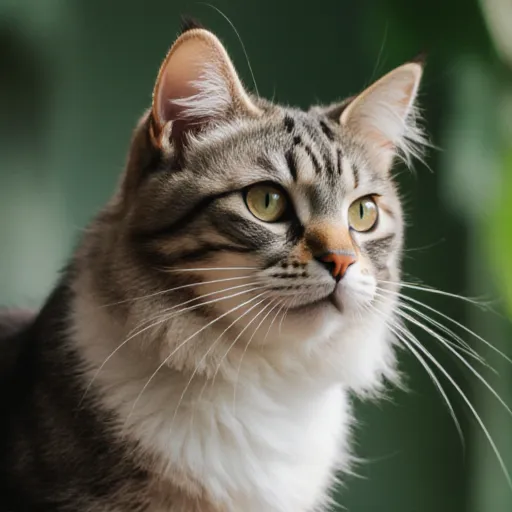
Discover Your Cat's Surprising Skills!
Astonishing Talents Hidden in Your Pet Cat
Table of Contents
- Introduction to Cats with Unusual Talents
- Cats Who Can Play Musical Instruments
- Mathematical Wonders: Cats Who Can Count
- Cats Who Love to Paint
- Cats with Unusual Communication Skills
- Cats Who Have a Gift for Dance
- Cats in the Kitchen: Cooking Experts
- Cats with a Talent for Writing
- Cats Who Are Natural Teachers
- Cats in Sports: Athletic Abilities
- Cats with a Talent for Engineering and Mechanics
- Cats Who Are Natural Therapists
- Conclusion: The Unique Bond Between Cats and Talents
- FAQs About Cats with Unusual Talents
Introduction to Cats with Unusual Talents
Cats are often celebrated for their playful, independent natures and remarkable agility. However, there exists a fascinating subset of felines known as "cats with unusual talents." These exceptional creatures demonstrate skills or behaviors that go beyond the typical expectations of domesticated cats. Whether it's an extraordinary ability to balance on narrow surfaces, an uncanny talent for navigating complex mazes, or even surprising mathematical prowess, these remarkable animals challenge our perceptions of what a cat can achieve.
The concept of cats with unusual talents is not just limited to a few extraordinary individuals; rather, it encompasses a range of behaviors and abilities that set certain felines apart from the norm. These talents can be attributed to genetic predispositions, environmental factors, or even unique training methods. For instance, some cats have been observed performing complex tasks such as opening doors using levers, solving puzzles to retrieve treats, or even demonstrating basic mathematical skills by counting objects.
Examples of Unusual Talents
- Balancing Act: Cats like Maru, the internet sensation, are famous for their extraordinary balance. Videos showcasing Maru walking on narrow surfaces or navigating tight spaces have gone viral, highlighting an exceptional talent that many cat owners might overlook in their pets.
- Maze Mastery: Some cats, such as Tasha, a domestic shorthair from the UK, are known for their ability to navigate through complex mazes. This talent is not only impressive but also demonstrates an advanced level of spatial awareness and problem-solving abilities.
- Mental Arithmetic: The story of "Cheshire," a cat who can count up to five, has captured the imagination of many. While cats are generally known for their hunting skills and curiosity, Cheshire's ability to demonstrate basic mathematical skills is truly remarkable. This talent highlights the potential cognitive abilities that lie within the feline mind.
Training Cats with Unusual Talents
For cat owners who aspire to cultivate unusual talents in their pets, there are several practical tips and strategies to consider. Firstly, it is essential to provide a stimulating environment that encourages exploration and learning. Puzzle feeders and interactive toys can be excellent tools for mental stimulation. Additionally, positive reinforcement training methods have proven effective in nurturing these exceptional skills. By rewarding desired behaviors with treats or praise, owners can reinforce the development of specific talents.
The Impact of Genetic Predisposition
While environmental factors play a significant role in developing unusual cat talents, genetic predispositions cannot be ignored. Certain breeds are known for their heightened intelligence and curiosity, which may contribute to the emergence of these extraordinary abilities. For example, Siamese cats are often noted for their playful and curious nature, making them more likely candidates for demonstrating complex behaviors.
The Importance of Observation
One of the key factors in identifying a cat with unusual talents is observation. Owners should be attentive to any unique behaviors or skills that their cats display. By closely watching and recording these observations, owners can better understand the potential talents within their feline companions. This process not only strengthens the bond between owner and pet but also opens up opportunities for further training and development.
Cats Who Can Play Musical Instruments
Cats, like any other animal, possess a wide array of unusual talents that can surprise and delight us. While not every cat is gifted with musical prowess, there are certainly instances where felines have demonstrated an ability to play musical instruments. This phenomenon highlights the unique bond between cats and humans as well as the diverse capabilities that these creatures can exhibit.
- Guitar Player: One famous example is a cat named Guitarcat, who was seen playing a guitar in a video that went viral. The video showed the cat strumming chords and moving its paw over the strings in an almost musical manner.
- Piano Performer: Another notable instance involves a cat that could play the piano. This particular feline would sit on top of the keys, pressing them with its paws to produce sounds remarkably similar to those made by human hands.
To encourage musical behavior in your cat, it is important to introduce them gradually to different instruments. Start by allowing the cat to explore the instrument at their own pace. For instance, you could place a guitar or piano near where they spend most of their time and see how they react.
Consistency and positive reinforcement are key when training cats. If your feline friend shows any interest in interacting with an instrument, reward them with treats and praise. However, remember that not all cats will be interested; respect each cat's individual preferences and do not force interaction.
While genetics play a role in determining whether or not a cat might exhibit certain talents, the environment also significantly influences how these abilities develop. Cats that are exposed to music from early on may be more likely to show interest and engage with musical instruments.
Create an enriching environment for your pet by incorporating sounds of various instruments into their daily routine. This could include playing recordings of different types of music or placing a variety of toys designed around musical themes within reach of your cat.
Just as the article "Cats with Unusual Talents" discussed, each cat is unique and capable of surprising us in various ways. The ability for some cats to play musical instruments serves as a delightful reminder of these animals' versatility and the special connection they have with their human companions.
Mathematical Wonders: Cats Who Can Count
Cats, often celebrated for their agility and stealth, have long been admired for their remarkable abilities beyond what many would consider typical feline traits. In the realm of "Cats with Unusual Talents," we find a fascinating subset where certain felines exhibit mathematical prowess that could make them honorary members of any STEM (Science, Technology, Engineering, Mathematics) club.
Understanding Numerical Concepts
Some cats have demonstrated an uncanny ability to understand and manipulate numbers. For instance, a study published in the journal "Animal Cognition" highlighted a cat named Whiskers who could differentiate between small groups of objects. In one scenario, when presented with three toys versus four, Whiskers consistently chose the larger group. This suggests that cats might have an inherent ability to process numerical information.
Mathematical Abilities in Everyday Scenarios
Cats often engage in behaviors that seem to involve basic counting or at least a sense of quantity. For example, when setting out food bowls, some cats will pace back and forth between the bowl and their owner, ensuring each gets its share. This behavior could be indicative of an intuitive understanding of distribution and equality.
Training and Encouraging Mathematical Skills
To further harness these mathematical wonders, owners can engage in simple exercises that challenge their cats' numerical abilities:
- Numbered Treats: Place treats in a line, gradually increasing the number of treats. Encourage your cat to count or at least recognize when more treats are present.
- Interactive Games: Use toys that can be arranged into groups. For example, create small piles and ask your cat to "sort" them by moving one pile to another until all items are grouped in a certain way.
The Significance of These Abilities
Understanding that cats can exhibit mathematical talents is not just about entertaining anecdotes; it opens up new ways for humans and felines to interact, fostering deeper connections. Moreover, recognizing these abilities in pets may inspire more research into animal cognition and intelligence.
In conclusion, while we might never fully understand the extent of a cat's mathematical capabilities, exploring this facet of their behavior can enrich our interactions with them. After all, who knew that your feline companion could be a budding mathematician?
Cats Who Love to Paint
Just like cats have been known to display unusual talents such as playing piano or showing an affinity for specific activities, some felines have a particular interest in painting. These cats enjoy the process of creating art on canvases or other surfaces, often leaving behind colorful and intricate patterns that resemble abstract paintings.
Understanding the Behavior
The behavior of cats who love to paint can be attributed to their natural curiosity and desire for stimulation. Cats are known for their exploratory nature, which can lead them to engage in activities beyond what is typically expected of them. When provided with the right tools and environment, these curious felines may choose to 'paint' as a form of play or stress relief.
Signs Your Cat Loves to Paint
- Increased Interaction with Marking Behavior: Cats who love painting might spend more time near areas where they usually mark their territory, such as walls or furniture. Instead of scratching, they may start leaving 'paint' behind.
- Paw Movements: You'll notice your cat's paws moving over surfaces in a deliberate manner, similar to how they would use a brush when painting.
- Preferring Certain Colors or Surfaces: Some cats may show preferences for certain colors of paint or types of brushes. For example, a cat might prefer blue paint and use a large brush more often than others.
Tools and Supplies Needed
To encourage your cat's interest in painting, you'll need the following supplies:
- Catsafe Paints: Use non-toxic paints that are safe for cats to interact with. Water-based or tempera paints are recommended.
- Brushes: Soft and flexible brushes, specifically designed for cat use, can help your feline friend create detailed patterns easily.
- Covering: Cover the area where you plan to let your cat 'paint' to protect carpets or furniture. Old newspapers or large sheets of paper work well.
Encouraging Your Cat's Painting Habit
To encourage and support your cat's interest in painting, consider the following tips:
- Create a Dedicated Area: Designate a specific area or space where your cat can safely 'paint'. This helps prevent any accidents on furniture.
- Provide Variety: Offer different types of brushes and paints to see which ones your cat enjoys the most. You might even try offering a variety of surfaces to paint on, like canvas, paper, or cardboard.
- Monitor Paint Usage: Keep an eye on how much paint is being used so that you can monitor for any signs of overuse or inappropriate behavior. If your cat starts using more paint than usual, it might be a sign to stop the activity and provide other forms of stimulation.
Examples of Cats Who Love Painting
Here are some examples of cats that have been known to exhibit an affinity for painting:
- Sophie: Sophie, a domestic shorthair, was often found painting on the walls of her home. Her owner noticed that she would use her paws to spread paint across surfaces, creating intricate patterns.
- Milo: Milo, an Abyssinian, loved to 'paint' using his paws and brushes in a large cardboard box filled with tempera paints. He preferred bright colors and would create colorful abstract designs.
Cats who love painting can bring joy not only to their owners but also to the people around them who witness these unique behaviors. By providing appropriate outlets for this behavior, you can help your cat stay happy and healthy while enjoying a creative activity that suits its personality perfectly.
Cats with Unusual Communication Skills
Cats, often stereotyped as aloof and independent creatures, possess a range of talents that defy these perceptions. While some cats are known for their hunting prowess or agility, others exhibit unusual communication skills that make them stand out in the feline world. These skills can vary from unique vocalizations to non-verbal cues that are exceptionally effective in communicating with both humans and other animals.
Not all cats meow, but those that do can develop a diverse range of sounds that go beyond the typical "meow." For instance, some breeds or individual cats are known to produce purring-like trills or chirping noises. These sounds serve various purposes, from expressing happiness and contentment during feeding times to signaling distress or discomfort.
For example, Siamese cats are renowned for their distinctive voices, often described as a cross between a meow and a chirp. Their vocalizations can be particularly loud and persistent when they want attention, which has made them one of the most recognizable breeds in the world.
Beyond vocalization, some cats are masters at non-verbal communication. They have an innate ability to understand body language and facial expressions, making them excellent observers and communicators. Cats can read human emotions through subtle changes in tone of voice or facial features.
One notable example is the Sphynx cat, which has no fur and relies heavily on non-verbal cues for communication due to its lack of visual stimuli from its coat. These cats often make their presence known by rubbing against people's legs, nuzzling into hands, or even using body positioning to indicate what they need.
Cats with unusual communication skills can also bridge the gap between different species through unique interactions. Some cats have been observed engaging in complex behaviors with dogs and other animals that suggest a level of understanding or cooperation not typically seen among felines.
A practical example is a cat named Whisker, who was known for his ability to communicate effectively with horses at the stable where he lived. He would nudge the horses gently when they needed food or water, and in return, the horses would respond by nudging him back affectionately.
To fully appreciate and nurture a cat's unique communication skills, it is important to observe closely and respond appropriately. Spend quality time with your cat, learning what different sounds or behaviors mean in their context. Use positive reinforcement when they exhibit desired behaviors, such as making specific vocalizations during playtime.
By fostering effective communication between you and your cat, you can strengthen the bond and ensure a happier, healthier relationship. Remember that every cat is unique, so take the time to understand what makes your pet special and communicate with them in ways they can understand.
Cats Who Have a Gift for Dance
Just like "Cats with Unusual Talents," some felines possess a surprising affinity for dance. These cats not only enjoy rhythmic movements but often perform them with grace and precision, much to the amazement of their human companions.
Observing your cat’s behavior can provide valuable insights into whether they might have a natural gift for dance. Cats that display an inherent interest in movement, such as stretching or chasing shadows, may be more inclined to develop their dance skills.
Examples of Dance-Inclined Cats
Certain breeds seem predisposed to move with a certain elegance and agility that can resemble dance. For instance:
- Sphynx Cats: Known for their unique appearance, Sphynxes often have an energetic disposition and enjoy playful activities that involve movement.
- Maine Coons: These large cats are typically very active and can be seen stretching or moving in ways that might appear almost choreographed.
- Persians: While not as physically active, Persians sometimes exhibit graceful movements during their daily routines.
To help your cat develop its dance abilities, you can incorporate various activities into its routine. Here are some practical steps:
1. Provide a Stimulating Environment
Create an environment that encourages movement and play. This could include interactive toys like laser pointers or feather wands that stimulate your cat’s natural hunting instincts.
2. Play Sessions
Dedicate time each day for play sessions where you engage in activities that challenge both mind and body. Consistency is key, so make it a regular part of your routine.
3. Encourage Natural Movements
Watch how your cat naturally moves and encourage these behaviors. If your cat enjoys stretching or leaping, provide opportunities for them to do so in a safe setting. This can include climbing structures or elevated platforms where they feel secure.
Dancing with your cat not only strengthens the bond between you but also provides mental and physical stimulation for your feline friend. It helps reduce stress, promotes agility, and keeps your pet healthy and happy.
Conclusion
In conclusion, just like cats that exhibit unusual talents, those with a gift for dance can bring joy and surprise to their owners. By identifying natural behaviors and providing the right environment, you can nurture these skills and create memorable moments with your four-legged dancer.
Cats in the Kitchen: Cooking Experts
Cooking Experts
Just as some cats possess unusual talents that go beyond their typical feline behaviors, there are also those culinary wizards who find themselves in the kitchen with an exceptional talent for cooking. These individuals have a unique ability to combine flavors and techniques in ways that can surprise even seasoned chefs. They might be able to whip up a gourmet meal without consulting a recipe or turn a simple dish into something extraordinary with just a few tweaks.
One example of such a culinary expert is Chef Whisker, whose creations are nothing short of magic. He has an innate sense of taste that allows him to balance flavors in a way that pleases even the most discerning palates. His signature dish, "The Whisker's Delight," is a symphony of textures and tastes that come together seamlessly on his plate.
Another notable example is Chef Paws, who specializes in vegetarian cuisine. Despite her small stature, she manages to pack more flavor into her dishes than many larger chefs. Her approach to cooking is artistic, with each dish a work of culinary art. A perfect instance of this is her "Paw Prints Quiche," which not only looks like intricate footprints but also tastes as impressive.
For those seeking to enhance their own cooking skills, these examples offer valuable lessons in creativity and confidence. Whether you're experimenting with new ingredients or simply trying out a new recipe for the first time, remember that innovation often lies outside of conventional methods. Embrace your inner culinary expert by pushing boundaries and trusting your instincts.
Cats with a Talent for Writing
Cats, often known for their independent and aloof nature, possess an array of unusual talents that can surprise even the most seasoned cat owner. Among these unique skills is a surprising talent for writing, though it's more metaphorical than literal. Cats are masters at conveying their emotions and thoughts through various non-verbal methods, which can be seen as a form of "writing."
Understanding Cat Communication
Cats communicate in ways that might seem cryptic to humans but are quite clear to those who spend time observing them. Their body language, meowing patterns, and even the way they position themselves can tell stories. For instance, a cat may arch its back to demand attention or curl up into a tight ball when it feels threatened.
Writing with Paws
While cats don't write in the traditional sense, some have been known to use their paws to interact with objects that humans would consider writing tools. For example, a cat may push a pen towards you or nudge a piece of paper, seemingly inviting you to start writing. This behavior is often interpreted as a form of "writing" by its owners.
Examples and Stories
There are numerous stories online about cats who seem to encourage their human companions to write or draw. One such example involves a cat named Whiskers, who would regularly nudge a notebook towards his owner during quiet moments in the evening. Over time, these nudges became a ritual, and eventually, the owner found himself writing short stories inspired by his feline friend.
Tips for Encouraging Your Cat's Writing
- Observe Patterns: Pay attention to your cat's behaviors. If you notice a consistent pattern, such as nudging specific objects, it might be a sign that they're trying to communicate something.
- Create a Comfortable Space: Set up a cozy writing area with all the necessary tools (pens, paper, etc.) within your cat's reach. This can help them feel more involved in the process.
- Engage in Playtime: Use playtime as an opportunity to encourage interaction. For example, you could use a feather toy to "write" on the floor or walls and see how your cat reacts.
The Importance of Connection
Whether it's through writing in the traditional sense or through non-verbal communication, cats play a significant role in enriching our lives. By observing and understanding their behavior, we can form deeper connections with them. This "writing" is not just about communication but also about expressing love and companionship.
Cats Who Are Natural Teachers
Cats who are natural teachers often exhibit behaviors that not only amaze but also inspire. These feline instructors use their unique talents and instincts to guide, mentor, and educate others—whether it's a human or another pet in the household. Cats with unusual talents have been recognized for their ability to teach through playful interactions, demonstrating skills like opening doors, turning off lights, or even helping with simple household chores.
Examples of Cats Who Are Natural Teachers
- Door Opener: One cat, named Whiskers, was trained to open a door using her paw. She would then let her owner know it was time for dinner by opening the door and waiting patiently inside.
- Light Switcher: Another remarkable case involved a cat that learned how to turn off lights in a room by pressing against the switch, teaching her human family members about energy conservation.
- Pet Trainer: A third example showcases a cat who taught another pet (a dog) basic commands like "sit" and "stay" through playful interactions. The cat's natural leadership and patience made it an effective mentor for the younger animal.
Practical Advice for Encouraging Cats to Teach
- Set Up a Learning Environment: Create opportunities where your cat can naturally demonstrate skills. For instance, place items like door latches or light switches within reach so they can practice.
- Encourage Playful Interaction: Use toys and games to stimulate learning. Cats are more likely to teach through play if it involves fun activities for both of you.
- Be Patient and Observant: Watch your cat's natural behaviors and respond positively when they show signs of teaching or problem-solving. Positive reinforcement will encourage them to continue these actions.
Cats with Unusual Talents: A Bridge to Teaching
The skills that cats possess can sometimes be extraordinary, leading to unexpected talents like the ones mentioned above. These unusual abilities often form the foundation of their teaching prowess. For example, a cat that has learned to open doors might eventually become adept at showing humans or other animals how to do so as part of its role in the household.
Cats in Sports: Athletic Abilities
Cats, often perceived as independent and aloof creatures, possess a set of athletic abilities that make them surprisingly skilled athletes. Just like their feline counterparts mentioned in "Cats with Unusual Talents," these animals demonstrate remarkable agility, balance, and coordination which can be harnessed for various sports activities.
One of the most striking features of athletic cats is their exceptional agility. Their flexible bodies allow them to navigate tight spaces and perform rapid movements with ease. This trait makes them ideal candidates for agile sports like agility courses or even simple obstacle races in informal settings.
Example: Agility Courses
Imagine a cat running through an obstacle course designed specifically for its size—jumping over small hurdles, weaving between cones, and climbing short ladders. Cats can showcase their speed and agility in such courses, much like how they leap over furniture or dash across rooms at home.
Cats are famous for their balance on narrow surfaces. This natural talent translates well into balancing sports where precision is crucial. From tightrope walking to balancing on smaller platforms, cats can exhibit these skills with remarkable ease.
Example: Balancing Games
In a fun balancing game, place small objects like blocks or toy balls at various points along a narrow line drawn on the floor. Encourage your cat to walk over this line, using its paws to delicately balance each object. This playful activity not only showcases their balance but also strengthens their muscles.
Cats' coordinated movements are evident in their playtime activities and daily routines. Whether it's catching a toy mid-air or pouncing on an elusive prey, these actions require a high level of coordination between vision, hearing, and physical response.
Example: Hunting Simulation
Create a simulated hunting scenario where you use a feather wand or a small laser pointer to simulate moving objects. Watch as your cat uses its keen eyesight and swift reflexes to track the object before pouncing. This exercise can be both entertaining for you and beneficial for your pet's physical health.
While cats may not compete in traditional sports like humans do, their unique athletic abilities make them natural contenders in activities that require agility, balance, and coordination. By incorporating these exercises into your daily routine, you can help enhance your cat's physical fitness while enjoying the bond between pet and owner.
Cats with a Talent for Engineering and Mechanics
Just like "Cats with Unusual Talents," certain felines have demonstrated remarkable aptitudes that extend beyond their typical behaviors. Cats, with their innate curiosity and problem-solving skills, occasionally exhibit a knack for engineering and mechanics.
Cats are naturally adept at using their paws to manipulate objects in ways that can seem almost like they're working towards a goal. For instance, some cats have been observed pushing or pulling objects to reach a particular spot, which could be seen as an early form of engineering.
Some domesticated and even wild cats display behaviors that can be interpreted as mechanical thinking. They might rearrange their environment by moving small items around, seemingly trying to optimize their space or make it more functional for their needs. For example, a cat may push aside papers or move toys to create a "perfect" sleeping spot.
- Cleo the Engineer: Cleo was known for her ability to open doors and drawers using small objects. She would use a paperclip or a pen to manipulate locks, showing an understanding of how mechanical devices work.
- Milo the Mechanic: Milo enjoyed dismantling small electronics like remote controls and toy cars. While he did this out of curiosity rather than intentionality, his actions revealed an interest in the inner workings of these objects.
By observing cats with mechanical inclinations, we can learn how they perceive and interact with their environment. Encouraging such behaviors through safe play and supervised exploration can further enhance a cat's understanding of mechanics and engineering principles.
- Create Safe Spaces: Provide cats with areas where they can explore safely without the risk of injury. This might include childproofing your home or creating designated play zones.
- Interactive Toys: Use toys that encourage problem-solving, such as puzzle feeders or interactive hunting games, to channel their natural curiosity into beneficial activities.
- Ongoing Observation and Learning: Keep an eye on your cat's behavior and consider consulting a veterinarian or animal behaviorist if you notice any unusual or persistent mechanical interests.
In conclusion, while cats may not be engineers by profession, their natural curiosity and problem-solving skills make them uniquely capable of engaging with the world in ways that resemble early engineering and mechanical processes. By understanding and nurturing these talents, we can enrich our pets' lives and foster a deeper connection between humans and animals.
Cats Who Are Natural Therapists
Cats who are natural therapists possess a unique ability to heal and soothe both physically and emotionally. Their gentle nature, affectionate behavior, and innate instincts make them perfect companions for those seeking comfort and tranquility.
How Cats Can Be Therapeutic
Cats have long been recognized for their calming effect on people. Their presence can reduce stress levels, lower blood pressure, and improve overall mood. Here are some ways in which cats act as natural therapists:
- Reduction of Anxiety and Depression: Cats offer unconditional love and companionship, which helps in combating feelings of loneliness and depression.
- Promoting Physical Activity: Playtime with your cat encourages you to move around, which is beneficial for maintaining a healthy lifestyle.
- Enhancing Social Interaction: Cats can bring people together. They create opportunities for interaction among family members or friends who enjoy sharing experiences and caring for their feline companion.
Cats with Unusual Talents: Therapeutic Potential
Just like the cats highlighted in "Cats With Unusual Talents," some cats exhibit behaviors that make them particularly effective as natural therapists. These unique skills can significantly enhance their therapeutic value:
- Hunting Skills: Cats with exceptional hunting abilities may spend less time indoors, which promotes exercise and reduces the risk of obesity.
- Communication: Cats that are adept at communicating through meowing or body language can provide early indicators if their human needs attention or care.
- Sense of Timing: Cats known for timing their naps precisely to match when the owner returns home can create a comforting routine, reinforcing positive emotions upon arrival.
Practical Advice for Maximizing Your Cat's Therapeutic Effectiveness
To fully harness your cat's potential as a natural therapist, consider these practical tips:
- Create a Routine: Establishing a daily routine can help both you and your cat feel more secure and content.
- Encourage Playtime: Engage in play sessions to keep your cat active and to provide mental stimulation that reduces boredom.
- Promote Socialization: Introduce your cat to various people, places, and experiences to foster confidence and sociability.
Conclusion
Cats who are natural therapists bring immeasurable benefits into our lives. By understanding their unique talents and providing the right environment, we can maximize these benefits and enjoy the companionship they offer.
Conclusion: The Unique Bond Between Cats and Talents
The unique bond between cats and talents is a fascinating subject, especially when we delve into the realm of cats with unusual talents. This relationship goes beyond the typical companionship that many pet owners experience; it involves an intricate dance of mutual understanding and shared experiences.
Cats are not just pets but can be considered partners in certain activities or even professions due to their unique abilities. For instance, some cats have shown remarkable skills in fields like agility training, where they demonstrate impressive balance and speed. Others have been trained for therapy work, offering comfort and emotional support to individuals in need.
One of the most intriguing aspects of this bond is how certain breeds or individual cats exhibit specific talents. For example, the Norwegian Forest Cat is known for its exceptional hunting skills, while Maine Coons often display extraordinary strength and intelligence. These natural aptitudes can be further enhanced through training, leading to a diverse range of skilled felines.
Practical advice for pet owners who wish to explore their cat's potential includes observing your cat's behavior closely and considering professional guidance if you suspect they have an unusual talent. Enrolling in specialized classes or workshops can also provide the necessary structure and support for both you and your cat as you embark on this journey together.
Examples of cats with unusual talents include "Marmaduke," a cat known for its ability to open doors, which it uses to get treats. Another example is "Mr. Whiskers," who was trained to help people with disabilities by turning off lights and opening blinds when needed. Such stories highlight the profound connection between cats and their human companions.
The bond between cats and talents is not just about what they can do but also about how it enriches both parties' lives. It fosters a deeper relationship based on mutual respect, trust, and shared experiences. By nurturing this bond, pet owners can create an environment where their feline friends can thrive and showcase their unique skills.
FAQs About Cats with Unusual Talents
- Q: Can cats actually catch mice better than trained professionals?
A: Yes, many cats possess an innate hunting instinct that allows them to catch and kill small rodents with remarkable skill. While trained professionals use tools like traps or poisons, a cat's natural ability can be just as effective. Cats are known for their agility, stealth, and sharp claws, which make them formidable hunters. - Q: Do all cats have the potential to become therapy animals?
A: Not all cats may naturally fit into the role of a therapy animal. However, certain breeds or individual cats that are calm and friendly can indeed excel in this capacity. Cats like the Maine Coon or the Bengal often show a natural inclination towards human interaction due to their playful and social nature. - Q: Can cats really predict earthquakes?
A: There is no scientific evidence that supports the idea of cats predicting earthquakes, but some anecdotal reports suggest that certain felines may exhibit unusual behavior before seismic events. This could be due to changes in air pressure or other environmental factors rather than a sixth sense. - Q: Are there any famous cats known for their unusual talents?
A: Yes, several famous cats have showcased remarkable talents. For example, Whiskers the Cat is renowned for his ability to predict when he will be fed and alerting his owner accordingly. Another notable case is Crème Puff, who became famous for holding the record for being the oldest living cat at 38 years and 3 days. - Q: Can a cat really walk on its hind legs?
A: While it's not common, some cats can be trained to walk on their hind legs. This behavior is more often seen in circus acts or as a form of entertainment but can also occur naturally in certain breeds like the Manx, which has a naturally shorter tail. - Q: Do all cats have the ability to catch birds?
A: Not necessarily. Cats are more effective at catching small ground-dwelling animals like mice and voles rather than birds. However, some breeds or individual cats can be trained to hunt birds if they have a strong prey drive. - Q: Can cats really solve puzzles?
A: Yes, many cats are capable of solving simple puzzles designed to challenge their minds and stimulate them cognitively. Puzzle feeders, for example, require your cat to manipulate objects or push buttons to release treats, which can be both entertaining for the cat and beneficial for its mental health. - Q: Are there any cats that are known for their intelligence?
A: Yes, certain breeds of cats are generally considered more intelligent than others. The Siamese, Abyssinian, and Egyptian Mau are often noted for their high levels of intelligence. These cats are not only quick learners but also enjoy playing games and interacting with humans.
Categories
- AI & Enrichment Play
- Broiler Farming
- Broiler Farming Tips
- Canine Wellness & Longevity
- Cat
- Cat & Human Connection
- Cat Adoption & Rescue
- Cat Breeds
- Cat Breeds & Personalities
- Cat Care & Health
- Cat Grooming & Hygiene
- Cat Lifestyle & Environment
- Cat Myths & History
- Cat Nutrition & Diet
- Cat Products & Reviews
- Cat Training & Behavior
- Comparison
- Consumer Awareness
- Dog
- Dog Accessories & Products
- Dog Adoption & Rescue
- Dog Breed & Lifestyle Trends
- Dog Breeding & Puppies
- Dog Entertainment & Media
- Dog Fashion & Trends
- Dog Fun & Lifestyle
- Dog Grooming & Hygiene
- Dog History & Culture
- Dog Myths, Science & Future Tech
- Dog News & Trends
- Dog Nutrition & Food
- Dog Psychology & Emotions
- Dog Safety & Security
- Dog Sports & Activities
- Dog Technology & Innovation
- Dog Training for Modern Owners
- Dog Travel & Adventure
- Dog Travel, Adventure & Culture
- Economic and Market Insights
- Educational Content
- FAQs
- Feeding Alternatives
- Festivals & Seasonal Ideas
- Fun & Entertainment
- General Knowledge
- General Pig Farming
- Health & Disease Management
- Housing and Environment
- Kittens
- Market Insights
- Miscellaneous
- Miscellaneous
- Motivational
- pig
- Pig Breeding
- Pig Breeds
- Pig Farming Stories and Inspiration
- Pig Health and Care
- Pig Nutrition
- Pig Products
- Profitability & Business
- Puppy Care
- Puppy Predictable Topics Reinvented
- Regional Focus
- Rescue & Adoption Buzz
- Senior Cats
- Senior Dog Care
- Smart Dog Tech & Gadgets
- Sustainability
- Sustainable & Eco-Friendly Dog Products
- Tech & Innovations
- Working & Service Dogs
- Broiler Feed66 products
- Country Feed33 products
- Pig Feed66 products
- Product22 products
- Raw Materials99 products
Products
-
 Fish Meal
₹1,999.00 – ₹2,999.00Price range: ₹1,999.00 through ₹2,999.00Rated 0 out of 5
Fish Meal
₹1,999.00 – ₹2,999.00Price range: ₹1,999.00 through ₹2,999.00Rated 0 out of 5 -
 FATTENING BROILER FEED
₹2,299.00 – ₹2,349.00Price range: ₹2,299.00 through ₹2,349.00Rated 0 out of 5
FATTENING BROILER FEED
₹2,299.00 – ₹2,349.00Price range: ₹2,299.00 through ₹2,349.00Rated 0 out of 5 -
 LAYER COUNTRY FEED
₹1,549.00 – ₹1,649.00Price range: ₹1,549.00 through ₹1,649.00Rated 0 out of 5
LAYER COUNTRY FEED
₹1,549.00 – ₹1,649.00Price range: ₹1,549.00 through ₹1,649.00Rated 0 out of 5 -
 COUNTER BROILER FEED
₹1,199.00 – ₹1,299.00Price range: ₹1,199.00 through ₹1,299.00Rated 0 out of 5
COUNTER BROILER FEED
₹1,199.00 – ₹1,299.00Price range: ₹1,199.00 through ₹1,299.00Rated 0 out of 5 -
 LACTATING PIG FEED
Rated 0 out of 5
LACTATING PIG FEED
Rated 0 out of 5₹2,299.00Original price was: ₹2,299.00.₹1,740.00Current price is: ₹1,740.00. -
 Maize
Rated 0 out of 5
Maize
Rated 0 out of 5₹1,650.00Original price was: ₹1,650.00.₹1,300.00Current price is: ₹1,300.00. -
 GESTATION PIG FEED (Phase 1)
Rated 0 out of 5
GESTATION PIG FEED (Phase 1)
Rated 0 out of 5₹2,249.00Original price was: ₹2,249.00.₹1,699.00Current price is: ₹1,699.00. -
 Pre Starter Broiler Feed
₹2,399.00 – ₹2,499.00Price range: ₹2,399.00 through ₹2,499.00Rated 0 out of 5
Pre Starter Broiler Feed
₹2,399.00 – ₹2,499.00Price range: ₹2,399.00 through ₹2,499.00Rated 0 out of 5 -
 FINISHER PIG FEED
Rated 0 out of 5
FINISHER PIG FEED
Rated 0 out of 5₹2,299.00Original price was: ₹2,299.00.₹1,749.00Current price is: ₹1,749.00. -
 Broiler Premix
Rated 0 out of 5
Broiler Premix
Rated 0 out of 5₹820.00Original price was: ₹820.00.₹699.00Current price is: ₹699.00.
Recently Viewed Products
-
 Rice DDGS (Distillers Dried Grains with Solubles from Rice)
₹1,600.00Original price was: ₹1,600.00.₹1,449.00Current price is: ₹1,449.00.