
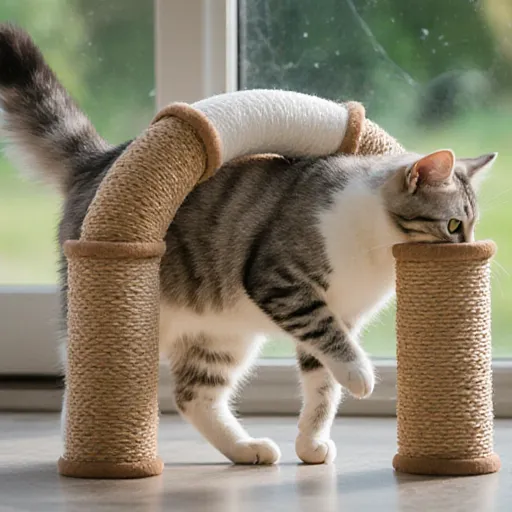
Entertain your feline friend with smart play ideas!
Cats Will Love These Smart Play Activities
Table of Contents
- Entertainment Through Toys
- Interactive Puzzle Feeders
- Chasing Shadows and Laser Pointers
- Playing with String Safely
- Teaching Your Cat New Tricks
- using-feather-wands-for-fun">Hide and Seek Sessions
- Using Feather Wands for Fun
- Water Play with Misting Toys
- Cat Tree Climbing Challenges
- Group Playtime with Other Cats
- Observing Your Cat's Preferences
- Creating a Fun Environment at Home
- Playing Outside Safely
- Training for Mental Stimulation
- Conclusion
- FAQs
Entertainment Through Toys
Playing with your cat is one of the best ways to bond with them, but it also plays a crucial role in their overall well-being. Interactive toys not only provide entertainment but also help in maintaining their physical health by encouraging exercise. Cats are natural hunters, and engaging them in play helps fulfill this instinctive behavior.
Types of Toys for Your Cat
Cats enjoy a wide variety of toys that can cater to different aspects of their personality and needs. Here are some popular types:
- Ball Toys: Simple yet effective, ball toys come in various sizes and textures. They encourage your cat to chase and pounce, which helps them work on their reflexes and coordination.
- Fabric or Feather Wands: These long toys are perfect for extending play sessions, allowing you to interact with your cat from a distance while keeping the excitement alive. The feather or fabric at the end mimics prey, stimulating your cat's natural hunting instincts.
- Moving Toys: Devices that move on their own, like laser pointers or robotic mice, can keep cats entertained for hours. They are especially good for energetic cats who enjoy fast-paced play sessions.
- Treat-Filled Puzzle Toys: These toys challenge your cat's mind and body by requiring them to work out how to get the treats inside. Not only do they provide mental stimulation, but they also help prevent boredom.
Fun Games to Play with Your Cat
Playing games is a delightful way to spend time with your cat and ensure their physical activity. Here are some fun games you can play:
- Chasing the Wand: Use a feather or fabric toy on an extendable wand to simulate prey. Move it in different directions, making sharp movements as if it were fleeing from danger. Your cat will love this game and it's great for their reflexes.
- Bird Feeder Games: Attach a small toy bird feeder or similar object to your window with suction cups. Cats can sit outside and watch birds, which is both entertaining and relaxing for them.
- Treasure Hunts: Hide treats around the house and let your cat find them using their natural hunting skills. This not only keeps them physically active but also mentally engaged.
Practical Advice for Entertaining Your Cat
To make sure your cat stays happy and healthy, it's important to provide a mix of toys that cater to different aspects of their behavior. Here are some tips:
- Vary the Toys: Cats can get bored easily if they play with the same toy every day. Introduce new toys regularly to keep things exciting.
- Engage Regularly: Spend at least 15-20 minutes each day playing with your cat. This ensures they receive adequate mental and physical stimulation.
- Observe Their Preferences: Every cat is different, so pay attention to what kind of toys they seem most interested in. Tailor your play sessions accordingly for maximum enjoyment.
Interactive Puzzle Feeders
Interactive puzzle feeders have become a popular trend among cat owners looking to enhance their pets' mental and physical health. These devices are designed to stimulate your cat's natural hunting instincts, offering them a fun challenge as they work to get their food. By engaging with these puzzles, cats spend more time playing and less time napping, which can help manage behavioral issues associated with boredom and excessive lounging.
Interactive puzzle feeders come in a variety of designs, but they all share the common goal of making your cat work for their meal. Some puzzles require your cat to push, pull, or shake the feeder to release kibble, while others involve filling small compartments with treats and watching as your furry friend figures out how to access them. These feeders often mimic the way prey moves in nature, which can greatly enhance the enjoyment and challenge for your cat.
- Mental Stimulation: Encourages problem-solving skills and keeps your cat mentally sharp.
- Promotes Exercise: Keeps your cat active, which is particularly beneficial for indoor cats who may not get enough physical activity otherwise.
- Behavioral Enrichment: Helps manage destructive behaviors by providing a positive outlet for energy and attention.
- Encourages Healthy Eating Habits: By making mealtime more engaging, you can help prevent overeating and promote portion control.
Once your cat is familiar with their new puzzle feeder, you can start incorporating it into games that further enhance playtime. Here are a few ideas:
- Treat Tossing: After your cat has successfully retrieved food from the feeder, toss treats near the feeding area to encourage them to hunt for their next meal.
- Obstacle Courses: Set up a simple obstacle course around the puzzle feeder. This can include items like paper bags or boxes that your cat must navigate around to reach their treat.
- Hiding Treats: After your cat has mastered the feeder, hide treats around your home and use hand signals or verbal commands to guide them to find each one.
- Teasing and Pursuit: With a toy mouse or laser pointer, you can simulate prey for your cat. This game works well in conjunction with the puzzle feeder as it mimics hunting behaviors.
When choosing an interactive feeder, consider factors such as your cat's size and strength to ensure they can successfully engage with the device. Also, look for products that are easy to clean and refill, as this will make maintaining the puzzle a breeze.
In conclusion, incorporating interactive puzzle feeders into your cat's routine is an excellent way to keep them entertained and healthy. By making mealtime more engaging through fun games and activities, you're helping your pet lead a more fulfilling life filled with excitement and playfulness.
Chasing Shadows and Laser Pointers
Engaging your cat in playtime can significantly enhance their physical activity, mental stimulation, and overall well-being. Two popular toys that provide endless fun are chasing shadows and laser pointers.
Cats have a natural curiosity for moving objects, making shadows an exciting game to play with them. To create shadow games:
- Create Moving Shadows: Use a flashlight or a small torchlight and move it around in front of a mirror or a wall. The shifting shapes will pique your cat's interest.
- Interactive Play: Encourage your cat to chase the shadows by gently moving them with your hand behind the light source.
- Use Flashlights Creatively: You can use flashlights to simulate prey like a butterfly or a mouse. This adds an element of surprise and excitement for your cat.
Shadow games are not only fun but also help in improving your cat's reflexes and coordination. They are especially useful during the day when you might be busy with other tasks, as shadows can be created anytime anywhere without additional equipment.
Laser pointers provide a more controlled method of simulating prey for your cat. However, it is crucial to use them correctly to ensure that they do not get injured or frustrated:
- Safe Use: Always keep the laser pointer on a flat surface and avoid shining it directly into your eyes or anyone else's.
- Short Intervals: Limit play sessions to short intervals, as constant stimulation can be overwhelming for your cat. Try 3-5 minutes of laser play followed by an active break.
- Use Real Prey as a Reward: After the session ends, give your cat their favorite treat or toy to reward them for participating in the game.
To make laser pointer games more enjoyable and effective:
- Follow Your Cat's Lead: Observe how your cat reacts to the beam. They might dart after it, pounce on it, or simply watch it intently.
- Vary the Patterns: Move the laser pointer in different patterns, such as zigzags or circles, to keep the game interesting and challenging for your cat.
Incorporating both shadow chasing and laser pointer play into your routine can greatly benefit your cat. These games not only provide entertainment but also help maintain a healthy lifestyle by encouraging exercise and mental engagement.
Playing with String Safely
When it comes to engaging with your cat, playing is a crucial part of their development and well-being. However, using string as play objects can be both fun for cats and potentially harmful if not done safely. String play is an age-old tradition, but modern pet owners are increasingly aware of the risks involved. Here's how you can enjoy these traditional games without putting your cat at risk.
Cats have a natural curiosity and love to chase small moving objects like strings or feathers. However, string play can be dangerous if ingested as it may cause intestinal blockages or other internal injuries. It's important to supervise your cat during these activities to prevent accidents.
- Trouble-free toys: Opt for toys that are specifically designed for cats and made from safe materials like plush or rubber. These are less likely to be ingested accidentally.
- Fabric play: Use large, non-toxic fabric strips instead of strings. Cats love batting at these as they provide a similar sensory experience without the risk.
Instead of just tossing string for your cat to chase on their own, engage in interactive play sessions where you control the movement and direction of the toy. This not only reduces the likelihood of ingestion but also strengthens the bond between you and your pet.
- Feather Wand: Attach a small feather to a wand that can be moved in various directions. This encourages your cat to chase without the risk of string ingestion.
- Catnip Mouse: Use a mouse-like toy with a soft, plush body and a dangling tail. The catnip scent will further motivate your cat to play.
Always ensure that any toys or play objects are safe for cats. Check them frequently for signs of wear and tear that could make them dangerous. If you're unsure about the safety of a toy, it's best to err on the side of caution.
Playing with your cat doesn't have to be limited by concerns over string ingestion. By choosing safe alternatives and supervising playtime, you can ensure that both you and your feline companion enjoy these cherished moments together.
Teaching Your Cat New Tricks
Teaching your cat new tricks is not just about enhancing their agility or obedience; it's a fantastic way to strengthen the bond between you and your feline companion. By playing fun games, you can engage your cat in activities that are mentally stimulating and physically challenging. These games also help in reducing boredom and stress, which can prevent behavioral issues.
To successfully teach your cat new tricks, it’s important to first understand their personality and preferences. Some cats may be more interested in interactive play than others. Observing how they react during playtime will give you insights into what motivates them the most.
Interactive Play Games
- Pouncing Game: Using a toy like a feather wand or a laser pointer, gently wave it around to encourage your cat to pounce. This game is great for improving coordination and reflexes. Make sure not to point the light directly into their eyes.
- Maze Fun: Create simple mazes using cardboard boxes or small furniture pieces as obstacles. Cats love figuring out ways to navigate through these structures, which also helps in mental stimulation.
Training Tips
Consistency is key when teaching your cat new tricks. Start by rewarding them with treats for every successful action they perform during the game. Positive reinforcement can significantly speed up their learning process.
- Keep Sessions Short: Cats have short attention spans, so keep each training session brief – about 5-10 minutes is usually enough.
- Repeat Commands: Use the same command every time you want your cat to perform a specific trick. Consistent commands help in building a clear association between the action and the verbal cue.
Examples of Tricks
Here are some examples of tricks that can be taught:
- Lying Down on Command: Hold a treat near their head, then move it towards the desired position. When they lie down, give them the treat and praise.
- Walking on a Leash: This requires more patience as some cats might not be comfortable with this activity at first. Start by letting them get used to the harness or leash in quiet environments before trying it out in public areas.
Remember, every cat is unique; what works for one may not work for another. Patience and creativity are your best friends when teaching new tricks to your feline friend.
Hide and Seek Sessions
Engaging your cat in hide and seek sessions is a fantastic way to keep them physically active and mentally stimulated. These games are not only enjoyable for pets but also offer you quality bonding time. Here's how to set up and play this game:
Setting Up Hide and Seek Sessions
- Choose a quiet space where your cat can easily hide without feeling threatened.
- Select a toy that your cat finds particularly intriguing, such as a feather wand or a small ball. Feather wands are especially effective for this game as they mimic the movements of prey and spark curiosity in cats.
Playing Hide and Seek
To initiate the game, gently wave the feather wand to catch your cat's attention. Once it is engaged, slowly hide while encouraging them with the toy. The key is to make the game unpredictable so that your cat remains interested.
Tips for a Successful Hide and Seek Session
- Use Feather Wands for Fun: Feather wands are excellent tools for this game because they encourage natural stalking behaviors in cats. The fluttering motion of the feather mimics prey, which naturally attracts and motivates your cat.
- Vary Your Hiding Spots: Cats quickly learn patterns, so change where you hide to keep things exciting. This keeps them engaged longer and ensures they remain excited about playing.
- Praise and Reward: When your cat finds its hiding spot or comes back after a successful seek session, reward it with praise and maybe a small treat. Positive reinforcement is crucial for encouraging participation in the game.
Fun Games to Play with Your Cat
In addition to hide and seek, there are many other games you can play with your feather wand that will keep your cat entertained and healthy:
- Pounce and Chase: Simulate a mouse or bird by moving the feather quickly in front of your cat. This encourages them to pounce and chase, which helps improve their reflexes and coordination.
- Sneak and Fetch: Hide the feather wand somewhere your cat can see it but not reach it easily. Encourage them to fetch it by guiding its movements with the toy. This game mimics natural hunting behavior and strengthens the bond between you and your pet.
Water Play with Misting Toys
Engaging your cat in water play can be both fun and beneficial for their mental stimulation. One unique way to do this is by using misting toys, which mimic the sensation of rain or gentle mist. This type of toy can captivate a cat's natural prey instincts, making it an excellent choice for interactive playtime.
Misting toys are particularly effective in recreating scenarios that cats find naturally exciting. The gentle spray from these toys can resemble the movement of water or even small insects, which piques a cat's curiosity and energy.
To start playing, you simply need to turn on the misting toy and let your cat explore it. Cats often enjoy chasing after the mist as if it were a moving target. This activity not only entertains but also helps in reducing stress and anxiety by providing them with an outlet for their energy.
Examples of Mist Toys
- Misting Feather Wand: A feather attached to a wand that sprays mist as you wave it around. This toy encourages your cat to chase the mist and the moving wand, stimulating both their visual and auditory senses.
- Misting Laser Pointer: While not strictly a misting toy, combining a laser pointer with a misting attachment can create an engaging game where your cat tries to catch both the beam of light and the mist. It's great for indoor play on rainy days when outdoor activities are limited.
- Misting Ball: A ball that sprays mist as it rolls across the floor, offering a fun and interactive experience for cats who like to chase rolling objects.
Tips for Using Mist Toys
- Start Slowly: Introduce your cat to the misting toy gradually. Start by turning it on in a quiet room and let them get used to the sensation of the mist.
- Vary the Environment: Try different rooms or areas in your home to see where your cat is most engaged with the misting toy. Some cats prefer open spaces, while others might enjoy playing in enclosed areas like a playpen.
- Combine with Other Toys: Mist toys can be used alongside other favorite toys to create more complex games that keep your cat entertained for longer periods of time.
Using misting toys not only provides an enjoyable activity for you and your cat but also helps in keeping them mentally sharp and physically active. It’s a great way to bond with your pet while ensuring they get the exercise and stimulation they need on those less sunny days!
Cat Tree Climbing Challenges
Introducing your feline friend to a new cat tree can be an exciting and rewarding experience, but it's important to ensure that they are comfortable and engaged. Cat trees come with various features designed to stimulate your cat’s natural instincts, such as perches, scratching posts, and toy platforms. However, there are certain challenges you might face when encouraging your cat to climb and play on their new tree.
1. Building Trust
The first challenge is building trust with the new piece of furniture. Cats need time to explore and understand that this structure is a safe and fun place for them to spend time. Start by placing the cat tree in an area where your cat already feels secure, like their favorite resting spot. Let them approach it on their own terms.
- Example: Place the tree near their bed or food bowl initially so they can associate it with familiar and comforting places.
- Advice: Never force your cat to interact with the tree. Let them investigate it at their own pace.
2. Encouraging Initial Climbs
Once your cat has familiarized themselves with the environment around the cat tree, you'll want to encourage them to start climbing and using all the features. Cats are naturally curious, but they need a little extra encouragement sometimes.
- Example: Toss toys or treats up into the branches of the tree to stimulate their natural hunting instincts.
- Advice: Use positive reinforcement by praising and rewarding your cat when they show interest in climbing. This will make them associate climbing with a fun activity rather than a chore.
3. Sustaining Interest Over Time
Cats are creatures of habit, and if the tree doesn't provide enough stimulation, your cat might lose interest over time. Keeping things fresh and engaging is key to maintaining their enthusiasm for climbing.
- Example: Rotate toys or treats in different locations on the tree to keep things new and exciting.
- Advice: Regularly change the types of play items you put up in the tree, such as hanging bird toys or scented objects. This can help keep your cat engaged and entertained.
4. Safety Considerations
While it’s important to make sure your cat is safe while using their new climbing structure, you also want to ensure that the tree itself is safe for them. Check regularly for any signs of wear and tear or damage that could pose a risk.
- Example: Inspect the cat tree for loose nails, fraying fabric, or broken perches.
- Advice: Keep an eye on how your cat uses the tree to spot any potential hazards early. If they seem hesitant about certain parts of the tree, remove those elements temporarily until they feel more secure.
Connecting Climbing with Fun Games
Cat climbing and play can be seamlessly integrated into fun games that you can enjoy together. By incorporating these activities into your daily routine, you not only strengthen the bond between you and your cat but also promote their physical and mental health.
- Example: Create a "hunting" game by dangling toys from the tree branches or using a laser pointer to simulate prey.
- Advice: Remember that interactive play should be short but frequent. Cats can become easily overwhelmed if the games are too long or intense, leading to stress rather than fun and excitement.
Group Playtime with Other Cats
Introducing your cat to playtime with other cats can be an enriching experience that promotes socialization, physical activity, and mental stimulation. However, it's crucial to ensure the safety of all involved pets by following some simple guidelines before allowing them to interact.
Setting Up for Safe Group Play
- Supervision: Always supervise playtime between cats. This helps prevent any aggressive behavior that can escalate into a fight.
- Neutral Territory: Choose a neutral area for the play session to reduce territorial issues. A spacious room or outdoor space works well.
- Toys and Enrichment: Provide multiple toys and interactive games to keep each cat engaged, reducing competition over playthings.
Fun Games and Activities
There are several games that encourage friendly interactions among cats. These can be adapted based on the personalities of your pets:
- Bird Feeder Hunt: Place a bird feeder in an area where both cats can see it but not reach each other easily. Encourage them to chase after toy birds or feather wands, which they can then share with their companions.
- Hide and Seek: Hide your cat's favorite toys around the house. When one cat finds a toy, encourage the others to search for more. This game promotes teamwork and cooperation.
- Interactive Feeding Games: Use puzzle feeders or treat-dispensing balls to make mealtime an activity. Cats will enjoy working together to get their food out of these devices.
Promoting Positive Interactions
To ensure that your cats have positive experiences during group play, consider the following tips:
- Gradual Introduction: If you're introducing a new cat to existing pets, do it gradually. Allow them time to get used to each other's presence before allowing direct interaction.
- Reward Good Behavior: Praise and treat your cats when they play nicely together. Positive reinforcement encourages more cooperative behavior in future sessions.
- Provide Alternatives: If one cat is less interested in group play, ensure it has plenty of other activities to keep it entertained.
Incorporating group playtime into your cats' routine can significantly enhance their quality of life. By following these guidelines and creating engaging environments, you'll foster a happy, healthy, and socially enriched cat community in your home.
Observing Your Cat's Preferences
To truly enjoy playing games with your cat, it is essential first to observe and understand their preferences. Each cat has its unique personality and likes, so what works for one might not work for another. By paying close attention to your furry friend, you can tailor playtime activities that keep them engaged and happy.
Understanding Your Cat's Preferences
Start by watching your cat's behavior during different times of the day. Cats are naturally active at dawn and dusk, so plan your play sessions around these periods when they're most alert and energetic. Pay attention to what activities your cat seems interested in:
- Predatory Behavior: Many cats love chasing moving objects or hunting small prey. Toys that mimic birds, mice, or insects are great options.
- Social Interaction: Some cats enjoy interactive play where they can engage with you directly. Feather wands and laser pointers are popular choices for this type of play.
- Exploration: Cats love exploring their environment, so toys that require some problem-solving skills or those that hide treats can be particularly appealing to them.
Examples of Fun Games
Once you've observed your cat's preferences, here are a few games and activities you can try:
- Mice on the String: A simple toy that mimics a mouse moving across the floor. This stimulates your cat’s natural hunting instincts.
- Laser Pointer Fun: Pointing a laser pointer in short bursts can keep your cat engaged and active, especially if you move it in different directions to mimic movement.
- Hide and Seek with Treats: This game encourages your cat to explore and find hidden treats. Place treats around the house or hide them inside toys for added interest.
- Spy Game: Use a toy that moves slowly across the floor, like a mouse on string, and then suddenly stops, mimicking prey fleeing from danger.
Practical Advice for Playtime
To make play sessions enjoyable and effective:
- Vary the Toys: Rotate different toys to keep your cat interested. Cats can easily lose interest in a toy if it becomes predictable.
- Keep Sessions Short: Cats have short attention spans, so try keeping play sessions to about 10-15 minutes at a time. This will help prevent boredom and overstimulation.
- Engage in Play Regularly: Consistency is key when it comes to developing a strong bond with your cat through play. Aim for short but frequent play sessions daily.
By observing and catering to your cat's preferences, you'll not only make playtime more enjoyable for both of you but also strengthen the bond between you. Remember, the goal is not just to entertain your cat but to enrich their life by providing mental stimulation and physical exercise.
Creating a Fun Environment at Home
Creating a fun environment at home is crucial for your cat's well-being and happiness. Just like humans, cats need stimulation to thrive mentally and physically. A stimulating environment can prevent boredom, stress, and even behavioral issues. Here are some practical tips and examples of how you can create an engaging space that will keep your furry friend entertained and healthy.
Mental stimulation is vital for cats to stay sharp and engaged. Interactive toys like puzzle feeders, hidden treat-dispensing toys, and cat trees with built-in scratching posts can provide hours of fun. These toys encourage your cat to use their natural instincts while also keeping them physically active.
Interactive Toys
- Puzzle Feeders: Fill these with treats and watch as your cat works to retrieve the food, which mimics hunting behavior. Brands like Catburrito offer a variety of puzzle feeders that are both fun and challenging.
- Hiding Treats: Hide treats around the house for your cat to discover. This encourages exploration and keeps them physically active as they search for their snacks.
A playful atmosphere can be created by incorporating elements that encourage interaction between you and your cat, as well as with other pets in the household. Regular play sessions are essential to build a strong bond and keep your cat mentally stimulated.
Examples of Playful Activities
- Catnip Toys: Use toys that contain catnip or other scents that appeal to cats, such as grass. These can be used for both indoor and outdoor play sessions.
- Interactive Playtime: Engage in activities like chasing a laser pointer or rolling a toy ball across the floor. Cats love this kind of interaction as it mimics hunting behavior.
Cats have certain behaviors that are natural to them, such as scratching and climbing. Providing opportunities for your cat to engage in these activities can help fulfill their instincts while also keeping them entertained.
Activities That Encourage Natural Behaviors
- Scratching Posts: Invest in a tall scratching post or even several smaller ones placed around the home. Cats need to scratch to maintain the health of their claws and mark territory.
- Climbing Structures: Install a cat tree with multiple levels for your cat to climb, jump, and explore. This provides mental stimulation while also giving them a safe place to retreat.
If possible, let your cat enjoy the outdoors in a safe environment. Supervised outdoor play can provide an exciting change of scenery and additional physical activity for your feline friend.
Safe Outdoor Play
- Cat Run: Consider purchasing or building a cat run that allows your cat to explore the outdoors while still being safely enclosed. Brands like The Cat Yard offer various designs for outdoor enclosures.
- Enclosed Patio: If you have an enclosed patio, it can be a great place for your cat to enjoy fresh air and sunshine without the risk of escape or danger from predators.
In conclusion, creating a fun environment at home is about providing your cat with stimulating activities that cater to their natural behaviors. By incorporating mental stimulation through toys, encouraging playtime, and offering opportunities for your cat to engage in natural behaviors like scratching and climbing, you can ensure that your feline companion remains happy, healthy, and well-adjusted.
Playing Outside Safely
Ensuring that your cat enjoys the outdoors safely is crucial for their physical and mental well-being. Cats are natural hunters, and allowing them to play outside can provide an excellent opportunity for exercise and stress relief. However, it's important to take precautions to keep your furry friend safe from potential dangers.
Setting Up a Safe Outdoor Environment
- Create a Fenced Area: If possible, create a secure outdoor space for your cat by fencing off an area in your yard. Make sure the fence is tall enough to prevent your cat from jumping over it.
- Use Cat-Proof Furniture: Ensure that all plants and other items within the enclosure are safe for cats. Some plants can be toxic if ingested, so it's crucial to research which ones are safe and which should be removed or kept out of reach.
- Provide Supervision: Always supervise your cat when they are outside, even in a fenced area. Cats can find ways to escape or get into trouble quickly.
Fun Games for Your Cat
Cats love interactive play that mimics their natural hunting instincts. Here are some fun games you can enjoy with your cat both indoors and outdoors:
Indoor Fun Games
- Predator Play: Use a feather toy or laser pointer to mimic the movements of prey. This will encourage your cat to pounce, enhancing their reflexes and coordination.
- Hiding Treats: Hide treats around the house for your cat to find. This game not only encourages exploration but also provides mental stimulation.
- Bird Watching: Set up a bird feeder or use binoculars to watch birds together from inside the house. This can be both entertaining and educational.
Outdoor Fun Games
- Cat Tree Climbing: Encourage your cat to climb on a secure outdoor cat tree or climbing structure. This helps them stay active and engage their natural climbing instincts.
- Feather in the Wind: Attach a feather to a string and let it flutter in the wind, mimicking the movements of small prey birds. Your cat will love chasing after this toy.
- Moving Objects: Use a remote-controlled car or small object that your cat can chase. This is a fun way to engage them in movement while they are outdoors.
Practical Advice for Outdoor Play
To ensure your cat's safety during outdoor play, follow these practical tips:
- Vaccination and Flea/Tick Protection: Make sure your cat is up-to-date on all vaccinations before allowing them outside. Additionally, protect them from fleas and ticks using appropriate products.
- Identify Your Cat: Consider microchipping your cat or wearing a collar with tags in case they accidentally escape the enclosure.
- Watch for Signs of Stress: If your cat shows signs of distress during play, it's important to bring them back inside immediately. Cats can be affected by stress just like humans.
By providing a safe outdoor environment and engaging in fun games, you can help your cat lead a healthy and fulfilling life both indoors and outdoors. Remember that the key is to strike a balance between giving your cat freedom and ensuring their safety at all times.
Training for Mental Stimulation
Training your cat for mental stimulation is just as important as physical exercise. Cats, like humans and dogs, benefit from activities that challenge their brains and keep them engaged. Engaging your feline in interactive play can prevent boredom and reduce the risk of behavioral issues such as aggression or overactivity.
- Feather Wand Play: Feather wands are a classic toy that provide hours of entertainment. They mimic bird flight, which naturally piques your cat's interest. Start by moving the wand in different directions and heights to encourage your cat to chase it. This game is especially effective for long-haired cats or those who love to stalk.
- Tips: Keep the toy at a distance, allowing your cat to feel a sense of accomplishment when they successfully catch it.
- Puzzle Toys: Puzzle feeders and treat-dispensing toys require your cat to solve puzzles to get their food. These are excellent for mental stimulation as they challenge your pet’s problem-solving skills.
- Tips: Start with simple puzzles, gradually moving to more complex ones as your cat becomes accustomed to the concept.
- Mirror Games: Some cats enjoy watching their reflection in a mirror. This can be an entertaining game for them, and it also provides mental stimulation by encouraging them to explore new visual stimuli.
- Tips: Place the mirror at different angles and heights to keep things interesting for your cat.
- Hanging Toys: Hanging toys from a string or hook provide an element of surprise as they swing back and forth. Cats love to chase these, making them perfect for mental exercise.
- Tips: Ensure that the hanging toy is safe and secure to avoid any accidents.
- Scent-Based Toys: Scented toys or treats can be hidden around your house for your cat to find. This not only provides mental stimulation but also encourages exploration, which is essential for a happy and healthy cat.
- Tips: Use treats that are appropriate for your cat's diet and size.
In conclusion, incorporating these fun games into your daily routine can help keep your cat mentally sharp. By providing various forms of stimulation, you ensure that your pet remains active and engaged throughout the day, fostering a strong bond between you and your furry friend.
Conclusion
Expanding on the topic of fun games to play with your cat, it's essential to understand that engaging your pet in playtime is not just about entertaining them; it also strengthens the bond between you and your feline companion. Playful activities are crucial for mental stimulation and physical health, helping to prevent boredom-related stress and behavioral issues.
Interactive Toys
The right toys can make all the difference in keeping your cat entertained and active. Laser pointers are a popular choice as they encourage your cat to chase something that moves, which mimics hunting behavior. However, it's important to use them wisely; avoid overusing laser pointers so as not to frustrate or bore your cat. Instead of just watching the light, try to interact with your cat by gently waving around a toy mouse or feather wand. This keeps playtime engaging and fun.
Obstacle Courses
Cats love to climb and leap, so setting up an obstacle course at home can be both challenging and rewarding for them. Using furniture like shelves, tunnels, and platforms encourages your cat to explore different heights and spaces. You can create a simple setup with items you already have around the house or invest in specialized cat toys that promote climbing and jumping. This activity not only keeps cats physically fit but also satisfies their natural instincts.
Feeding Games
Incorporating feeding games into your routine can be a fun way to make mealtime more exciting for your cat. Use food-dispensing toys or scatter treats around the house, leading your cat on a "hunt" to find them. This not only makes mealtime more engaging but also provides mental stimulation and helps with portion control. For example, you could hide small portions of food in different rooms or use treat balls that require your cat to roll it across the floor to release treats.
Regular Play Sessions
To keep your cat's mind and body healthy, it's important to have regular play sessions. Consistent playtime helps prevent behavioral issues and keeps your cat happy and fulfilled. Aim for at least 10-15 minutes of play each day, but remember that every cat is different, so pay attention to what they enjoy the most and adjust accordingly.
Outdoor Play (with Caution)
If you live in an area where it's safe for your cat to go outside, supervised outdoor play can be a wonderful experience. However, always ensure that your cat is safely enclosed or under strict supervision when outdoors to protect them from hazards like cars and other animals. Encourage them to explore their environment by placing toys outside or using a harness and leash if they're comfortable with it.
Conclusion
In summary, incorporating play into your daily routine can significantly improve the quality of life for your cat. By providing interactive toys, creating obstacle courses, engaging in feeding games, ensuring regular play sessions, and considering outdoor play (with caution), you'll help keep your cat physically active and mentally stimulated. Remember to observe and follow your cat's preferences during these activities; what works for one pet might not suit another.
FAQs
Q: Why is it important for my cat to play?
Playing is crucial for your cat’s physical and mental health. Regular exercise helps maintain a healthy weight, strengthens muscles, and improves cardiovascular fitness. Mental stimulation through games can prevent boredom and reduce stress or anxiety that might lead to destructive behaviors. Interactive play also enhances the bond between you and your feline companion.
Q: What are some fun games I can play with my cat?
Here are a few engaging activities:
- Pouncing on Toys: Use lightweight objects like feathers or small balls that your cat can chase and pounce on. These toys encourage natural hunting behaviors.
- Hiding Treats: Hide treats around the house for your cat to find. This not only provides entertainment but also mimics hunting behavior.
- Interactive Feeder Toys: These are toys designed to dispense food when activated, which can be a fun and educational way to engage your cat’s mind and body.
- Tug-of-War with Gentle Paws: While you should avoid games like tug-of-war that involve human-to-human play, you can gently tug on strings or similar toys with your fingers as if they were a mouse running away from them.
Q: How often should I play with my cat?
Cats enjoy short bursts of intense activity rather than long, drawn-out games. Aim for several 5-10 minute sessions throughout the day to keep your cat engaged and happy. Consistent interaction can also help manage your cat’s energy levels better.
Q: What are some safety tips when playing with my cat?
Safety is key during playtime:
- Use toys made specifically for cats to avoid choking hazards or injuries from sharp edges.
- Avoid games that could hurt your hands, such as rough play or using objects that could be dangerous if swallowed.
- Keep an eye on your cat’s behavior; if they seem overly aggressive or frustrated, it might be time to take a break or change the game.
Q: Are there any specific times of day when my cat is more likely to play?
Cats are typically most active in the early morning and late evening. These peak activity periods are great times for interactive play, as your cat will be naturally inclined to move around at these times.
Q: How can I introduce new games into my routine?
Incorporating new elements gradually is best:
- Show your cat the toy or set up the game before you start playing to make it more appealing.
- If they are hesitant, try enticing them with treats and then slowly introduce the toy once they seem interested.
- Be patient; some cats take longer than others to adjust to new games. Consistency is key in making these activities a regular part of your routine.
Q: How do I know if my cat enjoys the game?
Your cat’s enjoyment will be evident through their behavior:
- If they are chasing, pouncing, or batting at the toy, it's a good sign.
- They may also purr or come back for more once you finish playing. If your cat seems disinterested, try changing up the game to something else that might catch their attention.
Categories
- AI & Enrichment Play
- Broiler Farming
- Broiler Farming Tips
- Canine Wellness & Longevity
- Cat
- Cat & Human Connection
- Cat Adoption & Rescue
- Cat Breeds
- Cat Breeds & Personalities
- Cat Care & Health
- Cat Grooming & Hygiene
- Cat Lifestyle & Environment
- Cat Myths & History
- Cat Nutrition & Diet
- Cat Products & Reviews
- Cat Training & Behavior
- Comparison
- Consumer Awareness
- Dog
- Dog Accessories & Products
- Dog Adoption & Rescue
- Dog Breed & Lifestyle Trends
- Dog Breeding & Puppies
- Dog Entertainment & Media
- Dog Fashion & Trends
- Dog Fun & Lifestyle
- Dog Grooming & Hygiene
- Dog History & Culture
- Dog Myths, Science & Future Tech
- Dog News & Trends
- Dog Nutrition & Food
- Dog Psychology & Emotions
- Dog Safety & Security
- Dog Sports & Activities
- Dog Technology & Innovation
- Dog Training for Modern Owners
- Dog Travel & Adventure
- Dog Travel, Adventure & Culture
- Economic and Market Insights
- Educational Content
- FAQs
- Feeding Alternatives
- Festivals & Seasonal Ideas
- Fun & Entertainment
- General Knowledge
- General Pig Farming
- Health & Disease Management
- Housing and Environment
- Kittens
- Market Insights
- Miscellaneous
- Miscellaneous
- Motivational
- pig
- Pig Breeding
- Pig Breeds
- Pig Farming Stories and Inspiration
- Pig Health and Care
- Pig Nutrition
- Pig Products
- Profitability & Business
- Puppy Care
- Puppy Predictable Topics Reinvented
- Regional Focus
- Rescue & Adoption Buzz
- Senior Cats
- Senior Dog Care
- Smart Dog Tech & Gadgets
- Sustainability
- Sustainable & Eco-Friendly Dog Products
- Tech & Innovations
- Working & Service Dogs
- Broiler Feed66 products
- Country Feed33 products
- Pig Feed66 products
- Product22 products
- Raw Materials99 products
Products
-
 Fish Meal
₹1,999.00 – ₹2,999.00Price range: ₹1,999.00 through ₹2,999.00Rated 0 out of 5
Fish Meal
₹1,999.00 – ₹2,999.00Price range: ₹1,999.00 through ₹2,999.00Rated 0 out of 5 -
 FATTENING BROILER FEED
₹2,299.00 – ₹2,349.00Price range: ₹2,299.00 through ₹2,349.00Rated 0 out of 5
FATTENING BROILER FEED
₹2,299.00 – ₹2,349.00Price range: ₹2,299.00 through ₹2,349.00Rated 0 out of 5 -
 LAYER COUNTRY FEED
₹1,549.00 – ₹1,649.00Price range: ₹1,549.00 through ₹1,649.00Rated 0 out of 5
LAYER COUNTRY FEED
₹1,549.00 – ₹1,649.00Price range: ₹1,549.00 through ₹1,649.00Rated 0 out of 5 -
 COUNTER BROILER FEED
₹1,199.00 – ₹1,299.00Price range: ₹1,199.00 through ₹1,299.00Rated 0 out of 5
COUNTER BROILER FEED
₹1,199.00 – ₹1,299.00Price range: ₹1,199.00 through ₹1,299.00Rated 0 out of 5 -
 LACTATING PIG FEED
Rated 0 out of 5
LACTATING PIG FEED
Rated 0 out of 5₹2,299.00Original price was: ₹2,299.00.₹1,740.00Current price is: ₹1,740.00. -
 Maize
Rated 0 out of 5
Maize
Rated 0 out of 5₹1,650.00Original price was: ₹1,650.00.₹1,300.00Current price is: ₹1,300.00. -
 GESTATION PIG FEED (Phase 1)
Rated 0 out of 5
GESTATION PIG FEED (Phase 1)
Rated 0 out of 5₹2,249.00Original price was: ₹2,249.00.₹1,699.00Current price is: ₹1,699.00. -
 Pre Starter Broiler Feed
₹2,399.00 – ₹2,499.00Price range: ₹2,399.00 through ₹2,499.00Rated 0 out of 5
Pre Starter Broiler Feed
₹2,399.00 – ₹2,499.00Price range: ₹2,399.00 through ₹2,499.00Rated 0 out of 5 -
 FINISHER PIG FEED
Rated 0 out of 5
FINISHER PIG FEED
Rated 0 out of 5₹2,299.00Original price was: ₹2,299.00.₹1,749.00Current price is: ₹1,749.00. -
 Broiler Premix
Rated 0 out of 5
Broiler Premix
Rated 0 out of 5₹820.00Original price was: ₹820.00.₹699.00Current price is: ₹699.00.