
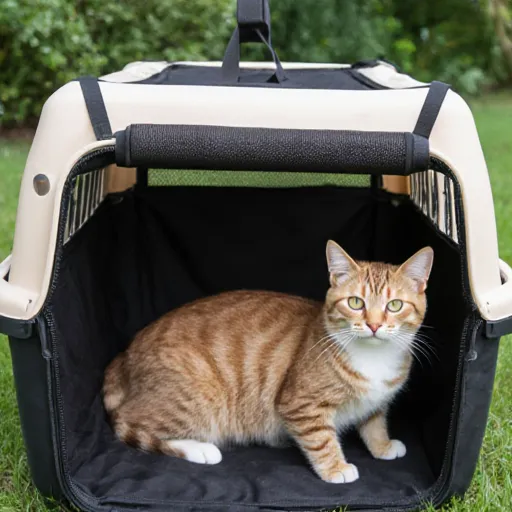
Cozy Carrier Options Your Cat Will Adore
Cats Love These Carriers!
Table of Contents
- Choosing the Right Size Cat Carrier
- Material Quality and Durability
- Ventilation for Your Feline Friend
- Ease of Assembly and Portability
- Safety Features for Pet Travel
- Comfort and Space Inside the Carrier
- Noise Reduction to Minimize Stress
- Weight Capacity for Your Cat
- Carrier Color and Style Options
- Price Range Considerations
- Recommendations from Veterinarians
- Tips for Packing Your Cat's Essentials
- FAQs About Traveling with Cats
- Conclusion
- Final Words and Summary
Choosing the Right Size Cat Carrier
Selecting the appropriate size cat carrier is crucial for ensuring your pet's comfort and safety during travel. A well-fitted carrier can reduce stress for your cat, making trips more comfortable and less stressful for both you and your feline companion.
Understanding Your Cat’s Size
Before purchasing a cat carrier, it is important to measure your cat accurately. Use the following steps to determine the appropriate size:
- Measure your cat from the base of their neck (where the collar would sit) to the base of their tail.
- Compare this measurement with the carrier’s interior dimensions, ensuring there is enough space for your cat to stand up and turn around comfortably.
Considering Your Cat's Personality
Cats have different personalities, which can influence their preferences in carriers. Some cats may prefer carriers with openings on both ends, while others might feel more secure in a fully enclosed carrier. Consider your cat’s behavior and comfort levels:
- If your cat is shy or easily stressed, choose a carrier that offers full enclosure for better security.
- For adventurous cats who enjoy being outside their home, a carrier with openings on both ends might be more suitable.
Selecting the Right Size
The size of your cat is not the only factor to consider when choosing a carrier. The type of travel you will be doing can also influence the best fit:
- For short trips, such as car rides, ensure that the carrier fits comfortably in the vehicle and does not block any necessary access.
- If you plan to fly with your cat, check the airline’s size restrictions for pet carriers. Many airlines have specific dimensions for pet-friendly travel.
Practical Tips
To make traveling with your cat more enjoyable and stress-free:
- Introduce your cat to the carrier gradually by placing treats inside it. This will help them associate the carrier with positive experiences.
- Ensure the carrier is lightweight, so it’s easier for you to handle during travel.
- Use a soft blanket or towel at the bottom of the carrier to provide comfort and security for your cat.
Examples of Best Cat Carriers for Travel
The following carriers are highly recommended by pet enthusiasts and experts:
- FurHugger Fluffy Lined Carrier: This carrier is known for its soft lining, which makes it very comfortable for your cat. It also comes in various sizes to fit different cat breeds.
- PetSafe Explorer Cat Travel Carrier: Ideal for flying with your cat, this carrier meets airline size requirements and has a convenient handle for easy transportation.
- Hartz SoftSleeper Folding Pet Carrier: This collapsible carrier is perfect for quick trips as it can easily fold down to a compact size. It also comes in multiple sizes.
In conclusion, choosing the right size cat carrier is vital for your pet's travel experience. By considering both your cat’s size and personality, you can select a carrier that will make travel more comfortable and stress-free for everyone involved.
Material Quality and Durability
When it comes to selecting a cat carrier, the quality and durability of materials are crucial factors that can significantly impact your travel experience. A well-constructed carrier ensures your cat feels secure during transit, reducing stress and anxiety. Here’s an in-depth look at what you should consider when evaluating material quality and durability for best cat carriers for travel.
Materials: What Makes a Quality Carrier?
The choice of materials used in the construction of a cat carrier can greatly influence its overall strength, comfort, and ease of cleaning. Here are some common materials you should look out for:
- High-Density Polyethylene (HDPE): HDPE is widely used due to its durability, light weight, and ability to resist scratches and impacts. It provides a secure environment while ensuring your cat has enough room to move around inside the carrier.
- Polypropylene: This material offers excellent strength-to-weight ratio and resistance to chemicals. However, it may not be as scratch-resistant as HDPE.
- Thermoplastic Polyurethane (TPU): TPU is known for its flexibility and impact resistance. It provides a comfortable surface for your cat while offering durability against shocks during travel.
Durability: Ensuring Longevity
To ensure your carrier remains in top condition over time, consider the following aspects:
- Construction Quality: Look for carriers with reinforced joints and hinges. These components are prone to wear and tear during regular use.
- Made-to-Last Design: Opt for carriers that feature a design which minimizes stress on the materials, ensuring they can withstand daily usage without breaking down quickly.
Practical Advice
To maximize the lifespan of your cat carrier and ensure its effectiveness during travel, follow these practical tips:
- Regular Cleaning: Regularly cleaning the interior with mild soap and water can prevent odors from building up over time. Be sure to allow it to dry completely before storing.
- Cushioning Inside: Adding soft padding inside can make your cat more comfortable and less likely to scratch or damage the carrier during travel.
- Proper Storage: Store your carrier in a dry, cool place when not in use. Avoid exposing it directly to sunlight as UV rays can degrade certain materials over time.
Conclusion
Selecting a high-quality cat carrier that combines durability with comfort is essential for providing the best travel experience for your pet. By focusing on materials like HDPE, TPU, and other robust options, you can ensure that your carrier will serve you well for many trips to come.
Ventilation for Your Feline Friend
Ensuring that your cat has a well-ventilated space, especially when traveling in a carrier, is crucial for their comfort and well-being. Proper ventilation helps regulate temperature, reduces stress, and prevents the buildup of harmful gases that could affect your feline friend's health.
Understanding Ventilation Needs
Cats are sensitive to changes in their environment, and poor air circulation can lead to respiratory issues or discomfort. When choosing a cat carrier for travel, it’s important to consider how well the carrier allows airflow. A poorly ventilated space could cause your cat to overheat, especially during warmer months or long car trips.
Best Practices for Carrier Ventilation
- Choose a Carrier with Adequate Holes: Opt for carriers that have multiple openings on the sides and top. This allows for better airflow without compromising the carrier's structural integrity.
- Use Mesh or Perforated Carriers: Carriers made from mesh or perforated materials offer excellent ventilation while still providing protection for your cat. Brands like PetSafe and Dr. Ernest Ward are known for their well-ventilated carriers.
- Avoid Overcrowding: Even in a ventilated carrier, overcrowded conditions can lead to stress and poor air quality. Ensure that the carrier is not filled beyond its recommended capacity.
Practical Tips for Ventilating Your Cat Carrier
Here are some practical tips you can follow to ensure your cat stays comfortable in a well-ventilated carrier:
- Clean the Carrier Regularly: A clean carrier is not only safer but also helps maintain better air quality. Use mild, pet-safe disinfectants to clean the inside of the carrier after each use.
- Use a Carrier with a Removable Bottom: This allows you to remove any waste easily without disturbing your cat. Clean carriers frequently to prevent odors and potential health issues.
- Add Fresh Air: If possible, slightly open the carrier lid when traveling for short distances or if you are just acclimating your cat to the carrier.
Examples of Ventilated Carriers
Here are some examples of cat carriers that are specifically designed with ventilation in mind:
- PetSafe Explorer Cat Carrier: This carrier features a large opening at the top and side windows for excellent air flow.
- Drs. Foster & Smith Ventilated Pet Carrier: Made from mesh material, this carrier provides good ventilation while keeping your cat secure.
- Catcarrier.com's Breathable Carrier: Designed with a breathable fabric that helps keep your cat cool and comfortable during travel.
In conclusion, providing proper ventilation for your feline friend in a carrier is an essential aspect of responsible pet travel. By choosing the right carrier and following these tips, you can ensure your cat remains healthy, happy, and stress-free throughout their travels.
Ease of Assembly and Portability
When choosing a cat carrier for travel, the ease of assembly and portability is one of the most important factors to consider. A well-designed carrier should be simple to assemble and easy to carry around without adding extra bulk or weight to your luggage. This ensures that you can quickly get your cat into the carrier when traveling, which can often be stressful for both pets and owners.
Key Features for Easy Assembly
- No Tools Required: Opt for a carrier that doesn't require any tools to assemble. This eliminates the hassle of finding screwdrivers or other tools while on the go.
- Foldable Design: A foldable carrier allows you to easily store it in your luggage when not in use, and then quickly unfold it at check-in time or during travel stops.
- Rapid Setup: Look for carriers that come with pre-attached hardware like mesh panels and doors. These components should be easy to click into place without much effort.
Enhancing Portability
Portability is crucial when you're traveling, especially if you have to go through multiple check-in points or layovers. Here are some features that make a carrier more portable:
- Lightweight Materials: Carriers made from lightweight yet durable materials like nylon or mesh can be easily carried without causing strain.
- Compact Size: Choose a carrier with a compact size that fits comfortably in your luggage. It should also have dimensions that meet airline regulations for carry-on luggage if you're flying.
- Hassle-Free Carrying Handles: Ensure the handle is securely attached and easy to grasp, allowing you to carry the carrier without worrying about it falling apart or becoming cumbersome.
- Ergonomic Design: A well-thought-out ergonomic design can significantly enhance portability. This includes features like padded handles and comfortable carrying straps.
Real-Life Examples
Here are a few examples of cat carriers that excel in ease of assembly and portability:
- Catio Carrier Travel Pet Cat Luggage: This carrier is known for its quick assembly. It comes with pre-attached components, ensuring you can easily set it up in seconds.
- Ruff & Tumble Carry Cat Carrier: With a foldable design, this carrier allows you to easily store it and then unfold it when needed. It’s also made from lightweight materials for easy carrying.
- Vivart Pet Carriers Folding Travel Cat Luggage: This carrier features a compact size that fits perfectly in most luggage compartments and has ergonomic handles for comfort during travel.
Tips for Choosing the Right Carrier
To ensure you get the best carrier for your needs, follow these practical tips:
- Measure your cat to ensure the carrier provides enough space without being overly large.
- Check the weight limit of the carrier if it includes a top-opening design for extra comfort and ease during travel.
- Consider the airline's pet policies regarding size and weight, as these can affect the portability of your chosen carrier.
In conclusion, when selecting the best cat carrier for travel, prioritize carriers that are easy to assemble and portable. By choosing a well-designed carrier with features like no-tool assembly, foldable design, lightweight materials, and ergonomic handles, you can ensure a smoother journey for both you and your feline companion.
Safety Features for Pet Travel
Ensuring your pet's safety during travel is crucial, and choosing the right carrier can significantly enhance their comfort and well-being. Best cat carriers for travel are designed with various safety features that not only protect your furry friend but also make the journey smoother for both you and your pet.
- Secure Latching Mechanism: A carrier should have a secure latching mechanism that can withstand even the most spirited cat. This prevents your kitty from escaping during transit. Look for carriers with reinforced hinges and locks.
- Cushioned Interior: For added comfort, opt for carriers with cushioned interiors. These reduce pressure points on your cat's body and help prevent stress-related injuries. Some carriers even come with washable bedding to keep your pet cozy.
- Airflow and Ventilation: Cats can get hot and uncomfortable in a tightly enclosed space, especially during long trips. Ensure the carrier you choose has adequate ventilation to allow for proper air circulation. This is crucial for maintaining your cat's health and well-being.
- Gentle on Joints: When transporting your cat, it’s important to consider the impact of the journey on their joints. Look for carriers that provide a stable environment, reducing the risk of joint strain or injury during travel.
- Foldable Design: A foldable carrier is convenient for storage and easy-to-carry for short trips. It also makes loading and unloading your cat from the vehicle quicker and less stressful.
To make sure your cat enjoys their trip, you should introduce them to the carrier well before the actual journey. Place treats or a favorite toy inside so that positive associations are made with the carrier. This can help reduce anxiety and stress during travel.
Additionally, it's important to acclimate your cat to the sound of car engines by sitting in the vehicle without starting it initially. Gradually increase exposure to these noises over several days before making a full trip. This helps ensure that your pet is comfortable with the environment they will be traveling in.
- Bowling Green Catit Carry & Go Carrier: Known for its comfort and durability, this carrier offers a soft interior and a gentle landing pad to protect your cat's paws. It also features reinforced hinges and locks.
- PetSafe Explorer Cat Carrier: This carrier is praised for its excellent ventilation and spacious design that allows your cat to move around freely while remaining secure. It comes with a washable interior to keep it clean.
- Furbo Traveler Cat Carrier: Designed with both comfort and security in mind, this carrier includes a soft, contoured interior padded with memory foam. It also has a foldable design for easy storage.
In conclusion, selecting the right safety features in your cat's travel carrier is essential to ensure their well-being during transit. By choosing carriers that are secure, comfortable, and provide good ventilation, you can make sure your pet enjoys a safe and stress-free journey.
Comfort and Space Inside the Carrier
The comfort and space inside a cat carrier are crucial factors to ensure your feline friend has a stress-free travel experience. A well-designed carrier not only keeps your pet safe but also provides an environment where they feel secure. This section will delve into how to choose carriers that offer optimal comfort and space, based on the best options available for travel.
Understanding Your Cat's Needs
To ensure your cat feels comfortable inside a carrier, it’s important to consider their size, temperament, and travel habits. Smaller cats may require carriers with more compact designs, while larger breeds might benefit from extra space. Cats with anxiety or stress during travel should have carriers that offer a safe, enclosed environment to minimize stress.
Optimal Space for Your Cat
A carrier that offers enough space is crucial. A carrier that is too small can cause your cat discomfort and stress, leading to behavioral issues during travel. When selecting the right size, consider your cat’s length and width. For instance, a long-haired cat may need more space than a short-haired one of similar weight.
- For small cats: A carrier that measures at least 12 inches by 8 inches should suffice.
- For medium-sized cats: Aim for carriers measuring around 16 inches by 10 inches.
- For large or long-haired cats: Opt for a carrier that is 20 inches by 12 inches to ensure ample space and comfort.
Comfort Enhancements
To make the trip more comfortable, consider adding items like soft bedding, cushions, or even treats. These can help your cat feel more at ease. Additionally, placing a familiar scent in the carrier—such as an old t-shirt with your scent—can provide comfort and security.
Practical Tips for Comfort
- Choose a Carrier Material: Soft materials like fleece or cotton lining can provide extra comfort. Mesh carriers, while breathable, may not be as comfortable. Ensure the carrier is durable enough to withstand your cat’s movements.
- Regular Cleaning: Keep the carrier clean and free from odors that could stress your cat during travel. Regular cleaning also prevents any build-up of harmful bacteria.
- Use Familiar Scents: Place a small piece of fabric with your scent or your cat’s favorite toy inside the carrier to make it feel more like home.
Examples of Comfortable Carriers
Here are some top-rated carriers that prioritize comfort and space:
- Petmate Cat Transport Carrier: Known for its spacious interior, this carrier features a hinged door for easy access and a soft lining to keep your cat comfortable.
- Ruff Wear Cat Travel Crate: This crate offers extra space with a large opening, ensuring your cat has plenty of room to move around. It also includes a fleece liner for added comfort.
- Trixie Cat Carrier: The Trixie carrier is designed with a soft interior and comes in various sizes to accommodate different cat breeds. Its extra-large size provides ample space, perfect for long trips.
Closing Thoughts
Choosing the right cat carrier that offers both comfort and space can significantly enhance your travel experience with your feline friend. By selecting a well-designed carrier and following practical tips for enhancing comfort, you can ensure a stress-free journey for both you and your pet.
Noise Reduction to Minimize Stress
Traveling can be stressful, especially when it involves your furry companion. Cats, like all animals, can pick up on environmental cues and stressors around them. One of the most significant contributors to a cat's stress during travel is noise. Reducing the impact of these noises in their environment can make a world of difference. Here are some practical tips and examples that utilize best cat carriers for travel to minimize stress through effective noise reduction.
Noise is one of the primary stressors for cats during travel. It can come from car engines, other animals in the vehicle, or even the sounds of movement within the carrier itself. Cats are naturally sensitive to sound frequencies that humans cannot detect, making it even more critical to provide a quieter environment.
Choosing the Right Carrier
The best cat carriers for travel should be made with noise-reducing materials like thick padding and soft interiors. This not only cushions your cat but also muffles external sounds, providing them with a sense of security. Look for carriers that are large enough to allow your cat to stand up or stretch out, as this reduces anxiety by allowing them more space.
Soundproofing the Carrier
To further minimize noise, consider placing a sound-dampening pad inside the carrier. You can also use lightweight blankets or towels to help absorb and muffle any sounds that might reach your cat. Some carriers come with built-in muffling features such as thick foam inserts or reflective barriers to block out external noises.
Creating a Familiar Environment
Introducing familiar scents can also reduce stress by making the environment more comforting for your cat. You can place a favorite blanket, toy, or even an article of clothing that smells like home inside the carrier before the trip. This helps to acclimate your cat to the carrier and reduces their fear and anxiety.
Practical Tips
- Use a Carrier with Noise-Reducing Features: Opt for carriers that have thick padding, reflective barriers, or built-in mufflers. Brands like PetSafe and Feliway offer models specifically designed to block out noise.
- Padded Floors and Walls: Ensure the carrier you choose has a soft, padded floor and walls to provide comfort and reduce the shock of movement during travel.
- Covering the Carrier: Sometimes covering the carrier with a blanket can help block out external noises. However, ensure your cat still has good ventilation.
Examples of Recommended Carriers
Here are some best-selling and highly-rated carriers that are known for their noise-reducing features:
- PetSafe SoundSoothing Carrier: This carrier is designed to soothe your cat with its soft, padded interior. It also has a sound-attenuating insert which helps block out external noises.
- Feliway Classic Carrier: Known for its calming effects, this carrier features a soft, plush lining that can help reduce stress by providing comfort and security.
- Comfort Critter Cat Travel Carrier: This carrier is designed with your cat's comfort in mind. It has thick foam padding and a zippered top for easy access without disturbing your feline friend.
By focusing on noise reduction, you can significantly minimize stress during travel for both you and your cat. Remember that each cat is unique, so it may take some trial and error to find the perfect carrier and methods that work best for your pet. With these tips and a little patience, your furry friend will be more relaxed and comfortable during their travels.
Weight Capacity for Your Cat
When selecting a cat carrier, one crucial factor is understanding the weight capacity for your cat. This ensures that both you and your feline companion have a safe and comfortable travel experience.
Determining Your Cat's Weight
To accurately determine your cat’s weight, it is recommended to weigh them at home on a scale. Most veterinarians recommend weighing cats weekly or monthly to monitor their health. This practice also helps you know exactly which size carrier will suit your cat.
Carrier Size and Weight Capacity
The size of the carrier directly correlates with its weight capacity. Smaller carriers, like those for kittens or very light cats (e.g., 1-2 lbs), typically have a lower weight capacity. On the other hand, larger carriers designed for heavier cats can accommodate more weight.
Best Cat Carriers for Travel
- Luxury Pet Carrier: This carrier is perfect for pets up to 20 lbs. It features a soft interior and an easy-to-clean design, making it ideal for your heavier cat or even multiple cats traveling together.
- Compact Travel Carrier: Ideal for smaller breeds like Siamese (1-5 lbs). This carrier is lightweight and easily portable, ensuring that your cat stays safe during travel without feeling cramped.
- Eco-Friendly Carrier: Designed for pets up to 10 lbs. It's made from recycled materials and has a soft lining for maximum comfort. It’s great for both short trips and long journeys.
Practical Advice
Familiarize Your Cat with the Carrier: Even if your cat is used to traveling in a carrier, it's essential to introduce them gradually. Start by placing the empty carrier in a quiet area of the house and slowly increase their time inside over several days. This helps reduce stress during travel.
Use Comfort Enhancements: Add soft bedding or blankets to make your cat feel more secure within the carrier. A familiar scent, like a soft pet blanket, can also help them relax.
Conclusion
Selecting a carrier with the appropriate weight capacity ensures that your travel experience is both safe and enjoyable for you and your cat. By choosing the right size and considering comfort enhancements, you'll make sure your cat stays calm and content during any journey.
Carrier Color and Style Options
Selecting the right color and style of a cat carrier is crucial not just for your convenience but also for your pet's comfort during travel. A well-designed carrier should be both functional and visually appealing, ensuring that your furry friend feels secure and relaxed while on the go.
Color Choices
When choosing a cat carrier, consider colors that are calming and not overly stimulating. Neutral tones like black, gray, or blue can help reduce stress during travel by providing a less overwhelming environment for your pet. However, if you prefer something more vibrant to match the aesthetic of your home decor, opt for carriers in pastel hues such as light blue, pink, or lavender.
Style Options
Cat carriers come in various styles, each offering unique features that cater to different travel needs. Here are some popular options:
- Foldable Carriers: These compact and lightweight carriers fold down for easy storage and portability. They are perfect for frequent travelers who want to keep their carrier space-saving. For example, the PetSafe Sling Foldable Cat Carrier is a popular choice.
- Hardside Carriers: Ideal for long-haul flights, these carriers provide the utmost protection with reinforced walls. They are generally more expensive but offer the best security for your cat during high-stress situations. The Cabin Air Cat Carrier is a well-regarded option in this category.
- Cushioned Carriers: Designed with comfort in mind, these carriers feature soft bedding inside that can be removed or replaced as needed. They are great for short trips and everyday use. The Feliway Soft Bed Carrier is a top pick for those looking to prioritize their cat's comfort.
- Backpack Carriers: These carriers are worn on your back and allow for hands-free travel. They are perfect for quick trips or errands, offering a secure place for your cat while you focus on other tasks. The Cat Trax Backpack Carrier is an excellent choice for this purpose.
- Rolling Carriers: For those who prefer a hands-free option with mobility, rolling carriers are the best choice. They can be pushed along easily and come in various sizes, making them versatile for different travel needs. The PetSafe Soft Sling Rolling Carrier is highly recommended.
Example: The PetSafe Sling Foldable Cat Carrier features a soft sling that helps your cat feel secure while also being compact when not in use. It can be folded down to a small size for easy storage and travel.
Example: The Cabin Air Hardside Carrier is made from durable polycarbonate and includes features like reinforced corners, which make it perfect for air travel. It also has internal padding to cushion your cat's journey.
Example: The Feliway Soft Bed Carrier provides your cat with a cozy, soft environment that mimics the feeling of being at home. It also includes pheromone diffusing strips to help reduce stress during travel.
Example: The Cat Trax Backpack Carrier features a ventilated design that allows for airflow and includes padded shoulder straps to ensure comfort during longer wear. It also has a zippered top for easy access when you need to check on your cat.
Example: The PetSafe Soft Sling Rolling Carrier offers a soft sling interior that helps your cat feel secure while also being easy to transport. It can be rolled on smooth surfaces, making it convenient for short trips or airport travel.
Practical Advice
To ensure you choose the best carrier for your cat's comfort and safety, consider the following tips:
- Size: Make sure the carrier is large enough for your cat to stand up and turn around comfortably. A cramped space can lead to stress.
- Padding: Look for carriers that provide extra padding or a soft bedding option, which can make travel more comfortable for your pet.
- Airflow: Opt for carriers with good ventilation to prevent overheating and ensure your cat stays cool during warmer weather.
- Security: For air travel, prioritize carriers that offer reinforced walls and secure latches. This ensures your cat's safety during high-stress situations like takeoff and landing.
By considering the above factors and exploring the different color and style options available, you can choose a carrier that meets both your pet's needs and travel requirements. Remember, a well-chosen cat carrier is not just about convenience; it plays a vital role in ensuring your cat feels safe and secure during every trip.
Price Range Considerations
Selecting the right cat carrier can be a crucial decision, especially when traveling with your feline friend. The price range of these carriers varies widely depending on features like materials used, size, comfort, and additional amenities. Here’s how to navigate through different price ranges for best cat carriers suitable for travel.
Basic Cat Carriers
This is the most affordable option in terms of price, typically ranging from $20 to $50. These basic carriers are often made with simple materials such as plastic or light nylon and provide a basic structure that keeps your cat contained during travel.
- Pros: Affordable, lightweight, easy to carry.
- Cons: Limited ventilation, less comfortable for cats, not very durable.
Middle-Range Cat Carriers
This range starts from around $50 and goes up to about $150. Middle-range carriers offer better features like improved ventilation, soft padding inside the carrier, and often a more comfortable space for your cat.
- Pros: Better comfort, improved ventilation, softer lining.
- Cons: Still relatively affordable but not top-of-the-line in terms of luxury or extra features.
Premium Cat Carriers
For those willing to spend more on comfort and additional amenities, premium carriers priced from $150 upwards are available. These may include features such as multiple compartments for different cats, automatic feeding systems, interactive toys, and enhanced ventilation.
- Pros: Maximum comfort and safety, luxury features, advanced design.
- Cons: Higher initial cost, bulkier in size.
Practical Tips for Choosing a Cat Carrier
No matter which price range you choose from, there are some practical tips to consider when selecting the best cat carrier for travel:
- Select the Right Size: Ensure that your cat can move around comfortably and lie down without feeling cramped.
- Adequate Ventilation: Good air circulation is essential to prevent overheating, especially during hot weather or long trips.
- Durable Materials: Opt for carriers made from durable materials that can withstand the rigors of travel and are easy to clean.
- Ease of Use: Look for a carrier with easy access, such as a top-opening design or side doors, which makes it simple to load your cat without stress.
Examples of Cat Carriers in Different Price Ranges
Here are some examples to consider:
| Price Range | Carrier Model | Main Features |
|---|---|---|
| $20 - $50 | Basic Carrier Example 1 | Simplicity, basic ventilation. |
| $50 - $150 | Middle-Range Carrier Example 2 | Better comfort, soft padding, improved ventilation. |
| $150+ | Premium Carrier Example 3 | Multiple compartments, automatic feeding systems, interactive toys. |
By considering your budget and the specific needs of you and your cat, choosing a suitable price range for a cat carrier can make travel much more comfortable and stress-free. Always remember to choose a carrier that not only meets your financial constraints but also prioritizes the comfort and well-being of your pet.
Recommendations from Veterinarians
When it comes to traveling with your cat, choosing the right carrier is crucial. Veterinarians often recommend carriers that are not only safe but also provide a comfortable and stress-free environment for your pet during travel. Here are some key recommendations from veterinarians regarding best cat carriers for travel:
Selecting the Right Size
Veterinarians emphasize the importance of choosing a carrier that is appropriately sized for your cat. A carrier that is too small can cause discomfort and stress, while one that is too large may allow your cat to move around freely and potentially injure themselves. Ideally, your cat should be able to stand up and turn around comfortably inside the carrier.
Material and Construction
Materials such as hard plastic or wire carriers are preferred by veterinarians for their durability and ability to securely hold your cat in place during travel. Hard-sided carriers provide excellent protection against external impacts, which is essential when traveling through various terrains or environments.
However, for short trips like trips to the vet, soft-sided carriers made of mesh or fabric are also popular due to their portability and comfort. These carriers allow your cat some airflow but still keep them secure. Veterinarians suggest using these primarily for shorter distances as they may not offer sufficient protection during longer travel.
Comfort Features
Veterinarians recommend carriers that have additional features to enhance your cat’s comfort and reduce stress. These include:
- Liners or Padding: Soft liners can absorb impact and provide a gentle surface for your cat, making the journey more comfortable.
- Vents: Proper ventilation is crucial to prevent overheating during travel, especially in warmer climates. Ensure that there are enough vents to allow fresh air circulation without compromising safety.
- Ease of Access: Carriers with easy-to-open doors or hatches make it simpler for you to handle your cat when loading and unloading them from the carrier.
Tips for a Stress-Free Travel Experience
To ensure your cat’s comfort during travel, here are some practical tips:
- Acclimatize Your Cat: Before the actual trip, place the carrier in areas where your cat spends time. Leave the door open and let them explore on their own terms.
- Familiar Scents: Place a blanket or towel that has your scent inside the carrier to make it feel more like home for your cat.
- Pacifiers: Some cats are calmed by the presence of certain scents. You might try using Feliway, a calming pheromone product available at pet stores.
By following these recommendations and tips from veterinarians, you can help ensure that your cat has a safe and comfortable travel experience, reducing stress for both you and your beloved pet.
Tips for Packing Your Cat's Essentials
When traveling with your cat, packing their essentials is crucial to ensure a safe and comfortable journey. Here are some practical tips tailored for using best cat carriers designed for travel:
1. Choose the Right Carrier
Selecting the right carrier can make all the difference in your cat's comfort during travel. Opt for carriers that fit securely into the vehicle and have a mesh front so your cat can see out while remaining safe inside.
- Mesh Front: Allows your cat to observe their surroundings, reducing anxiety.
- Foldable & Portable: A carrier that is easy to fold and transport minimizes stress during travel.
- Airflow: Ensure the carrier has good airflow to prevent overheating.
2. Prepare Your Cat
Familiarize your cat with the carrier before a trip by placing treats inside and letting them explore it gradually. This will make the carrier feel like a cozy, familiar space rather than a scary cage.
- Introduce Gradually: Start by leaving the carrier open and accessible for your cat to enter on their own terms.
- Treats: Use treats as positive reinforcement to associate the carrier with happy times.
3. Include Comfort Items
Your cat will feel more at ease if they have familiar items to comfort them during travel. Include their favorite blanket or toy in the carrier.
- Familiar Blanket: Provides a sense of security and reduces anxiety.
- Toys: Keeps your cat entertained, especially on long trips.
4. Provide Water and Food
Ensure there is enough water for your cat to drink during the trip. Some carriers come with a built-in dish that can be filled with water. Additionally, consider bringing a small portion of their regular food to encourage them to eat while traveling.
- Water Dish: Ensure there is enough water for your cat to drink during the trip.
- Food: Bring a small portion of their regular food to encourage eating on the go.
5. Use Calming Aids
If you're traveling in a vehicle with other pets or in an unfamiliar environment, your cat may be more stressed. Using calming aids can help soothe them during travel:
- Feliway: A synthetic pheromone that mimics the facial pheromones of cats and helps reduce anxiety.
- Chamomile Tea Bags: Steeped in water and placed in a small container inside the carrier can provide a soothing aroma.
6. Monitor Your Cat
While your cat is likely to be more relaxed once they are in their carrier, it's essential to keep an eye on them throughout the journey. This will help you notice if they become overly stressed or require any additional attention.
- Ventilation: Ensure there is enough ventilation for your cat during the trip.
- Comfort Checks: Regularly check on your cat to ensure they are comfortable and not showing signs of stress.
By following these tips, you can help make travel with your cat more pleasant and reduce their anxiety. Investing in a high-quality best cat carrier for travel is the first step towards ensuring your furry friend enjoys the journey as much as possible!
FAQs About Traveling with Cats
1. What are the Best Cat Carriers for Travel?
The best cat carriers for travel should be sturdy, comfortable, and secure to ensure a safe journey for your pet. When choosing the right carrier, consider factors such as size, ventilation, ease of access, and your cat's comfort level.
Factors to Consider:
- Size: The carrier should be large enough for your cat to stand up and turn around comfortably. Cats need space to move around and stretch their legs without feeling cramped.
- Ventilation: Ensure the carrier has adequate ventilation to allow fresh air circulation, which is crucial during car travel or long flights. Look for carriers with mesh panels or small openings.
- Ease of Access: The carrier should have a secure but easy-to-open latch or door that you can quickly access in case of emergencies or during short stops.
- Comfort: Consider adding a soft cushion or blanket inside the carrier to make your cat feel more at home. Cats prefer familiarity and comfort, especially when traveling.
2. How Can I Make My Cat Comfortable in the Carrier?
To help your cat become more comfortable with the carrier, start by introducing them gradually. Begin by placing treats inside the carrier to create positive associations, and gradually increase the time they spend there.
- Start by leaving the carrier out at all times so that your cat can get used to its presence in the home environment.
- Place a soft blanket or towel inside the carrier for added comfort.
- Offer treats and praise when your cat approaches or enters the carrier to create positive reinforcement.
- Let your cat explore the carrier at their own pace. Some cats may need more time than others to feel secure in it.
3. What Should I Pack for My Cat’s Travel Kit?
A well-prepared travel kit is essential for keeping your cat comfortable and stress-free during travel. Here are some key items to include:
- Cat Carrier: As mentioned earlier, a sturdy, ventilated carrier that fits the size of your cat.
- Treats and Toys: Distract your cat with their favorite treats or toys during travel to keep them engaged and less anxious.
- Water and Food: Bring enough water for the duration of your trip, as cats may not drink while traveling. Pack dry food if you prefer not to feed them on the go.
- Litter Box (for long trips): For flights or road trips that last more than a few hours, consider bringing a portable litter box for convenience and hygiene.
- Medication: If your cat needs medication during travel, make sure it's easily accessible in case of emergencies or if they need to take it mid-trip.
4. How Do I Prepare My Cat for Travel?
To minimize stress and ensure a smoother trip, prepare your cat well before the journey:
- Familiarize Your Cat: Expose your cat to the carrier by placing it in different parts of the home, gradually increasing its time spent inside.
- Practice Car Rides: If you're traveling by car, take short trips with the carrier open in the car. This helps acclimate your cat to the vehicle's sound and vibration.
- Use Calming Aids: Consider using calming aids such as pheromone diffusers or natural remedies like lavender essential oil (diluted) to help ease your cat’s anxiety during travel.
5. Are There Any Special Rules for Flying with Cats?
Airlines have specific rules regarding traveling with pets, including cats. Here are some key points:
- Cats must be checked in as cargo and cannot travel in the cabin.
- Book your pet's flight separately from your own. Airlines often require reservations weeks or even months in advance.
- Bring appropriate paperwork, such as a health certificate or vaccination records, to comply with airline requirements.
- A carrier for checked-in pets should be sturdy and secure, fitting securely under the seat in front of you during the flight.
Conclusion
When it comes to choosing a cat carrier, especially for travel, finding one that is both comfortable and practical can be quite challenging. Cats are naturally wary of new environments, so their comfort and the ease with which they can transition into a carrier play a crucial role in ensuring a stress-free journey. Here’s an in-depth look at some key considerations and best practices when selecting the right cat carrier for travel.
Key Considerations for Selecting the Best Cat Carriers
- Size: It's important to ensure that the carrier is not too small, as this can lead to stress and discomfort. A carrier that allows your cat to stand up comfortably and turn around is ideal.
- Ventilation: Cats need proper airflow to prevent overheating, especially during travel in warmer climates or longer trips. Carriers with mesh sides allow for better ventilation while still providing a secure environment.
- Material: Materials like hard plastic are durable but can be heavy and not very flexible. Soft-sided carriers made of fabric are lighter and more comfortable, though they may need extra padding to prevent scratches from the carrier's edges.
- Padded Interior: Padding in the carrier's interior can provide a softer landing for your cat and help reduce stress during travel.
- Comfort Features: Some carriers come with additional comfort features such as mesh windows, soft padding, or even a retractable perch inside the carrier. These features can significantly improve your cat’s comfort level.
Practical Tips for Your Cat
- Familiarize Your Cat: Introduce your cat to the carrier gradually before a trip by placing treats and toys inside. This can make the carrier more appealing and less intimidating.
- Use Fragrance Attractants: Catnip, lavender, or other calming scents can help mask any unfamiliar odors in the carrier, making it more inviting for your cat.
- Short Practice Sessions: Allow your cat to spend short periods of time in the carrier before a trip. This helps them get used to being confined and makes the actual travel less stressful.
Examples of Recommended Cat Carriers
Here are some popular carriers that have been praised for their quality and comfort:
- PetSafe Explorer Cat Carrier: This carrier is highly rated for its spacious interior, soft padding, and convenient carrying handle. It also features a mesh window for ventilation.
- Trickpet Soft-Sided Cat Travel Carriers: Known for their lightweight design and comfort, these carriers are perfect for short trips or daily commutes. They come in various sizes to fit different cat breeds.
- Plastic Carrier by K&H: This carrier is durable and easy to clean, making it a great choice for frequent travel. It also features a ventilated design to keep your cat cool during hot weather.
In conclusion, selecting the best cat carrier for travel involves considering both practical aspects like size, ventilation, and material, as well as ensuring that your cat feels comfortable and safe. By familiarizing your cat with the carrier beforehand and using it regularly, you can make traveling much more enjoyable for both you and your furry friend.
Final Words and Summary
When it comes to traveling with your feline companion, choosing the right cat carrier is crucial. Not only does a well-chosen carrier ensure that your pet remains comfortable and stress-free during travel, but it also reflects positively on your journey. A good cat carrier should be sturdy yet lightweight, easy to clean and transport, and most importantly, safe for your furry friend. It's important to consider the size of your cat, as an improperly sized carrier can lead to discomfort or resistance from your pet.
For short trips, a simple canvas carrier may suffice, but for longer journeys, you might want to look into carriers with features like multiple entry points, ventilation holes, and padded interiors. These features make the journey more comfortable for your cat by minimizing stress and providing necessary airflow during travel.
When selecting the best cat carrier for travel, it's also a good idea to check reviews from other pet owners who have used similar products. Many websites offer customer testimonials that can provide valuable insights into the durability, functionality, and overall satisfaction with specific brands or models of cat carriers.
For example, the PetSafe Explorer Cat Carrier is highly recommended for its spacious interior and multiple entry points, making loading your pet easier and stress-free. Another popular choice is the ZestyPaws Folding Cat Transport Suitcase, which offers excellent ventilation with mesh panels on both sides of the carrier.
In terms of practical advice, it's a good idea to let your cat get familiar with their new carrier before actual travel. This can be done by placing treats inside and gradually acclimating them to spending longer periods in the carrier. This approach not only reduces stress during real travel but also ensures that your pet is comfortable and cooperative.
Lastly, always ensure that the carrier you choose has a secure lock or latch system to prevent any accidents during transport. A well-prepared cat carrier can make all the difference in ensuring a smooth travel experience for both you and your feline companion.
Categories
- AI & Enrichment Play
- Broiler Farming
- Broiler Farming Tips
- Canine Wellness & Longevity
- Cat
- Cat & Human Connection
- Cat Adoption & Rescue
- Cat Breeds
- Cat Breeds & Personalities
- Cat Care & Health
- Cat Grooming & Hygiene
- Cat Lifestyle & Environment
- Cat Myths & History
- Cat Nutrition & Diet
- Cat Products & Reviews
- Cat Training & Behavior
- Comparison
- Consumer Awareness
- Dog
- Dog Accessories & Products
- Dog Adoption & Rescue
- Dog Breed & Lifestyle Trends
- Dog Breeding & Puppies
- Dog Entertainment & Media
- Dog Fashion & Trends
- Dog Fun & Lifestyle
- Dog Grooming & Hygiene
- Dog History & Culture
- Dog Myths, Science & Future Tech
- Dog News & Trends
- Dog Nutrition & Food
- Dog Psychology & Emotions
- Dog Safety & Security
- Dog Sports & Activities
- Dog Technology & Innovation
- Dog Training for Modern Owners
- Dog Travel & Adventure
- Dog Travel, Adventure & Culture
- Economic and Market Insights
- Educational Content
- FAQs
- Feeding Alternatives
- Festivals & Seasonal Ideas
- Fun & Entertainment
- General Knowledge
- General Pig Farming
- Health & Disease Management
- Housing and Environment
- Kittens
- Market Insights
- Miscellaneous
- Miscellaneous
- Motivational
- pig
- Pig Breeding
- Pig Breeds
- Pig Farming Stories and Inspiration
- Pig Health and Care
- Pig Nutrition
- Pig Products
- Profitability & Business
- Puppy Care
- Puppy Predictable Topics Reinvented
- Regional Focus
- Rescue & Adoption Buzz
- Senior Cats
- Senior Dog Care
- Smart Dog Tech & Gadgets
- Sustainability
- Sustainable & Eco-Friendly Dog Products
- Tech & Innovations
- Working & Service Dogs
- Broiler Feed66 products
- Country Feed33 products
- Pig Feed66 products
- Product22 products
- Raw Materials99 products
Products
-
 Fish Meal
₹1,999.00 – ₹2,999.00Price range: ₹1,999.00 through ₹2,999.00Rated 0 out of 5
Fish Meal
₹1,999.00 – ₹2,999.00Price range: ₹1,999.00 through ₹2,999.00Rated 0 out of 5 -
 FATTENING BROILER FEED
₹2,299.00 – ₹2,349.00Price range: ₹2,299.00 through ₹2,349.00Rated 0 out of 5
FATTENING BROILER FEED
₹2,299.00 – ₹2,349.00Price range: ₹2,299.00 through ₹2,349.00Rated 0 out of 5 -
 LAYER COUNTRY FEED
₹1,549.00 – ₹1,649.00Price range: ₹1,549.00 through ₹1,649.00Rated 0 out of 5
LAYER COUNTRY FEED
₹1,549.00 – ₹1,649.00Price range: ₹1,549.00 through ₹1,649.00Rated 0 out of 5 -
 COUNTER BROILER FEED
₹1,199.00 – ₹1,299.00Price range: ₹1,199.00 through ₹1,299.00Rated 0 out of 5
COUNTER BROILER FEED
₹1,199.00 – ₹1,299.00Price range: ₹1,199.00 through ₹1,299.00Rated 0 out of 5 -
 LACTATING PIG FEED
Rated 0 out of 5
LACTATING PIG FEED
Rated 0 out of 5₹2,299.00Original price was: ₹2,299.00.₹1,740.00Current price is: ₹1,740.00. -
 Maize
Rated 0 out of 5
Maize
Rated 0 out of 5₹1,650.00Original price was: ₹1,650.00.₹1,300.00Current price is: ₹1,300.00. -
 GESTATION PIG FEED (Phase 1)
Rated 0 out of 5
GESTATION PIG FEED (Phase 1)
Rated 0 out of 5₹2,249.00Original price was: ₹2,249.00.₹1,699.00Current price is: ₹1,699.00. -
 Pre Starter Broiler Feed
₹2,399.00 – ₹2,499.00Price range: ₹2,399.00 through ₹2,499.00Rated 0 out of 5
Pre Starter Broiler Feed
₹2,399.00 – ₹2,499.00Price range: ₹2,399.00 through ₹2,499.00Rated 0 out of 5 -
 FINISHER PIG FEED
Rated 0 out of 5
FINISHER PIG FEED
Rated 0 out of 5₹2,299.00Original price was: ₹2,299.00.₹1,749.00Current price is: ₹1,749.00. -
 Broiler Premix
Rated 0 out of 5
Broiler Premix
Rated 0 out of 5₹820.00Original price was: ₹820.00.₹699.00Current price is: ₹699.00.