
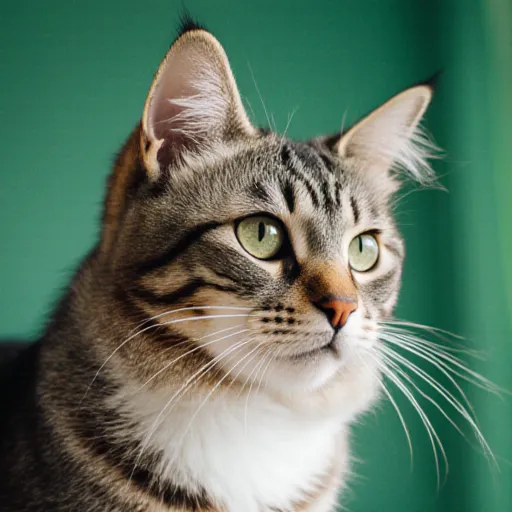
Explore the magic behind cat myths from different cultures.
Whiskered Wonders: Cat Myths From Around the World
Table of Contents
- Superstitions About Cats in Ancient Egypt
- The Nine Lives of Cats in Arabian Culture
- Cats and Bad Luck in Western Cultures
- Good Luck Associated with Cats in Japanese Culture
- Black Cats: Good or Evil?
- Cats and Witchcraft in European History
- The Curse of the Catoblepas in African Traditions
- Cats as Sacred Animals in Native American Tribes
- Protection against Thunderstorms with Cats
- The Role of Cats in Chinese Zodiac
- Cats and Their Connection to Ghosts in Korean Folklore
- Cats as Guardians against Evil Spirits in Hinduism
- Feline Influence on Modern Western Pop Culture
- Conclusion
- FAQ About Cat Superstitions
Superstitions About Cats in Ancient Egypt
In ancient Egypt, cats held a significant place in society, culture, and religion. Their importance extended far beyond their role as pets or farm animals; they were considered sacred creatures with mystical powers. The superstitions about cats during this era reflect the deep reverence Egyptians had for these animals.
The ancient Egyptians believed that cats were manifestations of various gods and goddesses, most notably Bastet. Bastet was a goddess with feline attributes who represented fertility, childbirth, and protection. Cats were closely associated with her because they symbolized her protective nature and nurturing qualities.
- Killing a Cat: It was considered an extremely grave offense to kill a cat in ancient Egypt. In fact, the penalty for killing one could be death itself. This reflects the high value placed on cats within society.
- Cats and Plague: Cats were believed to have the power to ward off plagues. During times of pestilence or illness, people would sometimes keep cats in their homes to protect them from disease.
- Feline Companionship: It was a common belief that having a cat as a companion could bring good fortune and happiness to the household. Cats were often given special privileges within families and treated with great care.
Cats have been revered in various cultures throughout history, but nowhere else is this reverence quite as pronounced as it was in ancient Egypt. While other civilizations may have had different superstitions about cats, such as the Chinese belief that cats can bring prosperity or the European superstition that black cats are associated with bad luck, none equaled the Egyptians' level of veneration for these creatures.
Black Cats in Ancient Egyptian Superstitions
Contrary to modern-day beliefs where black cats are often seen as ominous or unlucky, there is no evidence from ancient Egypt suggesting that black cats were associated with negative superstitions. On the contrary, they were celebrated for their protective powers and connection to Bastet.
Practical Advice
- Preservation: If you are writing about ancient Egyptian history or culture in your blog, it is important to accurately represent the positive views that Egyptians held towards cats. Avoid perpetuating any modern misconceptions about black cats.
- Ethical Considerations: While ancient Egyptians treated their feline companions with respect and care, modern readers should be mindful of ethical practices regarding pet ownership today, such as ensuring proper care and welfare for all animals.
The Nine Lives of Cats in Arabian Culture
The concept of cats having nine lives is deeply rooted in Arabian culture, and this belief extends far beyond mere folklore. In Arab culture, the cat holds a significant place as both a protector and a symbol of good fortune. This notion stems from ancient Egyptian beliefs that were later integrated into Arabian traditions.
The idea of cats having nine lives can be traced back to ancient Egypt, where cats were revered for their ability to catch mice and protect homes from pests. In these early civilizations, it was believed that the cat's agility and grace allowed them to escape harm, thus earning them multiple lives.
Cultural Significance
In Arabian culture, the cat is often seen as a guardian of the home. It is believed that keeping a cat in the house ensures protection from evil spirits and bad luck. The number nine holds special significance here, representing longevity and completeness. Thus, cats having nine lives symbolizes their eternal guardianship over households.
The belief in cats having multiple lives is not unique to Arabian culture; it exists across various civilizations with different interpretations:
- Egyptian Influence: Ancient Egyptians considered cats sacred and associated them with Bastet, a goddess of protection. If someone owned a cat, it was believed that they had nine lives.
- Russian Tradition: In Russian folklore, the cat is seen as a bringer of good fortune. It's said if you meet a black cat on your way to an important meeting, you will have multiple chances for success.
- Japanese Folklore: In Japan, cats are believed to have five lives instead of nine but still hold immense value in their culture as protectors against evil forces.
Purposes and Practices
In Arabian households, having a cat is not just about companionship; it's also about maintaining balance. For instance:
- Protection Against Evil Eyes: It is believed that keeping a cat in the house can ward off the "evil eye," which is thought to bring misfortune or harm.
- Luck and Prosperity: Cats are also associated with bringing good luck and prosperity. People often believe that if you feed a stray cat, you will be rewarded with good fortune.
Understanding these beliefs can provide valuable insights into the cultural practices and values of Arabian society. Educators and researchers alike can benefit from this knowledge as it fosters cross-cultural understanding, promoting tolerance and appreciation for diverse traditions.
Practical Advice
- Celebrate Cat Days: Celebrate events like World Cat Day (August 8) to highlight the importance of cats in our lives. Encourage people to adopt cats instead of buying them, supporting local shelters and rescue organizations.
- Show Respect: Show respect for cultural beliefs by not disturbing a cat deemed sacred or important within certain communities.
The belief that cats have nine lives is more than just a myth; it's an integral part of Arabian culture. By respecting these traditions, we can preserve the rich heritage and foster mutual respect among cultures.
Cats and Bad Luck in Western Cultures
Cats have played a significant role in Western culture, and their reputation is as varied as it is complex. In many parts of the world, cats are seen as both beloved pets and symbols of bad luck or misfortune. This section delves into various superstitions and beliefs about cats that exist in different cultures around the world.
Cats and Bad Luck in Western Cultures
In Western culture, particularly in English-speaking countries, there is a widespread belief that owning or crossing paths with a black cat can bring bad luck. This superstition has its roots in medieval Europe where the cat was often seen as an incarnation of Satan himself.
One of the most famous examples of this comes from the Salem Witch Trials in colonial America, where black cats were associated with witchcraft and were frequently killed. Even today, many people believe that if a black cat crosses your path or enters your home, you are in for some misfortune.
Practical Advice
- Avoid Walking Under Ladders: Another common superstition is to avoid walking under ladders. If you do happen to walk under one, it's believed that you'll have a three-month spell of bad luck.
- Avoid Breaking Mirrors: The breaking of mirrors also holds a significant place in Western superstitions. Tradition dictates that if you break a mirror, you will face seven years of ill fortune.
It's important to note that while these beliefs are widely held and can cause some people anxiety or discomfort, they have no real basis in fact. Understanding the roots of these superstitions helps to contextualize them within cultural history.
Good Luck Associated with Cats in Japanese Culture
In Japanese culture, cats are often associated with good luck and protection. This positive perception is deeply rooted in various superstitions and traditions that have been passed down through generations.
The association between cats and good fortune can be traced back to Shinto beliefs, where the presence of certain animals was thought to bring protection or positive energy. In particular, black cats are believed to have protective powers and are often seen as guardians against evil spirits.
Superstitions About Cats in Japanese Culture
- Cats Brining Good Luck: In many parts of Japan, it is considered good luck to see a cat, especially a black one. People often believe that the sight of a cat brings prosperity and happiness.
- Black Cats as Guardians: Black cats are particularly revered in Japanese culture for their ability to ward off negative energies and bring peace to homes. Some people even keep them as pets specifically for this reason.
- Cats and the Ancestors: In some regions, it is believed that ancestors take the form of black cats when they visit or protect their descendants. This belief adds a spiritual dimension to the relationship between humans and felines.
Japanese traditions involving cats are not just superstitions but also include practical customs that have been observed for centuries:
Cat Shinto Shrines
In some areas of Japan, you may find cat shrines dedicated to the spirits of cats. These shrines serve as a place where people can pay respects and leave offerings in hopes of securing good luck or protection.
Shinto Festivals Featuring Cats
Dururing certain Shinto festivals, there are rituals that include the release of cats into the wild. This practice is believed to honor the spirits of ancestors who have taken the form of cats and to ensure their continued protection.
In contemporary Japan, many people continue to revere black cats for good luck. Some businesses, especially those in the hospitality industry or retail sectors, even feature pictures of black cats on their signs or logos as a nod to this cultural belief.
Practical Advice
- If you're visiting Japan and want to experience some good luck, consider taking a photo with a black cat if one crosses your path. It's said that the photograph will bring the same positive energy as seeing the cat itself.
- For those planning to travel or move into a new home in Japan, keeping a black cat as part of your household can be seen as a way to ensure safety and prosperity.
Cats have long been more than just pets; they are deeply intertwined with the cultural fabric of Japan. Their role extends beyond companionship, serving as symbols of protection and good fortune that continue to influence daily life in Japan today.
Black Cats: Good or Evil?
Throughout history and across cultures, black cats have been surrounded by a mix of admiration and fear. This section delves into the fascinating world of superstitions about black cats around the globe.
The United Kingdom
In Britain, black cats are often seen as a symbol of good luck. Many believe that if you see a black cat cross your path, it brings good fortune. Conversely, an old superstition states that if a black cat crosses someone's path from right to left, it is considered bad luck.
Ireland
In Ireland, the belief in black cats as omens of good fortune prevails. Irish folklore tells tales of black cats bringing wealth and prosperity to homes where they are well-fed and loved. However, there is also a legend that if you kill a black cat, you will meet your death within a year.
Japan
In Japan, the Maneki-neko (beckoning cat) is often depicted as white with a black mane. This symbol of good fortune brings luck and prosperity to those who keep it in their homes or businesses. However, if you have a black cat, some believe that it could bring bad luck.
Italy
In Italy, the superstition about black cats is quite different from other cultures. Here, a black cat crossing your path is considered a sign of good fortune. Italians believe that such an encounter will bring happiness and success.
United States
In the United States, the perception of black cats varies widely depending on region and context. While some places view them positively, others associate them with witchcraft and bad luck. This often leads to a significant number of black cats being abandoned during certain times of the year.
Respecting Cultural Beliefs
If you encounter an individual who holds strong beliefs about black cats, it is important to respect their views. Avoid making jokes or engaging in discussions that could be offensive.
Raising Awareness and Fighting Stereotypes
Spread knowledge about the positive aspects of black cats by sharing stories of their good luck. Encourage adoption from shelters, especially during times when superstitions lead to an increase in abandoned animals.
Tips for Caregivers
If you have a black cat, take extra care to ensure they are well-loved and cared for. Their presence can bring many benefits to your home without the fear of bad luck.
Cats and Witchcraft in European History
In European history, cats have often been intertwined with witchcraft and superstition. Cats, particularly black ones, were believed to be the familiars of witches. Familiars are animals that witches were thought to keep in order to assist them in their magical practices. This belief was widespread during the Middle Ages and persisted into later periods.
The association between cats and witchcraft can be traced back to various cultural and religious beliefs. In Christian contexts, black cats were often seen as symbols of evil and darkness. During times of persecution against witches, these animals faced immense danger. For instance, during the infamous Salem Witch Trials in colonial America (1692), many accused witches were found guilty alongside their supposed familiars.
However, it is important to note that not all European cultures viewed cats negatively in relation to witchcraft. In some regions, black cats were considered lucky and associated with protection rather than malevolence. For example, in ancient Egypt, the cat was revered as a deity and protected by law. When a domestic cat died, its owner could be fined for failing to bury it properly.
Superstitions about cats around the world further highlight the diverse cultural perceptions of these creatures. In Japan, for instance, tabby cats are believed to bring good luck while black cats are often associated with bad fortune. In some African cultures, white cats are seen as sacred and are believed to have connections with ancestors.
In practical terms, understanding these historical and cultural contexts can help in creating more inclusive and culturally sensitive content for a WordPress blog. For instance, when discussing the role of cats in European history, it is crucial to present this information accurately without perpetuating harmful stereotypes or misinformation.
The Curse of the Catoblepas in African Traditions
The concept of the "Curse of the Catoblepas," an ancient African superstition involving a mythical beast, is deeply intertwined with the rich tapestry of African traditions and beliefs. The term “Catoblepas” itself translates to “beast that looks downward,” referring to its characteristic of lowering its head after a kill, as described in early Greek texts. However, in African folklore, this creature takes on a more ominous role, often associated with malevolent spirits or curses.
The Catoblepas is said to have the body of a bull and the head of a lion, but its most terrifying feature is its deadly gaze. In African traditions, it is believed that the mere sight of this creature can bring about misfortune or death. This myth has been passed down through generations, with stories often emphasizing the importance of avoiding contact with such an entity.
According to some legends, the Catoblepas was a symbol of bad luck and was said to wander desolate lands, spreading dread wherever it went. In certain African communities, people would avoid areas where they believed this creature could be found, ensuring that they did not inadvertently encounter it. The fear surrounding the Catoblepas is so profound that some even claimed that the creature had the power to curse a person merely by glancing at them.
The concept of the Catoblepas in African traditions shares similarities with other superstitions about cats found around the world. In many cultures, cats are often associated with both good and bad omens. For instance:
- Egyptian Mythology: Despite being revered as sacred animals by ancient Egyptians, cats were also believed to possess supernatural powers that could bring either prosperity or misfortune.
- European Folklore: In some European countries, cats were thought to be able to see into the future and could predict bad luck if they crossed paths with someone. This belief led to various precautions being taken to avoid such encounters.
- American Legends: In Native American folklore, certain tribes believed that a cat's shadow cast over a person was an ill omen.
To safeguard oneself from the potential curse of the Catoblepas in African traditions, it is advisable to follow these practical tips:
- Avoid Dark and Desolate Places: It is believed that the Catoblepas prefers areas where there is minimal human presence. Therefore, steering clear of such places can reduce the risk of encountering this creature.
- Protect Your Home: In some African communities, people would hang amulets or perform rituals to ward off evil spirits and potential curses associated with the Catoblepas.
- Seek Spiritual Guidance: Consulting a traditional healer or spiritual leader can provide insight into how best to protect oneself from such mythical creatures. These experts are often knowledgeable about local superstitions and can offer advice on maintaining balance between good and bad omens.
In conclusion, while the Catoblepas remains a creature of folklore and myth in African traditions, understanding its significance within these cultures can provide valuable insight into the rich diversity of beliefs and practices that exist around the world. By acknowledging these ancient superstitions, we can appreciate the cultural heritage that continues to shape our understanding of the supernatural.
Cats as Sacred Animals in Native American Tribes
In many Native American tribes, cats hold a significant place as sacred animals. This reverence is often intertwined with spiritual beliefs and practices that vary widely from tribe to tribe. Cats are not only seen as companions but also as symbols of protection, healing, and connection to the spirit world.
Cats are believed to have a dual nature: they can be both protectors and healers. In some tribes, it is thought that cats serve as messengers between humans and spiritual entities, bringing guidance and protection. For instance, the Ojibwe tribe believes that black cats in particular are sacred and act as guardians of the home.
Superstitions About Cats
Around the world, there exist various superstitions about cats. In some Native American tribes, these beliefs are not significantly different from those found elsewhere. For example:
- Cats Bringing Luck or Misfortune: In many cultures, including some Native American tribes, black cats are sometimes seen as bringers of good luck, while others may fear them as omens of bad fortune.
- Cats and Death: There is a widespread belief that cats will visit the homes of people who are dying. In some Native American communities, this is interpreted as an act of spiritual guidance rather than a sinister omen.
If you're writing about living in harmony with nature, it's important to respect these traditions. Here are some practical tips:
- Treating All Cats With Respect: Whether black or another color, treat all cats with the same level of respect and care as part of your spiritual practice.
- Inviting Cats into Your Home: If you live in a community where welcoming animals is seen as beneficial, consider inviting a cat to live with you. This can be done by leaving food outside or offering safe shelter.
The role of cats in Native American traditions highlights the deep connection between humans and nature. By understanding these beliefs and respecting the practices surrounding cats, we can all contribute to a more harmonious environment that fosters spiritual growth and community well-being.
Protection against Thunderstorms with Cats
Cats, often revered and feared for their mysterious behavior, have been intertwined with superstitions around the world. In many cultures, cats are seen as both protectors against evil spirits and potential harbingers of misfortune. Understanding these cultural beliefs can provide a unique lens through which to view your pet's behavior during thunderstorms.
- In Egypt: Cats were considered sacred animals and were worshipped as deities. They were associated with the goddess Bastet, who protected against evil spirits. It is believed that having a cat in the house during thunderstorms would provide protection from lightning.
- In Japan: In Japanese culture, cats are seen as mystical creatures capable of seeing and communicating with spirits. It was believed that if you saw a cat on your way to a funeral or during a storm, it foretold death. However, this also meant that their presence could ward off negative forces.
- In Europe: In European folklore, black cats were particularly feared as they were thought to be witches' familiars or agents of the devil. During thunderstorms, some believed that seeing a cat could prevent lightning strikes in your home if you offered it shelter and protection.
While superstitions may offer interesting insights into how cats are perceived in different cultures, the practical steps you can take to protect your pet during thunderstorms are equally important. Here are some tips:
- Create a Safe Space: Set up a quiet, cozy space where your cat feels secure. A bathroom or a closet with soft blankets and pillows can be ideal.
- Muffle Sounds: Use white noise machines or play calming music to mask the sounds of thunder and lightning. This can help soothe your cat during storms.
- Social Support: Spend extra time with your cat before and during a storm. Playing with toys, petting them, or giving them attention can distract them from the stress of loud noises.
- Pet Gates and Doors: Ensure that your cat cannot escape during storms. Close doors and gates to prevent your pet from running outside where they may be at risk.
Understanding the cultural significance of cats can add depth to your appreciation for their role in your home, especially when it comes to providing comfort during times of stress like thunderstorms. By addressing both the mystical and practical aspects of caring for your cat during these storms, you ensure that they remain safe and happy.
The Role of Cats in Chinese Zodiac
In Chinese culture, cats hold a significant place within the zodiac system. The Chinese Zodiac consists of 12 animals representing different years in a repeating cycle. Each animal is believed to influence personality traits and events during one's life. Among these 12 animals, cats are notably absent from this traditional zodiac representation. However, their absence does not diminish the role they play in folklore, mythology, and everyday beliefs.
Role of Cats in Chinese Zodiac
Despite being omitted from the main zodiac cycle, cats continue to be a symbol of good fortune and protection against evil spirits. In ancient Chinese belief systems, cats were seen as guardians capable of warding off malevolent forces. This view is deeply rooted in superstition and has shaped cultural practices.
Superstitions About Cats Around the World
Cats have long been associated with various beliefs across different cultures worldwide:
- In Ancient Egypt: Cats were revered as sacred animals. They were often mummified after death, a practice that reflected their high status in society. Killing a cat could result in severe punishment.
- In Medieval Europe: Cats were believed to have the ability to communicate with the devil and were considered witches' familiars.
- In Japan: The Maneki-Neko, or "beckoning cat," is a popular symbol of good fortune. It is believed that this figurine can attract luck and wealth when placed in appropriate locations within one's home.
- In Western Superstitions: In many Western countries, it is considered bad luck to kill a black cat. This belief persists even today despite the lack of scientific evidence supporting such claims.
Practical Advice for Embracing Cats in Your Life
If you are interested in incorporating more elements related to cats into your life, here are some practical steps:
- Decorate with Maneki-Neko Figurines: Place these statues at entranceways or windowsills to invite positive energy and repel negative influences.
- Celebrate Cat Day: Participate in national cat days, such as International Cat Day on August 8th. This can be a fun way to celebrate all things feline!
- Support Local Animal Shelters: By adopting or fostering, you contribute positively to the community while also gaining an amazing pet friend.
In conclusion, while cats are not part of the official Chinese zodiac, their presence in various aspects of life and culture highlights their enduring significance. Understanding these beliefs can enrich our knowledge about different cultures and traditions.
Cats and Their Connection to Ghosts in Korean Folklore
In Korean folklore, cats have a significant and often supernatural connection to ghosts. This belief is deeply rooted in the cultural superstitions surrounding these felines, which are seen as creatures that can bridge the worlds of the living and the dead.
Ghostly Interactions with Cats
In traditional Korean tales, cats are often portrayed as guardians or messengers between the spirit world and the human realm. Legends tell of how a cat might lead a person to discover hidden treasures or help them connect with ancestors. One such story involves a man who hears an eerie voice calling for help at night. Upon investigation, he finds a stray cat sitting by the grave of someone long forgotten. The cat guides him to uncover a lost family heirloom that had been buried alongside the deceased.
Superstitions and Beliefs
The superstitions surrounding cats in Korean folklore are closely tied to broader Asian beliefs about ghosts and spirits. It is believed that if a cat enters a house, it might bring with it the presence of an ancestral spirit or even a malevolent ghost. In some regions, people would leave food out for stray cats as they believe these offerings could appease any restless souls that the cat might be connected to.
Worldwide Context
The belief in cats having connections to ghosts is not unique to Korea. Around the world, various cultures have their own superstitions regarding felines and the supernatural. For example:
- In Egypt: Cats were considered sacred and associated with Bastet, a goddess of protection and fertility. It was believed that killing a cat could result in dire consequences due to its divine connection.
- In Japan: The Maneki-Neko (beckoning cat) is often seen as a symbol of good fortune but also has ties to the spiritual realm, warding off evil spirits and inviting beneficial energy into homes.
- In European folklore: Black cats are frequently associated with witches and sorcery. However, in some parts of Europe, black cats were believed to bring luck if they crossed a person's path from left to right.
PRACTICAL ADVICE FOR BLOG READERS
Understanding these cultural beliefs can help you appreciate the deeper meanings behind certain practices involving cats. If you encounter a cat in your home, especially if it seems unusually persistent or exhibits strange behavior, consider seeking advice from local experts who understand regional traditions. Additionally, if you're writing about Korean folklore for an international audience, be mindful of how these beliefs might be interpreted and represented to ensure respect for cultural differences.
Conclusion
The connection between cats and ghosts in Korean folklore is a fascinating aspect of the country's rich cultural heritage. By exploring this topic, we gain insight into the values and fears that have shaped Korean society over centuries. Whether you're a writer, historian, or simply someone interested in world cultures, delving into these beliefs can offer valuable context for understanding broader human interactions with animals.
Cats as Guardians against Evil Spirits in Hinduism
In Hinduism, cats have long been revered for their role as guardians against evil spirits. This belief is rooted deeply within the cultural and religious practices of India, where cats are seen not just as pets but as symbolic protectors against malevolent forces.
The veneration of cats dates back to ancient times when they were associated with various deities. In particular, the deity Dhanvantari is often depicted holding a cat, symbolizing his connection to medicine and healing. Cats are also linked to the goddess Kali, who is believed to protect her devotees from evil spirits. This association highlights cats' role as guardians in Hindu religious practices.
Cats have been mentioned in several Hindu texts and myths. For instance, in the Puranas, there are stories of cats serving as protectors for sacred sites and temples, ensuring that they remain free from malevolent influences. These tales emphasize the importance of cats in maintaining spiritual purity.
Cats have also played significant roles in superstitions across different cultures. For example:
- In Egypt: Cats were considered sacred and were often mummified after death to accompany their owners in the afterlife.
- In Japan: The Maneki-neko, or "beckoning cat," is a popular figurine believed to bring good luck and ward off bad energy.
- In Western Cultures: In some places, it’s considered unlucky to kill a black cat. This superstition stems from the belief that cats can protect against evil spirits.
If you wish to incorporate the protective aspects of cats into your home, there are practical steps you can take:
- Display Cat Figurines: Place figurines of guardian cats around your house. These can be traditional ones or modern replicas that symbolize protection.
- For example, a Maneki-neko figurine in the entryway can serve as a welcoming and protective presence for visitors.
- Create a Safe Space: Designate areas of your home where cats are allowed to roam freely. This not only provides them with space but also allows their natural instincts to help ward off negative energies.
- Promote a Healthy Environment: Ensure that your living environment is clean and well-maintained, as this aligns with the belief in maintaining spiritual purity.
In summary, cats are more than just pets in Hinduism; they serve an important role as guardians against evil spirits. By understanding their significance and incorporating protective measures based on these beliefs, you can enhance your home environment's spiritual well-being.
Feline Influence on Modern Western Pop Culture
The influence of cats, particularly among modern Western societies, extends far beyond their role as beloved household pets. They have become symbols of independence, elegance, and mystique, significantly shaping various aspects of popular culture. This section delves into the multifaceted impact of felines in contemporary Western pop culture, highlighting how they resonate with deeper cultural sentiments.
Cats have long been represented as icons of allure and grace, often appearing in high-profile media. One notable example is the character Cheshire Cat from Lewis Carroll's "Alice's Adventures in Wonderland," which has since become a cultural icon recognized worldwide. In modern Western pop culture, cats like Garfield, created by Jim Davis, and the fictional character Simon from "The Simpsons" have secured their places as beloved characters.
The media landscape is replete with examples of cats making significant impacts. From television shows like "Catfish," which explores the human connection to felines, to films such as "Garfield" and "The Secret Life of Pets," these stories highlight a deep affection for cats. Additionally, social media platforms have seen a surge in cat influencers, where users with a passion for felines share their lives, leading to increased awareness and admiration.
The cultural sentiments associated with cats are often intertwined with themes of independence and mystery. Cats are celebrated not only for their beauty but also for their self-reliance and mysterious nature. This is evident in the iconic phrase, "curiosity killed the cat," which paradoxically endears them further as they embody a certain adventurous spirit.
While cats have been celebrated for their elegance and charm, various superstitions exist around them across different cultures. For example, in many Western countries, black cats are associated with bad luck, especially during Halloween. This belief is rooted in historical events and cultural narratives that attribute supernatural abilities to these animals.
- In medieval Europe, black cats were often seen as witches' familiars, leading to their persecution during the witch hunts.
- Contrastingly, in Japan, the Maneki Neko (beckoning cat) is a symbol of good luck and fortune, believed to bring prosperity when placed at doorways.
The cultural influence of cats has also led to increased awareness about their welfare. Organizations like PETA (People for the Ethical Treatment of Animals) leverage this sentiment by promoting responsible pet ownership and advocating against animal cruelty.
- Advocacy campaigns encourage spaying and neutering, vaccinations, and ensuring proper care.
- Celebrities and influencers use their platforms to highlight these issues, helping to spread awareness among the general public.
The influence of cats in modern Western pop culture is profound, reflecting a deeper appreciation for their unique qualities. From iconic representations in media to cultural sentiments and even superstitions around the world, cats continue to captivate our imagination and hearts.
Conclusion
The superstitions about cats around the world are rich and diverse, reflecting cultural beliefs that have persisted for centuries. In many societies, cats hold a significant place in folklore and tradition due to their mysterious nature and behaviors. These beliefs often stem from practical observations mixed with supernatural interpretations.
For instance, in ancient Egypt, cats were revered as sacred animals, associated with the goddess Bastet. This reverence was so strong that killing a cat could result in severe punishment or even death. The Egyptians believed that cats had divine protection and could influence their fate positively if treated kindly. Today, this legacy lives on through various cultural practices and artworks celebrating the feline.
In contrast, in some European countries during the Middle Ages, black cats were seen as omens of bad luck or even associated with witchcraft. These perceptions led to widespread animosity towards these animals, sometimes resulting in cruel treatment or mass killings. Such fears often developed from a combination of ignorance and fear of the unknown.
Despite such varied beliefs, many modern-day cat owners appreciate their pets for companionship rather than superstitious reasons. However, remnants of these old beliefs continue to influence how people perceive cats in certain contexts. For example, some Westerners still believe that a black cat crossing one's path brings bad fortune.
In Asia, particularly in Japan and China, the concept of "nekomata" (literally translated as "cat god") plays an important role. These mythical creatures are believed to bring good luck after living for 100 years or more. The longevity associated with these cat gods reflects a cultural respect for life and age-old wisdom.
Understanding these diverse superstitions helps us appreciate the deep-rooted connections between humans and animals across different cultures. By recognizing both historical and current perceptions of cats, we can foster greater empathy and care towards our feline friends while respecting their cultural significance.
FAQ About Cat Superstitions
Cats have been a part of human culture for thousands of years, and as such, they've accumulated an extensive list of superstitions around the world. These beliefs range from good luck to bad luck, depending on the region and cultural practices.
Good Luck Superstitions:
- In Japan: It is believed that a cat bringing you fish means good fortune. Japanese sailors often kept cats aboard ships for protection and to catch mice.
- In Egypt: The goddess Bastet was associated with domesticated cats, and it was believed that having a black cat in the house brought good luck.
- In Europe: In some European countries, finding a lost or stray cat on your doorstep is considered a sign of good fortune. It's also common to believe that if you dream about a white cat, it will bring you wealth and success.
Bad Luck Superstitions:
- In Italy: Kicking a cat is considered extremely bad luck. Cats in Italy are often treated with great respect due to this belief, and it's common practice not to kick them.
- In the United States: Many people believe that having a black cat cross your path can bring bad luck. This belief stems from medieval times when cats were associated with witchcraft.
- In China: In some parts of China, it is believed that killing a cat will bring seven years of bad luck to the person responsible. Cats are highly valued in Chinese culture for their ability to catch mice and protect homes.
PRACTICAL ADVICE FOR YOU:
If you're looking to incorporate cat superstitions into your blog or daily life, here are a few practical tips:
- Encourage Positive Interactions: If someone in your family or community has a black cat, encourage positive interactions and conversations about the good luck it brings. This can help counteract any negative beliefs.
- Respect Local Customs: When traveling to different countries, be mindful of local superstitions regarding cats. This shows respect for their culture and can lead to a more enriching experience.
- Promote Cat Welfare: By supporting cat welfare organizations and initiatives, you not only help cats but also contribute positively to the belief systems that value them highly.
Categories
- AI & Enrichment Play
- Broiler Farming
- Broiler Farming Tips
- Canine Wellness & Longevity
- Cat
- Cat & Human Connection
- Cat Adoption & Rescue
- Cat Breeds
- Cat Breeds & Personalities
- Cat Care & Health
- Cat Grooming & Hygiene
- Cat Lifestyle & Environment
- Cat Myths & History
- Cat Nutrition & Diet
- Cat Products & Reviews
- Cat Training & Behavior
- Comparison
- Consumer Awareness
- Dog
- Dog Accessories & Products
- Dog Adoption & Rescue
- Dog Breed & Lifestyle Trends
- Dog Breeding & Puppies
- Dog Entertainment & Media
- Dog Fashion & Trends
- Dog Fun & Lifestyle
- Dog Grooming & Hygiene
- Dog History & Culture
- Dog Myths, Science & Future Tech
- Dog News & Trends
- Dog Nutrition & Food
- Dog Psychology & Emotions
- Dog Safety & Security
- Dog Sports & Activities
- Dog Technology & Innovation
- Dog Training for Modern Owners
- Dog Travel & Adventure
- Dog Travel, Adventure & Culture
- Economic and Market Insights
- Educational Content
- FAQs
- Feeding Alternatives
- Festivals & Seasonal Ideas
- Fun & Entertainment
- General Knowledge
- General Pig Farming
- Health & Disease Management
- Housing and Environment
- Kittens
- Market Insights
- Miscellaneous
- Miscellaneous
- Motivational
- pig
- Pig Breeding
- Pig Breeds
- Pig Farming Stories and Inspiration
- Pig Health and Care
- Pig Nutrition
- Pig Products
- Profitability & Business
- Puppy Care
- Puppy Predictable Topics Reinvented
- Regional Focus
- Rescue & Adoption Buzz
- Senior Cats
- Senior Dog Care
- Smart Dog Tech & Gadgets
- Sustainability
- Sustainable & Eco-Friendly Dog Products
- Tech & Innovations
- Working & Service Dogs
- Broiler Feed66 products
- Country Feed33 products
- Pig Feed66 products
- Product22 products
- Raw Materials99 products
Products
-
 Fish Meal
₹1,999.00 – ₹2,999.00Price range: ₹1,999.00 through ₹2,999.00Rated 0 out of 5
Fish Meal
₹1,999.00 – ₹2,999.00Price range: ₹1,999.00 through ₹2,999.00Rated 0 out of 5 -
 FATTENING BROILER FEED
₹2,299.00 – ₹2,349.00Price range: ₹2,299.00 through ₹2,349.00Rated 0 out of 5
FATTENING BROILER FEED
₹2,299.00 – ₹2,349.00Price range: ₹2,299.00 through ₹2,349.00Rated 0 out of 5 -
 LAYER COUNTRY FEED
₹1,549.00 – ₹1,649.00Price range: ₹1,549.00 through ₹1,649.00Rated 0 out of 5
LAYER COUNTRY FEED
₹1,549.00 – ₹1,649.00Price range: ₹1,549.00 through ₹1,649.00Rated 0 out of 5 -
 COUNTER BROILER FEED
₹1,199.00 – ₹1,299.00Price range: ₹1,199.00 through ₹1,299.00Rated 0 out of 5
COUNTER BROILER FEED
₹1,199.00 – ₹1,299.00Price range: ₹1,199.00 through ₹1,299.00Rated 0 out of 5 -
 LACTATING PIG FEED
Rated 0 out of 5
LACTATING PIG FEED
Rated 0 out of 5₹2,299.00Original price was: ₹2,299.00.₹1,740.00Current price is: ₹1,740.00. -
 Maize
Rated 0 out of 5
Maize
Rated 0 out of 5₹1,650.00Original price was: ₹1,650.00.₹1,300.00Current price is: ₹1,300.00. -
 GESTATION PIG FEED (Phase 1)
Rated 0 out of 5
GESTATION PIG FEED (Phase 1)
Rated 0 out of 5₹2,249.00Original price was: ₹2,249.00.₹1,699.00Current price is: ₹1,699.00. -
 Pre Starter Broiler Feed
₹2,399.00 – ₹2,499.00Price range: ₹2,399.00 through ₹2,499.00Rated 0 out of 5
Pre Starter Broiler Feed
₹2,399.00 – ₹2,499.00Price range: ₹2,399.00 through ₹2,499.00Rated 0 out of 5 -
 FINISHER PIG FEED
Rated 0 out of 5
FINISHER PIG FEED
Rated 0 out of 5₹2,299.00Original price was: ₹2,299.00.₹1,749.00Current price is: ₹1,749.00. -
 Broiler Premix
Rated 0 out of 5
Broiler Premix
Rated 0 out of 5₹820.00Original price was: ₹820.00.₹699.00Current price is: ₹699.00.