
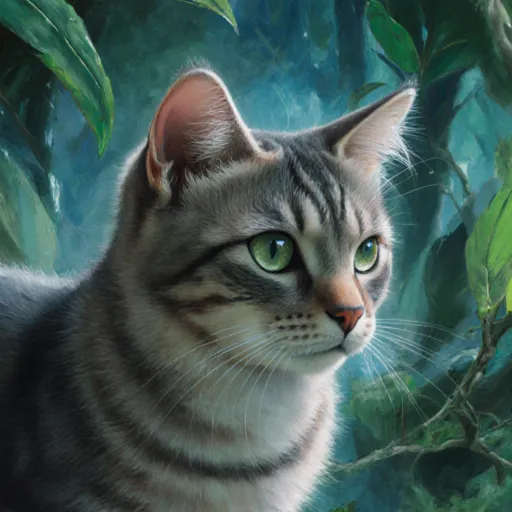
Explore timeless changes in Felinae's world.
Timeless Shifts in the World of Felinae
Table of Contents
- The Origin of Domestic Cats
- Early Domestication in Egypt
- Development of Traditional Breeds
- Persians: The First Show Cats
- Birmans and Colorpoint Shorthairs
- Scottish Folds: Folded Ears
- Manx Cats: No Tail or Stumpy Tail
- Ragdolls: Calm and Obliging
- Devon Rex and Cornish Rex: Hairless Appearance
- Sphynx Cats: Fully Hairless
- Modern Pedigree Breeds
- The Rise of Hybrid Breeds
- Conservation Efforts for Rare Breeds
- Conclusion
- FAQs About Cat Breeds
The Origin of Domestic Cats
The origin of domestic cats is a fascinating journey that intertwines with human history and evolution. While it's widely accepted that domestication began between 9,000 to 12,000 years ago in the Fertile Crescent region—modern-day Israel, Syria, Jordan, Lebanon, Palestine, and southern Turkey—it's important to understand how this process unfolded over time.
The earliest evidence of domestic cats comes from archaeological sites where ancient Egyptians kept them as pets. However, it is believed that the first cats were wild creatures living near human settlements due to their natural predation on mice and other small pests that threatened stored grain in early agricultural communities. Over generations, these interactions led to a gradual process of genetic adaptation, leading to a tamer feline.
The exact breed of cat that was the first domesticated pet is not definitively known; however, it's thought to have been an ancestor of today’s modern domestic cats. The transformation from wild to tame involved subtle changes in behavior and appearance over many generations as humans selectively bred these animals for traits like docility.
Evolution of Cat Breeds
The evolution of cat breeds has been significantly influenced by human selection practices, which began once cats were fully domesticated. Early breeders focused on creating cats that were not only tame but also attractive and desirable for companionship or show. Over time, this led to the development of various distinct breeds with specific characteristics such as coat color, pattern, size, and temperament.
One notable example is the Siamese breed which originated in Thailand (historically known as Siam). This breed evolved due to selective breeding practices aimed at enhancing certain physical features like its distinctive blue eyes and sleek, elongated body. Similarly, Persian cats were developed through careful selection for their long, luxurious coats.
Breeds such as these showcase the power of human intervention in shaping genetic diversity within cat populations. Today, there are over 40 recognized breeds worldwide, each with its unique characteristics and stories reflecting different periods in history when people valued certain attributes more than others.
Understanding both the historical context behind the domestication process and how breeders have shaped modern varieties provides valuable insights into our relationship with these wonderful creatures. By appreciating their origins and evolution, we can better appreciate why they remain such beloved pets today.
Early Domestication in Egypt
The early domestication of cats in ancient Egypt was a pivotal moment in feline-human relationships, significantly influencing both societal structures and cultural practices. This period laid the foundation for the evolution of cat breeds as we know them today. Cats were not just pets but held a special place in Egyptian culture, symbolizing protection, good fortune, and even deities like Bastet.
The Role of Cats in Ancient Egypt
Cats played a crucial role in ancient Egyptian life, particularly in the Nile River valley. They were revered for their ability to control rodent populations, which helped protect crops from damage. This made cats essential to the agricultural economy and, by extension, to the overall prosperity of the region.
Cultural Significance
Beyond practical utility, cats held deep cultural significance in ancient Egypt. They were associated with various deities, most notably Bastet, who was often depicted as a woman with the head of a cat. The cults dedicated to these feline gods flourished, and mummified remains of cats have been found in large quantities in various archaeological sites.
The Evolution of Cat Breeds
The domestication of cats in ancient Egypt contributed significantly to the genetic diversity that allowed for the evolution of modern cat breeds. Early selective breeding practices, influenced by cultural preferences and environmental factors, shaped distinct types of cats over generations.
Examples of Early Cat Breeds
- Mau: A small, spotted breed that was favored in the royal courts. The Mau is believed to have been one of the first domesticated breeds, with its distinct appearance and attributes making it a symbol of status.
- Bastet: Larger and more robust, this breed became associated with the goddess Bastet and played an important role in religious ceremonies. Their size and strength made them effective hunters.
The influence of these early breeds on modern cat breeds can be seen through various characteristics like coat patterns, body types, and behaviors. For instance, many modern domestic shorthairs still exhibit traits that can trace their lineage back to the ancient Mau or Bastet.
Practical Advice for Modern Cat Owners
Understanding the history of cat breeds can help modern owners appreciate and care for their feline companions more effectively. By recognizing the natural instincts that cats bring from thousands of years of domestication, pet owners can provide environments that meet both physical and psychological needs.
- Provide Enrichment: Just as ancient cats needed to hunt rodents, modern felines need mental and physical stimulation. Toys, puzzle feeders, and interactive play sessions are great ways to keep your cat engaged.
- Predictable Routine: Cats thrive in environments with a consistent routine, similar to the predictable lives they had during their early domestication era. Feeding times, cleaning schedules, and petting sessions can all be structured to help cats feel secure and happy.
The study of early domestication in Egypt not only enriches our understanding of historical cultural practices but also provides practical insights into the care and well-being of modern cats. By recognizing these roots, cat owners can better understand how their pets' behaviors are shaped by thousands of years of evolution.
Development of Traditional Breeds
The evolution of cat breeds is a fascinating journey that spans centuries, reflecting human preferences and cultural trends. Traditional breeds have developed through natural selection over time, influenced by environmental conditions and human intervention. In contrast to modern breeding programs which prioritize specific aesthetic or behavioral traits, traditional breeds often emerged from practical considerations such as hunting ability, resistance to certain climates, or companionship.
The domestication of cats began around 9,500 years ago in the Near East. Early domesticated cats were not bred for specific traits but rather for their utility—helping to control rodent populations. Over time, as human settlements expanded and cultures evolved, so too did the relationship between humans and cats. This led to the development of distinct regional breeds that adapted to local environments.
Traditional breeds developed naturally in various regions based on environmental factors like climate and geography. For example, the Siamese cat from Thailand evolved to have a lighter coat color compared to other breeds due to the cooler temperatures in their region. Similarly, the dense coats of Norwegian Forest Cats were an adaptation to survive harsh Scandinavian winters.
While natural selection played a significant role in shaping traditional breeds, human intervention also contributed to their development. Ancient Egyptians revered cats and sought to preserve certain characteristics through selective breeding. This practice continued throughout history, with different cultures favoring various traits such as size, coloration, or temperament.
- Maine Coon: Native to New England, this breed is known for its large size and thick coat, which helped it thrive in cold climates. It was originally developed by crossbreeding European longhair cats with local short-haired breeds.
- Russian Blue: Originating from Russia, this breed features a distinctive blue-gray coat and green eyes. Its dense fur provided insulation against the freezing temperatures of its native region.
- Abyssinian: This breed has a rich history tracing back to Ethiopia and is known for its unique tawny-gold coloration and almond-shaped eyes. It was brought to Britain in 1935 by British soldiers who had captured Abyssinian cats during World War II.
For those interested in preserving traditional breeds, it's essential to focus on maintaining the natural characteristics that make each breed unique. Here are some practical tips:
- Selective Breeding: Choose parents whose traits align with the desired characteristics of the breed while ensuring genetic diversity.
- Inbreeding Avoidance: While inbreeding can help solidify certain traits, it increases the risk of health problems. Therefore, it should be used sparingly and carefully monitored.
- Cultural Sensitivity: When introducing new breeds or characteristics, consider how they might fit into different cultures and environments.
The development of traditional cat breeds is a testament to the intricate relationship between cats and humans. By understanding this history, breeders and enthusiasts alike can better appreciate the unique qualities that make each traditional breed special. Through careful management and appreciation, these breeds continue to thrive even in an era dominated by modern breeding practices.
Persians: The First Show Cats
The Persian cat breed holds a unique place in the evolution of domesticated cats. Often referred to as "The First Show Cats," Persians were one of the earliest breeds to be developed and exhibited, significantly influencing the direction that modern cat breeding took.
The Persian breed is believed to have originated in Iran (historically known as Persia), though its exact origins are somewhat debated. The first documented history of the Persian can be traced back to 17th century France, where they were imported from various parts of Asia and Europe.
The transformation of the Persian into a show cat began in earnest during the late 19th century. At this time, breeders started to focus on specific physical characteristics such as long fur, round heads, and large, expressive eyes. This selective breeding led to the development of a distinct type that became highly desirable among cat fanciers.
The Persian's influence is seen across many modern breeds due to their role in establishing foundational traits for other long-haired cats like Himalayans and Exotic Shorthairs. Their legacy can also be observed through the development of breed standards that prioritize certain physical attributes.
Examples
- Himalayan: This breed combines Persian's long fur with Siamese colorpoints, showing how Persians have been used to create new breeds.
- Exotic Shorthair: Though short-haired, this breed shares many physical characteristics with the Persian and owes much of its development to the Persian breed.
Practical Advice for Breeders
Breeders looking to incorporate Persian traits into their programs should focus on maintaining a balance between aesthetic appeal and health. It's important not to overemphasize certain features at the expense of others, ensuring that the breed remains robust and vibrant.
Understanding and respecting the historical significance and genetic contributions of Persians in cat breeding can help ensure that future generations of cats continue to thrive and exhibit beautiful yet healthy traits.
Birmans and Colorpoint Shorthairs
The Birmans and Colorpoint Shorthairs are two distinct breeds that have evolved over time, each with a unique history and set of characteristics. These breeds reflect the ongoing evolution of cat genetics and breeding practices, as described in The Evolution of Cat Breeds.
The Burmese breed, commonly known as Birmans, is a relatively modern creation that dates back to the early 20th century. Their journey began when a Burmese kitten named Yae-Yaa was brought from Burma (now Myanmar) to France in the early 1930s by a French diplomat. This event marked the start of the breed’s development outside its native land.
The Birmans were originally bred as a deep, rich sable color, but over time, breeders expanded their palette to include a variety of colors and patterns. Today, they come in solid colors such as blue, chocolate, lilac, and red, as well as tortoiseshell and lynx points. Despite these variations, the Birmans retain their striking blue eyes and large, round heads.
One of the key aspects that sets Birmans apart is their personality—often described as being extremely affectionate and people-oriented. They are known for their calm demeanor and love for human interaction, making them excellent pets for families.
The Colorpoint Shorthair breed has its roots in the Siamese lineage but is distinct from it due to certain genetic differences. The term "Shorthair" was added to differentiate them from their long-haired counterparts, the Colorpoint Longhair.
These cats are known for their striking color points—dark patches on the face, ears, paws, and tail—that contrast with a lighter body color. Similar to Siamese, they have blue eyes and a slender, elegant build. However, unlike purebred Siameses, Colorpoint Shorthairs can come in various colors such as chocolate, cinnamon, fawn, and lilac.
The breed has been evolving since the early 20th century when breeders began experimenting with dilution genes to create lighter-colored coats while maintaining the desirable traits of their Siamese ancestors. This process highlights how selective breeding can refine a breed’s characteristics over generations.
Practical Tips for Caring for Birmans and Colorpoint Shorthairs
- Diet: Both breeds require high-quality cat food that meets their nutritional needs, especially those related to skin health. Ensure your cat gets enough protein and essential fatty acids.
- Exercise: Active play sessions are crucial for these energetic cats. Interactive toys can help keep them engaged and mentally stimulated.
- Grooming: Regular brushing is necessary, especially for longer-haired variants of the Colorpoint Shorthair. For Birmans, shorter grooming sessions will suffice to maintain their coat health.
The evolution of both the Birmans and Colorpoint Shorthairs demonstrates how selective breeding has shaped modern cat breeds, reflecting advancements in understanding genetics and the desires of breeders and owners alike. By continuing this tradition, we can ensure that these beautiful creatures thrive for generations to come.
Scottish Folds: Folded Ears
The Scottish Fold is a relatively recent addition to the world of domesticated cats, known for its unique trait—the folded ears. This breed has captured the hearts of many cat lovers due to its distinctive appearance that sets it apart from other felines. The evolution of this particular cat breed began in Scotland in the 1960s, and over time, it has become a beloved member of the feline community.
The Discovery of Folded Ears
In 1961, a white folded-eared kitten named Susie was discovered by William Ross in Coupar Angus, Scotland. This discovery marked the beginning of what would become the Scottish Fold breed. Susie’s unique trait of having ears that fold forward and downward towards her face made her stand out among other cats. It wasn't long before people took interest in breeding this unusual cat to see if these folded ears were inheritable.
Early Breeding and Standardization
William Ross, along with his wife Mary, began breeding Susie and her offspring. They quickly realized that the gene responsible for the folded ears was dominant but could lead to issues such as a shortened lifespan if not managed properly. Through careful breeding, they aimed to reduce these risks while maintaining the unique look of the breed. In 1966, after several generations of selective breeding, the first litter of Scottish Folds with consistently folded ears was produced.
The Spread and Recognition
News of the unusual Scottish Fold spread beyond Scotland to other parts of the world, leading to increased interest in this breed. In 1970, the American Cat Fanciers' Association (A.C.F.A.) recognized the Scottish Fold for competition at cat shows, marking an important milestone in the breed's journey towards widespread acceptance.
Health and Maintenance
While the Scottish Fold is generally a healthy breed, there are certain health concerns that owners should be aware of. One such concern is osteochondrodysplasia (OCD), a condition affecting the bones and cartilage which can lead to arthritis or other skeletal issues. Regular vet check-ups and ensuring proper nutrition during growth stages can help manage these risks.
Practical Advice for Owners
- Diet: Provide a balanced diet rich in essential nutrients, especially during the kitten stage when bones are developing rapidly.
- Exercise: Encourage play and exercise to keep your Folds active. This helps maintain their overall health but also aids in managing stress which can sometimes be higher due to their unique appearance.
- Care: Grooming is important for Scottish Folds as they shed moderately, especially during seasonal changes. Regular brushing will help keep them comfortable and reduce hairball issues.
Conclusion
The evolution of the Scottish Fold is a fascinating chapter in cat breeding history. From its humble beginnings to becoming one of the most recognizable breeds internationally, it showcases how careful and loving attention can lead to the development of new and cherished additions to our animal families.
Manx Cats: No Tail or Stumpy Tail
The evolution of cat breeds, particularly focusing on the Manx cat, is a fascinating journey through history and genetics. The Manx breed is uniquely characterized by its taillessness or having a very short stumpy tail. This distinctive trait has intrigued cat enthusiasts for generations and plays a significant role in the development of various cat breeds.
The story of how tailless cats came to be is rooted in both natural mutations and human intervention. It is believed that the trait first appeared naturally on the Isle of Man, a small island situated between England, Ireland, and Scotland. Over time, this genetic mutation spread to other parts of Britain and beyond, thanks to dedicated breeders who recognized the value of this unique characteristic.
The tailless trait in Manx cats is caused by a dominant gene that suppresses tail development. This means that even if both parents carry the tail gene, they can still produce offspring without tails or with very short stumpy tails. Breeders have carefully selected and bred these cats over several generations to refine and stabilize this characteristic into what we now recognize as the Manx breed.
- Stump Tailed (Rumpy): These cats have a small stub at the base where their tail would be. They are often the result of selective breeding to maintain the Manx trait while still having some visible tail.
- Rumpy-Rossi: This type has no trace of a tail but does have a patch of fur at the base, giving it an appearance similar to that of a rumpus cat with a short tail.
- Tailless (rumpy): Completely without a visible tail and having only a small bump or dimple at the base. This is considered the most desirable trait in many Manx shows.
The Manx cat has been deeply embedded in local folklore, particularly on the Isle of Man where it is often believed that the tailless cats are a direct result of an encounter between a pregnant female cat and a giant. This myth adds to the allure and mystique surrounding these cats.
While most Manx cats live healthy lives, breeders must be aware of certain health issues that can arise due to the genetic factors associated with taillessness. Conditions such as spinal dysraphism (a defect in the spine) are sometimes observed but can vary widely between individuals and litters.
- Selective Breeding: Focus on breeding cats that demonstrate strong, healthy traits while maintaining desirable tail characteristics. Avoid inbreeding to reduce the risk of hereditary diseases.
- Regular Health Checks: Ensure regular veterinary check-ups for any potential health issues related to the breed's unique genetic makeup.
- Educate Prospective Owners: Provide owners with information about the special care that may be required, particularly if their cat has a stumpy tail or is rumpy-rossi.
The Manx cat's unique feature of being either completely tailless or possessing only a very short stumpy tail is not just a quirky trait but also a testament to the rich history and ongoing evolution of cat breeds. By understanding its origins, appreciating its genetics, and addressing potential health concerns, we can continue to appreciate this wonderful breed.
Ragdolls: Calm and Obliging
In the rich tapestry of cat breeds that have evolved over centuries, Ragdolls stand out as a breed that embodies calmness and obliging nature. Their gentle demeanor and patient disposition make them particularly beloved among pet owners.
The evolution of cat breeds is a fascinating journey through time, reflecting changes in human preferences and societal needs. The development of the Ragdoll breed is no different, tracing its origins to a single calico female named Josephine, who was born in Riverside, California in 1963. She was owned by Ann Baker, who later developed the breed with the aim of creating a cat that would be calm and easy-going.
The Ragdoll's calm nature is primarily attributed to their genetic makeup. They have a unique gene known as M (majority), which is associated with the dilution of coat color pigment in the fur, leading to their distinct blue-eyed appearance and the rich cream or seal lynx points on their coats. This gene also contributes significantly to their laid-back temperament.
One practical advice for anyone considering a Ragdoll as a pet is to understand that while they are typically very gentle with children and adults, they may not be suitable for households where there is a lot of activity or noise. Their calm nature can sometimes lead to them being more passive in interactions compared to other breeds.
Another aspect of the Ragdoll's temperament that makes them ideal pets is their obliging behavior. They tend to follow their owners around and enjoy spending time with humans, making them excellent companions for those who want a cat that will be involved in daily activities rather than being aloof or independent.
In terms of care, Ragdolls require minimal grooming due to their relatively low-maintenance coat. Regular brushing can help prevent matting and keep their coats looking healthy. Despite this ease of upkeep, it is important to note that like all cats, they still need a balanced diet and regular veterinary check-ups.
The Ragdoll breed has become popular worldwide since its creation, partly due to the efforts of Ann Baker in promoting the breed through various shows and competitions. Today, Ragdolls are recognized by several registries including The International Cat Association (TICA) and the Cat Fanciers' Association (CFA).
For those interested in learning more about Ragdolls or considering adopting one as a pet, it is recommended to do thorough research on reputable breeders. This ensures that you are getting a healthy, well-socialized cat that will fit into your lifestyle and meet your expectations.
Devon Rex and Cornish Rex: Hairless Appearance
The Devon Rex and the Cornish Rex are two distinct breeds of cats that have become popular for their unique hairless appearance. However, it is important to note that they do not lack fur altogether; instead, they possess a very thin coat or "wiry undercoat." This distinctive feature has evolved through selective breeding over generations.
Their hairless appearance can be attributed to a naturally occurring gene mutation. In the case of both breeds, this gene causes a reduction in the density and length of their fur. The Devon Rex's coat is often described as having a "rat tail" due to its sparse fur, while the Cornish Rex has a more pronounced wire-like texture in its undercoat.
Evolutionary Context: Both breeds have roots that can be traced back to natural mutations. The Devon Rex was first discovered in 1950s Cornwall, England, and the Cornish Rex followed shortly after in France during the early 1960s. These cats were initially found in litters where one or more kittens appeared with a significantly reduced coat compared to their siblings.
Distinctive Features:
- Devon Rex: Known for its curly, wavy fur and unique "rat tail." The breed standard allows for various eye colors and coat patterns. Their short, dense undercoat is the most noticeable feature.
- Cornish Rex: Recognized by its longer, more pronounced wire-like texture in the undercoat. They have large ears and a slender build. Like the Devon Rex, they come in various colors and patterns.
Health Considerations: While these breeds do not suffer from typical hairless cat health issues such as cold tolerance problems due to their sparse fur, it is essential for owners to ensure that they stay warm during colder months. Additionally, both cats require regular grooming to maintain the cleanliness and appearance of their coats.
Purpose and Popularity: Both Devon Rex and Cornish Rex have been popularized for their unique looks and affectionate personalities. They are known as companion pets that enjoy human interaction and can be quite playful, making them excellent choices for families or individuals looking for a loving feline friend.
Conclusion: The evolution of the Devon Rex and Cornish Rex from natural mutations to distinct breeds highlights the fascinating journey of selective breeding. Their hairless appearance is both a marvel of genetic science and an example of how nature can produce unique and beautiful creatures, providing endless joy for their owners.
Sphynx Cats: Fully Hairless
The Sphynx cat, scientifically known as Sphynx catus, is a breed that has captured the hearts of many cat lovers due to its unique appearance. Unlike other breeds, these cats are fully hairless, which makes them stand out in the world of feline companionship. The evolution of this breed can be traced back to the 1930s when a spontaneous mutation occurred, leading to the first documented Sphynx cat in Canada.
Spontaneous mutations are rare events that occur naturally without any human intervention. In the case of the Sphynx, it was a genetic mutation that resulted in its lack of fur. This unique characteristic was first observed by Canadian breeder Jean Damashek, who found a hairless cat named Prune among her other cats. The mutation did not become widely recognized until the 1960s when American breeder Edward C. Phipps began to actively promote and breed this new type of cat.
Over time, selective breeding has helped refine the Sphynx's physical traits and personality. The Sphynx is known for its wrinkled skin, large ears, and a generally friendly demeanor. These cats are not truly hairless; instead, they have an almost imperceptible fine down that can barely be felt. Their unique appearance makes them both a spectacle and a challenge in terms of care.
Due to their lack of fur, Sphynx cats require more than just the typical cat care routine. Regular grooming is essential to remove excess oils from their skin, which can otherwise lead to a greasy appearance or even dermatitis. Bathing once every few weeks is necessary, and owners should also provide frequent nail trimming to prevent overgrowth.
The Sphynx cat breed is known for its exceptionally friendly and sociable nature. These cats are often described as being more dog-like in their behavior, seeking out human interaction and affection. They tend to be very active, engaging in play and exploration, which makes them well-suited companions for those who enjoy an interactive lifestyle.
The Sphynx cat is a fascinating addition to the world of cat breeds, representing the remarkable diversity that nature can offer. As we continue to explore and appreciate various cat breeds, the Sphynx serves as a reminder of the unique beauty found in natural mutations.
Modern Pedigree Breeds
In the evolution of cat breeds, modern pedigree cats represent a significant milestone. These cats are the result of deliberate selective breeding aimed at enhancing specific traits such as appearance, temperament, and health. Unlike their wild ancestors or natural breeds that evolved over millennia, modern pedigree cats have been selectively bred for aesthetic purposes primarily.
Development Through Selective Breeding
The process of developing modern pedigree cat breeds began in the early 20th century when breeders started focusing on creating cats with distinct physical characteristics. This method involves carefully selecting breeding pairs based on traits that are desired for the specific breed. Over generations, these selected traits become more pronounced, leading to the creation of new breeds.
Examples of Modern Pedigree Breeds
- Siamese: One of the oldest recognized pedigreed cat breeds, Siamese cats are known for their distinctive appearance with a sleek, slender body and blue almond-shaped eyes. They were originally bred in Thailand (then Siam) around 150 years ago.
- British Shorthair: Known for their round faces and plush fur, British Shorthairs are one of the most popular breeds. This breed was developed to resemble the cats depicted in ancient Egyptian art, emphasizing a robust and well-proportioned body.
- Abyssinian: Abyssinians have a distinctive coat pattern known as "broken coloration," which resembles that of wild Abyssinian cats. They are agile and energetic, making them popular among cat enthusiasts.
Trends in Modern Pedigree Cat Breeding
Modern breeding practices have also led to the emergence of new trends within pedigree cat breeds. For instance, there is a growing interest in developing healthier and more resilient cats by improving genetic diversity through outcrossing with non-pedigreed cats. This approach helps prevent inbreeding depression and genetic disorders that can result from too much inbreeding.
Practical Advice for Owners of Modern Pedigree Cats
- Diet: Feeding a high-quality diet is crucial for pedigree cats to maintain their health. Consult with your veterinarian to ensure that the food meets the specific nutritional needs of your cat's breed.
- Vaccinations and Health Checks: Regular veterinary check-ups are essential, especially considering the increased genetic vulnerability in some pedigreed breeds. Vaccinations should be kept up-to-date to protect against common feline diseases.
- Exercise: Many pedigree cats have specific activity levels that can affect their health and well-being. Provide appropriate stimulation through play and interactive toys to ensure your cat remains healthy and happy.
The evolution of cat breeds, particularly the development of modern pedigree breeds, offers a fascinating insight into how human intervention has shaped these beloved animals over time. By understanding this history and the current practices in breeding, owners can better appreciate their pets' unique characteristics and provide them with the best possible care.
The Rise of Hybrid Breeds
The evolution of cat breeds has been a fascinating journey, marked by both natural and artificial selection processes. Over time, these processes have led to a diverse array of domestic cats, each with unique physical traits and temperaments. However, in recent years, there has been an increasing trend towards hybrid breeds, which blend the best qualities of two or more established cat breeds.
Hybrid breeds are not just a novelty; they represent a strategic approach to breeding that aims to enhance certain characteristics while minimizing undesirable traits. This shift reflects a deeper understanding of genetics and the desire for cats that can thrive in specific environments or meet particular needs. Hybridization is often used to introduce new colors, patterns, or health benefits into existing breeds.
Examples of Hybrid Breeds:
- Savannah Cat: This breed is a result of crossing domestic cats with servals. Savannahs are known for their elegant appearance and active, energetic nature. They have a distinctively spotted coat similar to that of the African serval, which gives them a wild yet beautiful look.
- Example: A Savannah cat named Luna who enjoys playing with laser pointers and running around in large open spaces.
- Abyssinian Mix: This hybrid combines the Abyssinian's natural elegance with other breeds, creating a strikingly beautiful cat. Abyssinians are known for their richly colored coats marked by distinct ticking patterns.
- Example: An Abyssinian mix named Oliver who has a lively personality and loves to be the center of attention.
The rise of hybrid breeds also extends to health considerations. Certain conditions are more prevalent in specific cat breeds, such as polycystic kidney disease (PKD) in Siamese cats or hip dysplasia in Maine Coons. By crossbreeding these at-risk breeds with others less prone to these issues, breeders can reduce the likelihood of these genetic disorders being passed on.
Practical Advice:
- Selecting a Hybrid Breeder: When choosing a hybrid cat, it's crucial to work with reputable breeders who prioritize health and welfare. Research thoroughly the lineage of any potential cat, ensuring that both parents are from healthy lines.
- Understanding Crossbreeding Benefits: Before deciding on a hybrid breed, consider your lifestyle and what you're looking for in a pet. Hybrid breeds often combine the best traits of two or more breeds, so it's important to know which combination is right for you.
The rise of hybrid breeds underscores the ongoing evolution of cat breeding practices. As knowledge deepens, so too does our ability to create cats that are not only visually appealing but also healthier and better suited to various living conditions. This trend is likely to continue as breeders strive to meet the diverse demands of pet owners around the world.
Conservation Efforts for Rare Breeds
The evolution of cat breeds, as detailed in various studies and historical records, has been a fascinating journey marked by selective breeding for aesthetic, functional, and even symbolic reasons. However, alongside the diversity that has been cultivated through human intervention, there is another side to the story—the preservation of rare and naturally occurring breeds. Conservation efforts for rare cat breeds are crucial not only for maintaining genetic diversity within feline populations but also for safeguarding unique traits that could be beneficial in future breeding programs or for research into feline health.
Understanding Rare Cat Breeds
Rare cat breeds, often defined as those with fewer than 1000 registrations per year according to breed registries like TICA (The International Cat Association), are breeds that do not receive the same level of commercial interest or public recognition as popular breeds. These breeds may have developed naturally due to geographic isolation or selective breeding for specific characteristics, leading to unique genetic makeups and appearances.
Examples of rare cat breeds include the Japanese Bobtail, known for its distinctive bobbed tail, and the Kurilian Bobtail, which has a similar trait but is native to Russia. The Manx breed also falls under this category, recognized by the absence of a tail due to a genetic mutation.
Conservation Challenges
Conserving rare cat breeds presents unique challenges that differ from those faced by more widely recognized breeds. One major challenge is low population numbers, which increases the risk of inbreeding and loss of genetic diversity. Inbreeding can lead to health issues and reduced fertility within a breed. Another challenge is maintaining public awareness and interest, as rare breeds often lack the commercial backing that popular breeds receive.
For instance, the Chinese Li-Huei Cat, also known as the Chinese Natural Bobtail, has fewer than 1000 registrations worldwide and faces significant threats to its survival. The breed is at risk of extinction due to low numbers and lack of breeding programs specifically focused on preserving it.
Conservation Efforts
Several organizations and initiatives are dedicated to conserving rare cat breeds. These efforts range from small-scale local breeding programs to large-scale international collaborations. One such initiative is the Rare Breed Conservation Program by TICA, which aims to support and promote the preservation of these unique feline varieties.
Another approach involves fostering partnerships between breeders and conservationists to develop sustainable breeding practices that maintain genetic diversity while growing population numbers. This can include artificial insemination techniques or the use of cryopreserved semen from rare breed cats.
An example of successful conservation efforts is the preservation of the Russian Tortoiseshell, a rare patterned coat color in cats, through selective breeding and public awareness campaigns.
Promoting Public Awareness
Raising public awareness about the importance of conserving rare cat breeds can significantly impact their survival. Educational programs, such as those organized by local shelters and breed associations, play a crucial role in informing the public about these unique animals. For instance, the annual Rare Breed Show at a local animal shelter could feature information booths, educational talks, and opportunities for hands-on interaction with rare cats.
Additionally, social media campaigns can help spread awareness. Platforms like Instagram and Facebook provide a space to showcase the beauty and uniqueness of these breeds, encouraging more people to support their conservation efforts through donations or by fostering kittens.
Finding Long-Term Solutions
To ensure long-term success in conserving rare cat breeds, it is essential to develop comprehensive strategies that address both immediate needs (such as increasing population numbers) and future challenges. This includes fostering international collaboration between countries where these breeds are native or have thriving communities.
For example, the European Register for Endangered Cat Breeds (ERECC) works with breeders across Europe to maintain and grow populations of rare cat breeds by sharing resources, expertise, and breeding data. Such collaborations can lead to greater genetic diversity and sustainability in preserving these unique feline varieties.
Conclusion
The evolution of cat breeds has been a fascinating journey intertwined with human history. From the domestication of wild cats thousands of years ago, modern-day breeds have emerged as beloved companions and admired for their unique physical attributes and temperaments. This evolutionary process has seen not just the development of new breeds but also the refinement of existing ones.
Historically, cat breeds were formed due to various factors including geographic isolation, selective breeding practices, and natural selection. For instance, ancient Egyptian cats are believed to have been selectively bred for certain traits such as their distinctive appearance, which led to the development of breeds like the Siamese and Burmese. These early forms of selective breeding laid the foundation for the wide variety of cat breeds we see today.
In more recent times, modern breeding techniques have allowed for greater precision in creating specific traits within a breed. For example, the Persian breed has been developed to have a short nose and a long, silky coat, which are characteristics that were deliberately selected over generations. Similarly, the Maine Coon cat was selectively bred for its large size and thick fur, making it well-suited to the cold climates of New England.
The process of breed evolution continues today as breeders and enthusiasts strive to create new breeds with unique features or enhance existing characteristics. This can lead to both positive outcomes such as improved health traits and negative ones like increased risk for genetic disorders in some breeds due to inbreeding.
Understanding the history and development of cat breeds not only enriches our appreciation for these animals but also helps us better understand their needs, behaviors, and potential health issues. For instance, knowing that certain breeds have been bred with specific physical traits can help in providing appropriate care tailored to those needs.
In conclusion, the evolution of cat breeds is a story of adaptation and human influence that continues to unfold. As we move forward, it's important to balance our desire for new and unique breeds with responsible breeding practices aimed at preserving genetic diversity and overall health within feline populations. This approach ensures that future generations of cats continue to thrive as cherished companions in households around the world.
FAQs About Cat Breeds
The evolution of cat breeds is a fascinating journey through time, shaped by human preferences and environmental factors. Over centuries, cats have been selectively bred to develop specific traits that appeal to various cultures and households. This process has resulted in the diverse array of cat breeds we see today. Here are some frequently asked questions about cat breeds and their evolution:
1. How did cat breeds evolve?
Cat breeds evolved primarily due to human intervention through selective breeding. Early humans kept cats as companions, and over time, they began to selectively breed them for desirable traits such as size, coat color, and temperament. For example, the Persian cat was developed in Persia (modern-day Iran) around 100 AD by selecting for a longer body and a more luxurious coat. Similarly, the Siamese cat's evolution can be traced back to Thailand, where breeders selected cats with distinctive blue eyes and a striking color point pattern.
2. What are some popular modern breeds?
Modern cat breeds include a wide variety of options, each with its unique characteristics. Some popular breeds today include the Maine Coon, known for their large size and friendly nature; the Abyssinian, famous for their distinctive ticked coat and lively personality; and the Sphynx, recognized by their hairless appearance. These breeds have been developed over generations through careful selection.
3. How does selective breeding affect cat behavior?
Selective breeding has not only influenced physical traits but also behavioral characteristics. For instance, certain breeds are bred for particular temperaments, such as the Siamese's affectionate nature or the Bengal's playful disposition. Breeders aim to produce cats that are both attractive and suitable companions, which can vary significantly from one breed to another.
4. Are all cat breeds equal in terms of care?
No, different breeds have varying needs regarding diet, exercise, and health care. Some breeds, like the Maine Coon, are prone to certain genetic conditions such as hip dysplasia, requiring extra attention from their owners. On the other hand, hairless breeds like the Sphynx may need more frequent grooming to prevent skin issues despite lacking fur. Understanding the specific requirements of each breed is crucial for providing proper care.
5. How do cat breeds contribute to genetic diversity?
Cat breeds contribute significantly to genetic diversity by creating distinct populations within domesticated cats. By selecting for specific traits in different parts of the world, humans have inadvertently fostered a wide range of genetic variations among cat breeds. This diversity is beneficial not only for the aesthetic appeal but also for maintaining overall health and resilience in the feline population.
6. What role do breed standards play?
Breed standards are guidelines that describe the ideal characteristics of a particular breed, helping ensure consistency across generations. These standards are maintained by cat associations such as the Cat Fanciers' Association (CFA) and The International Cat Association (TICA). Breeders use these standards to guide their breeding programs and produce cats that meet the desired specifications.
7. How do I choose a cat breed?
Selecting a cat breed involves considering lifestyle, space available, and personal preferences. Research is essential when choosing a breed, as it helps ensure you select one that matches your living conditions and expectations. For example, if you have limited space, you might want to consider smaller breeds like the Singapura or the Toyger. Understanding the unique needs of each breed will help make this decision easier.
Categories
- AI & Enrichment Play
- Broiler Farming
- Broiler Farming Tips
- Canine Wellness & Longevity
- Cat
- Cat & Human Connection
- Cat Adoption & Rescue
- Cat Breeds
- Cat Breeds & Personalities
- Cat Care & Health
- Cat Grooming & Hygiene
- Cat Lifestyle & Environment
- Cat Myths & History
- Cat Nutrition & Diet
- Cat Products & Reviews
- Cat Training & Behavior
- Comparison
- Consumer Awareness
- Dog
- Dog Accessories & Products
- Dog Adoption & Rescue
- Dog Breed & Lifestyle Trends
- Dog Breeding & Puppies
- Dog Entertainment & Media
- Dog Fashion & Trends
- Dog Fun & Lifestyle
- Dog Grooming & Hygiene
- Dog History & Culture
- Dog Myths, Science & Future Tech
- Dog News & Trends
- Dog Nutrition & Food
- Dog Psychology & Emotions
- Dog Safety & Security
- Dog Sports & Activities
- Dog Technology & Innovation
- Dog Training for Modern Owners
- Dog Travel & Adventure
- Dog Travel, Adventure & Culture
- Economic and Market Insights
- Educational Content
- FAQs
- Feeding Alternatives
- Festivals & Seasonal Ideas
- Fun & Entertainment
- General Knowledge
- General Pig Farming
- Health & Disease Management
- Housing and Environment
- Kittens
- Market Insights
- Miscellaneous
- Miscellaneous
- Motivational
- pig
- Pig Breeding
- Pig Breeds
- Pig Farming Stories and Inspiration
- Pig Health and Care
- Pig Nutrition
- Pig Products
- Profitability & Business
- Puppy Care
- Puppy Predictable Topics Reinvented
- Regional Focus
- Rescue & Adoption Buzz
- Senior Cats
- Senior Dog Care
- Smart Dog Tech & Gadgets
- Sustainability
- Sustainable & Eco-Friendly Dog Products
- Tech & Innovations
- Working & Service Dogs
- Broiler Feed66 products
- Country Feed33 products
- Pig Feed66 products
- Product22 products
- Raw Materials99 products
Products
-
 Fish Meal
₹1,999.00 – ₹2,999.00Price range: ₹1,999.00 through ₹2,999.00Rated 0 out of 5
Fish Meal
₹1,999.00 – ₹2,999.00Price range: ₹1,999.00 through ₹2,999.00Rated 0 out of 5 -
 FATTENING BROILER FEED
₹2,299.00 – ₹2,349.00Price range: ₹2,299.00 through ₹2,349.00Rated 0 out of 5
FATTENING BROILER FEED
₹2,299.00 – ₹2,349.00Price range: ₹2,299.00 through ₹2,349.00Rated 0 out of 5 -
 LAYER COUNTRY FEED
₹1,549.00 – ₹1,649.00Price range: ₹1,549.00 through ₹1,649.00Rated 0 out of 5
LAYER COUNTRY FEED
₹1,549.00 – ₹1,649.00Price range: ₹1,549.00 through ₹1,649.00Rated 0 out of 5 -
 COUNTER BROILER FEED
₹1,199.00 – ₹1,299.00Price range: ₹1,199.00 through ₹1,299.00Rated 0 out of 5
COUNTER BROILER FEED
₹1,199.00 – ₹1,299.00Price range: ₹1,199.00 through ₹1,299.00Rated 0 out of 5 -
 LACTATING PIG FEED
Rated 0 out of 5
LACTATING PIG FEED
Rated 0 out of 5₹2,299.00Original price was: ₹2,299.00.₹1,740.00Current price is: ₹1,740.00. -
 Maize
Rated 0 out of 5
Maize
Rated 0 out of 5₹1,650.00Original price was: ₹1,650.00.₹1,300.00Current price is: ₹1,300.00. -
 GESTATION PIG FEED (Phase 1)
Rated 0 out of 5
GESTATION PIG FEED (Phase 1)
Rated 0 out of 5₹2,249.00Original price was: ₹2,249.00.₹1,699.00Current price is: ₹1,699.00. -
 Pre Starter Broiler Feed
₹2,399.00 – ₹2,499.00Price range: ₹2,399.00 through ₹2,499.00Rated 0 out of 5
Pre Starter Broiler Feed
₹2,399.00 – ₹2,499.00Price range: ₹2,399.00 through ₹2,499.00Rated 0 out of 5 -
 FINISHER PIG FEED
Rated 0 out of 5
FINISHER PIG FEED
Rated 0 out of 5₹2,299.00Original price was: ₹2,299.00.₹1,749.00Current price is: ₹1,749.00. -
 Broiler Premix
Rated 0 out of 5
Broiler Premix
Rated 0 out of 5₹820.00Original price was: ₹820.00.₹699.00Current price is: ₹699.00.