
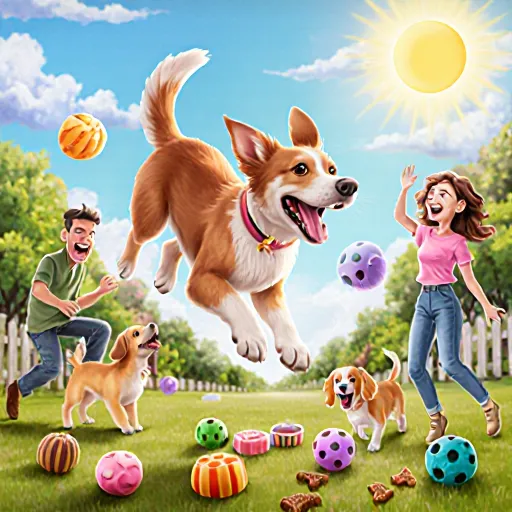
Unlock Your Pet's Full Potential!
Unleash the Best of Your Furry Friend!
Table of Contents
- Choose the Right Training Method for Your Dog
- Set Clear and Consistent Expectations
- Use Positive Reinforcement
- Train in Short Sessions
- Keep Training Sessions Fun and Engaging
- Be Patient and Persistent
- Understand Your Dog's Personality
- Establish a Routine
- Use Commands Consistently
- Stay Calm and Avoid Getting Angry
- Get Help from an Expert When Needed
- Practice Commands in Different Environments
- Consistency is Key
- Take Breaks and Give Rewards Appropriately
- Conclusion
- FAQ
Choose the Right Training Method for Your Dog
Choosing the right training method is crucial for your dog's development and well-being. Every dog is unique, and what works for one may not work for another. By understanding your dog’s personality and behavior, you can choose a training approach that suits both of you. Here are some key considerations to help you select the best method:
The most effective way to train dogs is through positive reinforcement. This involves rewarding desired behaviors with treats, praise, or play. Positive reinforcement encourages your dog to repeat actions that lead to a reward. It helps build a strong bond between you and your pet while fostering trust and cooperation.
Example:
If your dog sits on command, give them a treat immediately after the sit is completed. This positive feedback reinforces the behavior for future repetitions.
Clicker training uses a small handheld device that makes a distinct sound when pressed. This method is particularly popular because it allows trainers to provide immediate, precise feedback. It’s great for dogs who respond well to auditory cues and can help in teaching new tricks or commands.
Example:
To teach your dog to shake hands, use the clicker when they naturally place a paw on you. Click immediately after contact is made, then reward with treats. Repeat this process until your dog associates the action with the command.
While not recommended as a primary training method due to potential negative impacts, leash corrections can be used in conjunction with other methods for addressing specific issues like pulling on the leash or jumping. It’s essential to use this technique sparingly and always follow it up with positive reinforcement to ensure your dog understands that the unwanted behavior is being discouraged.
Example:
If your dog pulls while walking, gently pull them back toward you using the leash and say “No pull.” Once they are walking beside you without pulling, praise and reward their good behavior.
No matter which method or combination of methods you choose, consistency is key. Dogs thrive on routine and repetition. Make sure everyone in the household uses the same commands and techniques to avoid confusing your dog.
Practical Advice:
- Consistently use the same words for each command (e.g., "sit," "stay").
- Ensure that all family members follow the same training protocol so there is no conflicting message being sent to your dog.
Dog training requires both patience and persistence. Every dog learns at its own pace, and some behaviors take longer than others to master. Stay committed to the training process even if progress seems slow.
Tips for Beginners:
- Set realistic goals based on your dog’s age, breed, and energy level.
- Be patient with yourself as well; learning new techniques can be challenging at first.
If you’re struggling to train your dog or if your dog has behavior issues that need addressing, consider consulting a professional trainer. They can provide personalized advice and techniques tailored to your situation.
When to Seek Help:
- Your dog shows aggression towards other dogs or people.
- They exhibit excessive chewing or destruction of property.
- Their house-soiling continues despite attempts at correction.
In summary, selecting the right training method involves understanding your dog’s individual needs and preferences. By applying positive reinforcement, using tools like clickers when appropriate, maintaining consistency, staying patient, and considering professional assistance if needed, you’ll set yourself up for success in training your dog effectively.
Set Clear and Consistent Expectations
Setting clear and consistent expectations is foundational to effective dog training, especially when you're just starting out. Just as with humans, dogs thrive on structure and consistency. They need to understand what behavior is expected of them, and they need that understanding in a way that aligns closely with the natural cues they are used to. This section will expand on this concept by drawing parallels to 10 proven dog training tips for beginners.
Tip 1: Use Positive Reinforcement
Positive reinforcement is one of the most effective ways to encourage your dog's good behavior. Always reward them with treats, praise, or play when they do something right. This positive association helps your dog understand that their actions are being noticed and appreciated.
Tip 2: Establish a Routine
Dogs love routines because it gives them structure and predictability. By establishing a routine for feeding, walks, playtime, and bedtime, you'll not only create a more predictable environment but also help your dog understand what to expect throughout the day.
Tip 3: Use Simple Commands
Keep commands simple and clear. Dogs can easily become confused if there are too many variations in words or tone of voice. For instance, use "sit" instead of "sittie pie." Consistency is key here.
Tip 4: Practice Patience
Dog training takes time and patience. Avoid getting frustrated if your dog doesn't get it right away. Instead, be patient and keep practicing the same commands over time. Remember, consistency helps build a strong foundation for learning.
Tip 5: Be Consistent
Consistency is crucial in dog training. This means using the same words, gestures, and rewards every time you train your dog. Inconsistencies can confuse them, making it harder to learn new behaviors or commands.
Tip 6: Focus on One Behavior at a Time
Dogs learn best when trained one behavior at a time. Trying to teach too many things simultaneously can overwhelm your pet and lead to confusion. Instead, focus on mastering one skill before moving on to the next.
Tip 7: Reward Good Behavior Promptly
The sooner you reward your dog for good behavior, the more it will associate that action with a positive outcome. Immediate reinforcement helps solidify the connection between the behavior and the reward in their mind.
Tip 8: Use Leashes Appropriately
Using leashes correctly is essential for training dogs to walk obediently by your side. Start by walking short distances, praising them when they stay close. Gradually increase the distance as they master this skill.
Tip 9: Practice in Different Locations and Situations
To ensure that your dog learns commands effectively, practice training sessions in various locations and situations. This helps your dog understand that these behaviors are expected regardless of where you are or what's happening around them.
Tip 10: Seek Professional Help When Needed
No matter how much you practice, sometimes professional help is necessary. If your dog continues to struggle with basic commands or exhibits unwanted behavior despite your best efforts, consider consulting a professional trainer who can provide personalized guidance and support.
By following these tips, you'll create a clear and consistent environment that will aid in the effective training of your dog. Remember, patience, consistency, and positive reinforcement are key elements to successful training.
Use Positive Reinforcement
Using positive reinforcement is a cornerstone of effective dog training, especially for beginners. This method focuses on rewarding desirable behaviors rather than punishing unwanted actions, creating a positive and encouraging learning environment for your pet. Positive reinforcement strengthens the bond between you and your dog while making the learning process enjoyable and stress-free.
10 Proven Dog Training Tips for Beginners Using Positive Reinforcement
- Start with a Reward System: Use treats, toys, or praise as immediate rewards when your dog performs the desired behavior. This helps them associate good actions with positive outcomes.
- Praise Appropriately: Be enthusiastic and use specific praises like "Good boy/girl" to reinforce the correct behavior immediately after it happens.
- Use Clicker Training: A clicker can be a powerful tool. It signals the exact moment your dog does something right, making training more precise and fun for both of you.
- Keep Sessions Short and Sweet: Dogs have short attention spans, so keep each training session brief (5-10 minutes) to maintain their interest and energy levels.
- Pick the Right Timing: Reward your dog right at the moment they do something correctly. This helps them understand that their behavior is the reason for the reward.
- Consistency is Key: Be consistent with commands, treats, and timing to avoid confusing your dog. Consistency in training builds trust and reinforces learned behaviors effectively.
- Stay Patient and Positive: Patience is crucial when dealing with a new puppy or any dog learning a new behavior. Celebrate small successes along the way!
- Vary Your Commands Gradually: Once your dog masters basic commands, introduce variations in tone of voice or context to challenge and engage them further.
- Encourage Natural Behavior: Allow dogs to show off their natural abilities. For instance, if you have a herding breed, let them herd toys around the house.
- Use Positive Reinforcement Even in Adverse Situations: If your dog is behaving poorly, instead of getting upset or punishing them, redirect their attention to more appropriate behaviors and reward those instead.
By incorporating these tips into your training routine, you'll not only see improvements in your dog's behavior but also strengthen the bond between you two. Remember, positive reinforcement is not just about treats; it’s about understanding what motivates your pet and using that knowledge to train effectively.
Train in Short Sessions
One of the most effective strategies for training your dog is breaking the process into short, manageable sessions. This method, often referred to as "spaced repetition," helps maintain and strengthen learning without overwhelming your pet. By keeping each session brief—typically no more than 5-10 minutes—you can ensure that your dog remains engaged and motivated.
Benefits of Short Training Sessions
- Maintains Focus: Dogs have short attention spans, making it easier for them to retain information when the training is delivered in small bursts.
- Avoids Overwhelm: Long sessions can be taxing and stressful for your dog. Shorter sessions help keep stress levels low, promoting a positive learning environment.
- Better Retention: Research shows that dogs retain information better when they are taught in short sessions spaced throughout the day.
Practical Tips for Training in Short Sessions
- Choose a Specific Behavior: Focus on one behavior at a time. For example, if you're teaching your dog to sit, only work on that command during the session.
- Start with Basic Commands: Begin with simple commands like "sit," "stay," or "come." These are easier for both you and your dog to master quickly.
- Use Positive Reinforcement: Reward your dog immediately after the behavior is demonstrated. This reinforces the connection between the action and the reward, making learning faster and more effective.
- Vary Sessions: Mix different behaviors or commands within a session to keep things interesting for both you and your dog.
- End on a High Note: Always end your training session with a command that your dog has mastered. This leaves them feeling successful, which encourages more training sessions in the future.
Real-Life Examples
Suppose you're working on teaching your dog to "sit." Begin by holding a treat above your dog's head and slowly moving it back until their bottom touches the ground. When they sit, praise them profusely and offer the treat. Repeat this process for about 5 minutes. Once you've completed one cycle, take a short break before starting another session.
"Training in short sessions is like watering a plant; you need to do it consistently but not drown it." — Anonymous Trainer
Conclusion
By training your dog in short sessions, you can foster a strong bond with your pet while ensuring that they learn new behaviors effectively. Remember, consistency is key. Even if one session isn't perfect, the cumulative effect of multiple brief, focused sessions will yield significant results over time.
Keep Training Sessions Fun and Engaging
Keeping training sessions fun and engaging is crucial for the success of your dog's training. Dogs, like humans, respond better to enjoyable experiences. Here are some tips based on 10 Proven Dog Training Tips for Beginners to ensure that your training sessions remain exciting and effective:
1. Use Positive Reinforcement
Positive reinforcement is one of the most important aspects of keeping training fun. Reward good behavior with treats, praise, or playtime instead of punishment. For example, if your dog sits on command, reward them by throwing a ball or giving them a treat. This keeps the session upbeat and motivates your pup to continue learning.
2. Keep Sessions Short
Dogs have shorter attention spans than humans, so keeping training sessions short is key. Aim for 5-10 minute sessions, especially when you're first starting out. For example, you could train your dog to come when called and then reward them with a quick game of fetch before moving on to another activity.
3. Incorporate Games
Dogs love games! Incorporating simple games into your training can make the experience more enjoyable for both you and your dog. For instance, hide-and-seek where you hide treats around the house or play fetch in the backyard are great ways to keep things fun.
4. Vary Your Commands
To prevent monotony, vary the commands you use during training sessions. Instead of always saying "sit," try using different words like "down" or "come." This not only makes the session more interesting but also helps your dog understand that different actions are being asked for.
5. Use Treats Wisely
Treats can be a powerful motivator, but using them too often can lead to obesity or other health issues. Save treats for special moments during training and use them sparingly throughout the day as rewards for good behavior.
6. Incorporate Rewards Beyond Food
In addition to food treats, consider offering your dog toys or a nice scratch behind the ears as part of their reward system. This variety keeps things exciting and ensures that your dog is learning through multiple forms of reinforcement.
7. Practice in Different Environments
To make training sessions more engaging, try practicing commands in different environments. For example, take your dog to the park for a session or practice in a busy area to test their ability to focus amidst distractions. This variety helps keep things fresh and challenges both you and your pet.
8. Stay Patient
Patience is key when training dogs, especially during sessions that aren't going as planned. Keep an upbeat attitude and stay positive even if progress seems slow. Remember that consistency is more important than perfection; small steps count!
9. Give Your Dog a Break
If your dog starts to lose interest or seem tired, it's time for a break! Don't push them too hard—remember, quality over quantity. A short walk or playtime can help refresh both you and your dog before returning to training.
10. Seek Professional Help When Needed
If you're struggling with particular commands or behavior issues, consider seeking advice from a professional trainer who can provide personalized guidance. They can offer new strategies that might make training sessions more enjoyable for both of you.
By incorporating these tips into your dog's training routine, you'll not only ensure that each session is fun and engaging but also foster a strong bond with your furry friend.
Be Patient and Persistent
Understanding that training your dog is a journey, not just an event, is key to success. Patience and persistence are two essential traits for any beginner trainer looking to navigate the challenges of teaching their furry friend new behaviors or correcting unwanted ones. This section will delve deeper into why being patient and persistent can make all the difference in the effectiveness of your training sessions.
Patience is crucial because every dog learns at its own pace, and some commands might take longer to master than others. Some dogs are naturally more obedient, while others require extra time and reinforcement. Patience ensures that you don't become frustrated or rush through training sessions, which can lead to ineffective learning for your pet.
- Consistency: When you're patient, you are consistent in your training methods. Dogs thrive on repetition and routine, but they also need time to process what is being taught. Being persistent in reinforcing the same command or behavior over several sessions can significantly improve learning outcomes.
- Error Handling: Patience allows you to handle mistakes without harshness. If your dog doesn't get a command right on its first attempt, it's not the end of the world. Instead, it's an opportunity for correction and improvement.
Persistence is about keeping at it until you reach your goal. Dog training often involves repeated attempts to ensure that behaviors are solidified. Here’s how persistence can benefit your dog training:
- Dedication: Persistence shows your dedication to the process, which can be contagious for both you and your dog. Your dog senses when you're committed, which can boost its willingness to learn.
- Success Stories: When you persistently practice a command or behavior, your dog will eventually master it. Success stories are rewarding for everyone involved and encourage further learning.
Here's how being patient and persistent can align with these 10 tips:
- Positive Reinforcement: Always reward your dog when they get something right. Patience ensures you don't miss out on those moments, while persistence keeps you consistent in offering rewards.
- Consistent Commands: Use the same words and gestures for each command to avoid confusion. Be patient with consistency and persistent about using these commands during training sessions.
- Short Sessions: Keep your training sessions short but frequent. Being patient helps you manage your dog's energy levels, while persistence ensures that every session is productive.
- Use a Leash: A leash can help guide and control your dog during training. Patience in using it correctly prevents frustration, while persistence ensures you use the leash effectively each time.
- Teach Basic Commands: Start with simple commands like "sit," "stay," and "come." Be patient with repetition, and persistent until these are mastered before moving on to more complex behaviors.
- Use Treats Wisely: Treats should be used sparingly but effectively. Patience in timing the treat delivery and persistence in using treats as a motivator can enhance your training sessions.
- Train Indoors First: Start with indoor training to avoid distractions. Being patient helps manage any stress from new environments, while persistence ensures you tackle outdoor training later when both are ready.
- Stay Calm: Your calm demeanor is contagious and can help your dog stay focused. Patience in maintaining this composure and persistence in demonstrating it will lead to a more relaxed and trained dog.
- Seek Professional Help: Don't hesitate to consult with a professional trainer if you're struggling. Patience in seeking advice and persistent follow-through on their recommendations can be highly beneficial.
- Be Consistent Between Dogs and People: If more than one person is involved, ensure everyone uses the same commands and training methods. Patience allows for understanding each other's roles, while persistence ensures that all efforts are aligned towards the common goal of a well-trained dog.
In conclusion, being patient and persistent as you follow these 10 tips can greatly enhance your success in dog training. By combining these two qualities with consistency, positivity, and dedication, you'll find your journey much more rewarding and enjoyable for both you and your four-legged friend.
Understand Your Dog's Personality
To truly connect with your dog, it is essential to understand their unique personality. Just like people, dogs have distinct temperaments that influence how they interact with the world and respond to training. By observing and interpreting these behaviors, you can better tailor your approach as a dog owner and trainer.
- Establish Clear Expectations: Set rules and routines early on to give your puppy or adult dog structure. For example, designate specific times for feeding, playtime, and potty breaks.
- Observation: If your dog consistently gets excited during certain times of the day, it could indicate they are more alert and active at that time.
- Praise and Positive Reinforcement: Use treats, praise, or play to reward desired behaviors. This encourages repetition and strengthens the behavior.
- Example: If your dog sits nicely before being fed, use a treat as an immediate reward to reinforce that action.
- Consistency is Key: Be consistent in your commands, timing, and body language. Dogs thrive on routine and repetition.
- PRACTICAL TIP: If you are training for a specific behavior, such as "sit," use the same hand gesture every time to signal the command.
- Use Short Sessions: Dogs have short attention spans. Keep your training sessions brief and engaging to maintain their focus.
- Example: A 5-10 minute session, several times a day, is more effective than one long, drawn-out session.
- Patience is Paramount: Training takes time. Be patient and understanding as your dog learns new behaviors.
- PRACTICAL ADVICE: If you are frustrated, take a break; dogs can sense stress in their owners and may become more resistant to training.
- Start with Basic Commands: Begin by teaching simple commands like "sit," "stay," and "come." These form the foundation for more complex behaviors.
- Example: Once your dog understands "sit," you can build on that to teach them "down" or "heel."
- Use Clicker Training: A clicker is a great tool for marking the exact moment your dog performs a desired behavior. This method helps them understand which actions are being rewarded.
- PRACTICAL TIP: Pair the sound of the clicker with a treat to signal that good behavior has been recognized.
- Teach Off-Leash Commands: Once your dog understands basic commands, practice them off-leash in different environments. This helps build confidence and reinforces learned behaviors.
- Example: Take your dog to a park where they can run freely but still respond to commands like "come" or "heel."
- Learn Your Dog's Body Language: Understanding body language helps you recognize when your dog is tired, anxious, or excited. This awareness can prevent miscommunication and reduce stress.
- Observation: If your dog's tail is tucked between their legs and they are avoiding eye contact, it may indicate fear or discomfort.
- Be a Good Role Model: Dogs learn by imitation. Show them the behaviors you want them to emulate by practicing good manners yourself.
- PRACTICAL ADVICE: If you want your dog to sit before crossing the street, ensure you do it too. Consistency in behavior reinforces the desired actions.
Understanding your dog's personality is crucial for effective training. By observing their responses and adapting your approach accordingly, you can create a strong bond and achieve successful training outcomes. Remember that each dog is unique, so be patient and flexible in your training methods.
Establish a Routine
To effectively apply the principles of consistent training, it's crucial to establish a routine. A well-defined schedule not only helps your dog understand what to expect but also reinforces positive behavior and discipline. Here's how you can incorporate routine into your daily training sessions using some of the 10 Proven Dog Training Tips for Beginners:
Tip #1: Start Small
Begin by establishing a simple routine that includes a few basic commands like "sit" and "stay." Consistency is key. Each day, practice these commands at the same time to help your dog associate them with specific actions.
Tip #2: Be Patient
Consistency in training requires patience. Dogs learn gradually, so be prepared for multiple repetitions and setbacks. Stick to your routine without getting frustrated, as this will help build trust between you and your dog.
Tip #3: Use Positive Reinforcement
Regularly reward your dog with treats or praise when they perform the desired behavior correctly. This reinforces good habits and helps them understand which actions are rewarded.
Tip #4: Be Clear and Consistent
Always use the same commands and gestures during training sessions. Dogs learn best when instructions are consistent, so keep your routine simple and focused on a few key behaviors at a time.
Tip #5: Practice in Different Environments
To ensure your dog's obedience is not just learned but also practiced in various settings, include different locations in your routine. This could be your backyard, park, or even inside the house. Each environment presents unique challenges that can help solidify their training.
Tip #6: Vary Your Routine
To keep things interesting and prevent boredom, vary aspects of your routine occasionally. This might mean changing the time of day for training or introducing different types of commands. Variety keeps both you and your dog engaged in the process.
Tip #7: Stay Calm
Your calm demeanor is crucial during training sessions. Avoid showing signs of frustration or anger, as this can confuse your dog and make learning more challenging. Consistency in tone and behavior helps maintain a positive atmosphere for both you and your furry companion.
Tip #8: Take Breaks
If your dog shows signs of fatigue or loses focus during training, take breaks to prevent burnout. A refreshed dog is more likely to learn effectively when you resume the routine later.
Tip #9: Encourage Enthusiasm
Maintaining enthusiasm in both you and your dog can significantly enhance learning outcomes. Keep sessions fun and engaging by using varied techniques like playing fetch or tug-of-war after training. These activities also serve as great rewards.
Tip #10: Seek Professional Help When Needed
If you find that despite following a routine, your dog still struggles with certain behaviors, consider seeking advice from a professional trainer. They can provide personalized tips and strategies to help both you and your dog succeed.
By integrating these training tips into your daily routine, you’ll create an effective framework for teaching your dog new commands and reinforcing good behavior. Remember, consistency is the cornerstone of successful training, making it easier for both you and your dog to enjoy a positive learning experience together.
Use Commands Consistently
In dog training, consistency is key. Using commands consistently helps your dog understand and respond to you effectively. This tip is particularly important for beginners as it builds a strong foundation in communication between you and your pet.
Why It Matters
When you use the same command words or hand signals every time, your dog learns to associate those cues with specific behaviors. For example, always saying "sit" when you want your dog to sit will help them understand and perform that action more reliably.
Practical Advice
- Choose Commands Carefully: Select simple words or phrases for each command. Avoid using similar sounds as they can confuse your dog. For instance, avoid saying "sit" and "stay" too close together.
- Use the Same Tone: Maintain a calm and clear tone when giving commands. This helps in creating a consistent voice that your dog will recognize.
- Consistency Across Environments: Use the same command words regardless of where you are training or what distractions might be present. Consistency across different environments ensures your dog learns the behavior in all settings.
Examples
Here’s an example scenario: You want to teach your dog to come when called. Start by calling your dog using a consistent command, like "come." When they respond correctly, reward them with praise or a treat. Always use this command in the same way and context so that your dog recognizes it as the signal for coming.
Additional Tips
- Model Behavior: If you are teaching your dog to sit, always demonstrate the action before asking them to do it. This helps reinforce the command and makes it easier for your dog to understand.
- Positive Reinforcement: Always follow commands with positive reinforcement such as treats or praise. This not only reinforces good behavior but also keeps training sessions fun and rewarding for both you and your pet.
Conclusion
Consistency in using commands is essential for effective dog training, especially during the early stages of learning. By following these simple guidelines, beginners can ensure that their dogs understand and respond to commands reliably, creating a stronger bond between you and your pet.
Stay Calm and Avoid Getting Angry
Staying calm and avoiding getting angry is crucial when training your dog. It's a simple yet powerful principle that can significantly impact the success of your training sessions. When you're calm, your dog will be more likely to understand commands and respond positively. Here are 10 proven dog training tips for beginners that emphasize staying calm and avoiding anger:
Before starting any training session, take a few deep breaths to center yourself. This helps in maintaining your composure even if things don't go as planned.
- Stay Patient: Understand that learning takes time. Be patient with your dog and yourself during the process.
- Avoid Shouting: Yelling can be counterproductive. Instead, use a firm but gentle tone when giving commands.
Positive reinforcement is key to effective dog training. Reward good behavior with treats, praise, or playtime instead of punishment. This approach encourages your dog to repeat the desired actions.
- Treats: Always have a few treats on hand for quick rewards.
- Praise: Use words like "good boy/girl" or "well done."
Dogs, especially puppies, have short attention spans. Keeping training sessions brief ensures that your dog remains engaged without feeling overwhelmed.
Tips: Aim for 5-10 minute sessions, several times a day.
Consistency is vital in training. Always use the same words and gestures to avoid confusion.
- Choose Words: Pick simple commands like "sit," "stay," or "come."
- Practice Commands: Make sure you practice these commands regularly during training sessions.
Ignoring unwanted behaviors can help reduce them over time. It's important to avoid reacting with anger or frustration when your dog misbehaves.
Steps: Walk away from the situation if necessary, and wait until your dog is calm before proceeding.
Dogs can sense when you're upset or stressed, which can lead to them becoming anxious or misbehaving themselves. Keeping a calm demeanor during training helps create a positive and stable environment for your dog.
- Relax: Focus on relaxation techniques like deep breathing or meditation before starting the session.
If you're struggling to manage your dog's behavior, consider seeking advice from a professional trainer. They can offer valuable insights and strategies tailored to your specific situation.
Tips: Look for trainers certified by reputable organizations such as the American Kennel Club or The Association of Pet Dog Trainers (APDT).
A consistent daily routine can help your dog feel secure and make training more effective.
- Daily Walks: Regular walks help keep your dog active and mentally stimulated.
- Meal Times: Feed your dog at the same time every day.
A positive attitude is contagious. Your dog will mirror your energy, so it's important to stay optimistic and enthusiastic during training sessions.
Tips: Smile often and use a cheerful tone when interacting with your dog.
The more you train, the better you'll get at it. Consistent practice will help both you and your dog master the commands and behaviors you're working on.
- Review Commands: Regularly revisit previously learned commands to ensure retention.
- New Challenges: Gradually introduce new challenges as your dog progresses in their training.
Remember, staying calm and avoiding getting angry is not just about you; it's about creating a positive learning environment for your dog. By following these tips, you'll be well on your way to effective and enjoyable dog training sessions!
Get Help from an Expert When Needed
Even if you are determined to train your dog yourself, it's important to know when to seek professional help. Professional trainers can provide invaluable advice and techniques that might be difficult for beginners to master on their own. Here are 10 proven tips for beginner dog owners, but remember, sometimes even experts need another pair of eyes or hands:
- Consistency is Key: Dogs thrive on routine. Consistently apply commands and routines to help your dog understand what you expect.
- Praise and Rewards: Positive reinforcement goes a long way in motivating your pet. Always reward good behavior with treats or praise immediately after it occurs.
- Patience: Every dog learns at its own pace. Be patient and persistent, and avoid frustration which can be counterproductive to training progress.
- Short Sessions: Keep your training sessions brief—about 10-15 minutes is ideal for puppies or dogs with short attention spans.
- Use Commands Clearly: Use simple and clear commands. The more consistent you are in using the same words, the faster your dog will learn them.
- Train in a Quiet Environment: Choose an area with minimal distractions to help your dog focus on learning new commands effectively.
- Practice Makes Perfect: Regular practice is crucial. Consistent repetition helps reinforce the behaviors you want to see.
- Be Gentle and Kind: Avoid using harsh punishments or physical force as these can create fear and anxiety in your dog, leading them to avoid training sessions.
- Train for Specific Behaviors: Focus on one behavior at a time. Once that is mastered, move on to the next skill set.
- Stay Motivated: Keep learning and practicing these techniques. Dog training can be challenging, but it's also incredibly rewarding when done right.
If you find yourself struggling with any of these tips or if your dog’s behavior isn't improving despite consistent effort, don’t hesitate to reach out for help. A professional trainer can offer tailored advice and solutions that cater specifically to your pet's needs and challenges. Seeking assistance when necessary ensures a positive learning experience for both you and your furry friend.
Practice Commands in Different Environments
Incorporating various environments into your dog's training routine is crucial for reinforcing commands and ensuring that your dog can apply what they've learned in real-life situations. Just like the 10 Proven Dog Training Tips for Beginners, practicing commands in different settings helps solidify behaviors and increases their reliability. Here’s how you can integrate diverse scenarios into your practice sessions:
1. Consistent Commands Across Environments
Start by ensuring that the commands you use are consistent across all environments. For instance, if you say "sit" at home, it should be said the same way in a park or while walking. This consistency helps your dog understand that the command is always the same regardless of where they hear it.
2. Incorporate Distractions
Dogs learn best when taught in environments similar to those in which you want them to behave. For example, if you train for recalls (come) at home with no distractions, your dog might struggle in a busy park full of other dogs and people. To counteract this, practice commands in environments that include distractions like loud noises or the presence of other animals.
3. Use Reward-Based Training
Always use positive reinforcement techniques when practicing commands in different settings. Rewards can be treats, toys, or simply praise. These rewards will keep your dog motivated and eager to learn no matter where you are.
4. Practice with Different Handlers
Dogs need to learn that the command is valid whether it comes from a family member or a stranger. Have different people in your household practice commands so your dog knows that all these individuals have equal authority and can give instructions.
5. Vary Your Approach
Varying how you approach the training sessions is important. Sometimes use voice commands, sometimes hand signals; mix it up. This keeps the practice interesting for both you and your dog, preventing boredom which could lead to disobedience.
6. Practice in New Locations
New locations can be exciting but also challenging for dogs because they are exposed to new stimuli. By practicing commands in different places such as forests, beaches, or even inside unfamiliar houses, you prepare your dog for unexpected scenarios.
7. Adjust Timing and Duration of Practice
The length and timing of the practice sessions can vary based on the environment. For example, shorter, more frequent sessions might be better suited to areas with high traffic or distractions. Conversely, longer, less frequently interrupted practice might work well in quieter environments.
8. Encourage Natural Behaviors
Encourage your dog’s natural behaviors within the context of the command you are teaching. For instance, if teaching a recall command, allow your dog to run around and then call them back using their name followed by “come.” This makes learning more engaging for the dog.
9. Use Leashes in Public Spaces
In public places like parks or sidewalks, use leashes to maintain control over your dog’s behavior. This ensures that you can focus on practicing commands and not have to worry about running away due to distractions such as other dogs or people.
10. Observe and Adapt
Always be observant during training sessions in various environments. Notice which methods work best under different circumstances, and adjust your approach accordingly. This adaptability will make your dog more versatile and reliable in all situations.
By following these tips, you can effectively practice commands across a variety of settings, ensuring that your dog is well-prepared for any scenario they might encounter. Remember, the key to successful training lies not just in repetition but also in adaptability and consistency.
Consistency is Key
Consistency is a fundamental pillar in effective dog training, and it plays an indispensable role in shaping your puppy's behavior. When you are consistent with commands, routines, and expectations, your dog learns more quickly and effectively because they understand what is expected of them.
10 Proven Dog Training Tips for Beginners
- Stay Consistent: Use the same words and hand signals every time you train. This helps your dog associate specific commands with actions, making it easier for them to learn.
- Positive Reinforcement: Reward good behavior immediately after it occurs. Whether through treats, praise, or petting, positive reinforcement motivates dogs to repeat the desired behavior.
- Short Sessions: Keep training sessions short and sweet, especially for puppies. A 5-10 minute session is usually sufficient to avoid overwhelming your dog.
- Patience: Be patient with your dog's learning process. Every animal learns at its own pace, so be prepared to wait and repeat exercises as necessary.
- Stay Calm: Dogs can sense your emotions, so try to stay calm during training sessions. If you are frustrated or angry, it may confuse your dog and make them less likely to cooperate.
- Use a Leash Wisely: Use the leash as an aid but not as a tool for punishment. A well-fitted harness can be more comfortable for both you and your dog during walks and training sessions.
- Practice Makes Perfect: Regular practice is essential to help reinforce what your dog has learned. Consistent repetition helps solidify the behavior into their memory.
- Use Visual Cues: In addition to verbal commands, use hand signals or other visual cues to guide your dog during training sessions. This multi-sensory approach can aid in better understanding and faster learning.
- Daily Routine: Establish a daily routine that includes time for training as well as playtime and rest. A regular schedule helps dogs feel secure and provides them with structure.
- Seek Professional Help: If you're struggling with particular behaviors, consider seeking the help of a professional dog trainer. They can offer personalized advice and techniques tailored to your specific situation.
To sum it up, consistency is not just about repeating actions or words; it's also about maintaining a steady approach in your training methods and expectations. By being consistent, you're providing clear signals for your dog, which helps them understand and respond effectively to your commands. Remember that every puppy is unique, so while these tips are proven to work, they should be adapted according to the individual needs of each dog.
Take Breaks and Give Rewards Appropriately
Proper timing and consistency are crucial elements in dog training. Taking breaks and giving rewards appropriately can significantly enhance your training sessions, making them more effective and enjoyable for both you and your pet.
Taking Breaks
Incorporating short breaks into your training routine is essential to prevent burnout and ensure that your dog remains attentive and enthusiastic. According to the 10 Proven Dog Training Tips for Beginners, taking regular breaks allows the brain to process new information effectively.
- Frequency: Try to take a break every 5-7 minutes during training sessions. This interval is generally when dogs start showing signs of fatigue or loss of focus.
- Type of Breaks: Use short breaks as an opportunity for your dog to stretch, play with a favorite toy, or simply relax. These moments should be brief—about 30 seconds to a minute—to keep them energized and motivated.
Giving Rewards Appropriately
Rewards are the key motivators in positive reinforcement training. They can include treats, toys, verbal praise, or even a gentle scratch behind the ears. The 10 Proven Dog Training Tips for Beginners emphasize that giving rewards at the right moment is critical to reinforcing good behavior.
- Timing: Always reward your dog immediately after they perform the desired action. This immediate feedback helps them associate their actions with the positive outcome, making it easier to remember what behaviors earn them rewards.
- Type of Reward: Vary the type of reward you use during training sessions. Consistency in giving the same kind of reward can lead to your dog anticipating only that specific form. By mixing up treats, playtime, and praise, you keep their interest piqued and make learning a more engaging experience.
- Amount: Be mindful not to overcompensate with rewards. This could result in an imbalance where the dog expects too much for simple actions or becomes overly dependent on them. Instead, use rewards sparingly but consistently as a means of encouragement rather than a substitute for training effort.
By integrating regular breaks and appropriate rewards into your training sessions, you create a balanced environment that promotes learning and keeps both you and your dog engaged in the process. Remember, patience and consistency are key to successful dog training!
Conclusion
Understanding the basics of dog training is crucial for any beginner looking to establish a strong, positive relationship with their furry companion. Here are some additional insights and practical advice based on 10 Proven Dog Training Tips for Beginners:
Consistency in commands and expectations is key. Dogs learn best when they hear the same words every time you want them to do something. For example, always use "sit" rather than "good girl" or any other variation.
Using treats as a reward for good behavior is an effective way to encourage your dog. However, it's important not just to give the treat but to also say something like "Good dog!" This reinforces the positive association in their mind.
Patience is crucial during training sessions. Dogs learn at different paces and may need more repetition or breaks between lessons. If your dog seems confused, take a step back, review what you've already done, and try again later.
Leashes are not just for walking but also crucial for training. They provide control over where the dog can go, which helps in teaching them boundaries. For instance, if your dog pulls on the leash, gently pull it back to show that you're leading.
Dogs have short attention spans, so keeping training sessions short and sweet is more effective. A few minutes at a time can yield better results than trying to cram everything into one long session.
A consistent daily routine helps dogs understand what to expect from you. This includes feeding times, playtimes, and bedtime routines. Consistency in these aspects can make your dog more predictable and manageable.
Training should always be a positive experience for the dog. Never use fear-based techniques like shouting or punishing them harshly. Instead, focus on motivating with treats and praise to achieve desired behaviors.
The earlier you start training your puppy, the better. Puppies learn faster and are more receptive to commands when they're young. However, even adult dogs can benefit from consistent training.
Dogs communicate through body language. Understanding their signals can help you prevent unwanted behaviors or address them quickly. For example, if your dog is showing signs of discomfort, it's important to identify the cause and address it promptly.
If you're struggling with certain aspects of training or dealing with specific behavior issues, don't hesitate to seek advice from a professional trainer. They can provide tailored solutions for your unique situation.
In summary, by consistently applying these tips and techniques, you'll be well on your way to becoming an effective dog trainer. Remember that patience, consistency, and positive reinforcement are the cornerstones of successful training.
FAQ
Here are some common questions and answers regarding dog training tips. These tips are based on the 10 Proven Dog Training Tips for Beginners to help you get started on the right foot.
Q: What is positive reinforcement, and how can I use it effectively?
Positive reinforcement involves rewarding your dog for good behavior. This method encourages desired behaviors by providing a reward such as treats, praise, or playtime. For example, if you want to teach your dog to sit, reward them with a treat the moment they sit correctly. Consistency is key here—your dog will learn that sitting results in something positive.
Q: How important is consistency in training?
Consistency is crucial in dog training. Dogs thrive on routine and repetition, which helps them understand what is expected of them. Whether you're using commands or specific hand signals, it's important to use the same cues every time. For instance, if you want your dog to come when called, always say "come" followed by a treat reward when they do so correctly.
Q: Should I punish my dog for bad behavior?
No, punishing your dog can lead to fear and anxiety rather than correcting the behavior. Instead of punishment, focus on redirecting or ignoring unwanted behaviors. For example, if your dog is chewing on something they shouldn't, gently take away the object and provide them with a chew toy instead.
Q: How do I establish boundaries for my puppy?
Establishing boundaries early helps prevent bad habits from forming. Use training tools like baby gates or crates to control where your dog can go in the house. For instance, keep your puppy in a designated area when you're not able to supervise them directly.
Q: What are some effective commands for basic obedience?
Basics such as "sit," "stay," "come," and "leave it" form the foundation of obedience training. Start by teaching one command at a time, ensuring your dog understands before moving on to the next. For example, start with "sit," then once they have mastered that, introduce "stay."
Q: How can I encourage my dog to follow simple commands?
To encourage your dog to listen and obey, use a consistent training routine and positive reinforcement. Make sure the environment is free from distractions during training sessions so your dog can focus on learning the command.
Q: What should I do if my dog has already developed some bad habits?
If you notice your dog has developed unwanted behaviors, start addressing them immediately. Use consistent commands and redirection techniques to guide your dog back into desired behaviors. It’s important not to give up; consistency will help correct these issues over time.
Q: How can I make training fun for both me and my dog?
Making training enjoyable fosters a positive learning environment. Incorporate games like fetch or hide-and-seek into your routine to keep things engaging. Rewarding good behavior with treats and praise keeps the session rewarding for your dog as well.
Q: How do I handle hyperactive dogs during training?
For hyperactive dogs, it's essential to break down complex tasks into simple steps and use short, frequent sessions. A calm environment with minimal distractions will help manage their energy levels. Incorporating exercises like walking or playing before training can also tire them out.
Q: What should I do if my dog gets confused during training?
If your dog seems confused by a command, go back to the basics and simplify what you're teaching. Use short, clear commands and ensure that you are providing enough positive reinforcement for each step of the learning process.
Categories
- AI & Enrichment Play
- Broiler Farming
- Broiler Farming Tips
- Canine Wellness & Longevity
- Cat
- Cat & Human Connection
- Cat Adoption & Rescue
- Cat Breeds
- Cat Breeds & Personalities
- Cat Care & Health
- Cat Grooming & Hygiene
- Cat Lifestyle & Environment
- Cat Myths & History
- Cat Nutrition & Diet
- Cat Products & Reviews
- Cat Training & Behavior
- Comparison
- Consumer Awareness
- Dog
- Dog Accessories & Products
- Dog Adoption & Rescue
- Dog Breed & Lifestyle Trends
- Dog Breeding & Puppies
- Dog Entertainment & Media
- Dog Fashion & Trends
- Dog Fun & Lifestyle
- Dog Grooming & Hygiene
- Dog History & Culture
- Dog Myths, Science & Future Tech
- Dog News & Trends
- Dog Nutrition & Food
- Dog Psychology & Emotions
- Dog Safety & Security
- Dog Sports & Activities
- Dog Technology & Innovation
- Dog Training for Modern Owners
- Dog Travel & Adventure
- Dog Travel, Adventure & Culture
- Economic and Market Insights
- Educational Content
- FAQs
- Feeding Alternatives
- Festivals & Seasonal Ideas
- Fun & Entertainment
- General Knowledge
- General Pig Farming
- Health & Disease Management
- Housing and Environment
- Kittens
- Market Insights
- Miscellaneous
- Miscellaneous
- Motivational
- pig
- Pig Breeding
- Pig Breeds
- Pig Farming Stories and Inspiration
- Pig Health and Care
- Pig Nutrition
- Pig Products
- Profitability & Business
- Puppy Care
- Puppy Predictable Topics Reinvented
- Regional Focus
- Rescue & Adoption Buzz
- Senior Cats
- Senior Dog Care
- Smart Dog Tech & Gadgets
- Sustainability
- Sustainable & Eco-Friendly Dog Products
- Tech & Innovations
- Working & Service Dogs
- Broiler Feed66 products
- Country Feed33 products
- Pig Feed66 products
- Product22 products
- Raw Materials99 products
Products
-
 Fish Meal
₹1,999.00 – ₹2,999.00Price range: ₹1,999.00 through ₹2,999.00Rated 0 out of 5
Fish Meal
₹1,999.00 – ₹2,999.00Price range: ₹1,999.00 through ₹2,999.00Rated 0 out of 5 -
 FATTENING BROILER FEED
₹2,299.00 – ₹2,349.00Price range: ₹2,299.00 through ₹2,349.00Rated 0 out of 5
FATTENING BROILER FEED
₹2,299.00 – ₹2,349.00Price range: ₹2,299.00 through ₹2,349.00Rated 0 out of 5 -
 LAYER COUNTRY FEED
₹1,549.00 – ₹1,649.00Price range: ₹1,549.00 through ₹1,649.00Rated 0 out of 5
LAYER COUNTRY FEED
₹1,549.00 – ₹1,649.00Price range: ₹1,549.00 through ₹1,649.00Rated 0 out of 5 -
 COUNTER BROILER FEED
₹1,199.00 – ₹1,299.00Price range: ₹1,199.00 through ₹1,299.00Rated 0 out of 5
COUNTER BROILER FEED
₹1,199.00 – ₹1,299.00Price range: ₹1,199.00 through ₹1,299.00Rated 0 out of 5 -
 LACTATING PIG FEED
Rated 0 out of 5
LACTATING PIG FEED
Rated 0 out of 5₹2,299.00Original price was: ₹2,299.00.₹1,740.00Current price is: ₹1,740.00. -
 Maize
Rated 0 out of 5
Maize
Rated 0 out of 5₹1,650.00Original price was: ₹1,650.00.₹1,300.00Current price is: ₹1,300.00. -
 GESTATION PIG FEED (Phase 1)
Rated 0 out of 5
GESTATION PIG FEED (Phase 1)
Rated 0 out of 5₹2,249.00Original price was: ₹2,249.00.₹1,699.00Current price is: ₹1,699.00. -
 Pre Starter Broiler Feed
₹2,399.00 – ₹2,499.00Price range: ₹2,399.00 through ₹2,499.00Rated 0 out of 5
Pre Starter Broiler Feed
₹2,399.00 – ₹2,499.00Price range: ₹2,399.00 through ₹2,499.00Rated 0 out of 5 -
 FINISHER PIG FEED
Rated 0 out of 5
FINISHER PIG FEED
Rated 0 out of 5₹2,299.00Original price was: ₹2,299.00.₹1,749.00Current price is: ₹1,749.00. -
 Broiler Premix
Rated 0 out of 5
Broiler Premix
Rated 0 out of 5₹820.00Original price was: ₹820.00.₹699.00Current price is: ₹699.00.