
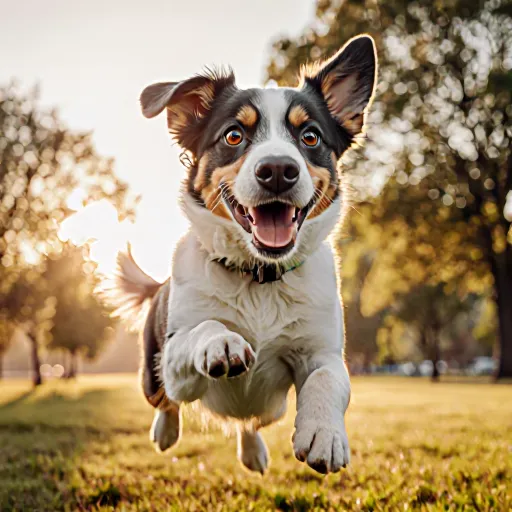
Ignite Your Dog’s Drive Today!
Unlock Your Dog's Hidden Motivation!
Table of Contents
- Why Does My Dog Chew Everything?
- Signs Your Dog Is Chewing Excessively
- Teething Period and Its Role
- Stress and Anxiety as Causes
- Lack of Mental Stimulation
- Boredom and Lack of Exercise
- Separation Anxiety
- Curiosity and Exploration
- Teaching Boundaries Through Crate Training
- Providing Alternative Chews for Destruction
- Creating a Safe and Stimulating Environment
- Consulting with a Veterinarian or Dog Trainer
- Conclusion: Addressing the Root Cause
- FAQs About Dog Chewing
Why Does My Dog Chew Everything?
Dog chewing is a common behavior that many owners encounter at some point. However, understanding the reasons behind this behavior can help you address it effectively and provide solutions tailored to your furry friend's needs. Here are the most common causes of excessive chewing in dogs along with practical fixes.
Causes of Excessive Chewing
Boredom and Lack of Mental Stimulation
Dogs, like humans, need mental stimulation to stay engaged. If your dog is left alone for long periods or lacks activities that challenge its mind, it might resort to chewing as a way to pass the time.
Fix: Provide your dog with toys that encourage problem-solving. Puzzle feeders can stimulate their minds and keep them occupied. Rotate these toys regularly so they remain interesting.
Pain or Discomfort
Dogs may chew to relieve pain, especially if they're dealing with sore joints, teething issues, or other discomforts. Older dogs might experience joint pain that leads to chewing behaviors.
Fix: Consult your vet if you suspect your dog is in pain. They can recommend appropriate remedies like chew toys designed for soothing sore gums or arthritis supplements and medications.
Natural Dog Chewing Behaviors
Dogs have a natural instinct to chew, which helps them explore their environment and maintain strong jaw muscles. Puppies are particularly fond of chewing as they go through teething stages.
Fix:
- Provide appropriate toys for puppies, such as rubber bones or rope toys that are safe to chew on.
- Supervise your puppy during playtime and redirect its attention to a toy when it starts chewing on inappropriate objects.
Separation Anxiety
Dogs with separation anxiety may engage in destructive behaviors, including excessive chewing, as they cope with stress. This behavior is often worse when the dog is left alone for extended periods without adequate stimulation or socialization.
Fix: Gradually increase the time your dog spends alone to build its confidence. Provide it with a comfortable space and engaging toys while you're away, and consider hiring a pet sitter or dog walker if possible.
Boredom and Lack of Physical Exercise
A physically active dog is less likely to engage in destructive chewing behaviors because it has outlets for its energy. However, even well-exercised dogs may need mental stimulation to avoid boredom.
Fix: Ensure your dog gets enough physical exercise daily. Activities like walks, runs, and playtime with you can help burn off excess energy. In addition, incorporate puzzle toys or interactive games into its routine.
Preventing Excessive Chewing
- Supervision: Keep an eye on your dog during playtime to ensure it doesn't chew on inappropriate objects. Praise and redirect its attention to acceptable toys.
- Training: Teach your dog basic commands like "leave" or "drop it" so you can correct inappropriate chewing behaviors immediately.
- Taste Deterrents: Use safe, nontoxic taste deterrents on shoes and furniture to discourage your dog from chewing them.
In conclusion, understanding the causes of excessive chewing in dogs is essential for addressing this behavior effectively. By providing appropriate mental and physical stimulation, ensuring your dog's comfort, and offering suitable toys, you can help prevent destructive chewing behaviors while promoting a happy and healthy pet.
Signs Your Dog Is Chewing Excessively
Excessive chewing can be a sign that your dog is struggling with something, and it's important to understand why this behavior is occurring. Understanding the signs of excessive chewing can help you identify if your dog needs more mental stimulation or if there's an underlying issue that requires attention.
- Mouth Rubbing: Dogs may rub their mouths on furniture, walls, or other surfaces. This behavior is a sign they're uncomfortable with the way their mouth feels.
- Increased Drooling: Excessive drooling can be a sign that your dog's teeth are painful or sensitive. Toys Destroyed Rapidly: If your dog is destroying toys in a short amount of time, it could indicate they need more engaging playtime to satisfy their natural urge to chew.
- Teeth Grinding: This can be an indication that your dog is experiencing pain or discomfort. It's important to watch for this behavior and consult with a vet if you notice it.
- Pawing at Their Mouth: Dogs may paw at their mouths if they're trying to alleviate tooth pain, similar to how humans rub sore gums when teething.
Dogs chew for a variety of reasons, and identifying the cause is crucial in finding an effective solution. Here are some common causes:
Pain or Discomfort
If your dog is teething or has dental issues, they may chew excessively to alleviate pain. Dental problems can include inflamed gums, cavities, or loose teeth. To address this issue, consult with a veterinarian and consider giving your dog safe chew toys designed for dental health.
Boredom or Lack of Mental Stimulation
Dogs need mental stimulation just like humans do. If they're not getting enough activity or engaging playtime, they may resort to chewing out of boredom. To combat this, provide your dog with puzzle toys that require them to work for their treats and consider increasing the amount of time you spend playing fetch or going on walks.
Separation Anxiety
If your dog is prone to excessive chewing when left alone, they may be exhibiting signs of separation anxiety. This condition can manifest in behaviors such as barking, digging, and destructive chewing. To help manage this, consider leaving a camera on during the day so you can keep an eye on them or hire a pet sitter.
Natural Curiosity
Dogs are naturally curious creatures, and they may chew out of curiosity to explore their environment. This is particularly common in younger dogs who are still learning about the world around them. To minimize this behavior, supervise your dog closely when they're exploring new areas.
By understanding these signs and causes, you can take steps to address excessive chewing in your dog. With patience and proper care, you'll be able to help your furry friend lead a healthier and happier life.
Teething Period and Its Role
The teething period is a crucial stage in a dog's development, during which puppies experience significant changes. This phase typically occurs between the ages of 3 and 6 months for small breeds, but it can extend up to 12 months or even longer for larger breeds. During this time, dogs' baby (deciduous) teeth start to loosen and fall out as adult (permanent) teeth take their place.
Why Does My Dog Chew Everything?
The teething period plays a significant role in explaining why your dog may be chewing on everything within reach. This behavior is not only a way for dogs to soothe the discomfort they feel from loose teeth and gums but also helps them relieve pressure and pain associated with tooth eruption.
Causes of Excessive Chewing
- Teething Discomfort: The process of losing baby teeth and growing adult ones can cause dogs a great deal of discomfort. To alleviate this, they often chew to relieve the pressure.
- Boredom and Anxiety: Puppies are naturally curious creatures, and when left alone for long periods, they may turn to chewing as a form of stress relief or boredom management.
- Scent Exploration: Dogs use their sense of smell extensively. Chewing helps them explore new environments by sniffing out interesting scents.
Fixes and Solutions
To address this behavior, it's important to provide your dog with appropriate chew toys designed for teething puppies. These toys should be safe, durable, and large enough that they can't fit into your puppy’s mouth whole.
- Chew Toys: Opt for rubber bones, rope toys, or freeze treats like KONGs filled with peanut butter. These not only help in the teething process but also keep dogs occupied and distracted from destructive chewing habits.
- Professional Guidance: If you find that your puppy's chewing is excessive even after providing chew toys, it might be a good idea to consult a veterinarian or a professional dog trainer who can offer additional advice tailored to your pet’s needs.
In conclusion, understanding the role of the teething period in your dog's behavior can help you address and manage this phase more effectively. Providing proper care during this time will not only ensure healthier teeth but also create a stronger bond between you and your furry friend as you navigate through these developmental stages together.
Stress and Anxiety as Causes
The question "Why does my dog chew everything?" often points to underlying stress or anxiety, which can manifest through destructive behaviors. Just like humans, dogs can experience stress and anxiety due to various factors. Identifying these triggers is the first step toward addressing them.
Common Causes of Stress and Anxiety in Dogs
- Environmental Changes: Moving homes, visiting a new place, or changes in routine can cause stress for your dog. Routine disruptions such as irregular feeding times or different walk schedules might also contribute.
- Separation Anxiety: Dogs are pack animals and form strong bonds with their humans. When left alone, they might experience separation anxiety, which can be a significant cause of destructive behavior like chewing.
- Health Issues: Pain or discomfort can also lead to stress and anxiety. Dogs with joint issues, dental problems, or other health conditions may experience chronic pain that contributes to their behavior. If your dog suddenly starts chewing more than usual, it could be a sign of an underlying health issue.
Dogs thrive on stability and predictability. Any deviation from their usual schedule can lead to anxiety and may result in chewing as an outlet for pent-up energy or frustration.
Signs of separation anxiety include excessive barking or howling when you leave the house, digging at doors, or even chewing on furniture or shoes while you're away.
If you suspect this might be the case, consult your veterinarian for a thorough check-up. Pain management and treating any health issues can significantly reduce stress in dogs, leading to improved behavior.
Fixing Stress-Related Chewing Behavior
- Create a Routine: Establish consistent daily routines for feeding, walking, playtime, and bedtime. Dogs respond well to structure and predictability, which can help reduce stress and anxiety.
- Provide Mental Stimulation: Engage your dog's mind with interactive toys that challenge them mentally. Puzzle feeders or treat-dispensing toys are great options. These not only provide entertainment but also keep their minds engaged, reducing the urge to chew out of boredom.
- Exercise: Ensure your dog gets enough physical exercise. Regular walks and play sessions help burn off excess energy, which can prevent destructive behaviors. A tired dog is a happy dog!
- Distract with Chew Toys: Offer appropriate chew toys that are safe for your dog to gnaw on. This provides a constructive outlet for chewing behavior. Rotate toys frequently so they remain interesting and engaging.
- Seek Professional Help: If stress or anxiety is severe, consider consulting with a professional trainer or a veterinarian. They can provide expert advice tailored to your dog's specific needs and may recommend anti-anxiety medications if necessary.
Lack of Mental Stimulation
One often overlooked cause for why your dog might be chewing everything is a lack of mental stimulation. Just like humans, dogs require mental challenges to keep them engaged and satisfied. When a dog lacks sufficient mental activity, it can lead to boredom, which may result in destructive behaviors such as chewing on furniture or shoes.
Dogs are naturally curious creatures with high energy levels. However, if their environment does not provide enough opportunities for cognitive exercise, they might resort to finding their own form of stimulation—often through destructive actions. Providing adequate mental challenges can help prevent these issues and enrich your dog's life.
Signs Your Dog Might Be Bored
- Excessive chewing or digging.
- Constant barking or howling.
- Lack of interest in regular playtime activities.
- Crestfallen demeanor after a long day at home alone.
Ways to Combat Lack of Mental Stimulation
To combat this issue, you can introduce various enriching activities that cater specifically to your dog's breed and personality. Here are some practical suggestions:
- Cognitive Toys: Use toys that require problem-solving skills or that dispense treats when solved correctly. For example, puzzle feeders or treat-dispensing balls can keep your dog busy for extended periods.
- Interactive Games: Play games like hide-and-seek or fetch. These not only provide mental stimulation but also strengthen the bond between you and your pet.
- Training Sessions: Use training sessions as a way to engage your dog mentally. Teaching new commands, tricks, or even obedience exercises can be both fun and rewarding for your pet.
- Sensory Enrichments: Provide sensory enrichment such as scents from pine cones, lavender, or other natural scents that are safe for dogs to explore. This can help stimulate their sense of smell.
In addition to these activities, consider introducing new elements into your dog’s routine regularly. Rotating toys and changing the environment slightly (such as rearranging furniture) can also keep things fresh and exciting for your pet.
Conclusion
Avoiding a lack of mental stimulation is crucial in maintaining your dog's well-being and preventing destructive behaviors. By recognizing the signs early on and addressing them through engaging activities, you can significantly enhance your dog’s quality of life and strengthen the bond between you both.
Boredom and Lack of Exercise
Just like humans, dogs can suffer from boredom and a lack of exercise. In fact, many dog owners have noticed their pets displaying behaviors similar to those of humans who experience boredom or lethargy. One common question pet owners ask is "Why does my dog chew everything?" This behavior often stems from the same root causes as human boredom—lack of mental and physical stimulation.
Understanding the Causes
Dogs are naturally active creatures designed to explore, play, and interact with their environment. However, when left idle or without proper outlets for their energy, they may resort to destructive behaviors like chewing on everything in sight. Here are some of the key reasons why your dog might be exhibiting this behavior:
- Boredom: Dogs need mental and physical stimulation just as humans do. Without enough activities or playtime, a bored dog may find itself entertained by chewing on various objects.
- Lack of Exercise: Physical activity is essential for dogs. A lack of exercise can lead to pent-up energy which may be directed towards destructive behaviors like chewing.
- Solitude and Lack of Social Interaction: Dogs are social animals that thrive on interaction. If left alone for long periods, they might find ways to occupy themselves, sometimes resulting in chewing.
Identifying the Fix
To address this issue, it's important to identify and target the root cause of your dog’s boredom or lack of exercise. Here are some practical steps you can take:
- Provide Mental Stimulation: Engage your dog in activities that challenge their mind. Puzzle feeders, scent games, and interactive toys can help keep them mentally engaged.
- Increase Physical Activity: Plan regular walks, play sessions, or even agility training to provide the exercise needed for a healthy lifestyle.
- Ensure Social Interaction: Spend quality time with your dog. Play fetch, go for walks together, and engage in other activities that foster bonding and provide stimulation.
Examples of Solutions
Here are some specific examples to consider:
- Puzzle Toys: Use toys like the Kong or similar products designed for dogs. Fill them with treats and have your dog work to retrieve them, which can help keep their mind active.
- Doggy Play Dates: Arrange playtime with other dogs in a supervised setting to ensure they get physical exercise and social interaction.
- Structured Playtime: Create structured play sessions where you engage your dog in activities that mimic their natural behaviors, such as chasing or retrieving.
In conclusion, addressing the boredom and lack of exercise in dogs requires understanding their needs and providing appropriate solutions. By keeping them mentally and physically stimulated, you can help prevent destructive behaviors and ensure a happier, healthier pet.
Separation Anxiety
Separation anxiety is a common behavioral issue that many dog owners face. When dogs are left alone, they may exhibit destructive behaviors such as chewing everything in sight. This behavior can be alarming for both the pet and their guardians. Understanding why this occurs is crucial to addressing it effectively.
Causes of Separation Anxiety
Separation anxiety in dogs typically stems from a lack of mental and physical stimulation, boredom, or fear when left alone. Dogs are pack animals by nature, and they thrive on interaction and companionship. When they're left alone for extended periods without adequate activity or attention, it can lead to stress and destructive behaviors.
- Lack of Exercise: Ensuring your dog gets enough physical exercise is essential. A tired dog is a good dog. Regular walks and playtime help burn off excess energy, reducing the likelihood of destructive behavior when you're away.
- Boredom: Dogs need mental stimulation just as much as they need physical activity. Providing toys, puzzles, and interactive games can keep your pet occupied while you're not around.
- Past Trauma or Stress: If a dog has experienced past traumas such as abandonment, abuse, or neglect, it may develop separation anxiety more readily than other dogs.
Tips for Fixing Separation Anxiety
To address separation anxiety, it's important to gradually desensitize your dog to being alone. Here are some practical steps and tips:
- Start Gradually: Begin by leaving the house for short periods and gradually increase the duration as your dog becomes more comfortable with being left alone.
- Create a Safe Space: Provide your dog with a cozy, quiet area where they feel safe when you're not around. This could be a crate or a designated "den" in another room.
- Use Calming Aids: Consider using calming aids such as pheromone diffusers (e.g., Adaptil) or interactive toys that release treats, which can help reduce anxiety.
- Consistent Routine: Establish a daily routine to provide structure and predictability. Dogs thrive on consistency, and it helps them feel more secure.
Examples of Destructive Behavior
When dogs are anxious about being left alone, they may engage in various forms of destructive behavior:
- Chewing: This is one of the most common behaviors associated with separation anxiety. Dogs may chew on furniture legs, shoes, or other household items.
- Barking and Whining: Continuous barking or whining can be a sign that your dog feels anxious when you're not around.
- Digging: Some dogs resort to digging in the yard out of anxiety, especially if they feel confined inside while you're away.
Professional Help
If your dog's separation anxiety is severe or persistent, it may be helpful to consult a professional trainer or behaviorist. They can provide personalized advice and strategies tailored to your specific situation.
In conclusion, understanding the reasons behind why your dog chews everything when you're away is crucial for addressing this issue effectively. By providing adequate exercise, mental stimulation, and creating a safe environment, you can help reduce destructive behaviors associated with separation anxiety.
Curiosity and Exploration
Dogs, much like toddlers, are naturally curious creatures. Their world is vast and full of new experiences, which can sometimes lead to them exploring their environment in ways that might not always be desirable for you as a pet owner.
Understanding the Root Cause
The behavior of chewing everything can stem from various reasons rooted in your dog's natural instincts and development. Here are some key factors:
- Boredom: Just like humans, dogs need mental stimulation to thrive. Lack of activities or games can lead them to seek entertainment by exploring their surroundings.
- Destructiveness due to separation anxiety: Dogs might resort to destructive behaviors when left alone, including excessive chewing to cope with stress and loneliness.
- Pain from teething or dental issues: Puppies are notorious for chewing on objects as they shed their baby teeth. Similarly, adult dogs may chew due to gum disease or other oral health problems.
Tips for Addressing the Issue
To tackle this problem effectively, consider these practical steps:
1. Provide Alternative Chews
Introduce your dog to safe chew toys that are specifically designed for dogs. These come in various forms such as rawhide chews, dental treats, or even bones (ensure they are uncooked and appropriate for your breed).
2. Create a Routine
Dogs thrive on routines which can help reduce stress and boredom. Ensure that you spend quality time with your dog each day through playtime, walks, and training sessions.
3. Monitor Your Environment
Keep potentially dangerous objects out of reach when you're not around to supervise. This includes electrical cords, shoes, and small items that could be swallowed or choke your pet.
4. Dental Care
If the issue seems to persist despite other measures, consult a veterinarian for professional advice regarding dental health. Regular check-ups can help identify any underlying medical issues early on.
Conclusion
While it might seem frustrating at times when your dog is chewing everything, understanding why they do this and addressing the root cause positively contribute to better behavior and overall pet wellness.
Teaching Boundaries Through Crate Training
Crate training is not just about teaching your dog where they can sleep or relax; it's an essential part of their overall development and a key tool for teaching boundaries. Understanding why dogs chew everything is crucial, as this behavior often stems from boredom, anxiety, or the lack of proper stimulation. Crate training helps address these issues by providing a safe space that reduces stress and offers mental stimulation.
Dogs may chew for various reasons:
- Boredom: Dogs need mental and physical exercise. Without it, they might find ways to entertain themselves that can lead to destructive behaviors like chewing.
- Anxiety or Separation Anxiety: Dogs may chew when left alone out of nervousness or fear. Providing a safe space like a crate helps them feel secure.
- Lack of Proper Stimulation: Just like humans, dogs need mental stimulation to thrive. Without it, they might resort to chewing as a form of self-soothing.
Crate training can be an effective way to establish boundaries and prevent unwanted behavior:
- Create a Positive Association: Introduce the crate early in your dog's life. Start by placing treats inside it, encouraging your dog to go in willingly. Gradually increase the time they stay in the crate.
- Use the Crate for Quiet Time: Use the crate as a timeout area when your dog exhibits inappropriate behavior. This helps them learn that certain actions are unacceptable.
- Promote Exercise and Mental Stimulation: Ensure your dog gets plenty of exercise and mental challenges. Activities like puzzle toys, obedience training, and walks can help reduce the urge to chew.
To make crate training successful, consider these tips:
- Consistency is Key: Establish a routine and stick to it. Consistent behavior reinforces the learning process.
- Positive Reinforcement: Reward your dog for good behavior with treats and praise. This encourages them to repeat positive actions.
- Gradual Introduction: Gradually increase the time your dog spends in the crate, starting with short periods and gradually increasing it over days or weeks.
The benefits of crate training extend beyond just teaching boundaries. It can also help prevent destructive behaviors like chewing:
- Reduces Stress and Anxiety: A safe space in the form of a crate helps your dog feel secure, reducing stress-related chewing.
- Mental Stimulation: The quiet time inside the crate can be used for mental exercises like puzzle toys or training sessions.
- Encourages Healthy Behavior: By using the crate as a timeout area, you reinforce that certain actions are not acceptable, thus promoting healthier behavior.
In summary, while understanding why your dog chews everything is important for addressing the root cause of the issue, teaching boundaries through crate training can be an effective solution. By creating a positive association with the crate and using it as a tool to promote exercise, mental stimulation, and quiet time, you can help your dog develop good behavior and reduce destructive chewing.
Providing Alternative Chews for Destruction
When it comes to addressing why your dog chews everything, providing alternative chews is a key strategy. Dogs often engage in destructive chewing behavior due to boredom, teething, anxiety, or simply the desire for stimulation. By offering a variety of appropriate chew toys and treats, you can help redirect their energy into positive outlets that satisfy their natural instincts without causing damage.
Understanding Your Dog's Chewing Behavior
Dogs have evolved to chew as part of their natural behavior, which serves multiple purposes such as stress relief, tooth cleaning, and exploring the environment. However, when left unchecked, this can lead to chewing on inappropriate objects around your home.
Types of Alternative Chews
To provide suitable alternatives, consider a range of items that cater to different needs:
- Treat Toys: These are designed for eating and can be filled with treats or kibble. They offer mental stimulation as your dog works to get the food out.
- Bone Replicas: Made from materials like nylon, these chew toys mimic the texture of real bones but are safe for dogs to gnaw on without causing harm.
- Ice Treats: These can be made by freezing pieces of chicken or beef broth in ice cube trays. They provide a cool treat that is beneficial for teething puppies and can soothe sore gums.
- Braided Chews: These are typically made from hemp or other plant-based materials, offering durability while satisfying the dog’s need to chew.
Selecting the Right Chew Toys
The right chew toy should be safe for your pet and appropriate for their size. Here are some tips:
- Choose toys made from non-toxic materials that won’t splinter or break into small pieces.
- Ensure the toy is large enough so it cannot be swallowed, especially if you have a smaller dog.
- Consider your dog’s size and strength. A larger dog might require stronger chews to satisfy their chewing needs without breaking them apart quickly.
Training Your Dog with Positive Reinforcement
To effectively use chew toys as an alternative, it's important to train your dog to understand which items are appropriate for them. Here’s how you can do that:
- Consistency is Key: Always provide the same set of chew toys and treats when it's time to play or relax.
- Praise and Reward: Whenever your dog uses a chew toy appropriately, make sure to praise them and offer verbal encouragement. This positive reinforcement will help reinforce the behavior you want.
- Redirect Behavior: If you catch your dog chewing on something inappropriate, immediately redirect their attention to an appropriate chew toy by saying “playtime” or another command associated with the toys.
Monitoring Your Dog’s Chewing
Even after providing alternative chews, it's important to monitor your dog closely:
- Clean Environment: Keep an eye out for any dangerous objects that might be within reach of your dog.
- Rotation of Toys: Rotate toys periodically so they remain interesting and engaging for your pet.
- Observe Behavior Patterns: Note if certain times or situations lead to increased chewing. This can help you identify triggers that might need addressing.
In conclusion, providing alternative chews is an effective way to address destructive chewing behavior in dogs. By understanding your dog's needs and offering appropriate toys along with consistent training, you can create a more positive and enriching environment for both you and your pet.
Creating a Safe and Stimulating Environment
The question "Why Does My Dog Chew Everything?" often arises among dog owners, and while it may seem like an inconvenience or even destructive behavior at first glance, chewing is actually a natural and important part of your dog's development. Dogs chew for various reasons such as teething in puppies, stress relief, boredom, or simply because they are curious explorers.
Understanding the Behavior
Dogs need to chew for their physical and mental health. It helps them relieve pent-up energy, exercise their jaw muscles, and even help with teething. Chewing can be a way for dogs to explore their surroundings and satisfy their instinctual drive to gnaw on objects. However, it is crucial that this behavior does not become destructive or harmful.
Creating a Safe Environment
- Supervision: Keep an eye on your dog when they are unsupervised to ensure they do not chew on potentially dangerous objects. Supervised playtime can also be a great way to channel their energy positively.
- Safe Toys: Provide your dog with appropriate toys designed for chewing, such as rubber bones or stuffed animals. Rotate these regularly so that the novelty stays and they remain engaging for your pet.
- Secure the Home: Remove or secure any objects that might be harmful if chewed on by your dog. This includes electrical wires, shoes, and small items like jewelry and coins.
Making Your Dog's Environment Stimulating
A stimulating environment can help reduce the likelihood of destructive chewing habits. Here are some practical tips:
- Interactive Playtime: Engage your dog in interactive play sessions using puzzle toys or treat-dispensing toys that require problem-solving to get rewards. This keeps them mentally engaged and reduces boredom.
- Dog Training: Teach basic obedience commands such as "sit," "stay," and "drop it" early on, which not only enhances your relationship but also helps in redirecting unwanted behaviors towards appropriate outlets.
- Variety in Activities: Vary the activities you do with your dog to provide mental stimulation. This could include walks of different lengths or visiting new locations each time.
Addressing Problematic Chewing
If destructive chewing persists, consider these fixes:
- Deterrents: Use safe deterrent sprays that taste bitter to your dog but are not harmful. These can be sprayed on shoes or other items you want to protect.
- Positive Reinforcement Training: Reward desired behaviors with treats and praise, reinforcing good choices over destructive ones.
- Consult a Professional: If chewing persists despite efforts, consulting a veterinarian or animal behaviorist can provide tailored advice suited to your dog's specific needs.
By creating a safe and stimulating environment for your dog, you not only prevent destructive behaviors but also promote their overall health and well-being. Remember that consistency is key in training and providing an enriching environment.
Consulting with a Veterinarian or Dog Trainer
When your dog is exhibiting behaviors such as chewing everything, it's important to consult with a veterinarian or a dog trainer. This issue can be frustrating and confusing for many pet owners, but understanding the underlying causes can help in finding effective solutions.
Dogs chew for various reasons that range from simple curiosity to more serious underlying issues. A veterinarian or a dog trainer can help identify what is motivating your dog's behavior:
- Digestive Issues: Some dogs chew on non-food items because they are trying to relieve discomfort caused by internal parasites, indigestion, or stomach upset.
- Boredom and Lack of Stimulation: Dogs need mental and physical stimulation. A dog that is left alone for long periods may resort to chewing as a way to entertain itself.
- Pain or Discomfort: Dogs might chew on objects out of pain, especially if they have dental problems or are teething puppies.
- Separation Anxiety: Dogs suffering from separation anxiety may exhibit destructive behaviors like chewing when left alone. This behavior can also be a sign that the dog needs more time and attention.
If you suspect your dog's chewing is due to medical reasons, consulting with your veterinarian first is crucial. Here are some steps you can take:
- Provide Detailed Information: Bring along notes about the types of items your dog is chewing on and how often it happens.
- Explain Your Concerns: Clearly communicate what you observe regarding your dog's behavior. Mention if there have been any recent changes in diet or routine that might be affecting their health.
- Follow Recommendations: Trust the advice from your veterinarian, who can recommend specific treatments like chew toys designed to soothe teeth or dietary adjustments.
If you believe that boredom or behavioral issues are causing your dog's chewing habits, consulting with a professional trainer is beneficial. Here’s how to prepare:
- Set Clear Goals: Define what outcomes you hope to achieve through training sessions.
- Be Patient and Consistent: Training takes time, so stay committed to the process and follow through with exercises your trainer recommends at home.
- Avoid Punishment-Based Methods: Positive reinforcement is generally more effective in changing behavior. Work closely with your trainer on methods that encourage good behavior without causing stress or fear.
After consulting a professional, you can implement several practical solutions to address the issue:
- Provide Satisfying Alternatives: Offer your dog chew toys specifically designed for its age and size. Rotate different types of toys regularly to keep them interesting.
- Create a Routine: Ensure your dog has structured daily routines that include exercise, playtime, and rest. This helps reduce boredom-driven chewing.
- Supervise Your Dog: When you're not around, confine your dog to areas where they cannot access potentially dangerous objects. Supervision is particularly important for puppies or dogs with high energy levels.
- Consult a Professional Regularly: Keep in touch with either your veterinarian or trainer for regular updates and adjustments as your dog's needs change over time.
By working closely with professionals, you can better understand why your dog is chewing everything and implement strategies that address the root causes effectively. This approach not only resolves the immediate issue but also strengthens the bond between you and your pet.
Conclusion: Addressing the Root Cause
Addressing the Root Cause
When it comes to why your dog might be chewing everything, it's important to delve deeper into understanding the root cause of this behavior. Dogs chew for various reasons, but often these behaviors stem from underlying issues that need attention. Here’s a closer look at some common causes and practical fixes:
1. Teething or Puppies' Curiosity
Puppies have an insatiable curiosity and are in the midst of teething, which can lead to excessive chewing. During this stage, their teeth are growing and developing, making them more sensitive and prone to biting on various objects for relief. Providing appropriate chew toys designed specifically for puppies can help satisfy their chewing urges without damaging furniture or other household items.
2. Anxiety or Stress
Dogs, like humans, experience stress and anxiety which can manifest in destructive behaviors such as excessive chewing. If your dog seems particularly anxious when left alone or during certain times of the day, it might be linked to separation anxiety or other types of stress. Introducing calming aids such as pheromone diffusers or interactive toys may help reduce their stress levels. Ensuring that you provide adequate mental and physical stimulation can also prevent boredom-related chewing.
3. Boredom
Boredom is a common culprit for destructive behaviors in dogs, including excessive chewing. Dogs need regular exercise and enrichment activities to keep them physically and mentally stimulated. Lack of activity or proper engagement can lead to frustration and boredom, resulting in unwanted behaviors like chewing on inappropriate items. Setting up an enriched environment with various toys, puzzles, and interactive games will help satisfy their desire for mental stimulation.
4. Medical Issues
Health problems such as dental pain or gastrointestinal issues can also lead to increased levels of chewing in dogs. If your dog starts showing signs of discomfort while eating, excessive drooling, difficulty swallowing food, or changes in appetite and behavior, it might be worth consulting a vet for further examination. Regular veterinary check-ups are crucial in ensuring that any medical concerns are promptly addressed.
5. Lack of Training
Training plays a significant role in shaping your dog's behavior. If you haven't provided clear boundaries and consistent commands, your dog may misunderstand what is acceptable chewing and what isn’t. Establishing rules early on about which items are off-limits can go a long way in preventing destructive chewing habits.
By addressing these underlying causes through appropriate training, providing adequate stimulation, ensuring good dental health, and seeking veterinary advice when necessary, you can help your dog overcome its tendency to chew everything. Remember that consistency and patience are key elements in any behavior modification plan. With time and effort, you’ll be able to redirect your furry friend’s chewing instincts towards more suitable activities.
FAQs About Dog Chewing
Dogs chew for a variety of reasons, including teething, stress, boredom, or as a way to explore their environment. Understanding the cause can help you address the behavior effectively.
Causes of Excessive Chewing
- Teething: Puppies go through multiple stages of teething which can make them more prone to chewing objects for relief.
- Boredom: Dogs need mental and physical stimulation. Lack of activity or engagement can lead to destructive behavior like excessive chewing.
- Stress or Anxiety: Changes in routine, new people, or other animals can cause stress which may manifest as increased chewing.
- Mental Stimulation: Some dogs chew because they need mental stimulation. Providing puzzles and interactive toys can reduce this behavior.
How to Fix Problematic Chewing
Addressing the root cause is essential for effectively stopping your dog’s chewing habits. Here are some practical solutions:
1. Provide Appropriate Chew Toys
- Choose durable toys that can withstand your dog's biting power.
- Vary the types of toys to keep them interesting—dental chews, rubber bones, etc.
- Use treats as rewards for playing with specific toys instead of household items.
2. Supervise Your Dog
When you're not home, keep your dog in a crate or secure area where they have limited access to objects that could be chewed.
3. Use Deterrents
- Apply bitter apple spray on items you don't want your dog chewing.
- Consider using pet-safe adhesive to deter them from chewing specific areas or objects.
4. Increase Exercise and Playtime
Dogs that get enough exercise and mental stimulation are less likely to engage in destructive behaviors like excessive chewing.
5. Consult a Professional Trainer
If the behavior persists, consulting with a professional dog trainer can provide personalized advice tailored to your pet's needs.
Examples of Effective Solutions
- Puppy Stage: For puppies, providing a variety of chew toys and ensuring they get plenty of playtime can help manage teething. Rewarding good behavior with treats and praise encourages positive associations.
- Boredom and Anxiety: Introducing interactive toys that require your dog to work for their treat can be incredibly helpful in reducing stress-induced chewing. Puzzle feeders add mental stimulation which keeps them occupied.
In conclusion, understanding the underlying causes of your dog’s chewing habit is key to addressing it effectively. By providing appropriate chew toys, supervising playtime, using deterrents, increasing exercise and playtime, and consulting a professional if necessary, you can help manage this behavior positively.
Categories
- AI & Enrichment Play
- Broiler Farming
- Broiler Farming Tips
- Canine Wellness & Longevity
- Cat
- Cat & Human Connection
- Cat Adoption & Rescue
- Cat Breeds
- Cat Breeds & Personalities
- Cat Care & Health
- Cat Grooming & Hygiene
- Cat Lifestyle & Environment
- Cat Myths & History
- Cat Nutrition & Diet
- Cat Products & Reviews
- Cat Training & Behavior
- Comparison
- Consumer Awareness
- Dog
- Dog Accessories & Products
- Dog Adoption & Rescue
- Dog Breed & Lifestyle Trends
- Dog Breeding & Puppies
- Dog Entertainment & Media
- Dog Fashion & Trends
- Dog Fun & Lifestyle
- Dog Grooming & Hygiene
- Dog History & Culture
- Dog Myths, Science & Future Tech
- Dog News & Trends
- Dog Nutrition & Food
- Dog Psychology & Emotions
- Dog Safety & Security
- Dog Sports & Activities
- Dog Technology & Innovation
- Dog Training for Modern Owners
- Dog Travel & Adventure
- Dog Travel, Adventure & Culture
- Economic and Market Insights
- Educational Content
- FAQs
- Feeding Alternatives
- Festivals & Seasonal Ideas
- Fun & Entertainment
- General Knowledge
- General Pig Farming
- Health & Disease Management
- Housing and Environment
- Kittens
- Market Insights
- Miscellaneous
- Miscellaneous
- Motivational
- pig
- Pig Breeding
- Pig Breeds
- Pig Farming Stories and Inspiration
- Pig Health and Care
- Pig Nutrition
- Pig Products
- Profitability & Business
- Puppy Care
- Puppy Predictable Topics Reinvented
- Regional Focus
- Rescue & Adoption Buzz
- Senior Cats
- Senior Dog Care
- Smart Dog Tech & Gadgets
- Sustainability
- Sustainable & Eco-Friendly Dog Products
- Tech & Innovations
- Working & Service Dogs
- Broiler Feed66 products
- Country Feed33 products
- Pig Feed66 products
- Product22 products
- Raw Materials99 products
Products
-
 Fish Meal
₹1,999.00 – ₹2,999.00Price range: ₹1,999.00 through ₹2,999.00Rated 0 out of 5
Fish Meal
₹1,999.00 – ₹2,999.00Price range: ₹1,999.00 through ₹2,999.00Rated 0 out of 5 -
 FATTENING BROILER FEED
₹2,299.00 – ₹2,349.00Price range: ₹2,299.00 through ₹2,349.00Rated 0 out of 5
FATTENING BROILER FEED
₹2,299.00 – ₹2,349.00Price range: ₹2,299.00 through ₹2,349.00Rated 0 out of 5 -
 LAYER COUNTRY FEED
₹1,549.00 – ₹1,649.00Price range: ₹1,549.00 through ₹1,649.00Rated 0 out of 5
LAYER COUNTRY FEED
₹1,549.00 – ₹1,649.00Price range: ₹1,549.00 through ₹1,649.00Rated 0 out of 5 -
 COUNTER BROILER FEED
₹1,199.00 – ₹1,299.00Price range: ₹1,199.00 through ₹1,299.00Rated 0 out of 5
COUNTER BROILER FEED
₹1,199.00 – ₹1,299.00Price range: ₹1,199.00 through ₹1,299.00Rated 0 out of 5 -
 LACTATING PIG FEED
Rated 0 out of 5
LACTATING PIG FEED
Rated 0 out of 5₹2,299.00Original price was: ₹2,299.00.₹1,740.00Current price is: ₹1,740.00. -
 Maize
Rated 0 out of 5
Maize
Rated 0 out of 5₹1,650.00Original price was: ₹1,650.00.₹1,300.00Current price is: ₹1,300.00. -
 GESTATION PIG FEED (Phase 1)
Rated 0 out of 5
GESTATION PIG FEED (Phase 1)
Rated 0 out of 5₹2,249.00Original price was: ₹2,249.00.₹1,699.00Current price is: ₹1,699.00. -
 Pre Starter Broiler Feed
₹2,399.00 – ₹2,499.00Price range: ₹2,399.00 through ₹2,499.00Rated 0 out of 5
Pre Starter Broiler Feed
₹2,399.00 – ₹2,499.00Price range: ₹2,399.00 through ₹2,499.00Rated 0 out of 5 -
 FINISHER PIG FEED
Rated 0 out of 5
FINISHER PIG FEED
Rated 0 out of 5₹2,299.00Original price was: ₹2,299.00.₹1,749.00Current price is: ₹1,749.00. -
 Broiler Premix
Rated 0 out of 5
Broiler Premix
Rated 0 out of 5₹820.00Original price was: ₹820.00.₹699.00Current price is: ₹699.00.