
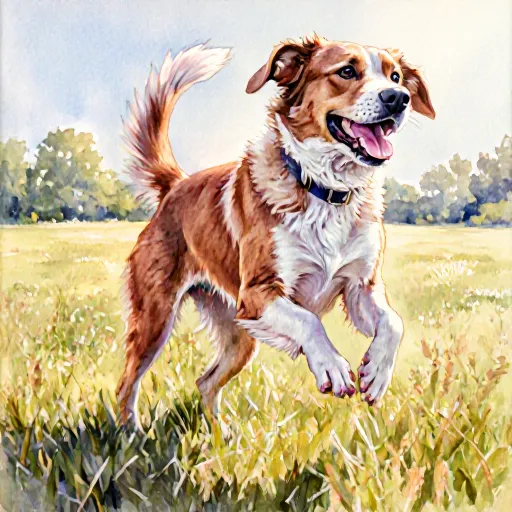
Unlocking Canine Communication: Decode Your Dog’s Signals
Decoding Dog Whisper: Their Hidden Messages Revealed
Table of Contents
- Understanding the Basics of Dog Body Language
- Ears: Expressing Emotions
- Tail: Tail Wagging and Its Meanings
- Facial Expressions: Reading Facial Cues
- Barking: Understanding the Different Types of Bark
- Posture: Standing and Sitting Positions
- Eye Contact: The Language of Eyes
- Grooming: Self-Comfort or Signaling Stress?
- Approach Behavior: Approaching a Stranger
- Play Behavior: The Differences in Play
- Aggression Signals: Recognizing Aggressive Behavior
- Relaxation and Comfort Signs
- Conclusion
- FAQs
- Common Misinterpretations
Understanding the Basics of Dog Body Language
Understanding dog body language is crucial for effective communication between humans and dogs. This knowledge helps pet owners interpret their pets' feelings, intentions, and needs accurately. The book "Understanding Dog Body Language: What They’re Telling You" by Turid Rugaas offers a comprehensive guide to this essential skill. Below are key aspects that will help you understand your dog better.
1. Ears
The position of a dog's ears can convey different messages:
- Topped upright: This indicates alertness or interest in the environment. It also shows readiness for action if necessary.
- Lowered and relaxed: This suggests calmness, submission, or friendliness.
- Flattened back against the head: This is a sign of fear or aggression, indicating that the dog feels threatened.
2. Mouth
The way your dog uses its mouth can tell you much about its current state:
- Baring teeth: This could be a sign of stress, anger, or threat. However, it might also be used playfully in games like tug-of-war.
- Closed lips with relaxed jaw: This expresses calmness and relaxation.
- Mouth open but not growling: Dogs often do this when they are feeling playful or curious.
3. Eyes
The eyes provide important clues about a dog's emotional state:
- Bright, focused gaze: This indicates attentiveness and interest in something specific.
- Large, round eyes: This could show fear or anxiety.
- Dilated pupils: This might indicate excitement or anticipation. However, it can also be a sign of stress when the dog is feeling anxious or scared.
4. Tail
The tail's position and movement are vital indicators:
- Tail wagging: The speed and height of a wag can differ in meaning:
- Medium to slow wag at the bottom: The dog is thinking or considering something.
- Rapid, high wag: Excitement or happiness.
- Low wag near the legs: This might indicate nervousness or submissiveness.
- Tail tucked: This shows fear and submission. The dog is feeling anxious or threatened.
- Tail between the legs: This also indicates fear, but it can sometimes be a sign of playful flirtation in certain breeds.
5. Body Position
The overall posture gives you an idea about how the dog is feeling:
- Lying down with belly exposed: This shows trust and submission, indicating that the dog feels safe around you.
- Sitting or standing with ears forward: Indicates interest in something or someone nearby.
- Hunched up: This posture suggests fear or discomfort.
Practical Advice for Interpreting Body Language
To better understand your dog's body language, it is essential to observe and interact with them regularly. Here are some tips from "Understanding Dog Body Language: What They’re Telling You":
- Observe consistently: Look for patterns in your dog's behavior over time.
- Be patient: Dogs may not always express themselves clearly, so give them time to communicate their needs and feelings.
- Stay calm: Your reactions can influence how your dog behaves. If you feel uncertain about what the dog is trying to say, stay calm to avoid adding stress or confusion.
- Learn from experts: Books like "Understanding Dog Body Language: What They’re Telling You" are valuable resources for learning more about this fascinating topic.
In conclusion, understanding your dog's body language is a key aspect of responsible pet ownership. By paying attention to these non-verbal signals, you can strengthen the bond between you and your furry friend while ensuring that both of you have a happy and healthy relationship.
Ears: Expressing Emotions
Understanding dog body language is crucial for effective communication between humans and their canine companions. One of the most expressive parts of a dog's body are its ears, which can convey a wide range of emotions depending on how they're positioned or moved.
The Meaning Behind Different Ear Positions
- Forward Ears: When your dog's ears are forward and slightly flattened against the head, this usually indicates excitement. Dogs often display this posture when they see their owner or during playtime.
- Alert Ears: Erect ears that point directly forward indicate alertness or interest in something. This can be seen when your dog is focused on a sound or a visual stimulus like another animal or person passing by.
- Laid Back Ears: When the ears are lowered and positioned close to the head, this typically signifies submission or relaxation. It’s common for dogs to adopt this posture during grooming or when they’re feeling calm in your presence.
Practical Advice for Training
Dog trainers often use a dog's ear position as an indicator of their emotional state, which can help in shaping behavior effectively. Here are some tips on how to read and respond accordingly:
- Forward Ears: If your dog’s ears are forward during training, they are likely eager and motivated. Use this opportunity to reinforce positive behaviors with treats or praise.
- Alert Ears: When the ears indicate curiosity, it's a good time to introduce new stimuli in a controlled manner. This could be another dog, toy, or a change in environment.
- Laid Back Ears: If your dog’s ears are low and close to their head during training, they might feel stressed. In this case, it's best to take a break from the session and offer reassurance.
Examples in Real-Life Scenarios
Scenario 1: Excitement at the Park
Your dog’s ears are forward as they see you approaching. This is a clear sign that they are excited to play. You can start their favorite game right away or offer a quick walk.
Scenario 2: Interest in a Sound
If your dog suddenly perks up and stands still with its ears alert, it might be hearing something interesting outside. This could be another animal barking or a loud noise passing by. In this case, observe the situation to see if there’s anything you need to address.
Scenario 3: Relaxation During Grooming
Your dog’s ears are laid back while being brushed. This is an indication that they feel calm and relaxed during this grooming session, making it a good time to continue the process.
Conclusion
The position of your dog's ears can be a powerful tool in understanding their emotional state. By paying attention to these subtle cues, you can better connect with your furry friend and provide appropriate care and training.
Tail: Tail Wagging and Its Meanings
Dog tail wagging is a crucial element of canine body language that provides valuable insights into a dog's emotional state, mood, and intentions. While it might seem like a simple action, the way a dog wags its tail can communicate complex messages to other dogs and humans alike. Understanding these signals not only fosters better communication between you and your pet but also ensures mutual respect and harmony in interactions.
Types of Tail Wagging
- Slow, Low Wag: A slow wag with the tail low indicates that the dog is feeling uncertain or anxious. This might be displayed when meeting a new person or dog. It's important to give your dog space and time to adjust in such situations.
- Fast, High Wag: Rapid wagging of the tail at a high position suggests excitement, happiness, and enthusiasm. This is typically seen during playtime or when greeting familiar individuals. However, it's essential to consider context; an overly excited dog might misinterpret signals if not handled appropriately.
- Sideways Wag: When the tail wags from side to side rather than up and down, this often indicates a more intense emotion, possibly fear or aggression. This behavior can sometimes be a precursor to a more aggressive stance. In such cases, it's advisable to avoid direct eye contact and approach cautiously.
Contextual Considerations
Tail wagging should always be interpreted in the context of other body language cues. For instance, a dog might wag its tail rapidly while standing stiff-legged and staring at another dog, which could indicate aggression rather than excitement.
Additionally, changes in posture—such as lowered ears or flattened fur—can modify the meaning behind a wagging tail. A dog that is relaxed with a gently wagging tail might be feeling playful, while the same tail movement paired with tense muscles and dilated pupils could imply a more anxious state.
Practical Advice for Dog Owners
- Observe Regularly: Pay attention to your dog's tail wagging over time. Consistent patterns can help you understand the nuances of your pet's behavior better.
- Train Responsively: Encourage positive interactions through training. Reward calm, happy wags and discourage anxious or threatening ones in a gentle manner.
- Manage Social Interactions: If you notice aggressive tail wagging during social encounters, consider introducing your dog to new experiences gradually, perhaps starting with short, supervised meetings.
In conclusion, understanding the nuances of tail wagging in dogs is an essential part of appreciating their emotional expressions. By observing and responding appropriately, you can enhance both your relationship and the overall welfare of your canine companion.
Facial Expressions: Reading Facial Cues
Just as human communication is enriched by facial expressions, dogs also use their faces to convey a wide range of emotions and intentions. Understanding dog body language is crucial for pet owners, trainers, and anyone who interacts with canines regularly. However, when it comes to facial expressions, there are specific nuances that set them apart from human cues.
Facial Movements in Dogs
Dogs communicate a variety of emotions through subtle movements around their eyes, mouth, and ears. Here’s how to interpret some common facial gestures:
- Ears: Ears that are forward or slightly back can indicate interest or relaxation, while pricked ears may signal alertness or aggression.
- Mouth: A dog's mouth can convey a range of emotions from happiness to aggression.
- A wide open mouth with the tongue out often indicates excitement or playfulness.
- An open mouth with teeth visible but not bared aggressively could signal a playful bite or anticipation of food.
- A bared lower jaw can be a sign of submission or fear, while an open mouth with lips pulled back slightly might indicate a warning or threat.
- Eyes: A dog’s eyes can reveal much about their emotional state.
- A wide-eyed stare may indicate fear, anxiety, or submission. However, it could also be a sign of intense interest or excitement in certain contexts.
- Blinking rapidly or closing the eyes might suggest relaxation or trust, while staring can mean dominance or challenge.
Example: If your dog’s ears perk up when you enter the room, they are likely happy to see you. Conversely, if their ears flatten against their head, it might suggest fear or submission.
Understanding Facial Cues vs. Whole Body Language
It's important to consider facial expressions in conjunction with other body language cues for a more accurate understanding of your dog’s emotional state:
- Paw Raised: A raised paw can be a sign of submission or playfulness, especially if the dog is wagging their tail. However, it could also indicate fear in some cases.
- Tail Position: The way your dog holds their tail can provide valuable context to their facial expressions. For example, a dog with its tail tucked between its legs while showing fearful eyes might be expressing submission or anxiety.
Practical Advice for Pet Owners
To better understand and respond appropriately to your dog’s facial cues:
- Observe consistently: Spend time watching your dog in different situations. Consistent observation will help you recognize patterns in their facial expressions.
- Stay calm: If your dog shows signs of fear or anxiety, try to remain calm and avoid sudden movements that might increase stress.
- Use positive reinforcement: Reward behaviors that you want to encourage, such as a relaxed facial expression when they meet new people or dogs. This will help them feel more comfortable in various situations.
By learning to read your dog’s facial expressions and integrating this knowledge with their overall body language, you can strengthen the bond between you and enhance their well-being.
Barking: Understanding the Different Types of Bark
Barking is a fundamental form of communication for dogs, and understanding it can provide insights into their emotional state, needs, or even health issues. Much like in Understanding Dog Body Language, barks can be categorized based on the context and intensity, offering clues to what your dog is trying to communicate.
1. Normal Barking
This type of bark is characterized by a relatively even sound with no particular variation in tone or pitch. It's used for general communication like calling out greetings or asking for attention. For instance, a dog might bark this way when it sees you at the door.
2. Excited Barking
When dogs are excited, their barks tend to be quick and high-pitched. This type of bark is often associated with joy or anticipation. You might hear this kind of bark if your dog greets you after a long absence or during playtime. It's an indicator that the dog is enthusiastic about something.
3. Alert Barking
Dogs use alert barks to indicate they've detected something unusual in their environment, like a person approaching or a noise. This bark tends to be slower and more drawn out than excited barks. It's your dog’s way of saying, "Hey, there might be something you should know about." This type of bark is crucial for dogs that act as sentinels or watchdogs.
4. Worried Barking
The worried bark can vary in pitch and volume but generally sounds more hesitant than other types. When a dog is worried, it might be due to fear or anxiety about something. For example, if your dog barks in a low tone when you leave for work, it could suggest that he feels lonely or scared.
5. Protective Barking
This bark is fierce and firm, used primarily as a form of protection. Dogs may use this type of bark to defend their territory or family from perceived threats. For instance, if you have a dog that barks loudly when strangers approach your house, it could be acting in defense.
Practical Advice
To understand and manage the different types of barking:
- Identify the context: Pay attention to what is happening around your dog when they bark. Is there a specific stimulus that triggers certain types?
- Provide outlets for normal barks: Ensure dogs have ample opportunities for activities like walking, playing, and socializing.
- Tutor the dog on quiet commands: Teach your dog to stop barking when asked with commands such as "quiet" or "enough."
Conclusion
Barking is a rich form of communication among dogs, offering various signals that can be interpreted based on context and tone. By learning the different types of bark, you enhance your bond with your dog and better understand their world. As in understanding dog body language, recognizing these nuances can improve both your relationship and the quality of life for your pet.
Posture: Standing and Sitting Positions
Understanding your dog's body posture is crucial for interpreting their emotional state, intentions, and overall well-being. Whether they are standing or sitting, certain postures can tell you a lot about how they're feeling and what they want to communicate.
When observing your dog’s standing position, it's important to note the stance and body orientation as these can indicate various emotions:
Playful Stance
A relaxed standing posture with a slightly lowered head and wagging tail suggests playfulness. This is often seen when your dog wants to engage in games or activities.
Aggressive Stance
An aggressive stance typically involves a high, rigid posture, a tense body, and possibly raised hackles (the hair along the back). The ears might be pricked forward, and the mouth could be open with teeth visible. This posture indicates that your dog feels threatened or is ready to defend themselves.
Defensive Stance
In a defensive stance, dogs may crouch slightly but keep their heads up and avoid direct eye contact. Their ears might be pinned back, and they could tuck their tails between their legs. This posture shows fear or submission and suggests that the dog is trying to appear smaller or less threatening.
Dog sitting positions can also convey different messages depending on how they sit:
Relaxed Sitting Posture
A relaxed sitting posture with a loose tail, wide eyes, and an open mouth is typically a sign of contentment. This stance indicates that your dog feels at ease and comfortable in their environment.
Tense or Alert Sitting Position
If your dog is sitting with tense muscles, a lowered head, and slightly raised hackles, they might be showing signs of alertness or readiness for action. This could indicate curiosity about something in the environment or anticipation of an event.
Submissive Sitting Posture
A submissive sitting posture involves the dog lowering their body close to the ground with a lowered head and ears. The tail might be tucked between their legs, and they may avoid making direct eye contact. This position is often used as a way of pacifying a dominant or aggressive dog.
To better understand your dog’s posture:
- Observe consistently: Notice patterns in their body language over time to identify what specific postures mean for your particular dog.
- Context is key: Consider the context in which you see these postures. For example, a relaxed sitting posture might be interpreted differently if observed during playtime versus when your dog is feeling stressed.
- Use training as a tool: If your dog frequently displays aggressive or defensive behaviors, consider consulting with a professional trainer to help manage and redirect these behaviors.
By paying close attention to the standing and sitting positions of your dog, you can foster a deeper bond and ensure that both you and your canine companion are in sync. This understanding also helps in creating an environment where your dog feels safe, happy, and secure.
Eye Contact: The Language of Eyes
Just as understanding dog body language is crucial for effective communication between humans and dogs, eye contact plays a significant role in human-to-human interactions. In both contexts, eyes are powerful tools that convey a wealth of information beyond mere sight.
Eye contact serves multiple purposes in human interaction, including expressing emotions, building trust, and establishing boundaries. Like dogs who use their eyes to signal friendliness or caution, humans also rely on this non-verbal cue to gauge intent and reaction.
Understanding Emotions Through Eye Contact
Humans often use eye contact to convey emotions such as interest, curiosity, affection, and even suspicion. For example:
- Soft eyes with a gentle gaze: Often seen during moments of tenderness or affection. This type of eye contact is similar to the way dogs will look at their owners with soft, loving eyes.
- Brief glances and quick shifts: Can indicate nervousness or discomfort—similar to when a dog looks away after making unexpected eye contact due to fear or anxiety.
The Role of Pupillary Dilation
Just as the dilation of a dog's pupils can signal interest, relaxation, or arousal, humans also exhibit changes in pupil size. Dilated pupils in humans might indicate heightened emotion, such as excitement or fear:
- Dilated pupils during conversation: Can suggest increased engagement and attention.
- Pupillary constriction: Might be a sign of discomfort or stress—similar to a dog’s instinctive reaction to something that feels threatening.
Bonding Through Eye Contact
Consistent, meaningful eye contact can help build trust and strengthen relationships. This is particularly true in professional settings where a leader needs to demonstrate empathy and approachability:
- Eye-to-eye connection during a presentation: Establishes credibility and invites engagement from the audience.
- Prolonged eye contact with a friend: Strengthens the bond, similar to how dogs maintain contact when they feel safe and secure with their pack members.
Educational Insights
In educational settings, understanding eye contact is vital for effective teaching. Teachers can use it to gauge whether students are following along or need additional help:
- Catching the teacher’s gaze: Students who feel seen and understood are more likely to engage with the material.
- Avoiding eye contact: Might indicate confusion or disengagement—similar to a dog that looks away from something it doesn’t understand.
Pitfalls of Overlooking Eye Contact
Failing to use or interpret eye contact can lead to miscommunication. In professional settings, this might result in misunderstandings:
- Ignoring a colleague’s gaze: Could be perceived as dismissive or uncaring.
- Overusing eye contact: Can come across as intimidating or overly assertive—similar to how dogs might react if stared at for too long by another dog that feels threatened.
PRACTICAL ADVICE
To enhance communication through eye contact:
- Practice intentional eye contact: Make a conscious effort to maintain and use eye contact appropriately in various social settings.
- Avoid staring or blinking too quickly: This can make the other person feel uncomfortable, similar to how dogs might react if their gaze is not returned properly.
- Use mirroring techniques: Echoing a person’s body language and eye contact can help build rapport and trust, much like how dogs mirror each other during play or bonding activities.
Grooming: Self-Comfort or Signaling Stress?
Understanding a dog’s body language is crucial for any pet owner. One common behavior that often puzzles owners is grooming, which can sometimes be mistaken as self-comfort and stress relief. However, there are nuances in how dogs groom themselves that can reveal more than just comfort.
Distinguishing Self-Comfort Grooming
Self-comfort grooming typically involves a dog licking or nibbling on areas like their paws or other body parts. This behavior is often seen when the dog is relaxed and content, similar to how humans might scratch an itch. For instance, if your dog starts grooming after returning home from a walk, it could simply be a way of relaxing after physical activity.
Grooming as a Stress Signal
However, excessive or unusual grooming can indicate stress or anxiety in dogs. This behavior is often more intense and persistent than typical self-comfort grooming. Dogs may lick, chew, or scratch excessively when they feel threatened, anxious, or uncomfortable.
A study by Understanding Dog Body Language: What They’re Telling You highlights that certain patterns of grooming can signal stress. For example:
- Excessive Licking: Dogs may lick their paws or other body parts excessively when they are feeling anxious or stressed. This behavior can sometimes be mistaken for a simple habit, but it often indicates underlying stress.
- Hair Pulling or Chewing: Dogs might pull out or chew on their fur if they are experiencing significant stress. This behavior is more common in dogs with longer coats and can lead to bald spots.
Practical Advice
To address potential stress-related grooming, it's essential to identify the root cause of your dog’s anxiety. Here are a few steps you can take:
- Evaluate Your Environment: Sometimes, changes in the environment or new stimuli can trigger stress. Ensure that your home is a comfortable and safe space for your pet.
- Provide Mental Stimulation: Engage your dog with toys or puzzles to keep their mind occupied. This can help reduce boredom, which often leads to stress.
- Consult a Professional: If the behavior persists, it may be time to consult a veterinarian or a professional trainer who specializes in behavior issues.
In summary, while some grooming behaviors are natural and comforting for your dog, others can be signs of stress. By understanding these differences, you can better support your pet’s well-being and ensure they feel secure in their environment.
Approach Behavior: Approaching a Stranger
When approaching a stranger, especially if you're bringing your dog to a new environment or introducing them to other dogs at the park, it's important to understand their body language. This understanding can help prevent unwanted confrontations and ensure both your dog and others feel comfortable.
Key Elements of Dog Body Language
- Ears: Ears forward indicate interest or excitement, while ears back suggest fear or aggression.
- If a dog's ears are perked up and facing the approacher, they might be curious about you. On the other hand, if their ears are flattened against the head, it could mean they feel threatened or anxious.
- Tail: A wagging tail is often seen as a sign of friendliness, but the speed and position can vary greatly.
- A slow, low wag generally indicates relaxation. However, a faster, higher wag can be associated with excitement or even nervousness.
- Posture: A relaxed posture shows confidence and friendliness. Stiff movements could signal stress or fear.
Approaching a Stranger Safely
If you're introducing your dog to strangers, it's crucial that the encounter is positive for both parties. Here are some practical tips:
- Allow Your Dog Time to Adjust: Give your pet time to observe the situation before approaching.
- If they show signs of fear or anxiety, such as cowering, hiding behind you, or avoiding eye contact, it's best to give them space and return another day.
- Use Leash Control: Keep your dog on a leash if you're unsure about their behavior. This gives you control over the situation.
Positive Interactions
If the initial approach seems positive, here's how to foster a good interaction:
- Praise and Treats: Positive reinforcement can make your dog feel rewarded for being social.
- Congratulate them with verbal praise and treats when they interact in a friendly manner. This reinforces the behavior you want to see.
- Avoid Forcing Interaction: Let your dog decide whether or not they want to interact.
Examples of Positive Encounters
Here are a few scenarios where understanding body language can make all the difference:
- Scared but Approaching: If your dog's tail is tucked and ears are back, they might be approaching out of curiosity despite feeling scared.
- Excited but Relaxed: A wagging tail at a moderate speed with relaxed posture suggests excitement without fear.
By paying close attention to your dog's body language and responding appropriately, you can ensure that both your pet and others feel safe and comfortable during encounters.
Play Behavior: The Differences in Play
Understanding dog play behavior is crucial for pet owners and enthusiasts alike. Dogs use play as a way to communicate, strengthen social bonds, and practice behaviors they will need later in life. However, not all play behaviors are the same, and recognizing these differences can help you better understand what your dog is trying to tell you.
Dogs often display clear signs that indicate they are ready to play. These include wagging tails, barking or vocalizing in a short burst, and moving their body in a manner that suggests excitement. For instance, if your dog is bouncing around you with a wagging tail, it could be inviting you to play.
Play can take many forms, ranging from high-energy games like fetching or chasing to more relaxed activities such as nuzzling and rolling. Each form of play has its own unique signals that dogs use to communicate their intentions:
- Bounding Play: This type of play is often characterized by a dog bounding around, jumping up, or moving quickly back and forth. It can be seen when your dog is excited about playing fetch or a similar game.
- Example: If your dog suddenly starts running in circles around you or jumps up and down while barking, it might want to play catch with you.
- Rolling Play: Dogs that are engaging in this type of play often roll over on their backs, exposing their belly. This is a sign of submission but can also be an invitation to play. If your dog rolls onto its back while playing, it’s showing you that they want to continue the game.
- Example: Your dog might roll over and look up at you with their belly exposed after finishing a round of fetch. They are signaling that they still want to keep playing.
- Nuzzling Play: This gentle form of play involves nudging or nuzzling with the nose, which can be used to initiate play or simply strengthen social bonds. It is often seen as a sign of affection and trust.
- Example: If your dog pushes its nose into your hand or body while looking up at you, it might be asking for attention or suggesting that it wants to play gently with you.
The context in which a dog plays can also provide clues about its intentions. For example, if your dog is playing with another dog, it might use specific signals like tilting its head or looking away to indicate that they are ready for a break from play. Similarly, if you’re playing fetch and the ball suddenly stops moving, your dog might give you a look of expectation, signaling that it wants the game to continue.
To ensure that play is positive and safe for both you and your dog:
- Observe closely: Always pay attention to your dog’s body language during play. Look for signs of playfulness or stress.
- Set boundaries: If the game becomes too rough, it's important to set a clear boundary by stopping the game and calmly waiting for a calmer moment.
- Provide alternatives: Offer alternative activities like tug-of-war (if safe) or interactive toys if your dog shows signs of becoming overly excited during playtime.
In conclusion, understanding the differences in play behavior is key to enjoying a healthy and fulfilling relationship with your dog. By paying attention to these signals, you can ensure that both you and your furry friend have a great time together!
Aggression Signals: Recognizing Aggressive Behavior
Understanding dog body language is crucial for pet owners and professionals alike, as it helps in recognizing when a dog may be feeling threatened or aggressive. Aggressive behavior can vary widely and often manifests through subtle signals that are easily overlooked. Recognizing these aggression signals early can prevent escalations into more serious incidents.
Common Aggression Signals
- Tense Body Posture: When a dog's muscles are tense, it indicates stress or anxiety. This can be seen in the form of arched back, stiff legs, and raised hackles (hair standing up along the spine).
- Bared Teeth: While baring teeth may seem aggressive, it could also mean that your dog is feeling fearful or stressed rather than hostile.
- Rapid Blinks: Frequent blinking or rapid eye movements can indicate a defensive stance. This should be taken seriously as it often precedes an attack.
- Holding the Tail Low: A tail held low between legs, especially if combined with other signs of stress like crouching, suggests submission and fear.
- Tail Between Legs: A common misinterpretation is that a dog with its tail between its legs is always feeling submissive. However, it can also indicate fear or anxiety, which might lead to aggression if not managed properly.
Contextual Understanding
Just like humans, dogs communicate based on context and environmental factors. For instance, a dog that is aggressive during walks but calm at home may be reacting to external stimuli such as other dogs or people. It's important to observe the environment in which you see your dog exhibiting these behaviors.
Practical Advice
- Stay Calm: Your dog can sense when you are stressed, so maintaining a calm demeanor is key during such situations. Avoid sudden movements and loud noises that could escalate the situation.
- Redirect Attention: If your dog starts showing signs of aggression towards another pet or person, try to redirect its attention onto something positive like food treats or toys. This can help distract from whatever is causing the stress.
- Consult a Professional: If you notice persistent aggressive behavior that doesn't seem to be related to immediate external triggers, it might be best to consult with an animal behaviorist or trainer who specializes in aggression issues. They can provide personalized advice and solutions tailored specifically for your dog's needs.
- Consistent Training: Regular training sessions focusing on positive reinforcement can help build a strong bond between you and your pet, improving overall obedience and reducing stress-related behaviors.
By being aware of these aggression signals and understanding their underlying causes, you can take proactive steps to manage and reduce aggressive behavior in dogs. Remember that every dog is unique, so what works for one may not work for another. Patience and consistency are key when dealing with any behavioral issues.
Relaxation and Comfort Signs
Dogs are wonderful companions, but they also have a language all their own. Understanding your dog's body language is crucial to ensure that both you and your pet are comfortable in each other’s company. One key aspect of this understanding involves recognizing the signs that indicate relaxation and comfort. When dogs feel at ease, it can be quite easy to miss these subtle signals amidst busy or stressful environments. Here’s a deeper look into what these signs might mean:
Relaxed Posture
A dog's posture is one of the first clues you have about its state of mind. A relaxed stance typically includes loose muscles, a slightly arched back (not tense), and a tail that moves gently from side to side or hangs loosely by their legs.
Example: Imagine your dog lying down with a soft, open posture. This could be an indicator of contentment and trust in its environment. It might even wag its tail slowly as it enjoys the moment.
Gentle Ear Movement
Your dog’s ears also play a significant role in conveying their emotional state. When dogs feel relaxed, they often have their ears at a comfortable position—not too high or too low—and they might slightly move them when listening to you.
Example: If your dog has its ears perked up and swivels them gently towards you as it listens attentively to a command, this could be an indication of comfort combined with focus. However, if the ears are flat against the head or pinned back, they may feel threatened.
Sleepy Eyes
Just like humans, dogs can express relaxation through their eyes. When a dog is feeling comfortable and at ease, its eyes will be soft rather than wide open in alertness. They might close one eye partially or squint gently.
Example: A dog that has closed one eye while resting could be demonstrating both relaxation and contentment. This is a sign that your dog feels safe enough to let its guard down just a little bit.
Mouth Open or Closed
The position of the mouth can also tell you whether your dog is feeling relaxed or on edge. A fully open mouth with lips pulled back could indicate playfulness, but it might also be an expression of stress or anxiety if combined with other tense signals.
On the other hand, a closed mouth with slightly parted lips in a gentle curve often indicates that your dog is feeling calm and at ease. This is commonly seen when dogs are enjoying some quiet downtime.
Mouth Wiping
Some dogs have the habit of wiping their mouths on various objects or even people, which can be an interesting sign of relaxation. It might also indicate that they're feeling secure and content in their environment, suggesting a sense of comfort.
Example: If you notice your dog rubbing its face against the couch or your leg after a walk, it could mean it’s looking for some affection but is also in a state of relaxed happiness. This behavior can be a sign that your dog feels safe enough to feel comfortable with its surroundings.
Approach and Greeting
A relaxed and friendly greeting from your dog is another clear indicator that it’s feeling at ease. Instead of running up to you in an overexcited manner, a dog showing comfort might approach you calmly or even sit beside you before moving closer for petting.
Example: A dog that walks up to you with its tail wagging gently and nose outstretched for a pat is likely feeling relaxed. This behavior shows trust and contentment, indicating it feels comfortable enough in your presence to be affectionate without being overly anxious or aggressive.
Conclusion
Recognizing these signs of relaxation and comfort can significantly enhance the bond between you and your dog. By paying attention to their body language, you’ll not only improve your understanding but also better respond to their needs, ensuring that both you and your pet enjoy a harmonious living environment.
Conclusion
Understanding dog body language is crucial for pet owners to communicate effectively and ensure the well-being of their canine companions. This knowledge extends beyond just recognizing a wagging tail or growling; it encompasses a wide range of signals that dogs use in various contexts, from greeting their human family members to interacting with other animals.
- Tail Position: While a wagging tail can indicate happiness or excitement, its position provides additional context. A high, straight-up tail often signals confidence and playfulness, whereas a low, tucked-in tail can suggest fear or submission. However, it's essential to consider the overall body posture along with the tail movement.
- Example: When meeting new people or dogs, if your dog's tail is high but slightly curved at the tip and their ears are forward, they might be eager to play. On the other hand, if the tail is low and tucked between legs while ears flatten back, it could indicate anxiety.
- Ears: The position of a dog's ears can tell you whether your furry friend is curious or scared. Erect ears point to interest or alertness, while flattened ears suggest fear or stress.
- Example: A dog with slightly forward and open ears might be curious about a new sound. However, if their ears are pinned back tightly against the head, it's best to interpret this as a sign of extreme discomfort or fear.
- Mouth: Teeth Baring vs. Lips Pulling: A dog showing its teeth can range from a friendly gesture to an aggressive one, depending on the context and other body signals. For instance, a relaxed mouth with slightly open lips might indicate playfulness, while clenched jaws or teeth bared in a snarl suggest fear or aggression.
- Example: During playtime, if your dog has its mouth wide open and tongue hanging out, it's most likely inviting you to join the fun. However, during a tense situation with another dog, if only the front teeth are exposed with lips pulled back, this could be seen as a warning rather than playful behavior.
Knowing how to read your dog's body language can help in several practical ways. It allows you to anticipate their needs, recognize signs of stress or discomfort early, and respond appropriately. For example:
- Identify Signs of Stress: If your dog starts panting heavily when visiting the vet, it may indicate fear or anxiety. In such cases, taking a break or providing comfort through petting and reassurance can be beneficial.
- Recognize Playfulness: Dogs often display signs of playfulness that are not always obvious to non-experts. For instance, they might start rolling on their back with legs in the air, showing trust and inviting you to play. Understanding these signals helps in creating a more engaging environment for your pet.
- Avoid Misinterpretation: Sometimes, what seems like aggression could be due to confusion or lack of understanding from the dog's side. By providing clear instructions and positive reinforcement during training sessions, you can help prevent such misunderstandings.
In conclusion, "Understanding Dog Body Language: What They’re Telling You" offers valuable insights into decoding these complex signals. Remember that every dog is unique, so what works for one might not apply to another. By paying close attention and practicing patience, you can strengthen the bond between you and your beloved companion.
FAQs
Q: Why is understanding dog body language important?
Understanding dog body language is crucial for effective communication between humans and their canine companions. It helps in interpreting a dog's emotions, intentions, and physical well-being accurately. Misinterpreting these signals can lead to misunderstandings or even dangerous situations.
Q: What are the key elements of dog body language?
The key elements include:
- Ears: The position and movement of a dog's ears can indicate their mood. For example, flattened or pinned-back ears often signal fear or aggression.
- Tail: A wagging tail does not always mean happiness; it can also convey other emotions like uncertainty or threat.
- Mouth and Teeth: A dog showing its teeth could be a sign of warning, especially if the lips are pulled back to expose more teeth than usual. However, relaxed mouths with slightly open jaws suggest friendliness.
- Body posture: Crouched or low postures can indicate submission or fear, while stiff-legged stances may show aggression.
Q: Can you give an example of how to interpret a dog's body language?
Imagine your dog is sitting in front of the door with its tail between its legs. This could mean that it feels anxious or scared about going outside, perhaps due to past experiences.
Q: How can I improve my ability to understand dog body language?
To enhance your skills:
- Observe your dog regularly in various situations to familiarize yourself with its normal behaviors.
- Read books or articles on the subject like "Understanding Dog Body Language: What They’re Telling You" for comprehensive insights.
- Join a training class where you can learn more about interpreting signals and interact with other dogs in safe settings.
Q: What should I do if my dog is displaying concerning body language?
If your dog displays signs of aggression or fear that are concerning:
- Stay calm and avoid sudden movements around the dog.
- Avoid direct eye contact, which can be perceived as challenging by some dogs.
- Call a professional trainer for advice on managing and addressing these behaviors safely.
Q: How does understanding dog body language help in training?
Understanding your dog’s body language during training can:
- Help you recognize when the dog is ready for a break or is stressed.
- Aid in identifying positive reinforcement moments that make training more effective and enjoyable for both you and your dog.
- Enhance trust between you and your pet, leading to better cooperation during exercises.
Q: Is it possible for dogs to understand human body language?
Dogs are indeed sensitive to human body language. They can often recognize when a person is happy, upset, or calm through changes in posture and facial expressions. This ability helps them respond appropriately to different situations.
Common Misinterpretations
Understanding dog body language is crucial for effective communication and bonding between humans and their canine companions. However, several common misinterpretations can lead to misunderstandings and strained relationships if not addressed. Here are some of the most prevalent ones:
Misinterpreting Calmness as Disinterest
Many people mistakenly assume that a calm dog is uninterested or bored. In reality, a relaxed posture does not always indicate disengagement; instead, it can signify relaxation and contentment. A dog that appears calm may be feeling comfortable enough to focus on other activities around them. Misinterpreting this as disinterest could lead to the owner reducing interaction time, which is counterproductive for training and bonding.
Ignoring Subtle Signals
Dogs use a wide array of signals to communicate, some of which are quite subtle. For instance, a slight tilt of the head or a quick glance away can indicate confusion or discomfort. Ignoring these small signs can result in miscommunication and even escalate into more significant issues. Practicing attentiveness to all forms of body language will help in accurately interpreting your dog's feelings.
Assuming All Wagging Tails Are Happy
A wagging tail is often seen as a sign of happiness, but it can also indicate other emotions such as stress or frustration. For example, a low, rapid wag may signal excitement and joy, whereas a high, stiff tail indicates anxiety or aggressiveness. Understanding the context in which your dog's tail wags will help you better interpret their emotional state.
Confusing Calmness with Submission
Sometimes, dogs appear calm due to submission rather than comfort. A submissive posture can include flattened ears, lowered head, and a crouched body stance. Misreading this as calm or relaxed could lead the owner to interpret the dog’s signals incorrectly, potentially leading to unnecessary stress for both parties.
Overlooking Changes in Posture
Changes in posture can indicate significant shifts in a dog's mood or state of mind. For instance, a sudden shift from a relaxed stance to a tense one might signal that the dog is feeling threatened or anxious. Recognizing these changes early on allows for timely intervention and prevents potential negative outcomes.
Ignoring Ear Positioning
The position of a dog's ears can provide insight into their current mood. For example, perked-up ears may indicate alertness or interest, while flattened ears might suggest discomfort or fear. Paying attention to ear positioning helps in understanding the dog's emotional state and adjusting interactions accordingly.
Misinterpreting Panting as Anxiety
Panting is a natural way for dogs to regulate their body temperature, but it can also be used as an expression of excitement or stress. Excessive panting should not automatically be considered a sign of anxiety; rather, it could indicate high energy levels or heat discomfort. Understanding the context in which your dog pants will help you provide appropriate care and support.
Assuming All Growling Is Aggression
Dogs growl for various reasons, not all of which are aggressive. A growl can sometimes be a warning signal used to express discomfort or fear rather than an intention to harm. Misinterpreting every growl as aggression could lead to over-reaction and potentially escalate the situation.
Ignoring Scent Signals
Scent plays a significant role in a dog's communication, yet many people overlook it. Dogs use their sense of smell to convey information about their environment, health, and mood. Ignoring these scent signals can lead to missed opportunities for bonding and understanding.
Understanding these common misinterpretations is key to effective communication with your dog. By paying close attention to all aspects of body language and context, you can enhance your relationship and provide the best care possible.
Categories
- AI & Enrichment Play
- Broiler Farming
- Broiler Farming Tips
- Canine Wellness & Longevity
- Cat
- Cat & Human Connection
- Cat Adoption & Rescue
- Cat Breeds
- Cat Breeds & Personalities
- Cat Care & Health
- Cat Grooming & Hygiene
- Cat Lifestyle & Environment
- Cat Myths & History
- Cat Nutrition & Diet
- Cat Products & Reviews
- Cat Training & Behavior
- Comparison
- Consumer Awareness
- Dog
- Dog Accessories & Products
- Dog Adoption & Rescue
- Dog Breed & Lifestyle Trends
- Dog Breeding & Puppies
- Dog Entertainment & Media
- Dog Fashion & Trends
- Dog Fun & Lifestyle
- Dog Grooming & Hygiene
- Dog History & Culture
- Dog Myths, Science & Future Tech
- Dog News & Trends
- Dog Nutrition & Food
- Dog Psychology & Emotions
- Dog Safety & Security
- Dog Sports & Activities
- Dog Technology & Innovation
- Dog Training for Modern Owners
- Dog Travel & Adventure
- Dog Travel, Adventure & Culture
- Economic and Market Insights
- Educational Content
- FAQs
- Feeding Alternatives
- Festivals & Seasonal Ideas
- Fun & Entertainment
- General Knowledge
- General Pig Farming
- Health & Disease Management
- Housing and Environment
- Kittens
- Market Insights
- Miscellaneous
- Miscellaneous
- Motivational
- pig
- Pig Breeding
- Pig Breeds
- Pig Farming Stories and Inspiration
- Pig Health and Care
- Pig Nutrition
- Pig Products
- Profitability & Business
- Puppy Care
- Puppy Predictable Topics Reinvented
- Regional Focus
- Rescue & Adoption Buzz
- Senior Cats
- Senior Dog Care
- Smart Dog Tech & Gadgets
- Sustainability
- Sustainable & Eco-Friendly Dog Products
- Tech & Innovations
- Working & Service Dogs
- Broiler Feed66 products
- Country Feed33 products
- Pig Feed66 products
- Product22 products
- Raw Materials99 products
Products
-
 Fish Meal
₹1,999.00 – ₹2,999.00Price range: ₹1,999.00 through ₹2,999.00Rated 0 out of 5
Fish Meal
₹1,999.00 – ₹2,999.00Price range: ₹1,999.00 through ₹2,999.00Rated 0 out of 5 -
 FATTENING BROILER FEED
₹2,299.00 – ₹2,349.00Price range: ₹2,299.00 through ₹2,349.00Rated 0 out of 5
FATTENING BROILER FEED
₹2,299.00 – ₹2,349.00Price range: ₹2,299.00 through ₹2,349.00Rated 0 out of 5 -
 LAYER COUNTRY FEED
₹1,549.00 – ₹1,649.00Price range: ₹1,549.00 through ₹1,649.00Rated 0 out of 5
LAYER COUNTRY FEED
₹1,549.00 – ₹1,649.00Price range: ₹1,549.00 through ₹1,649.00Rated 0 out of 5 -
 COUNTER BROILER FEED
₹1,199.00 – ₹1,299.00Price range: ₹1,199.00 through ₹1,299.00Rated 0 out of 5
COUNTER BROILER FEED
₹1,199.00 – ₹1,299.00Price range: ₹1,199.00 through ₹1,299.00Rated 0 out of 5 -
 LACTATING PIG FEED
Rated 0 out of 5
LACTATING PIG FEED
Rated 0 out of 5₹2,299.00Original price was: ₹2,299.00.₹1,740.00Current price is: ₹1,740.00. -
 Maize
Rated 0 out of 5
Maize
Rated 0 out of 5₹1,650.00Original price was: ₹1,650.00.₹1,300.00Current price is: ₹1,300.00. -
 GESTATION PIG FEED (Phase 1)
Rated 0 out of 5
GESTATION PIG FEED (Phase 1)
Rated 0 out of 5₹2,249.00Original price was: ₹2,249.00.₹1,699.00Current price is: ₹1,699.00. -
 Pre Starter Broiler Feed
₹2,399.00 – ₹2,499.00Price range: ₹2,399.00 through ₹2,499.00Rated 0 out of 5
Pre Starter Broiler Feed
₹2,399.00 – ₹2,499.00Price range: ₹2,399.00 through ₹2,499.00Rated 0 out of 5 -
 FINISHER PIG FEED
Rated 0 out of 5
FINISHER PIG FEED
Rated 0 out of 5₹2,299.00Original price was: ₹2,299.00.₹1,749.00Current price is: ₹1,749.00. -
 Broiler Premix
Rated 0 out of 5
Broiler Premix
Rated 0 out of 5₹820.00Original price was: ₹820.00.₹699.00Current price is: ₹699.00.