
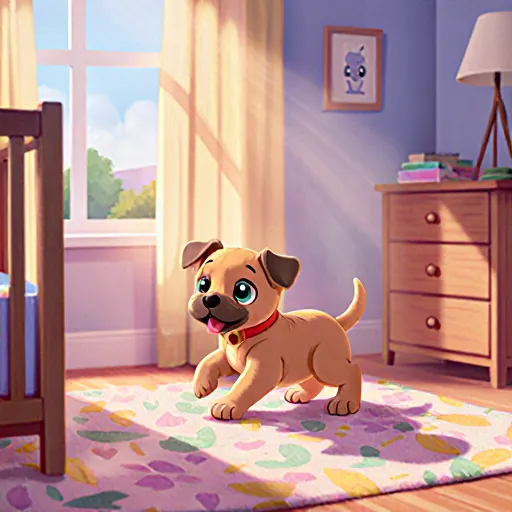
Unlock Your Pup's Early Mysteries in Just One Week!
The Hidden Secrets of a Pup's First Week
Table of Contents
- Preparing for Your Puppy's Arrival
- Setting Up a Safe and Comfortable Space
- Understanding Basic Commands: Week One
- Establishing a Routine
- Nutritional Needs for Your Puppy
- Hygiene and Grooming Basics
- Socializing with Family Members
- Introducing Your Puppy to Other Pets
- Handling the First Night Home
- Playtime and Mental Stimulation
- Veterinary Care: Your Puppy's Check-ups
- Behavioral Issues to Watch For in the First Week
- Training Tips for a Happy Home
- Conclusion
- FAQs
Preparing for Your Puppy's Arrival
The first week of bringing your new puppy home is a crucial time. This period sets the foundation for your puppy’s behavior, health, and happiness in its new environment. Proper preparation ensures that both you and your puppy have an easier transition into this new chapter together.
Setting Up the Right Environment
Your puppy needs a safe and comfortable space to call home during the first week. This involves setting up a cozy area in your house or apartment where it can relax, eat, and sleep without feeling overwhelmed by other pets or family members.
- Bedding: Provide soft blankets or a dog bed for your puppy to rest on. Make sure the bedding is clean and easily washable.
- Eating Area: Set up a feeding station where food and water bowls can be placed. Ensure it’s in a quiet area with minimal distractions.
- Toilet Training Area: Identify an appropriate spot for your puppy to eliminate. Puppies often have small bladders and need to go outside frequently, so this area should be easily accessible.
Establishing a Routine
A consistent routine helps puppies feel secure and reduces stress. Try to maintain the same feeding times, walking schedules, and playtimes each day.
- Daily Feeding: Feed your puppy 2-3 meals per day depending on its age and breed. Always ensure fresh water is available.
- Walks: Take your puppy out for short walks multiple times a day to encourage potty training and physical activity.
- Traffic Control: Keep an eye on your puppy’s interactions with other pets, children, or visitors. Supervise closely during these interactions.
Introduction to House Rules
Your puppy needs to understand and adapt to the rules of your home quickly. This includes basic training like not jumping on furniture, staying in a designated area when you’re busy, etc.
- No Jumping: Teach your puppy not to jump up on people by redirecting its energy towards appropriate actions like sitting or pawing gently.
- Quiet Areas: Establish quiet areas in the house where your puppy can relax and feel safe away from high traffic zones.
- No Biting: Puppies often explore their environment through biting, but it's crucial to teach them that human skin is not a toy. Use alternative chew toys instead of redirecting their behavior harshly.
Building Trust and Bonding
The bond you establish with your puppy during the first week will have lasting impacts on its development. Spend quality time engaging in activities that build trust, like playing games or simply petting it after a walk.
- Playtime: Engage in interactive play sessions to stimulate both mentally and physically. Toys such as kongs filled with treats can keep your puppy entertained.
- Petting and Grooming: Regularly petting your puppy while talking softly helps it associate your touch with positive experiences.
- Socialization: Expose your puppy to various sounds, smells, and people in a controlled manner. This helps build confidence and reduces the likelihood of fear-based aggression later on.
Seeking Professional Advice
Every puppy is unique, and what works for one may not suit another. If you encounter any behavioral issues or have specific concerns about your puppy’s health, don’t hesitate to consult a veterinarian or a professional dog trainer.
- Veterinarian: Regular check-ups are essential to ensure that your puppy is growing and developing properly.
- Dog Trainer: Professional trainers can provide personalized advice on training methods, socialization techniques, and dealing with specific issues like barking or chewing.
In summary, the first week of a puppy’s life at home is about creating a safe environment, establishing routines, teaching basic house rules, building trust, and seeking professional help when needed. By following these steps, you can ensure that your new puppy has a positive start in its journey with you.
Setting Up a Safe and Comfortable Space
During a puppy's first week at home, it is crucial to set up a safe and comfortable space that will help them feel secure and reduce stress. This environment should be free from any potential hazards or distractions that might cause harm or anxiety for the young animal.
Create a Dedicated Area
Designate a specific area of your home as the puppy’s “safe space.” This could be a small room, a corner of a larger room, or even a portion of a kennel. The key is to create an environment that is calm and quiet.
- Comfortable Bedding: Provide soft bedding such as a plush mat or a cozy blanket. This will make the space inviting and comfortable for your puppy.
- Toy Collection: Introduce toys that are appropriate for puppies, ensuring they are chew-proof to prevent ingestion of small parts. Toys not only entertain but also provide mental stimulation which is essential during their early stages.
- Water and Food Bowl: Place these items in an easily accessible location within the designated area. Make sure the water bowl is clean and fresh at all times, and the food bowl contains a suitable diet for puppies as recommended by your veterinarian.
Maintain Consistent Routine
A consistent routine helps in establishing boundaries and making life predictable for both you and your puppy. During this initial period, try to stick to a regular schedule for feeding, potty breaks, playtime, and sleeping.
- Feeding Schedule: Feed the puppy at specific times each day. For newborn puppies, feeding should occur every 2-3 hours. As they grow older, this interval can be extended to every 4-6 hours for younger puppies and up to 8 hours as they mature.
- Potty Training: Take the puppy outside frequently, especially after meals or naps. Puppies need to learn that eliminating is not acceptable in their sleeping area. Be patient and consistent with this process.
- Playtime: Allocate time for play each day. Playful interactions can help strengthen your bond while also promoting physical development.
Minimize Distractions
The first week is a critical period for the puppy to adjust to its new environment. Minimizing external stimuli and keeping the home environment quiet and peaceful will aid in this process. Here are some tips:
- Reduce Noise: Loud noises or sudden changes can be frightening for puppies. Keep noise levels low during their first week at home.
- Maintain Calmness: Avoid overly stimulating activities like guests visiting frequently or loud music playing. These distractions may overwhelm the puppy and lead to stress.
Monitor and Adapt
Every puppy is unique, so it's important to monitor their behavior closely during this time. If you notice signs of distress such as excessive crying or hiding away, reassess your environment and make necessary adjustments.
- Adjust as Needed: Be open to adjusting the setup based on how well the puppy responds to different aspects of their new space. The goal is to ensure they feel safe and comfortable in their environment.
Conclusion
Setting up a safe and comfortable space for your puppy’s first week at home is essential for their well-being and development. By creating an inviting, routine-based environment free from distractions, you can help ensure that this transition period goes smoothly.
Understanding Basic Commands: Week One
In the first week of your puppy's life at home, it is crucial to understand and start implementing basic commands that will lay a solid foundation for training. These initial steps are essential not only for obedience but also for building trust between you and your new pet. Let’s delve into some key commands and tips on how to effectively teach them during this critical period.
The "sit" command is one of the easiest and most fundamental commands to teach your puppy. It helps establish control over your pup's movements, which can be particularly useful in preventing unwanted behaviors like jumping on people or furniture. Here’s how you can introduce this command:
- Have treats ready. Treats are a powerful motivator for puppies and will help them learn faster.
- Stand behind your puppy. Hold the treat above their nose, and gradually move it up and back over their head, which will encourage them to sit. As soon as they do, immediately say "sit" and give them the treat.
- Praise! Positive reinforcement is key in training puppies. Praise your pup when they follow the command correctly.
An example of a successful session might look like this: You stand behind your puppy with a treat, move it up and back over their head, and as they sit, you say "sit" followed by a cheerful "good boy!" or "good girl!"
The "stay" command teaches your puppy to hold the position you instruct them to keep for a short period of time. This can be particularly useful in preventing accidents and ensuring safety during walks.
- Start with "sit." Ensure your puppy is comfortable following this basic command before moving on.
- Hold out your hand palm up. Say, "stay," and take a few steps away from the puppy. If they stay in place, return quickly and give them a treat and praise.
- Gradually increase distance. As your puppy becomes more comfortable with the command, gradually increase the distance between you and your pup while they are in the "stay" position. Always reward correct behavior promptly.
Be patient during training sessions for this command as it may take longer to master than “sit.” Consistency is key here—repetition will reinforce the concept over time.
The "come" command can be a life-saver in various situations, but it also takes practice and repetition for your puppy to fully understand and respond correctly. Here’s how you can teach this essential command:
- Use a happy voice. Dogs are sensitive to tone, so saying "come" with enthusiasm helps convey that it's not an order but more of a welcome home!
- Create a positive association. Use treats or playtime as rewards for coming when called. This makes the experience enjoyable rather than scary or frustrating.
- Catch your puppy’s attention first. Call their name before saying "come" to ensure they know it's you who is calling them. This also helps prevent confusion and potential safety issues.
Remember, consistency is vital in training puppies. Make sure all family members are using the same commands when teaching your puppy; this ensures that your dog understands exactly what is expected of them regardless of who is interacting with them.
The "down" command teaches your puppy to lie down in a controlled manner, which can be especially useful during long walks or when you need quiet time at home.
- Lure with treats. Hold the treat near your puppy’s nose and slowly move it towards their chest. As they follow the treat, gently push them down until they are in a lying-down position. Once they're down, immediately say "down" followed by praise and a treat.
- Use body language to guide. If your puppy is resistant or doesn’t understand right away, using hand signals like placing your hand flat on the floor can help them follow along more easily.
Training sessions for "down" should be kept short and sweet. Dogs learn better when they are not tired or stressed out; therefore, ending with a successful training session leaves them feeling accomplished rather than overwhelmed.
- Short sessions. Keep each training session brief—no more than five minutes at a time. This keeps your puppy engaged and prevents boredom or frustration.
- Consistent timing. Always follow the command with praise and treats immediately after success. Puppies learn quickly through positive reinforcement, so consistency here is crucial.
- Be patient. Every puppy learns at their own pace. Some may grasp these commands quicker than others, but all puppies can be taught to respond effectively given enough time and effort.
Establishing a Routine
During a puppy's first week at home, establishing a routine is crucial for their overall well-being and development. This period is critical as puppies are still learning about their new environment and need consistent care to ensure they grow into healthy pets. Here’s how you can establish a routine that will benefit your puppy during this important time.
1. Feeding Schedule
Puppies have small stomachs, so it's essential to feed them regularly to provide the energy and nutrients they need for growth and development. The feeding schedule should be adjusted based on the age of your puppy. For example:
- 8-12 weeks: Feed 3-4 times a day
- 12-16 weeks: Reduce to 3 meals a day
- After 16 weeks: Switch to two meals a day
Make sure the food you choose is suitable for puppies and contains all necessary nutrients. Always have fresh water available.
2. Potty Training
Puppies are unable to hold their urine and feces for long periods, so establishing a potty routine early on is key. Take your puppy outside every 1-2 hours or after meals, naps, and playtime. Here’s how you can make the process easier:
- Take them to the same spot each time.
- Praise them for going potty but avoid giving treats until they fully understand the concept of potty training.
- If they accidently have an accident inside, don't punish them. Instead, clean up the mess with a solution that removes pet odors and take them outside immediately to finish their business.
3. Playtime and Exercise
Puppies need exercise to burn off excess energy which helps in preventing destructive behaviors. However, it's important not to over-exercise your puppy as they are still growing:
- For 8-12 weeks old puppies: 15-20 minutes of playtime.
- For 12-16 weeks old puppies: Increase this time gradually, but avoid excessive exercise that could harm their developing bones and joints.
4. Rest and Sleep
Your puppy will need plenty of rest to recover from the excitement and activities of a new home. Puppies should sleep for 12-16 hours each day, but they may take short naps throughout the day as well:
- Keep their sleeping area quiet and comfortable.
- Avoid waking them up too abruptly during their naps to help them adjust to new sounds in your home.
5. Socialization
Socializing your puppy early is essential for their development into a well-behaved adult dog:
- Take them to safe places where they can meet other friendly puppies and dogs.
- Introduce them to different people, including children and adults of various ages.
- Expose them to a variety of sounds, sights, and smells so that they become accustomed to the world around them.
By following these steps during your puppy's first week at home, you are setting the foundation for a happy, healthy, and well-socialized dog. Remember, consistency is key when establishing routines with your new puppy. Patience and positive reinforcement will go a long way in helping both of you adjust to this exciting time.
Nutritional Needs for Your Puppy
During a puppy's first week at home, ensuring that their nutritional needs are met is crucial for their growth and development. Proper nutrition helps support their immune system, bone structure, brain function, and overall health. Here’s how you can meet these requirements:
Understanding Basic Nutritional Needs
Puppies have specific dietary needs that differ from adult dogs. During the first week at home, they require high-quality puppy food formulated for growth. Puppy food is rich in essential nutrients such as protein, fat, vitamins, and minerals that are vital during this critical period of development.
Protein Requirements
Protein is a key component for muscle development and repair. A puppy’s first week at home is crucial because they are rapidly growing. Ensure the food you provide contains high-quality animal proteins, as these are more easily digestible than plant-based proteins.
Fat Content
Healthy fats support brain development and energy production. Puppy diets should contain a higher percentage of fat compared to adult dog foods, but it should be balanced with other essential nutrients. Avoid overfeeding fatty treats as this can lead to health issues such as obesity.
Vitamins & Minerals
Puppies require specific vitamins and minerals that are critical for bone growth, heart function, immune system development, and vision. Calcium is especially important during the first few weeks when rapid bone growth occurs. Ensure your puppy’s diet includes all necessary vitamins and minerals.
Hydration
Water is essential for a puppy's overall health. In addition to their food, provide fresh water at all times. Puppies can dehydrate quickly due to the rapid growth and activity levels. Encourage them to drink by placing water bowls in multiple locations around your home.
Transitioning to Solid Food
If you are transitioning your puppy from milk or formula feeding to solid food, do so gradually over a few days. Start with small amounts of puppy-specific food mixed with warm water until they can eat it as is. This helps their digestive system adjust smoothly.
Portion Control
Overfeeding during the first week at home can lead to health issues like obesity, which can affect your puppy's life expectancy and quality of life later on. Follow feeding guidelines provided by the manufacturer of the food you choose. Adjust as necessary based on your puppy’s activity level and growth rate.
Supplements
In some cases, veterinarians may recommend adding supplements to a puppy's diet to ensure they receive all necessary nutrients. Always consult with your vet before starting any new supplement regimen.
Observing Your Puppy’s Health
Closely observe your puppy for signs of proper nutrition such as shiny coat, active behavior, and healthy weight gain. If you notice any unusual behaviors or symptoms, contact your veterinarian immediately.
By providing a balanced diet rich in all necessary nutrients during the first week at home, you set your puppy up for a strong, healthy life. Remember that proper nutrition is just one part of comprehensive care; ensure your puppy also receives plenty of love and attention as they adjust to their new environment.
Hygiene and Grooming Basics
Welcome to your new puppy! The first week is a crucial time as you both adjust to the routine. Proper hygiene and grooming are essential during this period to ensure your puppy stays healthy and comfortable. Here’s what you need to know:
Daily Care Essentials
- Feeding Schedule: Establish a feeding schedule that fits your puppy's breed and age. Puppies typically need more frequent feedings than adult dogs, usually every 2-3 hours.
- Water Supply: Always keep fresh water available in a clean bowl. Change the water at least once a day to avoid bacteria growth.
- Cleanliness: Clean your puppy's living area daily, including its food and water dishes. This helps prevent the spread of germs and keeps your puppy safe from parasites or illnesses.
Hygiene Practices
Good hygiene practices are key to maintaining a healthy environment for both you and your puppy:
- Bathroom Breaks: Take your puppy outside frequently, especially after eating or drinking. Puppies have small bladders and will need to go often.
- Cleaning Up Poop: Use a poop scooper to clean up any messes promptly. This helps prevent health issues like worms and keeps the environment clean.
- Personal Hygiene: Wash your hands before handling your puppy to avoid transferring germs or bacteria. It's also important for everyone in the household to maintain good hygiene practices.
Grooming Tips
Your puppy’s coat is its armor against the elements, so you need to start grooming early:
- Brush Regularly: Depending on your puppy's breed, brushing can help prevent matting and promote healthy skin. For example, long-haired breeds like Malteses might require daily brushing.
- Bath Time: Bathe your puppy only when necessary to avoid stripping the natural oils from its coat. Shampoos made specifically for puppies are safer than human shampoos. Always rinse thoroughly and dry completely after a bath.
Health Checks
During this period, it's crucial to monitor your puppy’s health:
- Vet Visits: Schedule regular check-ups with the vet during this time. Puppies need vaccinations and deworming treatments.
- Signs of Illness: Look out for any signs that your puppy is not feeling well, such as lethargy, loss of appetite, or unusual discharge. If you notice anything abnormal, consult a vet immediately.
Conclusion
Starting off with good hygiene and grooming practices during the first week at home will set a solid foundation for your puppy's health and well-being as it grows. Remember that consistency is key to forming healthy habits both for you and your new furry friend.
Introducing Your Puppy to Other Pets
Introducing Your Puppy to Other Pets
Welcome to your puppy’s first week at home! This is a crucial time as you establish routines and set the tone for your puppy's integration into the household. One important aspect of this process is introducing your puppy to other pets you may already have, such as cats, dogs, or even birds. Proper introduction can prevent stress for both the new puppy and existing pets. Here’s how to ensure a smooth transition:
Before introducing your puppy to other animals, it's essential to understand their body language and behavior. Both puppies and adult pets have unique ways of expressing themselves. For example, a dog might wag its tail when happy or tense, while cats may show interest by blinking slowly.
- Observe your existing pets’ reactions during playtime to understand their communication style.
- Notice any signs of stress in your pets, such as hiding, growling, or avoiding eye contact.
Introducing a new puppy requires careful planning for safety. Here are some steps to ensure everyone’s comfort:
- Supervise All Encounters: Always monitor interactions between the puppy and other pets when they're together. This allows you to step in if either animal shows signs of aggression or stress.
- Create Separate Spaces: Initially, allow each pet to explore the house independently before introducing them to one another. This helps reduce territorial behavior.
- Control Access to Resources: Ensure that neither your existing pets nor the puppy has access to all food and water sources simultaneously to prevent competition and jealousy.
The best way to introduce a new puppy to other pets is gradually. Follow these steps:
- Visual Introduction: Have the puppy and pet view each other from a distance through a closed door or fence. This allows them to get used to seeing one another without physical contact.
- Scent Exchange: Swap items such as toys, bedding, or treats between the pets to familiarize them with each other’s scents before meeting face-to-face.
- Physical Introduction: Once both parties are comfortable, begin introducing them in short, supervised sessions. Start by allowing them to see and smell one another through a barrier like a baby gate or screen door.
Praise and treats can help make the introduction experience positive for all pets involved:
- Give your puppy small, rewarding treats during each interaction with other pets.
- Praise your existing pets when they react calmly to the puppy’s presence. This reinforces good behavior and strengthens the bond between them.
Every household is different, and every pet has its own personality. The key is to be patient during this process. It may take several days or even weeks for all pets to feel comfortable with each other:
- Allow your puppy time to settle in without immediate pressure from existing pets.
- Encourage positive associations by rewarding both puppies and existing pets when they interact calmly.
- Be prepared for some rough patches, but trust that with time, the pets will adjust to one another.
By following these steps, you can help ensure a harmonious cohabitation between your puppy and other pets. Remember, patience is crucial during this process, as it allows all pets to feel secure in their new environment.
Handling the First Night Home
Welcome to your puppy's first week at home! The first night can be both exciting and a bit nerve-wracking. It’s important to ensure that your puppy feels secure, comfortable, and well-cared for during this time. Here are some tips to help you handle the first night home with ease.
Creating a Comfortable Environment
Your puppy's new space should be cozy and inviting. Make sure the area is free from potential hazards such as electrical cords, small objects that could be swallowed, or any chemicals. Place your puppy’s bed in a quiet corner of the room where they can feel safe. Consider using a crate if your puppy hasn't been trained to one yet. Crates provide a sense of security for many puppies.
Establishing a Routine
To help your puppy adjust, establish a routine that includes feeding times, playtime, and potty breaks. Feed the puppy at specific times each day, so they get used to eating regularly. Provide opportunities for exercise and play after meals. Puppies need frequent bathroom trips, especially if you have been crate training them. Taking them outside as soon as they wake up in the morning can help avoid accidents inside the house.
Monitoring Your Puppy's Behavior
Watch your puppy closely during their first night home. Puppies may be nervous and want to explore, but it’s important to keep them safe. If you notice signs of distress such as whining or pacing, try to comfort them without reinforcing bad behavior like jumping on furniture or barking excessively.
Providing Consistent Care
Consistency is key when introducing a new puppy to your home. Stick to the same feeding schedule, use similar commands for potty breaks, and maintain a calm demeanor around them. This will help create trust and understanding between you and your new pet.
Examples of Successful First Nights
- Crate Training: Many puppies feel secure in their crates, making it easier for both the owner and the puppy to adjust. Place a small bed or blanket inside the crate with some familiar scents like your clothing to help them feel more at home.
- Potty Training: Take your puppy outside frequently after meals and when they wake up. Positive reinforcement techniques, such as praising them for going potty in the right place, can go a long way towards successful training.
Practical Advice
Be patient with your new pup during their first night at home. Remember that each puppy is unique and may require different approaches to settle in comfortably. Offer reassurance through gentle petting and words of encouragement without overwhelming them.
Playtime and Mental Stimulation
In the first week of your puppy's life at home, it is crucial to focus on providing ample playtime and mental stimulation. This early period sets the foundation for a healthy and happy dog in the long run. Here are some essential tips and practical advice tailored specifically for the puppy’s first week at home.
Establishing Playtime Routine
Playtime is not only fun but also vital for your puppy's development during its formative weeks. It helps them learn socialization, stress management, and boundaries. During this critical period, playtime should be short but frequent to keep the puppy engaged without overwhelming it.
- Interactive Toys: Introduce simple toys that encourage your puppy to use its mind as well as its body. Puzzle feeders or treat-dispensing toys are great for mental stimulation and can help prevent boredom.
- Short Sessions: Keep play sessions brief—around 5-10 minutes per session—and increase the duration gradually as your puppy grows more comfortable with you and the environment.
- Vary Activities: Mix up activities such as fetch, hide-and-seek games, or even simple commands to keep things interesting. This variety helps prevent monotony and ensures continuous mental engagement.
Mental Stimulation Techniques
Beyond just physical playtime, providing your puppy with various forms of mental stimulation is equally important. Here are some practical ways to enhance their mental capabilities:
- Problem Solving Games: Use items like cardboard boxes or paper bags that the puppy can explore and figure out how to open or interact with. This encourages problem-solving skills.
- Tips: Cut holes in the box for easy access, but make sure it’s not too easy—challenge them!
- Training Sessions: Incorporate basic obedience commands like “sit,” “stay,” and “come.” These sessions are excellent for mental engagement.
- Tips: Keep the tone light and positive. Reward good behavior with treats or praise to keep them motivated.
- Learning Through Exploration: Let your puppy explore different textures, scents, and environments. This can be done by simply letting them sniff around outside in a safe area or introducing them to new materials at home.
Creating a Safe and Stimulating Environment
Your home should become the primary place where your puppy feels secure enough to explore. To ensure this, consider these tips:
- Childproofing: Make sure there are no hazards around that could harm your puppy. Secure wires, remove small objects they might swallow, and close doors to areas they shouldn't access.
- Safe Spaces: Create a designated area for your puppy where it feels safe to rest and play without fear of distractions or stress.
- Mixing Scents: Introduce different scents through toys, treats, or by letting them interact with items used in your daily routine. This helps stimulate their sense of smell and enhances cognitive development.
Monitoring Your Puppy's Behavior
Throughout the first week at home, closely observe how your puppy responds to different stimuli and activities. Each dog is unique, so it’s important to gauge what works best for them:
- Observe Reactivity: Note if your puppy shows signs of stress or anxiety during playtime or when introduced to new things.
- Tips: If you notice stress, scale back the intensity and duration of activities. Always ensure that the environment remains calm and supportive.
- Encourage Independence: Allow your puppy some time alone in their safe space to rest and process new experiences without constant interaction from you or other pets.
By incorporating these strategies into your daily routine, you can ensure that your puppy's first week at home is both enjoyable and enriching. Remember, the goal is not only to provide fun but also to lay a strong foundation for their future behavior and health.
Veterinary Care: Your Puppy's Check-ups
Once your new puppy has settled into its first week at home, it is crucial to focus on veterinary care. Establishing a routine with regular check-ups can help ensure that your puppy grows up healthy and happy. This section will guide you through the importance of these visits and what to expect during each one.
Initial Vet Visit
The first few weeks are critical for your puppy's health, so scheduling a visit with your veterinarian within the first week is highly recommended. During this initial visit, the vet will:
- Perform a thorough examination of your puppy’s overall health.
- Vaccinate against common diseases like parvovirus and distemper.
- Evaluate the puppy's weight gain and growth pattern.
- Check for any signs of parasites or other health issues.
Follow-Up Visits
After the initial check-up, your veterinarian will recommend a series of follow-up visits to ensure your puppy is developing correctly. These typically include:
- Weighing and Monitoring Growth: Regular weigh-ins are essential to track growth rates and catch any deviations early.
- Vaccinations and Booster Shots: Ensuring all necessary vaccinations are given on time is crucial for preventing diseases. This includes a series of shots, with boosters at specific intervals.
- Dental Check-ups: Even as puppies, it's important to start dental hygiene early by cleaning their teeth and gums regularly.
Socialization Visits
Socialization is a key component of your puppy’s development. This includes visits where the vet assesses the social behavior and maturity level of the puppy:
- Ensure that the puppy is comfortable around different people, animals, and environments.
- Evaluate if the puppy needs further training or behavioral adjustments to avoid future issues.
Preventive Care
Proactive care can prevent costly treatments later on. Your vet will provide advice on:
- Diet and Nutrition: Choosing the right food for your puppy's age, size, and breed.
- Grooming and Hygiene: Establishing a grooming routine that includes brushing, nail trimming, and bathing as needed.
- Safety Measures: Preventing accidents by ensuring the home is safe for your puppy to explore.
Preparing for Emergencies
It's vital to know what to do in case of an emergency. Your vet should provide you with a comprehensive guide, which includes:
- Knowing the signs of illness or distress.
- Contacting your vet immediately for any unexpected health issues.
- Understanding where to seek urgent care in case of an emergency outside office hours.
Remember, regular check-ups with a trusted veterinarian are not only beneficial but also essential for the long-term well-being of your puppy. By adhering to this routine, you can help ensure that your puppy grows up healthy and happy.
Behavioral Issues to Watch For in the First Week
Puppies, like human babies, go through a period of adjustment as they adapt to their new home environment. During this critical first week at home, it's essential to be observant and attentive to any behavioral issues that may arise. Here are some key behaviors you should watch for:
Excessive Barking or Whining
Puppies have a lot of energy and often vocalize when they're feeling anxious, lonely, or confused about their new surroundings. If your puppy is barking excessively, it might be due to separation anxiety or simply wanting attention. Conversely, excessive whining can indicate that the puppy needs more interaction or reassurance.
Practical Advice: Provide plenty of toys and interactive playtime to keep your puppy occupied when you're not around. Ensure they have a comfortable, safe space where they feel secure. Consistent positive reinforcement training will also help curb excessive barking over time.
Peeing or Pooping Inside the House
Accidents are common in the first week as puppies are still learning house rules and bathroom habits. However, if this behavior persists beyond a few days, it could signal that your puppy is feeling stressed or hasn't been taken outside frequently enough.
Practical Advice: Set a consistent schedule for taking your puppy out to potty every 1-2 hours after they wake up. Supervise them closely and immediately reward good behavior with praise and treats when they relieve themselves outside.
Destructive Chewing
Puppies explore their world through their mouths, so it's not uncommon for them to chew on everything in sight during this phase. This is a natural part of teething but can lead to costly damage if left unchecked.
Practical Advice: Provide plenty of appropriate chew toys and redirect your puppy’s attention when they start chewing on inappropriate items. Supervise playtime and replace damaged or worn-out toys regularly as needed.
Lack of Appetite
If your puppy shows a sudden lack of interest in eating, it could be due to stress from the move or simply a change in routine. However, if this lasts more than a day or two, it’s important to consult with your veterinarian.
Practical Advice: Try offering different types of food to see if they prefer something else. Keep mealtimes consistent and try to make them as stress-free as possible by keeping the environment calm during feeding times.
Socialization Issues
The first few weeks are crucial for a puppy's social development. If your puppy doesn't interact well with other dogs or people, it may indicate that they're not getting enough positive exposure to different environments and stimuli.
Practical Advice: Enroll in a reputable obedience class where puppies can meet others of their kind safely. Encourage visits to dog parks or friendly neighbors' homes under supervision. Positive reinforcement is key here, so reward good behavior with treats and praise.
Sleeping Patterns
Puppies often sleep a lot during the first week as they adjust to their new environment. However, if your puppy seems overly lethargic or lacks interest in playing and exploring, it could be a sign of illness or discomfort.
Practical Advice: Monitor your puppy's activity level closely. If you notice any changes that worry you, consult with your veterinarian promptly to rule out any underlying health issues.
In conclusion, the first week at home is a crucial time for both you and your new puppy as you establish routines and create a loving environment together. By being attentive to these behavioral signs early on, you can help ensure that your puppy grows into a healthy, happy companion.
Training Tips for a Happy Home
Welcome to your puppy's first week at home! This is an exciting time, but it also requires careful attention and understanding. Proper training and socialization during this period are crucial in setting the foundation for a happy and well-behaved dog. Here are some essential tips and strategies to ensure that both you and your new furry friend have a positive experience.
1. Establish a Routine
Consistency is key when it comes to puppy training. Establishing a daily routine will help your puppy understand what to expect from day-to-day life. Include feeding times, playtimes, potty breaks, and rest periods in this schedule.
- Feeding: Feed your puppy three to four small meals per day for the first few weeks. Gradually switch to two or three larger meals as they grow older.
- Potty Training: Take your puppy outside frequently, especially after eating, playing, and waking up from a nap. Praise them when they go potty in the right spot.
- Playtime: Engage with your puppy through short play sessions to help tire them out and prevent destructive behaviors.
- Rest Periods: Ensure that your puppy gets enough sleep, which is essential for their growth and development.
2. Basic Commands
During the first week, start teaching basic commands such as "sit," "stay," "come," and "down." These commands are not only useful but also help in building a bond between you and your puppy.
- Sit: Hold a treat above your puppy's head to encourage them to look up. As their head moves up, their bottom should naturally lower to the ground, resulting in a sit. Reward with praise and treats.
- Stay: Have your puppy sit or stand near you. Tell them "stay" while taking a step back. Gradually increase the distance between you as they get more comfortable with the command.
- Come: Use a happy, upbeat tone when calling your puppy. If necessary, use the leash to guide them towards you if they hesitate.
- Down: Hold a treat above their nose and gradually move it forward between their eyes and down their nose until they lie down.
3. Crate Training
Crate training is an important part of your puppy's routine, providing them with a safe space to rest and feel secure. Start by placing the crate in a high-traffic area of your home so they get used to it being there.
- Introduce: Place treats inside the crate to encourage your puppy to enter voluntarily.
- Short Sessions: Start with short periods in the crate and gradually increase the time as they become more comfortable.
- Consistency: Keep a consistent schedule for feeding, potty breaks, and sleeping inside the crate.
4. Socialization
Socializing your puppy is vital to ensure they grow up to be confident and friendly dogs. Expose them to various environments, people, animals, and situations during their first week at home.
- People: Have visitors come over so that your puppy gets used to different voices and body languages.
- Cars: Take them for short car rides to acclimate them to the experience.
- Pets: Arrange playdates with other puppies or dogs if possible, but ensure they are properly vaccinated first.
5. Positive Reinforcement
Positive reinforcement is an effective way to encourage good behavior in your puppy. Always reward them with treats, praise, and affection when they do something right.
Avoid using punishment or negative reinforcement as it can lead to fear and anxiety in your puppy. Instead, focus on rewarding desired behaviors and ignoring unwanted ones.
6. Patience and Consistency
Puppies are learning everything about the world around them during their first few weeks at home. Be patient as they learn new skills and commands. Consistency is key to ensuring that both you and your puppy understand what is expected of each other.
Remember, every puppy is unique, so adapt these tips to fit the individual needs of your furry friend. With love, patience, and consistent training, you'll soon have a happy, well-behaved companion at home.
Conclusion
After the initial excitement of bringing a new puppy into your home, you might find yourself overwhelmed by all the responsibilities that come with it. The first week is crucial for both you and your puppy as they adjust to their new environment. In Puppy’s First Week at Home: Complete Guide, comprehensive advice on how to set up your space, establish routines, and provide essential care are outlined.
The guide emphasizes the importance of creating a comfortable living area where the puppy feels secure. This includes providing appropriate sleeping arrangements such as a crate or bed in a quiet corner of the home. Ensuring that this space is away from areas with lots of activity can help your puppy settle in faster. Additionally, setting up a separate feeding station and potty spot will make it easier for you to manage these essential activities.
Routines are vital during the first week as they establish predictability and structure for your puppy. Feeding times should be consistent; puppies thrive on schedules that mimic their previous lives if possible. Establishing a regular schedule also helps in potty training, which can begin almost immediately after bringing them home. Taking your puppy outside frequently (every hour or two) allows them to learn where it is acceptable to eliminate.
During this period, you should focus on socialization as well. Introduce your puppy to various sights and sounds gently but steadily. This helps in building confidence and reduces the risk of anxiety later on. Avoid overwhelming them by exposing them gradually to different environments, people, and animals. Positive reinforcement techniques like treats or praise can make these experiences more enjoyable.
Healthcare is another critical aspect during this week. Regular visits to a veterinarian are recommended for vaccinations and any necessary health checks. It's also important to keep an eye on your puppy’s behavior for signs of illness or discomfort. Early detection can prevent minor issues from turning into serious problems.
The first week at home sets the foundation for a healthy, happy relationship between you and your new puppy. By following these guidelines, you’re not only ensuring their physical well-being but also fostering a strong bond that will last a lifetime. Remember, patience is key; each puppy adapts to their new environment differently.
FAQs
Transitioning a new puppy into your home is an exciting but challenging time. Here are some frequently asked questions and detailed answers to help you navigate this period smoothly.
Q: What should I do when my puppy first comes home?
A: The first few days are crucial for establishing a routine and setting boundaries. Keep the environment quiet and calm, allowing your puppy time to adjust. Let them explore their new space slowly; start with one room at a time before expanding to other areas of the house.
Q: How much should I feed my puppy during its first week?
A: Feeding frequency for puppies is often higher than adult dogs. Typically, you should aim for 4-6 small meals per day depending on your puppy’s breed and size. Follow the feeding guidelines provided by the breeder or veterinarian. Puppy food specially formulated for the age of your dog is essential during this time.
Q: How can I make my puppy feel safe and secure?
A: Creating a safe space where your puppy feels comfortable is key to their adjustment. Use a crate or a designated area that’s warm, cozy, and free from any potential dangers like cords or small objects they could ingest. Offer them soft blankets or toys for comfort but avoid overloading the space with items that might overwhelm them.
Q: What are some signs of stress in puppies?
A: Puppies can show stress through various behaviors such as frequent whining, cowering, or even vomiting. If your puppy shows any signs of distress, it’s important to identify the cause and address it promptly. Sometimes this could be due to a sudden change in their environment or routine. Providing extra attention, creating a calm atmosphere, and ensuring they have access to water can help.
Q: How do I introduce my puppy to family members?
A: Introducing your puppy to everyone gently is important for socialization. Encourage everyone in the household to kneel down so they are at eye level with your puppy and approach slowly. Allow the dog to sniff first before petting, as this helps build trust. Always supervise these introductions to ensure gentle handling and positive experiences.
Q: What should I expect from my puppy’s bathroom habits?
A: Puppies can’t hold their bladders for very long, especially in the first week. You may need to take them outside every 2-3 hours or more frequently if they are young. Be prepared and have all necessary supplies ready near the door. Positive reinforcement when they go potty outside is crucial; praise and treats can motivate your puppy.
Q: How much exercise does a puppy need in its first week?
A: While it's important to keep your puppy active, too much vigorous activity can be exhausting for them. Short walks are sufficient during the first week, gradually increasing as they grow stronger. Gentle activities like short play sessions or interactive toys that encourage movement are beneficial without being overly strenuous.
Q: Should I crate train my puppy right from the start?
A: Crate training is an excellent way to provide your puppy with a safe space when you can’t supervise them. Start introducing the crate gently by placing treats inside and gradually encouraging them to enter it for short periods. Never force your puppy into the crate, as this could create negative associations.
Q: What should I do if my puppy bites or nips?
A: Biting is a natural behavior in puppies, especially when teething. It’s essential to discourage this behavior immediately by redirecting their attention and offering an appropriate chew toy instead. Use commands like "drop it" or "leave it," and reward them with praise and treats whenever they use their mouth for chewing on toys rather than your fingers.
Q: How do I handle separation anxiety?
A: Separation anxiety can be challenging but manageable. Start by gradually increasing the time you leave the house, allowing your puppy to adjust slowly. Provide a comfortable space with familiar scents and toys to make them feel less anxious. Ensuring they have plenty of exercise before leaving helps tire them out, making it easier for them to settle down.
Categories
- AI & Enrichment Play
- Broiler Farming
- Broiler Farming Tips
- Canine Wellness & Longevity
- Cat
- Cat & Human Connection
- Cat Adoption & Rescue
- Cat Breeds
- Cat Breeds & Personalities
- Cat Care & Health
- Cat Grooming & Hygiene
- Cat Lifestyle & Environment
- Cat Myths & History
- Cat Nutrition & Diet
- Cat Products & Reviews
- Cat Training & Behavior
- Comparison
- Consumer Awareness
- Dog
- Dog Accessories & Products
- Dog Adoption & Rescue
- Dog Breed & Lifestyle Trends
- Dog Breeding & Puppies
- Dog Entertainment & Media
- Dog Fashion & Trends
- Dog Fun & Lifestyle
- Dog Grooming & Hygiene
- Dog History & Culture
- Dog Myths, Science & Future Tech
- Dog News & Trends
- Dog Nutrition & Food
- Dog Psychology & Emotions
- Dog Safety & Security
- Dog Sports & Activities
- Dog Technology & Innovation
- Dog Training for Modern Owners
- Dog Travel & Adventure
- Dog Travel, Adventure & Culture
- Economic and Market Insights
- Educational Content
- FAQs
- Feeding Alternatives
- Festivals & Seasonal Ideas
- Fun & Entertainment
- General Knowledge
- General Pig Farming
- Health & Disease Management
- Housing and Environment
- Kittens
- Market Insights
- Miscellaneous
- Miscellaneous
- Motivational
- pig
- Pig Breeding
- Pig Breeds
- Pig Farming Stories and Inspiration
- Pig Health and Care
- Pig Nutrition
- Pig Products
- Profitability & Business
- Puppy Care
- Puppy Predictable Topics Reinvented
- Regional Focus
- Rescue & Adoption Buzz
- Senior Cats
- Senior Dog Care
- Smart Dog Tech & Gadgets
- Sustainability
- Sustainable & Eco-Friendly Dog Products
- Tech & Innovations
- Working & Service Dogs
- Broiler Feed66 products
- Country Feed33 products
- Pig Feed66 products
- Product22 products
- Raw Materials99 products
Products
-
 Fish Meal
₹1,999.00 – ₹2,999.00Price range: ₹1,999.00 through ₹2,999.00Rated 0 out of 5
Fish Meal
₹1,999.00 – ₹2,999.00Price range: ₹1,999.00 through ₹2,999.00Rated 0 out of 5 -
 FATTENING BROILER FEED
₹2,299.00 – ₹2,349.00Price range: ₹2,299.00 through ₹2,349.00Rated 0 out of 5
FATTENING BROILER FEED
₹2,299.00 – ₹2,349.00Price range: ₹2,299.00 through ₹2,349.00Rated 0 out of 5 -
 LAYER COUNTRY FEED
₹1,549.00 – ₹1,649.00Price range: ₹1,549.00 through ₹1,649.00Rated 0 out of 5
LAYER COUNTRY FEED
₹1,549.00 – ₹1,649.00Price range: ₹1,549.00 through ₹1,649.00Rated 0 out of 5 -
 COUNTER BROILER FEED
₹1,199.00 – ₹1,299.00Price range: ₹1,199.00 through ₹1,299.00Rated 0 out of 5
COUNTER BROILER FEED
₹1,199.00 – ₹1,299.00Price range: ₹1,199.00 through ₹1,299.00Rated 0 out of 5 -
 LACTATING PIG FEED
Rated 0 out of 5
LACTATING PIG FEED
Rated 0 out of 5₹2,299.00Original price was: ₹2,299.00.₹1,740.00Current price is: ₹1,740.00. -
 Maize
Rated 0 out of 5
Maize
Rated 0 out of 5₹1,650.00Original price was: ₹1,650.00.₹1,300.00Current price is: ₹1,300.00. -
 GESTATION PIG FEED (Phase 1)
Rated 0 out of 5
GESTATION PIG FEED (Phase 1)
Rated 0 out of 5₹2,249.00Original price was: ₹2,249.00.₹1,699.00Current price is: ₹1,699.00. -
 Pre Starter Broiler Feed
₹2,399.00 – ₹2,499.00Price range: ₹2,399.00 through ₹2,499.00Rated 0 out of 5
Pre Starter Broiler Feed
₹2,399.00 – ₹2,499.00Price range: ₹2,399.00 through ₹2,499.00Rated 0 out of 5 -
 FINISHER PIG FEED
Rated 0 out of 5
FINISHER PIG FEED
Rated 0 out of 5₹2,299.00Original price was: ₹2,299.00.₹1,749.00Current price is: ₹1,749.00. -
 Broiler Premix
Rated 0 out of 5
Broiler Premix
Rated 0 out of 5₹820.00Original price was: ₹820.00.₹699.00Current price is: ₹699.00.
Socializing with Family Members
During a puppy's first week at home, socialization is crucial for their development. It helps them become well-adjusted and confident pets. Here’s how to effectively socialize with your family members during this critical time:
Socializing a puppy means exposing it to different people, animals, environments, and experiences in a positive way. This early exposure helps build trust and reduces the likelihood of developing behavioral issues later on.
Setting Up a Safe Environment
Involving Family Members
Each family member has a unique role in socializing the puppy, contributing to its overall well-being:
Practical Tips for Socializing
Common Challenges and Solutions
Socializing a puppy can sometimes present challenges. Here are some common issues and how to address them:
Conclusion
Socializing your puppy with family members is an essential part of ensuring its well-being and happiness. By following these tips, you’ll be helping your new pet grow into a confident, friendly companion who thrives in social settings.