
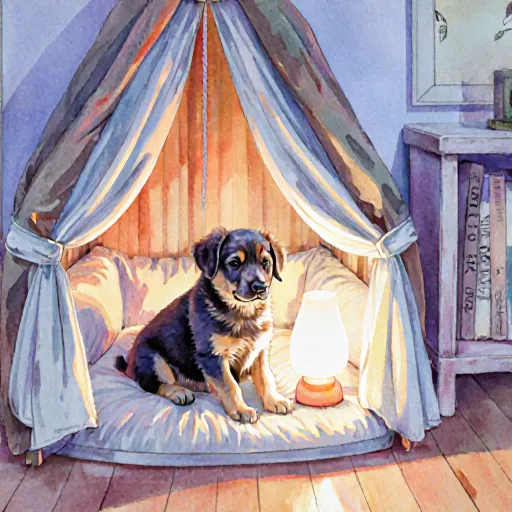
Create a safe space for your puppy today!
Puppy-Safe Havens: How to Make One
Table of Contents
- Introduction to Puppy-Proofing Your House
- Kitchen Safety Essentials
- Living Room and Entryway Protection
- Stairs and Balustrades Security
- Dining Area Hazards
- Basement Safety Measures
- Bathroom Safety Tips
- Yard and Outdoor Spaces Protection
- Toilet and Waste Bin Security
- Electrical Outlets Covering
- Medications and Chemicals Storage
- Furniture Stability and Anchoring
- Toy Safety and Organization
- Conclusion on Puppy-Proofing Your Home
- FAQs About Puppy-Proofing Your House
Introduction to Puppy-Proofing Your House
Puppy-proofing your house might seem like an overwhelming task, but it's crucial for ensuring both your puppy's safety and your peace of mind. Just as the article "How to Puppy-Proof Your House Like a Pro" suggests, there are several key areas you need to focus on to create a secure environment for your new four-legged friend. This involves more than just securing dangerous items; it also includes creating an inviting space that encourages good behavior and minimizes potential hazards.
One of the first steps in puppy-proofing is identifying common household dangers. These can range from electrical wires to toxic plants, and even small objects that could be mistaken for toys. By understanding what might pose a threat, you can take proactive measures to prevent accidents before they happen. For instance, securing cords behind furniture or using cable clips can help keep your puppy safe.
Another important aspect of puppy-proofing is creating designated spaces where your puppy feels secure and comfortable. This could be a cozy corner with soft blankets or a small playpen that allows them to explore without wandering into dangerous areas. Providing toys and puzzles that encourage mental stimulation can also help keep your puppy engaged and reduce the likelihood of destructive behavior.
The article emphasizes the importance of supervising your puppy closely, especially during their first few months at home. Supervision allows you to intervene when necessary and reinforce good habits right from the start. This doesn’t mean constantly tethering your puppy; instead, it involves being present in areas where they are allowed to roam freely.
When setting boundaries within your home, consider using baby gates or other barriers strategically placed to limit access to certain rooms or areas. For example, keeping the kitchen off-limits until your puppy is old enough and trained well can help prevent accidents like knocking over trash bins or getting into food that could be harmful.
Finally, remember that puppy-proofing isn’t a one-time task. As your puppy grows and changes in behavior, so too should the environment around them. Regularly reassess your home for potential hazards and adjust accordingly. This ongoing process ensures that you’re always providing a safe space tailored to your puppy’s needs at every stage of their development.
Kitchen Safety Essentials
Just as you would puppy-proof your house to ensure the safety of your new pet, it is equally important to focus on kitchen safety. The kitchen can be a hazardous environment for both children and pets if not properly prepared. Here are some essential steps to make your kitchen safer:
Childproofing Kitchen Surfaces
Similar to puppy-proofing, it's crucial to secure all countertops and surfaces. Use child safety locks on cabinets and drawers to prevent little hands from reaching dangerous items like sharp utensils or hot food.
- Cabinet Locks: Install sturdy cabinet locks that are out of reach for children. Consider magnetic or spring-loaded drawer stops that can prevent the drawers from fully opening.
- Counter Protectors: Use non-slip mats and trivets to protect countertops from hot items, which can be a significant hazard if they slip off onto the floor where little ones play.
Storing Away Dangers
Just as with puppies, keeping potentially dangerous items out of reach is key. Store all cleaning supplies, chemicals, and medications in secure cabinets or on high shelves.
- Cleaning Supplies: Keep detergents, soaps, and other household cleaners stored away from the reach of children. It's best to keep them in a locked cabinet if possible.
- Poisonous Plants: If you have any poisonous plants or herbs, make sure they are kept out of reach as well. Consider hanging baskets for plants that could be harmful to children and pets.
Child-Friendly Appliances
Just like ensuring your puppy has safe areas in the house, it's important to choose appliances that are safe for children around. Opt for appliances with child-safe features where possible.
- Gadgets and Utensils: Invest in a food processor or blender with a safety lock feature so you can leave them unattended without the risk of unexpected results. For children, consider buying small versions of regular kitchen gadgets that are safe for use under supervision.
Teaching Children Kitchen Etiquette
Just as teaching your puppy basic commands helps create a safer environment, teaching children the rules of the kitchen can help prevent accidents. Start early and reinforce good behavior with positive reinforcement.
- Supervision: Always supervise young children in the kitchen. Teach them to stay away from hot stoves and ovens, and never leave small children unattended around food processors or other appliances that can be dangerous if mishandled.
- Basic Skills: Gradually teach your child basic skills like washing hands before eating or using a cutting board safely. This will help them develop confidence in the kitchen while reducing accidents.
Emergency Preparedness
Just as you would have a first aid kit for your puppy, it's essential to have an emergency plan and supplies ready for the kitchen. Keep non-perishable foods, water, and any necessary medical supplies in case of unexpected situations.
- First Aid Kit: Have a well-stocked first aid kit readily available. Include items like band-aids, antiseptic wipes, burn ointment, and other essentials for minor injuries.
- Emergency Numbers: Keep the numbers of your local hospital, poison control center, and emergency services handy in case of an accident.
In conclusion, creating a safe environment in your kitchen is just as important as puppy-proofing your house. By taking these essential steps, you can ensure that both children and pets are protected from potential hazards while allowing them to enjoy the kitchen space safely.
Living Room and Entryway Protection
Protecting your living room and entryway from puppy hazards is a crucial step in creating a safe environment for your growing pup. Just like when you puppy-proof your house like a pro, attention to detail can make all the difference. Here's how to ensure that these spaces are secure and inviting.
Living Room Safeguards
The living room is often a central gathering spot in any home, making it essential to puppy-proof this area thoroughly. Start by securing small objects on low tables or shelves out of reach. Furniture corners can be padded with corner protectors to prevent your pup from injuring themselves if they jump onto furniture.
- Secure Electronics: Keep wires and cords safely tucked away to avoid the risk of electrocution or ingestion. Use cord covers for any exposed electrical cables.
- Install Gates: If your living room has a door leading to other rooms, consider installing a gate to restrict access when you're not around.
- Rearrange Furniture: Move items like plants and decorative objects away from areas where your puppy might reach them. Some plants can be toxic if ingested by dogs.
Entryway Protection
The entryway is a critical area for both safety and hygiene, especially since it's the first place your pup visits after being outside. Here are some steps to take:
- Remove Toxins: Ensure that any toxic plants or chemicals are not accessible from the entryway. Keep them in high cabinets out of reach.
- Clean Shoes and Mats: Use mats at your door to catch dirt, mud, and potential toxins before they enter your home. Regularly clean these mats, especially after bringing your pup inside.
- Install Pet Doors: If you have a pet door installed, make sure it's secure and that your puppy can only access certain areas of the house when you're not around.
Practical Tips for Safety
Here are some additional practical tips to help keep your living room and entryway safe:
- Use Baby Gates Wisely: If you have multiple floors, use baby gates to prevent your puppy from going up or down stairs until they're fully trained.
- Supervision is Key: Even the most thorough proofing can't cover every situation. Always supervise your puppy in these areas when possible.
- Use Positive Reinforcement: Reward good behavior with treats and praise to encourage safe actions and discourage destructive ones.
By following these steps, you'll create a living room and entryway that are not only safe but also enjoyable for your growing pup. Puppy-proofing is an ongoing process, so regularly check these areas to ensure they remain secure as your puppy grows and develops new behaviors.
Stairs and Balustrades Security
When it comes to creating a safe environment for your pets, securing stairs and balustrades is just as important as puppy-proofing the rest of your home. Pets are curious creatures and will explore every nook and cranny, which can sometimes lead them into dangerous situations. Here’s how you can ensure that your stairs and balustrades are pet-safe.
Assessing Your Stairs and Balustrades
To start, it's crucial to assess the condition of your stairs and balustrades. Check for any loose or broken parts, gaps where small pets could squeeze through, and areas that might pose a tripping hazard. Even minor issues can become significant risks when pets are involved.
Adding Guards
If you have puppies or cats with a tendency to jump up on the counter, guards around your stairs can prevent them from climbing up and potentially falling down. You can purchase pre-made guards online or DIY using sturdy materials like metal mesh or wooden slats.
- DIY Option: Cut wood planks to fit between the risers of your staircase, ensuring they are securely fastened. Make sure the spacing is small enough that pets cannot wedge their paws through.
- Premium Option: Invest in a pet-proof guard rail system designed specifically for stairs. These systems often come with adjustable features to accommodate different staircase sizes and can be easily installed without damaging your existing structure.
Installing Non-Slip Mats
Non-slip mats are essential for both safety and pet-proofing. They provide traction on the stairs, reducing the risk of slips and falls, which is especially important if you have an older dog or cat with mobility issues.
- Choosing Mats: Opt for thick, textured non-slip mats that are easy to clean and durable. Look for materials like rubber or vinyl, as they tend to be more effective against slipping.
- Placement: Place mats at the top, middle, and bottom of your staircase where pets are most likely to step. Ensure they cover the entire surface area of each step.
Making Use of Pet-Friendly Deterrents
If you have a particularly inquisitive pet or one that tends to jump, consider using deterrents like double-sided tape or carpet runners with sticky backing. These can be placed at the top and bottom of the stairs to discourage pets from trying to climb up.
- Double-Sided Tape: Apply the tape in a "T" shape across the steps where pets usually jump. The adhesive side faces outwards, creating an obstacle that most pets will avoid.
- Carpet Runners: Install carpet runners with sticky backing along the steps and at the top of the staircase to create a slippery surface that discourages climbing.
Creating Pet-Free Zones
To prevent your pets from accessing certain areas, consider creating pet-free zones around the stairs. This can be as simple as using baby gates or other barriers to block off access. Additionally, keeping food and treats out of reach will reduce any temptation for your pet to climb up.
- Baby Gates: These are highly effective at blocking pets from certain areas. Look for gates that can be adjusted to fit the width of your staircase.
- Pet-Specific Barriers: There are also specialized pet barriers available in stores, which are designed to keep pets out while allowing easy access for you and other family members.
In conclusion, securing your stairs and balustrades is a key step in ensuring the safety of your home. By assessing the condition of these areas, adding guards, installing non-slip mats, using pet-friendly deterrents, and creating pet-free zones, you can create a safe environment that both pets and people will appreciate.
Dining Area Hazards
When puppy-proofing your house, it's important to consider every room and area where your little one might explore. The dining area can pose a unique set of hazards that often go overlooked. Here’s how to identify and mitigate these risks:
Potentially Harmful Objects
- Candles and Candelabras: These can be extremely dangerous if knocked over, especially with their hot wax and sharp edges.
- Advice: Use battery-operated candles or LED lights to avoid any risk of fire or burns.
- Dishes and Utensils: Sharp utensils, glassware, and even ceramic plates can cause injuries if chewed or ingested.
- Advice: Store these items out of reach. Use drawer dividers to keep them organized but inaccessible to your puppy.
- Vases and Flower Arrangements: These can be a choking hazard or cause digestive issues if ingested, and sharp shards can cause injury if knocked over.
- Advice: Opt for plastic vases or non-toxic flower arrangements. Place them in stable positions where your puppy cannot reach them easily.
Chemical Hazards
The dining area might contain cleaning agents, detergents, and other chemicals that can be toxic to dogs if ingested or even absorbed through the skin. These substances are typically stored in cabinets but can still pose a risk.
- Cleaning Products: Many household cleaners contain ingredients harmful to dogs.
- Advice: Store all cleaning products out of reach and preferably in locked cabinets. Consider using pet-friendly products or making your own safer alternatives.
- Pesticides and Rodenticides: These are toxic to pets and can be found in various places around the dining area, including food storage areas.
- Advice:
Use pest control methods that are safe for pets. Seek out natural solutions like traps or barriers instead of chemicals.
Eating and Chewing Hazards
Puppies have a tendency to chew on anything they find, which can lead to them accidentally ingesting small objects from the dining area. This is not only dangerous but also costly as it may require veterinary care.
- Small Objects: These include things like paper clips, tacks, and other metal items that could cause blockages or internal injuries if swallowed.
- Advice: Keep small objects out of reach by storing them in a secure box or container. Teach your puppy not to chew on these items with positive reinforcement training methods.
By being vigilant and taking proactive measures, you can significantly reduce the risks associated with dining area hazards for your puppy. Puppy-proofing is an ongoing process that requires regular checks and adjustments as your pup grows and learns new behaviors.
Basement Safety Measures
Just as you would "puppy-proof" your house to ensure the safety of a curious puppy, it's equally important to take steps to make your basement safe. The basement is often an underutilized space in many homes, but it can also be a potential hazard if not properly secured. Here are some essential measures you should consider implementing to keep your basement secure and free from accidents.
1. Secure Heavy Items
Heavy objects such as appliances, shelves, or bookcases can become dangerous if they start to tip over. To prevent this, anchor these items securely using brackets or straps. For example, a large refrigerator should be placed on a stable, level surface and fastened down with appropriate hardware.
2. Remove Trip Hazards
Clutter can quickly turn into trip hazards in any space, but it's especially dangerous in the basement where visibility might not be as good due to limited lighting. Keep walkways clear of boxes, tools, and other items that could cause someone to stumble or fall.
3. Install Proper Lighting
Darkness can make any space feel unsafe, but in a basement, it can also obscure potential dangers. Ensure that the basement is well lit using motion-activated lights or standard fixtures placed strategically around the area. This not only helps deter intruders but also makes navigating the space safer.
4. Waterproof Your Basement
A water-damaged basement can be a breeding ground for mold and mildew, which are harmful to both people and property. To prevent this, seal any cracks or gaps in your basement walls with waterproofing materials. Additionally, ensure that your sump pump is functioning correctly to handle excess water effectively.
5. Secure Access Points
If the basement has an external entrance, it's crucial to secure this point of access. Install a sturdy door with deadbolts and consider adding additional locks for extra security. If you have a window leading into the basement, make sure it cannot be easily broken or climbed through.
6. Organize Storage
Messy storage areas can lead to disarray and increase the risk of accidents. Organize your storage spaces efficiently using shelves, bins, and containers to keep items neatly arranged. This not only makes it easier to find what you need but also reduces clutter.
7. Secure Valuables
Keep valuable items such as electronics or jewelry out of reach from potential intruders by storing them in a lockable cabinet or safe. Ensure that these items are not left lying around where they could be easily accessed.
By taking the time to implement these safety measures, you can turn your basement into a secure and functional space. Remember, just like puppy-proofing your house, it's all about foresight and preparation. Stay proactive in maintaining your home’s security and peace of mind.
Bathroom Safety Tips
Just as you would take precautions to puppy-proof your house, ensuring a safe environment for both pets and children is paramount. The bathroom, being the most challenging room in terms of safety, requires particular attention due to its unique hazards such as slippery surfaces, hot water, and small objects that can be easily swallowed or choked on. Here are some detailed tips to make sure your bathroom is secure:
Slippery Floors
The bathroom floor often features tiles which can be extremely slippery when wet. To prevent accidents, consider installing non-slip mats in the shower and around the bathtub. Additionally, use a rubber mat under towels to reduce slipping risks while changing them.
Hot Water Temperature
Set your water heater's temperature no higher than 120°F (49°C) to prevent scalding accidents. This can be done by adjusting the thermostat on the water heater or using a child-safety lock device if you have children who might turn up the heat accidentally.
Medicines and Chemicals
Store all medications, cleaning agents, and other chemicals out of reach of both children and pets. Use locks on cabinets to ensure these items are inaccessible. It's also a good idea to install child-gated doors that lead directly from the bathroom to outside or another room.
Cord Management
Loose electrical cords can pose a strangulation risk, especially for pets and children who might playfully tug at them. Securely manage cords by tucking them into wall outlets using cord covers or fasteners designed to keep them safely hidden.
Toiletries and Small Objects
Keep all toiletries in a secure cabinet with child-proof locks if you have small children or pets that might be tempted to chew on bottles. Place items like hairpins, razors, and dental tools out of reach as well.
Emergency Preparedness
Ensure the bathroom is equipped with a first-aid kit accessible in case of minor injuries. In addition, keep emergency numbers readily available, including local poison control centers, your veterinarian, and a trusted neighbor who can assist during an emergency.
By implementing these safety measures, you can transform your bathroom into a secure space that minimizes risks while still providing the comfort and convenience expected from this essential room of the home. Remember, the key to effective safety is vigilance combined with practical solutions tailored specifically for the unique hazards present in each household.
Yard and Outdoor Spaces Protection
Just like you would puppy-proof your house, it's equally important to secure your yard and outdoor spaces. A well-puppy-proofed environment ensures the safety of both your dog and family while preventing any damage or mishaps.
1. Secure Your Fencing
Fences are your first line of defense when it comes to keeping your puppy safe in the yard. However, puppies have a knack for finding creative ways out, so make sure the fencing is secure and sturdy. Check for any gaps or weak spots that might allow your puppy to escape.
Example: If you notice your puppy digging under the fence, consider adding an underground electric fence system or installing chicken wire beneath the top of your existing fence to deter them.
2. Remove Toxic Plants
Your yard may be full of beautiful flowers and plants that are toxic to dogs. Before letting your puppy outside, make sure you've identified any potentially harmful flora. Common culprits include rhododendrons, azaleas, and sago palms.
Practical Advice: Replace these plants with pet-safe alternatives such as marigolds or lavender. Always check the ASPCA's list of toxic plants for a comprehensive guide tailored to your specific area.
3. Clean Up Pet Waste
A clean yard is not only more pleasant but also essential for your puppy's health and safety. Dog waste can attract pests, spread disease, and create unpleasant odors. Regularly removing pet waste ensures a healthier environment for everyone involved.
Example: Use biodegradable bags to pick up after your puppy, and dispose of the waste in a designated waste container or composting system if possible. This helps prevent contamination of groundwater and soil.
4. Install Baby Gates
If you have smaller areas within your yard that are off-limits to your puppy, consider installing baby gates to create boundaries. This can help direct their attention towards safe play zones while keeping them away from dangerous areas like swimming pools or fire pits.
Practical Tip: If you have a pool in your backyard, make sure it's properly fenced and has a self-closing gate at all times to prevent accidents. Baby gates can also be useful for keeping puppies out of certain flower beds or garden areas that may contain harmful plants.
5. Secure Outdoor Furniture
Outdoor furniture like chairs, tables, and umbrellas should be anchored down to avoid injury from falling objects. Puppies are curious creatures and might try to knock over items if they're not properly secured.
Example: Use sandbags or weights under patio furniture legs to ensure stability. For more elaborate setups like gazebos, consider installing locks to keep the structure in place when not in use.
6. Prevent Overheating
Puppies can overheat quickly, especially on hot days. Ensure there is shade available for your puppy to retreat to if they get too warm. Providing a cool water source and keeping an eye on their behavior are crucial in preventing overheating.
Practical Advice: Set up a shaded area with a few trees or install a small canopy. Encourage your puppy to drink plenty of fresh, cool water by leaving a bowl outside at all times. Monitor the temperature during peak heat hours and limit outdoor playtime if necessary.
Conclusion
Puppy-proofing your yard is just as important as securing your house. By taking these precautions, you can ensure that your puppy enjoys their time outdoors safely and without any risks. Remember, a little preparation goes a long way in creating a secure and fun environment for both your dog and family.
Toilet and Waste Bin Security
Just as you would take steps to puppy-proof your house, ensuring that every room is safe for a curious pet, it's equally important to secure areas in your home where small children might find access to hazardous items. Two critical spaces are the toilet and waste bin. These areas can pose significant risks if not properly secured.
Securing the Toilet Area
The toilet is one of the most important rooms in the house, as it contains chemicals and other potentially dangerous materials that could harm a child. Here are some tips to secure the toilet:
- Cover the Lid: Always keep the toilet lid closed when not in use. A simple child-proof lock can be installed on the toilet seat to prevent it from being lifted.
- Example: Consider products like the Thermos Childproof Lid.
- Store Chemicals Safely: Keep all cleaning supplies and toilet chemicals out of reach. Use child-proof containers or lock them away in a secure cabinet.
Securing the Waste Bin Area
The waste bin is another area that can be dangerous if not properly secured. Here’s how to make it safer:
- Use a Locking Waste Bin: Invest in a waste bin with a child-proof lid or a locking mechanism to prevent access.
- Example: The Proper Press Pediatric Child Proof Dumpster is a good choice.
- Keep it Out of Reach: If you can't use a locking bin, consider placing the waste bin in an area that’s out of reach for children. This might mean moving it to another room or higher up on a shelf.
By taking these simple steps to secure your toilet and waste bin areas, you're creating a safer environment for your family. Remember, prevention is key when it comes to child safety in the home. Just like with puppy-proofing, being proactive can save you a lot of stress and potential accidents.
Electrical Outlets Covering
In puppy-proofing your house, one of the most crucial steps is ensuring that electrical outlets are properly covered. This seemingly small detail can prevent numerous accidents and injuries to both puppies and their owners. Properly covering electrical outlets is not just a matter of aesthetics; it’s about creating a safe environment where you can trust your puppy without worry.
Why Covering Electrical Outlets Is Essential
- Avoid Choking Hazards: Puppies are curious creatures and often explore the world through their mouths. If they manage to chew on electrical cords, they risk choking or ingesting harmful materials.
- Prevent Electrical Shock: Uncovered outlets can pose a significant risk of electrocution if your puppy decides to stick its nose (or paws) into the socket.
Choosing the Right Outlet Covers
Selecting appropriate outlet covers is just as important as placing them. There are various types available in the market, each designed for different needs:
- Flip-Up Covers: These are simple and effective, with a quick release mechanism that allows you to easily access the outlets when needed.
- Fabric Covers: Often used in decorative settings, fabric covers can be a stylish choice if aesthetics are important. However, they may not always provide as much protection as other types.
- Bendable Covers: These are flexible and can bend around the outlet, offering good protection while being easy to install.
Installation Tips
To ensure that your puppy-proofing efforts are effective, follow these tips for installing electrical outlet covers:
- Regular Checks: Periodically check the outlet covers to make sure they’re still secure and intact. Puppies can be quite vigorous in their play.
- Secure Placement: Ensure that the covers are firmly placed on the outlets. Loose or poorly fixed covers could come off easily, negating your efforts.
- Resilient Materials: Opt for outlet covers made from resilient materials like plastic or rubber that can withstand a puppy’s playful nips and pulls.
Additional Safety Measures
While covering electrical outlets is an important step, it's not the only measure you should take to ensure your home is safe for puppies:
- Cord Management: Use cord organizers or clips to tuck away loose cords and keep them out of reach.
- Childproof Door Locks: Install door locks on rooms where you store dangerous items like cleaning supplies or small appliances that could be a hazard for your puppy.
- Secure Heavy Furniture: <|im_start|><|im_start|>
- High Shelf or Cabinet: Place all medications and chemicals on a high shelf or in a closed cabinet that your puppy cannot reach. Consider using childproof locks if necessary.
- Out of Sight, Out of Mind: Store these items away from areas where your puppy spends most of its time to minimize temptation.
- Label Clearly: Even though you may have a good memory, it's easy for labels to get misplaced or overlooked. Ensure that all containers are clearly labeled with the contents and any warnings.
- Furniture straps
- Wall anchors (molly bolts or toggle bolts)
- Vent pipe straps
- Chests and Dressers: Use furniture straps that go around the back legs of the piece and attach to the wall. This not only stabilizes but also gives additional support.
- Example: IKEA offers chest anchor kits that are designed to be easy-to-install and secure.
- Tall Cabinets: These can often be unstable due to their height. Use wall anchors or vent pipe straps for additional support.
- Example: The “Furniture Stabilizer Kit” by Safekid is a popular choice that fits many tall cabinets and ensures they remain stable.
- TV stands: TV stands are not just for aesthetics; they need to be secured. Use brackets or anchor straps to secure the TV stand to the wall.
- Example: Mounting your TV directly onto a masonry wall with industrial anchors can provide extra stability and support.
- Regularly check that all screws and bolts are tight.
- Use bumpers or edge guards on sharp corners of furniture.
- Keep an eye out for any loose parts that could come off the piece. These can pose a choking hazard if ingested by your pet.
- Consider using child safety locks on drawers and cabinets to prevent your dog from opening them and tipping over the furniture.
- Nylon Bones: These are durable and come in various sizes suitable for different breeds.
- Rubber Toys: Robust rubber toys are excellent choices as they don't break apart easily.
- Squeaky Toys: Squeakers can be stimulating but make sure the squeaker is well-sealed to prevent ingestion.
- Toys During Playtime: Provide toys during play sessions to keep them occupied and prevent boredom. This reduces the chance of your puppy chewing on inappropriate items like wires or furniture legs.
- Nighttime Toys: At night, store all but one toy out of reach to avoid temptation for gnawing while sleeping.
- Daily Checks: Spend a few minutes each day checking all of the toys for signs of wear and tear.
- Rotating Toys: Rotate between different types of toys every week or so, keeping your puppy engaged and entertained.
- Drop It Command: Teach your puppy to drop toys upon request by offering treats for compliance.
- Selective Fetching: Encourage selective fetching of specific toys, enhancing their focus on the desired item.
- Toxic plants: Some popular houseplants like lilies, philodendrons, and dieffenbachias can be harmful if ingested by puppies.
- Cleaning supplies: Bleach, ammonia-based cleaners, and other chemicals should be stored out of reach or in a locked cabinet.
- Medications: Both human and pet medications should be kept securely away from curious paws.
- Pillows and soft furnishings: These can pose choking hazards if not properly secured.
- Cover cushions: Use slipcovers or fabric protectors on sofas and armchairs to prevent damage from chewing and scratching.
- Purchase puppy-proof chairs: These are designed with thicker, more durable materials that can withstand the abuse of a young pup.
- Use deterrent sprays: Apply nontoxic sprays in areas where your puppy is prone to chewing or scratching furniture.
Medications and Chemicals Storage
Puppy-proofing your house is an essential step in ensuring the safety of both you and your new puppy. Beyond securing electrical cords, covering small spaces, and childproof locks, one often-overlooked area is the proper storage of medications and chemicals. Just as you would secure breakable items or hazardous materials, it's crucial to store these products out of reach from curious paws.
Understanding the Risks
Puppies are natural explorers, and their curiosity can sometimes lead them into dangerous situations. Medications, especially human medications like ibuprofen or acetaminophen, can be extremely toxic to dogs if ingested in even small quantities. Similarly, household chemicals such as drain cleaners, pesticides, and antifreeze pose significant risks.
Best Practices for Storage
Additional Tips
Regularly check your cabinets and shelves to ensure that nothing has shifted or become accessible. Puppies grow rapidly, and their reach increases over time.
Consider using a dedicated storage container with a locking mechanism for medications. These containers are designed specifically for storing pills and other small items securely.
Emergency Preparedness
In case of an accidental ingestion, having an emergency plan in place can save valuable time. Keep the contact information for your veterinarian and the ASPCA Animal Poison Control Center handy. Knowing exactly what was ingested can significantly speed up treatment.
If you suspect that your puppy has ingested something dangerous, do not induce vomiting or give any homemade remedies without professional guidance. Instead, immediately contact a veterinarian or poison control center for advice.
Conclusion
Puppy-proofing is an ongoing process, and securing medications and chemicals should be considered part of this effort from the very beginning. By taking these precautions, you're not only protecting your puppy but also ensuring a healthier home environment for everyone involved.
Furniture Stability and Anchoring
Just as you would carefully plan to puppy-proof your house, it's crucial to ensure that furniture stability and anchoring are top priorities. Dogs, especially puppies, can be curious and energetic, which means they're more likely to tip over unstable or unanchored furniture. This not only poses a risk to their safety but also to yours as well. Furniture with sharp edges or loose parts can cause severe injuries if it falls. By taking the time to secure your furniture properly, you are creating a safer environment for both pets and humans.
Why Stability Matters
Furniture stability is essential in preventing accidents that can occur from tipping furniture. According to the American Academy of Pediatrics (AAP), nearly 30,000 children were treated in U.S. emergency rooms for injuries related to tip-over incidents involving furniture, appliances, and TVs between 2015-2016 alone. Ensuring your furniture is stable can help prevent these accidents.
How to Anchor Furniture
To anchor furniture properly, you need the right tools and products. Hardware stores sell various types of anchors that are designed for specific weights and wall materials. Here’s a list of commonly used items:
Examples of Anchoring Furniture
Here are some examples of how you can anchor different types of furniture:
Practical Advice
Here are some practical tips to ensure furniture is secure:
By following these guidelines, you can significantly reduce the risk of accidents in your home. Just as you would puppy-proof your house, taking care of furniture stability and anchoring is an investment in both your pet's safety and your family’s well-being.
Toy Safety and Organization
Puppy-proofing your house is an essential task, but it's equally important to ensure that toys are safe for your puppy. Just as you secure electrical outlets, cover sharp corners, and remove small objects from reach, toy safety should be a priority. This section will guide you through the process of ensuring both your home and your puppy’s toys are safe.
Choosing Safe Toys
Selecting appropriate toys for your puppy is crucial in preventing accidents and fostering healthy behavior. Opt for chew-proof materials like nylon, hard rubber, or specially designed toy bones that can withstand vigorous play sessions. Avoid soft fabrics which can easily be swallowed by puppies.
Organizing Toys
Keeping toys organized helps in maintaining a safe environment and also aids in teaching your puppy which items are acceptable for play. You can use storage bins or baskets placed out of reach when not in use, ensuring that only supervised toys are accessible.
Monitoring Usage
Even the safest toys can become hazardous if chewed apart. Regularly inspect your puppy’s toys and replace any that are damaged or have loose parts. Puppies often lose interest in old toys, so rotating them is a good practice to keep them fresh.
Incorporating Training into PlaytimeTo ensure that playtime is not just about fun but also learning. Incorporate training exercises where your puppy has to fetch a specific toy, drop it on command, etc., making the session more interactive and educational.
By focusing on toy safety and organization as part of your overall house-puppy-proofing strategy, you can create a more secure environment for both you and your puppy. Remember that consistency is key to ensuring that your puppy learns safe play habits early in life.
Conclusion on Puppy-Proofing Your Home
After thoroughly exploring the nuances of puppy-proofing your home, it's clear that ensuring your space is safe and secure for a new addition can be both an art and a science. The journey to creating a dog-friendly environment involves more than just securing cords or covering electrical outlets; it necessitates a comprehensive approach tailored to your specific needs and circumstances.
Starting with the most crucial aspects, such as securing small items that could pose choking hazards, is essential but not sufficient. For instance, consider the potential danger of tiny toys or loose objects like batteries from remotes. Proper storage solutions can prevent these from becoming accidental chokes or ingestion risks for your puppy. Installing childproof locks and latches on cabinets and drawers where chemicals and cleaning supplies are stored also underscores the importance of thoroughness.
Moreover, addressing areas beyond the immediate vicinity of electrical outlets is equally critical. Sharp corners of furniture should be covered to prevent injuries from bumps or falls. Additionally, securing heavy furniture against walls can help prevent tipping accidents, especially in younger puppies who may not yet understand their own strength. The use of non-slip mats under rugs and large pieces of furniture adds another layer of safety by reducing the risk of slips.
The living room often requires special attention given its central role in family life and its potential as a play area for your puppy. Cushions and pillows, along with valuable electronics like TV remotes or gaming consoles, should be out of reach. Utilizing storage baskets or bins underneath the coffee table can offer both a functional and safe solution to this problem.
Of course, not all safety measures are about preventing accidents; they also involve creating an environment that encourages good behavior from your puppy. For example, training areas using dog proofed baby gates can create designated spaces for potty breaks and play without the risk of your puppy exploring or damaging other parts of your home.
Practical advice can go a long way in making this process easier. Consider creating a checklist based on your home layout to ensure you don’t miss any critical spots. Regularly reviewing and adjusting as necessary, especially during peak growth stages for puppies, will keep the environment safe and stimulating.
In conclusion, puppy-proofing your home is not just about setting up barriers but also about creating a harmonious living space where both you and your puppy can thrive without compromise. By following these in-depth strategies, inspired by expert advice like "How to Puppy-Proof Your House Like a Pro," you are equipping yourself with the knowledge needed to navigate this exciting new chapter in your family's life.
FAQs About Puppy-Proofing Your House
Ensuring your home is safe for a new puppy involves more than just securing trash cans and covering electrical cords. Here are some frequently asked questions about how to puppy-proof your house effectively:
1. What are the most common hazards in homes that puppies can access?
2. How do I secure my trash cans?
To prevent your puppy from rummaging through the trash, consider using a sturdy plastic bin with a tight-fitting lid or an airtight container that can be sealed shut. It's also helpful to train your puppy not to dig in the garbage by giving them appropriate alternatives like treats.
3. Can electrical cords really pose a danger?
Yes, they can! Chewed electrical cords can lead to severe injuries or even death if ingested. To puppy-proof, replace exposed ends with cord covers and secure any loose wires out of reach. Consider using baby gates in certain areas where you want to keep your puppy away from these hazards.
4. How do I make sure my furniture is pet-safe?
5. What should I do about my stairs?
If you have stairs, it’s crucial to keep them off-limits for puppies until they’re old enough and physically capable of using them safely. Install baby gates across the staircase entrance to prevent your puppy from falling down the steps.
6. How do I deal with my puppy's chewing habits?
To discourage destructive chewing, provide plenty of appropriate chew toys specifically designed for puppies. Rotate these toys frequently to keep them interesting and avoid boredom. Additionally, train your puppy using positive reinforcement techniques to associate inappropriate chewing behaviors with a command like "no" or a correction.
7. Is it necessary to baby-proof the entire house?
No, you don’t need to baby-proof every single room of your home. Focus on areas where your puppy spends the most time or is likely to explore. For example, if your kitchen is the main area for feeding and playtime, ensure that this space is especially puppy-safe.
8. Can I use deterrent sprays?
Yes, many nontoxic sprays are available on the market specifically designed to deter puppies from chewing or scratching furniture. These sprays have no harsh chemical odors and are safe for your home environment. Just be sure to read labels carefully before using any product.
9. How do I keep my puppy entertained?
A bored puppy is a destructive puppy! Provide interactive toys that encourage physical activity, mental stimulation, and socialization with other pets or people. Puzzle feeders are great for keeping your pup engaged during mealtime.
10. When should I start puppy-proofing?
The sooner the better! Start before bringing your new puppy home to ensure that all potential hazards are identified and addressed early on. This will help prevent accidents, injuries, and stress for both you and your puppy.
By following these tips and staying vigilant, you can create a safe environment for your growing pup while enjoying the joys of pet ownership. Puppy-proofing is an ongoing process that requires regular checks and adjustments as your puppy grows and explores new environments within your home.
Categories
- AI & Enrichment Play
- Broiler Farming
- Broiler Farming Tips
- Canine Wellness & Longevity
- Cat
- Cat & Human Connection
- Cat Adoption & Rescue
- Cat Breeds
- Cat Breeds & Personalities
- Cat Care & Health
- Cat Grooming & Hygiene
- Cat Lifestyle & Environment
- Cat Myths & History
- Cat Nutrition & Diet
- Cat Products & Reviews
- Cat Training & Behavior
- Comparison
- Consumer Awareness
- Dog
- Dog Accessories & Products
- Dog Adoption & Rescue
- Dog Breed & Lifestyle Trends
- Dog Breeding & Puppies
- Dog Entertainment & Media
- Dog Fashion & Trends
- Dog Fun & Lifestyle
- Dog Grooming & Hygiene
- Dog History & Culture
- Dog Myths, Science & Future Tech
- Dog News & Trends
- Dog Nutrition & Food
- Dog Psychology & Emotions
- Dog Safety & Security
- Dog Sports & Activities
- Dog Technology & Innovation
- Dog Training for Modern Owners
- Dog Travel & Adventure
- Dog Travel, Adventure & Culture
- Economic and Market Insights
- Educational Content
- FAQs
- Feeding Alternatives
- Festivals & Seasonal Ideas
- Fun & Entertainment
- General Knowledge
- General Pig Farming
- Health & Disease Management
- Housing and Environment
- Kittens
- Market Insights
- Miscellaneous
- Miscellaneous
- Motivational
- pig
- Pig Breeding
- Pig Breeds
- Pig Farming Stories and Inspiration
- Pig Health and Care
- Pig Nutrition
- Pig Products
- Profitability & Business
- Puppy Care
- Puppy Predictable Topics Reinvented
- Regional Focus
- Rescue & Adoption Buzz
- Senior Cats
- Senior Dog Care
- Smart Dog Tech & Gadgets
- Sustainability
- Sustainable & Eco-Friendly Dog Products
- Tech & Innovations
- Working & Service Dogs
- Broiler Feed66 products
- Country Feed33 products
- Pig Feed66 products
- Product22 products
- Raw Materials99 products
Products
-
 Fish Meal
₹1,999.00 – ₹2,999.00Price range: ₹1,999.00 through ₹2,999.00Rated 0 out of 5
Fish Meal
₹1,999.00 – ₹2,999.00Price range: ₹1,999.00 through ₹2,999.00Rated 0 out of 5 -
 FATTENING BROILER FEED
₹2,299.00 – ₹2,349.00Price range: ₹2,299.00 through ₹2,349.00Rated 0 out of 5
FATTENING BROILER FEED
₹2,299.00 – ₹2,349.00Price range: ₹2,299.00 through ₹2,349.00Rated 0 out of 5 -
 LAYER COUNTRY FEED
₹1,549.00 – ₹1,649.00Price range: ₹1,549.00 through ₹1,649.00Rated 0 out of 5
LAYER COUNTRY FEED
₹1,549.00 – ₹1,649.00Price range: ₹1,549.00 through ₹1,649.00Rated 0 out of 5 -
 COUNTER BROILER FEED
₹1,199.00 – ₹1,299.00Price range: ₹1,199.00 through ₹1,299.00Rated 0 out of 5
COUNTER BROILER FEED
₹1,199.00 – ₹1,299.00Price range: ₹1,199.00 through ₹1,299.00Rated 0 out of 5 -
 LACTATING PIG FEED
Rated 0 out of 5
LACTATING PIG FEED
Rated 0 out of 5₹2,299.00Original price was: ₹2,299.00.₹1,740.00Current price is: ₹1,740.00. -
 Maize
Rated 0 out of 5
Maize
Rated 0 out of 5₹1,650.00Original price was: ₹1,650.00.₹1,300.00Current price is: ₹1,300.00. -
 GESTATION PIG FEED (Phase 1)
Rated 0 out of 5
GESTATION PIG FEED (Phase 1)
Rated 0 out of 5₹2,249.00Original price was: ₹2,249.00.₹1,699.00Current price is: ₹1,699.00. -
 Pre Starter Broiler Feed
₹2,399.00 – ₹2,499.00Price range: ₹2,399.00 through ₹2,499.00Rated 0 out of 5
Pre Starter Broiler Feed
₹2,399.00 – ₹2,499.00Price range: ₹2,399.00 through ₹2,499.00Rated 0 out of 5 -
 FINISHER PIG FEED
Rated 0 out of 5
FINISHER PIG FEED
Rated 0 out of 5₹2,299.00Original price was: ₹2,299.00.₹1,749.00Current price is: ₹1,749.00. -
 Broiler Premix
Rated 0 out of 5
Broiler Premix
Rated 0 out of 5₹820.00Original price was: ₹820.00.₹699.00Current price is: ₹699.00.