
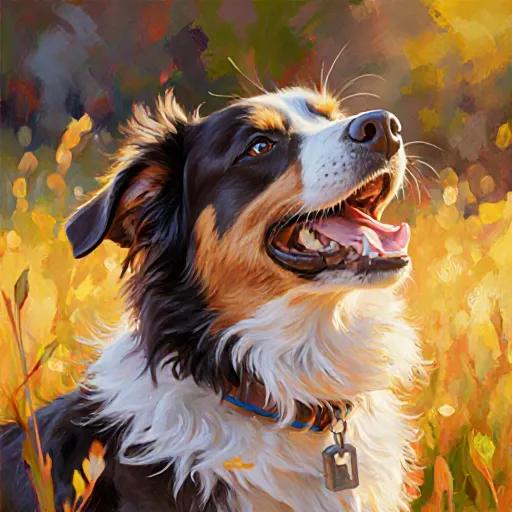
Maximize your pup's abilities with perfect timing tips!
Unlock Your Pup’s Full Potential with Timing
Table of Contents
- Understanding the Importance of Puppy Vaccinations
- Core Vaccines for Puppies
- First Vaccination Shot and Its Timings
- Second Vaccination and Booster Schedule
- Third Vaccination: Ensuring Comprehensive Protection
- Common Side Effects and What to Expect
- Hybridization Shot Explanation
- Parvo Vaccination and Its Significance
- Leptospirosis Vaccination Overview
- Distemper Vaccination: Protecting Against a Severe Disease
- Conclusion on the Best Puppy Vaccination Schedule
- FAQs About Puppy Vaccinations
- Safety Measures to Take Before Vaccination
- Post-Vaccination Care Tips for Your Puppy
- Understanding the Risks of Skipping Vaccinations
Understanding the Importance of Puppy Vaccinations
Puppy vaccinations are a crucial aspect of ensuring your puppy's health and well-being. Vaccinations protect puppies from potentially deadly diseases by stimulating their immune system to recognize and fight against specific pathogens. Understanding the importance of these vaccines can help you make informed decisions about your puppy’s care.
Puppies have an underdeveloped immune system, making them more susceptible to diseases that can be severe or even fatal. Vaccinations are designed to prevent these diseases before the puppy's body has had time to build up natural immunity. Diseases like Parvovirus, Distemper, and Rabies can cause serious health issues in puppies if they contract them.
Consulting with a veterinarian is essential for determining the best vaccination schedule for your puppy. However, a common recommended schedule includes:
- First Visit (6-8 weeks): This first visit usually includes core vaccines such as Distemper, Parvovirus, and Hepatitis.
- Second Visit (10-12 weeks): Booster shots are given during this visit to strengthen the puppy’s immune response.
- Third Visit (14-16 weeks): Another round of core vaccines is administered at this time.
It's important to follow up with booster shots as recommended by your vet, typically around a year after the initial vaccination series. This ensures long-term protection against diseases.
The core vaccines that are usually recommended include:
- Distemper: Protects against canine distemper virus, which can lead to severe respiratory issues and even death.
- Parvovirus: A highly contagious disease causing diarrhea, vomiting, and dehydration in puppies. It is particularly dangerous for young dogs.
- Hepatitis: Protects against canine adenovirus-2, which can cause respiratory infections and liver disease.
- Rabies: A fatal viral infection that affects the central nervous system of mammals. Vaccination is required by law in many areas.
In addition to core vaccines, your vet may recommend non-core vaccines depending on factors such as geographic location and lifestyle. These can include:
- Bordetella (Kennel Cough): Recommended for puppies that will be around other dogs frequently, like those attending puppy classes or staying at kennels.
- Lyme Disease Vaccine: Useful if your area has a high prevalence of ticks and the risk of Lyme disease.
Discuss these options with your vet to determine which non-core vaccines might be appropriate for your puppy’s environment and lifestyle.
- Choose a Reputable Veterinarian: Make sure the vet you choose is reputable and follows best practices in puppy vaccinations.
- Stay Organized: Keep a record of all vaccines your puppy receives, including dates and types. This helps ensure timely boosters and provides peace of mind.
- Monitor for Side Effects: While most puppies tolerate vaccines well, some may experience mild side effects like lethargy or decreased appetite. If symptoms persist or worsen, contact your vet immediately.
In conclusion, understanding the importance of puppy vaccinations and following a well-thought-out schedule can significantly enhance your puppy's health and protect them from serious diseases. Always consult with your veterinarian to tailor the vaccination plan to your puppy’s specific needs.
Core Vaccines for Puppies
In order to ensure your puppy grows up healthy and strong, it's crucial to follow a proper vaccination schedule. This guide aims to explain the best puppy vaccination schedule that covers core vaccines which are essential for every dog's health. These core vaccines protect puppies against diseases that can be severe or even fatal if left untreated.
Core vaccines for puppies include:
- Canine Distemper Virus (CDV): This virus can cause respiratory, gastrointestinal, and nervous system diseases. It is highly contagious and often fatal.
- Canine Parvovirus (CPV): This disease causes severe vomiting, diarrhea, dehydration, and can be life-threatening if not treated promptly.
- Canine Hepatitis: This virus affects the liver and can lead to jaundice, fluid accumulation in the body cavities, internal bleeding, and even death.
It's important to follow a structured vaccination schedule provided by your veterinarian. Typically, this schedule will start around 6-8 weeks of age and continue until the puppy is about 16 weeks old. The reason for multiple doses over time is that puppies' immune systems are still developing and require repeated exposure to antigens to build long-lasting immunity.
Vaccination Schedule
| Age of Puppy | Vaccines Given | Note |
|---|---|---|
| 6-8 weeks | First set of core vaccines (Distemper, Parvo, Hepatitis) | Puppies need to be around 6 weeks old and healthy to start the vaccination process. |
| 10-12 weeks | Second set of core vaccines (Distemper, Parvo, Hepatitis) | Booster shots are crucial as they help in strengthening the immune response against these diseases. |
| 14-16 weeks | Third set of core vaccines (Distemper, Parvo, Hepatitis) | The final booster shot ensures long-term protection for your puppy. |
Here are some practical tips to ensure the effectiveness of vaccinations:
- Schedule regular visits with a veterinarian: Your vet will provide you with the best advice on the timing and type of vaccines your puppy needs.
- Ensure your puppy is healthy before vaccination: Puppies that are sick should not be vaccinated. It's important to wait until they recover completely from any illness before proceeding.
- Follow up with booster shots as recommended: Booster shots are essential for maintaining immunity against these diseases in the long term.
In conclusion, following a structured core vaccine schedule is crucial to protecting your puppy's health. By adhering to this guide and working closely with your veterinarian, you can provide the best care for your new family member.
First Vaccination Shot and Its Timings
Ensuring your puppy receives its first vaccination is a crucial step in protecting it from various diseases. The timing of the first vaccination shot plays a vital role in establishing immunity at an early age, which is critical for puppies as their immune systems are still developing.
In line with best practices and recommendations provided by veterinarians, the initial series of vaccinations typically begins around 6-8 weeks of age. This timing ensures that the puppy's immune system can respond effectively to the antigens present in the vaccines without causing undue stress or harm.
Common Vaccines Included in the First Shot
- DHPP (Canine Distemper, Hepatitis, Parainfluenza, and Paraovirosis): This combination vaccine protects against several serious diseases that can be fatal for puppies. Distemper is a highly contagious virus that affects the respiratory system and can lead to severe neurological complications. Hepatitis impacts the liver, while Parainfluenza targets the respiratory tract causing kennel cough.
- Bordetella: This vaccine protects against Bordetella bronchiseptica, a bacterium responsible for infectious tracheobronchitis or "kennel cough." It is particularly important if your puppy will be frequently around other dogs in environments like dog parks or grooming facilities.
- Rabies: The rabies vaccine is essential not only for protecting puppies against the viral disease but also to comply with local laws and regulations. Rabies can be transmitted through the bite of an infected animal and is almost always fatal once symptoms appear.
Importance of Following the Recommended Vaccination Schedule
The American Animal Hospital Association (AAHA) recommends a series of vaccinations over several months to build up immunity gradually. The first shot is typically followed by booster shots at 3-4 week intervals until around 16 weeks of age. This schedule allows the puppy's immune system time to respond and develop long-term protection.
Skipping or delaying any of these essential vaccinations can leave your puppy vulnerable to potentially life-threatening diseases. Ensuring timely appointments is crucial, as puppies are most susceptible during their first few months of life when they have not yet fully developed their natural immunity from the mother's milk.
Practical Advice for Parents
- Schedule Early: Contact your veterinarian early to book appointments for vaccinations. Many clinics offer drop-off and pick-up services, allowing you to attend to other commitments while ensuring your puppy receives timely care.
- Monitor Your Puppy: After each vaccination, monitor your puppy closely for any signs of adverse reactions such as fever, lethargy, or discomfort. If you notice anything unusual, consult your vet immediately.
- Stay Informed: Keep track of the schedule provided by your veterinarian and ensure all future vaccines are administered on time. Regular check-ups with a trusted veterinary clinic will also help monitor overall health and discuss any concerns you might have about your puppy's development.
Conclusion
The first vaccination shot is the foundation of your puppy’s protection against numerous dangerous diseases. By adhering to the recommended timing and schedule, you are not only safeguarding your pet but also fulfilling your responsibility as a conscientious pet owner.
Second Vaccination and Booster Schedule
In understanding the second vaccination and booster schedule, it is crucial to draw parallels between puppy vaccinations and human medical practices. The initial vaccination series for puppies starts early in life, usually around six weeks of age, with a core set of vaccines that protect against diseases like canine parvovirus (CPV), distemper virus (CV), adenovirus (CAV-2), and potentially leptospirosis. These core vaccines are essential to establish basic immunity.
Following the initial series, the second vaccination is a critical step in ensuring long-term protection against these diseases. This shot is typically administered at around 12 weeks of age, depending on the specific vaccination protocol provided by your veterinarian. The timing can vary slightly based on breed and health considerations, but generally follows the recommendation from the American Animal Hospital Association (AAHA) or similar guidelines.
The booster shots are designed to maintain immunity levels that have begun to wane as puppies grow older. For puppies, this booster is usually given at 16 weeks of age, though it can be adjusted based on your vet's advice. The booster helps to ensure sustained protection against the diseases covered by the initial vaccination series.
Importance and Timing
The second vaccination and subsequent boosters are vital because they help build a robust immune response in young puppies that may not yet have fully developed their own immunity. Ensuring these vaccines are administered on time helps prevent potential outbreaks of serious diseases, especially in environments where there is high exposure risk.
It's important to note that while the second vaccination series and boosters are critical, they should always be conducted under the guidance of a veterinarian familiar with your puppy’s specific needs. Factors like breed susceptibility, geographic location, and lifestyle can influence the recommended schedule and types of vaccines.
Practical Advice
- Stay on Schedule: Adherence to the vaccination schedule is key. Even minor delays might impact the effectiveness of vaccinations.
- Consult Your Veterinarian: Always discuss your puppy's unique needs and any concerns with your vet before making changes to the recommended schedule.
- Watch for Side Effects: Although side effects are generally mild, it’s important to monitor your pup closely after vaccinations. Signs of an adverse reaction include lethargy, fever, or vomiting.
Understanding and adhering to the second vaccination and booster schedule is as crucial for puppies as maintaining a healthy diet and regular exercise are for their overall well-being. By following these guidelines, you can help ensure your puppy grows into a healthy adult dog with strong immunity against common diseases.
Third Vaccination: Ensuring Comprehensive Protection
In the context of a best puppy vaccination schedule, the third vaccination is a critical step towards ensuring comprehensive protection for your pet. This booster shot is typically given around three to four weeks after the second vaccination, reinforcing immunity and addressing any potential gaps in the initial series.
The third vaccination serves as a crucial checkpoint in the puppy's development, ensuring that the immune system is fully primed against various diseases. This phase is vital because it helps to build long-lasting immunity and provides protection against serious conditions such as distemper, parvovirus, and hepatitis.
- Distemper Vaccine: Protects against canine distemper virus (CDV), a highly contagious disease that can be fatal in young puppies.
- Parvovirus Vaccine: Prevents parvovirus infection, which can lead to severe gastrointestinal symptoms and is often life-threatening for unvaccinated pups.
- Hepatitis Vaccine: Provides immunity against canine adenovirus-1 (CAV-1), a strain that causes hepatitis in dogs.
While vaccinations are generally safe, some puppies may experience mild side effects after the third shot. These can include fever, lethargy, reduced appetite, and soreness at the injection site. It is important to monitor your puppy closely for any unusual behavior or symptoms. If you notice anything concerning, consult with your veterinarian immediately.
- Consult Your Vet: Always discuss the best time and type of vaccinations with your veterinarian to tailor a schedule that suits your puppy's specific needs.
- Stay Consistent: Follow the recommended vaccination schedule closely. Skipping doses or delaying appointments can leave your puppy vulnerable to preventable diseases.
- Protect During Travel: Ensure your puppy is fully vaccinated before traveling, as some areas may have higher risks of certain diseases and require proof of vaccination.
The third vaccination is an essential component of a comprehensive puppy vaccination program. By ensuring that this booster shot is administered appropriately, you can provide your furry friend with the best possible protection against common canine illnesses. Remember, regular check-ups and vaccinations are key to maintaining your pet's health and well-being.
Common Side Effects and What to Expect
While it's essential to ensure your puppy is fully vaccinated, some mild side effects are common after receiving vaccinations. It’s important to understand what to expect so you can provide appropriate care for your puppy during this time.
Mild Symptoms After Vaccination
The best puppy vaccination schedule typically involves multiple injections over a short period. As a result, some puppies may experience mild side effects following the vaccinations. These symptoms usually begin within 24-72 hours after the shot and last for about two days.
- Decreased Appetite: Your puppy might lose interest in food as they recover from the vaccination process. This is a common reaction and can be managed by offering smaller, more frequent meals during this time.
- Tiredness/Lethargy: After getting vaccinated, puppies may feel more tired than usual and prefer to rest. Allow them extra quiet time without exertion or play to ensure they get the rest needed for recovery.
- Slight Fever: A mild increase in body temperature is also a typical response to vaccines. If your puppy's temperature stays under 103°F (39.5°C), this is usually not a cause for concern and will resolve on its own within a couple of days.
- Drowsiness: Your puppy might seem more drowsy than usual, especially after the first few vaccinations. This is part of their body's natural immune response to fight off potential infections.
What to Do if Side Effects Persist
If your puppy shows any signs of distress or discomfort that persist beyond two days, it’s crucial to contact your veterinarian. Persistent side effects could indicate an allergic reaction or other issues that require immediate attention.
- Signs to Watch For: If you notice symptoms like severe lethargy, persistent vomiting, diarrhea that does not stop after 24 hours, or any signs of a serious allergic reaction (such as swelling around the face, difficulty breathing), seek veterinary help immediately.
In summary, while mild side effects are common following puppy vaccinations and align with the best vaccination schedule, it’s essential to monitor your puppy closely for any unusual reactions. Providing them with extra rest and care will usually suffice for a smooth recovery.
Hybridization Shot Explanation
In the context of puppy vaccinations, it's important to understand that a "hybridization shot" is not typically part of the standard vaccination schedule. However, the concept might be used metaphorically or in specific contexts such as genetic cross-breeding, which isn't directly applicable to veterinary care but can be understood through analogy.
The term "hybridization" generally refers to the process by which two different strains or breeds are combined to produce offspring with qualities from both parent types. In genetics and breeding, this is a common practice to enhance specific traits in plants and animals. For instance, hybridizing different dog breeds can result in puppies with desirable characteristics like size, temperament, or resistance to certain health conditions.
When considering the best puppy vaccination schedule (as discussed in "Best Puppy Vaccination Schedule Explained"), it's crucial for pet owners to focus on core vaccines. These include:
- MH (Canine Distemper Virus): Essential for protection against this potentially fatal disease.
- Leptospirosis: Important for areas where leptospira bacteria are prevalent.
- Hepatitis (Adenovirus-1 or Adenovirus-2): Protects against infectious canine hepatitis and respiratory infections.
- Bordetella bronchiseptica: Useful for dogs that will be in close contact with other canines, such as those frequenting dog parks or kennels.
- Parainfluenza virus: Important as it's a component of the canine cough vaccine.
The schedule typically involves several rounds of vaccinations at specific ages to ensure maximum protection. For example:
- Initial vaccination (DHPPi, Leptospirosis, Bordetella): Around 6-8 weeks old.
- Second vaccination: At around 10-12 weeks old.
- Booster shot: Given at around 14-16 weeks old.
To ensure your puppy receives the best care, it's advisable to follow the recommendations of your veterinarian. They will have a detailed schedule based on factors such as your location, climate, and local health risks. For instance, in areas with high leptospirosis prevalence, you might include more frequent or additional Leptospirosis vaccinations.
Hybridization, while not directly related to vaccinations, can be thought of as a form of "vaccination" in the sense that it provides genetic immunity against certain traits. By carefully selecting parent breeds for hybridization, you might achieve offspring with greater resistance to specific health issues or environmental stressors.
In conclusion, while there isn't a "hybridization shot," understanding and applying the principles of hybridization can help breeders produce healthier puppies through careful genetic selection. This approach aligns closely with the goals of the best puppy vaccination schedule, which is to protect puppies against life-threatening diseases.
Parvo Vaccination and Its Significance
Puppies are among the most vulnerable members of our community. One of the critical aspects of responsible pet ownership is ensuring that puppies receive timely and appropriate vaccinations, particularly against diseases like parvovirus (parvo). Parvo is a highly contagious viral infection that can be deadly in young dogs if left untreated. Understanding the significance of parvo vaccination and following the best puppy vaccination schedule are crucial steps in protecting your puppy's health.
Parvovirus is a disease caused by a virus that attacks and weakens the cells lining the digestive tract. This results in severe diarrhea, vomiting, dehydration, and often death if not treated promptly. The virus can spread through contact with infected feces, objects, or even people who have come into contact with an infected dog.
Vaccination is the most effective way to prevent parvovirus in puppies. It helps build immunity against the virus so that if your puppy comes into contact with it, their body can fight off the infection before any serious symptoms develop.
Common Signs of Parvo
- Diarrhea: Watery and often bloody stools.
- Vomiting: This can lead to severe dehydration.
- Loss of Appetite: Puppies may refuse food or water.
- Fever: High body temperature, which is a sign that the body is fighting off an infection.
The American Veterinary Medical Association (AVMA) and other veterinary organizations recommend a comprehensive vaccination schedule for puppies to ensure they are fully protected against parvo and other diseases. Here’s what the recommended schedule typically looks like:
| Age | Vaccines |
|---|---|
| 6-8 weeks | First DHPP (Distemper, Hepatitis, Parainfluenza, Parvovirus) vaccine. |
| 10-12 weeks | Second DHPP vaccine. |
| 14-16 weeks | Third DHPP vaccine. |
| 18-20 weeks | Fourth DHPP vaccine. Booster for the first year. |
It's important to note that the exact schedule may vary depending on your puppy's breed, age, and health status. Always consult with a veterinarian to tailor the vaccination schedule to your specific circumstances.
The DHPP vaccine is not just for parvo protection but also provides immunity against distemper, hepatitis, parainfluenza, and leptospirosis. These vaccines are critical in the early stages of a puppy's life when their immune system is still developing.
In summary, parvo vaccination is non-negotiable for any responsible pet owner looking to protect their puppy from this potentially fatal disease. By following the best puppy vaccination schedule and ensuring all recommended vaccines are administered at the appropriate times, you can significantly reduce the risk of your puppy contracting parvo.
Leptospirosis Vaccination Overview
Leptospirosis is a potentially fatal disease that affects both humans and animals. It is caused by bacteria of the genus Leptospira, which can be found in water contaminated with urine from infected animals. This makes it especially dangerous for dogs as they are prone to come into contact with such environments during their daily activities.
The disease spreads through the kidneys of infected animals, and it can lead to severe kidney damage or even renal failure in dogs. In addition, leptospirosis can cause liver problems, respiratory distress, vomiting, diarrhea, and a high fever.
Importance of Vaccination
Vaccination is crucial for preventing Leptospirosis. It helps to stimulate the immune system against the disease-causing bacteria, thus protecting your pet from potential exposure risks. However, it's important to follow a recommended schedule to ensure maximum protection.
Leptospirosis vaccination is usually part of the core puppy vaccinations that should begin around 6-8 weeks of age and continue every few weeks until the puppy reaches approximately 16 weeks. The exact schedule can vary slightly depending on local regulations and veterinary recommendations.
Core Vaccinations
- Leptospirosis Vaccine: Typically given at 12-16 weeks of age, though the timing may be adjusted based on your veterinarian's advice.
- DHPP (Dog Distemper, Hepatitis, Parainfluenza, and Parvovirus): This is another critical vaccine for puppies which includes protection against these common canine diseases.
Booster Shots
After the initial puppy vaccination series, booster shots are usually recommended to maintain immunity levels. These typically occur at one year after the primary vaccination schedule and then every three years thereafter. However, this can vary depending on individual health conditions or environmental factors.
To ensure your puppy is well-protected against Leptospirosis, it's essential to consult with a veterinarian who understands the local risks and recommendations. They will help you create an effective vaccination plan tailored specifically for your pup.
If you notice any unusual behavior or symptoms after receiving vaccinations, such as lethargy, loss of appetite, vomiting, or diarrhea, contact your vet immediately for advice. Early intervention is key to ensuring a speedy recovery if there are any complications following the vaccination process.
Distemper Vaccination: Protecting Against a Severe Disease
Distemper is a severe, often fatal viral disease that primarily affects dogs but can also infect other animals such as foxes and ferrets. It is highly contagious and can spread through direct contact with an infected animal or contaminated environments. In puppies, distemper can lead to potentially life-threatening symptoms including fever, lethargy, coughing, diarrhea, vomiting, and in severe cases, encephalitis (brain inflammation) which can result in seizures or even death.
The Importance of Vaccination
Vaccination is the most effective way to protect puppies from distemper. The best approach is to follow a comprehensive vaccination schedule as advised by your veterinarian, which typically involves several rounds of vaccinations during the puppy's first year.
Understanding the Best Puppy Vaccination Schedule
The recommended vaccination schedule for protecting against distemper and other common diseases like parvovirus and kennel cough varies depending on local regulations and the advice of your veterinarian. However, a general best practice vaccination plan includes:
- 8-10 weeks old: The first distemper vaccination is given at this age to provide early protection as puppies start to lose maternal antibodies.
- 12-14 weeks old: A booster shot is administered to enhance the immune response and ensure long-term protection.
- 16-18 weeks old: Another booster shot is given for additional layers of protection.
It's important to note that specific schedules may vary, so it’s crucial to consult your vet to tailor the vaccination plan to your puppy's needs. Additionally, your vet might recommend titers (blood tests) to check for immunity levels after the initial series of vaccinations.
Precautions and Considerations
While vaccinations are critical, they should be given in a safe environment. Before scheduling appointments, ensure that you have chosen a reputable vet clinic with experienced staff who can handle your puppy's health needs properly. It is also advisable to keep track of vaccination records to monitor your pup’s immunization history and ensure timely boosters as the puppy grows older.
Additional Measures for Distemper Prevention
In addition to vaccinations, there are other steps you can take to help prevent distemper in puppies:
- Avoiding Unvaccinated Strays: Keep your puppy away from stray dogs or animals that may be carriers of the virus.
- Clean Environment: Regularly clean and disinfect areas where your puppy plays to reduce the risk of contracting the disease through contaminated surfaces.
- Proper Nutrition: Ensuring your puppy receives proper nutrition supports overall health and strengthens their immune system, making them more resilient to diseases like distemper.
In conclusion, protecting puppies against distemper is a crucial aspect of responsible pet ownership. By following the best puppy vaccination schedule explained by veterinarians and taking additional preventive measures, you can significantly reduce the risk of your puppy contracting this severe disease.
Conclusion on the Best Puppy Vaccination Schedule
Understanding the best puppy vaccination schedule is crucial for ensuring your pet's health and well-being. The core vaccines typically include Canine Parvovirus (CPV), Distemper Virus (CDV), Hepatitis, Adenovirus 2 (CAV-2), Canine Coronavirus (CCV), and Canine Parainfluenza Virus (CPiV). It's important to note that the schedule can vary depending on your puppy's age, breed, environment, and geographical location. However, a typical vaccination schedule for puppies is as follows:
Core Vaccinations
- First Vaccine (Age 6-8 weeks): This includes the first vaccines against Canine Parvovirus and Distemper Virus. These are critical because they provide early protection for your puppy, especially since these diseases can be highly contagious in young puppies.
- Second Vaccine (Age 10-12 weeks): This is the second dose of the core vaccines, which helps to boost immunity and ensure a strong defense against the mentioned diseases. It's crucial that this vaccine is given at the appropriate age to maximize its effectiveness.
- Third Vaccine (Age 14-16 weeks): The third and final dose of the core vaccines, which further strengthens your puppy's immune system. This is generally the last in a series of shots before your puppy reaches adulthood.
In addition to these core vaccines, it might be advisable to consider non-core vaccines depending on your area’s risk factors and the lifestyle of your dog. For instance, if you live in an area with high exposure to Lyme disease or leptospirosis, these vaccines may be recommended for your puppy.
Practical Advice
- Consult a Veterinarian: Always consult with a veterinarian before deciding on the best vaccination schedule for your puppy. They will consider various factors such as breed-specific needs and local health concerns to tailor the best plan.
- Stay Updated: Vaccination schedules can evolve, especially in response to new diseases or variations in old ones. Make sure that you stay updated with the latest recommendations from trusted sources.
- Record Keeping: Keep a record of your puppy's vaccinations and booster shots. This is important for future reference and to ensure that all required vaccines are administered on time.
The best puppy vaccination schedule explained above ensures that your puppy receives the necessary protection against common infectious diseases, promoting a healthy start in life. By following this guide, you are taking one of the most important steps in providing for your pet's well-being and longevity.
FAQs About Puppy Vaccinations
Q: Why is it important to vaccinate my puppy?
Vaccinations are crucial for protecting puppies from several potentially fatal diseases. They help build immunity against common canine illnesses such as parvovirus, distemper, and hepatitis. Without vaccinations, puppies are at a high risk of contracting these diseases, which can lead to severe health complications or even death. It is essential to follow the recommended vaccination schedule provided by your veterinarian.
Q: What does the best puppy vaccination schedule include?
The best puppy vaccination schedule typically follows a series of injections over several months, with different vaccines administered at specific intervals. The core vaccines usually cover parvovirus, distemper virus, adenovirus (hepatitis), and canine parainfluenza, as well as possibly leptospirosis depending on your area's prevalence.
- 8-10 weeks: First set of vaccines including DHPP (Distemper, Hepatitis, Parvovirus, and Para influenza).
- 12-14 weeks: Second set of the same core vaccines.
- 16-18 weeks: Third set of core vaccines; sometimes a leptospirosis vaccine is given at this time.
Q: How do I know if my puppy has had all the necessary vaccinations?
To ensure your puppy has received all required vaccinations, it's important to keep detailed records of each vaccination administered. Your veterinarian will provide a vaccination record that you should carefully review and update with subsequent booster shots as recommended. Booster vaccines are crucial for maintaining immunity over time.
Q: Are there any side effects or risks associated with puppy vaccinations?
Puppy vaccinations, like any medical treatment, can have some minor side effects. These might include mild lethargy, decreased appetite, and slight fever. However, severe reactions are rare. It's important to consult your veterinarian if you notice any unusual behavior or symptoms following the vaccination.
Q: Should I wait until my puppy is fully vaccinated before taking them outside?
No, it's advisable not to wait for full immunity as indicated by titers (blood tests) because puppies need time to build up their immune response. However, you can take your puppy to a controlled environment like a groomer or pet sitter where there is reduced risk of exposure to diseases. Always consult with your veterinarian about the best approach.
Q: Can I skip any vaccines?
No, skipping any vaccine could leave your puppy vulnerable to serious illnesses. It's important to follow the recommended schedule provided by a veterinarian who knows the local disease prevalence and risks.
Safety Measures to Take Before Vaccination
Ensuring your puppy's safety before getting vaccinations is crucial. Just like with the best puppy vaccination schedule, taking certain precautions can make sure that the process goes smoothly and effectively. Here are some essential steps you should consider:
1. Consult Your Veterinarian
Before initiating any vaccination plan for your puppy, it's vital to consult with a veterinarian. They will provide personalized advice based on your puppy’s age, breed, and health history. For instance, some puppies may have a higher risk of adverse reactions if they are not properly prepared.
2. Ensure Your Puppy is Healthy
A healthy puppy can better handle the stress that comes with vaccinations. Make sure your puppy has had all necessary check-ups and has been free from any illnesses before getting vaccinated. For example, if your puppy has a respiratory infection, it might be best to delay the vaccination until they are fully recovered.
3. Feeding Guidelines
Feeding your puppy appropriately can affect their overall health and ability to handle stress. Generally, it’s recommended not to feed them right before or after vaccinations. For instance, if you usually give your puppy a small snack in the morning, avoid doing so on vaccination day.
4. Prepare for Potential Reactions
Even with the best puppy vaccination schedule, some puppies may experience mild side effects such as lethargy or fever. Be prepared by having everything you need at hand: a cool place to rest, water, and contact information for your veterinarian in case of emergencies.
5. Monitor Your Puppy’s Behavior
Keep an eye on your puppy's behavior throughout the day after vaccination. If they seem unusually tired or unwell, it might be a sign that you should reach out to your vet. For example, if your puppy refuses to eat or drink for more than a few hours, this could indicate something is wrong.
6. Follow Up Visits
After the initial round of vaccinations, it’s important to follow up with your veterinarian to ensure everything is progressing as expected. This can help catch any potential issues early on and maintain a healthy vaccination schedule for future visits.
In summary, just like following the best puppy vaccination schedule, taking these safety measures ensures that your puppy is in optimal health before receiving their vaccinations. By preparing thoroughly and consulting with your veterinarian, you can minimize risks and maximize the effectiveness of the vaccines.
Post-Vaccination Care Tips for Your Puppy
Once your puppy has received their vaccinations, it is crucial to follow some essential care tips to ensure they recover well and remain protected. This guide provides a comprehensive overview of what you should expect after the Best Puppy Vaccination Schedule Explained.
1. Monitor for Side Effects
Vaccinations are designed to protect your puppy, but some side effects can occur due to the stress on their immune system. Common signs include lethargy, loss of appetite, mild fever, and slightly swollen lymph nodes near the injection site. These symptoms usually subside within 24-48 hours. However, if they persist or worsen, consult your veterinarian.
2. Restrict Physical Activity
Avoid vigorous exercise for a few days following vaccination. The puppy's body is still processing the vaccine and may be more susceptible to illness. Light walks are fine, but anything that could cause excessive excitement or stress should be avoided.
3. Provide Comfortable Rest
Your puppy needs extra rest after a vaccination session. Ensure they have a cozy, quiet place where they can relax and recuperate. This might mean moving their usual sleeping area to a quieter part of the house for a few days.
4. Maintain Hydration
Hydration is crucial after vaccines as it helps flush out any toxins that may have been introduced into your puppy's system during the vaccination process. Offer clean, fresh water frequently throughout the day and monitor how much they drink.
5. Keep Away from Other Dogs
If possible, keep your puppy away from other dogs for a few days post-vaccination to reduce the risk of exposure to infectious diseases or parasites. This precaution is especially important during the first week when immunity might not be fully established yet.
6. Observe Behavior Changes
Keep an eye on your puppy’s behavior closely for any unusual changes that could indicate a problem beyond just typical post-vaccination fatigue. If you notice signs such as extreme lethargy, persistent vomiting, diarrhea, or refusal to eat, seek immediate veterinary attention.
7. Follow Up with Your Veterinarian
Regular check-ups are important to track your puppy’s progress and ensure that all vaccinations were effective. Even if everything seems fine, it’s wise to schedule a follow-up appointment so your vet can provide further advice tailored specifically for your pet's needs.
By following these post-vaccination care tips for your puppy, you help them recover comfortably and stay protected against various diseases as outlined in the Best Puppy Vaccination Schedule Explained. Remember, every puppy responds differently to vaccinations; therefore, being attentive to their individual needs is key during this period.
Understanding the Risks of Skipping Vaccinations
Skipping vaccinations can pose significant risks to both individual pets and public health. Just as with puppies, skipping essential vaccines can leave a pet vulnerable to potentially fatal diseases. Understanding the importance of a comprehensive vaccination schedule is crucial for ensuring your pet's long-term health.
Vaccines are designed to stimulate an immune response against specific pathogens, preparing the body to fight off infections if exposed in the future. For puppies, this process begins early and continues throughout their development. Missing any vaccines can leave gaps in protection, making your pet susceptible to diseases that could be fatal.
Examples of Serious Diseases
- Bordetella bronchiseptica: Causes kennel cough, which is highly contagious and can lead to severe respiratory infections.
A deadly virus that causes vomiting, diarrhea, dehydration, and often death if not treated promptly. It is particularly dangerous for puppies under six months of age. A highly contagious disease affecting the respiratory, gastrointestinal, and nervous systems. Unvaccinated puppies are especially at risk.
A typical recommended vaccination schedule for puppies involves a series of vaccines administered over several months. This ensures that immunity builds up gradually and effectively against key diseases. Here’s an overview:
| Age | Vaccines Administered |
|---|---|
| 6-8 weeks | First DHPP (Distemper, Hepatitis, Parvovirus, Parainfluenza) vaccine |
| 10-12 weeks | Second DHPP and possible Leptospirosis vaccination |
| 14-16 weeks | Third DHPP and possibly Lyme disease vaccination (if necessary) |
| 18-20 weeks | Fourth DHPP |
| 16 weeks or older, at least 3 doses separated by at least three weeks | First Rabies vaccination |
Note: Always consult with your veterinarian to tailor the schedule based on local risks and your puppy's health.
Skipping vaccinations can result in several serious consequences:
- Increase in Disease Risk: Puppies that miss vaccines are at a higher risk of contracting diseases like parvovirus, distemper, and leptospirosis.
- Potential for Epidemics: Unvaccinated pets can contribute to the spread of diseases within communities. This is particularly concerning in areas where vaccination rates are low.
- Economic Burden: Untreated infections due to missed vaccinations can be costly, both in terms of medical expenses and lost productivity if the pet must remain home.
In summary, skipping any part of a puppy's vaccination schedule can have severe health implications. It is essential to follow your veterinarian's recommendations carefully and provide comprehensive protection for your pet. This approach not only safeguards your puppy’s health but also contributes positively to public health by reducing the spread of potentially dangerous diseases.
Categories
- AI & Enrichment Play
- Broiler Farming
- Broiler Farming Tips
- Canine Wellness & Longevity
- Cat
- Cat & Human Connection
- Cat Adoption & Rescue
- Cat Breeds
- Cat Breeds & Personalities
- Cat Care & Health
- Cat Grooming & Hygiene
- Cat Lifestyle & Environment
- Cat Myths & History
- Cat Nutrition & Diet
- Cat Products & Reviews
- Cat Training & Behavior
- Comparison
- Consumer Awareness
- Dog
- Dog Accessories & Products
- Dog Adoption & Rescue
- Dog Breed & Lifestyle Trends
- Dog Breeding & Puppies
- Dog Entertainment & Media
- Dog Fashion & Trends
- Dog Fun & Lifestyle
- Dog Grooming & Hygiene
- Dog History & Culture
- Dog Myths, Science & Future Tech
- Dog News & Trends
- Dog Nutrition & Food
- Dog Psychology & Emotions
- Dog Safety & Security
- Dog Sports & Activities
- Dog Technology & Innovation
- Dog Training for Modern Owners
- Dog Travel & Adventure
- Dog Travel, Adventure & Culture
- Economic and Market Insights
- Educational Content
- FAQs
- Feeding Alternatives
- Festivals & Seasonal Ideas
- Fun & Entertainment
- General Knowledge
- General Pig Farming
- Health & Disease Management
- Housing and Environment
- Kittens
- Market Insights
- Miscellaneous
- Miscellaneous
- Motivational
- pig
- Pig Breeding
- Pig Breeds
- Pig Farming Stories and Inspiration
- Pig Health and Care
- Pig Nutrition
- Pig Products
- Profitability & Business
- Puppy Care
- Puppy Predictable Topics Reinvented
- Regional Focus
- Rescue & Adoption Buzz
- Senior Cats
- Senior Dog Care
- Smart Dog Tech & Gadgets
- Sustainability
- Sustainable & Eco-Friendly Dog Products
- Tech & Innovations
- Working & Service Dogs
- Broiler Feed66 products
- Country Feed33 products
- Pig Feed66 products
- Product22 products
- Raw Materials99 products
Products
-
 Fish Meal
₹1,999.00 – ₹2,999.00Price range: ₹1,999.00 through ₹2,999.00Rated 0 out of 5
Fish Meal
₹1,999.00 – ₹2,999.00Price range: ₹1,999.00 through ₹2,999.00Rated 0 out of 5 -
 FATTENING BROILER FEED
₹2,299.00 – ₹2,349.00Price range: ₹2,299.00 through ₹2,349.00Rated 0 out of 5
FATTENING BROILER FEED
₹2,299.00 – ₹2,349.00Price range: ₹2,299.00 through ₹2,349.00Rated 0 out of 5 -
 LAYER COUNTRY FEED
₹1,549.00 – ₹1,649.00Price range: ₹1,549.00 through ₹1,649.00Rated 0 out of 5
LAYER COUNTRY FEED
₹1,549.00 – ₹1,649.00Price range: ₹1,549.00 through ₹1,649.00Rated 0 out of 5 -
 COUNTER BROILER FEED
₹1,199.00 – ₹1,299.00Price range: ₹1,199.00 through ₹1,299.00Rated 0 out of 5
COUNTER BROILER FEED
₹1,199.00 – ₹1,299.00Price range: ₹1,199.00 through ₹1,299.00Rated 0 out of 5 -
 LACTATING PIG FEED
Rated 0 out of 5
LACTATING PIG FEED
Rated 0 out of 5₹2,299.00Original price was: ₹2,299.00.₹1,740.00Current price is: ₹1,740.00. -
 Maize
Rated 0 out of 5
Maize
Rated 0 out of 5₹1,650.00Original price was: ₹1,650.00.₹1,300.00Current price is: ₹1,300.00. -
 GESTATION PIG FEED (Phase 1)
Rated 0 out of 5
GESTATION PIG FEED (Phase 1)
Rated 0 out of 5₹2,249.00Original price was: ₹2,249.00.₹1,699.00Current price is: ₹1,699.00. -
 Pre Starter Broiler Feed
₹2,399.00 – ₹2,499.00Price range: ₹2,399.00 through ₹2,499.00Rated 0 out of 5
Pre Starter Broiler Feed
₹2,399.00 – ₹2,499.00Price range: ₹2,399.00 through ₹2,499.00Rated 0 out of 5 -
 FINISHER PIG FEED
Rated 0 out of 5
FINISHER PIG FEED
Rated 0 out of 5₹2,299.00Original price was: ₹2,299.00.₹1,749.00Current price is: ₹1,749.00. -
 Broiler Premix
Rated 0 out of 5
Broiler Premix
Rated 0 out of 5₹820.00Original price was: ₹820.00.₹699.00Current price is: ₹699.00.