
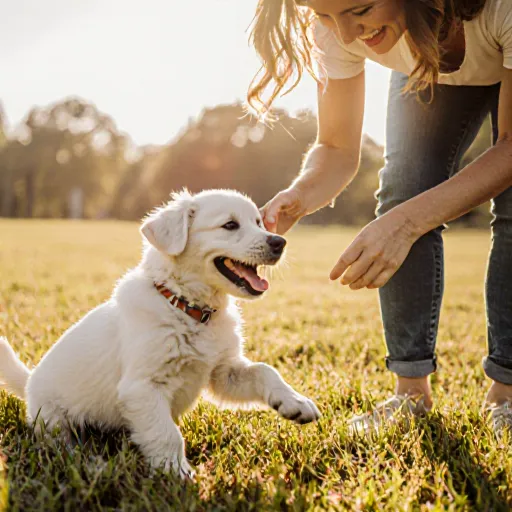
Unlock Your Puppy's Potential with Timing Secrets!
Transform Your Puppy with Timing Magic
Table of Contents
- Understanding Puppy Socialization
- Early Sensory Experiences
- Interaction with Humans
- Meeting Other Dogs
- Exposure to New Environments
- Introducing Leashes and Collars
- Socializing with Children (If Applicable)
- Handling Vets and Medical Procedures
- Outdoor Experiences
- Positive Reinforcement Techniques
- Developing Confidence in New Situations
- Behavioral Challenges and Solutions
- The Role of Nutrition in Socialization
- Conclusion
- FAQ
Understanding Puppy Socialization
Puppy socialization is a critical aspect of raising a well-adjusted, confident dog. This process involves exposing your puppy to various people, animals, environments, and experiences during their early developmental stages. The primary goal of socialization is to ensure that your puppy develops positive associations with new stimuli, which helps prevent fears, phobias, and behavioral issues later in life.
- Birth to 7 Weeks: This is often referred to as the "critical period" for imprinting. During this time, puppies learn basic social behaviors and cues from their mother and littermates. It's crucial that they have positive interactions with humans during this stage to start building trust.
- 7 Weeks to 14 Weeks: This is when puppies begin to explore the world beyond their immediate environment. They should be introduced to new people, animals, and places under controlled conditions to ensure they remain calm and positive in these situations.
- 3 Months to 6 Months: During this period, puppies are becoming more independent but still need structured socialization experiences. It's important to continue exposing them to different environments, people, and animals while ensuring their safety is prioritized.
- Variety in Interactions: Encourage your puppy to meet a diverse group of people. This includes different ages, genders, and body types to ensure they are not fearful or aggressive towards any particular group.
- Contact with Other Animals: If possible, introduce your puppy to other dogs in a controlled environment under supervision. This helps them learn appropriate social behaviors without the risk of aggression.
- Exposure to Noises and Environments: Take your puppy for walks around different areas such as parks, neighborhoods, and busy streets to get used to various sounds and sights.
Start Early: The earlier you begin socializing your puppy, the better. Most experts recommend starting this process as soon as possible after bringing your puppy home.
Use Positive Reinforcement: Always use positive reinforcement during socialization activities. This could include treats, praise, or playtime to encourage good behavior and make the experience enjoyable for your puppy.
Be Patient: Each puppy is different and may react differently to certain stimuli. It's important to be patient and persistent in your efforts to socialize them effectively.
Seek Professional Help if Needed: If you notice any signs of fear or aggression, it might be helpful to consult a professional trainer who can provide guidance tailored to your specific situation.
Early Sensory Experiences
Puppy socialization is a critical period for young dogs, during which they develop essential behaviors and learn to interact with their environment. This phase is crucial as it sets the foundation for how puppies will behave throughout their lives. Early sensory experiences play a pivotal role in this process by shaping their perception of the world around them.
During the critical stages of socialization, puppies are highly sensitive to various stimuli such as sounds, sights, and smells. These early exposures help them form positive associations with common household noises like doorbells or vacuum cleaners, which may otherwise cause fear later in life. For example, a puppy that is exposed to different types of food during its socialization period learns not only what tastes good but also how to approach new foods without anxiety.
The sensory experiences puppies encounter between 3 and 12 weeks old are particularly influential. During this time, they explore their world through touch, sight, sound, taste, and smell. Each of these senses contributes uniquely to the development process:
- Touch: Puppies learn about boundaries and physical contact during this stage.
- Sight: Visual experiences help in recognizing different people and objects.
- Sound: Exposure to various sounds aids in developing hearing acuity.
- Taste: Early taste experiences are important for food preferences and acceptance.
- Olfaction: Smell helps puppies identify family members and other familiar scents.
It is essential that these early exposures are positive. Negative or traumatic events during this time can lead to lasting fears or phobias in the dog later on. For instance, if a puppy has an unpleasant experience with loud noises like fireworks very close by when it is young, it might develop a fear of loud sounds for its entire life.
To ensure optimal socialization and sensory development, it's important to provide balanced experiences. This includes introducing puppies to different people, animals, environments, and situations in a controlled manner. Here are some practical tips:
- Regular Interaction: Regularly exposing the puppy to new people and animals helps build confidence.
- Varying Environments: Taking the puppy to different places like parks, gardens, or even short trips can enhance their adaptability.
- Consistent Handling: Gentle handling of puppies during critical stages is beneficial for both physical and psychological development.
- Positive Reinforcement Training: Using treats and praise to reinforce good behavior helps establish a strong bond between the puppy and its owner.
In conclusion, early sensory experiences are foundational in shaping puppies' social interactions and emotional well-being. By providing varied, positive, and balanced exposures during this critical period, you can help ensure that your puppy grows up to be a well-adjusted adult dog ready for any challenge life throws at it.
Interaction with Humans
In the realm of puppy socialization, understanding the critical stages is paramount for ensuring your puppy grows into a well-adjusted adult dog. Similar principles apply to human interactions within the context of blogging and content creation on WordPress. Just as puppies need consistent exposure to different people, environments, and experiences during their early development, so too do writers and creators benefit from engaging with diverse audiences and platforms.
Critical Stages in Puppy Socialization
- Newborn to 7 Weeks: This is the most sensitive period for puppies. They are highly impressionable and rely on their mother, littermates, and human caregivers during this time. Early handling and exposure to people help build trust and reduce fear-based behaviors later in life.
- Example: A newborn puppy that is gently held by its breeder or foster parent can develop a bond that lasts a lifetime.
- 8 to 12 Weeks: Puppies begin to explore their environment more actively and are highly curious. This period is crucial for learning appropriate behavior towards strangers, animals, and unfamiliar situations. Positive reinforcement plays a key role in shaping good behavior at this stage.
- Example: A puppy that learns to sit before being allowed to greet visitors will likely grow up with good manners around humans.
- 3 to 12 Months: Puppies reach adolescence, a time marked by increased energy and hormonal changes. Proper socialization helps them develop proper boundaries and learn how to interact with other dogs and people in more complex ways.
- Example: A puppy that plays in dog parks learns the importance of respecting space and limits, which translates well into interactions on WordPress forums or in community settings.
Interactive Elements for Bloggers
Just as puppies need to learn to trust and interact with humans, bloggers must also engage with their audience. Building a loyal following hinges on creating content that resonates with your readers while also encouraging them to participate in the conversation.
- Commenting System: Enable comments on your blog posts. Encourage readers to share their thoughts and ask questions. This interaction fosters community engagement, similar to how puppies learn from social interactions during critical stages of development.
- Example: A blogger who responds thoughtfully to comments not only engages with the audience but also strengthens relationships by showing genuine interest in their feedback.
- Social Media Integration: Share your blog posts on various social media platforms. These platforms offer a broader audience and can introduce you to new readers, just as puppies are introduced to new environments during critical stages of development.
- Example: By sharing a blog post about puppy socialization tips on Facebook or Twitter, you can reach pet owners who may not otherwise visit your site.
- Email Newsletters: Build an email list to regularly communicate with subscribers. This is akin to the consistent and nurturing care that puppies receive from their caregivers during critical stages of development.
- Example: A regular newsletter about new blog posts or updates can keep your audience engaged and informed, encouraging them to return for more content.
- Webinars and Live Q&A Sessions: Host webinars or live Q&A sessions where you discuss topics related to your expertise. This direct interaction with your audience allows you to build a stronger connection, much like the trust puppies establish during critical socialization periods.
- Example: A live webinar on SEO tips for WordPress blogs can help clarify complex concepts and build credibility among attendees.
In conclusion, just as puppies need to experience a range of stimuli during critical stages to grow into well-adjusted adults, bloggers must engage with their audience through various interactive elements. By fostering these connections and encouraging participation, you can create a thriving community around your content.
Meeting Other Dogs
Introducing a puppy to other dogs is an essential part of their socialization process. This interaction helps them develop important life skills and behaviors that will make living with humans, as well as other dogs, much easier in the long run. Meeting other dogs should be introduced during critical stages of puppy development when they are most receptive to learning new behaviors.
Critical Stages of Puppy Socialization
- Age 8-12 Weeks: This is the most crucial period for socializing puppies with other dogs. At this age, puppies are highly impressionable and can learn essential behaviors that will last a lifetime. Introducing them to other dogs during this time helps prevent issues like fear or aggression later in life.
- Age 12-16 Weeks: Puppies are still very young but becoming more independent during this time. They should continue meeting other dogs in structured settings to reinforce positive behaviors.
- Age 16-20 Weeks: By now, puppies should be able to distinguish between friendly and unfriendly dogs more effectively. Encourage positive experiences by setting up playgroups or group walks where they can meet multiple dogs.
Example: Take your puppy to a dog park where they can meet various dogs under supervision. This environment allows the puppy to see and interact with different breeds, sizes, and temperaments of dogs, which is invaluable for their social development.
Tips: Organize play dates with friends who have well-socialized puppies. This ensures that the environment is safe and controlled, reducing any stress on your puppy.
Prompt: If you’re planning a trip to the dog park or a social event with other dogs, introduce your puppy slowly before heading out. This allows them time to acclimate and reduces stress.
Practical Advice for Successful Dog Interactions
- Monitor the Interaction: Always keep a close eye on your puppy's behavior during play or social events. Ensure that they are having positive experiences and not becoming overwhelmed.
- Introduce Gradually: Start with brief, low-stress interactions and gradually increase the duration as your puppy becomes more comfortable around other dogs.
- Praise Positive Behavior: Whenever your puppy interacts positively with another dog, praise them immediately. This reinforcement will encourage good behavior in future encounters.
Conclusion
Meeting other dogs is a critical aspect of puppy socialization that should not be overlooked. By introducing your puppy to various dogs during the appropriate stages, you are setting them up for success in their future interactions with both humans and animals.
Exposure to New Environments
In puppy socialization, exposure to new environments is a critical component that cannot be overlooked. Just as puppies need to learn how to behave appropriately around humans, they also require the opportunity to explore and acclimate to various settings outside of their immediate home environment. This process helps them develop confidence and reduces anxiety in unfamiliar situations.
Critical Stages
- Early Weeks: Puppies begin exploring their world from as early as two weeks old, which is when they start to interact with humans and other animals. By this stage, they are learning basic social skills and developing a positive outlook towards people.
- Eight to Twelve Weeks: This period is crucial for puppies to meet new individuals and experience different environments. They should be introduced to various sounds, sights, and smells that will help them grow into well-adjusted adult dogs.
- Ten to Fourteen Weeks: During this time, puppies are more responsive to learning and forming positive associations with novel stimuli. It's an excellent opportunity for them to visit parks, pet stores, or attend puppy classes.
Benefits of Exposure
Exposure to new environments helps puppies:
- Develop a positive attitude towards unfamiliar situations and people.
- Build confidence in their ability to navigate different settings safely.
- Reduce the likelihood of developing phobias or fears later in life.
Practical Advice
To ensure your puppy has a positive and enriching experience during these critical stages, follow these tips:
- Choose Safe Environments: Ensure that the places you take your puppy to are safe and free from potential hazards. Look for areas where there is minimal stress or fear-inducing stimuli.
- Manage Interactions: Supervise interactions with other dogs, humans, and animals carefully. Encourage positive experiences by rewarding calm behavior with treats or praise.
- Vary the Experience: Expose your puppy to different environments such as parks, pet stores, vet offices, etc., to provide a well-rounded socialization experience.
- Be Consistent: Regularly expose your puppy to new experiences and people throughout their early life. Consistency is key in reinforcing positive behaviors and associations.
Examples
Here are some examples of how you can implement exposure to new environments effectively:
- Take your puppy for walks in different neighborhoods. This exposes them to various sights, sounds, and people.
- Visit local dog parks or training classes where they can meet other puppies and adult dogs under controlled conditions.
- Spend time at the vet's office without any procedures being performed. This helps your puppy get used to the environment without the stress of shots or appointments.
Introducing Leashes and Collars
Leashes and collars are essential accessories for your puppy’s early development. They play a crucial role not only in training but also in supporting your puppy's socialization process, which is vital during critical stages of their growth. Properly fitting leashes and collars can make walks more comfortable and enjoyable for both you and your pup.
Leashes are primarily used to control the movement of a puppy while outside, ensuring they stay safe and follow commands. Choosing the right leash is important as it should be durable yet flexible enough not to restrict your dog’s natural movements too much.
- Polyester Leashes: These are lightweight and easy to clean but might stretch over time which isn't ideal for training.
- Nylon Leashes: Known for their strength, they also tend to be durable yet somewhat heavy. They come in various lengths ranging from 4 feet to 6 feet making them versatile depending on your needs.
- Fabric Leashes: Soft and comfortable for the dog but not as strong or durable as nylon or polyester options.
The collar is an accessory that can aid in training, identification, and even comfort. The type of collar you choose will depend on your puppy’s age, size, and the activities you plan to do with them.
- Standard Collars: Commonly made from metal or nylon, these are generally used for everyday walking and training.
- Buckle Collars: Known for their comfort and security; they feature a quick-release buckle making them easy to put on and take off. They come in various sizes suitable for different breeds and sizes of dogs.
- Harnesses: More comfortable for the dog, especially during walking or running activities as they distribute pressure across the chest rather than just around the neck. They can be particularly beneficial for puppies who are still developing their neck muscles.
Puppy socialization is critical and should start as early as possible after bringing your puppy home. Properly fitting leashes and collars play a significant role during these critical stages by ensuring the puppy feels secure, which helps to foster good behavior.
- Early Exposure: Leashes and collars help in taking puppies out for walks where they can meet new people, animals, and environments. This early exposure is crucial as it builds confidence and reduces fear-based behaviors later on.
- Positive Associations: When the puppy associates the leash or collar with positive experiences such as treats or playtime, it encourages a favorable response to these tools during training sessions.
In conclusion, choosing the right leashes and collars for your puppy is not just about comfort; it's about providing the best support for their socialization process. Ensuring that they are properly trained with these tools can greatly enhance the bonding between you and your pup while ensuring a safer and more enjoyable experience.
Handling Vets and Medical Procedures
Puppy socialization is a critical period in your pet's development that sets the foundation for their future behavior and interactions. Just as you must pay attention to these stages, understanding how to handle veterinarians (vets) and medical procedures can be equally important. Ensuring a positive experience during veterinary visits will help reinforce good behavior and trust between your puppy and the vet.
Critical Stages of Puppy Socialization
- Birth to 7 Weeks: This is known as the "critical" period of socialization for puppies. During this time, they learn important life skills and develop basic behaviors from their mother and littermates.
- 7-12 Weeks: Puppies begin exploring outside their immediate environment, which allows them to become accustomed to new people, animals, and environments. This is also the ideal age for their first visit to the vet.
- 3-4 Months: At this stage, puppies start developing more complex behaviors that will influence how they interact with others in adult life. Socializing them properly during these weeks can prevent behavioral issues later on.
Preparing for Veterinary Visits
To make veterinary visits a positive experience for your puppy, it's essential to prepare them both mentally and physically. Here are some tips:
- Familiarize Your Puppy with the Vet Environment: Before scheduling an appointment, take your puppy around the vet’s office without actually going in. Letting them sniff the building can help reduce fear or anxiety upon arrival.
- Use Positive Reinforcement: Reward your puppy for calm behavior during their visit. This could be a treat or praise, which will associate visits with something enjoyable rather than scary.
- Short and Sweet Visits: Keep the first few appointments short to avoid overwhelming your puppy. As they grow more comfortable, you can gradually extend the duration of these visits.
Practical Advice for Handling Medical Procedures
Puppies, like young children, can become anxious during medical procedures. Here are some strategies to help your puppy cope:
- Desensitize Your Puppy: Expose your puppy gradually and repeatedly to the tools used by the vet (e.g., thermometer, syringes). This helps them recognize these items as harmless.
- Stay Calm Yourself: Puppies can sense their owner's emotions. If you are anxious or stressed about a procedure, your puppy may pick up on this and become more fearful.
- Use Positive Distractions: During the appointment, give your puppy something interesting to focus on, such as a toy or treat, which can help take their mind off the procedure.
In conclusion, just like understanding and supporting critical stages of puppy socialization, it's crucial to approach vet visits and medical procedures with care and preparation. By following these guidelines, you'll not only make these experiences more comfortable for your puppy but also build a stronger bond between you both.
Outdoor Experiences
Just as socialization is crucial during a puppy’s early development, so too are outdoor experiences. These formative encounters help your puppy develop into a well-adjusted adult dog who can confidently navigate the world around them.
Critical Stages of Socialization
During the first few months of life, puppies go through critical stages that shape their behavior and reactions to new stimuli. These stages are similar to what you might encounter in your outdoor experiences with your puppy:
- 0-7 Weeks: Neonatal Stage
- 4-14 Weeks: Socialization Critical Period
- 3-14 Weeks: Fear Imprinting Period
- 14 Weeks and Beyond: Generalization Period
This is the most vulnerable time for a puppy, but it’s also when they start learning basic behaviors and responses. In this stage, you can introduce them to soft, gentle outdoor experiences like short walks in a quiet park or backyard play with a soft toy.
This is when puppies learn the most about their environment. They need positive experiences with various people, animals, and settings. Take your puppy to dog parks where they can meet other friendly dogs under supervision.
Puppies begin to develop a fear of new things during this period. It’s important to expose them to new environments in a controlled and positive way. For example, visiting different types of outdoor spaces such as beaches or hiking trails can help build their confidence.
Puppies start to generalize what they’ve learned during the critical period. They are more confident in new environments but still need consistent positive reinforcement. Continue taking them on a variety of walks, visits to different parks, or even short trips to local cafes.
Practical Advice for Outdoor Experiences
To ensure your puppy has the best outdoor experiences possible:
- Choose Safe Locations
- Supervise at All Times
- Encourage Positive Interactions
- Gradually Increase Exposure
- Stay Flexible
Always select areas where there is minimal risk of accidents or encounters with aggressive dogs. Parks with designated dog play areas are ideal.
Never leave your puppy unsupervised, especially in new environments where they might feel overwhelmed. This helps you manage the experience and step in if needed.
Praise and reward your puppy for positive behaviors during these experiences. Use treats or verbal praise to reinforce good behavior.
Start with short, simple walks and gradually increase the duration and complexity of the activities as your puppy becomes more comfortable.
If your puppy shows signs of stress or discomfort, it’s important to recognize this and adjust the experience accordingly. Sometimes, less is more at first.
Examples of Outdoor Experiences
- Dog Parks
- Hiking Trails
- Beaches
These are excellent for puppies to interact with other dogs in a controlled environment. Make sure the park is well-maintained and that there aren’t too many aggressive or hyperactive dogs present.
Walking on trails can be a great way for your puppy to get exercise while also learning about different terrains. Choose easy, scenic trails where you can keep an eye on them at all times.
The soft sand and water can provide stimulating experiences for your puppy. Just ensure the beach is clean and that there aren’t too many people or dogs around to overwhelm them.
Positive Reinforcement Techniques
Puppy socialization is a critical stage in a dog's development, and using positive reinforcement techniques can significantly enhance this process. Positive reinforcement involves rewarding desirable behaviors to encourage their repetition, thereby promoting healthy social interactions with humans and other animals.
Critical Stages of Puppy Socialization
Understanding the key stages of puppy socialization is essential for effective training using positive reinforcement techniques:
- Age 2-7 Weeks: This is a sensitive period where puppies learn about their environment through sensory experiences. It's crucial to provide safe, enriching environments and gentle handling during this time.
- Age 3-14 Weeks: Puppies start to develop fear responses at around 8 weeks. Positive reinforcement can help them overcome these fears by introducing new people, animals, and environments in a controlled manner.
- Around 4 Months: By this age, puppies should be introduced to more complex social interactions, including group play and training sessions. This is also the time to start formal obedience classes.
Positive Reinforcement Techniques
To effectively use positive reinforcement during puppy socialization, consider implementing these techniques:
- Use High-Quality Treats: Choose treats that are nutritious and small enough to avoid overfeeding. Chicken baby wipes or freeze-dried liver can be excellent choices.
- Praise and Petting: Verbal praise, such as "good boy/girl," along with gentle petting, can reinforce good behavior without relying solely on treats.
- Consistency: Be consistent in your commands and rewards. Consistent positive reinforcement helps puppies understand what is expected of them.
- Positive Distraction: When a puppy shows signs of stress, use positive distractions like toys or games to redirect their attention and make the experience more enjoyable.
Practical Examples
Here are some practical examples of how you can apply positive reinforcement techniques during puppy socialization:
- Introducing New People: When meeting new people, keep the introduction short and positive. Reward your puppy with treats and praise for calm behavior.
- Exposure to Other Animals: Arrange supervised playdates with well-behaved dogs or cats under controlled conditions. Reward good behavior with treats and affection.
- Exploring New Environments: Take your puppy on short, positive walks in different areas of your neighborhood. Praise and reward them for remaining calm and focused during these excursions.
Conclusion
By focusing on positive reinforcement techniques during the critical stages of puppy socialization, you can help ensure that your dog grows into a well-socialized adult. Remember to be patient, consistent, and always use positive experiences to shape your puppy's behavior.
Developing Confidence in New Situations
The concept of developing confidence in new situations, much like puppy socialization, is fundamental to a dog's (or person's) ability to thrive and adapt. Just as puppies have critical stages during which they are most receptive to learning behaviors and forming attachments, individuals also go through phases where they can more easily develop confidence. Understanding these stages helps in fostering resilience and adaptability.
Critical Stages for Building Confidence
Similar to how puppies need socialization during their early weeks to avoid developing behavior issues later on, humans too have developmental windows when certain skills are more easily acquired. During these times, it is essential to provide positive experiences and support.
- Early Childhood (Age 0-3): This stage involves trust formation and basic social interactions. Just as puppies need gentle handling and exposure to different people and environments during this time, children should be given opportunities for exploration in a safe environment. Parents can encourage confidence by allowing kids to play with diverse toys and engage in activities that challenge them but are not overwhelming.
- Example: Taking your child to the park where they meet other kids and interact without pressure. This helps build their social skills early on.
- Preschool Age (Age 3-5): By now, children are ready for more structured play and learning experiences. It's important to expose them to various activities that foster creativity and problem-solving abilities. Encouraging them to try new things without fear of failure is crucial.
- Example: Enroll your child in a creative arts class or science experiment kits. This helps build confidence while learning something new.
- Elementary School Age (Age 6-12): At this stage, children are more capable of understanding abstract concepts and can engage in complex tasks. They should be encouraged to take on leadership roles within their groups or teams, whether it's in school clubs or sports activities.
- Example: Allow your child to join a team sport where they learn teamwork and perseverance through regular practice and competition.
- Adolescence (Age 12-18): Adolescents are highly influenced by peer interactions and self-image. They should be encouraged to pursue interests that align with their passions, whether it's sports, arts, or academics. Building confidence during this time is crucial for future success.
- Example: Support your teen in pursuing extracurricular activities they are passionate about and encourage them to participate in leadership roles within those groups.
- Young Adulthood (Age 18-25): During this period, individuals are expected to make important decisions that shape their future. Encouraging independence and decision-making is key to building confidence during these formative years.
- Example: Allow your young adult to manage their own finances or make significant life choices with guidance but without overstepping.
In summary, just as puppies have critical stages for socialization and development of trust, humans also benefit from being exposed to new experiences at various stages in their lives. By providing a nurturing environment that encourages exploration and learning, we can help individuals build the confidence needed to navigate both familiar and unfamiliar situations with ease.
Behavioral Challenges and Solutions
When it comes to raising a well-rounded and confident puppy, socialization during the critical stages of development is paramount. This period, typically between 3 to 16 weeks old, sets the foundation for your puppy's future behavior. Missing these crucial stages can lead to behavioral challenges later in life, making proper socialization essential.
Critical Stages of Socialization
- 0-7 Weeks: Sensory Exploration and Familiar Faces
Puppies begin to explore their environment during this time. They start recognizing familiar faces and learn to interact with humans in a gentle manner. This is also the stage where puppies form strong bonds with their littermates.
- 7-14 Weeks: Friendly Socialization
During this period, puppies are more open to new experiences and can learn from different environments, people, and animals. This is the critical time for introducing your puppy to various sights, sounds, and smells.
- 14-16 Weeks: Establishing Boundaries
This stage involves learning basic boundaries and limits, which helps prevent behavioral issues down the road. It's also important to start training during this period for good behavior.
Behavioral Challenges
Lack of proper socialization can lead to several behavioral challenges in puppies and adult dogs, including fearfulness, aggression, and anxiety. These issues can make your pet less comfortable in various situations, leading to stress for both the dog and its owner.
- Fearfulness: Puppies that are not properly socialized may develop a fear of new things or loud noises.
Example: A puppy that has not been exposed to thunderstorms might become terrified during one. This can lead to destructive behaviors like chewing furniture out of stress.
- Agression: Without proper socialization, puppies may develop aggressive tendencies towards other dogs or people.
Example: An un-socialized puppy might growl or bite when approached by strangers in the park. This can create dangerous situations and make it difficult for you to control your dog.
- Anxiety: Puppies that do not learn how to handle stress during their critical socialization period may develop anxiety issues.
Example: A puppy that has not been exposed to loud noises might panic and bark excessively when thunderstorms occur.
Solutions and Tips
To address these behavioral challenges, it's crucial to implement a structured plan that focuses on positive reinforcement techniques. Here are some practical tips:
- Expose Your Puppy Early: Introduce your puppy to various environments, people, and animals early in life.
Take your puppy for walks around the neighborhood or visit dog parks where they can meet other dogs under controlled settings.
- Positive Reinforcement: Reward good behavior with treats and praise. Avoid punishment, as this can cause fear and aggression.
Congratulate your puppy when it behaves well during socialization sessions or training exercises.
- Consistency in Training: Establish clear rules and consistency in your training methods. This helps build a strong foundation for good behavior.
Use consistent commands and follow through with your expectations to create a predictable routine for your puppy.
By understanding these critical stages of socialization and addressing potential behavioral challenges, you can ensure that your puppy grows into a well-adjusted, friendly, and confident companion. Remember, early intervention is key in shaping your puppy's future behavior!
The Role of Nutrition in Socialization
The role of nutrition in puppy socialization is often overlooked, but it plays a significant part in shaping the future behavior and development of puppies. Proper nutrition during critical stages can influence how well puppies adapt to new environments and interact with their surroundings. Understanding these stages and incorporating appropriate dietary strategies can greatly enhance your puppy's socialization process.
Stage 1: Birth to Eight Weeks (Neonatal Period)
This is the initial stage where puppies are entirely reliant on their mother and littermates. The social bonds formed during this time can set a foundation for future behavior. While nutrition at this early age primarily focuses on supporting rapid growth, it indirectly influences socialization by ensuring strong physical health.
Stage 2: Eight to Eleven Weeks (Weaning Period)
At weaning, puppies start to explore their environment more actively. This period is crucial for sensory development and learning about new experiences. Providing a balanced diet rich in essential nutrients helps support brain growth, which is vital for cognitive skills like problem-solving and learning.
Stage 3: Eleven Weeks to Six Months
This is the most critical period for puppy socialization. Puppies are highly receptive to new experiences during this time and can form lasting impressions that affect their behavior throughout life. Ensuring balanced nutrition supports immune function, energy levels, and overall health, allowing them to engage more effectively with people and other animals.
To optimize your puppy's socialization process through nutrition:
- Choose High-Quality Food: Look for dog food that meets the standards of organizations like AAFCO. Ingredients should include quality proteins, fats, and carbohydrates to support brain development.
- Consult a Veterinarian: Regular check-ups ensure your puppy is receiving all necessary nutrients tailored to its specific needs.
- Vary the Diet: Introducing different textures and flavors can prepare your puppy for new experiences, making socialization smoother. This also helps in preventing picky eating habits later on.
In summary, while the process of socializing a puppy involves many elements such as environmental exposure and training, nutrition plays an integral role in preparing puppies physically to handle these challenges. By focusing on balanced diets during critical stages, you are setting your puppy up for successful socialization and a lifetime of positive experiences.
Conclusion
Puppy socialization is a critical process that plays a significant role in shaping the behavior and temperament of dogs throughout their lives. As highlighted in the article "Puppy Socialization: Critical Stages You Can’t Miss," this process involves exposing puppies to various environments, people, animals, and experiences during their early developmental stages, typically between 3 and 14 weeks of age. Proper socialization helps prevent behavioral issues such as fearfulness, aggression, and anxiety in dogs.
During these critical stages, puppies are highly receptive to learning about the world around them. The article emphasizes that this is not just a time for exposure but also an opportunity for puppies to learn appropriate behaviors from their interactions with others. It's essential for owners to understand that every encounter during this period can have long-lasting effects on their puppy’s development.
For example, if a puppy has negative experiences with loud noises or specific types of people early in life, it may develop fear and anxiety towards those stimuli later in its life. On the other hand, positive interactions during these stages help puppies build confidence and reduce stress. This is why it's crucial for owners to be mindful of their puppy’s experiences and ensure they are safe and pleasant.
To provide practical advice on how to socialize your puppy effectively, here are some key points:
- Exposure to People: Involve as many people as possible in the puppy's early life. Include different genders, ages, ethnicities, and sizes of individuals. This helps puppies become comfortable with a variety of human interactions.
- Introduction to Other Animals: Introduce your puppy to various types of animals, such as cats, rabbits, or other dogs (if safe), in controlled environments. This promotes tolerance and reduces potential conflicts later on.
- Visit New Places: Take the puppy to different locations like parks, pet stores, or even quiet roads where there are fewer distractions. Exposure to various scents, sounds, and sights helps puppies become more adaptable and less fearful in diverse situations.
- Handle Your Puppy Gently: Let your puppy get used to being touched and handled by different people. This includes checking ears, trimming nails, and handling the mouth gently but firmly. Regular handling can help avoid phobias or aggressive behaviors later.
In conclusion, puppy socialization is not just about exposing your puppy to new things; it's about creating positive experiences that will last a lifetime. By understanding and implementing the critical stages of socialization, you can contribute significantly to raising a well-adjusted, confident, and happy dog. Remember, every encounter during this period matters, so make sure they are safe, enjoyable, and varied.
FAQ
Early socialization is crucial for puppies to grow into well-rounded, happy dogs. It's important for owners to understand the critical stages of puppy socialization and how they can support their pup during these phases. Here are some key points to consider:
Critical Periods of Socialization
- Age 2-7 Weeks: This is the most sensitive period for a puppy's neurological development and social learning. During this time, puppies are highly receptive to new experiences, including sights, sounds, people, animals, and environments.
- Age 3-14 Weeks: This stage involves critical exposure to different types of people, especially children, men, women, and elderly individuals. It's important for puppies to interact with a variety of faces and voices during this time.
- Age 7-12 Weeks: This is when puppies learn about their body parts and how they function. They also begin to understand boundaries and limits. During these weeks, it's crucial to provide positive reinforcement for good behavior.
Benefits of Proper Socialization
Proper socialization helps puppies develop confidence, trust in humans, and a healthy fearlessness towards new experiences. It also reduces the likelihood of developing phobias or fears that could lead to behavioral issues later in life.
Practical Advice for Socializing Your Puppy
- Create Safe Experiences: Ensure that all socialization activities are safe and positive. Avoid overwhelming your puppy with too many new stimuli at once. Start slowly and gradually increase the complexity of interactions.
- Incorporate Variety: Expose your puppy to different environments, people, animals, and sounds. This helps them become comfortable in a wide range of settings.
- Praise and Reward Good Behavior: Use positive reinforcement techniques to encourage good behavior during socialization sessions. Puppies respond well to treats, praise, and play.
- Monitor Your Puppy's Comfort Level: Always observe your puppy closely during socialization activities. If they show signs of stress or fear, it's important to remove them from the situation and try again later when they are more comfortable.
Examples of Socialization Activities
- Taking your puppy to a dog park for supervised playtime with other vaccinated dogs.
- Scheduling visits to different types of environments such as parks, beaches, or grocery stores.
- Involving friends and family members in interacting with the puppy.
- Exposing the puppy to various sounds like vacuum cleaners, hair dryers, or traffic noises.
By understanding the critical stages of socialization and implementing practical advice, you can help ensure that your puppy grows up to be a well-socialized, confident companion. Remember, early and consistent exposure to different stimuli is key during these formative weeks.
Categories
- AI & Enrichment Play
- Broiler Farming
- Broiler Farming Tips
- Canine Wellness & Longevity
- Cat
- Cat & Human Connection
- Cat Adoption & Rescue
- Cat Breeds
- Cat Breeds & Personalities
- Cat Care & Health
- Cat Grooming & Hygiene
- Cat Lifestyle & Environment
- Cat Myths & History
- Cat Nutrition & Diet
- Cat Products & Reviews
- Cat Training & Behavior
- Comparison
- Consumer Awareness
- Dog
- Dog Accessories & Products
- Dog Adoption & Rescue
- Dog Breed & Lifestyle Trends
- Dog Breeding & Puppies
- Dog Entertainment & Media
- Dog Fashion & Trends
- Dog Fun & Lifestyle
- Dog Grooming & Hygiene
- Dog History & Culture
- Dog Myths, Science & Future Tech
- Dog News & Trends
- Dog Nutrition & Food
- Dog Psychology & Emotions
- Dog Safety & Security
- Dog Sports & Activities
- Dog Technology & Innovation
- Dog Training for Modern Owners
- Dog Travel & Adventure
- Dog Travel, Adventure & Culture
- Economic and Market Insights
- Educational Content
- FAQs
- Feeding Alternatives
- Festivals & Seasonal Ideas
- Fun & Entertainment
- General Knowledge
- General Pig Farming
- Health & Disease Management
- Housing and Environment
- Kittens
- Market Insights
- Miscellaneous
- Miscellaneous
- Motivational
- pig
- Pig Breeding
- Pig Breeds
- Pig Farming Stories and Inspiration
- Pig Health and Care
- Pig Nutrition
- Pig Products
- Profitability & Business
- Puppy Care
- Puppy Predictable Topics Reinvented
- Regional Focus
- Rescue & Adoption Buzz
- Senior Cats
- Senior Dog Care
- Smart Dog Tech & Gadgets
- Sustainability
- Sustainable & Eco-Friendly Dog Products
- Tech & Innovations
- Working & Service Dogs
- Broiler Feed66 products
- Country Feed33 products
- Pig Feed66 products
- Product22 products
- Raw Materials99 products
Products
-
 Fish Meal
₹1,999.00 – ₹2,999.00Price range: ₹1,999.00 through ₹2,999.00Rated 0 out of 5
Fish Meal
₹1,999.00 – ₹2,999.00Price range: ₹1,999.00 through ₹2,999.00Rated 0 out of 5 -
 FATTENING BROILER FEED
₹2,299.00 – ₹2,349.00Price range: ₹2,299.00 through ₹2,349.00Rated 0 out of 5
FATTENING BROILER FEED
₹2,299.00 – ₹2,349.00Price range: ₹2,299.00 through ₹2,349.00Rated 0 out of 5 -
 LAYER COUNTRY FEED
₹1,549.00 – ₹1,649.00Price range: ₹1,549.00 through ₹1,649.00Rated 0 out of 5
LAYER COUNTRY FEED
₹1,549.00 – ₹1,649.00Price range: ₹1,549.00 through ₹1,649.00Rated 0 out of 5 -
 COUNTER BROILER FEED
₹1,199.00 – ₹1,299.00Price range: ₹1,199.00 through ₹1,299.00Rated 0 out of 5
COUNTER BROILER FEED
₹1,199.00 – ₹1,299.00Price range: ₹1,199.00 through ₹1,299.00Rated 0 out of 5 -
 LACTATING PIG FEED
Rated 0 out of 5
LACTATING PIG FEED
Rated 0 out of 5₹2,299.00Original price was: ₹2,299.00.₹1,740.00Current price is: ₹1,740.00. -
 Maize
Rated 0 out of 5
Maize
Rated 0 out of 5₹1,650.00Original price was: ₹1,650.00.₹1,300.00Current price is: ₹1,300.00. -
 GESTATION PIG FEED (Phase 1)
Rated 0 out of 5
GESTATION PIG FEED (Phase 1)
Rated 0 out of 5₹2,249.00Original price was: ₹2,249.00.₹1,699.00Current price is: ₹1,699.00. -
 Pre Starter Broiler Feed
₹2,399.00 – ₹2,499.00Price range: ₹2,399.00 through ₹2,499.00Rated 0 out of 5
Pre Starter Broiler Feed
₹2,399.00 – ₹2,499.00Price range: ₹2,399.00 through ₹2,499.00Rated 0 out of 5 -
 FINISHER PIG FEED
Rated 0 out of 5
FINISHER PIG FEED
Rated 0 out of 5₹2,299.00Original price was: ₹2,299.00.₹1,749.00Current price is: ₹1,749.00. -
 Broiler Premix
Rated 0 out of 5
Broiler Premix
Rated 0 out of 5₹820.00Original price was: ₹820.00.₹699.00Current price is: ₹699.00.
Socializing with Children (If Applicable)
In the realm of child development, just as puppies undergo critical stages during their socialization period, children also experience significant milestones where they are most receptive to learning and forming lasting impressions. Socializing with children, especially those in early developmental stages, is a crucial aspect that cannot be overlooked.
Puppy Socialization: Critical Stages You Can't Miss
Similar to puppies, children go through critical stages during their socialization process where they are most open and responsive to learning. These stages are vital for the development of skills that will influence their behavior as they grow older.
Socializing Children: Critical Stages You Can't Miss
Similar to puppies, children go through critical stages during their socialization process where they are most open and responsive to learning. These stages are vital for the development of skills that will influence their behavior as they grow older.
To ensure optimal development during these critical stages, it is essential to provide a stimulating environment that encourages exploration and interaction. Here are some practical tips for parents:
In conclusion, just as puppies go through critical socialization stages, children also benefit greatly from structured social experiences during their early years. By understanding these stages and implementing appropriate strategies, parents can help their children develop strong social skills that will serve them well throughout life.