
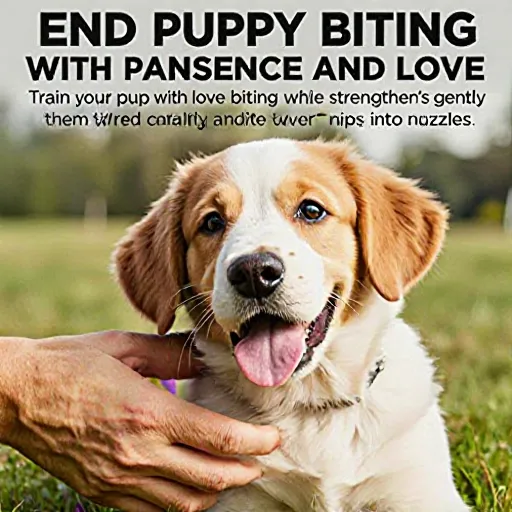
How to Stop Puppies from Biting Using Compassion
End Puppy Biting with Patience and Love
Table of Contents
- Understanding Puppy Biting Behavior
- The Importance of Early Training
- Identifying the Root Causes of Biting
- Establishing Consistent Boundaries and Rules
- Redirecting Your Puppy's Attention
- Providing Plenty of Playtime and Toys
- Teaching Alternatives to Biting Behavior
- Using Positive Reinforcement Techniques
- Consistency in Training Methods
- Setting a Good Example for Your Puppy
- Handling Aggressive or Fearful Behaviors
- Consulting with a Professional Trainer if Necessary
- Preventing Biting in the First Place
- Conclusion
- FAQ
Understanding Puppy Biting Behavior
Puppies, by nature, are full of energy and curiosity. Their playful nips and bites are often seen as harmless fun, but for owners, they can be a source of concern. Understanding why puppies exhibit this behavior is the first step in addressing it effectively.
Puppy biting is typically a result of several factors:
- Teething: Teething can cause discomfort, leading puppies to seek relief by chewing on objects. This includes human hands and fingers.
- Exploration: Puppies use their mouths to explore the world around them. They learn about objects by mouthing or biting them.
- Socialization: Puppies are social animals that learn important behaviors from interacting with others. Biting can be a form of play or dominance testing during these interactions.
The key to handling puppy biting is consistency, patience, and positive reinforcement techniques. Here are some practical tips:
Redirect the Behavior
If your puppy starts biting or nipping, redirect their attention to an appropriate chew toy. This teaches them that there are acceptable alternatives for outletting their energy.
        // Example of redirection
        if (dog.isBiting()) {
            giveDogToy();
            say("This is for you to play with.");
        }
Use Positive Reinforcement
Praise or reward your puppy when they choose not to bite. This can be in the form of verbal praise, treats, or petting.
        // Example of positive reinforcement
        if (!dog.isBiting()) {
            giveDogA treat();
            say("Good boy!");
        }
Be Consistent
Consistency is crucial in training. Ensure that all family members and visitors use the same approach to handling puppy biting.
Provide Sufficient Exercise and Playtime
A tired puppy is less likely to engage in destructive behaviors like biting. Make sure your puppy has adequate time for exercise and play each day.
        // Example of ensuring sufficient exercise
        ensureDailyWalks();
        providePlaytime(2 - 3 times per day);
- Example Scenario: When your puppy starts nipping at your hands, gently pull away while saying "Ow!" and redirect their attention to a chew toy.
- Another Example: If your puppy is biting during playtime, stop the play session for a short break. Resume play only after the puppy has demonstrated better behavior with the chew toy.
Puppy biting can be managed effectively through understanding and consistent training techniques. By providing appropriate outlets for their energy and attention, you can help your puppy grow into a well-behaved adult dog.
The Importance of Early Training
The importance of early training for puppies cannot be overstated. Early socialization and behavioral training play a crucial role in shaping your puppy’s future behavior, especially when it comes to handling situations like biting and nipping. Puppies naturally explore their environment through mouthing and chewing, which are essential activities for teething and learning about the world around them. However, if left unchecked, this natural behavior can become problematic as they grow older.
Puppies use their mouths to explore and interact with their environment. This is a normal part of growing up, but it can lead to biting or nipping if not properly managed. By the time puppies are about three months old, they start teething, which makes them more inclined to chew on anything within reach. Early training helps you guide this behavior into something that’s safe and appropriate for both your puppy and others.
Early training is vital because it sets the foundation for a well-behaved adult dog. If your puppy learns from an early age to use its mouth appropriately, it will be less likely to engage in destructive behaviors as it grows up. Here are some ways early training can help:
- Establish Boundaries: Teach your puppy that there are certain items they should not bite or chew on.
- Promote Safe Chewing: Provide appropriate toys for your puppy to chew on, which can reduce the likelihood of them chewing on inappropriate objects like shoes or furniture.
- Encourage Positive Behaviors: Reward good behavior with treats and praise to reinforce the desired actions.
To handle puppy biting effectively, it’s important to provide clear guidance and consistent training. Here are some practical tips you can follow:
- Redirect Attention: When your puppy starts nipping or mouthing, immediately redirect its attention to a toy. This teaches the puppy that toys are acceptable objects for chewing.
- Praise Good Behavior: Give lots of praise and treats when your puppy uses a toy instead of biting you or other objects.
- Use Commands: Teach your puppy commands like "leave it" to help them understand that certain items are off-limits. Consistent use of these commands will reinforce the message.
Consider the case of a family with two children and a newly adopted puppy. The parents noticed that their puppy was frequently nipping at both toys and the kids’ hands during playtime. After implementing early training methods, including providing plenty of chew toys and teaching the puppy to use commands like "leave it," the puppy quickly learned what behaviors were acceptable.
Another example involves a dog trainer who worked with a client whose puppy was known for nipping at everyone’s hands during walks. By using redirection techniques and positive reinforcement, the trainer helped the puppy learn that it should only use its mouth on specific toys designed for chewing. This intervention led to significant improvements in the puppy's behavior.
In conclusion, early training is essential when dealing with a puppy’s natural tendency to bite and nip. By understanding your puppy’s needs and providing appropriate guidance, you can help ensure that your puppy grows up to be a well-behaved adult dog. Remember, consistency is key in teaching your puppy what behaviors are acceptable and which ones need to be avoided.
Identifying the Root Causes of Biting
Identifying the root causes of biting can be challenging, as puppies and young dogs often exhibit this behavior for a variety of reasons. Understanding why your puppy is biting or nipping is crucial in developing effective strategies to manage it. Here are some common root causes:
Teething
Puppies go through the process of teething, which typically starts around 3 months of age and can last until they're about 6-7 months old. During this time, their adult teeth start to push through the gums. This can be uncomfortable for them, leading puppies to seek relief by biting on anything within reach. Providing your puppy with appropriate chew toys designed to soothe teething pain is essential.
Exploration and Playfulness
Puppies are naturally curious creatures and use their mouths as a way to explore the world around them. They often bite or mouth objects, people, or other animals as part of their play. This behavior can sometimes escalate into nipping if it isn't appropriately redirected towards appropriate chew items like bones or tug toys.
Attention Seeking
Sometimes puppies resort to biting when they are seeking attention from you or others. If your puppy gets praise, playtime, or treats for biting, it might interpret this as an effective way of getting your attention. It's important to ignore the biting behavior and only reward positive interactions.
Resource Guarding
Puppies can start to guard toys, food bowls, or other resources from others, including their owners. This is a natural instinct that can lead to aggressive behaviors if not addressed properly. Consistent training around resource sharing and ensuring all family members model the appropriate behavior will help reduce this issue.
Excitement
Puppies often get excited when interacting with people or other animals, which can sometimes be expressed through nipping behaviors. Teaching your puppy to calm down during high-energy moments and using commands like "sit" or "wait" before giving attention helps manage this excitement.
Separation Anxiety
Puppies suffering from separation anxiety may exhibit biting as a way of dealing with stress when they are left alone. Providing adequate mental stimulation, ensuring your puppy has plenty of exercise beforehand, and gradually increasing the duration of time you're away can help manage this behavior.
Once you have identified the root cause of your puppy's biting or nipping, it becomes easier to implement effective strategies. Consistency is key in training, so establish rules early on that discourage unwanted behaviors while rewarding good ones. Always supervise interactions between puppies and other pets until all involved are comfortable with each other.
Practical Advice
- Provide plenty of appropriate chew toys to satisfy your puppy’s teething needs.
- Distract your puppy whenever they start to bite, redirecting their attention to a toy or game instead.
- Avoid giving any form of attention when your puppy is biting – this includes scolding them; focus on positive reinforcement during playtime and training sessions.
- Consistently enforce boundaries regarding resource guarding by teaching your puppy that sharing is rewarded more than keeping things to oneself.
- Encourage calm behavior in excited situations by using commands like "sit" or "wait," followed by rewards once your puppy has calmed down appropriately.
Establishing Consistent Boundaries and Rules
Establishing consistent boundaries and rules is crucial when dealing with a puppy's biting and nipping behaviors. Consistency helps your puppy understand what is expected of them, reducing confusion and stress for both you and the puppy. Here are some practical steps to help establish these boundaries effectively:
1. Define Clear Boundaries
It's important to set clear limits on what behaviors are acceptable and which are not. For instance, let your puppy know that it is okay to chew on appropriate toys but biting you or other family members is completely unacceptable.
2. Use Positive Reinforcement
Positive reinforcement techniques like praise, treats, and playtime can encourage good behavior. Whenever your puppy shows restraint around human skin, reward this with a treat or extra attention to reinforce the positive action. This helps the puppy associate desirable behavior with rewards.
3. Distract Instead of Discourage
If your puppy starts nipping, instead of yelling at them or punishing, redirect their energy towards something more appropriate. For example, if they start to nudge you for attention, gently push their nose away and offer a toy. This teaches the puppy that they can still get your attention in a manner that doesn't involve biting.
4. Set Up Safe Spaces
Create specific areas where your puppy is allowed to chew without restrictions (like puppy-proofed rooms). Encourage them to use these spaces for chewing by providing plenty of toys and treats there. This helps reduce the likelihood that they will attempt to bite you elsewhere.
5. Consistent Consequences
Consistency is key in enforcing rules. If your puppy bites, ensure all family members respond uniformly with a firm “no” or distraction technique. Over time, this helps the puppy learn that biting results in negative consequences.
6. Teach Alternatives to Biting
Teach your puppy alternative behaviors such as “sit,” “stay,” or “drop it.” These commands not only provide outlets for excess energy but also give the puppy a better understanding of how to interact appropriately with humans and other animals.
7. Be Patient and Persistent
Changing behavior takes time, especially during the early stages of development when puppies are learning social skills. Stay patient and persistent in enforcing rules while being kind but firm. Remember that every puppy is unique; what works for one may not work for another.
8. Seek Professional Help When Necessary
If your puppy continues to display severe biting or nipping behavior, consider consulting a professional dog trainer or animal behaviorist. They can provide personalized advice tailored specifically to your situation and help develop strategies that meet the unique needs of both you and your pup.
By implementing these tips consistently, you'll be better equipped to handle any puppy biting or nipping issues effectively. Remember, the key is consistency combined with positive reinforcement—making sure your puppy understands what behaviors are acceptable while providing alternatives they can enjoy.
Redirecting Your Puppy's Attention
When dealing with a biting or nipping puppy, it’s important to understand that this behavior is often a natural part of their development. Puppies explore the world through their mouths, and they need redirection techniques to learn what behaviors are acceptable in your home.
Puppies are teething when they're around three months old, which can lead them to chew on anything within reach. This is a phase that typically lasts about four weeks. However, chewing isn’t just about teething; it’s also a way for puppies to explore and learn their environment. When your puppy nips or bites, it could be because they are seeking attention, relieving discomfort from teething, or simply playing.
The key to handling biting and nipping is redirecting your puppy's attention away from unwanted behaviors. Here’s how you can do that:
- Create Distractions: When your puppy starts to bite or nip, offer them a suitable toy instead. For example, if they are chewing on your hand, immediately distract them by giving them a chew toy and praise their good behavior.
- Praise Positive Behavior: Always reinforce the positive behaviors you want to see. When your puppy takes the toy instead of biting you, praise them generously. This helps them associate taking the toy with receiving attention.
- Use Firmness and Consistency: If you need to discourage the behavior, use a firm “no” or a simple “leave it.” It’s important that this response is consistent so your puppy learns what is expected of them.
Here are some practical examples:
- If your puppy starts biting you while playing, gently remove yourself from the situation and provide a toy. Say “good chew” as they take the toy.
- If you catch your puppy chewing on something that’s not allowed (like shoes), immediately redirect their attention to an appropriate toy or treat, then praise them for choosing it.
Consistency in training and redirection techniques is crucial. If you give mixed signals about what behavior is acceptable, your puppy will be confused and unable to learn. Make sure all family members are on the same page regarding how to handle the biting or nipping.
In conclusion, redirecting a puppy’s attention from biting or nipping involves understanding their motivations, providing suitable alternatives like toys, and consistently reinforcing good behavior with praise and encouragement. With patience and perseverance, you can help your puppy learn appropriate behaviors that will make both of you happier in the long run.
Providing Plenty of Playtime and Toys
Puppies are playful by nature, and providing them with plenty of playtime and appropriate toys is crucial in managing their teething and chewing behaviors. However, during this period, it's common for puppies to engage in biting and nipping as a way to explore their environment and soothe teething discomfort. By understanding these behaviors and implementing effective strategies, you can ensure that your puppy grows into a well-behaved adult dog.
Understanding Puppy Biting
Puppies bite for several reasons, including teething pain, excitement, or simply because they are exploring their world. Teething can be uncomfortable for puppies, and biting on objects helps them relieve the discomfort. Additionally, puppies have a high energy level and need ample opportunities to burn it off through playtime.
Encouraging Positive Behavior
To manage puppy biting effectively, focus on encouraging positive behavior rather than simply scolding your pup when they bite. Here are some practical strategies:
- Redirect Biting to Appropriate Toys: Provide your puppy with a variety of durable toys designed for teething and chewing. Toys made from materials like rubber or hard plastic can help satisfy their natural desire to chew without causing damage.
- Use Positive Reinforcement: Reward your puppy when they use their toys instead of biting people or furniture. Praise, treats, or playtime with a favorite toy can reinforce good behavior.
- Engage in Playtime: Spend quality time playing with your puppy using interactive games like fetch, tug-of-war (with appropriate supervision), and hide-and-seek. These activities not only burn off excess energy but also provide mental stimulation and strengthen the bond between you and your pup.
Creating a Safe Environment
To prevent destructive chewing, it's essential to create a safe environment for your puppy:
- Clean Up Chewing Hazards: Remove items that could be harmful if chewed, such as wires, shoes, and small objects. Ensure all household items are out of reach.
- Supervise Playtime: Keep a close eye on your puppy during playtime to ensure they don't get too excited or engage in unwanted behaviors. Supervision helps you reinforce positive behavior promptly.
Tips for Managing Teething
Teething can be a challenging time, but with proper care and attention, it can be managed effectively:
- Use Cold Treats or Ice Cubes: Freezing a Kong or similar toy filled with treats can provide your puppy with cool relief during teething.
- Offer Frozen Yoghurt or Cheese: These cold, soothing foods can help alleviate discomfort without being harmful to your pup's health.
By providing plenty of playtime and appropriate toys, you can help your puppy grow into a confident and well-adjusted adult dog. Remember that patience and consistency are key in managing biting behaviors effectively.
Teaching Alternatives to Biting Behavior
Puppies are curious by nature, which often leads them to explore their environment using their mouths. While this is a normal part of their development, it can be frustrating or even painful for owners. However, teaching your puppy alternatives to biting behavior early on will help prevent more serious issues later and ensure that both you and your pet have a positive relationship.
Understanding Why Puppies Bite
Puppies often bite as a form of exploration, especially when they are teething. They may also do it out of excitement or playfulness. In some cases, biting can be an attempt to assert dominance or communicate. Understanding why your puppy is biting can help you address the behavior more effectively.
Redirecting Biting Behavior
The key to handling a puppy's biting behavior is redirection. When your puppy starts to bite, offer them an appropriate chew toy instead. This teaches them that objects are meant for chewing rather than hands or other parts of the body.
- Provide plenty of toys: Make sure you have various types of chew toys available so your puppy can choose what they prefer.
- Teach fetch and tug-of-war games: These activities provide outlets for pent-up energy while reinforcing positive behavior.
- Praise and reward good behavior: Positive reinforcement goes a long way in training puppies. Reward them with treats or praise when they use their toys rather than biting.
Training Commands
Teaching your puppy commands like "leave it" or "drop it" can be incredibly helpful in managing biting behavior. These commands help your dog learn that certain objects are off-limits and should not be chewed.
- Use a firm voice when saying the command.
- Provide an alternative toy or treat immediately after giving the command.
- Practice consistently: Regular practice ensures that your puppy understands these commands effectively.
Consistency is Key
To be effective, training should be consistent across all family members. Puppies learn best when they are given clear and consistent signals about what behavior is acceptable or not. If one person encourages the biting while another discourages it, your puppy will get confused.
- Set rules for everyone in the household: Make sure that all family members agree on how to handle biting and stick to these rules consistently.
- Use a consistent tone of voice when giving commands.
- Praise every instance of good behavior promptly.
Seek Professional Help When Necessary
If your puppy’s biting persists despite your best efforts, it might be time to seek help from a professional trainer. A professional can provide tailored advice based on your specific situation and ensure that you are using the most effective methods.
- Look for trainers certified by recognized organizations like the American Kennel Club (AKC) or the Pet Professional Guild (PPG).
- Avoid harsh correction techniques: Many trainers use positive reinforcement rather than punishment, which can be more effective in changing behavior.
Teaching your puppy alternatives to biting behavior is an important step in shaping their future interactions with people and other animals. By understanding why they bite, redirecting their energy appropriately, using consistent training methods, and seeking professional help when needed, you can ensure that your puppy grows into a well-behaved companion.
Using Positive Reinforcement Techniques
Training your puppy can sometimes be a challenging task, especially when dealing with issues like biting or nipping. Positive reinforcement techniques are an effective and humane method to address these behaviors. By using treats, praise, toys, and consistent training methods, you can help your puppy learn appropriate behavior while strengthening the bond between you.
Understanding Puppy Behavior
Puppies often bite or nip as a way of exploring their environment and communicating with other dogs. This natural behavior is less common in adult dogs and usually diminishes as puppies grow older. However, if left unchecked, biting can become a problem that leads to unwanted behaviors.
Implementing Positive Reinforcement
- Use Treats Wisely: One of the most effective ways to encourage good behavior is by rewarding your puppy with treats when they act appropriately. Make sure the treat comes immediately after the desired action.
- Praise and Petting: Sometimes, verbal praise or gentle petting can be more effective than a treat. Puppies love attention, so make sure to offer this positive reinforcement frequently.
- Careful Timing: It's important to catch the moment your puppy is not biting or nipping and reward them immediately. This helps them associate good behavior with positive outcomes.
Redirecting Biting Behavior
If you find yourself dealing with a puppy that enjoys chewing on inappropriate objects, it's crucial to provide them with acceptable alternatives. Puppy-proof your home by removing small items and providing chew toys designed for dogs.
- Chew Toys: Invest in durable, safe chew toys specifically made for puppies. These can help satisfy their natural chewing instincts while also being safe for the puppy to play with.
- Distract and Redirect: When your puppy starts biting or nipping, immediately distract them by offering a toy or redirecting their attention to another activity.
Consistency is Key
To effectively use positive reinforcement techniques, consistency is essential. Both you and other members of the household should follow similar rules and provide consistent feedback. This ensures that your puppy understands what behavior is acceptable and what isn't.
Professional Help if Needed
If biting or nipping continues despite your efforts, it might be helpful to consult a professional trainer. They can offer personalized advice and strategies tailored to your specific situation. Early intervention is crucial in preventing these behaviors from becoming ingrained.
Conclusion
Using positive reinforcement techniques not only helps curb unwanted behavior like biting or nipping but also strengthens the bond between you and your puppy. By providing treats, praise, toys, and consistent training methods, you can effectively train your puppy to act appropriately in various situations.
Consistency in Training Methods
Consistency is a cornerstone of effective puppy training, particularly when dealing with issues like biting and nipping. Consistent methods not only help in building clear boundaries but also ensure that your puppy understands what behavior is expected from them. Here’s how you can handle puppy biting and nipping consistently:
Consistency in Commands
To effectively manage your puppy's biting, it's crucial to use consistent commands and responses. This means every family member or person handling the puppy should be on the same page regarding what words are used for specific actions. For example, if you want to discourage nipping during playtime, always say “No” in a firm but non-threatening voice whenever they bite.
Consistent Consequences and Rewards
Puppies learn through repetition and positive reinforcement. Consistently applying the same consequences for unwanted behavior (like biting) and rewards for good behavior is essential. If you use treats as a reward, always give them in the same manner during training sessions to reinforce this association.
Consistent Timing
The timing of your responses plays a significant role in reinforcing desired behaviors or discouraging unwanted ones. For instance, if your puppy nips you while playing, it's important that you stop playtime and turn away immediately to show disapproval. This teaches the puppy that biting leads to the end of an activity they enjoy.
Consistent Environment
The environment in which you train can also impact consistency. Creating a predictable training setup helps puppies understand what is expected of them. Whether it's always using the same toy or always taking your puppy out to play and exercise at specific times, these routines help establish a sense of structure.
Consistent Role Models
Your consistency extends beyond just verbal commands; it includes being a good role model. Puppies learn by observing their environment and the actions around them. If you want your puppy to stop biting, avoid showing any signs of aggression or fear, as this could inadvertently reinforce negative behaviors.
Practical Advice
- Use a Firm No: Always respond with a clear and firm "No" when your puppy nips. Follow up with redirecting their attention to another toy or activity.
- Redirect Attention: When your puppy bites, quickly remove the source of stimulation (like removing your hand) and replace it with something more appropriate for them to interact with.
- Provide Plenty of Exercise: A tired puppy is less likely to engage in destructive behaviors. Ensure they get enough playtime and walks each day.
- Consistent Training Sessions: Dedicate regular times for training sessions where you focus solely on behavior modification exercises like leaving biting or nipping out of the equation during these periods.
In conclusion, consistency in training methods is vital when addressing issues such as puppy biting and nipping. By maintaining consistent commands, consequences, rewards, timing, and environment, along with serving as a good role model, you can effectively guide your puppy towards better behavior without causing stress or confusion.
Setting a Good Example for Your Puppy
Setting a good example for your puppy is crucial as it helps shape their behavior, especially when dealing with issues like biting and nipping. Puppies are naturally curious creatures and teething is a natural part of their development, but excessive or inappropriate biting can be a challenge. By setting the right example, you not only teach your puppy acceptable behaviors but also build a strong foundation for your relationship.
Understanding Puppy Biting
Puppies use their mouths to explore and communicate. They are teething during the first six months of life, which can lead to more frequent biting as they try to relieve discomfort. It's important to understand that this behavior is instinctive and not malicious. However, it’s essential to set boundaries early on.
Establishing Boundaries
To handle puppy biting effectively, you need to establish clear boundaries right from the start. Consistency in your approach will help your puppy learn what behaviors are acceptable and which ones are not.
- Use Positive Reinforcement: Reward your puppy with treats or praise when they choose appropriate chewing toys instead of biting fingers or furniture. This encourages them to make better choices.
- Redirect Attention: When you notice your puppy is about to bite, gently redirect their attention to a chew toy. Distraction can be an effective tool in breaking the behavior pattern.
Managing Teething
The teething phase typically lasts from 12 weeks until around six months of age. During this time, providing your puppy with appropriate chew toys and ensuring they have enough mental stimulation can help manage their desire to bite.
- Choose the Right Toys: Opt for durable, safe, and appropriately sized toys that will keep your puppy busy without causing harm. Consider frozen treats or ice cubes as a cooling alternative during hot weather.
- Rotate Their Toys: Puppies can get bored with the same toy quickly. Rotating their toys regularly keeps them engaged and interested in using them for chewing.
Training Tips
Beyond managing teething, consistent training is key to preventing biting issues from becoming a significant problem. Here are some practical tips:
- Early Training: Start obedience training early; teach basic commands like "leave it," "come," and "sit." These commands can be very useful in managing unwanted behaviors.
- Consistency: Consistently apply the same rules and consequences for your puppy. This helps them understand what is expected of them.
- Patience: Be patient with your puppy as they learn new commands and behaviors. Puppy biting can be a phase, but it requires time to resolve.
Seeking Professional Help
If your puppy's biting continues despite your efforts, it might be beneficial to consult a professional trainer or behaviorist. They can offer personalized advice and strategies tailored to your specific situation.
In conclusion, setting a good example for your puppy is all about patience, consistency, and understanding. By providing appropriate outlets for their energy and teaching them acceptable behaviors from the start, you can significantly reduce biting issues and foster a strong bond with your pet.
Handling Aggressive or Fearful Behaviors
Puppy biting and nipping is a common issue that many parents face, but it's important to understand the underlying reasons behind these behaviors. Similar principles apply when dealing with aggressive or fearful behaviors in children. Here are some strategies based on how you would handle puppy biting and nipping.
Understanding the Behavior
Just like puppies, children can exhibit behaviors driven by fear, excitement, or a lack of understanding. It's essential to recognize that aggression or fearfulness is often an attempt to communicate something. By addressing the root cause, you can help your child develop better coping mechanisms.
Redirecting Attention
One effective method for dealing with aggressive or fearful behaviors in children is to redirect their attention. For instance, if a child bites during playtime, gently remove them from the situation and provide an alternative activity that promotes positive behavior. This could be as simple as offering a toy or suggesting a different game.
Positive Reinforcement
Using positive reinforcement is crucial in shaping desired behaviors. When your child exhibits calm and controlled actions, praise them sincerely. For example, if they handle a situation without lashing out, acknowledge their effort with words of encouragement or a small reward. This reinforces good behavior.
Setting Clear Boundaries
Establishing clear boundaries is vital in managing aggressive and fearful behaviors. Make sure your child understands what is expected from them by setting firm but kind guidelines. For example, you might say, "We use our words to express how we feel," or "It's not okay to hurt others." Consistency in enforcing these rules helps children learn appropriate behavior.
Teaching Empathy and Social Skills
To prevent future aggressive behaviors, it's helpful to teach your child empathy and social skills. Role-playing scenarios where they must interact kindly with peers can be beneficial. Encourage them to consider others' feelings and practice taking turns or sharing items. These lessons contribute significantly to their emotional intelligence.
Seeking Professional Help
If aggressive or fearful behaviors persist despite your efforts, it may be time to consult a professional. A child psychologist or counselor can offer valuable insights into managing these behaviors and provide tailored strategies for both parents and children.
In conclusion, handling aggressive or fearful behaviors requires patience, understanding, and consistent application of positive parenting techniques. By following similar principles used in dealing with puppy biting and nipping, you can help your child grow into a well-behaved individual who knows how to navigate social situations effectively.
Consulting with a Professional Trainer if Necessary
When dealing with puppy biting and nipping, it’s important to understand that this behavior is common but can be managed effectively. Sometimes, consulting with a professional trainer if necessary can provide you with the guidance and strategies needed to address the issue constructively.
Puppies often bite as they explore their environment and learn about their place in it. They use their mouths for investigation, similar to how humans use their hands. However, this behavior can become problematic if not addressed properly. Puppies that are allowed to continue biting without correction may grow up to be dogs that are difficult to train or live with.
- Biting while playing: This is a common form of puppy play, but it should not go unchecked. Puppies often bite during games like fetch or tug-of-war.
- Teeth marks on toys: If your puppy is biting into plush toys and damaging them, this could indicate an underlying issue that requires attention.
- Biting fingers: If the puppy nips at human hands, especially in a way that draws blood, this indicates a more serious problem that may need professional intervention.
- Redirect biting behavior: When your puppy bites, use a firm “Ouch!” and redirect the attention to an appropriate toy. This teaches the puppy that biting is not acceptable.
- Use positive reinforcement: Reward good behavior with praise or treats when the puppy does something right. This encourages repetition of the desired actions.
- Provide adequate mental and physical stimulation: Boredom can lead to destructive behaviors, including biting. Ensure your puppy has plenty of toys and activities to keep them engaged and happy.
In some cases, consulting with a professional trainer may be necessary. A trainer can offer tailored advice that suits the specific needs of you and your puppy. They can help identify any underlying issues contributing to the biting behavior and provide strategies for addressing those issues.
When to Seek Professional Help
- If the biting persists despite your efforts.
- If it occurs frequently or in an escalating manner.
- If there is any sign of aggression beyond simple play-biting.
- If the puppy bites you or another person, causing pain or injury.
A professional trainer can assess your puppy’s behavior and provide personalized training plans. They can also offer advice on how to create a positive learning environment that discourages inappropriate behaviors while promoting good manners and socialization skills.
Addressing puppy biting is crucial for establishing a strong bond between you and your pet, ensuring mutual respect, and fostering a happy home environment. While most puppies outgrow this phase, those that do not may require additional support from a professional trainer. Remember, consistency, patience, and positive reinforcement are key to successful training.
Preventing Biting in the First Place
Teaching your puppy not to bite or nip is a crucial part of their early training. This behavior can be annoying and potentially harmful if not addressed properly, but with the right strategies and consistent effort, you can effectively prevent biting altogether. Here are some practical tips and advice:
Understanding Puppy Behavior
Puppies often bite as a way to explore their environment and play. They have sharp teeth that they use to teethe on various objects, including your hands or clothing. This behavior is instinctual but should be redirected towards appropriate chew toys.
Provide Appropriate Chew Toys
The best way to redirect biting behavior is by providing your puppy with plenty of sturdy and safe chew toys. Make sure these toys are specifically designed for puppies, as they need items that can withstand their powerful jaws without breaking easily. Examples include:
- Chew bones made from rawhide or other plant-based materials.
- Plush toys filled with stuffing and cotton.
- Durable rubber toys shaped like bones or animal heads.
Establish Clear Boundaries
It’s important to set clear boundaries regarding what is acceptable behavior. When your puppy bites you, say "No" firmly and redirect their attention to a chew toy instead. This helps them understand that biting is not okay while also providing an alternative activity.
Supervise Playtime
During playtime, supervise your puppy closely to ensure they are using toys appropriately rather than focusing on humans or other items they shouldn't be nibbling. If you notice signs of biting behavior during play, gently stop the game and provide a chew toy.
Praise Good Behavior
Positive reinforcement is key in training puppies not to bite. Whenever your puppy uses their toys instead of biting, praise them with words like "Good boy/girl!" or give them treats as rewards for good behavior. This encourages the repetition of positive actions.
Consistency is Key
To prevent biting effectively, it’s essential to remain consistent in your approach throughout the training process. All family members and visitors should use similar commands and reactions when dealing with puppy behavior issues so that the puppy learns these rules uniformly across different environments.
Early Socialization
Starting socialization early helps puppies understand how to interact appropriately with both humans and other animals. Exposing them gradually to various people, pets, and situations can reduce aggressive tendencies caused by unfamiliarity or fear, which might lead to biting.
By implementing these strategies consistently and patiently, you can significantly minimize the likelihood of your puppy developing a habit of biting or nipping. Remember that every puppy is unique, so be prepared to adjust your approach based on their individual needs and responses.
Conclusion
Handling puppy biting and nipping is an essential part of responsible dog ownership. Puppies, like human babies, are still learning about their environment and how to interact with it. During teething stages, they often explore the world through their mouths, which can result in playful nips or bites. However, this behavior should be managed to ensure that it does not escalate into more serious issues as the puppy grows.
The first step in managing puppy biting is understanding what triggers the behavior. Common triggers include teething pain, excitement, boredom, and lack of alternative outlets for energy. By identifying these triggers, owners can address them proactively. For instance, providing chew toys specifically designed to soothe teething discomfort or engaging your puppy in regular physical activities like fetch or frisbee can help reduce the likelihood of biting.
Consistency is key when addressing puppy behavior. Establish clear boundaries and use positive reinforcement methods such as praise, treats, and petting to reward good behavior. Avoid using harsh punishment or yelling, as this can confuse your puppy and make them fearful. Positive reinforcement encourages puppies to associate good behavior with enjoyable outcomes.
Here are some practical tips for handling puppy biting:
- Provide appropriate chew toys: Ensure there is always a variety of safe, durable toys available for your puppy to chew on when they feel the urge to bite. Rotate these toys regularly to maintain interest.
- Redirect energy: Puppies need lots of physical activity and mental stimulation. Regular playtime helps burn off excess energy and reduces the likelihood of destructive behaviors like biting.
- Teach basic commands: Teaching your puppy simple commands not only enhances obedience but also provides them with a constructive outlet for their energy. Commands such as "sit," "stay," and "down" are particularly useful during training sessions to redirect attention away from inappropriate behavior.
- Praise and reward good behavior: Whenever your puppy shows signs of self-control or uses appropriate play, make sure to acknowledge it with praise and treats. This reinforces positive behaviors and strengthens the bond between you and your pet.
- Be patient: Remember that puppies are still learning and may need time to understand what is expected of them. Patience from their owners goes a long way in shaping their behavior positively.
In conclusion, handling puppy biting requires understanding the root causes of the behavior, providing appropriate outlets for energy and comfort, and using positive reinforcement techniques consistently. By following these guidelines, you can help your puppy grow into a well-behaved adult dog that brings joy and companionship to your family.
FAQ
Dealing with a puppy that is biting or nipping can be challenging, but it's important to approach the situation in a positive and constructive way. Here are some frequently asked questions along with detailed advice on how to handle this behavior effectively.
1. Why Does My Puppy Bite?
Puppies often bite or nip as a result of teething, playfulness, or curiosity. They do not understand the difference between appropriate and inappropriate biting until they are properly trained. Understanding why your puppy is doing this can help you address it more effectively.
2. What Should I Do When My Puppy Bites?
The key is to stop the behavior immediately by saying "No" firmly and redirecting their attention to a toy or another activity. Consistency is crucial, so be patient and persistent in your training.
3. Can Firm Corrections Help?
Firm corrections such as a sharp "Ouch!" can work, but they should be combined with positive reinforcement techniques. Avoid physical punishment or shouting, which can frighten the puppy and make the problem worse.
4. How Do I Redirect Their Attention?
When your puppy bites, gently take their jaw and close it shut for a moment, then offer them a toy to play with instead. This teaches them that chewing is for toys only. Providing plenty of chew toys can also help satisfy their natural urge to chew.
5. Is Consistency Important?
Consistency in your approach is crucial. All family members should use the same methods and commands when dealing with biting behavior. This ensures that the puppy understands what is expected of them.
6. When Should I Seek Professional Help?
If your puppy’s biting continues despite consistent training, it may be time to consult a professional trainer or veterinarian. Sometimes underlying health issues can cause behavioral changes in puppies.
7. Are There Any Tips for Preventing Biting?
To prevent biting, provide plenty of chew toys and engage your puppy in activities that encourage positive behavior. Puppies need lots of mental and physical stimulation to keep them occupied and happy. Regular exercise can also help reduce pent-up energy that might lead to inappropriate behaviors.
8. What Role Does Early Socialization Play?
Early socialization is vital in shaping your puppy's behavior. Exposing them to various people, environments, and other animals from an early age helps prevent fear-based aggression, which can sometimes manifest as biting.
9. Can I Use Positive Reinforcement?
Positive reinforcement such as treats or praise is a highly effective method for training puppies not to bite. Whenever your puppy behaves appropriately, reward them immediately with a treat and verbal praise.
10. How Long Does It Take to See Improvement?
Improvement can vary depending on the individual puppy, but most puppies will start showing signs of improvement within a few weeks if consistent training is applied. Patience and persistence are key!
Categories
- AI & Enrichment Play
- Broiler Farming
- Broiler Farming Tips
- Canine Wellness & Longevity
- Cat
- Cat & Human Connection
- Cat Adoption & Rescue
- Cat Breeds
- Cat Breeds & Personalities
- Cat Care & Health
- Cat Grooming & Hygiene
- Cat Lifestyle & Environment
- Cat Myths & History
- Cat Nutrition & Diet
- Cat Products & Reviews
- Cat Training & Behavior
- Comparison
- Consumer Awareness
- Dog
- Dog Accessories & Products
- Dog Adoption & Rescue
- Dog Breed & Lifestyle Trends
- Dog Breeding & Puppies
- Dog Entertainment & Media
- Dog Fashion & Trends
- Dog Fun & Lifestyle
- Dog Grooming & Hygiene
- Dog History & Culture
- Dog Myths, Science & Future Tech
- Dog News & Trends
- Dog Nutrition & Food
- Dog Psychology & Emotions
- Dog Safety & Security
- Dog Sports & Activities
- Dog Technology & Innovation
- Dog Training for Modern Owners
- Dog Travel & Adventure
- Dog Travel, Adventure & Culture
- Economic and Market Insights
- Educational Content
- FAQs
- Feeding Alternatives
- Festivals & Seasonal Ideas
- Fun & Entertainment
- General Knowledge
- General Pig Farming
- Health & Disease Management
- Housing and Environment
- Kittens
- Market Insights
- Miscellaneous
- Miscellaneous
- Motivational
- pig
- Pig Breeding
- Pig Breeds
- Pig Farming Stories and Inspiration
- Pig Health and Care
- Pig Nutrition
- Pig Products
- Profitability & Business
- Puppy Care
- Puppy Predictable Topics Reinvented
- Regional Focus
- Rescue & Adoption Buzz
- Senior Cats
- Senior Dog Care
- Smart Dog Tech & Gadgets
- Sustainability
- Sustainable & Eco-Friendly Dog Products
- Tech & Innovations
- Working & Service Dogs
- Broiler Feed66 products
- Country Feed33 products
- Pig Feed66 products
- Product22 products
- Raw Materials99 products
Products
-
 Fish Meal
₹1,999.00 – ₹2,999.00Price range: ₹1,999.00 through ₹2,999.00Rated 0 out of 5
Fish Meal
₹1,999.00 – ₹2,999.00Price range: ₹1,999.00 through ₹2,999.00Rated 0 out of 5 -
 FATTENING BROILER FEED
₹2,299.00 – ₹2,349.00Price range: ₹2,299.00 through ₹2,349.00Rated 0 out of 5
FATTENING BROILER FEED
₹2,299.00 – ₹2,349.00Price range: ₹2,299.00 through ₹2,349.00Rated 0 out of 5 -
 LAYER COUNTRY FEED
₹1,549.00 – ₹1,649.00Price range: ₹1,549.00 through ₹1,649.00Rated 0 out of 5
LAYER COUNTRY FEED
₹1,549.00 – ₹1,649.00Price range: ₹1,549.00 through ₹1,649.00Rated 0 out of 5 -
 COUNTER BROILER FEED
₹1,199.00 – ₹1,299.00Price range: ₹1,199.00 through ₹1,299.00Rated 0 out of 5
COUNTER BROILER FEED
₹1,199.00 – ₹1,299.00Price range: ₹1,199.00 through ₹1,299.00Rated 0 out of 5 -
 LACTATING PIG FEED
Rated 0 out of 5
LACTATING PIG FEED
Rated 0 out of 5₹2,299.00Original price was: ₹2,299.00.₹1,740.00Current price is: ₹1,740.00. -
 Maize
Rated 0 out of 5
Maize
Rated 0 out of 5₹1,650.00Original price was: ₹1,650.00.₹1,300.00Current price is: ₹1,300.00. -
 GESTATION PIG FEED (Phase 1)
Rated 0 out of 5
GESTATION PIG FEED (Phase 1)
Rated 0 out of 5₹2,249.00Original price was: ₹2,249.00.₹1,699.00Current price is: ₹1,699.00. -
 Pre Starter Broiler Feed
₹2,399.00 – ₹2,499.00Price range: ₹2,399.00 through ₹2,499.00Rated 0 out of 5
Pre Starter Broiler Feed
₹2,399.00 – ₹2,499.00Price range: ₹2,399.00 through ₹2,499.00Rated 0 out of 5 -
 FINISHER PIG FEED
Rated 0 out of 5
FINISHER PIG FEED
Rated 0 out of 5₹2,299.00Original price was: ₹2,299.00.₹1,749.00Current price is: ₹1,749.00. -
 Broiler Premix
Rated 0 out of 5
Broiler Premix
Rated 0 out of 5₹820.00Original price was: ₹820.00.₹699.00Current price is: ₹699.00.