
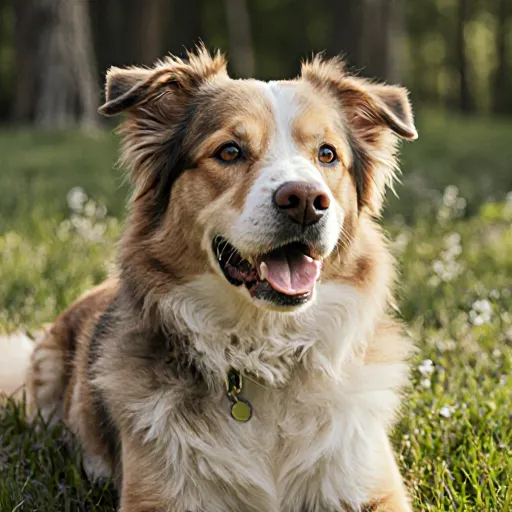
Unlock Joint Health Secrets for Your Senior Pet
Revive Your Aging Dog with Joint Magic
Table of Contents
- Identifying Common Signs of Joint Pain in Older Dogs
- The Role of Diet in Managing Joint Pain
- Importance of Regular Exercise for Maintaining Mobility
- Choosing the Right Type of Exercise for Your Dog
- Hydration and Its Role in Joint Health
- Supplements That Can Support Joint Health
- The Benefits of Acupuncture for Dogs with Joint Pain
- Maintaining a Comfortable Sleeping Environment for Your Dog
- Ways to Reduce Stairs and Trips for Your Senior Dog
- Managing Weight to Alleviate Joint Pressure
- Regular Veterinary Check-Ups for Early Detection of Issues
- Creating a Positive Exercise Routine That Your Dog Will Enjoy
- Conclusion: Embracing a Holistic Approach to Senior Dog Care
- FAQ: Addressing Common Questions about Joint Pain in Older Dogs
Identifying Common Signs of Joint Pain in Older Dogs
Identifying common signs of joint pain in older dogs can be challenging but crucial for their overall well-being. Joint issues, such as osteoarthritis or hip dysplasia, are not uncommon among senior dogs and often manifest through observable behaviors and physical symptoms.
- Reduced Activity Levels: Older dogs with joint pain may show a decrease in their usual level of activity. They might spend more time resting or lying down, and have less interest in playing or walking.
- Limited Mobility: Dogs experiencing joint discomfort can struggle to move around, especially after periods of rest. You might notice them finding it difficult to get up from a sitting or lying position.
- Stiffness upon Movement: Dogs with joint pain often display stiffness when they start moving again after a period of inactivity. This is commonly observed first thing in the morning or after resting for some time.
- Groaning, Limping, or Hesitation: Vocalizing discomfort while moving, limping, or hesitating to move around are clear indicators that your dog might be feeling pain due to joint issues.
- Panting and Difficulty Climbing: Dogs with joint pain may also struggle to climb stairs or get into the car. They could show increased panting during these activities.
To help manage your dog's joint pain effectively, it is important to adjust their exercise routines accordingly:
1. Low-Impact Exercise
Choose exercises that put less strain on the joints such as swimming or walking in a controlled environment. Swimming can be particularly beneficial because it provides cardiovascular exercise without putting stress on your dog's legs.
2. Controlled Walking
Short, frequent walks are better suited for older dogs with joint pain than long hikes. This not only reduces the risk of exacerbating their condition but also allows you to closely monitor their comfort level and adjust as needed.
3. Proper Warm-Up
Before starting any activity, ensure that your dog is properly warmed up to reduce stiffness and pain. Gentle stretches or a short walk can help achieve this.
4. Pain Management
Incorporate pain management strategies such as anti-inflammatory supplements like glucosamine or omega-3 fatty acids into their diet. Always consult your veterinarian before starting any new supplement regimen for your dog.
5. Weight Control
Maintaining a healthy weight is crucial in managing joint pain, especially in overweight dogs. Excess weight puts additional stress on the joints and can exacerbate discomfort. Work with your vet to develop a diet plan that promotes healthy weight loss if necessary.
Identifying signs of joint pain early allows for timely interventions, which can significantly improve your dog's quality of life. By being attentive to these symptoms and implementing appropriate exercise tips, you can help ensure that your older dog remains active and comfortable as they age.
The Role of Diet in Managing Joint Pain
The role of diet in managing joint pain is often underestimated, yet it plays a crucial part in maintaining the overall health and mobility of older dogs. Just as with humans, certain dietary components can exacerbate or alleviate joint discomfort, making it essential to choose foods that support joint health. For instance, incorporating omega-3 fatty acids found in fish oil into your dog's diet has been shown to reduce inflammation and improve joint flexibility.
A balanced diet is the cornerstone of managing joint pain effectively. High-quality protein sources can help maintain muscle mass, which is vital for supporting joints. However, excessive protein intake without proper balance can be hard on the kidneys in older dogs, so it's important to tailor the diet according to your pet's specific needs and health status.
Another key component of a joint-friendly diet is glucosamine. This supplement has been widely used to support cartilage formation and reduce pain associated with arthritis. While not all studies have shown significant benefits, many dog owners report positive outcomes when their pets are given these supplements regularly.
Hydration also plays a critical role in managing joint pain by keeping the cartilage moist and pliable. Ensure your senior dog has plenty of fresh water available at all times. Additionally, providing them with chondroitin sulfate, which is naturally found in connective tissues like cartilage, can further support joint health.
For practical advice on implementing dietary changes for managing joint pain, consider consulting a veterinary nutritionist or your veterinarian who can recommend specific foods and supplements based on your dog's age, breed, activity level, and overall health. Always introduce new foods gradually to avoid digestive upset and monitor your pet closely to see how they respond.
Incorporating these dietary changes alongside appropriate exercise is key for managing joint pain effectively in older dogs. While it may seem counterintuitive, moderate exercise can actually help reduce joint stiffness by improving circulation and promoting flexibility. However, too much or inappropriate exercise could worsen symptoms. Always consult with your vet before starting any new exercise regimen to ensure it aligns with your dog's specific needs and capabilities.
For older dogs suffering from joint pain, consider incorporating low-impact exercises such as swimming, gentle walking on soft surfaces, or using an underwater treadmill if available. These activities can provide cardiovascular benefits without placing undue stress on the joints. Regularly checking in with your veterinarian about exercise routines ensures that you're providing the best care for your pet's mobility and overall well-being.
By paying close attention to both diet and exercise, you can significantly improve your senior dog's quality of life while managing joint pain effectively. Remember, every dog is unique; what works for one may not work for another, so finding the right balance tailored specifically to your pet will yield the best results.
Importance of Regular Exercise for Maintaining Mobility
The importance of regular exercise for maintaining mobility cannot be overstressed, especially as we age or face conditions like joint pain. This concept is remarkably analogous to the advice given to owners of older dogs with joint pain. Just as dogs require gentle yet consistent movement to keep their joints healthy and muscles strong, humans also benefit significantly from similar practices.
Joint pain can be debilitating for both humans and pets. For older individuals or those with arthritis, maintaining mobility through regular exercise is crucial. Just as a veterinarian might recommend low-impact exercises like walking or swimming for an older dog to alleviate joint pain, similar activities can greatly enhance a person's ability to move freely without exacerbating discomfort.
Low-Impact Exercises
- Walking: A simple yet effective form of exercise that is both low-impact and easy on the joints. For older adults, starting with short walks around the neighborhood or even in a nearby park can be very beneficial.
- Swimming: Water provides natural resistance without putting too much stress on the body's joints. It’s an excellent choice for people who have difficulty moving on land due to joint pain.
- Cycling: Whether on a stationary bike or outside, cycling is another low-impact exercise that can help improve circulation and strengthen muscles around the joints.
To make regular exercise a sustainable part of daily life, it's important to establish routines that are enjoyable and manageable. Here are some practical tips:
- Set Realistic Goals: Whether you're an older adult or caring for your pet, setting achievable goals is key. For example, aim for a daily walk of 10-15 minutes instead of attempting to tackle miles at once.
- Vary Your Routine: Just like how dogs enjoy different activities, incorporating variety into your exercise routine can prevent boredom and keep you motivated. Mix walking with swimming or cycling.
- Use Assistive Devices: For individuals with more significant joint issues, using assistive devices such as a cane or walker might help make exercises safer and easier to perform.
Nutrition plays a critical role in supporting mobility and exercise. Just as feeding your pet the right food can aid recovery and maintain muscle strength, proper nutrition is essential for humans too. Incorporating anti-inflammatory foods and those rich in omega-3s into your diet can help reduce joint pain.
Sample Meal Plan
- Fatty fish like salmon or mackerel
- Green leafy vegetables such as spinach and kale
- Berries for their anti-inflammatory properties
- Fruits rich in vitamin C, which is essential for collagen production
In conclusion, maintaining mobility through regular exercise is vital as we age or face joint pain. By adopting a consistent routine that includes low-impact activities and supporting it with the right nutrition, both humans and pets can enjoy improved quality of life.
Choosing the Right Type of Exercise for Your Dog
Selecting the right type of exercise is crucial for maintaining your dog's health, especially if they are an older dog experiencing joint pain. The goal is to keep them active without exacerbating any discomfort or causing further injury. Here’s how you can choose the most suitable activities based on their specific needs and conditions.
To tailor your exercise routine, it’s important first to understand what your dog is capable of handling due to age or any joint issues. Consulting with a veterinarian can provide valuable insights into the best exercises for your pet. Common signs that may indicate your dog has joint pain include stiffness after resting, difficulty getting up or laying down, and reluctance to move.
Low-Impact Exercises
For older dogs with joint pain, low-impact exercises are essential as they minimize stress on the joints. Walking is a great choice; it keeps your dog moving while putting minimal strain on their legs. Aim for shorter, more frequent walks rather than long hikes or runs that could aggravate existing conditions.
- Walking: Opt for paved paths or trails to reduce the risk of slipping and falling.
- Brief Swimming Sessions: Water provides buoyancy, which supports your dog's weight and reduces stress on their joints. This is particularly beneficial if they have mobility issues but still enjoy swimming.
Joint-Specific Exercises
Specific exercises can target areas like the hips, knees, or shoulders that are most affected by pain. Gentle stretching exercises and controlled movements help maintain flexibility without causing discomfort. A simple yet effective method is to gently rotate your dog's legs while they lie down.
A progressive approach to exercise ensures you don't overwhelm your dog’s body, especially if they are just starting an exercise regimen or recovering from injury. Begin with short sessions and gradually increase the duration as your dog shows signs of comfort and willingness.
- Start Small: If you're introducing a new activity like swimming or a brisk walk, start in small increments (e.g., 5-10 minutes) to see how they respond.
- Evaluate Recovery Time: Ensure your dog has sufficient rest periods between exercise sessions. This allows their body time to recover and prevents overexertion.
Incorporating joint supplements or aids can complement the exercise routine, helping manage pain and inflammation. Glucosamine and chondroitin are commonly recommended for their anti-inflammatory properties. Additionally, using orthopedic beds with memory foam can provide extra comfort during rest periods.
Regularly monitor your dog's response to the exercise routine. If you notice any worsening of symptoms such as increased limping or reduced energy levels, it might be time to adjust the intensity or frequency of activities. Always consult with a vet if you are unsure about changes in your dog’s behavior or health.
By carefully selecting exercises and making necessary adjustments based on your dog's unique needs, you can help them maintain an active and pain-free lifestyle for as long as possible.
Hydration and Its Role in Joint Health
Hydration plays a crucial role in maintaining joint health, particularly for older dogs suffering from joint pain. Just as water is essential for human joints, it also supports the lubrication and cushioning of canine joints through hyaluronic acid and synovial fluid.
When an older dog exercises, proper hydration ensures that their cartilage remains healthy and flexible, reducing the risk of injury. Proper hydration can significantly alleviate joint pain by promoting the production of synovial fluid which acts as a cushion between bones in joints. This fluid helps reduce friction during movement and allows for smoother joint function.
Water intake should be carefully managed to meet the needs specific to your dog’s activity level, weight, and environmental conditions. For instance, dogs engaged in high-intensity activities like running or jumping will require more water than those that move at a slower pace. A good rule of thumb is to provide fresh, clean water at all times, especially after exercise.
Some practical tips for ensuring your older dog stays hydrated include:
- Multiple Water Sources: Place water bowls in different areas of the house or yard so that your dog can access them easily throughout the day.
- Encourage Activity: Encourage short, gentle walks instead of long runs to minimize stress on joints. This encourages hydration without causing further discomfort.
- Hydration After Exercise: Always provide fresh water after exercise and monitor your dog’s behavior for signs of dehydration or joint pain.
- Dietary Considerations: Feeding a high-quality, hydrating diet can also aid in maintaining healthy joints. Look for foods that include glucosamine, chondroitin, and omega-3 fatty acids which are beneficial for joint health.
In conclusion, proper hydration is vital for older dogs with joint pain to maintain their mobility and comfort during exercise. By following these tips, you can help ensure your dog enjoys a healthier lifestyle as they age.
Supplements That Can Support Joint Health
Just as exercise is crucial for older dogs with joint pain, certain supplements can complement their treatment and enhance overall joint health. These supplements help in reducing inflammation, improving mobility, and providing essential nutrients to the joints.
Omega-3 Fatty Acids
Omega-3 fatty acids, particularly EPA (eicosapentaenoic acid) and DHA (docosahexaenoic acid), are known for their anti-inflammatory properties. They can be found in fish oil supplements which are easily absorbed by the body. Omega-3s help reduce joint inflammation and pain, making them a great addition to your dog's diet.
- Benefit: Reduces joint inflammation and pain
- Source: Fish oil supplements or flaxseed oil (as an alternative)
Glucosamine & Chondroitin
Glucosamine and chondroitin are two of the most popular joint supplements for dogs. These substances play a vital role in maintaining cartilage health, which can deteriorate due to aging or injury.
- Benefit: Supports cartilage production
- Source: Can be found in various supplements and dog foods
Curcumin
Derived from turmeric, curcumin is a potent anti-inflammatory compound. It can effectively reduce joint pain and inflammation without the side effects often associated with conventional painkillers.
- Benefit: Reduces joint pain and inflammation
- Source: Curcumin supplements or turmeric tea for dogs (in very small amounts)
Boswellia
Also known as Indian frankincense, Boswellia is a traditional herbal remedy that has been used for centuries to treat joint pain. It works by reducing inflammation and swelling.
- Benefit: Reduces inflammation and swelling
- Source: Boswellia supplements or tea (in small amounts)
Supplementing Exercise Tips for Older Dogs with Joint Pain
To effectively manage joint pain in older dogs, it's important to combine a healthy diet and supplements with appropriate exercise. Overexertion can lead to further damage, but too little activity can also negatively impact your dog’s health.
- Start Slow: Begin with short walks or gentle exercises that don't put excessive strain on the joints.
- Vary Exercises: Incorporate swimming and low-impact activities like walking in soft surfaces to prevent joint stress.
- Maintain Weight: Keeping your dog at a healthy weight reduces the pressure placed on their joints, especially those with existing issues.
The Benefits of Acupuncture for Dogs with Joint Pain
The benefits of acupuncture for dogs suffering from joint pain extend far beyond alleviating discomfort. Acupuncture can help restore mobility and improve the overall quality of life for older dogs with joint issues, much like providing exercise tips for older dogs with joint pain.
Acupuncture is known to reduce inflammation in the joints, which can significantly ease the pain associated with arthritis and other joint conditions. By targeting specific points on the body, acupuncturists stimulate the release of natural pain-relieving substances like endorphins and enkephalins.
Another significant benefit is improved blood flow to affected areas. Better circulation helps deliver essential nutrients and oxygen to the damaged tissues, aiding in their healing process. This can be particularly beneficial for older dogs who may already have limited mobility due to joint pain.
Acupuncture also promotes relaxation by calming the nervous system. Dogs with chronic joint pain often experience stress and discomfort, which can exacerbate their symptoms. The tranquilizing effects of acupuncture can help dogs feel more at ease, allowing them to rest and recover.
Acupuncture is a wonderful complementary therapy that works well alongside conventional treatments such as anti-inflammatory medications or glucosamine supplements. It provides an additional layer of support without the side effects often associated with pharmaceuticals.
Exercise Tips for Older Dogs with Joint Pain
While acupuncture can provide immediate relief, it’s also important to incorporate gentle exercise into your dog's routine as part of a holistic approach. Regular low-impact exercises like swimming or walking on flat surfaces can help keep muscles strong and joints flexible without putting excessive strain on the body.
Practical Advice
- Start Slowly: Begin with short walks or gentle stretches to ensure your dog's comfort. Gradually increase duration as they become more accustomed to the exercise.
- Monitor Your Dog: Pay close attention to any signs of discomfort during and after physical activity. If your dog seems overly tired or in pain, it might be best to take a break.
- Pain Management: Always consult with your veterinarian before starting an exercise routine, especially if your dog is already on medication for joint issues. They can advise you on the safest exercises and intensity levels.
In conclusion, acupuncture offers a non-invasive and effective method to manage joint pain in dogs. When combined with appropriate exercise tips and other supportive treatments, it can significantly enhance your dog's well-being and mobility, making them more comfortable and active.
Maintaining a Comfortable Sleeping Environment for Your Dog
Creating a comfortable sleeping environment for your dog is essential for their well-being, especially if they are experiencing joint pain or other health issues. Just like exercise tips for older dogs with joint pain, ensuring that your dog has the right conditions to rest and recuperate can greatly enhance their quality of life.
- Appropriate Bedding: Choose bedding that is soft, yet supportive. Pillows or specially designed dog beds with orthopedic foam can provide the necessary comfort for your dog's joints. For instance, if your dog has joint pain, a bed with memory foam can help distribute their weight evenly and reduce pressure on sore areas.
- Example: The Orthopedic Dog Bed from ZzzPet is designed to mimic the natural sleeping position of dogs, providing support for their joints. It's available in various sizes to fit different breeds.
- Temperature Control: Keeping your dog’s sleep environment at a consistent and comfortable temperature can help them rest better. This is particularly important if your dog suffers from joint pain, as cold temperatures may exacerbate discomfort. Ensure the room isn't too warm or too cold.
- Tips: Use a heating pad (with supervision) in winter to keep their bed warmer, but make sure it's not too hot to avoid burns. In summer, consider using fans or air conditioning units to maintain the room temperature comfortably.
- Quiet and Darkness: Just like older dogs may need a calm environment for exercise, they also require peace during sleep. A quiet environment helps dogs relax, which is crucial for their recovery and overall health. Blackout curtains or blinds can help maintain darkness in the room.
- Tip: If your dog has trouble sleeping due to noise, consider using a white noise machine or a soft, steady hum from an appliance like a fan to mask external sounds.
- Comfortable Positioning: Encourage your dog to sleep in a position that alleviates joint pain. This might involve placing pillows under their legs or tail for better support. A raised bed can also help reduce the strain on their joints while they are resting.
- Example: The PetSafe Raised Dog Bed is an excellent choice as it provides extra padding and elevates your dog’s legs, reducing pressure on their hips and knees.
Just like maintaining a comfortable sleeping environment helps older dogs with joint pain feel more relaxed and comfortable, it's equally important to ensure they have an exercise routine that supports their mobility without overexerting them.
- Limited but Regular Exercise: Encourage your dog to engage in short walks or gentle physical activities. This not only helps keep the joints lubricated but also improves blood circulation, which is beneficial for joint health.
- Tips: Walks should be shorter and slower-paced than usual. If you're unsure about how much exercise your dog needs, consult a veterinarian who can recommend an appropriate routine based on their specific condition.
- Hydration and Nutrition: Ensure your dog is well-hydrated and eating the right diet to support joint health. Omega-3 fatty acids found in fish oil supplements or certain types of food can be beneficial for reducing inflammation and maintaining cartilage.
- Tips: Ask your vet about incorporating joint support supplements into your dog's diet if needed. Supplements like glucosamine and chondroitin are often recommended for older dogs with joint issues.
- Regular Check-ups: Keep an eye on your dog’s progress by scheduling regular veterinary check-ups to monitor their joint health and adjust the care plan as necessary. Early intervention can prevent further deterioration of joint conditions.
- Tips: Don't hesitate to reach out if you notice any changes in behavior, mobility, or discomfort during your dog’s daily routine. Your vet is there to provide guidance and support for managing their condition effectively.
Ways to Reduce Stairs and Trips for Your Senior Dog
As your senior dog ages, their mobility may start to decline. This can make navigating stairs and trips around the house more challenging for both you and them. Fortunately, there are several ways to reduce these challenges while ensuring they get the exercise they need:
1. Adjust Their Diet
Proper nutrition is key to maintaining your senior dog's mobility. A diet rich in omega-3 fatty acids can help reduce joint pain and inflammation. Additionally, foods high in glucosamine and chondroitin may help support cartilage health.
- Fish Oil: Omega-3s are known for their anti-inflammatory properties which can be very beneficial for senior dogs with joint issues.
- Glucosamine and Chondroitin: These nutrients help maintain healthy cartilage, reducing pain and improving mobility.
2. Use Pet Steps or Ramps
Replacing stairs with pet steps or ramps can significantly reduce the stress on your senior dog's joints. Look for products designed specifically for dogs that are easy to climb and provide a stable surface. This not only helps them navigate stairs more safely but also reduces the risk of slips and falls.
- Pet Steps: These can be attached directly to your staircase or placed at the bottom to create an extra step for your dog.
- Ramps: A gradual incline can help your senior dog move around more comfortably without straining their joints.
3. Modify Your Home Environment
Creating a safer and more accessible environment in your home can greatly reduce the risk of trips and falls for your senior dog. This includes removing loose wires, securing rugs, and ensuring there are no obstacles on the floor.
- Rugs: Use non-slip mats to secure rugs and prevent them from moving around.
- Furniture: Rearrange furniture if necessary to create clear paths for your dog to move around.
4. Incorporate Low-Impact Exercises
To keep your senior dog active without putting too much strain on their joints, consider incorporating low-impact exercises into their routine. These can include swimming, gentle walks, and short play sessions in the yard.
- Swimming: Water provides resistance, which helps strengthen muscles without stressing the joints.
- Gentle Walks: Keep these brief but regular to maintain cardiovascular health. Consider walking on grassy areas or in shaded parks where the terrain is softer.
5. Use Orthopedic Pet Beds and Pillows
Providing comfortable rest for your senior dog can greatly improve their quality of life. Orthopedic pet beds and pillows offer extra support and comfort, which can help reduce joint pain during sleep.
- Pillows: Consider a pillow that contours to their body shape for better support while sleeping.
- Beds: Look for pet beds that provide additional cushioning and support, especially if they have joint issues.
Conclusion
By implementing these strategies, you can help reduce the risk of stairs and trips while still ensuring your senior dog gets the exercise they need. Remember to consult with your veterinarian for personalized advice tailored to your dog's specific needs.
Managing Weight to Alleviate Joint Pressure
Managing weight is a crucial strategy for alleviating joint pressure, particularly important for older dogs experiencing joint pain. Just as with humans, excess weight can exacerbate joint issues in dogs, leading to increased stress on their bones and cartilage. For older dogs, maintaining an appropriate body weight helps reduce the load placed on their joints, thereby alleviating discomfort and improving mobility.
Understanding Weight Management
The first step in managing your dog's weight is understanding how much they should weigh. Consulting with a veterinarian is essential for accurate recommendations based on breed, age, and overall health. Overweight dogs are more prone to joint problems like osteoarthritis, which can be worsened by their heavier body mass.
Exercise Tips
Regular exercise is vital for maintaining a healthy weight and supporting joint health in older dogs. However, it's important to choose activities that are gentle on the joints. Here are some practical tips:
- Low-Impact Activities: Swimming is an excellent option as it provides full-body exercise without putting stress on the dog’s joints. Other low-impact exercises include walking and using an underwater treadmill.
- Short Walks: Regular short walks can help maintain muscle tone and joint flexibility. Start with a 5-10 minute walk each day and gradually increase the duration as your dog's fitness improves.
- Stairs or Gentle Hills: If your dog is able, walking up stairs or hills can provide an effective form of exercise that targets multiple muscle groups without being too strenuous on their joints.
Dietary Considerations
A balanced diet plays a key role in weight management. Feeding your dog a high-quality, joint-friendly food can help manage inflammation and support overall joint health. Look for foods that contain omega-3 fatty acids (like fish oil), glucosamine, and chondroitin, which are beneficial for joint health.
- Portion Control: Overfeeding is one of the biggest culprits in weight gain. Be mindful of portion sizes and avoid giving table scraps or excessive treats.
- Healthy Snacks: If you do need to offer snacks, choose those that are low in calories and beneficial for your dog's health, such as carrots or green beans.
Monitoring Progress
Regularly monitoring your dog’s weight is important. You can use a scale designed for pets to weigh them at the same time each week. Additionally, paying attention to changes in their behavior—such as difficulty getting up or reduced energy levels—can be early indicators of joint pain.
Professional Guidance
If you're unsure about how to proceed with managing your dog's weight and exercise routine, consulting a veterinarian or a professional animal trainer can provide personalized advice. They can offer tailored strategies that take into account the specific needs and health status of your dog.
Conclusion
In summary, managing weight is an essential component in alleviating joint pressure for older dogs with joint pain. By implementing a balanced diet, engaging in appropriate exercise, and seeking professional guidance when necessary, you can help improve your dog's quality of life.
Regular Veterinary Check-Ups for Early Detection of Issues
Regular veterinary check-ups are crucial for early detection of health issues, especially important for older dogs with joint pain. Just as exercise is essential to manage joint pain in elderly dogs, timely and routine visits to the vet can prevent more serious problems down the line.
Early detection allows for proactive management of health issues, which can significantly improve a dog's quality of life. For older dogs with joint pain, these check-ups help monitor the progression of arthritis or other joint-related conditions. By catching problems early, your veterinarian can recommend appropriate treatments to alleviate discomfort and maintain mobility.
- Vital Signs: Your vet will check vital signs like heart rate, respiration, and body temperature to ensure your dog is in good health.
- General Health Examination: This includes a thorough physical examination of the skin, coat, eyes, ears, and more. For dogs with joint pain, this might involve a detailed assessment of their mobility and any visible signs of discomfort or inflammation.
- Blood Tests: To rule out underlying health issues that could be contributing to your dog's joint pain or overall poor health.
- Joint Function Evaluation: For older dogs, the vet may assess how well your pet is managing their joints and discuss any changes in behavior or mobility that you should watch for.
Exercise plays a crucial role in maintaining joint health. For dogs with joint pain, low-impact exercises like swimming, walking on soft surfaces, and using ramps can help improve mobility without causing further strain. These activities promote blood flow to the joints and help maintain muscle strength around them.
- Stay Active: Encourage your dog to engage in activities that are gentle on their joints. Consider swimming or walking in a park with soft ground instead of hard pavements.
- Hydration and Nutrition: Ensuring your dog stays hydrated can help keep their joints lubricated, which is vital for comfort. A balanced diet rich in omega-3 fatty acids can also support joint health.
- Moderate Exercise: Avoid overly strenuous activities that could exacerbate joint pain. Instead, opt for short but frequent walks and play sessions to keep your dog active without causing stress.
Incorporating regular veterinary check-ups into your pet's routine is essential for maintaining their overall health and well-being. By combining these visits with appropriate exercise, you can help manage joint pain effectively and ensure your dog remains active and comfortable throughout their golden years.
Creating a Positive Exercise Routine That Your Dog Will Enjoy
Creating a positive exercise routine that your dog will enjoy is crucial, especially for older dogs with joint pain. Regular physical activity helps maintain their overall health and well-being, but it's important to choose exercises that are gentle on their joints and don't exacerbate any discomfort they might be experiencing.
Before starting an exercise routine, it's essential to understand your dog's current health status. If your dog has joint pain or mobility issues, consult with a veterinarian for advice on appropriate exercises and any necessary precautions.
Some dogs may have specific conditions like arthritis, hip dysplasia, or osteoarthritis that require special considerations in their exercise routine. The vet can provide recommendations tailored to your dog's needs.
For older dogs with joint pain, low-impact exercises are ideal. Here are some options:
- Walking: Regular walks at a slow pace can help keep your dog's joints mobile without putting too much pressure on them.
- Swimming: Swimming is excellent for dogs because it provides exercise while minimizing stress on the joints. Many dogs, especially those with mobility issues, enjoy swimming as it allows them to stay active without strain.
- Limited Jumping and Running: If your dog can tolerate it, short bursts of running or jumping (like fetch) in a controlled environment may be suitable. However, these activities should be done carefully to avoid aggravating joint pain.
The pace and duration of exercise are critical for older dogs with joint issues. Start slowly and gradually increase intensity as your dog's comfort level improves.
Aim for short, frequent walks rather than long ones that could be too taxing on their joints. For instance, two 15-minute walks a day may be more manageable for an elderly dog than one hour-long walk.
During exercise sessions, incorporate breaks to allow your dog to rest and regain energy if needed. This approach helps prevent fatigue and reduces the risk of exacerbating joint pain.
To keep your dog engaged and motivated during exercises, consider using treats or playtime as positive reinforcement. For example:
- Use small treats to reward good behavior during walks.
- Play fetch with a ball or frisbee in a safe area where the dog can run without excessive strain.
Your exercise routine should adapt as your dog's health changes. Keep an eye on signs of discomfort, such as limping or reluctance to move. If you notice any issues, adjust the routine accordingly.
Regular check-ins with your veterinarian can help ensure that your dog’s exercise plan remains appropriate for their changing needs.
Creating a positive and effective exercise routine tailored to an older dog's specific health requirements is key to maintaining their quality of life. By choosing low-impact activities, setting the right pace, incorporating breaks, and using motivational techniques, you can help your dog stay active and pain-free.
Conclusion: Embracing a Holistic Approach to Senior Dog Care
Embracing a holistic approach to senior dog care is crucial as our furry friends enter their golden years. This comprehensive strategy involves not just physical health but also mental stimulation, nutritional balance, and emotional support. For dogs experiencing joint pain or reduced mobility due to age, exercise becomes even more important for maintaining both physical fitness and overall well-being.
Understanding the Needs of Older Dogs
As dogs age, their bodies undergo various changes that can affect their ability to move around. Joint pain, arthritis, and decreased muscle mass are common issues faced by senior dogs. These challenges highlight the need for a tailored care plan that focuses on reducing discomfort while still allowing them to enjoy an active lifestyle.
Exercise Tips for Older Dogs with Joint Pain
Regular exercise is vital for maintaining muscle strength, flexibility, and overall joint health in older dogs. However, it’s essential to choose activities that are gentle on their joints to prevent further injury or exacerbation of existing pain.
- Swimming: Water provides buoyancy, which takes pressure off the dog's joints while still offering resistance for muscle strengthening. It is an excellent form of low-impact exercise that can be both enjoyable and beneficial for senior dogs with joint issues.
- Short Walks: Regular short walks are a great way to encourage movement without putting too much stress on the dog's joints. Start with five minutes and gradually increase the duration as your dog’s stamina improves.
- Moderate Play Sessions: Engage in activities like fetch or tug-of-war, but ensure they are not overly strenuous. Use soft toys to avoid any risk of injury from sharp objects.
Incorporating these exercises into your dog’s daily routine can help them stay active and happy while minimizing the impact on their joints. Always consult with a veterinarian before starting any new exercise program for your senior dog, as they can provide personalized advice based on your pet's specific health needs.
Conclusion
In conclusion, by adopting a holistic approach to senior dog care, we can ensure our aging companions live healthy and fulfilling lives. By focusing on gentle exercises that cater to their joint pain and overall mobility issues, we not only enhance their physical well-being but also enrich their emotional and mental health.
FAQ: Addressing Common Questions about Joint Pain in Older Dogs
Joint pain is a common issue among older dogs, and it can significantly impact their quality of life. Here are answers to some frequently asked questions regarding joint pain and exercise tips for older dogs with this condition.
1. How do I know if my dog has joint pain?
Signs that your dog may be experiencing joint pain can include reluctance to move, stiffness after rest, difficulty getting up or lying down, reduced activity levels, and limping. If you notice any of these signs, it's important to consult with a veterinarian.
2. What are the best types of exercise for dogs with joint pain?
Low-impact exercises are ideal for dogs with joint issues. These can include swimming, which provides excellent cardio without putting stress on joints. Walking on soft surfaces like grass or dirt is also beneficial as it reduces impact compared to hard concrete. Gentle swimming pools and even underwater treadmill exercises can help maintain mobility without exacerbating pain.
3. How much exercise should my older dog get?
The amount of exercise needed depends on the severity of your dog's joint condition, but generally it’s important to balance activity with rest. Short walks several times a day are often sufficient and can be tailored to your dog’s energy levels. Always listen to your dog; if they seem tired or uncomfortable, it may be time to take a break.
4. Can exercise help prevent joint pain in older dogs?
Regular, moderate exercise is crucial for maintaining healthy joints and preventing further deterioration in older dogs. It helps keep muscles strong around the joints, which can provide additional support and stability. Activities like walking, swimming, and controlled agility exercises are excellent ways to promote joint health.
5. What dietary changes should I consider?
Diet plays a significant role in managing joint pain. Ensuring your dog gets adequate omega-3 fatty acids from foods like fish or supplements can help reduce inflammation and maintain joint health. Additionally, maintaining an appropriate weight is vital to minimize stress on the joints.
6. Are there any specific exercises I should avoid?
Avoid activities that involve a lot of jumping or sudden changes in direction as these put excessive strain on your dog's joints. Steep inclines and declines are also best avoided to prevent additional stress. Instead, focus on gentle, low-impact exercises that can be adjusted based on your dog’s current condition.
7. What should I do if my dog is in severe pain?
If you suspect your dog is experiencing severe joint pain, it's crucial to seek veterinary advice immediately. Pain management options include anti-inflammatory medications prescribed by a vet and possibly other treatments like acupuncture or physical therapy.
Remember, every dog is different, so it’s important to work closely with your veterinarian to determine the best exercise routine for your senior dog. By providing them with appropriate exercises that are gentle on their joints, you can help ensure they remain active and comfortable in their golden years.
Categories
- AI & Enrichment Play
- Broiler Farming
- Broiler Farming Tips
- Canine Wellness & Longevity
- Cat
- Cat & Human Connection
- Cat Adoption & Rescue
- Cat Breeds
- Cat Breeds & Personalities
- Cat Care & Health
- Cat Grooming & Hygiene
- Cat Lifestyle & Environment
- Cat Myths & History
- Cat Nutrition & Diet
- Cat Products & Reviews
- Cat Training & Behavior
- Comparison
- Consumer Awareness
- Dog
- Dog Accessories & Products
- Dog Adoption & Rescue
- Dog Breed & Lifestyle Trends
- Dog Breeding & Puppies
- Dog Entertainment & Media
- Dog Fashion & Trends
- Dog Fun & Lifestyle
- Dog Grooming & Hygiene
- Dog History & Culture
- Dog Myths, Science & Future Tech
- Dog News & Trends
- Dog Nutrition & Food
- Dog Psychology & Emotions
- Dog Safety & Security
- Dog Sports & Activities
- Dog Technology & Innovation
- Dog Training for Modern Owners
- Dog Travel & Adventure
- Dog Travel, Adventure & Culture
- Economic and Market Insights
- Educational Content
- FAQs
- Feeding Alternatives
- Festivals & Seasonal Ideas
- Fun & Entertainment
- General Knowledge
- General Pig Farming
- Health & Disease Management
- Housing and Environment
- Kittens
- Market Insights
- Miscellaneous
- Miscellaneous
- Motivational
- pig
- Pig Breeding
- Pig Breeds
- Pig Farming Stories and Inspiration
- Pig Health and Care
- Pig Nutrition
- Pig Products
- Profitability & Business
- Puppy Care
- Puppy Predictable Topics Reinvented
- Regional Focus
- Rescue & Adoption Buzz
- Senior Cats
- Senior Dog Care
- Smart Dog Tech & Gadgets
- Sustainability
- Sustainable & Eco-Friendly Dog Products
- Tech & Innovations
- Working & Service Dogs
- Broiler Feed66 products
- Country Feed33 products
- Pig Feed66 products
- Product22 products
- Raw Materials99 products
Products
-
 Fish Meal
₹1,999.00 – ₹2,999.00Price range: ₹1,999.00 through ₹2,999.00Rated 0 out of 5
Fish Meal
₹1,999.00 – ₹2,999.00Price range: ₹1,999.00 through ₹2,999.00Rated 0 out of 5 -
 FATTENING BROILER FEED
₹2,299.00 – ₹2,349.00Price range: ₹2,299.00 through ₹2,349.00Rated 0 out of 5
FATTENING BROILER FEED
₹2,299.00 – ₹2,349.00Price range: ₹2,299.00 through ₹2,349.00Rated 0 out of 5 -
 LAYER COUNTRY FEED
₹1,549.00 – ₹1,649.00Price range: ₹1,549.00 through ₹1,649.00Rated 0 out of 5
LAYER COUNTRY FEED
₹1,549.00 – ₹1,649.00Price range: ₹1,549.00 through ₹1,649.00Rated 0 out of 5 -
 COUNTER BROILER FEED
₹1,199.00 – ₹1,299.00Price range: ₹1,199.00 through ₹1,299.00Rated 0 out of 5
COUNTER BROILER FEED
₹1,199.00 – ₹1,299.00Price range: ₹1,199.00 through ₹1,299.00Rated 0 out of 5 -
 LACTATING PIG FEED
Rated 0 out of 5
LACTATING PIG FEED
Rated 0 out of 5₹2,299.00Original price was: ₹2,299.00.₹1,740.00Current price is: ₹1,740.00. -
 Maize
Rated 0 out of 5
Maize
Rated 0 out of 5₹1,650.00Original price was: ₹1,650.00.₹1,300.00Current price is: ₹1,300.00. -
 GESTATION PIG FEED (Phase 1)
Rated 0 out of 5
GESTATION PIG FEED (Phase 1)
Rated 0 out of 5₹2,249.00Original price was: ₹2,249.00.₹1,699.00Current price is: ₹1,699.00. -
 Pre Starter Broiler Feed
₹2,399.00 – ₹2,499.00Price range: ₹2,399.00 through ₹2,499.00Rated 0 out of 5
Pre Starter Broiler Feed
₹2,399.00 – ₹2,499.00Price range: ₹2,399.00 through ₹2,499.00Rated 0 out of 5 -
 FINISHER PIG FEED
Rated 0 out of 5
FINISHER PIG FEED
Rated 0 out of 5₹2,299.00Original price was: ₹2,299.00.₹1,749.00Current price is: ₹1,749.00. -
 Broiler Premix
Rated 0 out of 5
Broiler Premix
Rated 0 out of 5₹820.00Original price was: ₹820.00.₹699.00Current price is: ₹699.00.