
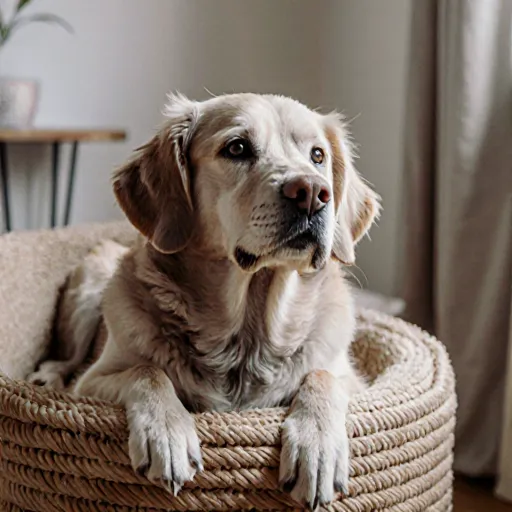
Transform Your Home into a Safe Haven for Senior Dogs
How to Make Your Home Senior-Dog Friendly
Table of Contents
- Choose a Senior-Friendly Breed
- Provide Comfortable Sleeping Areas
- Ensure Safe and Secure Spaces
- Establish a Routine
- Offer Nutritious Dog Food
- Create an Inviting Environment
- Install Necessary Safety Features
- Use Senior-Specific Products
- Encourage Mental Stimulation
- Maintain Regular Veterinary Care
- Prepare for Aging Needs
- Provide Opportunities for Exercise
- Create a Safe Outdoor Space
- Set Up an Emergency Plan
- FAQ
- Conclusion
Choose a Senior-Friendly Breed
Selecting the right dog breed for your senior lifestyle is crucial. Seniors typically have different needs and energy levels compared to younger pet owners, so choosing a breed that suits your lifestyle can significantly enhance both of your lives.
Considerations for Senior-Friendly Breeds
- Lifespan: Smaller breeds generally live longer than larger ones. For seniors, this means more years to enjoy together.
- Energetic Level: Seniors often prefer a calmer demeanor in their dogs. Breeds that are naturally less energetic can provide the companionship without demanding as much exercise or attention.
- Potential Health Issues: Some breeds are prone to health problems like hip dysplasia, arthritis, and joint issues. Seniors should opt for breeds with a lower likelihood of these conditions.
Top Senior-Friendly Breeds
Here are some popular dog breeds that are known for their calm, gentle dispositions, making them ideal companions for seniors:
| Breed Name | Main Characteristics | Energy Level |
|---|---|---|
| Poodle (Standard, Miniature) | Calm, intelligent, hypoallergenic coat | Moderate to low |
| Beagle | Playful and friendly; loves to explore | Low to moderate |
| Lakeland Terrier | Calm, adaptable, and affectionate | Low to moderate |
| Chihuahua (Teacup Varieties) | Sociable, small size; perfect for apartment living | Moderate |
Practical Advice: Transitioning Your Home to Senior-Friendly
To ensure your home is suitable for a senior dog, consider these practical tips:
- Create Comfortable Spaces: Provide cozy areas like beds or blankets in quiet rooms where they can rest peacefully.
- Ease Exercise Routine: Gradually adjust the exercise routine to match your senior dog’s needs, ensuring it is not too strenuous for them.
- Mental Stimulation: Engage your senior dog with mental activities like puzzle toys or simple training exercises that don’t require much exertion.
- Pain Management: If your senior dog shows signs of arthritis, consult a vet for advice on managing their pain and improving mobility.
By choosing the right breed and preparing your home to be senior-dog friendly, you can ensure that both you and your senior companion enjoy many happy years together. Remember, every dog is unique, so it’s important to observe your senior dog's behavior and adapt accordingly.
Provide Comfortable Sleeping Areas
Providing comfortable sleeping areas for your senior dog is crucial as they age, helping them maintain comfort and mobility. Just like making your home senior-dog friendly involves creating a safe and secure environment, ensuring that your senior dog has a cozy place to rest can significantly improve their quality of life.
The location where you place your senior dog's sleeping area is just as important as the bedding itself. Opt for an area that is quiet, away from high traffic areas and drafty windows to ensure they can rest undisturbed.
- Quiet Rooms: Choose a room with minimal foot traffic where your dog feels safe and secure. This could be a bedroom or a designated "senior dog" area.
- Avoid Drafts: Keep the sleeping area away from windows, vents, or doors that can cause drafts. Even small changes in temperature can make it harder for older dogs to stay comfortable.
- Accessible Lighting: Ensure there is enough light so your dog doesn’t trip over obstacles and can see well enough to navigate the sleeping area safely at night.
Choosing the right bedding is key in providing a comfortable sleep for your senior dog. There are various options available that cater to different needs and preferences.
- Cushioned Beds: These beds provide extra padding which can be especially helpful if your dog has joint issues or arthritis. Look for ones with memory foam as it molds to the shape of their body, reducing pressure points.
- Heated Beds: For those living in colder climates or during cooler months, a heated bed can offer additional warmth and comfort. It is particularly beneficial if your dog suffers from arthritis or other conditions that cause discomfort when lying down.
- Snuggly Blankets: Soft blankets are cozy and versatile but may not provide the same level of cushioning as cushions. They are great for travel and short-term use, like in a crate during a trip to the vet or if you're visiting friends.
Mobility issues can become more prominent in senior dogs, so ensuring that their sleeping area is easily accessible is essential. This includes making sure there are no obstacles they need to climb over and that the location has a level surface.
- Low Floors: If your home has high thresholds or stairs leading into areas where your senior dog sleeps, consider raising the floor with ramps or platforms. This can prevent them from slipping and reduce stress on their joints.
- Elevated Beds: For dogs that have difficulty getting up and down, an elevated bed can make reaching a comfortable position easier. Look for models that allow you to adjust the height if needed.
A clean sleeping area is not only hygienic but also essential in preventing potential health issues. Regularly cleaning and maintaining your senior dog's bedding can help reduce stress for both you and your pet.
- Regular Cleaning: Wash the bedding at least once a week to remove dirt, hair, and odors. Use mild, unscented detergents that are safe for pets.
- Fresh Air: Open windows or use a fan occasionally to keep the sleeping area fresh and dry, which can prevent mold growth and other health problems.
Senior dogs may experience more restlessness during sleep due to discomfort or pain. Providing a comfortable sleeping area that promotes good rest is crucial for their overall well-being.
- Soft Surfaces: Soft, plush materials can help reduce the impact on your dog's joints and muscles, promoting deeper sleep.
- Comfortable Temperature: Maintaining a stable temperature in the sleeping area is important. Avoid extremes in heat or cold as they can interfere with sleep quality.
By following these guidelines, you can create a comfortable and supportive environment for your senior dog, enhancing their overall comfort and well-being. Remember, regular check-ins to see how they are adjusting to the sleeping arrangements will ensure that any adjustments needed can be made promptly.
Ensure Safe and Secure Spaces
To ensure safe and secure spaces, especially for senior dogs, it's important to create an environment that accommodates their physical limitations and promotes a happy, comfortable lifestyle. Here are some practical steps and advice:
1. Evaluate Your Home Environment
Start by assessing your home from the perspective of your senior dog. Look for areas where they may trip or stumble, such as uneven floors or narrow hallways. Elderly dogs often have reduced mobility, so it's crucial to remove any obstacles that could cause injury.
2. Install Non-Slip Flooring
Non-slip surfaces are essential for senior dogs to maintain their balance and prevent falls. Consider using rubber-backed mats or tiles in high-traffic areas like the kitchen and bathroom. You can also use slip-resistant rugs inside hallways and staircases.
3. Create Comfortable Resting Areas
Provide your senior dog with cozy, elevated resting spots to help them feel more secure and comfortable. Raised beds or cushioned platforms are ideal as they provide a softer surface and make it easier for the dog to get up and down.
4. Ensure Accessibility
Seniors often struggle with stairs, so ensure that your home is easily accessible by installing ramps at entry points or providing assistance in navigating stairs. This will prevent stress and potential injuries associated with climbing steep steps.
5. Secure Doors and Windows
To keep your senior dog safe from the elements and protect them from accidents, ensure that doors and windows are secure. Install child-proof locks or pet gates as needed to control access to certain areas of your home.
6. Provide Fresh Water and Food Easily Accessible
Dogs with arthritis may find it difficult to reach high water dishes or heavy food bowls. Place these items at a level that is easy for them to reach, and consider using automatic feeders if you're away during the day.
7. Monitor Lighting Levels
Adequate lighting can help prevent falls by improving visibility. Install bright lights in dimly lit rooms and hallways, especially at night. Motion-activated lights are particularly useful as they provide extra security without leaving the room dark.
8. Keep Medications Out of Reach
Ensure that all medications are stored out of reach of your senior dog to prevent accidental ingestion. This is not only about safety but also ensuring that your dog doesn't experience any adverse reactions from ingesting human medicine.
9. Regular Health Checkups and Vet Visits
Regular visits to the vet can help monitor your senior dog's health and catch any potential issues early on. Discuss with your vet about dietary changes, supplements, or medication that might assist in managing age-related conditions.
10. Provide Mental Stimulation and Exercise
Even though mobility may decline, it is important to keep your senior dog mentally stimulated and physically active. This can be achieved by providing toys that encourage them to use their minds or engaging in short walks and playtime.
By following these tips, you can help ensure a safe and secure space for your senior dog, allowing them to age gracefully with minimal stress and maximum comfort.
Establish a Routine
To establish a routine for your senior dog, it's essential to create a predictable schedule that aligns with their natural needs and abilities. Just like humans, dogs thrive on structure, especially as they age. A well-organized daily routine helps manage stress levels, supports their health, and enhances their quality of life.
Senior dogs often experience changes in their physical and mental abilities that can affect how they interact with the environment. By understanding these needs, you can tailor your routine to meet their specific requirements:
- Reduced Energy Levels: Senior dogs may not have the same energy as younger dogs. Adjust exercise routines accordingly by choosing low-impact activities like walking or gentle play.
- Pain Management: If your senior dog has mobility issues or joint pain, consider incorporating physical therapy exercises into their routine. These can help maintain muscle strength and flexibility without being too strenuous.
- Increased Rest Time: Senior dogs need more rest time than younger ones. Ensure they have comfortable beds in quiet areas of the home where they feel secure and safe.
A balanced routine should include meals, exercise, playtime, and downtime. Here’s how to structure these elements:
Meals
Feed your senior dog at specific times each day. This helps regulate their digestion and can aid in managing any dietary restrictions or health conditions they may have. Use high-quality food that is appropriate for their age group, such as senior-specific dog food.
Exercise
Physical activity is crucial for maintaining your senior dog's health, but it’s important to keep the intensity low and duration manageable. A good rule of thumb is 15-20 minutes of walking or light exercise twice a day. This can help improve circulation and reduce joint pain.
Playtime
Mentally stimulating activities are equally important for senior dogs to keep their minds sharp. Instead of high-energy games, opt for interactive toys that challenge them mentally rather than physically exhausting them. Puzzle feeders or simple hide-and-seek games can be great options.
Downtime
Ensure your senior dog has plenty of time to relax and rest throughout the day. This includes providing quiet, comfortable spaces where they can nap undisturbed. Additionally, consider giving them mental breaks by incorporating short periods of quiet time into their routine.
To ensure your senior dog feels safe and comfortable in their environment, make some adjustments to the home:
- Comfortable Beds: Place beds in quiet areas where there is less foot traffic. Consider using orthopedic or memory foam beds for additional support.
- Elevated Food and Water Bowls: Lifting food and water bowls can help reduce strain on your dog’s joints.
- Natural Lighting: Senior dogs benefit from natural light, which helps regulate their circadian rhythms. Ensure they have access to a room with windows during the day.
- Cushioned Flooring: Place cushions or rugs on hard floors in areas where your dog spends most of its time.
Establishing a routine for your senior dog is not just about setting up meals and exercise times; it’s also about creating an environment that supports their physical, mental, and emotional well-being. By understanding your senior dog's needs and adapting your daily activities accordingly, you can ensure they enjoy a happy and healthy life.
Offer Nutritious Dog Food
Maintaining a senior dog's health involves more than just ensuring they have the right amount of food. Offering nutritious meals is crucial in supporting their overall well-being and managing age-related conditions. As dogs grow older, their nutritional needs change, requiring a diet that addresses specific health concerns such as joint pain, digestion issues, and cognitive decline.
Understanding Senior Dog Nutrition
Dogs over the age of seven are considered seniors, and by this time, they often experience reduced activity levels, changes in metabolism, and increased vulnerability to diseases. A well-balanced diet for senior dogs should focus on high-quality protein, essential fatty acids, vitamins, minerals, and antioxidants. This helps support joint health, skin and coat condition, and cognitive function.
Key Nutrients for Senior Dogs
- Protein: High-quality proteins like chicken or fish can help maintain muscle mass and support joint health. Look for dog food brands that use whole animal ingredients rather than by-products.
- Fatty Acids (Omega-3 & Omega-6): These are crucial for skin, coat, and joint health. Supplements like fish oil or flaxseed can be added to their diet if not already included in the food.
- Vitamins and Minerals: Ensure your senior dog's food contains adequate levels of vitamins C and E, which act as antioxidants, helping to reduce inflammation and support organ function. Calcium and phosphorus are important for maintaining bone density.
Selecting the Right Dog Food
The best approach is to choose a senior dog food that meets your pet's specific needs, whether from a commercial brand or homemade meals. When choosing a commercial product, look for foods labeled "senior" or "geriatric." These are formulated with the knowledge of what older dogs need.
Homemade Senior Dog Meals
If you're considering making your own senior dog food, it's important to do this in conjunction with a veterinarian. Homemade meals can provide a tailored nutrition plan but require precise calculations and supplementation to avoid deficiencies. Some easy-to-make options include:
- Cooked chicken or turkey mixed with brown rice or quinoa for fiber.
- Beef or lamb combined with sweet potatoes for energy and digestion support.
- Vegetables like carrots, spinach, and peas as a source of vitamins and antioxidants.
Potential Health Issues in Senior Dogs
Understanding common health issues can help guide your choice of dog food. Common problems include:
- Joint Pain: Diets rich in glucosamine and chondroitin, found in many senior dog foods, are beneficial for reducing joint pain.
- Digestive Issues: Senior dogs may experience changes in their digestive system. Foods that are easy to digest like boiled chicken or turkey mixed with a mild vegetable can be helpful.
Promoting Cognitive Health
Cognitive decline is another critical issue for senior dogs, leading to behavioral changes such as confusion and decreased activity levels. Foods rich in antioxidants, such as those containing blueberries or green tea extract, may help improve cognitive function.
Practical Advice for Feeding a Senior Dog
- Consistency: Feed your senior dog at consistent times and amounts to maintain their routine. This can also prevent overeating or underfeeding, which are common issues in older dogs.
- Monitor Weight: Keep an eye on your senior dog's weight, as both obesity and malnutrition can lead to health problems. Regular vet check-ups are essential for monitoring this.
- Hydration: Ensure your senior dog has access to fresh water at all times. Hydration is crucial for overall health, especially in older dogs who may have kidney issues.
In conclusion, offering nutritious dog food tailored to the specific needs of a senior dog can greatly enhance their quality of life. By providing a balanced diet and addressing potential health concerns, you're giving your beloved pet the best chance for a healthy, active, and happy senior years.
Create an Inviting Environment
Transforming your home into a senior-dog-friendly environment involves more than just providing food and water. It's about creating a space that is safe, comfortable, and stimulating for your aging furry companion. Here are some practical tips to ensure your dog feels at ease in their golden years.
1. Comfortable Resting Spots
Seniors often need more rest due to decreased mobility and joint pain. Provide soft, elevated beds that are easy for them to get into and out of. Consider placing these beds in quiet areas where they can have some alone time without feeling overwhelmed.
- Elevated Beds: These help reduce strain on your dog's joints when getting up and lying down.
- Soft Blankets: Layered blankets or orthopedic cushions can offer additional support and comfort.
- Heated Beds: For dogs who suffer from arthritis, heated beds provide extra warmth to soothe sore muscles.
2. Accessibility
Making the home more accessible helps prevent accidents and reduces stress for both you and your dog. Seniors may have difficulty navigating stairs or narrow spaces, so consider making some modifications:
- Lower Dog Beds: Place their bed at floor level to make it easier for them to get up.
- Narrow Doorways: Install ramps if there are low doorways or thresholds that can be tricky for your dog to navigate. This also makes it safer in case they slip or stumble.
- Bathrooms: Ensure that bathroom areas, especially the toilet and shower area, are accessible without having to jump around. A non-slip mat can help prevent falls.
3. Enrichment and Stimulation
Keeping a senior dog mentally stimulated is crucial for their overall health and well-being. Here are some ways to enrich your home environment:
- Interactive Toys: Puzzle toys, treat-dispensing balls, or simple fetch games can keep your dog's mind sharp.
- Obstacle Courses: Set up a small obstacle course in the house for added exercise and mental engagement.
- Regular Walks: Continue to take regular walks but adjust as needed. Shorter, more frequent walks can be easier on your dog’s joints.
4. Safety Measures
Your home should always be a safe haven for your senior dog. Here are some safety measures to consider:
- Cord Covers: Keep electrical and cord lengths out of reach to prevent accidental chews.
- Secure Furniture: Anchor heavy furniture to the walls to avoid tipping, which could lead to injury if your dog knocks it over.
- Non-Slip Flooring: Use non-slip mats in key areas like bathrooms and near their favorite spots where they might slip.
5. Hydration and Nutrition
Maintaining good hydration is important for senior dogs as it supports joint health, aids digestion, and helps with overall comfort. Ensure there’s always fresh water available in their reach:
- Fresh Water Bowl: Place a bowl on an elevated surface near their resting spot.
- Hydration Stations: Install multiple water stations throughout the house to encourage more frequent drinking and prevent dehydration.
Conclusion
Creating a senior-dog-friendly environment is an ongoing process that requires attention to detail. By focusing on comfort, accessibility, stimulation, safety, and proper nutrition, you can help your aging dog live happily and comfortably in their golden years.
Install Necessary Safety Features
Ensuring your home is safe for a senior dog is crucial, and installing necessary safety features can significantly enhance their comfort and well-being. Here are some essential steps to make your home safer:
1. Non-Slip Flooring
A non-slip surface in high-traffic areas like hallways and stairs helps prevent slips and falls, which are common hazards for senior dogs with slower reflexes. Consider installing slip-resistant rugs or using textured flooring.
2. Bright Lighting
Senior dogs may have trouble seeing clearly in dimly lit spaces, increasing the risk of accidents. Installing bright, but not harsh, lighting can help them navigate safely around your home. Position lights near stairwells and doorways to provide adequate illumination.
3. Secure Door Closers
Dogs with arthritis or mobility issues might have difficulty opening heavy doors. Installing secure but easily operable door closers can help them navigate the home more independently.
4. Slip-Proof Mats
Slip-proof mats for entryways and in bathrooms are essential for senior dogs as they step over thresholds or walk on wet surfaces. These mats provide additional traction to prevent falls.
5. Handrails and Sturdy Furniture
Adding handrails along staircases and slippery areas can be a life-saver. Additionally, ensuring that furniture is sturdy and won't tip over when your senior dog tries to climb onto it provides extra support and stability.
6. Safety Gates or Baby Gates
In homes with multiple floors or staircases, safety gates can prevent your senior dog from accessing higher levels of the house where they might struggle with navigation. These gates are especially useful for restricting access to certain areas until you make them safer.
7. Non-Toxic Plants
If you have plants in your home, ensure they are non-toxic and kept out of reach or behind a secure barrier. Some senior dogs may still exhibit curious behavior despite their age.
8. Secure Railing for Outdoor Areas
Ensure that outdoor spaces are safe by reinforcing fences or installing sturdy railings to prevent your senior dog from escaping or falling over during playtime or walks.
By implementing these safety features, you can create a safer and more comfortable environment for your aging canine companion. This not only reduces the risk of accidents but also enhances their quality of life. Remember, small changes can make a big difference in ensuring your senior dog's well-being!
Use Senior-Specific Products
To ensure your senior dog enjoys a comfortable, pain-free life at home, it's crucial to invest in products specifically designed with their age-related needs in mind. As dogs grow older, they may experience joint issues, mobility challenges, and other health concerns that require special care.
Joint Support Supplements
Senior dogs often suffer from arthritis, which can make it painful for them to move around or get up after sitting or lying down. Joint support supplements such as glucosamine and chondroitin are beneficial in reducing inflammation and promoting joint health. Brands like Green-lit Pet and Nutramax offer senior-specific formulas that include these ingredients.
For example, the Greenlit Pet Glucosamine & Chondroitin provides joint support for active senior dogs. These supplements are easy to administer and can be mixed with your dog's food or given as a treat.
Elevated Feeding and Drinking Solutions
Older dogs may have difficulty bending down to eat and drink from the floor, which is why elevated feeding and drinking solutions are essential. These products help reduce strain on your dog's joints while still allowing them to access their food and water comfortably.
The NylaBONE Elevated Feeder is a popular choice that allows for easy feeding without bending. Similarly, the Greenlit Pet Elevated Feeder offers adjustable heights to suit your dog's specific needs.
Comfortable Bedding and Resting Areas
Seniors often need more support when resting, especially if they are dealing with arthritis or other mobility issues. Providing a comfortable bed that provides proper support can make a significant difference in their quality of life. Memory foam beds, such as those offered by Furbo, provide excellent pressure relief and support for your senior dog.
Another option is the Greenlit Pet Memory Foam Bed. These beds are soft yet supportive, helping to reduce joint pain when your dog lies down. Additionally, they come with washable covers that make cleaning easy and hygienic.
Mobility Aids
If your senior dog is experiencing significant mobility issues, consider using mobility aids such as ramps or slip-resistant mats to help them navigate stairs more easily. Ramps are particularly useful for older dogs who may have trouble going up and down steps.
The Greenlit Pet Geriatric Ramp is designed to provide safe, gradual access into your home or car. It also comes with handrails for added support, ensuring that your senior dog can move around confidently.
Conclusion
By incorporating senior-specific products into your home environment, you're not only improving the comfort and well-being of your aging pet but also enhancing their overall quality of life. These thoughtful additions make it easier for seniors to live happily and comfortably in their familiar surroundings.
Encourage Mental Stimulation
Encouraging mental stimulation is a crucial aspect of maintaining your senior dog's overall health and well-being. Just as you would make your home senior-dog friendly to ensure they have safe and comfortable spaces, it’s equally important to create an environment that challenges their minds and keeps them mentally sharp.
Mental stimulation helps prevent cognitive decline in older dogs. It can slow down the progression of age-related mental health issues, such as dementia. Just like humans, senior dogs may experience a decline in mental acuity if they are not challenged mentally and physically.
Signs Your Senior Dog Needs More Mental Stimulation
- Increased lethargy or lack of interest in activities
- Difficulty with tasks that were once easy, like finding food bowls or recognizing commands
- Persistent boredom leading to destructive behaviors
- Sudden changes in behavior or mood
Create Puzzle Toys
There are many commercial puzzle toys available that can stimulate your senior dog’s mind. These include toys where the dog needs to solve a puzzle to get a treat, or those with hidden compartments that require sniffing and pawing to uncover rewards.
Example: The Treat Dispensing Puzzle Toys such as Kong Wobbler or Nina Ottosson Dog Puzzle Feeders are excellent choices. These toys not only provide entertainment but also encourage problem-solving, which is crucial for mental health.
Interactive Games
Interactive games can be a fun and engaging way to keep your senior dog’s mind active. Simple games like hide-and-seek or fetch (depending on the dog's mobility) can help stimulate their cognitive abilities.
Example: If your senior dog is still mobile, you could play "find it" by hiding small treats around the house and watching them sniff them out. This not only keeps them physically active but also mentally engaged in searching for hidden items.
Teach New Commands or Tricks
Taking the time to teach your senior dog a new command or trick can be incredibly rewarding for both you and your pet. Even if they need more repetitions or slower learning, it keeps their brain working and engaged in new activities.
Example: Teaching them to "sit pretty" or "spin around" might seem like a small task, but it can be quite challenging for an older dog and will provide significant mental stimulation.
Provide Enrichment Activities
Enrichment activities such as watching bird feeders outside the window, observing the garden, or even playing with laser pointers can help keep senior dogs mentally engaged. These activities are simple to set up but provide a lot of mental stimulation.
Example: Set up a bird feeder in your backyard and let your senior dog watch birds through the window. This allows them to observe and engage with their surroundings, which can be mentally stimulating even for those who are physically less mobile.
Incorporating mental stimulation into your home environment is just as important as ensuring physical comfort when creating a senior-dog-friendly space. By providing puzzle toys, engaging in interactive games, teaching new commands or tricks, and offering enrichment activities, you can help maintain your senior dog’s cognitive health and overall quality of life.
Maintain Regular Veterinary Care
To maintain your senior dog's health and well-being, regular veterinary care is essential. Just as a home can be made friendly for an aging canine with specific adjustments and considerations, the same applies to their healthcare routine. Regular check-ups not only help in early detection of potential health issues but also ensure that your furry friend remains happy and healthy.
Benefits of Regular Veterinary Care
- Disease Prevention: Routine visits allow veterinarians to monitor your senior dog's overall health, helping in the early detection of diseases or conditions that could be managed effectively if caught early.
- Treatment Monitoring: If your dog is already receiving treatment for a condition, regular check-ups are crucial to ensure the treatment is working as expected and make necessary adjustments.
- Vaccinations: Regular veterinary visits also provide an opportunity to review and administer vaccinations that could help protect your senior dog from various diseases.
How Often Should You Visit?
The frequency of veterinary check-ups can vary depending on the age, breed, health history, and overall condition of your senior dog. However, a general guideline is that visits should be more frequent as your dog ages – typically every 6 months for senior dogs.
Practical Advice
- Establish a Relationship with a Veterinarian: Choose a vet who not only provides excellent care but also listens to you and understands the unique needs of your senior dog. This relationship is crucial for long-term health management.
- Stay Informed About Health Concerns: Educate yourself about common health issues that affect older dogs, such as arthritis or kidney disease. Understanding these can help you make informed decisions and prepare for potential challenges.
- Prepare for the Visit: Before each visit, jot down any changes in your dog's behavior, eating habits, or other notable occurrences. This information is invaluable to the vet and helps them provide better care.
Examples
Consider a scenario where your senior dog starts showing signs of lethargy, loss of appetite, or increased drinking and urination – these could be early indicators of diabetes. Regular check-ups can help catch such issues early, potentially leading to better treatment outcomes.
Another example is if your dog has been on a specific medication for arthritis; regular visits ensure that the dosage remains appropriate as your dog's condition evolves over time.
Prepare for Aging Needs
To ensure that your home remains a safe and comfortable environment as you age, it's essential to make necessary modifications well before any significant changes occur. This approach not only enhances your quality of life but also helps prevent potential accidents or discomfort. Here are some practical steps and tips to prepare for aging needs:
Start by thoroughly assessing the accessibility of your home. Look for areas that may pose challenges as you age, such as steep stairs, narrow doorways, or slippery floors. Consider installing grab bars in bathrooms and stair railings to provide additional support.
Modify Bathrooms
- Bathtub Modifications: Opt for a walk-in shower instead of a bathtub if you haven't already, as they are easier to navigate. If you prefer a tub, ensure it has non-slip surfaces and consider installing grab bars.
- Toilet Adjustments: Raise the height of your toilet with an ADA-compliant raised toilet seat or a bidet attachment for added comfort.
- Sink Space: Ensure that there is enough counter space around the sink for ease of use and to allow you to move safely without bumping into objects.
The kitchen should be a place where you can easily prepare meals without straining yourself. Here are some modifications to consider:
- Stove and Oven Accessibility: Ensure that the stove is at a comfortable height for reaching, especially if you have issues with bending or stooping.
- Cabinet Adjustments: Install lower cabinets with pull-out shelves to make it easier to reach items stored inside. This can help reduce strain on your back and knees.
- Kitchen Lighting: Adequate lighting in the kitchen is crucial for safety, especially as vision declines with age. Consider adding additional light sources or using brighter bulbs.
Your outdoor space should be safe and inviting for you to enjoy without overexertion:
- Garden Paths: Install non-slip, level walkways that are easy to navigate. Avoid sudden changes in elevation or uneven surfaces.
- Seating: Place comfortable seating areas around your garden where you can enjoy the outdoors without having to exert too much energy getting up and down.
Incorporating smart home technology can greatly enhance safety and convenience:
- Smoke Detectors: Install smoke detectors in multiple areas of your home, including the kitchen. Ensure they are battery-powered or hardwired with backup batteries.
- Emergency Response Systems: Consider a medical alert system that allows you to call for help in case of an emergency.
- Motion Sensors: Use motion-sensor lights around your home to increase visibility and reduce the risk of falls at night.
Creating a home environment that prioritizes comfort and convenience can greatly improve your quality of life as you age:
- Temperature Control: Ensure that heating and cooling systems are efficient and easy to control. This can help maintain a comfortable temperature without exertion.
- Lighting Adjustments: Use dimmer switches or smart light bulbs to adjust lighting levels as needed for various activities throughout the day.
In summary, preparing your home for aging needs involves a thoughtful approach that focuses on safety, accessibility, and comfort. By making these modifications ahead of time, you can continue living independently in an environment tailored to meet your changing needs.
Provide Opportunities for Exercise
Maintaining physical activity is crucial for senior dogs to keep them healthy and happy. Just like younger dogs, senior dogs still need exercise to prevent obesity and joint stiffness, but their activities should be adjusted according to their age, health status, and energy levels. Here are some effective ways to provide opportunities for your senior dog's exercise while making your home more senior-dog friendly:
1. Short Walks
Short walks are a great way to get your senior dog moving without overexerting them. Start with gentle, short walks around the block or in your neighborhood. Ensure you have a comfortable leash and walking harness suitable for older dogs. These walks can be spread throughout the day as needed. For example, you could take two 15-minute walks instead of one long walk.
2. Indoor Playtime
Since outdoor activities might not always be feasible due to weather or health conditions, indoor play is a wonderful alternative. Use toys that engage your dog's mind and body, such as puzzle feeders, treat-dispensing toys, or interactive balls. These toys encourage your senior dog to stay active without overexerting them.
3. Gentle Swimming
If you have access to a swimming pool or can visit a dog-friendly lake, gentle swimming is an excellent form of exercise for senior dogs. Water provides resistance that helps with muscle and joint health without putting too much strain on your dog's joints. However, make sure the water temperature is comfortable for both you and your dog.
4. Low-Impact Games
Games like "fetch" or "hide-and-seek" can be adapted to suit a senior dog’s needs. For example, use a small ball that is easy for them to catch and fetch. You can also play a simpler version of hide-and-seek by hiding treats around your home in places where they can easily find them.
5. Create a Safe Space
To ensure safety during exercise, it's important to create a safe space for your senior dog within the home. Remove any obstacles that could cause injury and add soft mats or pillows where they can rest comfortably after playtime. Ensure there are no sharp corners or objects that might be dangerous.
6. Adjust According to Your Dog’s Needs
Every senior dog is unique, so it's essential to observe your dog closely and adjust their exercise routine accordingly. If they seem tired after a short walk, try shorter walks or indoor activities instead. Regularly check in with your veterinarian to ensure the exercise plan aligns with your dog’s health needs.
Conclusion
Incorporating these ideas into your daily routine can help keep your senior dog active and happy without causing strain on their joints or overall health. By providing opportunities for exercise in a safe, comfortable environment, you're not only supporting their physical well-being but also fostering a strong bond with them.
Create a Safe Outdoor Space
Just as you would make your home senior-dog friendly, ensuring that your outdoor space is safe and secure is equally important. Dogs are more active out of doors than they are inside, so it’s crucial to provide them with an environment where they can run around, play, and explore without any risk.
1. Secure the Fence
The first step in creating a safe outdoor space is ensuring that your fence is secure and free from gaps or weak points. Dogs are excellent escape artists, and even small openings can be problematic. Check for rusted spots on metal fences, broken boards on wooden fences, or any other areas where your dog might find it easy to squeeze through.
If you have a senior dog, their joints may not allow them as much agility as younger dogs, but they still need the freedom to move around comfortably. Investing in quality fencing that is both sturdy and safe will prevent unwanted escapes while also ensuring your pet stays protected from outside dangers like traffic or aggressive wildlife.
2. Install Shade and Water Sources
Dogs, especially older ones with less mobility, can overheat easily in the sun. Providing shade is essential during hot days to keep them cool and prevent heatstroke. You could install a canopy or even some large trees that offer natural shade.
Water sources are also crucial for hydration. Make sure there's easy access to fresh water, perhaps by installing a dog fountain that’s both clean and refreshing for your pet. This will encourage them to drink more frequently throughout the day.
3. Protect Against Wildlife
Wild animals can pose a threat to dogs of all ages, but especially those who are less agile due to their senior years. Make sure you take steps to deter raccoons, foxes, and other potential predators. This might include securing trash bins, installing motion-activated lights, or even using wire mesh to cover vulnerable areas.
For older dogs who may have mobility issues, it’s important that their outdoor space is free of obstacles such as sharp stones or slippery surfaces. These can cause injuries and make walking difficult for them. Opt for flat, even ground where they can move around without stress or strain.
4. Provide Safe Play Areas
Your dog needs room to run and play freely, but you should also consider providing specific areas that are safe for different types of activities. For instance, a sandy area is great for digging, while grassy spaces encourage running and playing fetch.
For senior dogs, softer surfaces like mulch or padded mats can be more comfortable and less painful on their joints compared to hard concrete or stone. Ensuring these areas are well-maintained so they remain safe and inviting will make your dog’s outdoor space truly enjoyable for them.
5. Keep Your Yard Clutter-Free
A cluttered yard can be hazardous, especially if you have an older dog who may trip over or bump into objects while moving around. Remove any items that could pose a risk to your pet’s safety, such as old toys, broken furniture, or sharp tools.
Keeping the space clean and organized not only enhances overall safety but also makes it easier for you to observe your dog's behavior and needs during playtime or recovery after a walk.
In conclusion, creating a safe outdoor space involves considering both immediate dangers like fences and wildlife as well as long-term comfort factors such as hydration and comfortable surfaces. By making these adjustments, you’re providing not just a pleasant area for your dog to enjoy, but also one that promotes their health and happiness.
Set Up an Emergency Plan
To ensure your senior dog is safe and comfortable during emergencies, it's crucial to have a well-thought-out emergency plan in place. This plan should cover various aspects such as evacuation routes, contacting nearby shelters or veterinarians, and ensuring the safety of your pet during the crisis.
Evacuation Routes
Just like having an exit strategy for yourself during a fire drill at work, it's important to have clear paths out of your home in case you need to leave quickly. For senior dogs, these routes should be well-practiced and familiar so they don't get confused or scared during an actual emergency.
- Mark evacuation routes clearly with signs that are easy for both you and the dog to follow.
- Practice walking the route several times, even if it seems unnecessary, to help your senior dog become comfortable with the path.
- In case of a fire or other immediate danger, keep these routes open and free from obstacles so that you can move quickly without needing to find alternative ways out.
Contacting Nearby Shelters or Veterinarians
Knowing where your nearest emergency shelters or veterinarians are located is essential. It could mean the difference between life and death for your senior dog if they need immediate medical attention or safe housing during a natural disaster.
- Identify several locations within a reasonable driving distance from your home that offer pet-friendly services in case of an emergency.
- Contact these facilities ahead of time to confirm their availability and any special requirements they may have for seniors or elderly pets. Some might even provide specific accommodations for senior dogs, such as extra padding on beds or more frequent feeding schedules.
- Keep a list of contact information readily available—this could include addresses, phone numbers, and websites—for easy access during an emergency.
Ensuring Safety During the Crisis
The safety of your senior dog should be at the forefront of your mind when planning for emergencies. Seniors often have slower reaction times compared to younger animals, making them more vulnerable in chaotic situations.
- Ensure that all windows and doors are secure but easy to open if needed. This will allow you to quickly exit with your dog should the need arise.
- Create a "Go Bag" for your senior dog, similar to what you would do for yourself in case of an evacuation. Include essentials like food, water, medications, and any other necessary supplies that your pet might require during an extended stay at an emergency shelter or with family members who are not familiar with their routine.
- Teach basic commands that will help guide your senior dog to safety if you're separated during the crisis. This includes "come," "sit," and "stay." Consistent training can make these commands second nature for both of you, ensuring a safer outcome in any emergency scenario.
By setting up an emergency plan that considers all aspects of your senior dog's needs, you're providing them with the best possible chance to weather any storm or disaster. Remember, preparation is key, and taking these steps now can save lives later on.
FAQ
1. What changes should I make to my home to accommodate a senior dog?
To ensure your home is safe and comfortable for a senior dog, consider making some key adjustments:
- Soft Flooring: Replace hard flooring with soft, non-slip surfaces like carpets or rugs. This helps prevent slips and falls.
- Stair Railings: Install sturdy railings to help your dog navigate stairs more safely.
- Nose Marks: Place sticky notes or tape in strategic places where your senior dog might get lost, providing visual cues for them.
2. How can I ensure my senior dog stays active?
Maintaining physical activity is crucial for a senior dog's health and well-being. Here are some ways to keep your senior dog active:
- Limited Play Sessions: Engage in short, gentle play sessions that match their stamina.
- Gentle Walks: Take shorter walks at a slower pace. These can be more about the quality of time spent together rather than distance covered.
3. What should I do if my senior dog starts to show signs of aging?
Recognizing and addressing changes in your senior dog’s behavior or health is important:
- Vet Visits: Regular check-ups with the vet can help catch any issues early. Consider scheduling them more frequently as your dog ages.
- Diet Adjustments: Consult a veterinarian about adjusting their diet to meet nutritional needs for senior dogs.
4. How can I make my home more comfortable for a senior dog?
A comfortable environment is essential for your senior dog's well-being:
- Dog Bed Placement: Place their bed in a quiet, low-traffic area where they feel secure.
- Nearby Food and Water: Ensure that food and water bowls are easily accessible to prevent any strain on your senior dog’s body.
5. What should I do if my senior dog shows signs of discomfort or pain?
If you notice that your senior dog is in pain, it's important to act quickly:
- Pain Management: Speak with a veterinarian about possible pain management options.
- Soft Surfaces: Provide soft cushions or mats for resting areas to alleviate pressure points and sore joints.
Conclusion
Creating a senior dog-friendly home environment is not just about making physical adjustments; it's also about enhancing your bond and ensuring their comfort. Here are some practical steps and examples to consider:
1. Adjusting the Home Environment
- Create Comfortable Rest Areas: Seniors may have difficulty jumping onto furniture, so provide soft, easy-to-reach spots like pet beds or cushions. Place these near windows for natural light and a view of the outdoors.
- Example: Consider a raised bed that allows your senior dog to comfortably rest on it without straining their joints.
2. Ensuring Safety
- Remove Hazards: Seniors are more prone to accidents, so remove any tripping hazards such as loose rugs or slippery floors. Install non-slip mats in key areas.
- Example: Use non-slip rugs in hallways and bathrooms to prevent slips and falls.
3. Simplifying Movement
- Maintain Accessibility: Seniors may have difficulty climbing stairs, so consider installing a ramp or making the space more accessible by lowering some areas.
- Example: Install a ramp leading to your backyard if your senior dog loves outdoor activities.
4. Supporting Health and Hygiene
- Bathroom Access: Ensure the bathroom is easily accessible, with a non-slip floor and easy-to-reach fixtures like taps or handles.
- Example: Install a handrail in the bathroom to help your senior dog navigate safely.
5. Enhancing Comfort
- Promote Relaxation: Use calming scents like lavender or chamomile, and maintain a quiet environment to reduce stress for your senior dog.
- Example: Play soft music or nature sounds in the background to create a soothing atmosphere.
In summary, making your home senior-dog friendly involves thoughtful adjustments that cater to their changing needs. By creating a safe, comfortable, and accessible environment, you can significantly enhance their quality of life. Remember, every small change can make a big difference in the comfort and well-being of your senior dog.
Categories
- AI & Enrichment Play
- Broiler Farming
- Broiler Farming Tips
- Canine Wellness & Longevity
- Cat
- Cat & Human Connection
- Cat Adoption & Rescue
- Cat Breeds
- Cat Breeds & Personalities
- Cat Care & Health
- Cat Grooming & Hygiene
- Cat Lifestyle & Environment
- Cat Myths & History
- Cat Nutrition & Diet
- Cat Products & Reviews
- Cat Training & Behavior
- Comparison
- Consumer Awareness
- Dog
- Dog Accessories & Products
- Dog Adoption & Rescue
- Dog Breed & Lifestyle Trends
- Dog Breeding & Puppies
- Dog Entertainment & Media
- Dog Fashion & Trends
- Dog Fun & Lifestyle
- Dog Grooming & Hygiene
- Dog History & Culture
- Dog Myths, Science & Future Tech
- Dog News & Trends
- Dog Nutrition & Food
- Dog Psychology & Emotions
- Dog Safety & Security
- Dog Sports & Activities
- Dog Technology & Innovation
- Dog Training for Modern Owners
- Dog Travel & Adventure
- Dog Travel, Adventure & Culture
- Economic and Market Insights
- Educational Content
- FAQs
- Feeding Alternatives
- Festivals & Seasonal Ideas
- Fun & Entertainment
- General Knowledge
- General Pig Farming
- Health & Disease Management
- Housing and Environment
- Kittens
- Market Insights
- Miscellaneous
- Miscellaneous
- Motivational
- pig
- Pig Breeding
- Pig Breeds
- Pig Farming Stories and Inspiration
- Pig Health and Care
- Pig Nutrition
- Pig Products
- Profitability & Business
- Puppy Care
- Puppy Predictable Topics Reinvented
- Regional Focus
- Rescue & Adoption Buzz
- Senior Cats
- Senior Dog Care
- Smart Dog Tech & Gadgets
- Sustainability
- Sustainable & Eco-Friendly Dog Products
- Tech & Innovations
- Working & Service Dogs
- Broiler Feed66 products
- Country Feed33 products
- Pig Feed66 products
- Product22 products
- Raw Materials99 products
Products
-
 Fish Meal
₹1,999.00 – ₹2,999.00Price range: ₹1,999.00 through ₹2,999.00Rated 0 out of 5
Fish Meal
₹1,999.00 – ₹2,999.00Price range: ₹1,999.00 through ₹2,999.00Rated 0 out of 5 -
 FATTENING BROILER FEED
₹2,299.00 – ₹2,349.00Price range: ₹2,299.00 through ₹2,349.00Rated 0 out of 5
FATTENING BROILER FEED
₹2,299.00 – ₹2,349.00Price range: ₹2,299.00 through ₹2,349.00Rated 0 out of 5 -
 LAYER COUNTRY FEED
₹1,549.00 – ₹1,649.00Price range: ₹1,549.00 through ₹1,649.00Rated 0 out of 5
LAYER COUNTRY FEED
₹1,549.00 – ₹1,649.00Price range: ₹1,549.00 through ₹1,649.00Rated 0 out of 5 -
 COUNTER BROILER FEED
₹1,199.00 – ₹1,299.00Price range: ₹1,199.00 through ₹1,299.00Rated 0 out of 5
COUNTER BROILER FEED
₹1,199.00 – ₹1,299.00Price range: ₹1,199.00 through ₹1,299.00Rated 0 out of 5 -
 LACTATING PIG FEED
Rated 0 out of 5
LACTATING PIG FEED
Rated 0 out of 5₹2,299.00Original price was: ₹2,299.00.₹1,740.00Current price is: ₹1,740.00. -
 Maize
Rated 0 out of 5
Maize
Rated 0 out of 5₹1,650.00Original price was: ₹1,650.00.₹1,300.00Current price is: ₹1,300.00. -
 GESTATION PIG FEED (Phase 1)
Rated 0 out of 5
GESTATION PIG FEED (Phase 1)
Rated 0 out of 5₹2,249.00Original price was: ₹2,249.00.₹1,699.00Current price is: ₹1,699.00. -
 Pre Starter Broiler Feed
₹2,399.00 – ₹2,499.00Price range: ₹2,399.00 through ₹2,499.00Rated 0 out of 5
Pre Starter Broiler Feed
₹2,399.00 – ₹2,499.00Price range: ₹2,399.00 through ₹2,499.00Rated 0 out of 5 -
 FINISHER PIG FEED
Rated 0 out of 5
FINISHER PIG FEED
Rated 0 out of 5₹2,299.00Original price was: ₹2,299.00.₹1,749.00Current price is: ₹1,749.00. -
 Broiler Premix
Rated 0 out of 5
Broiler Premix
Rated 0 out of 5₹820.00Original price was: ₹820.00.₹699.00Current price is: ₹699.00.