
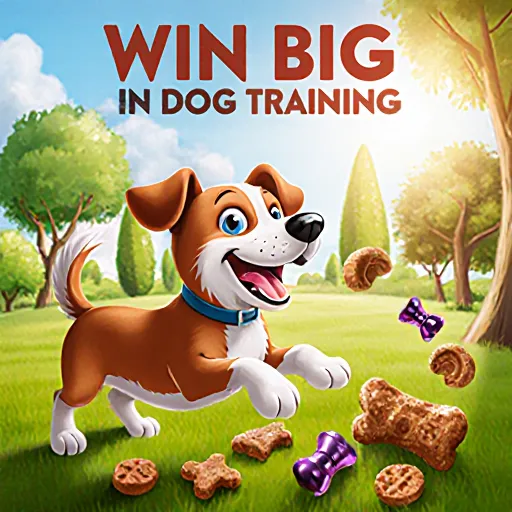
Unlock Success in Dog Training with These Top Rewards!
Win Big in Dog Training with Premium Rewards
Table of Contents
- 1. Introduction to Dog Training Treats
- 2. Importance of Rewards in Dog Training
- 3. Types of Treats for Different Training Needs
- 4. Size Matters: Choosing the Right Sized Treats
- 5. Taste Preferences: Finding Your Dog's Favorites
- 6. Texture and Consistency of Treats
- 7. Health Considerations for Your Dog
- 8. Timing is Everything: When to Use Training Treats
- 9. Consistency in Rewards: Maintaining Discipline
- 10. Over-Treating: Balancing Training with Moderation
- 11. Longevity of Your Dog's Favorite Treats
- 12. Special Treats for Advanced Training
- 13. Conclusion: The Role of Treats in Successful Training
- FAQ About Best Dog Treats for Training and Rewards
1. Introduction to Dog Training Treats
Dog training treats play a pivotal role in shaping a dog's behavior, reinforcing positive actions, and building trust between the pet and its owner. These treats are not only a means of rewarding good behavior but also serve as motivational tools that encourage dogs to learn new commands and tricks effectively. The right kind of treat can make all the difference in your training sessions.
The use of treats during dog training is crucial for several reasons:
- Positive Reinforcement: Treats are often used as a form of positive reinforcement, which means they reward the dog for good behavior. This helps in strengthening desired behaviors and discouraging unwanted ones.
- Motivation: A well-timed treat can motivate your dog to try harder or persist longer during training sessions.
- Building Trust: Treats are a way for you to show that good behavior will be rewarded, thereby building trust and rapport with your pet.
To ensure maximum effectiveness in training, it is important to choose treats that suit both your dog's dietary needs and preferences. Here are some key factors to consider when selecting the best dog training treats:
Dietary Needs
- Caloric Content: Ensure that the treat does not add excessive calories to your dog’s diet, especially if they have a sensitive stomach or are prone to weight gain.
- Ingredients: Opt for treats made from high-quality ingredients. Avoid those with artificial preservatives, colors, and flavors as these can be harmful in the long run.
Precise Size
The size of the treat is essential. Too large a treat may be difficult for your dog to consume quickly during training sessions, while too small might lead to quick consumption and less focus on the training itself.
- Peanut Butter Dog Bones: These treats are a favorite among dogs due to their irresistible peanut butter flavor. They come in various sizes, making them suitable for different breeds.
- Fresh Meat Treats: Made from fresh beef or other meats, these treats can be particularly appealing to carnivorous pets and are often used as high-value rewards during training sessions.
- Fruit and Veggie Treats: These are healthier alternatives that provide essential nutrients without the calorie load of traditional treats. They are great for dogs on a strict diet or those who need to maintain their weight.
To maximize the effectiveness of dog training treats, follow these practical tips:
- Consistency is Key: Always use a specific treat as a reward during each training session to avoid confusing your dog.
- Avoid Overfeeding: While treats are an essential part of the training process, feeding too many can lead to weight gain and health issues. Use them sparingly but effectively.
- Vary the Treats: Occasionally mixing up the type of treat you use (like alternating between peanut butter bones and fresh meat) can keep your dog engaged and interested in training sessions.
In conclusion, choosing the right dog training treats is vital for effective and enjoyable training sessions. By selecting treats that meet your dog's dietary needs and preferences, using them effectively, and incorporating them into a consistent reward system, you can significantly enhance your dog’s learning experience.
2. Importance of Rewards in Dog Training
The importance of rewards in dog training cannot be overstated. Rewards act as positive reinforcement, which is a fundamental principle in behavior modification. When your dog performs a desired action and is promptly rewarded, it encourages the repetition of that behavior. This process strengthens the association between the action and the reward, making it easier for the dog to learn new commands or behaviors.
Best dog treats for training should be chosen carefully as they play a crucial role in motivating your pet. They need to be tasty enough to intrigue your dog but not so filling that they ruin their appetite for meals. Here are some popular choices:
- Peanut Butter Dog Treats: These treats are highly rewarding and can be used as both a training tool and a healthy snack. They come in various forms, such as soft, hard, or even frozen for added chill factor.
- Chicken Liver Dog Treats: Known for their strong flavor, these treats are excellent for rewarding good behavior without being overly caloric.
- Vegetable-Based Treats: These are a great option if you're looking to avoid certain ingredients or allergens. They can be rewarding yet still nutritious.
Incorporating treats into your training routine effectively involves consistency and timing. Always ensure that the treat is given immediately after the desired behavior, so the dog makes the connection between the action and the reward. Consistency in this regard helps to solidify the learning process.
However, it's important not to overuse treats as rewards. While they are essential for training, relying solely on them can lead to overfeeding your pet. Consider using other forms of positive reinforcement like verbal praise or playtime as well. This balanced approach ensures that your dog remains motivated and healthy.
Understanding the importance of rewards in dog training empowers you to use treats effectively as part of a comprehensive training plan. By selecting appropriate rewards and implementing them correctly, you can foster a strong bond with your pet while promoting positive behaviors.
3. Types of Treats for Different Training Needs
Selecting the right type of treat can significantly enhance your training sessions with your dog. The Best Dog Treats for Training and Rewards come in various forms, each offering unique benefits depending on your specific training goals. Here’s a detailed look at the different types of treats available:
1. Small Bites for Precision Training
For precise commands like ‘sit’ or ‘stay’, small treat pieces are ideal as they allow you to provide multiple rewards without overwhelming your dog. These treats should be easily breakable and highly palatable, such as mini chicken strips or turkey bits.
2. Large Bites for Motivation
Larger treats can be used to reward your dog after completing more complex tasks or a series of commands. They provide a sense of accomplishment and motivation. For example, a small beef jerky treat can serve as an excellent post-reward treat.
3. Soft Treats for Hand Signals
Soft treats are perfect for hand signals because they fit easily into your hand without requiring you to remove them from their packaging. They should be soft and chewy, like peanut butter dog biscuits or liver treats, which can also provide a variety of flavors.
4. Freeze-Dried Treats for Special Occasions
If you want to celebrate something special with your dog, freeze-dried treats are an excellent choice. They offer a higher concentration of nutrients and protein compared to traditional treats, making them perfect for training sessions that require extra motivation.
5. Puzzle Treats for Mental Stimulation
Puzzle treats challenge your dog’s mind while rewarding their behavior. These treats are often hidden or placed in a puzzle toy, encouraging your dog to work for the reward. They can be made of rubber, plastic, or even food items like cheese cubes wrapped in paper.
6. Healthy Alternatives
If you’re looking for healthier options, there are many treats that include ingredients like sweet potatoes, carrots, and green beans. These not only reward your dog but also contribute to their overall health. Examples include vegetable-based treats or homemade recipes using healthy ingredients.
When choosing the best treat for training purposes, consider factors such as size, flavor preference, texture, and nutritional value. It’s important to choose treats that align with both your dog's preferences and your training goals. Always consult with your vet before making significant changes to your dog’s diet or training routine.
4. Size Matters: Choosing the Right Sized Treats
Size Matters: Choosing the Right Sized Treats
When it comes to rewarding your dog during training sessions, choosing the right sized treats can make all the difference. The size of a treat can impact not only the effectiveness of your training but also the overall experience for both you and your furry friend.
1. Understanding Your Dog's Needs
Firstly, consider the size and breed of your dog. Small breeds often have different dietary requirements compared to larger dogs, so smaller treats may be more appropriate. For instance, a Chihuahua won't need as large a treat as an Irish Wolfhound for training purposes.
2. Timing is Everything
The timing of when you give your dog a treat can affect their learning process. Smaller treats are often used during the initial stages of training because they allow for more frequent reinforcements, which helps keep your dog engaged and motivated.
3. Avoid Overfeeding
Larger treats can easily lead to overfeeding if not managed properly. This is particularly important for dogs that are prone to weight gain or have specific dietary needs due to health issues.
4. Practical Examples
- Small Treats: Great for frequent and quick rewards during training sessions, such as when teaching a new trick or reinforcing basic commands like "sit" or "stay."
- Larger Treats: Ideal for positive reinforcement after successful completion of more complex tasks or as part of an end-of-session treat.
5. Tips for Choosing the Right Sized Treat
- Consult with your veterinarian to ensure you're choosing treats that are appropriate for your dog's size and breed.
- Purchase a variety of treat sizes to suit different training scenarios.
- Monitor your dog’s reaction to the treat size; smaller treats may be more suitable if they tend to overeat.
By carefully selecting the right sized treats, you can enhance both the effectiveness and enjoyment of your training sessions. Opting for high-quality treats like those from Best Dog Treats for Training and Rewards ensures that not only are you rewarding your dog appropriately but also maintaining their overall health and well-being.
5. Taste Preferences: Finding Your Dog's Favorites
Determining your dog’s taste preferences is crucial, especially when it comes to training and rewarding them. Every dog is unique, just like their human companions, which means that what one dog loves might not be the same as another's preference. Identifying your dog's favorites can make training sessions more effective and enjoyable for both you and your pet.
Observing Your Dog’s Behavior
One of the best ways to figure out what treats your dog enjoys is by observing their behavior when presented with different options. Start by offering a variety of treats—such as beef, chicken, peanut butter, cheese, and vegetables like carrots or green beans—and see which ones they seem most excited about.
For example, if your dog consistently drops its head to the ground after you offer a particular treat, this could be an indication that it really loves that type of treat. On the other hand, if there’s no interest shown by your dog, consider trying different flavors or textures until you find something they enjoy.
Consulting Vet and Trainer
It's also helpful to consult with a veterinarian or professional trainer who can provide personalized advice based on your dog’s specific needs. They may recommend treats that are particularly beneficial for your pet, such as those that support joint health or promote dental care.
Using Best Dog Treats for Training and Rewards
- Peanut Butter Treats: These are often a hit with dogs because they’re soft and tasty. They can be used as positive reinforcement during training sessions or simply as a way to show affection.
- Bone-Shaped Treats: If your dog enjoys chomping on things, these treats might appeal more to them than small, softer alternatives.
- Vegetable-Based Treats: For dogs who are health-conscious or those with certain allergies, vegetable-based treats like carrots or green beans can be a great choice. They not only provide nutritional value but also come without the risk of choking associated with hard treats.
Making Your Own Treats
For some dog owners, making homemade treats is an option that provides complete control over what goes into their pet’s diet. Simple recipes like mixing cooked chicken or beef with cooked rice can be turned into tasty snacks. However, it’s important to consult a vet before making significant changes to your dog's diet.
Consistency Counts
Once you’ve identified the treats that your dog truly loves, consistency is key in maintaining their enthusiasm for training and rewarding them. Dogs thrive on routine, so try to use these favorite treats consistently during positive reinforcement sessions or whenever you want to reward good behavior.
In conclusion, finding out what treats your dog enjoys can greatly enhance the effectiveness of your training and rewarding efforts. By observing behaviors, consulting professionals, exploring different options, and possibly even making homemade treats, you’ll be well on your way to discovering those perfect favorites that will keep your furry friend motivated and happy.
6. Texture and Consistency of Treats
The texture and consistency of dog treats play a crucial role in training and rewarding your pet. The right treat can make all the difference, not only in terms of training effectiveness but also in how much your dog enjoys their treats. Here’s a closer look at what you should consider when choosing between hard, soft, chewy, or crunchy textures.
Hard Treats
Hard treats are typically made from ingredients like rice flour, tapioca starch, and vegetable oil, which give them their firm texture. These types of treats are excellent for rewarding quick responses during training sessions as they do not crumble easily when bitten into.
- Benefit: Great for teaching dogs to hold their reward without chewing it up immediately.
- Consideration: Not ideal for puppies or senior dogs with sensitive teeth, as they can be difficult to chew and digest.
Soft Treats
Soft treats are often made from ingredients like peanut butter, molasses, or other sweeteners that give them a smooth texture. They melt easily in the mouth but hold their shape well enough to offer a satisfying bite.
- Benefit: Provides quick satisfaction and can be molded into various shapes for fun training sessions.
- Consideration: Not suitable for dogs with diabetes or other dietary restrictions due to their high sugar content.
Chewy Treats
Chewy treats are designed to withstand a bit of chewing while still being soft enough not to splinter. They often come in strips, cubes, or small bones and are made from ingredients like dried meat or vegetables.
- Benefit: Excellent for rewarding dogs that require more stimulation during training sessions.
- Consideration: These treats can be a choking hazard if given in large pieces. Always supervise your dog when they are eating chewy treats to avoid any accidents.
Crunchy Treats
Crunchy treats offer a satisfying crunch that dogs love, and they are often made from ingredients like oats or corn. They break down quickly in the mouth but provide a longer-lasting treat experience for your dog.
- Benefit: Perfect for rewarding dogs who enjoy crunchy textures and can help promote dental health when given as part of an overall grooming routine.
- Consideration: Not suitable for dogs that have sensitive teeth or are prone to dental issues, as they can be harder to chew.
Incorporating treats with the appropriate texture and consistency into your training routine can significantly enhance the effectiveness of your sessions. For instance, when teaching a new command like "sit" or "stay," hard treats are often preferred because they don't crumble easily between the dog's teeth during the process.
When selecting the best dog treats for training and rewards, consider the breed and age of your pet as well. For instance, toy breeds with smaller mouths might benefit more from soft or chewy treats, whereas larger dogs may enjoy harder or crunchier options. Always read the ingredient labels carefully to ensure you're choosing a treat that's not only tasty but also safe for your dog.
7. Health Considerations for Your Dog
When it comes to rewarding your dog during training sessions, choosing the right treats is crucial. Not only do they provide motivation, but they also play a key role in ensuring your dog's overall health and well-being. However, not all treats are created equal, and some can pose risks if not selected carefully. Here’s how you can ensure that the treats you choose promote good health while still being effective training tools.
Selecting the Right Treats
Firstly, consider your dog's specific needs based on their breed, age, and size. For instance, smaller breeds may need smaller treats to avoid choking hazards, while older dogs might benefit from low-calorie options if they are prone to weight gain or have joint issues.
Caloric Density
A high caloric density treat can be useful for rewarding your dog during intense training sessions. However, it's important not to overdo it as this could lead to obesity and related health problems. Always balance treats with regular meals.
Nutritional Value
Look for treats that are rich in essential nutrients such as protein, vitamins, and minerals. Many commercially available treats already include these benefits but it's always good to check the label or consult a veterinarian if you're unsure about your dog’s nutritional requirements.
Promoting Dental Health
Some treats can help promote dental health by reducing plaque and tartar buildup. Treats specifically designed for this purpose often have textures that help scrub the teeth as they are chewed, mimicking the benefits of a good brushing routine.
Examples of Dental Health Treats
- Greenies Dental Chews
- Oral Care Dog Treats by Blue Buffalo
- Tartar Control Treats from Purina
Potential Risks and Precautions
Be cautious of treats that are too salty, spicy, or contain artificial preservatives. These can upset your dog's stomach or lead to long-term health issues. Always opt for natural ingredients where possible.
Consult Your Vet
If you're unsure about the best type of treat for your dog, consult with your veterinarian. They can provide personalized advice based on your pet’s individual needs and any existing health conditions.
Promoting Positive Behavior Through Treats
Using treats effectively during training sessions is a powerful tool in shaping positive behaviors. Consistency, timing, and the right type of reward are key factors to consider when deciding on your dog's training treats.
- Consistency: Stick with one type of treat so that your dog associates it specifically with rewarding behavior.
- Timing: Always give the treat immediately after the desired behavior is performed to reinforce the connection between action and reward.
- Type: Choose a treat that aligns with both your training goals and your dog's health needs.
In conclusion, selecting the best dog treats for training not only enhances the effectiveness of your training sessions but also contributes to your dog’s overall health. By keeping these considerations in mind, you can ensure that your choices are both rewarding and beneficial for your furry friend.
8. Timing is Everything: When to Use Training Treats
Timing is Everything: When to Use Training Treats
When it comes to training your dog, the timing of rewards can make all the difference. The most effective time to use training treats is immediately after your dog performs a desired behavior successfully. This immediate reinforcement helps solidify the connection between the action and the positive outcome in the dog's mind.
For instance, if you are teaching your dog to sit, give them a treat the moment their rear legs hit the floor. This timing ensures that your dog associates the act of sitting with receiving the treat—a key component of effective training.
Consistency is crucial when using treats as rewards during training sessions. Always use high-value treats that your dog loves and can’t resist, such as the Best Dog Treats for Training and Rewards mentioned below:
- Chicken Liver Treats: High in protein and rich flavor, perfect for rewarding dogs with sensitive palates.
- Turkey Jerky: A great option for dogs who enjoy a bit of crunch but are still focused on training.
- Fruit-Based Treats: Suitable for dogs on a low-fat diet, these treats are healthy and satisfying without being overwhelming.
Using the right timing and high-quality treats can significantly enhance your dog's learning process. Remember, consistency in both timing and treat selection is key to successful training.
9. Consistency in Rewards: Maintaining Discipline
In the world of dog training, consistency is key when it comes to rewarding your pet. Just as a well-tuned WordPress blog requires consistent updates and quality content to keep readers engaged, your dog's training depends on consistent rewards for positive behavior. The Best Dog Treats for Training are not just about satisfying your pup; they play a crucial role in maintaining discipline and reinforcing the correct behaviors.
Choosing the Right Treat
The right treat can make all the difference in a dog's training experience. When selecting treats, consider factors like size, texture, and nutritional content that suit your pet’s needs. For instance, smaller treats are perfect for quick reinforcement during training sessions, while larger treats can be used as more of an incentive for complex behaviors.
Consistency in Timing
The timing of the reward is just as important as what you’re rewarding with. Dogs respond best when they receive praise or treats immediately after performing a desired behavior. This immediate feedback helps them understand that their actions are being recognized and valued.
Consistency in Tone
Your tone of voice can also reinforce discipline during training. Using an enthusiastic and positive tone when praising your dog for good behavior is essential. It helps to create a positive association between the action and the reward, making it easier for your pet to learn.
Practical Advice
- Set Clear Expectations: Before starting any training session, ensure you know what behavior you want to reinforce. This clarity helps in providing consistent rewards and prevents confusion for the dog.
- Use Positive Reinforcement: Always reward good behavior immediately with treats or praise. This positive reinforcement encourages repetition of the desired actions.
- Avoid Over-Treating: While consistency is important, over-treating can lead to digestive issues and spoil your dog’s appetite for training sessions. Aim for a balance that keeps both you and your pet motivated.
Examples
For example, if you’re teaching your dog the command "sit," reward them with a treat immediately after they sit correctly. If they don’t follow the command, simply wait for the right behavior or redirect their attention without offering a reward. This consistent approach helps your dog understand what is expected of them.
10. Over-Treating: Balancing Training with Moderation
Over-treating is a common pitfall that many dog owners fall into, especially during training sessions. While treats are an essential part of positive reinforcement, too much can lead to several issues, including weight gain, selective listening (where the dog only responds when it expects a treat), and even dental problems or digestive upset.
It's crucial to find that sweet spot between rewarding your dog adequately for good behavior and not overdoing it. Here are some practical tips and examples:
Understanding Over-Treating
Treats should be seen as a training tool, not an everyday snack. If used excessively, they can undermine the effectiveness of training by making your dog dependent on them for every action or word from you.
Best Dog Treats for Training and Rewards
- Fresh Meat-Based Treats: These are great because they provide a natural treat that is both healthy and motivating. For example, small pieces of cooked chicken or beef can serve as excellent rewards.
- Low-Calorie Treats: Opting for treats with fewer calories ensures you won't overload your dog's diet too quickly. Brands like Greenies have low-calorie options that are perfect for frequent use without the worry of weight gain.
- Bone-Shaped Treats: These can be used as a treat or even as part of a puzzle toy to encourage mental stimulation and help keep your dog engaged during training. Brands like Zuke's offer bone-shaped treats that are both rewarding and fun for dogs.
Practical Advice
- Frequency: Limit the number of treats you give based on your dog's size, activity level, and weight. A good rule of thumb is to use no more than 10-20% of your dog’s daily calorie intake as treats.
- Vary Treats: To keep training fun, vary the types of treats you use. This not only keeps things interesting but also reduces the risk of your dog becoming bored with a particular type of treat.
- Timing: Timing is key in positive reinforcement. Always give treats right after the desired behavior so that your dog can associate the action with the reward.
In conclusion, while over-treating can be detrimental to your dog's health and training progress, finding a balance is entirely possible. By choosing the right treats and using them judiciously, you can ensure your dog remains healthy and motivated during training sessions.
11. Longevity of Your Dog's Favorite Treats
The longevity or shelf life of your dog’s favorite treats can significantly impact their overall health and well-being. When it comes to selecting the best dog treats for training and rewards, ensuring that they are high-quality and safe is paramount. Here’s a detailed look at how different factors influence the longevity of these treats:
Factors Influencing Shelf Life
- Type of Treat: Treats made with natural ingredients generally last longer than those containing artificial preservatives or fillers. For example, beef and peanut butter treats tend to have a shorter shelf life compared to grain-free or freeze-dried options.
Storing treats at room temperature away from direct sunlight and heat sources can help maintain their freshness. Humidity levels also play a role; keeping them in a cool, dry place is ideal.
Choosing the Best Treats for Training and Rewards
Selecting the right treats not only enhances training sessions but also strengthens the bond between you and your furry friend. Here are some top choices that are both effective for training and long-lasting:
- Beef Jerky Treats: These are a popular choice among dog owners due to their high protein content, which makes them excellent for training dogs who require extra energy. However, they should be stored in a cool place as they can spoil quickly if exposed to heat and humidity.
- Example: Pedigree DuraBites Beef Jerky Treats are highly rated for their durability and nutritional value.
- Peanut Butter Treats: These treats are versatile and can be used in various training exercises. They provide a good balance of fats, proteins, and carbohydrates to keep your dog energized. However, they should be kept refrigerated once opened due to their oil content.
- Example: Blue Buffalo SoftTrain Peanut Butter Training Treats are known for their soft texture that melts in the mouth, making them perfect for clicker training.
- Fruit and Veggie Chips: These treats are a healthier alternative to traditional dog treats. They are rich in vitamins and antioxidants, promoting overall health. While they may not last as long as other types of treats, their nutritional benefits make them worth the investment.
- Example: Zuke's Natural Training Bites offer a variety of flavors made from real fruits and vegetables that are both tasty and nutritious for your dog.
PRACTICAL ADVICE FOR MAXIMIZING TREATS' LONGEVITY
To ensure your dog’s treats remain fresh and effective, follow these tips:
- Check the expiration date on the packaging regularly.
- Store opened packages in a cool, dry place or refrigerate them if they contain oils or fats.
- Avoid exposing treats to sunlight, as UV rays can degrade their quality over time.
- Use treats within a reasonable timeframe after opening the package.
12. Special Treats for Advanced Training
When it comes to advanced training, choosing the right treats can significantly enhance your dog's learning process and motivation. Special treats that are high in value or have specific nutritional properties can make a world of difference. Here’s how you can select and use special treats effectively:
Selecting High-Value Treats
High-value treats, such as small pieces of cooked chicken, cheese, or liver, are excellent for advanced training sessions because they provide a strong reward that your dog will find highly motivating. These treats can help reinforce complex commands and behaviors.
Nutritional Rewards
Special treats can also be used to provide additional nutritional benefits. For instance, green beans or baby carrots offer low-calorie, crunchy snacks that are both satisfying and healthy for your dog. They make excellent rewards during training sessions without adding extra calories.
Consistency in Rewards
Consistency is key when it comes to rewarding your dog during advanced training. Once you have identified the best treats, be consistent with them throughout the training process. This helps establish clear associations between the behavior and the reward, making learning more effective.
Timing of Rewards
Timing is crucial when giving rewards for complex behaviors. Always offer the treat immediately after your dog performs the desired action to ensure they make the connection between the behavior and the reward. This immediate reinforcement strengthens their understanding and increases the likelihood of them repeating the behavior.
Practical Advice
- Use small, easily digestible treats that won’t hinder your dog’s performance during training sessions.
- Vary the type of treat you use to keep things interesting and maintain your dog’s motivation.
- Avoid overfeeding treats as they can lead to weight gain or digestive issues. Always balance them with regular meals.
Examples
Here are some specific examples of treats that work well for advanced training:
- Small pieces of cooked chicken (high value, high motivation).
- Canned tuna in spring water (nutritional and tasty).
- Carrot sticks or green beans (low-calorie and crunchy snacks).
By selecting the right treats for your dog’s advanced training, you can enhance their learning experience and ensure that they remain motivated throughout the process. Remember to always consider both the nutritional value and motivational impact of the treats you choose.
13. Conclusion: The Role of Treats in Successful Training
The role of treats in successful training cannot be overstated. Treats serve as powerful motivators that can significantly enhance a dog's learning process and overall behavior during training sessions. They act not just as rewards but also as positive reinforcement tools, helping to build strong associations between the desired behaviors and the outcomes dogs receive.
- Fresh Meat Bones: These are excellent for dogs that enjoy the texture of raw bones. They provide a satisfying chew, which can help in keeping your dog engaged during training sessions.
- Low-Sodium Peanut Butter: A bit goes a long way with this treat. It's rich in protein and provides a sweet flavor that is appealing to many dogs. However, it should be fed in moderation due to its calorie density.
- Dry Training Treats: These are convenient for quick training sessions as they are small and can easily fit into your pocket or treat pouch. They come in various flavors and textures suitable for different preferences of dogs.
- Vegan Treats: For pet owners who prefer to keep their dog's diet plant-based, vegan treats provide a healthy alternative while still being tasty enough to reward good behavior.
Incorporating the right treats into your training regimen can make all the difference in how effective and enjoyable the learning process is for both you and your pet. It’s important to choose treats that align with your dog's dietary needs, preferences, and health considerations. Always consult with a veterinarian before making significant changes to your dog's diet.
Remember, consistency is key when using treats as training aids. Over time, dogs should learn to associate the treat reward not just with immediate gratification but also with the behavior they are being trained for. This helps in reinforcing good habits and ensures that your dog continues to perform well even after rewards are phased out.
FAQ About Best Dog Treats for Training and Rewards
Choosing the right dog treats can make or break your training sessions. Here are some frequently asked questions (FAQs) to help you select the best dog treats for training and rewards.
1. What Are the Key Ingredients in Dog Treats?
Dog treats should be made from high-quality ingredients that are safe and beneficial for your pet's health. Look for treats that contain real meat, vegetables, and whole grains. Avoid treats with artificial flavors, preservatives, or excessive additives.
2. How Do Dog Treats Affect My Dog's Teeth and Digestion?
Dog treats can either promote good dental health or contribute to bad breath and plaque buildup if not chosen wisely. Opt for crunchy treats that can help scrape off tartar from your dog’s teeth, but ensure they are not overly hard as this could damage their teeth.
3. Can I Give My Dog Any Human Food as a Treat?
While some human foods like carrots and apples can be given occasionally, others such as chocolate or onions can be toxic to dogs. It's best to stick to dog-specific treats unless you consult with your vet about specific cases.
4. Are There Specific Treats for Different Types of Dogs?
Different breeds and sizes of dogs may have varying nutritional needs, so it’s important to choose treats that are appropriate for the size and age of your dog. For example, smaller dogs might benefit from smaller treats while senior dogs could use joint-friendly options.
5. How Often Should I Give My Dog Treats?
The frequency of giving treats can vary based on individual needs but generally should be kept under control to avoid overfeeding and weight gain. Use treats as positive reinforcement during training sessions rather than regular meal replacements.
6. What Are the Best Training Treats for Teaching New Commands?
Training treats should be small enough so your dog can eat them quickly, rewarding them instantly for good behavior. Popular choices include soft chewy treats or freeze-dried meats like chicken or turkey.
7. Are There Organic or Grain-Free Options Available?
Dog owners looking for healthier options often opt for grain-free or organic treats which can be found in various brands catering to specific dietary preferences and restrictions your dog might have.
8. Can I Use Treats for Behavior Modification?
Treats are not only useful during training but also effective tools for managing behavior issues like anxiety or aggression by providing positive reinforcement when appropriate behaviors occur.
9. Where Should I Store Dog Treats?
To keep dog treats fresh and prevent spoilage, store them in a cool, dry place out of reach from your pet unless they are intended for immediate consumption during training sessions.
10. Are There Any Special Considerations When Buying Treats for Senior Dogs?
Senior dogs may need treats that support joint health, maintain muscle mass, and aid digestion. Brands like Greenies and Hill's Science Diet offer senior-friendly options designed to meet these specific needs.
By considering these factors and doing some research on different brands available in the market, you can choose the best dog treats for your furry friend’s training sessions and rewarding moments.
Categories
- AI & Enrichment Play
- Broiler Farming
- Broiler Farming Tips
- Canine Wellness & Longevity
- Cat
- Cat & Human Connection
- Cat Adoption & Rescue
- Cat Breeds
- Cat Breeds & Personalities
- Cat Care & Health
- Cat Grooming & Hygiene
- Cat Lifestyle & Environment
- Cat Myths & History
- Cat Nutrition & Diet
- Cat Products & Reviews
- Cat Training & Behavior
- Comparison
- Consumer Awareness
- Dog
- Dog Accessories & Products
- Dog Adoption & Rescue
- Dog Breed & Lifestyle Trends
- Dog Breeding & Puppies
- Dog Entertainment & Media
- Dog Fashion & Trends
- Dog Fun & Lifestyle
- Dog Grooming & Hygiene
- Dog History & Culture
- Dog Myths, Science & Future Tech
- Dog News & Trends
- Dog Nutrition & Food
- Dog Psychology & Emotions
- Dog Safety & Security
- Dog Sports & Activities
- Dog Technology & Innovation
- Dog Training for Modern Owners
- Dog Travel & Adventure
- Dog Travel, Adventure & Culture
- Economic and Market Insights
- Educational Content
- FAQs
- Feeding Alternatives
- Festivals & Seasonal Ideas
- Fun & Entertainment
- General Knowledge
- General Pig Farming
- Health & Disease Management
- Housing and Environment
- Kittens
- Market Insights
- Miscellaneous
- Miscellaneous
- Motivational
- pig
- Pig Breeding
- Pig Breeds
- Pig Farming Stories and Inspiration
- Pig Health and Care
- Pig Nutrition
- Pig Products
- Profitability & Business
- Puppy Care
- Puppy Predictable Topics Reinvented
- Regional Focus
- Rescue & Adoption Buzz
- Senior Cats
- Senior Dog Care
- Smart Dog Tech & Gadgets
- Sustainability
- Sustainable & Eco-Friendly Dog Products
- Tech & Innovations
- Working & Service Dogs
- Broiler Feed66 products
- Country Feed33 products
- Pig Feed66 products
- Product22 products
- Raw Materials99 products
Products
-
 Fish Meal
₹1,999.00 – ₹2,999.00Price range: ₹1,999.00 through ₹2,999.00Rated 0 out of 5
Fish Meal
₹1,999.00 – ₹2,999.00Price range: ₹1,999.00 through ₹2,999.00Rated 0 out of 5 -
 FATTENING BROILER FEED
₹2,299.00 – ₹2,349.00Price range: ₹2,299.00 through ₹2,349.00Rated 0 out of 5
FATTENING BROILER FEED
₹2,299.00 – ₹2,349.00Price range: ₹2,299.00 through ₹2,349.00Rated 0 out of 5 -
 LAYER COUNTRY FEED
₹1,549.00 – ₹1,649.00Price range: ₹1,549.00 through ₹1,649.00Rated 0 out of 5
LAYER COUNTRY FEED
₹1,549.00 – ₹1,649.00Price range: ₹1,549.00 through ₹1,649.00Rated 0 out of 5 -
 COUNTER BROILER FEED
₹1,199.00 – ₹1,299.00Price range: ₹1,199.00 through ₹1,299.00Rated 0 out of 5
COUNTER BROILER FEED
₹1,199.00 – ₹1,299.00Price range: ₹1,199.00 through ₹1,299.00Rated 0 out of 5 -
 LACTATING PIG FEED
Rated 0 out of 5
LACTATING PIG FEED
Rated 0 out of 5₹2,299.00Original price was: ₹2,299.00.₹1,740.00Current price is: ₹1,740.00. -
 Maize
Rated 0 out of 5
Maize
Rated 0 out of 5₹1,650.00Original price was: ₹1,650.00.₹1,300.00Current price is: ₹1,300.00. -
 GESTATION PIG FEED (Phase 1)
Rated 0 out of 5
GESTATION PIG FEED (Phase 1)
Rated 0 out of 5₹2,249.00Original price was: ₹2,249.00.₹1,699.00Current price is: ₹1,699.00. -
 Pre Starter Broiler Feed
₹2,399.00 – ₹2,499.00Price range: ₹2,399.00 through ₹2,499.00Rated 0 out of 5
Pre Starter Broiler Feed
₹2,399.00 – ₹2,499.00Price range: ₹2,399.00 through ₹2,499.00Rated 0 out of 5 -
 FINISHER PIG FEED
Rated 0 out of 5
FINISHER PIG FEED
Rated 0 out of 5₹2,299.00Original price was: ₹2,299.00.₹1,749.00Current price is: ₹1,749.00. -
 Broiler Premix
Rated 0 out of 5
Broiler Premix
Rated 0 out of 5₹820.00Original price was: ₹820.00.₹699.00Current price is: ₹699.00.