
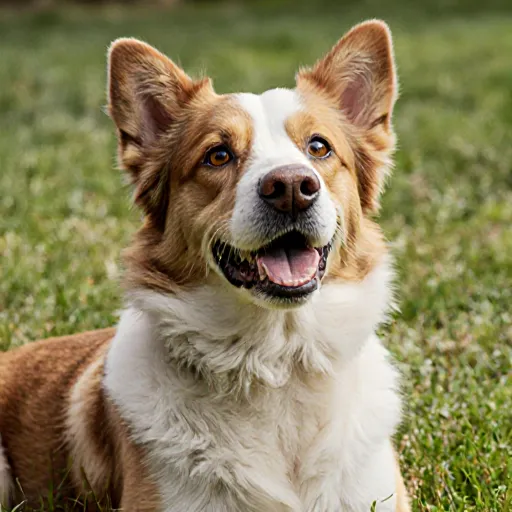
Spot Common Dog Allergens Before They Bother!
Common Dog Food Allergies and How to Spot Them
Table of Contents
- Understanding Dog Food Allergies
- Symptoms of a Food Allergy in Dogs
- Common Protein Sources That Cause Allergies
- Common Carbohydrates That Trigger Allergic Reactions
- Identifying Allergens Through Elimination Diet
- Role of Environmental Factors in Food Allergies
- Signs of Severe Anaphylaxis
- Importance of Consulting a Veterinarian
- Role of Diet in Managing Dog Allergies
- Symptoms to Look for When Feeding Homemade Diets
- Choosing Hypoallergenic Food for Dogs
- Foods That Are Generally Safe for Allergic Dogs
- Conclusion
- FAQ About Common Dog Food Allergies
- Additional Resources
Understanding Dog Food Allergies
Understanding dog food allergies is crucial for ensuring your pet's health and well-being. While many dogs can enjoy a wide variety of foods without any issues, some may develop allergies to certain ingredients in their diet. This section will explore common dog food allergies and how to spot them.
Dogs can be allergic to various components found in commercial pet foods or even homemade meals. The most frequent culprits include:
- Proteins: Beef, chicken, lamb, and dairy products are common allergens. Dogs can become sensitized to these proteins over time, leading to allergic reactions.
- Cereals: Corn, wheat, soy, and other grains can also trigger allergies in susceptible dogs.
- Fats: While not as common as protein or cereal allergies, certain types of fats used in dog food can cause allergic reactions.
The symptoms of a dog food allergy can vary widely and may include:
- Skin Irritation: Dogs with allergies often show signs of dermatitis, including itching, redness, and swelling. These symptoms are commonly seen around the face, ears, neck, and paws.
- Gastrointestinal Issues: Digestive problems such as vomiting, diarrhea, gas, and bloating may indicate an allergy to certain foods.
- Inflammation of the Respiratory System: Some dogs might experience difficulty breathing or sneezing spells due to allergies to specific ingredients in their diet.
If you suspect that your dog has a food allergy, it's important to consult with your veterinarian. Here are some practical steps you can take:
- Switch to Hypoallergenic Diets: A hypoallergenic diet is designed for dogs with sensitive stomachs or allergies and typically uses novel proteins (like duck, rabbit) that aren't commonly found in standard pet foods.
- Elimination Diet: This involves slowly removing different food components to identify the exact trigger of the allergy. It's a time-consuming process but can provide valuable insights into what your dog is allergic to.
- Consult a Veterinarian: Your vet may recommend specific tests, such as blood work or skin scraping, to confirm an allergy diagnosis and suggest appropriate treatment options.
Understanding dog food allergies is essential for maintaining your pet's health. By recognizing the common triggers and learning how to spot allergic reactions early on, you can help ensure that your dog remains healthy and comfortable. Always consult with a veterinarian if you suspect an allergy and consider hypoallergenic diets or elimination diets as part of your management plan.
Symptoms of a Food Allergy in Dogs
Food allergies in dogs can manifest differently from human food allergies, and they often go unnoticed. Understanding the symptoms of a food allergy is crucial for early diagnosis and treatment to improve your dog's quality of life. Here are some common signs to look out for:
- Itchy Skin: Dogs with food allergies may experience persistent itching, particularly around the face, paws, and ears. They might scratch or bite themselves more frequently than usual.
- Reddened Skin: The skin may become red and inflamed due to allergic reactions. This can lead to uncomfortable hot spots on the body.
- Diarrhea and Vomiting: Digestive issues are a telltale sign of food allergies, often resulting in loose stools or vomiting.
- Bloody Stools: In severe cases, blood may appear in the dog's stool due to irritation from an allergic reaction.
- Weight Loss: Dogs with undiagnosed food allergies may lose weight despite having a good appetite. This is because their digestive system cannot properly absorb nutrients from the food they eat.
- Excessive Flatulence: Increased gas production can be another symptom of food intolerances or allergies.
Dogs are more prone to developing allergies to certain proteins and carbohydrates in their diet. Here are some common allergens that trigger allergic reactions:
| Allergy Type | Common Allergens |
|---|---|
| Protein Allergies: | Poultry (chicken, turkey), beef, lamb, pork, and fish. |
| Carbohydrate Allergies: | Gliadin (a component of gluten found in wheat), corn, soy, rice, barley, oats. |
To identify whether your dog is experiencing a food allergy, consider keeping a detailed diary of their meals and any changes in behavior or health. Here are some practical steps:
- Eat-Test Method: Gradually add new foods to your dog's diet one at a time over several weeks. Monitor for any signs of improvement or worsening symptoms.
- Hypoallergenic Diet Trials: Switch your dog to a hypoallergenic diet that avoids common allergens, and observe if their condition improves.
- Vet Consultation: If you suspect an allergy, consult with a veterinarian who can perform tests such as blood work or skin tests to confirm the diagnosis.
Early detection and management of food allergies are important to prevent complications. By recognizing the symptoms early and addressing potential allergens in your dog's diet, you can significantly enhance their overall health and well-being.
Common Protein Sources That Cause Allergies
Just as humans can suffer from food allergies, dogs can also develop sensitivities or intolerances to certain protein sources in their diet. Identifying and managing these allergens is crucial for maintaining a dog's health and well-being. Common protein sources that cause allergies in dogs include:
1. Beef
Dogs, like humans, can develop an allergy to beef, which is one of the most common proteins used in commercial pet foods. Signs of a beef allergy may include itching, digestive issues such as vomiting and diarrhea, and even respiratory symptoms. If you suspect your dog has a beef allergy, it's important to avoid products containing this protein.
2. Chicken
Chicken is another widely used protein in pet foods but can also be problematic for some dogs. Symptoms of chicken allergies include skin rashes and digestive upset. It’s essential to carefully read labels and choose hypoallergenic dog foods if your vet confirms an allergy.
3. Dairy
Dogs do not produce lactase, the enzyme necessary for breaking down lactose (the sugar in milk), which can lead to intolerance or allergic reactions in some dogs. Signs of dairy sensitivity include vomiting and diarrhea after consuming products containing milk.
4. Eggs
Eggs are another protein source that can trigger allergies in certain dogs. Symptoms may include itching, hives, and digestive issues. If your dog shows signs of an egg allergy, it’s best to avoid using eggs as a protein source.
5. Lamb
Lamb is less commonly used but can also be a culprit for allergies in some dogs. Allergic reactions may present similarly to other protein sources and include skin irritation and gastrointestinal symptoms.
6. Soy
Soy proteins are frequently found in dog foods as a plant-based alternative. Some dogs develop an intolerance or allergy to soy, which can manifest through digestive problems such as bloating and gas, and even more severe reactions like vomiting.
How to Spot Allergies: If you notice your dog exhibiting signs of discomfort after eating certain foods, it may be a good idea to consult with your veterinarian. They can help diagnose food allergies through elimination diets or other testing methods. Once identified, switching to hypoallergenic dog foods that exclude the problematic protein sources is often recommended.
Common Carbohydrates That Trigger Allergic Reactions
When it comes to dog food allergies, certain common carbohydrates can trigger allergic reactions. Just like in humans, dogs can develop sensitivities to specific ingredients that are typically found in pet foods. Identifying these allergens is crucial for maintaining your dog's health and well-being.
- Potatoes: Potatoes, a staple ingredient in many commercial dog foods, can cause digestive issues or allergic reactions. If your dog has an intolerance to potatoes, you may notice symptoms such as vomiting, diarrhea, and excessive gas.
- Rice: While rice is generally considered safe for most dogs, some breeds may have adverse reactions due to its high gluten content. Gluten sensitivity in dogs can lead to skin irritations and digestive disorders.
- Barley: Barley contains a form of protein that can be difficult for certain dogs to digest. If your dog suffers from barley intolerance, you might observe symptoms like skin rashes or frequent ear infections.
- Oats: Oats are often used in hypoallergenic diets but can still cause allergic reactions in some dogs. These reactions may manifest as itching, sneezing, or even breathing difficulties.
- Corn: Corn is another common carbohydrate that frequently appears on dog food labels. However, it can be a hidden allergen for many dogs. Signs of corn intolerance include ear infections and frequent urinary tract infections.
Dogs are susceptible to various types of allergies that can affect their skin, digestive system, or respiratory tract. Here’s how you can spot the symptoms:
Skin Reactions
- Redness and inflammation around the face, paws, and ears.
- Excessive scratching and licking of certain areas of the body.
- Hair loss in specific regions (alopecia).
Digestive Disorders
- Frequent vomiting or diarrhea.
- Increased gas production with an unpleasant odor.
- Lack of appetite and weight loss.
Respiratory Symptoms
- Difficulty breathing or wheezing.
- Nasal discharge, either clear or thick.
- Increased respiratory rate (tachypnea).
If you suspect your dog might be experiencing an allergic reaction to a carbohydrate in their diet, it's essential to consult with your veterinarian. They can help determine the specific allergen and recommend a suitable diet plan that excludes these problematic carbohydrates.
Identifying Allergens Through Elimination Diet
Identifying allergens through an elimination diet is a method used by veterinarians and pet owners alike to pinpoint food allergies in dogs. This process involves systematically removing potential allergens from your dog's diet over several weeks, then gradually reintroducing them one at a time to observe any reactions. By doing so, you can accurately determine which ingredient or protein is causing an allergic reaction.
Common Dog Food Allergies
- Dog Food Ingredients: Common culprits include corn, wheat, soy, dairy products (milk and cheese), beef, chicken, lamb, pork, and fish. These ingredients can cause digestive issues like diarrhea or vomiting.
- Preservatives & Additives: Artificial preservatives such as BHA, BHT, and ethoxyquin may also trigger allergic reactions in some dogs. These chemicals are used to extend the shelf life of pet food but can sometimes lead to adverse effects.
How to Spot Allergies
When feeding your dog a new diet, it's crucial to monitor them closely for signs of an allergic reaction. Watch out for these symptoms:
- Diarrhea & Vomiting: Frequent bouts of loose stools or uncontrollable vomiting could indicate gastrointestinal distress.
- Itchy Skin & Rashes: Dogs with food allergies often suffer from chronic itching, redness, and rashes around the face, paws, and other body parts.
- Swelling of the Face or Body: Sudden swelling can be a sign of anaphylaxis, which requires immediate veterinary attention.
- Painful Digestion & Abdominal Discomfort: Dogs may show signs of discomfort when eating or after meals if they have sensitive stomachs due to food allergies.
Steps for an Elimination Diet
- Start with a Baseline Test Meal: Begin by feeding your dog a simple, hypoallergenic diet consisting of one protein (like chicken) and one carbohydrate source (such as rice). This helps establish what the baseline should be for your dog's health.
- Wait for a Reaction-Free Period: Typically, this lasts between 8 to 12 weeks. During this time, observe any changes in your dog’s behavior or physical appearance closely.
- Add New Ingredients Slowly: After confirming that the baseline diet is tolerated well, slowly introduce new ingredients back into your dog’s meals one at a time over several days each. Keep track of which ingredient caused an adverse reaction.
- Consult Your Veterinarian: If you suspect food allergies but are unsure how to proceed, it's advisable to consult with a veterinarian who can guide you through the process and recommend appropriate dietary changes.
By following these steps diligently, you can identify specific allergens causing discomfort or illness in your dog while ensuring they receive balanced nutrition. Remember that maintaining consistency throughout this process is key; any lapses might interfere with accurate results.
Role of Environmental Factors in Food Allergies
The role of environmental factors in food allergies is increasingly recognized as a significant contributor to the growing prevalence of allergic reactions, not just in humans but also in our pets. In dogs, common food allergens can lead to various adverse reactions that affect their overall health and well-being. Understanding these environmental factors can help pet owners identify potential triggers and manage their dog's diet effectively.
Dogs can develop allergies to a wide range of food ingredients, which are often overlooked by pet owners. These allergens include:
- Certain Proteins: Dogs can be allergic to proteins found in beef, chicken, lamb, and other meats. For example, if your dog has been eating a diet rich in beef for years, it might develop an allergy to this protein.
- Grains: Common grains like wheat, corn, soy, and rice can also cause allergic reactions in dogs. If you notice that your dog develops skin issues after consuming certain types of grain-based foods, it could be a sign of an allergy.
- Preservatives and Additives: Artificial preservatives and other additives used in processed foods may not always agree with your pet's digestive system. These can include BHA (Butylated Hydroxyanisole), BHT (Butylated Hydroxytoluene), and sodium benzoate.
Dog owners need to be aware of the signs that indicate a food allergy. These can include:
- Skin and Coat Issues: If your dog's coat is dull, itchy, or you notice frequent shedding, these could be symptoms of an underlying food allergy.
- Intestinal Upsets: Vomiting, diarrhea, flatulence, and other digestive issues are often early signs that something in the diet isn't agreeing with your dog. These symptoms can vary in intensity from mild to severe.
- Allergic Dermatitis: This is a skin condition where the dog's skin becomes inflamed and irritated. It can lead to redness, dryness, and even hair loss if not addressed promptly.
The environmental factors surrounding your dog can also play a crucial role in triggering food allergies. These include:
- Dietary Changes: Introducing new foods or changing the brand of dog food can introduce new allergens that your dog has not previously encountered.
- Hygiene Practices: Poor hygiene practices, such as allowing your dog to eat from the table during meals, can lead to accidental ingestion of unknown substances that may be harmful to their health.
- Climate and Seasonal Changes: Dogs with food allergies might exhibit worse symptoms during certain seasons or in specific environmental conditions. For example, dogs living in areas prone to pollen can experience exacerbated allergic reactions due to the additional stress on their immune systems from allergens they are already sensitive to.
In conclusion, understanding and managing environmental factors that contribute to food allergies is essential for maintaining your dog's health. By being aware of potential triggers and observing your pet closely, you can help prevent or manage allergic reactions effectively. Always consult with a veterinarian when introducing changes in your dog's diet or if you suspect an allergy.
Signs of Severe Anaphylaxis
Severe anaphylaxis is a life-threatening allergic reaction that requires immediate medical attention. While common dog food allergies typically manifest as mild skin irritations or digestive issues, severe reactions can quickly escalate to a dangerous condition if not addressed promptly.
- Difficulty Breathing: Your dog may have trouble inhaling and exhaling properly, which could be due to swelling of the airways. This is a critical sign that requires immediate veterinary care.
- Rapid Heartbeat: A faster than normal heart rate can indicate that your dog’s body is in distress from the allergic reaction.
- Swelling of the Face, Lips, or Paws: This swelling is often a result of the immune system's overreaction to an allergen. It can block the airways and make breathing difficult.
- Severe Vomiting or Diarrhea: Gastrointestinal distress may occur as part of the body’s response to the allergen, leading to severe digestive issues that need urgent attention.
- Weakness or Collapse: Your dog might appear lethargic and collapse suddenly, which could be a result of the allergic reaction causing a drop in blood pressure (anaphylactic shock).
Understanding common dog food allergies can help you differentiate between mild and severe reactions. Here are some examples:
| Allergy Type | Symptoms | Severity Level |
|---|---|---|
| Digestive Allergies: | Mild: Diarrhea, Vomiting; Severe: Persistent vomiting leading to dehydration. | Mild-Moderate |
| Atopic Dermatitis (Environmental Allergies): | Mild: Itchy Skin, Redness; Moderate: Severe itching and hair loss. | Moderate to Severe |
| Dog Food Allergies: | Mild: Diarrhea, Sneezing; Severe: Swelling of the lips, difficulty breathing. | Can Range from Mild to Severe |
If you suspect your dog is having a severe allergic reaction, follow these steps:
- Administer Benadryl or Another Antihistamine (If Recommended): If your vet has advised it, give the appropriate dose of Benadryl to help reduce swelling and itching.
- Contact Your Veterinarian Immediately: Even if you have given antihistamines, a severe reaction requires veterinary attention. They may administer epinephrine or other treatments.
- Keep Calm and Monitor Your Dog: Keep your dog in a quiet place away from stressors until professional help arrives.
Importance of Consulting a Veterinarian
The importance of consulting a veterinarian when it comes to addressing common dog food allergies cannot be overstated. Dogs, like humans, can develop sensitivities or intolerances to certain ingredients in their diet that may cause a range of health issues if left unaddressed. Proper diagnosis and treatment from a vet are crucial for ensuring your pet's overall well-being.
Dog food allergies can be broadly categorized into two types: food intolerances and true food allergies (or hypersensitivities). Food intolerances, such as lactose intolerance, are more common but less severe than true allergies. True food allergies involve the immune system reacting to specific proteins in dog foods.
Common Culprits
- Corn and wheat: These grains can cause digestive issues and contribute to skin problems.
- Peanuts and soy: These legumes are often found in dog treats and can trigger allergic reactions.
- Beef, chicken, lamb: Protein sources commonly used in commercial pet foods that may cause allergies in some dogs.
The symptoms of dog food allergies can vary widely and often mimic those of other health conditions. However, recognizing these signs early is key to effective treatment:
Common Symptoms Include:
- Itchy skin or rashes
- Persistent ear infections
- Diarrhea and vomiting
- Gas or bloating after eating certain foods
- Excessive scratching or licking of paws
A veterinarian can perform a thorough examination, including blood tests and skin biopsies, to determine the exact cause of your dog's discomfort. They may also recommend an elimination diet trial where specific foods are removed from the diet one at a time over several weeks.
Steps Your Veterinarian Might Take:
- Physical Examination: Check for signs of irritation and inflammation around your dog's skin, ears, or digestive tract.
- Allergy Testing: Blood tests to identify potential food allergens.
- Dietary Restriction: Recommending a hypoallergenic diet with ingredients that have not previously caused issues for your dog.
To help manage or prevent allergies, here are some practical tips:
1. Keep a Food Diary
Recording what your dog eats each day can help identify patterns that may be contributing to allergic reactions.
2. Gradual Changes
If you suspect an allergy, make gradual changes in your dog's diet rather than abruptly switching formulas, which could lead to digestive distress.
3. Seek Professional Advice
No matter what steps you take, always consult a veterinarian before making significant dietary changes for your pet.
In conclusion, consulting a veterinarian is essential when dealing with common dog food allergies. Early diagnosis and treatment can greatly improve the quality of life for dogs suffering from these issues, ensuring they remain healthy and happy.
Role of Diet in Managing Dog Allergies
The role of diet in managing dog allergies cannot be overstressed. Just like humans, dogs can suffer from various food allergies that can lead to discomfort and health issues. Understanding common dog food allergies and how to spot them is crucial for pet owners looking to manage their furry friend's allergies effectively.
- Dog Food Allergy to Protein Sources: Many dogs are allergic to protein sources commonly found in commercial dog food, such as beef, chicken, lamb, and fish. These proteins can cause an immune response leading to itching, digestive issues, and skin problems.
- Cereal Grain Allergies: Corn, wheat, barley, and other cereal grains are common ingredients in pet food that can trigger allergic reactions. Symptoms of grain allergies include chronic ear infections and gastrointestinal upset.
- Preservatives and Additives: Certain preservatives like BHA (butylated hydroxyanisole) or BHT (butylated hydroxytoluene), as well as artificial flavors, can cause allergic reactions in some dogs. These additives are often found in processed pet food.
Recognizing the signs of a food allergy in your dog is essential for timely intervention and treatment. Here are some common symptoms:
- Skin Issues: Persistent itching, redness, and hair loss around the head or ears can indicate an allergic reaction to certain foods.
- Digestive Problems: Frequent vomiting, diarrhea, gas, and bloating are typical signs of food allergies. These digestive issues can lead to malnutrition if not addressed promptly.
- Ears Infections: Chronic ear infections that don't respond well to antibiotics might be a sign of grain or other ingredient allergies.
- Panting and Respiratory Issues: Some dogs with food allergies may experience respiratory problems, such as wheezing or difficulty breathing. These symptoms can indicate an allergic reaction to proteins like dairy or eggs.
The key to managing dog allergies through diet lies in identifying and eliminating the allergens from your pet's food. Here’s how you can approach this:
- Consult a Veterinarian: Before making any significant changes to your dog’s diet, it is advisable to consult with your veterinarian. They can provide guidance on dietary restrictions and recommend suitable alternatives.
- Elimination Diet: An elimination diet involves feeding your dog one ingredient at a time until you find the culprit causing the allergic reaction. This method helps identify specific food triggers. Once identified, avoid those ingredients in future meals.
- Hypoallergenic Diets: Hypoallergenic diets are specially formulated to reduce the risk of allergic reactions by avoiding common allergens and using hypoallergenic proteins like duck or potato.
- Homemade Meals: If commercial dog foods are causing issues, consider preparing homemade meals. This allows you to control the ingredients more precisely but requires careful research into balanced nutrition.
In conclusion, managing dog allergies through diet is a proactive approach that can significantly improve your pet’s quality of life. By understanding common food allergens and learning how to spot them early, you can effectively manage your dog's health. Always consult with your veterinarian for personalized advice tailored to your specific situation.
Symptoms to Look for When Feeding Homemade Diets
Feeding homemade diets can be a rewarding way to ensure your dog receives fresh, high-quality ingredients. However, it's important to be vigilant about the potential for food allergies, which are common in dogs and can manifest through various symptoms. Here’s what you need to watch out for:
Common Symptoms of Food Allergies
- Itchy Skin and Hot Spots: Dogs with food allergies often experience persistent itching, which can lead to hot spots. These are areas where dogs lick or chew their skin until it becomes raw.
- Excessive Shedding: If your dog is shedding more than usual, especially in clumps, this could be a sign of an underlying issue like food allergies.
- Diarrhea and Vomiting: Gastrointestinal issues such as diarrhea or vomiting can indicate that your dog is having trouble digesting certain ingredients. This might happen if you’ve recently changed the recipe or added new proteins.
- Weight Loss: If your dog isn’t gaining weight despite eating an appropriate amount, it could be a sign of malabsorption caused by food allergies.
- Lethargy and Fatigue: Food allergies can lead to overall discomfort which might make your dog feel lethargic or fatigued. This is due to the body’s inflammatory response to allergens.
How to Spot Common Dog Food Allergies
Dogs are prone to food allergies, especially when they consume ingredients that they are sensitive to over a long period. Here are some common culprits:
Protein Sources
- Dairy Products: Milk and other dairy products can cause allergic reactions in dogs, leading to skin issues or digestive problems.
- Eggs: Eggs are another common allergen for dogs. Signs of an egg allergy include itching around the mouth after eating eggs.
Fats and Carbohydrates
- Corn, Wheat, or Soy: These grains can cause digestive upset in some dogs. If your dog has been on a grain-based diet and you notice changes in their behavior or health, it might be worth considering this as a potential issue.
- Potatoes: While not a grain, potatoes are sometimes used in homemade recipes. Some dogs can develop allergies to potatoes, leading to digestive issues like diarrhea.
Supplements and Additives
- Vitamins and Minerals: Over-supplementation of certain vitamins or minerals can lead to toxicity. Always ensure you are using supplements that are appropriate for your dog’s needs.
- Fatty Acids: Omega-3 fatty acids like fish oil are beneficial, but in excess they can cause digestive upset and inflammation.
Potential Solutions
If you suspect your dog has a food allergy, it’s crucial to consult with your veterinarian. They may recommend an elimination diet or hypoallergenic food trial to identify the culprit ingredient. Here are some tips for managing homemade diets:
- Keep Diets Simple: Start with a basic recipe that includes only one type of protein and carbohydrate. Gradually introduce new ingredients if needed, monitoring your dog closely.
- Consult a Professional: Reach out to veterinary nutritionists or canine nutrition experts who specialize in creating balanced homemade diets for pets with allergies.
Choosing Hypoallergenic Food for Dogs
Selecting the right food for your dog is crucial to ensure their health and well-being. However, many dogs suffer from food allergies that can lead to discomfort and health issues. Identifying these allergens early on can help you choose a hypoallergenic diet that suits your pet's needs.
Common Dog Food Allergies
- Dairy Products: Dogs are lactose intolerant, meaning they cannot easily digest dairy products. This can lead to digestive problems such as diarrhea and vomiting.
- Eggs: Eggs are another common allergen that can cause skin irritation and gastrointestinal issues in dogs.
- Bonemeal & Meat By-Products: These ingredients, often found in commercial dog foods, can be difficult for some dogs to digest properly. They may also contain additives that could trigger an allergic reaction.
- Corn & Soy: Corn and soy are widely used as filler ingredients in many dog foods. While not all dogs have allergies to these grains, they can cause digestive upset or skin issues for some pets.
- Peanuts & Tree Nuts: Although less common, peanuts and other tree nuts can also be problematic if your dog has a nut allergy.
How to Spot Allergies in Your Dog
Understanding the signs of food allergies is essential for identifying potential issues early. Watch out for these common symptoms:
- Diarrhea or Loose Stools: Dogs with food allergies often experience changes in their bowel movements, including more frequent and looser stools.
- Vomiting: Your dog may vomit after eating, especially if the allergen is difficult to digest.
- Skin Issues: Itching, redness, or inflamed skin are common signs of a food allergy. This can lead to hot spots and other dermatological conditions.
- Excessive Scratching or Licking: Dogs may lick or scratch themselves more frequently if they have an allergic reaction.
- Increased Shedding: Some dogs shed excessively due to an underlying food allergy, making your home feel like you just adopted a new puppy!
Selecting Hypoallergenic Diets
The best way to determine if your dog has a food allergy is through consultation with your veterinarian. They can recommend specific hypoallergenic diets that are appropriate for your pet's needs.
Some popular hypoallergenic ingredients include:
- Potatoes & Sweet Potatoes: These are often used in hypoallergenic dog foods because they are less likely to cause an allergic reaction than traditional meat-based proteins.
- Brown Rice: Brown rice is another alternative grain that can be a safe and effective part of a hypoallergenic diet.
- Lamb & Venison: These protein sources are less common in commercial dog foods and thus less likely to cause an allergic reaction for dogs sensitive to more typical meat proteins like beef or chicken.
To start, you can conduct a food elimination trial by removing all suspect ingredients from your dog’s diet one at a time. If the symptoms improve after eliminating certain ingredients, it suggests that your dog may be allergic to them.
Foods That Are Generally Safe for Allergic Dogs
When it comes to feeding your dog, ensuring they are not consuming any food that could trigger an allergic reaction is crucial. Common dog food allergies often revolve around proteins and grains. While diagnosing specific allergies requires veterinary consultation, there are foods generally considered safe for most dogs with known common allergies.
- Dogs with Egg Allergies: If your dog has an egg allergy, you should avoid feeding them anything containing eggs. However, some hypoallergenic dog foods may still be safe for dogs with this allergy.
- Dogs with Dairy Allergies: Dogs that are lactose intolerant or allergic to dairy proteins can experience digestive issues from milk and cheese products. If your dog has a dairy allergy, steer clear of these items entirely.
- Dogs with Beef Allergies: Some dogs are sensitive to beef protein, which is one of the most common ingredients in many commercial dog foods. Opting for alternatives like chicken or lamb can be beneficial.
- Dogs with Lamb Allergies: While less common than allergies to beef and dairy, some dogs may have an adverse reaction to lamb proteins. Ensure you check ingredient labels carefully if your dog has a known lamb allergy.
Detecting food allergies in dogs can sometimes be challenging as the symptoms can vary widely and are often mistaken for other health issues. However, some key signs you should look out for include:
- Diarrhea or Digestive Issues: Frequent loose stools or vomiting could indicate an allergic response to certain foods.
- Itchy Skin or Ears: Dermatitis, ear infections, or excessive itching might suggest that your dog is sensitive to a particular ingredient in their diet.
- Weight Loss Despite Good Appetite: If your dog continues eating but loses weight, it could be due to unabsorbed nutrients from the digestive system, which may indicate food allergies.
- Allergic Dermatitis Symptoms: This includes redness, flaking, and hair loss around the ears or paws.
Understanding which foods are safe can help you avoid problematic ingredients. Here’s a list of common dog food options that are generally considered safe for dogs with known allergies:
- Chicken: Chicken is often a good alternative for dogs allergic to beef or lamb as it does not typically cause adverse reactions.
- Beef-Free Formulas: Specialized dog foods that do not contain beef can be suitable for dogs with beef allergies. Brands like Hill's Science Diet and Royal Canin offer such formulas.
- Lamb-Free Formulas: Similar to beef-free options, lamb-free formulas are available from many brands catering specifically to dogs allergic to lamb.
- Fish: Fish can be a safe option for dogs with dairy or chicken allergies. Brands like Orijen offer fish-based hypoallergenic diets.
- Grain-Free Options: Dogs that have grain allergies or intolerances can thrive on grain-free diets. Brands such as Blue Buffalo and Iams provide these alternatives.
Always consult with your veterinarian before making any significant changes to your dog’s diet, especially if you suspect an allergy. A vet can help determine the best course of action tailored specifically to your pet's needs.
Conclusion
When it comes to identifying common dog food allergies, understanding the signs and symptoms is crucial for early diagnosis. Many dogs suffer from adverse reactions to certain ingredients found in commercial pet foods, which can lead to discomfort and even more serious health issues if not addressed promptly. Here are some of the most prevalent allergens that could be causing your furry friend distress:
Common Dog Food Allergies
- Dairy Products: Dogs, unlike humans, do not produce the lactase enzyme necessary to break down lactose. Introducing dairy into a dog's diet can result in digestive issues such as diarrhea, gas, and bloating.
- Examples: Milk, cheese, yogurt
- Eggs: While eggs are generally safe for dogs to consume, some can develop an intolerance or allergy to egg proteins. This is more common in breeds that have a predisposition to allergies.
- Examples: Egg whites, whole eggs
- Chicken: Chicken is one of the top culprits for allergic reactions as it's used extensively in commercial pet foods. The allergens are often found in processed chicken-based products.
- Examples: Commercial dog kibble containing chicken by-products
- Tuna: Though tuna is a popular treat, it can be problematic if not used correctly. Tuna in oil contains high levels of mercury and other additives that are harmful to dogs.
- Examples: Canned tuna in oil
- Beef: Like chicken, beef is frequently included in pet foods but can cause allergic reactions. This protein may be particularly difficult for some dogs to digest.
- Examples: Beef kibble or processed beef products
- Grain Allergies: Some grains like wheat, corn, and soy are common in dog foods. However, dogs don't naturally need these ingredients; they can be a source of allergy if the protein in them is not properly processed.
- Examples: Wheat, corn, soy
To spot allergies early and ensure your dog's health, pay attention to changes in their behavior or physical appearance. If you notice recurring symptoms such as itching, redness, swelling of the face, vomiting, diarrhea, or lack of energy after eating certain foods, it might be time for an allergy test with a veterinarian.
Once allergies are identified, it's essential to switch to a hypoallergenic diet. This involves finding alternative proteins and carbohydrates that your dog does not react poorly to. Consulting a veterinarian will help in choosing the right food and ensuring proper nutritional balance without missing out on vital nutrients.
In conclusion, understanding common dog food allergies and being vigilant about potential symptoms can greatly enhance your pet's well-being. By recognizing these allergens early and addressing them through dietary changes, you can provide a happier and healthier life for your beloved companion.
FAQ About Common Dog Food Allergies
Understanding common dog food allergies and how to spot them can be crucial for your pet's health. Many dogs experience allergic reactions to certain ingredients in their food, which can range from mild discomfort to more severe symptoms. Here are some frequently asked questions about this topic.
Frequently Asked Questions
- 1. What are the most common dog food allergies?
- The most common culprits for dog food allergies include:
- - Corn: One of the leading allergens, especially in cheaper commercial dog foods.
- - Dairy Products: Such as milk or cheese, which can cause digestive issues like diarrhea and vomiting.
- - Beef: Protein sources commonly used in pet food. Allergic reactions may include itching, ear infections, and gastrointestinal upset.
- - Lamb: Similar to beef, lamb is another protein source that can trigger allergies.
- - Chicken: The most common protein type in dog food, but also a frequent allergen. Symptoms may include skin irritations and respiratory issues.
- - Oats: Sometimes used as filler or for dietary supplements, oats can be problematic if they are not processed correctly.
- 2. How do I know if my dog has a food allergy?
- The signs of food allergies in dogs can vary widely but often include:
- - Itching and Skin Irritations: Dogs may scratch more frequently, have hot spots, or develop rashes.
- - Digestive Issues: Diarrhea, vomiting, gas, and other gastrointestinal problems can indicate an underlying food allergy.
- - Respiratory Symptoms: Some dogs may experience sneezing, coughing, or wheezing due to allergic reactions.
- 3. How do I spot the signs of a food allergy in my dog?
- To identify if your dog has a food allergy, look for these patterns:
- - Onset of Symptoms: Does the itching or gastrointestinal upset happen suddenly after switching to a new food? This can help pinpoint potential allergens.
- - Seasonal Changes: Are symptoms worse during certain times of the year when you change dog foods?
- - Progression: Do the symptoms get better or worse over time with changes in diet?
- 4. What should I do if I suspect my dog has a food allergy?
- If you think your dog might have a food allergy, here’s what you can do:
- - Consult Your Veterinarian: A vet can help diagnose the issue and suggest appropriate next steps. They may recommend an elimination diet to identify specific allergens.
- - Switch to Hypoallergenic Diets: Once you’ve identified problematic ingredients, switch your dog’s food to hypoallergenic options that avoid those triggers.
- - Monitor Your Dog Closely: Keep a journal of what your dog eats and any changes in behavior or health. This will help track the effectiveness of dietary adjustments.
- 5. How can I prevent my dog from developing food allergies?
- To minimize the risk of your dog developing food allergies, consider these tips:
- - Choose High-Quality Foods: Opt for premium brands known for using high-quality ingredients and avoiding common allergens.
- - Vary Your Dog’s Diet Occasionally: Rotating proteins can help reduce the likelihood of developing sensitivities to specific foods over time.
- - Be Mindful of Additives and Fillers: Avoid dog foods with excessive fillers or artificial ingredients that could exacerbate allergies if your dog already has a sensitive digestive system.
Practical Advice for Managing Dog Food Allergies
- Consult Your Vet Regularly: Regular check-ups can help monitor your dog's health and adjust their diet as needed.
- Read Labels Carefully: Always read the ingredients list on pet food labels to avoid known allergens.
- Consider Hypoallergenic Diets: These diets are formulated specifically for dogs with sensitivities and can be a great option if your dog has been diagnosed with allergies.
- Gradual Transition: When switching to a new diet, do so gradually over several days to prevent digestive upset.
Additional Resources
Understanding common dog food allergies is crucial for ensuring your pet's health and well-being. Many dogs experience adverse reactions to certain ingredients in their diet, which can range from mild discomfort to serious health issues. Identifying these allergens early on can significantly improve the quality of life for your furry friend.
Common Allergens
- Proteins: The most common food allergies in dogs are caused by proteins found in meats, such as beef, chicken, lamb, and fish. These proteins can trigger an immune response leading to itching, diarrhea, or digestive upset.
- Cereals: Grains like wheat, corn, and soy are frequently used as fillers in dog food but can also cause allergic reactions. Dogs with sensitivities may show symptoms of respiratory distress or skin irritation.
- Fats: While essential fatty acids are important for a healthy coat, certain types of fat, especially those derived from specific meat sources, can be problematic if your dog is sensitive to them.
Symptoms of Food Allergies
Dogs with food allergies often exhibit symptoms that are not immediately obvious as coming from their diet. Here are some signs to watch out for:
- Itchy skin, especially on the face, ears, legs, or paws.
- Reddened or inflamed skin patches.
- Excessive scratching and biting at their own fur.
- Diarrhea or vomiting, often accompanied by weight loss despite a good appetite.
- Respiratory issues such as sneezing, coughing, or difficulty breathing.
Steps to Identify and Manage Food Allergies
Here’s how you can identify and manage potential food allergies in your dog:
- Dietary Changes: Switching to a hypoallergenic diet or a novel protein source (a type of meat that the dog has not previously eaten) can help pinpoint specific allergens.
- Elimination Diet: This involves gradually introducing and then eliminating certain ingredients from your dog’s food. The process requires careful observation over several weeks to identify the problematic ingredient.
- Consult a Vet: If you suspect your dog has a food allergy, consult with your veterinarian who can provide guidance and possibly conduct tests to confirm the allergens.
Pets at Risk for Food Allergies
Some dogs are more prone to developing food allergies than others. Factors that may increase susceptibility include:
- A family history of food allergies in other pets.
- Allergies to environmental factors such as pollen or dust, which can indicate a predisposition to allergies overall.
- Younger dogs are more likely to develop new allergies compared to older ones.
By staying informed about common dog food allergens and recognizing the signs early, you can take proactive steps to manage your pet’s diet. This will help maintain their overall health and prevent unnecessary suffering.
Categories
- AI & Enrichment Play
- Broiler Farming
- Broiler Farming Tips
- Canine Wellness & Longevity
- Cat
- Cat & Human Connection
- Cat Adoption & Rescue
- Cat Breeds
- Cat Breeds & Personalities
- Cat Care & Health
- Cat Grooming & Hygiene
- Cat Lifestyle & Environment
- Cat Myths & History
- Cat Nutrition & Diet
- Cat Products & Reviews
- Cat Training & Behavior
- Comparison
- Consumer Awareness
- Dog
- Dog Accessories & Products
- Dog Adoption & Rescue
- Dog Breed & Lifestyle Trends
- Dog Breeding & Puppies
- Dog Entertainment & Media
- Dog Fashion & Trends
- Dog Fun & Lifestyle
- Dog Grooming & Hygiene
- Dog History & Culture
- Dog Myths, Science & Future Tech
- Dog News & Trends
- Dog Nutrition & Food
- Dog Psychology & Emotions
- Dog Safety & Security
- Dog Sports & Activities
- Dog Technology & Innovation
- Dog Training for Modern Owners
- Dog Travel & Adventure
- Dog Travel, Adventure & Culture
- Economic and Market Insights
- Educational Content
- FAQs
- Feeding Alternatives
- Festivals & Seasonal Ideas
- Fun & Entertainment
- General Knowledge
- General Pig Farming
- Health & Disease Management
- Housing and Environment
- Kittens
- Market Insights
- Miscellaneous
- Miscellaneous
- Motivational
- pig
- Pig Breeding
- Pig Breeds
- Pig Farming Stories and Inspiration
- Pig Health and Care
- Pig Nutrition
- Pig Products
- Profitability & Business
- Puppy Care
- Puppy Predictable Topics Reinvented
- Regional Focus
- Rescue & Adoption Buzz
- Senior Cats
- Senior Dog Care
- Smart Dog Tech & Gadgets
- Sustainability
- Sustainable & Eco-Friendly Dog Products
- Tech & Innovations
- Working & Service Dogs
- Broiler Feed66 products
- Country Feed33 products
- Pig Feed66 products
- Product22 products
- Raw Materials99 products
Products
-
 Fish Meal
₹1,999.00 – ₹2,999.00Price range: ₹1,999.00 through ₹2,999.00Rated 0 out of 5
Fish Meal
₹1,999.00 – ₹2,999.00Price range: ₹1,999.00 through ₹2,999.00Rated 0 out of 5 -
 FATTENING BROILER FEED
₹2,299.00 – ₹2,349.00Price range: ₹2,299.00 through ₹2,349.00Rated 0 out of 5
FATTENING BROILER FEED
₹2,299.00 – ₹2,349.00Price range: ₹2,299.00 through ₹2,349.00Rated 0 out of 5 -
 LAYER COUNTRY FEED
₹1,549.00 – ₹1,649.00Price range: ₹1,549.00 through ₹1,649.00Rated 0 out of 5
LAYER COUNTRY FEED
₹1,549.00 – ₹1,649.00Price range: ₹1,549.00 through ₹1,649.00Rated 0 out of 5 -
 COUNTER BROILER FEED
₹1,199.00 – ₹1,299.00Price range: ₹1,199.00 through ₹1,299.00Rated 0 out of 5
COUNTER BROILER FEED
₹1,199.00 – ₹1,299.00Price range: ₹1,199.00 through ₹1,299.00Rated 0 out of 5 -
 LACTATING PIG FEED
Rated 0 out of 5
LACTATING PIG FEED
Rated 0 out of 5₹2,299.00Original price was: ₹2,299.00.₹1,740.00Current price is: ₹1,740.00. -
 Maize
Rated 0 out of 5
Maize
Rated 0 out of 5₹1,650.00Original price was: ₹1,650.00.₹1,300.00Current price is: ₹1,300.00. -
 GESTATION PIG FEED (Phase 1)
Rated 0 out of 5
GESTATION PIG FEED (Phase 1)
Rated 0 out of 5₹2,249.00Original price was: ₹2,249.00.₹1,699.00Current price is: ₹1,699.00. -
 Pre Starter Broiler Feed
₹2,399.00 – ₹2,499.00Price range: ₹2,399.00 through ₹2,499.00Rated 0 out of 5
Pre Starter Broiler Feed
₹2,399.00 – ₹2,499.00Price range: ₹2,399.00 through ₹2,499.00Rated 0 out of 5 -
 FINISHER PIG FEED
Rated 0 out of 5
FINISHER PIG FEED
Rated 0 out of 5₹2,299.00Original price was: ₹2,299.00.₹1,749.00Current price is: ₹1,749.00. -
 Broiler Premix
Rated 0 out of 5
Broiler Premix
Rated 0 out of 5₹820.00Original price was: ₹820.00.₹699.00Current price is: ₹699.00.