
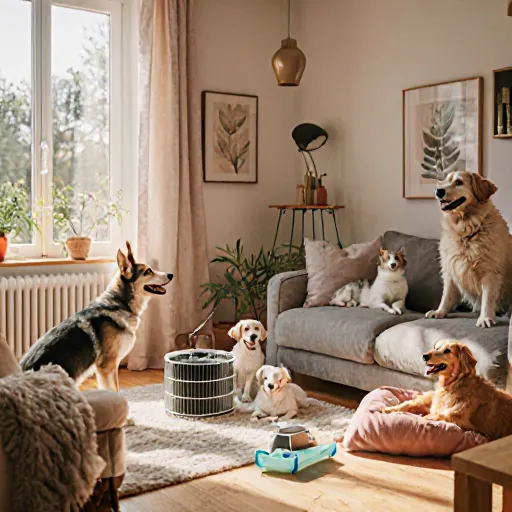
Discover easy at-home pet care tips for a happier furry friend.
Unlock the Path to Stunning Pet Care at Home
Table of Contents
- Understanding the Importance of Dog Grooming
- Types of Brushes and Tools Needed for Grooming
- Choosing a Suitable Location in Your Home
- Gathering Necessary Supplies for Grooming
- Trimming the Fur with Safety in Mind
- Bathing Your Dog Properly at Home
- Drying Your Dog After Bathing
- Brushing Your Dog Regularly to Maintain Grooming
- Trimming the Ears with Care and Precision
- Clipping Nail Growth for Comfort and Safety
- Grooming Your Dog’s Teeth and Mouth
- Dealing with Shedding in the Right Manner
- Identifying Signs of Skin Issues to Look Out For
- Conclusion: Benefits and Satisfaction of Grooming at Home
- FAQ (Frequently Asked Questions)
Understanding the Importance of Dog Grooming
Understanding the importance of dog grooming is crucial for maintaining your pet's health, hygiene, and overall well-being. Regular grooming helps to prevent a myriad of issues that can arise if not addressed properly. Whether you're a first-time pet owner or an experienced one, knowing how to groom your dog at home can make all the difference.
- Promotes Skin Health: Grooming helps in removing dead skin cells and excess oils which can clog pores leading to infections. Regular brushing stimulates blood circulation, keeping your dog's skin healthy and shiny.
- Detects Early Skin Issues: While grooming, you can closely examine the coat for any unusual patches or spots that could indicate an underlying health issue such as mange or allergies.
The type of hair your dog has plays a significant role in determining how frequently they need to be groomed. Long-haired breeds like German Shepherds and Golden Retrievers require more frequent grooming compared to short-haired breeds such as Bulldogs or Pugs.
- Prevents Mats: Regular brushing prevents mats from forming which can cause discomfort, skin irritation, and even injury if not dealt with promptly. Using a slicker brush is particularly effective in detangling matted fur gently.
- Maintains Coat Shine: Proper grooming helps maintain the natural luster of your dog’s coat by distributing oils from the skin to the surface layer of the hair, making it look healthier and more appealing.
Grooming isn’t just about cleanliness; it also has positive effects on a dog's behavior. It can be a calming ritual that strengthens your bond with your pet. For puppies, grooming sessions are an excellent way to introduce them to routine care they will need for their lifetime.
- Reduces Anxiety: Many dogs find the act of being groomed soothing and relaxing. This can reduce stress levels significantly, especially during times when your pet might be feeling anxious.
- Promotes Trust: By grooming your dog regularly, you create a routine that fosters trust between you two. This relationship-building aspect is vital in ensuring your dog feels secure and loved.
If you're new to the world of pet ownership and unsure where to start, here are some practical tips:
- Start Early: Introduce your puppy to grooming early in life so they become accustomed to it without fear or resistance.
- Choose Right Tools: Invest in good quality grooming tools like clippers, brushes, and combs suitable for the breed of your dog. Different breeds have different needs when it comes to tools used during grooming sessions.
- Use Positive Reinforcement: Reward your pet with treats or praise after each grooming session to make these experiences enjoyable rather than stressful.
In conclusion, understanding the importance of dog grooming goes beyond just making sure your pet looks good; it ensures they stay healthy and happy. By following a consistent home grooming routine tailored specifically for your dog’s breed and coat type, you're investing in their overall quality of life.
Types of Brushes and Tools Needed for Grooming
Grooming your dog at home requires a variety of brushes and tools tailored to the breed, coat type, and specific needs of your pet. The right tools can make all the difference in ensuring your dog's coat stays healthy and tangle-free.
1. Slicker Brush
The slicker brush is essential for removing loose hair from short-haired dogs like terriers and poodles. It has fine, closely spaced wires that can gently work through the undercoat without causing discomfort to your dog. This brush is also useful for detangling a dog's coat after bathing.
2. Pin Brush
The pin brush is perfect for grooming long-haired dogs such as poodles, sheepdogs, and collies. It has longer pins than the slicker brush but still removes dead hair effectively without causing any harm to the dog's skin. This tool helps in keeping the coat shiny and smooth.
3. Comb
A comb is a versatile tool that can be used for both short-haired and long-haired dogs. It helps in detangling knots, especially those that are too large to be removed by brushes. Look for combs with widely spaced teeth to avoid pulling on the skin.
4. Rake Brush
The rake brush is designed specifically for double-coated dogs like Samoyeds and Huskies. It helps in removing dead undercoat hair without pulling out any live hair from your dog's body. This tool should be used with care as it can sometimes cause discomfort if not used properly.
5. Nail Clippers
Every grooming kit must include nail clippers, especially for short-haired dogs like pitbulls and boxers. Proper trimming is crucial to prevent ingrown nails or discomfort during movement. Always ensure the clipper size matches your dog's paw size.
6. Ear Cleaner
Dogs with floppy ears are prone to ear infections, so regular cleaning of their ears using an appropriate cleaner is necessary. This prevents any buildup that could lead to infection or odor.
7. Toothbrush and Toothpaste
To maintain your dog's oral hygiene, a toothbrush specifically designed for dogs along with a special toothpaste should be used. Brushing your dog’s teeth regularly can help prevent plaque buildup and maintain good breath health.
Practical Advice: Always introduce grooming tools gently to your pet, starting with short sessions and gradually increasing the time spent on each session. This helps in reducing any anxiety or stress your dog might feel during grooming. Remember, consistent care and attention can make all the difference!
Choosing a Suitable Location in Your Home
When it comes to grooming your dog at home, selecting the right location is crucial. The area you choose should be comfortable for both you and your furry friend while ensuring that all grooming tools and supplies are easily accessible. Here are some key factors to consider when choosing a suitable location:
Selecting the Right Space
First, ensure the space is large enough to accommodate your dog comfortably without feeling cramped or overstimulated. A well-lit area is also essential for visibility and to minimize shadows that could make grooming more challenging.
Examples of Suitable Spaces
- Bathroom: The bathroom often provides a perfect spot due to its tiled floor, which helps with shedding control. It can also be easily cleaned after grooming sessions.
- Garage or Utility Room: If you have a garage or utility room that is well-ventilated and has enough space, it could serve as an excellent option for dog grooming.
- Bedroom: Sometimes the bedroom might be suitable if it's large enough to lay out all your grooming tools without feeling cluttered. Ensure there’s good natural light coming in through windows or a door.
Maintaining Comfort and Safety
It's important that your dog feels safe and comfortable during grooming sessions. Here are some tips to make sure you maintain the right environment:
- Use a Slip-Proof Mat: To prevent any accidents, use a non-slip mat in the area where you’re grooming.
- Provide Fresh Air: Ensure there is good ventilation to avoid any unpleasant smells. If needed, open windows or use an air purifier.
- Keep It Tidy: Keep the area clean and tidy to minimize distractions for both you and your dog.
Prioritize Convenience
The location should be convenient for you, so that grooming doesn’t become a chore. Here are some practical tips on making it easier:
- Proximity to Your Grooming Tools: Ensure all your tools and supplies are within easy reach. This will help streamline the grooming process.
- Near a Water Source: Having access to water can be useful for rinsing out your dog’s coat or cleaning up any messes made during grooming.
- Ease of Access and Exit: Choose a location where you can enter and exit easily, especially if you have large dogs that might struggle in tight spaces.
Conclusion
Selecting the right spot for grooming your dog at home is essential for both comfort and efficiency. By considering factors such as space size, lighting, safety measures, convenience, and proximity to amenities like water sources, you can create an ideal environment that makes grooming sessions enjoyable and stress-free.
Gathering Necessary Supplies for Grooming
Preparing a well-equipped grooming station at home is essential for your dog's comfort and the quality of their grooming sessions. Here’s what you'll need to gather in order to start grooming your dog at home:
Clippers & Clippers Combs
For dogs that require regular trimming, such as toy breeds or those with long hair like a Shih Tzu or Maltese, electric clippers are indispensable. Make sure you have various sized combs to match the thickness and length of your dog's fur.
Bowls & Combs
Combs come in handy for removing tangles and mats. A set of wide-toothed metal combs or plastic combs can be used depending on your dog’s coat type. For short-haired dogs, a fine-toothed comb is sufficient; however, long-haired breeds will need extra attention with specialized tools.
Nail Clippers
Regular nail trimming is critical to prevent overgrowth and potential health issues like cracked nails or infections. Use nail clippers specifically designed for dogs as human nail clippers can be too small and blunt-edged, increasing the risk of injury.
Sponge & Shampoo
A gentle dog-specific shampoo should be used to keep your dog's coat clean without stripping natural oils. A soft sponge is perfect for rinsing off shampoo after bathing sessions. Avoid using human shampoos, as they can irritate a dog’s skin and lead to dryness.
Towel & Brush
A good quality towel will help you dry your dog properly post-bath or after trimming long hair. Brushes are equally important for removing dead hair during shedding seasons or regularly cleaning the coat between baths. Choose a brush that suits your pet’s coat type – for instance, a slicker brush is great for short-haired dogs to remove loose fur.
Ear Cleaner & Cotton Balls
Regular ear cleanings can prevent infections and maintain good hearing health. Use an ear cleaner formulated specifically for pets as human products may not be suitable due to their different pH levels which could irritate the ear canal.
Safety Equipment
To ensure a safe grooming session, always have safety gloves on hand if you're dealing with large breeds or those who might struggle with being handled. Additionally, having a harness instead of just relying on a collar can make handling easier and safer for both you and your pet.
Storage Container
Airtight containers are useful for storing grooming supplies out of reach from curious paws but easily accessible when needed. This prevents potential damage to delicate tools or accidental ingestion of harmful products by pets.
Practice Patience & Consistency
The above equipment list covers the physical items necessary for successful at-home dog grooming sessions. However, remember that practice makes perfect – be patient with yourself and your pup during these early stages as consistency plays a crucial role in making both the process enjoyable and efficient.
Trimming the Fur with Safety in Mind
Trimming your dog's fur is an essential part of grooming that can help keep them cool, comfortable, and looking their best. However, it’s crucial to approach this task with care and attention to safety to avoid any accidents or discomfort for your pet. Here are some key tips to ensure you handle the trimming process safely at home.
Choosing the Right Tools
The right tools can make all the difference in a safe and successful trimming session. Invest in high-quality grooming scissors, clippers, and other necessary equipment designed for dogs. For beginners, it’s recommended to start with electric clippers as they are less likely to hurt your dog if you accidentally cut too close.
Preparing Your Workspace
A clean, well-lit workspace is essential for a safe trimming session. Make sure the area is free of clutter and that you have all the necessary tools within easy reach. Additionally, place your dog in a comfortable position where they feel secure and supported.
Training Your Dog
Before starting to trim, take some time to train your dog to be comfortable with being handled and having their fur touched. This will make the experience less stressful for both you and your pet. Positive reinforcement through treats or praise can help keep your dog calm during training.
Starting Slowly
If this is your first time trimming, start by familiarizing yourself with the tools and the process without actually cutting any hair. This will give you a better understanding of how to handle the clippers or scissors properly. Once you feel confident in your technique, begin by trimming small sections of fur.
Using Safety Guards
Safety guards are crucial for ensuring that you do not cut too close to the skin when trimming sensitive areas like the paws and face. Always use a guard on your clippers to prevent accidental nicks or cuts. For sensitive areas, consider using a blade clipper with a guard as it provides more control.
Going Slowly and Steadily
The key to safe trimming is going slowly and steadily. Take your time and focus on one area at a time. Avoid rushing through the process, which can lead to mistakes that may cause discomfort or injury for your dog.
Keeping Cool
Trimming can be stressful for dogs, so it’s important to keep them cool throughout the session. Make sure they are in a comfortable environment and provide them with plenty of water if needed. If the trimming is taking place during warm weather or indoors without proper ventilation, consider keeping your dog in a well-ventilated area.
Handling Emergencies
No matter how careful you are, accidents can happen. It’s important to know what to do if an emergency arises. Have a first aid kit nearby and familiarize yourself with basic first aid techniques for dogs. If your dog shows signs of discomfort or distress during the trimming process, stop immediately and consult a professional groomer or veterinarian.
Post-Trimming Care
After completing the trimming session, give your dog extra attention and affection to help them feel safe and reassured. Check for any areas that may have been cut too close or missed entirely and address these issues as soon as possible.
By following these safety guidelines and tips, you can ensure a smooth and stress-free trimming experience for both you and your dog. Remember, the goal is to make grooming enjoyable and safe for everyone involved!
Bathing Your Dog Properly at Home
Bathing your dog properly at home is an essential part of maintaining its overall health and hygiene. Just like humans, dogs need regular baths to stay clean and healthy. However, it's crucial to do it correctly to avoid damaging their skin and coat. Here are some steps and tips to help you bath your dog properly:
1. Choose the Right Supplies
- Dog Shampoo: Never use human shampoo on dogs as it can irritate their skin. Look for a gentle, pH-balanced dog shampoo.
- Baby Towels or Soft Cloth: These are ideal for drying your dog after the bath to prevent them from getting chilled.
- Warm Water: The water should be warm but not hot. Hot water can strip the natural oils from your dog's skin, leading to dryness and irritation.
2. Prepare Your Workspace
Before you start bathing your dog, make sure you have a comfortable area set up in your bathroom or backyard. Lay down old towels on the floor to protect it from water damage. Additionally, keep all the supplies and tools within easy reach.
3. Groom Before Bathing
It's important to groom your dog before bathing to remove any loose fur or dirt. You can use a rubber brush or a curry comb for this. This will also help in distributing the shampoo evenly and making sure it reaches all parts of your dog’s coat.
4. Bathe Your Dog
- Moisten the Coat: Start by thoroughly wetting your dog's fur with warm water, starting from its head to its tail.
- Lather Up: Apply a generous amount of shampoo to your dog’s coat and work it into a lather. Focus on areas that are dirtier or have more oil buildup, such as the paws, ears, and behind the legs.
- Rinse Thoroughly: Make sure you rinse all the shampoo out of your dog's fur. Any residue can be irritating to their skin.
5. Dry Your Dog Properly
After bathing, it's essential to dry your dog properly to prevent them from catching a cold. You can use a hairdryer on the lowest heat setting and direct the airflow away from their face. It might take some time for the coat to air-dry fully.
Practical Tips
- Avoid Over-Bathing: While it's important to keep your dog clean, over-bathing can strip away natural oils and lead to dry skin. A good rule of thumb is to bath your dog every few months.
- Socialize Your Dog During Baths: Make the experience positive by rewarding them with treats or praise during the bath process. This will help in making future baths less stressful for both you and your pet.
Dog grooming at home is not only about bathing; it also includes regular brushing, nail trimming, and ear cleaning. By incorporating these practices into your routine, you can ensure that your dog remains healthy and happy.
Drying Your Dog After Bathing
Once your dog has been bathed, it's crucial to dry them properly. This step is often overlooked but can significantly impact your dog's comfort and health. Proper drying after bathing is essential for maintaining your pet’s coat and skin condition while preventing any potential issues such as overheating or colds.
Why Proper Drying Matters
Dogs, especially those with long hair like poodles or shelties, are prone to developing skin conditions if not dried thoroughly. Excess moisture can lead to the growth of bacteria and fungi, which might cause irritation and infections. Even dogs with shorter coats need proper drying to avoid feeling cold and uncomfortable.
Step-by-Step Drying Process
- Pat Dry First: After bathing, gently pat your dog dry using a soft towel. This step helps remove the bulk of the water from their fur without causing them stress.
- Squeeze Gently: Use your hands to squeeze the excess water from your dog’s fur. Be careful not to apply too much pressure which could cause discomfort for your pet.
- Dry with a Hairdryer: Once your dog is mostly dry from patting and squeezing, use a low heat setting on a pet-safe hairdryer to finish drying their fur. Start at the bottom of the body and work upwards to ensure even drying.
- Brushing: After drying, brush your dog’s coat to remove any tangles and distribute the natural oils evenly. This step is especially important for double-coated breeds like Siberian Huskies or Samoyeds as it helps manage their heavy coats during shedding seasons.
Example: If your dog is large or has a particularly thick coat, it might be helpful to have someone assist you in this process so that both parts can get sufficient attention.
Practical Tip
If you have a particularly wet or large dog, consider using a squeegee tool designed specifically for pets. These tools can make the process more efficient and less messy.
Tip: If you have a sensitive breed or an elderly dog, avoid high heat settings as these can be uncomfortable for them. Always check your dryer's temperature control options and choose one that is appropriate for your pet’s sensitivity level.
Example
For instance, a golden retriever might benefit from a lower heat setting due to their thick fur which could otherwise get overheated quickly under high temperatures.
Example: Regular brushing not only keeps your dog's fur in good condition but also strengthens your bond with them, making grooming a positive experience.
Additional Tips for Dog Grooming at Home
- Check Skin: As part of the drying process, check if there are any areas where your dog’s skin feels damp or red. This could indicate an underlying issue that needs attention.
- Finger Test: Before applying any products like shampoos or conditioners, perform a finger test on a small patch to ensure the product is suitable for your pet’s skin type and does not cause irritation.
Brushing Your Dog Regularly to Maintain Grooming
Brushing your dog regularly is a fundamental aspect of maintaining their overall health and appearance. Proper grooming not only keeps your pet looking beautiful but also promotes healthier skin, reduces shedding, and prevents matting. For beginners looking to groom their dogs at home, brushing is an essential skill to learn.
- Promotes Healthy Skin: Brushing helps distribute natural oils from the skin’s surface to the fur, keeping it moisturized and healthy. This reduces the chances of skin infections.
- Reduces Shedding: Regular brushing can significantly reduce shedding by removing loose hair before it falls out randomly. This is especially important for breeds with heavy coats like German Shepherds or Siberian Huskies.
- Promotes Mat-Free Fur: Brushing daily helps prevent tangles and mats from forming in your dog’s fur, which can cause discomfort and even skin problems if left unattended.
Selecting the right tool for the job is crucial. Different brushes serve different purposes depending on your dog's coat type.
- Slicker Brush: Ideal for short-haired dogs, this brush has very fine wires that remove loose hair and tangles gently without damaging the skin.
- Comb: Useful for long-haired dogs to comb out knots and mats. It should be used with care as it can sometimes cause discomfort if not done properly.
- Dental Brush: Designed specifically for a dog's teeth, this brush also cleans the gums which is essential for overall health.
- Choose the Right Time: Brush your dog when they are calm and relaxed. Early morning or after a walk can be good times as your dog is usually more cooperative.
- Select the Proper Tool: Based on your dog’s coat type, choose either a slicker brush, comb, or dental brush to suit their needs.
- Bathe Before Grooming (Optional): If you are bathing your dog, it is best to groom them right after the bath while the fur is still wet. Wet fur is easier to manage and detangle than dry fur.
- Carefully Brush: Start at the head and work your way down the body in sections. Pay extra attention to areas where mats are prone to form, such as behind the ears or around the tail.
- Be Patient: Grooming can be a new and sometimes stressful experience for your dog. Take it slow and praise them often to keep the session positive.
- Use Gentle Touch: Be careful not to brush too hard, especially around sensitive areas like the eyes or ears, which could cause discomfort.
- Train Early: Start grooming your puppy early so that it becomes a part of their routine. This will make future grooming sessions easier and less stressful for both you and your pet.
Incorporating brushing into your daily routine can greatly enhance the quality of life for your dog, making them healthier and more comfortable. As a beginner in dog grooming at home, focus on regularity and gentle handling to build confidence both you and your pet.
Trimming the Ears with Care and Precision
Trimming a dog's ears is an essential part of maintaining their health and beauty. When done correctly, it can prevent infections, keep your pet comfortable, and enhance their appearance. This process requires patience, precision, and the right tools to ensure the best results. Here’s how you can trim your dog's ears with care and precision at home.
Understanding Your Dog's Ear Type
Dogs have different ear shapes, and it is important to understand what type of ears your dog has before starting the grooming process. Some dogs have floppy or pendulous ears like a Beagle, while others have upright ears such as in the case of a German Shepherd. The shape and structure of your dog's ears will determine how you trim them.
Preparation for Ear Trimming
Before you start trimming, prepare everything you need:
- A pair of sharp dog ear clippers
- Dog-specific ear cleaner
- Cotton balls or tissues
- Pet-safe scissors (optional)
Step-by-Step Guide to Trimming Ears
1. Start by cleaning the ears: Always begin with a thorough cleaning of your dog's ear canal using an appropriate cleaner and cotton balls or tissues. This removes any debris, dirt, and excess wax that can interfere with the trimming process.
2. Trimming the hair: Use sharp clippers to cut away any hair that extends beyond the natural contour of your dog's ear. Be sure not to go too deep into the ear canal as this could cause injury or pain.
- Check for symmetry: After trimming, check if both ears are symmetrical and even. This is important for a professional look and to ensure your dog's comfort.
- Trimming around the ear flap: If your dog has an ear flap (called a “caudal peduncle”), make sure you trim this area carefully, ensuring that you do not cut too close to the skin. You can use scissors with care in this step.
Post-Trimming Care
Once your dog's ears are trimmed, it is important to take good care of them to ensure they heal properly and remain healthy:
- Monitor for signs of infection: Keep an eye on the ears for any signs of redness, discharge, or unusual behavior that might indicate an infection. If you notice anything amiss, consult your veterinarian.
- Use a protective ointment: Apply a pet-safe ointment to help soothe and protect the freshly trimmed area from irritation.
- Monitor healing time: Allow some time for the ears to heal before exposing them to water or other elements that could cause infection. Follow any specific instructions your vet may have given you.
Practical Tips for Successful Ear Trimming
- Select the right tools: Invest in quality dog ear clippers and scissors as they are designed to be safer and more effective than human hair-cutting tools. Regularly check that these tools are clean and sharp.
- Pet your dog before trimming: Familiarize your dog with the process by petting them frequently during the grooming session. This helps them feel relaxed and less anxious, making it easier to manage their ears.
- Regular trimming is key: Regular ear trims help in maintaining good hygiene and can prevent more extensive problems down the line. Aim to trim your dog's ears every four to six weeks or as recommended by your vet.
Conclusion
Trimming a dog's ears at home with care and precision is not only beneficial for their health but also a rewarding task that strengthens the bond between you and your pet. By following these steps and tips, you can ensure that your dog’s ears are well-groomed, healthy, and looking their best.
Clipping Nail Growth for Comfort and Safety
Clipping a dog's nails is an essential part of grooming that ensures your furry friend remains comfortable, safe, and healthy. Proper nail trimming not only prevents discomfort but also reduces the risk of injury both for you and your pet. This section will guide beginners on how to safely clip their dog’s nails at home.
Understanding Nail Growth
Nail growth in dogs is influenced by several factors including breed, age, activity level, and overall health. Understanding the natural nail growth pattern can help you determine when your dog needs a trim. For instance, short-haired breeds may require more frequent trims compared to long-haired breeds which might need less frequent care.
Tools Needed
- Nail Clippers - There are different types of nail clippers available; scissors-style and guillotine-type. Scissors-style is generally recommended for beginners as they offer better control.
- Pet Nail File or Emery Board - Useful for filing down rough edges after trimming to smooth out the nails.
Steps to Trim Nails Safely
- Find a Quiet Spot: Choose an area where your dog feels secure and comfortable. This could be in the kitchen or living room, but make sure it is free from distractions.
- Gather Your Tools: Have all your grooming supplies ready before starting to avoid interruptions mid-process.
- Secure Your Dog: Sit on a sturdy chair and let your dog rest in your lap. This position helps keep their paws close to the ground, making it easier to reach each nail.
- Inspect Each Nail: Examine each nail carefully to identify the “quick,” which is the pink area inside the nail containing blood vessels and nerves.
- Trim Carefully: Snip off only a tiny bit at a time, moving from one paw to another. Be careful not to cut into the quick as it can cause pain and bleeding.
- Apply Pressure: If by accident you do cut the quick, apply gentle pressure with a styptic pencil (or a piece of cornstarch or flour) to stop the bleeding immediately.
Promoting Comfort During Nail Trimming
To make nail trimming less stressful for both you and your dog, consider providing treats as positive reinforcement. Positive feedback during each session can turn a potentially daunting task into an enjoyable experience. Remember, consistency is key; regular trimmings help dogs get used to the routine without fear.
Conclusion
Grooming at home doesn't have to be complicated or stressful with the right tools and techniques. By understanding your dog's nail growth habits and practicing safe trimming methods, you can ensure that your companion remains healthy, comfortable, and secure during each session.
Grooming Your Dog’s Teeth and Mouth
Dealing with Shedding in the Right Manner
Dealing with shedding is an essential part of dog grooming, especially for beginners. Shedding can be a challenge, but with the right approach and tools, it can be managed effectively. Here are some tips to help you handle your dog’s shedding in a way that keeps both your home and your pet happy.
Understanding Your Dog's Shedding
Firstly, understanding why your dog sheds is crucial. Dogs shed due to several reasons including breed type, seasonality, age, and overall health. Some breeds like the Australian Shepherd or German Shepherd are known for heavy shedding because of their thick double coats. Seasonal shedding often happens during spring and fall as a natural part of their biological cycle.
Choosing the Right Tools
Having the right tools makes all the difference in managing your dog’s shedding. Here are some essential grooming tools:
- Slicker Brush: Great for removing tangles and loose hair, especially useful during heavy shedding periods.
- Dermabrader Brush: Useful for shorter-coated dogs to prevent matting.
- Comb: Helps in identifying any knots or mats that need to be addressed.
- Electrostatic Brush: Can be very effective at picking up loose fur from your dog’s coat as well as from your furniture.
Regular Grooming Sessions
Daily or weekly grooming sessions can significantly reduce shedding. These sessions not only help in removing excess hair but also strengthen the bond between you and your pet. Regular brushing helps in distributing natural oils evenly across the coat, keeping it healthy.
Proper Diet and Nutrition
A proper diet rich in essential nutrients like omega-3 fatty acids can help reduce shedding by promoting overall skin health. Foods containing ingredients such as fish oil or flaxseed are beneficial for your dog’s coat. Additionally, ensure that your dog is hydrated; water intake plays a crucial role in maintaining healthy skin and reducing dander.
Using Appropriate Products
Beyond brushes and combs, there are other grooming products you can use to minimize shedding:
- Detangling Spray: Useful for separating tangles without causing pain or discomfort.
- Sprays with Aloe Vera: Can soothe the skin and prevent irritation.
- Hair Care Shampoos: Choose shampoos that are specifically designed to reduce shedding. Some contain natural extracts like chamomile or oatmeal which can be gentle on your dog’s skin while helping manage shedding.
Professional Grooming Services
If you find it difficult to manage the grooming process at home, consider taking your dog to a professional groomer. Professional grooming services offer thorough cleaning and trimming which can significantly reduce shedding, especially if your dog has a long or double coat.
Conclusion
In conclusion, dealing with shedding in the right manner involves understanding your pet’s needs, using appropriate tools and products, maintaining a healthy diet, and engaging in regular grooming sessions. By following these tips, you can keep your home free from excess fur while ensuring that your dog remains healthy and comfortable.
Identifying Signs of Skin Issues to Look Out For
When grooming your dog at home, it's important to be vigilant about identifying any signs of skin issues that could arise. Proper care can help prevent more serious problems and ensure a healthy pet. Here are some key signs to look out for:
1. Excessive Scratching or Licking
One of the most common indicators of an underlying skin issue is increased grooming behavior such as excessive scratching, licking, or biting at certain areas of the body. Dogs might also rub their heads against furniture or other surfaces more frequently than usual.
2. Unusual Odors
A noticeable change in your dog's smell can signal a skin infection or irritation. This could range from a mild, musty odor to something stronger and more unpleasant. Regularly checking for these changes during grooming sessions is essential.
3. Changes in Coat Quality
A significant difference between your dog's usual coat condition may indicate a skin problem. This includes patches of dull or dry fur, hair loss (alopecia), or areas where the coat feels rough instead of smooth. These changes can sometimes be due to environmental factors like climate shifts but should not be ignored.
4. Redness or Inflammation
Reddened skin or inflamed patches are clear signs that something is wrong beneath the surface. Look for areas on your dog's body where the skin appears bright red or swollen, which might suggest an allergic reaction, irritation from fleas or ticks, or other conditions.
5. Dandruff and Flakes
If you notice more dandruff than usual in your dog’s fur during grooming sessions, this could point towards a variety of skin concerns including dryness caused by environmental factors or underlying medical conditions such as seborrhea.
6. Sores or Lesions
Any open sores or visible lesions on your dog's skin should be addressed immediately. These can occur due to various reasons ranging from simple abrasions to more severe health issues like mange, which requires prompt veterinary attention.
By keeping an eye out for these signs during regular at-home grooming practices, you're taking a proactive approach towards maintaining your pet’s overall well-being. Early detection allows for timely intervention before conditions worsen or become harder to treat effectively.
Conclusion: Benefits and Satisfaction of Grooming at Home
Grooming your dog at home offers a multitude of benefits, both for you and your pet. Regular grooming helps maintain the health and appearance of your dog's coat while fostering a strong bond between you and your furry friend. Here are some key advantages to consider:
1. Improved Skin Health
Regular brushing removes dead hair, dirt, and debris from your dog’s coat, which can help prevent skin irritation and infections. This is especially important for dogs prone to shedding or those with sensitive skin.
2. Strong Bonding Experience
Grooming provides an excellent opportunity to spend quality time together. It allows you both to relax and enjoy each other's company, which can strengthen the bond between you and your dog. This regular interaction also helps in recognizing early signs of any health issues.
3. Early Detection of Health Issues
While grooming, you have a chance to examine your dog’s skin, coat, and nails for any abnormalities such as lumps, patches, or unusual odors which might indicate underlying health problems. This proactive approach can lead to early diagnosis and treatment.
4. Enhanced Socialization
Grooming at home helps in socializing your dog, making them more comfortable with handling by different people. It is especially beneficial if you plan on taking your dog to public spaces or events where they might be exposed to various stimuli.
5. Saving Time and Money
Grooming at home can save a significant amount of time compared to trips to professional groomers, who may not always be available when you need them. Additionally, it can reduce expenses associated with professional grooming services over the long term.
6. Customized Care
You have full control over how often and what type of grooming your dog receives. This allows for customization based on your dog’s specific needs, whether they need a daily brushing or a more frequent trim depending on their breed and coat type.
7. Satisfaction in Achieving Aesthetic Appeal
Grooming at home can provide immense satisfaction by seeing the results of your efforts. It is rewarding to witness improvements in your dog’s appearance, which can enhance their confidence and appeal, making them a more enjoyable companion.
Conclusion:
Incorporating grooming into your routine at home not only enhances your dog's well-being but also brings numerous benefits for both you and your pet. Whether it’s improving skin health, fostering stronger bonds, or catching early signs of illness, the advantages are clear and compelling. By dedicating time to this activity, you contribute significantly towards maintaining a healthier lifestyle for your canine companion.
FAQ (Frequently Asked Questions)
- Q: Do I really need to groom my dog at home?
Grooming your dog at home is not only beneficial but also essential for maintaining their overall health and well-being. Regular grooming helps prevent skin conditions, matting of fur, and other issues that can arise if the coat is neglected. For instance, certain breeds like the double-coated Siberian Husky require frequent brushing to manage shedding and prevent hairballs in your home.
- Q: What tools do I need for dog grooming at home?
To start grooming your dog at home, you'll need a few essential tools. For example, a slicker brush is great for removing loose fur and dead skin from short-haired dogs like Bulldogs. On the other hand, a de-shedding tool might be necessary for long-haired breeds such as Poodles. Additionally, nail clippers are crucial to prevent overgrown nails that can cause discomfort or injury.
- Q: How often should I bathe my dog?
The frequency of bathing your dog depends on various factors, including the breed and their lifestyle. Generally, dogs with oily skin benefit from a bath every 6-8 weeks. However, if your dog spends time outdoors in dirt or mud, you might need to bathe them more frequently. For example, a working dog like a Labrador Retriever might require baths after each outing.
- Q: Can I groom my dog myself?
Yes, with the right tools and guidance, you can definitely groom your dog yourself at home. There are numerous online tutorials and books available that provide step-by-step instructions for basic grooming tasks such as brushing, nail trimming, and ear cleaning.
- Q: What should I do if my dog is afraid of being groomed?
If your dog is anxious about grooming, it's important to approach the situation patiently. Start by acclimating them to the environment where you'll be grooming and use positive reinforcement techniques. For example, rewarding them with treats when they remain calm during brief grooming sessions can help reduce their fear over time.
Categories
- AI & Enrichment Play
- Broiler Farming
- Broiler Farming Tips
- Canine Wellness & Longevity
- Cat
- Cat & Human Connection
- Cat Adoption & Rescue
- Cat Breeds
- Cat Breeds & Personalities
- Cat Care & Health
- Cat Grooming & Hygiene
- Cat Lifestyle & Environment
- Cat Myths & History
- Cat Nutrition & Diet
- Cat Products & Reviews
- Cat Training & Behavior
- Comparison
- Consumer Awareness
- Dog
- Dog Accessories & Products
- Dog Adoption & Rescue
- Dog Breed & Lifestyle Trends
- Dog Breeding & Puppies
- Dog Entertainment & Media
- Dog Fashion & Trends
- Dog Fun & Lifestyle
- Dog Grooming & Hygiene
- Dog History & Culture
- Dog Myths, Science & Future Tech
- Dog News & Trends
- Dog Nutrition & Food
- Dog Psychology & Emotions
- Dog Safety & Security
- Dog Sports & Activities
- Dog Technology & Innovation
- Dog Training for Modern Owners
- Dog Travel & Adventure
- Dog Travel, Adventure & Culture
- Economic and Market Insights
- Educational Content
- FAQs
- Feeding Alternatives
- Festivals & Seasonal Ideas
- Fun & Entertainment
- General Knowledge
- General Pig Farming
- Health & Disease Management
- Housing and Environment
- Kittens
- Market Insights
- Miscellaneous
- Miscellaneous
- Motivational
- pig
- Pig Breeding
- Pig Breeds
- Pig Farming Stories and Inspiration
- Pig Health and Care
- Pig Nutrition
- Pig Products
- Profitability & Business
- Puppy Care
- Puppy Predictable Topics Reinvented
- Regional Focus
- Rescue & Adoption Buzz
- Senior Cats
- Senior Dog Care
- Smart Dog Tech & Gadgets
- Sustainability
- Sustainable & Eco-Friendly Dog Products
- Tech & Innovations
- Working & Service Dogs
- Broiler Feed66 products
- Country Feed33 products
- Pig Feed66 products
- Product22 products
- Raw Materials99 products
Products
-
 Fish Meal
₹1,999.00 – ₹2,999.00Price range: ₹1,999.00 through ₹2,999.00Rated 0 out of 5
Fish Meal
₹1,999.00 – ₹2,999.00Price range: ₹1,999.00 through ₹2,999.00Rated 0 out of 5 -
 FATTENING BROILER FEED
₹2,299.00 – ₹2,349.00Price range: ₹2,299.00 through ₹2,349.00Rated 0 out of 5
FATTENING BROILER FEED
₹2,299.00 – ₹2,349.00Price range: ₹2,299.00 through ₹2,349.00Rated 0 out of 5 -
 LAYER COUNTRY FEED
₹1,549.00 – ₹1,649.00Price range: ₹1,549.00 through ₹1,649.00Rated 0 out of 5
LAYER COUNTRY FEED
₹1,549.00 – ₹1,649.00Price range: ₹1,549.00 through ₹1,649.00Rated 0 out of 5 -
 COUNTER BROILER FEED
₹1,199.00 – ₹1,299.00Price range: ₹1,199.00 through ₹1,299.00Rated 0 out of 5
COUNTER BROILER FEED
₹1,199.00 – ₹1,299.00Price range: ₹1,199.00 through ₹1,299.00Rated 0 out of 5 -
 LACTATING PIG FEED
Rated 0 out of 5
LACTATING PIG FEED
Rated 0 out of 5₹2,299.00Original price was: ₹2,299.00.₹1,740.00Current price is: ₹1,740.00. -
 Maize
Rated 0 out of 5
Maize
Rated 0 out of 5₹1,650.00Original price was: ₹1,650.00.₹1,300.00Current price is: ₹1,300.00. -
 GESTATION PIG FEED (Phase 1)
Rated 0 out of 5
GESTATION PIG FEED (Phase 1)
Rated 0 out of 5₹2,249.00Original price was: ₹2,249.00.₹1,699.00Current price is: ₹1,699.00. -
 Pre Starter Broiler Feed
₹2,399.00 – ₹2,499.00Price range: ₹2,399.00 through ₹2,499.00Rated 0 out of 5
Pre Starter Broiler Feed
₹2,399.00 – ₹2,499.00Price range: ₹2,399.00 through ₹2,499.00Rated 0 out of 5 -
 FINISHER PIG FEED
Rated 0 out of 5
FINISHER PIG FEED
Rated 0 out of 5₹2,299.00Original price was: ₹2,299.00.₹1,749.00Current price is: ₹1,749.00. -
 Broiler Premix
Rated 0 out of 5
Broiler Premix
Rated 0 out of 5₹820.00Original price was: ₹820.00.₹699.00Current price is: ₹699.00.