
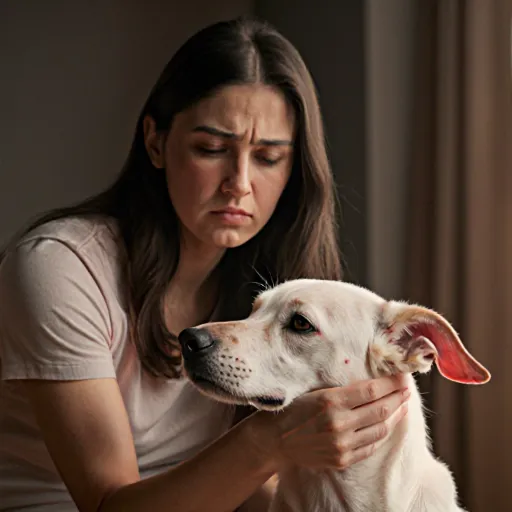
Spot Symptoms Before It's Too Late
How to Tell If Your Dog Is Sick
Table of Contents
- Recognizing the Signs of Illness in Dogs
- Changes in Appetite and Weight Loss or Gain
- Decreased Activity Level
- Lethargy and Lack of Energy
- Persistent Coughing or Sneezing
- Diarrhea or Vomiting
- Difficulty Breathing
- Lumps or Swelling in the Body
- Changes in Urination or Defecation Habits
- Unusual Lethargy or Depression
- Frequent Drinking and Urinating
- Unusual Discharge from the Eyes, Nose, or Mouth
- Changes in Behavior
- Conclusion
- FAQs
Recognizing the Signs of Illness in Dogs
Knowing how to tell if your dog is sick can be critical for their health and well-being. Recognizing the signs of illness in dogs early on can make a significant difference in treatment outcomes. Here's an expanded guide on what you should look out for.
A fever is one of the most common indicators that your dog might be sick. A normal body temperature for dogs ranges between 100.5°F and 102.5°F (38.1°C to 39.2°C). If you notice your pet's temperature rising above this range, it could mean they have an infection or another ailment.
How to Check: You can use a digital thermometer designed specifically for pets. Place the thermometer in the rectum and wait until it gives a reading.
Lethargy is when your dog seems unusually tired or less active than usual. This could be due to various reasons, including fatigue from exercise but can also indicate illness. If your usually energetic dog has been sleeping more often and doesn't perk up even after a good walk, it might be time for a check-up.
Examples: Your dog normally runs around the backyard enthusiastically. But now they barely get out of bed without appearing weak or disinterested in their usual activities like playing fetch or going on walks.
A decrease in appetite can be a sign that something is wrong with your furry friend's health. Dogs who are normally eager to eat might turn away from their food bowls, which could suggest an underlying issue such as dental problems, gastrointestinal issues, or even stress.
Practical Advice: Try offering different types of food; sometimes a change in diet can make them more interested in eating. However, if they persistently refuse to eat for two days or longer, it's best to consult a veterinarian immediately.
Vomiting and/or diarrhea are common signs that something is amiss with your dog’s digestive system. They can be caused by anything from dietary indiscretion (eating too much grass) to more serious conditions like parasites, poisoning, or infections.
How Long is Okay? Occasional vomiting without any other symptoms may not require immediate concern and usually resolves within a day. However, if it persists longer than that or accompanied by other signs listed here, seek veterinary attention right away.
If your dog starts breathing heavily, rapidly, or with difficulty, this could indicate respiratory issues such as asthma, heart disease, or even foreign body obstruction in the airways. Immediate action is necessary to prevent potential life-threatening situations.
Emergency Signs: If your dog's tongue turns blue (cyanosis) or they collapse during an episode of difficult breathing, this warrants urgent medical intervention without delay.
A sudden increase or decrease in water intake can signal problems such as kidney disease, diabetes, or even poisoning. Monitoring your dog’s drinking habits can provide important clues about their health state.
Tips: Keep track of how much water your pet drinks daily and report any significant changes to your vet during your next visit.
Dogs with unhealthy skin or coats may show signs like hair loss, redness, scabs, excessive shedding, dandruff, or a dull coat. These symptoms can point towards allergies, parasites, hormonal imbalance, or infections.
What to Do: Regularly inspect your dog for any unusual changes in their skin and fur. A proper grooming routine along with dietary adjustments might help manage these issues.
Dogs often exhibit behavioral changes when they feel unwell, such as increased aggression, fearfulness, or confusion. They may also show signs of depression or anxiety which could be related to their health condition.
Observation: Pay attention to your pet's behavior over time. Sudden shifts in personality can signal underlying health problems that need professional evaluation.
By being aware of these signs and acting promptly, you can ensure your dog receives the care they need before a minor issue turns into a major one. Remember, early detection is key when it comes to managing canine health effectively!Changes in Appetite and Weight Loss or Gain
Changes in your dog's appetite and weight loss or gain can be important signs that something may not be right with your pet. While these changes could indicate a variety of conditions, it is crucial to recognize the context around them since they are also common during times when dogs are adjusting to new environments or experiencing normal seasonal fluctuations. However, if you notice significant deviations from their usual behavior, it's important to pay close attention.
Your dog's appetite can change for a variety of reasons. Some common causes include:
- Dietary Adjustments: If you've recently changed your dog’s food, they may need time to adjust.
- Boredom or Lack of Exercise: Ensuring that your dog gets enough physical activity can help stimulate their appetite.
- Pain or Dental Issues: Dogs with dental problems or pain from arthritis or injuries might avoid eating.
Significant weight loss in dogs can be a cause for concern and should not go unchecked. Possible causes include:
- Pancreatitis: This inflammation of the pancreas can cause vomiting, diarrhea, and significant weight loss.
- Liver Disease: Liver dysfunction often leads to a decrease in appetite and subsequent weight loss.
- Cancer: Although less common, cancers such as lymphoma or bone tumors might lead to unexplained weight loss.
Unintended weight gain in dogs can also be a sign of underlying health issues:
- Hypothyroidism: This condition leads to an underactive thyroid gland, causing the dog to eat more but not lose weight.
- Diabetes Mellitus: Increased thirst and hunger are symptoms that can lead to uncontrolled weight gain in diabetic dogs.
- Lymphangiectasia: This rare condition causes fluid retention, leading to significant weight gain despite reduced appetite.
If you notice any of the following signs along with changes in appetite or weight loss/gain, it is advisable to consult a veterinarian:
- Changes that persist for more than two weeks.
- Complaints from your dog about eating (reduced interest).
- Unusual lethargy or lack of energy.
- Bloody stool, vomiting, or diarrhea.
Maintaining a close relationship with your vet and regularly checking in on your dog's health can help catch any issues early. Regular veterinary check-ups are key to ensuring that your dog stays healthy and happy.
Decreased Activity Level
Understanding how your dog's behavior can change when they are sick is crucial for early detection and intervention. One significant indicator of illness could be a decreased activity level. Dogs, much like humans, become less energetic and active when they feel unwell.
What Does Decreased Activity Level Mean?
A decrease in your dog's usual activity can vary widely depending on the individual dog and their normal behavior. Some dogs are naturally more sedentary, while others are always on the go. Therefore, it is important to know what is normal for your specific pet.
Common Signs of Decreased Activity Level
- Lethargy: Your dog may appear less interested in playing or moving around compared to usual.
- Fewer Excursions Outside: A decrease in time spent outside the home, including fewer trips to the backyard for bathroom breaks or playtime.
- Better Days vs. Worse Days: Some dogs may have good days where they are their normal selves but other days when they seem very tired and inactive.
When Should You Be Concerned?
If your dog's decreased activity level persists for more than a day or two, it is essential to pay attention. Here are some guidelines to help you decide:
- A noticeable change in behavior that lasts longer than usual.
- Your dog seems uninterested in activities they normally enjoy.
- Changes in their eating habits and lack of interest in food.
Practical Steps You Can Take
If you suspect your dog is sick due to a decreased activity level, here are some steps you can take:
- Observe Other Symptoms: While lethargy or lack of energy might be the first sign, look out for other symptoms such as vomiting, diarrhea, or changes in appetite.
- Contact Your Veterinarian: If the decreased activity level persists, it is important to consult a professional. They can provide guidance and potentially run tests to identify any underlying health issues.
- Adjust Their Environment: Create a comfortable and quiet space for your dog where they can rest and recover without being disturbed by excessive noise or activity from other pets or family members.
Conclusion
Monitoring changes in your dog's behavior, particularly their activity level, is key to recognizing signs of illness early. By knowing what is normal for your pet and acting promptly when you notice a change, you can help ensure they receive timely care and treatment.
Lethargy and Lack of Energy
Just like humans, dogs can experience lethargy and a lack of energy for various reasons. While it's common for your dog to have a bit more or less energy depending on their breed, age, and activity level, extreme cases of lethargy could be indicative of underlying health issues that require attention. Here’s how you can tell if your dog might be sick.
Signs Your Dog May Be Sick
- Reduced Activity Level: If your usually energetic and playful dog seems to have lost interest in their favorite activities, such as running, playing fetch, or even just walking around the house, it could be a sign that something is off. A sudden drop in activity can indicate lethargy and potential illness.
- Eating Less or Not at All: Changes in appetite are another red flag. If your dog suddenly refuses their meals or shows a significant decrease in food intake, this could be due to an upset stomach, loss of appetite, or more serious health issues like kidney disease or cancer.
- Vomiting and Diarrhea: Persistent vomiting or diarrhea can lead to dehydration and weakness. These symptoms are often accompanied by a lack of energy and should not be ignored.
- Unusual Breathing Patterns: Difficulty breathing, rapid shallow breaths, or excessive panting might indicate respiratory issues like asthma or heart problems. Dogs that are sick may also experience shortness of breath during exercise or rest.
Common Causes of Lethargy in Dogs
Dogs can become lethargic due to a variety of reasons, some more serious than others. Here’s what you should consider:
- Infection or Illness: Common infectious diseases like kennel cough, parvovirus, or distemper can cause your dog to feel extremely weak and tired.
- Parasites: Intestinal parasites such as roundworms, hookworms, or giardia can lead to anemia and a noticeable lack of energy. Signs include pale gums, weight loss, and lethargy.
- Pain: Dogs in pain may not want to move around much. Conditions like arthritis or hip dysplasia can cause significant discomfort, leading to reduced activity levels and energy.
- Dental Issues: Painful teeth or gums can make eating a chore for your dog, resulting in weight loss and lethargy.
What to Do If You Suspect Your Dog Is Sick
If you notice any of the symptoms mentioned above, it's important to act quickly. Here are steps you should take:
- Observe for Changes: Keep a close eye on your dog’s behavior, eating habits, and overall energy level over a few days.
- Contact Your Veterinarian: If the changes persist or worsen, don't hesitate to call your vet. They can offer guidance and possibly run tests if necessary.
- Ensure Proper Hydration and Nutrition: Encourage your dog to drink water and eat small amounts of food frequently if they are not eating much. This helps prevent dehydration and provides essential nutrients.
Remember, early intervention can make a big difference in the treatment of illnesses or health issues in dogs. By recognizing signs of lethargy and lack of energy early on, you can help ensure your furry friend gets the care they need to feel better quickly.
Persistent Coughing or Sneezing
It's important to be vigilant about your dog's health, especially when symptoms persist beyond what might be considered normal. Persistent coughing or sneezing can indicate underlying issues that require attention from a veterinarian. Just like in humans, seemingly minor symptoms such as persistent coughing or sneezing could signal more serious health concerns for dogs.
Coughing and sneezing are common in dogs and can be attributed to various causes ranging from simple irritation like allergens or irritants, to more serious conditions such as infections or respiratory issues. However, if your dog is displaying persistent symptoms that last longer than a few days or occur frequently without apparent cause, it might indicate an underlying health issue.
When Should You Be Concerned?
- Persistent Coughing: If your dog's cough persists for more than 24 hours, or if the cough is accompanied by lethargy, difficulty breathing, or loss of appetite.
- Persistent Sneezing: Frequent sneezing that does not respond to treatment or has a change in pattern (e.g., becomes more frequent) should also prompt concern.
Common Causes for Persistent Coughing and Sneezing
Persistent coughing can be due to:
- Infections such as kennel cough (canine tracheobronchitis).
- Allergies or irritants in the environment.
- Obstructions like foreign objects in the throat.
- Respiratory diseases, including asthma and pneumonia.
Persistent sneezing can be due to:
- Allergies or irritants causing inflammation of the nasal passages.
- Infections like sinusitis or rhinitis.
- Obstructions such as small objects lodged in the nasal passage.
- Mechanical irritation from excessive grooming or environmental factors.
Practical Advice for Persistent Symptoms
If your dog is showing signs of persistent coughing or sneezing, here are steps you can take:
- Observe for Other Symptoms: Besides coughing and sneezing, watch out for lethargy, loss of appetite, difficulty breathing, or any other unusual behavior.
- Maintain Hydration: Ensure your dog stays hydrated as dehydration can exacerbate respiratory issues. Offer clean water frequently.
- Avoid Smoke and Irritants: Keep your dog away from environments with heavy smoke, dust, or other irritants that could worsen symptoms.
- Consult a Veterinarian: If the symptoms persist or worsen, seek veterinary advice. A vet can perform diagnostic tests to identify the underlying cause and recommend appropriate treatment.
Examples of Diagnostic Tests
A veterinarian may order several tests depending on the suspected causes, including:
- Chest X-rays: To check for pneumonia or other lung issues.
- Nasal Swabs: To diagnose infections like sinusitis or kennel cough.
- Blood Tests: To check for signs of infection, allergies, or other systemic diseases that could affect the respiratory system.
By being aware of the potential causes and taking proactive steps when symptoms persist, you can help ensure your dog's health and well-being. Remember, early diagnosis and treatment are crucial in managing persistent coughing or sneezing effectively.
Diarrhea or Vomiting
Determining whether your dog is experiencing diarrhea or vomiting can be crucial in identifying the underlying cause and seeking appropriate veterinary care. Both symptoms, while common, could indicate a wide range of issues from dietary indiscretion to more serious health conditions.
Recognizing Diarrhea
If you notice that your dog is having diarrhea, look for these signs:
- Frequency and consistency: Increased frequency of loose or watery stool. The stool might be more than usual in volume.
- Color changes: Stool may appear dark brown, black (indicating blood), pale yellow, or greenish depending on the cause.
- Messiness: Diarrhea often results in a messier appearance around your dog’s bottom and in their living space.
Recognizing Vomiting
Vomiting, while different from diarrhea, is equally important to monitor. Look for these signs:
- Frequency: More than usual, especially if your dog vomits after eating.
- Appearance of the vomit: Look for any unusual color or consistency. Bright red blood could indicate a serious condition like gastritis; dark brown, tarry stool might suggest internal bleeding.
When to Seek Veterinary Care
While occasional diarrhea or vomiting is not always alarming, it’s important to seek veterinary care if:
- Your dog shows signs of lethargy, loss of appetite, or a lack of energy.
- The symptoms persist for more than 24-48 hours without improvement.
- Vomiting includes blood, appears very bright red or dark brown (tarry).
- Your dog has diarrhea with blood in the stool.
Home Remedies and Preventive Measures
If your vet determines that occasional mild cases of diarrhea or vomiting are not serious, here are some home remedies to consider:
- Bland diet: Feed your dog bland meals such as boiled chicken mixed with white rice. This can help settle the stomach.
- Pedialyte for dogs: If diarrhea is severe or persists, you may give Pedialyte to prevent dehydration in small quantities.
- Hydration: Ensure your dog stays hydrated by offering water or electrolyte solutions. Offer smaller amounts more frequently rather than large volumes all at once.
To prevent diarrhea and vomiting, consider these preventive measures:
- Eat well-balanced meals with high-quality ingredients to avoid dietary indiscretion that leads to upset stomachs.
- Avoid sudden changes in your dog’s diet. Gradually introduce new foods if switching diets.
- Monitor your environment for potential hazards like toxic plants or chemicals that could be ingested by curious dogs.
Difficulty Breathing
Understanding how to tell if your dog is sick can be crucial, especially when it comes to recognizing signs of respiratory distress or difficulty breathing. Difficulty breathing in dogs can be a sign of various underlying health issues that require immediate attention.
Common Signs of Difficulty Breathing
- Noisy Breathing: Wheezing, labored breathing, or rapid breathing are common signs. If you notice your dog making unusual noises while inhaling or exhaling, it could indicate a respiratory problem.
- Mouth Open and Tongue Extended: Dogs will often open their mouths to breathe if they're having trouble getting oxygen. This can be an indication of distress.
- Lethargy and Unusual Behavior: If your dog is unusually quiet or inactive, it could mean he's in pain or having breathing difficulties. Lethargy combined with labored breathing should not be ignored.
When to Seek Immediate Medical Attention
If you observe any of the following symptoms along with difficulty breathing, seek veterinary care immediately:
- Sudden onset of severe coughing.
- Vomiting or drooling excessively.
- Blue-tinged gums (cyanosis), indicating a lack of oxygen.
- A high fever, especially if accompanied by lethargy and loss of appetite.
Underlying Causes of Difficulty Breathing
There are several potential causes for your dog experiencing difficulty breathing. Some common reasons include:
- Allergies or Asthma: Dogs can suffer from allergies that lead to respiratory distress, similar to humans. Symptoms often mimic asthma and can be triggered by environmental factors like pollen or dust.
- Infections: Upper respiratory infections (URIs) are common in dogs and can cause breathing problems. These infections might need antibiotics if they don't resolve on their own.
- Obstructions: A foreign object in the airway, such as a small toy or food particle, could be obstructing your dog's ability to breathe properly.
- Heartworms: Heartworm disease is prevalent in dogs that live in warmer climates. This condition can cause severe breathing problems and other symptoms like lethargy and weight loss.
- Poisoning or Toxins: Inhalation of toxic substances, such as smoke from a fire, could lead to immediate respiratory distress requiring emergency care.
Practical Advice for Home Care
If you suspect your dog is having difficulty breathing at home, here are some steps to take:
- Maintain Calm:** Try to keep your dog as calm and still as possible. Stress can exacerbate the condition.
- Provide Fresh Air:** If you're indoors, move your dog to a well-ventilated area away from any smoke or strong odors.
- Monitor Closely:** Keep an eye on your dog's breathing rate and pattern. Make note of how much effort it seems to be taking for them to breathe.
- Contact Your Vet:** If you're unsure about the severity, don't hesitate to contact your veterinarian or local emergency animal hospital immediately for advice.
Remember, prompt and appropriate care is essential when dealing with respiratory issues in dogs. By recognizing the signs early and knowing what steps to take at home before seeking professional help, you can potentially save your pet's life.
Lumps or Swelling in the Body
### Lumps or Swellings in the Body: Understanding and Monitoring for Early Signs of Illness
While your primary focus might be on how to tell if your dog is sick, it's equally important to pay attention to any unusual changes in their body that could signal underlying health issues. One such sign to watch out for are lumps or swellings, which can appear almost anywhere on a dog’s body.
Where Lumps or Swellings Might Appear
Lumps and swellings can manifest in various parts of the body, including:
- Under the Skin: These are often noticeable as raised areas when you run your hand over their coat.
- Muscles or Bones: Changes may not be as easily detected unless you're familiar with the dog’s normal muscular structure. However, they can still indicate pain or infection.
- Tissues Surrounding Joints: Inflammation or fluid buildup in these areas could lead to noticeable swelling around the joints.
- Pet's Head and Neck: Lumps here might be due to tumors (benign or malignant), cysts, or other conditions that require immediate veterinary attention.
Signs That May Indicate Something Is Wrong
Beyond just the presence of lumps, there are several signs that can help you determine whether further investigation is necessary:
- Sudden Appearance or Growth: If a lump appears suddenly and grows rapidly, it should be evaluated by a vet.
- Mobility Issues: Difficulty in moving or walking, especially if there's swelling around joints, could indicate an issue requiring medical attention.
- Changes in Behavior: Dogs that become lethargic, lose interest in playing, or show signs of pain when touched may be experiencing more severe health issues.
- Redness and Heat: Areas that are warm to the touch with redness might suggest infection or inflammation. This is especially concerning if there’s also swelling.
When to Seek Veterinary Care
While many lumps and swellings turn out to be benign (such as cysts), it's crucial not to delay seeking veterinary care in certain situations:
- If a lump is painful for your dog when touched.
- If there are multiple lumps that have appeared within a short period of time.
- For any swelling or abnormality around the eyes, ears, or nose as these areas are sensitive and can indicate serious issues.
- When the dog shows other symptoms like fever, appetite loss, or general malaise.
Practical Advice: How to Check Your Dog Regularly
Regular self-examinations at home can help you catch any unusual lumps early:
- Use a Comb or Brush: Before grooming, run your fingers over the dog's coat. This allows you to feel for lumps that might not be visible.
- Check Specific Areas: Pay special attention to areas where lumps are more common, such as around the head and neck, underarms, and belly.
- Look for Other Changes: Besides lumps, also look for changes in your dog's behavior or appetite. These could indicate underlying health issues that need medical attention.
Examples of Common Conditions That Cause Swellings
Here are some common conditions causing swellings and lumps:
- Infections: Bacterial, fungal, or viral infections can cause swelling. If your dog has been exposed to an illness that could lead to such a reaction (e.g., after being in contact with another sick animal), monitor for signs of inflammation.
- Tumors and Cysts: These growths need immediate veterinary attention as they can either be benign or malignant. Early diagnosis is crucial for effective treatment.
- Lymphadenopathy (Enlarged Lymph Nodes): This occurs when the lymph nodes in your dog’s neck, armpits, or groin become swollen. It's usually a sign of infection but could also indicate more serious conditions like cancer.
In conclusion, while lumps and swellings can sometimes be harmless, it's essential to pay attention to their characteristics and seek veterinary care if you notice any changes that concern you. Regular check-ups and self-examinations at home will help you catch any issues early, ensuring your dog receives timely treatment.
Changes in Urination or Defecation Habits
Changes in urination or defecation habits can be significant indicators of a dog's health. While these changes might not always point to serious illness, they should never be ignored. A healthy dog typically maintains regular and consistent bathroom routines. Any deviation from this norm could signal underlying issues that require attention.
- Frequency: Increased or decreased frequency can indicate problems, such as urinary tract infections (UTIs) in female dogs. If your dog is urinating more often than usual, it might be a sign that something is wrong.
- Dribbling: Dogs that dribble during the night may have an underlying condition like bladder issues or even diabetes.
- Painful Urination: If you notice your dog holding its tail in an unusual position while urinating, it could be a sign of pain. This is common with UTIs but can also indicate more severe conditions such as kidney stones.
- Frequency: Changes in the frequency of defecation, whether it's more or less than usual, can be a sign of gastrointestinal issues. Diarrhea or constipation may also indicate that your dog isn't feeling well.
- Bloody Stool: The presence of blood in your dog’s stool is never normal and should be addressed by a veterinarian immediately as it could point to more serious conditions such as colitis, hemorrhagic gastroenteritis, or even cancer.
- Mucus in Stool: While small amounts of mucus may indicate minor irritation, persistent presence can suggest inflammatory bowel disease (IBD) or other intestinal disorders.
If you observe any changes in your dog’s urination or defecation habits, it is crucial to consult a veterinarian. Early diagnosis and treatment are critical for many of these conditions. Regular check-ups with your vet can help monitor your dog's health and catch potential issues early.
When to Seek Immediate Veterinary Care
- If there is blood present in the urine or stool.
- If your dog is vomiting along with changes in bathroom habits.
- If your dog seems lethargic, has a high fever, and shows signs of discomfort during urination or defecation.
Monitoring your dog's behavior and health can help you identify when it’s time to seek professional advice. Remember, while minor changes in bathroom habits might not always point to serious illness, they are often the first sign that something is amiss. It’s better to be safe than sorry.
Unusual Lethargy or Depression
While it's normal for dogs to have occasional dips in energy levels, persistent lethargy or depression can be a sign that your dog is not feeling well. Dogs cannot tell us when they are sick, so it is important to recognize the signs of illness and take action if needed. Here are some ways to identify unusual lethargy or depression in your pet.
Behavioral Changes
- Reduced Activity Levels: Does your dog spend more time lying down than usual? A normally active dog that seems to be sleeping a lot more might indicate an underlying issue. Pay attention if they are less interested in playing or interacting with you.
- Lack of Interest in Favorite Toys or Activities: If your dog no longer shows interest in their favorite toys, games, or walks, this could be a sign that something is not right. Dogs often use these activities to release stress and stay active.
Physical Signs
In addition to behavioral changes, physical signs can also indicate that your dog might be sick. These include:
- Muscle Weakness or Unsteady Gait: If your dog is having trouble getting up from a lying position or seems unsteady on their feet, this could point to a more serious issue.
- Pain or Discomfort: Watch for signs of pain such as limping, reluctance to move, or avoidance of certain movements. Dogs often hide pain, so it's crucial to notice any unusual stiffness or reluctance when walking.
- Changes in Appetite: A sudden loss or increase in appetite can be a sign that your dog is unwell. If your dog is not eating their usual amount of food, this could indicate an underlying health issue.
Possible Causes and Next Steps
Unusual lethargy or depression in dogs can be caused by a variety of factors. Some common causes include:
- Infections or Inflammation: Conditions like infections, inflammatory diseases, or even internal parasites can lead to your dog feeling unwell.
- Pain or Injury: Dogs might hide pain but if they are in discomfort, it could be affecting their usual energy levels and behavior. Check for any injuries or signs of pain that you might have missed.
- Veterinary Consultation: If you notice changes in your dog's behavior or physical health, a visit to the vet is always recommended. A veterinarian can provide proper diagnosis and treatment based on the symptoms observed.
In conclusion, while it might be tempting to dismiss minor changes as nothing serious, persistent lethargy or depression could indicate an underlying health issue that requires attention. By staying observant of your dog's behavior and physical signs, you can help ensure they receive the care they need.
Frequent Drinking and Urinating
Observing changes in your dog's behavior, such as frequent drinking and urinating, can be an important indicator of potential health issues. Just like "How to Tell If Your Dog Is Sick," these symptoms could signal underlying problems that require attention from a veterinarian.
Increased thirst in dogs is often linked with an increased need for urination, and it can be caused by various factors ranging from normal changes to more serious conditions. Dogs might start drinking water in larger quantities or at unusual times. This symptom could indicate diabetes, kidney disease, or even hormonal imbalances.
Examples of Polydipsia
- Digging up the yard for water sources more frequently than usual.
- Begging for water from the kitchen countertop more often.
- Visiting the water bowl more times in a short period.
If your dog is urinating frequently or has accidents inside, it could be due to increased thirst leading to excessive urine production. Other causes might include infections, diabetes insipidus, or other urinary tract disorders.
Signs of Polyuria
- Begging for water but not drinking much and still urinating more often than usual.
- Accidents inside the house that were previously rare or non-existent.
- Increased time spent outside in a designated potty area.
The combination of increased thirst and frequent urination can point towards several conditions. Here are some potential causes:
- Diabetes: Both Type 1 and Type 2 diabetes in dogs can lead to excessive drinking and urination.
- Kidney Disease: Kidneys that no longer function efficiently will cause the body to retain less water, which leads to more frequent urination. At the same time, the dog's cells may be deprived of necessary water.
- Hormonal Imbalances: Conditions affecting hormones such as ADH (vasopressin) can alter how the body retains or loses water.
If you notice that your dog is drinking and urinating more frequently than usual, it's important not to dismiss these symptoms. Here are some steps you should take:
- Monitor Your Dog: Keep track of how often they drink water and when.
- Consult a Veterinarian: Make an appointment with your vet to discuss these symptoms. They may recommend blood tests, urine analysis, or other diagnostic procedures.
- Adjust Diet: Depending on the diagnosis, altering your dog's diet might help manage the condition better.
Understanding and recognizing such signs early can significantly improve the quality of life for your pet. Just as it’s crucial to know how to tell if a dog is sick in general, knowing about these specific symptoms can make all the difference.
Unusual Discharge from the Eyes, Nose, or Mouth
Unusual discharge from a dog's eyes, nose, or mouth can be alarming for pet owners. While some minor issues may resolve on their own, persistent or severe discharges could signal underlying health problems that require veterinary attention. In this section, we will explore what to look out for and how to tell if your dog is sick based on unusual discharge.
The nature of the discharge—whether it's clear, yellowish, greenish, brownish, or bloody—can provide clues about the cause. Here’s a breakdown:
- Clear discharge: This can be normal if your dog has been exposed to irritants like pollen or dust.
- Yellow or green discharge: This may indicate an infection, possibly bacterial.
- Brown or reddish-brown discharge: This could suggest blood, which might be due to trauma, irritation, or more serious conditions like cancer.
In addition to unusual discharge, look for other signs that your dog may not feel well. These include:
- Decreased energy levels or lethargy
- Poor appetite
- Increased watering of the eyes (epiphora)
- Difficulty breathing
- Head shaking or pawing at the face
Unusual discharge can result from a variety of causes, ranging from minor issues like allergies to more serious health conditions. Here are some common causes:
- Allergies: Dogs with allergies may experience watery eyes and sneezing along with nasal discharge.
- Bacterial or viral infections: These can cause yellow, green, or brownish discharges from the nose or eyes.
- Tumors or growths: Discharge that contains blood could be a sign of cancer or other growths in and around the mouth, nose, or eyes.
It's crucial to consult with your veterinarian if you notice any unusual discharge. Here are some scenarios that warrant immediate veterinary attention:
- If the discharge is bloody or contains pus.
- If it is accompanied by other symptoms like difficulty breathing, fever, or weight loss.
- If it persists for more than a few days without improvement.
To help your dog and ensure early diagnosis of any potential issues:
- Keep the area clean: Gently wipe away discharge using a soft, damp cloth. Avoid inserting anything into the eyes, nose, or mouth.
- Monitor changes: Note any changes in color, consistency, or volume of the discharge over time.
- Consult your veterinarian: If you're unsure about what to do, it's always best to consult with a professional for advice and treatment options.
By staying vigilant and seeking prompt veterinary care when necessary, you can help ensure that any underlying health issues are addressed early on. Remember, your dog relies on you to notice these subtle signs of discomfort or illness.
Changes in Behavior
When it comes to determining if your dog is sick, observing changes in behavior can be a key indicator. Dogs, like humans, sometimes exhibit signs that they're not feeling well beyond just physical symptoms. Here are some detailed indicators and practical advice on how to tell if your dog might be sick based on behavioral changes.
Reduced Playfulness
If your usually energetic pup has become lethargic or uninterested in play, this could signal an underlying health issue. A dog that used to enjoy chasing a ball or playing fetch but now prefers to lounge around might be feeling unwell. This change can also be seen during walks; if your dog is normally excited about going for a walk and now seems unwilling or overly tired after just a short stroll, it could indicate illness.
Loss of Appetite
A significant decrease in appetite is another common sign. Dogs that typically eat all their food eagerly might leave some uneaten if they're not feeling well. This can also be noticed as your dog avoiding his usual feeding spots or showing a general disinterest in food. However, remember that puppies and senior dogs sometimes have different eating habits; always consider the context.
Increased Resting
Your dog might start sleeping more than usual or seeking out quiet places to rest if he's feeling unwell. Dogs will often lie down for longer periods, especially in a curled-up position. If your dog is usually active and now seems to spend most of the time napping, it could be an early sign of illness.
Changes in Drinking Habits
A noticeable change in drinking habits can also indicate that something isn't right. Some dogs might drink more water if they're sick, while others might avoid drinking altogether. Changes in behavior regarding water intake should not be overlooked as it can often point to underlying health issues.
Increased Irritability
If your dog is more irritable or aggressive than usual for no apparent reason, this could also signal that he's feeling unwell. Dogs may snap at other pets or humans, show increased barking or whining, and even seem to be in pain when touched.
Changes in Elimination
Any changes in the frequency of elimination can indicate illness. This includes more frequent trips outside (which could suggest a urinary tract infection) or fewer trips (which might point to constipation or another digestive issue). Additionally, if your dog is having accidents inside the house when he's usually well-trained, it’s important to consider possible health issues.
Unusual Lying Posture
A dog that lies in unusual positions could be signaling pain or discomfort. For example, a dog might lie with its legs stretched out or in a position not typical for resting. If your dog is favoring one side or has an altered posture when lying down, it may indicate some form of pain.
Seeking Attention More Than Usual
Suddenly seeking more attention from you than usual can be another sign that something is wrong with your dog. Dogs might nudge you for longer periods or follow you around the house, indicating they're feeling unwell and need comfort.
It's important to note that these changes in behavior can also occur due to environmental factors like a new pet in the household, a move to a new home, or even a change in routine. However, if there are multiple signs of illness observed over time, it's best to consult with a veterinarian.
Early detection and intervention can make all the difference when addressing your dog’s health concerns. By paying close attention to any changes in behavior, you can help ensure that any underlying issues are addressed promptly and appropriately.
Conclusion
Understanding your dog's behavior is crucial for identifying when they might be sick. While it can be challenging to determine if a dog is unwell, there are several signs you should look out for that indicate potential illness. Dogs do not always vocalize their pain or discomfort like humans do, so it’s important to pay close attention to changes in their behavior and physical appearance.
Common Signs Your Dog Might Be Sick:
- Anorexia: If your dog has lost interest in food, this could be a sign of illness. Even slight changes in appetite should not be overlooked as they might indicate an underlying health issue.
- Changes in Behavior: A normally active and playful dog that suddenly becomes lethargic or withdrawn may be showing signs of sickness. Watch for excessive sleeping, lack of interest in play, or unusual aggression.
- Vomiting and Diarrhea: These are common symptoms of a variety of illnesses, from minor stomach upset to more serious conditions such as parasites or poisoning. If these symptoms persist or worsen, it is essential to seek veterinary care immediately.
- Changes in Water Consumption: Both increased and decreased water consumption can be signs of various health issues. Excessive thirst (polydipsia) and frequent urination could indicate diabetes, while reduced water intake might point to kidney problems or other conditions.
- Unusual Lumps or Growths: Any new lumps, bumps, or changes in your dog’s skin and coat should be checked by a veterinarian. These can be signs of infections or more serious issues like cancer.
Tips for Monitoring Your Dog's Health:
- Establish a Routine: Consistency helps in recognizing any deviations from the norm early on. Regular check-ups and feeding schedules can help you notice changes more easily.
- Keep a Diary: Documenting your dog's eating habits, sleeping patterns, energy levels, and general behavior over time allows you to spot trends or anomalies quickly.
- Contact Your Veterinarian Promptly: If you notice any of the signs mentioned above, it is best to consult a veterinarian as soon as possible. Early diagnosis can significantly improve your dog’s chances of recovery.
In conclusion, while it is not always easy to tell if your dog is sick, being vigilant and aware of their usual behavior patterns can help in recognizing subtle changes that might indicate illness. By paying attention to these signs and following practical advice, you can ensure the best care for your furry friend.
FAQs
Q: What are some signs that my dog might be sick?
Sometimes it can be challenging to determine if your dog is sick or merely feeling less than their best. Here are some key indicators you should look out for:
- Change in Appetite: If your dog has lost interest in food, or seems disinterested in eating meals as usual.
- Vomiting and Diarrhea: Repeated vomiting or loose stools that last more than a day could be signs of an upset stomach or something more serious.
- Lack of Energy: If your usually active dog has shown reduced activity levels, this can sometimes indicate illness.
- Change in Water Intake: Drinking significantly more or less water than usual may be a sign that there is an imbalance within the body.
- Sneezing and Coughing: While these could also be due to environmental factors, they can sometimes indicate respiratory issues.
- Painful Movements or Difficulty Lying Down: Dogs in pain may limp, favor certain limbs, or have difficulty getting up or lying down comfortably.
Q: How do I know if my dog's behavior is unusual?
Every dog has its own unique behaviors and patterns. However, if your dog suddenly starts acting differently than usual, it might be a sign they are feeling unwell:
- Sudden Change in Mood: If your normally friendly dog is unusually irritable or withdrawn.
- Inappropriate Elimination: Going potty inside the house when not ill or during unusual times.
- Changes in Sleeping Patterns: If your dog seems to be sleeping more than usual, or less.
Q: What should I do if I think my dog is sick?
If you suspect that your dog might be sick, it's important to act quickly:
- Observe Closely: Keep an eye on any changes in behavior or symptoms and take note of when they started.
- Contact Your Vet: If your dog shows signs of illness that last more than a day, or if the symptoms worsen, it's critical to contact your veterinarian immediately. Do not delay treatment for a prolonged period.
- Provide Comfort: Ensure your dog is in a calm environment and provide them with plenty of love and comfort.
Q: Are there any home remedies I can try?
Before trying any home remedies, it's important to consult with your veterinarian. However, some common treatments for minor issues may include:
- Hydration: Ensure your dog stays hydrated by providing water and monitoring their fluid intake.
- Pain Relief: For mild cases of pain or discomfort, you can use over-the-counter remedies like acetaminophen (but only if directed by a vet).
- Fresh Air: Sometimes bringing your dog outside for some fresh air and exercise can help them feel better.
Q: When should I seek emergency veterinary care?
There are certain symptoms that require immediate attention from a vet. Seek emergency care if:
- Your dog is having trouble breathing.
- The dog seems to be in severe pain or distress.
- You notice any signs of poisoning or ingestion of something harmful.
- Your dog has a high fever (above 106°F).
- There are signs of significant bleeding that you cannot stop.
Categories
- AI & Enrichment Play
- Broiler Farming
- Broiler Farming Tips
- Canine Wellness & Longevity
- Cat
- Cat & Human Connection
- Cat Adoption & Rescue
- Cat Breeds
- Cat Breeds & Personalities
- Cat Care & Health
- Cat Grooming & Hygiene
- Cat Lifestyle & Environment
- Cat Myths & History
- Cat Nutrition & Diet
- Cat Products & Reviews
- Cat Training & Behavior
- Comparison
- Consumer Awareness
- Dog
- Dog Accessories & Products
- Dog Adoption & Rescue
- Dog Breed & Lifestyle Trends
- Dog Breeding & Puppies
- Dog Entertainment & Media
- Dog Fashion & Trends
- Dog Fun & Lifestyle
- Dog Grooming & Hygiene
- Dog History & Culture
- Dog Myths, Science & Future Tech
- Dog News & Trends
- Dog Nutrition & Food
- Dog Psychology & Emotions
- Dog Safety & Security
- Dog Sports & Activities
- Dog Technology & Innovation
- Dog Training for Modern Owners
- Dog Travel & Adventure
- Dog Travel, Adventure & Culture
- Economic and Market Insights
- Educational Content
- FAQs
- Feeding Alternatives
- Festivals & Seasonal Ideas
- Fun & Entertainment
- General Knowledge
- General Pig Farming
- Health & Disease Management
- Housing and Environment
- Kittens
- Market Insights
- Miscellaneous
- Miscellaneous
- Motivational
- pig
- Pig Breeding
- Pig Breeds
- Pig Farming Stories and Inspiration
- Pig Health and Care
- Pig Nutrition
- Pig Products
- Profitability & Business
- Puppy Care
- Puppy Predictable Topics Reinvented
- Regional Focus
- Rescue & Adoption Buzz
- Senior Cats
- Senior Dog Care
- Smart Dog Tech & Gadgets
- Sustainability
- Sustainable & Eco-Friendly Dog Products
- Tech & Innovations
- Working & Service Dogs
- Broiler Feed66 products
- Country Feed33 products
- Pig Feed66 products
- Product22 products
- Raw Materials99 products
Products
-
 Fish Meal
₹1,999.00 – ₹2,999.00Price range: ₹1,999.00 through ₹2,999.00Rated 0 out of 5
Fish Meal
₹1,999.00 – ₹2,999.00Price range: ₹1,999.00 through ₹2,999.00Rated 0 out of 5 -
 FATTENING BROILER FEED
₹2,299.00 – ₹2,349.00Price range: ₹2,299.00 through ₹2,349.00Rated 0 out of 5
FATTENING BROILER FEED
₹2,299.00 – ₹2,349.00Price range: ₹2,299.00 through ₹2,349.00Rated 0 out of 5 -
 LAYER COUNTRY FEED
₹1,549.00 – ₹1,649.00Price range: ₹1,549.00 through ₹1,649.00Rated 0 out of 5
LAYER COUNTRY FEED
₹1,549.00 – ₹1,649.00Price range: ₹1,549.00 through ₹1,649.00Rated 0 out of 5 -
 COUNTER BROILER FEED
₹1,199.00 – ₹1,299.00Price range: ₹1,199.00 through ₹1,299.00Rated 0 out of 5
COUNTER BROILER FEED
₹1,199.00 – ₹1,299.00Price range: ₹1,199.00 through ₹1,299.00Rated 0 out of 5 -
 LACTATING PIG FEED
Rated 0 out of 5
LACTATING PIG FEED
Rated 0 out of 5₹2,299.00Original price was: ₹2,299.00.₹1,740.00Current price is: ₹1,740.00. -
 Maize
Rated 0 out of 5
Maize
Rated 0 out of 5₹1,650.00Original price was: ₹1,650.00.₹1,300.00Current price is: ₹1,300.00. -
 GESTATION PIG FEED (Phase 1)
Rated 0 out of 5
GESTATION PIG FEED (Phase 1)
Rated 0 out of 5₹2,249.00Original price was: ₹2,249.00.₹1,699.00Current price is: ₹1,699.00. -
 Pre Starter Broiler Feed
₹2,399.00 – ₹2,499.00Price range: ₹2,399.00 through ₹2,499.00Rated 0 out of 5
Pre Starter Broiler Feed
₹2,399.00 – ₹2,499.00Price range: ₹2,399.00 through ₹2,499.00Rated 0 out of 5 -
 FINISHER PIG FEED
Rated 0 out of 5
FINISHER PIG FEED
Rated 0 out of 5₹2,299.00Original price was: ₹2,299.00.₹1,749.00Current price is: ₹1,749.00. -
 Broiler Premix
Rated 0 out of 5
Broiler Premix
Rated 0 out of 5₹820.00Original price was: ₹820.00.₹699.00Current price is: ₹699.00.