
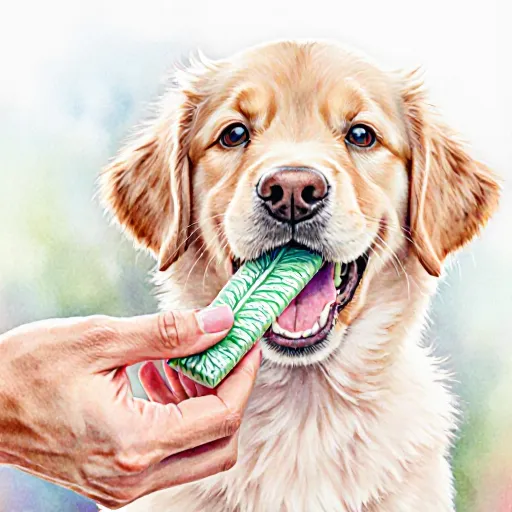
Protect Your Pet's Teeth with These Tips
Save Your Dog from Painful Oral Issues
Table of Contents
- Introduction to Dental Care for Dogs
- Common Oral Health Issues in Dogs
- Importance of Dental Hygiene for Your Pet's Overall Health
- Signs That Your Dog Needs Dental Care
- How to Brush Your Dog's Teeth
- Choosing the Right Toothbrush and Toothpaste for Dogs
- Feeding Your Dog a Dentist-Friendly Diet
- The Role of Chews and Toys in Dental Health
- When to Schedule a Professional Cleaning for Your Dog
- Importance of Regular Vet Check-Ups for Oral Health
- Home Remedies and Natural Treatments for Dental Care in Dogs
- Conclusion: Why Dental Care is Vital for Your Pet Dog
- FAQs About Dental Care for Dogs
Introduction to Dental Care for Dogs
Dental care is a critical aspect of overall pet health, and this holds true for dogs as much as it does for humans. In the context of our blog, we focus on dental care specifically for dogs, emphasizing why it matters deeply in their health and well-being. Just like with Dental Care for Humans: Why It Matters, understanding the significance of proper dental hygiene for your dog is crucial to ensuring a longer, healthier life.
Dental diseases such as periodontitis can lead to various health issues if left untreated. These infections not only affect the oral cavity but can also spread to other parts of the body through the bloodstream. For instance, gum disease has been linked to heart disease and kidney problems in dogs, highlighting the importance of regular dental check-ups and preventative measures.
The role of professional veterinary dentistry cannot be overstated. Regular teeth cleanings and examinations by a vet can help identify potential issues early on and prevent them from progressing into more serious conditions. Owners should also consider daily brushing at home as an essential part of their dog's dental care routine, using products specifically designed for canine use.
It’s important to note that not all dogs are predisposed equally when it comes to developing dental problems. Breeds like the Cavalier King Charles Spaniel or Pug may have shorter muzzles and crowded teeth which make them more prone to dental issues compared to breeds with longer snouts such as Greyhounds. However, this does not mean that any breed is immune from needing regular dental care.
Incorporating dental treats into your dog’s diet can provide additional benefits beyond just satisfying their appetite. Some treats are formulated specifically for cleaning teeth and freshening breath. Just be sure to choose treats approved by the Veterinary Oral Health Council (VOHC) to ensure they meet high standards of safety and efficacy.
By investing time into understanding dental care for dogs, you're not only promoting better oral health but also contributing significantly towards your dog’s overall quality of life. Remember, prevention is always better than cure when it comes to maintaining good dental hygiene in pets.
Common Oral Health Issues in Dogs
Dental care is a crucial aspect of your dog’s overall health. Poor dental hygiene can lead to various oral and systemic issues, making it essential to understand common oral health problems that dogs might face.
1. Dental Plaque and Tartar Buildup
Dental plaque forms when bacteria combine with food debris on your dog’s teeth. Over time, this plaque can harden into tartar (calculus), which is difficult to remove without professional cleaning. Tartar buildup can irritate the gums, leading to gum disease and infection.
2. Gum Disease (Periodontal Disease)
Gum disease occurs when bacteria from plaque causes inflammation in the gums. It progresses through several stages: gingivitis, mild periodontitis, moderate periodontitis, and severe periodontitis. If left untreated, it can lead to tooth loss and may even affect your dog’s internal organs.
3. Broken or Fractured Teeth
Dogs are prone to broken teeth due to chewing on hard objects like bones. These injuries can be painful and may expose the pulp, leading to infection if not treated promptly. Regular dental check-ups can help identify such issues early.
4. Oral Masses or Tumors
Oral masses or tumors in dogs are more common than one might think. These growths can be benign or malignant and should always be evaluated by a veterinarian. Early detection is key to effective treatment, so routine dental exams are important.
5. Broken Jaw
A broken jaw can occur due to trauma from chewing on hard objects like bones or rocks. Such injuries require immediate veterinary attention and careful management during the healing process.
Tips for Preventing Oral Health Issues
- Regular Dental Check-ups: Schedule regular visits with your vet to clean your dog’s teeth and check for signs of dental disease. Professional cleaning is necessary at least once a year.
- Daily Brushing: Brush your dog's teeth daily using a pet toothbrush and toothpaste designed for dogs. This helps remove plaque before it turns into tartar.
- Healthy Diet: Feed your dog a balanced diet that includes crunchy kibble, which can help reduce plaque buildup when eaten. Avoid feeding too many soft foods or treats that contribute to plaque formation.
- Avoid Hard Toys and Bones: While dogs enjoy chewing on hard objects, they can easily lead to broken teeth. Opt for softer toys instead if your dog enjoys chewing.
Understanding these common oral health issues in dogs can help you take proactive steps towards maintaining their dental hygiene. By addressing them early and following the preventive tips mentioned above, you can significantly improve your dog’s quality of life and overall health.
Importance of Dental Hygiene for Your Pet's Overall Health
The health of your dog’s teeth and gums extends far beyond just oral hygiene; it plays a crucial role in their overall well-being. Dental care for dogs is not merely about keeping their mouths free from bad breath or preventing tooth loss. A healthy mouth contributes significantly to your pet’s digestive health, immune system strength, and even their emotional state.
Dogs can suffer from various dental issues such as plaque buildup, gum disease (periodontitis), and tooth decay. These problems not only cause discomfort but also have systemic effects on your pet’s health:
- Digestive Issues: Infections in the mouth can lead to inflammation that affects the entire digestive system, leading to poor nutrient absorption.
- Increased Risk of Heart Disease: Bacteria from infected gums and teeth can travel through the bloodstream, potentially causing heart valve infections or other cardiovascular issues.
- Pain and Discomfort: Untreated dental problems can cause pain, which may lead to behavioral changes or even aggression due to discomfort.
To maintain good oral health, there are several steps you should take:
- Regular Brushing: Daily brushing with a soft-bristled toothbrush and dog-specific toothpaste is essential. This helps remove plaque buildup before it hardens into tartar.
- Dental Treats and Chews: Provide treats that promote dental health, such as those made of rawhide or bones (cooked), which help scrape away surface plaque when chewed. However, be cautious with uncooked bones to avoid the risk of choking or gastrointestinal blockages.
- Professional Cleanings: Just like humans, dogs may need professional dental cleanings at a vet’s office. These are especially important if home care isn’t sufficient in managing plaque and tartar buildup.
If you notice any of the following signs, it is crucial to consult your veterinarian:
- Bleeding gums
- Pain or reluctance to eat
- Bad breath (halitosis)
- Loose teeth or teeth that are visibly yellow or brown
- Lumps or sores in the mouth
A balanced diet plays a vital role in maintaining your dog’s dental health. Dry food is generally preferable to canned food as it can help scrape away plaque while chewing. Additionally, incorporating foods rich in vitamins C and E, which are antioxidants known for their anti-inflammatory properties, into your pet's diet can further support gum health.
In conclusion, dental hygiene is a critical aspect of your dog’s overall health. By implementing these strategies—regular brushing, providing appropriate treats and chews, seeking professional cleanings when necessary—you can significantly enhance the longevity and quality of life for your pet.
Signs That Your Dog Needs Dental Care
Just like humans, dogs can suffer from various dental issues that can affect their overall health. Dental care is crucial for maintaining your pet's oral hygiene and preventing potential health problems. In "Dental Care for Dogs: Why It Matters," it’s emphasized that proper dental hygiene can prevent serious conditions such as periodontal disease, tooth loss, and even systemic infections.
- Gum Redness or Inflammation: If your dog's gums appear red, swollen, or are inflamed, this could be a sign of gingivitis. This is the early stage of periodontal disease and requires immediate attention.
- Bad Breath: Chronic bad breath in dogs can indicate underlying dental issues. While it’s common for pets to have slightly smelly breath after meals, if it persists or worsens, it might signal a need for professional dental care.
- Trouble Eating: If your dog is reluctant to eat or shows signs of discomfort while eating, this could be an indication that their teeth or gums are in pain. This might also be accompanied by dropping food from the mouth before swallowing.
- Bleeding Gums: Bleeding during play or when you brush your dog's teeth can signal a more severe issue. Persistent bleeding should not be ignored and may require veterinary intervention.
- Chronic Drooling: If your usually dry-nosed dog is suddenly drooling excessively, it could indicate pain in the mouth or throat. This is especially important if accompanied by other signs of dental distress.
- Changes in Behavior: Dogs may exhibit changes in their behavior, such as excessive licking or pawing at the face, which can be due to discomfort from oral issues. These behaviors might also indicate pain from infected teeth or gums.
In "Dental Care for Dogs: Why It Matters," it is stressed that these symptoms are not just uncomfortable for your pet but can also lead to systemic infections if left untreated. Regular dental check-ups and at-home care, such as brushing their teeth and providing appropriate chew toys, are essential for maintaining good oral health.
- Regular Dental Exams: Schedule regular dental exams with your veterinarian to catch potential issues early. This is the best way to ensure your dog's teeth remain healthy and strong.
- At-Home Care: At home, brushing your dog’s teeth can prevent plaque buildup and gingivitis. Use a soft-bristled toothbrush designed for pets or a finger brush, and use pet-specific toothpaste to avoid harmful chemicals.
- Healthy Chews and Treats: Provide safe chew toys and treats that promote dental health. Hard bones or sticks can chip teeth or lead to choking hazards; instead, opt for rawhide chews, dental toys, or frozen carrots as alternatives.
- Dietary Considerations: Some dog foods are formulated with ingredients that help reduce plaque and tartar buildup. Consult your vet about the best options for maintaining your pet's oral health through diet.
How to Brush Your Dog's Teeth
Dental care is a crucial aspect of maintaining your dog’s overall health. Just like humans, dogs can suffer from dental issues such as plaque buildup, gum disease, and tooth decay. Proper dental hygiene not only prevents these problems but also boosts their quality of life by reducing pain and discomfort. Brushing your dog's teeth is one of the most effective ways to keep them healthy and happy.
Dental disease in dogs can lead to severe health issues, including heart and kidney problems. By brushing your dog’s teeth regularly, you can significantly reduce plaque and tartar buildup, which are the main causes of gum inflammation (gingivitis) and periodontal disease.
- Select the Right Tools: Choose a toothbrush and toothpaste specifically designed for dogs. Human toothpaste can be toxic if ingested, so always opt for pet-safe products.
- Familiarize Your Pet: Introduce your dog to the brush gradually. Start with finger brushes or gauze wrapped around your finger until they get used to the sensation.
- Start Slowly: Begin by brushing a small section of teeth and gradually increase the area as you go along. Aim for at least 30 seconds per session, two to three times a week.
- Use Positive Reinforcement: Reward your dog with treats or praise after brushing sessions to make it a positive experience.
- Timing is Key: Brushing immediately after meals helps remove food particles stuck on the teeth. This practice can also be combined with regular feeding schedules to ensure consistency.
- Consistency is Crucial: Establish a routine and stick to it as much as possible. Consistent brushing habits will help your dog become accustomed to the process, making it easier for both of you over time.
- Monitor Your Dog's Health: If you notice any signs of discomfort or unusual behavior after brushing, consult a veterinarian immediately. Regular check-ups can also provide professional cleaning and advice tailored to your pet’s specific needs.
To make the process easier, consider investing in some essential tools:
- A soft-bristled toothbrush designed for dogs.
- Dog-specific toothpaste (never use human toothpaste).
- Finger brushes or gauze for beginners.
- Specialized dental treats and toys that promote oral health.
Incorporating regular teeth brushing into your dog’s routine is a small but significant step towards ensuring their long-term well-being. By following these steps, tips, and maintaining consistency, you can help prevent dental issues that could otherwise lead to more serious health complications.
Choosing the Right Toothbrush and Toothpaste for Dogs
Dental care is a crucial aspect of your dog's overall health, and it deserves as much attention as their diet or exercise routine. Choosing the right toothbrush and toothpaste for dogs can make a significant difference in preventing oral diseases such as periodontitis, gingivitis, and even more severe issues like tooth loss.
Dental disease in dogs is not just about bad breath—it's far more serious. According to the American Veterinary Medical Association (AVMA), 80% of dogs over four years old suffer from some form of periodontal disease, which can lead to painful infections and even systemic health issues if left untreated. Proper dental care helps maintain a healthier lifespan for your pet by preventing these complications.
When it comes to choosing a toothbrush for your dog, there are several options available that can make brushing easier and more enjoyable for both you and your furry friend. Here’s how to choose the best one:
- Bristle Type: Soft bristles are generally recommended as they are gentler on your dog's gums and teeth. Stiff or hard-bristled brushes can cause irritation.
- Brush Shape & Size: Ensure the brush fits comfortably in your hand and reaches all areas of your dog’s mouth, including those hard-to-reach back molars. Specialized pet toothbrushes are often designed to fit this requirement perfectly.
- Rinse After Use: Always rinse the toothbrush after each use to prevent bacteria build-up. This is particularly important if you're using it for multiple dogs or if your dog has a tendency to chew on the brush handle.
Just like human toothpaste, not all toothpaste is suitable for use in dogs. Here’s what you need to know:
- Pet-Specific Formulas: Human toothpaste contains fluoride and other ingredients that can be toxic if ingested by your dog. Opt for toothpastes formulated specifically for pets, which are safe and tasty (often with flavors like chicken or beef).
- Flavor Preferences: Many dogs have sensitive palates. Experiment to find one they’ll actually enjoy using. If you can’t get them to use any of the pet-specific brands, try brushing their teeth without toothpaste initially and gradually introduce it over time.
- Consistency: Look for a paste that is easy to apply and spreads easily on your dog’s teeth and gums. A thick consistency can be harder to work with compared to something more liquid-like or gel-based.
To get the most out of brushing your dog's teeth, follow these tips:
- Start Early: Begin introducing toothbrushes and toothpaste to your puppy at an early age. This helps them become accustomed to it without associating it with something negative.
- Short Sessions: Keep brushing sessions short, especially when starting out. A few minutes is sufficient for a thorough clean; gradually increase the time as they get more comfortable.
- Reward and Reward Again: Positive reinforcement can go a long way in making this process enjoyable for both you and your dog. Offer treats or playtime after brushing sessions to create positive associations with the routine.
By investing time and effort into selecting the right toothbrush and toothpaste for your dog, you're not only promoting better oral hygiene but also enhancing their overall quality of life. Remember, maintaining good dental health is an investment in your pet's long-term well-being.
Feeding Your Dog a Dentist-Friendly Diet
In today's fast-paced world, ensuring your dog’s dental health is often overlooked. However, dental care for dogs is crucial to their overall well-being and longevity. A dentist-friendly diet can significantly contribute to maintaining strong teeth and gums, reducing the risk of periodontal disease, tooth loss, and other oral health issues.
Dental health in dogs encompasses more than just brushing their teeth. It involves preventing plaque buildup, controlling tartar formation, and addressing any signs of gingivitis or stomatitis early on. A diet that promotes dental hygiene can help in this regard by providing mechanical cleaning action as your dog chews.
- Prevents Plaque Buildup: Foods with ingredients like crunchy vegetables or hard kibbles can help scrape off food particles and plaque from the teeth surface.
- Tartar Control: Specialized dog foods formulated to reduce tartar accumulation include enzymes that break down bacterial colonies, which is beneficial for your dog's oral health.
- Gingivitis Prevention: Ingredients such as antioxidants can help in reducing inflammation and irritation of the gums.
When selecting food for your dog’s dental care, look for ingredients that promote oral health. Some key components include:
- Fiber: High-fiber diets can help in the mechanical cleaning of teeth as dogs chew.
- Carnitine: This amino acid plays a role in fat metabolism and is found in lean meats, helping to keep teeth clean.
- Maltodextrin: Found in some dog treats, it can help remove plaque from the teeth surface when your dog chews.
To choose the best diet for your dog’s dental health, consider these tips:
- Read Labels Carefully: Look for ingredients that support oral care and avoid foods high in sugars or carbohydrates which can promote bacterial growth.
- Consult a Veterinarian: Your vet can recommend specific diets based on your dog’s age, breed, size, and any health conditions they may have.
- Consider Dental Treats: In addition to regular food, dental treats made with ingredients like crunchy vegetables or rawhide can provide additional oral hygiene benefits when used appropriately.
A dentist-friendly diet is just one aspect of maintaining your dog’s oral health. Here are some other steps you can take:
- Daily Brushing: Regular brushing with a toothbrush designed for dogs can remove plaque and keep their teeth shiny.
- Teeth Cleaning Sessions: Use dental wipes or gels periodically to clean your dog’s teeth.
- Vet Visits: Annual check-ups at the vet are essential to catch any issues early. Professional cleanings may also be recommended based on your dog's needs.
Incorporating a dentist-friendly diet into your dog’s routine is an important step in maintaining their overall health, particularly when it comes to oral hygiene. By providing the right nutrients and supplements, you can help prevent dental diseases and ensure that your furry friend enjoys a longer, healthier life.
The Role of Chews and Toys in Dental Health
The role of chews and toys in a dog's dental health is not just about keeping them entertained; it plays a crucial part in maintaining their overall well-being. Dental care for dogs is essential, as poor oral hygiene can lead to various health issues including bad breath, gum disease, tooth decay, and even more severe problems like heart or liver diseases if left unaddressed.
Dogs need physical stimulation that mimics their natural behaviors. Chews and toys provide this essential outlet while also promoting good dental hygiene. Regular use can help in reducing plaque buildup, stimulating the gums, and even helping to break down tartar over time.
Types of Chews
There are several types of chews available that serve different purposes:
- Bone-shaped chews: These simulate the action of gnawing on bones which can help clean teeth and massage gums. However, it's important to choose safe alternatives as real bones can pose a choking hazard.
- Firm rubber or nylon chews: These are great for dogs who need something softer but still effective in cleaning teeth. They often come in various sizes and textures suitable for different breeds.
- Squeaky toys: Not only do these provide entertainment, but they can also help with grinding and massaging the gums gently when your dog bites down on them.
Selecting Safe Chews
To ensure safety and effectiveness, always opt for veterinarian-approved chews. Some key considerations include:
- Non-toxic materials: Avoid chews made from harmful substances like plastic or low-quality rubber.
- Durable yet breakable: Chews that are too hard may damage teeth but should be brittle enough to crumble under pressure, preventing choking risks.
- Suitable size and shape: Choose sizes appropriate for your dog's mouth so they don't pose a swallowing hazard. Also consider shapes like bones which encourage natural chewing motions.
To maximize the benefits of chews without causing any harm:
- Introduce early: Start incorporating dental care into your dog's routine from a young age to acclimate them to the practice.
- Vary the type: Rotating between different types of chews and toys can prevent boredom while ensuring thorough cleaning of all surfaces of their teeth.
- Maintain consistency: Consistent use is key; make sure your dog gets regular access to these items as part of daily care routines like walks or playtime.
Incorporating chews and toys into a comprehensive dental care plan for dogs can significantly enhance their oral health. By making informed choices about which products to use, you’re not only supporting your pet’s happiness but also contributing to their long-term physical health.
When to Schedule a Professional Cleaning for Your Dog
Ensuring your dog's dental health is a critical part of their overall well-being. Professional cleaning can help prevent serious issues like gum disease, tooth loss, and even organ damage from bacteria in the mouth. Here’s when you should consider scheduling a professional cleaning for your dog:
Signs Your Dog Needs Immediate Attention
- Painful or swollen gums. If your dog shows signs of discomfort while eating, chewing, or playing with toys, it could be due to gum disease. Professional cleaning can help relieve this pain and prevent further issues.
- Bad breath. Persistent halitosis is often a sign that your dog has underlying dental problems. A professional clean can address the root cause of this issue.
- Frequent pawing at mouth or face. Dogs may paw at their mouths if they are feeling discomfort, which could indicate an infection or other dental issues.
Preventive Care
Even if your dog doesn't show obvious signs of dental problems, it's important to schedule a professional cleaning. Here’s why:
- Detecting early issues. Professional cleanings allow for the early detection of plaque buildup and tartar formation, both of which can lead to more serious conditions if left untreated.
- Preventing tooth loss. Regular cleanings help keep your dog's teeth strong and healthy, reducing the risk of tooth decay or even tooth loss.
When to Schedule
Avoiding dental issues is always better than treating them. Here are some guidelines for when to schedule a professional cleaning:
- At the first signs of any dental problems. If you notice your dog has bad breath, red or swollen gums, or changes in eating habits, it's time to visit the vet.
- Annually for senior dogs. Older dogs are more susceptible to dental issues due to age-related changes. Annual cleanings can help maintain their oral health and prevent complications.
- After a thorough at-home assessment. Conduct a routine check of your dog's teeth and gums, looking for signs like yellow or brown tartar buildup, broken or loose teeth, and redness in the mouth. If you notice these issues, it’s advisable to book an appointment with a veterinarian.
Practical Advice
To keep your dog's dental health in check between professional cleanings, consider implementing these practices:
- Dental chews and toys. Provide safe chew treats that promote oral health. Avoid hard rubber toys or bones as they can cause tooth damage.
- Bone-shaped dental treats. These are designed to help remove plaque from your dog's teeth while they chew.
- Daily brushing. If you're comfortable doing so, brush your dog’s teeth daily with a pet-safe toothbrush and toothpaste. This can significantly reduce the risk of plaque buildup.
Importance of Regular Vet Check-Ups for Oral Health
The oral health of your dog is crucial, and just like humans, they require regular check-ups to maintain it. Regular visits to the veterinarian for dental care are essential in preventing various issues that can affect their overall well-being. Dental problems in dogs are not uncommon, and they often go unnoticed until significant damage has been done. Ignoring these issues can lead to more serious health complications.
During a routine vet check-up, your dog's teeth and gums will be thoroughly examined by a professional. This examination includes checking for signs of plaque buildup, gum inflammation (gingivitis), tartar accumulation, broken or loose teeth, and any other abnormalities that could indicate dental disease. Early detection is key in preventing these issues from worsening.
Common Dental Issues in Dogs:
- Gingivitis: Inflammation of the gums caused by plaque buildup. If left untreated, it can progress to periodontal disease.
- Tartar Buildup: A hard deposit that forms on the teeth due to bacteria and food particles. It is more difficult to remove than plaque and requires professional cleaning.
- Tooth Resorption: A painful condition where the tooth's pulp is destroyed, leading to severe pain and loss of teeth.
- Broken or Loose Teeth: Injuries from play or accidents can lead to damaged teeth that need immediate attention.
The consequences of poor oral health extend beyond just dental issues. Untreated dental problems can cause systemic infections, which may spread throughout the body and affect vital organs such as the heart, liver, and kidneys. This is why regular veterinary check-ups are so important for maintaining your dog's overall health.
Benefits of Regular Vet Check-Ups:
- Promotes Better Oral Health: Professional cleanings help remove plaque and tartar before they cause damage.
- Eases Pain and Discomfort: Early detection of dental issues can alleviate your dog's pain and discomfort.
- Prevents Systemic Infections: By addressing oral health problems promptly, you reduce the risk of infections spreading to other parts of the body.
- Saves Money in the Long Run: Preventative care is generally more cost-effective than treating advanced dental conditions.
In conclusion, regular veterinary check-ups are vital for maintaining your dog's oral health. These visits not only help prevent serious health issues but also ensure that your dog lives a longer and healthier life. Remember, prevention is better than cure when it comes to your pet's well-being.
For optimal care, consider scheduling semi-annual dental check-ups with your vet. This allows for regular monitoring of your dog’s oral health and timely intervention if any issues arise. Additionally, at-home oral hygiene practices such as brushing teeth regularly and providing appropriate chew toys can further support your pet's dental health.
Home Remedies and Natural Treatments for Dental Care in Dogs
Proper dental hygiene is crucial for your dog’s overall health. Bad breath, inflamed gums, and tooth loss are common issues that can arise from poor dental care. Ignoring these signs can lead to more serious health problems such as heart disease or kidney infections. In the book "Dental Care for Dogs: Why It Matters," it emphasizes how important it is to keep your dog’s teeth clean and healthy. Let's explore some effective home remedies and natural treatments that you can implement to maintain your dog's dental health.
1. Brushing with Pet Toothbrushes
Baking soda or pet-safe toothpaste can be used on a soft-bristled toothbrush designed specifically for dogs. This daily brushing routine helps remove plaque and prevent tartar build-up. Regular brushing is one of the most effective home remedies for maintaining your dog’s dental health.
2. Dental Chews
Dental chews are a popular option among pet owners as they provide a fun way to help clean your dog's teeth while they chew. Chews made from natural ingredients like green tea, parsley, or even coconut oil can be beneficial for fighting bad breath and reducing plaque. However, it’s important to choose high-quality products that have been approved by veterinarians.
3. Rawhide Bones
Some rawhide bones are designed to be safe for dogs when used properly under supervision. These can help scrape away some surface plaque and tartar, but they should not replace professional dental care entirely. Always monitor your dog while they play with these treats to prevent choking hazards.
4. Water Additives
You can add a small amount of water additive or enzyme cleaner to your dog’s drinking water. These products help break down plaque and freshen breath naturally without causing harm to your pet's sensitive system.
5. Healthy Diet
A balanced diet rich in vitamins, minerals, and nutrients essential for good dental health can also contribute to maintaining clean teeth. Feeding dry food instead of wet food helps as the act of chewing stimulates saliva production which aids in cleaning teeth naturally.
For more detailed information on how these natural remedies work alongside professional care provided by veterinarians, refer to "Dental Care for Dogs: Why It Matters" where you'll find comprehensive guidance tailored towards ensuring your furry friend enjoys optimal oral health throughout their life.
Conclusion: Why Dental Care is Vital for Your Pet Dog
Maintaining proper dental care for your pet dog is not just about keeping their teeth clean; it's a critical component of overall pet health and well-being. Dental disease can lead to numerous systemic issues, affecting the heart, kidneys, and other organs if left untreated. Regular brushing, offering appropriate chew toys, and providing dental treats are essential steps in preventing these problems.
The importance of dental care for dogs cannot be overstated. According to veterinary experts, up to 80% of dogs experience some form of periodontal disease by the age of three if proper oral hygiene is not maintained. This highlights the need for proactive measures in pet care. Neglecting dental health can result in painful infections that may lead to more severe health issues over time.
Proper brushing techniques play a significant role in maintaining your dog's oral health. It’s advisable to brush your dog's teeth at least two to three times per week using a soft-bristled toothbrush and pet-specific toothpaste, which is safe for consumption by dogs. In addition to regular brushing, providing appropriate chew toys can help reduce plaque buildup by encouraging natural cleaning of the teeth through chewing.
Dental treats also serve as an excellent supplement to your dog's dietary routine, offering not only tasty rewards but also promoting dental health. Brands like Greenies or CET Chews are specifically formulated with ingredients designed to clean teeth and freshen breath. However, it is important to choose products that align with your dog’s dietary needs and consult with a veterinarian before introducing new treats into their diet.
Professional veterinary care should not be overlooked in the comprehensive approach to pet dental health. Regular check-ups allow veterinarians to detect early signs of dental problems, recommend necessary treatments, and provide personalized advice based on your dog's specific needs. Early intervention can prevent minor issues from escalating into more serious conditions requiring extensive treatment.
In conclusion, understanding the significance of dental care for dogs is crucial in ensuring a long and healthy life for our beloved pets. By implementing consistent home care practices alongside professional veterinary services, you can significantly improve your dog’s quality of life while reducing potential risks associated with poor oral hygiene.
FAQs About Dental Care for Dogs
Dental health is a critical aspect of your dog's overall well-being, yet many pet owners often overlook it. In this section, we address common questions to help you understand the importance of dental care for dogs and how to maintain their oral hygiene effectively.
1. Why is dental care important for my dog?
Dental problems in dogs can lead to various health issues if left untreated. Poor dental hygiene allows plaque and tartar to build up, which can cause gum disease (periodontitis), tooth loss, and even infections that can spread to other organs such as the heart and kidneys. Regular dental care helps prevent these serious health conditions.
2. What signs should I look for in my dog's mouth?
- Red or swollen gums
- Bad breath
- Pale, receding gums
- Tender or bleeding gums
- Loose or missing teeth
- Frequent pawing at the mouth or face
If you notice any of these signs, it's important to consult a veterinarian as soon as possible for professional dental care.
3. How often should I brush my dog's teeth?
Consistency is key when it comes to brushing your dog's teeth. Aim to brush your dog’s teeth at least two to three times per week, or ideally every day if possible. This practice helps remove plaque and prevents tartar buildup effectively.
Practical Tip: Use a soft-bristled toothbrush designed specifically for dogs and pet-friendly toothpaste. Human toothpaste can be harmful if ingested by your dog.
4. Are there any other ways to maintain my dog's dental health?
- Dental Treats: Choose treats that are designed to clean teeth and promote oral hygiene. Look for treats with the Veterinary Oral Health Council (VOHC) seal of approval.
- Toys: Offer your dog toys that encourage chewing, as this can help remove plaque from their teeth naturally. However, avoid hard bones that could cause tooth fractures.
- Diet: Feed a balanced diet and consider adding dental diets or foods formulated to reduce tartar buildup.
Combining regular brushing with these additional measures will help keep your dog’s teeth healthy and strong.
5. Should I take my dog to the vet for professional cleaning?
Yes, professional dental cleanings are essential, especially if your dog has advanced periodontal disease or frequent dental issues at home. Professional cleanings can remove plaque and tartar that you may not have been able to reach during brushing.
Practical Tip: Have the vet check your dog's teeth annually, even if they seem fine, as early detection of problems is crucial for effective treatment.
6. What should I do if my dog resists brushing?
Dog resistance to brushing can be a challenge, but there are several strategies you can try:
- Positive Reinforcement: Reward your dog for calm behavior during dental care sessions. Use treats or praise.
- Introduce the Brush Gradually: Start by gently touching their mouth and gradually introduce brushing with a soft brush or finger toothbrush.
- Vary the Environment: Some dogs feel more comfortable in different locations, like outside or on a specific mat. Experiment to find what works best for your dog.
Remember, patience and consistency are key when training your dog to accept dental care routines.
Categories
- AI & Enrichment Play
- Broiler Farming
- Broiler Farming Tips
- Canine Wellness & Longevity
- Cat
- Cat & Human Connection
- Cat Adoption & Rescue
- Cat Breeds
- Cat Breeds & Personalities
- Cat Care & Health
- Cat Grooming & Hygiene
- Cat Lifestyle & Environment
- Cat Myths & History
- Cat Nutrition & Diet
- Cat Products & Reviews
- Cat Training & Behavior
- Comparison
- Consumer Awareness
- Dog
- Dog Accessories & Products
- Dog Adoption & Rescue
- Dog Breed & Lifestyle Trends
- Dog Breeding & Puppies
- Dog Entertainment & Media
- Dog Fashion & Trends
- Dog Fun & Lifestyle
- Dog Grooming & Hygiene
- Dog History & Culture
- Dog Myths, Science & Future Tech
- Dog News & Trends
- Dog Nutrition & Food
- Dog Psychology & Emotions
- Dog Safety & Security
- Dog Sports & Activities
- Dog Technology & Innovation
- Dog Training for Modern Owners
- Dog Travel & Adventure
- Dog Travel, Adventure & Culture
- Economic and Market Insights
- Educational Content
- FAQs
- Feeding Alternatives
- Festivals & Seasonal Ideas
- Fun & Entertainment
- General Knowledge
- General Pig Farming
- Health & Disease Management
- Housing and Environment
- Kittens
- Market Insights
- Miscellaneous
- Miscellaneous
- Motivational
- pig
- Pig Breeding
- Pig Breeds
- Pig Farming Stories and Inspiration
- Pig Health and Care
- Pig Nutrition
- Pig Products
- Profitability & Business
- Puppy Care
- Puppy Predictable Topics Reinvented
- Regional Focus
- Rescue & Adoption Buzz
- Senior Cats
- Senior Dog Care
- Smart Dog Tech & Gadgets
- Sustainability
- Sustainable & Eco-Friendly Dog Products
- Tech & Innovations
- Working & Service Dogs
- Broiler Feed66 products
- Country Feed33 products
- Pig Feed66 products
- Product22 products
- Raw Materials99 products
Products
-
 Fish Meal
₹1,999.00 – ₹2,999.00Price range: ₹1,999.00 through ₹2,999.00Rated 0 out of 5
Fish Meal
₹1,999.00 – ₹2,999.00Price range: ₹1,999.00 through ₹2,999.00Rated 0 out of 5 -
 FATTENING BROILER FEED
₹2,299.00 – ₹2,349.00Price range: ₹2,299.00 through ₹2,349.00Rated 0 out of 5
FATTENING BROILER FEED
₹2,299.00 – ₹2,349.00Price range: ₹2,299.00 through ₹2,349.00Rated 0 out of 5 -
 LAYER COUNTRY FEED
₹1,549.00 – ₹1,649.00Price range: ₹1,549.00 through ₹1,649.00Rated 0 out of 5
LAYER COUNTRY FEED
₹1,549.00 – ₹1,649.00Price range: ₹1,549.00 through ₹1,649.00Rated 0 out of 5 -
 COUNTER BROILER FEED
₹1,199.00 – ₹1,299.00Price range: ₹1,199.00 through ₹1,299.00Rated 0 out of 5
COUNTER BROILER FEED
₹1,199.00 – ₹1,299.00Price range: ₹1,199.00 through ₹1,299.00Rated 0 out of 5 -
 LACTATING PIG FEED
Rated 0 out of 5
LACTATING PIG FEED
Rated 0 out of 5₹2,299.00Original price was: ₹2,299.00.₹1,740.00Current price is: ₹1,740.00. -
 Maize
Rated 0 out of 5
Maize
Rated 0 out of 5₹1,650.00Original price was: ₹1,650.00.₹1,300.00Current price is: ₹1,300.00. -
 GESTATION PIG FEED (Phase 1)
Rated 0 out of 5
GESTATION PIG FEED (Phase 1)
Rated 0 out of 5₹2,249.00Original price was: ₹2,249.00.₹1,699.00Current price is: ₹1,699.00. -
 Pre Starter Broiler Feed
₹2,399.00 – ₹2,499.00Price range: ₹2,399.00 through ₹2,499.00Rated 0 out of 5
Pre Starter Broiler Feed
₹2,399.00 – ₹2,499.00Price range: ₹2,399.00 through ₹2,499.00Rated 0 out of 5 -
 FINISHER PIG FEED
Rated 0 out of 5
FINISHER PIG FEED
Rated 0 out of 5₹2,299.00Original price was: ₹2,299.00.₹1,749.00Current price is: ₹1,749.00. -
 Broiler Premix
Rated 0 out of 5
Broiler Premix
Rated 0 out of 5₹820.00Original price was: ₹820.00.₹699.00Current price is: ₹699.00.