
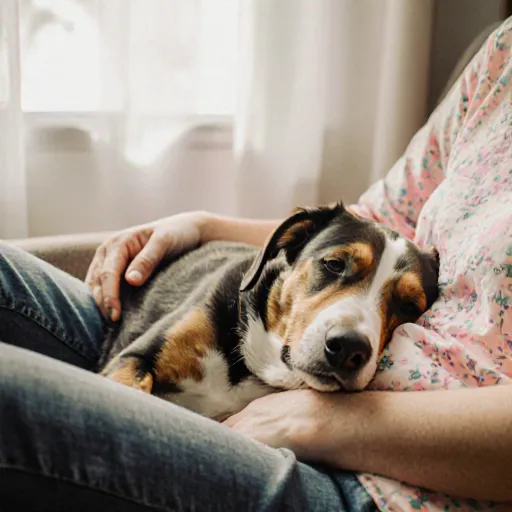
Unlock Peace for Your Pet: Tips to Soothe Anxiety
Comforting Secrets to Calm an Anxious Dog
Table of Contents
- Overview of Anxiety in Dogs
- Signs and Symptoms of Anxiety
- Common Triggers for Dog Anxiety
- Separation Anxiety
- Noise Sensitivity
- Fear of Thunder and Fireworks
- Social Anxiety
- Health Issues Misinterpreted as Anxiety
- Natural Remedies for Dog Anxiety: Exercise
- Diet and Nutrition
- Environmental Enrichment
- Herbal Supplements
- Calming Aids and Devices
- Behavioral Therapy
- Conclusion
- FAQ
Overview of Anxiety in Dogs
Anxiety in dogs is a common issue that can manifest in various ways, affecting their overall well-being and quality of life. Understanding the signs of anxiety is crucial for early detection and effective management. Recognizing these symptoms can help pet owners provide appropriate care and support to their furry friends.
Signs of Anxiety in Dogs
- Pacing or Restlessness: A dog with anxiety may pace back and forth, appear restless, or constantly shift its position. This behavior is often indicative of stress or discomfort.
- Barking or Howling: Excessive barking or howling can be a sign of anxiety, especially if it occurs without any apparent reason.
- Destruction or Chewing: Dogs suffering from anxiety may engage in destructive behavior, such as chewing on furniture or other household items. This is often an attempt to relieve stress and find comfort.
- Excessive Drooling: Some dogs may drool excessively when they are anxious, even if they do not have any dental issues.
- Salivation and Shaking: Excessive salivation and trembling can be signs of anxiety in dogs. These behaviors may indicate that the dog is feeling scared or nervous.
- Urination or Defecation: Dogs may urinate or defecate indoors when they are anxious, especially if they were previously well-trained. This can be a sign of stress or fear.
- Hiding or Seeking Solitude: Some dogs with anxiety prefer to hide in quiet spaces and seek solitude rather than engaging in social activities. This behavior can indicate that the dog is feeling overwhelmed.
- Loss of Appetite: Anxiety can cause a loss of appetite, which may lead to weight loss if not addressed promptly.
Natural Remedies for Dog Anxiety
While it's important to consult with a veterinarian when dealing with dog anxiety, there are several natural remedies that can help manage the condition. These methods focus on providing comfort and relaxation to reduce stress levels in dogs.
Dietary Adjustments
- High-Protein Diets: A high-protein diet can help boost energy levels, which is essential for active dogs. Foods rich in lean proteins like chicken, turkey, and fish can be beneficial.
- Incorporating Vitamins and Minerals: Ensure your dog's diet includes sufficient amounts of vitamins B and C, as well as minerals like magnesium and zinc. These nutrients are known to support a healthy nervous system.
Environmental Enrichment
Maintaining a calm and predictable environment can help reduce stress in dogs. Here are some practical tips:
- Create a Safe Space: Provide your dog with a secure, quiet space where they feel safe and comfortable. This could be a cozy corner or a specially designed dog bed.
- Predictable Routine: Establishing a routine for feeding, walking, and playtime can help dogs feel more secure and less anxious.
Natural Supplements
Supplements that may provide relief to anxious dogs include:
- Chamomile or Valerian Root Tea: These herbal teas can help calm and soothe anxious dogs. You can purchase dog-friendly versions of these supplements from pet stores.
- L-tryptophan: This amino acid is known for its calming effects on the nervous system. It can be found in turkey, chicken, eggs, and dairy products. However, it's essential to consult with a veterinarian before adding any new supplement to your dog's diet.
- Fish Oil: Omega-3 fatty acids from fish oil are excellent for promoting overall health and may help reduce anxiety symptoms in dogs.
Physical Activities
Regular exercise can significantly alleviate stress and anxiety in dogs. Consider the following activities:
- Daily Walks: Regular walks allow your dog to burn off excess energy, which can help prevent anxiety-related behaviors.
- Playtime: Engage in interactive play sessions with toys that encourage physical activity and mental stimulation. This could include fetch games or puzzle toys designed for dogs.
In conclusion, recognizing the signs of anxiety in dogs is the first step toward addressing this issue effectively. By providing a calm environment, adjusting your dog's diet, using natural remedies like supplements, and ensuring they get adequate physical activity, you can help manage your pet's stress and improve their overall well-being.
Signs and Symptoms of Anxiety
The signs and symptoms of anxiety can vary depending on the individual, but they often manifest in ways that are observable and distressing. In both humans and dogs, recognizing these signs early is crucial for effective management and treatment. Here’s a detailed exploration of what to look out for:
- Nervousness or Restlessness: Individuals may fidget, have difficulty sitting still, or constantly shift their weight from one foot to another. In dogs, this could translate into pacing, chewing objects excessively, or an inability to relax.
- Increased Heart Rate: This can be felt as a rapid heartbeat or palpitations. Dogs might exhibit panting more frequently than usual. An increased heart rate is a common physiological response to anxiety in both humans and dogs.
- Trembling or Shaking: Both humans and dogs may experience trembling, which can range from mild to severe. This is often accompanied by other signs of stress such as pacing or seeking out comfort from familiar people.
- Sweating (in Humans): Excessive sweating during times when there is no physical exertion could be a sign of anxiety. While dogs don’t sweat through their skin, they can pant heavily, which serves a similar purpose in cooling them down and managing stress.
- Rapid Breathing: This is often accompanied by hyperventilation, making the individual feel lightheaded or out of breath. In dogs, this could be seen as heavy panting, which can also indicate fear or distress.
- Escape Attempts: People and dogs might attempt to leave a stressful environment by escaping it. This could involve opening doors or windows if they are in an enclosed space.
- Vocalization: Some individuals may cry out, scream, or talk excessively when anxious. Dogs can bark, whine, howl, or growl as a form of vocal expression during times of stress.
Both humans and dogs benefit from natural remedies that help manage anxiety without the side effects associated with pharmaceutical treatments. Here are some effective options:
In Humans
- Balanced Diet: Eating a diet rich in nutrients, especially those found in fruits and vegetables, can contribute to overall mental well-being.
- Adequate Sleep: Ensuring proper sleep patterns is crucial. Getting enough rest helps the body recover from stress and reduces anxiety levels.
- Mindfulness Meditation: Practicing mindfulness exercises such as deep breathing, yoga, or meditation can significantly reduce symptoms of anxiety. Dogs also benefit from similar calming techniques like a slow-paced walk or gentle petting.
In Dogs
- Regular Exercise: Ensuring that your dog gets enough exercise daily helps to release pent-up energy and stress. A brisk walk, playtime in the park, or even a good game of fetch can be beneficial.
- Trauma-Informed Care: If your dog has experienced trauma, it's important to provide them with a safe environment where they feel secure. This could involve providing extra comfort and reassurance through petting or treats.
- Herbal Remedies: In some cases, natural remedies like chamomile tea for humans can be beneficial. For dogs, calming herbal supplements such as valerian root or lavender oil can help promote relaxation without the need for medication.
In conclusion, recognizing and addressing anxiety in both humans and dogs is essential. By understanding the signs and symptoms of anxiety and implementing natural remedies, we can provide better care and support to those who suffer from it. Remember, early intervention and a holistic approach are key to managing anxiety effectively.
Common Triggers for Dog Anxiety
Understanding common triggers for dog anxiety is crucial for providing your furry friend with a calm and peaceful environment. Anxiety in dogs can manifest in various ways, such as excessive barking, trembling, destructive behavior, or withdrawal. Identifying the root cause of your dog's anxiety allows you to address it effectively and implement natural remedies that can help alleviate their stress.
- Noise: Loud noises like thunderstorms, fireworks, or even the vacuum cleaner can cause significant anxiety in dogs. Sensitivity to loud sounds is a common issue among many breeds.
- Change in Routine: Dogs thrive on consistency and predictability. Any change in their daily routine—such as shifts in meal times, walks, or visits from family members—can trigger anxiety. Even minor disruptions can cause your dog to feel insecure.
- New People or Animals: Meeting new people or encountering unfamiliar animals can be overwhelming for some dogs, leading to fear and anxiety. This is especially true if the encounter involves loud barking or aggressive behavior from either side.
- Separation Anxiety: Separation anxiety affects many dogs, particularly those who are left alone for extended periods. Signs include excessive barking, digging at doors or windows, destructiveness, and even house-soiling when their owner is away. Providing a safe space and mental stimulation can help reduce this form of anxiety.
- Strangers: Dogs may become anxious around strangers if they are not socialized properly from an early age. This fear can lead to aggressive behavior or extreme shyness in the presence of unfamiliar individuals.
Detecting signs of anxiety is key to addressing it promptly. Some common behavioral indicators include:
- Barking or howling
- Trembling and shivering
- Excessive panting
- Destructive behavior (chewing, digging)
- Pacing or hyperactivity
While natural remedies can be very effective, it is essential to consult with your veterinarian before trying any new treatment. Here are some popular and proven methods:
- Dietary Adjustments: Incorporating calming ingredients into their diet such as lavender, chamomile, or tryptophan can help soothe anxious dogs.
- Herbal Supplements: Products like Rescue Remedy (a flower essence solution) and Omega-3 fatty acids are known to have a calming effect on dogs. Always check with your vet before starting any new supplement regimen.
- Aromatherapy: Using essential oils in diffusers or applying them topically can create a soothing environment for your anxious dog. Lavender oil is often used due to its known relaxing properties.
- Mental Stimulation: Engaging your dog with puzzle toys, interactive games, and training sessions helps keep their minds occupied, reducing stress.
- Create a Safe Space: Providing a cozy area where your dog feels safe can help them cope during times of anxiety. Ensure this space is quiet and free from triggers that cause fear or distress.
Separation Anxiety
Separation anxiety is a common issue among dogs, where they experience excessive stress and distress when left alone. This condition can manifest through various signs that owners should be aware of to ensure the well-being of their pets.
Symptoms of Separation Anxiety in Dogs
- Excessive Barking or Howling: Dogs with separation anxiety may bark, howl, or whine incessantly when left alone. This is their way of expressing distress and seeking attention.
- Destruction of Property: They might chew up shoes, furniture, or other household items out of frustration and stress.
- Peeing or Pooping in the House: Normally house-trained dogs may lose control over their bladder or bowels when left alone for long periods.
- Vomiting or Diarrhea: Anxiety can lead to digestive issues, causing your dog to vomit or have diarrhea.
Natural Remedies for Separation Anxiety
Treating separation anxiety in dogs can be challenging but rewarding. Here are some natural remedies that you can try:
Distracting Toys and Chews
- Interactive Toys: Toys with hidden treats or puzzle toys can keep your dog occupied, reducing the chances of destructive behavior.
- Bones and Rawhide Chewies: Providing a safe chew toy can help soothe anxiety. Ensure that any bone you give is rawhide or another type of edible treat to avoid choking hazards.
Consistent Routine
Maintaining a consistent daily routine helps dogs feel secure and less anxious. Try to establish regular feeding times, walks, playtimes, and other activities throughout the day.
Aromatherapy
Certain scents can have calming effects on your dog. Essential oils like lavender or chamomile might help in reducing anxiety. However, always check with a veterinarian before introducing new scents to ensure they are safe for your pet.
Leaving a Familiar Scare
- Comfort Blanket: Leaving your dog’s favorite blanket or toy behind can provide them with comfort and familiarity when you're not there.
- Your Scent: Wearing the same clothes that you wore yesterday, which still have your scent on it, can help calm your dog as they associate your presence with these items.
Behavioral Training
Teaching your dog basic commands and positive reinforcement techniques can build their confidence. This not only helps in managing anxiety but also strengthens the bond between you and your pet.
In conclusion, recognizing the signs of separation anxiety and employing natural remedies can make a significant difference in alleviating this condition. Always consult with a veterinarian for professional advice tailored to your dog’s specific needs.
Noise Sensitivity
Noise sensitivity in dogs can be a challenging issue for pet owners. It involves an exaggerated reaction or fear response to certain types of noises, such as thunderstorms, fireworks, loud bangs, and even vacuum cleaners. This condition is closely linked with signs of anxiety in dogs, which can manifest in various ways.
- Whining or Barking:
Dogs may whine or bark excessively when they are experiencing anxiety. This behavior is often a way for them to communicate their distress, especially if they feel threatened by the noise.
- Shaking or Trembling:
Shivering and trembling can be signs that your dog is feeling anxious due to noise sensitivity. This physical reaction indicates that the dog is stressed and trying to cope with its environment.
- Destructive Behavior:
In an attempt to escape or seek comfort, dogs may engage in destructive behaviors such as chewing on furniture, digging holes, or scratching at doors. These actions are often a result of anxiety driven by fear and stress.
- Pacing or Restlessness:
A dog that is restless due to noise sensitivity might pace back and forth, unable to settle down in one place. This behavior can be distressing for both the dog and its owner.
While medication and professional help are options, there are several natural remedies you can try to soothe your anxious dog during noisy situations:
- Calming Supplements:
Dogs can take supplements such as magnesium, omega-3 fatty acids, or certain herbal remedies like valerian root. These help in calming the nervous system and reducing anxiety.
- Therapeutic Music:
Certain types of music have been shown to reduce stress in dogs. Classical music or specially designed dog-friendly soundtracks can create a calming environment for your pet during noisy times.
- Baby Gates and Crates:
Using baby gates or crates as safe spaces for your dog can provide them with a sense of security when they are overwhelmed by noise. Make sure the crate is comfortable and smells like home to make it inviting.
- Distracting Activities:
Engaging your dog in activities that require focus, such as puzzle toys or treat-dispensing games, can help distract them from the stressful noises they hear. This keeps their mind occupied and reduces anxiety.
In addition to natural remedies, creating a safe environment for your dog is crucial during noisy times:
- Create a Quiet Space:
Making sure there's an area in the house that is quiet and away from noise sources can provide your dog with a sanctuary. Ensure this space is cozy and inviting.
- Use Blankets or Noise-Canceling Devices:
If possible, use blankets to create barriers around your dog’s safe space. Additionally, noise-canceling machines or white noise generators can help mask unwanted sounds.
Noise sensitivity in dogs can be a complex issue, but with the right understanding and strategies, you can help your pet cope more effectively during noisy times. By recognizing signs of anxiety early and implementing natural remedies, you can provide comfort and security for your furry friend.
Fear of Thunder and Fireworks
Many dog owners face the challenge of managing their pet's fear of thunder and fireworks, which can be a source of distress not just for the dog but also for the owner. This phobia is often linked to signs of anxiety in dogs, such as pacing, trembling, hiding, or even destructive behavior. Understanding these behaviors and providing appropriate care is crucial for both the well-being of the pet and the harmony of the household.
The signs of anxiety in dogs during thunderstorms and fireworks can vary greatly from one dog to another, but they generally include:
- Pacing: Some dogs will walk around the house repeatedly, unable to settle down.
- Trembling or Shaking: Dogs may shiver uncontrollably, indicating extreme stress and fear.
- Hiding: Many dogs seek safety by hiding in a small, enclosed space like a closet or under a bed.
- Destructive Behavior: Some dogs may chew objects, scratch at doors, or even destroy furniture when they are anxious.
- Barking or Whining: Dogs may vocalize in an attempt to seek comfort from their owner or to express their distress.
For owners seeking natural ways to help their dogs cope with thunderstorms and fireworks, several remedies can be effective:
- Calming Dog Treats: Specialized treats designed to relax dogs are widely available. These treats often contain ingredients like L-tyrosine, which is known for its calming effects.
- Dessicated Liver Tablets: A natural supplement that can be given daily or as needed, liver tablets provide a quick and effective solution.
- Clover Tea: This herbal tea can help reduce anxiety in dogs. It is available from various pet stores and can be administered to your dog before stressful events.
For more severe cases of anxiety, it's advisable to consult a veterinarian who might recommend additional treatments such as pheromone diffusers or anti-anxiety medication. Always ensure that any treatment is approved by a professional to avoid potential risks to your pet's health.
Setting up a safe and comfortable space for your dog can significantly reduce their anxiety during thunderstorms and fireworks:
- Create a Quiet Space: Designate a room or area where the dog feels secure. Ensure this space is calm, with minimal stimulation.
- Use Blankets and Pillows: Soft blankets and pillows can make the space more cozy and inviting for your pet.
- Muffle Noises: Use ear muffs or play white noise to drown out loud sounds like thunder and fireworks. This helps reduce sensory overload.
In conclusion, recognizing the signs of anxiety in dogs during thunderstorms and fireworks is the first step towards providing effective care. By implementing natural remedies and creating a safe environment, you can help your pet feel more comfortable and secure during these challenging times. Always remember to consult with a professional if you're unsure about how best to proceed.
Health Issues Misinterpreted as Anxiety
Dogs, like humans, can sometimes exhibit behaviors that might be mistaken for anxiety due to underlying health issues. It is crucial to differentiate between true anxiety and these medical conditions. Identifying the correct cause is essential for providing appropriate care and treatment.
Signs of Anxiety in Dogs
- Restlessness or pacing
- Destructive behavior (chewing, digging)
- Excessive barking or whining
- Loss of appetite
- Vomiting or diarrhea
- Urinating or defecating indoors
- Trembling or shivering
- Drooling
- Panting heavily (outside of exercise)
Misinterpreted Health Issues That Can Mimic Anxiety in Dogs
Several health issues can present similar symptoms to anxiety, leading to misdiagnosis. It's essential to consult a veterinarian if you notice any of these signs:
Gastrointestinal Issues
Digestive problems such as gastritis or colitis can cause dogs to exhibit signs like vomiting and diarrhea. These symptoms are often mistaken for anxiety but could be indicative of an underlying health issue.
Infections
Bacterial, viral, or parasitic infections can lead to lethargy, lack of appetite, and other behaviors that might suggest your dog is anxious when they are actually suffering from illness. A trip to the vet can rule out these conditions.
Parasites
The presence of fleas, ticks, or worms can cause your dog to scratch excessively, bite themselves, and be generally uncomfortable. This discomfort could be mistaken for anxiety but is instead a sign that your pet needs medical attention.
Natural Remedies for Anxiety in Dogs
If your vet has ruled out any underlying health issues and determined that your dog's behavior is indeed related to anxiety, there are several natural remedies you can try:
Dietary Adjustments
- Feeding a high-quality, balanced diet that meets your dog’s nutritional needs.
- Incorporating calming ingredients such as turmeric or chamomile into their food.
Certain Foods and Treats
Foods rich in tryptophan, like chicken, turkey, or eggs, can help promote relaxation. Additionally, treats containing lavender or valerian root may have a calming effect on your dog.
Exercise and Mental Stimulation
- Daily walks to keep your dog physically active.
- Interactive toys that challenge their minds.
- Socialization with other dogs or people can also provide mental stimulation and alleviate stress.
Aromatherapy
Using lavender oil in a diffuser near your dog's sleeping area can create a calming environment. However, never apply essential oils directly to your dog; always consult with a professional before doing so.
Natural Supplements
- B-Vitamins: These help reduce stress and promote energy levels.
- Omega-3 Fatty Acids: Found in fish oil, these can improve your dog’s overall health and mood.
- Zinc: This mineral is crucial for a healthy immune system and skin, which can also affect behavior.
Remember, while natural remedies can be effective, they are not a substitute for professional advice. Always consult with your veterinarian before starting any new treatment or supplement regimen.
Natural Remedies for Dog Anxiety: Exercise
Exercise is a fundamental part of managing dog anxiety, as it helps to reduce stress and promote overall well-being. Understanding the signs of anxiety in dogs can help you identify when your pet might benefit from increased physical activity.
Signs of Anxiety in Dogs
- Restlessness: Your dog may pace, tremble, or have trouble settling down.
- Barking and Whining: Excessive barking or whining can indicate anxiety, especially if it occurs at inappropriate times.
- Destructive Behavior: Dogs under stress sometimes chew on furniture, walls, or other household items to cope with their feelings.
- Peeing and Pooing Inside: A dog that is anxious may lose control of its bladder or bowels in the house.
- Loss of Appetite: Anxiety can cause a decrease in appetite, leading to weight loss.
Natural Remedies: Exercise
Exercise is one of the most effective natural remedies for managing dog anxiety. It helps to tire out your dog, reducing pent-up energy and stress levels. Here are some practical ways you can incorporate exercise into your dog's routine:
Daily Walks
Regular walks provide an excellent opportunity for your dog to burn calories and release excess energy. Aim for at least one walk per day, but consider two or more if your dog is particularly energetic. Choose different routes each time to keep things interesting.
Playtime
Dogs love playtime, which can be a fun way to tire them out and release stress. Engage in activities like fetch, tug-of-war (with a safe toy), or even creative games that challenge your dog's mind. Make sure the environment is safe for these activities.
Interactive Toys
Interactive toys that encourage your dog to use its problem-solving skills can be particularly effective in reducing anxiety. Puzzle feeders, treat-dispensing toys, or simply hiding treats around the house can provide mental stimulation and physical activity.
Jogging with Your Dog
For more experienced dogs who are used to running, jogging alongside you on a leash can be a great way to get both of you moving. Just ensure your dog is in good health and has received proper training before trying this.
Swimming
Dogs that enjoy water can benefit from swimming sessions at the beach or in a pool. Swimming is especially beneficial for breeds like Labradors, Golden Retrievers, and other breeds with webbed feet, as it provides low-impact exercise.
Remember, consistency is key when using exercise to manage dog anxiety. Gradually increase the intensity and duration of your dog's activities as you observe their comfort level and overall health. Consulting with a veterinarian or a professional trainer can provide tailored advice for your specific dog and situation.
Diet and Nutrition
Providing your anxious dog with a balanced diet and the right nutrition is crucial in managing their anxiety. A well-nourished body can help support your dog's mental health, making them more resilient to stressors.
Understanding the Signs of Anxiety in Dogs
- Excessive Barking or Whining: These are common behaviors exhibited by anxious dogs. They can be a sign that your dog is feeling stressed and needs additional comfort.
- Pacing or Restlessness: Dogs who are anxious often pace the floor, show signs of restlessness, or become unable to stay still for long periods.
- Destructive Behavior: Some dogs with anxiety may display destructive behavior such as chewing or digging. This can be a way for them to cope with their stress and anxiety.
- Vomiting or Loss of Appetite: Anxiety can sometimes manifest in physical symptoms, including vomiting or loss of appetite. If this persists, it's important to consult your veterinarian.
Natural Remedies for Anxious Dogs
There are various natural remedies you can try to help soothe an anxious dog. Here are some effective options:
1. Omega-3 Fatty Acids
Omega-3 fatty acids, particularly EPA and DHA, are known for their anti-inflammatory properties and ability to support brain health. You can add fish oil supplements or foods rich in omega-3s like salmon, mackerel, and sardines to your dog's diet.
2. Probiotics
Probiotics are beneficial bacteria that help maintain a healthy gut environment. A healthy gut can contribute to overall wellness, which may include reducing anxiety symptoms. You can find probiotic supplements for dogs or include probiotic-rich foods like yogurt in their diet.
3. Herbs and Supplements
Some herbs have been traditionally used to help calm anxious dogs. Chamomile, valerian root, and passionflower are often recommended. However, it's important to consult with a veterinarian before introducing any new supplements or herbs to your dog's diet.
4. Environmental Enrichment
Creating an enriching environment can help reduce anxiety in dogs. This includes providing puzzle toys that require problem-solving skills, which can keep their minds engaged and occupied. Interactive playtime with you or other family members is also beneficial.
5. Exercise
Daily exercise is essential for all dogs, but it's especially important for anxious ones. Regular walks, runs, and play sessions help burn off excess energy, reduce stress, and promote a calmer demeanor.
Tips for Incorporating Changes into Your Dog's Routine
- Gradual Introduction: When introducing new foods or supplements to your dog's diet, do so gradually over several days. This helps prevent digestive issues and allows you to monitor any changes in behavior.
- Consult a Veterinarian: Always consult with your veterinarian before making significant dietary changes or adding new supplements. They can provide personalized advice based on your dog's specific needs.
- Consistency is Key: Consistency in diet, exercise, and routines helps create a stable environment that can support your anxious dog’s well-being.
By understanding the signs of anxiety and implementing natural remedies into your dog's routine, you can help them feel more at ease. Remember, every dog is unique, so it may take some trial and error to find the right combination that works best for your anxious pet.
Environmental Enrichment
Environmental enrichment plays a crucial role in reducing signs of anxiety in dogs. By providing stimulating environments, you can help your dog lead a happier, healthier life with minimal stress. Here are some practical tips and examples to help you enrich your dog's environment:
Identify Signs of Anxiety
Understanding the signs of anxiety in dogs is essential for effective management. Common indicators include excessive barking or whining, pacing, trembling, destructive behavior (chewing or scratching), and withdrawal. If you notice these behaviors, it's important to address them promptly.
Natural Remedies
- Calming Doggles: Consider using calming doggles similar to human glasses that have a calming effect on dogs. These can be particularly useful during car rides or fireworks displays.
- Essential Oils: Some essential oils, like lavender and chamomile, are known for their calming properties when used in diffusers or diluted in water spray bottles. Ensure that no oils come into direct contact with your dog as they can be harmful if ingested.
- Pheromone Diffusers: Products like Adaptil release synthetic pheromones that mimic those produced by a mother dog to soothe and comfort puppies, helping reduce anxiety in dogs.
Physical Enrichment
Providing physical enrichment involves giving your dog ample opportunities for exercise and play. Regular walks, hikes, and interactive games like fetch or tug-of-war can help burn off excess energy and provide mental stimulation. For indoor environments, consider setting up an obstacle course or using treat-dispensing toys to keep them engaged.
Environmental Enrichment Ideas
- Scent Work: Use items from your home that have a strong scent like socks and hide them around the house. Encourage your dog to find them using their sense of smell.
- Interactive Toys: Toys that require problem-solving skills, such as puzzle feeders or treat-dispensing toys, can keep dogs mentally stimulated for hours.
- Social Interaction: Arrange playdates with other well-behaved dogs. Positive social interactions are beneficial for your dog’s mental health and happiness.
Conclusion
In conclusion, enriching the environment of your dog is a proactive step in managing their anxiety. By identifying signs of stress early and implementing natural remedies along with physical and social enrichment, you can significantly improve your dog’s quality of life. Remember that consistency is key; regular engagement and positive reinforcement go a long way in helping dogs cope better with anxiety.
Herbal Supplements
Managing anxiety in dogs can be a challenging task, but there are several natural remedies that can help alleviate their stress. Herbs and supplements have been used for centuries to support canine health, providing a safer alternative to pharmaceuticals in many cases. Here are some effective herbal supplements you might consider:
1. Ashwagandha
Ashwagandha is an Ayurvedic herb known for its adaptogenic properties, meaning it helps the body adapt to stressors more effectively. It can help dogs manage anxiety by supporting their overall health and reducing stress levels. In addition to reducing anxiety, Ashwagandha has been shown to promote better sleep patterns, which are often disrupted in anxious dogs.
2. Lavender
Lavender is well-known for its calming effects on both humans and animals. It can help dogs relax and reduce anxiety by promoting a sense of tranquility. You can use lavender oil diluted with a carrier oil (such as coconut or almond) and apply it to your dog's skin, or add a few drops to their bedding. Lavender-infused treats are also available commercially.
3. Chamomile
Chamomile is another herb with a long history of use for promoting relaxation and reducing anxiety. It can be given to dogs in tea form, but it's important to dilute the tea with water before giving it to your dog to prevent gastrointestinal upset. You can also purchase chamomile supplements specifically formulated for pets.
4. Valerian Root
Valerian root is another herb that has been used to promote relaxation and reduce anxiety in dogs. It works by helping the body produce more calming neurotransmitters like serotonin and GABA. While valerian root can be effective, it's important to introduce it gradually into your dog’s routine to avoid any potential side effects.
5. Holy Basil (Tulsi)
Similar to Ashwagandha, holy basil is an adaptogenic herb that helps the body cope with stress more effectively. It can be given as a supplement or added to your dog’s diet in the form of fresh leaves. Holy basil has also been shown to improve cognitive function and overall well-being.
Practical Advice for Incorporating Herbal Supplements
- Consult Your Veterinarian: Before introducing any new supplement or herb into your dog’s diet, it's important to consult with a veterinarian. They can provide guidance on the appropriate dosage and ensure that the supplement won't interact negatively with other medications.
- Start Gradually: When introducing herbal supplements for anxiety, start with a low dose and gradually increase as needed. This allows your dog’s body to adjust without overwhelming them.
- Consistency is Key: Just like with any treatment, consistency is crucial. Be patient and give the supplement time to take effect before evaluating its effectiveness.
- Multifaceted Approach: Consider combining herbal supplements with other anxiety management strategies such as exercise, a calming environment, and positive reinforcement training.
Incorporating these natural remedies can help provide relief for dogs suffering from anxiety. Remember that while herbs and supplements are generally safe, they should always be used under the guidance of a veterinarian to ensure they are appropriate for your dog's individual needs.
Calming Aids and Devices
When it comes to managing anxiety in dogs, employing calming aids and devices can be incredibly effective. These tools are designed to help soothe your dog during stressful situations or times when they may experience heightened anxiety.
Signs of Anxiety in Dogs
- Pacing or circling
- Whining, barking, or howling
- Destructive chewing or digging
- Loss of appetite
- Excessive panting
- Hiding or seeking out a safe space
Natural Remedies for Anxiety in Dogs
Alongside using calming aids and devices, there are several natural remedies that can help reduce your dog's anxiety levels. These include:
Dietary Supplements
- Fatty Acids (Omega-3): Omega-3 fatty acids, particularly EPA and DHA, have been shown to support brain health and reduce stress in dogs. Fish oil supplements are a popular choice.
- Vitamins: Vitamins like B-complex vitamins can help regulate serotonin levels, which is important for mood regulation. However, always consult with your vet before starting any new supplement regimen.
Herbal Remedies
Some herbs are believed to have calming properties when used in conjunction with a balanced diet and other natural remedies:
- Hops: Hops, which are commonly used in brewing beer, have sedative properties that can help calm anxious dogs.
- Lavender: The soothing aroma of lavender oil has been found to be effective for relaxation. You can use lavender-scented sprays or diffusers around the home where your dog spends time.
Exercise
Regular physical activity is essential for a healthy lifestyle and can help prevent stress-related issues in dogs:
- Daily Walks: A regular walk helps to tire your dog out physically, which can reduce anxiety levels. Aim for at least 30 minutes of exercise per day.
- Playtime: Engage in play sessions that suit your dog's energy level and breed, such as fetch or agility training, to keep them mentally stimulated and physically fit.
Behavioral Modifications
In addition to physical aids, modifying the behavior of your dog can help reduce anxiety:
- Crate Training: Proper crate training can provide a safe space for your dog during times when they are anxious. Ensure the crate is comfortable and associated with positive experiences.
- Obedience Training: Ongoing obedience training strengthens the bond between you and your dog, which can help them feel more secure and less stressed in new or challenging situations.
Calming Aids and Devices
There are several devices that can be used to calm an anxious dog:
Doggie Calmers
Doggie calmer devices emit soothing sounds, such as white noise or calming music. These sounds can help mask other noises that might trigger anxiety in your dog.
Therapeutic Blankets and Beds
Soft blankets and beds with calming scents like lavender or chamomile can provide comfort and relaxation for anxious dogs when they are in their safe space. These items often come with built-in sound therapy features, which can further enhance the calming effect.
Bark Collars
Although not recommended for all situations due to potential misuse or overuse, bark collars that emit a harmless high-pitched tone when your dog barks can help reduce excessive barking behavior. This can be part of a broader strategy to manage anxiety-related vocalizations.
Conclusion
Incorporating these calming aids and devices into your routine, along with natural remedies and behavioral modifications, can significantly improve the quality of life for an anxious dog. Always consult with your veterinarian before implementing any new strategies to ensure they are safe and appropriate for your pet.
Behavioral Therapy
Behavioral therapy is a critical tool in managing anxiety in dogs. This approach focuses on understanding the triggers of your dog's anxiety and working together with them to develop strategies that help reduce stress and enhance their well-being. Here, we delve deeper into how behavioral therapy can be applied to address signs of anxiety in dogs.
Understanding Signs of Anxiety in Dogs
Recognizing the signs of anxiety in your dog is the first step towards providing effective care and support. Common indicators include excessive barking, panting without exertion, pacing or circling, digging at the ground, chewing on objects excessively, and a general sense of unease or restlessness.
Behavioral Therapy Techniques
The core goal of behavioral therapy is to help your dog feel safe and secure in their environment. This involves creating a calm and consistent routine, using positive reinforcement training methods, and gradually exposing the dog to situations that cause anxiety while ensuring they remain comfortable.
1. Creating a Calm Environment
A peaceful home can greatly reduce your dog's stress levels. Ensure that your dog has access to a quiet space where they feel safe and secure. This could be a cozy bed or crate in a less-traumatic area of the house.
2. Positive Reinforcement Training
Positive reinforcement techniques, such as rewarding calm behavior with treats or praise, can encourage your dog to respond positively to stressful situations. Start by training simple commands and gradually introduce more complex behaviors that promote relaxation.
3. Gradual Exposure
If your dog is anxious around certain stimuli, like loud noises or unfamiliar people, you can help them become desensitized over time. Begin with very low levels of exposure and increase it gradually, always ensuring the environment remains manageable for your pet.
Natural Remedies to Support Behavioral Therapy
In addition to behavioral therapy, there are several natural remedies that can complement your efforts in managing your dog's anxiety. These include dietary changes, herbal supplements, and aromatherapy.
1. Dietary Changes
A balanced diet rich in nutrients can support your dog’s overall health and resilience to stress. Consult with a veterinarian to identify any dietary deficiencies or food intolerances that may be contributing to your dog's anxiety. Adding specific foods like fish oil, which is high in omega-3 fatty acids, can help reduce inflammation and promote brain health.
2. Herbal Supplements
Herbal remedies such as chamomile or lavender are known for their calming effects on dogs. You can find these supplements in chewable form, which makes them easy to administer. However, always consult with a vet before introducing any new supplement into your dog's diet.
3. Aromatherapy
Aromatherapy using essential oils like lavender or chamomile can create a calming atmosphere that helps reduce anxiety in dogs. Use these oils sparingly, and always dilute them properly to avoid harmful effects on your pet's health.
Implementing behavioral therapy along with natural remedies requires patience and consistency. By recognizing the signs of anxiety early and addressing them proactively, you can significantly improve your dog’s quality of life. Always remember that every dog is unique; therefore, it may take some trial and error to find the right combination of therapies.
Conclusion
Understanding the signs of anxiety in dogs is crucial for providing them with the care and support they need. Recognizing these symptoms early can help you take appropriate steps to alleviate your dog's stress and discomfort. Here are some key indicators that may suggest your dog is experiencing anxiety:
Symptoms of Anxiety in Dogs
- Increased Pacing or Restlessness: Your dog might walk around the house more frequently than usual, unable to settle down. This behavior can be a sign that they are feeling anxious.
- Barking and Whining: Excessive barking or whining is often a response to fear or anxiety. Dogs may feel the need to vocalize when they sense something threatening in their environment.
- Destructive Behavior: Chewing, digging, or destroying objects can be signs of stress. Your dog might engage in such behavior as a way to cope with its anxiety.
- Loss of Appetite: Anxiety can lead to a lack of interest in food, which is not just about the absence of hunger but also a sign that your dog feels stressed or afraid.
- Inconsistency in Potty Training: Dogs experiencing anxiety might have accidents inside the house or have difficulty holding their urine. This can disrupt regular training routines and signal underlying stress issues.
Natural Remedies for Anxiety in Dogs
Fortunately, there are several natural remedies that you can try to help soothe your anxious dog without the use of medications:
Therapeutic Toys and Chews
Interactive toys and chew items can provide a stimulating distraction for your dog during moments of anxiety. These activities can keep their mind occupied, reducing stress levels.
Aromatherapy
Using calming scents such as lavender or chamomile can create a soothing environment for your anxious dog. You can place an oil diffuser in the room where your dog spends most of its time to help calm them down.
Dietary Adjustments
Eating foods rich in tryptophan, such as turkey or pumpkin, can promote relaxation and reduce anxiety. Additionally, feeding smaller meals more frequently throughout the day may help stabilize your dog's mood.
Regular Exercise
Daily walks and playtime are essential for releasing pent-up energy and reducing stress. Ensuring that your dog gets adequate physical activity is key to maintaining their mental health.
In conclusion, identifying the signs of anxiety in dogs and addressing them promptly can significantly improve your pet's quality of life. By incorporating natural remedies into your routine, you can help create a peaceful and comfortable environment for your furry friend.
FAQ
Understanding the signs of anxiety in dogs can be challenging, but recognizing them is crucial for providing appropriate care. Here are some frequently asked questions along with detailed explanations to help you identify and address your dog's anxiety naturally.
What Are the Common Signs of Anxiety in Dogs?
- Pacing or Restlessness: Your dog may pace around the house, jump up and down on furniture, or be unable to sit still. This behavior often indicates a high level of stress.
- Destructive Behavior: Dogs dealing with anxiety might chew items, destroy belongings, or dig in inappropriate places out of fear or nervousness.
- Barking or Howling: Excessive barking or howling can be a sign that your dog is feeling anxious and trying to communicate their distress.
- Loss of Appetite: Dogs may lose interest in food during stressful times, which could indicate anxiety.
- Panting Without Exertion: Heavy panting not due to physical exertion can be a sign that your dog is feeling anxious or stressed.
How Can You Identify Anxiety in Your Dog?
Anxiety in dogs can manifest in various ways, and it's important to observe changes in behavior over time. For instance, if your dog has never chewed on furniture before but suddenly starts doing so whenever you leave the house, this could be a sign that they are feeling anxious when alone.
What Natural Remedies Can Help with Dog Anxiety?
- Dietary Changes: Ensure your dog is eating a balanced diet rich in Omega-3 fatty acids, which can help reduce stress. Foods like salmon and flaxseeds are excellent sources of these nutrients.
- Herbal Remedies: Some herbs such as chamomile and valerian root have calming properties that may help soothe your dog's anxiety. You can find these in natural pet stores or online.
- Exercise: Regular exercise is crucial for a healthy, happy dog. Activities like long walks, runs, or playtime can tire out your dog and reduce stress levels.
- Environmental Enrichment: Providing mental stimulation through puzzles, toys, or even hiding treats around the house can help keep your dog engaged and less anxious.
- Aromatherapy: Using calming scents like lavender in a diffuser near where your dog spends time might help reduce their stress levels. Be cautious with essential oils as some can be harmful to dogs.
When Should You Seek Professional Help?
If you notice severe or persistent signs of anxiety, it may be necessary to consult a veterinarian or a canine behaviorist. They can provide expert advice and possibly prescribe medication if the situation requires it.
Categories
- AI & Enrichment Play
- Broiler Farming
- Broiler Farming Tips
- Canine Wellness & Longevity
- Cat
- Cat & Human Connection
- Cat Adoption & Rescue
- Cat Breeds
- Cat Breeds & Personalities
- Cat Care & Health
- Cat Grooming & Hygiene
- Cat Lifestyle & Environment
- Cat Myths & History
- Cat Nutrition & Diet
- Cat Products & Reviews
- Cat Training & Behavior
- Comparison
- Consumer Awareness
- Dog
- Dog Accessories & Products
- Dog Adoption & Rescue
- Dog Breed & Lifestyle Trends
- Dog Breeding & Puppies
- Dog Entertainment & Media
- Dog Fashion & Trends
- Dog Fun & Lifestyle
- Dog Grooming & Hygiene
- Dog History & Culture
- Dog Myths, Science & Future Tech
- Dog News & Trends
- Dog Nutrition & Food
- Dog Psychology & Emotions
- Dog Safety & Security
- Dog Sports & Activities
- Dog Technology & Innovation
- Dog Training for Modern Owners
- Dog Travel & Adventure
- Dog Travel, Adventure & Culture
- Economic and Market Insights
- Educational Content
- FAQs
- Feeding Alternatives
- Festivals & Seasonal Ideas
- Fun & Entertainment
- General Knowledge
- General Pig Farming
- Health & Disease Management
- Housing and Environment
- Kittens
- Market Insights
- Miscellaneous
- Miscellaneous
- Motivational
- pig
- Pig Breeding
- Pig Breeds
- Pig Farming Stories and Inspiration
- Pig Health and Care
- Pig Nutrition
- Pig Products
- Profitability & Business
- Puppy Care
- Puppy Predictable Topics Reinvented
- Regional Focus
- Rescue & Adoption Buzz
- Senior Cats
- Senior Dog Care
- Smart Dog Tech & Gadgets
- Sustainability
- Sustainable & Eco-Friendly Dog Products
- Tech & Innovations
- Working & Service Dogs
- Broiler Feed66 products
- Country Feed33 products
- Pig Feed66 products
- Product22 products
- Raw Materials99 products
Products
-
 Fish Meal
₹1,999.00 – ₹2,999.00Price range: ₹1,999.00 through ₹2,999.00Rated 0 out of 5
Fish Meal
₹1,999.00 – ₹2,999.00Price range: ₹1,999.00 through ₹2,999.00Rated 0 out of 5 -
 FATTENING BROILER FEED
₹2,299.00 – ₹2,349.00Price range: ₹2,299.00 through ₹2,349.00Rated 0 out of 5
FATTENING BROILER FEED
₹2,299.00 – ₹2,349.00Price range: ₹2,299.00 through ₹2,349.00Rated 0 out of 5 -
 LAYER COUNTRY FEED
₹1,549.00 – ₹1,649.00Price range: ₹1,549.00 through ₹1,649.00Rated 0 out of 5
LAYER COUNTRY FEED
₹1,549.00 – ₹1,649.00Price range: ₹1,549.00 through ₹1,649.00Rated 0 out of 5 -
 COUNTER BROILER FEED
₹1,199.00 – ₹1,299.00Price range: ₹1,199.00 through ₹1,299.00Rated 0 out of 5
COUNTER BROILER FEED
₹1,199.00 – ₹1,299.00Price range: ₹1,199.00 through ₹1,299.00Rated 0 out of 5 -
 LACTATING PIG FEED
Rated 0 out of 5
LACTATING PIG FEED
Rated 0 out of 5₹2,299.00Original price was: ₹2,299.00.₹1,740.00Current price is: ₹1,740.00. -
 Maize
Rated 0 out of 5
Maize
Rated 0 out of 5₹1,650.00Original price was: ₹1,650.00.₹1,300.00Current price is: ₹1,300.00. -
 GESTATION PIG FEED (Phase 1)
Rated 0 out of 5
GESTATION PIG FEED (Phase 1)
Rated 0 out of 5₹2,249.00Original price was: ₹2,249.00.₹1,699.00Current price is: ₹1,699.00. -
 Pre Starter Broiler Feed
₹2,399.00 – ₹2,499.00Price range: ₹2,399.00 through ₹2,499.00Rated 0 out of 5
Pre Starter Broiler Feed
₹2,399.00 – ₹2,499.00Price range: ₹2,399.00 through ₹2,499.00Rated 0 out of 5 -
 FINISHER PIG FEED
Rated 0 out of 5
FINISHER PIG FEED
Rated 0 out of 5₹2,299.00Original price was: ₹2,299.00.₹1,749.00Current price is: ₹1,749.00. -
 Broiler Premix
Rated 0 out of 5
Broiler Premix
Rated 0 out of 5₹820.00Original price was: ₹820.00.₹699.00Current price is: ₹699.00.
Social Anxiety
Social anxiety can be a challenging condition for both humans and their canine companions. While it manifests differently in dogs, understanding the signs of social anxiety in dogs and implementing natural remedies can significantly improve your dog's well-being.
Signs of Anxiety in Dogs (Similar to Social Anxiety)
Natural Remedies for Social Anxiety
Implementing natural remedies can help manage your dog's social anxiety and make them more comfortable in various social situations. Here are some effective strategies:
Dietary Adjustments
Mental Stimulation
Keeping your dog's mind active can help reduce stress and anxiety. Provide them with toys and puzzles that challenge their problem-solving skills. This not only keeps them mentally engaged but also provides an outlet for excess energy, which is particularly important during social situations.
Calm Environments
Exercise
Adequate physical activity is essential for managing anxiety in dogs. Regular walks and playtime help burn off excess energy and release endorphins, which are natural mood lifters. However, ensure that the exercise does not overwhelm your dog; it should be at a level they can comfortably handle.
Professional Help
If you suspect your dog has severe social anxiety, consider consulting with a veterinary behaviorist or animal behavior specialist. They can provide tailored advice and may recommend specific training techniques to help your dog overcome their anxiety.