
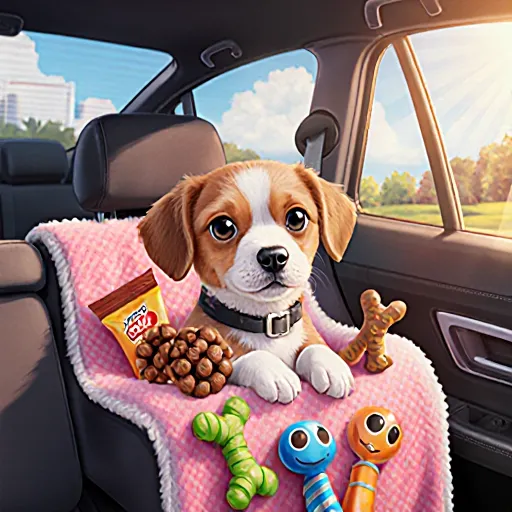
Protect your furry friend during car rides with these top tips!
Keep Your Dog Safe—Top Car Ride Survival Strategies
Table of Contents
- Understanding the Importance of Safety in Car Travel for Dogs
- Ensure Your Car is Dog-Friendly
- Properly Secure Your Pet During the Journey
- Check Seat Belt Compatibility for Dogs
- Create a Comfortable Sleeping Area in the Car
- Keep the Car Cool Before and After Your Trip
- Avoid Feeding Your Dog Before Long Trips
- Hydrate Your Pet Adequately for the Journey
- Know Exit Points and Plan Ahead
- Avoid Excitement During Long Car Journeys
- Plan Regular Breaks and Walks for Your Pet
- Familiarize Your Dog with the Car Environment
- Check for Any Health Issues Before a Long Trip
- Prepare an Emergency Kit in Your Car for Pets
- Conclusion
- FAQ
Understanding the Importance of Safety in Car Travel for Dogs
Ensuring safety during car travel is crucial when it comes to transporting your furry companion. Dog car travel safety should not be taken lightly, as accidents can happen at any time. Proper precautions can significantly reduce the risk of injury or distress for your pet. Here are some essential tips you must follow to keep your dog safe and comfortable during car trips.
The first step in ensuring safety during car travel is securing your dog properly. Always use a secure harness designed specifically for dogs, never just the seatbelt from your vehicle. Harnesses are made to distribute the force of impact evenly across the body and prevent any strain on the neck or torso.
Examples:
- Front-Mounted Harnesses: These harnesses attach directly to your dog’s collar, providing a secure fit that is less restrictive than traditional car seatbelts.
- Rear-Mounted Harnesses: Designed for dogs in the backseat, these harnesses ensure proper placement and safety.
The safest place for your dog to sit is usually in the back seat. The front seats can be dangerous due to airbags, which could deploy unexpectedly causing injury to your pet. Additionally, placing dogs in the back ensures they are less likely to distract you while driving or cause accidents by shifting around.
Other measures to enhance car travel safety for dogs include:
- Providing Comfort: Bring along a familiar blanket, pillow, or bed that your dog can lie on during the trip. This helps reduce stress and keeps them comfortable.
- Maintaining Hydration: Always have water available for your pet to stay hydrated. Avoid giving milk as it may cause digestive issues.
- Regular Breaks: Take frequent breaks to allow your dog to stretch its legs and relieve itself. Prolonged car rides can be stressful for dogs, especially those prone to motion sickness.
Understanding potential hazards is key to ensuring safety. Common risks include:
- Rapid Deceleration: In case of sudden stops or accidents, your dog’s harness should prevent it from flying forward into the front seat.
- Vehicular Heatstroke: Never leave your dog unattended in a parked car. Even on mild days, temperatures inside can rise rapidly and lead to heatstroke.
In conclusion, taking the time to understand and implement these safety tips will greatly enhance both your journey and that of your precious companion. By securing your dog properly, choosing the right seat, and preparing for potential hazards, you can help ensure a safe and comfortable car trip for everyone involved.
Ensure Your Car is Dog-Friendly
Ensuring your car is dog-friendly not only enhances your pet's comfort and safety but also makes traveling with your furry friend a more enjoyable experience. A well-prepared vehicle can prevent stress for both you and your dog, ensuring that the trip is safe and comfortable.
1. Secure Your Pet Properly
Always secure your dog in the car using a properly fitted pet harness or crate. This prevents any accidents caused by your dog moving around during travel, which can be dangerous for both you and your pet.
Example:
- Pet harnesses are available in various sizes to fit your dog comfortably.
- Crate training is essential; a properly sized crate allows your pet to feel secure during the journey.
2. Create a Comfortable Space
Making sure your car has a comfortable and safe space for your dog can make all the difference in their travel experience. Here are some ideas:
- Cushions and Blankets: Provide soft cushions or blankets that your dog can rest on. This not only makes them feel more at home but also provides a cozy spot for them to sit.
- Treats and Toys: Bring along some treats and favorite toys to keep your pet entertained during the trip. A chew toy, especially one that is safe for swallowing, can help soothe anxiety or excitement while traveling.
3. Establish Good Car Etiquette
To ensure a stress-free car ride for your dog, it's important to establish some ground rules:
- No Eating or Drinking: Avoid allowing your pet to eat or drink in the vehicle, as this can cause messes and potential health risks.
- Dry Off After Rainy Days: If you've been out in the rain, make sure your dog is dry before getting into the car. Wet fur can lead to colds and other discomfort for your pet.
- Potty Stops: Plan regular stops along the way so that your dog can stretch its legs and relieve itself. This prevents accidents and keeps the journey stress-free.
4. Keep Windows Rolled Up (or Down Safely)
While it's tempting to roll down the windows for fresh air, keeping them closed can prevent your dog from becoming overheated or suffering from car sickness. If you must roll them down slightly, ensure that there is a secure barrier to stop your pet from sticking its head out.
5. Prepare for Emergencies
It's wise to have an emergency kit in the car specifically for pets. This should include:
- A first aid kit with supplies for dogs.
- Medications your dog may need, such as heartworm or flea/tick preventatives.
- Sufficient water and food in case of delays.
By following these tips, you can ensure that your car is fully prepared to make traveling with your dog both safe and enjoyable. Your furry friend will appreciate the thoughtfulness, and you'll have peace of mind knowing they're well-cared for during your journey.
Properly Secure Your Pet During the Journey
Ensuring your pet's safety during a car journey is crucial for both their well-being and yours. A properly secured pet can help prevent injuries, stress, and accidents. Here are some essential tips to follow when traveling with your dog in the car:
Selecting the right equipment is the first step towards a safe journey for your pet. There are various options available such as pet car seats, harnesses, and crates. These items provide secure confinement which reduces the risk of injury.
- Pet Car Seat: A car seat specifically designed for pets is an excellent choice if you plan to have your dog sitting with you in the front passenger seat. It provides a comfortable and safe space, ensuring that your pet won't move around during the ride.
- Pet Harness: Similar to a human harness, this helps secure your pet safely in place when they're seated on the back seat. This is especially useful if you have a larger dog who might find a crate uncomfortable or restrictive.
- Pet Crate: A sturdy crate can be used for travel if it's properly secured to the car floor using seatbelt straps. It provides your pet with a safe space and reduces motion sickness during long trips.
No matter which piece of equipment you choose, make sure it is properly secured to the car. If using a harness or seatbelt, ensure it fits snugly and correctly over your pet's body. For crates, use seatbelt straps to secure them to prevent movement.
Do's: - Adjust the straps until they are tight enough so that when you give a slight tug on them, there is no extra slack. - Ensure the harness or seatbelt fits snugly around your pet without being too loose or constricting.
Dont's: - Never leave your dog loose in the car. This can lead to injury if they become agitated or scared during travel. - Avoid using only a seatbelt as this is not designed for pets and offers no real protection.
A comfortable pet is a safer one. To keep your dog calm during the trip, consider providing them with familiar items such as their favorite blanket or toy. This helps reduce anxiety and stress while traveling.
- Blanket: Bring along a cozy blanket that your dog can use to feel secure.
- Toys: A favorite toy can provide distraction and comfort, keeping your pet occupied during the trip.
- Adequate Space: Ensure there is enough space for them to move around comfortably without feeling cramped or confined.
Proper planning can make all the difference in a safe travel experience. By considering factors like rest stops, breaks, and routes, you reduce stress for both yourself and your pet.
- Rest Stops: Plan regular stops every 90 minutes to give your dog time to stretch their legs outside the car. This also allows them to relieve themselves without causing accidents in the vehicle.
- Bathroom Breaks: For longer trips, it’s essential to take breaks for bathroom breaks as well. Take them on a walk or to a park where they can run around and expend some energy before returning to the car.
- Route Planning: Choose routes that are familiar and have safe exits in case of an emergency. Familiar routes may also help reduce your pet's travel anxiety.
A healthy dog is a happy one, especially during travel. Make sure to check with your vet before embarking on longer trips to ensure that your pet is up-to-date with all vaccinations and in good health.
Pre-trip Checklist: - Ensure all necessary documentation for your pet is ready (e.g., vaccination records). - Check the weather conditions and expected travel time. - Prepare a first aid kit specifically for pets, including items like bandages, antiseptic wipes, and any medications your dog might need.
By following these tips, you can ensure that your pet's journey is as safe and comfortable as possible. A little preparation goes a long way in making sure both you and your furry friend have a great trip!
Check Seat Belt Compatibility for Dogs
In the realm of dog car travel safety, ensuring that your furry companion is secure during a journey is paramount. One crucial aspect often overlooked by many pet owners is checking whether seat belts are compatible with dogs. This might seem like an unusual concern, but it’s essential for both the safety of your pet and peace of mind as a responsible pet parent.
When traveling with dogs in a car, safety measures should be taken to prevent them from becoming a hazard or causing injury during a sudden stop or accident. Seat belts are designed for human use and may not provide adequate protection for pets. To ensure the best possible safety, you must check if there is a seat belt compatible solution that can accommodate your dog's size and shape.
Understanding Compatibility
Compatibility between your car’s existing seat belts and a pet harness or carrier is crucial. Not all vehicles are equipped with attachments suitable for pets, so it might be necessary to purchase an aftermarket product specifically designed for this purpose. Here’s how you can check compatibility:
- Measure Your Pet: Determine the size of your dog by measuring their height and width at the shoulders and hips. This information will help you find a harness that fits properly.
- Examine Vehicle Seat Belts: Inspect the type of seat belt in your car to see if it can accommodate an attachment for pets. Some vehicles have loops or clips that can be used with pet harnesses, while others may require specific hardware.
- Consult Pet Harness Manufacturers: Reach out to reputable manufacturers of pet harnesses and carriers to inquire about compatibility with various cars. They often provide detailed guidelines on which models work best with their products.
Choosing the Right Pet Harness or Carrier
Selecting a suitable harness or carrier involves more than just picking up anything readily available at your local pet store. Here are some key points to consider:
- Air Bag Considerations: If your car has air bags, ensure that the harness or carrier you choose does not interfere with their deployment in case of an accident.
- Mobility and Comfort: Look for a harness that allows your dog to move freely yet remains secure. This will prevent them from becoming agitated during the journey.
- Ease of Use: Opt for a product that is easy to put on and remove, especially if you plan frequent trips with your pet.
Practical Advice for Safe Pet Travel
To make sure seat belts are properly used or alternative solutions are in place, follow these practical tips:
- Securely Fasten Harnesses: Always ensure that the harness is snug and secure around your dog. A loose fit can lead to accidents.
- Avoid Resting on Seats: Do not allow your pet to rest on any seats where seat belts are attached, as this can affect their functionality.
- Supervision During Travel: Never leave a dog unattended in the car. Always supervise them during travel to ensure they remain calm and secure.
By taking these steps, you can significantly enhance your pet’s safety while traveling by car. Remember, checking seat belt compatibility for dogs is just one part of ensuring comprehensive travel safety. Incorporating additional measures such as regular check-ups, proper training, and familiarization with the vehicle will contribute to a safer journey for both you and your beloved companion.
Create a Comfortable Sleeping Area in the Car
To ensure your furry companion enjoys a safe and comfortable journey during car travel, it's essential to create a cozy sleeping area for them in the vehicle. This not only enhances their overall experience but also promotes safety by preventing accidents caused by a restless or uncomfortable dog. Here are some practical tips and recommendations:
The safest place for your dog during car travel is typically behind the front seats, away from the flow of air through the vehicle’s vents. This prevents them from being hit by airbags in case of a sudden stop or crash. Additionally, securing their space helps to avoid unexpected movements that could cause harm.
- Crate: If your dog is used to a crate and feels secure inside it, this can be an excellent sleeping solution. Ensure the crate fits comfortably in the back seat area without obstructing any necessary vehicle features.
- Dog Bed: For dogs that prefer more freedom or are not crate-trained, a soft bed with side panels (to prevent them from jumping out) works well. Make sure it is secure and won't shift during travel.
Provide your dog with a comfortable layer of padding such as a thick blanket or cushioned mat. This not only makes the sleeping area more inviting but also provides insulation, keeping your pet warm in cold weather. Consider using a non-slip mat to ensure stability.
For added safety and peace of mind:
- Use Velcro straps or car harnesses: These are specifically designed for securing pets in vehicles. They provide a snug fit that prevents your dog from moving around too much.
- Attach to the seatbelt: If you have a harness with a clip, it can be attached to the vehicle’s seat belt, ensuring stability and safety during travel.
Long car trips can be tiring for both you and your pet. To keep your dog comfortable:
- Frequent Breaks: Plan to take regular breaks every 1-2 hours, giving your dog a chance to stretch and relieve itself.
- Hydration & Snacks: Always carry water and appropriate snacks for your pet. Hydrating treats can be particularly useful during longer trips.
- Entertainment: If your dog enjoys toys or music, bring along some entertainment to keep them engaged and less likely to get restless.
Throughout the journey, monitor your dog’s behavior for signs of discomfort such as excessive panting, restlessness, or lethargy. Adjust their sleeping area and ensure they are secure at all times.
By following these tips and creating a comfortable sleeping area for your pet during car travel, you can significantly enhance both the safety and comfort of the trip, making it a positive experience for everyone involved.
Keep the Car Cool Before and After Your Trip
Keeping your car cool before and after a trip, especially when traveling with dogs, is crucial for ensuring their safety. A warm or stuffy vehicle can lead to discomfort, heat exhaustion, and even more severe health issues like heatstroke. Here are some practical tips you must follow to keep the car cool both before and after your journey:
- Park in a shaded area: Whenever possible, park your vehicle under shade trees or in a garage. This can significantly reduce the internal temperature of your car.
- Use a reflective windshield film: Install a good quality reflective film on the windows to block out excess sunlight and keep the interior cooler.
- Open windows slightly: If you're planning to drive for an extended period, open your car windows just enough to allow some ventilation without making it too drafty when driving with the AC off.
- Use a portable car fan: A small fan can help circulate air inside the vehicle and cool down the interior faster once you're ready to go.
While traveling, ensure that your dog is comfortable by maintaining an ideal temperature in the car. Here are some additional tips:
- Keep water accessible: Always have a bowl of fresh water available for your dog inside the car.
- Use air conditioning: If it's safe to do so, use the car's air conditioning system to keep the interior cool. Make sure you monitor the temperature and ensure it doesn't drop too low.
- Avoid direct sunlight: Try not to drive during peak sun hours when temperatures are at their highest.
Once you reach your destination, continue to monitor the temperature of your car. Here’s what you should do:
- Open the windows: Allow fresh air to circulate inside the vehicle until it reaches a comfortable temperature.
- Use an evaporative cooler: These are small units that can help cool down your car by using water and fans. They're especially useful if you frequently travel with pets.
By following these tips, you can ensure that both you and your furry friend have a safe and comfortable trip. Remember, keeping the car cool is not just about comfort; it's also essential for preventing potential health risks to your pet. Always prioritize your dog’s well-being during travel.
Avoid Feeding Your Dog Before Long Trips
When planning a long car trip with your furry friend, it's important to consider every aspect of their comfort and safety. One often overlooked yet crucial detail is the timing of meals before embarking on your journey. Feeding your dog immediately before traveling can lead to several hazards that could jeopardize both your pet’s well-being and the safety of your vehicle trip.
Understanding the Risks
Eating just prior to getting into a moving vehicle puts your dog at risk for motion sickness, digestive discomfort, and even more severe issues like carsickness. This condition can cause distressing symptoms such as vomiting, diarrhea, and nausea, all of which could make the trip uncomfortable and potentially dangerous.
Practical Tips to Prevent Feeding Before Trips
- Timing Meals: Avoid feeding your dog at least two hours before you plan on leaving. This allows them time to digest their food properly, reducing the chances of experiencing motion sickness or other digestive issues during travel.
- Hydration: Ensure that your pet has access to water just before and after the trip. Keeping hydrated helps maintain a healthy balance in their body and can mitigate some effects of stress during travel.
- Light Meals: If you must feed your dog shortly before traveling, opt for small meals or treats instead of large portions. This reduces the risk of digestive discomfort while on the move.
Additional Safety Measures
In addition to avoiding feeding immediately before a trip, there are several other essential tips you should follow to ensure your dog’s safety during car travel:
- Secure Your Pet Properly: Make sure your dog is safely confined in the vehicle. Using a harness or a crate can help prevent them from moving around and potentially causing accidents.
- Regular Breaks: Plan to take breaks every two hours, giving both you and your pet time to stretch and rest. This also allows your dog to relieve themselves and prevents motion sickness due to prolonged travel.
- Observe Your Dog’s Behavior: Keep an eye on any signs of stress or discomfort during the trip. If your dog shows symptoms of distress, it's best to stop the vehicle and provide comfort until they settle down.
Conclusion
Avoiding feeding your dog before long trips is just one piece of a larger puzzle when it comes to ensuring safe car travel with pets. By following these tips, you can help ensure that both you and your four-legged companion have an enjoyable and stress-free journey.
Hydrate Your Pet Adequately for the Journey
In the realm of dog car travel safety, one often overlooked but crucial aspect is ensuring that your pet remains well-hydrated during the journey. Hydration plays a pivotal role in maintaining your dog's health and comfort throughout the trip. Dehydration can lead to various health issues such as lethargy, poor digestion, and even more severe conditions if not addressed promptly.
To ensure your dog stays hydrated while traveling, follow these essential tips:
- Provide Accessible Water: Before starting the journey, place a clean, fresh water bowl in the car. Make sure it is easily accessible for your pet to drink from during the trip. Some dogs may prefer bowls with wider bases or those made of non-slip materials to prevent tipping.
- Regular Breaks: Plan regular stops along your route so you can give your dog a chance to stretch and hydrate. Every 90 minutes is generally recommended, but this can vary depending on the duration of your trip. Longer journeys require more frequent breaks.
- Better Choices for Hydration: While plain water is best, adding ice cubes or using a pet-safe electrolyte solution in small amounts can make drinking more appealing to some dogs. Ensure that any additive you use is safe for pets and does not contain substances harmful to them like xylitol.
- Monitor Water Intake: Keep an eye on your dog's water intake during the trip. If they seem reluctant to drink or have decreased their usual amount, consider offering a different type of water or using a portable water bottle to make it easier for you to offer them water at regular intervals.
- Hydration Before and After: Encourage your dog to hydrate both before leaving home and after the journey. This helps maintain hydration levels throughout the travel period, reducing the risk of dehydration during transit.
Incorporating these tips into your dog's car travel routine can significantly enhance their comfort and overall well-being. By prioritizing hydration, you're not only making the journey smoother for them but also ensuring they remain healthy and active throughout.
Know Exit Points and Plan Ahead
When planning a road trip with your dog, one of the most important aspects is knowing your exit points and planning ahead. Just like ensuring a safe journey for you and your four-legged friend in car travel, it's crucial to have a clear understanding of where you're going and how to get there safely.
Exit points are key intersections or exits along the route that could help you make decisions about your journey. For instance, if you're traveling on a highway, knowing exactly which exit leads to your destination can save time and prevent confusion. Here’s how knowing these points can benefit both you and your dog:
- Reduces Stress for Both You and Your Dog: When you know the route well, there's less chance of making a wrong turn or having to backtrack, which can reduce stress for everyone involved.
- Promotes Safety: Familiarity with your exit points ensures that you can handle any unexpected situations calmly and effectively. This is especially important when traveling with pets who might be more anxious in unfamiliar surroundings.
- Saves Time: Knowing where to exit early allows for smoother transitions between different parts of the trip, reducing unnecessary stops or delays.
To ensure a safe and enjoyable car journey with your dog, here are some essential tips that go beyond just knowing exit points:
Check Your Vehicle’s Compatibility
- Secure Your Pet Properly: Always use a pet carrier or harness to keep your dog safe and secure during the trip. This prevents any sudden movements that could cause injury.
- Ensure Comfortable Seating: Place your furry friend in a spot where they can relax comfortably, like on a pet seat or next to you with a blanket provided for their comfort.
Pack Essentials
Before embarking on your trip, make sure to pack the following essentials:
- Water and Food: Bring enough water and food for the duration of your trip. Dehydration can be dangerous, so keeping your dog hydrated is crucial.
- Poopy Bags: Always carry poop bags to clean up after your pet in public areas. This not only keeps you compliant with local laws but also maintains cleanliness.
- First Aid Kit: Include a small first aid kit specifically for pets, containing items like bandages, antiseptic wipes, and a muzzle if needed.
Traffic Safety
Maintaining traffic safety is paramount. Here are some additional measures to take:
- Keep Your Dog Calm: Teach your dog basic commands such as "Stay" and "Sit" so they remain calm while in the car, reducing the risk of injury.
- Use Seat Belts: Ensure all passengers, including your pet, are properly secured with seat belts or appropriate restraints. This applies especially during unexpected stops or sudden maneuvers.
Stay Informed
To stay informed about potential hazards or changes in the route, consider:
- Use GPS and Maps: Utilize GPS technology to keep track of your location and plan any detours if necessary. This can be particularly useful during long trips.
- Stay Updated on Weather Conditions: Check weather reports before setting out, especially during unexpected changes or severe conditions like storms or heavy rain.
Final Thoughts
Knowing your exit points and planning ahead is just one aspect of ensuring a safe and enjoyable car trip with your dog. By combining thorough planning with practical safety measures, you can enhance the overall experience for both you and your pet.
Avoid Excitement During Long Car Journeys
Avoiding excitement during long car journeys is crucial for both you and your dog's safety. Dogs, much like children, can become overexcited during long drives, which can lead to accidents or discomfort for the entire family. Here are some tips to help keep your furry friend calm and safe:
Tips for Keeping Your Dog Calm During Long Car Journeys
- Prepare Before You Go: Make sure you have everything ready before starting the journey. This includes your dog's travel crate or carrier, water, treats, and any necessary medications. The fewer stops and distractions there are, the better for your pet.
- Use a Travel Crate: A comfortable, well-ventilated crate can make long car rides more manageable for dogs. It provides them with a sense of security and reduces stress during the trip. Ensure that the crate is not too big so that it fits safely in the vehicle.
- Provide Entertainment: Just like children, dogs benefit from some form of entertainment during long drives. Provide your dog with chew toys or a small, durable treat-filled puzzle toy to keep them occupied and distracted.
- Avoid Overstimulation: Try not to introduce too many new experiences for your dog while they are in the car. Loud noises, unfamiliar scents, or excessive petting can overexcite your dog and make the journey more stressful.
- Pace the Journey: If possible, break up long drives into shorter segments with breaks to let your dog stretch their legs and burn off some energy. This can prevent them from becoming overly excited or tired during the trip.
Practical Advice for Ensuring Your Dog's Safety
To ensure your dog’s safety, it is essential to follow specific guidelines when traveling by car:
- Secure Your Dog Properly: Dogs should never ride in the back seat without being properly secured. Use a specialized harness designed for dogs or place them securely in a crate that is firmly attached to the vehicle.
- Avoid Distractions: Keeping your dog calm and quiet during the trip helps avoid any sudden movements that could be distracting while you're driving.
- Monitor Your Dog’s Health: Before embarking on a long journey, ensure that your dog is healthy enough for the trip. If there are any concerns about their health or comfort, consult with your vet.
By following these tips and advice, you can help ensure that both you and your furry companion have a safe and comfortable car ride. Remember, preparation and proper care are key to keeping everyone on the road happy and stress-free!
Plan Regular Breaks and Walks for Your Pet
Planning regular breaks and walks for your pet is not just a matter of convenience; it’s an essential part of ensuring their well-being during car travel. Just as you wouldn't embark on a long journey without considering the stops along the way, your dog requires similar consideration to maintain comfort and safety.
The environment in a vehicle can be quite different from what your pet is used to. The vibrations, sounds, and smells can all be overwhelming for them. By planning regular breaks and walks, you are addressing these challenges head-on. This approach helps reduce stress for your dog and ensures they have the opportunity to use the bathroom and stretch their legs.
Why Regular Breaks Are Crucial
- Bathroom Needs: Dogs, like humans, need to relieve themselves. Ignoring this can lead to stress or even accidents in your car.
- Ventilation: Regular breaks allow you to open the windows for fresh air, which is beneficial for both you and your pet. Fresh air helps reduce the risk of motion sickness and keeps the environment comfortable.
- Mental Stimulation and Exercise: Walking allows your dog to get some exercise outside, which is important for their physical health as well as mental stimulation. This can help keep your pet calmer during the trip.
Tips for Planning Regular Breaks
- Set a Schedule: Plan to take breaks every two hours or so, depending on the duration of your journey. This helps keep your pet comfortable and prevents stress.
- Choose Safe Stops: Look for stops that are safe and accessible for pets. Parks or areas with open spaces where dogs can run around are ideal.
- Prepare Essentials: Always have a leash, waste bags, and water available in your car. This ensures you’re ready to go at any time during the trip.
- Consider Pet-Friendly Locations: If traveling with multiple pets or larger breeds, consider hotels or stops that are known for being pet-friendly.
Practical Advice: What You Should Do Before and During Breaks
Before the break:
- Talk to your dog about the upcoming break in a calm voice to reduce any anxiety or stress.
- Check if your car is ready for travel, including ensuring there are no signs of motion sickness like vomit or spilled water.
During the break:
- Allow your dog to explore the area safely under supervision. Keep them on a leash if necessary.
- Ensure they have access to fresh water and take the opportunity for some exercise or playtime.
- If it's a long journey, consider bringing along toys or treats to keep your pet engaged.
Conclusion
Incorporating regular breaks into your travel plan is crucial for ensuring the safety and comfort of your dog. By following these tips, you can make car trips more enjoyable for both you and your furry companion.
Familiarize Your Dog with the Car Environment
To ensure a safe and stress-free car travel experience for your dog, it's crucial to familiarize them with their car environment before embarking on any journey. This process helps reduce anxiety and ensures that your pet feels secure and comfortable in the vehicle.
- Create a Positive Association: Start by introducing your dog to the car in small, positive steps. Allow them to sniff around the inside of the car without any pressure or constraints. Let them explore at their own pace and reward calm behavior with treats and praise.
- Short Car Trips: Begin with short trips around the neighborhood. These can help your dog get used to the sound, smell, and sensation of traveling in a car. Gradually increase the duration and distance as they become more comfortable.
- Use Familiar Scents: If you're going on a trip where you'll be using the same vehicle frequently, place your dog's favorite blanket or toy inside to make the environment feel familiar.
- Secure Your Pet Properly: Always use a properly fitted harness or car seat for your dog during travel. This not only enhances safety but also ensures that your pet remains in one place, preventing any sudden movements that could be dangerous.
- Predictable Schedule: Establish a routine where the car is used regularly and predictably as part of daily activities like walks or trips to the vet. This helps reduce fear and anxiety associated with travel.
- Calm Environment: Keep the car interior clean and free from smells that might be overwhelming for your dog. A pleasant environment can contribute significantly to their comfort during travel.
If your dog still shows signs of fear or anxiety, it's important to address these issues promptly. Some dogs may experience motion sickness or have a general aversion to traveling in cars. Here are some strategies you can try:
- Consult a Veterinarian: If your dog is particularly stressed during travel, consult with your vet for advice tailored to your pet's specific needs.
- Use Calming Aids: Some dogs benefit from the use of calming aids such as pheromone diffusers or prescribed medication. Discuss these options with your veterinarian.
Familiarizing your dog with their car environment is an essential step in ensuring safe and enjoyable travel experiences for both you and your pet. By following these tips and taking the time to gradually introduce them to the vehicle, you can significantly reduce stress during trips and help build a positive association with car travel.
Check for Any Health Issues Before a Long Trip
To ensure your furry friend has a safe and comfortable journey, it's crucial to check for any potential health issues before embarking on a long car trip. This step is essential as traveling in the car can exacerbate existing conditions or create new challenges that could impact your pet’s well-being.
Common Health Issues to Check
- Dental Problems: Oral health issues such as tooth decay, tartar buildup, and gum disease can cause significant discomfort. Before a trip, ensure that your dog's teeth are clean and free of any infections.
- Asthma or Respiratory Conditions: If your dog suffers from asthma or other respiratory issues, make sure they have all necessary medications on hand. Also, consider the ventilation in your vehicle to avoid allergens or irritants that could trigger an attack.
- Joint Issues: Dogs with joint problems like arthritis can experience increased pain during long drives. Providing appropriate support and ensuring a comfortable seating arrangement is crucial for their comfort.
Tips to Follow
- Vet Check-Up: Before the trip, schedule an appointment with your veterinarian. They can provide advice on how best to prepare your dog and might even suggest medication or treatments that could help during the journey.
- Familiarize Your Dog with the Car: If your dog is not accustomed to car rides, gradually introduce them to the vehicle. Allow short trips at first to get them comfortable in the space.
- Maintain a Healthy Diet: Ensure that your dog eats a balanced meal before the trip. A full stomach can help prevent motion sickness and make it easier for them to rest during the journey.
- Hydration: Keep water bottles filled and accessible so that your dog can hydrate as needed, but avoid feeding them immediately before or after long drives to prevent motion sickness.
Practical Advice
Creating a comfortable environment in the car for your pet is essential. Use padded dog seats or travel crates that allow proper circulation of air and have enough space for them to lie down comfortably.
In case you need to stop during the trip, be ready with first-aid supplies including bandages, antiseptic wipes, and any necessary medications your pet might require. It's also a good idea to carry a copy of their medical records in case of emergencies or unexpected situations that require immediate attention.
Conclusion
By taking the time to check for any health issues before embarking on a long car trip, you can ensure your dog’s comfort and safety. This proactive approach will help prevent any potential problems during the journey and make it a more enjoyable experience for both you and your pet.
Prepare an Emergency Kit in Your Car for Pets
When traveling with your pet, especially a dog, safety should be the top priority. One of the most important steps you can take to ensure your furry friend's well-being during car travel is preparing an emergency kit specifically designed for pets. This kit will help you handle various situations that may arise while on the road.
Essential Items for Your Pet’s Emergency Kit
- Leash and Collar: Always keep your dog on a leash in the car. This ensures that you have full control over them, especially if they get anxious or try to escape.
- Crate or Travel Carrier: If possible, place your pet in a crate or travel carrier during longer trips. A secure container helps keep your dog calm and reduces stress.
- Pet First Aid Kit: Include basic first aid supplies such as bandages, antiseptic wipes, and tweezers. Knowing how to handle minor injuries can be crucial in an emergency situation.
- Water Bottle: Bring a water bottle for your pet to stay hydrated during the trip.
- Familiar Scents or Toys: Include items that provide comfort, such as a favorite toy or blanket. Familiar scents can help soothe your dog when they are feeling anxious.
- Poopy Bags: Always be prepared for cleanup by bringing plenty of poop bags. This keeps the environment clean and hygienic during travel.
Tips for Safe Dog Car Travel
To further ensure your dog's safety, follow these tips:
- Secure Your Pet: Never let your pet roam freely in the car. Use a harness or leash to keep them safely secured.
- Avoid Distractions: Keep the interior of your vehicle clean and free from items that could distract your dog or cause accidents.
- Maintain Comfort: Ensure your pet is comfortable by providing a soft, padded seat. Adjust the temperature as necessary to keep them cool in warm weather and warm during colder months.
- Frequent Breaks: Take regular breaks every two hours or whenever your dog shows signs of restlessness or discomfort.
Conclusion
By preparing an emergency kit for your pet and following these car travel safety tips, you can make sure that your trip is enjoyable for both you and your furry companion. Remember, the key to a safe journey with pets is preparation and attention to detail.
Conclusion
Ensuring your dog's safety during car travel is paramount, and following a few simple tips can make all the difference. Here are some detailed guidelines that you must adhere to for safe travels with your furry friend:
Secure Your Pet Properly
The most critical step in keeping your dog safe while traveling in the car is securing them properly. Unlike human passengers, dogs should not be allowed to roam freely in the vehicle as they can easily get injured or distract you if they move around too much. Instead, use a specialized pet carrier, harness, or seat belt designed for pets.
- Pet Carriers: These are ideal for short trips and ensure your dog remains in one place. Choose carriers that meet safety standards and fit comfortably with enough room for your pet to move around a little but not too much.
- Harnesses: For longer trips, consider using a harness that attaches directly to the seatbelt of the car. Ensure it fits snugly and is comfortable for your dog.
- Seat Belts: Some vehicles have seat belts specifically designed for pets. If yours doesn't, you can install an aftermarket option. Always secure the pet with a harness or carrier rather than letting them sit on the floor of the vehicle.
Choose the Right Seat
Avoid placing your dog in the front seat where they could be severely injured in case of an accident. The rear seats offer better protection and are generally safer for pets due to their distance from airbags, which can deploy at high speeds.
Prepare Your Pet
To make car trips more comfortable for your dog, prepare them beforehand:
- Familiarize Them with the Car: Take short trips in the car to help reduce anxiety and stress. Positive reinforcement can go a long way.
- Bring Familiar Items: Bring along your dog's favorite blanket or toy to make them feel more at home during the trip.
- Potty Breaks: Plan regular stops for bathroom breaks, especially on longer trips. This not only helps prevent accidents but also gives your pet a chance to stretch its legs.
Stay Alert and Follow Traffic Rules
Your focus should always be on the road while driving, so ensure that your dog does not distract you. Avoid feeding them or engaging in play activities during crucial moments like turns or stops to keep both of you safe.
Emergency Preparedness
In case of an accident, it is essential to have a plan:
- Contact Information: Always carry your vet’s contact details and any relevant medical information for your dog in the car.
- Pet First Aid Kit: Having a basic first aid kit can be crucial. Include items like antiseptic wipes, gauze pads,绷:".$<|im_start|><|im_start|>⚗️
FAQ
Traveling with your dog can be a wonderful experience, but it's important to ensure their safety during car rides. Here are some frequently asked questions and answers to help you make the journey safe and comfortable for both you and your furry friend.
1. Should My Dog Always Wear a Harness During Car Rides?
Yes, it is highly recommended that your dog wears a harness during car rides instead of a leash. A harness provides better control and ensures your dog remains secure in the vehicle. Leashes can pose risks if they become tangled or cause injuries to your dog or you.
Example: Consider using a front-clip harness that allows for easy management while still providing safety. Brands like Freedom Harness offer excellent options.
2. Is It Okay to Sit Next to My Dog in the Backseat?
Sitting next to your dog can be tempting, but it's not advisable. If you're involved in an accident or need to brake suddenly, sitting close could put both of you at risk. Instead, keep your dog on one side of the back seat so they are less likely to become a hazard during a collision.
Practical Advice: Use a divider between the front and back seats to create a barrier that also keeps your dog in place without compromising your safety.
3. What Should I Do if My Dog Gets Motion Sickness?
If your dog is prone to motion sickness, there are steps you can take to minimize discomfort. Feeding them before the trip and keeping their stomach empty for a few hours after can help. You might also try using natural remedies like ginger or consult with your vet about medications.
Tip: Try to drive during times when it's less likely that you'll experience sudden stops or turns, as this can exacerbate motion sickness in dogs.
4. How Can I Keep My Dog Cool on a Hot Day?
On hot days, it’s crucial to keep your dog cool and safe from heatstroke. Always ensure they have access to water during the trip and avoid long periods of exposure to direct sunlight. If possible, travel during cooler parts of the day.
Example: Use a portable pet car cooling mat or freeze some treats for them to enjoy while on the road.
5. What Should I Bring in My Pet First Aid Kit?
A well-stocked first aid kit is essential when traveling with your dog. Include items like tweezers, a roll of gauze, antiseptic wipes or spray, and bandages. Also consider adding medication for common issues such as motion sickness.
Tip: Make sure everyone in the car knows how to use the items in your first aid kit so that you can respond quickly if needed.
6. How Do I Prepare My Dog for a Road Trip?
To ensure your dog is comfortable and well-prepared for a road trip, start by getting them used to the car environment gradually. Spend short periods in the car, reward good behavior with treats and praise, and make it a positive experience.
Practical Advice: Familiarize yourself with your route beforehand so that you can anticipate any potential stops or detours, which could help manage your dog's excitement.
7. Is It Safe to Play in the Car During a Trip?
To maintain safety and order during car rides, it’s best not to let your dog play in the vehicle while driving. This reduces distractions for both you and your pet, ensuring everyone is focused on the road ahead.
Example: If you want your dog to interact with toys or stay active, make these activities happen before or after the drive when it's safe to do so.
8. How Do I Prevent My Dog from Jumping Out of the Car?
If you need to stop suddenly, a door left open can be dangerous for your dog. Always keep doors securely closed and use safety locks if necessary. Additionally, ensure that your dog is safely secured in their seat before starting the vehicle.
Tip: Use car crates or pet seats designed for travel to prevent any chance of your dog jumping out.
9. How Do I Choose a Safe Travel Carrier?
A safe and secure travel carrier is essential if you need to transport your dog in the vehicle. Look for carriers that are宽敞
Products
-
 Fish Meal
Price range: ₹1,999.00 through ₹2,999.00
Fish Meal
Price range: ₹1,999.00 through ₹2,999.00
-
 FATTENING BROILER FEED
Price range: ₹2,299.00 through ₹2,349.00
FATTENING BROILER FEED
Price range: ₹2,299.00 through ₹2,349.00
-
 LAYER COUNTRY FEED
Price range: ₹1,549.00 through ₹1,649.00
LAYER COUNTRY FEED
Price range: ₹1,549.00 through ₹1,649.00
-
 COUNTER BROILER FEED
Price range: ₹1,199.00 through ₹1,299.00
COUNTER BROILER FEED
Price range: ₹1,199.00 through ₹1,299.00
-
 LACTATING PIG FEED
Original price was: ₹2,299.00.₹1,740.00Current price is: ₹1,740.00.
LACTATING PIG FEED
Original price was: ₹2,299.00.₹1,740.00Current price is: ₹1,740.00.
-
 Maize
Original price was: ₹1,650.00.₹1,300.00Current price is: ₹1,300.00.
Maize
Original price was: ₹1,650.00.₹1,300.00Current price is: ₹1,300.00.
-
 GESTATION PIG FEED (Phase 1)
Original price was: ₹2,249.00.₹1,699.00Current price is: ₹1,699.00.
GESTATION PIG FEED (Phase 1)
Original price was: ₹2,249.00.₹1,699.00Current price is: ₹1,699.00.
-
 Pre Starter Broiler Feed
Price range: ₹2,399.00 through ₹2,499.00
Pre Starter Broiler Feed
Price range: ₹2,399.00 through ₹2,499.00
-
 FINISHER PIG FEED
Original price was: ₹2,299.00.₹1,749.00Current price is: ₹1,749.00.
FINISHER PIG FEED
Original price was: ₹2,299.00.₹1,749.00Current price is: ₹1,749.00.
-
 Broiler Premix
Original price was: ₹820.00.₹699.00Current price is: ₹699.00.
Broiler Premix
Original price was: ₹820.00.₹699.00Current price is: ₹699.00.