
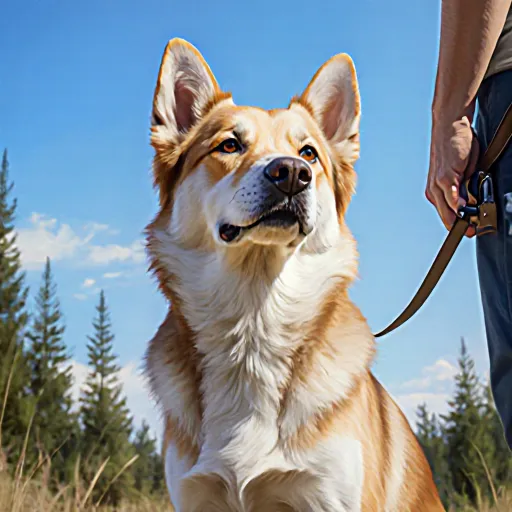
Master Outdoor Discipline Without Limits
Unlock Unconditional Obedience in the Outdoors
Table of Contents
- Selecting the Right Equipment for Outdoor Training
- Choosing a Suitable Location for Training
- Establishing a Routine and Consistency in Training
- Using Positive Reinforcement Techniques
- Teaching Basic Commands for Outdoor Recall
- Introducing the Leash and Collar Properly
- Gradually Extending Training Area
- Handling Distractions in an Outdoor Environment
- Building Confidence and Focus
- Consistent Training Sessions with Short Intervals
- Dealing with Setbacks and Mistakes Gracefully
- Introducing Off-Leash Training Safely
- Frequent Reinforcement to Encourage Good Behavior
- Conclusion
- FAQ
Selecting the Right Equipment for Outdoor Training
When it comes to training dogs for outdoor recall, choosing the right equipment is crucial. The environment outside can be unpredictable and full of distractions, so selecting the appropriate tools can make a significant difference in your training success.
Selecting the Right Leash
For outdoor training, you need a durable leash that can withstand various terrains and conditions. Look for leashes made from strong materials like nylon or leather. These materials are not only tough but also provide good grip in different weather conditions.
- Nylon Leashes: Ideal for rough terrain as they're lightweight, flexible, and easy to clean. They also offer a wide range of colors and lengths, making it easier to choose one that fits your training needs perfectly.
- Leather Leashes: Great for high-traffic areas like dog parks or busy streets due to their durability. Leather leashes tend to last longer but may require more frequent maintenance.
Choosing the Right Collar
The collar you choose should be comfortable and secure, allowing you to have full control over your dog during training sessions. Here are some options:
- Standard Collars: These collars come in various styles such as flat or buckle collars. They work well for most dogs but may not be the best option for those prone to pulling.
- Harnesses: A harness can help prevent pulling by distributing pressure across a larger area of your dog’s body, which is gentler than direct pressure on the neck. This is particularly useful during outdoor training where there might be more distractions and pulling.
For dogs that tend to pull strongly, consider using a harness with a front-clip design. This type of harness can help redirect your dog's pulling behavior by encouraging them to walk beside you rather than ahead or behind.
Additional Training Tools
Beyond just leashes and collars, there are several other tools that can enhance your outdoor training sessions:
- Treats: Treats are a fantastic motivator for positive reinforcement during training. Make sure to choose treats that are appropriate for your dog’s size and dietary needs.
- Clicker: A clicker is a small handheld device that makes a distinct sound when pressed. It's used in conjunction with rewarding good behavior immediately after the desired action occurs, which helps dogs understand what they're being praised for more clearly.
- Flyaway Balls and Frisbees: These are great for encouraging your dog to retrieve items over long distances or through various terrains. They can be particularly useful in training exercises that involve recall.
Practical Advice
To ensure the best results from outdoor training sessions, follow these practical tips:
- Select a quiet area initially: Before heading to a busy park or beach, start your training in quieter areas where distractions are minimal. This allows you and your dog to get comfortable with basic commands without too many interruptions.
- Vary the terrain: If possible, try different types of terrain during your training sessions—whether it's grassy fields, sandy beaches, or paved paths. Varying environments helps your dog learn that the recall command applies everywhere.
- Practice regular sessions: Like any skill, consistency is key to mastering outdoor recall. Aim for short but frequent practice sessions throughout the week rather than long intervals between training.
In conclusion, selecting the right equipment and following these practical tips can greatly enhance your ability to train your dog effectively in an outdoor environment. By choosing durable leashes, appropriate collars, and other essential tools, you set both yourself and your furry friend up for successful and enjoyable training sessions.
Choosing a Suitable Location for Training
Choosing a suitable location for training your dog, especially when focusing on teaching outdoor recall, is crucial for ensuring safety and effectiveness. Outdoor recalls can be particularly challenging due to the unpredictable environment compared to indoor settings. Here are some key factors to consider when selecting an appropriate area for this type of training:
1. Safety First
The primary concern when choosing a location is ensuring your dog's safety. Look for areas that are free from traffic, where there are no hazards such as sharp objects or toxic plants. Public parks often have designated off-leash areas which can be suitable, but you should always check the rules and regulations of the specific park to ensure they allow recall training.
2. Distraction Control
Dogs trained in busy environments with lots of distractions are more likely to respond effectively under real-life conditions. A location filled with various stimuli—other animals, people, and sounds—can be beneficial for teaching your dog to focus on you despite these interruptions. However, it's important not to overwhelm the dog by starting too soon or exposing them to too many distractions at once.
3. Familiarity
Familiar surroundings can make training more effective as they provide a sense of security for your pet. Start in an area where you are both comfortable, such as your backyard, before gradually expanding the scope of practice to new environments like parks or beaches.
4. Practicing with Leash
Before attempting an unsecured recall, it's advisable to first master the skill on a leash in various locations. This helps both you and your dog develop a strong foundation of understanding and reliability. Once confident about basic commands and responsiveness, consider transitioning to off-leash training.
5. Gradual Exposure
The concept of gradual exposure is key here; start with short sessions in less complex environments before moving onto more challenging scenarios. This approach builds confidence while minimizing stress for your dog.
6. Positive Reinforcement
No matter the location, using positive reinforcement techniques—such as treats, praise, and playtime—is essential during training sessions. Rewarding correct behaviors reinforces what you want from your dog, making it easier to build a strong recall behavior.
By carefully selecting an appropriate outdoor location for training your dog's recall skills, you set the stage for successful learning experiences that will benefit both you and your pet in numerous ways. Remember, consistency is key; regular practice is necessary for reinforcing learned behaviors effectively.
Establishing a Routine and Consistency in Training
Establishing a routine and consistency is crucial for effective dog training, especially when focusing on teaching outdoor recall. A consistent routine helps dogs understand what is expected of them, reduces confusion, and reinforces positive behaviors. Here’s how to implement this in your daily training sessions:
1. Create a Structured Schedule
To establish a routine, start by setting aside specific times for recall training sessions each day. For instance, you might choose 10 AM and 4 PM as dedicated time slots for outdoor practice. Consistency is key here; dogs thrive on routine, so try to keep these times as fixed as possible.
2. Short but Frequent Sessions
Short training sessions are more effective than long ones when it comes to recall training outside. A 5-10 minute session is ideal for outdoor practice because dogs have a shorter attention span and can get easily distracted by their environment. Aim for three short sessions each day rather than one longer one.
3. Use High-Quality Treats
Treats are an essential part of training recall, especially outdoors where distractions abound. Ensure the treats you use are high-value and dogs cannot resist them. Chicken jerky, small pieces of cheese, or specially formulated dog treats can be excellent choices.
4. Vary the Training Location
Variety is important in recall training to prevent boredom and enhance learning. Try different locations within your yard or park each day. This helps dogs associate recall with various environments, making it easier for them to respond consistently no matter where you are.
5. Incorporate Positive Reinforcement
Positive reinforcement is the cornerstone of effective training. Every time your dog successfully returns on command, praise them and reward them with a treat or a pat on the head. This reinforces their understanding that returning promptly will always result in something positive for them.
6. Practice with Different Distractions
To ensure your dog can respond to recall even when there are distractions, practice in different scenarios. For example, have another person throw a ball or frisbee while you call your dog back. This helps build their focus and response under real-life conditions.
7. Stay Patient and Consistent
Training dogs for outdoor recall can be challenging, especially if they are easily distracted by the environment. Patience is key. Avoid getting frustrated or angry; instead, remain consistent with your commands and rewards. Every dog learns at their own pace, so be prepared to spend time and effort on this aspect of training.
8. Use Visual Cues
In addition to verbal commands, use visual cues like a specific hand signal or a certain word that means "come." This can help your dog recognize the command more easily, especially in noisy environments where hearing might be difficult.
Consistency and routine are essential for effective training. By following these steps, you’ll create a structured environment that supports your dog’s learning process and reinforces their understanding of recall commands. Remember, every dog is different, so be flexible and adapt the training to suit your dog's individual needs and temperament.
Using Positive Reinforcement Techniques
Positive reinforcement techniques are widely used in dog training, including teaching them outdoor recall. The principle behind these methods is simple yet powerful: rewarding good behavior encourages dogs to repeat it. By using positive reinforcement, you can strengthen the bond with your pet while effectively teaching commands such as "come" and "stay."
Positive reinforcement involves providing a reward immediately following a desired behavior to increase that behavior in the future. For dogs, this could be treats, praise, or playtime. The key is consistency; you must always pair the reward with the correct action.
Step-by-Step Guide for Outdoor Recall
- Choose a Reward: Start by selecting a high-value treat that your dog loves, such as small pieces of cheese or chicken. Ensure these treats are something your dog finds irresistible.
- Set Up the Environment: Find an area where you can practice recall without too many distractions. This could be in your backyard or a quiet park.
- Call Your Dog: Use a cheerful and clear voice to call your dog's name, followed by "come." It's important that your command is easily recognizable so your dog knows exactly what you want them to do.
- Reward Promptly: As soon as your dog starts moving towards you, reward them with the treat. The faster they learn that coming when called leads to a treat, the quicker they will respond in future situations.
- Practice Regularly: Consistency is crucial in training. Practice recall several times each week, gradually increasing the distance between you and your dog as they become more reliable.
- Use a Leash: If your dog is new to the recall command or tends to wander, using a leash can help keep them close while you practice. This also ensures safety in unfamiliar areas.
- Stay Patient: Learning takes time, especially for outdoor environments which may have more distractions. Be patient and celebrate small victories along the way.
- Vary Rewards: Sometimes changing up what you reward with (a toy instead of a treat) can make training sessions more exciting and keep your dog engaged.
Imagine it's a sunny Saturday afternoon, and you're at the park. You've set up some cones for an agility course but decide to take a break from that and focus on recall instead. After a few successful recalls with treats, you throw a ball for your dog. When they return to fetch it, you reward them with another treat. This not only reinforces their recall behavior but also strengthens the bond between you two.
Using positive reinforcement techniques for outdoor recall is an effective and enjoyable way to train your dog. By consistently rewarding good behavior, you're helping build a strong foundation of obedience that will serve both you and your pet well in various situations. Remember, the key is consistency and making training sessions fun for both of you.
Teaching Basic Commands for Outdoor Recall
Outdoor recall training is a critical skill that every dog should learn, ensuring their safety and well-being. This skill involves teaching your dog to come back to you reliably in various outdoor environments. While the principles are similar to indoor recall training, there are specific considerations for an outdoor setting.
- Choose a Safe Location: Before starting your training, pick a safe and controlled area where you can practice. This could be a quiet park or a large backyard far from busy streets. Ensure the environment is free of hazards.
- Select the Right Time: Train in short sessions when your dog is alert and eager to play. Early morning or late afternoon are often good times as the sun isn't too hot or too cold.
- Start with Familiar Ground: Begin training on familiar ground where your dog feels comfortable. This helps build confidence before moving into more challenging locations.
To make the recall effective, you need to consistently use clear commands and cues that your dog can easily understand.
- Use a Consistent Command: Use a command word like "come," "here," or a custom command that you establish. Be consistent in using this word during training sessions.
- Visual Cues: Combine the verbal command with a visual cue, such as pointing towards you or moving your body to indicate where you want them to come to.
Here are some practical tips and strategies to help you teach outdoor recall effectively:
- Use Leash as a Guide: In the beginning stages, use a leash to guide your dog back to you. This helps reinforce the command and ensures safety.
- Praise and Rewards: Always reward your dog for coming when called with praise or treats. Positive reinforcement is key in training dogs effectively.
- Vary the Environment: Gradually introduce different environments to make sure your dog can recall reliably anywhere you go. This includes varied terrains, weather conditions, and distractions.
Every dog may face some challenges during this training process. Here are common issues and solutions:
- Ignoring the Command: If your dog doesn't come, gently walk towards them, call again, and then lure with a treat or toy. Never give up; keep practicing.
- Distracted by Surroundings: Practice in environments where there are plenty of distractions but gradually reduce these as your dog gets more confident.
Teaching a solid outdoor recall command is essential for both the safety and happiness of your pet. By following these steps, using effective commands and cues, and addressing common challenges, you can ensure that your dog learns to come back reliably in any environment.
Introducing the Leash and Collar Properly
In order to effectively train your dog for outdoor recall, it is crucial to introduce them properly to both the leash and collar. A well-fitted harness or traditional collar can make a significant difference in their comfort and cooperation during training sessions. Here’s how you can introduce these tools correctly:
The right leash for your dog is essential. For outdoor recall, you will want to choose one that fits comfortably around your dog's neck without causing discomfort or irritation. Look for a leash made of durable materials like nylon or reflective fabric, especially if you plan on training in low-light conditions.
Step-by-Step Introduction
- Familiarization: Start by letting your dog sniff and become familiar with the leash. This helps reduce any initial anxiety or resistance they might have towards it.
- Short Leash Walks: Begin with short, positive-reinforcement filled walks around your home or yard before moving to more open spaces. These walks should be fun and rewarding for your dog so that the leash becomes associated with good things rather than something scary.
- Praise and Treats: Throughout these initial sessions, praise your dog enthusiastically and reward them abundantly with treats when they behave calmly on the leash.
The collar you choose should match not only your dog’s size but also their personality. For recall training outdoors, a head halter (or harness) might be more appropriate than a traditional choke chain or prong collar for some dogs as it provides better control and less risk of injury.
Practical Tips
- Fit Matters: Ensure that the collar fits snugly but not too tightly. A poorly fitting collar can cause discomfort or pain, which will negate your efforts in training recall behavior.
- Type of Collar: For outdoor settings, consider a reflective collar if you plan to train during dawn or dusk. Reflective collars enhance visibility and safety for both you and your dog.
To ensure that your dog associates the leash and collar with positive experiences, it’s important to maintain consistency in their use during training sessions. Always put on the equipment before heading out for a walk or any other activity.
Once your dog feels comfortable with wearing the leash and collar consistently, you can begin introducing them to more challenging outdoor settings where recall training takes place. This gradual approach helps build confidence while minimizing stress and anxiety in both you and your pet.
Gradually Extending Training Area
To ensure your dog's outdoor recall is fully developed, it's essential to gradually extend the training area. This process helps your pet understand boundaries and reinforces the command in various environments. Here’s how you can do it:
1. Start Close to Home
Begin by practicing your recall commands in a familiar environment where distractions are minimal, such as your backyard or a nearby park. Use treats, toys, and lots of positive reinforcement to encourage your dog to come when called.
2. Gradually Increase the Distance
Once your dog is consistently responding well at short distances, start slowly increasing the distance between you and your pet. This could mean moving a few feet further away or adding an extra layer of trees or buildings as natural barriers to help with focus.
3. Introduce New Environments
After your dog can reliably respond at various distances in familiar settings, start introducing new environments like a different park or a nearby neighborhood. The key is to keep the environment less distracting initially and gradually work up to more challenging areas.
4. Use Distraction Training
Incorporating distractions into your training can help prepare your dog for real-world scenarios. Gradually introduce other dogs, people, or even loud noises while practicing recall commands. This will reinforce the command and show your dog that coming to you is more rewarding than engaging with the distraction.
5. Practice in Different Weather Conditions
To ensure your dog’s recall skills are robust, practice in different weather conditions such as rain or sunshine. This helps your pet adapt to various environmental factors and ensures they respond reliably no matter the weather.
6. Consistency is Key
The most effective way to extend training areas is through consistent practice. Make recall a daily activity, especially on walks or visits to new places. Consistency reinforces the command and builds confidence in your dog’s ability to follow it in different settings.
7. Reward and Praise
A positive reinforcement approach works best for training dogs. Use treats, praise, and petting as rewards when your dog successfully returns after being sent away. This encourages repetition of the desired behavior and builds a strong association between the command and its outcome.
8. Use Leash Guidance
In challenging areas where distractions are high, consider using a leash to guide your dog back if they hesitate or start chasing something that could be dangerous. This not only reinforces recall but also keeps them safe during training sessions.
9. Patience and Persistence
Dogs learn at their own pace, so patience is crucial throughout this process. Persistence in practicing these techniques will yield better results over time. Celebrate small successes along the way to keep your dog motivated and engaged in training.
10. Seek Professional Guidance
If you're struggling with specific recall issues or if your dog isn't responding as expected, consider seeking advice from a professional trainer. They can offer personalized tips and strategies tailored to your dog's needs and behavior patterns.
By following these steps, you can help your dog confidently extend their training area while reinforcing the importance of coming when called in various environments. Remember that consistency and positive reinforcement are key components of successful outdoor recall training.Handling Distractions in an Outdoor Environment
Handling distractions in an outdoor environment can be a challenging task, much like training dogs for outdoor recall. In both scenarios, consistency, patience, and the right strategy are key to success.
Just as dogs are prone to being distracted by various stimuli in their surroundings, humans can also find it difficult to stay focused on a task when faced with external interruptions. Common distractions in an outdoor environment include birds, other people walking their pets, and even the natural beauty of the scenery itself.
To effectively handle these distractions, you need a structured approach similar to that used for dog training. Start by identifying specific types of distractions that are most prevalent in your outdoor space. For instance, if birds are a frequent source of distraction, practice recall drills near areas where birds gather.
Before attempting to train outdoors, it's important to master the skills indoors or in less distracting environments first. This builds confidence and ensures that your dog (or in this case, yourself) knows the commands well before adding complexity by introducing outdoor elements.
Positive reinforcement is a crucial element of both dog training and personal focus development. Whenever you successfully handle a distraction, reward yourself or your pet with praise or treats. This reinforces good behavior and motivates continued effort.
To mimic the approach used in dog training for outdoor recall, gradually expose yourself to increasingly more challenging outdoor settings. Start in quieter areas where distractions are minimal, then move on to busier locations as your comfort and ability grow.
Dogs use their senses to focus on their owner during training exercises; similarly, humans can benefit from mental techniques such as deep breathing or mindfulness. These practices help maintain concentration even when faced with external interruptions.
Like regular practice is essential for dogs in mastering recall skills, it's important to review and reinforce your outdoor focus regularly. Set aside time each week to engage in these exercises, ensuring that both you and any companions are continually improving.
In addition to focusing on distractions, always ensure that you and any participants in the training or activity remain safe. This includes knowing your limits, being aware of traffic conditions, and dressing appropriately for the weather.
Building Confidence and Focus
To successfully train your dog for an outdoor recall, it is crucial to build both confidence and focus. These two elements are the cornerstones of successful training, ensuring that your dog listens and responds reliably even in distracting environments.
Confidence plays a vital role in helping your dog feel secure enough to return when called. Here’s how you can build your dog’s confidence:
- Start Simple and Gradually Increase Complexity: Begin by practicing recall in an enclosed, quiet space with minimal distractions. As your dog masters this, gradually increase the complexity of the environment. For instance, move to a slightly larger area or introduce some noise.
- Praise and Reward: Always offer plenty of praise and treats when your dog complies with the recall command. Positive reinforcement helps build positive associations and strengthens your bond.
- Use High-Value Treats: Dogs are more motivated by high-value treats that they really look forward to, like pieces of chicken or bits of cheese. These can serve as a great motivator during training.
The key to focusing your dog amidst distractions is practice and consistency. Here’s how you can train your dog:
- Practice in Varied Locations: Regularly practice recall in different environments, such as a park or beach, where there are numerous people, dogs, and other stimuli. This helps your dog learn to focus on you even when surrounded by distractions.
- Teach the ‘Stay’ Command: Teaching your dog to stay can help them remain focused while you go for walks or retrieve items. This command is particularly useful in situations where your dog might be tempted to chase after other dogs or run off.
- Use a Leash as a Tool: If your dog has difficulty focusing, using a leash can provide added security and help maintain focus during training sessions.
Here are some practical tips that you can implement to ensure your outdoor recall training is effective:
- Start Early: The earlier you start training, the better. Puppies are especially receptive to learning new commands and behaviors.
- Be Consistent: Always use the same phrase or whistle sound for your recall command. Consistency helps in imprinting the command on your dog’s mind.
- Stay Patient: Every dog learns at their own pace. Patience is key to avoiding frustration and ensuring a successful training experience.
In conclusion, building confidence and focus in your dog for outdoor recall requires consistent practice and positive reinforcement. By following these steps and tips, you can ensure that your dog will respond reliably to the recall command even when faced with distractions.
Consistent Training Sessions with Short Intervals
To effectively train dogs for outdoor recall, consistency is key. By breaking training sessions into shorter intervals, you can maintain your dog's focus and energy levels throughout the session. Short intervals allow you to consistently reinforce behaviors without overwhelming your dog or yourself.
Benefits of Consistent Training with Short Intervals
- Maintains Focus: Dogs have short attention spans, so breaking sessions into smaller parts keeps them engaged and attentive during training.
- Reduces Fatigue: Long training sessions can tire out your dog or make them lose interest. Short intervals help keep the training fun and enjoyable for both you and your pet.
- Better Learning Outcomes: Frequent, short training sessions are more effective than long, drawn-out ones because they allow for more repetitions of the behavior being taught.
Practical Tips for Consistent Training with Short Intervals
- Plan Your Sessions: Decide on a specific time each day or after certain activities (like walks) to train. This helps establish a routine and makes training more effective.
- Use Positive Reinforcement: Reward your dog immediately for good behavior during short intervals. Dogs learn best through positive reinforcement, so always praise and reward when they perform the recall command correctly.
- Vary Your Environment: Change locations or add different stimuli to each training session. This helps ensure that your dog learns the recall command in various outdoor settings rather than just one location.
Real-World Examples
Imagine you're training your dog for recall during a park visit. Instead of spending an hour trying to get your dog to come back every time, break it into shorter intervals—say, 15 minutes each. In the first interval, focus on getting them to come when called from different distances within the park. During the next interval, introduce some distractions like other dogs or people walking by. Keep rewarding and reinforcing their behavior so that they understand what's expected.
Another example could be during a hike in the woods where there are many potential distractions such as birds flying overhead or squirrels running around. By using consistent short training sessions, you can teach your dog to respond reliably even amidst these natural disturbances.
Conclusion
In summary, by implementing consistent training with short intervals, you create a more effective and enjoyable learning experience for both you and your dog when training them for outdoor recall. This approach ensures that your dog understands the command in various environments while keeping the sessions engaging and positive.
Dealing with Setbacks and Mistakes Gracefully
In the journey of training dogs, especially for outdoor recall, setbacks and mistakes are inevitable. These challenges often come with a sense of frustration but they can also be valuable learning opportunities. Here's how you can handle them gracefully:
Maintaining a positive mindset is crucial when dealing with setbacks or mistakes in training your dog for outdoor recall. Remember that every training session, regardless of the outcome, is an opportunity to learn and improve. Instead of viewing failures as defeats, think of them as steps towards success. For example, if your dog doesn't come back during one practice session, don’t berate yourself. Instead, reflect on what could have gone wrong—was there too much distraction? Was the command not clear enough?
One of the best ways to handle mistakes in training is to adapt your method. If something isn't working, it’s important to be flexible and willing to change tactics. For instance, if traditional recall commands aren’t effective outdoors due to noise or distance, try using a different signal such as clapping hands or blowing a whistle. Also, consider varying the environment—training in different locations could help your dog understand that the command applies universally.
Dog training is a marathon, not a sprint. It’s essential to be patient with both yourself and your pet. Every dog learns at their own pace and under their own unique conditions. If you find that your dog isn’t responding as expected during recall training, take a step back and revisit the basics. Practice short, focused sessions rather than long, exhausting ones. Consistency is key in reinforcing commands and behaviors.
When faced with persistent challenges or setbacks, don’t hesitate to seek help from a professional trainer. They can offer valuable insights tailored specifically for your dog’s needs. For example, a professional might suggest additional exercises like leash training or scent games which can enhance focus and responsiveness during recall sessions.
The best way to turn mistakes into positive outcomes is by turning them into learning tools. Each mistake presents an opportunity to refine your techniques or understand the nuances of your dog’s behavior better. Keep a journal of what worked and didn’t work during each training session; this can serve as a reference for future sessions. Over time, you'll notice patterns that will help you adjust your training more effectively.
Motivation is vital in any training endeavor, especially when dealing with setbacks or mistakes. Stay motivated by setting achievable goals and rewarding yourself and your dog after successful sessions. Celebrate small victories along the way; this can keep you both enthusiastic about achieving greater success. For example, if your dog starts to come back more reliably during recall practice, take time to praise them and perhaps offer a treat as positive reinforcement.
Dealing with setbacks and mistakes gracefully is an integral part of effective dog training for outdoor recall. By staying positive, adjusting your approach, practicing patience, seeking professional guidance when needed, using mistakes constructively, and staying motivated, you can overcome challenges and achieve the desired outcomes in your training journey.
Introducing Off-Leash Training Safely
Off-leash training is an essential step in a dog's development, especially when it comes to teaching them outdoor recall. However, this process requires careful planning and execution to ensure both the safety of your pet and others around you. Off-leash training allows dogs to experience more freedom and natural behaviors while reinforcing obedience commands like "come," "stay," and "sit." It is crucial that you introduce off-leash training safely to avoid any accidents or mishaps.
- Choose the Right Location: Select a safe, enclosed area such as a dog park or backyard where there are no hazards. Ensure that this location is free from traffic and other potential dangers.
- Pick the Time of Day: Train during times when it's less busy to minimize any risks. Early mornings or late evenings are often ideal for this reason.
- Start with Leash Training: Before you let your dog off-leash, ensure they understand basic commands and can follow them reliably on a leash. This helps build the foundation needed for safe off-leash training.
- Use Positive Reinforcement: Reward good behavior to reinforce the desired actions. Dogs are more likely to listen when they know there's something in it for them!
- Gradual Progression: Start with short distances and gradually increase the distance as your dog becomes more comfortable and obedient.
To effectively train dogs for outdoor recall, consider these practical tips:
- Consistent Commands: Use a consistent command word (like "come") every time you want your dog to return. Consistency helps the dog understand what is expected of them.
- Frequent Practice: Regular practice strengthens the bond and reinforces behavior. Make sure that training sessions are short but frequent for best results.
- Vary the Environment: Training in different settings can help your dog generalize their recall skills to various environments, not just one location.
- Stay Patient: Recall is a skill that takes time and practice. Stay patient and positive throughout the process to ensure success.
Off-leash training enhances your dog's confidence, improves their behavior, and strengthens the bond between you and your pet. It allows them to explore and interact with nature while reinforcing obedience commands like "come." By introducing off-leash training safely, you can ensure that this experience is both rewarding for your dog and enjoyable for everyone involved.
Frequent Reinforcement to Encourage Good Behavior
Incorporating frequent reinforcement into your training routine is a powerful strategy to encourage good behavior. Much like how positive reinforcement can effectively teach dogs to return on command during outdoor recall, it can be applied across various aspects of dog training and daily interactions.
Positive reinforcement involves rewarding your dog for performing a desired action or behavior. This method strengthens the likelihood that your dog will repeat that behavior in the future. For outdoor recall, this means praising or treating your dog every time they successfully return to you after being sent away.
Consistency is Key
To ensure your dog understands what's expected of them and consistently responds, it’s important to maintain a consistent routine. Whether it's calling commands for recall or rewarding good behavior with treats and praise, consistency helps your dog learn faster and more reliably.
Timing Matters
The timing of the reinforcement is crucial. Your dog needs to make the connection between their action and the positive consequence (treats or verbal praise) immediately after performing the behavior correctly. For instance, if your dog comes back on command, give them a treat right away; delay this by even a few seconds can weaken the effectiveness of the reward.
Types of Reinforcement
- Treats: Small, high-value treats like pieces of cheese or dog biscuits are excellent for reinforcing recall. They should be given immediately after your dog returns to you.
- Praise and Petting: Verbal praise ("Good boy/girl!") along with gentle petting can also serve as a reward when your dog performs the desired action correctly.
- Playtime: Engaging in an extra session of play or allowing additional time outside can be used to reinforce good behavior, especially if your dog has shown exceptional effort during training sessions.
To effectively train dogs for outdoor recall using frequent reinforcement, follow these steps:
- Start in a Controlled Environment: Begin your training sessions by practicing the recall command in a familiar and safe area where distractions are minimal. This helps establish a strong foundation for your dog before moving to more challenging environments.
- Use High-Value Rewards: Always use treats or toys that your dog finds particularly appealing during training. This will motivate them to respond quickly and accurately when you call them back.
- Vary the Location and Environment: As your dog becomes more confident with recalling, gradually introduce new locations and environments to help build their confidence in responding regardless of surroundings.
- Stay Calm and Patient: It’s important that you remain calm throughout training. Dogs can sense your emotions and may hesitate if they notice any signs of frustration or impatience from you.
Suppose you're teaching your dog to return for a walk after releasing them to explore the yard:
- Step 1: After releasing your dog, wait a few seconds before calling them back using the recall command.
- Step 2: When they return, immediately offer praise and a treat. If they don’t come right away, try again in a different part of the yard or at a slightly longer distance.
- Step 3: As your dog improves, gradually increase the distance between you and them and introduce more challenging distractions like other people or dogs nearby.
Conclusion
Mastering outdoor recall with your dog is a crucial skill that ensures your pet's safety and strengthens your bond. In this comprehensive guide, we've explored various strategies for training dogs to return reliably on command outside the home environment.
The key to successful outdoor recall lies in consistent practice and positive reinforcement. By using treats, praise, and affection as rewards, you can encourage your dog to associate returning with a positive outcome. It's essential to keep these training sessions short and engaging to maintain your dog's interest and focus.
To begin training, select an appropriate location that is free from distractions and gradually introduce more challenging scenarios. For instance, start in a quiet park or backyard before moving on to busier areas with lots of foot traffic. Gradually increase the distance between you and your dog as they become more comfortable and proficient.
It's important to remember that every dog learns at their own pace. Some dogs may grasp the concept quickly, while others require more time and patience. Be persistent but also patient; consistency is key in any training regimen. If your dog struggles with outdoor recall, consider working with a professional trainer who can provide personalized guidance tailored to your pet's unique needs.
Once your dog has mastered basic recall skills indoors, it’s important to reinforce these behaviors outside by practicing in different environments and conditions. This will help solidify the behavior and make sure your dog responds reliably no matter where you go.
In conclusion, training dogs for outdoor recall is a rewarding process that requires dedication and consistency. By following these steps and tips, you can ensure your dog learns to return reliably on command, not only in familiar settings but also in new and challenging environments. Remember, the bond between you and your pet will undoubtedly strengthen as they learn this important skill.
For more detailed advice and additional resources on training dogs for outdoor recall, consider consulting with a professional trainer or exploring online forums dedicated to dog behavior and training.
FAQ
Q: What is recall training?
Recall training, also known as "come when called," is a crucial aspect of dog behavior training. It involves teaching your dog to return to you immediately whenever you call their name or give the recall command. This skill is essential for ensuring your dog’s safety during outdoor activities, especially in open spaces where distractions are high.
Q: Why is it important to train a recall specifically outside?
Outdoor environments present unique challenges that indoor training cannot fully prepare for. Dogs can be distracted by other animals, people, or wildlife. A well-trained outdoor recall ensures your dog comes back to you safely and promptly even in these distracting scenarios. For instance, if your dog spots a squirrel or another animal, it might not respond to an indoor command. Outdoor recall training helps build the resilience needed for real-world situations.
Q: What tools do I need to train my dog's outdoor recall?
The right equipment can make all the difference in your training process. A sturdy collar and leash are essential, especially if you're using a head halter or similar device that ensures control. Additionally, treats and high-value rewards like small pieces of cheese or special doggy treats can serve as powerful motivators during training sessions.
Q: How long does it take to train an outdoor recall?
The time it takes to train your dog’s outdoor recall varies depending on the breed, individual temperament, and how much practice you can provide. Some dogs might pick up this skill in a few weeks, while others may need several months of consistent training. The key is consistency and patience. Regular short sessions that build gradually from simple commands to more complex scenarios will help solidify your dog’s understanding.
Q: What are some effective techniques for teaching outdoor recall?
To teach a reliable outdoor recall, start with basic training exercises and progress to more challenging situations. Here are a few methods:
- Clicker Training: Using a clicker can make your dog associate the sound with positive reinforcement right away.
- Positive Reinforcement: Reward your dog every time they come back to you after being called. This encourages them to repeat the desired behavior.
- Gradual Distractions: Start in a quiet area and gradually introduce more distractions as your dog gets better at responding.
- Leash Training: Initially, use a leash to ensure they come back. Once you feel confident that they will reliably respond without it, start practicing off-leash.
Q: What should I do if my dog ignores the recall command?
If your dog initially ignores or resists coming back, stay calm and avoid punishment. Instead, try these strategies:
- Review Basics: Ensure you're using consistent commands and that both of you are on the same page.
- Practice More: Increase the number of training sessions and gradually introduce distractions to build your dog’s confidence.
- Use Rewards: Make sure the rewards are enticing enough to motivate them. Sometimes, changing treats can make a big difference.
Q: Can I train my dog's outdoor recall if they already know indoor recall?
Yes, it's possible and beneficial to transfer the skills learned indoors to an outdoor setting. Once your dog has a solid grasp of basic recall commands inside, you can start practicing in more open spaces with controlled distractions. The key is to transition smoothly by starting in less distracting environments before moving to more challenging ones.
Q: What should I do if my dog seems scared or anxious during training?
Your dog's safety and comfort are paramount. If they show signs of fear or anxiety, it’s essential to address these feelings:
- Take Breaks: Allow your dog time to relax before resuming training.
- Use Positive Reinforcement: Focus on rewarding calm behavior and avoid situations that trigger fear or anxiety.
- Gradual Exposure: Introduce new environments slowly, giving them time to acclimate.
Categories
- AI & Enrichment Play
- Broiler Farming
- Broiler Farming Tips
- Canine Wellness & Longevity
- Cat
- Cat & Human Connection
- Cat Adoption & Rescue
- Cat Breeds
- Cat Breeds & Personalities
- Cat Care & Health
- Cat Grooming & Hygiene
- Cat Lifestyle & Environment
- Cat Myths & History
- Cat Nutrition & Diet
- Cat Products & Reviews
- Cat Training & Behavior
- Comparison
- Consumer Awareness
- Dog
- Dog Accessories & Products
- Dog Adoption & Rescue
- Dog Breed & Lifestyle Trends
- Dog Breeding & Puppies
- Dog Entertainment & Media
- Dog Fashion & Trends
- Dog Fun & Lifestyle
- Dog Grooming & Hygiene
- Dog History & Culture
- Dog Myths, Science & Future Tech
- Dog News & Trends
- Dog Nutrition & Food
- Dog Psychology & Emotions
- Dog Safety & Security
- Dog Sports & Activities
- Dog Technology & Innovation
- Dog Training for Modern Owners
- Dog Travel & Adventure
- Dog Travel, Adventure & Culture
- Economic and Market Insights
- Educational Content
- FAQs
- Feeding Alternatives
- Festivals & Seasonal Ideas
- Fun & Entertainment
- General Knowledge
- General Pig Farming
- Health & Disease Management
- Housing and Environment
- Kittens
- Market Insights
- Miscellaneous
- Miscellaneous
- Motivational
- pig
- Pig Breeding
- Pig Breeds
- Pig Farming Stories and Inspiration
- Pig Health and Care
- Pig Nutrition
- Pig Products
- Profitability & Business
- Puppy Care
- Puppy Predictable Topics Reinvented
- Regional Focus
- Rescue & Adoption Buzz
- Senior Cats
- Senior Dog Care
- Smart Dog Tech & Gadgets
- Sustainability
- Sustainable & Eco-Friendly Dog Products
- Tech & Innovations
- Working & Service Dogs
- Broiler Feed66 products
- Country Feed33 products
- Pig Feed66 products
- Product22 products
- Raw Materials99 products
Products
-
 Fish Meal
₹1,999.00 – ₹2,999.00Price range: ₹1,999.00 through ₹2,999.00Rated 0 out of 5
Fish Meal
₹1,999.00 – ₹2,999.00Price range: ₹1,999.00 through ₹2,999.00Rated 0 out of 5 -
 FATTENING BROILER FEED
₹2,299.00 – ₹2,349.00Price range: ₹2,299.00 through ₹2,349.00Rated 0 out of 5
FATTENING BROILER FEED
₹2,299.00 – ₹2,349.00Price range: ₹2,299.00 through ₹2,349.00Rated 0 out of 5 -
 LAYER COUNTRY FEED
₹1,549.00 – ₹1,649.00Price range: ₹1,549.00 through ₹1,649.00Rated 0 out of 5
LAYER COUNTRY FEED
₹1,549.00 – ₹1,649.00Price range: ₹1,549.00 through ₹1,649.00Rated 0 out of 5 -
 COUNTER BROILER FEED
₹1,199.00 – ₹1,299.00Price range: ₹1,199.00 through ₹1,299.00Rated 0 out of 5
COUNTER BROILER FEED
₹1,199.00 – ₹1,299.00Price range: ₹1,199.00 through ₹1,299.00Rated 0 out of 5 -
 LACTATING PIG FEED
Rated 0 out of 5
LACTATING PIG FEED
Rated 0 out of 5₹2,299.00Original price was: ₹2,299.00.₹1,740.00Current price is: ₹1,740.00. -
 Maize
Rated 0 out of 5
Maize
Rated 0 out of 5₹1,650.00Original price was: ₹1,650.00.₹1,300.00Current price is: ₹1,300.00. -
 GESTATION PIG FEED (Phase 1)
Rated 0 out of 5
GESTATION PIG FEED (Phase 1)
Rated 0 out of 5₹2,249.00Original price was: ₹2,249.00.₹1,699.00Current price is: ₹1,699.00. -
 Pre Starter Broiler Feed
₹2,399.00 – ₹2,499.00Price range: ₹2,399.00 through ₹2,499.00Rated 0 out of 5
Pre Starter Broiler Feed
₹2,399.00 – ₹2,499.00Price range: ₹2,399.00 through ₹2,499.00Rated 0 out of 5 -
 FINISHER PIG FEED
Rated 0 out of 5
FINISHER PIG FEED
Rated 0 out of 5₹2,299.00Original price was: ₹2,299.00.₹1,749.00Current price is: ₹1,749.00. -
 Broiler Premix
Rated 0 out of 5
Broiler Premix
Rated 0 out of 5₹820.00Original price was: ₹820.00.₹699.00Current price is: ₹699.00.