
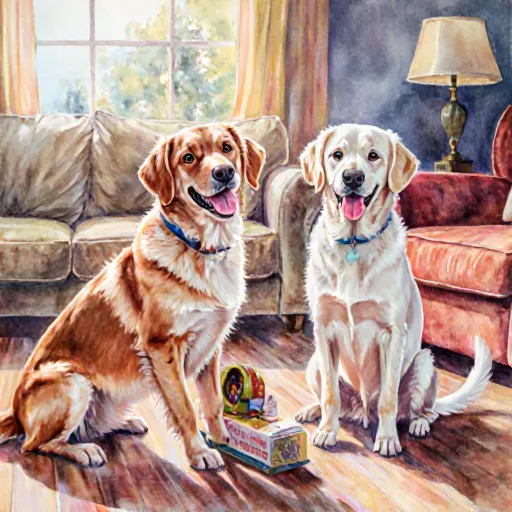
Embrace Senior Dogs for Lifelong Companionship
Senior Dogs Offer Unconditional Love and Loyalty
Table of Contents
- Choosing the Right Senior Dog
- Understanding Senior Dogs' Needs
- Establishing a Routine
- Providing Adequate Exercise
- Nutritional Considerations for Seniors
- Veterinary Care and Preventive Medicine
- Handling Behavioral Changes
- Creating a Safe Environment at Home
- Managing Health Issues Common in Senior Dogs
- Providing Mental Stimulation and Enrichment
- Preparing for Potential Future Needs
- Building a Supportive Community
- Understanding the Emotional Impact on Adopters
- Conclusion
- FAQs
Choosing the Right Senior Dog
Selecting a senior dog as a pet is not only rewarding but also offers unique companionship and affection. However, adopting an older pup requires careful consideration to ensure both you and your senior dog have a harmonious living environment. Here are some essential tips to help you choose the right senior dog for your family.
Assess Your Lifestyle
Before embarking on this journey, it's crucial to evaluate your lifestyle and determine if adopting a senior dog will fit into your daily routine. Senior dogs generally have lower energy levels and may require less vigorous exercise compared to younger puppies or adult dogs.
- Activity Level: If you are someone who enjoys long walks, hiking, and high-energy activities, a senior dog might not be the best fit. However, if your lifestyle is more relaxed and includes moderate walks and playtime, a senior dog could be a perfect match.
- Time Commitment: Senior dogs typically do not require as much time for training or playing as younger dogs. This makes them ideal companions for busy individuals who may have less time available for their pets.
Consider Health Needs
Senior dogs often come with specific health needs that should be taken into account before adopting. Here are some key factors to consider:
- Dietary Requirements: Senior dogs may need a special diet formulated for their age and any existing health conditions, such as arthritis or kidney issues.
- Veterinary Care: Regular veterinary check-ups are essential to monitor the dog's overall health. Ensure you can commit to these visits without stress.
- Potential Health Issues: Senior dogs may have pre-existing conditions that require ongoing treatment or management, such as hip dysplasia or heart disease. Research the breed and discuss any potential issues with the shelter or breeder.
Behavioral Considerations
The behavior of a senior dog can vary widely depending on their past experiences and training. Here are some points to consider:
- Potty Training: Senior dogs, especially those that have lived in shelters or had limited early socialization, may require potty training similar to puppies.
- Training Needs: If the dog has not been trained, you will need patience and consistency. Older dogs can still learn new tricks, but it might take more time and effort.
- Socialization: Ensure the dog is comfortable with your household members and other pets. Senior dogs may be less adaptable to sudden changes in their environment or routine.
Prepare for a Long-Term Commitment
A senior dog brings a lifetime of love and companionship, but it also means making long-term commitments. Here are some considerations:
- Financial Responsibility: Senior dogs may have higher medical costs due to the need for regular check-ups and potential treatments.
- Mental Stimulation: Even as they age, senior dogs benefit from mental stimulation. Puzzle toys, training sessions, and interactive play can keep their minds sharp.
- Patient Care: Be prepared to offer extra care and patience during times when the dog might be unwell or in pain. This could involve spending more time with them, ensuring they are comfortable, and providing emotional support.
In conclusion, adopting a senior dog is a wonderful choice if you're ready for the unique challenges and rewards it brings. By carefully considering your lifestyle, health needs, and behavioral expectations, you can make an informed decision that will benefit both you and your new furry friend.
Understanding Senior Dogs' Needs
When adopting a senior dog, it's essential to understand their unique needs. Unlike younger dogs, seniors often have different health requirements and behavioral changes that require special attention. Here are some key aspects to consider:
Senior dogs are more prone to age-related health issues such as arthritis, heart disease, kidney problems, and cognitive decline. Regular veterinary check-ups are crucial to monitor their overall health and catch any potential issues early.
Example: A senior dog might require specific dietary changes to manage joint pain or support kidney function. Consulting with a veterinarian can help tailor a diet that meets the individual dog's needs.
Senior dogs may experience cognitive decline, which can lead to confusion, lethargy, or even separation anxiety. Providing mental stimulation through interactive toys and structured routines can help keep their minds sharp and reduce stress.
Example: Introducing puzzle feeders that require the dog to work for its food can provide both physical exercise and cognitive challenge. Gentle walks in familiar surroundings also help maintain a sense of routine and well-being.
Senior dogs typically have less energy and may need lower-impact exercises like gentle walking or swimming to stay active without overexerting themselves. Regular but moderate exercise helps improve circulation, muscle tone, and overall mobility.
Example: Instead of long runs, focus on short, daily walks that allow the dog to move at its own pace. Swimming can be particularly beneficial as it provides resistance without putting stress on joints.
A senior dog's dietary needs often change as they age. Their digestive system may require more easily digestible food, and their calorie intake might need to be reduced if they are less active. Consulting with a vet can help determine the best diet for your senior dog.
Example: A high-quality senior dog food that is grain-free or hypoallergenic may be suitable depending on the dog's specific health issues and preferences.
As dogs age, they may need more rest and a quieter environment. Creating a comfortable sleeping area with soft bedding can help them feel secure and well-rested. It’s also important to adapt your home environment by ensuring easy access to food and water dishes.
Example: Raising food and water bowls slightly off the ground or placing them on ramps can make it easier for senior dogs to reach their food and water without straining.
- Provide plenty of love, care, and attention.
- Respect their pace and don't rush them.
- Keep their environment clean and free from hazards.
- Be patient with any changes in behavior or routine.
In conclusion, understanding the unique needs of senior dogs is vital for providing them with a comfortable and happy life. By being attentive to their health, mental state, exercise levels, diet, and lifestyle adjustments, you can ensure that your senior dog enjoys its golden years.
Establishing a Routine
Establishing a routine is crucial when adopting senior dogs into your home. Just as with puppies, having a consistent schedule can help your dog feel more secure and comfortable in their new environment. Here are some best tips for establishing a routine that will work well for both you and your senior dog:
1. Understand Their Age and Health
Before setting up any routines, it's essential to understand the age and health of your senior dog. Senior dogs typically range from 7 years old and above, but their needs can vary depending on breed, size, and overall health condition. Consult with your veterinarian if you're unsure about how best to approach your dog’s specific needs.
For example, if your senior dog has hip dysplasia or arthritis, they might need more rest and shorter walks. On the other hand, if they are still active, they may require a more stimulating routine with some playtime included.
2. Create a Consistent Schedule
A consistent daily schedule helps your senior dog feel secure and can reduce stress associated with unexpected changes in their environment. Here’s how you can create a schedule:
- Meal Time: Feed your senior dog at the same time each day. This not only ensures they get the nutrients they need but also helps maintain regular digestive health.
- Potty Breaks: Seniors might have more frequent bathroom needs, so take them out several times a day. Be patient and wait for signals such as circling or whining to indicate it's time to go outside.
- Sleep Time: Establish a specific bedtime and wake-up time if possible. This helps regulate their internal clock and can aid in better sleep quality.
3. Exercise Appropriately
Regular exercise is important for senior dogs, but it should be adapted to meet their current health needs. Walking your dog slowly or allowing them short bursts of playtime can provide mental and physical stimulation without overexerting them.
Tips: If your senior dog has mobility issues, consider gentle exercise like swimming or low-impact activities that are easier on joints. Always monitor their activity level to avoid exhaustion.
4. Mental Stimulation
Mental stimulation is equally important for senior dogs as it keeps them engaged and sharp. This can be achieved through various methods:
- Puzzle Toys: Use food-based puzzle toys or treat-dispensing devices to challenge your dog’s mind.
- Training: Short training sessions using positive reinforcement techniques can help maintain and even improve cognitive function in senior dogs.
- Socialization: Arrange supervised playdates with other friendly seniors or younger dogs that are in good health to provide social interaction and fun.
5. Regular Vet Check-Ups
Even if your senior dog seems healthy, regular check-ups are vital to monitor their overall well-being and catch any potential issues early on. Discuss with your vet about the best frequency of visits based on your dog’s health status.
6. Patience and Compassion
Senior dogs might experience some cognitive decline or physical challenges that can make them more sensitive to changes in routine. Be patient, gentle, and compassionate as you establish routines. This approach not only benefits your dog but also strengthens the bond between you both.
By following these tips, you can help create a comfortable and fulfilling life for your senior dog while making sure they are happy and healthy. Remember that each senior dog is unique, so tailor these suggestions to fit their individual needs and preferences.
Providing Adequate Exercise
Providing adequate exercise is crucial for senior dogs, as it helps maintain their physical health and mental well-being. As dogs age, their energy levels may decrease, but regular, gentle exercise can still play a vital role in keeping them active and happy.
Tips for Providing Adequate Exercise to Senior Dogs
- Start Slowly: Begin with short, low-impact activities. A 5-10 minute walk is often sufficient for a senior dog's first few days of exercise.
- Choose Low-Impact Activities: Opt for exercises that are easy on the joints such as swimming or walking in grassy areas rather than hard surfaces like concrete.
- Monitor Their Breathing and Pace: Keep an eye on your dog's breathing. If it becomes labored, reduce the exercise intensity. Avoid vigorous activity that could lead to overheating or strain.
- Incorporate Mental Stimulation: Engage their mind with simple obedience commands or puzzle toys. This can keep them mentally sharp and entertained without being physically demanding.
Examples of Gentle Exercises for Senior Dogs
- Walking in the Park: Choose a park where the ground is soft and there are not too many steps or steep inclines. This allows your dog to walk at its own pace without feeling overwhelmed.
- Swimming: Swimming is excellent for senior dogs as it provides cardiovascular exercise with minimal stress on their joints.
- Puzzle Toys and Food Games: Use interactive toys that require your dog to work for a treat. This can be both mentally stimulating and physically engaging without being too strenuous.
Practical Advice for Exercising Senior Dogs
It's important to listen to your senior dog's body cues. Signs of fatigue might include panting, lagging behind, or showing signs of distress such as whining or limping. Always ensure there is adequate rest between exercise sessions.
Dietary Considerations: Ensure that the type and amount of food your senior dog consumes aligns with their activity levels. Consult a veterinarian if you are unsure about dietary adjustments needed for your senior pet.
Vet Check-Ups: Regular visits to the vet can help monitor any health issues that might affect your dog's ability to exercise safely and effectively. Always discuss your exercise routine with your vet to ensure it is suitable for your dog’s age and condition.
Nutritional Considerations for Seniors
The nutritional needs of seniors are different from those of younger dogs, much like how senior humans have unique dietary requirements. Just as best tips exist for adopting senior dogs, careful consideration must be given to the diet of aging pets to ensure they stay healthy and comfortable in their later years.
- Better Digestive Health: As dogs age, their digestive systems become less efficient. Foods with high-quality proteins and easily digestible carbohydrates are essential to maintaining a healthy digestive system. Look for dog foods that contain prebiotics or probiotics which can aid in digestion.
- Maintaining Joint Health: Older dogs often suffer from joint pain, so it's crucial to provide them with adequate amounts of omega-3 fatty acids, such as those found in fish oil. These help reduce inflammation and promote joint flexibility. Incorporating glucosamine into their diet can also be beneficial.
- Promoting Skin and Coat Health: Maintaining a healthy coat is important for both comfort and appearance. Omega-6 fatty acids are vital here as they support skin health. Additionally, providing sufficient levels of vitamins E and C helps protect against oxidative stress which can damage the skin.
To help manage your senior dog's diet, consider consulting with a veterinarian who specializes in animal nutrition. They can recommend specific brands or types of food based on your pet’s health condition and individual needs. Regular check-ups are also recommended to monitor any changes that might affect nutritional requirements.
- Dog Food Example: Hill's Science Diet Senior, formulated with ingredients like glucosamine and chondroitin for joint health support.
- Vitamins: Adding a small amount of fish oil supplements to your dog’s diet can help improve overall skin condition and reduce inflammation. Always consult your vet before adding any supplement.
Just like when adopting a senior dog, where providing a loving environment and regular care is essential, ensuring proper nutrition plays a crucial role in maintaining the quality of life for senior pets. By focusing on these key areas - digestive health, joint maintenance, and skin & coat health - you can help your elderly pet live longer and more comfortably.
Veterinary Care and Preventive Medicine
Adopting a senior dog can be an incredibly rewarding experience, but it also comes with unique challenges. Proper veterinary care and preventive medicine are crucial to ensuring your elderly pet lives a long, healthy, and comfortable life. Here are some best tips that can help you provide the necessary care for your senior dog:
Regular Vet Visits
Seniors dogs require more frequent vet visits than younger dogs due to age-related health issues. Establishing a routine with your veterinarian is essential. During these visits, the vet can monitor any potential health problems early and adjust medications or treatments as needed.
- Yearly Check-ups: Even if your dog seems healthy, regular check-ups help catch diseases early when they are more treatable.
- Vaccinations: Senior dogs may need fewer vaccinations but still require some to protect against certain diseases. Discuss with your vet what’s appropriate for your senior pet.
- Treatment Monitoring: Chronic conditions such as arthritis, heart disease, or diabetes should be closely monitored and managed by a veterinarian.
Dietary Adjustments
A balanced diet is critical for senior dogs to maintain their overall health. Dietary needs change with age, so it’s important to provide food that meets these new requirements:
- Reduced Calories: Obesity in older dogs can lead to serious health issues like diabetes and arthritis. Reduce the calorie content of your dog's diet while ensuring they still get all necessary nutrients.
- High-Quality Protein: Senior dogs need high-quality protein for muscle maintenance but should avoid overfeeding, which can strain their kidneys.
- Fiber and Moisture: Adding fiber can help with digestion, while adequate moisture in the diet can prevent constipation, a common problem in older dogs.
Pain Management
Pain management is a key part of senior dog care. Many senior dogs suffer from joint pain and inflammation due to conditions like arthritis. Here’s how you can manage this:
- Medications: Non-steroidal anti-inflammatory drugs (NSAIDs) prescribed by your vet can help reduce pain and inflammation.
- Supplements: Glucosamine, chondroitin sulfate, and omega-3 fatty acids are supplements that may alleviate joint pain.
- Pain-Free Environment: Ensuring your senior dog has a comfortable place to rest can reduce discomfort. Consider soft, raised beds or cushions.
Dental Care
Dental health is often overlooked but plays a significant role in the overall well-being of senior dogs:
- Brushing: Brush your dog's teeth at least once a week to prevent plaque buildup, which can lead to gum disease and tooth loss.
- Dental Treats: Use dental treats that are specifically designed for senior dogs as they help keep the mouth clean.
- Professional Cleanings: Regular professional teeth cleaning by your vet is essential. Seniors may need more frequent cleanings due to faster plaque and tartar accumulation.
Mental Stimulation
To keep your senior dog's mind active, providing mental stimulation can be very beneficial:
- Interactive Toys: Engage in playtime with interactive toys that challenge your dog’s thinking and problem-solving skills.
- Training: Keep up training sessions. Short but frequent training sessions can help maintain cognitive function.
- Environmental Enrichment: Rotate toys, add new scents or sounds, or create new pathways in the house to keep your dog mentally engaged.
Comfortable Environment
A comfortable environment can greatly enhance the quality of life for senior dogs:
- Bedding: Provide soft, warm bedding in a quiet and secure area. This helps your dog feel safe and supported.
- Temperature Control: Ensure that the room where your dog spends most of its time is neither too hot nor too cold. A stable temperature can prevent stress on their bodies.
- Potty Training Assistance: Seniors dogs may have more frequent bathroom breaks, so it's important to make sure they are easily accessible and that you train them appropriately for this change in mobility or health condition.
In conclusion, the key to providing proper veterinary care and preventive medicine for senior dogs lies in proactive management. Regular visits to your vet, a balanced diet adjusted for age, pain management techniques, good dental hygiene, mental stimulation, and a comfortable environment are all crucial elements of senior dog care.
Handling Behavioral Changes
Handling behavioral changes with senior dogs can be a challenging but rewarding part of their care. As dogs age, they may experience various physical and emotional changes that can affect their behavior. Understanding these changes is crucial for providing the best support during this time. Here are some tips to help manage common behavioral issues in aging dogs:
Identify Underlying Causes
Many behavioral changes in senior dogs have physical causes rather than psychological ones. Common health issues such as arthritis, hearing loss, or vision problems can lead to discomfort and frustration, causing stress for the dog. Regular veterinary check-ups are essential to identify any underlying medical conditions that might be affecting your pet's behavior.
Establish a Routine
A consistent daily routine helps senior dogs feel secure and reduces anxiety. Dogs thrive on structure, especially as they age. Try to maintain regular feeding times, walk schedules, and play sessions. Consistency in these activities can help reduce stress and anxiety for your dog.
Provide Mental Stimulation
Mental stimulation is just as important for senior dogs as physical exercise. Engage your dog's mind with puzzle toys or interactive games. This not only helps prevent boredom but also keeps their brain sharp, which can be particularly beneficial in maintaining cognitive health.
Use Positive Reinforcement Training
Positive reinforcement training is effective at any age but especially helpful for senior dogs who may be slower to learn new commands due to physical limitations. Reward desired behaviors with treats or praise instead of punishment, which can cause further stress. This approach strengthens the bond between you and your dog while encouraging good behavior.
Adjust Physical Environment
The environment around your senior dog should be adapted to meet their changing needs. For instance, consider adding ramps or steps for easier access to furniture or outside areas. Make sure there are soft, comfortable spaces where they can rest without strain. Additionally, keep a close eye on their temperature and provide adequate heating or cooling depending on the weather.
Stay Patient and Compassionate
Senior dogs require extra patience and understanding from both you and your family members. Be patient during training sessions and allow them more time to recover after physical activities. Show compassion by spending quality time with them, whether it’s cuddling or simply talking softly.
Consider Behavioral Modifications
If behavioral issues persist despite efforts to address underlying health concerns and make environmental adjustments, consult a professional dog trainer or animal behaviorist who specializes in senior dogs. They can offer tailored advice on modifying specific behaviors effectively while ensuring the safety and comfort of your pet.
Remember, every senior dog is unique, so finding what works best for your particular furry friend will involve some trial and error. However, by being attentive to their needs and making necessary adjustments, you'll be providing them with a more comfortable and happy晚年
When adopting a senior dog into your home, creating a safe environment is crucial to ensure their comfort and well-being. Here are some best tips that can help you make your home a secure space for your elderly canine friend: Maintaining soft surfaces throughout the house can greatly enhance your senior dog's comfort. Opt for plush carpets, cozy blankets, and soft bedding to provide cushioning that is gentle on their aging joints. For example, placing a thick rug in front of the entrance door or near the stairs will make walking easier for them. Non-slip flooring is essential to prevent slips and falls which can be particularly dangerous for senior dogs with declining mobility. Consider installing rubber mats in key areas such as bathrooms, kitchens, and near staircases. These mats provide extra grip and reduce the risk of accidents. Making your home more accessible to your senior dog can significantly improve their quality of life. Ensure that there are no obstacles on floors or pathways that could trip them up. This includes keeping toys, shoes, and other items out of walkways. Arrange furniture in a way that ensures your senior dog can easily navigate through the space without any hindrances. For instance, move coffee tables or bookshelves to make pathways wider. This allows them to maneuver around furniture with ease. Raising food and water bowls to a height that is comfortable for your senior dog can prevent strain on their neck and back. You can use commercially available elevated feeding stands or create DIY versions using blocks or books. This simple change can greatly reduce stress during eating and drinking. Regularly check your home for potential hazards such as loose wires, sharp edges, or exposed nails that could pose a threat to your senior dog. Keeping the home clean and well-maintained also helps in ensuring their safety. For example, repairing any broken furniture or fixing loose tiles promptly. While it's important to keep things safe for your senior dog, you should also provide them with plenty of environmental enrichment to keep them mentally stimulated and happy. This could include interactive toys that encourage movement or simple puzzle feeders that stimulate their minds. In conclusion, creating a safe environment at home for your senior dog involves thoughtful consideration of various elements from soft surfaces to regular maintenance. By implementing these tips, you can make sure that your elderly canine friend enjoys a comfortable and secure living space, enhancing their overall quality of life. As our furry friends age, it's important to be prepared for the health issues that may arise. Managing these issues can greatly enhance your senior dog's quality of life and ensure they enjoy their golden years with you. Regular visits to the vet are crucial in monitoring any potential health issues early on. This includes routine check-ups, vaccinations, and dental care. Early detection can significantly improve treatment outcomes for conditions like arthritis or heart disease. Example: A senior dog may show signs of arthritis such as stiffness after walking or difficulty jumping up onto furniture. Regular visits to the vet can help in managing this condition with medication and physical therapy. Aging dogs often have different nutritional needs compared to their younger counterparts. A diet rich in antioxidants, omega-3 fatty acids, and glucosamine can support joint health and overall well-being. Discuss with your vet the best dietary adjustments for your senior dog. Example: Transitioning a senior dog to a high-quality dog food brand that emphasizes joint and digestive health can lead to better mobility and comfort. Senior dogs may require more rest due to aches and pains, so providing them with soft, warm beds or blankets in quiet areas of your home is essential. This helps reduce stress and promotes better sleep patterns. Example: Placing a heated bed in a cozy corner can make resting much more comfortable for an elderly dog suffering from arthritis. Moderate exercise is important to maintain muscle mass and joint health, but it’s crucial to avoid activities that could exacerbate existing conditions. Activities such as walking at a relaxed pace or swimming can be beneficial for senior dogs. Example: A daily 20-minute walk on a leash can provide necessary physical activity while being gentle on the joints of an elderly dog. Pain management is key for maintaining your senior dog’s comfort and happiness. Medications prescribed by your vet, as well as natural remedies like CBD oil (consult with a veterinarian first), can help manage pain effectively. Example: Using low-dose anti-inflammatory medications under the supervision of a vet can alleviate joint pain without causing side effects that could be harmful to an elderly dog's system. Mental stimulation is just as important for senior dogs as physical health. Engaging your dog in cognitive activities, such as puzzle toys or training sessions, can help keep their minds sharp and engaged. Example: Providing interactive feeding games that require problem-solving skills can be both fun and mentally stimulating for a senior dog. By addressing the common health issues faced by senior dogs with regular veterinary care, proper diet adjustments, comfortable rest areas, moderate exercise, effective pain management, and mental stimulation, you can ensure that your adopted senior dog enjoys a fulfilling and healthy life. Remember, each dog is unique, so always tailor these tips to suit your pet's specific needs. Providing mental stimulation and enrichment for senior dogs is just as important as physical activity. As they age, their cognitive abilities may start to decline, which can lead to boredom and frustration. Keeping them mentally active not only helps maintain their sharpness but also enhances their overall quality of life. A consistent daily routine provides senior dogs with structure and security, which is crucial for their mental well-being. Regular feeding times, walk schedules, and play sessions help them understand what to expect each day, reducing stress and anxiety. Using interactive toys can significantly enhance a senior dog's cognitive function. Puzzle feeders that require the dog to work for their food are particularly effective. For example, you could use treat-dispensing balls or hide treats around the house for your senior dog to find. This not only keeps them physically active but also challenges their minds. Even if your senior dog has learned basic commands, short training sessions can be very beneficial. These should focus on positive reinforcement and simple tasks that are easy for older dogs to remember and perform. For instance, teaching them to "sit" or "come" can provide mental stimulation without being too strenuous. Setting up an obstacle course in your backyard or living room is a fun way to keep senior dogs engaged and active. Simple obstacles like tunnels, steps, and hurdles can be easily constructed with household items. This activity helps maintain their coordination and balance while providing mental challenges. A less conventional but highly effective method is reading books aloud to your senior dog. Studies have shown that the sound of a human voice can be calming and intellectually stimulating for dogs, especially older ones who may prefer lower levels of activity. Consider joining a local senior dog group or attending social events designed specifically for older pets. These activities provide opportunities for your dog to interact with other seniors in a safe and supportive environment, fostering both mental and social enrichment. Incorporate cognitive enhancement foods into your senior dog's diet. Ingredients like blueberries, salmon oil, and omega-3 fatty acids have been shown to support brain health in dogs. Consult with your veterinarian to ensure these additions are suitable for your dog's specific needs. Making the environment more stimulating can also help keep senior dogs mentally sharp. This could involve adding new scents, sounds, or visual elements to their living space. For example, playing music or using diffusers that emit calming scents like lavender. Remember, every senior dog is unique, so it's important to observe your pet and adjust the activities according to their individual preferences and health needs. The goal is to make sure they continue to enjoy life and remain mentally stimulated throughout their golden years. When adopting a senior dog, it's essential to prepare for potential future needs. Just as with human seniors, dogs of advanced age can develop various health issues that may require extra care and attention. Here are some best tips to help you adopt a senior dog successfully: The first step in preparing for the future is understanding what it means to have a senior dog. As dogs age, their physical abilities diminish, and they may need more rest, regular veterinary check-ups, and special diets. For example, a senior dog might require joint supplements if arthritis develops or special food to support kidney function. To ensure your senior dog feels safe and comfortable at home, create an environment that accommodates their reduced mobility. Consider placing soft beds in areas where they can easily access them, such as near windows or by the front door. Additionally, ensure that stairs are navigable or provide ramps for easy access to higher spaces. A predictable routine can greatly benefit senior dogs. Consistent feeding times, walks, and play sessions help reduce stress and maintain their well-being. For instance, if you usually take your dog out first thing in the morning for a walk, stick to this schedule as much as possible. This consistency will also make it easier to spot any changes in behavior or health that may indicate illness. Senior dogs are more prone to certain medical conditions such as heart disease, diabetes, and cancer. Regular visits to the vet can help catch these issues early, improving treatment outcomes and quality of life. Make sure you have a good understanding of your dog's health history and any potential hereditary conditions. The cost of caring for a senior dog can be higher due to increased vet visits, medication needs, and specialized diets. Set aside funds specifically for these expenses. Consider pet insurance or setting up a savings plan that allows you to allocate money regularly towards your senior dog's healthcare. Senior dogs often develop strong emotional bonds with their owners, which can enrich both of your lives during this time together. Focus on quality rather than quantity when it comes to activities and time spent together. Simple interactions like petting, talking, or watching TV can be just as meaningful. If you're traveling or face unexpected situations where you might not be able to care for your senior dog, plan ahead for backup options such as trusted friends, family members, or professional pet sitters. Building a supportive community is essential when adopting senior dogs, as it can significantly enhance their quality of life and your experience as a pet owner. The transition into retirement for older dogs often means dealing with health issues, behavioral changes, and emotional adjustments that require the right support network. Here are some best tips to help you create such a community: Joining groups or forums specifically dedicated to senior dogs can provide a wealth of knowledge and emotional support. Websites like Petfinder, Facebook groups, and local animal shelters often have communities where people discuss the unique needs of older pets. For example, you might find stories about managing arthritis pain or training techniques suitable for aging dogs. A predictable daily routine is crucial for senior dogs to feel secure and comfortable in their new environment. Consistency helps reduce stress and anxiety associated with changes. For instance, feeding times, walks at the same time each day, and play sessions should be maintained as closely as possible. Involving family members or close friends in your senior dog's care can provide additional support when you're busy or need a break. Teach everyone about the specific needs of older dogs, such as recognizing signs of discomfort or fatigue. For example, if your family is aware that your senior dog tires easily after walks, they can help manage this by keeping walks short and leisurely. Regular veterinary check-ups are essential for monitoring the health of senior dogs. Don't hesitate to reach out to veterinarians with any concerns or questions about your dog's behavior or health changes. Additionally, consider consulting a professional trainer who specializes in senior pets for advice on behavioral issues that may arise. To keep your senior dog mentally and physically active, incorporate activities tailored to their abilities. This could include puzzle toys designed specifically for older dogs, short training sessions focused on previously learned commands, or gentle games of fetch using lightweight balls. A supportive community can also mean fostering a positive home environment where your senior dog feels loved and valued. Decorate your home with items that make them feel at ease, such as soft blankets or cozy beds. Ensure the home is free from hazards that could cause injury, especially if mobility becomes an issue. Sometimes, senior dogs may experience emotional challenges due to changes in their lives. Being patient and understanding goes a long way in supporting them emotionally. Spend quality time with your dog, offering affectionate touches and verbal reassurance when they seem anxious or uneasy. By building a supportive community around the adoption of senior dogs, you not only ensure their well-being but also enrich their lives significantly during this important chapter. Remember, every little bit of care and support can make a big difference in the life of your aging pet. Understanding the emotional impact on adopters is crucial when it comes to adopting senior dogs. These animals often come with a unique set of needs, but they also offer incredible companionship and love. Senior dogs can bring immense joy, comfort, and emotional fulfillment to their new homes. However, this transition can be challenging for both the dog and the adopter. The decision to adopt a senior dog can have profound positive effects on one's mental health. Studies show that pet ownership, especially with older dogs, can reduce feelings of loneliness and isolation. Seniors who adopt these dogs often report feeling more connected and valued. Senior dogs are usually housebroken and already trained, which means less stress for the adopter during the early stages of living together. They also tend to be calmer and require less exercise compared to younger puppies, making them ideal companions for those who have busy schedules or physical limitations. While there are many benefits, adopting a senior dog can come with its own set of challenges. One common challenge is dealing with the potential health issues that may arise as the dog ages. Regular vet visits and managing any health conditions can be time-consuming and costly. It’s important for adopters to thoroughly research their chosen breed’s common health concerns before deciding to take on a senior companion. Another challenge is adapting to a dog who has different behaviors or routines that may not align perfectly with the adopter's lifestyle. Senior dogs often have slower metabolisms and require less exercise, which can be difficult for owners used to high-energy dogs. It’s essential for both the adopter and the senior dog to adjust to each other's needs. In conclusion, adopting a senior dog can be incredibly rewarding. By understanding the emotional impact on both the adopter and the dog, you can make an informed decision that benefits everyone involved. With proper preparation and care, these companions can provide years of love and happiness to their new families. When adopting senior dogs into your home, there are several best tips that can help ensure they have a happy and comfortable life. First, it's essential to understand their unique needs. Senior dogs may require more time for activities and need gentle exercise routines like short walks or low-impact games. This ensures they stay active without overexerting themselves. Another critical aspect is providing appropriate nutrition that caters to their specific health requirements as they age. Consulting with a veterinarian can help in choosing the right diet, which may include higher protein content and lower calorie intake to support joint mobility and overall health. Feeding them small, frequent meals instead of three large ones throughout the day can also be beneficial. Comfort is paramount for senior dogs. Ensure their living space is warm and cozy, with soft bedding that they can easily access. Regularly check for any signs of discomfort or pain and consult a vet if you notice anything unusual. Providing a stress-free environment by avoiding loud noises and quick movements around them is also crucial. Lastly, giving lots of love and affection cannot be overstated. Senior dogs often feel more anxious as they age due to changes in their bodies or the loss of companionship from other pets who may have passed away. Spending quality time with them through gentle petting, playing (if they're still up for it), and providing verbal reassurance can greatly improve their mood and well-being. In summary, adopting senior dogs into your home requires extra care and attention to detail but is incredibly rewarding. By focusing on meeting their unique needs, ensuring a comfortable living environment, providing proper nutrition, and offering lots of love, you can help them enjoy the golden years of life in a loving family. For more detailed information, refer to "Best Tips for Adopting Senior Dogs," which provides comprehensive guidance tailored specifically for those looking to welcome senior dogs into their homes. This resource emphasizes the importance of understanding and meeting the specific needs of older pets to ensure they live out their remaining years in comfort and happiness. Adopting a senior dog can be incredibly rewarding, but it also comes with its own set of challenges. Here are some key tips to help you prepare and ensure a happy home for your new senior companion. When adopting a senior dog, it's important to consider their specific needs. Look for a shelter or rescue organization that specializes in elderly pets. These organizations often have more information about each dog’s health and personality, which can help you find the right match. Senior dogs often need extra comfort and support in their environment to manage any mobility issues or health concerns they may have. Here are some practical steps you can take: A proper diet is crucial for a senior dog's overall health. Here’s what you should keep in mind: Grooming and daily care play an important role in maintaining your senior dog's health and comfort: While senior dogs may not require as much exercise as younger ones, it’s important to keep them active: Senior dogs often benefit greatly from the emotional support of their human companions. Here’s how you can provide it: Adopting a senior dog is a wonderful choice, but it requires dedication and care. By following these tips, you can ensure that your new furry friend enjoys a comfortable and loving home in their golden years.Creating a Safe Environment at Home
1. Soft Surfaces
2. Non-Slip Flooring
3. Accessibility
4. Safe Furniture Placement
5. Elevated Food and Water Bowls
6. Regular Maintenance
7. Environmental Enrichment
Conclusion
Managing Health Issues Common in Senior Dogs
1. Regular Veterinary Check-ups
2. Adjusting Diet
3. Providing Comfortable Rest Areas
4. Encouraging Low-Impact Exercise
5. Managing Pain
6. Mental Stimulation
Conclusion
Providing Mental Stimulation and Enrichment
Create a Routine
Interactive Toys
Training Sessions
Obstacle Courses
Reading Books Aloud
Group Activities
Cognitive Enhancement Foods
Environmental Enrichment
Preparing for Potential Future Needs
1. Understand Senior Dog Needs
2. Create a Comfortable Living Space
3. Establish a Routine
4. Prepare for Potential Health Issues
5. Budget for Ongoing Care
6. Embrace the Emotional Bond
7. Consider Backup Care Options
Building a Supportive Community
1. Connect with Other Senior Dog Owners
2. Establish a Routine
3. Involve Family and Friends
4. Seek Professional Advice
5. Create Enriching Activities
6. Foster a Positive Environment
7. Offer Emotional Support
Understanding the Emotional Impact on Adopters
Conclusion
FAQs
Finding the Right Dog
Creating a Comfortable Environment
Nutrition and Diet
Daily Care and Grooming
Exercise and Play
Emotional Support
Conclusion
Categories
- AI & Enrichment Play
- Broiler Farming
- Broiler Farming Tips
- Canine Wellness & Longevity
- Cat
- Cat & Human Connection
- Cat Adoption & Rescue
- Cat Breeds
- Cat Breeds & Personalities
- Cat Care & Health
- Cat Grooming & Hygiene
- Cat Lifestyle & Environment
- Cat Myths & History
- Cat Nutrition & Diet
- Cat Products & Reviews
- Cat Training & Behavior
- Comparison
- Consumer Awareness
- Dog
- Dog Accessories & Products
- Dog Adoption & Rescue
- Dog Breed & Lifestyle Trends
- Dog Breeding & Puppies
- Dog Entertainment & Media
- Dog Fashion & Trends
- Dog Fun & Lifestyle
- Dog Grooming & Hygiene
- Dog History & Culture
- Dog Myths, Science & Future Tech
- Dog News & Trends
- Dog Nutrition & Food
- Dog Psychology & Emotions
- Dog Safety & Security
- Dog Sports & Activities
- Dog Technology & Innovation
- Dog Training for Modern Owners
- Dog Travel & Adventure
- Dog Travel, Adventure & Culture
- Economic and Market Insights
- Educational Content
- FAQs
- Feeding Alternatives
- Festivals & Seasonal Ideas
- Fun & Entertainment
- General Knowledge
- General Pig Farming
- Health & Disease Management
- Housing and Environment
- Kittens
- Market Insights
- Miscellaneous
- Miscellaneous
- Motivational
- pig
- Pig Breeding
- Pig Breeds
- Pig Farming Stories and Inspiration
- Pig Health and Care
- Pig Nutrition
- Pig Products
- Profitability & Business
- Puppy Care
- Puppy Predictable Topics Reinvented
- Regional Focus
- Rescue & Adoption Buzz
- Senior Cats
- Senior Dog Care
- Smart Dog Tech & Gadgets
- Sustainability
- Sustainable & Eco-Friendly Dog Products
- Tech & Innovations
- Working & Service Dogs
- Broiler Feed66 products
- Country Feed33 products
- Pig Feed66 products
- Product22 products
- Raw Materials99 products
Products
-
 Fish Meal
₹1,999.00 – ₹2,999.00Price range: ₹1,999.00 through ₹2,999.00Rated 0 out of 5
Fish Meal
₹1,999.00 – ₹2,999.00Price range: ₹1,999.00 through ₹2,999.00Rated 0 out of 5 -
 FATTENING BROILER FEED
₹2,299.00 – ₹2,349.00Price range: ₹2,299.00 through ₹2,349.00Rated 0 out of 5
FATTENING BROILER FEED
₹2,299.00 – ₹2,349.00Price range: ₹2,299.00 through ₹2,349.00Rated 0 out of 5 -
 LAYER COUNTRY FEED
₹1,549.00 – ₹1,649.00Price range: ₹1,549.00 through ₹1,649.00Rated 0 out of 5
LAYER COUNTRY FEED
₹1,549.00 – ₹1,649.00Price range: ₹1,549.00 through ₹1,649.00Rated 0 out of 5 -
 COUNTER BROILER FEED
₹1,199.00 – ₹1,299.00Price range: ₹1,199.00 through ₹1,299.00Rated 0 out of 5
COUNTER BROILER FEED
₹1,199.00 – ₹1,299.00Price range: ₹1,199.00 through ₹1,299.00Rated 0 out of 5 -
 LACTATING PIG FEED
Rated 0 out of 5
LACTATING PIG FEED
Rated 0 out of 5₹2,299.00Original price was: ₹2,299.00.₹1,740.00Current price is: ₹1,740.00. -
 Maize
Rated 0 out of 5
Maize
Rated 0 out of 5₹1,650.00Original price was: ₹1,650.00.₹1,300.00Current price is: ₹1,300.00. -
 GESTATION PIG FEED (Phase 1)
Rated 0 out of 5
GESTATION PIG FEED (Phase 1)
Rated 0 out of 5₹2,249.00Original price was: ₹2,249.00.₹1,699.00Current price is: ₹1,699.00. -
 Pre Starter Broiler Feed
₹2,399.00 – ₹2,499.00Price range: ₹2,399.00 through ₹2,499.00Rated 0 out of 5
Pre Starter Broiler Feed
₹2,399.00 – ₹2,499.00Price range: ₹2,399.00 through ₹2,499.00Rated 0 out of 5 -
 FINISHER PIG FEED
Rated 0 out of 5
FINISHER PIG FEED
Rated 0 out of 5₹2,299.00Original price was: ₹2,299.00.₹1,749.00Current price is: ₹1,749.00. -
 Broiler Premix
Rated 0 out of 5
Broiler Premix
Rated 0 out of 5₹820.00Original price was: ₹820.00.₹699.00Current price is: ₹699.00.