
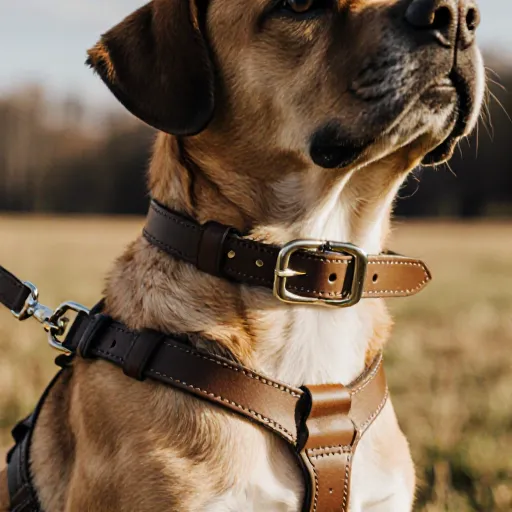
Pick Comfortably: Tips for Choosing Your Dog's Perfect Collar
How to Choose the Right Dog Collar or Harness
Table of Contents
- Understanding the Purpose of a Collar or Harness
- Evaluating Your Dog’s Lifestyle and Needs
- Choosing the Right Size for Comfort and Safety
- Types of Collars: Choose Between a Traditional Collar and a Harness
- Material Considerations: Factors to Consider When Selecting Material
- Durability and Quality: Importance of a Durable Product
- Adjustability Options: Ensure Proper Fit and Comfort
- Training Needs: Considerations for Obedience Training
- Puppy or Senior Dog: Special Considerations for Different Stages of Life
- Weather and Climate: Choosing a Collar or Harness Suitable for Various Conditions
- Budget: Balancing Cost with Features and Quality
- Color and Style: Personal Preferences and Branding
- Conclusion: Summarizing the Key Points for Choosing the Right Collar or Harness
- FAQ: Frequently Asked Questions About Dog Collars and Harnesses
Understanding the Purpose of a Collar or Harness
Choosing the right dog collar or harness is crucial for your pet's comfort, safety, and overall well-being. Understanding the purpose of each can help you make an informed decision that best suits your dog's needs.
Purpose of a Collar
A collar serves several important purposes:
- Identification: A collar is essential for identification, as it typically includes tags with your contact information. This ensures that if your dog ever gets lost or separated from you, authorities or kind-hearted people can easily return them to their owner.
- Blinking: In some cases, collars are designed to alert passersby that the dog is wearing a collar with a reflective material. This feature enhances visibility during night time walks and helps ensure your dog’s safety in low-light conditions.
- Leash Attachment: Collars are most commonly used with a leash to control and guide your dog. They provide a secure point at which the leash can be attached without risking injury or discomfort to the dog.
- Pooping Bag Attachments: Collars can be equipped with a small loop or pocket where you can attach pooper scooper bags. This is especially useful during walks, as it keeps your dog's waste contained and provides a convenient way to clean up after them without needing to carry extra bags.
For instance, some modern collars have a built-in pouch that allows you to easily clip on or off pooper scooper bags while walking the dog. This feature is particularly handy in public parks or other areas with strict rules about cleaning up pet waste.
For example, many collars come with a place where you can attach an ID tag with your name and phone number. It's also common to include the dog's vet information or emergency contact details on the tag.
For instance, many reflective collars have strips of fabric or materials that glow when illuminated by car lights, making it easier for drivers to see the dog on the walk.
For example, a standard buckle collar is often the go-to choice for walking dogs on leashes because it fits snugly around the neck while allowing easy attachment of the leash ring.
Purpose of a Harness
A harness provides an alternative to collars and often serves different purposes, especially for certain breeds or training needs:
- Comfort: A harness distributes the weight of the leash more evenly across the dog's body rather than concentrating it on their neck. This can be particularly beneficial for dogs that are sensitive to pressure around their necks.
- Better Control: Harnesses offer greater control than collars because they allow you to adjust the fit more precisely. This is important for training purposes, as it enables trainers to give clear and consistent commands without causing discomfort or pain to the dog.
- Avoiding Neck Strain: Some dogs have sensitive necks due to conditions like tracheal collapse or spinal issues. A harness can help reduce strain on their neck and shoulder area, promoting a more comfortable walking experience.
- Training Aid: Harnesses can be used as training aids for dogs with specific behavioral issues. They allow you to manage and redirect your dog's behavior in a way that is both effective and comfortable for them.
For example, a front-clip harness is designed to distribute pressure over the chest and shoulders, which can make walking easier for certain breeds like Great Danes or large dogs with long necks. It also helps prevent pulling and provides better control during walks.
For instance, when teaching a dog basic obedience commands like sit, stay, or come, a harness can provide better control over the dog's movements, making training more effective. It also helps prevent unwanted behaviors such as pulling on the leash during walks.
In these cases, a properly fitting harness can be a lifesaver for your dog's comfort during walks. For example, if you have a dog with a condition that causes them to breathe heavily or wheeze, using a front-clip harness may help reduce the risk of exacerbating their symptoms.
For instance, if your dog has a tendency to pull on the leash during walks, a front-clip harness can help gently guide them back towards you by pulling slightly on their chest. This helps reinforce the "come" command and encourages the dog to walk beside you without pulling.
Choosing the Right Collar or Harness
To choose between a collar and a harness, consider your dog's specific needs and preferences:
- Breeds: Some breeds have unique needs that might favor one over the other. For example, flat-faced breeds like Pugs or Bulldogs may benefit from a front-clip harness to prevent neck strain.
- Training: If your dog requires specific training, a harness with additional features such as a leash clip or chest straps might be more suitable for certain commands and exercises.
- Sensitivity: Dogs that are sensitive around their necks may benefit from a harness to avoid unnecessary discomfort. Always ensure the fit is correct and comfortable before choosing any type of collar or harness.
Evaluating Your Dog’s Lifestyle and Needs
To choose the right dog collar or harness, it is crucial to first evaluate your dog’s lifestyle and needs. This assessment will guide you towards selecting a product that not only fits your pet perfectly but also enhances their overall comfort, safety, and well-being during walks and other activities.
Understanding Your Dog's Personality
Your dog’s personality plays a significant role in determining the type of collar or harness they need. Dogs vary widely in terms of temperament, energy levels, and preferences. For instance, if your dog is particularly playful or active, they might benefit from a harness that allows for more freedom of movement compared to a traditional collar. On the other hand, if your pet tends to be shy or nervous around certain situations, such as loud noises or unfamiliar environments, a well-fitted, supportive harness can provide additional comfort and security.
Evaluating Your Dog's Comfort Preferences
Comfort is paramount when choosing between collars and harnesses. Some dogs prefer the light touch of a collar, while others find them too restrictive or uncomfortable. For example, if your dog has sensitive skin around their neck, a padded harness might be more suitable as it spreads pressure over a larger area rather than concentrating it in one spot. Additionally, consider whether your pet enjoys wearing a collar at all times or prefers to have it removed during certain activities.
Assessing Your Dog's Activity Level
The intensity and frequency of your dog’s exercise routine should influence your choice of equipment. If you have an energetic breed that requires rigorous physical activity, such as running on trails or engaging in agility training, a harness designed for high-energy dogs would likely be more appropriate than a standard collar. These specialized harnesses are often made from durable materials and come with adjustable straps to accommodate various body shapes and sizes.
Considering Weather Conditions
The climate can also factor into your decision. In hot weather, especially during summer months, it is important to choose lightweight fabrics that allow air circulation around the neck area without causing undue irritation. Conversely, in colder climates or during winter walks, you may want to opt for collars and harnesses with added warmth features like fleece linings or reflective stripes for better visibility.
Observing Your Dog's Health Condition
A thorough evaluation of your dog’s health condition is essential before making a purchase. For instance, if your pet suffers from joint issues such as arthritis, a harness provides extra support and reduces strain on their joints during movement compared to a traditional collar which can exert more pressure when pulling against it. Always consult with your veterinarian regarding specific recommendations based on individual circumstances.
Practical Advice for Making the Right Choice
- Frequent Measurements: Regularly measure your dog’s neck circumference and chest size to ensure that whatever you select fits snugly but comfortably.
- Trial Period: Before committing fully, try out different types of collars or harnesses during short walks. Observe how your pet reacts and feels about each one before deciding.
- Consult Experts: If unsure, seek advice from professional trainers or veterinarians who specialize in canine behavior and care. They can offer valuable insights tailored specifically to your situation.
In summary, evaluating your dog’s lifestyle and needs is key to selecting the best collar or harness for them. By considering factors like personality, comfort preferences, activity levels, weather conditions, health status, and conducting trials, you can make an informed decision that contributes positively to both your pet's quality of life and yours.
Choosing the Right Size for Comfort and Safety
When it comes to choosing the right size for your dog’s comfort and safety, particularly when selecting a collar or harness, precision is key. Just as with clothing or accessories, getting the perfect fit ensures that your pet remains safe while also promoting their well-being.
Collars come in various types such as flat collars, martingale collars, and harnesses. Each type serves a unique purpose and may require different size considerations:
- Flat Collars: These are the most common type of collar used for walking dogs. They usually come in standard sizes that you can adjust using the buckle or slide closure.
- Martingale Collars: Known for their gentle grip and ability to prevent choking, these collars have a unique design with a loop that tightens slightly when pulled. The size should be based on the neck measurement plus an extra inch or two to allow for comfort.
- Harnesses: Harnesses distribute pressure across the chest rather than around the neck, making them more comfortable and safer for dogs prone to pulling. They often come in sizes that are measured by the width of the straps and the distance between the shoulder points.
To ensure you choose the correct size, it's important to measure your dog accurately:
- Neck Measurement for Collars: Measure your dog’s neck at its thickest point. Add 1-2 inches to this measurement to allow for comfort.
- Width of Strap for Harnesses: Measure the width of the harness straps, typically in inches. This can usually be found on the packaging or the manufacturer's website.
Fit Should Be Snug but Not Too Tight: The collar should fit snugly enough to stay in place, yet not constrict your dog’s neck. With harnesses, ensure that straps are neither too loose nor too tight.
Avoid Over-sizing: A larger size can lead to the collar or harness slipping off easily, which poses a risk during walks or playtime. Always opt for the correct size rather than choosing a bigger one just in case.
Case Study 1: Large Breed Dog: For larger breeds like Great Danes, it’s crucial to get the right size collar or harness as they can easily slip out of smaller collars. A snug fit with enough room for comfort is essential.
Case Study 2: Small Puppies: When buying a collar or harness for a small puppy, always opt for a size that will grow with them. It’s safer to choose one size up from the current measurement if you know your puppy will quickly outgrow their current size.
Comfort is paramount when choosing any accessory for your pet, but it doesn’t come at the expense of safety. A collar or harness that fits poorly can lead to discomfort, skin irritation, or even more serious issues like chokes or injuries during walks.
By taking the time to choose the right size and type of collar or harness for your dog, you ensure both their comfort and safety, making every walk enjoyable and stress-free.
Types of Collars: Choose Between a Traditional Collar and a Harness
Selecting the right type of collar or harness for your dog is an important decision that can significantly impact their comfort, safety, and overall experience during walks. Whether you choose a traditional collar or a harness, each has its unique advantages and considerations.
Traditional Collars
Traditional collars are the most common type of dog accessories used for walking, training, and identification purposes. They come in various styles such as flat collars, martingale collars, and choke chains (which should be used with caution). Here’s a breakdown of what to consider:
- Flat Collar: The most basic type, ideal for everyday walking. It is made from sturdy material like nylon or leather and typically features a buckle that adjusts to the dog's neck size.
- Martingale Collar: Offers more control while reducing pressure on your dog’s throat. It has two loops: one that fits over your dog’s head and another that goes around the neck, ensuring comfort and security.
- Choke Chain (with caution): This type of collar is designed to provide immediate feedback when pulling, helping to discourage unwanted behaviors like tugging. It should only be used by experienced handlers who understand how to use it properly.
Traditional collars are easy to put on and take off, making them convenient for most owners. However, they may not provide the same level of support that a harness offers, especially in cases where extra control is needed or when dealing with large breeds.
Harnesses
Harshes are an alternative to traditional collars and are designed to distribute pressure across the dog’s chest rather than just around their neck. This can be particularly beneficial for larger dogs, those prone to pulling on leash, or breeds with sensitive skin or chokes.
- Front Lead Harness: These harnesses have straps that go over your dog's shoulders and chest, providing better control when walking and turning. They are particularly useful for dogs who pull or tug on the leash.
- Belly Strap Harness: This type of harness offers additional support to protect against strain on the neck area. It includes a belly strap that wraps around the dog's abdomen, ensuring better distribution of weight and comfort during walks.
Harshes can be more comfortable for your dog in situations where they might need extra support or protection. They also help prevent damage to the dog’s skin from traditional collars. However, harshes can sometimes take longer to put on compared to traditional collars and may require some getting used to by the dog.
How to Choose
The best way to choose between a traditional collar and a harness is to consider your specific needs as well as your dog’s individual characteristics:
- If you are primarily concerned with everyday walking, a flat or martingale collar might suffice.
- If your dog tends to pull on the leash or if you need more control during training sessions, a front lead harness could be beneficial.
- For larger dogs or those prone to skin issues, belly strap harnesses provide excellent support and comfort.
Ultimately, the decision comes down to finding what works best for both you and your dog. It’s always a good idea to try out different types before making a final choice. Additionally, consult with a veterinarian or professional trainer if needed to ensure you select the most appropriate option.
Material Considerations: Factors to Consider When Selecting Material
Selecting the right material for your dog's collar or harness is crucial. Just like choosing a suitable leash, the choice of material can significantly impact your pet's comfort and safety during walks and playtime. Here are some key factors to consider when selecting the appropriate material:
1. Comfort
The material should be soft and comfortable against your dog’s skin. Look for options made from breathable fabrics like cotton or lightweight polyester blends. These materials are gentle on sensitive skin, reducing the risk of irritation or allergic reactions.
2. Durability
Selecting a durable material ensures that the collar or harness can withstand everyday wear and tear. Materials such as nylon or leather are highly resistant to abrasion and stretching over time. Nylon collars, for instance, are popular due to their strength-to-weight ratio, making them ideal for active dogs.
3. Weather Resistance
Consider the climate in which you live when choosing material. Waterproof or moisture-wicking materials can be beneficial if your dog spends a lot of time outside or is prone to excessive sweating. For example, some collars and harnesses are made with Gortex lining, providing excellent weather resistance.
4. Allergies and Skin Sensitivity
If you know that your dog has allergies or sensitive skin, it's important to choose hypoallergenic materials. Natural fabrics like organic cotton or bamboo are great options as they tend to be less irritating than synthetic blends.
5. Reflectivity and Visibility
In low-light conditions, having reflective material on your dog’s collar or harness can greatly enhance safety by making them more visible to drivers. Many collars and harnesses now incorporate reflective stripes or patches, especially those designed for night walks.
6. Breathability
Breathable materials allow air circulation around your dog’s neck, preventing overheating during playtime or in hot weather. This is particularly important for breeds that have shorter snouts and can overheat easily.
7. Fit and Adjustability
The material should not only be comfortable but also fit well to ensure proper support. Adjustable collars and harnesses provide a snug but flexible fit, allowing you to make small adjustments as your dog grows or changes shape with age.
8. Style and Aesthetic
While functionality should always be the priority, style is also important. Choose materials that match your personal aesthetic preferences and complement your dog’s appearance. This can range from classic leather to vibrant nylon patterns, ensuring both you and your pet feel good about the accessory.
Practical Advice
To make an informed decision, it's a good idea to try on different collars or harnesses before purchasing. This allows you to assess how they feel and fit your dog. Additionally, consider consulting with a veterinarian who can provide tailored recommendations based on your pet’s specific needs.
Examples
- Nylon Collar: Known for its durability and strength-to-weight ratio, nylon collars are perfect for active dogs. They come in various colors and patterns to suit different tastes.
- Leather Harness: For a classic look, leather harnesses offer both style and comfort. They can be chosen based on the texture (smooth or rough) and color that best match your dog’s personality.
- Gortex-Lined Collar: Ideal for wet weather, Gortex-lined collars provide excellent waterproofing while still allowing breathability.
Durability and Quality: Importance of a Durable Product
When it comes to choosing products, especially for pets like dogs, durability and quality are crucial factors. A durable product not only enhances the longevity of your purchase but also ensures that you get your money's worth. This is particularly true when selecting a dog collar or harness, as these items see regular use and often come into contact with various environments.
How to Choose the Right Dog Collar or Harness
Selecting the right dog collar or harness involves considering several key aspects:
- Made of Quality Materials: Look for collars and harnesses made from durable materials like nylon, polyester, or high-quality leather. These materials withstand frequent use and exposure to the elements without wearing out easily.
- Fits Properly: Ensuring a proper fit is essential for both comfort and safety. An ill-fitting collar or harness can lead to discomfort, skin irritation, and even respiratory issues if it obstructs breathing when pulled too tight.
- Rugged Design: The design should be sturdy enough to handle everyday wear and tear, including pulling, tugging, and exposure to dirt and water. A well-designed collar or harness will provide consistent support without bending or breaking easily.
Importance of Durability
Durability is not just about the initial purchase price but also about the long-term value it provides. Durable products are less likely to break, fray, or lose their effectiveness over time, meaning you won’t need to replace them as often. This reduces overall costs in the long run and helps minimize environmental waste.
Quality vs. Price
Purchasing a high-quality product does not necessarily mean it is expensive. Many reputable brands offer durable products that are both functional and affordable. Investing in quality ensures better longevity, which can save you money in the long term by reducing replacement needs.
Practical Advice
To ensure you get a durable product:
- Read reviews: Look for feedback from other pet owners who have used similar products. Reviews can provide insights into the durability and quality of the item.
- Research brands: Familiarize yourself with well-known brands that are recognized for their high-quality, durable products.
- Consider custom options: Some brands offer customization services where you can specify materials or features tailored to your needs. This can enhance both durability and fit.
In conclusion, prioritizing durability and quality when choosing a dog collar or harness is essential for the health, comfort, and safety of your pet. By making informed decisions based on these factors, you ensure that your investment provides long-term value and minimizes unnecessary expenses in the future.
Adjustability Options: Ensure Proper Fit and Comfort
The right collar or harness is essential for your dog's comfort, safety, and overall well-being. Ensuring that the equipment fits properly can prevent discomfort, skin irritations, or even injuries. Here are some key aspects to consider when choosing adjustable collars or harnesses:
Adjustable Width and Length
One of the most important factors in finding a comfortable collar is ensuring that it fits snugly but not too tightly around your dog's neck. A poorly fitting collar can lead to skin irritation, discomfort, or even straining the neck muscles. When choosing an adjustable collar, look for one with multiple adjustment points that allow you to customize the fit according to your dog’s size and comfort level.
Material Quality
The material used in a collar or harness can greatly affect its adjustability and overall quality. High-quality materials like nylon, leather, or neoprene not only provide durability but also help in adjusting the fit more precisely. For instance, if you have a dog with a thicker neck, a heavier material like leather may offer better support and comfort.
Soft Padding for Extra Comfort
Some collars or harnesses come with padded areas that can make them even more comfortable for your pet. These padded collars are especially useful during extended wear or if your dog has a sensitive neck. For example, a padded collar can be beneficial for dogs prone to allergies or those who may have had previous skin issues around their neck.
Reflective Strips and Visibility
If you walk your dog at night, having reflective strips on the collar or harness can greatly enhance visibility. This feature is especially important when using an adjustable harness because it ensures that even if the fit isn't perfect in one direction, your pet will still be visible to others. Reflective materials also help in making sure that your dog’s safety remains a priority, no matter the circumstances.
Adjustable Straps for Harnesses
If you're considering a harness instead of a traditional collar, look for one with adjustable straps at multiple points. This ensures that the harness fits snugly across the chest and torso without being overly restrictive or causing discomfort. Proper fit is crucial here as it prevents your dog from slipping out of the harness while walking.
Practical Advice
- Measure Your Dog: Before purchasing, take accurate measurements of your dog’s neck and body to ensure a proper fit. This will help you avoid buying something that is too loose or too tight.
- Trial Period: If possible, try out the collar or harness on your pet before making a purchase. This allows you to see how they react to it, ensuring comfort and proper fit right from the start.
- Purchase Size Flexibly: Opt for brands that offer flexible sizing options. This way, as your dog grows, you can adjust the collar or harness without having to replace the entire item.
In conclusion, choosing an adjustable collar or harness that fits properly is crucial for your dog's comfort and safety. By considering factors like material quality, padding, reflective strips, and multiple adjustment points, you can ensure that your pet enjoys every walk with you. Remember to measure carefully and consider a trial period if possible to guarantee the perfect fit.
Training Needs: Considerations for Obedience Training
When it comes to obedience training, choosing the right tools can make all the difference. Just as "How to Choose the Right Dog Collar or Harness" focuses on selecting the appropriate gear for your dog's comfort and safety, proper training considerations play a crucial role in ensuring that your dog learns effectively and happily.
The first step in effective obedience training is understanding your dog. Every dog has unique personality traits, energy levels, and learning styles. For instance, some dogs may respond well to positive reinforcement while others might need a more structured approach with clear commands.
- Personality: Some dogs are naturally eager learners, while others require more patience and consistency.
- Energy Levels: High-energy dogs may benefit from interactive training sessions that keep them engaged. Low-energy breeds might need shorter but more focused training periods.
- Learning Styles: Some dogs learn better through visual cues, while others respond well to auditory or tactile methods.
Clear goals are essential for any successful obedience training program. Define what you want your dog to achieve. For example:
- Basics: Teaching your dog basic commands like "sit," "stay," and "come" is foundational.
- Manners: Training for good behavior in public places, such as walking on a leash without pulling.
- Advanced Skills: For those looking to compete, skills like agility or obedience competition commands are necessary.
The method you choose should align with your dog's personality and learning style. Here are some popular training approaches:
- Positive Reinforcement: Reward good behavior with treats, praise, or play.
- Negative Reinforcement: Remove an unpleasant stimulus when the desired behavior is exhibited.
- Punishment-Based Training: This method should be avoided as it can lead to fear-based behaviors and aggression. If you choose this route, ensure that it aligns with your ethical standards.
Just like choosing a collar or harness based on comfort and safety, selecting training equipment is crucial:
- Collars: Choose between a standard choke collar for dogs who respond well to it, a martingale collar for those who pull, or a flat buckle collar if you prefer something simple.
- Harnesses: For dogs prone to pulling, a harness can help manage their behavior while walking. Ensure the harness fits snugly and comfortably.
The right equipment should enhance your training sessions and ensure that both you and your dog enjoy the process. Remember, the goal is not just about controlling your dog but fostering a positive relationship built on trust and mutual respect.
Puppy or Senior Dog: Special Considerations for Different Stages of Life
Choosing the right dog collar or harness is crucial at every stage of your pet's life. However, puppies and senior dogs have unique needs that require special attention when selecting their accessories.
Puppies - Early Development Stage
Puppies are in a critical stage of development where they are learning about the world around them. Their collars should be soft, lightweight, and comfortable to ensure they feel secure without causing discomfort or irritation.
Softness: Puppies have delicate skin that can easily be irritated by harsh materials. Opt for collars made from breathable fabrics like cotton or mesh, which allow air circulation and keep the puppy cool during playtime.
Fits for Growth: As puppies grow, they outgrow their collars quickly. Look for adjustable collars that can be easily tightened as your pup grows in size. This will help you avoid having to buy a new collar frequently, saving both money and time.
Training Needs: Puppies are still learning basic commands and boundaries. A harness is often the better option for puppies because it allows for more freedom of movement while still providing control during training sessions.
Puppies should not be subjected to heavy or restrictive collars that could impede their growth. Always ensure the collar fits snugly but comfortably, leaving enough space between the collar and your puppy's neck so they can breathe easily.
Senior Dogs - Advanced Age Stage
As dogs age, their physical capabilities change, which necessitates adjustments in how you equip them. Senior dogs may require more support and comfort than younger counterparts, making the choice of collar or harness even more important.
Pain Relief & Support: Older dogs often experience joint pain or mobility issues. Look for collars or harnesses that provide extra cushioning and support to help alleviate discomfort during walks.
Ease of Use: Senior dogs may find certain types of collars harder to put on, especially if their joints are painful or stiff. Choose a buckle-style collar or harness with easy-to-use clips instead of those that require lifting the dog's head up or down too much.
Vision & Hearing Decline: Older dogs may have declining vision and hearing, making it essential to choose collars that are highly visible in daylight. Reflective materials can be a great help here. Additionally, consider using audio signals for training rather than visual commands if your dog has lost some of its hearing.
Weather Protection: Senior dogs may struggle with temperature changes more easily compared to younger ones. Select collars or harnesses that offer good coverage against sun exposure and cold winds, keeping them comfortable in various weather conditions.
Selecting the appropriate collar or harness for puppies and senior dogs involves careful consideration of their unique needs at each life stage. By choosing products that are safe, comfortable, supportive, and easy to use, you can ensure your pet remains happy, healthy, and well-equipped throughout its journey with you.
Weather and Climate: Choosing a Collar or Harness Suitable for Various Conditions
When it comes to choosing the right dog collar or harness, weather and climate play a crucial role in ensuring your pet's comfort, safety, and overall well-being. Different conditions require different types of gear that can help protect your furry friend from harm while providing them with the support they need during walks and activities.
Understanding Your Local Weather Conditions
To make an informed decision about which collar or harness to buy, it’s essential first to understand the local weather patterns in your area. Consider factors such as temperature extremes (hot summers and cold winters), humidity levels, precipitation frequency, wind speed, and UV radiation intensity.
Hot Weather
- Cooling Collar: A cooling collar is designed to keep your dog cool by providing relief from excessive heat. These collars often feature materials like gel or evaporative technology that help reduce body temperature.
- Fabric Choice: Opt for lightweight, breathable fabrics such as cotton or mesh when the temperatures soar. This will allow airflow around your pet’s neck and prevent overheating.
- Harnesses vs Collars: For hot weather, a harness is typically more comfortable than a traditional collar because it distributes pressure over larger areas of skin rather than concentrating it at the throat area.
Cold Weather
- Insulating Collar: In cold climates, look for collars made from insulative materials like fleece or neoprene which trap warmth close to your dog’s skin. Additionally, consider adding reflective elements to increase visibility during low light conditions.
- Harnesses for Cold Weather: A padded neck strap can provide extra warmth while walking in freezing temperatures. Make sure the padding is soft yet durable so it doesn't irritate your pet's skin.
Rainy or Wet Conditions
- Gloves: If your dog has long fur, waterproof gloves may help prevent water from seeping into the fur and causing discomfort. However, ensure they don't interfere with breathing.
- Harnesses for Rainy Days: A harness with a chest strap that covers more surface area than just around the neck can offer better protection against rain penetration compared to a standard collar.
Sunny or UV-Rich Conditions
- Reflective Collars: If your dog spends time outdoors during sunny periods, consider choosing one with reflective properties so you can see them clearly at a distance even when the sun is bright.
- Harnesses for Sun Protection: Some harnesses come equipped with built-in UV protection. Look for models that cover the chest area to shield it from direct sunlight exposure.
Practical Tips for Choosing Between Collars and Harnesses
After considering all these factors, here are some general guidelines on how to choose between collars and harnesses based on specific weather conditions:
| Condition | Collar | Harness |
|---|---|---|
| Hot Weather (Summer) | Lightweight, breathable fabric; Cooling options available. | More comfortable due to wider distribution of pressure; allows better air flow. |
| Cold Weather (Winter) | Insulated materials like fleece or neoprene for warmth. | Padded neck strap provides extra warmth and comfort. |
| Rainy or Wet Conditions | Gloves to prevent water from getting into the fur; waterproof options available. | Chest straps offer better protection against rain penetration. |
| Sunny or UV-Rich Conditions | Reflective properties for increased visibility in bright sunlight. | Built-in UV protection covering the chest area. |
Remember, no single type of collar or harness is perfect for every situation. It might be necessary to have multiple items tailored specifically for different situations based on your dog's lifestyle and local weather patterns. Always prioritize comfort and safety above all else when selecting the best option for your pet.
Budget: Balancing Cost with Features and Quality
Choosing the right dog collar or harness is a crucial decision, much like selecting the perfect budget for your WordPress blog. Just as you wouldn't skimp on quality when choosing something that will be used daily by your dog, you shouldn’t sacrifice on essential features and reliability when it comes to designing and maintaining your website.
The financial aspect of running a WordPress blog should not overshadow the importance of selecting the right tools for the job. Just as a good dog collar or harness can significantly impact your dog's comfort and safety, an optimized budget allocation ensures that you have the necessary funds to invest in features that will drive traffic, engagement, and ultimately success.
Understanding Your Needs
Before diving into the specifics of cost and quality, it’s essential first to understand what your blog requires. For instance, a basic WordPress theme might be sufficient for a personal blog focused solely on sharing content, while more complex blogs, such as those offering an e-commerce component or hosting multiple contributors, will benefit from premium themes with advanced features like SEO optimization.
Quality Over Cost
The temptation to go cheap can be strong, especially when starting out. However, investing in higher-quality tools right from the beginning often pays off in the long run. A robust hosting service that offers 24/7 support, fast loading times, and secure backups is essential for a WordPress blog. Similarly, using premium plugins that are regularly updated by reputable developers can save time and prevent security vulnerabilities.
Feasible Cost
Setting a realistic budget early on will help you avoid unnecessary financial strain as your blog grows. For example, while top-tier hosting plans offer the best performance, they may not be necessary for all blogs. Researching and comparing different hosting options can provide insights into which tier of service meets your needs without breaking the bank.
Feature Analysis
The features you prioritize should align with your blog’s goals. For instance:
- SEO Optimization: Essential for attracting organic traffic to your site.
- E-commerce Integration: If your goal is to sell products online, this feature is crucial.
- User Engagement Tools: Features like comment moderation and social sharing buttons can enhance audience interaction.
Remember, the best dog collar or harness isn’t just about cost; it’s about how well it fits your dog’s needs. Similarly, a well-balanced budget for your WordPress blog should reflect what is essential to achieving your blogging goals while ensuring that you’re not overpaying for features you won't use.
Practical Advice
To achieve the perfect balance between cost and quality:
- Analyze Your Requirements: Clearly define what your blog needs in terms of tools, plugins, and hosting plans.
- Compare Options: Look at different hosting providers, themes, and plugins. Read reviews and ask for recommendations.
- Invest Wisely: Spend more on essential features like security and performance but save where it’s not critical to your blog's success.
In essence, just as you wouldn’t compromise on the quality of a dog collar or harness for your pet, ensure that your WordPress budget aligns with your blogging objectives. By making informed decisions about cost, features, and quality, you’ll be well-equipped to grow and maintain a successful blog.
Color and Style: Personal Preferences and Branding
Choosing the right color and style for your dog collar or harness is more than just a fashion statement; it's an important decision that can impact both your personal preferences and your pet's comfort, safety, and even behavior. Just as you would select a collar or harness based on its functional aspects like durability and adjustability, so too should you consider the aesthetic elements of color and style.
Understanding Personal Preferences
Your personal taste will play a significant role in determining the right color and style for your dog's accessories. For example, if you have a sporty or adventurous lifestyle, you might prefer a collar that reflects those values—perhaps one with bold colors like red, orange, or black that are both stylish and functional. Conversely, someone who enjoys a more minimalist approach may opt for a sleek, understated design in neutral tones.
Matching Your Branding
If your dog is part of an organization—like a rescue group or service dog team—you'll want to ensure the color and style align with their branding. This not only helps in identifying different types of dogs but also fosters a sense of community among like-minded pet owners.
Considering Your Dog's Needs
Your dog’s comfort is just as important when selecting the right collar or harness as personal preference and branding considerations. A lightweight, breathable material can be more comfortable for your pet during hot weather or long walks. Additionally, the style of the collar or harness—whether it has a buckle, slide, or quick-release closure—can affect how secure it is while also ensuring ease of use.
Practical Examples
- Bright Colors for Visibility: For dogs that tend to wander, bright colors like yellow or orange can be highly visible in various lighting conditions, helping keep them safe and easily spotted by others.
- Neutral Colors for Urban Environments: If you live in an urban area with a lot of noise and traffic, a neutral color might help your dog blend into their surroundings, reducing stress during walks or runs.
- Durable Materials for Active Dogs: For dogs that are active and energetic, look for collars made from sturdy materials like nylon or leather that can withstand the rigors of playtime and daily activities.
Tips for Choosing
To make your choice easier, consider walking through a park with different dogs wearing various collar styles. Observe which ones seem most comfortable for their owners and pets. Also, read reviews from other dog owners who have similar needs or preferences.
In summary, when choosing the right color and style for your dog’s accessories, take into account not only personal preference but also branding and practical considerations that will enhance both you and your pet's experience. The right choice can make all the difference in ensuring a happy, healthy, and stylish canine companion.
Conclusion: Summarizing the Key Points for Choosing the Right Collar or Harness
Summarizing the Key Points for Choosing the Right Collar or Harness:
- Understanding Your Dog's Needs: Before deciding between a collar and harness, it is crucial to understand your dog’s specific needs. Factors such as size, activity level, and breed can significantly influence which option is best suited for your pet. For instance, smaller dogs may benefit more from a harness due to their delicate necks, while larger breeds might be more comfortable with a well-fitted collar.
- Type of Walk: The type of walk your dog enjoys or requires can also play a significant role in choosing the right gear. A leash that allows for better control and comfort during training sessions is essential. For instance, a harness provides greater freedom of movement compared to a traditional collar, which might be more suitable for walks where you need better control.
- Comfort and Fit: Ensuring that the collar or harness fits well is paramount in preventing discomfort or injury. A snug fit with enough room to avoid irritation around the neck area should be ideal. For example, if choosing a harness, make sure it distributes pressure evenly across the chest instead of just concentrating on one spot.
- Material and Durability: Consider the material used in constructing the collar or harness as this affects its longevity and effectiveness. High-quality materials like nylon or stainless steel for collars offer durability without being heavy, whereas soft fabrics or mesh may be more comfortable but less sturdy over time.
- Purpose of Use: Determine whether you need the collar primarily for identification purposes (ID tags) or training (leash attachment). If it's mainly about identification, a simple ID tag clipped onto an existing collar might suffice. However, if you plan to use it extensively during training sessions or walks, investing in a high-quality harness could be beneficial.
- Consult Professional Advice: Sometimes, consulting with professionals like veterinarians or trainers can provide valuable insights tailored specifically towards your dog's unique characteristics and requirements. They might recommend certain types based on behavioral observations or medical conditions that need special considerations.
FAQ: Frequently Asked Questions About Dog Collars and Harnesses
When it comes to choosing the right dog collar or harness, there are a lot of questions that often come up. Here's a rundown of some frequently asked questions along with detailed answers to help guide your decision-making process.
1. What is the difference between a collar and a harness?
The primary difference lies in how they distribute pressure on your dog’s body. A collar sits around your dog's neck, applying pressure directly on their trachea when tugged. In contrast, a harness is designed to distribute pressure across the chest and shoulders, reducing strain on the neck.
2. When should I use a collar versus a harness?
Use a collar if your dog shows no signs of pulling or if they are prone to pulling but you have successfully trained them not to do so. For dogs that pull, especially those with neck conditions like tracheal collapse or laryngeal paralysis, a harness is generally recommended as it provides better control without putting excessive pressure on the neck.
3. What are the benefits of using a training collar?
If you're training your dog for specific behaviors, such as coming when called or walking nicely on a leash, a training collar can be beneficial. They often include features like leashes that allow you to give a firm tug if needed without causing discomfort.
4. Are all collars suitable for everyday use?
No, not all collars are suitable for every day-to-day use. For instance, prong or pinch collars should be used with caution and under supervision. They can be effective but may also cause discomfort if not adjusted correctly.
5. How do I choose the right size collar?
To ensure a comfortable fit, measure your dog’s neck at its widest point behind the ears using a flexible measuring tape or a piece of string that you then measure against a ruler. Always opt for a slightly loose fit so your dog can breathe freely and avoid any discomfort.
6. What materials are collars made from?
Dog collars come in various materials such as nylon, leather, webbing, and fleece. Nylon is durable and easy to clean; leather provides a classic look but can be less flexible; webbing offers durability and flexibility; and fleece is soft and comfortable for sensitive skin.
7. How do I choose the right leash for my collar or harness?
The length of your leash should match the type of collar or harness you use. For example, a harness may require a shorter leash to prevent pulling, while a choke chain might allow for more flexibility.
8. What are the best practices for cleaning and maintaining dog collars?
Cleaning your dog’s collar regularly is important to keep it hygienic and extend its lifespan. Use mild soap and warm water to clean nylon or webbing collars. For leather or fleece collars, spot clean only using a damp cloth and allow them to air dry completely before use.
9. Are there any safety considerations when choosing a collar?
Yes, always ensure that the collar is securely fastened and check it regularly for wear and tear. Avoid collars with small parts or closures that could pose a choking hazard to your dog.
10. How do I know if my dog likes their new collar?
To gauge whether your dog enjoys wearing its new collar, monitor their behavior closely for the first few days. If they seem comfortable and not agitated by it, chances are good that they will grow to like it.
Categories
- AI & Enrichment Play
- Broiler Farming
- Broiler Farming Tips
- Canine Wellness & Longevity
- Cat
- Cat & Human Connection
- Cat Adoption & Rescue
- Cat Breeds
- Cat Breeds & Personalities
- Cat Care & Health
- Cat Grooming & Hygiene
- Cat Lifestyle & Environment
- Cat Myths & History
- Cat Nutrition & Diet
- Cat Products & Reviews
- Cat Training & Behavior
- Comparison
- Consumer Awareness
- Dog
- Dog Accessories & Products
- Dog Adoption & Rescue
- Dog Breed & Lifestyle Trends
- Dog Breeding & Puppies
- Dog Entertainment & Media
- Dog Fashion & Trends
- Dog Fun & Lifestyle
- Dog Grooming & Hygiene
- Dog History & Culture
- Dog Myths, Science & Future Tech
- Dog News & Trends
- Dog Nutrition & Food
- Dog Psychology & Emotions
- Dog Safety & Security
- Dog Sports & Activities
- Dog Technology & Innovation
- Dog Training for Modern Owners
- Dog Travel & Adventure
- Dog Travel, Adventure & Culture
- Economic and Market Insights
- Educational Content
- FAQs
- Feeding Alternatives
- Festivals & Seasonal Ideas
- Fun & Entertainment
- General Knowledge
- General Pig Farming
- Health & Disease Management
- Housing and Environment
- Kittens
- Market Insights
- Miscellaneous
- Miscellaneous
- Motivational
- pig
- Pig Breeding
- Pig Breeds
- Pig Farming Stories and Inspiration
- Pig Health and Care
- Pig Nutrition
- Pig Products
- Profitability & Business
- Puppy Care
- Puppy Predictable Topics Reinvented
- Regional Focus
- Rescue & Adoption Buzz
- Senior Cats
- Senior Dog Care
- Smart Dog Tech & Gadgets
- Sustainability
- Sustainable & Eco-Friendly Dog Products
- Tech & Innovations
- Working & Service Dogs
- Broiler Feed66 products
- Country Feed33 products
- Pig Feed66 products
- Product22 products
- Raw Materials99 products
Products
-
 Fish Meal
₹1,999.00 – ₹2,999.00Price range: ₹1,999.00 through ₹2,999.00Rated 0 out of 5
Fish Meal
₹1,999.00 – ₹2,999.00Price range: ₹1,999.00 through ₹2,999.00Rated 0 out of 5 -
 FATTENING BROILER FEED
₹2,299.00 – ₹2,349.00Price range: ₹2,299.00 through ₹2,349.00Rated 0 out of 5
FATTENING BROILER FEED
₹2,299.00 – ₹2,349.00Price range: ₹2,299.00 through ₹2,349.00Rated 0 out of 5 -
 LAYER COUNTRY FEED
₹1,549.00 – ₹1,649.00Price range: ₹1,549.00 through ₹1,649.00Rated 0 out of 5
LAYER COUNTRY FEED
₹1,549.00 – ₹1,649.00Price range: ₹1,549.00 through ₹1,649.00Rated 0 out of 5 -
 COUNTER BROILER FEED
₹1,199.00 – ₹1,299.00Price range: ₹1,199.00 through ₹1,299.00Rated 0 out of 5
COUNTER BROILER FEED
₹1,199.00 – ₹1,299.00Price range: ₹1,199.00 through ₹1,299.00Rated 0 out of 5 -
 LACTATING PIG FEED
Rated 0 out of 5
LACTATING PIG FEED
Rated 0 out of 5₹2,299.00Original price was: ₹2,299.00.₹1,740.00Current price is: ₹1,740.00. -
 Maize
Rated 0 out of 5
Maize
Rated 0 out of 5₹1,650.00Original price was: ₹1,650.00.₹1,300.00Current price is: ₹1,300.00. -
 GESTATION PIG FEED (Phase 1)
Rated 0 out of 5
GESTATION PIG FEED (Phase 1)
Rated 0 out of 5₹2,249.00Original price was: ₹2,249.00.₹1,699.00Current price is: ₹1,699.00. -
 Pre Starter Broiler Feed
₹2,399.00 – ₹2,499.00Price range: ₹2,399.00 through ₹2,499.00Rated 0 out of 5
Pre Starter Broiler Feed
₹2,399.00 – ₹2,499.00Price range: ₹2,399.00 through ₹2,499.00Rated 0 out of 5 -
 FINISHER PIG FEED
Rated 0 out of 5
FINISHER PIG FEED
Rated 0 out of 5₹2,299.00Original price was: ₹2,299.00.₹1,749.00Current price is: ₹1,749.00. -
 Broiler Premix
Rated 0 out of 5
Broiler Premix
Rated 0 out of 5₹820.00Original price was: ₹820.00.₹699.00Current price is: ₹699.00.