
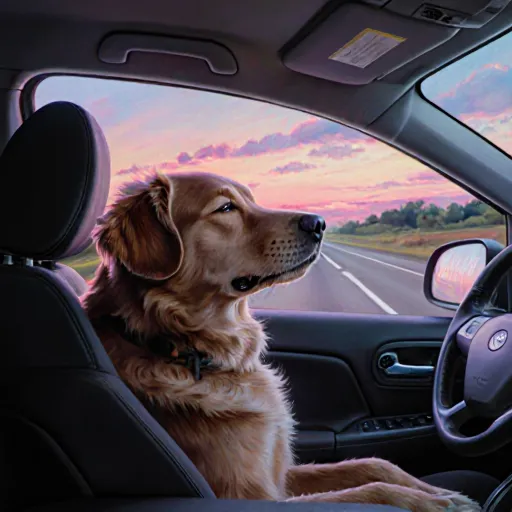
Essential Tips for Keeping Your Dog Comfortable During Travel
Nap Time on Wheels: How to Prepare Dogs
Table of Contents
- Choosing the Right Car for Your Dog
- Preparing Your Pet's Health and Comfort
- Getting Your Dog Used to the Car
- Packaging Essential Items in a Pet First Aid Kit
- Providing Entertainment for Long Trips
- Setting Up a Safe and Comfortable Space for Your Dog
- Establishing a Routine Before the Trip
- Hydration and Feeding During the Trip
- Understanding Car Sickness in Dogs
- Handling Emergencies While on the Road
- Pacing Yourself and Your Dog for the Trip
- Preparing for Unexpected Situations
- Conclusion: Making Every Trip a Comfortable One
- FAQs About Preparing Dogs for Long Road Trips
Choosing the Right Car for Your Dog
When it comes to long road trips with your dog, ensuring their comfort and safety is paramount. The car you choose can significantly impact your journey's success. Here are some key factors to consider when selecting the right vehicle for your furry companion.
Space and Comfort
The size of your dog will determine the type of carrier or seating arrangement that works best in your car. For small dogs, a comfortable seat belt harness can work well with most vehicles. However, larger breeds require more space to move around comfortably.
- Compact Cars: These are great for smaller breeds and provide a cozy environment. Ensure there is enough headroom so your dog doesn’t have to hunch over the top of the seat.
- SUVs: Offer more space, especially in the backseat, making them excellent choices for dogs that need room to stretch out or move around during longer trips.
Securing Your Pet
No matter how well-behaved your dog is, accidents can happen. Securing your pet properly reduces the risk of injury and ensures a smooth ride for everyone involved.
- Cargo Area Covers: These are essential if you're planning to take your dog in the back cargo area. They provide an enclosed space that keeps your dog safe from distractions or injuries.
- Harnesses and Harness Seats: For dogs traveling in the front seat, a harness is crucial for both comfort and safety. Many models are designed specifically for car use and can be attached to the seat belt for added security.
Pet-Friendly Features
Dogs travel more comfortably when they're not stressed out by their environment. Look for cars with features that enhance your pet's experience:
- Air Conditioning: While it’s important to keep your dog cool, ensure the air conditioning is set up in a way that doesn’t blow directly on them.
- Cooling Pads or Blankets: Consider having a cooling pad or blanket ready for your dog during long trips. Some dogs get overheated easily, and these items can help maintain their comfort.
Practical Tips
To ensure your pet is as comfortable as possible on road trips:
- Load Your Dog Last: This ensures they aren't in the car too long before you leave, reducing stress.
- Feed Them Before You Leave: Avoid feeding your dog right before a trip to prevent car sickness. Instead, offer them a light meal or snack an hour before departure.
- Bring Familiar Items: A favorite blanket or toy can provide your dog with a sense of security and familiarity during the journey.
Conclusion
Selecting the right car for your dog is all about ensuring they have a comfortable, safe, and stress-free experience. By considering factors like space, securing your pet properly, and incorporating pet-friendly features, you can help make every road trip enjoyable for both you and your four-legged companion.
Preparing Your Pet's Health and Comfort
To ensure your dog enjoys a safe and comfortable long road trip, preparation is key. Just like any other important journey, it's essential to focus on both the pet’s health and comfort. Here are some practical tips and advice based on how to prepare dogs for long road trips.
Before embarking on a lengthy trip, make sure your dog has received all necessary vaccinations and is in good health. Consult with your veterinarian to confirm that there are no underlying issues that could be exacerbated by travel stress. A check-up can also ensure you have the right medications or treatments available for your pet during the trip.
Dehydration and Heatstroke
Ensure your dog is properly hydrated before and during the trip, especially if it's hot outside. Avoid giving water too close to traveling as this can cause motion sickness. If you're planning a stopover or extended stay at any point, consider taking along bottled water.
Digestive Health
Travel often leads to changes in eating habits and routines that can upset your dog’s digestive system. Bring familiar snacks from home to keep your dog's diet consistent with what it is used to. Additionally, consult with your vet about any dietary adjustments or medications necessary for gastrointestinal health.
Licensing and Identification
Always ensure that your pet has all the required documentation such as a collar with ID tags, license, and proof of vaccinations. A microchip is highly recommended for permanent identification.
Pet-Specific Gear
Invest in a comfortable travel crate or car seat designed specifically for pets. These can provide your dog with a sense of security during the trip and prevent injuries from bashing against car windows or seats.
Entertainment and Distraction
To keep your dog entertained on long trips, bring along items that they enjoy. This could be toys (like chew toys), interactive games, or even a portable DVD player if you're traveling in a vehicle with one. A change of scenery also helps; frequent stops can provide your dog with the necessary breaks and activities.
First Aid Kit for Pets
Prepare an emergency first aid kit specifically designed for pets, which should include items such as bandages, salves or ointments for minor cuts and scrapes, tweezers for removing ticks, and a thermometer. Include any prescription medications your dog might need.
Contact Information
Carry the contact information of local veterinarians at your destination in case of an emergency. Additionally, store important documents like vaccination records and health insurance details on a mobile device or print them out for easy access.
Ensure that all items are securely packed to prevent any potential accidents during transit. Secure the pet carrier in place using seat belts if possible, and make sure there is no risk of it falling over or being dislodged while driving.
By addressing both health needs and comfort factors, you set the stage for a stress-free journey for your furry companion. Following these guidelines can help ensure that your dog remains healthy and content throughout your long road trip.
Getting Your Dog Used to the Car
Preparing your dog for long road trips, especially if they are new to car travel, can be a challenging yet rewarding experience. The key is gradual acclimation and positive reinforcement. Here’s how you can get your dog used to the car step by step:
Step-by-Step Guide
1. Start Slow with Short Trips
The first few times you take your dog in the car, keep it short and sweet—just a quick drive to the corner store or around the block. The idea is to create positive associations without overwhelming them. Dogs learn best through repetition, so make these small trips routine.
2. Introduce the Car Gradually
Once your dog feels comfortable with short trips, introduce the car gradually by spending time in and around it. Let them sniff the vehicle, get familiar with its smell and sound. Open the windows slightly to let fresh air in, but avoid letting them out of your sight.
3. Make the Car a Safe Space
Create an environment where your dog feels safe and secure inside the car. Use a crate or pet carrier if necessary; many dogs feel more at ease when confined within one. Ensure the space is comfortable by placing blankets, cushions, or toys that they associate with positive experiences.
4. Offer Positive Reinforcement
Encourage good behavior during car rides through treats and praise. When your dog remains calm in the car, reward them with small treats or verbal encouragement. This reinforces the idea that being in the car is a positive experience.
5. Familiarize Your Dog with the Sound of the Engine
To help your dog get used to the noise of the engine running without actually moving, you can start the car and let it idle for short periods while your dog is present but not in distress. This helps them become accustomed to the sound.
6. Practice on Different Routes
To build confidence, gradually extend the duration of trips. Once they are used to short drives, take longer trips with more varied routes. This teaches your dog that being in the car is a normal part of your day-to-day routine.
7. Avoid Distractions
Avoid playing loud music or talking loudly during the first few car rides to prevent any distractions that could startle or overwhelm your pet. Keeping the environment calm and predictable helps ease their anxiety.
8. Stay Calm
Your dog can sense when you are anxious, so it's important for you to stay relaxed during car trips. If you remain calm and positive, your dog will likely follow suit.
Additional Tips for Long Trips
9. Provide Comfort Items
Bring along familiar items like a favorite blanket or toy to help reduce stress during longer trips. These objects can provide comfort and familiarity that will make the journey more bearable.
10. Plan Regular Stops
Taking short breaks every couple of hours helps give your dog a chance to stretch their legs, drink water, and relieve themselves. It also gives you time to rest or grab some snacks for the road trip.
11. Monitor Your Dog’s Behavior
During long trips, keep an eye on your dog's behavior for signs of stress such as whining, panting, or excessive licking. If you notice any signs that your dog is uncomfortable, stop immediately and reassess the situation.
Conclusion
Getting your dog used to car travel takes time and patience but is crucial for ensuring safe and comfortable trips. By following these steps, you can help your pet adjust to car rides without feeling anxious or stressed.
Packaging Essential Items in a Pet First Aid Kit
Packaging essential items in a pet first aid kit is crucial, especially when preparing your dog for long road trips. A well-prepared first aid kit can provide peace of mind and ensure that you are fully equipped to handle any emergency situations while on the go. Here’s how to effectively package these items:
1. Sterile Gauze or Bandages
Sterile gauze or bandages should be a key part of your kit. These are essential for controlling bleeding and protecting wounds from infection. Make sure to include enough gauze pads, ideally in different sizes, to cater to various wound areas.
2. Adhesive Tape
Adhesive tape is a necessity when securing bandages or holding them in place. It helps prevent the bandage from slipping and ensures that your dog remains comfortable during the trip.
3. Antiseptic Wipes or Solution
Antiseptic wipes or solution are vital for cleaning wounds to avoid infection. Always choose a product safe for pets and follow the directions on the label carefully.
4. Antibiotic Ointment
An over-the-counter antibiotic ointment can be used to prevent infections and promote healing after cleaning a wound. It's best to carry a tube of gentle ointment that’s suitable for pets.
5. Forceps or Tweezers
Forceps or tweezers are useful tools for removing splinters, thorns, or other foreign objects from your dog's paws. They should be easily accessible in case of an emergency during the trip.
6. Tongue Depressor or Spatula
A tongue depressor or spatula can serve as a splint to stabilize broken bones temporarily until you reach medical help. This tool is particularly useful when dealing with fractures or dislocations during long trips.
7. Ice Pack
An ice pack can be used to reduce swelling and pain, especially if your dog experiences a sprain or strain while on the road. Keeping it cold in an insulated cooler bag is ideal for maintaining its effectiveness throughout the trip.
8. Emergency Medications (if prescribed)
If your dog requires any emergency medications such as pain relievers, anti-seizure drugs, or heart medications, ensure they are included in the kit and properly labeled with dosage instructions.
9. Whistle
A whistle can be used to call your dog back if they manage to escape from the vehicle during the trip. It’s a quick way to get their attention without needing to shout, which is particularly useful in noisy environments like highways or busy streets.
10. Collar Tags and Identification
Including your dog's identification tags ensures that they can be quickly identified if they escape the vehicle or get separated from you. It also includes contact information for your veterinarian, which is helpful in case of an emergency.
By carefully selecting these essential items and packaging them thoughtfully, you’ll be better prepared to handle any unexpected situations during long road trips with your dog. Remember, prevention is key when it comes to ensuring a safe journey, but being ready for emergencies can make all the difference in keeping your pet healthy and happy.
Providing Entertainment for Long Trips
Just like people, dogs can get bored and restless during long car rides. However, unlike humans, they cannot turn on the radio or open a window to pass the time. Providing entertainment for your dog is crucial to ensure their comfort and safety while traveling in the car. Here are some tips and ideas that you can use to keep your furry friend entertained during long trips.
Interactive Toys
Interactive toys are a great way to engage your dog’s mind and body. Puzzle feeders, treat-dispensing balls, and tug-of-war toys are excellent choices. These toys not only keep dogs occupied but also help in mental stimulation.
- Puzzle Feeders: These toys require your dog to solve a problem to get the treats out. This helps in cognitive development as well as keeping them busy during long trips.
- Treat-Dispensing Balls: Your dog has to chase after these balls and then roll them back to you for more treats. It’s like playing fetch, but with an added challenge!
- Tug-of-War Toys: These are classic toys that can keep your dog entertained for a long time. Make sure the toy is durable enough to withstand chewing.
Movement and Exercise
Dogs need exercise, even during car rides. However, since they cannot walk or run around inside the vehicle, you can simulate this by having them move around in small spaces. This can be done through activities like playing “follow the leader” where your dog has to follow you as you move around the car.
- Follow the Leader: Encourage your dog to stay close to you while you move around the vehicle. This can help in keeping them occupied and prevent them from getting too restless.
- Bend and Stretch: Perform some gentle stretching exercises while your dog is watching or even mimicking it with their body language. This can also be a fun activity for both of you!
Scent Games
Dogs have an incredible sense of smell, and scent games can keep them entertained during long trips. You can hide treats around the vehicle or create a small obstacle course that your dog has to navigate through.
- Hiding Treats: Place treat-dispensing toys or simply hide small pieces of food in different parts of the car for your dog to find. Make sure not to use too many treats as it might make them too excited and hyperactive.
- Obstacle Course: Set up a mini obstacle course using cushions, pillows, or even simple household items like cardboard boxes. Guide your dog through this course while you stay in the vehicle.
Traffic Noise and Visual Stimulation
Dogs can get excited by the sounds and sights outside the car window during long trips, but it's important to keep them calm. You can use this time as an opportunity for some mental stimulation.
- Pointing Out Objects: While driving safely, point out different objects or landmarks to your dog. This helps in keeping their mind engaged and reduces the risk of car sickness.
- Traffic Noise: If your dog is excited by traffic sounds, you can play calming music or white noise through the car speakers. However, ensure that it doesn’t make your dog too excited as well!
By following these tips and ideas, you can provide a comfortable and enjoyable experience for your dog during long trips. Remember to observe your dog's behavior and adjust the activities accordingly. This will help in ensuring their safety and keeping them entertained.
Setting Up a Safe and Comfortable Space for Your Dog
When preparing your dog for a long road trip, it's essential to ensure that they have a safe and comfortable space within the vehicle. This setup not only helps reduce stress but also ensures their well-being during travel.
The first step in preparing your dog for a long road trip is providing them with a cozy sleeping area. You can use a pet carrier or a car seat designed specifically for dogs to keep them safe and secure during the journey.
- Pet Carrier: A pet carrier provides a barrier that separates your dog from the rest of the cabin, helping to reduce motion sickness and prevent distractions. Make sure it's large enough for your dog to stand up and turn around comfortably but not so big that they can easily escape.
- Car Seat: If you're traveling with a smaller breed or prefer a more relaxed setup, consider using a car seat designed for dogs. These seats often come with harnesses and belts that securely fasten your dog into place, ensuring their safety during the trip.
A safe environment is crucial to minimizing stress during travel. Here are some tips to ensure your dog feels secure:
- Secure Harness or Seatbelt: Always use a harness or seatbelt designed for dogs. This will prevent them from moving around too much and potentially injuring themselves.
- Avoid Resting on the Seats: If your dog is prone to sitting in between you, place a barrier such as a blanket or pet mat to ensure they don't interfere with driving.
- No Loose Items: Keep all items that could roll around during the trip safely stored away. This includes toys, food bowls, and any other objects that might cause accidents.
To make your dog's travel experience more comfortable, pack some essential supplies:
- Water Bottle: Bring a portable water bottle to keep your dog hydrated. Make sure the bottle is easy for you to access while driving.
- Treats and Toys: Pack some treats or toys that can help distract your dog during long stretches of travel. This will also provide mental stimulation, keeping them entertained and less anxious.
- Pooping Bags: Always carry a supply of poop bags to clean up after your dog in case they need to go outside during the trip.
In addition to physical preparation, mentally preparing your dog for the trip is equally important. Dogs can sense stress and anxiety, so it's crucial to help them stay calm:
- Short Practice Trips: Before embarking on a long journey, start with short practice trips. This helps acclimate your dog to the car environment without overwhelming them.
- Positive Reinforcement: Reward your dog for calm behavior during these practice runs. This will reinforce good behavior and make future trips more enjoyable for both you and your pet.
Before setting off on a long road trip, ensure that your dog is in good health:
- Vet Check-Up: Schedule a check-up with your vet to ensure your dog is healthy enough for the journey.
- Adequate Exercise: Make sure your dog has had sufficient exercise before and during the trip. This helps prevent motion sickness and keeps them more content.
By following these steps, you can set up a safe and comfortable space for your dog that will make long road trips less stressful for both you and your furry companion. Remember, preparation is key to ensuring a smooth trip for everyone involved!
Establishing a Routine Before the Trip
Establishing a routine before your road trip is crucial for ensuring that your dog remains calm and comfortable during the journey. This helps in minimizing stress and anxiety, making the trip a positive experience for both you and your pet. Here are some practical steps to help you prepare your dog:
To reduce fear or nervousness during the car ride, it's essential to get your dog used to being in the vehicle before the trip. Start by allowing your dog to explore the inside of the car without any pressure, perhaps offering treats and playing gentle games. Gradually increase the duration of short trips as your dog becomes more comfortable.
Create a consistent pre-trip routine that includes activities such as feeding, walking, and playtime. This helps to signal to your dog that it's time for the car journey ahead. Consistency is key in helping dogs understand what to expect, thereby reducing anxiety.
If your dog doesn't already use a crate, now is an excellent opportunity to introduce this routine. A crate can provide a safe space for your dog during the trip, especially if they get car-sick or need some quiet time. Ensure that the crate is not too big so that your dog feels secure and comfortable.
Taking short practice trips before the actual road trip can help acclimate your dog to the journey. These should be gradual, starting with just a few minutes in the car and gradually increasing the time as they become more comfortable.
Pack items that make your dog feel safe and secure during the trip. This can include their favorite blanket or toy, which provides comfort and familiarity. Familiar scents like a pillowcase from home can also be helpful in creating a sense of security.
Avoid feeding your dog right before the trip to prevent car sickness or any discomfort during the journey. Instead, offer them a small meal a few hours prior so that their stomach is settled by the time you hit the road.
Avoid loud noises or sudden movements before the trip to keep your dog in a calm state of mind. This can help prevent them from becoming overly excited or stressed, which could make the journey more challenging for both you and your pet.
Use positive reinforcement techniques such as treats and praise to reward good behavior during practice trips. This helps in reinforcing the association of being in the car with enjoyable experiences.
By following these steps, you can help your dog feel more at ease during long road trips, ensuring a safer and more comfortable journey for all involved.
Hydration and Feeding During the Trip
To ensure your dog is comfortable and healthy during a long road trip, it’s crucial to maintain proper hydration and feeding. Here are some tips and practical advice tailored specifically for preparing dogs for extended travel:
Hydration
Dehydration can be a significant risk on long trips due to the confined space and limited opportunities for rest stops. Always ensure your dog has access to clean, fresh water. Here are some strategies:
- Water Bottles: Consider using portable water bottles that attach to your vehicle’s door handle or seat. These are easy to carry in and out of the car without having to open the trunk.
- Frequent Breaks: Plan regular breaks every couple of hours, especially if you're traveling long distances. Use these stops as an opportunity for your dog to drink water. Look for rest areas or parks where dogs are allowed and can safely access water.
- Water Toys: Introducing a small water bottle toy designed specifically for dogs can encourage them to stay hydrated while on the go.
Feeding
Proper feeding during a trip is equally important. Here’s how you can manage your dog's diet effectively:
- Light Meals: Feed your dog light meals that are easy to digest and won't cause stomach upset. Opt for small, frequent feedings rather than large amounts all at once.
- Familiar Food: Stick with the food your dog is used to eating instead of introducing new items on a trip. This reduces the risk of digestive issues.
- No Table Scraps: Avoid feeding your dog any table scraps or human foods that could upset their stomach during travel.
Practical Advice
To make sure everything goes smoothly, follow these additional tips:
- Bring a Supply: Always bring along extra water and food for your dog. This ensures you're not caught short of essentials in case of unexpected delays or changes in travel plans.
- Potty Breaks: Plan potty breaks before long trips to reduce the likelihood of accidents inside the vehicle. Taking your dog on a walk or to a park where they can relieve themselves is beneficial for both their health and comfort.
- Comfortable Rest Area: Make sure your dog has a comfortable spot in the car, such as a soft travel bed or blanket, to rest during breaks. This helps keep them happy and less stressed on the trip.
By focusing on hydration and feeding during long road trips, you can help ensure that your furry companion enjoys their journey and arrives at their destination feeling refreshed and content. Remember, preparation is key to a successful travel experience for both you and your dog!
Understanding Car Sickness in Dogs
Understanding car sickness in dogs is crucial when preparing them for long road trips. Unlike humans, dogs cannot communicate their discomfort as easily, which can lead to stress and potential health issues during the journey. Car sickness in dogs typically manifests through behaviors such as pacing, whining, panting, vomiting, or loss of appetite. These symptoms are not only unpleasant but can also indicate underlying health problems.
- Nausea and Motion Sensitivity: Some dogs have a natural sensitivity to the motion of vehicles, which triggers nausea. This is similar to how some people experience motion sickness.
- Unfamiliar Environment: New or unfamiliar surroundings can cause stress and anxiety in dogs, leading to car sickness.
- Predisposition: Certain breeds are more prone to motion sensitivity. For example, small dogs with long snouts like Pugs or Boston Terriers often suffer from car sickness due to their respiratory issues.
The symptoms of car sickness in dogs can range from mild to severe and include:
- Restlessness or pacing inside the vehicle.
- Panting excessively.
- Vomiting, which is a common sign of car sickness.
- Loss of appetite after the trip.
- Frequent stops to relieve themselves due to stress.
To prevent or manage car sickness in dogs, it is essential to prepare them properly. Here are some practical steps:
1. Gradual Exposure
Start by taking short trips and gradually increase the duration as your dog becomes more comfortable with the experience. This helps reduce motion sensitivity and builds their tolerance for car travel.
2. Comfortable Seating
Ensure that your dog has a secure, comfortable place to sit in the vehicle. Use a pet carrier or seat belt harness designed for dogs to keep them safe and prevent movement during the trip.
3. Familiar Scents
To reduce stress, use items that have familiar scents from home such as a blanket or toy inside the vehicle. This can make the journey feel more like an extension of their usual routine.
4. Hydration and Feeding
- Hydration: Ensure your dog is well-hydrated before the trip but avoid giving them water right before or during the ride to minimize the risk of vomiting.
- Fasting: For long trips, it's advisable to keep dogs fasting for about 4 hours prior to departure. This reduces the likelihood of motion sickness-induced vomiting.
5. Distractions and Entertainment
To keep your dog occupied during the trip, provide distractions such as chew toys or treats that can help divert their attention from discomfort. Interactive toys like puzzle feeders are particularly useful for keeping dogs engaged.
If your dog does experience car sickness despite your best efforts, consider these tips:
1. Use Motion-Sickness Medications
Consult your veterinarian about safe and effective motion-sickness medications for dogs. These can help alleviate symptoms but should only be used under veterinary guidance.
2. Acclimatization Techniques
Some owners find acclimatization techniques helpful, such as using calming aids like pheromone diffusers or herbal remedies that are safe for dogs.
3. Regular Breaks
Taking regular breaks during the trip allows your dog to stretch and relieve themselves, reducing stress and discomfort. These stops can also give you an opportunity to check on their well-being.
In conclusion, understanding car sickness in dogs is key to ensuring a comfortable journey for both pets and owners. By recognizing the causes and symptoms of car sickness and following these preparation tips, you can help your dog enjoy long road trips without the stress or discomfort associated with motion sickness.
Handling Emergencies While on the Road
Preparing your dog for a long road trip is crucial not only for their comfort but also for ensuring they remain safe and secure. While planning, one of the key aspects to consider is how to handle emergencies while on the road. Emergencies can arise unexpectedly and knowing what steps to take can make all the difference in keeping your furry companion safe.
Car Safety and Emergency Kit
Before embarking on a long journey, it's important to ensure that your car is equipped with safety measures. This includes having a well-stocked emergency kit ready for any unexpected situation. The kit should contain items such as first aid supplies, water, snacks, a leash, and waste bags. Make sure all these items are easily accessible in case you need them during an emergency.
Emergency Stop Procedures
In the event of an unexpected stop or accident, it's essential to follow specific procedures to ensure your dog’s safety. First, pull over to a safe location and secure your dog in its carrier or crate if possible. If you need to move the vehicle for any reason, make sure that the doors are properly closed and the windows are rolled up to prevent your pet from escaping.
First Aid Basics
It's a good idea to familiarize yourself with basic first aid techniques before you hit the road. Understanding how to treat common injuries like cuts, bruises, or burns can be critical in an emergency situation. Additionally, knowing what to do if your dog vomits or has diarrhea during the trip can help manage the situation more effectively.
Communication with Authorities
If you encounter a serious emergency that requires professional assistance, it’s important to know how to communicate effectively with authorities. Have all necessary information ready, including your pet's name and any relevant medical details such as allergies or health conditions. This will help ensure that first responders can provide the most appropriate care for both you and your dog.
Planning Ahead
Planning ahead is crucial in managing emergencies while on the road. Research routes beforehand to identify safe areas where you can stop if needed, such as pet-friendly rest stops or veterinarians' offices. Establish a communication plan with family members or friends who will be aware of your travel itinerary and can assist in case of an emergency.
Practice Makes Perfect
Practicing what to do in different scenarios can help reduce anxiety for both you and your dog during a real emergency. Conduct mock runs with your pet in the car, getting them used to being in the carrier or crate during travel. This helps build their confidence and reduces stress in unfamiliar situations.
Conclusion
By preparing for emergencies while on the road with your dog, you can ensure a smoother journey that is both safe and enjoyable for everyone involved. Remember to stay calm, follow established procedures, and always prioritize your pet's safety during unexpected situations.
Pacing Yourself and Your Dog for the Trip
To ensure a successful long road trip with your dog, it's crucial to pace yourself both physically and mentally. This involves understanding your dog’s limits, preparing them adequately, and maintaining a balanced routine during the journey. Here are some detailed steps and practical tips tailored specifically for how to prepare dogs for long road trips:
1. Gradual Pacing
Start by gradually increasing the duration of your dog's car rides. Begin with short trips, about 5-10 minutes, and slowly extend them over a few weeks until you reach longer durations. This helps both you and your dog adapt to the travel environment without causing stress or fatigue.
2. Comfortable Environment
Ensure that your dog has a comfortable space in the car where they can relax during the trip. Use pet carriers, blankets, or even a seat cover designed for pets. Make sure it's not too hot or cold inside the vehicle and that there are no sharp objects around.
3. Familiar Scents
To help your dog feel more secure in the car, bring items with familiar scents like a plush toy or blanket they usually sleep with. This can reduce anxiety during the trip by providing comfort and security.
4. Scheduled Breaks
Dogs need regular breaks to stretch their legs and use the bathroom. Plan for frequent stops every 1-2 hours, depending on your dog’s age and health condition. These stops should include time for your dog to walk around and relieve themselves.
5. Mental Stimulation
To keep your dog mentally stimulated during the trip, consider bringing along some toys or treats that require them to work for their rewards. Puzzle feeders or treat-dispensing toys can be particularly effective in keeping your furry friend engaged and occupied.
6. Hydration and Feeding
Keep your dog hydrated by providing clean water at each stop, and avoid feeding them heavy meals before the trip to prevent discomfort or motion sickness. Instead, offer small snacks that are easy to digest.
7. Monitor Your Dog’s Behavior
Throughout the trip, closely observe your dog's behavior for signs of stress or discomfort. If they seem anxious, tired, or unwell, it might be time to take a longer break or even consider ending the trip early.
8. Positive Reinforcement
Praise and reward your dog positively during the trip when they behave well in the car. This reinforces good behavior and makes future trips more enjoyable for both of you.
By following these steps, you can help prepare your dog for long road trips, ensuring a smoother journey for everyone involved. Remember, it’s important to respect your dog's limits and take breaks when necessary to keep the trip safe and comfortable for all travelers.
Preparing for Unexpected Situations
While preparing your dog for a long road trip is crucial, it's equally important to consider unexpected situations that might arise during the journey. Dogs, like people, can encounter various unforeseen challenges while traveling. Here’s how you can prepare them for these scenarios:
1. Familiarize Your Dog with Car Travel
To reduce anxiety and motion sickness, gradually acclimate your dog to car trips before the actual long journey. Start by taking short rides in a familiar environment where they are comfortable. Gradually increase the duration of these trips as you build up their confidence.
- Short Rides: Begin with 10-minute drives and slowly extend to half-hour intervals.
- Familiar Scenery: Choose routes where they are already familiar with the surroundings, reducing stress levels.
- Routine: Establish a routine similar to the planned trip. This includes feeding times, stopping for walks, and ensuring your dog is in their crate or seatbelt harness properly.
2. Crate Training
Crate training can be beneficial during unexpected stops, such as when you have to leave the car temporarily. A crate provides a safe space for your dog while keeping them calm and secure.
- Introduce the Crate: Start by letting your dog explore the crate without any pressure or command. Leave the door open initially, and gradually close it with treats inside to encourage your dog to go in on their own accord.
- Crate Time: Gradually increase the time your dog spends in the crate each day. This helps them become more comfortable with being confined for longer periods.Travel Companion: Take your dog’s crate along during short trips to further familiarize them with it and make sure they are not afraid of it during actual travel.
3. First Aid Kit
Your car should always have a first aid kit stocked for any unexpected situations, including minor injuries or illnesses. Ensure you know how to use the supplies and keep the kit updated regularly.
- Basics: Include bandages, antiseptic wipes, tweezers, scissors, and a thermometer.
- Specific Supplies: Have items like hydrogen peroxide for inducing vomiting in emergencies, and medications prescribed by your vet if necessary.
4. Hydration and Feeding
Maintaining hydration and nutrition is essential during unexpected delays or unplanned stops. Always carry plenty of water to keep your dog hydrated, especially in hot weather.
- Fresh Water: Ensure you have a travel-safe container for fresh water.
- Portable Bowls: Bring small bowls that are easy to clean and use while on the go.
- Nutrition: Pack non-perishable dog treats, such as bully sticks or freeze-dried kibble, which provide a nutritious snack without requiring refrigeration.
5. Mental Stimulation
To keep your dog mentally stimulated during unexpected stops or long stretches of travel, bring along toys that challenge their problem-solving skills.
- Interactive Toys: Puzzle feeders and treat-dispensing toys can help keep your dog occupied and engaged.
- Frisbees and Balls: These provide physical activity and mental stimulation for dogs who enjoy playing fetch or chasing.
6. Calming Aids
If your dog gets anxious during car rides, there are several calming aids that can help ease their stress.
- Dogs' Calming Products: These include pheromone diffusers or sprays like Adaptil which can soothe anxious dogs. Make sure you have these products available in case of unexpected delays.
- Calm Music/White Noise: Playing calming music or white noise through your car’s sound system can also help reduce anxiety levels.
By taking the time to prepare for unexpected situations, you ensure a safer and more enjoyable travel experience for both you and your dog. Remember, prevention is key in managing these unforeseen challenges effectively.
Conclusion: Making Every Trip a Comfortable One
Making every trip a comfortable one for your furry companion is not just about ensuring their physical well-being but also about providing them with mental and emotional ease. When preparing dogs for long road trips, there are several key factors to consider that can make the journey more enjoyable and stress-free for both you and your pet.
Proper Gear and Equipment
The right gear is essential when taking your dog on a road trip. Invest in a high-quality crate or travel harness, as these items will provide your dog with the necessary support and security during the ride. A comfortable seatbelt clip designed for pets can also ensure that they remain safe and secure throughout the journey.
Pre-Trip Preparation
Before embarking on a long road trip, it's important to acclimate your dog gradually to the idea of traveling in a car. Short trips around the neighborhood can help build their confidence and reduce anxiety. Additionally, familiarize them with the sound of the engine running by leaving the car door open and letting them sniff around inside.
Healthy Snacks and Hydration
To keep your dog energized and hydrated during the trip, pack some healthy treats and water bottles. Avoid feeding them too much before or during the journey to prevent motion sickness or digestive issues. Opt for small, crunchy snacks that are easy for dogs to digest.
Comfortable Accommodation
Ensure your dog has a comfortable and secure place to rest in the car. If using a crate, make sure it is large enough so they can lie down without feeling cramped. Line the bottom of their travel bed with soft blankets or towels for extra comfort.
Potty Breaks
Plan frequent potty breaks to prevent accidents in the car and ensure your dog remains healthy and happy during the trip. Regular stops also help reduce motion sickness and provide time for exercise, which is crucial for their well-being.
Mental Stimulation
To keep your dog mentally stimulated during a long road trip, consider bringing along toys or interactive games designed for dogs. This helps divert their attention from the stress of travel and keeps them engaged throughout the journey.
Stay Safe and Comfortable
Always prioritize safety by ensuring all windows are securely closed to prevent your dog from getting injured. Additionally, keep an eye on their behavior during the trip; if they start showing signs of distress or discomfort, take a break and reassess their needs.
In conclusion, making every trip a comfortable one with proper preparation can significantly enhance both you and your dog's experience. By focusing on gear, pre-trip acclimation, healthy snacks, comfortable accommodation, frequent potty breaks, mental stimulation, and safety, you can ensure that your next road trip is not only enjoyable but also stress-free for everyone involved.
FAQs About Preparing Dogs for Long Road Trips
Frequently Asked Questions (FAQs)
Q: How important is preparation before a long road trip with my dog?
Preparing your dog for a long road trip is crucial to ensure both their comfort and safety. Just like you wouldn't go on a journey without planning, it's essential that you prepare your furry friend adequately. Dogs may experience motion sickness or anxiety during car rides, especially if they are not accustomed to them.
Q: What should I pack in my dog’s travel bag?
For a stress-free trip, it's important to have the right items packed in your dog's travel bag. This includes:
- Familiar scents and bedding (like a favorite blanket or pillow) to make them feel secure.
- A leash for quick exits from the vehicle.
- Water bottle with fresh water for refills during stops.
- Pet first aid kit in case of emergencies.
- Doggy waste bags, if needed.
Q: How can I acclimate my dog to car travel?
To help your dog get used to riding in the car before a long trip, you should start with short trips and gradually increase the duration. Here are some steps:
- Short initial rides: Start by taking your dog on 5-minute drives around the neighborhood.
- Increase incrementally: After your dog is comfortable with short trips, gradually increase the duration of each ride. Each week, aim to add about 10 minutes to the drive time.
- Encourage positive associations: Reward good behavior during car rides with treats and praise.
Q: What should I do if my dog gets motion sickness?
If your dog experiences motion sickness, consider these tips to help manage their discomfort:
- Keep the car windows slightly open for fresh air but avoid letting in too much wind.
- Provide a secure position that isn't too high off the ground. Lower positions are less likely to cause motion sickness.
- Maintain a steady speed and avoid sudden stops or starts which can exacerbate nausea.
- You may also consider using medication prescribed by your vet, but only as advised.
Q: How do I handle my dog's anxiety during the trip?
Dogs can experience separation anxiety or fear of car rides. To reduce stress:
- Stay calm and avoid showing signs of your own nervousness.
- Provide calming aids like a white noise machine or calming music.
- Use pheromone diffusers designed for dogs to help soothe them.
- Make the car trip as routine-like as possible. Consistent stops and breaks can help reduce anxiety.
Q: How often should I take my dog on bathroom breaks during a long road trip?
Dogs need regular bathroom breaks every few hours, so planning your route with stops for these needs is important. Signs that your dog might need to go include:
- Restlessness or pacing.
- Pawing at you or whining.
- Frequent licking of their nose or feet.
To make these stops as stress-free as possible, choose parks with grassy areas. Some dogs may also benefit from going to the bathroom before leaving home and once again when returning home after a long trip.
Q: What should I do if my dog starts panting heavily during the drive?
If your dog is panting excessively, it could be a sign of heatstroke or stress. Here’s what you can do:
- Ensure they have access to water and shade.
- Roll down windows slightly for ventilation.
- Consider stopping the car in a safe location where your dog can stretch and cool off.
- If symptoms persist, seek veterinary assistance immediately.
Q: How do I ensure my dog is comfortable on the way back home?
The return journey should be treated just as carefully as the outward trip. Here are some tips to ensure your dog is relaxed and safe:
- Tie your dog securely with a harness if they aren’t in a crate.
- Use a barrier between you and the pet, such as a partition or gate, to prevent any sudden movements from startling them.
- Keep the drive smooth and stable. Avoid sharp turns or jerky maneuvers that could upset your dog.
Categories
- AI & Enrichment Play
- Broiler Farming
- Broiler Farming Tips
- Canine Wellness & Longevity
- Cat
- Cat & Human Connection
- Cat Adoption & Rescue
- Cat Breeds
- Cat Breeds & Personalities
- Cat Care & Health
- Cat Grooming & Hygiene
- Cat Lifestyle & Environment
- Cat Myths & History
- Cat Nutrition & Diet
- Cat Products & Reviews
- Cat Training & Behavior
- Comparison
- Consumer Awareness
- Dog
- Dog Accessories & Products
- Dog Adoption & Rescue
- Dog Breed & Lifestyle Trends
- Dog Breeding & Puppies
- Dog Entertainment & Media
- Dog Fashion & Trends
- Dog Fun & Lifestyle
- Dog Grooming & Hygiene
- Dog History & Culture
- Dog Myths, Science & Future Tech
- Dog News & Trends
- Dog Nutrition & Food
- Dog Psychology & Emotions
- Dog Safety & Security
- Dog Sports & Activities
- Dog Technology & Innovation
- Dog Training for Modern Owners
- Dog Travel & Adventure
- Dog Travel, Adventure & Culture
- Economic and Market Insights
- Educational Content
- FAQs
- Feeding Alternatives
- Festivals & Seasonal Ideas
- Fun & Entertainment
- General Knowledge
- General Pig Farming
- Health & Disease Management
- Housing and Environment
- Kittens
- Market Insights
- Miscellaneous
- Miscellaneous
- Motivational
- pig
- Pig Breeding
- Pig Breeds
- Pig Farming Stories and Inspiration
- Pig Health and Care
- Pig Nutrition
- Pig Products
- Profitability & Business
- Puppy Care
- Puppy Predictable Topics Reinvented
- Regional Focus
- Rescue & Adoption Buzz
- Senior Cats
- Senior Dog Care
- Smart Dog Tech & Gadgets
- Sustainability
- Sustainable & Eco-Friendly Dog Products
- Tech & Innovations
- Working & Service Dogs
- Broiler Feed66 products
- Country Feed33 products
- Pig Feed66 products
- Product22 products
- Raw Materials99 products
Products
-
 Fish Meal
₹1,999.00 – ₹2,999.00Price range: ₹1,999.00 through ₹2,999.00Rated 0 out of 5
Fish Meal
₹1,999.00 – ₹2,999.00Price range: ₹1,999.00 through ₹2,999.00Rated 0 out of 5 -
 FATTENING BROILER FEED
₹2,299.00 – ₹2,349.00Price range: ₹2,299.00 through ₹2,349.00Rated 0 out of 5
FATTENING BROILER FEED
₹2,299.00 – ₹2,349.00Price range: ₹2,299.00 through ₹2,349.00Rated 0 out of 5 -
 LAYER COUNTRY FEED
₹1,549.00 – ₹1,649.00Price range: ₹1,549.00 through ₹1,649.00Rated 0 out of 5
LAYER COUNTRY FEED
₹1,549.00 – ₹1,649.00Price range: ₹1,549.00 through ₹1,649.00Rated 0 out of 5 -
 COUNTER BROILER FEED
₹1,199.00 – ₹1,299.00Price range: ₹1,199.00 through ₹1,299.00Rated 0 out of 5
COUNTER BROILER FEED
₹1,199.00 – ₹1,299.00Price range: ₹1,199.00 through ₹1,299.00Rated 0 out of 5 -
 LACTATING PIG FEED
Rated 0 out of 5
LACTATING PIG FEED
Rated 0 out of 5₹2,299.00Original price was: ₹2,299.00.₹1,740.00Current price is: ₹1,740.00. -
 Maize
Rated 0 out of 5
Maize
Rated 0 out of 5₹1,650.00Original price was: ₹1,650.00.₹1,300.00Current price is: ₹1,300.00. -
 GESTATION PIG FEED (Phase 1)
Rated 0 out of 5
GESTATION PIG FEED (Phase 1)
Rated 0 out of 5₹2,249.00Original price was: ₹2,249.00.₹1,699.00Current price is: ₹1,699.00. -
 Pre Starter Broiler Feed
₹2,399.00 – ₹2,499.00Price range: ₹2,399.00 through ₹2,499.00Rated 0 out of 5
Pre Starter Broiler Feed
₹2,399.00 – ₹2,499.00Price range: ₹2,399.00 through ₹2,499.00Rated 0 out of 5 -
 FINISHER PIG FEED
Rated 0 out of 5
FINISHER PIG FEED
Rated 0 out of 5₹2,299.00Original price was: ₹2,299.00.₹1,749.00Current price is: ₹1,749.00. -
 Broiler Premix
Rated 0 out of 5
Broiler Premix
Rated 0 out of 5₹820.00Original price was: ₹820.00.₹699.00Current price is: ₹699.00.