
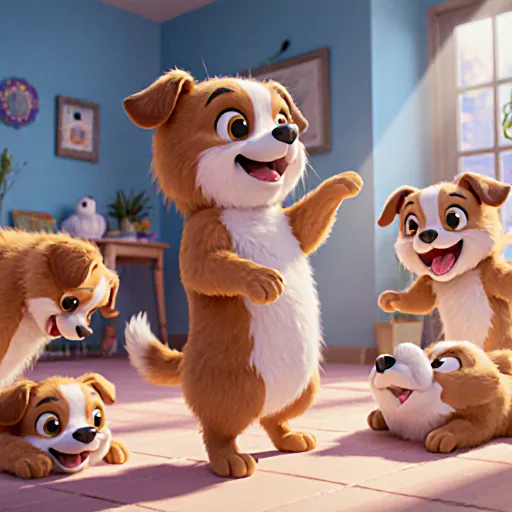
Unlock the Charm: Why Your Dog’s Weird Habits Are Cute!
Why Your Dog's Odd Behavior Is Actually Adorable
Table of Contents
- Section 1: Introduction to Funny Dog Behaviors
- Section 2: Why Dogs Shake After Getting Out of the Water
- Section 3: The Reason Behind Dogs Eating Grass
- Section 4: Why Some Dogs Beg for Food from Humans
- Section 5: What It Means When Your Dog Rolls on Their Back
- Section 6: The Mystery of Dogs Dreaming and Barking in Their Sleep
- Section 7: Why Do Dogs Sometimes Hide Their Toys?
- Section 8: The Behavior Behind Dogs Tucking Their Tail Between Legs
- Section 9: Why Some Dogs Love to Dig Holes in the Yard
- Section 10: What Does It Mean When Your Dog Humps Objects or Other Animals?
- Section 11: The Reason Behind Dogs Licking Their Paws and Humans
- Section 12: Why Some Dogs Suddenly Develop a Fear of Thunderstorms
- Section 13: What It Means When Your Dog Howls Like a Wolf
- Section 14: The Reason Behind Occasional Aggression in Dogs
- Conclusion: Unveiling the Secrets of Funny Dog Behaviors
- FAQ: Answers to Common Questions About Dog Behaviors
Section 1: Introduction to Funny Dog Behaviors
Funny dog behaviors are not just endearing; they can also provide a great source of entertainment and laughter. These quirky actions often stem from the unique way dogs process the world around them, which is different from how humans do things. Understanding these behaviors can help you bond with your pet on a deeper level.
For instance, when dogs bury their toys or bones, they are often mimicking hunting behavior and storing food for later consumption—a natural survival instinct that has been passed down through generations. This behavior is especially common among breeds like German Shepherds or Border Collies who have high energy levels and a strong prey drive.
Another example of funny dog behaviors is when they get into the habit of “herding” their humans or other pets. Just as they would with sheep or cattle, some dogs will nudge you to move from one place to another, perhaps because they sense an opportunity for playtime or simply want to keep you in sight.
Dogs also have a tendency to be very possessive of certain items, sometimes guarding them jealously even if there is no real threat involved. This can lead to humorous situations where your dog tries to prevent anyone else from interacting with an object they consider theirs.
These behaviors aren’t always easy to predict and understanding why dogs do what they do requires patience and observation. By spending time with your pet, you might notice patterns in their behavior that help explain these actions further. For example, if your dog frequently tries to open cabinets or drawers, it could indicate a need for mental stimulation or exercise.
Understanding funny dog behaviors is crucial not just for entertaining yourself but also for ensuring the overall well-being of your pet. If you ever find any unusual behavior concerning, consulting with a professional trainer or veterinarian can provide valuable insights into addressing such issues appropriately.
Section 2: Why Dogs Shake After Getting Out of the Water
Dogs have a unique and amusing habit of shaking vigorously after coming out of the water. This behavior, while seemingly random to many humans, is actually quite logical from a dog’s perspective. It's not just about drying off; it's more about survival and instinct.
The Science Behind Dog Shaking
Dogs have a higher body temperature than humans, which makes them more susceptible to rapid cooling when they get wet. By shaking vigorously, dogs can expel water from their coats much faster than they could by simply standing still. This instinctual behavior is an evolutionary adaptation that helps keep dogs warm and prevents hypothermia.
How Dogs Shake
Dogs have a special muscle in their skin, the arrector pili muscle, which allows them to shiver or "shake" when they feel cold. When a dog shakes, it can remove up to 70% of the water from its coat within seconds. The frequency and intensity of shaking vary depending on how wet the dog is and the temperature.
Comparing Dog Shaking to Human Behavior
Humans do not have this same ability to shake off excess moisture, which can sometimes lead to misunderstandings between people and their pet dogs. For instance, a human might rush their dog back inside, thinking they are trying to warm up faster by drying off. However, the dog is likely just following its natural instinct to expel water as quickly as possible.
Funny Moments of Dog Shaking
- On a Slippery Surface: Dogs often slip and slide on tile or wooden floors after shaking, leading to hilarious falls. It’s like they are performing a comedy routine!
- In the Rain: On days when it's raining heavily, dogs might shake more frequently as they try to stay dry while also managing their slipping.
- Cold Weather: In colder climates or seasons, dogs might shake longer and harder. It’s like they are putting on a performance for the entire family!
Tips for Managing Dog Shaking
To help your dog dry off more effectively after shaking, consider using a towel to gently pat them down or place them in front of a warm radiator. However, let them shake it out too! It’s an essential part of their behavior and can be quite amusing to observe.
Conclusion
Dogs shaking after getting out of the water is more than just a funny or quirky behavior; it's a vital survival mechanism. By understanding this behavior, we can better appreciate our furry friends and enjoy their playful antics with greater insight and amusement.
Section 3: The Reason Behind Dogs Eating Grass
Dogs eating grass is a common behavior that has puzzled pet owners and veterinarians alike. While there isn't one definitive answer to explain this phenomenon, several theories exist regarding why dogs exhibit this behavior. Understanding the reasons behind it can also shed light on some funny dog behaviors that are often misunderstood.
One of the most widely accepted theories is that dogs eat grass as a way to help themselves feel better when they're not feeling well. This behavior has been linked to cases where dogs have gastrointestinal issues, such as upset stomachs or nausea. In these instances, eating grass may stimulate their gag reflex and induce vomiting, which helps them relieve symptoms of indigestion.
However, not all dog experts agree with this theory. Some argue that the amount of grass dogs eat does not typically cause significant enough vomiting to be an effective treatment for gastrointestinal issues. Instead, they suggest that it could simply be a behavior that dogs engage in out of habit or boredom.
Dogs are naturally curious creatures, and eating grass can sometimes be seen as just another way for them to explore their environment. If your dog is spending most of its time indoors, it may turn to eating grass as a way to satisfy its curiosity or boredom. This behavior could also indicate that the dog needs more mental stimulation and physical activity.
A study conducted by veterinarian Bruce Fogle suggests that dogs eat grass out of sheer curiosity and playfulness. He observed that many dogs would eat grass, run around for a bit, and then puke it back up. The behavior seemed to be purely playful rather than an attempt at self-treatment.
Some experts believe that eating grass is actually pleasurable for dogs in much the same way that humans enjoy certain foods or activities. Just like how some people enjoy eating ice cream, others may find chewing on grass to be a source of enjoyment. This theory suggests that dogs eat grass because they derive pleasure from it.
It's also possible that dogs have an instinctual drive to consume plant material. In the wild, wolves and other canines would eat a variety of plants as part of their diet when meat is scarce. While domesticated dogs don't need this dietary requirement anymore, some may still retain these instincts in smaller amounts.
Dogs eating grass certainly fits into the category of funny dog behaviors that can bring a smile to any pet owner’s face. Watching your furry companion munch on greenery is often seen as cute or amusing, especially if they seem to enjoy it so much.
For example, some dogs will eat grass with gusto, seemingly enjoying every bite. Others might nibble at it hesitantly before moving on to other activities. These variations in behavior can make watching your dog eat grass a fascinating and humorous experience.
If you're concerned about your dog eating grass, the first step is to ensure that they have access to plenty of safe and nutritious food and water. This way, they are less likely to seek out alternative sources of sustenance like grass.
Additionally, providing more opportunities for exercise and mental stimulation can help reduce boredom-related behaviors, including eating grass. Consider taking your dog on longer walks or playing interactive games with them.
If the behavior persists despite these measures or if you notice other concerning symptoms alongside it, it's always a good idea to consult with a veterinarian. They can provide personalized advice based on your dog’s specific health needs and history.
In conclusion, while there is no single explanation for why dogs eat grass, several theories exist that try to explain this behavior. Whether it's an attempt at self-treatment, a pleasurable experience, or simply curiosity-driven exploration, understanding the reasons behind your dog’s actions can help you address any underlying issues and find ways to make their life more enriching.
Section 4: Why Some Dogs Beg for Food from Humans
Dog begging is a common behavior that can be both endearing and frustrating. While it may seem simple—dogs just want food—it's actually a complex behavior influenced by a variety of factors, including history, genetics, and environmental cues. Understanding why your dog begs can help you manage the behavior effectively.
Historical Context
Dogs have evolved from wild wolves to domesticated pets over thousands of years. In their early days as pack animals, food was a precious resource that was often hard to come by. Over time, this scarcity has been replaced with abundance in the modern household, but dogs still exhibit behaviors that reflect their ancestral need to secure food sources.
For instance, wild wolves would work together to hunt and then share their catch, which is similar to how dogs may try to share or "trade" for treats. This behavior can be seen as a vestige of their pack instincts, where they might approach the alpha (often the human) in hopes of receiving food.
Genetic Influence
Dogs have been selectively bred over generations to exhibit specific behaviors that humans find desirable. Some breeds are particularly predisposed to begging due to their breed-specific traits:
- Mixed Breeds: Dogs with mixed heritage often display a wide range of behaviors, including begging.
- Hound Breeds: Breeds like Beagles and Bassets Hounds have been bred for their hunting instincts. Their keen sense of smell can lead them to seek out any food in the vicinity.
- Bull Breeds: Dogs such as Pit Bulls or Bulldogs may exhibit begging behaviors due to their strong, persistent nature.
Environmental Cues
Dogs are highly attuned to environmental cues and can quickly learn what actions lead to desired outcomes. If your dog has learned that approaching you during mealtime leads to treats or table scraps, they will likely continue this behavior.
For example, if you inadvertently reward your dog with a treat while they are begging, they may assume that continuing the behavior will yield the same result in the future. This positive reinforcement can make begging a deeply ingrained habit.
Funny Dog Behaviors Explained
Believe it or not, there's humor behind some of these behaviors. Here are a few examples:
- The Paw Dance: Some dogs will use their paws to "dance" in front of you while begging. This can be seen as an attempt to get your attention and initiate the interaction.
- The Sitting Plea: Many dogs will sit directly in front of you, making it nearly impossible to ignore them. This is a subtle way for them to express their need or want.
- The Look of Sadness: Some dogs will adopt a pitiful expression, looking at you with big, round eyes as if to say, "Please feed me."
PRACTICAL ADVICE
To discourage begging while still maintaining good dog-human relationships, consider these strategies:
- Consistent Boundaries: Be clear and consistent about what behavior is acceptable. Do not reward begging with food.
- Provide Alternatives: Offer your dog appropriate toys or treats that are meant for them to play with instead of human food.
- Ignore the Behavior: If you don't acknowledge the behavior, it may diminish over time. However, this approach requires patience and consistency from all family members.
By understanding why your dog begs and using practical strategies to manage the behavior, you can turn what might be seen as a frustrating habit into a more rewarding experience for both you and your furry friend.
Section 5: What It Means When Your Dog Rolls on Their Back
Dog owners often find themselves puzzled by their pet's curious and sometimes baffling behaviors. One such behavior is when your dog rolls onto its back, exposing its belly to the world. While it may appear cute or funny at first glance, this action can have several meanings behind it, ranging from trust to submission.
Trust and Affection
The most common reason for a dog rolling onto its back is a display of trust and affection towards you. When your dog feels comfortable enough with you, they may show this by exposing their vulnerable underbelly as a sign that they are not afraid or threatened by you. This behavior can also indicate deep affection and loyalty.
Submission
In the wild, rolling onto the back is a form of submission used to communicate non-aggression. Dogs have inherited this trait from their ancestors, and it's still present in modern domesticated dogs. By lying on its back, your dog may be telling you that they are not a threat or aggressive towards you.
Playfulness
Your dog might also roll onto its back as part of play. This is especially common during games like tug-of-war or fetch, where the dog might mimic your actions to keep the game going or invite you to join in. It's a fun and engaging behavior that can strengthen the bond between you.
Relief and Relaxation
Sometimes, dogs roll onto their backs because they are simply seeking relief from heat or discomfort. By exposing their bellies, they allow for better air circulation and cooling. Additionally, lying on their side can help relieve muscle tension.
Practical Advice
- Cheerfully Engage: If your dog rolls onto its back, this is a great opportunity to show some affection. Pet them gently and offer some treats if they enjoy that. This positive reinforcement can strengthen the bond between you.
- Respect Their Limits: While it's cute when dogs expose their bellies, always respect your dog’s comfort level. If they do not seem to want physical contact or attention in this position, give them space and time.
- Encourage Playful Activities: If rolling onto the back is a sign of playfulness, encourage this behavior by playing fun games that involve interaction. This can keep your dog mentally stimulated and happy.
Funny Dog Behaviors Explained
Dogs are known for their array of funny behaviors, with rolling onto the back being just one of them. Understanding these behaviors not only makes you a better pet owner but also helps in building a stronger, more loving relationship with your dog.
Section 6: The Mystery of Dogs Dreaming and Barking in Their Sleep
Dogs, like humans, dream. While it’s not possible to definitively know what dogs dream about, scientists have observed that they exhibit behaviors during sleep that suggest dreaming is a common occurrence for them too. Just as you might twitch or talk in your sleep, dogs can bark, wag their tails, and even run in place while fast asleep.
One of the most intriguing aspects of dog dreams is their barking in their sleep. Have you ever noticed your dog barking at the moon or a shadow during the night? It might seem strange to us, but it’s perfectly normal for them. During REM (Rapid Eye Movement) sleep, dogs can vocalize and move their legs as if they’re running. This is similar to how humans sometimes talk or act out scenarios in their dreams.
So why do dogs bark during their sleep? There are several theories:
- The Dream Hypothesis: Dogs might be barking at other "dogs" they see in their dream. Just as you might have a conversation with someone who isn’t really there, your dog could be responding to a companion it sees only in its dreams.
- Example: Imagine your dog is dreaming about chasing a squirrel and barks at the "squirrel" that appears in its dream. It’s a natural response for dogs to react vocally when they’re engaged in an action, even if it's just a dream.
- The Environment Hypothesis: Your dog might be barking at something it hears or sees while asleep that isn’t actually there. This could include sounds like crickets chirping, wind rustling through leaves, or even the sound of traffic outside.
- Example: If your dog is used to hearing birds outside its window at night, it might bark in response to what it thinks is a bird in the dream. Even though there’s no real bird present, the subconscious mind creates scenarios that can lead to these behaviors.
- The Instinctual Hypothesis: Dogs have strong instincts and may be barking as if they are protecting their pack or territory, even in their sleep. This is especially true for breeds known for their guard dog qualities.
- Example: If your dog is dreaming about an intruder, it might bark loudly as if to alert its "pack." Even though there’s no actual threat, the instinctual response of a guard dog can lead to this behavior during sleep.
In conclusion, while we may never fully understand exactly what dogs are dreaming about when they bark in their sleep, these behaviors offer fascinating insights into our furry friends' mental and emotional lives. It’s important to remember that barking during sleep is usually nothing to worry about unless it’s causing distress for you or your dog.
Practical Advice: If your dog’s barking in its sleep becomes a problem, try creating a more comfortable sleeping environment by providing a cozy bed and reducing noise and disturbances. You can also consider using calming aids like white noise machines or pheromone diffusers to help your dog feel secure while it sleeps.
Section 7: Why Do Dogs Sometimes Hide Their Toys?
Dogs have a unique way of interacting with their environment, and one of the most amusing behaviors they exhibit is hiding or "burying" their toys. This behavior can be both entertaining and puzzling for owners who are not familiar with the reasons behind it. In this section, we will explore why dogs hide their toys and provide some practical advice on how to manage this behavior.
Understanding the Behavior
Dogs hiding their toys is a common behavior that can be traced back to their ancestral instincts. Wild dogs, such as wolves, would often bury food items they could not consume immediately in order to save them for later. This instinct of hoarding has been passed down through generations and still manifests in domesticated dogs.
Reasons Behind the Behavior
- To Save for Later: Dogs may hide their toys because they want to save them for a later time, just as their ancestors did. This behavior is especially common during times when there are many new and exciting toys around.
- Playtime with Others: If dogs have playmates at home or in the neighborhood, they might hide their toys as a way to ensure that all of them get a chance to play with them. By hiding some toys, they can control which ones are available for each round of play.
- To Keep Their Toys Safe: Dogs may feel that their toys are in danger and want to protect them from being taken by other dogs or animals. This could be a reaction to past experiences where a toy was stolen or damaged.
Observing Your Dog's Behavior
To better understand why your dog is hiding its toys, pay close attention to the context in which this behavior occurs. Is it when there are many new toys around? Or does your dog hide toys during playtime with other dogs? Understanding these patterns can help you address the issue more effectively.
Practical Advice for Managing Toy-Hiding Behavior
- Rotate Toys: To keep your dog engaged and reduce the urge to hide toys, rotate their toy collection regularly. This means introducing new toys while removing some of the older ones.
- Promote Playtime with Other Dogs: Encourage socialization by setting up playdates or walks where dogs can interact with each other. This helps your dog understand that sharing is part of playing together.
- Use Puzzle Toys: Introducing puzzle toys can be an excellent way to engage your dog both mentally and physically. These toys challenge the dog's problem-solving skills, making them less likely to hide their regular toys out of boredom.
Funny Dog Behaviors Explained
Just like hiding toys, many other behaviors in dogs can be attributed to instincts passed down from generations. For instance, a dog might chew on shoes or furniture because it mimics the way wolves would chew bones for strength and nutrients.
By understanding these behaviors, you can find ways to channel your dog’s energy positively and ensure they remain happy and healthy pets. Remember, every dog is unique, so what works for one may not work for another. It's all about finding the right balance that suits both you and your furry friend!
Section 8: The Behavior Behind Dogs Tucking Their Tail Between Legs
Dogs tucking their tail between their legs is a common behavior among canines that often goes unnoticed by many pet owners. This action, while seemingly simple and even humorous at times, signifies much more than just a cute or funny behavior. In fact, it's a key indicator of the dog’s emotional state and the underlying reasons behind this posture are quite diverse.
Signs and Causes
The tail tucked between legs can indicate fear, anxiety, submission, illness, or even discomfort. Let’s explore these in more detail:
- Fear and Anxiety: This is one of the most common reasons dogs tuck their tails. Dogs are pack animals, and they instinctively seek safety when threatened. If a dog perceives a situation as dangerous or frightening, it may react by lowering its tail between its legs to avoid confrontation.
- Submission: Dogs will often tuck their tails during interactions with dominant dogs or humans to show submission and respect. This behavior is rooted in the natural hierarchy of canine packs, where lower-ranking members exhibit submissive behaviors to appease higher-ranking ones.
- Pain or Discomfort: Sometimes, a dog may tuck its tail due to physical discomfort or pain. If your pet appears to be limping or acting out of character, it's important to check for any underlying health issues.
- Sickness: Just like humans, dogs can become sick, and illness can sometimes manifest as changes in behavior, including tucking the tail between its legs.
Funny Dog Behaviors Explained
While it's important to take note of when your dog is displaying signs of fear or discomfort, it’s equally fun and endearing to watch dogs exhibit playful behaviors that are just as telling. Here are a few humorous examples:
- Dog Tugging at Pants: Have you ever noticed how dogs sometimes tug on the legs of your pants? This behavior is often seen when they're trying to get your attention or play with you. It's not only funny but also endearing, as it shows their desire for interaction.
- Doggy Crying: When a dog cries, it can be amusing and confusing at the same time. Dogs don't cry in the way humans do, but they can make sounds that are similar to crying when they're lonely or seeking attention.
- Dog Sleeping on Your Feet: Many dogs love nothing more than to curl up next to your feet while you’re sitting or lying down. This behavior is often seen as affectionate and cozy by pet owners but can also be a sign that the dog feels safe and secure in its environment.
Practical Advice for Pet Owners
If your dog frequently tucks its tail between its legs, it's important to observe other signs of behavior or physical changes. Here are some steps you can take:
- Observe Cues: Pay attention to additional signs that may indicate discomfort or fear, such as cowering, trembling, or avoiding certain areas.
- Seek Veterinary Attention: If the behavior persists or is accompanied by other symptoms like lethargy or loss of appetite, it’s crucial to consult a veterinarian for a thorough check-up.
- Create a Safe Environment: Ensure that your dog feels safe and secure in its environment. This can include providing a cozy space with enough toys and attention to keep the dog engaged and happy.
In conclusion, while dogs tucking their tail between legs is often seen as a funny or cute behavior, it’s important for pet owners to understand the underlying causes. By recognizing these behaviors and addressing them appropriately, you can help ensure your dog's well-being and happiness.
Section 9: Why Some Dogs Love to Dig Holes in the Yard
Digging holes is one of those quirky and funny dog behaviors that can drive both pet owners and neighbors crazy. But before you get frustrated, it's important to understand what might be motivating your four-legged friend. Let's dive into some common reasons why dogs love to dig and how you can manage this behavior.
Mimicking Nature
Dogs, especially those with an instinctual drive towards hunting or digging for food (think terriers), may mimic their wild ancestors by digging. This behavior could be a throwback to when dogs' predecessors needed to dig up roots and insects for food. If your dog is digging in the yard, it might simply be trying to unearth something tasty that you’ve hidden from them.
Exercising Burial Instincts
Dogs have a natural instinct to bury objects, which could be remnants of their hunting days. This behavior is particularly common in breeds like Dachshunds and Beagles, who have been bred for hunting small game. Your dog might be "burying" toys or other items as part of this ancestral drive. To satisfy these instincts, provide your dog with safe alternatives such as digging tunnels made from cardboard boxes.
Stress Relief
Just like humans, dogs can use physical activity to reduce stress and anxiety. Digging holes in the yard could be a way for your pup to release pent-up energy or cope with boredom. If you notice your dog digging more frequently when left alone, it might be because they need additional mental stimulation or exercise.
Environmental Factors
The environment around your home can also influence why your dog digs holes in the yard. For instance, dogs may dig to cool off on hot days by creating a spot where the ground is cooler. Additionally, if there are certain scents or sounds that trigger digging behavior (like the sound of birds chirping), your dog might be reacting to these stimuli.
Practical Solutions
- Provide Alternatives: Encourage your dog to use a specific area for digging by providing them with tunnels, toys, or even a sandbox. This helps satisfy their natural instincts without damaging your yard.
- Exercise Regularly: Ensure that your dog gets plenty of physical activity and mental stimulation each day. Long walks, games of fetch, and interactive play sessions can help tire them out so they’re less likely to dig.
- Use Repellents: Consider using sprays or deterrents designed specifically for dogs if digging is a persistent problem. However, be cautious about what you use as some ingredients may not be safe for your dog.
Remember, every dog is unique and may have different reasons for digging holes in the yard. By understanding these motivations, you can address the behavior more effectively and enjoy those funny moments together without worrying too much about the mess!
Section 10: What Does It Mean When Your Dog Humps Objects or Other Animals?
When your dog humps objects or other animals, it's often seen as a behavior that can be funny at first glance. However, this action goes beyond just being amusing; it is rooted in the dog’s instinctual behaviors and social interactions. Humping can occur for various reasons, including sexual frustration, anxiety, dominance displays, or even simple playfulness.
Sexual Frustration
Dogs don't have the same complex emotional and sexual needs as humans do; however, they still experience physical urges. When a dog humps an object or another animal, it could be expressing this frustration if it is not spayed or neutered. It’s important to note that while this behavior might seem cute at first, it can lead to problems such as displacement of the urge elsewhere or even unwanted mating attempts.
Anxiety and Stress
Some dogs hump objects or other animals when they are feeling anxious or stressed. This behavior is often a response to high levels of excitement, fear, or uncertainty in their environment. For example, if your dog has just been let out for a walk after being cooped up inside all day, it might hump anything that moves as part of its relief mechanism. Identifying and addressing the root cause of such stress can help reduce this behavior.
Dominance Displays
In certain situations, dogs may use humping as a way to assert dominance over other animals or even objects. This is particularly common in male dogs but can also be seen in females on occasion. If your dog has been through training sessions where you taught it commands like "sit" or "stay," and still continues to display this behavior towards other dogs, there might be underlying issues that need addressing.
Playfulness
Lastly, humping can sometimes just be an expression of a playful mood. Dogs love to play with their toys and interact with the world around them. If your dog is young and full of energy, it’s not unusual for them to engage in this behavior as part of their daily activities.
Possible Solutions
Addressing humping involves understanding why your dog does it in the first place. Consulting a veterinarian or professional trainer can provide valuable insights into what might be causing this behavior and how best to manage it. In some cases, simple changes like providing more exercise or mental stimulation may suffice.
Conclusion
Humping is one of those quirky behaviors that many dog owners have come across at least once during their time with a furry companion. While sometimes it can be amusing, it’s essential to understand the reasons behind this behavior and take appropriate steps if needed. By doing so, you ensure not only a healthier relationship between you and your pet but also promote better overall well-being for your dog.
Section 11: The Reason Behind Dogs Licking Their Paws and Humans
Dogs are known for their various behaviors that can sometimes seem humorous to us. One such behavior is licking, particularly when it comes to their paws or even humans. This action might look playful or affectionate but often has a practical purpose rooted in the dog's biology and instincts.
Why Do Dogs Lick Their Paws?
Dogs lick their paws for several reasons, many of which are instinctual behaviors carried over from their wolf ancestors. Here’s a deeper dive into why this happens:
- Cleaning and Hygiene: Dogs naturally groom themselves to keep clean. Licking their paws is part of the grooming process. It helps remove dirt, debris, and even parasites from between their toes.
- Social Bonding: Some dogs lick as a form of affection or to seek attention. If your dog licks you often, it could be because they enjoy your company and are seeking interaction.
- Digestive Issues: Sometimes, if a dog has ingested something that disagrees with them, licking their paws can help soothe the discomfort caused by digestive upset.
Why Do Dogs Lick Humans?
Licking humans is another common behavior seen in dogs. While it may appear endearing or loving, there are several reasons behind this action:
- Affection and Bonding: Just like with their paws, licking can be a way for your dog to show affection. They might lick you to express love and seek attention.
- Social Instincts: Dogs are pack animals, and licking is often associated with submission or respect within the pack. By licking humans, dogs might be demonstrating their loyalty and obedience.
- Digestive Comfort: Similar to licking their paws, some dogs lick humans because they feel unwell. It can be a coping mechanism for digestive discomfort.
Funny Dog Licking Moments
Here are some hilarious instances of dogs licking that could bring a smile:
- The Unexpected Greeting: When your dog greets you at the door and starts licking your face, it can be quite comical. They might not realize they’re making such an enthusiastic greeting.
- Licking the Wrong Spot: Sometimes dogs may lick areas of our body that we don’t want them to. It could be because they are trying to show affection or just exploring new things.
- The Overzealous Lick Session: When a dog licks you too vigorously, it can be quite amusing. They might not realize the force with which they are licking and could end up giving you a thorough cleaning!
In conclusion, while dogs may lick their paws or humans out of instinct, affection, or even as a form of comfort, these behaviors are often more humorous than harmful. Understanding why your dog does something can help you appreciate them even more and provide the care they need.
Section 12: Why Some Dogs Suddenly Develop a Fear of Thunderstorms
Dogs, much like humans, can develop fears or phobias for various reasons. One common fear among dogs is their reaction to thunderstorms. While some dogs are naturally calmer and more resilient during stormy weather, others may suddenly exhibit signs of distress that were not previously seen. Understanding the underlying causes of this fear and how it manifests in your dog can help you provide comfort and support during these challenging times.
Understanding the Cause
The exact reason why some dogs develop a fear of thunderstorms is often unclear, but there are several factors that could contribute to this behavior. Environmental factors such as past experiences or exposure can play a significant role. If your dog has had negative associations with thunderstorms in the past—such as being startled by loud noises or feeling trapped—it may associate these storms with fear and anxiety.
Common Signs of Thunderstorm Phobia
- Pacing Restlessly: Your dog may walk around the house in an anxious, restless manner.
- Seeking Comfort: Dogs might seek out your presence or hide under furniture as a way to feel safe during storms.
- Barking and Howling: Some dogs vocalize in an attempt to communicate their distress with you.
- Destruction of Property: In severe cases, some dogs may chew or destroy objects out of fear and stress.
Funny Dog Behaviors Explained
Despite the serious nature of thunderstorm phobia in dogs, there are often humorous and adorable examples that can lighten the mood. For instance, some dogs may hide in the oddest places like behind the couch or even under a refrigerator! These behaviors showcase how incredibly observant and sensitive our furry friends can be.
Practical Advice for Managing Thunderstorm Phobia
- Create a Safe Space: Designate a quiet, comfortable area in your home where your dog feels safe during storms. Ensure the space is cozy and filled with familiar items like blankets or toys.
- Desensitization Training: Gradually expose your dog to recordings of thunder sounds at low volumes, paired with positive reinforcement to help them associate these sounds with calmness rather than fear.
- Moderate Use of Calming Aids: Products such as calming collars or pheromone diffusers can provide comfort and reduce anxiety during storms. However, it’s important not to over-rely on them without addressing the root cause of your dog's fears.
- Spend Quality Time Together: Dogs are social animals, and spending time with them before a storm approaches can help soothe their nerves.
Remember, every dog is unique, so it may take some trial and error to find the right combination of strategies that work best for your pet. Patience and consistency are key when addressing fears or phobias in dogs. With understanding and care, you can help your furry friend overcome their anxiety during thunderstorms.
Section 13: What It Means When Your Dog Howls Like a Wolf
The act of howling like a wolf can be quite intriguing and sometimes amusing, especially if you are not familiar with the reasons behind it. Dogs howling is a behavior that can have various meanings depending on the context in which your dog performs this action.
Exploring Different Reasons Behind Dog Howls
Dogs might howl for several reasons, and understanding these motivations can help you better communicate with your pet. Here are some common scenarios that explain why your dog might be mimicking a wolf’s call:
- Attention Seeking: Just like humans, dogs often howl to get your attention. If they feel neglected or want something (like food or playtime), this could be their way of expressing it.
- Social Bonding: Howling can also serve as a form of social bonding between pack members, including you and your dog. It’s like a friendly greeting or a call to join them in an activity.
- Responding to Other Dogs or Wolf Calls: Sometimes dogs howl because they hear another dog or even a wolf howling nearby. This can be triggered by sirens, music (especially songs with similar frequencies), or recordings of other animals.
Funny Dog Behaviors Explained: The Howl
Just like humans laugh and smile to express happiness or amusement, dogs have their own quirky ways of showing emotions. When your dog howls, it might be a sign that they are feeling playful or even trying to mimic something they’ve heard.
Example 1: Playing the Role of Pack Leader
Dogs may howl when they feel like they need to take on the role of pack leader. This could be a sign that your dog is trying to assert its dominance or simply wants to play a more active part in your daily routine.
Example 2: Expressing Loneliness
If you leave early in the morning and return late at night, your dog might howl as a way of expressing loneliness. It’s their way of letting you know they miss you during your absence.
PRACTICAL ADVICE FOR TRAINING AND MANAGING YOUR DOG'S HOWLING
To manage and train your dog when it starts to howl, here are a few tips:
- Ignore It Initially: If you ignore the behavior initially, your dog might stop howling as they realize that this action does not get them what they want.
- Redirect Their Attention: Redirect their attention to an alternative activity or toy. This can help keep them engaged and occupied when they feel like howling.
- Reinforce Quiet Behavior: Reward your dog with treats, praise, or playtime whenever they are quiet during times you know they might be tempted to howl.
In conclusion, while it may seem funny at first glance, understanding why your dog is howling can help you address the underlying issues. By recognizing and addressing these behaviors appropriately, you can ensure a harmonious relationship with your furry friend!
Section 14: The Reason Behind Occasional Aggression in Dogs
Occasionally, dogs can exhibit aggressive behaviors that surprise their owners. This section delves into why this might happen and explores the humor behind some of these actions through a lighthearted lens.
Understanding Occasional Aggression in Dogs
Dogs are generally affectionate and friendly, but like any living creature, they can experience stress or discomfort which may lead to occasional aggressive behaviors. It's important for pet owners to understand the signs of aggression and address them promptly.
- Signs of Aggression: Barking excessively, growling, showing teeth, or even physical attempts at biting.
- Causes: Fear, territorial instincts, pain, overstimulation, or lack of proper training.
Funny Dog Behaviors Explained
While occasional aggression in dogs can be serious and requires attention, it's also fascinating to see the humor in some behaviors that seem out-of-character. Here are a few examples:
- Parking Lot Scare: Ever seen your dog freeze in place, ears perked up at the sound of a car door closing? Dogs often mistake the loud bang for something dangerous and can exhibit fear-induced aggression.
- The Vacuum Cleaner Incident: A vacuum cleaner’s motor might sound similar to an approaching predator or unfamiliar noise. Your dog's instinctive reaction could be to protect its territory, leading to a humorous scene!
- Barking at the Wind: Dogs sometimes bark at things that aren't there, like wind or shadows. This can seem silly but is actually your dog trying to communicate something it perceives as threatening.
Tips for Handling Aggression
To manage and prevent aggressive behaviors in dogs, consider these practical tips:
- Consistent Training: Proper obedience training can help your dog understand boundaries.
- Vet Check-Up: Ensure there are no underlying health issues causing pain or discomfort that might be mistaken for aggression.
- Environmental Control: Modify the environment to reduce triggers. For example, use soundproofing techniques if your dog reacts strongly to noise.
Remember, while occasional aggressive behaviors can sometimes be funny, they should never be ignored or dismissed as harmless jokes. Address them with care and understanding for both you and your pet's well-being.
Conclusion: Unveiling the Secrets of Funny Dog Behaviors
Unveiling the Secrets of Funny Dog Behaviors
Funny dog behaviors can be a source of endless amusement and joy for pet owners. These antics often stem from the unique ways dogs interpret the world around them, sometimes leading to behavior that seems almost comical to us humans. By understanding these behaviors, we not only get closer to our furry friends but also find new ways to bond with them.
Understanding Canine Communication
Dogs communicate in various ways—through body language, vocalizations, and even their actions. One of the most common funny behaviors is when dogs "play dead." This behavior is often mistaken for true lethargy but is actually a form of play, originating from a survival instinct to avoid predators by lying still. Another humorous behavior is when dogs chase their tails, which can be attributed to their high energy levels and curiosity.
Exploring Playful Behaviors
Dogs are known for their playful nature, often engaging in games that seem simple but are actually quite complex from a canine perspective. For example, the "fetch" game is more than just a fun activity; it involves mental and physical engagement. Dogs also exhibit funny behaviors like knocking over objects with their noses or paws, which can be seen as an attempt to interact or play.
The Role of Environment in Behavior
Environment plays a crucial role in shaping dog behaviors. For instance, dogs living in homes without much space might exhibit more energetic and exploratory behaviors just to make the most out of their limited area. Similarly, dogs that are left alone for extended periods may develop funny habits as a way to entertain themselves when their owners aren't around.
Practical Advice for Handling Funny Behaviors
To manage and encourage healthy behaviors in your dog, it's important to provide adequate mental and physical stimulation. This can include regular exercise, interactive toys, and training sessions that challenge them mentally. Recognizing the signs of boredom or stress is key; if you notice your dog engaging in repetitive funny behaviors, consider increasing their playtime or introducing new stimuli.
Examples of Funny Dog Behaviors
- Chasing shadows and imaginary objects
- Eating grass or other non-food items out of boredom
- Parking themselves in strange spots, like on the kitchen counter
- Digging holes for no apparent reason
These behaviors are often a result of natural instincts and can be quite endearing when observed. However, it's important to address any behavior that could indicate underlying issues such as anxiety or health problems.
Conclusion
In conclusion, the secrets behind funny dog behaviors lie in their unique ways of interpreting the world and expressing themselves. By understanding these behaviors, we can enrich our relationship with our pets and provide them with a fulfilling life filled with love and care.
FAQ: Answers to Common Questions About Dog Behaviors
1. Why Does My Dog Chase Its Tail?
Chasing its tail is a common behavior in dogs, often seen as a game or a form of self-stimulation. This behavior can stem from boredom, stress, or simply the fun of the moment. It’s like when you see a child chasing their own shadow – it's engaging and entertaining! However, if your dog starts to do this excessively or seems anxious while doing so, it might be a sign that they need more mental or physical stimulation.
For example, my friend's Chihuahua, Luna, loves to chase her tail. Whenever she gets excited or is feeling playful, you can see her spinning around in circles trying to catch her tail. It’s adorable but also shows us how much energy and activity she needs during the day.
To help reduce this behavior, try incorporating more interactive playtime into your routine. Fetch games, puzzle toys like Kongs filled with treats, or even a quick game of hide-and-seek can provide the mental stimulation that your dog craves.
2. Why Does My Dog Eat Grass?
Eating grass is a behavior many dog owners have observed and find puzzling. There are several theories about why dogs eat grass, but one of the most common explanations is that they do it to settle an upset stomach or aid in digestion. Just like humans might chew on mint leaves after eating spicy food, your dog might be seeking something to help with indigestion.
However, some dogs eat grass as a simple curiosity or for fun. It’s important to remember that while most dogs are fine if they eat small amounts of grass, it’s always best to monitor their behavior and consult a vet if you notice any changes in appetite or digestive issues.
An example I’ve seen is when my neighbor's golden retriever starts munching on the grass after having eaten something that didn’t agree with her. She seems to chew for a bit, which appears to help settle her tummy. If she continues eating more than just a small mouthful of grass, it might be time to visit the vet.
To prevent any potential issues, ensure your dog has access to fresh water and a balanced diet. Also, make sure there are no harmful substances in your yard that could be dangerous if ingested while grazing on the grass.
3. Why Does My Dog Beg for Food?
Begging is another common behavior where dogs are known to whine, paw at you, or stare intently hoping for a treat or piece of food. This behavior stems from their domestication and the fact that they have learned over time that this action can lead to rewards.
Dogs often beg because it’s in their nature to want more than what is provided initially. This is especially true if you’ve ever given them a treat or extra food after they've already eaten. Once they associate begging with getting something else, the behavior becomes harder to break.
To manage this behavior, set clear boundaries and stick to consistent feeding times. Reward good behavior elsewhere; for instance, give your dog lots of praise when they sit quietly near you without asking for food. If they persist, consider ignoring them until it’s time for their next meal or treat.
For example, my sister's Labrador often tries to beg for extra treats during dinner. To stop this behavior, she now waits patiently and gets her portion of food without any extra. Over time, she has learned that begging doesn’t lead to more treats, making the behavior decrease significantly.
Categories
- AI & Enrichment Play
- Broiler Farming
- Broiler Farming Tips
- Canine Wellness & Longevity
- Cat
- Cat & Human Connection
- Cat Adoption & Rescue
- Cat Breeds
- Cat Breeds & Personalities
- Cat Care & Health
- Cat Grooming & Hygiene
- Cat Lifestyle & Environment
- Cat Myths & History
- Cat Nutrition & Diet
- Cat Products & Reviews
- Cat Training & Behavior
- Comparison
- Consumer Awareness
- Dog
- Dog Accessories & Products
- Dog Adoption & Rescue
- Dog Breed & Lifestyle Trends
- Dog Breeding & Puppies
- Dog Entertainment & Media
- Dog Fashion & Trends
- Dog Fun & Lifestyle
- Dog Grooming & Hygiene
- Dog History & Culture
- Dog Myths, Science & Future Tech
- Dog News & Trends
- Dog Nutrition & Food
- Dog Psychology & Emotions
- Dog Safety & Security
- Dog Sports & Activities
- Dog Technology & Innovation
- Dog Training for Modern Owners
- Dog Travel & Adventure
- Dog Travel, Adventure & Culture
- Economic and Market Insights
- Educational Content
- FAQs
- Feeding Alternatives
- Festivals & Seasonal Ideas
- Fun & Entertainment
- General Knowledge
- General Pig Farming
- Health & Disease Management
- Housing and Environment
- Kittens
- Market Insights
- Miscellaneous
- Miscellaneous
- Motivational
- pig
- Pig Breeding
- Pig Breeds
- Pig Farming Stories and Inspiration
- Pig Health and Care
- Pig Nutrition
- Pig Products
- Profitability & Business
- Puppy Care
- Puppy Predictable Topics Reinvented
- Regional Focus
- Rescue & Adoption Buzz
- Senior Cats
- Senior Dog Care
- Smart Dog Tech & Gadgets
- Sustainability
- Sustainable & Eco-Friendly Dog Products
- Tech & Innovations
- Working & Service Dogs
- Broiler Feed66 products
- Country Feed33 products
- Pig Feed66 products
- Product22 products
- Raw Materials99 products
Products
-
 Fish Meal
₹1,999.00 – ₹2,999.00Price range: ₹1,999.00 through ₹2,999.00Rated 0 out of 5
Fish Meal
₹1,999.00 – ₹2,999.00Price range: ₹1,999.00 through ₹2,999.00Rated 0 out of 5 -
 FATTENING BROILER FEED
₹2,299.00 – ₹2,349.00Price range: ₹2,299.00 through ₹2,349.00Rated 0 out of 5
FATTENING BROILER FEED
₹2,299.00 – ₹2,349.00Price range: ₹2,299.00 through ₹2,349.00Rated 0 out of 5 -
 LAYER COUNTRY FEED
₹1,549.00 – ₹1,649.00Price range: ₹1,549.00 through ₹1,649.00Rated 0 out of 5
LAYER COUNTRY FEED
₹1,549.00 – ₹1,649.00Price range: ₹1,549.00 through ₹1,649.00Rated 0 out of 5 -
 COUNTER BROILER FEED
₹1,199.00 – ₹1,299.00Price range: ₹1,199.00 through ₹1,299.00Rated 0 out of 5
COUNTER BROILER FEED
₹1,199.00 – ₹1,299.00Price range: ₹1,199.00 through ₹1,299.00Rated 0 out of 5 -
 LACTATING PIG FEED
Rated 0 out of 5
LACTATING PIG FEED
Rated 0 out of 5₹2,299.00Original price was: ₹2,299.00.₹1,740.00Current price is: ₹1,740.00. -
 Maize
Rated 0 out of 5
Maize
Rated 0 out of 5₹1,650.00Original price was: ₹1,650.00.₹1,300.00Current price is: ₹1,300.00. -
 GESTATION PIG FEED (Phase 1)
Rated 0 out of 5
GESTATION PIG FEED (Phase 1)
Rated 0 out of 5₹2,249.00Original price was: ₹2,249.00.₹1,699.00Current price is: ₹1,699.00. -
 Pre Starter Broiler Feed
₹2,399.00 – ₹2,499.00Price range: ₹2,399.00 through ₹2,499.00Rated 0 out of 5
Pre Starter Broiler Feed
₹2,399.00 – ₹2,499.00Price range: ₹2,399.00 through ₹2,499.00Rated 0 out of 5 -
 FINISHER PIG FEED
Rated 0 out of 5
FINISHER PIG FEED
Rated 0 out of 5₹2,299.00Original price was: ₹2,299.00.₹1,749.00Current price is: ₹1,749.00. -
 Broiler Premix
Rated 0 out of 5
Broiler Premix
Rated 0 out of 5₹820.00Original price was: ₹820.00.₹699.00Current price is: ₹699.00.