
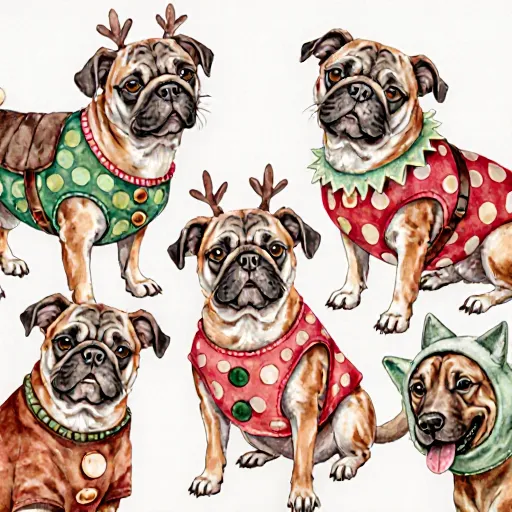
Fun DIY Ideas for Your Pup's Next Halloween Party!
How to Make Homemade Dog Costumes
Table of Contents
- Choosing the Right Size for Your Dog
- Gathering Necessary Materials and Tools
- Selecting Patterns or Ideas for Your Costume
- Measuring Your Dog Accurately
- Cutting Fabric Carefully
- Sewing the Pieces Together
- Adding Elastic and Fasteners
- Fitting the Costume Properly
- Allowing for Movement and Comfort
- Decorating the Costumes Creatively
- Choosing Safe Materials and Accessories
- Taking Care of Your Dog's Comfort During Wear
- Maintaining the Costume Between Uses
- Conclusion
- FAQ
Choosing the Right Size for Your Dog
When it comes to creating a homemade dog costume, selecting the right size is crucial for both comfort and fit. Just as you would tailor your clothing according to body measurements, accurately sizing up your pup's wardrobe ensures that not only does the outfit look adorable but also that it fits snugly and comfortably.
To choose the right size for your homemade dog costume, start by measuring your pet. Here’s how you can do it:
- Chest Measurement: Wrap a flexible measuring tape around your dog's chest at the widest point (similar to where a human waistline would be). Ensure there is enough room for two fingers between the tape and your dog.
- Neck Circumference: Measure the circumference of your dog’s neck, again ensuring that it allows for some movement. This will help you avoid an uncomfortable collar.
- Shoulder Width: Measure from shoulder to shoulder at their widest point. This measurement is important for a well-fitting harness or t-shirt style costume.
- Tail Length: For costumes that extend over the tail, measure the full length of your dog’s tail.
When making a homemade dog costume, it's easy to make some common mistakes. Here are a few to watch out for:
- Tight Clothing: Ensure the outfit is not too tight; otherwise, your dog might struggle to move or get overheated. Too Loose Fit: A costume that's too loose can become a choking hazard if it catches on objects in your home. It’s important to strike a balance between comfort and style.
Here are some tips for creating the perfect fit for your dog:
- Select Quality Fabric: Use durable, flexible fabrics that allow for easy movement. Cotton and fleece are great options as they’re soft on your pet’s skin and won’t irritate.
- Test the Fit: Before sewing the costume completely, try it out with just a few pieces to ensure you’ve got the right dimensions.
- Precision Cutting: Ensure that all cuts are precise. A slightly oversized piece can be adjusted but too small an item is hard to fix.
Here are a couple of examples of homemade dog costumes that require careful sizing for comfort and fit:
- T-shirt Costume: This simple costume involves cutting out the arms and neck from an old t-shirt. Measure your dog's chest and shoulders to ensure the shirt fits snugly but not too tightly.
- Doggy Overalls: These can be made by sewing together two pieces of fabric for the front and back, with straps that fit over your dog’s legs. Carefully measure your dog to avoid gaps or overlaps.
By following these guidelines, you can ensure that your homemade dog costume not only looks great but also keeps your furry friend comfortable and safe. Remember, the right size is key to a successful DIY project!
Gathering Necessary Materials and Tools
To successfully make homemade dog costumes, it's essential to gather all necessary materials and tools beforehand. This ensures that you have everything needed for the project, reducing stress and increasing efficiency. Here’s a comprehensive list of what you'll need:
Materials Needed
- Cloth or Fabric: Choose fabric that is soft, durable, and safe for dogs. Cotton or fleece are great options as they are comfortable and easy to sew.
- Lining Material: Adding a lining can help keep your dog warm and prevent the costume from rubbing against their skin. Look for materials like cotton flannel or microfiber.
- Fabric Paint or Fabric Markers (Optional): For custom designs, fabric paint or markers can add a unique touch to your homemade costume.
- Pet-Safe Glue: Use pet-safe glue for attaching materials together. Avoid using regular craft glues as they may not be safe for pets.
- Hooks and Eyes: These are useful for closures such as collars or other parts of the costume that need to fasten securely.
- Mirror (Optional): If you want to add a reflective feature, consider attaching a small piece of mirror on the collar or harness.
Tools Required
- Sewing Machine: While not essential, having a sewing machine can make your project much faster and more precise. If you don't have one, hand stitching is also an option.
- Measuring Tape or Ruler: Accurate measurements are crucial for a well-fitting costume that won’t be too tight or too loose.
- Clothespins (or safety pins): These can hold fabric pieces in place while you sew them together. They’re especially useful when working with larger dogs whose movements make it harder to keep fabric still.
- Cutting Shears: To cut through the thicker fabrics, sharp shears are necessary. Avoid using scissors as they might not be strong enough for cutting tougher materials like denim.
- Safety Pin or Velcro (Optional): For closures that need to be easy to open and close, consider using safety pins or velcro instead of hooks and eyes.
Additional Tips
Before you start cutting into your materials, take time to measure your dog thoroughly. Use a flexible measuring tape wrapped around the chest and hips for an accurate fit. Make sure there's enough room for movement; dogs should be able to walk comfortably in their costume.
If you're new to sewing or creating costumes, it might help to watch tutorials online that demonstrate specific techniques like hemming or adding zippers. YouTube has a wealth of resources tailored to beginners and experienced sewers alike.
Example Project
For instance, if you want to make a simple dog costume for a cat-themed party, start by measuring your dog's torso width and length from the base of their neck to just below the tail. Based on these measurements, cut out two pieces of fabric for the body (one front piece and one back piece), ensuring they are slightly larger than necessary to allow ease of movement.
Next, use the same method to measure the legs, creating leg sections that taper down from the torso to fit snugly but not restrictively. Sew these pieces together using your sewing machine or by hand if preferred. Finally, add any finishing touches like ears, a tail, or decorative elements.
Selecting Patterns or Ideas for Your Costume
When it comes to creating a homemade dog costume, selecting the right pattern or idea is crucial for ensuring that your pet looks adorable and comfortable. Whether you're making it for fun, a themed event, or just because your dog loves costumes, choosing the right design can make all the difference.
Understanding Your Dog's Needs
Before diving into any pattern or idea, consider your dog’s size and comfort. It's important to choose something that fits well and won't cause any discomfort. A poorly fitting costume could lead to frustration for both you and your pet.
Size Considerations
Different breeds come in a variety of sizes, so it’s essential to measure accurately before selecting a pattern or idea. You can easily find size charts online that are specific to different dog breeds. For example, if you have a small breed like a Chihuahua, you will need a different approach compared to a large breed such as a Great Dane.
Comfort and Movement
The fabric used should be breathable and soft for your dog’s comfort. Avoid scratchy materials that could irritate their skin. For instance, using cotton or fleece is often preferred over synthetic fabrics. Additionally, ensure there are no tight straps or closures that might restrict movement.
Exploring Patterns and Ideas
Pet-Specific Themes
If you're looking for a thematic costume, consider your dog's breed characteristics or even their personality. For example, if you have a golden retriever with a golden coat, you could make them a royal crown and cape to match the color of their fur. Similarly, if your dog is playful and energetic, a superhero costume might be perfect.
Seasonal and Holiday Themes
Holiday costumes are always popular during the festive season. You could dress up your pup as a Christmas elf or a Halloween pumpkin. These themes not only entertain but also make great conversation starters at parties or gatherings.
Character Inspirations
Characters from movies, books, and TV shows can provide excellent inspiration for costumes. For instance, you could create a costume based on your dog’s favorite movie character. If they love The Lion King, you might make them a majestic lion costume or a regal crown.
Custom Designs
If none of the pre-existing patterns appeal to you, consider designing something unique. Think about what your dog enjoys doing—perhaps they love playing in water? A fish or dolphin-themed costume could be both fun and functional for a pool party.
Practical Advice
- Start Simple: If you're new to making homemade dog costumes, start with something simple. This will help build your skills and confidence.
- Gather Materials Carefully: Always purchase high-quality materials that are safe for dogs. Avoid any loose threads or buttons that could pose a choking hazard.
- Test Fit: Before completing the costume, make sure to test-fit it on your dog to ensure proper fit and comfort.
In conclusion, selecting patterns or ideas for your homemade dog costume is about creativity, comfort, and fun. By considering your dog's needs, exploring various themes, and following practical advice, you can create a costume that your furry friend will love!
Measuring Your Dog Accurately
When it comes to making a homemade dog costume, one of the most critical steps is accurately measuring your dog. Proper measurements ensure that the costume fits snugly and comfortably, allowing your pet to move freely without any constraints. Here are some essential tips and practical advice on how to measure your dog correctly:
Understanding the Importance of Accurate Measurements
Accurate measurements are crucial for several reasons. First, a poorly fitting costume can cause discomfort or even harm to your pet. Dogs that are too hot or feel restricted in their movement may become anxious and stressed. Additionally, an ill-fitting costume could lead to unnecessary trips to the vet if it causes irritation or injury.
Tools You Will Need
- A flexible measuring tape (preferably one that can bend around curves).
- Pens and paper for note-taking.
Step-by-Step Guide to Measuring Your Dog
- Measure the Body Length: Start by measuring your dog from the base of their neck where the skin meets the shoulder blade, down along the spine to the base of the tail. Make sure you are using a flexible measuring tape for this step.
- Chest Measurement: To get the chest measurement, gently pull the measuring tape around your dog’s ribcage at its widest point. Be careful not to squeeze too tightly; just ensure it is snug enough so that you can fit one finger between the tape and your dog's fur.
- Tail Length: Measure from where the tail meets the body down to the tip of the tail. This length will help in determining how long the costume should be.
- Leg Measurements: Measure each leg individually, starting from the top of the thigh (where it joins the body) and down to the footpads. It's important to measure both front and back legs since there can often be differences between them.
- Ears and Head Circumference: For ear measurements, wrap the tape around your dog’s ear from base to tip. For head circumference, place the tape just behind the ears and around their muzzle ensuring that it's not too tight but still secure enough.
Tips for Ensuring Comfort
Once you have all these measurements, use them as a guide while creating your dog’s costume. Always remember to allow some extra material if needed because fabrics can shrink during washing. Additionally, consider adding padding or soft materials inside the costume where it might press against sensitive areas like elbows or knees.
Practical Example
Suppose you're making a simple Halloween costume for your dog—a tiny wizard hat and robe. Using the measurements taken earlier, cut out the fabric pieces according to these sizes. You would then sew together the body of the robe using the body length measurement as a guide while cutting the sleeves based on leg measurements. For attaching the hat securely yet comfortably, measure both ear and head circumferences accurately so that it fits snugly but doesn’t constrict breathing.
Conclusion
In summary, taking accurate measurements is key when crafting homemade dog costumes. By following these steps closely, you can ensure your pet feels safe, secure, and stylish in their new outfit. Happy sewing!
Cutting Fabric Carefully
Cutting fabric carefully is a crucial step when making homemade dog costumes. Precision in cutting ensures that your final product fits properly and looks professional, which is especially important for pet costumes where every detail can make the difference between a simple piece of clothing and an adorable costume. Here are some tips to help you cut fabric accurately:
Tools You Will Need
- Cutting mat (optional but recommended)
- Circular or diagonal cutting shears for fabric
- Ruler or measuring tape
- Pencil or tailor's chalk
- Pattern template
Steps to Cut Fabric Carefully
- Select the Right Shears: For cutting fabric, always use scissors designed for fabric. These have stronger blades and are more precise than regular scissors.
- Prepare Your Workspace: Clear a flat, stable surface to work on. If you're using a cutting mat, place it down first and then your pattern or fabric over the top of it.
- Trace the Pattern: Place your pattern piece onto the fabric. Use tailor's chalk, a pencil, or water-soluble pen to trace around the pattern template. Be sure that all edges are perfectly aligned.
- Cut Along the Lines: Hold the shears at an angle for better control and cut along the traced lines with slow, steady movements. If you're using a cutting mat, it provides a smooth surface to help guide your cuts accurately.
- Check Your Cuts: After making all necessary cuts, check the pieces against the pattern to ensure they are accurate. This step is crucial because any mistakes at this stage can lead to an ill-fitting or incorrectly shaped costume.
Additional Tips
- Careful Seam Edges: Always cut fabric with the grain of the material. This means aligning the pattern pieces correctly so that the direction in which you cut follows how the fabric stretches or not.
- Bend and Fold Carefully: When folding fabric, do it carefully to avoid creating creases that could affect the final outcome. Creases can cause parts of the costume to stick out awkwardly or become misshapen.
- Test Cuts: For intricate cuts like curves or angles, you might want to practice on scrap fabric first before making a cut on your main project material.
Practical Examples
For example, when creating a dog costume with flared sleeves, make sure that the flare is consistent across all pieces of the sleeve. This involves measuring and cutting each piece precisely to ensure symmetry. Another example would be ensuring that the neckline is cut smoothly to avoid any rough edges that could irritate your pet.
Conclusion
Cutting fabric carefully is an essential skill when making homemade dog costumes. By following these steps and tips, you can ensure that each piece fits perfectly and enhances your dog's appearance in a fun and stylish costume.
Sewing the Pieces Together
When it comes to making a homemade dog costume for your furry friend, sewing the pieces together is a crucial step that can make or break the final product. This process requires precision and attention to detail to ensure both comfort and style for your pet.
Selecting the Right Fabric
Choosing the right fabric is essential for creating a costume that looks great and keeps your dog comfortable. Opt for materials that are soft, durable, and easy to sew. Cotton or fleece can be good choices as they provide warmth without being overly thick. Ensure the fabric you select fits well with the design of the costume you have in mind.
For a simple tuxedo-style outfit, polyester satin might add an elegant touch. However, for warmer weather, lightweight cotton may be more suitable to ensure your dog stays cool and comfortable.
Tailoring to Fit
Before you start sewing, it's important to take accurate measurements of your dog. A properly fitted costume ensures that your pet can move freely while maintaining a flattering fit. Make sure the legs are not too tight, and the overall design is easy for your dog to wear.
Once you have the measurements, sketch out your design on paper. This helps in visualizing how all the pieces will come together. Pay special attention to the areas where the fabric will attach securely, like the neck, legs, and tail.
Sewing Techniques
Using a sewing machine can make the process easier, but for smaller projects or if you prefer hand-sewing, it's entirely feasible. Start by securing the thread color to match your fabric. Sewing the pieces together involves several techniques:
- Straight Stitch: This is fundamental for creating neat seams.
- Whipstitch: Useful for attaching two fabrics together, especially around the edges.
- French Seam: Ideal for creating a clean finish without visible stitching.
Adding Details and Comfort Features
To make your dog costume truly special, consider adding details like:
- Collars with reflective material to ensure visibility during evening walks.
- Lined sleeves or leggings for warmth.
- Velcro closures for easy on and off.
- Elastic in key areas such as the neck, waist, and ankles to allow for natural movement.
Tips for Success
To ensure a successful sewing project:
- Test Sewing: Always do a test run on scrap fabric before starting the main project to iron out any issues.
- Select Quality Hardware: Use sturdy snaps, zippers, and Velcro to ensure durability.
- Stay Organized: Keep your sewing area tidy with all materials at hand for easy access. Label cut pieces of fabric to avoid confusion.
Final Touches
After completing the main structure, you can add finishing touches such as:
- Ears and Tail: Attach these with care using a whipstitch or adhesive designed for fabric.
- Pockets: Consider adding small pockets inside the costume to hold treats or other items your dog might enjoy.
- Comfort Checks: Before your final outing, make sure that your pet is comfortable wearing the outfit. Adjust as necessary before the big day!
By carefully sewing each piece together with thoughtfulness and care, you can create a homemade dog costume that not only looks adorable but also enhances your pet's comfort. Whether it’s for a fun Halloween party or just to celebrate your pet's uniqueness, the right outfit will make both of you shine!
Adding Elastic and Fasteners
When creating homemade dog costumes, one of the most crucial aspects to consider is ensuring your pet's comfort. This includes not only the design aesthetics but also how well-fitted the costume is. Using elastic and appropriate fasteners can make all the difference in making sure your furry friend stays comfortable while they strut their style.
Choosing the Right Elastic
Elastic, when used correctly, provides a snug fit without being too restrictive for your pet. It's important to choose elastic that is both strong and flexible enough to accommodate the dog’s movements. For smaller costumes, consider using 1/4 inch wide elastic, while larger costumes may require 3/8 inch or even wider for better support.
Example: A Tail Section
If you're creating a costume with a tail section, such as a superhero cape or a fox-like costume, adding elastic at the base of the tail can help secure it and prevent it from slipping. Cut the elastic to fit snugly around the dog's waist, ensuring there is enough room for comfort but not so much that it could slide off.
Using Fasteners Wisely
Fasteners like clips, safety pins, or snaps are essential in holding your costume together securely. They should be easy to apply and remove, especially if you plan on washing the costume frequently.
Example: A Chest Protector
If your costume includes a chest protector for an armored look, such as a knight's suit or a medieval-inspired ensemble, using safety pins can be a practical choice. They are discreet and won't detract from the overall design while providing a secure fit.
Practical Tips for Comfort
- Test Fit: Always do a test fit on your dog before finalizing the costume to ensure it’s not too tight or too loose. This is especially important with elastic, as you want it to provide support without being uncomfortable.
- Avoid Over-Encumbering: While it's tempting to add lots of accessories, keep in mind that your pet should still be able to move freely. Too much fastening or too many layers can make the costume feel heavy and restrictive.
- Use Soft Fabric: When choosing the fabric for your costume, opt for soft materials like cotton or fleece. These materials are gentle on your dog's skin and don't irritate them during playtime.
Conclusion
By carefully selecting elastic and fasteners that are both functional and aesthetically pleasing, you can ensure that the homemade dog costume not only looks great but also provides a comfortable fit for your pet. With these tips in mind, you'll be well on your way to creating a fun and stylish outfit that your dog will love wearing.
Fitting the Costume Properly
When making homemade dog costumes, one of the most important steps is fitting the costume properly. Proper fitting ensures comfort for your pet and a professional-looking finish to the outfit. Here are some tips and practical advice on how to fit the costume correctly:
Measure Your Dog Accurately
Before you start cutting fabric, take accurate measurements of your dog. Measure around the chest, hips, neck, and tail. Use a flexible measuring tape for an exact fit. If you are not confident in taking these measurements, consider bringing your dog to a professional fitting session.
Create a Pattern
Once you have all the necessary measurements, create a pattern on paper or use tracing paper over store-bought patterns to adapt them for your dog. Ensure that the pattern fits snugly but not too tightly around your pet's body to allow freedom of movement.
Trial-Fit Before Sewing
Before you start sewing, it is crucial to trial-fit the costume on your dog. Lay the costume down and gently put your dog into it. Check if there are any areas that need adjusting for comfort or a better fit. Make these adjustments before proceeding with the sewing process.
Use Soft Fabric
Select soft, comfortable fabrics such as cotton or fleece to ensure your pet feels at ease while wearing the costume. Avoid scratchy or itchy materials that could irritate your dog's skin. If you are making a costume for an outdoor event, choose water-resistant materials to protect your dog from unexpected rain.
Adjust Seam Allowance
Sew with a wider seam allowance when working with larger dogs or more active breeds. This allows the material to stretch and accommodate movement without tearing. For smaller dogs or less active breeds, you can sew with a narrower seam allowance for a neater look.
Secure All Fasteners
Ensure all fasteners such as buttons, zippers, and Velcro are secure and will not come undone during play or walking. For younger dogs, consider using safety pins instead of snaps to prevent accidental injuries if the costume comes loose.
Test for Comfort
After completing the costume, let your dog wear it around the house for a short period before taking them out in public. Observe their behavior and make any necessary adjustments. If your dog shows signs of discomfort or distress, consider modifying the design to improve fit and comfort.
Final Adjustments
Once you have ensured that the costume fits well and is comfortable for your pet, do a final check for any loose threads, undone stitches, or exposed seams. These small details can make all the difference in creating a professional-looking homemade dog costume.
By following these steps, you will ensure that your homemade dog costume not only looks great but also fits perfectly and is comfortable for your furry friend. Happy crafting!
Allowing for Movement and Comfort
When creating homemade dog costumes, it's crucial to consider allowing for movement and comfort. Ensuring that your dog can move freely while wearing the costume is essential for their well-being and enjoyment of the outfit.
Importance of Movement
Movement is key when designing any piece of clothing, especially for pets. Dogs need to be able to walk, run, and play without feeling restricted by their attire. When creating a costume, it's important to leave enough space in the design to accommodate natural body movements like walking, jumping, or wagging their tail. This not only enhances your dog’s comfort but also ensures that they are happy and willing to wear the costume.
Material Selection
The choice of fabric is critical for allowing movement in homemade dog costumes. Opt for flexible and breathable materials such as cotton or lightweight polyester. These fabrics allow for easy stretching, which helps dogs move naturally without feeling constrained. Additionally, consider the thickness of the material; thinner fabrics are more suitable for warmer weather, while thicker fabrics may be better suited for colder climates.
Design Considerations
The design should not only look appealing but also facilitate ease of movement. Avoid overly tight areas such as around the neck, chest, and legs. Instead, opt for wider neck openings, loose-fitting sleeves, or pants with elastic cuffs that are easy to put on and take off. Also, ensure that there is enough room in the torso area so that your dog can stretch without discomfort.
Practical Examples
- Costume for a Dog Walking Outdoors: A simple T-shirt costume with a large front opening and an adjustable neck strap allows for easy putting on and taking off. The loose-fitting design ensures that your dog can move freely while walking or running.
- Materials: Cotton or lightweight polyester fabric
- Design Features: Large front opening, wide sleeves, and an adjustable neck strap
- Costume for a Dog Participating in Activities: For dogs participating in activities like agility training, choose a costume that allows full range of motion. This might include using lightweight materials and ensuring there are no constricting elements such as tight collars or belts.
- Materials: Polyester mesh or breathable cotton
- Design Features: Open back design for better ventilation, wide legs with elastic cuffs
- Costume for a Dog in Hot Weather: In hot weather, it's important to keep your dog cool and comfortable. A lightweight costume made of breathable fabric helps maintain body temperature.
- Materials: Lightweight cotton or bamboo blend
- Design Features: Loose-fitting design with ventilation holes in strategic locations
Tips for Comfort
To make sure your dog is comfortable, it's essential to introduce the costume gradually. Start by letting them wear just a small part of the outfit at first, such as the collar or a leg sleeve. Gradually increase the amount they wear over time so that they get used to it without feeling overwhelmed.
Another tip is to ensure the fit is perfect. An ill-fitting costume can cause discomfort and stress for your dog. Measure your dog accurately before starting the project, and make adjustments as necessary. Additionally, consider using soft fabrics and adding padding in strategic areas like the shoulders or hips if needed.
Conclusion
In conclusion, allowing movement and comfort is paramount when making homemade dog costumes. By choosing appropriate materials, designing for ease of movement, and following practical tips for fitting and introducing the outfit, you can create a costume that your dog will love to wear.
Decorating the Costumes Creatively
Creating homemade costumes for your furry friends can be an enjoyable and creative process. By decorating these costumes, you not only make them look adorable but also add a personal touch that reflects the uniqueness of each doggy personality. Here are some tips and ideas to help you get started:
Choosing the Right Base
The first step in creating an impressive homemade dog costume is selecting the right base fabric or material. For instance, if you're making a superhero costume, you might want to start with a sleek black t-shirt. For more whimsical costumes like a princess gown, lightweight cotton or satin would be perfect. Always consider your dog's comfort and safety when choosing materials.
Adding Personal Touches
To make the costume truly unique, add personal touches that reflect your dog’s personality or interests. If you know your dog loves playing outside, perhaps consider incorporating bright colors and reflective strips for visibility during evening walks. For a more formal touch, you could use sequins or sparkles to mimic a glittery dress.
DIY Decorations
Create fun and quirky decorations that align with the theme of your costume. For example, if you're making a pirate costume, add eye patches, fake mustaches made from foam, and small wooden swords for some whimsical touch. You can also use old toys to create accessories like crowns or belts.
Using Recycled Materials
To keep costs down and minimize waste, consider using recycled materials when decorating your dog's costume. Old fabrics from t-shirts or curtains can be repurposed into fabric pieces that fit perfectly around the collar or torso of the dog. Buttons from old clothes can become eye-catching embellishments.
Practical Considerations
Make sure to consider practical aspects such as ease of movement and breathability when decorating your dog's costume. Ensure there are no tight spots that could restrict your dog’s ability to move comfortably or breathe easily. For instance, if you're adding a large hat to the outfit, make sure it doesn't cover the dog's eyes.
Examples of DIY Dog Costumes
- Pirate Costume: Use old t-shirts and fabric scraps to create a pirate shirt. Add eye patches, fake mustaches, and small wooden swords for accessories.
- Princess Costume: Make a simple gown using lightweight fabrics like satin or silk. Decorate with sequins, sparkles, and tiny crowns on the headband.
- Halloween Cat Costume: Utilize an old t-shirt to form a cat ears hat. Add pom-poms for whiskers and perhaps some fake fangs made from plastic.
Final Touches
Add the finishing touches that make your dog’s costume truly special. This could include additional accessories like a belt with small bells, or even a matching leash handle that matches the theme of the outfit. These little details will ensure that not only do they look adorable but also feel comfortable and loved by their owner.
Conclusion
By following these tips and using your imagination, you can create a homemade dog costume that is both stylish and functional. Remember to have fun with the process and let your creativity shine through in every aspect of the costume design.
Choosing Safe Materials and Accessories
When creating homemade dog costumes, it's crucial to prioritize your pet's safety above all else. The materials you choose can directly impact your furry friend's comfort and well-being during the costume-making process and when they wear the finished product. Here are some key considerations to keep in mind:
Soft and Breathable Fabrics
The fabric should be soft, breathable, and easy for both you and your pet to work with. Opt for cotton or fleece as these materials are gentle on the skin and allow air to circulate freely. Avoid synthetic fabrics like spandex or lycra, which can irritate your dog's skin.
Example: Use organic cotton fabric instead of polyester for a more natural feel and reduced risk of allergic reactions.
Elastic and Adjustable Fit
To ensure the costume fits well and stays in place, use elastic or stretchy fabrics that allow for an adjustable fit. This not only enhances comfort but also ensures that your pet can move freely without feeling restricted.
Practical Advice: Use Velcro straps instead of buttons to make it easier for you to put the costume on and off, as well as for your dog to wear it comfortably.
Fabric Reinforcements
For durability, reinforce areas that are prone to stretching or wear, such as the neck, legs, and any parts of the costume where there is a lot of movement. Using interfacing can help strengthen these areas without adding bulk.
Tips: Reinforce the seams with strong thread or consider using a heavier fabric for critical points.
Safety Features
Ensure that any accessories, such as bows, buckles, or tassels, are securely fastened and do not pose a choking hazard. Avoid small parts like buttons or beads that could easily come off and be swallowed by your pet.
Example: Attach decorative elements with strong stitches rather than relying solely on glue, which can be harmful if ingested.
Variety in Accessories
Besides fabric choices, consider other accessories like ribbons, feathers, or even fake fur for adding style to your dog's outfit. When selecting these elements, make sure they are made from non-toxic materials and free of harmful chemicals.
Practical Tip: Use wide ribbons instead of narrow ones to avoid the risk of your pet getting tangled in them.
Testing the Costume
Before fully committing, do a test run with the costume. Make sure it fits well and doesn't cause any discomfort or restrict movement. This will also give you an idea of how the costume looks on your pet so you can make adjustments if necessary.
Advice: Have your dog try it out in its home environment where they feel most comfortable to ensure a positive experience.
Conclusion
By carefully selecting safe materials and accessories, you can create a fun and stylish homemade dog costume that enhances your pet's comfort and safety. Remember, the goal is to have both you and your furry friend enjoy the process and outcome of the project.
Taking Care of Your Dog's Comfort During Wear
When it comes to making homemade dog costumes, it's important not just to focus on the creativity and fun aspect of the project but also to prioritize your dog's comfort. Ensuring that your furry friend is at ease throughout the process is crucial to a successful costume experience. Here are some practical tips and advice to help you achieve this:
The materials you choose for your homemade dog costumes can significantly affect your pet's comfort. Opt for soft, breathable fabrics such as cotton or fleece that won't irritate your dog's skin. Avoid scratchy or synthetic fabrics like polyester unless they are labeled specifically as pet-safe.
A well-fitted costume can make all the difference in how comfortable your dog feels. Make sure to measure your dog accurately before cutting out any pieces of fabric. You want the costume to be snug but not too tight, allowing for freedom of movement and breathing space.
Practical Tip:
Use elastic or Velcro closures instead of buttons or zippers when possible. This makes it easier for you to put on and take off the costume without causing any stress or discomfort to your dog.
Different dogs have different personalities, so consider how active they are and whether they might be sensitive to wearing something new. If your dog is shy or easily stressed by novelty items, start with a simple costume before moving on to more elaborate designs.
Example:
If you're making a Halloween costume for your dog, consider starting with just a top hat and a bow tie rather than covering their entire body. This way, they can acclimate gradually to the experience.
Introducing a new item of clothing, especially something as novel as a costume, should be done gradually and with patience. Let your dog get used to the costume bit by bit over several days rather than trying to force it on them all at once.
Patient Approach:
- Put the costume on for short periods during the day, increasing the time incrementally each day.
- Provide treats and positive reinforcement when your dog wears the costume.
- Create a calm environment where your dog feels secure while wearing it.
Even if you've done everything right, sometimes unexpected issues can arise. Keep an eye out for any signs that your dog is uncomfortable or distressed due to the costume. These might include excessive licking, panting more than usual, or trying to remove parts of it.
Action Steps:
- Observe closely during the first few times you put on the costume.
- If your dog seems distressed, take off the costume and reassess what might be causing discomfort.
- Make any necessary adjustments to fit or design immediately if needed.
By keeping these tips in mind when creating homemade dog costumes, you can ensure that both you and your pet have a positive experience. Remember, the goal is not only for your creation to look cute but also for it to be a stress-free addition to your dog's wardrobe.
Maintaining the Costume Between Uses
When making homemade dog costumes, it's important not just in creating them but also in maintaining them between uses. Proper care can extend the life of your costume and ensure that it remains a safe and enjoyable accessory for your furry friend.
Cleaning Your Costume
To keep your homemade dog costume clean, it's best to spot-clean as needed rather than washing the entire outfit. This helps prevent unnecessary wear on the fabric and reduces the risk of shrinking or damage. Always check the care label of any purchased materials to ensure you use the appropriate cleaning method.
- Spot Cleaning: Use a soft brush or cloth dampened with cool water and mild soap, gently rubbing the stained area until it is clean. Blot excess moisture and allow the costume to air dry.
- Machine Washing (if applicable): If your costume can be machine washed, use cold water and a gentle detergent designed for delicate fabrics. Avoid using bleach or harsh chemicals that could damage the fibers. Always check if the costume is safe in the dryer as well; some costumes may need to air dry.
Tips for Storage
Proper storage between uses will help keep your homemade dog costume looking its best and prevent any damage from occurring over time. Here are a few tips:
- Fold Rather Than Hang: If the costume is made of delicate fabrics like silk or satin, hanging it may cause stretching or creasing. Instead, fold the costume neatly and store it in a drawer or on a shelf.
- Avoid Direct Sunlight: Prolonged exposure to sunlight can fade colors and weaken materials over time. Store your costume away from windows and other sources of direct light.
- Use a Protective Cover: If you have an expensive or particularly delicate costume, consider using a protective cover made for clothing storage. This will help prevent dust and dirt from settling on the fabric.
Inspection Before Each Use
Before putting your homemade dog costume back on your pet, it's crucial to inspect it thoroughly for any signs of wear and tear. Check seams, buttons, and closures to ensure they are secure and undamaged.
- Seams: Look for any fraying or loose threads that could pose a choking hazard if not repaired before use.
- Buttons & Closures: Ensure all buttons, snaps, or zippers are in good working order to prevent accidental injuries.
Promoting Comfort and Safety
Making sure your homemade dog costume is comfortable and safe for your pet is essential. Here’s how you can ensure that:
- Check Fit: Make sure the costume still fits properly after storage. An ill-fitting costume might restrict movement, causing discomfort or even injury.
- Avoid Excessive Accessory Loads: While it may look cute to load your dog up with lots of accessories, too much can cause them to feel uncomfortable or overheat. Keep it simple and functional.
Conclusion
Maintaining the homemade dog costume between uses is just as important as creating it in the first place. By following these tips for cleaning, storage, inspection, and promoting comfort and safety, you can ensure that your costume remains a fun and safe accessory for your pet.
Conclusion
Creating homemade dog costumes is not only a fun and creative project but also an excellent way to save money while expressing your artistic side. By following these steps, you can ensure that your four-legged friend will be the star of any costume party or Halloween event.
- Clothespins (for attaching the costume to the dog's collar)
- Pins for temporary adjustments
- Hot glue gun with glue sticks
- Muslin or other lightweight fabric
- Fabric paint and brushes (optional, if you want to add colors)
- Sewing machine or needle and thread
- Select a Pattern: Choose an easy-to-follow pattern that suits your dog's size. For example, if you want to make a simple superhero costume, start with basic shapes like triangles for the cape and rectangles for the body.
- Cut Out Fabric Pieces: Lay out the fabric pieces according to the pattern and cut them carefully. Use extra care when cutting around curves or complex designs.
- Sew the Pieces Together: Attach the fabric pieces using a sewing machine or needle and thread, following the pattern instructions closely. Make sure all seams are secure and straight.
- Add Accessories: Attach accessories such as buttons, patches, or appliques to make your costume more detailed. You can also add pom-poms for extra flair.
- Fit and Adjust: Try the costume on your dog and adjust any parts that are too loose or tight. Ensure it fits comfortably but securely around the collar using clothespins if necessary.
- Final Touches: Once everything fits well, apply final touches like fabric paint for vibrant colors or additional embellishments to enhance the look of your costume.
Here are a few examples of homemade dog costumes that you can try:
- Cape for a Superhero: A cape made from muslin with a simple rectangle cutout for the body. Attach it to the collar using clothespins.
- Fairy Wings: Use lightweight fabric and elastic bands to create delicate fairy wings that attach easily around your dog's waist.
- Wizard Hat: Cut a hat shape from felt, add a band for the top, and decorate with feathers or glitter. Secure it on your dog's head using pins or hot glue.
To ensure your homemade dog costume is successful:
- Choose a fabric that is easy to work with and comfortable for your pet.
- Test the fit on a doll or similar object before trying it on your dog to catch any sizing issues early.
- Use strong, non-toxic adhesives like hot glue when attaching pieces to avoid them falling off during playtime.
In summary, making homemade dog costumes is a rewarding project that allows you to customize your pet's look. By following these detailed steps and utilizing the tools and materials mentioned, you can create a unique and comfortable costume for any occasion. Remember, the key to success lies in careful planning, attention to detail, and using high-quality materials.
FAQ
Embarking on making a homemade dog costume can be both fun and rewarding. Here are some frequently asked questions that might help you along the way:
A: To make your own dog costume, you'll need some basic sewing supplies and fabric. You can find fabrics at craft stores or online retailers like Amazon or Etsy. Essential tools include a measuring tape, scissors, pins, needle and thread (or a sewing machine), and interfacing for stability. If you're making something more complex, consider purchasing premade dog costumes as patterns.
A: Selecting the appropriate fabric is crucial to ensure your dog’s comfort and safety. Soft, breathable fabrics such as cotton or fleece are great for making costumes that won't irritate your pet’s skin. If you're making something that will be worn during colder weather, consider using a water-resistant material like nylon. Always test the fabric on your dog before finalizing your project to ensure it fits well and is comfortable.
A: Creating a costume that fits properly is essential. Start by measuring your dog in inches or centimeters around the chest, waist, and hips to get an accurate size. Use these measurements as guides when cutting out patterns from fabric. It’s always better to slightly overestimate the size rather than underestimate it since you can always trim extra material but adding more isn't possible without starting over.
A: Yes, absolutely! Many stores sell premade dog costumes that can be used as templates for creating custom designs. Simply cut out the pieces from the costume and use them to trace on your chosen fabric. This method helps ensure a better fit and allows you to make modifications based on your specific needs or creative vision.
A: It's important that your dog feels comfortable and secure while wearing any costume. If they seem uncomfortable or stressed, start by introducing them to it gradually. Allow short periods of time for them to wear it, increasing incrementally as they get used to it. Positive reinforcement can also encourage them to adapt more quickly. If after several attempts there is still resistance, consider whether the fit is correct or if a different design would be better suited for your dog.
A: Safety should always be your top priority when making costumes. Avoid using small, easily detachable parts that could pose a choking hazard. Reinforce any areas where elastic or ties are used to prevent them from breaking and causing harm. Additionally, ensure all fabrics and trims are non-toxic and hypoallergenic for your dog's health.
A: Proper care is important to keep your handmade costume looking great. Most fabrics can be machine washed, but check the label first. Use a gentle cycle and cold water if possible to avoid shrinking or damaging delicate materials. When drying, lay flat or use low heat in a dryer to prevent any stretching or warping of the fabric.
Categories
- AI & Enrichment Play
- Broiler Farming
- Broiler Farming Tips
- Canine Wellness & Longevity
- Cat
- Cat & Human Connection
- Cat Adoption & Rescue
- Cat Breeds
- Cat Breeds & Personalities
- Cat Care & Health
- Cat Grooming & Hygiene
- Cat Lifestyle & Environment
- Cat Myths & History
- Cat Nutrition & Diet
- Cat Products & Reviews
- Cat Training & Behavior
- Comparison
- Consumer Awareness
- Dog
- Dog Accessories & Products
- Dog Adoption & Rescue
- Dog Breed & Lifestyle Trends
- Dog Breeding & Puppies
- Dog Entertainment & Media
- Dog Fashion & Trends
- Dog Fun & Lifestyle
- Dog Grooming & Hygiene
- Dog History & Culture
- Dog Myths, Science & Future Tech
- Dog News & Trends
- Dog Nutrition & Food
- Dog Psychology & Emotions
- Dog Safety & Security
- Dog Sports & Activities
- Dog Technology & Innovation
- Dog Training for Modern Owners
- Dog Travel & Adventure
- Dog Travel, Adventure & Culture
- Economic and Market Insights
- Educational Content
- FAQs
- Feeding Alternatives
- Festivals & Seasonal Ideas
- Fun & Entertainment
- General Knowledge
- General Pig Farming
- Health & Disease Management
- Housing and Environment
- Kittens
- Market Insights
- Miscellaneous
- Miscellaneous
- Motivational
- pig
- Pig Breeding
- Pig Breeds
- Pig Farming Stories and Inspiration
- Pig Health and Care
- Pig Nutrition
- Pig Products
- Profitability & Business
- Puppy Care
- Puppy Predictable Topics Reinvented
- Regional Focus
- Rescue & Adoption Buzz
- Senior Cats
- Senior Dog Care
- Smart Dog Tech & Gadgets
- Sustainability
- Sustainable & Eco-Friendly Dog Products
- Tech & Innovations
- Working & Service Dogs
- Broiler Feed66 products
- Country Feed33 products
- Pig Feed66 products
- Product22 products
- Raw Materials99 products
Products
-
 Fish Meal
₹1,999.00 – ₹2,999.00Price range: ₹1,999.00 through ₹2,999.00Rated 0 out of 5
Fish Meal
₹1,999.00 – ₹2,999.00Price range: ₹1,999.00 through ₹2,999.00Rated 0 out of 5 -
 FATTENING BROILER FEED
₹2,299.00 – ₹2,349.00Price range: ₹2,299.00 through ₹2,349.00Rated 0 out of 5
FATTENING BROILER FEED
₹2,299.00 – ₹2,349.00Price range: ₹2,299.00 through ₹2,349.00Rated 0 out of 5 -
 LAYER COUNTRY FEED
₹1,549.00 – ₹1,649.00Price range: ₹1,549.00 through ₹1,649.00Rated 0 out of 5
LAYER COUNTRY FEED
₹1,549.00 – ₹1,649.00Price range: ₹1,549.00 through ₹1,649.00Rated 0 out of 5 -
 COUNTER BROILER FEED
₹1,199.00 – ₹1,299.00Price range: ₹1,199.00 through ₹1,299.00Rated 0 out of 5
COUNTER BROILER FEED
₹1,199.00 – ₹1,299.00Price range: ₹1,199.00 through ₹1,299.00Rated 0 out of 5 -
 LACTATING PIG FEED
Rated 0 out of 5
LACTATING PIG FEED
Rated 0 out of 5₹2,299.00Original price was: ₹2,299.00.₹1,740.00Current price is: ₹1,740.00. -
 Maize
Rated 0 out of 5
Maize
Rated 0 out of 5₹1,650.00Original price was: ₹1,650.00.₹1,300.00Current price is: ₹1,300.00. -
 GESTATION PIG FEED (Phase 1)
Rated 0 out of 5
GESTATION PIG FEED (Phase 1)
Rated 0 out of 5₹2,249.00Original price was: ₹2,249.00.₹1,699.00Current price is: ₹1,699.00. -
 Pre Starter Broiler Feed
₹2,399.00 – ₹2,499.00Price range: ₹2,399.00 through ₹2,499.00Rated 0 out of 5
Pre Starter Broiler Feed
₹2,399.00 – ₹2,499.00Price range: ₹2,399.00 through ₹2,499.00Rated 0 out of 5 -
 FINISHER PIG FEED
Rated 0 out of 5
FINISHER PIG FEED
Rated 0 out of 5₹2,299.00Original price was: ₹2,299.00.₹1,749.00Current price is: ₹1,749.00. -
 Broiler Premix
Rated 0 out of 5
Broiler Premix
Rated 0 out of 5₹820.00Original price was: ₹820.00.₹699.00Current price is: ₹699.00.