
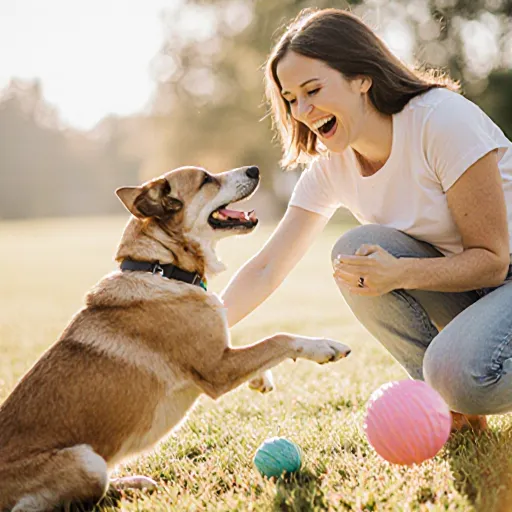
Fun Unusual Games to Strengthen Your Pet-Dog Bond
Unusual Bonding Games for You and Your Dog
Table of Contents
- Introducing Interactive Fetch Games
- Creating a Puzzle Feed Bowl
- Teaching Fun Tricks and Commands
- Going on Scavenger Hunts Together
- Building an Obstacle Course at Home
- Trying Out Dog Agility Training
- Setting Up a Indoor Treasure Hunt for Your Pup
- Playing Fetch in Different Environments
- Creating a Special Bedtime Routine
- Going on Nature Walks and Exploring New Trails
- Organizing a Fun Family Picnic with Your Dog
- Engaging in Water Activities Together
- Attending Local Pet-Friendly Events and Festivals
- Setting Up a Dedicated Playtime Schedule
- Conclusion
- FAQ
Introducing Interactive Fetch Games
Introducing interactive fetch games for your dog can be a delightful and engaging way to bond while also providing mental stimulation. These activities are not just about retrieving toys but can involve various elements that make the game more exciting and challenging.
Interactive fetch games go beyond the simple act of fetching a toy. They offer opportunities for you to spend quality time with your dog, helping to strengthen the bond between you both. By involving your dog in more complex interactions, you can deepen your connection and make training sessions more enjoyable.
- Obstacle Course Fetch: Set up an obstacle course with items like cones or cushions. Your dog must navigate the obstacles to retrieve a toy, which makes it a great exercise for both physical and mental engagement.
- Target Training: Use hand signals or verbal cues to direct your dog to fetch specific objects placed around the house. This adds an element of strategy that can keep your dog interested in the game.
- Hide-and-Seek with a Toy: Hide the toy and let your dog find it, then encourage them to bring it back to you. This game mimics foraging behaviors, which are natural for dogs.
To ensure that interactive fetch games remain fun and effective, consider these tips:
- Choose the Right Toy: Opt for durable toys that can withstand your dog's enthusiasm. Soft fabrics may not last long under heavy chewing.
- Vary the Environment: Change up where you play fetch to keep things interesting. A park, backyard, or even indoors can offer new and exciting settings.
- Mix It Up: Alternate between different types of games within your routine to avoid monotony and maintain your dog's interest.
Imagine this scenario: You set up an obstacle course with cushions arranged in a zigzag pattern. Your dog, excited by the challenge, runs through the course, jumps over cushions, and retrieves the toy at the end. Once back with you, they drop the toy as per your command, completing the interaction successfully.
Another instance could be during target training: You use a hand signal to direct your dog towards a specific object hidden in another room. They find it, bring it back, and are rewarded for their effort. This not only reinforces positive behavior but also strengthens your bond through cooperation.
Incorporating interactive fetch games into your routine is an excellent way to enhance both the physical and mental health of your dog while creating cherished moments with them. These activities are a perfect blend of fun, challenge, and companionship, making them invaluable for any pet owner looking to enrich their relationship with their furry friend.
Creating a Puzzle Feed Bowl
Creating a puzzle feed bowl can be an exciting way to bond with your dog while keeping them mentally stimulated. Puzzle feeders challenge dogs to solve puzzles as they eat, which mimics natural foraging behaviors and helps prevent boredom.
- A large plastic container or a sturdy bowl (ensure it's BPA-free)
- Paper towels or newspaper (optional)
- Food treats (small pieces of your dog’s regular kibble, cheese, or other safe treats)
- Tape
- Prepare the Base: Start by placing a large plastic container on its side. This will serve as the puzzle bowl base.
- Create Obstacles: Use tape to create small barriers or dividers within the container. These can be simple shapes like circles, squares, or triangles. You can also use paper towels or newspaper cut into strips and placed in strategic positions inside the container.
- Add Treats: Place the food treats through these obstacles so that your dog has to push or move them around to get at the treat. This encourages active play and problem-solving.
- Test It Out: Let your dog sniff and play with the new puzzle bowl. Observe their interaction and make adjustments as necessary, such as adding more obstacles or changing the treats used.
Here are some practical tips to ensure your dog enjoys using a puzzle feed bowl:
- Vary the Treats: Dogs can get bored with the same puzzle if the treat remains constant. Try rotating different types of treats or kibble to keep things interesting.
- Start Simple: If your dog is new to puzzles, start with a simpler design and gradually increase complexity as they become more adept at solving them.
- Use It Regularly: Incorporate puzzle feed bowls into daily routines. This helps reinforce training and strengthens the bond between you and your pet.
Here are a few examples of DIY and commercial puzzle feeders that can help get your creative juices flowing:
- DIY Cone Feeder: Cut cones out of cardboard and place them in the bowl to create channels for treats. You can vary the size and shape of the cones.
- Commercial Puzzles: Check out brands like Kong or Nina Ottosson, which offer a range of puzzle toys that challenge dogs in different ways.
Incorporating a puzzle feed bowl into your routine can significantly strengthen the bond between you and your dog. As they work through each level, they are actively engaged with you, making it an excellent opportunity for interaction and play.
Creativity in crafting puzzle feed bowls not only keeps your dog entertained but also fosters a deeper connection between you both. By offering challenges that mimic natural hunting behaviors, you're contributing to their overall well-being while enjoying quality time together.
Teaching Fun Tricks and Commands
Teaching fun tricks and commands is not just about enhancing your dog’s skills; it's an excellent way to bond and create a stronger, more trusting relationship with your pet. By incorporating these activities into your daily routine, you can make learning enjoyable for both of you.
- Select the Right Commands: Start by choosing simple commands such as "sit," "stay," "come," and "down." These basic commands form a strong foundation for more complex tricks later on.
- Create a Positive Learning Environment: Make sure your dog feels comfortable and is in a relaxed state before starting to learn new tricks or commands. Positive reinforcement goes a long way; use treats, praise, and playtime to keep the learning experience enjoyable.
- Use Consistent Commands: It’s important that you consistently use the same words for each command so your dog can easily associate them with specific actions. Consistency is key in training!
- Lying Down: Teach your dog to lie down by first asking it to sit, then gently push its bottom towards the floor with a treat. As soon as it lies down, immediately reward it.
- Play Dead: This trick can be fun and amusing for both you and your pet! Begin by lying on the ground yourself while holding a toy above your head. Encourage your dog to lie beside you using treats or commands.
- Fetch: While fetch is more of a game, it’s also one of the most rewarding activities you can do with your dog. Start in a small area like a backyard and throw soft toys for short distances first before moving onto longer throws as they get more skilled.
To ensure that these activities not only entertain but also strengthen the bond between you and your dog, here are some practical tips:
- Practice Regularly: Consistency is crucial in training. Aim to practice for short periods daily rather than long sessions less frequently.
- Be Patient: Every dog learns at its own pace, so be patient and celebrate small successes along the way.
- Vary Your Routine: Mix up your commands and tricks occasionally to keep things interesting for both you and your dog. This helps prevent boredom and ensures that your pet remains engaged in learning new skills.
By following these guidelines, not only will you see improvements in your dog's obedience and skill set, but you'll also enjoy countless joyful moments spent together as you build those precious memories. Remember, the key to successful training lies in positive reinforcement, consistency, and most importantly—fun!
Going on Scavenger Hunts Together
Going on scavenger hunts together can be a fun and engaging way to bond with your dog. This activity not only encourages physical exercise but also mental stimulation, which is crucial for maintaining both the physical and emotional health of your pet.
Planning Your Scavenger Hunt
The key to making these hunts enjoyable for both you and your dog is preparation. Start by choosing a safe area where your dog feels comfortable. This could be in your backyard, a local park, or even within the confines of your home if it's a smaller breed.
- Choose Items: Select items that are easy for your dog to find and retrieve. These can range from small toys, treats, or even specific scents like peanut butter or cheese. The goal is to make the hunt challenging but achievable.
- Map Out Routes: Create a simple map or plan of where you will hide items. Vary these routes each time to keep things fresh and exciting for your dog.
Engaging Your Dog
To ensure that the scavenger hunt is effective in strengthening the bond between you and your dog, engage with them actively during the game. Use positive reinforcement by praising them when they find an item or follow a trail correctly.
- Use Commands: Teach your dog commands like "find it" or "seek." This helps in keeping focus and understanding expectations.
- Praise and Rewards: Always reward good behavior with treats, pets, or verbal affirmations. Positive reinforcement is crucial for learning new behaviors.
Practical Tips
Scavenger hunts are not just about the hunt itself but also about making it a fun and memorable experience for your dog. Here are some tips to keep in mind:
- Start Simple: If this is new to you both, start with simpler scavenger hunts before moving on to more complex ones.
- Vary the Items: Keep things interesting by varying the types of items or scents each time. This keeps your dog's interest piqued and ensures they don't become bored.
- Watch for Signs of Stress: Make sure that the scavenger hunt doesn’t become overwhelming for your dog. Always be mindful of their signals; if they are stressed or uncomfortable, it’s time to stop.
Examples and Fun Activities
Here are a few activities you can incorporate into your scavenger hunts:
- Hiding Treats: Place treats in different spots around the yard or house for your dog to find. This not only encourages exercise but also helps with training.
- Scent Games: Use items like a small piece of cheese wrapped in paper and hide it. Your dog will have to use their sense of smell to locate the item.
- Interactive Toys: Hide interactive toys that require your dog to manipulate them, such as puzzle feeders or toy boxes with hidden compartments.
In conclusion, going on scavenger hunts together is a fantastic way to bond with your dog. It’s an activity that can be easily tailored to suit the individual needs of both you and your pet, ensuring it remains enjoyable for all involved.
Building an Obstacle Course at Home
Building an obstacle course at home can be a fun and engaging way for you and your dog to bond while also providing physical exercise and mental stimulation. This activity is not only enjoyable but also helps in strengthening the relationship between you and your pet. Here’s how you can create one, focusing on fun activities that will help you bond with your dog.
- Variety of toys (balls, frisbees, cones)
- Tents or small crates for hiding and climbing through
- Bungee cords or elastic bands for creating hurdles
- Soft pillows or cushions for jumping over
- Traffic cones to arrange in various patterns
- Create a Safe Environment: Make sure the space you choose is safe and secure. Clear away any hazards that could cause injury.
- Select Your Obstacles: Choose obstacles based on your dog’s size, strength, and agility level. Start with simple tasks like walking through a tunnel or jumping over cushions before moving to more complex ones like crawling under tables or weaving between cones.
- Arrange the Course: Design an obstacle course that progresses from easy challenges to harder ones. This helps build your dog’s confidence and endurance without overwhelming them.
- Practice and Reinforce: Once you have set up the course, practice walking it together several times. Reward your dog with treats and praise for completing each challenge successfully. This positive reinforcement will encourage them to participate more enthusiastically.
Incorporating these activities into your obstacle course sessions can make the experience even more enjoyable and beneficial:
- Hiding Games: Hide yourself or a toy at different points in the course. Encourage your dog to find you or the item, which enhances their problem-solving skills.
- Climbing Challenges: Use tents or small crates for climbing through and over. This strengthens muscles and builds confidence.
- Puzzle Feeders: Incorporate puzzle feeders into the course to give your dog a mental challenge while they eat. It’s like giving them a treat wrapped in fun!
To ensure that building and using an obstacle course at home is successful:
- Vary the Course Regularly: Changing up the course every few weeks keeps things fresh and exciting for both you and your dog.
- Pace Yourself: Start with simpler obstacles if it’s your first time setting one up. Gradually increase complexity as you both get more comfortable.
- Stay Positive: If your dog seems hesitant, don’t force them through the course. Take breaks and make it a game rather than a chore.
In conclusion, building an obstacle course at home is not just about creating a physical activity for your dog but also about providing a platform to enhance your bond with your pet. By incorporating fun activities that promote both mental and physical health, you can ensure that these sessions are enjoyable and rewarding for all involved.
Trying Out Dog Agility Training
Introducing your dog to agility training can be a rewarding and fun activity for both you and your furry friend. Agility training involves guiding dogs through an obstacle course that includes jumps, tunnels, weave poles, and other challenges. This type of training not only enhances physical fitness but also improves mental stimulation and strengthens the bond between you and your pet.
Benefits of Dog Agility Training
- Physical Fitness: Agility training helps improve your dog's coordination, balance, and overall fitness. Regular exercise is crucial for maintaining a healthy lifestyle for both dogs and their owners.
- Mental Stimulation: Dogs are intelligent animals that thrive on mental challenges. Agility training provides an excellent way to keep them mentally engaged, reducing boredom and the likelihood of destructive behaviors.
- Bonding: Working together through agility training creates a strong connection between you and your dog. This shared experience can deepen your relationship and increase trust and cooperation.
Getting Started with Agility Training
To start agility training, it's important to ensure that your dog is in good physical condition. If you're unsure whether your dog is ready for the demands of agility, consult a veterinarian or a professional trainer.
The following are steps to help you get started:
- Enroll in Classes: Look for local dog agility classes. Many communities offer training sessions that cater specifically to beginners and their dogs.
- Practice at Home: Once your dog has some basic skills, you can begin practicing agility exercises at home. Start with simple obstacles like tunnels or small jumps to build confidence before moving on to more advanced challenges.
- Stay Consistent: Regular practice is key to success in agility training. Aim to spend at least 15-20 minutes each day working through different exercises and drills.
Fun Activities for Bonding Through Agility
Agility training isn't just about the dog; it's also a great opportunity to bond with your pet. Here are some fun activities that can enhance this experience:
- Positive Reinforcement Training: Use treats, praise, and play as rewards for good behavior during agility training sessions. This positive reinforcement will encourage your dog to participate more enthusiastically.
- Playtime After Sessions: Once you've completed a session, spend some time playing with your dog. This could be frisbee, fetch, or simply having a walk together. These activities can help wind down and celebrate the training.
- Competitions Together: Consider entering local agility competitions once your dog has mastered several basic exercises. Competing together will give you both a sense of accomplishment and further strengthen your bond.
In conclusion, trying out dog agility training can be an exciting journey that offers numerous benefits for both you and your dog. By incorporating fun activities to enhance the experience, you'll create lasting memories and a stronger relationship with your pet.
Setting Up a Indoor Treasure Hunt for Your Pup
Creating an indoor treasure hunt for your pup is not only a fun activity but also an excellent way to bond with your dog. This game encourages mental stimulation, physical exercise, and strengthens the bond between you and your pet. Here’s how you can set it up:
Materials Needed
- Treats or small toys as treasures
- Small pieces of paper or cards for clues
- Toys that match your dog's scent (optional)
- Clothing items such as scarves, socks, and hats (for scent trails)
Step-by-Step Guide
- Create Clues: Write simple clues that lead your pup to each hiding spot. Use words like "find," "search," or "follow." For example, "Follow the sock under the couch" or "Find the treat behind the fridge."
- Hiding Treasures: Place small treats or toys around your home according to the clues you've written. Make sure it is safe for your dog and within easy reach without causing any harm.
- Scent Trails: If your pup loves a good scent game, create a trail of clothing items that match one another. Start with an item on your body (like your scarf) and have them follow the trail to their next clue or treat.
- Start the Game: Call your dog over to you, give them a simple command like "find," and watch as they start following the clues you've set up. Encourage them with praise and treats when they find each one.
Practical Advice
Start Simple: For beginners, keep things simple by only hiding a few treasures at first. As your pup gets the hang of it, you can increase the complexity and number of items in each treasure hunt.
Modify Difficulty Levels: If your dog is already skilled at finding items around the house, consider adding more complex clues or hiding places that require them to think harder. You could use a combination of visual and scent-based clues for variety.
Use Treats Wisely: Make sure each treasure is rewarded with a treat as it's found. This keeps your pup motivated throughout the game but also helps control their calorie intake if they are prone to overeating treats.
Examples
- Visual Clue Example: "Follow this scarf and find the next clue behind the door."
- Start with placing a small treat under the couch. Then, hide your dog's favorite toy near the front door.
- The trail can continue from the toy to another treat in their kennel or crate.
- Scent Trail Example: "Follow the sock and find the next clue behind the fridge."
- Use a different clothing item as a scent trail, leading to an interesting toy in another room.
- This can be repeated several times throughout your home, making sure each trail is unique but easy for your dog to follow.
Conclusion
Setting up an indoor treasure hunt for your pup not only provides much-needed mental and physical stimulation but also offers a fantastic opportunity to bond with your furry friend. By following these steps, you can create exciting and challenging games that will keep your dog engaged and happy for hours.
Playing Fetch in Different Environments
Playing fetch is one of the most enjoyable and rewarding activities you can do with your dog. It not only strengthens the bond between you but also helps keep your pet physically active and mentally stimulated. However, depending on where you're playing fetch—whether it's in a park, at home, or even by the beach—the experience can vary significantly. Here’s how to make the most of these different environments:
The backyard is often the perfect place for an impromptu game of fetch. It offers a controlled environment where you can easily keep track of your dog and manage any distractions. Make sure to choose a safe area without hazards like sharp objects or toxic plants.
- Use toys that are durable: Your backyard might have rough terrain, so choose toys that are tough enough to withstand chewing and bouncing around.
- Create a routine: Consistency can help your dog understand what's coming next, making the game more enjoyable for both of you.
Parks are great for fetch because they offer plenty of open space and diverse terrain. This variety makes fetching fun and engaging for your dog.
- Watch out for other dogs: Some parks might have areas where dogs are not allowed, or you may encounter aggressive playmates. Always keep an eye on your surroundings and your dog’s behavior.
- Bring water: Fetch can be tiring, so ensure both you and your pet stay hydrated.
The beach is a fantastic spot for fetch, especially on calm days. However, there are some considerations to keep in mind:
- Check water safety: Always ensure that the area you're playing in is safe and not too deep.
- Use floatable toys: Toys like rubber discs or floating sticks can make fetch more fun at the beach, as your dog will enjoy retrieving them from the water.
If you're unable to go outside due to weather or other reasons, indoor fetch can still be a hit. It might not last as long as an outdoor game, but it's great for short bursts of activity and mental stimulation.
- Choose the right toy: Soft toys work well indoors where there are no hard surfaces to damage your belongings.
- Create a safe space: Ensure that there are no breakable items or hazardous materials within reach of your dog during playtime.
In conclusion, playing fetch in different environments can provide endless opportunities for fun and bonding. By considering the specific characteristics of each setting and adapting your approach accordingly, you'll ensure a memorable experience for both you and your furry friend. Remember to always prioritize safety and have fun!
Creating a Special Bedtime Routine
Creating a special bedtime routine for your dog can greatly enhance both of your sleep experiences. Just like humans, dogs benefit from a consistent daily routine that signals it's time to wind down and relax. This not only promotes better sleep but also strengthens the bond between you and your furry friend.
One of the best ways to create a special bedtime routine for your dog is by engaging in calming activities that help them wind down before sleeping. Consider these fun and relaxing options:
- Interactive Playtime: Engage in short, interactive play sessions using toys like tennis balls or frisbees. This releases pent-up energy without being too stimulating close to bedtime.
- Massage Therapy: Dogs can enjoy a gentle massage. Use your fingers to rub their neck, shoulders, and back. This helps them relax and feel loved.
- Cuddling Time: Spend some quality time cuddling with your dog. Sit together on the couch or floor for a few minutes of quiet bonding.
To further enhance the calming effect, incorporate relaxing elements into your bedtime routine:
- Low-Light Environment: Dimming the lights or using a soft nightlight can signal to your dog that it's time to relax and get ready for sleep.
- Dog-Calming Music: Play soothing music specifically designed for dogs. Many online platforms offer free tracks that are calming and relaxing for pets.
Consistency is key when creating a bedtime routine for your dog. Dogs thrive on routines, and consistency helps them understand what to expect each night. Here’s how you can maintain this consistency:
- Timing: Try to begin the routine at the same time every evening. This helps signal to your dog that it's time for bed.
- Sequence: Follow a specific sequence of activities each night, such as playtime, massage, and then cuddling.
To ensure your special bedtime routine is successful, here are some practical tips to keep in mind:
- Patience: Some dogs may take longer to adjust to the new routine. Be patient and consistent.
- Variety: Occasionally mix up the activities to keep things interesting without disrupting the overall structure of the routine.
- Consistency from Everyone in the Household: If you have other family members, ensure they are also following the same bedtime routine for your dog. Consistency across the household is crucial for success.
Creating a special bedtime routine isn't just about making your dog more relaxed and comfortable; it’s also an excellent opportunity to bond with your dog. By spending time together in this quiet, calming environment, you can deepen the connection between you:
- Shared Moments: These routines create shared moments that are both enjoyable and meaningful.
- Expressing Love: Through these activities, you're expressing your love for your dog in a tangible way. Your dog will feel safe, secure, and loved.
Going on Nature Walks and Exploring New Trails
Going on nature walks and exploring new trails is not just a refreshing way to enjoy the outdoors but also an excellent opportunity for you and your dog to bond. These activities are filled with fun, excitement, and adventure that can help strengthen the connection between you and your furry companion. Here’s how you can make the most out of these excursions:
Plan Your Route
Before embarking on a new trail, it's important to research the route beforehand. Choose paths that are suitable for both you and your dog based on their fitness levels. Some trails might be too steep or rough for less experienced hikers, so it’s crucial to find one that offers a balance between challenge and enjoyment.
For example, if you have a small breed of dog like a Chihuahua, look for flat, well-maintained paths with minimal elevation changes. This will ensure your pet feels comfortable and safe during the walk.
Prepare Necessary Gear
Equipping yourself and your dog with the right gear can make your nature walks much more enjoyable. A sturdy leash is essential for control, while a good quality collar ensures your dog stays secure. Additionally, carrying water bottles for both you and your pet will keep everyone hydrated on longer hikes.
- Leash: Choose one that is durable yet comfortable to wear.
- Collar: Ensure it fits well and has identification tags attached.
- Water Bottles: Bring enough for both you and your dog.
Incorporate Fun Activities
To keep things exciting, incorporate various fun activities during your nature walks. This could include playing fetch in open areas or practicing new commands to challenge your dog mentally. These interactions not only make the walk more enjoyable but also serve as valuable training opportunities.
- Fetch: If you have an energetic breed, like a Labrador Retriever, encourage them by throwing balls or frisbees for retrieval.
- Training Exercises: Use the walk to practice basic commands such as "sit," "stay," and "come." This can be done while walking or even during breaks at scenic spots.
Create Memorable Experiences
Making your nature walks memorable will enhance the bond you share with your dog. Try to take unique photos of both of you along the trail, or perhaps bring a camera drone to capture aerial shots of the scenery. These memories can be cherished and revisited together in the future.
- Photo Opportunities: Look for picturesque views that showcase your relationship with your dog.
- Drones (Optional): If you're tech-savvy, using a small drone can provide fantastic aerial footage of your adventures.
Pack Essentials
Besides the gear mentioned earlier, packing some essentials like snacks for yourself and treats for your dog is crucial. Snacks can be enjoyed during breaks or as rewards for good behavior. Remember to choose healthy options that are suitable for dogs.
- Snacks: Bring small portions of your favorite trail mix or granola bars.
- Treats: Pack some dog-friendly treats like cheese cubes or freeze-dried chicken strips.
By following these tips and suggestions, you can transform going on nature walks and exploring new trails into an exciting activity that fosters a stronger bond with your dog. Each outing offers the chance to explore something new while enjoying quality time together in nature’s beautiful surroundings.
Organizing a Fun Family Picnic with Your Dog
Planning a family picnic can be an enjoyable and memorable experience, especially when you include your furry companion. By organizing activities that are both fun for everyone, including your dog, you not only strengthen family bonds but also ensure that your pet gets the exercise and mental stimulation it needs. Here’s how you can organize a successful and enjoyable picnic with your dog:
Selecting an appropriate location is crucial for a successful family picnic. Look for parks, beaches, or any open space that allows your dog to run around safely. Ensure there are no hazardous materials like glass shards or toxic plants in the area where you plan to set up.
Including family members and friends can make the picnic more engaging for everyone, including your dog. Assign tasks such as packing snacks, setting up games, or even organizing a small competition among guests that includes pets. This way, you’re not only creating an event but also ensuring it's a collaborative effort.
Engage your family in activities that promote physical fitness and mental stimulation for both humans and dogs. Here are some fun activities:
- Frisbee Toss: This classic game is not only enjoyable but also helps with your dog’s coordination and obedience skills.
- Hunt the Squirrel (or Another Toy): Encourage your dog to use their natural hunting instincts by playing a modified version of hide-and-seek where they find specific items you’ve hidden around the picnic area.
- Balloon Chase: Inflate balloons and let them float away for your dog to chase after. Be sure to remove any inflated balloon remnants once playtime is over, as these can be hazardous if ingested by dogs.
- Pet Obstacle Course: Set up an obstacle course using cones, tunnels, or even a simple path through natural terrain. This activity requires some planning beforehand but provides great entertainment for both you and your dog.
Ensure that your dog is comfortable during the picnic by providing them with water, shade if necessary, and plenty of breaks. Just as human family members should stay hydrated, so too must dogs to avoid overheating or dehydration.
Involve all family members in the activities, not just the children. This ensures that your dog doesn’t feel left out and helps create lasting memories for everyone involved. For instance, you could organize a mini relay race where both humans and dogs participate together.
By following these tips, you can ensure that your next family picnic is memorable not only for its fun activities but also the positive impact it has on your pet’s health and well-being. Remember, the key to a successful event is preparation and involving everyone in the planning process!
Engaging in Water Activities Together
Engaging in water activities together with your dog can be a thrilling and rewarding experience, providing an opportunity for both you and your pet to enjoy some quality time while promoting physical fitness and mental stimulation. Water environments offer unique settings that challenge your dog's natural instincts and abilities, making them ideal for bonding moments.
- Pond or Lake Swimming: If you live near a calm body of water, swimming can be a great way to enjoy the outdoors together. Dogs love to swim and it helps them cool off on hot days.
- Start by letting your dog get used to the water slowly to ensure they feel comfortable. Start in shallow areas before moving deeper into the water as they become more confident.
- Canoeing or Kayaking: If you have a boat, consider taking it out with your dog for a ride. Dogs can stand on the deck and enjoy the scenery while you navigate the water.
- To make it more engaging, bring along treats that they can retrieve from the water as rewards for good behavior or to simply toss them in for fun.
Water activities offer a variety of health benefits for both you and your dog. They improve cardiovascular fitness, build muscle strength, increase joint flexibility, and promote overall well-being. Additionally, these activities provide mental stimulation as dogs must use their instincts to navigate the water.
- Start Slowly: Ensure your dog is comfortable with the water before attempting more advanced activities.
- Pick a Safe Spot: Choose an area free of strong currents, excessive waves, or other potential hazards to keep both you and your pet safe.
- Dress Appropriately: Wear appropriate clothing for the water temperature and conditions. Consider bringing along a life jacket for your dog if they are not yet confident swimmers.
Incorporating water activities into your routine can enhance the bond between you and your dog by creating lasting memories filled with fun and adventure. Whether it's swimming, canoeing, or kayaking, these activities offer a unique way to strengthen the connection while enjoying nature together.
Attending Local Pet-Friendly Events and Festivals
Attending local pet-friendly events and festivals is a fantastic way to bond with your dog while also meeting other pet owners. These events offer a variety of fun activities that can strengthen the bond between you and your furry friend, as well as provide opportunities for socialization.
Before attending any event, it's important to find out if it is pet-friendly. Many local parks, community centers, and businesses organize events specifically for pets and their owners. Check online for listings or sign up for newsletters from your city or county’s parks department.
Examples of Pet-Friendly Events
- Pet Parade
- Dog Meet-and-Greet Sessions
- Doggie Olympics
- Pet Photography Contests
- Pet Adoption Drives
Participating in activities together can enhance your bond and help you both enjoy the event more. Here are some ideas:
Doggie Olympics
This activity involves various fun games that challenge both you and your dog. For instance, a "fetch" competition or a relay race where you and your dog work together to complete tasks. These activities can be very rewarding as they provide a chance for physical exercise and mental stimulation.
Pet Photography Contests
Entering your dog in a photography contest is not only a great way to capture memorable moments but also encourages you to spend quality time with your pet. You can take pictures at the event itself or even create new ones back home.
Pet Meet-and-Greet Sessions
These sessions are ideal for socialization and allow both you and your dog to interact with other pets in a controlled environment. It’s important to ensure that all animals are friendly towards each other before engaging them in any activities.
- Prepare Your Dog: Train your dog to behave well around strangers and other dogs. Ensure they follow basic commands like "sit," "stay," and "heel."
- Bring Necessary Supplies: Make sure you have a leash, water bowl, treats, poop bags, and any medications your pet might need.
- Dress Comfortably: Wear comfortable clothing suitable for the weather conditions. It's also wise to wear something that matches your dog’s color scheme for fun photos!
- Safety First: Always keep an eye on your surroundings and ensure no dangerous situations occur.
Attending local pet-friendly events offers numerous benefits. It provides a platform for you to build lasting friendships with other dog owners, learn more about responsible pet care, and enjoy some quality time together away from daily routines.
Setting Up a Dedicated Playtime Schedule
Setting up a dedicated playtime schedule is an excellent way to ensure your dog gets the exercise and mental stimulation they need, while also providing you with a routine that strengthens the bond between you both. Consistency in your playtime can help establish predictability for your dog, making them feel secure and happy.
Understanding Your Dog's Needs
To effectively set up a playtime schedule, it's important to understand what activities your dog enjoys most. Dogs have different energy levels and preferences, so knowing your dog’s personality will help tailor the type of play you engage in.
- High-energy dogs: These canines benefit from more intense and longer play sessions involving running, fetching, or interactive games like tug-of-war. Examples include taking your dog to a park for off-leash time or playing fetch with a ball or frisbee.
- Moderately active dogs: Activities such as short walks, swimming, or light agility exercises are suitable for these dogs. You can also incorporate games that challenge their mental abilities like hide-and-seek around the house.
- Lapdogs and low-energy dogs: Short play sessions with interactive toys like puzzle feeders or training sessions can keep them engaged without overwhelming them. Consider indoor activities such as teaching tricks or playing catch with a laser pointer.
Create a Balanced Schedule
A well-structured schedule should balance physical and mental activities to ensure your dog is mentally stimulated, physically fit, and emotionally balanced. Here’s how you can organize the schedule:
- Morning Playtime: Start with a short session as soon as you wake up. This helps kickstart their day and sets a positive tone for both of you.
- Lunch Break: Incorporate some downtime where your dog can rest or engage in quiet activities like chew toys, followed by a longer playtime after lunch.
- Eve Playtime: Conclude the day with a high-energy session to tire them out before bedtime. This will make it easier for both you and your dog to wind down later.
Incorporate Fun Activities
Finding fun activities that align with your dog's interests can turn playtime into a cherished bonding experience:
- Interactive Games: Use toys like frisbees, balls, and ropes to engage in fetch or tug-of-war. These games not only exercise their muscles but also teach them obedience.
- Mental Challenges: Puzzle feeders are great for keeping your dog’s mind sharp. You can place treats inside the feeder and let them work to get it out, which is a stimulating activity that mimics hunting behavior.
- Outdoor Activities: Whether it's going for walks in the park, running through fields, or swimming, outdoor activities are excellent for their physical health. Just remember to bring along any necessary items like water and dog-specific sunscreen if needed.
Tips for Success
To make your playtime schedule successful, consider these practical tips:
- Consistency: Try to follow the same routine daily so that your dog gets used to it and looks forward to their scheduled playtimes.
- Variety: Keep the activities varied to prevent boredom. Switch up between different types of games or treats to keep things exciting for both you and your dog.
- Positive Reinforcement: Always reward good behavior with praise, treats, or simply extra playtime. Positive reinforcement is key in training your dog and strengthening the bond.
Conclusion
Expanding on the idea of fun activities to bond with your dog, it's important to recognize that each pet is unique and has its own set of preferences. Engaging in activities that suit their individual needs not only strengthens the bond between you but also ensures they remain physically and mentally stimulated. Here are some detailed suggestions for activities:
Interactive Play Sessions
Dogs love to play, and interactive sessions can be incredibly rewarding for both you and your furry friend. For instance, playing fetch in a safe, enclosed area like a park or backyard is an excellent way to spend time together. You can introduce new toys such as tennis balls, frisbees, or even homemade stuffed Kongs filled with treats to keep them engaged.
Another fun activity is hide-and-seek games where you hide around the house and let your dog find you. This not only provides exercise but also encourages problem-solving skills in dogs.
Training Sessions
Training isn't just about teaching commands; it's an opportunity to strengthen the relationship with your pet. Positive reinforcement training, such as rewarding good behavior with treats and praise, can make these sessions enjoyable for both you and your dog.
Incorporate training into daily routines by practicing simple commands like "sit," "stay," or "down" during walks or after meals. These small increments of learning can be a fun way to keep the bond strong and ensure obedience in public spaces.
Outdoor Adventures
The great outdoors offer countless opportunities for bonding with your dog. Whether it's hiking, cycling, or simply taking long walks, these activities provide much-needed exercise while allowing you both to explore new environments together.
If you're planning a day out, consider visiting local dog parks where dogs can socialize and play freely. This helps them develop good manners around other pets and humans, which is beneficial for their overall development.
Creative Activities
For those looking to get creative, there are various activities that combine fun with creativity. Crafting DIY dog toys using materials like old socks or towels can be both cost-effective and stimulating for your pet.
You could also try setting up an obstacle course in your backyard using items such as pillows, cones, and tunnels. This not only provides exercise but also challenges their problem-solving abilities.
In conclusion, incorporating these fun activities into your routine will undoubtedly enhance the quality of life for both you and your dog. By choosing activities that align with their interests and needs, you'll create lasting memories and deepen the bond between you two. Remember, consistency is key in maintaining a strong relationship, so make sure to set aside dedicated time each day or week.
FAQ
Bonding with your dog is one of the most rewarding aspects of pet ownership. Not only does it strengthen the relationship between you and your furry friend, but it also helps ensure their physical and emotional well-being. Here are some fun activities that can help you bond while making sure both of you have a great time.
1. Fetch
Fetch is a simple yet effective way to engage with your dog. It’s not only enjoyable but also helps in training your dog. To make fetch more interesting, use different types of toys like tennis balls or frisbees. Make sure the environment is safe and suitable for your dog's energy level.
2. Hide and Seek
This game requires you to hide while your dog searches for you. It’s a fun way to encourage your dog’s natural hunting instincts and can be played indoors or outdoors. Remember, it’s important that the place is safe and secure.
3. Puzzle Toys
Puzzle toys are excellent for mental stimulation and keeping your dog engaged. These toys come in various forms—some require your dog to push a button, others might involve shaking or digging to get treats out. They are particularly useful on days when you need some alone time but still want to keep your dog entertained.
4. Agility Training
If your dog enjoys physical activity and you’re up for the challenge, consider agility training. This involves setting up a course with various obstacles like tunnels, jumps, and weave poles. It’s a great way to get some exercise and is also a fun sport that can be enjoyed together.
5. Dock-Jumping
If you have access to water, dock-jumping is an exciting activity where your dog runs out on a floating dock and jumps into the water. It’s not only fun but also requires good swimming skills from your dog. Always ensure safety measures are in place.
6. Dog-Specific Workouts
Dogs have different physical needs, just like humans do. Tailor your workouts to your pet's breed and energy level. For example, a high-energy breed might enjoy longer runs or hikes, while a smaller dog could benefit from short walks combined with playtime.
7. Group Dog Activities
Consider joining local dog parks or group activities where dogs can socialize and interact with other pets. This not only benefits your dog’s social skills but also gives you a chance to meet new people who share similar interests.
Tips for Bonding
- Consistency: Establish routines that include time spent together and activities both of you enjoy.
- Positive Reinforcement: Use treats, praise, and affection as rewards during playtime to reinforce good behavior.
- Patience: Understand your dog’s limits and pace the activity accordingly. Never force them into anything that might be stressful for them.
Bonding with your dog doesn’t have to be complicated or expensive. It’s all about spending quality time together in ways that are fun, healthy, and enriching for both of you.
Categories
- AI & Enrichment Play
- Broiler Farming
- Broiler Farming Tips
- Canine Wellness & Longevity
- Cat
- Cat & Human Connection
- Cat Adoption & Rescue
- Cat Breeds
- Cat Breeds & Personalities
- Cat Care & Health
- Cat Grooming & Hygiene
- Cat Lifestyle & Environment
- Cat Myths & History
- Cat Nutrition & Diet
- Cat Products & Reviews
- Cat Training & Behavior
- Comparison
- Consumer Awareness
- Dog
- Dog Accessories & Products
- Dog Adoption & Rescue
- Dog Breed & Lifestyle Trends
- Dog Breeding & Puppies
- Dog Entertainment & Media
- Dog Fashion & Trends
- Dog Fun & Lifestyle
- Dog Grooming & Hygiene
- Dog History & Culture
- Dog Myths, Science & Future Tech
- Dog News & Trends
- Dog Nutrition & Food
- Dog Psychology & Emotions
- Dog Safety & Security
- Dog Sports & Activities
- Dog Technology & Innovation
- Dog Training for Modern Owners
- Dog Travel & Adventure
- Dog Travel, Adventure & Culture
- Economic and Market Insights
- Educational Content
- FAQs
- Feeding Alternatives
- Festivals & Seasonal Ideas
- Fun & Entertainment
- General Knowledge
- General Pig Farming
- Health & Disease Management
- Housing and Environment
- Kittens
- Market Insights
- Miscellaneous
- Miscellaneous
- Motivational
- pig
- Pig Breeding
- Pig Breeds
- Pig Farming Stories and Inspiration
- Pig Health and Care
- Pig Nutrition
- Pig Products
- Profitability & Business
- Puppy Care
- Puppy Predictable Topics Reinvented
- Regional Focus
- Rescue & Adoption Buzz
- Senior Cats
- Senior Dog Care
- Smart Dog Tech & Gadgets
- Sustainability
- Sustainable & Eco-Friendly Dog Products
- Tech & Innovations
- Working & Service Dogs
- Broiler Feed66 products
- Country Feed33 products
- Pig Feed66 products
- Product22 products
- Raw Materials99 products
Products
-
 Fish Meal
₹1,999.00 – ₹2,999.00Price range: ₹1,999.00 through ₹2,999.00Rated 0 out of 5
Fish Meal
₹1,999.00 – ₹2,999.00Price range: ₹1,999.00 through ₹2,999.00Rated 0 out of 5 -
 FATTENING BROILER FEED
₹2,299.00 – ₹2,349.00Price range: ₹2,299.00 through ₹2,349.00Rated 0 out of 5
FATTENING BROILER FEED
₹2,299.00 – ₹2,349.00Price range: ₹2,299.00 through ₹2,349.00Rated 0 out of 5 -
 LAYER COUNTRY FEED
₹1,549.00 – ₹1,649.00Price range: ₹1,549.00 through ₹1,649.00Rated 0 out of 5
LAYER COUNTRY FEED
₹1,549.00 – ₹1,649.00Price range: ₹1,549.00 through ₹1,649.00Rated 0 out of 5 -
 COUNTER BROILER FEED
₹1,199.00 – ₹1,299.00Price range: ₹1,199.00 through ₹1,299.00Rated 0 out of 5
COUNTER BROILER FEED
₹1,199.00 – ₹1,299.00Price range: ₹1,199.00 through ₹1,299.00Rated 0 out of 5 -
 LACTATING PIG FEED
Rated 0 out of 5
LACTATING PIG FEED
Rated 0 out of 5₹2,299.00Original price was: ₹2,299.00.₹1,740.00Current price is: ₹1,740.00. -
 Maize
Rated 0 out of 5
Maize
Rated 0 out of 5₹1,650.00Original price was: ₹1,650.00.₹1,300.00Current price is: ₹1,300.00. -
 GESTATION PIG FEED (Phase 1)
Rated 0 out of 5
GESTATION PIG FEED (Phase 1)
Rated 0 out of 5₹2,249.00Original price was: ₹2,249.00.₹1,699.00Current price is: ₹1,699.00. -
 Pre Starter Broiler Feed
₹2,399.00 – ₹2,499.00Price range: ₹2,399.00 through ₹2,499.00Rated 0 out of 5
Pre Starter Broiler Feed
₹2,399.00 – ₹2,499.00Price range: ₹2,399.00 through ₹2,499.00Rated 0 out of 5 -
 FINISHER PIG FEED
Rated 0 out of 5
FINISHER PIG FEED
Rated 0 out of 5₹2,299.00Original price was: ₹2,299.00.₹1,749.00Current price is: ₹1,749.00. -
 Broiler Premix
Rated 0 out of 5
Broiler Premix
Rated 0 out of 5₹820.00Original price was: ₹820.00.₹699.00Current price is: ₹699.00.