
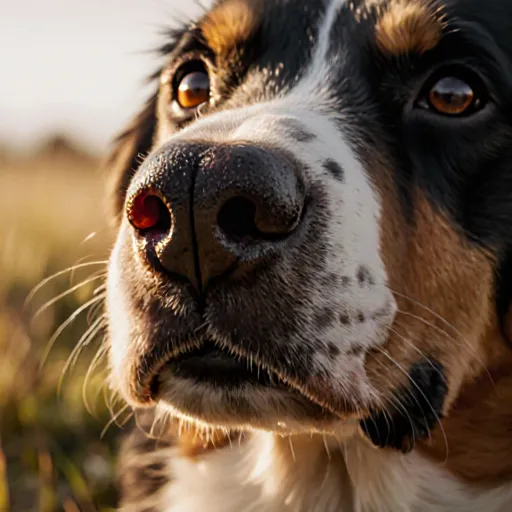
Unlock secrets of your dog's moist nose in this blog post.
Dive Into the Mystery Behind a Moist Dog Nose
Table of Contents
- Introduction to Dog Health Indicators
- The Importance of a Wet Nose in Dogs
- How the Nose Helps in Temperature Regulation
- Role of the Nose in Smelling and Health Monitoring
- Does a Wet Nose Indicate Hydration?
- Is a Dry Nose Always a Sign of Illness?
- Effect of Age on the Moisture Level in a Dog's Nose
- Environmental Factors Influencing Nose Hydration
- Common Illnesses Linked to Dry Noses
- Benefits of a Wet Nose Beyond Just Health Indicators
- When Should You See a Veterinarian?
- Comparing Wet Noses in Various Dog Breeds
- Myth Busting: Is a Wet Nose Always a Sign of Health?
- Conclusion
- FAQ (Frequently Asked Questions)
Introduction to Dog Health Indicators
Understanding dog health indicators is crucial for every pet owner. One common question that often arises is whether a wet nose signifies a healthy dog. While it's true that a wet nose is usually indicative of a healthy dog, there are several other important signs to look out for when assessing your furry friend's well-being.
A wet nose in dogs can be attributed to their grooming behavior. Dogs lick themselves and others, which helps keep their noses moist. A moist or slightly damp nose is generally considered normal for healthy dogs. However, it's important to note that factors such as humidity, recent meals, or even the dog's environment may influence the moisture level of its nose.
- Energy Levels: A healthy dog should exhibit consistent levels of energy. If your dog seems unusually lethargic or overly energetic, it could be a sign that something is amiss.
- Diet and Appetite: Healthy dogs have good appetites and are able to maintain their weight with appropriate feeding. Changes in diet or appetite can signal potential health issues.
- Movements and Gait: Observe your dog's movements for any signs of discomfort or stiffness, which could indicate joint pain or other musculoskeletal problems.
- Paws and Coat: Healthy dogs have clean paws without visible injuries. Their coats should be shiny and free from excessive shedding unless it is due to seasonal changes.
If you notice any of the following signs in your dog, it's advisable to consult a veterinarian:
- Changes in behavior or personality.
- Unusual weight gain or loss.
- Discharge from eyes, ears, nose, or mouth.
- Excessive grooming or lethargy.
To ensure your dog remains healthy, it's essential to provide proper nutrition, regular exercise, and routine veterinary care. Regular check-ups can catch potential health issues early on, ensuring a long and happy life for your pet.
The Importance of a Wet Nose in Dogs
The wet nose is often associated with a healthy dog, but there's more to this than meets the eye. A wet nose serves several purposes and can be an indicator of your dog's overall well-being.
Hydration and Cooling
A dog’s nose typically stays moist due to a layer of mucus that helps it sense its environment. This moisture also acts as a natural cooling mechanism, especially for dogs in hot climates or during vigorous physical activities. When the air is dry, the nasal passages help humidify the incoming air, preventing respiratory issues.
Signs of Health
A wet nose can indicate that your dog is well-hydrated and potentially healthy. However, it's important to note that a slightly dry or warm nose doesn't automatically mean there's something wrong with your pet. Dogs have different baselines for their body temperatures and moisture levels.
Practical Tips
- Monitor Your Dog’s Behavior: If you notice other symptoms like lethargy, lack of appetite, or unusual behavior, even if the nose is wet, it's crucial to consult a veterinarian.
- Check Other Health Indicators: Along with checking for a wet nose, ensure your dog’s eyes and ears are clean, and their coat is healthy. These can be additional signs of overall health.
Common Misconceptions
Sometimes people assume that if the nose is dry, it means the dog isn't hydrated enough. While this could be true in some cases, it’s not always accurate. Factors such as age, breed, and environmental conditions can also play a role.
Conclusion
In summary, a wet nose is one of many indicators to assess your dog's health, but it shouldn't be the only criterion you use for determining their well-being. By understanding the purpose behind this characteristic and observing other signs of good health, you can better ensure that your furry friend remains in top shape.
How the Nose Helps in Temperature Regulation
The nose plays a crucial role in temperature regulation for dogs, which is closely related to whether a wet nose indicates good health. A dog's nasal passages are designed to help maintain their body temperature by exchanging warm air from the inside with cooler air from outside.
How the Nose Helps in Temperature Regulation
The process begins as cool, dry air enters through the nostrils and passes over the moist lining of the nasal passages. This exchange helps to cool down the blood that flows through the nose before it returns to the heart. Conversely, when a dog is overheated, warm air can be cooled by the evaporation of moisture in the nasal passage, helping to bring the body temperature back into balance.
Moisture and Temperature Regulation
A wet nose is often a sign that your dog's body has been actively working on regulating its temperature. This moisture acts as an evaporative cooling system, similar to how sweat helps humans cool down. When the air passes over this moist surface, some of the water vapor in it condenses and cools the blood vessels beneath.
Is a Wet Nose Always a Sign of Good Health?
While a wet nose can indicate that your dog's body is efficiently regulating its temperature, it’s important to note that this doesn't always mean they are healthy overall. A dog's nose can dry out or become wet for various reasons beyond just temperature regulation. For instance:
- Environmental Factors: Dogs with longer snouts may have more difficulty keeping their noses moist due to the increased surface area exposed to air.
- Hydration Levels: Dehydration can cause a dog's nose to become dry, whereas excessive licking or swimming might make it wet.
To properly assess your dog's health based on their nose condition, consider other indicators such as behavior changes, appetite loss, and any unusual lumps or discoloration. Regular veterinary check-ups are essential for maintaining a healthy pet.
Practical Advice
- Monitor Behavior: Keep an eye on your dog's overall behavior to gauge if something is off, even if the nose appears wet or dry. Changes in eating habits, energy levels, or activity can be significant signs.
- Hydration: Ensure your dog has access to fresh water at all times. Proper hydration helps maintain a healthy body temperature and overall well-being.
- Vet Check-Ups: Regular visits to the veterinarian can help catch any potential health issues early on, ensuring that your dog remains in peak condition.
Role of the Nose in Smelling and Health Monitoring
The nose plays an incredibly important role in both smelling and health monitoring for dogs. A wet nose is often seen as a sign of good health, but there's more to it than meets the eye.
Dogs have over 300 million olfactory receptors compared to humans who only have about 6 million. This vast difference allows dogs to detect scents that are almost impossible for humans to perceive. The olfactory system of a dog is so sensitive that it can identify different odors at extremely low concentrations.
A wet nose helps dogs gather and trap scent molecules more effectively. The moisture on their noses acts like a natural adhesive, allowing them to pick up more odor particles and improving their ability to smell. This is why a dog’s wet nose is often associated with good health; it indicates that the dog has adequate hydration levels which are crucial for proper functioning of its olfactory system.
While a wet nose can be an indicator of good health, it is not always definitive. There may be instances where dogs have damp noses due to environmental factors such as humidity or even playing in water. Therefore, having a wet nose alone does not guarantee that your dog is healthy.
- Eyes: Check for clear eyes without discharge.
- Mouth: Ensure there are no signs of redness, swelling or bad breath.
- Ears: Inspect ears for any unusual odor, redness or excessive wax build-up.
- Paws and Coat: Clean paws regularly and maintain a healthy coat through proper grooming and diet.
To keep your dog’s nose in top condition, ensure they have access to clean water at all times. Regularly check their overall health by looking for signs of good or bad health beyond just the state of their nose.
While a wet nose is often associated with good health in dogs, it's important not to rely solely on this as an indicator. By maintaining proper hydration and regularly checking other aspects of your dog’s health, you can better ensure their overall well-being.
Does a Wet Nose Indicate Hydration?
Does a wet nose indicate hydration? While it is true that a dog's wet nose often serves as an indicator of good health, it does not necessarily mean that the dog is hydrated. A dog’s nose can be wet for various reasons beyond just hydration levels.
Understanding a Wet Nose
A dog's nose produces mucus to help them gather scent information from their environment. This is why their noses are often moist, and this moisture does not always correlate with the state of their hydration. However, a dry or overly sticky nose can be a sign that your dog may need more water.
Hydration and Dogs
Hydration is crucial for dogs to maintain their overall health. Dehydration can lead to serious health issues such as kidney problems and lethargy. To ensure your dog stays hydrated, it's important to provide them with clean, fresh water at all times.
The Importance of Water
Water makes up a significant portion of a dog’s body weight, and like humans, dogs need water for various bodily functions including digestion, circulation, and temperature regulation. Dogs can lose a lot of water through panting on hot days or after exercise, increasing the importance of hydration.
Signs Your Dog is Dehydrated
In addition to a dry nose, other signs that your dog may be dehydrated include:
- Dry gums and skin
- Lack of energy or lethargy
- Sunken eyes
- Dark urine with a strong smell
Practical Tips for Ensuring Hydration
To ensure your dog stays hydrated, consider the following tips:
- Provide clean water in easily accessible locations throughout your home.
- Offer wet food or add water to dry food to increase water intake.
- Consider adding electrolytes and other minerals to their water if they are exercising heavily or in hot weather.
When to Consult a Vet
If you notice your dog's nose is consistently dry, or if they show signs of dehydration despite having access to clean water, it may be time to consult your veterinarian. Dehydration can have serious health implications and prompt medical attention might be necessary.
In conclusion, while a wet nose can be an indicator of good health in dogs, it does not alone determine hydration levels. Ensuring your dog has plenty of fresh water available and recognizing the signs of dehydration are key steps to maintaining their well-being.
Is a Dry Nose Always a Sign of Illness?
It's often said that a wet nose is a sign of a healthy dog, but what about when your furry friend's nose feels dry? Is a dry nose always a cause for concern?
When considering the health of your pet, it's important to remember that a wet nose is generally associated with hydration and proper bodily functions. A healthy dog should have a moist and cool nose most of the time. This moisture helps dogs in various ways:
- Temperature Regulation: The moisture on their noses helps dogs regulate their body temperature by evaporating.
- Scent Detection: A wet nose aids dogs in detecting scents more effectively, which is crucial for them to navigate and understand their environment.
A dry nose can be caused by various factors, not all of which indicate illness. It's important to consider the context in which you notice your dog’s nose is dry. Here are some common reasons for a dry nose:
- Environmental Factors: If your dog has been outside on a hot or humid day, their nose may be temporarily dry due to evaporation.
- Sun Exposure: Too much sun can cause the skin and hair of your pet to dry out, including their nose. Ensure they have shade during hot days.
- Aging: As dogs age, their skin becomes less elastic, which can lead to a drier appearance.
A dry nose alone is not always indicative of illness. However, if you notice other symptoms alongside the dryness, it might be time to consult a vet:
- Changes in Behavior: If your dog seems lethargic or uninterested in usual activities.
- Reduced Appetite: A decrease in food intake can signal underlying health issues.
- Other Physical Signs: Any additional symptoms such as coughing, vomiting, diarrhea, or unusual discharge from the nose should prompt a visit to the vet.
To ensure your dog maintains a healthy wet nose, consider these practical tips:
- Hydration: Make sure your dog has access to fresh water at all times. Dogs need plenty of hydration for overall health.
- Diet: A balanced diet rich in essential nutrients can help keep the skin and coat healthy, including the nose.
- Regular Vet Checkups: Regular visits to your vet will ensure that any potential issues are caught early.
In conclusion, while a dry nose is not always a sign of illness, it's crucial to monitor your dog’s overall behavior and health. If you're ever unsure or notice significant changes in their condition, don't hesitate to consult with a veterinarian for advice.
Effect of Age on the Moisture Level in a Dog's Nose
The moisture level in a dog's nose is an essential indicator of its overall health. A wet and cool nose typically signifies good hydration levels, which can be reassuring for pet owners. However, the effect of age on this characteristic is not as straightforward.
How Age Impacts the Moisture Level
As dogs grow older, their bodies undergo various changes that affect moisture retention and production. Young puppies have more robust immune systems and higher metabolic rates, leading to more active sweat glands in the nose area. This results in a typically wetter nose compared to older adult dogs.
In contrast, senior dogs may experience reduced hydration levels due to slower metabolism or underlying health issues like kidney disease or Cushing’s syndrome. These conditions can lead to dryness and changes in the texture of their noses over time. Thus, while a wet nose is generally considered healthy, it does not always apply strictly to older dogs.
Is a Wet Nose Always a Sign of Health?
A wet nose alone is not definitive proof of good health; other factors such as appetite, energy levels, and general behavior are crucial. Older dogs might still maintain a moist nose even if their internal systems are beginning to decline. Conversely, some healthy young dogs might have drier noses due to genetic differences or individual variations.
Practical Advice for Monitoring Your Dog's Nose
- Check Regularly: Observe your dog’s nose at different times of the day and under various conditions. Consistency in moisture levels could indicate underlying issues.
- Notice Changes: A sudden change in moisture level or appearance (e.g., cracking, redness) should prompt a visit to your veterinarian.
- Combine Observations: Besides the nose, look at other signs of health such as coat condition, weight, and energy levels. These factors provide a more comprehensive picture of your dog's well-being.
Conclusion
In summary, while a wet nose is often associated with good health, it cannot be the sole criterion for assessing your dog’s state of being. Understanding how age and other factors impact this characteristic helps in making informed decisions about your pet's care.
Environmental Factors Influencing Nose Hydration
The environment plays a crucial role in determining how hydrated a dog's nose is. Factors such as humidity, temperature, and exposure to various elements can significantly affect the moisture level of a dog’s nose. Understanding these environmental factors not only helps in assessing the general health but also provides insights into potential underlying issues.
High humidity levels typically result in a more hydrated nose, while low humidity can lead to drying and cracking. Dogs living in dry climates or near heaters indoors are at higher risk of having a less moist nose due to decreased environmental moisture. Conversely, dogs in humid environments may have naturally wetter noses simply because the air is more saturated with water vapor.
Practical Advice: Providing misting services during hot and dry days or using humidifiers indoors can help maintain appropriate humidity levels for your dog's comfort and overall health.
Cold temperatures generally cause a dog’s nose to become dryer because cold air dries out the tissues. On the other hand, warm weather may lead to increased sweating through paw pads which can indirectly affect nasal moisture by reducing time spent with the nose in direct contact with cooler surfaces like grass or pavement.
Example: During winter months when dogs spend more time indoors, they might have slightly drier noses compared to summertime when they play outside for longer periods. However, this does not necessarily indicate poor health; it just reflects the seasonal changes in their environment.
Prolonged exposure to harsh elements such as wind or direct sunlight can contribute to a dry nose by causing evaporation from the skin surface. Additionally, certain chemicals found in household products or outside pollutants might irritate sensitive tissues around the nostrils.
Advice: Ensuring your dog has access to shaded areas when outdoors and using natural repellents instead of chemical-based ones can protect their delicate snouts from harmful substances.
While a wet nose is often associated with good health, it should not be the sole indicator of a dog’s well-being. As discussed above, environmental factors play an important part in determining nasal moisture. If your dog's nose consistently appears dry or excessively moist without any apparent reason, it could signal underlying issues that require veterinary attention.
Common Illnesses Linked to Dry Noses
When assessing your dog's health, it is important to pay attention to various signs that can indicate underlying issues. One such sign is a dry nose, which might not always be indicative of poor health but can sometimes signal the presence of certain illnesses. This section will explore common illnesses linked to a dry nose and provide insights into when you should seek veterinary advice.
A dry nose in dogs is generally considered less concerning compared to a wet, healthy nose. However, there are instances where a dry nose could be an early indicator of health problems. Here are some common illnesses that might be linked to a dry nose:
- Fever: A dog with a fever can have a dry nose due to the body's increased temperature and dehydration. This is more noticeable if your dog’s usual wet, cool nose becomes warm and slightly dry.
- Dehydration: Dehydration can cause a dry nose along with other signs such as lethargy, sunken eyes, and loss of skin elasticity when touched. Ensuring that your dog stays well-hydrated is crucial in preventing this condition.
- Nasal Mites: These tiny parasites can cause irritation within the nasal passages leading to a dry nose. They might also lead to sneezing, runny noses, and other respiratory symptoms.
- Upper Respiratory Infections (URIs): While URIs often present with a wet or discolored nose due to mucus buildup, in some cases, the mucus may dry up over time, leading to a temporarily dry nose. Other signs include sneezing, coughing, and loss of appetite.
- Parainfluenza: This is a viral infection that can affect your dog's respiratory system, causing symptoms like a dry or slightly warm nose, along with other signs such as lethargy, reduced activity, and nasal discharge.
It’s important to note that while a dry nose alone may not always be cause for concern, it is essential to monitor your dog's overall health. If you notice additional symptoms or if the dryness persists, consult with your veterinarian. Early detection and treatment of these issues can significantly improve outcomes.
Practical Advice
To help maintain your dog’s overall health and ensure a wet, healthy nose remains a sign of good health:
- Ensure Proper Hydration: Make sure your dog has access to clean water at all times. This helps prevent dehydration which can cause a dry nose.
- Observe Behavior and Health: Keep an eye on your dog's overall behavior, appetite, energy levels, and any changes in their nasal condition. Early detection of health issues often leads to better treatment outcomes.
- Vet Consultation: If you notice a consistently dry nose or if there are other concerning symptoms such as lethargy, loss of interest in food, or difficulty breathing, it’s important to consult with your veterinarian. They can provide the necessary diagnosis and treatment.
Remember, while a wet nose is typically associated with good health, it's not always reliable on its own. By understanding common illnesses linked to dry noses and taking proactive steps in maintaining your dog’s overall well-being, you can help ensure they remain healthy and happy!
Benefits of a Wet Nose Beyond Just Health Indicators
The common belief that a wet nose is a sign of a healthy dog is mostly accurate, but it doesn't tell the whole story. A wet nose serves multiple purposes beyond just being an indicator of general health. Let's delve deeper into its benefits:
The primary function of a wet nose is to help regulate body temperature. When dogs pant, they release moisture through their tongues and skin, but the nasal passages also play a crucial role in this process. A moist nose helps dissipate heat more effectively. This is especially important for breeds that are prone to overheating or those that live in warmer climates.
A wet nose is essential for optimal scent detection. The moisture on a dog's nose allows them to pick up and hold scents more effectively, which is crucial for their hunting instincts and overall sense of smell. In the wild, dogs rely heavily on their olfactory system to locate food, communicate with other animals, and even detect danger.
A wet or dry nose can also be a form of communication between dogs. For instance, puppies often lick the faces of adult dogs to show affection or seek attention. On the flip side, a dog might press its nose against you as a way of greeting or expressing happiness.
A moist nose can also be an indicator of hydration levels in a dog's body. If your dog has a very dry and cracked nose, it could suggest that they are not getting enough water. It's important to monitor this as part of their overall health care.
The moisture on a dog’s nose helps keep the area clean by naturally wiping away dirt and other particles. This is another reason why a wet nose can be beneficial for your pet.
- Check regularly: Make it a habit to check your dog's nose on a daily basis, especially if you have concerns about their health. Look for any changes in texture or color that might indicate underlying issues.
- Hydrate: Ensure your dog is well-hydrated by providing fresh water at all times and monitoring their overall hydration levels through their behavior and appearance, including checking for a wet nose.
- Diet and Nutrition: A balanced diet can also contribute to the health of a dog's nose. Foods rich in antioxidants and other nutrients are beneficial for maintaining skin and mucous membrane health, which includes the nose.
In conclusion, while a wet nose is indeed an important sign of a healthy dog, it plays multiple roles that go beyond just being a health indicator. By understanding these benefits, you can better appreciate your dog's unique biology and take appropriate care measures to ensure their overall well-being.
When Should You See a Veterinarian?
While it's true that a wet nose is often associated with a healthy dog, relying solely on this indicator can be misleading. A wet nose doesn't always signify good health; there are many factors to consider when determining the overall well-being of your pet. Here’s a more comprehensive guide on when you should see a veterinarian:
Signs You Should Seek Immediate Medical Attention
- Fever or Lack of Appetite: A high fever and loss of appetite can be signs of severe illness. Dogs with fevers often show other symptoms like lethargy, vomiting, or diarrhea.
- Coughing or Labored Breathing: Persistent coughing could indicate respiratory issues such as kennel cough or pneumonia. Difficulty breathing may suggest a more serious condition requiring urgent care.
- Vomiting and Diarrhea: While mild cases of digestive upset are common, severe or prolonged symptoms can lead to dehydration and other complications. Blood in vomit or stool is particularly concerning.
- Sudden Behavior Changes: A normally playful dog that suddenly becomes withdrawn or aggressive may be experiencing pain or discomfort. Sudden lethargy can also indicate underlying health issues.
- Painful Gait or Limping: If your dog is favoring a leg and showing signs of pain, it could be a sign of injury or illness affecting the musculoskeletal system. Prompt treatment is crucial to prevent further damage.
When Routine Check-ups Are Necessary
Routine visits to the veterinarian are essential for maintaining your dog's health and catching potential issues early. Here are some reasons why you should schedule a check-up:
- Vaccination Schedule: Ensuring that your pet is up-to-date on vaccinations helps protect against preventable diseases.
- Senior Dog Health: Older dogs often require more frequent visits due to age-related health concerns. Early detection of conditions like arthritis or cognitive decline can improve your dog's quality of life.
- Dental Care: Periodic check-ups allow the vet to examine and clean your dog's teeth, preventing gum disease and other oral health issues.
- Behavioral Issues: Changes in behavior such as excessive barking or aggression can be addressed during a visit. The veterinarian can provide guidance on training and behavioral management strategies.
Finding the Right Veterinarian
Selecting a qualified veterinarian is crucial for your dog's health. Look for a vet who specializes in treating dogs, has good reviews from other pet owners, and offers services that meet your needs. Regular check-ups can also help you establish a relationship with your vet, ensuring they get to know your dog and its unique health history.
Conclusion
A wet nose is generally a sign of good health, but it shouldn't be the only indicator you use to assess your dog's well-being. By understanding when to seek immediate medical attention and when routine check-ups are necessary, you can ensure that your pet receives the care they need for optimal health.
Comparing Wet Noses in Various Dog Breeds
When it comes to determining whether a dog's wet nose is a sign of good health, one cannot overlook the various breeds of dogs. Each breed has its own unique characteristics and traits, including how their noses typically appear.
A dog's wet nose is often considered a reliable indicator of good health. However, this isn't always the case for all breeds. Some breeds naturally have drier noses due to their anatomical structure or breed-specific traits.
Breed-Specific Variations
- English Bulldogs: These dogs often have a drier nose compared to others, even when they are healthy. This is because they frequently suffer from respiratory issues that can lead to dehydration of the nasal passages.
- Pugs: Pug noses are typically short and flat (brachycephalic), which can sometimes cause their nasal openings to appear drier than those of other breeds, regardless of hydration levels.
- Borzoi: Despite having a longer snout, Borzois can still have slightly drier noses at times due to the high demand for airflow in their respiratory system. This is normal and doesn't necessarily indicate poor health.
Practical Advice
It's important not to solely rely on a dog's nose condition as the only indicator of good health. Instead, consider multiple factors including behavior, appetite, energy levels, and any other signs that might suggest illness or discomfort.
If you're concerned about your dog’s general well-being, consult with a veterinarian for professional advice tailored specifically to your pet.
Conclusion
In conclusion, while a wet nose is generally associated with good health in dogs, it should not be the sole determinant of a dog's overall condition. Each breed has its own unique characteristics when it comes to their noses, and understanding these nuances can help pet owners make more informed decisions about their pets' health.
Myth Busting: Is a Wet Nose Always a Sign of Health?
Many people are under the impression that a wet nose always indicates a healthy dog. However, this notion is not entirely accurate and can be misleading. While it's true that a wet nose often correlates with health due to its role in thermoregulation and olfaction, there are various factors that influence the moisture level of a dog’s nose.
Understanding the Role of a Wet Nose
A dog's nose secretes mucus as part of their natural process for cleaning and protecting the nasal passages. This mucus helps to trap any foreign particles, germs, or allergens before they can enter the respiratory system. A moist nose allows dogs to maintain better control over their body temperature through evaporation.
Factors That Influence Nose Moisture
- Diet: Certain foods might affect a dog's hydration levels, indirectly impacting the moisture in their nasal passages.
- Air Quality: Exposure to dry air or harsh environmental conditions can cause the nose to become less moist.
- Age: Older dogs may have more variable moisture levels due to changes in hydration and overall health.
- Hormonal Changes: Hormonal fluctuations, especially during seasons of estrus or heat cycles in female dogs, can influence the moisture level.
When to Be Concerned
If you notice that your dog's nose is consistently dry and cracked, it could be a sign of underlying health issues such as respiratory infections, allergies, or even nutritional deficiencies. In some cases, hormonal imbalances can also lead to changes in the nasal moisture level.
Practical Advice
- Observe Other Signs: Look for other signs of illness such as lethargy, loss of appetite, or unusual behavior. These symptoms often provide a clearer picture of your dog's overall health.
- Consult a Veterinarian: If you're unsure about the state of your dog's nose or general health, it's best to consult with your veterinarian for professional advice and diagnosis.
- Maintain Hydration: Ensure your dog has access to clean water at all times. Proper hydration can help maintain a healthy nasal moisture level.
Conclusion
In summary, while a wet nose is typically indicative of a healthy dog, it should not be the sole indicator of overall health. It's important to consider other factors and signs that contribute to your dog's well-being. By understanding these nuances, you can provide better care for your furry friend.
Conclusion
Is a wet nose a sign of a healthy dog? This is a question that many pet owners have, and while it's not an infallible indicator of your dog's health, it can certainly be one of the signs to look out for. A wet nose typically indicates that your dog has recently been drinking water or has just finished eating. However, there are other factors you should consider when assessing your dog's overall wellness.
Dogs have a unique way of cooling themselves down through their noses, which can sometimes lead to them having a wet and cold snout even if they're not feeling well. Conversely, dogs with chronic illnesses or those who spend extended periods outdoors might naturally have drier noses due to the environment. Therefore, while a dry nose is often seen as an indicator of illness in dogs, it's essential to consider other signs along with this one.
For instance, if your dog has a cold and stuffy nose, they may also have a wet nose due to excessive saliva production or mucus build-up. On the flip side, dehydration can cause their nose to dry out. Thus, it's crucial not just to look at one symptom but several indicators of health.
Practical advice for pet owners includes regular check-ups and consultations with veterinarians. If you notice any significant changes in your dog’s behavior or physical characteristics—such as lethargy, loss of appetite, or persistent nasal discharge—you should seek professional medical attention promptly.
In summary, while a wet nose can be an indicator that your dog has recently been drinking water or eating, it shouldn't be the sole determinant of their health. Pay attention to other signs and consult with a vet regularly for peace of mind regarding your pet's overall well-being.
FAQ (Frequently Asked Questions)
Is a Wet Nose a Sign of a Healthy Dog?
The idea that a wet nose is a sign of a healthy dog is a common misconception. While it's true that a wet, cool nose can be one indicator of a dog's well-being, it’s not an infallible sign of health. A dog’s nose can sometimes dry out due to various factors such as the environment, weather conditions, or even certain medications.
However, there are some reliable indicators that can help you determine if your dog is generally healthy:
- Energetic Behavior: A healthy dog should be active and engaged. If your dog seems lethargic or unusually quiet, it might be a sign of underlying health issues.
- Diet and Appetite: Monitor your dog’s eating habits. A loss of appetite can indicate illness.
- Water Consumption: Excessive thirst could point to conditions like diabetes or kidney problems.
- Pee and Poop Patterns: Changes in the frequency or consistency of your dog's bathroom habits might suggest an issue.
When Should I Be Concerned?
If you notice any of the following, it’s important to consult a veterinarian:
- A persistent wet or dry nose without apparent reason (e.g., not due to weather).
- Other unusual symptoms like coughing, sneezing, vomiting, diarrhea, or lethargy.
- Changes in your dog's behavior that are unexplained.
Practical Advice for Maintaining Your Dog’s Health
To ensure your dog remains healthy and has a wet, cool nose most of the time (assuming it is due to humidity or other natural factors), follow these tips:
- Provide Hydration: Ensure your dog always has access to fresh water.
- Monitor Outdoor Activities: Protect your dog from extreme temperatures that could dry out its nose.
- Dietary Considerations: Feed a balanced diet rich in essential nutrients. Discuss dietary options with your vet if needed.
Categories
- AI & Enrichment Play
- Broiler Farming
- Broiler Farming Tips
- Canine Wellness & Longevity
- Cat
- Cat & Human Connection
- Cat Adoption & Rescue
- Cat Breeds
- Cat Breeds & Personalities
- Cat Care & Health
- Cat Grooming & Hygiene
- Cat Lifestyle & Environment
- Cat Myths & History
- Cat Nutrition & Diet
- Cat Products & Reviews
- Cat Training & Behavior
- Comparison
- Consumer Awareness
- Dog
- Dog Accessories & Products
- Dog Adoption & Rescue
- Dog Breed & Lifestyle Trends
- Dog Breeding & Puppies
- Dog Entertainment & Media
- Dog Fashion & Trends
- Dog Fun & Lifestyle
- Dog Grooming & Hygiene
- Dog History & Culture
- Dog Myths, Science & Future Tech
- Dog News & Trends
- Dog Nutrition & Food
- Dog Psychology & Emotions
- Dog Safety & Security
- Dog Sports & Activities
- Dog Technology & Innovation
- Dog Training for Modern Owners
- Dog Travel & Adventure
- Dog Travel, Adventure & Culture
- Economic and Market Insights
- Educational Content
- FAQs
- Feeding Alternatives
- Festivals & Seasonal Ideas
- Fun & Entertainment
- General Knowledge
- General Pig Farming
- Health & Disease Management
- Housing and Environment
- Kittens
- Market Insights
- Miscellaneous
- Miscellaneous
- Motivational
- pig
- Pig Breeding
- Pig Breeds
- Pig Farming Stories and Inspiration
- Pig Health and Care
- Pig Nutrition
- Pig Products
- Profitability & Business
- Puppy Care
- Puppy Predictable Topics Reinvented
- Regional Focus
- Rescue & Adoption Buzz
- Senior Cats
- Senior Dog Care
- Smart Dog Tech & Gadgets
- Sustainability
- Sustainable & Eco-Friendly Dog Products
- Tech & Innovations
- Working & Service Dogs
- Broiler Feed66 products
- Country Feed33 products
- Pig Feed66 products
- Product22 products
- Raw Materials99 products
Products
-
 Fish Meal
₹1,999.00 – ₹2,999.00Price range: ₹1,999.00 through ₹2,999.00Rated 0 out of 5
Fish Meal
₹1,999.00 – ₹2,999.00Price range: ₹1,999.00 through ₹2,999.00Rated 0 out of 5 -
 FATTENING BROILER FEED
₹2,299.00 – ₹2,349.00Price range: ₹2,299.00 through ₹2,349.00Rated 0 out of 5
FATTENING BROILER FEED
₹2,299.00 – ₹2,349.00Price range: ₹2,299.00 through ₹2,349.00Rated 0 out of 5 -
 LAYER COUNTRY FEED
₹1,549.00 – ₹1,649.00Price range: ₹1,549.00 through ₹1,649.00Rated 0 out of 5
LAYER COUNTRY FEED
₹1,549.00 – ₹1,649.00Price range: ₹1,549.00 through ₹1,649.00Rated 0 out of 5 -
 COUNTER BROILER FEED
₹1,199.00 – ₹1,299.00Price range: ₹1,199.00 through ₹1,299.00Rated 0 out of 5
COUNTER BROILER FEED
₹1,199.00 – ₹1,299.00Price range: ₹1,199.00 through ₹1,299.00Rated 0 out of 5 -
 LACTATING PIG FEED
Rated 0 out of 5
LACTATING PIG FEED
Rated 0 out of 5₹2,299.00Original price was: ₹2,299.00.₹1,740.00Current price is: ₹1,740.00. -
 Maize
Rated 0 out of 5
Maize
Rated 0 out of 5₹1,650.00Original price was: ₹1,650.00.₹1,300.00Current price is: ₹1,300.00. -
 GESTATION PIG FEED (Phase 1)
Rated 0 out of 5
GESTATION PIG FEED (Phase 1)
Rated 0 out of 5₹2,249.00Original price was: ₹2,249.00.₹1,699.00Current price is: ₹1,699.00. -
 Pre Starter Broiler Feed
₹2,399.00 – ₹2,499.00Price range: ₹2,399.00 through ₹2,499.00Rated 0 out of 5
Pre Starter Broiler Feed
₹2,399.00 – ₹2,499.00Price range: ₹2,399.00 through ₹2,499.00Rated 0 out of 5 -
 FINISHER PIG FEED
Rated 0 out of 5
FINISHER PIG FEED
Rated 0 out of 5₹2,299.00Original price was: ₹2,299.00.₹1,749.00Current price is: ₹1,749.00. -
 Broiler Premix
Rated 0 out of 5
Broiler Premix
Rated 0 out of 5₹820.00Original price was: ₹820.00.₹699.00Current price is: ₹699.00.