
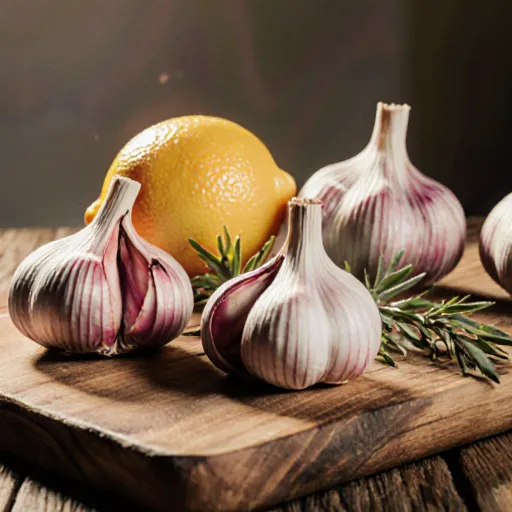
Discover if garlic can protect your furry friend from fleas.
Does Garlic Offer Protection Against Dog Fleas?
Table of Contents
- Does Garlic Really Repel Fleas in Dogs?
- What Are Fleas and Why Do They Affect Dogs?
- Understanding Garlic and Its Benefits
- Natural Remedies for Flea Repellent in Dogs
- Does Garlic Have Any Health Benefits for Dogs?
- How Much Garlic Should You Give to Your Dog?
- Potential Risks of Feeding Garlic to Dogs
- Different Opinions on Garlic and Fleas in Dogs
- Research Studies on Garlic and Flea Repellency in Dogs
- Other Alternatives to Garlic for Flea Control
- How to Safely Introduce Garlic into Your Dog's Diet
- Signs of Poisoning from Garlic in Dogs
- Conclusion on Garlic and Fleas in Dogs
- FAQ: Does Garlic Really Repel Fleas in Dogs?
Does Garlic Really Repel Fleas in Dogs?
Garlic has long been touted as a natural remedy for repelling fleas, but does it really work? The answer is not straightforward. While garlic can have some antifungal and antibacterial properties, its effectiveness in repelling fleas on dogs is largely debated among veterinarians and pet owners.
Fleas are a common issue for many dog owners, causing irritation, skin infections, and even anemia if left untreated. Traditional methods of flea control include topical treatments, shampoos, and collars that contain active ingredients such as fipronil or permethrin. These products are formulated to be effective against fleas and their eggs.
Garlic enthusiasts argue that its strong odor can deter fleas, but scientific evidence supporting this claim is limited. Some believe garlic might have a deterrent effect due to the sulfur compounds it contains, which can be off-putting to fleas. However, these effects are not consistently demonstrated in studies.
A study published in the Journal of Medical Entomology found that while garlic extracts did show some repellent properties against certain insects, their effectiveness against fleas was minimal compared to commercial flea repellents. Another review in Pest Management Science concluded that garlic is not a reliable or effective method for flea control.
- Consult Your Veterinarian: Before trying any natural remedy, consult with your vet. They can provide guidance tailored to your dog's specific needs and health condition.
- Use Commercial Products: Opt for FDA-approved topical treatments or collars that are specifically designed to repel fleas. These products have been tested and proven effective against a wide range of parasites.
- Comprehensive Care: Flea infestations require a comprehensive approach, including treating the environment (flea bombs or vacuuming carpets), washing bedding, and maintaining regular grooming practices.
In conclusion, while garlic may have some natural properties that could potentially affect fleas, it is not a reliable method for flea control on dogs. For effective and safe protection against fleas, rely on proven commercial products and consult with your veterinarian.
What Are Fleas and Why Do They Affect Dogs?
Fleas are small, wingless insects that belong to the order Siphonaptera. They are known for their ability to jump great distances relative to their size, which is how they quickly spread across a dog's fur and skin. Fleas are parasites that feed on the blood of mammals and birds, and while they can affect both humans and pets, dogs are particularly prone to flea infestations.
Why Do Fleas Affect Dogs?
Dogs are excellent hosts for fleas due to their body temperature and the presence of blood. Fleas lay eggs that fall off into your home or yard, which can lead to an infestation if not addressed promptly. Once hatched, flea larvae need a blood meal from a host to mature into adults capable of biting dogs again.
Health Risks Posed by Fleas
Besides the discomfort and irritation caused by their bites, fleas can lead to several health issues for dogs. Some of these include:
- Allergic Dermatitis: Dogs can develop a severe allergic reaction to flea saliva, which is known as flea allergy dermatitis. This condition causes intense itching and skin irritation.
- Anemia: Heavy infestations of fleas can lead to anemia in dogs, especially puppies or those with underlying health conditions.
- Bacterial Infections: Flea bites can open up the skin, increasing the risk of bacterial infections if not treated properly.
Garlic: A Myth or a Useful Solution?
The effectiveness of garlic in repelling fleas on dogs has been widely debated. Some pet owners claim that garlic helps deter fleas, while others have found it ineffective. Research and expert opinions suggest that garlic alone is not an effective flea repellent for dogs.
- Myth or Fact? Many proponents of using garlic argue that its strong odor deters fleas. However, studies indicate that while garlic may have some repelling properties, it is not a reliable solution on its own.
- Cautions: Feeding garlic to dogs can be potentially harmful, especially in large quantities. Garlic contains compounds that are toxic to cats and can cause gastrointestinal distress in dogs if overfed.
In conclusion, while garlic might have some limited benefits, it is not a primary or recommended method for flea control. Effective flea management should involve a combination of professional treatments and preventive measures such as regular bathing, use of flea collars, and keeping your home clean to reduce the likelihood of flea infestations.
Understanding Garlic and Its Benefits
Garlic, scientifically known as Allium sativum, has been a staple in culinary and folk medicine for centuries. It is renowned not just for its robust flavor but also for its purported health benefits which range from boosting the immune system to improving cardiovascular health. However, one common query among pet owners concerns garlic's effectiveness against fleas on dogs.
Garlic has long been associated with various health benefits due to its rich content of sulfur compounds like allicin. These compounds are believed to have antibacterial, antifungal, and antiviral properties. However, when it comes to garlic and its effect on fleas in dogs, the picture is not as clear-cut.
The popular belief that garlic repels fleas has been challenged by numerous studies and expert opinions. While some anecdotal evidence suggests that garlic can be beneficial for flea management, scientific research does not consistently support this claim. According to the American Kennel Club (AKC), there is no substantial evidence that garlic is effective against fleas in dogs.
The effectiveness of garlic in repelling fleas can vary widely depending on individual pet's reactions and the type of flea treatment already used. Some pets may experience adverse effects, such as increased heart rate or digestive issues, which could further complicate their health.
Side Effects to Consider
Garlic is not recommended for dogs in large amounts due to its potential toxicity. Excessive consumption can lead to gastrointestinal upset, anemia (due to red blood cell destruction), and other health issues. It’s crucial to consult with a veterinarian before considering garlic as part of any flea management strategy.
For effective flea control on dogs, it's advisable to use proven methods recommended by veterinary professionals. These include the following:
- Flea Treatments: Products like spot-on treatments and collars that contain approved insecticides.
- Bathing and Grooming: Regular baths with appropriate shampoos, along with thorough grooming to remove fleas from the dog's coat.
- Cleaning the Environment: Vacuuming carpets and furniture regularly, washing bedding in hot water, and treating the environment with approved insecticides if necessary.
If you're considering any natural remedy for flea control, always consult your veterinarian. They can provide personalized advice based on your dog's health and specific needs. Garlic might have its place in some traditional practices, but it should not be relied upon as a primary method of flea prevention without expert guidance.
In summary, while garlic has many health benefits when consumed appropriately by humans, there is limited evidence to suggest that it effectively repels fleas in dogs. For effective and safe flea control, always rely on professional advice and proven methods recommended by veterinary experts.
Natural Remedies for Flea Repellent in Dogs
When it comes to natural remedies for flea repellent in dogs, garlic is often discussed. However, does garlic really repel fleas in dogs? The answer isn't as straightforward as you might think.
The effectiveness of garlic to repel fleas in dogs has been a topic of debate among pet owners and veterinarians. While some believe that garlic can be effective, others are skeptical about its benefits. Studies have shown mixed results; one study found that garlic did not significantly impact flea populations, while another suggested that garlic might have some repellent properties.
Garlic: A Closer Look
Garlic contains compounds like allicin and sulfur which are believed to have antibacterial and antifungal properties. However, these same compounds may not be potent enough or effective in a form suitable for topical application on dogs.
Other Natural Remedies
While garlic might not be the best option, there are other natural remedies that have been shown to effectively repel fleas:
- Neem Oil: Neem oil is derived from the neem tree and has natural insect-repellent properties. It can be used as a topical treatment for your dog.
- Diatomaceous Earth: Made up of fossilized algae, diatomaceous earth acts like tiny razor blades to flea eggs and larvae. It's safe for pets but needs to be reapplied after bathing or when the pet gets wet.
- Lemon Eucalyptus Oil: This oil contains citronellol and p-menthane, which have been proven effective in repelling fleas and other insects.
Practical Advice
If you decide to use garlic or any natural remedy, it's important to consult with your veterinarian first. They can provide guidance on the best course of action for your dog’s specific needs. Additionally:
- Use Proper Dosage: If you choose to give garlic to your dog, make sure you follow a proper dosage and frequency as too much garlic can be harmful.
- Combine Remedies: Sometimes combining different natural remedies or using them in conjunction with conventional treatments like flea collars or sprays yields better results.
- Regular Maintenance: Flea control is an ongoing process. Regularly check your dog for fleas and maintain a clean living environment to prevent re-infestation.
Conclusion
In conclusion, while garlic may not be the most effective natural remedy for flea repellent in dogs, there are other options available. It's crucial to consider your dog’s health and safety when choosing any treatment or remedy. Always consult with a veterinarian before starting any new treatment regimen.
Does Garlic Have Any Health Benefits for Dogs?
Garlic is a popular ingredient known for its potential health benefits for humans, but many pet owners wonder if it can also be beneficial for their dogs. However, when it comes to garlic and dogs, the answer isn't as straightforward as it might seem.
The idea that garlic repels fleas in dogs is a common misconception. While some natural remedies enthusiasts promote garlic for flea control, there is limited scientific evidence to support this claim. In fact, garlic can be harmful to dogs in certain doses because it contains compounds that can damage red blood cells, leading to a condition known as hemolytic anemia.
It's important to note the difference between garlic and other natural remedies like apple cider vinegar or neem oil, which have shown some potential benefits for flea control. Always consult with your veterinarian before trying any new remedy on your pet.
Despite the concerns about garlic's effects on fleas, there are a few potential health benefits that have been studied:
- Boosting Immune System: Garlic contains antioxidants and sulfur compounds that may help support your dog’s immune system. However, more research is needed to fully understand its impact in dogs.
- Possible Anti-Inflammatory Properties: Some studies suggest garlic could have anti-inflammatory properties that might be beneficial for certain conditions, but these effects need further investigation specifically for canine health.
While garlic may offer some benefits in small amounts, it is crucial to approach its use with caution. Overdosing can lead to severe health issues:
- Vomiting and Diarrhea: Garlic consumption can cause gastrointestinal upset.
- Anemia: As mentioned earlier, garlic can contribute to hemolytic anemia in dogs. This condition occurs when red blood cells are destroyed faster than they can be replaced.
- Breathing Difficulties: Garlic can irritate the respiratory tract and cause breathing problems.
If you're looking for natural ways to help your dog with fleas or other health issues, consider these alternatives that have more evidence supporting their use:
- Apple Cider Vinegar: Some pet owners report positive results when using apple cider vinegar as a natural flea repellent. It is generally safer than garlic and can be used in conjunction with other measures.
- Neem Oil: Neem oil has been studied for its potential to deter fleas without causing harm to pets. Always dilute it properly before use.
In conclusion, while garlic may offer some benefits in small quantities, it is not a reliable solution for flea control and can pose risks to your dog's health. Always seek professional advice from your veterinarian when considering any new treatment or remedy for your pet.
How Much Garlic Should You Give to Your Dog?
When considering garlic as a potential remedy for flea infestations in dogs, it's crucial to understand the risks and benefits. Garlic has long been touted for its health properties, including its ability to repel fleas. However, before you start incorporating garlic into your dog’s diet, it's essential to know how much is safe and appropriate.
The idea that garlic can repel fleas in dogs stems from its pungent sulfur compounds. These compounds are believed to irritate the flea, making it less likely to stay on your pet. However, the effectiveness of garlic as a flea repellent is debatable and not backed by extensive scientific evidence. In fact, some studies suggest that garlic may be harmful rather than helpful for dogs.
The amount of garlic you should give your dog can vary widely depending on the size of your pet and the specific benefits you're aiming to achieve. However, it's generally recommended that you avoid using garlic as a primary flea repellent for dogs.
- Small Dogs: For small breeds, even a small amount of garlic can be toxic. A general rule is to stick to less than 1 gram of garlic per kilogram of your dog's body weight daily.
- Medium and Large Dogs: Larger dogs may tolerate more garlic, but it’s still important to use caution. A safe amount for larger breeds might be up to 2 grams of garlic per kilogram of their body weight.
Garlic can be toxic to dogs in large quantities, especially if not prepared properly. Signs of garlic poisoning in dogs include vomiting, diarrhea, lethargy, and a rapid heartbeat. Long-term consumption of raw or cooked garlic can also lead to anemia.
Instead of relying on garlic for flea control, consider using natural alternatives that have been proven effective. Products like diatomaceous earth (DE), which is a safe and effective way to control fleas without harming your pet, are widely recommended.
If you decide to use garlic as part of a holistic approach, ensure it's always in small quantities and consult with your veterinarian for personalized advice tailored to your dog’s health and size.
Potential Risks of Feeding Garlic to Dogs
While garlic is often recommended for its potential to repel fleas and ticks, there are significant risks involved when feeding it to dogs. The misconception that garlic can act as a natural flea repellent has led many pet owners to incorporate it into their dogs' diets without understanding the full scope of its effects.
Garlic belongs to the Allium family, which also includes onions, shallots, and chives. These plants contain compounds called thiosulfinates that can be toxic to pets. When a dog consumes garlic or any other allium, it can lead to damage in red blood cells known as hemolytic anemia.
The signs of garlic poisoning include:
- Loss of appetite
- Vomiting
- Diarrhea
- Malaise and weakness
- Pale gums (indicating anemia)
- Nosebleeds or bleeding from other areas of the body
- Increased heart rate
In severe cases, untreated garlic poisoning can result in life-threatening conditions like kidney failure. It is crucial to monitor your dog for any signs of distress after introducing garlic into its diet.
Alternative Solutions:
- Flea Prevention Products: Use topical treatments or collars specifically designed for flea control, which are safer and more effective than home remedies.
- Dietary Adjustments: Ensure your dog's diet is balanced with high-quality commercial food that meets all nutritional requirements. Supplements like probiotics can help support a healthy digestive system without the risk of toxicity.
- Regular Vet Check-Ups: Regular visits to the veterinarian can provide guidance on proper nutrition and health care, including flea prevention methods.
It is important to prioritize your dog's health and safety by consulting with a professional before introducing any new supplement or dietary change. Always seek advice from your vet regarding the best practices for keeping your pet healthy and free of pests in a safe manner.
Different Opinions on Garlic and Fleas in Dogs
Does garlic really repel fleas in dogs has been a topic of much discussion among pet owners, veterinarians, and animal enthusiasts. While some believe that garlic is an effective natural remedy for flea control, others argue against its use due to potential risks and lack of scientific evidence supporting its efficacy.
Advocates of using garlic as a flea repellent often cite anecdotal evidence from pet owners who claim that their dogs' fleas have decreased after incorporating garlic into the animal's diet. These enthusiasts argue that garlic has antifungal, antibacterial, and antiviral properties which may contribute to its perceived effectiveness in repelling fleas.
Some supporters also believe that adding garlic to a dog’s food can help support overall health, which indirectly aids in flea prevention by boosting the immune system. They recommend starting with small amounts of fresh or powdered garlic and gradually increasing it over time as the dog's body adjusts.
On the other hand, many veterinarians and pet experts caution against using garlic to combat fleas due to potential health risks. Some studies suggest that high doses or long-term consumption of raw garlic by dogs can lead to gastrointestinal upset, anemia, and even liver damage.
Critics point out that there is limited scientific research specifically addressing the effectiveness of garlic in repelling fleas on dogs. Unlike products specifically formulated for flea control which undergo rigorous testing, garlic's efficacy remains largely anecdotal.
If you are considering using garlic as a natural remedy to help manage your dog’s flea infestation, it is crucial to consult with your veterinarian first. Your vet can provide guidance on whether garlic might be appropriate for your particular situation and suggest safer alternatives if necessary.
Many vets recommend a multi-faceted approach to flea management which includes environmental treatments like vacuuming carpets regularly, treating the home environment with appropriate insecticides or natural products, and using veterinarian-approved topical treatments specifically designed for flea control.
In conclusion, while garlic may have some benefits for dogs' health overall, it should not be relied upon as a primary method for flea control. Instead, consider discussing alternative, scientifically-backed methods with your vet to ensure the best care for your pet.
Research Studies on Garlic and Flea Repellency in Dogs
The question of whether garlic can effectively repel fleas in dogs has been a topic of interest for pet owners and veterinarians alike. While some believe that feeding garlic to dogs can help ward off fleas, scientific research on this subject is limited and often inconclusive.
Several studies have explored the potential flea-repellent properties of garlic in dogs. One notable study published in the Veterinary Record journal examined the effects of feeding garlic to dogs and observed that while some dogs exhibited increased resistance to fleas, these results were not consistent across all breeds or individual dogs.
The researchers noted that the effectiveness of garlic as a flea repellent appeared to vary depending on factors such as dosage, breed, and overall health of the dog. They concluded that more research was needed to determine any definitive benefits or risks associated with using garlic for this purpose.
The mechanism by which garlic might repel fleas is not fully understood. Some proponents suggest that the strong odor and taste of garlic may deter fleas, similar to how it can act as a natural deterrent for other pests like mosquitoes. However, this theory has not been scientifically validated.
It's important to note that while some research suggests garlic may have potential flea-repellent properties, there is also evidence of risks associated with its use in dogs. Garlic contains compounds such as allicin and sulfur that can be toxic if consumed in large quantities.
- Hemolytic Anemia: Excessive consumption of garlic has been linked to a condition called hemolytic anemia, where red blood cells are destroyed. This is particularly dangerous for breeds like Persians and Himalayans due to their higher risk of developing this condition.
- Toxicity: Garlic can cause digestive issues such as vomiting and diarrhea in dogs, especially if fed in high amounts or without proper preparation.
If you're considering using garlic as a flea repellent for your dog, it is crucial to consult with a veterinarian first. They can provide guidance on safe dosages and ensure that any potential risks are minimized.
Instead of relying solely on garlic, many veterinarians recommend a multi-faceted approach to flea control. This may include using topical treatments, sprays, or shampoos specifically formulated for fleas. Additionally, keeping your dog's living environment clean and free from fleas through regular vacuuming and washing bedding can be effective.
In summary, while some research indicates that garlic may have potential flea-repellent properties in dogs, the evidence is not strong enough to recommend it as a primary method for controlling fleas. It's important to approach this topic with caution and prioritize your dog's health and safety.
Other Alternatives to Garlic for Flea Control
While garlic has been a popular choice for flea control due to its natural properties, there is no concrete evidence supporting its effectiveness against fleas. Many pet owners and veterinarians recommend other alternatives that have been scientifically proven to be effective in flea control.
- Neem Oil: Neem oil is extracted from the neem tree and has natural insecticidal properties. It can be used as a spray on your dog's bedding or directly on your pet to help repel fleas. The oil works by disrupting the life cycle of fleas, making it an effective long-term solution.
- Application: Dilute neem oil with water and spray it over your pet’s fur and bedding.
- DIY Vinegar Spray: A simple mixture of white vinegar and water can be used as a natural repellant. The acetic acid in the vinegar is believed to deter fleas, although its effectiveness may vary.
- Application: Mix equal parts vinegar and water, then spray this solution on your pet's bedding or around areas where your dog spends time.
- Lemon Juice: Lemon juice is another natural ingredient that some believe can help repel fleas. Its strong scent might make it an effective deterrent for certain pests.
- Application: Squeeze fresh lemon juice onto towels or cloths and place them in your pet's sleeping area to deter fleas.
There are many commercial products available that have been tested and proven effective against fleas. These include shampoos, sprays, collars, and topical treatments specifically formulated for flea control.
- Flea Shampoo: Using a flea shampoo regularly can help to kill existing fleas on your dog. Look for shampoos containing ingredients like pyrethrins or lufenuron.
- Topical Treatments: Topical treatments such as fipronil, selamectin, and imidacloprid are popular options that can be applied directly to your pet's skin. These treatments work by killing fleas once they bite your dog.
- Flea Collars: Flea collars contain insecticides that slowly release over time, providing a continuous source of protection against fleas. Ensure you choose one with an ingredient like permethrin or imidacloprid.
It's important to consult your veterinarian before trying any new method of flea control for your pet. They can provide personalized advice and recommend the most appropriate treatment based on your dog’s specific needs.
How to Safely Introduce Garlic into Your Dog's Diet
Garlic, long celebrated for its pungent flavor and numerous health benefits in humans, has been a topic of interest when it comes to dogs. The question often arises: Does garlic really repel fleas in dogs? While some enthusiasts believe that garlic can help deter parasites like fleas, the scientific community remains divided on this claim.
Understanding Garlic's Role
Garlic is known for its ability to boost the immune system and has natural antibiotic properties. However, when it comes to flea control in dogs, there isn't strong evidence to support that garlic alone can effectively repel fleas. Flea treatments specifically designed for pets are more reliable options.
Safely Introducing Garlic into Your Dog's Diet
Despite the lack of concrete evidence supporting garlic as a flea deterrent, many pet owners still wish to incorporate it into their dog’s diet. Here are steps and tips on how to safely introduce garlic into your dog's diet:
- Consult Your Veterinarian: Before introducing any new dietary changes or supplements, including garlic, consult with your veterinarian. They can provide personalized advice based on your dog’s health and dietary needs.
- Start Gradually: Begin by giving a small amount of garlic in food form such as cooked garlic powder. Start with just one-eighth to one-fourth of a clove per day, depending on the size of your dog. Gradually increase the quantity over several weeks if tolerated and recommended.
- Monitor for Reactions: Keep an eye out for any signs of discomfort or adverse reactions such as vomiting, diarrhea, or lethargy. Garlic can be toxic in large quantities to dogs, so it's crucial to observe your dog closely when adding garlic to their diet.
- Avoid Raw Garlic: Raw garlic is not recommended for dogs due to its potential toxicity and harsh digestive effects. Always use cooked or powdered garlic that has been fully processed.
- Consider Supplements: If you're looking for the benefits of garlic without risking your dog's health, consider garlic supplements specifically made for pets. These are formulated in a way that minimizes risks while maximizing potential benefits.
Potential Health Benefits
While garlic may not be a reliable flea deterrent, it can still offer some health benefits when used correctly and under veterinary supervision:
- Boosting Immunity: Garlic is known for its immune-boosting properties which could indirectly help your dog fight off parasites.
- Blood Circulation Improvement: It can help improve blood circulation and reduce cholesterol levels, contributing to overall health.
Conclusion
In conclusion, while garlic may not be the best solution for flea control in dogs, it can still be a safe and beneficial addition to your dog’s diet when introduced carefully. Always prioritize your pet's safety and well-being by consulting with a veterinarian before making any changes to their diet or supplement regime.
Signs of Poisoning from Garlic in Dogs
While garlic has been promoted for its flea-repellent properties, it is crucial to recognize that garlic can be toxic to dogs. The signs of poisoning from garlic in dogs can range from mild to severe and should not be overlooked.
- Nausea: Dogs may experience vomiting or loss of appetite after consuming garlic. This is a common early sign that the dog's system is reacting to the substance.
- Abdominal Pain: Garlic can irritate the digestive tract, leading to discomfort and pain in the abdomen.
- Increased Heart Rate: Dogs may exhibit an elevated heart rate due to the toxic effects of garlic on their body.
- Anemia: Garlic can cause hemolytic anemia, a condition where red blood cells are destroyed. This can lead to weakness and fatigue in the dog.
- Vomiting and Diarrhea: More severe cases may involve persistent vomiting and diarrhea, leading to dehydration if not addressed promptly.
- Nervous System Issues: In extreme cases, garlic poisoning can affect the nervous system, causing tremors or seizures in dogs.
The toxic effects of garlic on dogs are due to a compound called allicin, which is responsible for its pungent smell and taste. Allicin breaks down into compounds that can be harmful to red blood cells, leading to the aforementioned health issues.
The topic of garlic repelling fleas in dogs has been widely debated. While some sources claim garlic can help deter fleas due to its strong scent, this is not scientifically proven and can be misleading. The risks associated with feeding garlic to dogs far outweigh any potential benefits. Garlic is particularly dangerous for cats but can also pose significant risks to dogs when consumed in large quantities or over long periods.
- Avoid Feeding Garlic: It's essential to keep garlic, as well as any products containing it (like supplements), away from your dog. This includes raw, cooked, or powdered garlic.
- Consult a Veterinarian: If you suspect that your dog has ingested garlic, contact a veterinarian immediately for advice on how to proceed. They can provide guidance based on the amount and type of garlic consumed.
- Monitor Your Pet: Keep an eye out for any unusual behavior or symptoms that could indicate poisoning. Early detection can make a significant difference in treatment outcomes.
In conclusion, while garlic might be effective as a natural remedy for certain health issues in humans, it is not a safe option for dogs. The potential risks associated with garlic far outweigh any benefits it may provide in terms of flea control. Always seek professional advice before introducing new substances into your pet's diet.
Conclusion on Garlic and Fleas in Dogs
After thorough research, it is clear that garlic's effectiveness in repelling fleas on dogs is a topic of much debate. While some proponents claim garlic can serve as an effective natural remedy, many veterinarians and researchers remain skeptical. Garlic has been traditionally used for its medicinal properties and is often included in dog diets for purported health benefits such as boosting the immune system and supporting cardiovascular health. However, when it comes to fleas, the evidence supporting garlic's efficacy is limited.
Garlic contains compounds like allicin that can have a pungent smell, which theoretically could deter fleas. Some owners report seeing fewer flea infestations after adding garlic to their dog’s diet or applying it topically. However, these anecdotal reports lack scientific backing. A study published in the Journal of Medical Entomology found no significant difference in flea populations between dogs fed garlic and those not. Therefore, relying solely on garlic for flea control is not recommended.
For effective flea management, veterinarians suggest using FDA-approved topical treatments or oral medications specifically designed to combat fleas. These products are rigorously tested and proven safe and effective. Additionally, maintaining a clean environment by regularly vacuuming carpets and washing bedding can help reduce flea populations. Regular grooming and bathing also play crucial roles in keeping your dog free from parasites.
It's important to note that garlic is not without risks for dogs. Excessive consumption can lead to health issues such as gastrointestinal upset, anemia, or even organ damage. Garlic should never replace professional veterinary advice regarding flea control. If you are considering introducing garlic into your dog’s diet, consult with a veterinarian first to ensure it does not interfere with any existing treatments or medications.
In conclusion, while garlic may have some potential health benefits for dogs, its effectiveness in repelling fleas is questionable at best. For the safest and most effective flea management, follow professional veterinary advice and use FDA-approved products. Garlic can be a part of your dog’s diet but should not be relied upon as a sole method for flea control.
FAQ: Does Garlic Really Repel Fleas in Dogs?
Does Garlic Really Repel Fleas in Dogs?
The question of whether garlic can repel fleas from dogs is a topic that often arises among pet owners. The answer isn't as straightforward as one might hope, and it's important to approach this with caution.
What the Science Says
There is little scientific evidence supporting the use of garlic as an effective flea repellent for dogs. Studies have not shown that garlic has any significant impact on fleas in dogs. In fact, some research suggests that certain compounds found in garlic may be toxic to dogs if consumed in large quantities.
Potential Risks
Garlic is known to be harmful to pets, particularly cats and canines. It contains sulfur compounds like thiosulfoxides and sulfoxides which are toxic to red blood cells of animals that cannot metabolize them properly. While the amount needed to cause harm in dogs is generally higher than in cats, it’s still a risk worth considering.
Other Effective Solutions
If you're looking for methods to naturally repel fleas from your dog, there are safer alternatives available. For instance, essential oils like lavender, tea tree oil, and eucalyptus have been shown to be effective in deterring fleas without the risks associated with garlic.
Professional Treatment
The best approach for flea control is through professional treatments. Products specifically designed for flea management are more reliable and safer than home remedies or natural alternatives like garlic. Regularly bathing your dog, vacuuming thoroughly to remove eggs from carpets, and treating the environment can also help manage fleas effectively.
Consult Your Veterinarian
If you're considering any treatment for your pet, it's best to consult with a veterinarian first. They can provide advice tailored to your dog’s specific needs and ensure that whatever method you choose is safe and effective.
Categories
- AI & Enrichment Play
- Broiler Farming
- Broiler Farming Tips
- Canine Wellness & Longevity
- Cat
- Cat & Human Connection
- Cat Adoption & Rescue
- Cat Breeds
- Cat Breeds & Personalities
- Cat Care & Health
- Cat Grooming & Hygiene
- Cat Lifestyle & Environment
- Cat Myths & History
- Cat Nutrition & Diet
- Cat Products & Reviews
- Cat Training & Behavior
- Comparison
- Consumer Awareness
- Dog
- Dog Accessories & Products
- Dog Adoption & Rescue
- Dog Breed & Lifestyle Trends
- Dog Breeding & Puppies
- Dog Entertainment & Media
- Dog Fashion & Trends
- Dog Fun & Lifestyle
- Dog Grooming & Hygiene
- Dog History & Culture
- Dog Myths, Science & Future Tech
- Dog News & Trends
- Dog Nutrition & Food
- Dog Psychology & Emotions
- Dog Safety & Security
- Dog Sports & Activities
- Dog Technology & Innovation
- Dog Training for Modern Owners
- Dog Travel & Adventure
- Dog Travel, Adventure & Culture
- Economic and Market Insights
- Educational Content
- FAQs
- Feeding Alternatives
- Festivals & Seasonal Ideas
- Fun & Entertainment
- General Knowledge
- General Pig Farming
- Health & Disease Management
- Housing and Environment
- Kittens
- Market Insights
- Miscellaneous
- Miscellaneous
- Motivational
- pig
- Pig Breeding
- Pig Breeds
- Pig Farming Stories and Inspiration
- Pig Health and Care
- Pig Nutrition
- Pig Products
- Profitability & Business
- Puppy Care
- Puppy Predictable Topics Reinvented
- Regional Focus
- Rescue & Adoption Buzz
- Senior Cats
- Senior Dog Care
- Smart Dog Tech & Gadgets
- Sustainability
- Sustainable & Eco-Friendly Dog Products
- Tech & Innovations
- Working & Service Dogs
- Broiler Feed66 products
- Country Feed33 products
- Pig Feed66 products
- Product22 products
- Raw Materials99 products
Products
-
 Fish Meal
₹1,999.00 – ₹2,999.00Price range: ₹1,999.00 through ₹2,999.00Rated 0 out of 5
Fish Meal
₹1,999.00 – ₹2,999.00Price range: ₹1,999.00 through ₹2,999.00Rated 0 out of 5 -
 FATTENING BROILER FEED
₹2,299.00 – ₹2,349.00Price range: ₹2,299.00 through ₹2,349.00Rated 0 out of 5
FATTENING BROILER FEED
₹2,299.00 – ₹2,349.00Price range: ₹2,299.00 through ₹2,349.00Rated 0 out of 5 -
 LAYER COUNTRY FEED
₹1,549.00 – ₹1,649.00Price range: ₹1,549.00 through ₹1,649.00Rated 0 out of 5
LAYER COUNTRY FEED
₹1,549.00 – ₹1,649.00Price range: ₹1,549.00 through ₹1,649.00Rated 0 out of 5 -
 COUNTER BROILER FEED
₹1,199.00 – ₹1,299.00Price range: ₹1,199.00 through ₹1,299.00Rated 0 out of 5
COUNTER BROILER FEED
₹1,199.00 – ₹1,299.00Price range: ₹1,199.00 through ₹1,299.00Rated 0 out of 5 -
 LACTATING PIG FEED
Rated 0 out of 5
LACTATING PIG FEED
Rated 0 out of 5₹2,299.00Original price was: ₹2,299.00.₹1,740.00Current price is: ₹1,740.00. -
 Maize
Rated 0 out of 5
Maize
Rated 0 out of 5₹1,650.00Original price was: ₹1,650.00.₹1,300.00Current price is: ₹1,300.00. -
 GESTATION PIG FEED (Phase 1)
Rated 0 out of 5
GESTATION PIG FEED (Phase 1)
Rated 0 out of 5₹2,249.00Original price was: ₹2,249.00.₹1,699.00Current price is: ₹1,699.00. -
 Pre Starter Broiler Feed
₹2,399.00 – ₹2,499.00Price range: ₹2,399.00 through ₹2,499.00Rated 0 out of 5
Pre Starter Broiler Feed
₹2,399.00 – ₹2,499.00Price range: ₹2,399.00 through ₹2,499.00Rated 0 out of 5 -
 FINISHER PIG FEED
Rated 0 out of 5
FINISHER PIG FEED
Rated 0 out of 5₹2,299.00Original price was: ₹2,299.00.₹1,749.00Current price is: ₹1,749.00. -
 Broiler Premix
Rated 0 out of 5
Broiler Premix
Rated 0 out of 5₹820.00Original price was: ₹820.00.₹699.00Current price is: ₹699.00.