
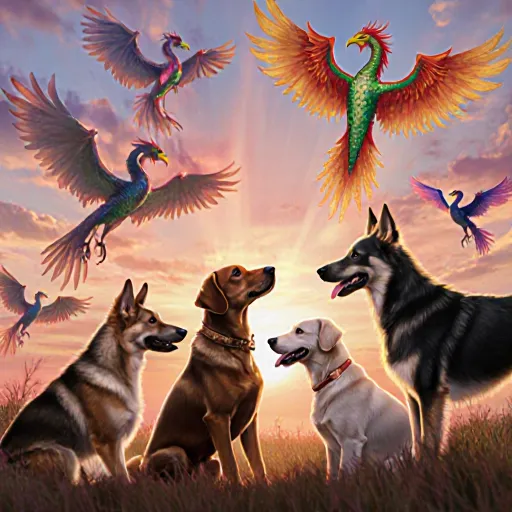
Unleashing the truth on dog pack behavior.
The Truth About Dogs: Pack Mentality or Not?
Table of Contents
- Introduction to Pack Behavior in Dogs and Wolves
- Historical Perspectives on Dog-Wolf Similarities
- Evolutionary Background of Domestication
- Social Structure in Wolf Packs vs. Dogs
- Leadership Roles: Alpha Wolves and Pack Leaders
- Communication Methods Between Wolves and Dogs
- Pack Hunting Behavior in Wolves vs. Companion Dog Activities
- Role of Dominance Hierarchies in Wolf Packs
- How Domestication Altered Pack Structures in Dogs
- The Importance of Socialization for Companion Dogs
- Behavioral Traits Influenced by Pack Behavior in Canines
- Impact of Environmental Factors on Pack Behaviors
- Conclusion: Are Dogs Really Pack Animals?
- FAQ
Introduction to Pack Behavior in Dogs and Wolves
Understanding pack behavior is crucial for anyone interested in the dynamics of both wolves and dogs, as it provides insight into their social structures and interactions. The question "Are dogs really pack animals like wolves?" has sparked extensive debate among researchers and animal behaviorists. This section delves deeper into this topic by examining the similarities and differences between wolf packs and dog groups.
The social structure of a wolf pack is hierarchical, with a dominant alpha pair leading the group. This hierarchy ensures that resources such as food, territory, and mating are allocated efficiently. Wolves communicate through various means including body language, vocalizations (howls, growls), and scent marking. Cooperation within the pack is essential for survival, whether it's hunting large prey or defending against threats.
Domestic dogs have adapted their behavior to fit into human households rather than a strict hierarchical structure found in wolf packs. However, many of the innate behaviors that were once crucial for survival in packs remain present in domesticated dogs. For instance, dogs exhibit pack-like behaviors such as following leaders, forming bonds with members within the "pack," and participating in cooperative play.
- Leadership: Wolves have a clear alpha pair, while dog groups may not follow such rigid leadership structures. Dogs often look to humans for guidance instead of another dog within the household.
- Hierarchy: In wolf packs, hierarchy is enforced through physical confrontations and submission displays. Dogs are less likely to engage in aggressive displays of dominance towards each other, but they do establish a pecking order based on age, size, or social interactions.
- Cooperation: Both wolves and dogs value cooperation for survival. However, the complexity and context of this cooperation differ between the two species. Wolves may work together to bring down large prey, whereas dogs often cooperate in more playful activities such as fetching or working tasks.
To better understand and manage dog behavior based on their pack instincts, owners should focus on leadership through consistent training and clear communication. Establishing a routine helps dogs feel secure and confident in their role within the household "pack." Engaging in activities that promote cooperation like fetch or obedience training can enhance bonding between humans and dogs while encouraging positive behaviors.
In summary, while domestic dogs no longer live in packs as wolves do, they still retain some pack-like behaviors. By recognizing these innate tendencies, owners can create a harmonious environment that meets both the physical and emotional needs of their canine companions.
Historical Perspectives on Dog-Wolf Similarities
The historical perspective on whether dogs are truly pack animals like wolves has been a subject of extensive debate among ethologists and behavioral scientists for decades. The concept that dogs evolved from wolves and maintain some of the same social structures has long fascinated researchers.
The idea that dogs and wolves share similar pack-like behaviors can be traced back to early naturalists who observed both in their environments. Charles Darwin, in his works on evolution, suggested that dogs could have developed from wolves through domestication. However, the specific nature of this transition remained unclear.
In the 20th century, behavioral studies provided more concrete evidence supporting the idea that both dogs and wolves exhibit pack-like behaviors. One notable study conducted by Brian Hare at Duke University shed light on the similarities between domesticated dogs and their wild counterparts.
- Joint Attention: Both wolves and dogs have been observed to engage in joint attention, where they look toward a human's gaze or point. This suggests that both species can communicate effectively with humans.
- Social Learning: Dogs are adept at learning from observing other dogs, similar to how wolf pups learn from their mother and pack members.
The evolutionary adaptations that dogs have undergone through domestication do not necessarily negate their pack-like behaviors. In fact, many of these traits—such as loyalty, cooperation, and the ability to work in teams—are crucial for survival both in packs and in human environments.
The understanding that dogs are similar to wolves in their social structures can inform how we interact with them. For instance:
- Dog Training: Recognizing the pack-like nature of dog behavior can help trainers understand why certain commands and behaviors work better when given in a context that mirrors natural wolf-pack dynamics.
- Pet Care: Owners may find it beneficial to provide opportunities for their dogs to engage in group activities, much like wolves do in the wild.
In conclusion, while domestication has led to some differences between dogs and wolves, the core pack-like behaviors that have been observed continue to support the notion that dogs are indeed social animals with complex social structures reminiscent of their wild ancestors. Understanding these historical perspectives can deepen our appreciation for both species.
Evolutionary Background of Domestication
The evolutionary background of domestication, particularly when considering whether dogs are truly pack animals like wolves, involves a deep dive into the historical and scientific understanding of both species. Dogs, as we know them today, have evolved significantly from their wolf ancestors through thousands of years of selective breeding by humans. This process has led to a transformation in behavior, appearance, and even physiology.
Wolves are social animals that live in packs, typically consisting of a alpha pair (the leader and the second-in-command) and their offspring. These packs exhibit complex social structures, communication methods, and cooperative behaviors essential for survival in their natural environment. Wolves rely heavily on cooperation within their pack to hunt large prey and defend territory against other threats.
Dogs, however, have been bred by humans over millennia with a wide variety of traits prioritized based on human needs and preferences. This selective breeding has led to a diverse array of dog breeds each adapted for specific roles such as herding, guarding, hunting, or companionship. While these domesticated dogs live in packs within human households, their social structures differ significantly from those of wild wolves.
Despite this, many behaviors observed in dogs can be traced back to their wolf ancestry, particularly when it comes to pack-like dynamics. For instance, dogs often display hierarchical behavior similar to that seen among wolves and rely on non-verbal communication like body language for interaction within the family unit. This suggests that while domestication has altered much of their natural instincts and behaviors, some core traits remain.
Research conducted by scientists such as Raymond Coppinger and his wife Lorna have provided valuable insights into this topic. In their book "Dog Sense," they argue that although dogs may not strictly fit the definition of pack animals in the wild sense, many aspects of their behavior align closely with those observed in wolves. They propose that instead of seeing domesticated dogs as direct clones of their wolf ancestors, we should view them more accurately through a lens that acknowledges both inherited and acquired traits shaped by centuries of living alongside humans.
In conclusion, while it would be inaccurate to say that all modern dogs are exactly like wild wolves in every aspect—due to the profound impact human intervention has had on their evolution—their pack-like tendencies provide compelling evidence for their historical ties. Understanding these relationships helps us appreciate how deeply intertwined the bond between humans and dogs truly is, fostering deeper appreciation for both species.
Leadership Roles: Alpha Wolves and Pack Leaders
The concept of leadership within dog packs has long been a subject of interest, especially when considering whether dogs are truly pack animals like wolves. Research suggests that while domesticated dogs have evolved from their wolf ancestors, they do not form true pack structures as wolves do in the wild. However, understanding the roles of alpha wolves and pack leaders can still provide valuable insights into dog behavior, training, and management.
Alpha Wolves: Natural Leaders
In a wolf pack, the alpha wolf is often seen as the natural leader who makes decisions about hunting, sheltering, and defending the group. This leadership role is crucial for the survival of the pack in the wild. The alpha wolf typically displays confidence, assertiveness, and dominance without being overly aggressive or harsh.
While domestic dogs do not form packs in the same way as wolves, they still exhibit similar hierarchical behaviors. In a household setting, certain dogs may naturally take on leadership roles, which can be attributed to their individual personalities and experiences. These dogs often lead by example, showing where to sit, what toy is most valuable, or even guiding the family through daily routines.
Pack Leaders in Domestic Settings
In a domestic setting, a pack leader is not necessarily the alpha wolf of traditional wolf packs. Instead, it can be any member of the household who takes on this role, often the owner or another family pet. The role of the pack leader in dog behavior involves creating boundaries, establishing rules, and ensuring that all members of the "pack" are treated fairly.
For instance, if you have multiple dogs, one might naturally take the lead in certain situations, while others follow. This does not mean that the follower dogs are less important; rather, they may be following a natural hierarchy or simply responding to leadership cues. It is essential for all members of the pack (or household) to feel safe and secure knowing who is leading.
Practical Advice for Establishing Leadership
- Consistency: Consistent rules and routines help dogs understand their place in the "pack." Changing behaviors frequently can confuse your dog, making it harder to establish leadership.
- Positive Reinforcement: Reward good behavior with praise or treats to reinforce desired actions. This approach encourages dogs to follow your lead without causing stress or anxiety.
- Promote Trust: Establish trust by being fair and consistent in your leadership. Dogs will be more likely to follow someone they feel secure with.
Example: If you decide that only certain areas of the house are for sleeping, make sure this rule is consistently applied. Dogs appreciate consistency and will follow a leader who demonstrates it.
Example: When your dog follows you into the kitchen at mealtime, give them a treat for waiting patiently rather than demanding food immediately.
Example: If you are firm but kind when enforcing house rules, your dog is more likely to respect those rules without feeling threatened or ignored.
Conclusion
While dogs and wolves differ in their pack structures, the principles of leadership remain relevant. Understanding alpha wolf behaviors and applying them in a domestic context can help you build stronger relationships with your pets and ensure everyone feels safe and respected within the "pack."
Communication Methods Between Wolves and Dogs
In exploring whether dogs are truly pack animals like wolves, it's essential to delve into the communication methods between these two closely related canines. While dogs have been domesticated for thousands of years, they still share many behavioral traits with their wild counterparts, including how they communicate. Wolves and dogs use a variety of signals to convey information about their needs, intentions, and emotions. Understanding these communication methods is crucial in grasping the similarities between wolves and dogs.
Visual Signals
Both wolves and dogs rely heavily on visual signals for communication. These include body posture, facial expressions, tail positions, and eye contact. For instance, a raised tail indicates confidence or friendliness in both species. However, the context is crucial; a wolf raising its tail could also be a sign of dominance or submission depending on the situation. Similarly, dogs may raise their tails when feeling playful or relaxed but also to signal aggression.
Body Language
Wolves and dogs use body language extensively to communicate. Wolves often display submissive behavior by lowering their bodies, tucking their tails between their legs, and looking away from the dominant individual. Dogs may adopt similar postures when they are scared or seeking approval. On the other hand, wolves and dogs both exhibit aggressive postures such as baring teeth, standing tall, and growling to warn others of potential threats.
Vocalizations
Vocalization is another key method for communication between wolves and dogs. Wolves use a range of vocalizations including howls, growls, whines, and barks to express different emotions or intentions. For example, a low-pitched growl from a wolf signals aggression, while a high-pitched howl can be used for long-distance communication within the pack. Dogs also have various vocalizations; barking is common in dogs but not typically found in wolves. However, some domesticated dogs have been known to imitate wolf-like howls when trained.
Chemical Signals
In addition to visual and auditory signals, both wolves and dogs use chemical signals through scent marking. Wolves mark their territory by urinating or scraping the ground with their paws, leaving behind a strong odor that other members of the pack can recognize. Dogs also engage in similar behavior, though it's often less noticeable due to differences in environment and training. Scent marking helps reinforce social bonds within groups.
Practical Advice for Dog Owners
To better understand your dog’s communication methods, observe them closely and try to interpret their signals based on what you know about wolf behavior. For example, if your dog is wagging its tail but looking away from you, it might be feeling anxious rather than excited. By paying attention to these subtle cues, you can improve the bond between you and your pet.
Pack Hunting Behavior in Wolves vs. Companion Dog Activities
In the context of animal behavior, the concept of pack hunting is often explored by comparing wolves to their close companions: dogs. The question "Are Dogs Really Pack Animals Like Wolves?" has sparked extensive debate among scientists and enthusiasts alike. While domesticated dogs have been shaped by human interaction over millennia, they still retain many traits that are reminiscent of their wolf ancestors.
Wolves exhibit a highly structured social hierarchy within their packs, which is essential for successful pack hunting. A typical wolf pack consists of an alpha male and female who lead the group, followed by subordinate members that play specific roles based on their strengths and weaknesses (e.g., tracking, distracting prey). This organization allows wolves to collaborate effectively during hunts, ensuring coordinated efforts towards achieving a common goal.
One prime example illustrating this collaborative effort is the pursuit of large ungulates such as elk or deer. Wolves often surround the herd before selecting an individual member for attack. By working together, they can overwhelm even the strongest prey animals through sheer numbers and strategic positioning. Once engaged in combat, one wolf might pin down the animal while others deliver lethal bites to critical areas.
Domestic dogs have been living alongside humans for thousands of years but their relationship with pack hunting has evolved significantly. While they no longer need to hunt for survival, many breeds still retain some level of predatory instinct inherited from wolves. However, these instincts are generally much weaker compared to those seen in wild wolves.
Despite this difference, dogs can exhibit pack-like behaviors when given the opportunity. For instance, certain dog sports like agility or flyball require teams of dogs working together towards a shared objective—a clear reflection of cooperative behavior similar to what we see in wolf packs. In these activities, dogs learn from each other and follow leaders just as wolves do under natural conditions.
If you want your dog to better reflect pack behaviors, consider incorporating training that emphasizes teamwork and leadership. Group obedience classes or advanced agility courses could be particularly beneficial here. These activities not only strengthen the bond between humans and dogs but also encourage them to work as cohesive units.
Additionally, providing plenty of mental stimulation through puzzle toys or interactive games can help maintain your dog’s cognitive skills, which is crucial for any pack member. Remember though; while domestication has reduced many aspects of predatory behavior in dogs, it hasn’t entirely eliminated all traces of these instincts.
In summary, although dogs may not hunt in the same way wolves do due to their domesticated lifestyle, they can still display pack-like behaviors given the right environment and training. Understanding this aspect of dog behavior can greatly enhance both the quality of life for your pet and your overall experience as a responsible owner.
Role of Dominance Hierarchies in Wolf Packs
The role of dominance hierarchies in wolf packs is a fundamental aspect of their social structure, which has been extensively studied and provides valuable insights into the nature of pack behavior. Wolves rely on a strict hierarchy to ensure efficient cooperation and effective management of resources such as food and territory. This hierarchical system helps prevent conflicts and ensures that decisions are made efficiently for the benefit of the entire group.
In wolf packs, every member plays a crucial role, but not all members have equal influence. The alpha pair—typically the most dominant individuals in the pack—are responsible for leading the pack's movements and making key decisions about hunting and territorial defense. They are also the primary breeders, ensuring that the pack can maintain its numbers while preserving genetic diversity.
The dominance hierarchy is established through various behaviors and interactions between pack members. Submission signals, such as tail tucking or rolling over, reinforce lower ranks within the pack. Conversely, alpha wolves display assertive postures and challenge behaviors to maintain their position at the top of the hierarchy. These interactions are crucial for maintaining order and reducing conflict.
While wolves have a clear dominance structure that is essential for their survival, it's important to note that dogs, as domesticated descendants of wolves, may not exhibit the same level of strict hierarchical behavior observed in wild wolf packs. In domestic settings, dogs often form loose social groups rather than rigid hierarchies. This is because human interaction and training play a significant role in shaping dog behavior.
Research by scientists like Scott & Fuller (1965) has explored the differences between pack dynamics in wolves and dogs. Their work suggests that while dogs can be trained to follow a hierarchical structure, their behavior is more influenced by individual personalities, relationships with humans, and environmental factors rather than an innate need to establish dominance.
Dogs do not always form packs like wild wolves; instead, they tend to live in groups where each dog has its own role within the family. This can range from being a guard dog to a playful companion or even a leader of sorts when it comes to certain activities. The bond between dogs and humans is unique and often more complex than the simple dominance hierarchy found in wolves.
In summary, while the concept of a dominance hierarchy is crucial for understanding wolf pack behavior, its direct application to domestic dogs may not be entirely accurate. Dogs have adapted to human environments in ways that differ from their wild ancestors, making them less dependent on rigid hierarchical structures for social cohesion and more responsive to individual interactions and training.
How Domestication Altered Pack Structures in Dogs
The question of whether dogs are truly pack animals like wolves has sparked considerable debate among scientists and animal behaviorists. While it is widely accepted that both wolves and dogs exhibit social behaviors that can be categorized as "pack-like," the impact of domestication on these structures cannot be overlooked. Domestication has significantly altered many aspects of dog behavior, including their social structures, which are often seen as less rigid than those of wild wolves.
Dogs, unlike their wolf ancestors, have been shaped by thousands of years of domestication. This process has led to changes not only in physical characteristics but also in social behaviors and pack structures. In the wild, wolves form highly structured packs with defined hierarchies and clear leadership roles. These structures are crucial for survival in harsh environments where cooperation is essential.
Changes in Leadership Roles
In wolf packs, there is a strict alpha pair that leads the pack, ensuring hunting success, protecting the young, and maintaining territorial boundaries. However, dog behavior has evolved such that leadership roles are less rigidly defined. While some dogs may still exhibit dominant behaviors, many others have learned to follow human commands rather than another canine's. This change reflects the shift from a purely canine-dominated hierarchy to one where humans play a crucial role in the pack structure.
Increased Flexibility and Adaptability
Dogs are more adaptable due to domestication, allowing them to form relationships with humans and other dogs that differ significantly from those found in wolf packs. For example, dogs may bond more closely with certain family members or even develop friendships with specific individuals outside their immediate household. This flexibility enables dogs to thrive in various environments and situations, far from the rigid pack structures seen in wolves.
Behavioral Changes Due to Domestication
The domestication of dogs has led to a range of behavioral changes that further alter how they form packs. These include:
- Reduced Hierarchy Clarity: Dogs often exhibit less clear hierarchical structures compared to wolves, making it easier for them to integrate into diverse social groups.
- Increased Submission and Playfulness: Domestic dogs tend to be more submissive towards humans and engage in play behaviors that are not seen as strongly in wolf packs.
- Socialization with Humans: Dogs have evolved to rely heavily on human interaction, forming close bonds based on mutual trust and affection rather than strict dominance hierarchies found in wolves.
Practical Advice for Dog Owners
To best support your dog's natural pack instincts while maintaining a harmonious household environment:
- Establish Clear Rules and Roles: Just as wolves have a leader, dogs benefit from clear guidance. Use consistent training methods to ensure that both you and your dog understand the rules.
- Foster Positive Relationships: Encourage interactions between all members of the household, including pets and humans alike. This helps create a cohesive unit where each member feels valued.
- Provide Adequate Mental Stimulation: Like any pack animal, dogs need mental challenges to stay healthy and happy. Engage in activities that challenge their minds such as puzzle toys or obedience training exercises.
Conclusion
In summary, while both wolves and dogs exhibit social behaviors characteristic of pack animals, domestication has profoundly altered the way dogs organize themselves into packs. By understanding these changes, dog owners can better support their pets' needs and create a nurturing environment that promotes well-being for all members of the "pack."
The Importance of Socialization for Companion Dogs
The concept that dogs are companion animals rather than pack animals is often discussed alongside the idea that they can be socialized in ways similar to wolves. While it's true that wolves live in packs, modern domesticated dogs have evolved significantly from their wolf ancestors, and they primarily function as companion animals for humans. However, this doesn't mean that socialization isn't crucial for their well-being.
Companion dogs rely heavily on human interaction and other forms of social stimulation to thrive. Socialization during a dog’s early stages of development is essential in shaping its personality and behavior. Proper socialization helps dogs learn appropriate ways to interact with both humans and other animals, reducing the likelihood of aggression or fear-based behaviors.
For instance, if a puppy does not receive adequate socialization between 3-12 weeks of age, it may develop behavior problems later in life. This critical period is when puppies learn important social cues and can form positive associations with various stimuli. Without proper exposure during this time, a dog might become overly fearful or aggressive towards certain situations.
Practical advice for ensuring your companion dog receives the necessary socialization includes:
- Early Exposure: Introduce puppies to different environments, people, and animals early on. This helps them become more adaptable and less likely to develop phobias or anxieties.
- Variety in Interactions: Encourage your dog to interact with different types of individuals—adults, children, elderly people, etc.—to ensure they are comfortable around all kinds of personalities.
- Positive Reinforcement Training: Use treats and praise during socialization experiences to reinforce good behavior. This builds a positive association between the experience and the desired outcome.
By understanding that while dogs aren't exactly like wolves in terms of pack behavior, they still require significant social interaction for their emotional health and well-being, you can better appreciate the importance of socialization. Ensuring your dog gets enough socialization will contribute to a happier and healthier pet.
Behavioral Traits Influenced by Pack Behavior in Canines
Are dogs really pack animals like wolves? This question has been a topic of debate among many animal behaviorists. While it is widely believed that dogs have evolved from wolves and possess some of the same pack instincts, there are differences in their social structures and behaviors. However, certain behavioral traits in canines are indeed influenced by pack behavior. Let's explore these traits in more detail.
Dogs exhibit leadership behaviors similar to wolves within a pack. In both species, strong leaders help guide the group through various challenges and ensure everyone’s safety. In dog packs, this role is often filled by an alpha or dominant individual who makes key decisions based on experience and strength.
Practical Advice: Understanding your dog's leadership style can be crucial for effective training. If you're the pack leader, your dog will look up to you as a guide, much like how wolves rely on their alpha during hunts or escapes from predators.
Just like in wolf packs, dogs establish a hierarchy within their social groups based on age, size, and personality. This pecking order ensures that all members know their place, reducing conflicts over resources such as food, water, or rest spots.
Example: In multi-dog households, you may notice one dog consistently eating first or sleeping in a favored spot. This behavior reinforces the established hierarchy within the pack.
Advice: Recognizing and addressing potential issues early can help maintain harmony among your dogs. Consistent training and clear communication from all leaders will prevent unnecessary stress and conflict.
Dogs use a variety of vocalizations, body language, and scent signals to communicate with each other. These methods are crucial for maintaining pack cohesion and avoiding misunderstandings that could lead to aggression or fear-based responses.
Example: A submissive crouch followed by tail wagging indicates submission, while a raised hackle and stiff posture might signal readiness for confrontation.
Advice: Learning these signals can enhance your relationship with your canine companions. For instance, recognizing when your dog is feeling anxious or scared allows you to intervene before the situation escalates into something more serious.
The importance of socialization cannot be overstated for both puppies and adult dogs. Socializing dogs properly helps them understand boundaries and develop healthy relationships within their pack, whether it's with humans or other animals.
Practical Advice: Expose your puppy to various environments, people, and situations early on in life. Positive reinforcement during these experiences ensures that they grow up well-adjusted members of the household "pack."
In some cases, dogs display altruistic behaviors towards their pack members, mirroring what we see in wolves who often work together to protect weaker individuals or younger pups.
Example: A dog may alert another dog if it senses a threat, or even help an injured companion back into the group after a fall.
Advice: Encouraging these behaviors can foster strong bonds between your dogs. Positive feedback when you see such acts of kindness reinforces good behavior and strengthens the unity within your pack.
In summary, while not identical to wolf packs, dog social structures do share many similarities with their wild counterparts. By understanding these behavioral traits influenced by pack behavior, pet owners can create nurturing environments that support both physical and emotional health for their canine companions.
Impact of Environmental Factors on Pack Behaviors
The concept that dogs are pack animals, similar to wolves, has been widely discussed and debated among animal behaviorists. While it is true that both dogs and wolves share a common ancestry and exhibit certain behaviors indicative of pack-like structures, the extent to which these behaviors apply directly to domesticated dogs in modern environments is a subject of ongoing research.
In nature, wolf packs are organized hierarchically with a dominant alpha pair that leads the group. This structure ensures efficient hunting and protection from external threats. The pack's behavior is highly influenced by environmental factors such as climate, terrain, and prey availability.
Environmental Influence on Wolf Pack Behavior
- Climate: In colder climates, wolves may form larger packs to conserve heat. Conversely, in warmer regions, they might hunt individually or in smaller groups.
- Terrain: Mountainous areas require different hunting strategies compared to open plains. Wolves adapt their behavior based on the terrain for effective prey capture.
- Prey Availability: Areas with abundant prey may see more stable pack structures, while scarcity can lead to smaller packs or even solitary hunting.
Domestication has significantly altered the behavior of dogs. Unlike their wild counterparts, domestic dogs are not bound by the same environmental pressures. They live in a wide variety of environments and conditions that shape their behaviors differently.
Environmental Factors Shaping Domestic Dog Behavior
- Housing Conditions: Dogs living in urban areas often exhibit different social dynamics compared to those raised on farms or ranches. Urban dogs may rely more on human interaction for companionship.
- Dietary Habits: The type of food a dog eats can influence its energy levels and overall behavior. For example, a dog fed primarily dry kibble might have different energy requirements than one that feeds on raw meat.
- Social Interactions: Dogs that grow up in multi-pet households may develop distinct relationships with each other and humans compared to those raised as the only pet.
Despite being domesticated, many dogs still exhibit pack-like behaviors. This is particularly evident when they live in groups or are part of a household with other pets. In such settings, hierarchy and cooperation can be observed.
Practical Advice for Dog Owners
- Create a Balanced Environment: Ensure your dog has access to both physical and mental stimulation. Regular exercise and interactive playtime are crucial in maintaining healthy pack-like behaviors.
- For example, engaging in fetch or hide-and-seek games can mimic the hunting behavior seen in wolves.
- Promote Positive Reinforcement: Encourage cooperative behaviors through positive reinforcement techniques. This helps establish a harmonious pack-like relationship within your household.
Cultural and Training Influence
The way dogs are trained and socialized also plays a significant role in shaping their behavior. Modern dog training methods, such as clicker training or positive reinforcement techniques, emphasize communication and trust rather than dominance.
In conclusion, while domesticated dogs do not replicate the exact pack behaviors of wolves due to differences in environment and lifestyle, they still exhibit certain social structures that can be likened to a pack. Understanding these factors is crucial for dog owners looking to provide their pets with a fulfilling and balanced life.
Conclusion: Are Dogs Really Pack Animals?
The question of whether dogs are truly pack animals, particularly in comparison to wolves, has long been a topic of discussion among animal behaviorists and dog trainers. While it's widely acknowledged that dogs have inherited many behaviors from their wolf ancestors, the extent to which they remain pack animals is often debated. Wolves live in highly structured packs with defined roles and hierarchies, whereas domestic dogs do not share this same level of structure in their social lives.
Origins and Evolution
Dogs are indeed descended from wolves, sharing a common ancestor that lived around 40,000 years ago. Over time, selective breeding by humans has shaped dogs into the diverse breeds we see today. Despite this evolution, many behaviors in dogs can be traced back to their wolf heritage. For instance, domestication hasn't eliminated the pack mentality; instead, it has been modified and redirected.
Behavioral Similarities
Dogs exhibit several behaviors that are similar to those seen in wolves:
- Socialization: Both wolves and dogs thrive in social groups. Dogs will often form close bonds with their human families, mirroring the way wolves bond within packs.
- Hierarchy: While not as rigidly structured as wolf packs, many dog packs (groups of dogs living together) have a clear hierarchy based on dominance and submission.
- Pack Hunting: Although domesticated dogs are rarely involved in hunting for survival, some breeds still demonstrate behaviors that hint at pack hunting instincts.
Differences
The key difference between wolves and dogs lies in the structure of their social groups. Wolves live in packs that can consist of multiple generations, with clear leadership from an alpha pair. Dogs, on the other hand, do not typically form such structured groups outside of a controlled environment like shelters or breeding facilities.
Practical Advice for Dog Owners
Understanding that dogs retain some pack behavior can help owners create a more fulfilling relationship with their pets:
- Leadership: Just as wolves follow the alpha, dogs benefit from clear leadership. This doesn't mean being harsh; it means setting boundaries and providing consistent guidance.
- Socialization: Encourage your dog to interact with other pets or people in a positive way, reinforcing social skills that are naturally part of their pack behavior.
- Training: Use training techniques that align with your dog's natural tendencies. Positive reinforcement training can be particularly effective for dogs who have retained some pack behaviors.
Conclusion
In summary, while domestic dogs are not exactly like wolves in terms of pack structure and behavior, they do retain significant aspects of their wolf heritage. The concept that "dogs are pack animals" is more accurate when viewed as a reflection of shared social instincts rather than strict adherence to the hierarchical structures found in wild wolf packs.
FAQ
The question of whether dogs are truly pack animals like wolves has been a topic of debate among animal behaviorists and pet owners alike. While it is widely accepted that both dogs and wolves share a common ancestor, there are differences in their social structures and behaviors that lead to varying conclusions.
Similarities Between Dogs and Wolves
Dogs and wolves do exhibit some similar traits when it comes to pack behavior. They both have hierarchical structures within their groups, where leadership plays a crucial role in maintaining order and survival. In wolf packs, the alpha male and female dominate the rest of the group, ensuring that resources are distributed efficiently and threats are managed effectively. Similarly, dogs living in households often establish a hierarchy among themselves, with one or two individuals leading the pack.
Differences in Social Structure
While wolves live in complex packs that can consist of multiple generations, dogs, on the other hand, typically form smaller groups within human households. The dynamics between these dog "packs" are influenced by individual personalities and relationships with humans rather than genetic relatedness. This is a key difference from wolf behavior, where kinship often plays a significant role in pack formation.
Practical Advice for Dog Owners
Understanding that dogs can exhibit pack-like behaviors can help owners create a positive and stable environment for their pets. By establishing clear rules and roles within the household "pack," dog owners can ensure that their dogs feel secure and respected. For example, allowing one dog to lead in playtime or feeding time can mimic the natural hierarchy seen in wolf packs.
Examples of Pack Behavior in Dogs
- Following a Leader: Just like wolves follow their alpha, dogs often look to one human as the leader. This can be beneficial for training and discipline.
- Group Play: Dogs living together may engage in pack-like play, where they take turns being "alpha" during games or roughhousing.
- Shared Resources: Dogs may compete over toys or treats, similar to how wolves would compete for resources in the wild.
In conclusion, while dogs do not live in pack structures identical to those of wolves, they can exhibit behaviors that resemble pack dynamics. By recognizing these similarities and differences, dog owners can better understand their pets' needs and provide them with a fulfilling and harmonious living environment.
Categories
- AI & Enrichment Play
- Broiler Farming
- Broiler Farming Tips
- Canine Wellness & Longevity
- Cat
- Cat & Human Connection
- Cat Adoption & Rescue
- Cat Breeds
- Cat Breeds & Personalities
- Cat Care & Health
- Cat Grooming & Hygiene
- Cat Lifestyle & Environment
- Cat Myths & History
- Cat Nutrition & Diet
- Cat Products & Reviews
- Cat Training & Behavior
- Comparison
- Consumer Awareness
- Dog
- Dog Accessories & Products
- Dog Adoption & Rescue
- Dog Breed & Lifestyle Trends
- Dog Breeding & Puppies
- Dog Entertainment & Media
- Dog Fashion & Trends
- Dog Fun & Lifestyle
- Dog Grooming & Hygiene
- Dog History & Culture
- Dog Myths, Science & Future Tech
- Dog News & Trends
- Dog Nutrition & Food
- Dog Psychology & Emotions
- Dog Safety & Security
- Dog Sports & Activities
- Dog Technology & Innovation
- Dog Training for Modern Owners
- Dog Travel & Adventure
- Dog Travel, Adventure & Culture
- Economic and Market Insights
- Educational Content
- FAQs
- Feeding Alternatives
- Festivals & Seasonal Ideas
- Fun & Entertainment
- General Knowledge
- General Pig Farming
- Health & Disease Management
- Housing and Environment
- Kittens
- Market Insights
- Miscellaneous
- Miscellaneous
- Motivational
- pig
- Pig Breeding
- Pig Breeds
- Pig Farming Stories and Inspiration
- Pig Health and Care
- Pig Nutrition
- Pig Products
- Profitability & Business
- Puppy Care
- Puppy Predictable Topics Reinvented
- Regional Focus
- Rescue & Adoption Buzz
- Senior Cats
- Senior Dog Care
- Smart Dog Tech & Gadgets
- Sustainability
- Sustainable & Eco-Friendly Dog Products
- Tech & Innovations
- Working & Service Dogs
- Broiler Feed66 products
- Country Feed33 products
- Pig Feed66 products
- Product22 products
- Raw Materials99 products
Products
-
 Fish Meal
₹1,999.00 – ₹2,999.00Price range: ₹1,999.00 through ₹2,999.00Rated 0 out of 5
Fish Meal
₹1,999.00 – ₹2,999.00Price range: ₹1,999.00 through ₹2,999.00Rated 0 out of 5 -
 FATTENING BROILER FEED
₹2,299.00 – ₹2,349.00Price range: ₹2,299.00 through ₹2,349.00Rated 0 out of 5
FATTENING BROILER FEED
₹2,299.00 – ₹2,349.00Price range: ₹2,299.00 through ₹2,349.00Rated 0 out of 5 -
 LAYER COUNTRY FEED
₹1,549.00 – ₹1,649.00Price range: ₹1,549.00 through ₹1,649.00Rated 0 out of 5
LAYER COUNTRY FEED
₹1,549.00 – ₹1,649.00Price range: ₹1,549.00 through ₹1,649.00Rated 0 out of 5 -
 COUNTER BROILER FEED
₹1,199.00 – ₹1,299.00Price range: ₹1,199.00 through ₹1,299.00Rated 0 out of 5
COUNTER BROILER FEED
₹1,199.00 – ₹1,299.00Price range: ₹1,199.00 through ₹1,299.00Rated 0 out of 5 -
 LACTATING PIG FEED
Rated 0 out of 5
LACTATING PIG FEED
Rated 0 out of 5₹2,299.00Original price was: ₹2,299.00.₹1,740.00Current price is: ₹1,740.00. -
 Maize
Rated 0 out of 5
Maize
Rated 0 out of 5₹1,650.00Original price was: ₹1,650.00.₹1,300.00Current price is: ₹1,300.00. -
 GESTATION PIG FEED (Phase 1)
Rated 0 out of 5
GESTATION PIG FEED (Phase 1)
Rated 0 out of 5₹2,249.00Original price was: ₹2,249.00.₹1,699.00Current price is: ₹1,699.00. -
 Pre Starter Broiler Feed
₹2,399.00 – ₹2,499.00Price range: ₹2,399.00 through ₹2,499.00Rated 0 out of 5
Pre Starter Broiler Feed
₹2,399.00 – ₹2,499.00Price range: ₹2,399.00 through ₹2,499.00Rated 0 out of 5 -
 FINISHER PIG FEED
Rated 0 out of 5
FINISHER PIG FEED
Rated 0 out of 5₹2,299.00Original price was: ₹2,299.00.₹1,749.00Current price is: ₹1,749.00. -
 Broiler Premix
Rated 0 out of 5
Broiler Premix
Rated 0 out of 5₹820.00Original price was: ₹820.00.₹699.00Current price is: ₹699.00.
Social Structure in Wolf Packs vs. Dogs
The debate over whether dogs are truly pack animals like wolves has been ongoing for quite some time. While it is widely accepted that both dogs and wolves share a social structure, the extent to which they resemble each other in this regard remains a topic of discussion among ethologists and behaviorists.
In wolf packs, there exists a strict hierarchical structure, often referred to as the "alpha" system. The pack is headed by an alpha pair, typically the most dominant individuals who are responsible for leading the group in hunting and defending territory. This leadership role is not inherited but earned through strength, intelligence, and social interaction within the pack.
The hierarchy is maintained through a variety of behaviors such as submission signals (like licking or rolling over) from lower-ranking members towards the alpha pair. Wolves also use body language to communicate their rank; for example, standing tall while looking down at another wolf signifies dominance, whereas crouching with head lowered shows submissiveness.
Despite popular belief, not all wolves within a pack follow this rigid hierarchy strictly. Subordinate wolves may form coalitions or alliances among themselves which can challenge the alpha pair temporarily but usually do so only under specific conditions such as increased competition for resources like food and mating opportunities.
Domesticated dogs, although genetically similar to their wild ancestors, have evolved different social behaviors due to thousands of years of selective breeding. Unlike wolves who live in large groups with a clear pecking order based on physical attributes like size and strength, many dog breeds today do not exhibit such strict hierarchies within small family units or packs.
However, dogs can still show pack-like tendencies when kept in multi-dog households where there is often an established leader who makes decisions about resources (like food bowls) and social interactions. In these settings, the alpha role might be filled by a certain dog based more on personality traits such as confidence rather than physical attributes.
It's important to note that modern dogs' behavior is heavily influenced by human interaction. They rely on humans for guidance and leadership which can sometimes overshadow natural pack instincts. This does not mean that dogs cannot learn from observing other dogs or living in groups; it simply means their social structures differ significantly from those of wild wolves.
If you're considering adopting multiple dogs, understanding these differences could help manage behavior effectively. For instance, providing clear boundaries and consistent rules can guide younger or less experienced dogs into following the established pack leader. Encouraging play sessions that promote positive interactions between all members of the household can also strengthen bonds among them.
Moreover, recognizing individual dog personalities helps tailor training methods to suit each animal's needs. Some dogs thrive when given leadership roles within their families while others prefer follower positions. By respecting these preferences and offering appropriate opportunities for both leading and following behaviors, you create a balanced environment that benefits all pets involved.
In summary, while wolves exhibit more rigid hierarchical structures characteristic of true pack animals, dogs have adapted to human environments in ways that sometimes reflect but often diverge from natural wolf pack behavior. Understanding these differences provides valuable insights into how best to care for and interact with your canine companions.