
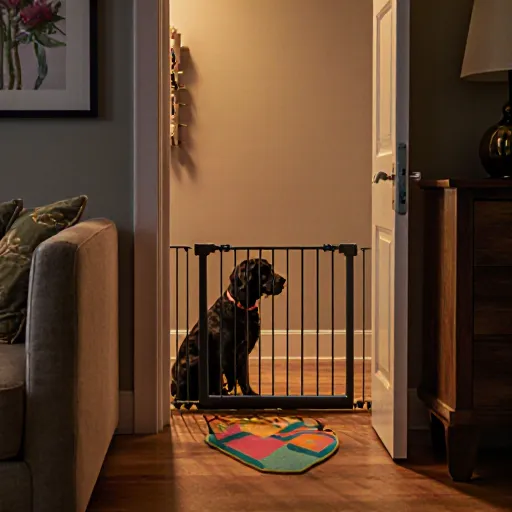
Protect your family with these home security tips.
Secure Your Home for Kids and Canines
Table of Contents
- Introduction to Baby-Proofing and Dog Safety Combined
- Benefits of Safe Environments for Both Babies and Dogs
- Choosing the Right Baby Gates for Your Home Layout
- Securing Hazardous Items Out of Reach for Both Pets and Children
- Installing Safety Latches on Cabinets and Drawers
- Creating Safe Spaces for Dogs to Play Without Risking Baby's Safety
- Choosing Pet-Friendly Materials That Are Also Child-Safe
- Securing Small Objects Like Toys and Chargers Out of Reach
- Pet-Proofing Your Baby's Bedroom Before They Move In
- Training Dogs to Use the Correct Areas for Chewing and Playing
- Creating a Safe Space in Every Room of the House
- Introducing Your Baby Gradually to the Dog's Presence
- Common Mistakes in Combining Baby-Proofing and Dog Safety
- Conclusion: The Importance of a Balanced Approach
- FAQs About Baby-Proofing and Dog Safety Combined
Introduction to Baby-Proofing and Dog Safety Combined
Baby-proofing your home is a crucial step for any parent, ensuring that the environment is safe and secure as they grow. However, with the addition of a dog into the mix, it becomes even more essential to consider both baby-proofing and dog safety simultaneously. By implementing effective measures, you can create a space where both your child and your pet feel safe and comfortable.
Baby-proofing involves the installation of safety gates, secure latches on cabinets and drawers, corner protectors for sharp edges, and non-slip mats to prevent accidents. These measures are designed to keep babies away from hazards such as electrical outlets, stairs, and small objects that could be choking risks.
When adding a dog to the family, it's important to consider their safety too. Dogs can easily become curious or playful in areas where they shouldn't go, leading to potential accidents. Some key measures include:
- Securing trash cans and bins to prevent your dog from getting into harmful substances.
- Covering electrical cords to avoid ingestion or chewing that could lead to injuries.
- Installing child-proof locks on doors leading to outside spaces, as dogs can easily find a way out.
The most effective baby-proofing strategies often naturally enhance the safety for pets too. For example:
- Protecting sharp corners with bumpers can prevent both your child from bumps and your dog from tripping over or getting hurt.
- Installing a secure gate at the top of stairs keeps the baby safe while also keeping the dog inside where it belongs.
- Non-slip mats help to keep both babies and dogs stable on slippery floors, reducing the risk of falls.
To ensure your efforts are effective:
- Create a Safe Play Area: Designate an area in the home that is off-limits to both baby and dog. This could be a designated playpen or room where they can have fun without getting into trouble.
- Use Pet-Friendly Products: Choose products that are safe for pets as well, such as non-toxic paints and finishes in paintable areas of the home.
- Regular Check-ins: Periodically review your baby-proofing measures to ensure they still meet both child and dog safety standards. As your pet grows and learns new behaviors, you may need to adjust these measures accordingly.
By combining the principles of baby-proofing with those of dog safety, you can create a home environment that is both safe for your baby and your furry friend. This approach ensures that everyone in the family enjoys a secure and happy living space.
Benefits of Safe Environments for Both Babies and Dogs
Creating a safe environment that benefits both babies and dogs is crucial for ensuring their well-being, health, and happiness. Combining baby-proofing techniques with dog safety measures can help prevent accidents and injuries in your home. Here are some key benefits of having such an environment:
Both babies and dogs are curious creatures, but their physical capabilities differ significantly. For instance, a dog might be able to reach areas that a baby cannot yet access, like countertops or high shelves. By implementing safety measures such as childproof locks on cabinets and gates for stairways, you can prevent both of them from accessing hazardous materials or falling down stairs.
Example: Installing low-level drawers with childproof locks ensures that curious puppies do not dig through potentially dangerous items while also preventing toddlers from reaching harmful substances like cleaning products.
A safe environment encourages both babies and dogs to explore the house without fear of harm. This is especially important for puppies, who are naturally inclined to chew and investigate their surroundings. With proper baby-proofing in place, they can safely play and grow while minimizing risks.
Practical Advice: Designate specific areas as "play zones" where both babies and dogs can interact safely. Use soft toys and baby-friendly furniture that won't break easily if chewed on by puppies.
A home that is not safe for either babies or dogs can cause stress for all involved parties. By creating a secure environment, you reduce the chances of accidents and injuries, which in turn reduces anxiety for both pets and parents.
Example: Removing electrical cords and securing small objects can alleviate stress for both babies and dogs who might otherwise become frightened by unexpected movements or sounds.
A safe environment supports the healthy development of both babies and dogs. For a baby, this means allowing them to crawl freely without fear of bumping into sharp objects. For a dog, it means providing access to areas that encourage physical exercise and mental stimulation.
Practical Advice: Use pet gates to create designated play areas for puppies while also creating safe spaces where babies can explore and learn. This helps both pets and children grow in a secure environment.
When both babies and dogs are safe, it encourages positive interactions between the two. For instance, a baby might be less anxious around a dog if they know that there is no risk of injury or harm, which can lead to stronger family bonds.
Example: Allowing your baby to interact with well-trained puppies during supervised playtime can foster trust and understanding between them.
In conclusion, creating a safe environment that benefits both babies and dogs is not only important for their safety but also for the overall health of your family. By combining baby-proofing techniques with dog safety measures, you can create a home where everyone feels secure and happy.
Choosing the Right Baby Gates for Your Home Layout
When it comes to baby-proofing your home, ensuring both a safe environment for babies and considering the safety of your pets is crucial. Baby gates are one of the most effective tools in achieving this balance. However, choosing the right gates for your specific home layout can be challenging. Here’s how you can make informed decisions:
The first step in selecting baby gates is understanding the flow and structure of your home. Identify high-traffic areas where accidents are more likely to occur, such as near stairs or around open doorways. This will help you determine which rooms need gate protection.
Types of Baby Gates
- Invisible Gates: These gates use pressure-sensitive strips that fit between the stiles of a door, making them nearly invisible when closed. They are suitable for pet safety as they do not block your dog's access to certain areas.
- Example: The Baby Gate from Safety 1st offers a low-profile design that blends into the doorframe while still providing effective protection against falls.
- Hinged Gates: These gates are installed on a door jamb and can be hinged to close off an area. They provide sturdy and reliable protection but may not be as pet-friendly as other options.
- Example: The Baby Gate by Graco features a robust design that is easy to install and provides excellent stability against falls.
- T-shaped Gates: These are installed across doorways, blocking access from one side only. They are particularly useful in areas where pets need to pass through while still ensuring baby safety on the other side.
- Example: The T-Shape Gate by Kiddo allows your dog to freely move around while preventing babies from entering certain rooms.
- Dual-Sided Gates: These gates can be installed on both sides of a door, creating multiple safe zones within your home. This versatility is ideal for homes with pets that require specific areas.
- Example: The Dual-Sided Gate by Baby-G Gateway provides flexibility in managing different safety needs across various rooms in the house.
When choosing baby gates, it's essential to consider your pet’s behavior and lifestyle. If you have a curious or energetic dog, ensure that the gate provides enough space for them to move around comfortably without feeling trapped.
Tips for Pet-Friendly Baby Gates
- Choose Gates with Wide Channels: Ensure the channel of the gate is wide enough so your pet can easily pass through. Narrow channels might cause discomfort or even injury to pets that are not used to them.
- Install in Strategic Locations: Install gates in areas where both your baby and dog need safe passage, such as near stairs or kitchen entrances. This way, you avoid creating unnecessary barriers for your pet while still prioritizing baby safety.
- Regular Maintenance: Regularly check the gate’s stability to ensure it remains secure throughout all seasons, especially during wet conditions where pets are more likely to slip or fall. Keeping gates well-maintained can prevent accidents in both areas of your home.
Selecting the right baby gates for your home layout is a thoughtful process that requires considering both baby-proofing and dog safety. By choosing gates that fit seamlessly into your home design, you can create a safe environment where everyone feels comfortable.
Securing Hazardous Items Out of Reach for Both Pets and Children
When it comes to creating a safe environment both for your children and pets, securing hazardous items out of reach is crucial. This task requires a combination of baby-proofing techniques and dog safety measures that ensure no harmful substances are accessible to either group.
- Pesticides and other chemicals: Ensure these are stored in secure, child-resistant containers and ideally out of the reach of both pets and children. Consider locking them away or using a cabinet with a child lock.
- Cleaning supplies: Similar to pesticides, ensure all cleaning products are kept in a safe location that is inaccessible to curious paws and hands alike.
- Medications: Keep all medications out of reach and preferably in a locked cabinet or drawer. This includes both human and pet medications.
- Batteries: Small batteries can be dangerous if swallowed by pets, while children might find them fascinating but harmful. Store these safely away from reach.
The principles of baby-proofing can also apply to ensuring your pet’s safety. Here are some specific steps:
- Cover electrical outlets: Pets, especially puppies, can be drawn to the smell or taste of exposed outlet covers and may ingest them. Use childproof outlet covers that are tough enough for pets.
- Secure cabinets: Install safety latches on all lower kitchen cabinets so that children cannot reach into them but allow you easy access when needed. Similarly, use pet-proof locks to ensure that your dog doesn’t knock over or open the cabinet doors out of curiosity.
- Furniture securing: Heavy furniture can be a hazard if it tips over. Use safety straps and brackets to secure larger pieces like dressers and bookshelves. This is especially important for both children who may climb on them and curious pets that might knock them over.
While the above measures are essential, there are specific precautions you need to take for your pet:
- Secure wires and cords: Pets may chew on electrical wires or cords, leading to serious injuries. Use cord covers to protect against this hazard.
- Pet-proof the bathroom: Ensure that all toiletries are out of reach for your pet. Additionally, if you have a dog, consider using child locks on cabinets and drawers where pets may try to access grooming supplies or medications.
To make these measures effective, here are some practical tips:
- Regular checks: Periodically review your home for any hazards that might have become accessible to either children or pets. This ensures you stay ahead of potential dangers.
- Teach good habits: Train your dog not to chew on harmful items by providing it with appropriate toys and redirecting its attention when it tries to access something dangerous.
- Install child and pet safety devices: Invest in high-quality safety products that are designed for both children and pets. These include latches, locks, and covers that can withstand the strength of your pet’s curiosity.
In conclusion, ensuring hazardous items are secured out of reach is a fundamental aspect of creating a safe living environment for both your children and pets. By combining baby-proofing strategies with dog safety measures, you can significantly reduce the risks associated with household hazards.
Installing Safety Latches on Cabinets and Drawers
When you have little ones or pets around the house, safety becomes a top priority. Installing safety latches on cabinets and drawers is an essential step in ensuring that your home remains secure while also providing peace of mind.
Understanding Safety Latches
Safety latches are designed to prevent accidental access by young children or curious pets, helping to reduce the risk of injuries. These latches can be installed on cabinets and drawers in kitchens, bathrooms, playrooms, and any other areas where small objects might pose a danger.
Types of Safety Latches
- Magnetic Latches: These are simple to install and operate by using magnets on the inside and outside. They require no drilling or hardware, making them ideal for renters or those who want a quick solution.
- Hinge Hooks: Installed at the top of a cabinet or drawer, these latches have small hooks that fit into slots to hold doors securely closed.
- Magnetic and Hinge Combo Latches: Combining both magnetic and hinge hook features for added security. They are more robust and better suited for heavier items or those that might be pushed open by a pet.
Step-by-Step Installation Guide
- Select the Right Latch: Choose latches based on your specific needs, considering factors like size of cabinet/drawer and the materials involved. For example, magnetic latches work best for glass or metal surfaces.
- Measure Precisely: Ensure you measure the exact dimensions where the latch will be placed to ensure a perfect fit. Use a ruler or measuring tape to mark spots accurately before installation.
- Installation Process: For magnetic latches, clean any dust from metal surfaces and position the magnet on one side of the cabinet/drawer. Place the corresponding hook on the other side. Press firmly until you hear it lock into place. For hinge hooks, drill pilot holes through which to pass screws that secure the latch to the inside edge of the cabinet or drawer.
- Test the Latch: After installation, open and close the cabinet or drawer multiple times to test its durability. Make sure it stays securely closed when closed.
Practical Tips for Baby-Proofing
- Cover Sharp Corners: In addition to latches, consider adding corner guards or bumpers to protect against minor injuries from accidental bumps and falls.
- Child-Resistant Latches: Install child-resistant locks on cabinets that store harmful substances like cleaning products.
Pet-Safe Solutions
Certain latches can also serve as a deterrent for pets, especially those with a habit of knocking things over. By installing these latches, you not only protect your children but also your belongings from potential damage.
Conclusion
Installing safety latches is one of the most effective ways to baby-proof and dog-safe your home. With a variety of latch types available and detailed installation instructions, it’s easy to find solutions that meet your specific needs. Always ensure that all installations are secure and that you test them thoroughly before use.
Creating Safe Spaces for Dogs to Play Without Risking Baby's Safety
Creating a safe space for your dog to play while ensuring the safety of your baby is a delicate balance that requires careful planning and preparation. By combining effective baby-proofing strategies with considerations for dog safety, you can create an environment where both your puppy and your child can enjoy each other's company without any risks.
Understand Your Baby’s Development
It’s important to understand the developmental stages of your baby. Babies are curious by nature and learn through exploration, which often includes crawling or pulling themselves up on furniture. Knowing where your baby is most likely to explore can help you pinpoint areas in need of more extensive safety measures.
Baby-Proofing for Dogs
Just like with human children, dogs are naturally drawn to small objects they can chew or swallow. However, unlike babies, dogs may not understand the concept of danger when they encounter something harmful. Here’s how you can baby-proof your home from a dog's perspective:
- Secure Small Items: Keep all small items out of reach by storing them in high cabinets with child locks or on shelves too high for dogs to jump onto.
- Tie up Cords: Secure electrical wires and cords to prevent your dog from chewing on them, which can lead to internal injuries if ingested.
- Cover Edges: Install safety gates or use soft corners on sharp furniture edges that could cause harm to your pet in the event of a tumble.
- Supervision: Always supervise interactions between dogs and babies, especially when introducing them for the first time. This ensures immediate intervention if either gets too excited or curious.
Dog-Safe Baby-Proofing
From your dog’s point of view, certain areas may be attractive playgrounds—areas where they can run around without restrictions. Here are some steps you can take to make these spaces safe:
- Create Defined Play Areas: Designate specific rooms or sections of the house as play zones for your dog where supervision is less necessary but still within sight.
- Use Dog-Resistant Furniture: Opt for pet-proof furniture that can withstand bites and scratches. Leather, metal, or plastic items are more durable than fabric-based options.
- Install Baby Gates: Use baby gates to restrict access to certain areas of the home where your dog might feel inclined to run around freely.
Playtime Safely
When it comes time for play, ensure that both you and your dog are ready. Here are some tips:
- Use Toys: Provide your dog with toys to direct their energy into activities that don’t pose a risk to your baby.
- Supervision is Key: Never leave dogs and babies unsupervised. Even the gentlest of dogs can become overexcited or curious.
- Encourage Calm Play: Teach your dog commands that encourage calm behavior during playtime, such as "sit" or "stay." This helps manage their energy levels appropriately.
Conclusion
In conclusion, creating a safe space for dogs to play without risking the safety of a baby involves thoughtful planning and constant supervision. By addressing both baby-proofing needs and dog safety concerns, you can ensure that your home remains a welcoming environment for everyone involved.
Choosing Pet-Friendly Materials That Are Also Child-Safe
When it comes to baby-proofing your home and ensuring that your pet's environment is safe, choosing the right materials can make all the difference. You need to consider durability, safety for both children and pets, as well as ease of cleaning.
Opting for durable and child-safe pet-friendly materials is essential in creating a harmonious living space for your family. For instance, hardwood floors are an excellent choice because they are easy to clean and resilient against the wear and tear from both pets and children. Linoleum or rubber tiles can also be great alternatives as they offer good slip resistance, which helps prevent accidents.
Materials that are child-safe should have rounded edges to avoid sharp corners that could cause injuries if your baby or toddler falls against them. Additionally, look for products that do not contain harmful chemicals like lead or formaldehyde. For example, many modern paints are low-VOC (volatile organic compounds) and safe for both pets and children.
For pet safety, materials should be resistant to scratches, stains, and chewing. Stainless steel appliances, for example, are not only durable but also easy to clean. Pet owners can choose furniture made from leather or nylon that is less likely to attract pet hair and dander compared to fabric upholstery.
- Use child gates: Install child gates at the top and bottom of stairways, as well as around any areas where pets or children could get into danger. This can be a practical way to keep both your pet and baby safe.
- Keep cables out of reach: Pets and babies are curious by nature; therefore, it's important to secure electrical cords behind wall plates or use cord covers to prevent accidents.
- Select non-toxic plants: If you have indoor plants that are safe for pets but not necessarily child-safe, consider choosing non-toxic options like snake plants or spider plants. These plants can thrive in low light and do not pose a risk if ingested by your children or pets.
In conclusion, when selecting materials for baby-proofing and dog safety combined, it's crucial to prioritize durability, ease of cleaning, and the safety of both your children and pets. By carefully choosing the right materials and implementing practical solutions like child gates and non-toxic plants, you can create a home environment that is safe and enjoyable for everyone.
Securing Small Objects Like Toys and Chargers Out of Reach
In a household combining baby-proofing measures and dog safety, securing small objects like toys and chargers out of reach is crucial. Small items such as these can pose significant risks to both babies and dogs if ingested or chewed on. Here’s how you can implement effective strategies:
Understanding the Risks
Both babies and dogs have a natural curiosity that leads them to explore their environment, often by putting objects in their mouths. Toys, chargers, and other small items can easily be swallowed or ingested, leading to choking hazards, internal injuries, or poisoning from toxic materials.
Securing Chargers
Chargers are a common sight at home, often left lying around on tables or countertops. To secure them out of reach:
- Hanging Chargers: Use hooks to hang chargers out of reach.
- Cable Management: Tuck cables behind furniture and use cable clips to keep them securely in place.
- Storage Solutions: Store chargers in drawers or cabinets with child-proof locks.
Securing Toys
Toys are a staple in households, but they can also be dangerous if not properly secured. Here’s how to keep them out of reach:
- Hanging Toys: Hang toys on high hooks or shelves that babies and dogs cannot easily access.
- Storing Away: Keep toys in a storage container with child-proof locks. This can be especially useful during meal times to prevent curious paws from digging through the play area.
- Designated Play Areas: Create designated play areas where toys are kept out of reach until needed. Use gates or baby barriers to keep these areas secure when not in use.
Baby-Proofing and Dog Safety Combined
The key to combining baby-proofing and dog safety is creating a home environment that caters to both the needs of your child and your pet. This involves setting up barriers, using locks, and ensuring that all small items are securely stored away.
By implementing these strategies, you can create a safer living space for both your baby and your dog, minimizing the risk of accidents or injuries from small objects being ingested or chewed on.
Pet-Proofing Your Baby's Bedroom Before They Move In
When preparing your baby's bedroom, it is crucial to consider both baby-proofing and dog safety combined. Ensuring the environment is safe for an infant while also protecting your pet can be a delicate balance, but with careful planning, you can create a space that accommodates both needs.
Furniture in a baby's room should be securely anchored to the floor or wall to prevent tipping over. This is especially important if your dog has a habit of knocking things over, either accidentally or out of curiosity. Consider using safety straps on dressers and nightstands.
Examples:
- Dresser rails that attach to the wall
- Nightstand brackets that screw into both the base and wall
Additionally, ensure that power outlets are covered or protected. This can be a risk for both babies and dogs who might try to chew on them.
Baby-proofing doors in the baby's room can help prevent falls, but also consider how pets will navigate your home. If necessary, install child-safety locks on doors that lead to areas where pets roam freely.
For windows, ensure they are not only safe for babies but also secure against curious pets. Pet-safe window guards and stops can help prevent accidents.
When selecting materials for baby-proofing, choose pet-safe options to avoid any toxic substances that might harm your dog if ingested or chewed on:
- Ceiling-mounted safety gates made from non-toxic materials.
- Baby-proof corner protectors made of soft rubber or foam.
To keep your baby's room as safe and serene as possible, consider creating a pet-free zone in the bedroom. This could be through physical barriers like baby gates or simply by keeping certain areas off-limits to pets.
This can help maintain a calm environment for your baby while still allowing your dog to explore other parts of the home comfortably.
Observing and understanding your pet's behavior is key in ensuring both safety and happiness within your home:
- Identify any signs that suggest your pet may pose a danger to your baby.
- Work with a professional trainer if needed to address any problematic behaviors.
By taking these steps, you can effectively pet-proof your baby's bedroom while keeping everyone safe and happy. Remember, the goal is to create an environment that accommodates both your growing family member and your beloved pet.
Training Dogs to Use the Correct Areas for Chewing and Playing
When you bring a new puppy or dog into your home, it's important to create an environment that is both safe for the baby and secure for the dog. Chewing and playing are natural behaviors for dogs, but they can pose risks if not managed properly. Training your dog to use specific areas of your home for chewing and playing while ensuring the safety of your children is a crucial step in creating a harmonious living space.
Understanding Your Dog's Behavior
Dogs explore their environment through smell, taste, and touch. Chewing helps them relieve pent-up energy and explore objects. However, without proper training, this behavior can lead to issues like destroying furniture or chewing on dangerous items. Understanding why your dog chews and plays is the first step in managing these behaviors.
Setting Up Safe Zones
To train your dog effectively, you need to create specific areas where they are allowed to chew and play without causing harm. This involves baby-proofing certain parts of your home while providing alternative options for the dog. For example:
- Create a designated toy box: Keep all toys in one area, making it clear that this is where your dog can play.
- Baby-proof areas: Ensure that areas where babies are present do not contain any potentially harmful objects. This includes securing wires, covering electrical outlets, and storing small items out of reach.
Using Positive Reinforcement
Positive reinforcement is key when training your dog to use the correct areas for chewing and playing. Reward good behavior by praising or offering treats when your dog chooses the right spot. For example:
- Redirect unwanted chewing: If you catch your dog chewing on something inappropriate, quickly redirect them to a chew toy.
- Praise and reward: When your dog uses an appropriate chew toy or plays in the designated area, give them verbal praise or treats. This reinforces the correct behavior.
Providing Mental Stimulation
Mental stimulation is just as important as physical exercise for dogs. Providing toys and activities that keep your dog mentally engaged can help reduce destructive behaviors. Consider:
- Interactive toys: Puzzle feeders or treat-dispensing toys encourage your dog to think and work for their treats.
- Training sessions: Regular training sessions not only reinforce commands but also provide mental stimulation.
Consistency is Key
To ensure long-term success in training your dog, consistency is essential. Everyone in the household should follow the same rules and use the same techniques when dealing with chewing and playing behaviors. This helps prevent confusion for your dog and ensures that they are clear about what is expected of them.
Conclusion
Training your dog to use the correct areas for chewing and playing while baby-proofing your home is a multifaceted process. By understanding your dog's behavior, setting up safe zones, using positive reinforcement, providing mental stimulation, and maintaining consistency, you can create a harmonious living space that benefits both your family and your pet.
Creating a Safe Space in Every Room of the House
Ensuring that every room in your home is safe for both babies and pets can be a challenging but rewarding task. Combining baby-proofing techniques with dog safety measures helps create an environment where everyone feels secure. Here’s how you can achieve this:
Baby-Proofing Basics
Starting from the nursery, it's essential to make sure that every corner is safe for your child. Begin by securing heavy furniture like dressers and bookshelves to the wall to prevent tipping. Install safety gates at the top and bottom of stairs to keep babies out of areas they shouldn't be in.
- Install door knobs or safety covers on all doors, especially those leading to dangerous spaces like kitchens.
- Cover electrical outlets with outlet covers.
- Store cleaning supplies and medicines out of reach or use child-proof latches.
Pet-Friendly Spaces
Dogs are part of the family too, so it's important to consider their safety as well. Many dogs can be curious about the new additions to your home and may try to interact with items that could harm them.
- Keep electrical cords out of reach by either using wall-mounted outlets or using cord organizers.
- Secure any plants that are toxic to pets. Opt for non-toxic varieties like spider plants, peace lilies, and snake plants.
- Invest in a high-quality dog-proof trash can with a secure lid.
Combining Both Needs
To combine these two safety needs effectively, follow these practical tips:
- Multi-purpose Furniture: Choose furniture that serves multiple purposes. For instance, a crib can turn into a toddler bed and later a daybed for guests.
- Accessible Spaces: Create spaces where both children and pets feel safe and comfortable. This could be a designated play area in the living room or a quiet corner with books and toys.
- Educational Toys & Pet Accessories: Introduce baby-safe toys that can also serve as pet toys, keeping them occupied without any risk of harm.
Practical Examples
Imagine walking into your living room. The coffee table has a special drawer where you store all the small items that could be dangerous for both baby and pets. At the same time, you’ve installed a pet-proofed trash can in the kitchen.
In the nursery, you have installed a sturdy crib gate to keep your little one safe while you’re out of the room. The corner near the door has been designated as a reading nook with age-appropriate books and soft blankets that both baby and dog love to cuddle up with.
Conclusion
Creating a safe space for every room in your home is not just about protecting babies, but it’s also about ensuring the safety of all family members. By thoughtfully combining baby-proofing with pet-friendly measures, you can create an environment where everyone feels at ease and happy.
Introducing Your Baby Gradually to the Dog's Presence
Introducing your baby gradually to the dog's presence can be a delicate and important step in ensuring both the safety of your child and the well-being of your pet. It is crucial to approach this process with care, patience, and thorough planning. Here are some steps and tips to help you through this phase:
Baby-Proofing for Pet Safety
Before introducing a baby to a dog, it's essential to ensure the safety of your pet. Pets can be unpredictable around babies, especially if they have not been exposed to children before. Here are some baby-proofing tips that can help:
- Create Safe Spaces: Designate areas where the puppy or dog is allowed and keep them away from high-traffic baby zones. This helps minimize stress for both your child and your pet.
- Secure Cords and Clutter: Pets can easily get tangled in loose cords, so secure any wires or strings around the house. Also, remove small items that could be harmful if swallowed.
- Maintain a Clean Environment: Ensure the area where your baby will interact with the dog is free from choking hazards and sharp objects that might pose a risk to either party.
Gradual Introduction of Baby to Dog
To make this introduction as smooth as possible, follow these steps:
- Short Supervised Encounters: Start with short sessions where your baby is supervised while interacting with the dog. Gradually increase the duration of these interactions over time.
- Maintain Calm and Relaxation: It's important to keep both parties calm during the introduction. Avoid overly excited or nervous behavior from either side, as this can stress out both your baby and your pet.
- Introduce Positive Associations: Use treats and praise to create positive associations between your baby and the dog. This helps build trust and a friendly relationship.
Tips for Baby's Safety
To ensure that your child is safe around the dog, consider these additional tips:
- Teach Basic Commands: Train your dog to follow basic commands like "sit" and "stay." This can help manage their behavior around babies.
- Supervision Always: Never leave a baby unattended with a dog, regardless of how well they seem to get along. Supervision is key to preventing accidents.
- Watch for Signs: Pay close attention to both your child and the dog's behavior. If either shows signs of stress or discomfort, it’s important to separate them until they have calmed down.
Conclusion
The process of introducing a baby to a dog should be handled with care and consideration for both parties' safety and well-being. By following these steps and maintaining a safe environment, you can ensure that your baby is gradually introduced to the joys of having a pet in the family.
Additional Resources
If you're looking for more detailed guidance or specific advice tailored to your situation, consider consulting with professionals such as certified dog trainers or pediatricians who specialize in child safety around pets.
Common Mistakes in Combining Baby-Proofing and Dog Safety
When integrating baby-proofing measures into your home for both babies and dogs, it's important to be mindful of potential hazards that could pose risks to either one. Here are some common mistakes homeowners make when combining baby-proofing and dog safety:
Mistake 1: Using the Same Baby-Proofing Solutions for Dogs
One frequent error is assuming that all baby-proofing solutions will also work effectively for dogs. While certain measures like securing cabinets, installing safety gates, or covering electrical outlets can benefit both babies and dogs, it's crucial to consider which items are safe specifically for pets. For instance, some childproof locks may not be strong enough to withstand a dog’s gnawing. Always check the durability of baby-proofing products against your pet’s chewing habits.
Example: A baby safety gate might prevent curious puppies from entering certain rooms but could also obstruct a dog's ability to move freely. Ensure gates are only used temporarily and removed when not needed, allowing dogs full access during playtime or when supervision is present.
Mistake 2: Overlooking Pet-Specific Hazards
Homeowners often overlook the unique dangers that pets face in a baby-proofed environment. Dogs are more likely to chew through materials, dig up plants, and explore areas where babies wouldn’t typically reach. Addressing these specific risks requires different strategies.
Example: If you use baby proofing tape or foam inserts on electrical outlets, ensure they’re not easily accessible by dogs that might try to chew them off. Instead, opt for pet-safe solutions like outlet covers designed specifically for both kids and pets.
Mistake 3: Neglecting Hidden Dangers
Both babies and puppies are drawn to the same types of objects—brightly colored items, small toys, or anything that looks like a chew toy. However, what may be safe for a baby could be dangerous for an inquisitive pup.
Example: A plastic teething ring might look appealing and safe, but if it’s easily broken into smaller pieces, those bits could pose choking hazards to dogs. Always choose durable pet toys that are resistant to chewing apart or ingesting harmful parts.
Mistake 4: Failing to Create a Safe Environment for Both
While creating a safe space for babies is essential, sometimes homeowners forget how to accommodate the needs of dogs. It’s important not just to protect against risks but also to provide areas where both pets can coexist comfortably.
Example: Ensure that your puppy has designated spots like beds or mats where they can rest and feel safe from potential dangers, such as stairs leading to the baby's room. This helps prevent stress for the dog while still adhering to safety measures for both pets.
Practical Advice
- Research pet-safe materials when choosing baby-proofing products.
- Regularly inspect all baby-proofing solutions to ensure they are secure against chewing and pulling by your dog.
- Create clear boundaries for both pets, ensuring that areas designated as off-limits for one are also respected by the other.
- Consult with a veterinarian or animal behaviorist if you have concerns about specific hazards related to both babies and dogs in your home.
Conclusion: The Importance of a Balanced Approach
The importance of a balanced approach when it comes to baby-proofing and dog safety combined cannot be overstated. A child's environment should not just be secure from potential hazards but also welcoming and stimulating for the family pet. This requires careful planning and consideration, ensuring both your baby and your dog are safe and happy in their shared space.
To achieve a balanced approach, it is crucial to understand the specific needs of both babies and dogs. Babies need a home that is free from sharp edges, small objects they can choke on, and chemicals that could be harmful if ingested. On the other hand, dogs are curious creatures who may try to explore spaces meant for humans. A balanced approach involves creating barriers around electrical outlets, securing cabinets with pet-proof locks, and placing non-toxic plants out of reach.
The creation of a safe space is key in achieving this balance. This can be done by installing baby gates at strategic points to prevent access to certain areas, using child-resistant locks on cabinets and drawers, and placing dog-proofing devices like pet deterrent sprays or motion-activated water spray systems near delicate areas.
- Use Soft Edges: Install soft corner guards to prevent any potential injuries to your baby and mitigate the risk of accidents from rough play by your dog.
- Install Pet-Friendly Fences: Use fences that are high enough to keep your dog in the yard but low enough for you to easily see over. This ensures your pet stays safe while still being included in family activities.
- Create Separate Spaces: Designate areas of the home where your baby can explore safely and your dog has its own space, ensuring there are no conflicts that could lead to accidents or stress for either party.
Playtime is a crucial part of both a baby's and a dog's development. By creating specific play areas, you can ensure that your child has a secure place to explore while still allowing your dog the freedom it needs for exercise and mental stimulation. For example, setting up a dedicated playpen or play yard in your backyard provides a safe space for your dog to run around without the risk of accidentally harming your baby.
In summary, balancing baby-proofing and dog safety requires thoughtful planning and a commitment to creating a harmonious living environment. By understanding the needs of both babies and dogs, designing safe spaces, using practical tools and strategies, and emphasizing safety during playtime, you can ensure that your home is welcoming for all members of your family.
FAQs About Baby-Proofing and Dog Safety Combined
Q: Can baby-proofing measures also benefit my dog?
Yes, many of the safety measures you take to protect your baby can also enhance your dog's well-being. For instance, ensuring that electrical outlets are covered, securing small objects and sharp items out of reach, and keeping poisonous substances locked away not only safeguard your child but also prevent your pet from ingesting harmful materials.
Q: What specific hazards in a baby-proofed environment could be dangerous for dogs?
- Poisonous plants that may attract both children and pets. Always ensure these are kept out of reach or removed from the home entirely.
- Small objects such as batteries, which can easily be swallowed by curious puppies or droppings by babies. Store them securely in designated locations.
- Certain cleaning products that contain harsh chemicals which should not come into contact with either your child or pet.
Q: How do I make sure my baby-proofing measures are dog-friendly?
- Select baby gates and locks that are sturdy enough to withstand the strength of a playful puppy. Lightweight barriers might not provide sufficient protection.
- Use non-toxic paints or finishes if you need to paint or refurbish areas within your home, especially those accessible by your dog.
- Ensure any childproof locks on cabinets and drawers are also effective against determined canines who may try to open them.
Q: Are there any baby-proofing items that I should be aware of for pet safety?
- Baby gates: While these keep your child safe, they might not hold against a determined dog. Consider using a gate designed specifically for pets or adding additional reinforcement where necessary.
- Childproof locks: These are essential but ensure that they also prevent curious paws from accessing dangerous areas of the home.
- Baby-proofing mats and bumpers: Soft, resilient materials can provide safety for babies and act as a barrier between your dog’s nails and delicate surfaces in your home.
Q: What should I do if my dog accidentally ingests something harmful?
If you suspect that your dog has ingested something potentially dangerous, contact your veterinarian immediately. Providing the packaging or label of the item can help them determine the appropriate course of action. In cases where a poison is involved, call a pet poison hotline for immediate assistance.
Q: How do I keep my baby-proofing measures effective while allowing my dog access to certain areas?
- Use gates that are wide enough to allow your dog free passage but still secure against accidental entry by a child.
- Install locks on doors or windows that can be easily opened and closed without compromising the integrity of safety measures elsewhere in the home.
- Consider using pet-safe baby gates which have openings large enough for your dog to pass through while keeping children out.
Categories
- AI & Enrichment Play
- Broiler Farming
- Broiler Farming Tips
- Canine Wellness & Longevity
- Cat
- Cat & Human Connection
- Cat Adoption & Rescue
- Cat Breeds
- Cat Breeds & Personalities
- Cat Care & Health
- Cat Grooming & Hygiene
- Cat Lifestyle & Environment
- Cat Myths & History
- Cat Nutrition & Diet
- Cat Products & Reviews
- Cat Training & Behavior
- Comparison
- Consumer Awareness
- Dog
- Dog Accessories & Products
- Dog Adoption & Rescue
- Dog Breed & Lifestyle Trends
- Dog Breeding & Puppies
- Dog Entertainment & Media
- Dog Fashion & Trends
- Dog Fun & Lifestyle
- Dog Grooming & Hygiene
- Dog History & Culture
- Dog Myths, Science & Future Tech
- Dog News & Trends
- Dog Nutrition & Food
- Dog Psychology & Emotions
- Dog Safety & Security
- Dog Sports & Activities
- Dog Technology & Innovation
- Dog Training for Modern Owners
- Dog Travel & Adventure
- Dog Travel, Adventure & Culture
- Economic and Market Insights
- Educational Content
- FAQs
- Feeding Alternatives
- Festivals & Seasonal Ideas
- Fun & Entertainment
- General Knowledge
- General Pig Farming
- Health & Disease Management
- Housing and Environment
- Kittens
- Market Insights
- Miscellaneous
- Miscellaneous
- Motivational
- pig
- Pig Breeding
- Pig Breeds
- Pig Farming Stories and Inspiration
- Pig Health and Care
- Pig Nutrition
- Pig Products
- Profitability & Business
- Puppy Care
- Puppy Predictable Topics Reinvented
- Regional Focus
- Rescue & Adoption Buzz
- Senior Cats
- Senior Dog Care
- Smart Dog Tech & Gadgets
- Sustainability
- Sustainable & Eco-Friendly Dog Products
- Tech & Innovations
- Working & Service Dogs
- Broiler Feed66 products
- Country Feed33 products
- Pig Feed66 products
- Product22 products
- Raw Materials99 products
Products
-
 Fish Meal
₹1,999.00 – ₹2,999.00Price range: ₹1,999.00 through ₹2,999.00Rated 0 out of 5
Fish Meal
₹1,999.00 – ₹2,999.00Price range: ₹1,999.00 through ₹2,999.00Rated 0 out of 5 -
 FATTENING BROILER FEED
₹2,299.00 – ₹2,349.00Price range: ₹2,299.00 through ₹2,349.00Rated 0 out of 5
FATTENING BROILER FEED
₹2,299.00 – ₹2,349.00Price range: ₹2,299.00 through ₹2,349.00Rated 0 out of 5 -
 LAYER COUNTRY FEED
₹1,549.00 – ₹1,649.00Price range: ₹1,549.00 through ₹1,649.00Rated 0 out of 5
LAYER COUNTRY FEED
₹1,549.00 – ₹1,649.00Price range: ₹1,549.00 through ₹1,649.00Rated 0 out of 5 -
 COUNTER BROILER FEED
₹1,199.00 – ₹1,299.00Price range: ₹1,199.00 through ₹1,299.00Rated 0 out of 5
COUNTER BROILER FEED
₹1,199.00 – ₹1,299.00Price range: ₹1,199.00 through ₹1,299.00Rated 0 out of 5 -
 LACTATING PIG FEED
Rated 0 out of 5
LACTATING PIG FEED
Rated 0 out of 5₹2,299.00Original price was: ₹2,299.00.₹1,740.00Current price is: ₹1,740.00. -
 Maize
Rated 0 out of 5
Maize
Rated 0 out of 5₹1,650.00Original price was: ₹1,650.00.₹1,300.00Current price is: ₹1,300.00. -
 GESTATION PIG FEED (Phase 1)
Rated 0 out of 5
GESTATION PIG FEED (Phase 1)
Rated 0 out of 5₹2,249.00Original price was: ₹2,249.00.₹1,699.00Current price is: ₹1,699.00. -
 Pre Starter Broiler Feed
₹2,399.00 – ₹2,499.00Price range: ₹2,399.00 through ₹2,499.00Rated 0 out of 5
Pre Starter Broiler Feed
₹2,399.00 – ₹2,499.00Price range: ₹2,399.00 through ₹2,499.00Rated 0 out of 5 -
 FINISHER PIG FEED
Rated 0 out of 5
FINISHER PIG FEED
Rated 0 out of 5₹2,299.00Original price was: ₹2,299.00.₹1,749.00Current price is: ₹1,749.00. -
 Broiler Premix
Rated 0 out of 5
Broiler Premix
Rated 0 out of 5₹820.00Original price was: ₹820.00.₹699.00Current price is: ₹699.00.