
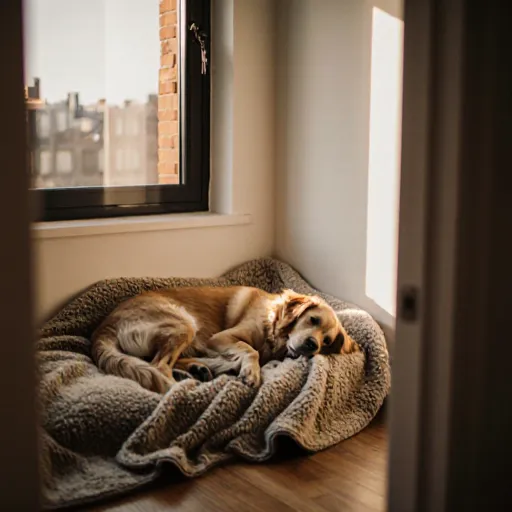
Discover hidden delights your dog will adore in apartments!
Dogs Love These Apartment Secrets
Table of Contents
- Choosing the Right Breed of Dog for Your Apartment
- Ensuring a Safe Environment in Your Apartment
- Creating Separate Spaces for Your Pet and Family
- Establishing a Routine That Balances Your Needs with Your Dog's
- Investing in Pet-Friendly Furnishings
- Maintaining a Clean and Hygienic Space for Your Dog
- Providing Adequate Exercise for Your Apartment-Dwelling Dog
- Feeding Your Dog Properly in Limited Space
- Training Your Dog to Behave Well in Shared Spaces
- Handling Noisy Situations in Apartment Living with Your Pet
- Integrating Your Dog into Social Activities and Events
- Ensuring Your Dog Gets Enough Mental Stimulation
- Dealing with Apartment Management Concerns about Pet Ownership
- Conclusion: Embrace the Joy of Dog-Friendly Apartment Living
- FAQ: Answers to Common Questions About Dog-Friendly Apartments
Choosing the Right Breed of Dog for Your Apartment
When considering a dog as a pet, choosing the right breed is crucial for both your happiness and your furry friend's well-being. Living in an apartment adds another layer of complexity to this decision, as space limitations and noise considerations play significant roles. Here are some key factors and tips to help you choose the perfect breed that will thrive in an apartment setting:
Space Constraints
One of the most important aspects of living with a dog in an apartment is understanding their space needs. Larger breeds typically require more room for exercise and play, which can be challenging to provide indoors or even on a small balcony. Instead, consider smaller breeds that are content with short walks and interactive playtime. Breeds like Chihuahuas, Pomeranians, and Toy Poodles are excellent choices as they have low space requirements.
Noise Considerations
Apartment living can be quite loud due to the close proximity of neighbors, so it's important to choose a breed that is relatively quiet. Some dogs, like the Basenji or Pharaoh Hound, are known for their low barking tendencies and would be better suited to an apartment environment.
Energy Levels
Dogs with high energy levels can disrupt your daily routine if they need constant attention and exercise. Low-energy dogs like Bulldogs, Pugs, and Cavalier King Charles Spaniels are quieter and require less space for their needs, making them ideal for an apartment setting.
Behavioral Traits
Breed-specific behavior is another critical factor to consider. Some breeds tend to be more independent or aloof, which can make them easier to manage in smaller spaces. Breeds like the Shih Tzu and Maltese are known for their friendly and calm dispositions.
Practical Tips for Dog-Friendly Apartment Living
- Create a Routine: Establishing a daily routine can help manage your dog's energy levels. Regular walks, playtime, and feeding schedules will keep them content without causing disruptions.
- Use Crate Training: A well-trained crate is not only a safe place for your dog but also helps maintain order in the apartment. Choose a comfortable crate that fits your dog's size.
- Manage Noise Levels: Use earplugs or noise-canceling headphones if you're particularly sensitive to noise. Consider training sessions that help reduce barking and other vocalizations.
Conclusion
Selecting the right breed of dog for your apartment is a thoughtful process that involves considering space, energy levels, and behavioral traits. By choosing a suitable breed and implementing practical tips for dog-friendly living in apartments, you can ensure both you and your pet enjoy a happy and harmonious life together.
Ensuring a Safe Environment in Your Apartment
Creating a safe environment for your dog, as well as all members of the household, is crucial when living in a dog-friendly apartment. Here are some practical tips to ensure that both you and your pet can enjoy your living space without any worries.
Safety Measures for Your Dog
- Secure Trash Containers: Dogs have an incredible sense of smell, which means they can quickly find trash if it’s not properly sealed. Investing in airtight containers can prevent your dog from ingesting harmful substances or getting into other dangerous situations.
- Fence Off Hazardous Areas: If you have areas like the laundry room where chemicals are stored, ensure that these areas are off-limits to your dog by using baby gates or fencing. This will keep your pet safe from any potential hazards.
- Install Baby Gates: If you have stairs in your apartment and a puppy or an active dog, installing baby gates can prevent accidents and reduce the risk of falls or slips.
Pet-Safe Decorations
Your living space should be pet-friendly, but it's also important to ensure that all decorations are safe for your furry friend. Here are some tips:
- Avoid Toxic Plants: Certain plants can be toxic to dogs if ingested. Research which plants are harmful and remove them from your living space or place them out of reach.
- Cushions and Furniture Covers: While it's tempting to have plush furniture, dog hair and dirt can quickly ruin these items. Opt for pet-friendly cushions or consider using slipcovers that can be easily cleaned.
Establishing Boundaries
Setting clear boundaries helps both you and your dog understand what is and isn’t acceptable behavior in the apartment. Here’s how to do it effectively:
- Create a Safe Zone: Designate an area for your dog that they can call their own, complete with water, food, toys, and a bed. This will provide them with a sense of security.
- Establish Rules: Consistency is key when setting rules for your dog. For example, decide where your dog is allowed to sleep (bed or crate) and which areas are off-limits.
Pet-Safe Cleaning Products
Not all household cleaning products are safe for pets. Here’s how to choose pet-safe options:
- Read Labels: Always read the labels on cleaning products and look for pet-friendly alternatives that don't contain harsh chemicals.
- Use Vinegar or Baking Soda: For many household tasks, simple solutions like white vinegar or baking soda can be just as effective and safer for pets than chemical-based cleaners.
Emergency Preparedness
Being prepared in case of an emergency is crucial. Here are some steps you should take:
- Create a First Aid Kit: Keep a first aid kit specifically for your dog handy, including supplies like antiseptic wipes and bandages.
- Have Your Vet’s Contact Information Handy: Store the contact information of your vet in an easily accessible place. It's also a good idea to have a pet insurance policy that covers emergencies.
In conclusion, creating a safe environment for your dog is not only essential for their well-being but also helps foster a harmonious living space. By implementing these tips and taking the necessary precautions, you can ensure both you and your furry companion enjoy a happy and healthy apartment life.
Creating Separate Spaces for Your Pet and Family
Creating separate spaces for your pet and family is essential in dog-friendly apartment living. This approach helps to maintain a harmonious environment where both the resident humans and their canine companions can thrive without feeling cramped or stressed. Here are some practical tips and examples on how to achieve this:
One of the most effective ways to keep your pet happy and healthy is by creating a designated area for them in your apartment. This space should be comfortable, safe, and equipped with all the essentials they need.
- Dog Bed: A cozy bed can make your pet feel at home. Consider one that is washable to keep it hygienic.
- Toys: Provide a variety of toys tailored to different stages of play and exercise, such as chew toys for mental stimulation or interactive fetch toys.
- Potty Area: If you can't take your dog outside frequently enough, create an indoor potty spot. Some recommend using newspaper, others suggest pet litter boxes designed for small spaces.
It's important to set boundaries between the areas where pets and humans live. This not only helps keep your living space tidy but also ensures that both you and your dog have a good balance of privacy and interaction.
- Dog-Proof Furniture: Cover or remove items like cushions, throw rugs, and other valuables that could be damaged by paws. Consider using slipcovers or pet-safe furniture covers.
- Command Areas: Establish clear areas for your dog to stay in when guests visit or during specific times of the day. This can be a comfy corner with their toys, bed, and treats.
A clean living space is crucial for both pets and humans. Ensuring that your pet has access to clean water and regular grooming sessions will help maintain hygiene within the apartment.
- Water Bowl: Provide a water bowl large enough for your dog's needs but not too heavy that they can't easily lift it.
- Grooming Supplies: Keep brushes, combs, and any other grooming tools within reach of the designated pet area. Regular brushing can help reduce shedding and keep your home smelling fresh.
To prevent boredom and stress, make sure to allocate time for play and exercise with your dog each day. This is crucial in smaller living spaces where opportunities for spontaneous outdoor activities may be limited.
- Regular Walks: Plan daily walks even if it's just around the building or nearby parks. Fresh air and a change of scenery are essential.
- Interactive Playtime: Invest in toys that encourage your dog to play, such as puzzle feeders or treat-dispensing balls. This keeps their mind engaged while also providing mental stimulation.
By creating a well-defined space for your pet and maintaining it, you are encouraging positive behavior from them as they understand where they belong in the household. This can lead to reduced stress levels for both you and your dog.
- Consistent Routine: Establishing a routine helps pets feel secure. Consistently feeding, walking, and spending time with your dog will create a sense of stability.
- Praise and Rewards: Positive reinforcement through praise and treats can encourage good behavior in your pet's designated space as well as around the apartment.
In conclusion, by creating separate spaces for your pet and family, you are not only enhancing the quality of life for your dog but also making sure everyone in the household feels respected and comfortable. With careful planning and thoughtful design choices, it's entirely possible to have a harmonious living environment that accommodates both humans and their furry friends.
Establishing a Routine That Balances Your Needs with Your Dog's
Establishing a routine that balances your needs with your dog's is crucial for creating a harmonious living environment, especially when apartment living. Consistent routines provide structure and predictability, which are beneficial not only for you but also for your furry companion. Here’s how to create an effective routine:
1. Set a Feeding Schedule
Regular feeding times help regulate your dog's digestion and prevent overeating or under-eating. It is recommended to feed your dog twice daily, morning and evening. Ensure that the food you provide aligns with your lifestyle and the dietary needs of your pet.
2. Schedule Exercise
Daily walks are essential for maintaining both physical and mental health in dogs. In apartment living, this might mean incorporating trips to nearby parks or playgrounds where you can let your dog run around and socialize with other pets. Adjust the duration of these walks based on your schedule and the breed of your dog.
3. Create Playtime Routines
Dogs thrive on play, which helps them burn off excess energy and keep their minds sharp. Incorporate interactive toys and games into your daily routine to engage your dog mentally. For example, you could use puzzle feeders or fetch games that encourage problem-solving.
4. Consistent Bedtimes
A consistent bedtime routine can help your dog get the rest it needs for a healthy body and mind. This includes setting a specific time each night to put your dog in its bed, ensuring it gets enough sleep. Consider creating a calming environment with soft lighting or soothing music.
5. Manage Housebreaking
If you're living in an apartment, housebreaking is crucial. Establish designated bathroom areas and take your dog outside at specific intervals throughout the day. Be patient and consistent, rewarding good behavior with praise or treats to reinforce positive habits.
6. Monitor and Adjust
Your routine may need adjustments as time goes on. Pay attention to how both you and your dog respond to the current schedule. If one of you is feeling stressed, it’s important to adapt. For example, if you find that your dog becomes restless in the evening, consider adding more playtime earlier in the day.
Practical Tips
- Create a Planner: Use a digital or paper planner to map out your daily activities and integrate your dog's needs. This helps you stay organized and ensures that no one gets overlooked.
- Involve Family Members: If you live with others, make sure everyone is aware of the routine and can contribute to its maintenance. This includes ensuring all family members feed and walk the dog at scheduled times.
- Create a Backup Plan: Life happens, so it’s wise to have backup plans for unexpected situations like illness or travel. Have someone available who can take over in case you are unavailable.
In conclusion, establishing and maintaining an effective routine that balances your needs with those of your dog is key to a happy, healthy living situation. By setting clear expectations and incorporating these routines into your daily life, you’ll both benefit from a more structured and fulfilling lifestyle within the constraints of apartment living.
Investing in Pet-Friendly Furnishings
Investing in pet-friendly furnishings is a crucial step for those who are looking into dog-friendly apartment living tips. Pets, especially dogs, can bring immense joy and companionship to an apartment, but they also require specific accommodations that help both the animal and its owner maintain comfort and cleanliness.
When choosing furniture for a dog-friendly apartment, durability is key. Pets can easily damage sofas, chairs, and carpets by scratching or chewing on them. Opt for furniture made from tough materials such as leather, faux leather, or durable fabric like cotton or linen.
- Sofas: Choose a sofa that has a protective slipcover to make cleaning easier when accidents happen. Leather sofas are also a great option as they can be wiped clean with a damp cloth and do not absorb stains easily.
- Chairs: Invest in chairs made from materials like metal or hardwood, which are less likely to be scratched or chewed on by dogs. Upholstered chairs should have a protective cover.
Flooring choices significantly impact the cleanliness and ease of maintenance in an apartment with pets. Hardwood floors are stylish but can be expensive to replace if damaged by pet accidents or scratches. Consider laminate flooring as it is more affordable, durable, and easier to clean.
- Laminate Flooring: This type of flooring offers the appearance of wood or stone but is much more resistant to water damage and stains. It can be easily wiped down with a damp cloth.
- Vinyl Flooring: Vinyl is another cost-effective option that is easy to clean and has excellent durability for pet owners.
To ensure your home remains pet-safe, avoid placing small items or fragile decorations within reach of curious paws. Opt instead for larger pieces of decor that are more resistant to being knocked over or chewed on.
- Large Artwork: Choose heavy-framed art pieces that won't be easily tipped by your dog's weight.
- Larger Plants: Opt for larger, less toxic plants that are out of reach and safe from being knocked over or chewed on by pets.
In addition to choosing durable furniture, providing a comfortable sleeping space for your pet is essential. A good-quality dog bed not only keeps your furry friend cozy but also helps maintain cleanliness in the apartment.
- Dog Beds: Look for beds that are easy to clean and have washable covers. Memory foam or orthopedic beds can offer additional comfort.
- Pet Pillows: Consider pet pillows specifically designed for dogs, which provide both support and relaxation.
Investing in pet-friendly furnishings is not just about protecting your belongings; it's also about enhancing the quality of life for you and your dog. By making thoughtful choices when selecting furniture, flooring, and decor, you can create a safe, comfortable, and inviting space that both pets and humans will enjoy.
Maintaining a Clean and Hygienic Space for Your Dog
Living in a dog-friendly apartment requires more than just providing enough space for your furry friend. Maintaining a clean and hygienic environment is crucial to ensuring your pet's health, comfort, and overall well-being. Here are some practical tips to help you keep your living space spotless:
Dogs can be messy creatures, but with a consistent cleaning schedule, you can minimize the mess. Start by establishing a routine that includes daily and weekly tasks. For example, wipe down surfaces like tables and floors regularly to prevent the accumulation of dirt and debris. Weekly tasks might include washing your dog's bedding and toys.
Daily Cleaning Tasks
- Remove any hair from furniture and carpets using a lint roller or vacuum cleaner.
- Vacuum the living room, dining area, and bedroom floors at least once a day.
- Spot-clean pet stains immediately when they occur. For example, if your dog has an accident, clean up the mess promptly to prevent the stain from setting in.
Weekly Cleaning Tasks
- Wash your dog's bedding and towels used for grooming to keep them fresh.
- Deep clean areas where your dog spends a lot of time, such as the living room or bedroom. This might include washing curtains, vacuuming carpets thoroughly, and wiping down shelves and tables.
Hygiene is paramount in ensuring that your apartment remains clean and safe for both you and your dog. Here are some tips to help you maintain hygiene:
Bathroom Habits
- Train your dog to use a specific spot in the bathroom, such as a designated area for water play or potty breaks.
- Mop the floor after each use of the bathroom to prevent any bacterial growth from waste materials.
Kitchen Hygiene
The kitchen is another area that requires special attention. Keep your dog out of the kitchen when you are cooking or handling food to avoid contamination:
- Ensure all food and treats are stored in airtight containers.
- Clean countertops, stovetops, and other surfaces thoroughly after preparing meals.
Living with your dog in an apartment can be challenging but rewarding. Here are some additional tips to make life easier:
Create a Comfortable Nook for Your Dog
- Provide a cozy bed or blanket for your dog in a quiet corner of the apartment.
- Add soft pillows and blankets to make their resting spot more inviting.
Pet-Safe Decorations
To keep your home safe for both humans and animals, choose pet-safe decorations:
- Avoid using toxic plants like philodendron or dieffenbachia as they can be harmful to dogs.
- Use non-toxic paints and finishes in the apartment.
Regular Vet Visits
Ensuring your dog is up-to-date with vaccinations and has regular check-ups can prevent many health issues. This not only keeps your pet healthy but also helps maintain a clean living environment:
- Visit the vet for routine check-ups to catch any potential problems early.
- Follow the advice of your veterinarian regarding flea, tick, and other parasite control.
Maintaining a clean and hygienic space for your dog is essential for their health and happiness. By following these tips and creating a comfortable living environment, you can ensure that both you and your dog enjoy a healthy and happy life in your apartment.
Providing Adequate Exercise for Your Apartment-Dwelling Dog
Living in an apartment can sometimes present unique challenges when it comes to providing your dog with adequate exercise. However, with the right strategies and a bit of creativity, you can ensure your furry friend gets all the physical activity they need.
Dogs require regular exercise to maintain their health and happiness. The amount of exercise needed depends on factors such as breed, age, size, and energy level. For example, active breeds like Border Collies or JackRussells may need more vigorous activities compared to a Bulldog which might be satisfied with shorter walks.
Types of Exercise
- Short Walks: Even if you live in an apartment, taking your dog out for short walks is beneficial. Walking provides mental stimulation as well as physical activity. Try to aim for at least two 15-20 minute walks a day.
- Playtime Inside the Apartment: You can create fun play sessions using toys such as balls, frisbees (if you have an area where they can safely throw it), or even interactive puzzle feeders. This not only keeps your dog active but also helps in training and bonding.
- Climbing and Jumping: If space permits, setting up a small agility course at home with obstacles like tunnels, balance beams, or steps can greatly benefit your dog's physical health.
While living in an apartment might limit direct access to large parks, many cities offer pet-friendly areas within walking distance. Check local resources for community dog parks or even quiet neighborhoods where you can let your dog off-leash safely.
Alternative Solutions
- Vet Consultation: If you're unsure about the specific exercise requirements of your pet, consult with a veterinarian. They can provide personalized advice based on your dog's health and lifestyle.
- Pet Gyms & Training Classes: Some areas offer indoor doggy gyms or group training classes which can be great for giving your dog structured exercise in an engaging environment.
Besides physical activity, mental exercises are crucial for keeping your dog engaged and happy. This includes puzzle toys that require problem-solving to dispense treats or interactive games like hide-and-seek where you involve the whole family.
Examples of Mental Exercises:
- Treasure Hunts: Hide your dog's favorite toys around your apartment and encourage them to find them. This not only provides exercise but also improves their problem-solving skills.
- Training Sessions: Use obedience training as an opportunity for mental stimulation. Commands like "sit," "stay," or even more advanced tricks can keep your dog mentally active.
Creating a consistent routine helps both you and your dog adjust to the daily exercise schedule. Dogs thrive on predictability, making it easier for them to settle into their apartment life without feeling restless or anxious.
Setting Up Your Schedule:
- Daily Walks: Stick to a set time each day for your walks. Consistency helps regulate your dog's circadian rhythm and keeps them looking forward to these activities.
- Playtimes: Plan short play sessions throughout the day. For instance, you could have one in the morning before work or school and another after dinner.
In conclusion, with creativity and a bit of effort, apartment-dwelling dogs can lead active and fulfilling lives. By focusing on both physical exercise and mental stimulation, you're ensuring your dog's overall well-being while making their time in an apartment environment enjoyable for them.
Feeding Your Dog Properly in Limited Space
Feeding your dog properly in a limited space is crucial for maintaining their health and well-being, especially in a dog-friendly apartment setting. With smaller spaces, it's important to ensure that you have the right tools and strategies to keep your pet happy and healthy while also managing any potential issues.
Choosing the Right Food
Selecting the appropriate food for your dog is key when living in a limited space. Opt for high-quality, nutritious dog foods that meet their specific nutritional needs without being overly bulky or generating excessive waste. Look for brands that are known for producing smaller kibble sizes and minimal packaging.
Using Appropriate Bowls
When space is limited, investing in compact feeding bowls can make a big difference. Look for bowls that fit neatly into corners or under furniture to save on floor space. Stainless steel or ceramic bowls are durable and easy to clean, which is ideal for small spaces.
Portion Control
Managing portions is essential in limited spaces to prevent overeating and potential obesity issues. Use measuring cups to ensure you are providing the correct amount of food each day. Consider portion control feeding dishes that can help monitor intake and provide additional benefits like slow feeders, which encourage gradual eating.
Cleanliness and Hygiene
Keeping your dog's feeding area clean is vital for maintaining hygiene in a confined space. Regularly wash bowls with warm soapy water or use a dishwasher if applicable. Consider using automatic pet feeders that can be easily cleaned and sanitized.
Space-Saving Tips
To maximize space, consider wall-mounted feeding stations. These not only save floor space but also provide easy access for you to check on your pet’s food levels without disturbing the layout of your apartment. Alternatively, use multi-functional furniture that can double as a feeding station.
Monitoring Your Dog's Health
Regularly monitor your dog's eating habits and overall health to ensure they are maintaining an appropriate weight. If you notice any changes in their behavior or appetite, consult with your veterinarian. This is especially important when living in a limited space where environmental factors may influence your pet’s diet.
Premium Advice
For added convenience and peace of mind, consider setting up a routine feeding schedule. Consistent timing can help manage portion control more effectively and make it easier to monitor your dog's eating habits. Additionally, using a food scale for measuring portions is highly recommended.
In conclusion, by carefully selecting the right food, utilizing compact bowls, practicing portion control, ensuring cleanliness, and implementing space-saving techniques, you can successfully feed your dog properly in limited spaces while living in a dog-friendly apartment environment. This approach not only benefits your pet but also enhances the overall quality of life for both you and your furry companion.
Training Your Dog to Behave Well in Shared Spaces
Training your dog to behave well in shared spaces is crucial for a successful and enjoyable experience of dog-friendly apartment living. Shared spaces can vary from community parks, apartment courtyards, to communal play areas, each presenting unique challenges and opportunities for your pet. Here are some practical tips and advice tailored specifically for this context.
The foundation of good behavior is clear and consistent rules. Before you step into a shared space with your dog, discuss and agree on what behaviors are acceptable in these environments. For instance, if the park has specific regulations about picking up after your pet or keeping them leashed until they have established themselves in a new area, make sure both you and your dog understand these rules.
Example:
Say you're visiting a community park that requires dogs to be on-leash for the first 15 minutes. Teach your dog the "sit" command and wait by the gate until it's safe to let them off-leash, reinforcing good behavior.
Positive reinforcement is key when training your dog in shared spaces. Reward desirable behaviors such as walking calmly on a leash, sitting politely for greetings, and not chasing other dogs or humans without permission. This not only strengthens the bond between you and your pet but also ensures they are well-behaved during walks.
Practical Tip:
Carry treats with you to reward good behavior immediately after it occurs. For example, if your dog greets people calmly, offer a small treat right away. This will help associate the behavior with positive consequences and encourage repetition.
Dog-friendly spaces are great opportunities to socialize your pet with other dogs and people. However, it’s important that this interaction is controlled and supervised by you. Encourage your dog to play nicely with others but also be mindful of their boundaries.
Example:
If your dog tends to overexcite during playtime in shared spaces, practice "sit" commands or use a calming cue like "easy." This helps manage overly exuberant behavior and ensures that the interaction remains positive for everyone involved.
Dogs often get overexcited when they meet other dogs in shared spaces. While it’s natural to want your dog to run up and greet their new friends, too much excitement can lead to issues such as jumping or nipping. Teaching your dog the command "sit" or "stay" before allowing them full interaction can help manage this energy.
Practical Advice:
Create a routine where you always practice these commands in shared spaces. For example, every time you approach another dog, first ask your dog to sit and stay until it’s appropriate for them to interact fully. Over time, this will become second nature.
No matter how well-behaved your dog usually is, there may be times when they face unexpected stimuli that could trigger an unwanted reaction. Always carry essentials like a leash and waste bags to handle any situations calmly and effectively. Being prepared also means knowing the layout of shared spaces so you can quickly guide your dog away from stressors.
Example:
If there’s a loud noise or unfamiliar dog nearby that intimidates your pet, calmly lead them away to a quieter area where they feel more comfortable. This shows that you are in control and helps maintain their trust in you during challenging moments.
The final piece of the puzzle for training your dog in shared spaces is consistency. Every member of your household, including visitors to your apartment, should be on the same page regarding your dog’s behavior rules and commands. Consistent reinforcement at home will translate into consistent performance when you’re out in public.
Example:
If one person lets your dog off-leash while you prefer they remain leashed initially, it sends mixed signals to your dog. By agreeing on a set of rules and sticking to them, you ensure that your dog understands expectations and behaves well in all contexts.
In conclusion, training your dog to behave well in shared spaces is essential for both their safety and the enjoyment of other users. With clear rules, positive reinforcement, socialization management, controlled excitement, preparedness, and consistent training, you can create a harmonious environment that benefits everyone involved in your apartment living experience.
Handling Noisy Situations in Apartment Living with Your Pet
Living in an apartment with a pet can sometimes be challenging, especially when it comes to managing noisy situations. Dogs, in particular, are known for their loud barks and high-energy behaviors which can disrupt the peace of your neighbors. However, there are several strategies you can employ to minimize noise issues while still enjoying the companionship that pets offer.
Understand Your Pet's Behavior
To effectively manage noisy situations, it's crucial to understand why your dog might be behaving noisily. Dogs bark for various reasons such as excitement, fear, boredom, or as a reaction to something outside the window. Identifying the trigger can help you address the issue more effectively.
Provide Enrichment and Mental Stimulation
One of the most common causes of noise in apartment living is boredom. Dogs that are left alone for long periods tend to bark out of boredom or frustration. To combat this, provide your dog with plenty of mental stimulation through puzzles, toys, and interactive games. Invest in durable chew toys, treat-dispensing balls, and other activities that keep your pet engaged.
Create a Calm Environment
Creating a calm environment can significantly reduce noise issues. Ensure your dog has a comfortable and quiet space where they feel safe and secure. This could be their bed or crate in a corner of the apartment away from high traffic areas. Consistency is key; try to keep this space consistent for rest times.
Use Positive Reinforcement Training
Training your dog using positive reinforcement techniques can help significantly with noise management. Reward your dog for quiet behavior and teach them commands that encourage calmness, such as "sit," "stay," or "quiet." Consistency is crucial in training; practice these commands regularly to reinforce the desired behaviors.
Consider Noise-Cancelling Solutions
If noise still becomes a problem despite your efforts, consider using noise-canceling solutions. This includes training yourself and others in the building to keep noise levels down during specific times, such as late at night or early morning when people are trying to sleep.
Seek Professional Help
If your dog's barking persists despite all efforts, it might be time to seek professional help. A professional trainer can offer specialized techniques and strategies tailored to your pet’s specific needs. They may also provide guidance on how to manage noise issues in apartment living more effectively.
Be a Good Neighbor
Show consideration for others by being proactive about managing any potential noise issues your dog might cause. Communicate openly with neighbors and landlords, ensuring they know you are taking steps to address the situation. This can help build positive relationships and prevent conflicts.
Living in an apartment with a pet doesn’t have to mean living through constant noisy situations. By understanding your pet’s behavior, providing adequate enrichment, creating a calm environment, using training techniques effectively, and being considerate of others, you can enjoy the companionship of your dog without disturbing those around you.
Integrating Your Dog into Social Activities and Events
Integrating your dog into social activities and events can be a rewarding experience for both you and your furry friend. With the right preparation, your pet can become well-adjusted to various environments, making them more comfortable during outings. Here are some tips tailored specifically for dog-friendly apartment living that will help you successfully integrate your dog into social settings.
1. Start with Small Increments
When introducing your dog to new places or events, start with short visits and gradually increase the duration as they become more comfortable. For instance, if you're attending a local park event, begin by visiting for just 15 minutes at first before expanding that time. This allows your dog to acclimate without feeling overwhelmed.
2. Teach Basic Commands
Having your dog know basic commands such as "sit," "stay," and "come" is essential when managing them in social settings. These commands not only give you control but also ensure that your dog behaves appropriately, especially around other dogs and people.
3. Familiarize Your Dog with Other Pets
Exposing your dog to different types of pets early on can reduce anxiety during social activities. Arrange playdates at home or visit pet-friendly parks where your dog can meet new animals under controlled conditions. This practice helps build their confidence and reduces fear-based behaviors.
4. Prepare for Unexpected Noises
Dogs often react to loud noises, which are common in public spaces. To prepare your dog, play recordings of typical sounds you might encounter—like fireworks or vacuum cleaners—at home so they get used to them. This can significantly reduce anxiety during events.
5. Bring Essential Items
Always carry items necessary for your dog's comfort and well-being: water, treats, a leash, waste bags, and any medications they might need. Keeping these essentials on hand ensures that you can manage situations quickly and effectively.
6. Practice Manners in Public Spaces
Encourage good behavior by rewarding your dog positively when they act appropriately around other pets or people. Positive reinforcement helps reinforce desired behaviors, making social outings enjoyable experiences for everyone involved.
7. Monitor Your Dog's Health and Safety
Ensure that your pet is up-to-date on vaccinations before attending any events. Also, keep an eye out for signs of discomfort or distress; if something seems off, it’s better to leave the event early rather than risk compromising their health.
8. Build a Routine
A consistent routine helps dogs feel secure and reduces stress during new experiences. Try to maintain familiar practices such as feeding times, walks, and play sessions even when you’re away from home for events or holidays.
Conclusion
Integrating your dog into social activities and events requires patience and preparation but can lead to a more active lifestyle for both of you. By following these tips, you’ll create opportunities where your pet thrives in various environments while enjoying quality time together.
Ensuring Your Dog Gets Enough Mental Stimulation
Ensuring your dog gets enough mental stimulation is crucial for their overall well-being, especially when living in a dog-friendly apartment. Apartment living can sometimes limit the opportunities for physical exercise, but it does not have to mean a lack of mental engagement for your furry friend. Here are some practical tips and examples to help you provide ample mental stimulation for your pet:
Toys that require problem-solving or interaction can keep your dog's mind sharp. Consider puzzle feeders, which dispense treats when the dog figures out how to manipulate them. These not only keep your dog entertained but also encourage mental engagement and help prevent boredom.
Example
You could use a treat-dispensing toy like the Buster Cube or the Kong Classic. Place treats inside these toys, then watch as your dog uses their problem-solving skills to get them out.
Create daily challenges that involve different tasks. These can be as simple as hiding their favorite toy and encouraging them to find it or using a treat-dispensing mat where they have to press the correct button to release treats. This not only keeps your dog mentally active but also strengthens the bond between you.
Practical Advice
- Create a weekly routine that includes new activities or games. For example, on Mondays, play hide and seek with their favorite toy, and on Wednesdays, have an obstacle course challenge using furniture items in your apartment.
- Use treats as rewards for completing tasks. This not only reinforces the behavior but also provides positive reinforcement which is crucial for training and mental engagement.
Creative enrichment can include activities like teaching your dog a new trick or playing a game where they have to fetch certain objects. This not only keeps their mind occupied but also helps in building up their cognitive skills.
Example
You could start by teaching them to shake hands or roll over. Once mastered, gradually introduce more complex commands and games that require thinking and decision-making.
Making your living space stimulating can also help in keeping your dog mentally engaged. Use scents like lavender or peppermint oil to create an exciting environment for them, or introduce new scents they haven't encountered before. Rotate their toys and play with different textures and materials.
Practical Tip
Create a "smell station" where you place various items around the apartment that your dog can explore and smell. This could include different types of fabrics, scented sticks, or even small boxes filled with new objects for them to investigate.
In conclusion, ensuring your dog gets enough mental stimulation is essential in a dog-friendly apartment setting. By incorporating toys, daily challenges, creative enrichment, and environmental changes into their routine, you can provide the necessary cognitive engagement that keeps them happy and healthy. Remember, keeping your dog's mind active is just as important as ensuring they get physical exercise.
Dealing with Apartment Management Concerns about Pet Ownership
Dog-friendly apartment living has gained significant traction, but many dog owners encounter challenges when trying to secure a pet-friendly apartment. One of the most common hurdles is managing concerns from apartment management regarding pet ownership. Here are some tips and strategies to navigate these issues effectively.
Understanding Common Concerns
Apartment management often has legitimate reasons for being cautious about allowing pets, such as: - Potential Damage: Pets can cause wear and tear on fixtures or damage floors. - Noise Levels: Barking dogs, especially if it's excessive, can disturb other residents. - Rent Increases: Some management companies may require pet owners to pay additional fees or increase rent.
Communication and Diplomacy
The key to successfully securing a dog-friendly apartment is effective communication. Prepare a list of reasons why your dog would be a good tenant, such as: - Behavioral Training: Provide evidence that you have trained your pet well. - Destructive Behavior: Assure the management that your dog won't cause damage by keeping it on a leash or in a crate when left alone. - Noise Management: Explain how you plan to handle noisy situations, such as using earplugs for neighbors during late-night barking episodes.
Showing Responsibility
Showcase your responsibility and commitment to pet ownership. Some ideas include: - Insurance: Offer proof of pet insurance that covers medical expenses. - Cleanliness: Emphasize your dog’s cleanliness by showing pictures or videos of your pet regularly groomed and clean. - Leashes and Crates: Bring along a leash, crate, or other equipment to demonstrate how you manage your pet in different scenarios.
Offering Solutions
If the apartment management has specific concerns about noise levels or cleanliness, offer solutions: - Noise Control: If there is a fear of excessive barking, suggest installing a doggy door for walks. - Cleaning Practices: Offer to clean up after your pet and provide evidence such as receipts from professional cleaning services.
Building Relationships
Building positive relationships with the management team can go a long way. Here’s how: - Presentation: Always present yourself and your dog in an organized manner. - Positive Vibes: Be friendly, respectful, and open to dialogue.
Examples of Dog-Friendly Apartment Living Tips
- Regular Walks: Ensure your dog gets plenty of exercise outside the apartment. This reduces noise inside.
- Potty Training: Make sure your pet is well-trained to avoid accidents.
- Socialization: Socialize your dog with other pets and people to reduce aggression or fear-based behaviors that might cause problems in a shared space.
- Hypoallergenic Breeds: For apartments where allergies are an issue, consider hypoallergenic breeds like Poodles, Bichons, or Bedlington Terriers.
By addressing management concerns head-on and demonstrating your responsible pet ownership practices, you can increase your chances of securing a dog-friendly apartment. Remember, the goal is to build trust and create a win-win situation for both you and the property management company.
Conclusion: Embrace the Joy of Dog-Friendly Apartment Living
Embrace the Joy of Dog-Friendly Apartment Living
Living in an apartment can sometimes feel like a small, enclosed world. However, with the right adjustments and mindset, your living space can transform into a vibrant, dog-friendly environment that brings endless joy to both you and your furry companion.
To make the most of this experience, start by choosing the right breed for an apartment setting. Smaller breeds like Chihuahuas or Pomeranians are generally more suitable for smaller living spaces. Larger dogs might need a bit more outdoor space to roam around comfortably.
Once you’ve decided on your dog, it's crucial to establish a routine that works for both of you. Regular walks and playtime not only keep your dog healthy but also help in managing their energy levels. For instance, incorporating short morning and evening walks into your daily schedule can make a big difference.
Creating a comfortable space for your dog inside the apartment is another key aspect. Consider setting up a cozy corner with blankets or a dog bed where they feel safe and secure. This area should be away from high-traffic zones to ensure it remains quiet and peaceful, providing comfort when your pet needs some alone time.
It's also important to address any potential issues regarding the apartment building's rules and regulations. Many landlords are open to accommodating pets if they follow certain guidelines such as keeping the space clean and not allowing noise disturbances during quiet hours. Ensuring that your dog behaves well in public spaces can greatly help in maintaining a positive relationship with the building management.
Lastly, remember that living in an apartment with a dog offers unique opportunities for bonding and shared experiences. From exploring local parks to simply enjoying quiet evenings at home, these moments create cherished memories. By embracing these aspects of dog-friendly apartment living, you can foster a deeper connection with your pet while enhancing the quality of life for both of you.
FAQ: Answers to Common Questions About Dog-Friendly Apartments
Finding a Dog-Friendly Apartment
Looking for a dog-friendly apartment can be both exciting and challenging. Here are some tips to help you find the right place:
- Check Pet Policies: Not all apartments allow pets, so it's important to check their pet policies. Look for apartments that specifically mention "pets allowed" or "dog-friendly." Some complexes even have breed restrictions.
- Contact the Property Manager: Reach out directly to the property manager or leasing office. They can provide you with detailed information about their pet policy, including any fees associated with pets and what size dogs they allow.
- Research Online: Websites like Rent.com, Apartments.com, and Pet Rentals offer listings specifically for dog-friendly apartments. These platforms often include reviews from current residents which can be very helpful.
Maintaining a Clean Apartment
Maintaining cleanliness is crucial when living with pets in an apartment. Here are some practical tips:
- Regular Cleaning Routine: Establish a daily and weekly cleaning routine. This might include vacuuming, mopping floors, wiping down surfaces, and changing pet beds.
- Use Pet-Specific Products: Invest in pet-specific products such as enzyme-based cleaners that work effectively on pet odors and stains without harming your flooring or furniture.
- Train Your Dog Well: Proper house training will reduce the chances of accidents. Consistent training helps keep your apartment clean and free from unpleasant smells.
Parking and Security for Pet Owners
Parking and security are important considerations when choosing a dog-friendly apartment complex:
- Ask About Parking Options: Some complexes offer secure parking areas or covered parking. It's essential to know if these options come with extra costs.
- Check Security Measures: Ensure that the building has adequate security measures such as entry systems, cameras, and well-lit pathways.
Dog-Friendly Apartment Living Tips
Living in a dog-friendly apartment can be rewarding. Here are some practical tips to make your experience enjoyable:
- Keep Leashes Short: While many complexes have designated areas for off-leash play, it's best to keep leashes short as you walk through the building.
- Respect Other Residents: Be mindful of noise levels and ensure your dog does not disturb other tenants. It’s also polite to pick up after your pet in common areas.
- Plan for Vet Visits: Keep your vet's contact information handy, especially if you plan frequent trips with your dog. Some complexes may have restrictions on bringing pets into certain areas during specific times.
Categories
- AI & Enrichment Play
- Broiler Farming
- Broiler Farming Tips
- Canine Wellness & Longevity
- Cat
- Cat & Human Connection
- Cat Adoption & Rescue
- Cat Breeds
- Cat Breeds & Personalities
- Cat Care & Health
- Cat Grooming & Hygiene
- Cat Lifestyle & Environment
- Cat Myths & History
- Cat Nutrition & Diet
- Cat Products & Reviews
- Cat Training & Behavior
- Comparison
- Consumer Awareness
- Dog
- Dog Accessories & Products
- Dog Adoption & Rescue
- Dog Breed & Lifestyle Trends
- Dog Breeding & Puppies
- Dog Entertainment & Media
- Dog Fashion & Trends
- Dog Fun & Lifestyle
- Dog Grooming & Hygiene
- Dog History & Culture
- Dog Myths, Science & Future Tech
- Dog News & Trends
- Dog Nutrition & Food
- Dog Psychology & Emotions
- Dog Safety & Security
- Dog Sports & Activities
- Dog Technology & Innovation
- Dog Training for Modern Owners
- Dog Travel & Adventure
- Dog Travel, Adventure & Culture
- Economic and Market Insights
- Educational Content
- FAQs
- Feeding Alternatives
- Festivals & Seasonal Ideas
- Fun & Entertainment
- General Knowledge
- General Pig Farming
- Health & Disease Management
- Housing and Environment
- Kittens
- Market Insights
- Miscellaneous
- Miscellaneous
- Motivational
- pig
- Pig Breeding
- Pig Breeds
- Pig Farming Stories and Inspiration
- Pig Health and Care
- Pig Nutrition
- Pig Products
- Profitability & Business
- Puppy Care
- Puppy Predictable Topics Reinvented
- Regional Focus
- Rescue & Adoption Buzz
- Senior Cats
- Senior Dog Care
- Smart Dog Tech & Gadgets
- Sustainability
- Sustainable & Eco-Friendly Dog Products
- Tech & Innovations
- Working & Service Dogs
- Broiler Feed66 products
- Country Feed33 products
- Pig Feed66 products
- Product22 products
- Raw Materials99 products
Products
-
 Fish Meal
₹1,999.00 – ₹2,999.00Price range: ₹1,999.00 through ₹2,999.00Rated 0 out of 5
Fish Meal
₹1,999.00 – ₹2,999.00Price range: ₹1,999.00 through ₹2,999.00Rated 0 out of 5 -
 FATTENING BROILER FEED
₹2,299.00 – ₹2,349.00Price range: ₹2,299.00 through ₹2,349.00Rated 0 out of 5
FATTENING BROILER FEED
₹2,299.00 – ₹2,349.00Price range: ₹2,299.00 through ₹2,349.00Rated 0 out of 5 -
 LAYER COUNTRY FEED
₹1,549.00 – ₹1,649.00Price range: ₹1,549.00 through ₹1,649.00Rated 0 out of 5
LAYER COUNTRY FEED
₹1,549.00 – ₹1,649.00Price range: ₹1,549.00 through ₹1,649.00Rated 0 out of 5 -
 COUNTER BROILER FEED
₹1,199.00 – ₹1,299.00Price range: ₹1,199.00 through ₹1,299.00Rated 0 out of 5
COUNTER BROILER FEED
₹1,199.00 – ₹1,299.00Price range: ₹1,199.00 through ₹1,299.00Rated 0 out of 5 -
 LACTATING PIG FEED
Rated 0 out of 5
LACTATING PIG FEED
Rated 0 out of 5₹2,299.00Original price was: ₹2,299.00.₹1,740.00Current price is: ₹1,740.00. -
 Maize
Rated 0 out of 5
Maize
Rated 0 out of 5₹1,650.00Original price was: ₹1,650.00.₹1,300.00Current price is: ₹1,300.00. -
 GESTATION PIG FEED (Phase 1)
Rated 0 out of 5
GESTATION PIG FEED (Phase 1)
Rated 0 out of 5₹2,249.00Original price was: ₹2,249.00.₹1,699.00Current price is: ₹1,699.00. -
 Pre Starter Broiler Feed
₹2,399.00 – ₹2,499.00Price range: ₹2,399.00 through ₹2,499.00Rated 0 out of 5
Pre Starter Broiler Feed
₹2,399.00 – ₹2,499.00Price range: ₹2,399.00 through ₹2,499.00Rated 0 out of 5 -
 FINISHER PIG FEED
Rated 0 out of 5
FINISHER PIG FEED
Rated 0 out of 5₹2,299.00Original price was: ₹2,299.00.₹1,749.00Current price is: ₹1,749.00. -
 Broiler Premix
Rated 0 out of 5
Broiler Premix
Rated 0 out of 5₹820.00Original price was: ₹820.00.₹699.00Current price is: ₹699.00.