
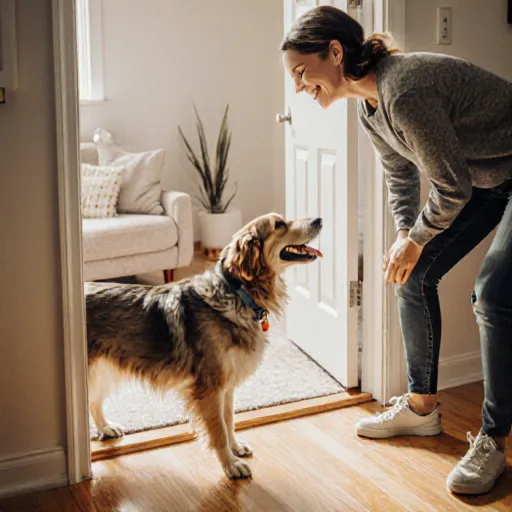
Ease Your Dog's Transition with These Simple Steps
How to Introduce Dogs to New Homes Safely
Table of Contents
- Choosing the Right Time for Introduction
- Creating a Calm Environment
- Introducing Your Dog to New Furniture and Spaces
- Allowing Slow Adjustments
- Setting Up a Safe Space for Your Dog
- Establishing Routine and Schedules
- Providing Plenty of Attention and Positive Reinforcement
- Introducing the Dog to New Sounds and Scents
- Gradually Expanding Interactions
- Monitoring Body Language for Signs of Stress
- Addressing Potential Aggression or Fear Issues
- Introducing Your Dog to Family Members Gradually
- Socializing with Other Pets and Animals if Necessary
- Providing Opportunities for Physical Exercise and Play
- Conclusion
- FAQ
Choosing the Right Time for Introduction
The timing of introducing a dog into a new home is crucial, much like ensuring that a dog settles comfortably and safely in its new environment. Just as it's important to introduce dogs to their new homes carefully, choosing the right time can make all the difference. Here are some key considerations and practical steps to help you decide when it's best to bring your dog into a new home.
Consider the Dog’s Comfort Level
Introducing a dog to its new environment should be done when the animal is comfortable enough to explore without stress. If the dog has recently been adopted from a shelter or rescued, it may need extra time to acclimate before being fully introduced to the home. Signs of comfort include calm behavior, willingness to explore, and a lack of anxiety.
Observe Your Dog’s Behavior
If you are fostering a dog temporarily until its permanent home is found, it's essential to monitor how your dog reacts during this time. Dogs that exhibit signs of stress or fear may need more time before being fully introduced to their new environment. Keep an eye out for any changes in behavior and be prepared to extend the adjustment period as needed.
Prepare the Home Environment
The home should be a welcoming space for your dog from day one, but it's important that the environment is ready before you bring the dog inside. Ensure all necessary items are in place, such as food bowls, water dishes, comfortable beds, and toys. Familiarize yourself with any safety measures that need to be taken, like securing certain areas of the home where the dog might not feel secure.
Gradual Introduction
A gradual introduction is key when introducing a dog to its new home. Start by allowing the dog to explore the home in a controlled manner—perhaps beginning with one room at a time, ensuring it feels safe and comfortable before moving on to other areas. This approach helps reduce stress and ensures that the dog can adjust at its own pace.
Consider the Dog’s Age
Dogs of different ages may require varying amounts of time to settle into their new homes. Puppies, for example, need more supervision during this transition period as they are still learning about their environment and establishing a routine. Older dogs might adjust more quickly but should still be given the opportunity to explore at their own speed.
Use Positive Reinforcement
Making the dog’s introduction into its new home enjoyable can significantly help with its transition. Reward positive behaviors such as exploring, eating, and using a bed or designated area by offering treats or praise. This not only makes the experience more pleasant but also reinforces good behavior.
By considering these factors and following these steps, you can ensure that introducing your dog to its new home is both safe and successful. Remember, the goal is to make this transition as stress-free as possible for the dog, ensuring a happy and healthy environment for everyone involved.
Creating a Calm Environment
Creating a calm environment is crucial when introducing dogs to new homes, as it helps them feel secure and reduces stress. This approach not only ensures their well-being but also aids in their adaptation process. Here are some practical steps and tips on how to introduce dogs to new homes safely while creating a serene living space:
1. Prepare the Space
Before bringing your dog home, make sure you have prepared the environment properly. This includes setting up their bedding in a quiet area where they can feel safe and secure. For example, placing their bed near a window or in a corner of a room where they are not exposed to loud noises or sudden movements that could startle them.
2. Establish Routine
Dogs thrive on routine. Try to establish a daily schedule for feeding, walking, and playtime as soon as possible after bringing your dog home. For instance, if you have an adult dog, maintain the same feeding times and exercise routines that they were accustomed to in their previous home. This consistency will help them feel more at ease.
3. Use Positive Reinforcement
Positive reinforcement is key when introducing a new pet into your household. Reward calm behaviors with treats, praise, or affection. For example, if your dog sits quietly in their designated area, reward them immediately. This encourages good behavior and strengthens the bond between you and your pet.
4. Monitor Interactions
If there are other pets already living in the household, monitor interactions closely to ensure they do not become too overwhelming for either dog. For example, if you have a cat and a new puppy, make sure that the puppy does not try to chase or pester the cat excessively.
5. Provide Mental Stimulation
To keep your dog mentally stimulated, provide them with toys and puzzles that challenge their problem-solving skills. This can help reduce anxiety and boredom. For example, you could introduce a treat-dispensing toy or hide treats around the house for your dog to find.
6. Create Quiet Zones
Ensure there are quiet zones available where your dog can retreat when they need some alone time. This might be a small room with their bed, blanket, and favorite toy. It’s important that this space is always theirs and remains undisturbed by other family members.
7. Seek Professional Advice
If you're unsure about how to proceed or if your dog seems particularly anxious during the transition period, consider seeking advice from a professional trainer or behaviorist. They can provide personalized guidance tailored to your specific situation and your dog’s needs.
By following these steps, you will be well on your way to creating a calm environment that promotes relaxation and comfort for your new pet. Remember, patience is key when introducing dogs to new homes safely. With time, care, and consistency, your dog will settle in and feel right at home.
Introducing Your Dog to New Furniture and Spaces
Introducing your dog to new furniture and spaces can be an exciting yet challenging process. Much like introducing a dog to a new home, it's essential to take this step carefully to ensure both the well-being of your pet and the smooth transition for everyone involved. Here’s how you can safely introduce your furry friend to their new furniture and spaces.
Before making any changes, it's crucial to understand your dog’s personality and comfort level. Just as when introducing a dog to a new home, consider your dog's temperament and past experiences. If your dog has been in multiple homes or environments before, they might adjust more easily than one that is used to routine and familiarity.
Follow these steps to introduce your dog safely to their new furniture and spaces:
- Create a Comfortable Environment: Start by setting up the areas where your dog will spend most of its time, such as a bed or favorite spot. Make sure these places are inviting and comfortable.
- Gradual Exposure: Don't overwhelm your dog with too many changes at once. Introduce furniture pieces gradually over several days or weeks. For example, if you have new curtains, open them one side of the curtain at a time to give your dog time to adjust.
- Use Positive Reinforcement: Reward your dog for calm behavior around the new items and spaces. This can include treats, praise, or extra playtime. Encouraging good behavior will help your pet feel more secure in their environment.
- Supervision: Always supervise your dog during its initial interactions with new furniture and spaces. Keep an eye on their reactions to ensure that the transition is smooth and stress-free.
When introducing a dog to new furniture, consider these specific items:
- Couches and Sofas: Use baby gates or barriers to keep your dog away from the cushions initially. Let them explore safely in one corner where they can see but not reach the furniture.
- Mattresses: Allow your dog to sniff and investigate a mattress before allowing access fully. Place it near their favorite spot so they associate it positively.
- Bookshelves and Shelves: Ensure that these are stable and secure to prevent tipping over, which can be dangerous for both the furniture and your pet. Let your dog explore them carefully with supervision.
Your dog may encounter new people in their environment, such as visitors or other family members. Here are tips to ensure a positive experience:
- Crate Training: If your dog is nervous around guests, consider using a crate. It provides a safe space where they can retreat and feel secure.
- Introduce Visitors Gradually: Start with short visits from one person who the dog already knows well. Gradually increase the duration of visits as your dog becomes more comfortable.
Introducing a dog to new furniture and spaces is similar to introducing them to their first home. It requires patience, understanding, and careful planning. By following these steps, you can ensure that your dog adapts safely and happily to their new environment.
Allowing Slow Adjustments
Introducing a dog to its new home is an important step that should be done carefully and with patience. One of the key strategies for ensuring this transition goes smoothly is allowing slow adjustments. This approach gives the dog time to adjust to its new environment at their own pace, reducing stress and promoting a positive adaptation.
Understanding the Importance of Slow Adjustments
The first few days in a new home can be overwhelming for dogs. They need time to explore their surroundings without feeling rushed or pressured. By allowing slow adjustments, you give them an opportunity to familiarize themselves with their new space and routines. This gradual introduction helps prevent anxiety and behavioral issues that may arise from sudden changes.
Steps to Allow Slow Adjustments
- Create a Safe Space: Set up a small, quiet area in the home where the dog can go whenever they feel overwhelmed or need some time alone. This might be a crate or a designated room with soft blankets and toys.
- Establish Routines Gradually: Dogs thrive on routine, and introducing changes too quickly can be disorienting. Start by establishing basic routines such as feeding times, walking schedules, and playtime. Adjust these over time rather than all at once.
- Encourage Exploration Safely: Allow your dog to explore their new home but ensure it’s done safely. Supervise them during exploration so you can step in if they show signs of stress or fear. Positive reinforcement through treats and praise can also encourage them to explore confidently.
- Patience is Key: Remember that every dog adjusts at their own pace. Do not rush the process or put pressure on them. Be patient and provide lots of reassurance.
Example: If your dog is new to your home, allow them access only to one or two rooms initially. Once they are comfortable there, gradually introduce them to other areas of the house.
Practical Advice: If you have a new puppy or an older dog that needs to adjust, start with short walks and gradually increase the duration as they become more comfortable in their surroundings.
Example: Use a harness instead of a leash for the first few walks to give your dog more freedom while still ensuring their safety during exploration.
Tips for Parents with Multiple Dogs
If you have multiple dogs, it’s even more crucial to allow slow adjustments so that all animals feel secure in their new environment. Introduce the new dog to each resident one at a time and ensure they have separate space until everyone is comfortable.
Example: If you have two dogs, start by introducing the new dog to one of them for short periods, allowing both to get used to the presence of the other gradually over several days or even weeks.
Setting Up a Safe Space for Your Dog
Creating a safe space for your dog is crucial, especially when introducing them to new homes. This environment should be a sanctuary where your pet feels secure and comfortable, reducing stress and anxiety during the early stages of adjustment. Here’s how you can set up such a space:
1. Choose the Right Location
The first step in setting up a safe space is choosing an appropriate area within your home. This spot should be quiet, away from high traffic areas and loud noises. For instance, if you have young children or other pets that might be rambunctious at times, consider placing the dog's safe space near your bedroom or in another calm corner of the house.
2. Provide Comfortable Bedding
A soft bed is essential for a comfortable and cozy environment. Opt for something that mimics what they might have had previously, such as an old blanket or pillow. This familiarity can help soothe your dog during their adjustment period.
3. Include Familiar Scents
Dogs rely heavily on scent to navigate and understand their environment. Bringing items from the previous home—such as a favorite toy, an old sweater, or bedding—can help create a sense of familiarity and security.
4. Offer Privacy
A small room or enclosed area with a door can provide your dog with privacy. This is particularly important when introducing them to new pets or family members who they may not yet be comfortable around. Ensuring that the space feels safe will help reduce any anxiety.
5. Keep It Free of Hazards
Your dog’s safe space should be free from potential hazards like electrical cords, small objects your pet could swallow, or anything else they might find dangerous. Make sure there are no gaps in the door that a curious nose might slip through.
6. Maintain a Routine
Establishing a routine can greatly benefit both you and your dog. Regular feeding times, walks, and playtime help maintain stability. Consistency in daily activities will also aid in your dog’s sense of security in the new environment.
7. Monitor Their Behavior
Pay close attention to how your dog reacts to their safe space. If they seem stressed or uncomfortable, it might be necessary to adjust the setup slightly. Remember, every dog is different, and what works for one may not work for another.
By following these steps, you can ensure that your dog has a welcoming and stress-free transition into their new home. This approach mirrors the principles of safely introducing dogs to new homes, emphasizing comfort and familiarity above all else. With time and patience, your furry friend will feel more at ease in their new environment.
Establishing Routine and Schedules
Introducing a dog to a new home is a significant change for both the animal and its new family. Establishing routines and schedules can help ease this transition, making it easier for the dog to adjust and feel secure in its new environment. Consistency in daily activities provides structure that dogs thrive on, reducing stress and behavioral issues.
Consistent Feeding Times
Dogs are creatures of habit, and introducing them to a consistent feeding schedule right from the start is crucial. This not only helps in managing their digestion but also creates a routine that they can depend on.
- Establish Fixed Times: Feed your dog at the same time every day to help it understand what to expect when. If possible, involve all members of the household in feeding times so there's no confusion or change in behavior from one person to another.
For example, if you have a puppy that is still growing, it might need more frequent meals throughout the day. Try to stick to these meal times as closely as possible and gradually reduce them to two or three larger meals per day as your dog gets older.
Structured Walking Schedule
Walking is not only a form of exercise but also an opportunity for socialization. Establishing a regular walking schedule can help the dog burn off excess energy and build trust with its new family members.
- Set Daily Walks: Aim for at least two walks per day, one in the morning and another later in the afternoon or evening. This helps maintain a balanced routine and ensures that your dog gets enough physical activity each day.
It's important to vary routes occasionally to keep things interesting and mentally stimulating. Consistency in timing allows your dog to anticipate these moments, reducing anxiety during walks.
Consistent Crate or Bedding Area
Having a designated area for the dog to rest can provide comfort and a sense of security. This helps in creating a predictable environment where the dog knows exactly where it's meant to sleep.
- Designate a Space: Choose an area that is quiet, away from high traffic zones if possible. Equip this space with blankets or cushions that are specifically for your dog.
Ensure the bedding is comfortable but not too soft as it might lead to discomfort during cold nights. It's also important to make sure that this area remains relatively clean and fresh, which helps in reducing stress.
Consistent Grooming Schedule
Regular grooming is essential for maintaining your dog’s health and well-being. It can also be a bonding activity between you and your pet.
- Set Weekly or Bi-Weekly Grooming Times: Depending on the breed of your dog, establish a grooming schedule that works best for both you and your pet. Regular brushing helps prevent matting and shedding issues, which can be particularly important during certain times of the year.
For instance, if you have a long-haired dog like a German Shepherd or a Siberian Husky, you might want to dedicate more time for grooming during shedding seasons. Regular nail trimming should also be part of your schedule to prevent discomfort and potential injury.
Consistent Training Schedule
Training is a crucial aspect of raising a dog, especially in its new home. Consistent training sessions can help reinforce good behaviors while also teaching the dog how to behave appropriately around the house.
- Set Daily or Weekly Training Sessions: Dedicate specific times each week for training your dog using positive reinforcement methods. This could be anything from simple commands like 'sit' and 'stay', to more complex tasks depending on the breed and individual capabilities of your pet.
Positive reinforcement, such as treats or praise, can go a long way in encouraging good behavior and building trust between you and your dog. It's also important to keep training sessions short but effective, ensuring that both you and your dog remain engaged and motivated throughout the process.
Providing Plenty of Attention and Positive Reinforcement
When introducing a dog to its new home, it is essential to provide plenty of attention and positive reinforcement. This approach not only helps in building trust but also ensures that the transition for your pet is smooth and less stressful. Here are some practical steps and tips to help you achieve this:
Understanding Your Dog's Needs
Before bringing a new dog into your home, it’s crucial to understand their individual needs. Each dog has unique requirements based on its breed, age, and personality. For instance, puppies often need more attention and playtime, while adult dogs might benefit from a structured routine and some time to settle down.
Positive Reinforcement Techniques
Using positive reinforcement can significantly enhance your dog's behavior during the introduction process. Reward good behaviors such as sitting calmly or following simple commands with treats, praise, or affection. This not only encourages desirable behaviors but also strengthens the bond between you and your pet.
Treats: Always have a supply of high-quality treats on hand to reward positive behaviors immediately. Ensure these are small enough that they can be used as rewards frequently without affecting your dog's diet.
Praise: A simple "good boy/girl" or a cheerful tone goes a long way in rewarding your dog's good behavior. Pairing this with eye contact and gentle petting can further enhance the positive reinforcement.
Establishing Routines
Creating consistent routines is beneficial for both you and your new dog. Dogs thrive on structure, which helps reduce anxiety during transitions. For example, establish a feeding schedule where meals are served at the same time every day. This can help your dog feel secure and predictable in its environment.
Encouraging Playtime
Play is an excellent way to provide positive reinforcement while also keeping your dog mentally stimulated. Engage in activities that match your dog’s energy levels, such as fetch or tug-of-war (if appropriate). Make sure these sessions are short and frequent rather than one long play session.
Patience and Consistency
The key to successful integration is patience. Every dog adapts at its own pace. Consistently apply the same methods of positive reinforcement across different situations and environments. This helps your pet recognize that good behavior leads to rewards consistently.
Seeking Professional Help When Needed
If you find yourself struggling with aspects like house training or socialization, consider seeking help from a professional trainer. They can offer expert advice tailored specifically for your dog's needs and ensure the process is as positive and rewarding as possible.
By providing plenty of attention and positive reinforcement, you set the stage for a happy and healthy relationship with your new pet. Remember, each interaction is an opportunity to build trust and strengthen bonds, making the transition into a new home smoother for both you and your dog.
Introducing the Dog to New Sounds and Scents
When a dog is introduced to a new home, it’s not just the physical environment that changes; there are also many new sounds and scents for them to adjust to. Just as introducing a dog to a new home safely involves gradual exposure to different elements, so does introducing your pet to unfamiliar noises, smells, and scents in their new surroundings. This process is crucial for ensuring they feel secure and comfortable in their new environment.
Understanding New Sounds
The soundscape of a new home can be quite different from the one the dog has left behind. There might be loud appliances, traffic outside, or even unfamiliar voices. To help your dog adjust to these changes:
- Familiarize Gradually: Start by playing recordings of common household noises at low volumes in a controlled environment before taking them to their new home.
- Calm Environments First: Introduce sounds during calmer periods. This helps your dog learn that these sounds are normal and not something to be afraid of.
- Use Positive Reinforcement: Reward your dog for calm behavior when they hear the new sounds. Treats or praise can help them associate positive experiences with these changes.
Exploring New Scents
New homes often come with a variety of unfamiliar scents, from different types of furniture to other household products. Here’s how you can introduce your dog to new smells:
- Gradual Exposure: Allow your dog time to explore and smell their surroundings at their own pace. Avoid rushing them into unfamiliar areas.
- Use Familiar Items: Bring along some items from the old home, like a favorite blanket or toy, which can help familiarize your pet with the new environment’s scent.
- Encourage Sniffing: Let your dog use their natural sense of smell to explore. This will help them feel more at ease and less overwhelmed by unfamiliar scents.
Combining Sounds and Scents
Introducing both sounds and scents together can be a bit overwhelming for the dog, so it’s important to do this carefully:
- Start Slowly: Begin by introducing one element (sound or scent) at a time. Once your dog is comfortable with that, gradually add another.
- Observe Their Reactions: Pay close attention to how your dog reacts to each new sound and smell. If they seem stressed or anxious, give them more time to adjust before introducing the next element.
- Create a Routine: Establishing a routine can help both you and your dog feel more settled in the new home. Consistent sounds and scents might make your dog’s transition easier.
Practical Advice for Successful Introduction
To ensure a smooth introduction to new sounds and scents:
- Create Comfort Zones: Allow your dog to choose where they feel most comfortable in the new home. This might be a certain room or corner.
- Limit Visitors Initially: Keeping initial visits by other family members limited can reduce the number of new scents and sounds for your dog to process.
- Monitor Their Health: If you notice any signs of stress or anxiety, consult a veterinarian. They might recommend additional support such as calming aids or behavior modification techniques.
By taking these steps, you can help your dog transition more easily into their new home and feel secure in their new environment. Remember, every dog is different, so it’s important to be patient and attentive during this process.
Gradually Expanding Interactions
Introducing a dog to a new home can be an exciting yet challenging process. Just as with any other introduction, it's important to ensure that both the dog and its new environment feel safe and secure. Gradually expanding interactions is a key strategy in this process. This method helps the dog acclimate to their new living space at a comfortable pace, reducing stress and promoting trust.
Step-by-Step Guide to Gradually Expanding Interactions
- Familiarization with the New Space: Before bringing your dog into the new home, allow them to explore key areas like their bed, food and water bowls, and a few designated play spaces. This can be done through closed doors or by leaving the door slightly ajar. This step helps reduce anxiety as they become familiar with the layout of their new environment.
- Short Supervised Visits: Start by bringing your dog into the new home for short periods, allowing them to explore under close supervision. Gradually increase these visits over time, ensuring you're always there to offer comfort and reassurance. This allows the dog to get used to the sounds, smells, and layout of their new space. Example: If your dog is particularly anxious about new environments, start with 10-minute supervised visits and increase by 5 minutes every few days until they are comfortable spending longer periods in the home.
- Introducing Familiar Objects: Introduce items that belong to you—such as clothing or toiletries—that have your scent. This helps create a sense of familiarity and security for the dog, making them feel more at ease in their new environment.
- Encourage Playtime: Once the dog feels comfortable with short visits, introduce playtime activities that the dog enjoys. This not only provides mental stimulation but also reinforces positive associations with their new home and family members.
- Create a Routine: Dogs thrive on routine, so try to establish a daily schedule as soon as possible. Consistency helps reduce stress and makes the dog feel more secure.
- Patience is Key: Every dog adapts at their own pace. Avoid rushing or pushing the dog into situations they aren't yet comfortable with. Patience will pay off in a healthier, happier relationship between you and your new pet.
- Positive Reinforcement: Reward good behavior with treats and praise. Positive reinforcement helps build trust and encourages the dog to associate their new home with positive experiences.
Practical Tips for Gradually Expanding Interactions
Common Challenges and Solutions
Safety is a top priority when introducing dogs to new homes, but it's not uncommon for challenges to arise. Here are some common issues and how to address them:
- Nervousness or Anxiety: If your dog seems overly nervous or anxious during the introduction process, take a step back. Allow more time for them to get used to their new environment before moving forward.
- Barking or Nipping: While it's normal for dogs to be curious and cautious about their new surroundings, persistent barking or nipping can be concerning. Address these behaviors by ensuring the dog has plenty of mental stimulation, physical exercise, and positive reinforcement training.
- Lack of Engagement: If your dog seems disengaged or uninterested in exploring their new home, it could indicate that they need more time to settle in. Continue providing them with a safe space where they can feel secure until they are ready to explore further.
Monitoring Body Language for Signs of Stress
In the context of introducing dogs to new homes, monitoring body language is crucial for ensuring a smooth transition and minimizing stress. Dogs communicate primarily through their body movements, facial expressions, and vocalizations. Recognizing signs of stress can prevent aggressive behavior and help create a positive environment for both the dog and its new family.
Dogs exhibit various signs when they feel stressed or anxious. These include:
- Tail Position: A tucked tail often indicates fear or submission, while a raised tail can signify dominance or excitement.
- Ears: Flattened ears against the head suggest stress, while pricked ears indicate alertness and interest.
- Facial Expressions: A dog with its mouth open, but not barking, may be signaling discomfort or fear.
- Pacing: Rapid pacing back and forth can be a sign of unease or anxiety.
- Yawning: While often seen as a sign of boredom, yawning in dogs can also indicate stress or nervousness.
Here are some specific signs of stress that you should be aware of when introducing your new dog:
- Hiding: A dog that frequently hides in a corner or under furniture may feel overwhelmed by the environment.
- Rapid Panting: Excessive panting can indicate stress, especially if it's not typical for your dog’s normal behavior.
- Licking or Chewing: Constant licking of surfaces or self-chewing can be a sign that the dog is stressed.
- Excessive Salivation: Excess salivation, especially if it's not related to eating or drinking, could indicate anxiety.
- Lethargy: A normally active dog who suddenly becomes very lethargic may be experiencing stress.
To help your new dog adjust to its new home safely and reduce stress, follow these practical steps:
- Create a Safe Space: Allow the dog to have a quiet area where it can feel secure. This could be a crate or a specific room.
- Establish Routine: Dogs thrive on routine. Establishing a regular feeding, walking, and playtime schedule helps them feel more at ease.
- Socialization: Gradually introduce the dog to new people, places, and other pets. This should be done in small, manageable increments.
- Positive Reinforcement Training: Use positive reinforcement techniques to encourage good behavior. Rewarding calm behaviors can help reduce stress.
Monitoring body language is an essential skill for any dog owner, especially when introducing a new pet into their home. By being attentive to the signs of stress and taking proactive steps to address them, you can create a safer and more positive environment for your new family member.
Addressing Potential Aggression or Fear Issues
When introducing a dog to a new home, it's crucial to address any potential aggression or fear issues promptly and effectively. These behaviors can stem from various factors such as past experiences, breed traits, or anxiety about the environment. Understanding these underlying causes is essential for a successful integration into a new household.
Identifying Aggression or Fear Behaviors
Recognizing signs of aggression or fear in dogs can be challenging but crucial for your safety and the dog's well-being. Common indicators include growling, snapping, baring teeth, excessive barking, cowering, trembling, or avoiding eye contact. It's important to observe these behaviors during different interactions such as meeting new people, hearing loud noises, or encountering unfamiliar objects.
Consulting a Professional
If you suspect your dog has aggression or fear issues, consulting with a professional trainer or behaviorist is highly recommended. They can provide guidance tailored to the specific needs of your dog and offer strategies for managing these behaviors effectively. A qualified professional can also help identify the root causes of the issue, which may require time and patience.
Creating a Safe Environment
To minimize stress and promote trust-building, it's essential to create a safe environment for your dog during its first days in the new home. This includes providing secure spaces such as crates or designated areas where the dog feels comfortable. Encourage positive interactions by offering treats and praise when the dog behaves calmly.
Gradual Exposure
A gradual approach to exposure is often effective for dogs with fear issues. Start by introducing your pet to low-stress situations, such as brief encounters with a few new people or visits to quiet areas of your home. Gradually increase the complexity of these interactions over time. Always ensure that the dog has the option to retreat if it feels overwhelmed.
Training Techniques
Positive reinforcement training techniques can be particularly effective in addressing aggression and fear issues. Reward calm behavior with treats, affection, or verbal praise. It's important to avoid punishing any form of aggressive response, as this could exacerbate the problem. Instead, redirect the dog’s attention to a calming activity or toy.
Consistency and Routine
A consistent routine can help dogs feel secure in their new environment. Establishing daily feeding times, walk schedules, and play sessions will provide structure and predictability. Consistency also helps reinforce positive behaviors through regular repetition of training exercises.
Monitoring Socialization
Socializing your dog properly is essential for preventing fear or aggression issues in the future. Expose your pet to various environments, people, and animals during puppyhood if possible. Ensure that these experiences are positive and not overwhelming. For adult dogs with established fears or aggression, supervised socialization can be beneficial under controlled conditions.
Seeking Support from the Community
Many communities offer resources for dog owners dealing with behavioral issues. Join local dog clubs, attend workshops on pet behavior, and connect with other responsible pet owners who may have faced similar challenges. These networks can provide valuable advice, support, and additional training resources.
Conclusion
Addressing potential aggression or fear issues in dogs is a journey that requires patience, understanding, and proactive management. By identifying the signs early, consulting professionals, creating safe environments, using positive reinforcement techniques, and maintaining consistency, you can help your dog adjust successfully to its new home. Remember, every dog is unique, so tailor these strategies to meet your pet’s specific needs.
Introducing Your Dog to Family Members Gradually
Introducing your dog to family members gradually is an essential step in ensuring a smooth and stress-free transition for both your new puppy and the existing household. This process mirrors the advice given when introducing dogs to new homes safely, emphasizing the importance of patience, consistency, and positive reinforcement.
Step 1: Individual Introductions
Start by allowing each family member to individually meet your dog. This gives everyone a chance to observe their reactions and behavior without overwhelming the new addition. Let the dog approach at its own pace, allowing it to sniff and get comfortable with each person.
- Person 1 (e.g., the husband/wife): The first family member should be calm and composed as they extend a hand for the dog to sniff. It's crucial that the gesture is not rushed or forceful, but rather gentle and inviting.
- Children: If there are children in the household, it's best if they remain seated during initial meetings. Children should be taught how to properly approach a new dog, using slow movements and soft voices. Encourage them to offer treats or toys that the dog can explore on its own terms.
Step 2: Shared Spaces
Once each family member has had their turn with the dog, begin introducing everyone into shared spaces like the living room or kitchen. Supervise these interactions closely and keep an eye out for any signs of anxiety or aggression from either party.
Use positive reinforcement techniques such as praise and treats to encourage good behavior during these sessions. If things start to go well, gradually increase the duration of time spent together in shared areas.
Step 3: Mealtime Etiquette
Introduce your dog to mealtime routines slowly but surely. At first, place food near family members while they eat their own meals rather than allowing direct interaction with the food. Gradually move towards letting the dog watch intently from a distance before finally being allowed to partake in small portions of the table scraps.
Step 4: Overnight Stay
The final stage is an overnight stay for your dog within the household. This should be done only after you're confident that all previous steps have been successfully completed without issues. Encourage everyone in the home to play with and pet the dog frequently throughout the day leading up to bedtime.
During sleepovers, ensure there are no sudden movements or loud noises which might startle your pup. Keep doors open between rooms so that the dog feels secure moving around while exploring its new environment.
Additional Tips
- Consistency: Maintain consistent rules and behaviors across all members of the household to prevent confusion for your dog. Consistent routines help establish a sense of security and stability.
- Respect Boundaries: Be mindful not only of your dog's boundaries but also those of each family member who is adjusting to sharing space with the new addition. Respect any feelings or concerns expressed by other members about handling the animal.
By following these steps, you can create a positive environment where both your existing pets and newcomers feel welcome and respected. Remember that every dog adapts differently to change; be patient and flexible throughout this process.
Providing Opportunities for Physical Exercise and Play
Incorporating physical exercise and play into a dog's daily routine is crucial for their overall health, happiness, and well-being. Just as introducing a new puppy or an adult dog to a home requires careful planning to ensure safety and comfort, providing opportunities for physical exercise and play can be approached similarly to ensure the dog adapts positively to its environment.
To introduce dogs to their new homes safely and happily, it is essential first to understand their specific needs. Similarly, evaluating your dog’s exercise requirements will help you create an appropriate routine that meets both their physical and mental health needs.
- Age and Breed: Smaller breeds may require less intense exercise but need regular activity. Older dogs or those with joint issues might benefit from low-impact exercises like walking, swimming, or gentle playtime in a secure area.
- Energy Level: Hyperactive puppies or certain breeds (like Border Collies) are more energetic and require frequent opportunities for exercise and play. On the other hand, older dogs or those with less energy may need shorter but more frequent sessions.
- Mental Stimulation: Dogs that do not get enough mental stimulation can develop behavioral issues. Incorporating puzzle toys, hide-and-seek games, or even playing fetch can help keep their minds engaged.
Just as you would take precautions when introducing a dog to its new home, ensuring the safety of your dog during playtime is paramount. Here are some steps to consider:
- Secure Your Home: Before letting your dog outside for exercise or playtime in the yard, ensure that all potential hazards—like open windows, electrical cords, and toxic plants—are addressed.
- Supervise Playtime: Always supervise play sessions to prevent any accidents. This is especially important when introducing a new dog to its environment or playing with unfamiliar pets.
- Use Leashes for Safety: When taking your dog on walks, using a leash ensures that you can control their movements and keep them safe from traffic, other animals, or dangerous situations.
To make physical exercise and play an integral part of your dog’s daily routine:
- Set a Routine: Establish regular times for walks, play sessions, or fetch games. Consistency helps dogs understand what to expect each day.
- Vary the Activities: Dogs get bored with repetition just like people do. Varying activities—such as going for different types of walks, using various toys, or even visiting new locations—can keep your dog engaged and happy.
- Encourage Socialization: Introduce your dog to other dogs in a controlled environment at first. This will help them develop positive social skills which are essential when playing with unfamiliar canines in the future.
Just as careful planning is necessary for introducing a new dog to its home, providing opportunities for physical exercise and play should be approached thoughtfully. By understanding your dog’s individual needs, creating a safe environment, and incorporating regular routines, you can ensure that your four-legged friend stays healthy, happy, and well-adjusted.
Conclusion
Introducing a dog into a new home is an exciting yet challenging process that requires careful planning and execution. The transition can be particularly stressful for both the dog and its new family, as they navigate a new environment filled with unfamiliar scents, sounds, and routines. To ensure this period goes smoothly and safely, it's crucial to follow a series of steps that prioritize the dog's comfort and well-being.
Creating a Safe Transition Environment
The first step in introducing a dog to its new home is creating a safe environment. This involves providing secure areas within the home where the dog can feel comfortable and retreat when needed. For example, setting up a quiet corner with soft bedding, toys, and familiar items from their previous home can help ease stress.
Establishing Routine
Dogs thrive on routine, so establishing a consistent daily schedule is essential. This includes regular feeding times, bathroom breaks, walks, and playtime. Consistency helps the dog feel secure and reduces anxiety. For instance, if the family follows a strict feeding schedule of three meals a day, the dog will quickly adapt to these times.
Positive Reinforcement
Using positive reinforcement is key when introducing a new dog into the home. Rewards such as treats, praise, and affection can encourage good behavior and make the transition more enjoyable for both parties. For example, rewarding the dog with a treat every time it remains calm during a walk or after learning a simple command like "sit" or "stay."
Gradual Exposure
Gradually exposing your new pet to various stimuli is important for their mental and emotional well-being. This includes introducing them to different family members, visitors, other pets in the household, and even new environments like the backyard or local parks. It's crucial to take it slow, allowing the dog time to adjust to each change.
Professional Help
In some cases, professional assistance may be necessary to ensure a smooth transition. A behaviorist can provide guidance on specific training techniques and strategies for dealing with any challenges that arise. Consulting a veterinarian is also advisable if the dog displays signs of stress or illness during this period.
Final Tips
To summarize, introducing a dog to its new home involves creating a safe environment, establishing routines, using positive reinforcement, gradually exposing them to new situations, and seeking professional help when needed. By following these steps, you can ensure your new pet feels secure and happy in their new environment.
Remember the key advice from "How to Introduce Dogs to New Homes Safely" focuses on minimizing stress by providing a stable routine and allowing time for adaptation. Each dog is unique, so it's important to observe your pet closely and adjust strategies as needed to meet their individual needs.
FAQ
Q: What are some key steps to safely introduce a dog to its new home?
When introducing a dog to its new home, safety should be the top priority. Here are some essential steps that can help ensure a smooth transition for both the dog and the family:
- Prepare the Environment: Before bringing your new dog home, make sure their living space is set up with all necessary supplies like food bowls, water dishes, bed, toys, and any other items they will need. Remove or secure away anything that could be dangerous for the dog.
- Create a Routine: Establishing a routine can provide stability and reduce stress for your new pet. Dogs thrive on consistency; feed them at the same time each day, set aside playtime, and designate specific times for potty breaks.
- Supervise Initial Interactions: Always supervise initial interactions between dogs and children or other pets in the home until you can gauge how they will get along. This helps prevent any misunderstandings that could lead to aggression or fear.
- Praise Good Behavior: Positive reinforcement is key when introducing a new dog to its family. Praise, treats, and affection for calm behaviors encourage good habits while discouraging bad ones.
Q: How do I ensure my dog feels comfortable in their new environment?
Creating an environment where your dog feels safe and secure is crucial. Here are some tips:
- Provide a Safe Space: Create a calm, quiet area for your dog to retreat to when they feel overwhelmed or anxious.
- Create Familiarity: Bringing along items that have the scent of home can help ease transition. Socks, towels, or blankets from the previous environment can provide comfort and security.
- Gradual Exposure: Allow your dog to explore their new space gradually, giving them time to acclimate. Start with small areas before opening up larger spaces.
Q: What should I do if my dog is showing signs of stress or anxiety?
Stress and anxiety are common in dogs during transitions, but there are steps you can take to help them:
- Stay Calm: Dogs often pick up on their owners' emotions. If they sense fear or stress, it can increase their own. Stay calm and reassuring.
- Consult a Professional: If your dog’s anxiety persists, consider consulting with a veterinarian or animal behaviorist who may recommend medications, training exercises, or other interventions to help manage the situation.
Q: How can I ensure my new dog gets along well with existing pets?
The introduction process is crucial when integrating a new dog into a household that already has pets. Here are some practical tips:
- Single Pet Introduction: If you have one pet, introduce them to the new dog first. This allows your current pet to get used to the smell and presence of another dog in the house.
- Separate Spaces Initially: Give both pets their own space during the initial introduction phase. Gradually allow them to interact in controlled settings, such as a fenced yard or enclosed play area where you can monitor interactions closely.
- Positive Reinforcement: Reward positive behavior between your pets to reinforce good interactions and prevent negative ones from becoming ingrained habits.
Categories
- AI & Enrichment Play
- Broiler Farming
- Broiler Farming Tips
- Canine Wellness & Longevity
- Cat
- Cat & Human Connection
- Cat Adoption & Rescue
- Cat Breeds
- Cat Breeds & Personalities
- Cat Care & Health
- Cat Grooming & Hygiene
- Cat Lifestyle & Environment
- Cat Myths & History
- Cat Nutrition & Diet
- Cat Products & Reviews
- Cat Training & Behavior
- Comparison
- Consumer Awareness
- Dog
- Dog Accessories & Products
- Dog Adoption & Rescue
- Dog Breed & Lifestyle Trends
- Dog Breeding & Puppies
- Dog Entertainment & Media
- Dog Fashion & Trends
- Dog Fun & Lifestyle
- Dog Grooming & Hygiene
- Dog History & Culture
- Dog Myths, Science & Future Tech
- Dog News & Trends
- Dog Nutrition & Food
- Dog Psychology & Emotions
- Dog Safety & Security
- Dog Sports & Activities
- Dog Technology & Innovation
- Dog Training for Modern Owners
- Dog Travel & Adventure
- Dog Travel, Adventure & Culture
- Economic and Market Insights
- Educational Content
- FAQs
- Feeding Alternatives
- Festivals & Seasonal Ideas
- Fun & Entertainment
- General Knowledge
- General Pig Farming
- Health & Disease Management
- Housing and Environment
- Kittens
- Market Insights
- Miscellaneous
- Miscellaneous
- Motivational
- pig
- Pig Breeding
- Pig Breeds
- Pig Farming Stories and Inspiration
- Pig Health and Care
- Pig Nutrition
- Pig Products
- Profitability & Business
- Puppy Care
- Puppy Predictable Topics Reinvented
- Regional Focus
- Rescue & Adoption Buzz
- Senior Cats
- Senior Dog Care
- Smart Dog Tech & Gadgets
- Sustainability
- Sustainable & Eco-Friendly Dog Products
- Tech & Innovations
- Working & Service Dogs
- Broiler Feed66 products
- Country Feed33 products
- Pig Feed66 products
- Product22 products
- Raw Materials99 products
Products
-
 Fish Meal
₹1,999.00 – ₹2,999.00Price range: ₹1,999.00 through ₹2,999.00Rated 0 out of 5
Fish Meal
₹1,999.00 – ₹2,999.00Price range: ₹1,999.00 through ₹2,999.00Rated 0 out of 5 -
 FATTENING BROILER FEED
₹2,299.00 – ₹2,349.00Price range: ₹2,299.00 through ₹2,349.00Rated 0 out of 5
FATTENING BROILER FEED
₹2,299.00 – ₹2,349.00Price range: ₹2,299.00 through ₹2,349.00Rated 0 out of 5 -
 LAYER COUNTRY FEED
₹1,549.00 – ₹1,649.00Price range: ₹1,549.00 through ₹1,649.00Rated 0 out of 5
LAYER COUNTRY FEED
₹1,549.00 – ₹1,649.00Price range: ₹1,549.00 through ₹1,649.00Rated 0 out of 5 -
 COUNTER BROILER FEED
₹1,199.00 – ₹1,299.00Price range: ₹1,199.00 through ₹1,299.00Rated 0 out of 5
COUNTER BROILER FEED
₹1,199.00 – ₹1,299.00Price range: ₹1,199.00 through ₹1,299.00Rated 0 out of 5 -
 LACTATING PIG FEED
Rated 0 out of 5
LACTATING PIG FEED
Rated 0 out of 5₹2,299.00Original price was: ₹2,299.00.₹1,740.00Current price is: ₹1,740.00. -
 Maize
Rated 0 out of 5
Maize
Rated 0 out of 5₹1,650.00Original price was: ₹1,650.00.₹1,300.00Current price is: ₹1,300.00. -
 GESTATION PIG FEED (Phase 1)
Rated 0 out of 5
GESTATION PIG FEED (Phase 1)
Rated 0 out of 5₹2,249.00Original price was: ₹2,249.00.₹1,699.00Current price is: ₹1,699.00. -
 Pre Starter Broiler Feed
₹2,399.00 – ₹2,499.00Price range: ₹2,399.00 through ₹2,499.00Rated 0 out of 5
Pre Starter Broiler Feed
₹2,399.00 – ₹2,499.00Price range: ₹2,399.00 through ₹2,499.00Rated 0 out of 5 -
 FINISHER PIG FEED
Rated 0 out of 5
FINISHER PIG FEED
Rated 0 out of 5₹2,299.00Original price was: ₹2,299.00.₹1,749.00Current price is: ₹1,749.00. -
 Broiler Premix
Rated 0 out of 5
Broiler Premix
Rated 0 out of 5₹820.00Original price was: ₹820.00.₹699.00Current price is: ₹699.00.
Socializing with Other Pets and Animals if Necessary
Introducing a new pet into your household can be exciting but also challenging. Just as with dogs, ensuring that all pets and animals are comfortable in their new environment is crucial for a smooth transition. Socialization plays a significant role in helping pets adapt to the presence of other animals, whether they are cats, birds, or even reptiles.
Understanding the Basics
Before you bring another pet into your home, it's important to understand how each species might react. Dogs can be more adaptable and social but still need careful introduction processes that ensure all animals feel safe. Cats, on the other hand, are typically territorial and may require more time to adjust.
Safe Introduction Techniques
The process of introducing new pets should always be supervised by a responsible adult or pet owner. It's crucial to observe their interactions carefully and intervene if any signs of distress appear. Here’s how you can proceed:
Practical Tips for Successful Integration
To ensure a harmonious coexistence, consider these practical tips:
Examples and Case Studies
Here’s an example of how a family successfully introduced their new puppy to the household:
This example highlights the importance of patience and careful observation during the introduction process. By taking these steps, you can help create a positive environment for all pets in your home.