
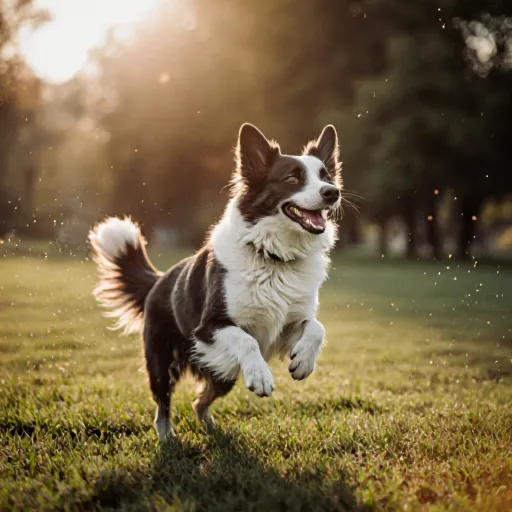
Maximize your dog's potential today!
Unlock the Best in Your Dog Today!
Table of Contents
- Understanding the Importance of Daily Exercise for Dogs
- The Benefits of Regular Physical Activity in Dogs
- Morning Routines to Start Your Dog's Day Right
- Afternoon Exercise Ideas for Energetic Dogs
- Best Evening Walks for Calming Down Your Pup
- Playtime in the Yard: Fun and Simple Exercises
- Introducing Agility Training into Your Routine
- Swimming: A Great Low-Impact Exercise for Dogs
- Jumping Games to Improve Coordination and Stamina
- Interactive Toys That Encourage Physical Activity
- Training Sessions as a Form of Exercise for Your Dog
- Outdoor Games to Keep Your Dog Active and Happy
- Indoor Exercises That Require Minimal Space but Maximal Fun
- Conclusion: The Importance of Consistent Exercise for Your Dog's Health
- FAQs About Daily Exercise Routines for Dogs
Understanding the Importance of Daily Exercise for Dogs
Understanding the importance of daily exercise for dogs is crucial for their overall health and well-being. Regular physical activity not only keeps your dog fit but also helps manage behavior, prevent obesity, and enhance mental stimulation. Daily exercise routines play a significant role in maintaining your dog's physical fitness and emotional health.
- Physical Health: Regular exercise reduces the risk of obesity, joint problems, heart disease, and diabetes. It also strengthens muscles and improves cardiovascular health.
- Mental Stimulation: Dogs need mental stimulation just like they need physical activity. Engaging exercises help reduce boredom and anxiety, which can lead to destructive behaviors.
- Better Behavior: Exercise helps dogs burn off excess energy, making them less likely to engage in chewing or digging. It also encourages a calmer demeanor at home.
Creating an effective daily exercise routine is essential for your dog's health and happiness. Here are some examples of activities that can be incorporated into your dog’s daily exercise plan:
Leash Walks
Walking on a leash is one of the simplest forms of daily exercise. It encourages exploration, socialization, and mental stimulation while providing opportunities for bonding.
Playtime in the Park
Parks offer space to run and play, which is excellent for high-energy dogs. Activities like fetch or frisbee can be great fun and provide ample physical activity. However, it's important to supervise closely during these activities to ensure your dog’s safety.
Obstacle Courses
An obstacle course at home or in a training facility is an excellent way to challenge your dog mentally and physically. It includes elements like tunnels, jumps, and balance beams. This exercise helps improve coordination, agility, and problem-solving skills.
Dog Swimming
For water-loving dogs or those who enjoy the outdoors, swimming is a fantastic form of low-impact exercise that provides excellent cardiovascular workout without putting stress on joints. Always ensure your dog knows how to swim before allowing them in deeper waters.
Interactive Toys and Puzzle Feeders
For dogs who love toys, interactive games can be a great way to engage their minds while providing physical exercise. Puzzle feeders that require your dog to work for food are particularly effective at keeping them mentally stimulated.
Incorporating these activities into your daily routine will help ensure that your dog is physically active and mentally challenged. Remember, the key is variety—dogs can get bored with repetitive routines just like people! Tailor the exercises based on your dog's age, breed, and energy level to keep them motivated and engaged.
The Benefits of Regular Physical Activity in Dogs
The benefits of regular physical activity in dogs are numerous and profound, extending far beyond the mere increase in energy levels. Engaging your dog in daily exercise routines is crucial for their overall health and well-being. Regular physical activity helps maintain a healthy weight, strengthens muscles and joints, improves cardiovascular fitness, and enhances mental stimulation, which all contribute to a happier and healthier pet.
One of the most significant benefits of regular exercise is reducing obesity in dogs. Excess weight can lead to numerous health issues such as diabetes, joint problems, and respiratory difficulties. By incorporating activities like walking or playing fetch into your dog's routine, you are helping them burn off excess calories. For example, a 15-minute brisk walk twice a day can make a big difference for many breeds.
Physical activity is essential for maintaining strong muscles and healthy joints in dogs. Activities such as swimming or hiking, depending on your dog's size and breed, can help improve muscle tone while also reducing strain on the joints. For instance, shorter breeds like Pugs might enjoy a swim at the local pool rather than long hikes to avoid joint stress.
Dogs with regular exercise have better cardiovascular health because their heart and lungs are working more efficiently. This can be achieved through running, playing fetch in the park, or even engaging in agility exercises tailored for dogs. Regular cardio workouts ensure that your dog's heart muscle is strong and efficient.
Beyond physical health, regular exercise also plays a crucial role in mental stimulation. Dogs are intelligent creatures who need mental challenges to stay sharp. Activities like obedience training, puzzle toys, or even teaching your dog new tricks can be combined with daily walks or playtime to provide this mental stimulation.
By keeping your dog active and engaged in various physical activities, you are directly contributing to their longevity. Dogs that exercise regularly tend to live longer, healthier lives because they have lower risks of developing chronic diseases common among older pets.
The type and amount of daily exercise a dog needs depend on its breed, age, size, and overall health. Here are some general guidelines:
- Small Dogs (e.g., Chihuahua, Yorkie): These dogs typically need 30-45 minutes of moderate exercise daily. This can include short walks in the park or fun indoor activities like fetch games.
- Moderate-Sized Dogs (e.g., Beagle, Dachshund): They require about an hour of activity each day. Options could range from longer leash walks to interactive play sessions.
- Larger Breeds (e.g., German Shepherd, Labrador Retriever): These dogs need at least 1-2 hours of exercise daily. This might involve hiking trails, playing fetch in larger open spaces, or even agility training.
It's important to consult with your veterinarian before starting any new exercise routine for your dog, especially if they have existing health conditions. Regular check-ups will ensure that your pet is getting the right kind of activity to stay healthy and happy.
Morning Routines to Start Your Dog's Day Right
Starting your dog’s day off right sets the tone for a happy and healthy routine. Morning routines are crucial because they set the pace for the rest of the day, ensuring that both you and your furry friend have a productive start. Here’s how you can craft an effective morning routine tailored to your dog's needs:
Just like humans, dogs thrive on structure and consistency. Starting the day early allows for ample time to meet all morning needs such as feeding, hydration, and bathroom visits before a busy day. This prevents stress and accidents later in the day.
Feeding
Avoid giving your dog food too close to bedtime to prevent digestive issues during sleep. Instead, feed them around 15-20 minutes after waking up. Use this time as an opportunity for bonding and positive reinforcement if they eat their food properly.
Hydration
Ensure your dog has access to fresh water throughout the morning. This is especially important in warmer months or during high activity levels. Check the bowl regularly and replace it with clean, fresh water as needed.
Post-meal walks are a great way to utilize bathroom breaks early in the morning. Depending on your dog's breed and size, you may need to take them out multiple times during the day. A walk not only helps with elimination but also provides mental stimulation and exercise.
Walk Duration
The duration of each walk can vary based on your dog’s age, breed, and energy levels. For instance, a smaller breed like a Chihuahua might need shorter walks (15-20 minutes), while larger breeds such as German Shepherds or Labrador Retrievers may require longer walks (30+ minutes).
Mental exercises are just as important as physical ones for your dog’s well-being. Engaging in activities that challenge their mind can prevent boredom and reduce destructive behaviors.
- Treat Puzzles: Interactive toys with treats inside encourage problem-solving skills. These puzzles keep them occupied, especially during colder winter mornings when they might not get as much outdoor time.
- Training Sessions: Short training sessions can be a great way to engage your dog mentally. Choose simple commands and reward them with praise or small treats for correct behavior. This also reinforces the bond between you and your pet.
For a balanced morning routine, incorporating exercise is essential. A well-exercised dog is more likely to sleep well at night and be calmer during the day. Here are some best practices:
- Moderate Walks: For most dogs, two 30-minute walks a day provide sufficient physical activity.
- Playtime: If you can’t make it outside for an extended walk, indoor play sessions are great. This could be playing fetch inside (with a soft toy) or using agility equipment if available.
- Exercising Toys: Toys that require active engagement from your dog such as the Kong Wobble Mat or interactive laser pointers can provide hours of entertainment and mental exercise.
The consistency in morning routines helps dogs feel secure, reducing anxiety and stress levels. This predictability is especially beneficial for puppies who are still adjusting to new environments or older dogs who may have health issues requiring routine care.
In conclusion, a well-planned morning routine can significantly enhance your dog's overall quality of life, ensuring they start their day on the right foot. By incorporating these tips and ideas into your daily schedule, you’ll be setting both you and your pet up for success throughout the day.
Afternoon Exercise Ideas for Energetic Dogs
Afternoon is a great time for your energetic dog to burn off some excess energy. The mid-day heat often cools down, and dogs are generally more playful and active around this time. Here are some ideas tailored to best daily exercise routines for dogs:
1. Obstacle Courses
Create an obstacle course in your backyard or a nearby park using items like tunnels, jumps, and weave poles. Dogs love the challenge of navigating through these obstacles, which not only provides physical exercise but also mental stimulation. This activity is particularly good for breeds that are naturally athletic.
2. Fetch Sessions
Fetching is a classic dog activity that can be tailored to your dog’s energy level and size of the backyard. You can start with simple fetch games and gradually increase the distance or add variations like “retriever” or “fetch and return.” This not only keeps them physically active but also strengthens the bond between you and your pet.
3. Agility Training
Dedicate time to agility training, which involves a combination of speed, balance, and coordination. Agility courses can be set up in various ways using cones or other household items. This type of exercise is great for improving your dog’s physical fitness and can help prevent obesity by keeping them moving continuously.
4. Hiking
If you live near a park or trail, hiking with your dog can be an excellent afternoon activity. Choose trails that are appropriate for the size of your dog and your own physical condition. This exercise is not only good for your dog but also provides a great opportunity to explore nature and enjoy some fresh air.
5. Water Play
If you live near water, whether it’s a lake, river, or beach, allow your energetic dog to swim or play in the water. Swimming is an excellent low-impact exercise that helps build muscle strength and endurance without putting stress on joints.
6. Interactive Toys
Interactive toys such as puzzle feeders or treat-dispensing toys can keep your dog occupied for a long time, especially if they are naturally curious. These toys help satisfy their natural instincts to hunt and forage, which is particularly useful for breeds like Border Collies that have high energy levels.
7. Socialization Time
If possible, arrange playdates with other dogs in a safe environment such as a dog park or enclosed space. Social interaction can be very stimulating and rewarding for your dog, helping to prevent loneliness and boredom. Just make sure all interactions are supervised by you.
Incorporating these afternoon exercise ideas into your daily routine will not only help keep your energetic dog physically fit but also promote mental health and socialization. Remember that every dog is unique, so it's important to observe what activities suit them best. With a bit of creativity and regular practice, you can tailor the perfect afternoons filled with fun and exercise for your energetic companion.
Best Evening Walks for Calming Down Your Pup
Walking your dog is not just a form of exercise; it's also a great opportunity to bond and provide mental stimulation. However, the timing of when you walk your pup can significantly impact their behavior for the rest of the day. The best time to take your furry friend out for a stroll is often during the evening hours. Here are some reasons why an evening walk is perfect for calming down your pup:
Why Evening Walks Are Ideal
- Better Digestion Post-Dinner: Walking after dinner helps dogs digest their food better, reducing the risk of digestive issues. This can also contribute to a more relaxed and calm demeanor.
- Release Excess Energy: Evening walks help burn off any remaining energy your dog might have built up during the day, leading to a more peaceful night for both you and your pup.
- Mental Stimulation: A walk in the evening can provide much-needed mental stimulation. The change in environment and sights can keep your dog mentally engaged and less prone to stress or anxiety.
Planning Your Evening Walk
To make the most of your evening walks, consider the following tips:
- Choose a Safe Route: Pick a route that is safe and free from hazards. Look for areas with minimal traffic and plenty of space to let your dog run around.
- Vary the Routine: Dogs thrive on routine, but varying the route or activities can make walks more exciting. This keeps things interesting and helps prevent boredom.
- Keep It Short If Needed: While longer walks are great for some dogs, others might only need a short walk to settle down. Pay attention to your dog's signals; if they seem tired or not interested in walking much further, it’s okay to call the walk early.
Examples of Evening Walk Routines
Here are some examples of evening walks that can help calm down your pup:
- Short Strolls Around the Neighborhood: A quick walk around your block can be a great way to get some fresh air and keep your dog active.
- Park Visits: Taking your dog to a local park offers more space for exploration. Look for parks with different terrain, like hills or grassy areas, which can provide added stimulation.
- Community Dog Parks: If you have access to one, these parks are great for socialization and physical activity. However, they require that your dog is comfortable around other animals before visiting.
Comparison with Daily Exercise Routines
Just like daily exercise routines for dogs should be tailored to individual needs, evening walks can also be customized based on the breed and energy levels of your pet. For instance:
| Breed Type | Daily Exercise Needs | Evening Walk Recommendations |
|---|---|---|
| Schnauzer | High energy, requires consistent exercise. | Two 30-minute walks or one longer walk with playtime in the evening. |
| Pug | Moderate to low energy, prefers shorter walks. | A short 15-20 minute walk in the evening to tire them out slightly. |
| Border Collie | High energy, requires lots of activity and mental stimulation. | Two 45-minute walks with opportunities for playtime or training exercises. |
In conclusion, evening walks are an essential part of your dog’s daily routine. They not only provide the necessary physical activity but also help in calming down your pup and creating a harmonious environment at home. By planning these walks effectively and considering the unique needs of your pet, you can ensure that both you and your dog enjoy the benefits of a well-balanced exercise routine.
Playtime in the Yard: Fun and Simple Exercises
Just like humans, dogs need regular exercise to stay healthy and happy. However, not all dog owners have access to large parks or specialized facilities for their pets. Fortunately, playtime in the yard can be an effective way to keep your furry friend active and engaged without requiring extensive space or equipment.
Benefits of Yard Playtime
- Mental Stimulation: Engaging your dog in different activities can help prevent boredom and reduce destructive behavior.
- Bonding Time: Playing with your pet strengthens the bond between you and your dog, enhancing trust and communication.
- Variety of Exercises: Yard playtime allows for a variety of exercises that can include fetch, chasing after toys, or even simple obstacle courses using items found around the yard.
Fun and Simple Exercises
Here are some fun and easy exercises you can try in your yard:
1. Fetch with a Ball
This classic game is not only enjoyable but also helps improve your dog's stamina and reflexes. You don't need anything special; just a ball will do. Toss the ball into different parts of the yard, encouraging your dog to run after it.
2. Chasing Toys
Your dog may enjoy chasing toys that move on their own, such as frisbees or toy cars. You can roll them along the ground and watch as they give chase, which is both entertaining for you and beneficial for your pet.
3. Obstacle Courses
Create a simple obstacle course using items you already have in your yard. This could include stepping over small logs or jumping hurdles made of sticks arranged at varying heights. These activities help develop agility and coordination.
Practical Advice for Yard Playtime
- Time Management: Just like humans, dogs benefit from scheduled exercise routines. Aim to allocate 20-30 minutes a day, depending on your dog's age and health.
- Vary the Activities: To keep things interesting and challenging for your dog, rotate different types of activities regularly within each play session.
- Paw Conditioning: After playtime, check your dog’s paws to ensure they haven’t picked up any foreign objects or injuries during their activity.
Conclusion
Incorporating yard playtime into your daily routine can be a rewarding and fulfilling experience for both you and your dog. By following these suggestions, you'll not only enhance your pet's physical fitness but also enrich their lives with enjoyable interactions.
Introducing Agility Training into Your Routine
Dog agility training is a popular form of exercise that combines physical fitness and mental stimulation, making it an excellent addition to your daily routine. Just like humans benefit from varied workout routines, dogs can also gain significant advantages from incorporating agility exercises into their exercise regimen. This type of training helps improve balance, coordination, muscle tone, and overall fitness levels.
Key Benefits of Agility Training
- Enhanced Coordination: Agility courses require dogs to navigate through various obstacles such as jumps, tunnels, and weave poles. This helps improve their coordination and body awareness.
- Better Muscle Tone: The physical demands of an agility course help tone a dog's muscles, particularly those in the legs and core.
- Mental Stimulation: Dogs are highly intelligent creatures who thrive on mental challenges. Agility training provides just that by requiring them to think strategically while executing movements.
- Bonding Time: Engaging in agility training together is a great way for you and your dog to bond, fostering trust and communication between the two of you.
How Agility Training Differs from Traditional Exercise Routines
Agility training differs from other forms of exercise by focusing not only on physical fitness but also on mental engagement. In contrast to simple walks or runs, agility requires dogs to think and react quickly as they navigate through the course. This dual focus makes it a more comprehensive approach to maintaining your dog's health.
Practical Tips for Starting Agility Training
- Start Slowly: If you're new to agility training, start with basic exercises and gradually introduce more complex obstacles as your dog becomes comfortable. Begin by practicing simple commands like "sit" and "stay" before moving on to more advanced maneuvers.
- Use Positive Reinforcement: Rewarding your dog for successful attempts will encourage them to continue learning. Treats, praise, or playtime can all serve as positive reinforcement during training sessions.
- Consistency is Key: Like any new skill, consistency is crucial when introducing agility into your routine. Regular practice helps reinforce what your dog has learned and ensures steady improvement over time.
Examples of Agility Exercises for Dogs
To get started with agility training, here are some basic exercises you can incorporate into your routine:
- Weave Poles: These consist of a series of poles that dogs must weave through in a specific pattern. They help improve focus and tracking skills.
- Jumps: Both low and high jumps are used to enhance lung capacity and leg strength. Start with small obstacles until your dog is confident before progressing to higher ones.
- Tunnels: Running through tunnels encourages dogs to stay focused on the course and build confidence in tight spaces.
Conclusion
Incorporating agility training into your daily routine can significantly enhance both your dog's physical condition and mental health. By following these practical tips and starting with simple exercises, you'll be well on your way to creating an enjoyable and rewarding training experience for both yourself and your furry companion.
Swimming: A Great Low-Impact Exercise for Dogs
Swimming can be a great low-impact exercise for dogs, especially those who may have joint issues or need a gentler form of physical activity. It provides an excellent way to stay fit without putting stress on their joints. Swimming engages multiple muscle groups and helps improve overall fitness, including cardiovascular health.
Benefits of Swimming for Dogs
- No Impact on Joints: Unlike running or jumping, swimming does not put any strain on a dog's joints. This makes it an ideal exercise for dogs with arthritis or those who have had joint surgeries.
- Variety of Exercise: Swimming allows your dog to use their muscles in different ways compared to walking or running on land. It strengthens the core, improves balance, and enhances overall coordination.
- Cool Down Post-Exercising: After a swim session, dogs can cool down more effectively since water helps regulate body temperature better than air. This is especially beneficial in warmer climates or during hot summer months.
Practical Tips for Swimming with Your Dog
- Choose the Right Pool: Not all pools are suitable for dogs. Look for a dog-friendly pool or lake where you can introduce your pet to swimming safely.
- Get Comfortable in the Water: Encourage your dog to get used to being in water by gradually introducing them. Start with short, shallow water sessions and increase duration as they become more comfortable.
- Use Life Jackets if Necessary: Some dogs may not be strong swimmers or have difficulty floating. In these cases, consider using a life jacket designed for canines to ensure safety.
Examples of Daily Swimming Routines
For dogs who are just beginning their swimming journey, starting with short intervals of 5-10 minutes and gradually increasing the duration is advisable. A balanced routine might look like this:
| Dog's Age/Size | Recommended Frequency | Duration per Session (in minutes) |
|---|---|---|
| Small Dogs | 3-5 days a week | 10-15 minutes |
| Moderate-sized Dogs | 4-6 days a week | 20-30 minutes |
| Larger Dogs | 3-4 days a week | 15-25 minutes |
Remember to always supervise your dog while they are swimming. Even if they seem confident, accidents can happen, and constant supervision ensures both you and your pet stay safe.
Comparison with Other Exercises
When comparing swimming with other types of exercise like running or walking, it's clear that swimming offers a unique advantage. While running or walking can be tough on the joints, swimming provides an effective alternative for dogs who need a lower impact form of exercise.
"Swimming is not just a good low-impact exercise but also helps in building muscle strength and endurance without causing stress to their joints."
Jumping Games to Improve Coordination and Stamina
Integrating jumping games into your daily routine can significantly enhance both coordination and stamina, not just for dogs but also for humans engaging with them. These playful activities are akin to the best daily exercise routines for dogs, promoting physical health while fostering a bond between you and your pet.
Just as dogs benefit from structured exercises that challenge their bodies and minds, humans can achieve similar benefits by incorporating jumping games into their fitness regime. These activities are not only fun but also highly effective in improving coordination, balance, and stamina.
- Jump Rope: This classic game is a fantastic way to improve cardiovascular health, coordination, and agility. Jumping rope for 10-15 minutes can burn as many calories as jogging for the same amount of time.
- Hurdle Jumps: Set up cones or small hurdles at varying distances and heights and jump over them. This exercise targets leg strength, coordination, and stamina.
- Pogo Stick Exercises: Using a pogo stick can help improve balance and coordination while providing a fun, dynamic workout.
Dogs also enjoy the challenges that come with jumping games. These activities are crucial in keeping your dog active and happy, much like structured exercises are important for humans.
- Jumping Obstacles: Set up low obstacles or cones for your dog to jump over. This enhances their coordination and mental stimulation.
- Fly Ball: A fly ball game requires your dog to retrieve a ball thrown by you, often involving jumping and running. It's excellent for stamina and reflexes.
- Jumping Agility Courses: Similar to human obstacle courses but designed for dogs, these require various jumps, turns, and movements that help in building coordination and strength.
To make jumping games effective and enjoyable for both you and your dog:
- Start Slowly: For beginners, start with simple exercises and gradually increase the complexity and duration.
- Vary the Exercises: Changing the type of exercise can keep things interesting and prevent boredom or fatigue.
- Listen to Your Dog: Pay attention to your dog's signals. If they appear tired or distressed, it's time to stop and take a break.
Incorporating jumping games into your daily routine can be a rewarding experience for both you and your furry companion. These activities not only contribute to improved physical health but also strengthen the bond between you and your dog, making them an essential part of any fitness plan.
Interactive Toys That Encourage Physical Activity
Incorporating interactive toys into your dog's routine can significantly enhance their physical activity and overall well-being. Just like humans, dogs benefit from regular exercise to maintain a healthy weight and improve cardiovascular health. This section explores various interactive toys that not only keep your furry friend entertained but also encourage them to engage in physical activities essential for their development.
Best Daily Exercise Routines for Dogs
The American Veterinary Medical Association recommends at least 30 minutes of exercise daily for dogs, depending on the breed and size. Here are some effective ways to incorporate interactive toys into your dog's routine:
- Chase Toys: These toys mimic prey and can be used to play fetch or hide-and-seek games in your backyard. For example, a laser pointer toy can stimulate your dog’s hunting instinct and get them moving.
- Tug Toys: Tug-of-war is an excellent way for dogs to build strength while also strengthening the bond between you and your pet. Ensure that the game starts and ends on your terms to prevent dominance issues.
- Obstacle Courses: Create a simple obstacle course using pillows, tunnels, and stairs. This encourages your dog to navigate through different terrains, which is great for their physical fitness and mental stimulation.
- Balls and Frisbees: These are classic toys that can be thrown or rolled across the yard. They encourage your dog to chase after them, thereby promoting cardiovascular health.
Benefits of Interactive Toys for Physical Activity
Using interactive toys not only keeps your dog physically active but also provides mental stimulation and reduces boredom, which can lead to behavioral issues. Here are some specific benefits:
- Improved Cardiovascular Health: Active play sessions with interactive toys like frisbees or balls increase heart rate, promoting cardiovascular fitness.
- Muscle Strength and Endurance: Toys that require your dog to chase after them or fetch can build muscle strength and endurance over time.
- Better Mental Stimulation: Interactive toys engage the dog’s mind as they figure out how to retrieve the toy or play the game, which is crucial for their overall health.
- Stronger Bond with Owners: Engaging in these activities together strengthens your bond and creates lasting memories.
Tips for Choosing the Right Interactive Toys
Selecting the right toys is crucial to ensure that they are both safe and engaging. Here are some tips:
- Age and Breed Compatibility: Different breeds have different energy levels and sizes, so choose toys that suit your dog's age, size, and breed.
- Safety First: Ensure all toys are made from non-toxic materials and do not contain small parts or sharp edges that could pose a choking hazard.
- Rotation of Toys: Rotate the toys to maintain your dog’s interest and prevent boredom. This also helps in keeping them physically active as they engage with different types of activities each day.
Conclusion
Incorporating interactive toys into a daily exercise routine can transform playtime into an effective workout for your dog. By choosing the right toys and incorporating them into various games, you not only enhance your dog's physical health but also contribute to their mental well-being.
Training Sessions as a Form of Exercise for Your Dog
Training sessions are not just about teaching your dog commands and tricks; they are also an excellent form of exercise. Incorporating training into your daily routine can help burn calories, improve cognitive function, and enhance the bond between you and your pet. Here’s how you can incorporate training as part of your best daily exercise routines for dogs.
Understanding the Benefits
Dog training sessions are a great way to engage your dog in physical activity while simultaneously providing mental stimulation. Dogs, especially those with high energy levels, need both mental and physical outlets to avoid boredom and stress. By incorporating training exercises into their daily routine, you can help prevent destructive behaviors such as chewing or barking excessively.
Types of Training Exercises
- Leash Walking: Walk your dog on a leash while practicing basic commands like "sit," "stay," and "heel." This helps improve focus, control, and reduces pulling on the leash.
- Fetch Games: Playing fetch can be both fun and beneficial for dogs of all sizes. It encourages physical activity and strengthens your relationship with your pet.
- Hiding Treats: Hide treats around your home or yard, allowing the dog to "hunt" them down. This not only provides exercise but also sharpens their problem-solving skills.
- Obedience Commands: Regularly practicing simple commands like "sit," "down," and "come" can help reinforce training while also offering a fun challenge for your pup.
- Agility Training: For more energetic dogs, agility training can provide an excellent way to burn off excess energy. This involves setting up obstacles such as tunnels or jumps and having the dog navigate them in a specific order.
Practical Tips for Effective Training Sessions
- Consistency is Key: Train at the same time each day to establish a routine. Dogs thrive on consistency, which helps them learn faster and retain commands better.
- Short Sessions: Keep training sessions short—typically 10-15 minutes per session—and frequent (multiple times a day). This keeps your dog engaged without overwhelming them.
- Praise and Rewards: Positive reinforcement, such as treats or praise, encourages your dog to repeat the desired behaviors. Make sure to use high-value rewards like small pieces of cheese or special treats.
- Vary Your Training: Mix up your training exercises regularly to keep things interesting for both you and your dog. Variety prevents boredom and keeps your sessions productive.
- Stay Patient: Every dog learns at their own pace. Be patient, stay positive, and remember that consistency is the key factor in successful training.
Conclusion
Incorporating training sessions into your daily exercise routine offers a unique way to engage with your dog while promoting physical health and mental stimulation. By choosing activities that suit both you and your pet, these training exercises can become enjoyable parts of your day-to-day life.
Outdoor Games to Keep Your Dog Active and Happy
Just like humans, dogs need regular physical activity to stay healthy and happy. Incorporating fun outdoor games into your dog's daily routine can help them burn off excess energy, improve their mental health, and strengthen the bond between you both. This section will explore some of the best outdoor activities that align with a comprehensive exercise routine for dogs.
Interactive Fetch Games
Fetch is one of the simplest yet most effective ways to keep your dog active outdoors. It helps improve their coordination, speed, and lung capacity. Start by throwing soft tennis balls or frisbees in a safe area like a park or backyard. Encourage your dog to retrieve the toy, and then throw it again. This game can be tailored to suit your dog's energy levels; for instance, you could start with short distances and gradually increase them as they get more comfortable.
For a variation, try playing "find the treat," where you hide treats around the yard or park, and your dog has to find them. This not only keeps your dog active but also mentally engaged.
Hurdle Jumps
If your dog is more energetic, you can incorporate hurdles into their routine. Create simple obstacles using low branches, cones, or even children's toys that they have to jump over. This activity will help improve their agility and coordination while also providing mental stimulation.
Scavenger Hunts
A scavenger hunt is a fantastic way to get your dog moving in a new environment. Hide treats or small objects around the park, and let your dog search for them. This activity can be as simple or complex as you want it to be depending on your dog's age and energy levels. It’s not only fun but also excellent for their problem-solving skills.
Running Races
If you're in a park with a clear path, running races can be both thrilling and energizing. Set up a small course where your dog has to run around cones or through a specific route. This activity is great for improving speed and stamina.
Group Playtime
Dogs are pack animals, and they thrive on social interaction. Organize playdates with other dogs in the neighborhood or join a dog park where your dog can meet new friends. Group playtime also helps them learn social skills and develop better manners.
Tip: Always ensure that the environment is safe for both you and your dog. Supervise all outdoor activities to prevent accidents, especially in unfamiliar environments like a busy park or beach.
Pacing the Routine
To make sure your dog gets enough exercise each day, it's important to vary their routines. Incorporating different games can help keep things interesting and ensure that your dog doesn't get bored with the same activities every day. Consider integrating a mix of these activities into your daily routine.
Remember, consistency is key when it comes to keeping your dog active. Just like humans, dogs benefit from regular exercise routines that challenge them both physically and mentally. By incorporating fun outdoor games into their daily lives, you can ensure that they stay happy, healthy, and full of energy.
Indoor Exercises That Require Minimal Space but Maximal Fun
Indoor exercises that require minimal space but maximal fun are perfect for those days when the weather isn't cooperating or you're short on time. Just like how a well-structured daily exercise routine is crucial for dogs, these activities can help keep your indoor space vibrant and active. Here are some ideas to consider:
Create an obstacle course using household items such as pillows, chairs, or even a makeshift tunnel made from blankets. This mimics the agility training that dogs often do in outdoor exercises like Frisbee or fetch. You can include steps up onto furniture, weaving between legs, and hopping over small objects.
Pick up a soft toy or ball to play fetch indoors. This simple game not only provides exercise but also strengthens the bond between you and your pet. You can increase the difficulty by setting up obstacles like couches or chairs for them to jump over.
Hide treats around the house while your dog searches them out. This game encourages problem-solving skills and helps burn off excess energy in a fun way. It’s similar to how dogs are trained using hide-and-seek exercises.
Balance boards or even a simple flat surface like a yoga mat can be used for balance training. Place the board on an elevated spot and encourage your doggy to walk across it. This helps improve their coordination, just as balance exercises do for dogs.
Create a series of cones or other small obstacles arranged in a pattern that requires your pet to move around them quickly but carefully. This activity can be made more challenging by adding speed elements, much like advanced agility training for dogs.
- Vary the Routine: Just as changing up a dog’s exercise routine keeps them engaged, varying your indoor exercises can keep things exciting for both you and your pet.
- Use Toys Wisely: Toys are not only fun but also essential tools for stimulating mental activities. Choose durable ones that can withstand rough play.
- Set Goals: Similar to setting goals for dogs, like a certain number of minutes or distance covered during an exercise routine, set small milestones for yourself and your pet in these indoor workouts.
Remember, the key is to keep it fun and engaging. With creativity and consistency, you can make even limited space feel like a vast playground for your four-legged friend!
Conclusion: The Importance of Consistent Exercise for Your Dog's Health
The importance of consistent exercise for your dog's health cannot be overstated. Regular physical activity is crucial not only for maintaining a healthy weight but also for enhancing overall well-being, both physically and mentally. Exercise helps reduce the risk of obesity, which can lead to serious health issues such as diabetes, heart disease, and joint problems.
Daily routines that incorporate a variety of exercise types are ideal for keeping your dog engaged and motivated. For instance, short walks in the morning and evening provide ample opportunity for cardiovascular fitness while also allowing time for social interaction with you or other dogs. Jogging alongside you can offer a more intense workout if your dog is used to it.
Games like fetch or playing in an enclosed space such as a backyard can help improve coordination, agility, and mental sharpness. These activities are particularly beneficial during the hot summer months when walking might not be the most enjoyable option for your canine companion. Interactive toys that require physical activity can also keep your dog entertained and active indoors.
In addition to these more traditional forms of exercise, swimming is an excellent low-impact option that helps build muscle strength while being gentle on joints. For dogs with specific health concerns or mobility issues, it's important to consult a veterinarian before starting any new routine. They can provide personalized recommendations based on your dog's age, breed, and overall fitness level.
Consistency is key when it comes to maintaining good habits for both you and your dog. By integrating these exercises into your daily schedule, you're not only improving your pet’s health but also strengthening the bond between you two. Remember, every dog is unique; finding activities that suit their individual needs will lead to a happier, healthier companion.
For more specific guidance on daily exercise routines tailored to different breeds and sizes of dogs, consider consulting resources like "Best Daily Exercise Routines for Dogs." These guides provide detailed information on the most effective ways to keep your furry friend active and happy. Always ensure that you are observing signs of fatigue or discomfort in your dog during exercises and adjust accordingly.
FAQs About Daily Exercise Routines for Dogs
Understanding how much exercise your dog needs can be crucial to their health and well-being. Here are some frequently asked questions about daily exercise routines for dogs, along with practical advice from the best daily exercise routines available.
- Question: How much exercise does my dog need each day?
Answer: The amount of exercise your dog needs depends on their breed, age, and energy levels. Generally speaking:- Puppies: They typically require short bursts of activity throughout the day.
- Adult dogs: Aim for at least 30-60 minutes of moderate to vigorous exercise daily.
- Senior dogs: Adjust the intensity and duration according to their physical limitations but ensure they still get some form of exercise.
- Question: What types of exercises are best for my dog?
Answer: Different dogs enjoy different activities. Here are some top choices based on the Best Daily Exercise Routines:- Walking: Essential for most breeds, walking helps with mental stimulation and physical health.
- Jogging or running alongside you: This is great for dogs that can keep pace with a human jogger. However, ensure your dog's joints are strong enough to handle the impact.
- Swimming: Ideal for water-loving breeds like Labradors and Retrievers who enjoy spending time in the water.
- Playtime at home or park: Engaging in fetch games, tug-of-war, or simply playing with toys can help burn calories and keep dogs mentally stimulated.
- Question: How do I know if my dog is getting enough exercise?
Answer: Signs that your dog is getting sufficient exercise include:- They have a good appetite.
- They sleep well and wake up refreshed.
- Their coat remains healthy with no signs of shedding problems (if they're not shedding excessively).
- They maintain a healthy body weight and are neither underweight nor overweight.
- Question: Can I over-exercise my dog?
Answer: Yes, you can. Over-exercising is just as harmful as under-exercising and can lead to several issues such as:- Injuries: Especially for younger dogs or those with joint problems.
- Exhaustion: Dogs need time to rest and recuperate between sessions.
- Potential stress on the immune system, making your dog more prone to illness.
- Question: What should I do on rainy or cold days when going outside isn't an option?
Answer: There are many fun indoor activities that can keep your dog entertained and active:- Interactive toys: Puzzle feeders, treat-dispensing balls, or simply hiding treats around the house for them to find.
- Dance classes together (yes, it exists!): Some places offer group exercise classes specifically designed for dogs and their owners.
- Crate training sessions: Teach your dog basic commands in a controlled environment.
- Watching educational videos or documentaries with your dog can also provide mental stimulation.
Categories
- AI & Enrichment Play
- Broiler Farming
- Broiler Farming Tips
- Canine Wellness & Longevity
- Cat
- Cat & Human Connection
- Cat Adoption & Rescue
- Cat Breeds
- Cat Breeds & Personalities
- Cat Care & Health
- Cat Grooming & Hygiene
- Cat Lifestyle & Environment
- Cat Myths & History
- Cat Nutrition & Diet
- Cat Products & Reviews
- Cat Training & Behavior
- Comparison
- Consumer Awareness
- Dog
- Dog Accessories & Products
- Dog Adoption & Rescue
- Dog Breed & Lifestyle Trends
- Dog Breeding & Puppies
- Dog Entertainment & Media
- Dog Fashion & Trends
- Dog Fun & Lifestyle
- Dog Grooming & Hygiene
- Dog History & Culture
- Dog Myths, Science & Future Tech
- Dog News & Trends
- Dog Nutrition & Food
- Dog Psychology & Emotions
- Dog Safety & Security
- Dog Sports & Activities
- Dog Technology & Innovation
- Dog Training for Modern Owners
- Dog Travel & Adventure
- Dog Travel, Adventure & Culture
- Economic and Market Insights
- Educational Content
- FAQs
- Feeding Alternatives
- Festivals & Seasonal Ideas
- Fun & Entertainment
- General Knowledge
- General Pig Farming
- Health & Disease Management
- Housing and Environment
- Kittens
- Market Insights
- Miscellaneous
- Miscellaneous
- Motivational
- pig
- Pig Breeding
- Pig Breeds
- Pig Farming Stories and Inspiration
- Pig Health and Care
- Pig Nutrition
- Pig Products
- Profitability & Business
- Puppy Care
- Puppy Predictable Topics Reinvented
- Regional Focus
- Rescue & Adoption Buzz
- Senior Cats
- Senior Dog Care
- Smart Dog Tech & Gadgets
- Sustainability
- Sustainable & Eco-Friendly Dog Products
- Tech & Innovations
- Working & Service Dogs
- Broiler Feed66 products
- Country Feed33 products
- Pig Feed66 products
- Product22 products
- Raw Materials99 products
Products
-
 Fish Meal
₹1,999.00 – ₹2,999.00Price range: ₹1,999.00 through ₹2,999.00Rated 0 out of 5
Fish Meal
₹1,999.00 – ₹2,999.00Price range: ₹1,999.00 through ₹2,999.00Rated 0 out of 5 -
 FATTENING BROILER FEED
₹2,299.00 – ₹2,349.00Price range: ₹2,299.00 through ₹2,349.00Rated 0 out of 5
FATTENING BROILER FEED
₹2,299.00 – ₹2,349.00Price range: ₹2,299.00 through ₹2,349.00Rated 0 out of 5 -
 LAYER COUNTRY FEED
₹1,549.00 – ₹1,649.00Price range: ₹1,549.00 through ₹1,649.00Rated 0 out of 5
LAYER COUNTRY FEED
₹1,549.00 – ₹1,649.00Price range: ₹1,549.00 through ₹1,649.00Rated 0 out of 5 -
 COUNTER BROILER FEED
₹1,199.00 – ₹1,299.00Price range: ₹1,199.00 through ₹1,299.00Rated 0 out of 5
COUNTER BROILER FEED
₹1,199.00 – ₹1,299.00Price range: ₹1,199.00 through ₹1,299.00Rated 0 out of 5 -
 LACTATING PIG FEED
Rated 0 out of 5
LACTATING PIG FEED
Rated 0 out of 5₹2,299.00Original price was: ₹2,299.00.₹1,740.00Current price is: ₹1,740.00. -
 Maize
Rated 0 out of 5
Maize
Rated 0 out of 5₹1,650.00Original price was: ₹1,650.00.₹1,300.00Current price is: ₹1,300.00. -
 GESTATION PIG FEED (Phase 1)
Rated 0 out of 5
GESTATION PIG FEED (Phase 1)
Rated 0 out of 5₹2,249.00Original price was: ₹2,249.00.₹1,699.00Current price is: ₹1,699.00. -
 Pre Starter Broiler Feed
₹2,399.00 – ₹2,499.00Price range: ₹2,399.00 through ₹2,499.00Rated 0 out of 5
Pre Starter Broiler Feed
₹2,399.00 – ₹2,499.00Price range: ₹2,399.00 through ₹2,499.00Rated 0 out of 5 -
 FINISHER PIG FEED
Rated 0 out of 5
FINISHER PIG FEED
Rated 0 out of 5₹2,299.00Original price was: ₹2,299.00.₹1,749.00Current price is: ₹1,749.00. -
 Broiler Premix
Rated 0 out of 5
Broiler Premix
Rated 0 out of 5₹820.00Original price was: ₹820.00.₹699.00Current price is: ₹699.00.