
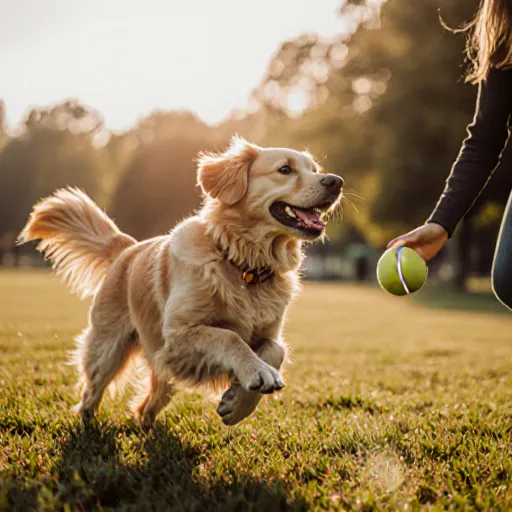
Unlock Your Dog's Full Potential with More Playtime!
Does Your Dog Get Too Little Exercise? Find Out Now!
Table of Contents
- Understanding the Basics of Dog Exercise Needs
- Importance of Daily Walks for Your Dog's Health
- Role of Jogging in Enhancing Your Dog’s Fitness
- Impact of Playtime on Your Dog's Mental Stimulation
- How Much Exercise Does a Puppy Require?
- Exercise Needs for Medium-Sized Dogs
- Special Considerations for Senior Dogs
- Factors Influencing Your Dog’s Exercise Needs
- Benefits of Swimming for Dogs with Joint Issues
- The Role of Interactive Toys in Enriching Daily Activities
- How to Monitor Your Dog’s Exercise Level
- Common Signs That Indicate Your Dog Needs More Exercise
- Conclusion: Balancing Exercise and Rest for Your Dog
- FAQs About the Amount of Exercise Your Dog Requires
- Where to Find More Information on Dog Care
Understanding the Basics of Dog Exercise Needs
To truly understand how much exercise your dog really needs, it's important to consider several key factors that vary from breed to breed and individual to individual. While some dogs are naturally more active and have higher energy levels than others, there are general guidelines based on their size, age, health status, and temperament.
Factors Influencing Your Dog’s Exercise Needs
- Breed: Different breeds have different exercise needs. For instance, herding dogs like Border Collies are highly energetic and require more mental and physical stimulation than a toy breed like a Chihuahua.
- Age: Puppies need shorter bursts of activity with plenty of breaks to avoid overexertion. Senior dogs may benefit from low-impact exercises such as walking or swimming rather than high-intensity activities like running.
- Health Status: Dogs with certain health conditions, such as arthritis or heart problems, might need modified exercise routines. Consulting your vet is crucial in these cases to ensure safety and comfort.
Common Exercise Types and Their Benefits
Dogs thrive on a variety of activities that can help them stay physically fit and mentally stimulated. Here are some common types of exercise:
- Walking: A brisk walk is a great way to get your dog moving. It not only helps with cardiovascular health but also provides opportunities for socialization.
- Running: While running can be beneficial, it's important to pace yourself and ensure your dog is physically capable. Running in open spaces like parks or trails can help dogs burn off excess energy.
- Jogging: If you're an avid runner, consider jogging with a well-trained dog. Just make sure to start slow and gradually increase the speed and distance as both of your fitness levels improve.
- Biking: Dogs can be trained to run alongside a bike. This requires supervision and training to ensure the safety of both you and your dog.
- Dog Sports: Activities like agility, flyball, and frisbee throw are not only fun but also highly stimulating for dogs. These activities help in developing coordination and problem-solving skills.
Practical Advice for Ensuring Your Dog Gets Enough Exercise
To ensure your dog is getting the right amount of exercise, follow these practical tips:
- Observe Behavior: Pay attention to signs that your dog needs more or less exercise. Overexertion can lead to fatigue and possibly injury, while insufficient exercise may result in restlessness and behavioral issues.
- Vary Your Routine: Keeping your dog's exercise routine varied keeps them engaged and prevents boredom. Try different types of exercises and activities to keep things interesting.
- Stay Consistent: Establish a regular schedule for your dog's exercise, especially if you're training a puppy or an older dog with special needs. Consistency helps in building stamina and reinforcing good habits.
In conclusion, understanding the basic requirements of your dog's exercise is essential to maintaining their overall health and happiness. By considering factors like breed, age, and health status, and by incorporating a variety of activities into your routine, you can ensure that your furry friend gets the exercise they need.
Importance of Daily Walks for Your Dog's Health
Regular daily walks are crucial for your dog's overall health and well-being. Just like humans, dogs require exercise to maintain a healthy body weight and prevent obesity. However, the benefits of walking extend far beyond just managing weight. Engaging in regular physical activity helps to strengthen muscles and joints, improve cardiovascular health, and enhance mental stimulation.
Daily walks provide dogs with an opportunity to stretch their legs, which is essential for maintaining flexibility and joint mobility. This can be particularly beneficial as your dog ages or if they have certain joint issues like arthritis. Walking also helps in building muscle tone and endurance, contributing to a stronger immune system.
Walking provides dogs with mental stimulation by exposing them to new environments, sounds, and smells. This variety keeps your dog mentally engaged and prevents boredom or stress, which can lead to destructive behaviors. A walk is not just a physical activity; it's also an opportunity for socialization if you choose parks where other dogs and people are present.
A study published in the Journal of Veterinary Behavior suggests that exercise can reduce anxiety, hyperactivity, and destructive behaviors. By providing your dog with regular opportunities to burn off excess energy through walking, you minimize the chances of behavioral issues such as excessive barking or chewing on furniture.
The amount of exercise a dog needs depends on various factors including breed, age, and health. As mentioned in "How Much Exercise Does Your Dog Really Need?", smaller breeds typically require less vigorous exercise but still benefit from daily walks that last about 30 minutes to an hour. Larger breeds often need more substantial physical activity, such as longer walks or runs, which could last up to two hours a day.
- Consistency: Try to walk your dog at the same time each day. Dogs thrive on routine and predictability, which helps in reducing anxiety and stress.
- Vary Routes: To keep things interesting for your dog, consider changing your walking route or exploring new areas nearby.
- Pace Yourself: Walk at a pace that suits both you and your dog. If your dog is younger and more energetic, they might require brisker walks. Conversely, older dogs may prefer slower, leisurely strolls.
In conclusion, daily walks are vital for maintaining the health of your dog. They offer a wide range of benefits from physical fitness to mental stimulation and behavior management. By ensuring your dog gets adequate exercise every day, you're setting them up for a long and healthy life filled with joy and activity.
Role of Jogging in Enhancing Your Dog’s Fitness
Jogging can play a significant role in enhancing your dog’s fitness, but it's important to understand how much exercise your dog really needs. The amount of exercise required depends on the breed, size, age, and overall health of your dog. However, jogging can be an excellent form of cardiovascular exercise that helps improve stamina, muscle tone, and overall physical condition.
To effectively incorporate jogging into your dog’s routine, it is crucial to first understand their specific needs. Different breeds have different energy levels and activity requirements. For instance, dogs like Border Collies or Australian Shepherds are highly energetic and require more rigorous exercise than a small breed like a Pomeranian. Always consult with your veterinarian to determine the appropriate level of exercise for your dog.
- Improved Cardiovascular Health: Jogging helps increase heart rate, promoting better cardiovascular health and endurance in dogs.
- Muscle Tone and Strength: Regular jogging can help tone muscles and build strength, particularly in the legs and core.
- Better Mental Stimulation: Jogging provides a mental challenge for your dog, helping to keep them engaged and reduce boredom or destructive behaviors.
- Promotes Better Digestion: Exercise like jogging can stimulate bowel movements and improve overall digestive health in dogs.
Start slow and gradually increase the intensity and duration of your dog's jogging routine. Here are some tips for getting started:
- Conditioning Your Dog: Before beginning a jogging regimen, ensure that your dog is conditioned to handle physical exertion. Gradually build up their stamina over several weeks.
- Select the Right Terrain: Jogging on soft surfaces like grass or dirt can be gentler on your dog’s joints compared to hard concrete. This helps prevent injuries.
- Hydration and Rest: Always make sure your dog has access to water during and after jogging. Allow them time to rest, especially if they are older or have health concerns.
- Monitor Your Dog’s Behavior: Keep an eye on how your dog responds to the exercise. Signs of overexertion include panting excessively, limping, or loss of interest in running.
Here are some practical examples of incorporating jogging into your dog’s routine:
- Daily Walks with a Jog: Start by walking briskly for about 10 minutes, then gradually increase the jogging portion. Aim to reach at least 20-30 minutes of jogging per day.
- Short Intervals: For dogs who are not yet ready for long jogs, consider doing shorter bursts of jogging with intervals of walking or standing still.
- Use Leashes Wisely: If you jog in parks or public areas, ensure that your dog is on a leash. This helps maintain control and ensures the safety of both your dog and others around you.
In conclusion, jogging can be an effective way to enhance your dog’s fitness when done safely and appropriately for their needs. Always prioritize your dog's health and well-being by consulting with a veterinarian and gradually introducing physical activities like jogging into their routine.
Impact of Playtime on Your Dog's Mental Stimulation
Playtime is not just about physical exercise for your dog; it's a crucial component of their mental stimulation. Dogs, much like humans, require both physical and mental engagement to thrive. A well-stimulated mind can lead to a happier, healthier pet with less behavioral issues.
Just as exercise is important for your dog's body, mental stimulation is vital for their brain health. Dogs that receive adequate mental challenges are less likely to become bored or frustrated, which can lead to destructive behaviors such as chewing on furniture or digging in the garden.
Mind Over Matter: Preventing Boredom
Boredom is a common issue for indoor dogs. Without sufficient playtime and mental challenges, they may develop behavioral problems due to pent-up energy and stress. Here are some ways you can keep your dog mentally stimulated:
- Interactive Toys: Use toys that require interaction, such as puzzle feeders or treat-dispensing toys. These encourage problem-solving and provide mental stimulation.
- Hide and Seek Games: Hide treats around the house for your dog to find. This game not only provides physical exercise but also challenges their cognitive abilities.
- Training Sessions: Short, frequent training sessions can help keep your dog mentally sharp. Teaching new tricks or commands is a great way to engage their mind.
The Connection Between Playtime and Mental Health
Playtime helps reduce stress and anxiety in dogs by providing an outlet for excess energy. Engaging in play sessions can also strengthen the bond between you and your pet, leading to a more emotionally satisfied dog.
Examples of Playtime Activities
- Fetch: This classic game is not only fun but also encourages your dog's natural instinct to retrieve. Ensure the environment is safe and appropriate for this activity.
- Doggy Obstacle Courses: Set up an obstacle course in your backyard or at a park. Include hurdles, tunnels, and balance beams to challenge your dog’s coordination and problem-solving skills.
- Water Games: If you live near water, games like swimming or playing with a rubber duck can be both mentally engaging and physically stimulating.
How Much Is Enough?
The amount of playtime your dog needs can vary depending on their breed, age, and energy levels. However, most dogs benefit from at least 30 minutes to an hour of playtime per day, divided into shorter sessions throughout the day.
Remember, every dog is unique, so it's important to observe your pet’s behavior and adjust accordingly. If you notice signs of boredom or stress, increase the amount of time spent playing with them.
Practical Advice
- Vary Your Playtime Activities: Rotating different types of play sessions can keep your dog’s mind engaged and prevent boredom. Variety is key in maintaining mental stimulation.
- Play Together: Engage in playtime activities with your dog to bond and ensure that the experience is enjoyable for both of you. This shared activity will enhance your relationship.
- Use Positive Reinforcement: Reward good behavior during playtime to reinforce positive interactions and encourage learning.
In conclusion, playtime is essential for more than just physical exercise; it plays a critical role in keeping your dog mentally sharp and emotionally balanced. By incorporating mental stimulation into their daily routine, you can ensure that your dog remains happy and healthy.
How Much Exercise Does a Puppy Require?
Puppies, like adult dogs, require exercise tailored to their breed and individual needs. However, because puppies are still growing and developing, it's crucial to balance physical activity with rest and proper nutrition to ensure they grow into healthy adults.
Understanding Puppies' Growth Stages
Puppies go through several growth stages, each requiring a different amount of exercise. For instance, very young puppies (up to 6 months) have less energy than adult dogs and should not be overexerted. During this period, short walks or gentle play sessions are ideal.
Exercise Recommendations by Age
- Up to 4 Months: Short, frequent walks (10-20 minutes) and interactive playtime with toys. Avoid long hikes or vigorous activities that could strain growing bones.
- 4-6 Months: Slightly longer walks (30 minutes), increased play sessions, and more structured training exercises like basic obedience commands. Supervised play with other puppies is also beneficial for socialization.
- 6-12 Months: This period marks the end of rapid growth. Walks should be around 45 to 60 minutes long, with some time dedicated to agility exercises or games that challenge their developing muscles and coordination.
Signs That Your Puppy Needs More Exercise
To gauge if your puppy is getting enough exercise, look for these signs:
- Increased energy levels during the day or restlessness at night.
- Panting more frequently than usual after short bursts of activity.
- A generally restless and playful demeanor that seems to thrive on physical interaction.
Interactive Play as Exercise
Incorporating play into your puppy’s exercise routine can be both fun and effective. For example, playing fetch in a secure area like a backyard or dog park is excellent for building endurance and mental stimulation. Tug-of-war games are another engaging option that can strengthen the bond between you and your puppy.
Consulting a Veterinarian
Before starting any exercise regimen with your puppy, it's advisable to consult with a veterinarian to ensure the exercises align with your puppy’s health needs. Some breeds or individual puppies may have specific requirements due to breed-related issues or health concerns.
Puppy-Specific Equipment
- Leashes: A well-fitted leash is essential for short, controlled walks and training sessions.
- Toys: Soft, durable toys are great for chewing and playtime. Rotate them frequently to keep your puppy interested.
- Fences and Play Areas: Secure outdoor spaces prevent escapes and allow for supervised play that is safe for both you and your puppy.
In conclusion, the amount of exercise a puppy requires depends on its age, breed, and individual needs. By understanding these factors and implementing appropriate exercises, you can ensure your puppy stays healthy and happy throughout its growth stages.
Exercise Needs for Medium-Sized Dogs
Understanding how much exercise your medium-sized dog really needs is crucial for maintaining its health, happiness, and overall well-being. Medium-sized dogs typically range from around 15 to 30 pounds in weight and require a balanced approach when it comes to their daily physical activity.
A medium-sized dog should get at least 60 minutes of exercise per day. This can include a combination of brisk walking, jogging, playing fetch, or engaging in other forms of active play that stimulate both body and mind.
Walking
Walking is an excellent form of exercise for medium-sized dogs. Aim to walk your dog twice a day—morning and evening—for about 20-30 minutes each session. This helps keep your dog physically fit and mentally stimulated, while also giving you both time to bond.
Jogging
If your dog is energetic and well-trained, jogging alongside you can be a fun way to get some exercise. Start slow and gradually increase the pace as your dog gets more accustomed to it. However, always ensure that your dog feels comfortable with this activity.
Playtime
Dogs love playing fetch or engaging in games like tug-of-war (as long as you avoid overly rough play). These activities not only provide physical exercise but also help strengthen the bond between you and your pet. Make sure to have a safe, enclosed area for these play sessions.
Training
Incorporating training into your daily routine can be an effective way to keep your dog active and engaged. Simple commands like 'sit', 'stay', or 'come' followed by treats can provide mental stimulation while also reinforcing obedience.
Interactive Toys
For those days when you can't make it out for a walk, interactive toys such as puzzle feeders or treat-dispensing balls are great alternatives. These toys encourage your dog to use its problem-solving skills and keep them entertained while burning off energy.
- Diet: Make sure your dog's diet supports the level of activity it is getting. High-energy dogs may need a special diet to maintain their active lifestyle without putting too much strain on them.
- Schedule: Consistency in exercise routines helps your dog develop good habits and stay healthy. Try to stick to a regular schedule for walks, playtime, or training sessions.
- Health: Regular check-ups with your veterinarian are important to monitor your dog's health as it grows older, especially if you're planning more intensive exercises like running or hiking.
In summary, providing an appropriate amount of exercise is key for the well-being of medium-sized dogs. By incorporating a mix of walking, jogging, playtime, training, and interactive activities into your daily routine, you can ensure that your dog stays happy, healthy, and active.
Special Considerations for Senior Dogs
As dogs age, their exercise needs naturally change. Understanding these changes is crucial for maintaining a senior dog's health and well-being. While younger dogs might benefit from more vigorous physical activity, older dogs require a different approach to ensure they remain healthy without overexerting themselves.
Reduced Energy Levels
Senior dogs often experience reduced energy levels compared to their younger counterparts. This means that the intensity and duration of exercise should be adjusted accordingly. Instead of long, high-energy activities like running or playing fetch for extended periods, focus on shorter walks or gentle play sessions.
Joint Health
Senior dogs are more prone to joint issues such as arthritis. Exercising senior dogs should aim to preserve and improve mobility without causing further stress on their joints. Low-impact activities like swimming, which is easier on the joints, can be particularly beneficial.
Heart Health
Senior dogs may have heart conditions that make rigorous exercise less appropriate. Always consult with your veterinarian to understand the specific needs of your senior dog's heart health. Moderate-paced walks and gentle activities are usually safe for most senior dogs, but high-intensity activities should be avoided.
Hydration and Rest
Senior dogs require more hydration during exercise due to their reduced energy levels and potential joint issues. Ensure they have access to water before, during, and after any activity. Additionally, rest breaks are essential as senior dogs tire faster than younger ones. Plan for frequent stops during walks to allow your dog time to rest.
Examples of Appropriate Exercise
- Gentle Walks: Shorter walks at a comfortable pace are ideal for senior dogs. Aim for 10-20 minutes twice a day.
- Swimming: This is an excellent low-impact exercise that can help maintain muscle strength and joint health without putting too much strain on the body.
- Gentle Play: Short, interactive play sessions using toys or a ball can be fun and engaging for your senior dog. Just keep the duration brief to avoid overexertion.
Tips for Practicing Safe Exercise
Always warm up before starting any exercise session with your senior dog. This could involve a few minutes of gentle stretching or walking at a slow pace.
Pay close attention to your senior dog's body language during and after exercise sessions. If they show signs of discomfort, fatigue, or reluctance, it’s time to stop the activity.
Ensure you have the necessary equipment, such as a good quality leash and possibly a harness if your dog prefers one for comfort.
In conclusion, while senior dogs still need regular exercise, it's important to tailor their activities to accommodate their changing needs. By adjusting the intensity, duration, and type of exercise, you can help ensure that your senior dog remains active, healthy, and happy for many years to come.
Factors Influencing Your Dog’s Exercise Needs
Determining how much exercise your dog really needs can vary based on several factors, including breed, age, size, health condition, and lifestyle. Understanding these influences is crucial to ensuring that your pet remains healthy and happy.
Breed
Some breeds are naturally more active than others, which means they have higher exercise needs. For instance, herding dogs like Border Collies or Australian Shepherds were bred for high-energy activities such as herding sheep, making them require significant amounts of physical activity to stay content and healthy.
- Herding breeds: 1-2 hours of vigorous exercise daily
- Hound breeds: Moderate exercise (30 minutes - 1 hour)
- Sporting breeds: High exercise requirements (1-2 hours)
- Toy breeds and small dogs: Less intense exercise (15-30 minutes)
Age
As your dog ages, their ability to engage in high-intensity activities may decrease. Puppies have lots of energy but also developing bodies that need time for growth and development.
- Puppies: Short bursts of play (15-20 minutes) multiple times a day
- Adult dogs: 30 minutes - 1 hour of moderate exercise daily
- Senior dogs: Low-impact exercises like walking and light running (15-30 minutes)
Size
Larger dogs generally have higher energy requirements compared to smaller ones due to their size. This is because bigger dogs tend to burn more calories, so they need regular exercise to maintain a healthy weight and prevent joint problems.
- Sporting breeds: 1-2 hours of vigorous exercise daily
- Working breeds: High energy needs (1.5 - 2 hours)
- Toy breeds: Less intense exercise (15-30 minutes)
Health Condition
Dogs with certain health issues may have restricted exercise regimens. For example, a dog recovering from an injury or surgery might need to start slowly and gradually increase activity levels.
- Injured dogs: Low-impact exercises (walking only)
- Senior dogs with arthritis: Gentle walks
- Dogs with heart conditions: Moderate exercise, no strenuous activities
Lifestyle
Your dog's lifestyle can greatly influence their exercise needs. Dogs living in rural areas might have more opportunities for outdoor activities compared to those living in urban environments.
- Dogs in rural settings: More freedom and access to open spaces (1-2 hours)
- Urban dogs: Regular walks, playtime in parks (30 minutes - 1 hour)
- Dogs with access to yards: Short play sessions outside
In conclusion, the amount of exercise your dog needs is determined by a combination of breed, age, size, health condition, and lifestyle. It's important to consult with a veterinarian if you're unsure about how much exercise is appropriate for your specific dog.
Benefits of Swimming for Dogs with Joint Issues
Swimming is often considered a low-impact, high-benefit form of exercise for dogs with joint issues. This activity can be particularly advantageous because it provides cardiovascular workout without the stress on the joints that comes from running or jumping. Dogs suffering from osteoarthritis, hip dysplasia, or other joint conditions can greatly benefit from swimming due to its reduced impact on their bodies.
How Much Exercise Does Your Dog Really Need?
To understand why swimming is so beneficial for dogs with joint issues, it's important to first consider how much exercise your dog really needs. According to experts, the amount of exercise a dog requires varies based on its breed, age, and overall health. However, most dogs need at least 30 minutes to an hour of physical activity daily to maintain optimal fitness levels.
For dogs with joint issues, traditional high-impact exercises like running or jumping can exacerbate their discomfort and potentially cause further damage. Swimming allows these dogs to stay active without the risk of injury that comes from high-impact activities. This form of exercise helps improve muscle strength and flexibility while also promoting heart health.
- Muscle Strengthening: Swimming can help build up the muscles around the affected joints, providing additional support. For example, a dog with hip dysplasia will benefit from the strengthening of the muscles in its hips and thighs.
- Pain Relief: The buoyancy provided by water helps distribute body weight evenly across all four limbs, reducing strain on painful or injured joints. This can significantly reduce pain for dogs with joint issues.
- Flexibility Improvement: Regular swimming sessions can enhance the flexibility of a dog's joints and muscles, contributing to better mobility over time.
Practical Advice for Incorporating Swimming into Your Dog’s Routine
- Choose the Right Pool: Ensure that the swimming pool is clean and free from harmful chemicals. It's also important to check if there are any deep water areas or sudden drops which could pose a risk.
- Supervise Carefully: Always supervise your dog while it’s in the water to ensure its safety and well-being. Be prepared with towels, snacks, and perhaps a flotation device for added security.
- Warm-Up and Cool-Down: Just like humans, dogs should have time to warm up before swimming and cool down afterward. This helps prevent muscle strain or injury.
In conclusion, for dogs with joint issues, swimming offers a unique opportunity to stay active without causing further harm to their joints. By understanding the specific needs of your dog in terms of exercise and incorporating low-impact activities like swimming into its routine, you can help manage pain and improve overall mobility effectively.
The Role of Interactive Toys in Enriching Daily Activities
Interactive toys play a crucial role in enriching daily activities, not just for dogs but also for their human companions. Engaging with these toys can significantly enhance the quality of time spent together and ensure that both pets and owners get the exercise they need throughout the day.
Interactive toys are more than just fun; they serve as essential tools for mental and physical stimulation. For instance, puzzle feeders encourage dogs to use their problem-solving skills while also providing a steady supply of food. This not only helps in maintaining consistent eating habits but also reduces the chances of overeating or under-eating.
Physical Exercise
Dogs require regular physical activity to stay healthy and happy. Interactive toys that involve fetching, chasing, or retrieving can greatly contribute to this need. For example, a simple game of fetch with a tennis ball or a frisbee can provide an effective workout for your dog. These activities not only strengthen the bond between you and your pet but also help in burning off excess energy.
Mental Stimulation
Besides physical exercise, dogs need mental stimulation to prevent boredom and reduce stress. Interactive toys that challenge their minds, such as treat-dispensing toys or hide-and-seek games, are perfect for this purpose. These toys help keep your dog's mind active by encouraging them to think and solve puzzles.
The amount of exercise your dog needs can vary depending on their breed, size, age, and energy levels. However, a general guideline is that most dogs benefit from at least 30 minutes to an hour of exercise each day.
- Breeds like Border Collies require more vigorous and intense activities such as agility training or long hikes.
- Larger breeds, such as Great Danes, need moderate to high-intensity exercise like swimming or brisk walking.
- Small dogs might be content with shorter walks but still require playtime in the form of interactive toys and games.
Incorporating interactive toys into your daily routine can help establish a consistent schedule that benefits both you and your dog. For example, setting aside specific times each day for playtime ensures that your dog gets the necessary mental and physical stimulation they need. This not only helps in maintaining their health but also prevents behavioral issues caused by lack of activity.
Practical Tips
- Create a variety of activities: Rotate different types of interactive toys to keep your dog engaged and excited. This can include everything from simple chasers to more complex puzzle toys.
- Safety first: Always ensure that the toys you choose are appropriate for your dog's size, strength, and breed. Avoid sharp edges or small parts that could pose a choking hazard.
- Incorporate playtime into walks: Use walk time not just to move but also to engage in activities like tug-of-war (with a safe toy) or hide-and-seek with treats.
In summary, interactive toys are invaluable tools for enriching your dog's daily activities. By providing both physical exercise and mental stimulation, these toys contribute significantly to your pet’s overall well-being. Remember that the right amount of exercise is crucial for maintaining a healthy lifestyle, so consider incorporating interactive play into your daily routine.
How to Monitor Your Dog’s Exercise Level
To ensure that your dog is getting the right amount of exercise, it’s important to monitor their activity levels regularly. Dogs have varying energy needs based on age, breed, size, and overall health, so what works for one may not be suitable for another. Understanding how much exercise your dog really needs can help you create a balanced routine that keeps them healthy and happy.
Identify Your Dog’s Baseline Activity Level
The first step in monitoring your dog's exercise level is to establish what their baseline activity looks like. Pay attention to how much energy they expend during regular activities, such as walking around the house or yard playtime. Consider factors like age (older dogs might need shorter walks but more frequent ones) and breed (some breeds are naturally more active than others).
Track Exercise with a Journal
Maintaining a daily journal can provide valuable insights into your dog's exercise habits over time. Include details such as the type of activity, duration, and intensity level. For example:
- Date: March 15th
- Type of Exercise: Walk in park
- Duraton: 30 minutes
- Intensity: Moderate (includes stops to sniff)
Use Activity Trackers and Apps
Incorporating technology can make monitoring easier. Many smart devices designed for dogs come equipped with pedometers or GPS trackers that log your pet's movements throughout the day.
- FitBark: This device monitors your dog’s activity and behavior, providing insights into their energy levels and sleep patterns.
- PetFirst: Offers a range of products including collars that track steps, heart rate, and even stress levels.
Observe Changes in Behavior
Sometimes the best way to gauge if your dog is getting enough exercise isn’t through numbers alone but by observing changes in their behavior. Watch for signs that indicate whether they are receiving sufficient activity:
- Are they more relaxed and calm after a walk?
- Do they seem less anxious or agitated?
- Does their energy level drop appropriately at night?
Adjust Based on Feedback
Once you have gathered information from various sources, it’s time to adjust the exercise routine accordingly. If your dog seems too energetic or restless, consider increasing the duration and intensity of walks. Conversely, if they appear tired easily, reduce the length or frequency slightly.
Consult with a Vet
If you're unsure about how much exercise is appropriate for your particular breed or individual dog, consulting with a veterinarian can provide personalized recommendations tailored to their specific needs. The vet will take into account any underlying health issues that might affect the amount of exertion suitable for them.
Monitoring your dog's exercise level isn't just about keeping track of time spent outdoors; it involves creating a balanced approach that meets both physical and mental requirements. By following these steps, you can ensure that your furry friend stays fit and content while avoiding overexertion or under-exercising.
Common Signs That Indicate Your Dog Needs More Exercise
Understanding when your dog needs more exercise is crucial for their overall health and well-being. While every dog's exercise requirements vary based on breed, age, size, and energy levels, there are common signs that can help you determine if your furry friend is not getting enough physical activity. Here’s a deeper dive into these signs and how they relate to the recommended amount of exercise for dogs.
Increased Restlessness
If your dog seems more restless than usual, especially when indoors or in spaces that don't encourage much movement, it might be an indication that they need more exercise. Dogs with high energy levels are designed to move a lot and can become antsy if they’re not given the opportunity for physical activity. For instance, young puppies or active breeds like Border Collies require frequent walks and playtime to burn off excess energy.
Chewing Issues
Puppies and dogs who are bored often engage in destructive behaviors such as excessive chewing. This is because they have an abundance of pent-up energy that needs a healthy outlet. If you notice your dog gnawing on inappropriate items, it might be time to increase their exercise routine. Engaging in activities like agility training or interactive fetch sessions can help redirect this behavior into something more constructive.
Loss of Interest in Play
Dogs thrive on interaction and playtime. If your dog begins to show less interest in games you usually enjoy together, it could signal they are not getting enough exercise. For example, if a previously enthusiastic Golden Retriever suddenly seems uninterested in going for walks or playing fetch, consider increasing the duration or frequency of these activities.
Increased Sleeping
A common misconception is that dogs sleep a lot because they are lazy. However, excessive sleeping can also be a sign that your dog isn't getting enough physical activity. Active breeds like Beagles and Jack Russells require more movement than breeds with lower energy levels. If you notice your dog sleeping more than usual, especially when indoors, it might be worth considering an extra walk or playtime session.
Weight Gain
Excessive weight gain can not only affect a dog's physical health but also impact their mood and energy levels. Dogs that are under-exercised often burn fewer calories than they consume, leading to weight problems. Regular exercise helps maintain a healthy weight which is essential for joint health as well. For instance, if your dog seems to be getting heavier despite eating the same amount of food, it might be time to increase their daily walks or incorporate more physical activities into your routine.
Increased Barking and Howling
Boredom can also manifest in dogs through excessive barking and howling. Dogs that are not getting enough exercise often seek attention in ways that aren’t always acceptable, such as vocalization. By providing them with more opportunities for physical activity, you can help reduce these undesirable behaviors. For example, if your dog frequently barks at the door or windows, consider taking them on a longer walk or engaging in an interactive game before heading out.
Decreased Appetite
While a decreased appetite isn't always indicative of lack of exercise, it can sometimes be linked to boredom and stress. Dogs that are not getting enough physical activity might become more stressed or anxious, leading to changes in eating habits. Ensuring your dog gets ample exercise is important for maintaining their mental well-being as well as physical health.
Remember, the amount of exercise a dog needs can vary depending on its breed and individual characteristics. Consulting with a veterinarian or an animal behaviorist can help tailor an appropriate exercise routine that meets your dog's specific needs. By paying attention to these common signs and adjusting their daily activity levels accordingly, you can ensure your dog remains happy, healthy, and energetic.
Conclusion: Balancing Exercise and Rest for Your Dog
Balancing exercise and rest is crucial for your dog's overall health, well-being, and longevity. Just like humans, dogs need a mix of physical activity and relaxation to thrive. The amount of exercise your dog needs can vary depending on their breed, age, size, and energy level, but it’s generally recommended that most dogs get at least 30 minutes to an hour of moderate exercise each day. This could include walks, runs, playtime in the park, or even interactive games like fetch.
However, it's important not to overdo it, as too much exercise can lead to exhaustion and even injury, especially for older dogs or those with joint issues. A good rule of thumb is to monitor your dog’s behavior and adjust their routine accordingly. If they seem tired after a walk or are breathing heavily, it might be time to take it easy the next day.
Dogs also need rest periods between exercise sessions. After vigorous play or long walks, allow them to cool down and relax. This could involve giving them some quiet time in their favorite spot, letting them chew on a toy, or simply observing their natural behavior. Rest is essential for recovery and helps prevent fatigue-related health issues.
Introducing different types of exercise can also help keep your dog engaged and avoid boredom. For example, if your dog typically goes for long walks, try incorporating some short runs or even agility training to mix things up. Variety not only keeps them happy but also helps prevent repetitive strain injuries in their joints and muscles.
Lastly, always consider the unique needs of your dog. Some breeds, like border collies or shelties, are known for having high energy levels and require more exercise than other dogs. On the other hand, older or larger breeds may need less vigorous activity but still require regular walks to stay healthy.
In summary, finding the right balance between exercise and rest is key to maintaining your dog's health. By understanding how much exercise they really need and incorporating it into a routine that allows for adequate recovery time, you can ensure that your furry friend remains active, happy, and energetic for years to come. Remember, regular check-ups with your vet are also important to monitor your dog’s fitness level and adjust their activity accordingly.
FAQs About the Amount of Exercise Your Dog Requires
Understanding how much exercise your dog really needs can be a bit confusing. Each breed and individual dog has unique requirements based on factors such as size, age, energy level, and health condition. Here’s a detailed breakdown of the amount of exercise your dog typically requires:
Finding the Right Balance for Your Dog
While there is no one-size-fits-all answer to how much exercise your dog needs, it's generally recommended that most dogs require at least 30 minutes to an hour of daily physical activity. However, certain breeds and sizes may need more or less depending on their specific needs.
Breeds Requiring More Exercise
- Working Dogs: Breeds like Border Collies, German Shepherds, and Siberian Huskies are high-energy breeds that need a lot of exercise to channel their energy properly. They often require multiple hours of activity daily.
- Hounds: Breeds such as Greyhounds and Whippets were bred for high-speed running and need ample space and time to run freely.
Breeds Requiring Less Exercise
- Small Breeds: Smaller breeds like Chihuahuas or Pugs can fulfill their exercise needs with shorter, more frequent walks. They generally require about 20-30 minutes of moderate activity daily.
- Puppies and Senior Dogs: Young puppies have less energy than adult dogs but still need regular playtime to develop properly. Senior dogs may need lower-intensity activities like short walks or gentle play, as their mobility can be limited by age-related issues.
Signs Your Dog Needs More Exercise
If you notice your dog exhibiting signs of boredom, restlessness, or even destructive behavior, it may indicate they need more exercise. Regular physical activity helps burn off excess energy and promotes mental stimulation, which is crucial for a well-rounded pet.
- Excessive Barking or Whining: This can be a sign that your dog feels restless or needs to release pent-up energy.
- Digging or Chewing: These are common behaviors seen in dogs with too much excess energy and need for mental stimulation.
- Inactivity: Dogs that spend most of their time sleeping may not be getting enough exercise.
Practical Tips to Ensure Your Dog Gets Enough Exercise
To ensure your dog is getting the right amount of exercise, consider incorporating a variety of activities into their routine:
- Daily Walks: Regular walks are essential for most dogs. Aim for at least one long walk per day or two shorter walks.
- Playtime and Games: Engage your dog in games like fetch, frisbee, or tug-of-war to stimulate both their physical and mental health.
- Jogging with Your Dog: If you enjoy jogging, consider taking your dog along. Just make sure they are comfortable running on-leash or have the proper training for off-leash running in safe areas.
- Birding and Hunting Breeds: These breeds should be given opportunities to engage in activities that mimic their natural instincts, such as scent tracking or field trials.
Remember, the key is consistency and variety. By tailoring your dog's exercise routine to their breed, age, and individual needs, you can help ensure they stay healthy and happy. Always consult with a veterinarian if you have specific concerns about your pet’s activity level or health.
Where to Find More Information on Dog Care
To fully understand how much exercise your dog really needs, it's essential to delve deeper into the specifics of your dog’s breed, age, health condition, and lifestyle. Here are some resources that can provide you with more in-depth information:
Different breeds have different energy levels and exercise requirements. For instance, herding dogs like Border Collies typically need a lot of physical activity to prevent boredom and maintain their mental health. On the other hand, toy breeds may not require as much exercise but still benefit from regular walks and playtime.
Your dog’s veterinarian is an invaluable resource for advice on exercise routines tailored to your pet's specific needs. They can provide insights based on your dog’s health records, including any existing conditions that might affect their ability to engage in certain types of physical activity.
- WebMD Dog Exercise Chart: This tool helps match dogs with appropriate levels of exercise based on breed, size, and energy levels.
- PetFinder’s Guide to Exercise for Dogs: Offers comprehensive advice on the amount of daily activity that is appropriate for various dog breeds.
- Petside Blog: Features a blog post discussing how much exercise dogs need, complete with expert tips and practical advice.
If you prefer printed materials, consider books such as "The Whole Dog" by Ian Dunbar. This book provides detailed guidance on dog nutrition, training, and exercise tailored to different breeds and stages of life.
- DogPark App: An app designed to help you plan walks and meet other dog owners, which can also be a great way for your dog to socialize.
- The Spruce Pets: Offers an interactive calculator that helps determine how much exercise is appropriate based on your dog's size and breed.
By exploring these resources, you can gain a better understanding of the amount of exercise your dog requires to stay healthy and happy. Remember that regular physical activity is crucial for maintaining both mental and physical health in dogs.
Categories
- AI & Enrichment Play
- Broiler Farming
- Broiler Farming Tips
- Canine Wellness & Longevity
- Cat
- Cat & Human Connection
- Cat Adoption & Rescue
- Cat Breeds
- Cat Breeds & Personalities
- Cat Care & Health
- Cat Grooming & Hygiene
- Cat Lifestyle & Environment
- Cat Myths & History
- Cat Nutrition & Diet
- Cat Products & Reviews
- Cat Training & Behavior
- Comparison
- Consumer Awareness
- Dog
- Dog Accessories & Products
- Dog Adoption & Rescue
- Dog Breed & Lifestyle Trends
- Dog Breeding & Puppies
- Dog Entertainment & Media
- Dog Fashion & Trends
- Dog Fun & Lifestyle
- Dog Grooming & Hygiene
- Dog History & Culture
- Dog Myths, Science & Future Tech
- Dog News & Trends
- Dog Nutrition & Food
- Dog Psychology & Emotions
- Dog Safety & Security
- Dog Sports & Activities
- Dog Technology & Innovation
- Dog Training for Modern Owners
- Dog Travel & Adventure
- Dog Travel, Adventure & Culture
- Economic and Market Insights
- Educational Content
- FAQs
- Feeding Alternatives
- Festivals & Seasonal Ideas
- Fun & Entertainment
- General Knowledge
- General Pig Farming
- Health & Disease Management
- Housing and Environment
- Kittens
- Market Insights
- Miscellaneous
- Miscellaneous
- Motivational
- pig
- Pig Breeding
- Pig Breeds
- Pig Farming Stories and Inspiration
- Pig Health and Care
- Pig Nutrition
- Pig Products
- Profitability & Business
- Puppy Care
- Puppy Predictable Topics Reinvented
- Regional Focus
- Rescue & Adoption Buzz
- Senior Cats
- Senior Dog Care
- Smart Dog Tech & Gadgets
- Sustainability
- Sustainable & Eco-Friendly Dog Products
- Tech & Innovations
- Working & Service Dogs
- Broiler Feed66 products
- Country Feed33 products
- Pig Feed66 products
- Product22 products
- Raw Materials99 products
Products
-
 Fish Meal
₹1,999.00 – ₹2,999.00Price range: ₹1,999.00 through ₹2,999.00Rated 0 out of 5
Fish Meal
₹1,999.00 – ₹2,999.00Price range: ₹1,999.00 through ₹2,999.00Rated 0 out of 5 -
 FATTENING BROILER FEED
₹2,299.00 – ₹2,349.00Price range: ₹2,299.00 through ₹2,349.00Rated 0 out of 5
FATTENING BROILER FEED
₹2,299.00 – ₹2,349.00Price range: ₹2,299.00 through ₹2,349.00Rated 0 out of 5 -
 LAYER COUNTRY FEED
₹1,549.00 – ₹1,649.00Price range: ₹1,549.00 through ₹1,649.00Rated 0 out of 5
LAYER COUNTRY FEED
₹1,549.00 – ₹1,649.00Price range: ₹1,549.00 through ₹1,649.00Rated 0 out of 5 -
 COUNTER BROILER FEED
₹1,199.00 – ₹1,299.00Price range: ₹1,199.00 through ₹1,299.00Rated 0 out of 5
COUNTER BROILER FEED
₹1,199.00 – ₹1,299.00Price range: ₹1,199.00 through ₹1,299.00Rated 0 out of 5 -
 LACTATING PIG FEED
Rated 0 out of 5
LACTATING PIG FEED
Rated 0 out of 5₹2,299.00Original price was: ₹2,299.00.₹1,740.00Current price is: ₹1,740.00. -
 Maize
Rated 0 out of 5
Maize
Rated 0 out of 5₹1,650.00Original price was: ₹1,650.00.₹1,300.00Current price is: ₹1,300.00. -
 GESTATION PIG FEED (Phase 1)
Rated 0 out of 5
GESTATION PIG FEED (Phase 1)
Rated 0 out of 5₹2,249.00Original price was: ₹2,249.00.₹1,699.00Current price is: ₹1,699.00. -
 Pre Starter Broiler Feed
₹2,399.00 – ₹2,499.00Price range: ₹2,399.00 through ₹2,499.00Rated 0 out of 5
Pre Starter Broiler Feed
₹2,399.00 – ₹2,499.00Price range: ₹2,399.00 through ₹2,499.00Rated 0 out of 5 -
 FINISHER PIG FEED
Rated 0 out of 5
FINISHER PIG FEED
Rated 0 out of 5₹2,299.00Original price was: ₹2,299.00.₹1,749.00Current price is: ₹1,749.00. -
 Broiler Premix
Rated 0 out of 5
Broiler Premix
Rated 0 out of 5₹820.00Original price was: ₹820.00.₹699.00Current price is: ₹699.00.