
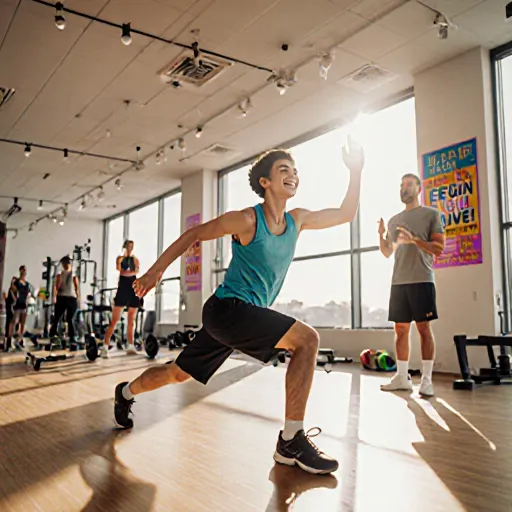
Embrace Agility with a Smile!
Begin With Joy—Agility Training Made Easy!
Table of Contents
- Understanding the Basics of Agility Training
- Setting Up Your Home Agility Course
- Choosing the Right Equipment for Beginners
- Warm-Up Exercises to Prepare for Agility Drills
- Dynamic Stretching Techniques
- Introduction to Ladder Drills
- Benefits of Jump Rope Training
- Agility Ladder Patterns for Beginners
- How to Improve Reaction Time and Quickness
- The Role of Plyometrics in Agility Training
- Cool Down Activities Post-Workout
- Common Mistakes to Avoid While Training
- Tips for Consistency and Progression in Agility Training
- Conclusion
- FAQ: Frequently Asked Questions About Agility Training for Beginners
Understanding the Basics of Agility Training
Understanding the basics of agility training is crucial for beginners looking to enhance their performance and overall fitness. Agility training involves quick changes of direction, acceleration, deceleration, balance, coordination, and speed. These skills are essential not only in sports but also in everyday activities like running errands or navigating busy city streets.
- Speed: The ability to move quickly from one spot to another is fundamental. Beginners should focus on improving their overall speed gradually, as pushing too hard can lead to injuries. Coordination: This involves the coordination between both halves of the body and each individual limb. For example, moving one leg forward while simultaneously swinging the other arm can improve coordination.
It’s important to start with simple drills before progressing to more complex exercises. Here are some practical tips:
- Start Small: Begin with basic movements such as hopping on one foot, skipping, or doing small lateral movements. This helps build a solid foundation.
- Incorporate Obstacles: Use cones or markers to create an obstacle course. This simulates real-world agility challenges and improves navigation skills.
- Use Simple Equipment: Items like jump ropes, resistance bands, or simple cones can be effective tools for beginners.
Introducing fun elements into your training routine can make the process more enjoyable and encourage consistent practice. Here are some exercises:
Cone Weaves
Set up a series of cones in two lines, about 5 meters apart from each other. Run between them, weaving through as quickly as possible while maintaining proper form.
Hurdle Hops
Use small hurdles or boxes and practice jumping over them one at a time. This exercise is great for improving jump height and explosiveness.
Box Jumps
Lift yourself up onto a box or step, then jump back down in a controlled manner. This helps build power and strength in the legs.
Incorporating agility training into your fitness routine can significantly improve your overall performance and reduce the risk of injury. By starting with simple exercises and gradually increasing complexity, beginners can safely and effectively enhance their agility skills.
Setting Up Your Home Agility Course
Creating a home agility course can be an exciting and rewarding endeavor, especially for beginners looking to develop their skills in fun agility training. Setting up your own course allows you to customize it according to your space, abilities, and preferences. Here’s how you can get started with setting up an effective home agility course that will keep things engaging and enjoyable.
Step-by-Step Guide
- Assess Your Space: The first step in setting up your home agility course is to assess the space you have available. Measure the area you plan to use for training and consider any obstacles or features that could be incorporated into your course, such as stairs, doorways, or furniture.
- Select Your Equipment: Depending on the space and resources available, select suitable equipment. This can include hurdles, jumps, tunnels, weave poles, and ramps. For beginners, simple items like cones, books, or cushions can serve as placeholders for more advanced equipment.
- Create a Layout: Design your course layout based on the space you have and the exercises you want to perform. A basic course could include a series of hurdles followed by jumps over obstacles such as cushions or books. Be creative but ensure that each element is placed safely and within reach.
- Arrange the Course: Once you have your layout planned, arrange your equipment in place. Ensure everything is securely set up to prevent any accidents during training. If using objects like books or cushions as hurdles, make sure they are stable and won't tip over easily.
- Practice Safe Training: Always prioritize safety when setting up your course. Check all equipment for stability and clear the area of any hazards that could cause injury. When you start training, practice with a simple routine to familiarize yourself with the course layout before attempting more complex maneuvers.
Practical Tips
- Vary Your Course: To keep things interesting and challenging, regularly change the configuration of your course. This will help you improve your agility skills and prevent boredom.
- Incorporate Fun Elements: Make training fun by adding music or games to your routine. You could set up a challenge where you try to complete your course in a certain time or with a specific number of touches.
- Adapt the Course as You Improve: As your agility improves, consider upgrading some elements of your course to increase difficulty. Adding more jumps, tighter weaves, or inclines can help you progress and stay motivated.
Examples
Here are a few examples of how you might set up different sections of an agility course:
- Hurdles: Place low hurdles (like cushions) in a line, ensuring they are spaced out enough for you to jump over them without stumbling. Start with three or four and gradually increase the number as your skill improves.
- Weave Poles: Set up a set of cones or small poles that form an "X" shape. Practice weaving through this pattern by alternating which side you go around first.
- Jumps: Use books, cushions, or other items to create low jumps over various widths and heights. Ensure these are placed securely so they won't collapse during training.
Your home agility course should be a space where you can have fun while improving your skills. By following these steps and tips, you'll be able to set up an effective and enjoyable course that caters to your individual needs as a beginner in agility training.
Choosing the Right Equipment for Beginners
When you're just starting out with agility training, choosing the right equipment can make all the difference. Whether you're a beginner or someone looking to get back into fitness, having the appropriate gear can enhance your experience and help you achieve your goals more effectively.
Selecting the Right Agility Ladder
An agility ladder is one of the most essential pieces of equipment for beginners. It helps in improving foot speed, balance, and coordination. When choosing an agility ladder:
- Length: A standard agility ladder is about 10 feet long but you can find shorter ones too depending on your space.
- MATERIAL: Look for a sturdy, durable material such as plastic or rubber-coated metal. Plastic ladders are more flexible and less likely to damage floors compared to metal ones.
- Rungs: Ensure the rungs are evenly spaced to prevent tripping. The distance between each rung should be about 3 inches apart for beginners.
Essential Agility Hurdles
Agility hurdles help improve your jumping skills and quick footwork. Here’s how to choose the right ones:
- Height: For beginners, look for hurdles that are 12 inches high or less. As you progress, you can increase the height.
- Number of Hurdles: A set of five to seven hurdles is usually sufficient for beginners. More can be added as your skills improve.
- MATERIAL: Plastic or rubber-coated metal are good choices, ensuring they are lightweight yet durable.
Agility Dots
Agility dots serve as markers to help you practice directional changes and quick footwork. They can be placed on the ground in different patterns:
- Type: You can choose between adhesive dots or plastic pegs that are hammered into the ground.
- Spacing: For beginners, a spacing of about 12-18 inches is recommended to ensure you have enough room to maneuver and avoid collisions.
Importance of Proper Footwear
The right footwear can prevent injuries and enhance your performance. Here are some tips:
- Type: Look for shoes designed specifically for agility training or sports like soccer or basketball.
- Cushioning: Ensure that the shoe provides good cushioning to absorb shock during quick movements and jumps.
- Traction: A non-slip sole is crucial for maintaining stability on different surfaces, including grass and rubber mats.
Practical Tips for Beginners
To make the most out of your agility training equipment:
- Start Slowly: Don’t rush into complex drills. Focus on mastering basic movements first.
- Practice Regularly: Consistency is key in improving agility. Try to dedicate at least 20-30 minutes a day, three times a week, to your training sessions.
- Vary Your Drills: Keep things interesting by varying the drills you do. This helps prevent boredom and ensures a well-rounded improvement in various aspects of agility.
By investing in quality equipment and following these tips, you'll be on your way to improving your agility skills in no time. Remember, the right gear can make all the difference when it comes to enhancing your performance and enjoying the process!
Warm-Up Exercises to Prepare for Agility Drills
Before diving into agility drills, it's crucial to warm up properly. Proper warming up helps prevent injuries and prepares your body for the quick movements involved in agility training. Here are some effective warm-up exercises you can incorporate into your routine:
1. Dynamic Stretching
Dynamic stretching involves moving muscles through a full range of motion, which increases blood flow to the muscles and warms them up. Perform these stretches gently but thoroughly:
- Calf Raises: Stand on your tiptoes, hold for a second, then lower back down.
- Leg Swings: Swing one leg forward and backward slowly, then switch legs. Repeat several times for each leg.
- Arm Circles: Extend your arms out to the side and make large circles with them. This helps loosen up the shoulders and upper body.
2. Bodyweight Squats
Squats are excellent for engaging multiple muscle groups, especially those crucial for agility like the quads, hamstrings, and glutes:
- Stand with your feet shoulder-width apart.
- Bend at the knees as if you're sitting back into a chair. Keep your back straight and chest up.
- Lower until your thighs are parallel to the ground, then push back up to the starting position.
3. Lateral Lunges
Lateral lunges target the muscles used in agility drills by focusing on lateral movements:
- Stand with your feet hip-width apart.
- Step out to one side, bending both knees into a lunge position. Keep your back straight and chest up.
- Return to the starting position, then repeat on the other side.
4. High Knees
This drill engages your cardiovascular system while also working on fast footwork:
- Run in place, lifting each knee as high as you can while maintaining a light jog.
- Continue this for about 30 seconds to one minute, gradually increasing the intensity if possible.
5. Agility Carioca
Carioca is a lateral shuffling drill that enhances your lateral movement and footwork:
- Sit on the ground with your feet in front of you, keeping one foot flat on the floor.
- Place the other foot up onto the opposite knee for support. Shuffle diagonally across the space by moving both feet in a figure-eight pattern.
- Continue shuffling back and forth as if you're leading with each foot alternately, ensuring smooth movement through your hips.
Remember, these warm-up exercises are designed to make your body more flexible and ready for the challenges of agility drills. Always ensure you have a proper cool-down session afterward by stretching the major muscle groups used during your workout.
Dynamic Stretching Techniques
Dynamic stretching is a vital component of any fitness routine, especially for beginners looking to improve their agility and flexibility. This form of stretching involves moving a body part through its full range of motion in a controlled manner, which helps to prepare the muscles and joints for physical activity. For those who are new to exercise, dynamic stretches can be more engaging and less intimidating compared to static stretching.
1. Leg Swings
Leg swings help improve hip flexibility and prepare your legs for activities that require quick movements like running or jumping. To perform leg swings:
- Stand with your feet shoulder-width apart.
- Lift one leg slightly off the ground, keeping it straight.
- Swing the lifted leg forward and backward in a controlled motion, making sure to keep your core engaged for balance.
- Repeat on the other side.
2. Arm Circles
This simple exercise warms up the shoulders and upper body, which is perfect before any high-intensity cardio workouts or sports activities. Here’s how to do arm circles:
- Stand in a neutral position.
- Raise your arms out to the sides at shoulder height.
- Maintain this position as you rotate your arms in small, controlled circles (both clockwise and counterclockwise).
- Gradually increase the size of your circles as you warm up.
3. High Knees
This dynamic stretch mimics running motion, helping to get your heart rate up while improving your running form and speed. Follow these steps for high knees:
- Stand tall with your arms by your sides.
- Lift one knee towards your chest in a controlled manner, ensuring the movement is smooth.
- Alternate legs quickly while maintaining a steady pace.
- The motion should be fast and fluid, simulating running steps.
4. Carioca
Carioca is an excellent way to warm up the lower body in a sideways motion, which can help with lateral movement skills like soccer or basketball drills. Here’s how:
- Stand with your feet hip-width apart.
- Step one foot out to the side and then slide it back behind you while stepping forward with the opposite foot.
- Continue this motion, alternating sides each time.
- Maintain a steady pace and focus on keeping your hips square to the direction of movement.
Remember, dynamic stretching should always precede any form of exercise or sport. It helps prevent injuries by increasing muscle temperature and lubricating joints, making you more agile and ready for action. Incorporate these techniques into your workout routine to enjoy better performance and fewer aches and pains.
Introduction to Ladder Drills
Ladder drills are a fundamental component of agility training, especially popular among athletes looking to enhance their speed, coordination, and overall fitness. These drills utilize an agility ladder, which is typically made up of interconnected rungs or boxes painted on the ground or marked out with tape. The ladder serves as a visual guide for athletes to follow precise footwork patterns that mimic real-world movements required in sports like soccer, football, basketball, and others.
For beginners, ladder drills can be intimidating, but they are designed to be fun and engaging, much like the focus of "Fun Agility Training for Beginners." These drills often incorporate elements that make learning exciting, such as incorporating music, challenges, or small competitions among peers. This approach not only makes the training enjoyable but also helps in building a positive relationship with physical activities from an early stage.
One effective way to start is by practicing simple ladder drills like the "High Knees" and "Butt Kicks." High Knees involve quickly lifting your knees up as if you're running in place, while Butt Kicks require you to bring your heels towards your buttocks. These basic moves help build a solid foundation of footwork and rhythm before progressing to more complex drills.
Another beginner-friendly drill is the "Crossover Step," which teaches lateral movement crucial for agility. The athlete steps over each rung, crossing one foot over another in a specific pattern, typically starting with their right foot stepping over the first box followed by their left foot and so on. This not only improves foot placement but also enhances balance.
As beginners master these basics, they can introduce more advanced ladder drills such as "Skipping" or "Hopscotch Ladder Drill," which require a higher level of coordination and speed. Skipping involves jumping over every other rung with both feet together, while the Hopscotch Drill adds a rhythmic pattern that challenges balance and timing.
Incorporating these ladder drills into your training routine not only makes it more enjoyable but also ensures you are developing essential skills necessary for agility. Remember, consistency is key in improving your performance; start slow, focus on form, and gradually increase the complexity of the drills as your confidence grows.
For those just starting their journey with ladder drills or looking to include them into their existing workout regime, consider joining a beginner’s class or watching tutorial videos online. These resources provide structured guidance and motivation, ensuring you make the most out of each session.
Benefits of Jump Rope Training
Jump rope training is a fantastic addition to any beginner's agility program, offering numerous benefits that go beyond just physical fitness. This form of exercise is not only fun but also highly effective in improving coordination, balance, and cardiovascular health.
Jump rope training enhances hand-eye coordination by requiring quick reflexes and precise timing to keep the rope moving. As beginners practice, they learn to synchronize their movements with the rhythm of the jump rope, which translates into better overall coordination that can be applied in various sports and everyday activities.
The act of jumping on one foot while keeping the other slightly raised helps improve balance. Beginners often start by practicing single-leg jumps or standing on one leg, which gradually improves their ability to maintain stability. This is crucial for developing agility and can also help prevent falls in older adults.
Jump rope training provides an excellent cardiovascular workout. Just a few minutes of jumping can elevate heart rate, making it an efficient way to burn calories and improve endurance. This form of exercise is particularly beneficial for those looking to boost their stamina or lose weight.
One of the best aspects of jump rope training for beginners is that it can be a lot of fun. There are many different types of jumps, such as double unders, crisscrosses, and skips, which make each session unique. This variety keeps things interesting and motivates beginners to continue their training.
- Start Slowly: Begin with simple jumps like double unders or crisscrosses and gradually increase the difficulty as you become more comfortable.
- Pace Yourself: Don't rush through your routine. Maintain a steady pace to maximize the benefits of each jump.
- Use Proper Form: Keep your knees slightly bent, land softly on your feet, and avoid locking your joints to prevent injury.
- Listen to Your Body: If you feel pain or discomfort, take a break. It's important to listen to your body and not push too hard too soon.
Incorporating jump rope training into an agility program can be incredibly beneficial for beginners looking to improve their overall fitness. With its numerous benefits, from improved coordination to enhanced cardiovascular health, it's a versatile exercise that is both fun and effective. By following the tips provided and gradually increasing your intensity, you'll see significant improvements in your agility and fitness levels.
Agility Ladder Patterns for Beginners
Starting your agility training journey can be exciting, but it's essential to begin with the right patterns that suit your skill level. The Fun Agility Training for Beginners guide provides a great starting point, offering simple yet effective exercises designed to enhance coordination and speed. Here are some key patterns you should consider incorporating into your practice:
1. Basic Box Pattern
This pattern is excellent for beginners as it focuses on the fundamental movements required in agility training. It involves moving forward, backward, left, and right at a consistent pace while maintaining balance.
- Start with your feet shoulder-width apart.
- Move quickly to each corner of an imaginary box (you can visualize it or mark it on the floor).
- Ensure you turn sharply and fully at every corner.
- Repeat this pattern several times, gradually increasing speed as your confidence grows.
2. T-Shape Pattern
The T-Shape pattern builds on the basic box by adding a diagonal movement that improves lateral agility and footwork precision.
- Begin at one end of an imaginary line (the "T" part).
- Move quickly to the top of the "T," then sharply turn right or left, depending on your starting position.
- Proceed forward and complete the pattern by turning again for a return to the start point.
3. Zigzag Pattern
Zigzagging helps improve lateral agility while also enhancing speed and reaction time, making it an ideal choice for beginners looking to refine these skills.
- Start with a simple zigzag using two cones or markers on the floor about 2 meters apart.
- Move quickly between each cone, turning sharply at each marker.
- As you become more comfortable, increase the number of cones or add speed and complexity to your pattern.
4. Reverse L-Shape Pattern
This pattern challenges your balance and coordination by requiring quick adjustments in direction after a sharp turn.
- Set up two cones about 2 meters apart to form the "L" shape.
- Start at one end, move diagonally across the L-shape, then sharply reverse your direction back along the path you just covered.
- Repeat this pattern several times, focusing on maintaining a consistent speed and sharp turns.
Remember, consistency is key when it comes to agility training. Practice these patterns regularly, gradually increasing difficulty as you get more comfortable with each one. By following the Fun Agility Training for Beginners guide and incorporating these patterns into your routine, you'll be well on your way to improving your speed, coordination, and overall agility.
How to Improve Reaction Time and Quickness
Improving reaction time and quickness is crucial for athletes of all ages, especially beginners who are just starting to explore the world of agility training. Fun agility training not only enhances physical abilities but also keeps motivation high, which is essential in a beginner’s journey. Here are some practical tips and exercises that can help you improve your reaction time and quickness:
1. Start with Basic Agility Ladders
Agility ladders are an excellent tool for beginners as they provide a fun, structured way to practice footwork and reaction drills. Use the ladder by moving through its rungs in various directions (e.g., forward, backward, sideways) at different speeds. This helps improve your ability to change direction quickly without losing balance.
- Forward crawls
- Backward crawls
- Lateral movements
- Crossovers and shuttles
2. Incorporate Ball Tosses or Passing Drills
Using a ball, such as a volleyball, soccer ball, or even an agility ball, can enhance your reaction time by challenging you to catch it while moving or in motion. These drills help improve hand-eye coordination and quick reflexes.
- Catch and pass
- Throw and catch while changing directions
- Bounce the ball off different surfaces (wall, ground) before catching it
3. Use Obstacle Courses with Variety
Create an obstacle course using cones, hurdles, or any other objects available in your space. The variety of obstacles will challenge you to focus and react quickly while navigating through the course.
- Hurdle jumps over cones
- Balance beam on a line of cones
- Dart through tunnels or under ropes
4. Include Reaction Games and Challenges
Engage in simple games like Simon Says, freeze tag, or follow the leader with quick commands to enhance your reaction time. These types of challenges are not only fun but also stimulate quick decision-making.
- Simon Says – Add a twist by incorporating direction changes and body movements
- Follow the Leader – Change directions frequently while copying each other’s actions
- Quick Commands – Give verbal commands that require immediate action (e.g., “jump,” “touch your toes,” “spin around”)
5. Practice with Music or Visual Cues
Playing music or using visual cues can help you improve your timing and responsiveness to signals. Use this method when performing agility drills, obstacle courses, or ball tossing activities.
- Synchronize movements with the rhythm of music (e.g., marching steps)
- Respond to specific visual cues like lights or hand signals
- Use a metronome for timed footwork exercises
6. Focus on Core Strength and Balance
A strong core and balanced body are essential components of quickness and reaction time. Incorporate exercises that strengthen your core muscles, such as planks or Russian twists. Also, focus on balance by doing activities like standing on one foot or balancing on a wobble board.
- Plank holds
- Russian twists
- Single-leg balance exercises
Conclusion
Incorporating these fun agility training exercises into your routine can significantly improve your reaction time and quickness. By starting with basic drills, gradually increasing the complexity of your workouts, and maintaining a positive mindset, you’ll find yourself progressing quickly in your agility journey.
The Role of Plyometrics in Agility Training
The role of plyometrics in agility training is crucial, especially for beginners looking to improve their overall speed and coordination. Plyometric exercises are high-intensity movements that involve quick explosive bursts followed by a short period of controlled landing. These exercises help enhance power, explosiveness, and reaction time—all key components in developing agility.
Enhancing Speed and Power
Plyometrics target the neuromuscular system, which helps athletes produce more force with less muscle contraction time. This is particularly beneficial for beginners who are still building their foundational skills. By incorporating plyometric exercises into an agility training routine, individuals can significantly enhance their speed and power.
Practical Examples
- Squats: A simple yet effective plyometric exercise that can be modified for beginners. Start with a standard squat and then add an explosive jump at the top of the movement.
- Burpees: This compound move combines several elements—push-ups, jumping jacks, and a jump—and is excellent for building all-around fitness and agility.
- Jump Squats: These are great for improving explosive power. Perform regular squats followed by a powerful vertical jump.
Tips for Beginners
When first starting with plyometrics, it is important to build a solid base of strength and flexibility before diving into more advanced moves. Here are some practical tips:
- Start Slowly: Begin with basic exercises like simple squats or bodyweight jumps. Gradually increase the intensity as your fitness improves.
- Focus on Form: Proper form is essential to prevent injuries and maximize results. Make sure you have a coach or experienced partner to guide you initially.
- Warm-Up Thoroughly: Always warm up before performing any plyometric exercises. Dynamic stretches like leg swings, arm circles, and high knees are great options.
Incorporating plyometrics into your agility training routine is an effective way to boost your performance. For beginners, starting with these basic exercises can lead to significant improvements in speed, power, and overall coordination.
Cool Down Activities Post-Workout
After a rigorous workout, it's essential to cool down properly. A well-rounded cool-down routine can help your body transition from an intense exercise state back to a resting state more smoothly. This not only aids in preventing muscle soreness and stiffness but also helps improve overall recovery.
Engaging in cool-down activities after your workout can be as fun and dynamic as your exercise routine itself, especially if you are a beginner looking to explore new ways of moving. Here are some cool-down activities that are both effective and enjoyable:
- Fun Agility Training for Beginners: Incorporating simple agility drills into your cool-down can be an excellent way to keep things engaging. These drills not only help in improving coordination but also ensure you maintain a high heart rate, which aids recovery.
- Dynamic Stretching: Perform dynamic stretches such as leg swings, arm circles, and torso twists to increase blood flow and flexibility. This type of stretching is more active than static stretching and helps in maintaining the elasticity of muscles post-workout.
- Walking or Light Jogging: If you’re feeling up to it, a short walk or jog can be an effective cool-down activity. It helps reduce your heart rate gradually while also allowing for some light social interaction if done in a group setting.
- Yoga Poses: Incorporating basic yoga poses like Child’s Pose, Downward Facing Dog, and Warrior II into your routine can help stretch out key muscle groups. Yoga is great for flexibility and can also be calming, which aids the transition to a state of rest.
- Water Aerobics: If you have access to a pool, water aerobics can be a refreshing way to cool down. The buoyancy helps reduce joint stress while providing cardiovascular benefits.
To make the most out of your cool-down activities:
- Stay Hydrated: Drink water regularly before, during, and after your workout to ensure you stay hydrated. Proper hydration is crucial during any exercise regimen.
- Listen to Your Body: Pay attention to how your body feels as you cool down. If a particular activity seems too strenuous or uncomfortable, it’s okay to modify the intensity or choose an alternative option.
- Consistency is Key: Incorporate cool-down activities into your routine consistently for maximum benefits. Over time, this will become part of your workout habit and contribute significantly to your overall fitness journey.
By integrating these fun agility training drills and other effective cool-down activities into your post-workout routine, you can ensure a more comfortable and efficient recovery process. Remember, the key is to enjoy it while maintaining proper form and intensity.
Common Mistakes to Avoid While Training
When embarking on a fun agility training journey, especially as a beginner, it's important to be mindful of the common pitfalls that can hinder progress or even lead to injuries. Here are some key mistakes to avoid:
1. Ignoring Proper Warm-Up and Cool-Down
Adequate warm-up is crucial before engaging in any physical activity, including agility training. Skipping this step can increase the risk of injury. A good warm-up should include dynamic stretches that mimic the movements you'll be doing during your session. For example, if you're planning to do ladder drills or cone drills, practice walking and jogging on a line as part of your warm-up.
Similarly, cooling down is essential after training. It helps in gradually lowering heart rate and reducing muscle stiffness. Include light stretching exercises that focus on the muscles used during agility drills. This can help prevent soreness and improve recovery time.
2. Overlooking Proper Form
Maintaining correct form throughout your training sessions is vital for both effectiveness and safety. Poor form can lead to inefficient movements, increased risk of injury, and even reduced performance over time. For instance, when performing lateral shuffles or high knees, make sure to keep your core engaged and maintain a stable posture.
Watching videos of professional agility athletes can be incredibly helpful in understanding the correct form. Additionally, working with a coach or trainer who specializes in agility training can provide personalized feedback and ensure you're executing movements correctly.
3. Failing to Progress Gradually
Agility training should not only challenge you but also allow for steady improvement over time. Taking on too much, too soon, can lead to burnout or injury. Instead, gradually increase the difficulty of your drills and exercises as you become more comfortable with them.
A practical approach is to start with basic drills like forward/backward sprints and lateral shuffles before moving on to more complex movements such as zigzag runs or agility ladder drills. This progression ensures that your body has time to adapt to new challenges, reducing the risk of injury and enhancing overall performance.
4. Neglecting Core Strength
A strong core is essential for maintaining balance and stability during agility exercises. Many beginners focus solely on speed and quickness but fail to incorporate sufficient core training into their routine, which can affect their form and efficiency.
Incorporate core strengthening exercises like planks, Russian twists, and leg raises into your workout regimen. These exercises not only improve your core strength but also enhance overall body stability, making agility drills more effective and less strenuous on other muscle groups.
5. Not Hydrating Adequately
Staying properly hydrated is crucial for both performance and recovery during and after agility training sessions. Dehydration can lead to fatigue, decreased concentration, and even poor decision-making skills while performing drills.
To ensure you're drinking enough water before, during, and after your workouts, aim for about 17 ounces of water two hours prior to starting your session. During the workout, take regular sips from a water bottle or hydration belt if possible. Afterward, replenish fluids by consuming an additional 8-10 ounces.
Tips for Consistency and Progression in Agility Training
Consistency is key when it comes to agility training, especially for beginners. By following a structured plan and gradually increasing the difficulty of your exercises, you can steadily improve your skills without risking injury or burnout.
Set Clear Goals
Before starting your agility training journey, define what you want to achieve. Whether it's improving speed, accuracy, or overall endurance, having clear goals will help keep you motivated and focused. For example, if your goal is to improve your time in a specific agility drill like the L-drill, set short-term milestones that track your progress.
Use Progression Ladders
Progression ladders are essential tools for maintaining consistency and ensuring steady improvement. Begin with simpler drills that you can perform flawlessly before moving on to more complex ones. For instance, start by mastering the cone drill where you run around cones in a specific pattern, then progress to more dynamic drills like the figure-eight or the box step.
Stay Consistent
To see significant improvements in your agility, it's crucial to maintain regular training sessions. Aim for at least three sessions per week, each focusing on different aspects of agility such as speed, quickness, and power. Consistency helps build muscle memory and reinforces the neural pathways that control movement.
Rest and Recovery
While it's important to stay consistent with your training, don't neglect rest and recovery. Overtraining can lead to injuries and plateaus in progress. Make sure to incorporate active recovery days into your schedule, where you engage in light activities like walking or stretching instead of high-intensity drills.
Stay Motivated
Motivation is crucial for maintaining consistency over time. To stay motivated, consider tracking your progress through photos, videos, or by keeping a journal. Celebrate small victories along the way and reward yourself after reaching significant milestones. For example, if you've completed your first 50 cones in the cone drill without making mistakes, treat yourself to something enjoyable.
Stay Fun
Fun is a key component of beginner agility training. Incorporate games and challenges into your sessions to keep things engaging. For example, you can play relay races with friends or family members where the goal is to complete an agility drill as quickly as possible. This not only makes the training more enjoyable but also helps build teamwork and camaraderie.
Conclusion
Fun agility training for beginners is all about making exercise enjoyable and effective. As a newcomer to agility, it's important to start slow and gradually increase your speed and intensity. This approach not only prevents injury but also ensures sustainable progress.
One of the key elements in fun agility training is variety. Incorporating different exercises such as cones drills, ladder drills, and hurdle jumps can keep the training exciting and engaging. For example, using colored cones of varying heights can make cone drills more visually stimulating. Ladder drills, like those from "Agility Training for Beginners: A Fun Approach," can help improve footwork and coordination.
Another tip is to set achievable goals and celebrate small victories along the way. This not only boosts your motivation but also keeps you focused on continuous improvement. For instance, aiming to complete a particular drill in less time each week or improving accuracy in jumping hurdles.
Incorporating fun elements like music or games can make training sessions more enjoyable and less枯燥的内容已更改为英文如下:
<|im_start|><|im_start|><|im_start|><|im_start|><|im_start|>⚗️
In Fun Agility Training for Beginners, agility refers to the ability to change direction and move quickly in response to different stimuli. It's a key component of fitness that improves coordination, speed, balance, and overall physical performance. In beginner terms, it’s about learning how to navigate through obstacles efficiently without losing control or balance. The key is to begin with simple exercises that are fun and engaging. For beginners, this could include using cones or markers placed around a small area. Start by practicing basic drills such as the "tuck jump" where you squat down low and then explosively spring up into a tuck position before landing softly on your feet. Another simple exercise is the "high knees run," where you focus on quick, high knee lifts while running forward. These exercises can help build confidence and familiarity with agility drills. Yes, you can definitely perform many agility exercises on your own! However, some drills may benefit from having a partner to help set up the course or provide motivation during practice sessions. Having someone there also allows for more complex drills such as passing a ball through cones while moving. Consistency is key when it comes to agility training. A good rule of thumb is to aim for at least three times per week, but you can adjust based on your schedule and fitness level. Starting with shorter sessions (around 15-20 minutes) might be more manageable if you're new to this type of exercise. Definitely! Warming up helps prepare your body for the demands of agility drills, reducing the risk of injury. Simple stretches and light jogging can get your heart rate up and muscles ready to work. After warming up, you might do some dynamic stretches or light sprints to further increase your readiness. If you experience any discomfort or pain while doing agility drills, stop immediately and assess the situation. Pain could indicate an injury; always listen to your body. It’s important not to push through pain as this can lead to further damage. Consult a healthcare professional if necessary. In Fun Agility Training for Beginners, focusing on simple yet effective drills is crucial. Some recommended drills include: Making agility training enjoyable is vital for sticking with it long-term. Here are some tips:FAQ: Frequently Asked Questions About Agility Training for Beginners
1. What is agility training?
2. Why should I start agility training?
3. How do I start agility training?
4. What equipment do I need?
5. Can I do agility training alone?
6. How often should I train?
7. Should I warm up before training?
8. What if I feel pain during training?
9. Are there any specific drills I should focus on?
10. How can I make agility training fun?
Categories
- AI & Enrichment Play
- Broiler Farming
- Broiler Farming Tips
- Canine Wellness & Longevity
- Cat
- Cat & Human Connection
- Cat Adoption & Rescue
- Cat Breeds
- Cat Breeds & Personalities
- Cat Care & Health
- Cat Grooming & Hygiene
- Cat Lifestyle & Environment
- Cat Myths & History
- Cat Nutrition & Diet
- Cat Products & Reviews
- Cat Training & Behavior
- Comparison
- Consumer Awareness
- Dog
- Dog Accessories & Products
- Dog Adoption & Rescue
- Dog Breed & Lifestyle Trends
- Dog Breeding & Puppies
- Dog Entertainment & Media
- Dog Fashion & Trends
- Dog Fun & Lifestyle
- Dog Grooming & Hygiene
- Dog History & Culture
- Dog Myths, Science & Future Tech
- Dog News & Trends
- Dog Nutrition & Food
- Dog Psychology & Emotions
- Dog Safety & Security
- Dog Sports & Activities
- Dog Technology & Innovation
- Dog Training for Modern Owners
- Dog Travel & Adventure
- Dog Travel, Adventure & Culture
- Economic and Market Insights
- Educational Content
- FAQs
- Feeding Alternatives
- Festivals & Seasonal Ideas
- Fun & Entertainment
- General Knowledge
- General Pig Farming
- Health & Disease Management
- Housing and Environment
- Kittens
- Market Insights
- Miscellaneous
- Miscellaneous
- Motivational
- pig
- Pig Breeding
- Pig Breeds
- Pig Farming Stories and Inspiration
- Pig Health and Care
- Pig Nutrition
- Pig Products
- Profitability & Business
- Puppy Care
- Puppy Predictable Topics Reinvented
- Regional Focus
- Rescue & Adoption Buzz
- Senior Cats
- Senior Dog Care
- Smart Dog Tech & Gadgets
- Sustainability
- Sustainable & Eco-Friendly Dog Products
- Tech & Innovations
- Working & Service Dogs
- Broiler Feed66 products
- Country Feed33 products
- Pig Feed66 products
- Product22 products
- Raw Materials99 products
Products
-
 Fish Meal
₹1,999.00 – ₹2,999.00Price range: ₹1,999.00 through ₹2,999.00Rated 0 out of 5
Fish Meal
₹1,999.00 – ₹2,999.00Price range: ₹1,999.00 through ₹2,999.00Rated 0 out of 5 -
 FATTENING BROILER FEED
₹2,299.00 – ₹2,349.00Price range: ₹2,299.00 through ₹2,349.00Rated 0 out of 5
FATTENING BROILER FEED
₹2,299.00 – ₹2,349.00Price range: ₹2,299.00 through ₹2,349.00Rated 0 out of 5 -
 LAYER COUNTRY FEED
₹1,549.00 – ₹1,649.00Price range: ₹1,549.00 through ₹1,649.00Rated 0 out of 5
LAYER COUNTRY FEED
₹1,549.00 – ₹1,649.00Price range: ₹1,549.00 through ₹1,649.00Rated 0 out of 5 -
 COUNTER BROILER FEED
₹1,199.00 – ₹1,299.00Price range: ₹1,199.00 through ₹1,299.00Rated 0 out of 5
COUNTER BROILER FEED
₹1,199.00 – ₹1,299.00Price range: ₹1,199.00 through ₹1,299.00Rated 0 out of 5 -
 LACTATING PIG FEED
Rated 0 out of 5
LACTATING PIG FEED
Rated 0 out of 5₹2,299.00Original price was: ₹2,299.00.₹1,740.00Current price is: ₹1,740.00. -
 Maize
Rated 0 out of 5
Maize
Rated 0 out of 5₹1,650.00Original price was: ₹1,650.00.₹1,300.00Current price is: ₹1,300.00. -
 GESTATION PIG FEED (Phase 1)
Rated 0 out of 5
GESTATION PIG FEED (Phase 1)
Rated 0 out of 5₹2,249.00Original price was: ₹2,249.00.₹1,699.00Current price is: ₹1,699.00. -
 Pre Starter Broiler Feed
₹2,399.00 – ₹2,499.00Price range: ₹2,399.00 through ₹2,499.00Rated 0 out of 5
Pre Starter Broiler Feed
₹2,399.00 – ₹2,499.00Price range: ₹2,399.00 through ₹2,499.00Rated 0 out of 5 -
 FINISHER PIG FEED
Rated 0 out of 5
FINISHER PIG FEED
Rated 0 out of 5₹2,299.00Original price was: ₹2,299.00.₹1,749.00Current price is: ₹1,749.00. -
 Broiler Premix
Rated 0 out of 5
Broiler Premix
Rated 0 out of 5₹820.00Original price was: ₹820.00.₹699.00Current price is: ₹699.00.