
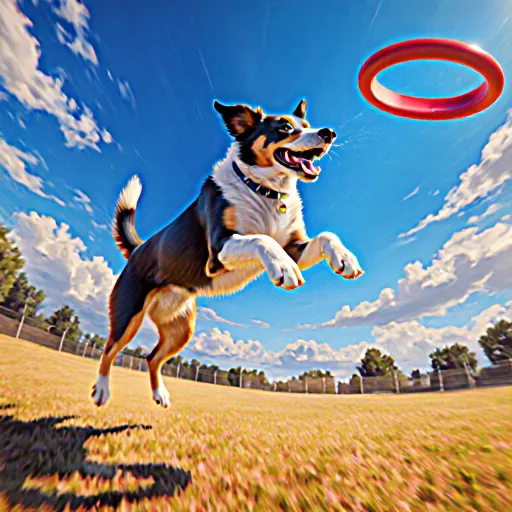
Unlock Your Dog's Agility with These Frisbee Tricks!
Frisbee Secrets to Boosting Dog Agility
Table of Contents
- Introduction to Frisbee Training
- Benefits of Frisbee Training for Dogs
- Equipment Needed for Frisbee Training
- Choosing the Right Frisbee for Your Dog
- Basic Commands Every Trainer Should Know
- Setting Up a Safe Training Area
- Training Techniques to Get Started
- Positive Reinforcement in Frisbee Training
- Advanced Frisbee Tricks and Skills
- Maintaining Your Dog's Fitness During Training
- Common Mistakes to Avoid in Frisbee Training
- Tips for Keeping Your Dog Engaged and Motivated
- Conclusion of Frisbee Training for Active Dogs
- Frequently Asked Questions (FAQ)
Introduction to Frisbee Training
Frisbee training is a dynamic and engaging way to enhance your dog's physical fitness, mental stimulation, and overall well-being. For active dogs, frisbee training offers an excellent opportunity to channel their energy in positive and healthy ways while strengthening the bond between you and your pet. This form of exercise is not only fun but also helps prevent behavioral issues that can arise from boredom or excessive energy.
The goal of frisbee training for active dogs is multifaceted, encompassing both physical health and mental acuity. Active dogs are often those with high energy levels and a strong desire to play, making them perfect candidates for frisbee training. By incorporating frisbee into your routine, you can help your dog burn calories, improve muscle tone, and increase cardiovascular endurance. Additionally, the sport encourages problem-solving skills as your dog learns to anticipate throws, catch accurately, and retrieve the disc.
Frisbee training for active dogs is broken down into several key components: fetch techniques, catching drills, and agility exercises. Fetch techniques teach your dog how to locate, approach, and carry back the frisbee safely. Catching drills focus on developing hand-eye coordination and timing, ensuring that your dog can consistently catch the disc accurately. Agility exercises enhance speed, balance, and reflexes, preparing your dog for more complex maneuvers.
To get started with frisbee training, it's important to select an appropriate frisbee size and type based on your dog’s breed and size. For instance, smaller breeds may benefit from a smaller disc while larger breeds can handle the standard-sized frisbees. Proper form during throwing is also crucial; ensure that you throw the disc in an arc rather than straight down, to make it easier for your dog to catch.
Before beginning any training session, always warm up your dog with a brief walk or some light exercise to prevent injuries. Start with short sessions and gradually increase duration as your dog becomes more comfortable with the exercises. Consistency is key; regular practice will help your dog develop the necessary skills more quickly.
Here are a few practical tips for successful frisbee training:
- Use positive reinforcement: Reward your dog with treats, praise, or play when they successfully retrieve and deliver the disc.
- Practice in various locations: Try different environments such as a park, backyard, or even at home to expose your dog to varying conditions.
- Gradually increase difficulty: Start with basic exercises and gradually introduce more advanced techniques like flying disc competition-style training.
Frisbee training for active dogs is an enjoyable way to keep your pet fit and happy. By dedicating time each week to this activity, you can ensure that your dog remains healthy and has plenty of opportunities to express its natural instincts in a safe and controlled environment.
Benefits of Frisbee Training for Dogs
Frisbee training for active dogs offers a wide array of benefits that go beyond just the joy and excitement of playing fetch. It is an excellent way to channel excess energy, strengthen bonds between pets and their owners, and improve overall physical health and mental well-being.
Frisbee training provides a full-body workout that helps dogs build muscle, increase stamina, and improve coordination. Regular play sessions can help reduce stress on the joints by providing low-impact exercise. For instance, a medium-sized dog like a Golden Retriever can burn up to 300 calories during an hour of frisbee training.
The interactive nature of frisbee training fosters a deeper connection between dogs and their owners. During the game, both parties communicate through body language, which strengthens trust and understanding. This reciprocal relationship encourages mutual respect and cooperation.
Frisbee training challenges dogs' problem-solving skills and cognitive abilities by requiring them to focus on their owner's commands while maintaining a high level of excitement. A Border Collie, for example, can learn complex commands like "fetch" or "drop" during frisbee sessions that vary in difficulty.
The structured nature of frisbee training helps teach dogs essential behaviors such as listening to commands, staying calm under pressure (e.g., when a disc is thrown), and returning the disc promptly. Regular practice can significantly improve a dog's obedience and responsiveness.
Frisbee training can help prevent destructive behaviors that often arise from boredom or pent-up energy in active dogs. By providing an outlet for physical activity, it reduces the likelihood of behavioral problems like digging, chewing, or excessive barking.
Moreso than just a game, frisbee training is pure entertainment for both dogs and their owners. It creates positive associations with playtime, which can be highly motivating for dogs to participate in other activities. For instance, after playing frisbee, a dog may show greater enthusiasm during walks or other training exercises.
Participating in organized frisbee events or classes can help socialize your dog with other dogs and people. This exposure enhances their ability to interact calmly and confidently, which is beneficial for both the dog's social skills and overall well-being.
In conclusion, frisbee training offers numerous benefits that contribute to a healthier, happier, and more balanced life for active dogs. By incorporating this activity into your routine, you can ensure your pet receives the exercise it needs while also enjoying quality time together with its owner.
Equipment Needed for Frisbee Training
When training active dogs for frisbee, having the right equipment can make all the difference. The following items are essential to ensure your dog gets the best training experience and stays safe during play.
Frisbees
The quality of the Frisbees you use will greatly impact your dog's performance and enjoyment. Opt for sturdy, high-quality frisbees that can withstand frequent use without losing their shape or flying characteristics. There are various types of frisbees designed specifically for different breeds and training styles. For instance:
- Plastic Frisbees: These are great for general play and can be found in a variety of sizes. They are lightweight and easy to catch.
- Disc Golf Frisbees: If you're looking for precision, consider these frisbees which are slightly heavier than standard ones and have better flight characteristics.
Treats
Motivating your dog is crucial during training sessions. Use small, high-value treats that your dog finds irresistible. These can be pieces of cheese, small bits of chicken, or commercially available training treats. The key is to use them sparingly as rewards for good behavior and performance.
Leash
A durable leash is necessary during initial stages of training when you're still working on basic commands like "come" and "sit." Look for a lightweight, comfortable option that doesn't hinder your dog's movement. Additionally, a retractable leash can be useful for more advanced training as it provides freedom while ensuring safety.
Water Bottle
Hydration is important, especially during longer training sessions or on hot days. Carry a water bottle to keep both you and your dog hydrated. This ensures that you're ready to continue training without interruptions due to thirst.
Dog Harness (Optional)
A harness can be more comfortable for your dog, especially if they pull excessively on the leash or have sensitive skin around their neck. It provides a better grip and control during active activities like frisbee training.
Additional Tips:
- Always supervise playtime to ensure safety.
- Start with shorter, more frequent sessions as dogs can get easily fatigued during physical exercises.
- Cool down your dog after training sessions by giving them time to rest and hydrate properly.
Your dog’s enthusiasm for frisbee should be evident when they are well-equipped. By providing the necessary equipment, you not only enhance their training but also strengthen your bond through shared activities.
Choosing the Right Frisbee for Your Dog
When it comes to frisbee training for active dogs, choosing the right frisbee can make all the difference. Not only does the right frisbee enhance your dog's performance and enjoyment, but it also helps in preventing injuries by ensuring the disc is suitable for the size and strength of your pet.
Considerations for Your Dog
- Dog Size: Larger dogs generally require larger frisbees to have enough surface area for a secure grip. Smaller breeds might struggle with smaller discs, which can lead to improper throws and potential injury.
- Energy Level: Active dogs will benefit from a heavier or more aerodynamic disc that stays in the air longer, allowing them to run and catch it multiple times without tiring as quickly. For less energetic dogs, lighter discs are preferable as they are easier to throw and catch.
- Durability: Dogs can be rough with their toys, so a durable frisbee made from materials like plastic or rubber is essential for long-lasting playtime. Avoid softer materials that might get chewed up too quickly.
Material and Design
The material of the frisbee can greatly affect its flight pattern, durability, and how well it suits your dog's needs:
- Plastic Frisbees: These are lightweight and popular choices for beginners. They offer good aerodynamics and durability but might not be as durable against aggressive chewing.
- Rubber Frisbees: More durable than plastic, rubber frisbees can withstand more abuse from your dog’s teeth while still providing a good grip. However, they are heavier and less aerodynamic.
- Squishy Frisbees: While these may seem fun, they often have less longevity as they are easily damaged by chewing and can break down quickly.
Practical Tips for Training
To get the most out of frisbee training sessions with your active dog:
- Consistent Practice: Regular practice helps improve coordination and strengthens the bond between you and your dog. Try to incorporate frisbee play into daily routines.
- Vary Your Throws: Mix up your throwing style—underhand, overhand, sidearm—to keep things exciting and challenge your dog’s skills.
- Positive Reinforcement: Reward good catches with praise or treats to encourage continued participation. This not only motivates your pet but also makes the training enjoyable for both of you.
Conclusion
Selecting the right frisbee is just as important as selecting the right training techniques when it comes to frisbee training for active dogs. By considering factors like your dog's size, energy level, and activity preferences, you can ensure that both you and your pet have a fun and rewarding experience every time.
Basic Commands Every Trainer Should Know
Frisbee training is all about building a strong bond with your active dog, teaching them to follow commands and play safely. Here are some essential commands every trainer should know for their frisbee-loving pup:
1. Sit
The "sit" command is fundamental in frisbee training because it helps manage the dog's focus and energy levels. By teaching your dog to sit before throwing, you create a routine that signals playtime is about to begin.
- Steps:
- Show your dog a treat or toy in one hand.
- With the other hand, gently lift their bottom toward you, while saying "sit."
- Praise and reward when they sit correctly.
Tips: Practice this command in different environments to ensure your dog understands it consistently. Consistency is key!
2. Drop It
The "drop it" command helps prevent resource guarding and ensures you can retrieve the frisbee when necessary without causing stress or competition over the toy.
- Steps:
- Throw the frisbee to your dog, but as they are about to pick it up, gently pull their paw away and say "drop it."
- Praise and reward for dropping the toy immediately.
Tips: Always ensure your dog associates this command with positive reinforcement. It can be particularly useful in high-energy situations to prevent territorial behavior.
3. Come
The "come" command is crucial for safety and control during frisbee play. You want your dog to come directly back to you, even if they are focused on the frisbee or another toy.
- Steps:
- Call out "come" in a firm but welcoming tone.
- Show enthusiasm and reward your dog as soon as they reach you.
Tips: Practice this command frequently, especially in different locations. Use high-value treats or toys to motivate your dog to come quickly.
4. Leave It
The "leave it" command is essential for preventing accidents and reinforcing good behavior around the frisbee on the ground or in public places. This helps ensure that your dog does not eat something they should not.
- Steps:
- Show a treat or object to your dog, but do not let them have it yet. Instead, say "leave it."
- Wait until you give the okay before they can take it.
Tips: Consistently use this command in various settings to build trust and obedience. Positive reinforcement is key here too!
5. Stay
The "stay" command teaches your dog to remain in a specific position until you give the release signal, which can be helpful during frisbee training when you need your dog to wait for a command or signal.
- Steps:
- Have your dog sit or lie down in front of you.
- Say "stay" and take a step back while holding their eye contact.
- Praise them if they stay, and reward when you return to them.
Tips: Start with short stays and gradually increase the duration. Consistency is key in reinforcing this command effectively.
Conclusion
These basic commands form the foundation of frisbee training for active dogs. By consistently teaching these commands, you not only enhance your dog's obedience but also ensure a more enjoyable and safer playing experience. Remember, positive reinforcement is at the heart of effective training.
Setting Up a Safe Training Area
Creating a safe training area is crucial for Frisbee training with active dogs. This ensures that your dog can practice safely, learn new tricks, and build confidence without the risk of injury or stress.
Selecting the Right Location
The first step in setting up a safe training area is choosing the right location. Ideally, you should select an open space where there are no obstacles like trees, fences, or people who might distract your dog. This could be a park, a large backyard, or even a dedicated training field.
Clearing Obstacles
Once you have chosen the location, clear any obstacles that could pose a danger to your dog. This includes removing rocks, sharp objects, and other potential hazards. You should also ensure that the ground is even and free of holes or uneven surfaces.
Marking Boundaries
Using cones or markers can help define the boundaries of your training area. This not only keeps your dog within a safe space but also helps in organizing drills and exercises. For instance, you can use cones to create a specific pattern for your dog to run through.
Checking for Wind Direction
When setting up the training area, pay attention to the wind direction. It’s best to have your dog catching the Frisbee against the wind or with the wind at their back. This ensures that the dog can catch it more easily and helps in reducing the risk of losing control over the disc.
Providing Shade
During hot weather, providing shade is essential to keep your dog comfortable and safe. Dogs can quickly get overheated, which can lead to heatstroke. Setting up a canopy or using large umbrellas can provide necessary shade for both you and your dog.
Educating Your Dog
Before starting any training, make sure that your dog understands the boundaries of the safe area. Teach them commands like "stay," "sit," and "come" to reinforce their obedience. This helps in ensuring they stay within the designated area during practice sessions.
Practical Tips
- Use a Timer: Set short training intervals (about 15-20 minutes) to avoid fatigue and keep your dog motivated.
- Stay Active: Incorporate breaks where you both can play or take a walk. This helps in maintaining the dog's energy levels and enthusiasm for Frisbee training.
- Vary the Routine: Change up the exercises, such as throwing from different angles or heights, to keep things interesting and challenging for your dog.
Example Scenarios
Imagine you are setting up a training area in a local park. You clear away all debris, set up cones to define the boundaries, and use a canopy to provide shade. Then, you practice throwing the Frisbee against the wind, ensuring your dog can catch it comfortably. By following these steps, you create an ideal environment for both fun and effective training.
Training Techniques to Get Started
Frisbee training is a fantastic way to keep your active dog mentally and physically stimulated. It’s not just about catching the disc; it's also about building a bond between you and your pet, teaching them obedience commands, and improving their physical fitness. Here are some effective techniques to get started:
1. Start with Basic Commands
Before diving into frisbee training, make sure your dog knows basic commands like "sit," "stay," "come," and "leave it." These commands form the foundation for more advanced tricks and behaviors.
- Sit: Hold a treat above your dog's head, encouraging them to look up. As their nose follows the treat, their bottom will naturally lower into a sitting position. Say "sit" as they do so and reward with the treat.
- Come: Use a high-pitched voice that captures your dog’s attention. Hold the leash (if indoors) or stand in an area where you can control their movement. Call out “come” and gently tug on the leash if they hesitate, guiding them back to you.
- Stay: Start with a sit command. Then extend your hand palm-up while saying "stay." If your dog moves from the stay position, calmly say "sit" again until they comply before rewarding them for staying still.
2. Introduce Your Dog to the Frisbee
Once your dog understands basic commands, it's time to introduce them to the frisbee. Start by letting them sniff and investigate the disc. This helps reduce fear or anxiety they may have towards the new object.
- Toss and Retrieve: Toss the frisbee a short distance and encourage your dog to fetch it back. Praise and reward enthusiastically when they return with the disc.
- Teach Them to Drop It: When your dog brings the frisbee back, gently push their nose down onto the ground or give them a command like "drop" while holding a treat close to their nose. Reward by giving them the treat and allowing them to retrieve the disc again.
3. Practice in Controlled Environments
Begin your training sessions in an enclosed area such as a backyard or park with few distractions. This allows you both to focus on learning without external disruptions.
- Set Boundaries: Use markers like cones or lines of tape to define the boundaries for your dog’s practice space. Make sure they understand where their limits are during training.
- Vary the Tosses: Incorporate different types of tosses—high, low, wide, and fast—to challenge your dog and make learning more engaging.
4. Gradually Increase Difficulty
As your dog becomes proficient at basic frisbee skills, gradually increase the difficulty level by introducing new commands or adding distractions.
- Add Distractions: Start practicing in environments with more people and other dogs to help your dog learn how to focus on you amidst chaos.
- Incorporate More Commands: As your dog gets better, add new commands like "leave it," "wait," or even advanced tricks such as retrieving the frisbee from a specific location or bringing it back on command.
5. Stay Positive and Patient
The key to successful frisbee training is consistency, positivity, and patience. Always keep your sessions fun and enjoyable for both you and your dog. Celebrate small victories along the way to maintain motivation.
- Use Treats Wisely: While treats are a great motivator during training, avoid overusing them once your dog is more advanced at catching frisbees.
- Play and Bond: Frisbee training is not just about teaching commands; it's also an excellent opportunity to bond with your pet. Enjoy the process and make these sessions a highlight of your day!
Positive Reinforcement in Frisbee Training
Positive reinforcement plays a crucial role in training active dogs for frisbee. This method focuses on rewarding desired behaviors, encouraging repetition, and enhancing the bond between the dog and handler. Effective use of positive reinforcement can significantly improve training outcomes and ensure that your dog enjoys the experience.
Positive reinforcement in frisbee training involves using rewards—such as treats, praise, or playtime—to encourage specific behaviors. The key is to recognize and reward the exact moment a behavior occurs. This helps the dog understand which actions lead to positive outcomes, making it more likely for them to repeat those behaviors.
Types of Rewards
- Treats: Small, high-value snacks can be used as immediate rewards for quick learning. Ensure the treats are appropriate for your dog's size and dietary needs.
- Praise: Verbal praise or a simple "good boy/girl" can serve as positive reinforcement, especially during complex training sessions.
- Playtime: Engaging in play with the frisbee itself is an excellent reward for dogs that love it. This not only reinforces the behavior but also strengthens your bond.
The success of positive reinforcement depends heavily on consistency and timing. Rewarding a dog immediately after they perform the desired action ensures they make the connection between their behavior and the reward. For instance, if you want your dog to catch the frisbee with its mouth instead of biting it, praise or treat them the moment they do so.
Practical Tips
- Pick a quiet time: Find moments when there are fewer distractions for both you and your dog to focus on training.
- Use consistent commands: Always use the same words or phrases every time you want your dog to perform a specific action.
- Stay patient: Training takes time, so be prepared to repeat exercises multiple times. Positive reinforcement is about rewarding effort and progress, not perfection.
To effectively train your dog for frisbee, you need to work on specific skills such as fetching, catching, and returning the disc. Here’s how positive reinforcement can help:
- Fetching: Start with short distances and gradually increase them once your dog is comfortable. Reward every successful attempt.
- Catching: Encourage a soft mouth by throwing the frisbee at different heights, ensuring it lands softly on the ground for easy retrieval. Praise or treat each catch.
- Returning: Use a return command and reward your dog when they bring the disc back to you without biting or damaging it.
Incorporating positive reinforcement into frisbee training not only makes learning enjoyable for your active dog but also strengthens your relationship. By rewarding good behavior, you teach your pet what actions lead to success and enjoyment in the sport.
Advanced Frisbee Tricks and Skills
Mastering advanced frisbee tricks and skills can significantly enhance your dog's training experience, making playtime more engaging and challenging. These skills not only improve your dog’s athleticism but also deepen the bond between you both. Below are some of the most effective advanced frisbee techniques that you can incorporate into your routine.
- High Fly Catch: This trick involves catching the disc at its highest point in the air. To teach this, start by throwing the frisbee to a height that your dog can easily reach. Praise and reward when they catch it successfully. Gradually increase the height as their skill improves.
- Tip: Use consistent commands like "up high!" or "catch it!" to help your dog understand what you want them to do.
- Catch on the Run: Teach your dog to catch while running towards you. This requires excellent timing and coordination, so start slow and gradually increase speed as they get more comfortable. Begin with short distances before attempting longer ones.
- Tip: Use positive reinforcement consistently throughout the training process to keep your dog motivated.
- One-Handed Catch: This advanced catch involves catching the disc one-handed, which shows precision and confidence. Start by holding a treat in your non-throwing hand as an incentive for your dog to focus on the frisbee instead of trying to get at the food.
- Tip: Gradually increase the difficulty by throwing from different angles and distances.
- Body Barriers: This involves using your body as a barrier or obstacle while catching the frisbee. To teach this, start by placing an object like a cone in front of you to simulate a body barrier. Gradually move the object away and increase the complexity.
- Tip: Always ensure that your dog is comfortable with each new level of difficulty before moving on.
- Aerial Tricks: Incorporate aerial tricks such as flips, rolls, and spins into your frisbee games. These require a lot of practice and patience but can make the game more exciting for both you and your dog.
- Tip: Use video recordings to analyze your dog's movements and identify areas where they need improvement.
- Juggling: Juggling multiple frisbees can be a fun and challenging skill for both you and your dog. Start with just two discs and gradually increase the number as your dog becomes more proficient.
- Tip: Practice in an area free from distractions to help your dog focus on the task at hand.
- Doggy Disc Golf: Combine frisbee with disc golf by creating a mini course in your backyard. This not only adds variety but also challenges your dog's mental and physical abilities.
- Tip: Set up different types of obstacles like cones or hurdles to enhance the complexity of the game.
- Disc Obstacle Course: Create an obstacle course using various household items such as chairs, pillows, and mats. This will improve your dog’s agility and coordination while making playtime more exciting.
- Tip: Always supervise closely to ensure that the environment is safe for your dog.
To consistently improve these advanced tricks and skills, it's crucial to remain patient and positive. Regular practice sessions can help reinforce learning and build confidence in both you and your dog. Remember that every dog learns at their own pace, so celebrate small victories along the way.
By incorporating these advanced frisbee tricks and skills into your training routine, you’ll not only have more enjoyable playtime but also strengthen the bond between you and your active dog. So why wait? Start practicing today!
Maintaining Your Dog's Fitness During Training
Maintaining your dog's fitness during training is crucial, especially when focusing on activities like Frisbee training. Ensuring that your dog stays healthy and energetic can significantly enhance their performance and enjoyment of the sport. Here are some practical tips to help you maintain your dog’s fitness while they engage in Frisbee training:
1. Gradual Progression
The key to successful long-term Frisbee training is gradual progression. Start with shorter distances and gradually increase the distance as your dog becomes more comfortable and skilled. This approach helps prevent injuries and allows you both to enjoy the process without undue stress on your pet.
2. Incorporate Variety
Variety keeps things interesting for your dog, which can boost their motivation and enthusiasm during training sessions. Rotate different types of exercises such as fetch, short sprints, and agility drills into your Frisbee routine. This not only helps in maintaining fitness but also ensures that your dog doesn't get bored.
3. Proper Warm-Up and Cool-Down
A proper warm-up before training sessions is essential to prepare your dog's muscles for the activity ahead, reducing the risk of injury. A short walk or light jogging session can be effective. After the training, a cool-down period helps in gradually lowering their heart rate and cooling down their body. This routine supports overall fitness and recovery.
4. Balanced Nutrition
Proper nutrition plays a vital role in maintaining your dog's energy levels during intense activities like Frisbee training. Ensure that your dog is getting a balanced diet rich in proteins, fats, and carbohydrates to provide them with the necessary nutrients for optimal performance. Consider consulting with a veterinarian or a professional canine nutritionist for personalized dietary advice.
5. Adequate Rest
Just like humans, dogs need adequate rest to recover from their activities. Make sure your dog gets enough sleep and down time after training sessions. Overtraining can lead to exhaustion and increased risk of injuries. Listen to your dog's signals; if they seem tired or unenthusiastic, it might be a good idea to take a break.
6. Hydration
Hydration is essential for overall health and performance during physical activities. Always ensure that your dog has access to clean water before, during, and after their training sessions. During hot weather or high-intensity training, you might need to increase the frequency of water breaks.
7. Use Appropriate Equipment
The right equipment can make a big difference in your dog's performance and comfort during Frisbee training. Invest in a well-fitting harness or collar that is appropriate for your dog’s size and breed, as well as durable frisbees designed to withstand the rigors of play.
8. Monitor Your Dog's Behavior
Pay close attention to your dog's behavior during training sessions. If you notice any signs of discomfort or pain, it is important to address these issues immediately. Regular check-ups with a veterinarian can also help in early detection and management of any health concerns that might arise.
Conclusion
Maintaining your dog's fitness during Frisbee training involves a combination of proper nutrition, adequate rest, hydration, appropriate equipment, and regular monitoring. By following these tips, you can help ensure that your dog stays healthy, happy, and energetic throughout their training journey.
Common Mistakes to Avoid in Frisbee Training
When training active dogs for frisbee, it's crucial to avoid common pitfalls that can hinder progress and lead to frustration. Here are some key mistakes to watch out for:
1. Over-Exertion
Ensuring your dog doesn't over-exert is paramount in frisbee training. Dogs, especially those with high energy levels like Border Collies or Australian Shepherds, can easily tire themselves out if they're not given adequate breaks. Over-exertion can lead to fatigue, decreased performance, and even potential injuries.
Practical Advice:
- Monitor your dog's energy levels throughout the training session and provide frequent rest periods.
- Start with shorter, more intense sessions and gradually increase duration as fitness improves.
- Ensure there are plenty of water breaks during training to prevent dehydration.
2. Lack of Variety in Exercises
Dogs can quickly get bored with repetitive exercises, which can lead to reduced enthusiasm and motivation during training. It's essential to incorporate a variety of drills and activities into the training routine.
Examples:
- Vary between fetch, frisbee catching, disc agility, and relay races.
- Introduce new commands or tricks during each session to keep things fresh.
- Incorporate obstacle courses or cone drills into the training plan for added excitement.
3. Ignoring Basic Commands
While frisbee is a fun and exciting game, it's essential not to neglect basic commands such as "come," "sit," and "stay." These commands are crucial for control and safety during the game.
Practical Advice:
- Incorporate these commands into frisbee drills, making them an integral part of each session.
- Practice these commands in various environments to ensure your dog can respond reliably under different conditions.
- Use positive reinforcement techniques like treats or praise to reinforce good behavior during training.
4. Not Setting Clear Boundaries
Without clear boundaries, dogs may not understand what is expected of them during the game. This can lead to confusion and frustration for both you and your dog.
Practical Advice:
- Establish a consistent signal or command that means "get back" when your dog has over-run the field.
- Use markers such as cones or painted lines to define the playing area and teach your dog where they are allowed to go.
- Practice boundary training in various environments, including different fields and parks, to reinforce these rules.
5. Neglecting Mental Stimulation
Active dogs thrive on mental stimulation just as much as physical activity. Failing to provide sufficient mental challenges can lead to boredom and behavioral issues.
Practical Advice:
- Incorporate problem-solving elements into your frisbee training, such as hiding the frisbee in different locations or making it harder for dogs to retrieve.
- Use toys that require fetching and retrieving, like puzzle balls or treat-dispensing toys, during breaks between frisbee sessions.
- Incorporate obedience training games into your routine to stimulate both mind and body.
Tips for Keeping Your Dog Engaged and Motivated
Training your dog with frisbee is a great way to keep them engaged, motivated, and healthy. Here are some tips to ensure that you make the most out of this activity:
Create a Routine
Consistency is key when it comes to training. Establishing a daily routine can help both you and your dog anticipate frisbee time. Make sure to incorporate frisbee into their exercise schedule, perhaps right after walks or during breaks in the day.
Vary Your Techniques
Just like people get bored with monotonous tasks, so do dogs. Keep your dog motivated by varying your training techniques. Try different throws—underhand, overhand, or sidearm. You can also change the direction of the throw to keep things interesting.
Use Positive Reinforcement
Positive reinforcement is crucial for any dog training session. Every time your dog retrieves the frisbee and brings it back, reward them with praise, treats, or both. This not only encourages good behavior but also strengthens the bond between you and your pet.
Set Realistic Goals
Setting realistic goals for both you and your dog is important. Start with simple tasks like catching the frisbee, then gradually increase difficulty by introducing distractions or throwing from further distances. This will keep your training sessions fun and challenging.
Stay Safe
Safety should always be a priority during frisbee training. Ensure that the playing area is free of any hazards such as sharp objects, deep ditches, or busy roads. Always supervise your dog closely to prevent accidents or injuries.
Incorporate Mental Stimulation
Introducing mental challenges can make frisbee training even more engaging for your dog. For instance, you could hide the frisbee and let them search for it as part of their retrieval exercise. This not only keeps them mentally stimulated but also strengthens their problem-solving skills.
Vary the Environment
To keep things exciting, vary the environment where you play frisbee. Try different locations such as a park, beach, or even your backyard. Each new location can offer unique challenges and interests for your dog, keeping their training sessions fresh.
Stay Patient
Dog training takes time and patience. It’s important to stay positive and patient throughout the process. Celebrate small victories and keep pushing forward towards bigger milestones. Remember that every dog learns at their own pace.
Use a Quality Frisbee
The quality of your frisbee can greatly affect your training sessions. Investing in a high-quality, durable frisbee will ensure it lasts longer and provides a smoother flight, making for more enjoyable and successful training sessions.
By following these tips, you’ll be able to keep your dog engaged and motivated during frisbee training sessions. Enjoy the process of strengthening the bond with your furry friend while keeping them active and happy!
Conclusion of Frisbee Training for Active Dogs
Incorporating frisbee training into your active dog's routine can significantly enhance both their physical fitness and mental stimulation. By understanding the key components of effective frisbee training, you can help your pet develop better coordination, agility, and endurance while also fostering a stronger bond with you.
Consistent Practice
Regular practice is essential for dogs to excel in frisbee. Consistency helps them remember commands and improves their reaction times. For instance, setting aside 15-20 minutes three times a week specifically for frisbee training can make a big difference. During these sessions, focus on teaching or reinforcing basic commands such as "fetch," "drop it," and "sit." This not only makes the training more effective but also ensures that your dog remains engaged.
Safe Environment
The safety of your dog should always be a top priority during frisbee training. Choose an open, flat area away from traffic or obstacles where both you and your dog feel comfortable. For example, parks with grassy fields are ideal for frisbee training as they offer sufficient space to run and throw without the risk of injury. Always supervise young dogs closely to ensure their safety.
Use of Positive Reinforcement
Positive reinforcement is a powerful tool in dog training, including frisbee training. Reward your dog with treats or praise when they perform correctly. For example, if your dog drops the frisbee on command, immediately reward them with a treat and some affection. This positive feedback will encourage repeat performance of the desired behaviors.
Progression in Difficulty
To keep things interesting for both you and your dog, gradually increase the difficulty level of your training sessions. Start with shorter distances and gradually extend them as your dog becomes more proficient. Introduce new challenges such as flying discs that change direction or speed to enhance their focus and response time.
Stay Patient
Dog training takes patience, especially when it comes to frisbee where coordination and understanding of commands are crucial. Every dog learns at a different pace, so be prepared to adjust your approach as needed. Celebrate small victories along the way; even mastering basic commands is worth celebrating.
Final Thoughts
In conclusion, incorporating frisbee training into your active dog's daily routine can bring numerous benefits. From enhancing physical health and mental stimulation to strengthening your bond with your pet, there are many reasons why frisbee should be a regular part of their activities. By following these practical tips—consistent practice, ensuring safety, using positive reinforcement, progressing in difficulty, and staying patient—you'll be well on your way to training an exceptional frisbee-playing dog.
Frequently Asked Questions (FAQ)
Q: What is Frisbee Training for Active Dogs?
Frisbee training for active dogs involves teaching your dog to catch and retrieve a frisbee using positive reinforcement techniques. This type of training enhances your dog's physical activity, mental stimulation, and bonding with you. It’s also a fun way to engage in exercise that is both enjoyable and rewarding for both the pet and owner.
Q: How do I get started with Frisbee training?
To start, choose a flat, safe area like a park or backyard. Begin by teaching your dog basic commands such as "sit," "stay," and "come." Then, introduce the frisbee to your dog gently—throw it slowly and encourage them to chase after it. Reward them with treats when they catch the frisbee successfully. Gradually increase the distance and speed as they get more comfortable.
Q: What are some essential tips for successful Frisbee training?
- Consistency: Always use the same hand signals and commands. Consistency helps your dog understand what you expect.
- Positive Reinforcement: Use treats, praise, and play as rewards for good behavior. This keeps the training sessions positive and fun.
- Motivation: Choose times when your dog is in a playful mood to start training. Dogs that are less motivated may not respond well during a session.
Your dog will learn faster if you maintain a consistent approach to teaching frisbee tricks.
Q: How can Frisbee training help my active dog stay healthy?
Frisbee training is an excellent form of exercise that helps dogs burn calories, build muscle, and maintain a healthy weight. Regular play sessions also improve cardiovascular health and overall fitness. Additionally, it strengthens the bond between you and your dog, promoting mental well-being.
Q: What are some advanced tricks I can teach my active dog?
- Heel: Teach your dog to stay close to you while holding the frisbee.
- Drop on command: Once your dog has caught the frisbee, teach them to drop it at your feet upon request. This is crucial for maintaining control during play.
- Catch and return: After catching the frisbee, have your dog bring it back to you before receiving a treat or praise.
This helps in keeping a safe distance when throwing the frisbee and enhances obedience training.
Q: Are there any safety considerations I should keep in mind during Frisbee training?
Yes, always ensure the area is safe and free from hazards. Supervise your dog closely to prevent accidents or injuries. Avoid throwing the frisbee too hard or fast at the beginning of training until your dog becomes more proficient. Regular check-ups with a vet are also recommended to monitor your dog’s health during this exciting phase of their life.
Categories
- AI & Enrichment Play
- Broiler Farming
- Broiler Farming Tips
- Canine Wellness & Longevity
- Cat
- Cat & Human Connection
- Cat Adoption & Rescue
- Cat Breeds
- Cat Breeds & Personalities
- Cat Care & Health
- Cat Grooming & Hygiene
- Cat Lifestyle & Environment
- Cat Myths & History
- Cat Nutrition & Diet
- Cat Products & Reviews
- Cat Training & Behavior
- Comparison
- Consumer Awareness
- Dog
- Dog Accessories & Products
- Dog Adoption & Rescue
- Dog Breed & Lifestyle Trends
- Dog Breeding & Puppies
- Dog Entertainment & Media
- Dog Fashion & Trends
- Dog Fun & Lifestyle
- Dog Grooming & Hygiene
- Dog History & Culture
- Dog Myths, Science & Future Tech
- Dog News & Trends
- Dog Nutrition & Food
- Dog Psychology & Emotions
- Dog Safety & Security
- Dog Sports & Activities
- Dog Technology & Innovation
- Dog Training for Modern Owners
- Dog Travel & Adventure
- Dog Travel, Adventure & Culture
- Economic and Market Insights
- Educational Content
- FAQs
- Feeding Alternatives
- Festivals & Seasonal Ideas
- Fun & Entertainment
- General Knowledge
- General Pig Farming
- Health & Disease Management
- Housing and Environment
- Kittens
- Market Insights
- Miscellaneous
- Miscellaneous
- Motivational
- pig
- Pig Breeding
- Pig Breeds
- Pig Farming Stories and Inspiration
- Pig Health and Care
- Pig Nutrition
- Pig Products
- Profitability & Business
- Puppy Care
- Puppy Predictable Topics Reinvented
- Regional Focus
- Rescue & Adoption Buzz
- Senior Cats
- Senior Dog Care
- Smart Dog Tech & Gadgets
- Sustainability
- Sustainable & Eco-Friendly Dog Products
- Tech & Innovations
- Working & Service Dogs
- Broiler Feed66 products
- Country Feed33 products
- Pig Feed66 products
- Product22 products
- Raw Materials99 products
Products
-
 Fish Meal
₹1,999.00 – ₹2,999.00Price range: ₹1,999.00 through ₹2,999.00Rated 0 out of 5
Fish Meal
₹1,999.00 – ₹2,999.00Price range: ₹1,999.00 through ₹2,999.00Rated 0 out of 5 -
 FATTENING BROILER FEED
₹2,299.00 – ₹2,349.00Price range: ₹2,299.00 through ₹2,349.00Rated 0 out of 5
FATTENING BROILER FEED
₹2,299.00 – ₹2,349.00Price range: ₹2,299.00 through ₹2,349.00Rated 0 out of 5 -
 LAYER COUNTRY FEED
₹1,549.00 – ₹1,649.00Price range: ₹1,549.00 through ₹1,649.00Rated 0 out of 5
LAYER COUNTRY FEED
₹1,549.00 – ₹1,649.00Price range: ₹1,549.00 through ₹1,649.00Rated 0 out of 5 -
 COUNTER BROILER FEED
₹1,199.00 – ₹1,299.00Price range: ₹1,199.00 through ₹1,299.00Rated 0 out of 5
COUNTER BROILER FEED
₹1,199.00 – ₹1,299.00Price range: ₹1,199.00 through ₹1,299.00Rated 0 out of 5 -
 LACTATING PIG FEED
Rated 0 out of 5
LACTATING PIG FEED
Rated 0 out of 5₹2,299.00Original price was: ₹2,299.00.₹1,740.00Current price is: ₹1,740.00. -
 Maize
Rated 0 out of 5
Maize
Rated 0 out of 5₹1,650.00Original price was: ₹1,650.00.₹1,300.00Current price is: ₹1,300.00. -
 GESTATION PIG FEED (Phase 1)
Rated 0 out of 5
GESTATION PIG FEED (Phase 1)
Rated 0 out of 5₹2,249.00Original price was: ₹2,249.00.₹1,699.00Current price is: ₹1,699.00. -
 Pre Starter Broiler Feed
₹2,399.00 – ₹2,499.00Price range: ₹2,399.00 through ₹2,499.00Rated 0 out of 5
Pre Starter Broiler Feed
₹2,399.00 – ₹2,499.00Price range: ₹2,399.00 through ₹2,499.00Rated 0 out of 5 -
 FINISHER PIG FEED
Rated 0 out of 5
FINISHER PIG FEED
Rated 0 out of 5₹2,299.00Original price was: ₹2,299.00.₹1,749.00Current price is: ₹1,749.00. -
 Broiler Premix
Rated 0 out of 5
Broiler Premix
Rated 0 out of 5₹820.00Original price was: ₹820.00.₹699.00Current price is: ₹699.00.