
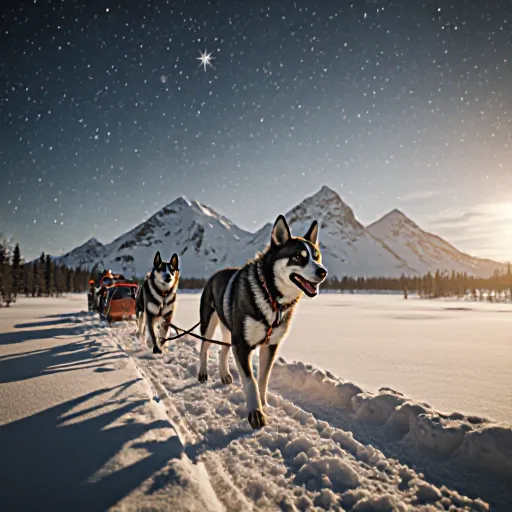
Unleash the Spirit: Dogs in Sled Racing
Dogs That Defy: The Spirit of Sled Racing
Table of Contents
- Introduction to Sled Dogs
- Early Domestication and Selection
- Sled Dogs in Arctic Expeditions
- The Role of Siberian Huskies
- Alaskan Malamutes: Workhorses of the North
- Dogs and Mushers: A Team Effort
- Modern Sled Dog Racing
- Testing Endurance in Modern Times
- From Working Dogs to Pets
- Sustainability Issues and Challenges
- Environmental Impact of Sled Dog Activities
- The Future of Sled Dogs
- Training Process for Sled Dogs
- Frequently Asked Questions (FAQ)
- Conclusion
Introduction to Sled Dogs
Sled dogs have been a crucial part of human history, particularly in regions where harsh winter conditions dictated the need for efficient transportation. The relationship between humans and sled dogs dates back thousands of years, with indigenous peoples relying on these animals to traverse snow-covered terrains and transport essential supplies.
The history of sled dogs is deeply intertwined with the cultures of northern communities such as the Inuit, Sami, and Yukon First Nations. These dogs played a significant role in early survival strategies, helping hunters track game over vast, snowy landscapes and aiding in the movement of people and goods across remote areas.
Over time, sled dog culture evolved to include organized mushing events like the famous Iditarod Trail Sled Dog Race. This race commemorates a pivotal moment in Alaskan history: the 1925 serum run where sled dogs delivered life-saving diphtheria antitoxin across the frozen Alaskan wilderness.
Today, while commercial uses of sled dogs have largely diminished due to advancements in transportation technology, mushing remains a vital part of local traditions and tourism. Many communities continue to celebrate their heritage through annual mushing events, which not only preserve cultural practices but also attract tourists interested in experiencing the unique lifestyle.
Practically speaking, mushers (or dog drivers) must be well-versed in various aspects of care for their sled dogs, including nutrition and health. Proper feeding is crucial as sled dogs require a high-calorie diet to fuel their intense physical exertion during long races or workdays.
For those interested in experiencing the world of sled dogs firsthand, it's important to choose reputable tour operators who prioritize both animal welfare and visitor safety. By supporting these businesses, tourists can gain an authentic understanding of this fascinating aspect of northern life without causing undue stress to the animals.
In conclusion, the legacy of sled dogs continues to be celebrated through modern uses such as tourism and mushing events. Their enduring presence in our world serves not only as a reminder of past hardships but also as an inspiration for future generations to appreciate the bond between humans and nature's most loyal companions.
Early Domestication and Selection
The domestication of sled dogs represents one of humanity's earliest forays into animal husbandry, marking a pivotal moment in the evolution of human-animal relationships. This process began thousands of years ago as people learned to harness the strength and endurance of wild canines to assist them in survival activities such as hunting and transportation.
The journey towards domesticating sled dogs was gradual, involving a complex interplay between selective breeding and environmental adaptation. Early humans observed that certain wild canines exhibited traits advantageous for working tasks—such as loyalty, obedience, and a strong work ethic. These attributes were gradually incorporated into the gene pool through careful selection of animals with these desirable characteristics over generations.
One of the earliest known examples of this process involves the ancestors of modern sled dogs in Siberia. Archaeological evidence suggests that people there began to domesticate canines as far back as 30,000 years ago, though the exact timeline and methods remain subjects of scholarly debate.
The selection process for sled dogs was not unlike what occurs in other domesticated animals. Breeders focused on traits such as physical endurance, intelligence, and loyalty to their human companions. Over time, these selective pressures led to the development of distinct breeds suited specifically for sledding.
Physical Traits
- Size: Larger dogs were chosen because they could carry more weight and endure harsh conditions better.
- Fur Density: Dogs with thick, insulating fur adapted well to cold climates, crucial for survival during long journeys.
- Energetic Metabolism: Breeds that displayed high energy levels were favored as they could sustain the rigorous demands of pulling sleds over extended periods.
Behavioral Traits
- Loyalty: Dogs showing strong loyalty to their handlers ensured reliable and consistent performance during tasks like sledding.
- Obedience: Well-trained dogs were easier to manage, reducing the risk of accidents or mishaps on missions.
- Innate Intelligence: Intelligent breeds could learn commands quickly and adapt to different environments, enhancing their overall utility.
Today, sled dogs continue to play a significant role in both practical and recreational activities. They are used in search and rescue missions where their endurance and loyalty make them invaluable assets. Additionally, they serve as therapy animals, providing comfort and joy to individuals in need.
Sledding Sports
Besides their utilitarian roles, sled dogs also participate in various sports events such as the Iditarod Trail Sled Dog Race in Alaska. This race attracts thousands of spectators and participants annually, highlighting the enduring appeal and importance of these animals.
In conclusion, the history of sled dog domestication is a testament to human ingenuity and our ability to form mutually beneficial relationships with other species. As we continue to explore ways to improve animal welfare and harness their potential, sled dogs stand as an inspiring example of how careful selection can lead to remarkable achievements.
Sled Dogs in Arctic Expeditions
Sled dogs have played a pivotal role in arctic expeditions since ancient times. Historically, these dogs were not just companions but essential to survival in harsh environments where food and transportation were critical. The history of sled dogs is deeply intertwined with the indigenous cultures of the Arctic regions who relied on them for hunting, transportation, and communication.
One of the earliest records of sled dogs can be traced back to the Siberian region around 4000 BC when they were used by nomadic tribes. Over time, these breeds evolved into different types suited to specific environments and tasks. For instance, Siberian Huskies are known for their endurance in long-distance travel across vast snowy terrains, while Alaskan Malamutes are celebrated for their strength and power needed for pulling heavy loads.
When it comes to modern arctic expeditions, sled dogs continue to be a valuable asset. They help researchers in polar regions navigate the challenging terrain, which is often inaccessible by vehicle or foot. In addition to aiding scientific missions, they also assist in search and rescue operations where quick transportation can mean the difference between life and death.
The use of sled dogs in contemporary times has seen a mix of traditional practices alongside modern advancements. Many expeditions now include both teams of trained dogs and motorized vehicles like snowmobiles or ATVs to cover larger distances more efficiently while relying on the dogs for shorter, more intensive routes.
Practical advice for those considering incorporating sled dogs into their arctic expeditions includes thorough preparation. This involves ensuring that the dog team is well-fed and hydrated before embarking on any journey. Proper gear such as harnesses and collars designed to fit comfortably yet securely are also crucial. Training should be rigorous, focusing not only on physical fitness but also obedience which can significantly enhance a dogs' performance.
Examples of notable expeditions that have successfully utilized sled dogs include the Grummit Expeditions in Greenland where teams of dogs helped map previously uncharted areas and assisted in establishing scientific bases. Similarly, the Polar Continental Shelf Project (PCSP) in Canada had dog teams that played vital roles during fieldwork across several years.
In conclusion, while modern technology has certainly advanced our capabilities in polar regions, sled dogs remain an indispensable part of arctic expeditions due to their unique attributes and reliability. Understanding their importance and properly integrating them into plans ensures safer, more efficient operations in these extreme environments.
The Role of Siberian Huskies
The Siberian Husky, a breed that originated from the Chukchi people of northeastern Asia, has played an integral role in both historical and modern sled dog operations. Their rich heritage as working dogs is deeply intertwined with the harsh Arctic conditions they were bred to endure.
The Siberian Husky was developed by the Chukchi people for use in harsh, cold climates where survival depended on the dogs' ability to pull heavy loads over long distances. These dogs were not only used for transportation but also for hunting and herding. Their endurance and strength made them invaluable assets during their time.
One of the most famous instances of Siberian Huskies' role in history is the 1925 serum run to Nome, Alaska. This event involved a relay team of sled dogs that delivered life-saving diphtheria antitoxin through some of the most challenging terrain imaginable. The heroic journey demonstrated the breed's unwavering loyalty and incredible physical capabilities.
In contemporary times, Siberian Huskies continue to be utilized in various roles that require their unique talents. While they are no longer used for delivering life-saving supplies, many still participate in sled dog racing events across the globe. These races celebrate both the breed's historical significance and showcase their modern athletic prowess.
Additionally, Siberian Huskies serve as companion animals for those who live in areas where they can thrive—areas with cold climates similar to their homeland. Their intelligence makes them excellent pets; however, it also means that they require ample mental stimulation and physical exercise to remain healthy and happy. Regular training and activities are crucial to prevent behavioral issues like digging or excessive barking.
- Diet: Siberian Huskies have high energy levels due to their working background, so it's important to provide a balanced diet that meets these needs. High-quality dog food designed for active dogs is recommended.
- Exercise: Daily walks and playtime are essential to keep them physically fit and mentally stimulated. Long hikes or runs are particularly beneficial.
- Training: Early socialization and positive reinforcement training are vital to ensure they become well-behaved pets. Positive experiences with various environments, people, and situations will help reduce anxiety and aggression.
Alaskan Malamutes: Workhorses of the North
Alaskan Malamutes, often referred to as "workhorses of the North," have a rich history deeply rooted in the Alaskan region. These dogs were originally bred by the Inuit people for sledding and hauling heavy loads across harsh terrains. Their strength, endurance, and loyalty made them indispensable companions on long treks through the Arctic.
Their origins can be traced back to the early 18th century when European explorers introduced additional breeds like Siberian Huskies into Alaska. These new influences helped shape what we now recognize as Alaskan Malamutes—a breed known for its adaptability and robustness in extreme climates. The name "Malamute" itself comes from an Inupiaq word meaning "big village dogs."
While their primary role was pulling sleds, these versatile animals also performed other tasks such as guarding settlements and hunting small game when needed. Their versatility made them valuable assets to both indigenous communities and explorers alike.
In modern times, Alaskan Malamutes continue to play significant roles in various aspects of life, from search-and-rescue operations where their endurance serves crucial purposes, to being pets or show dogs admired for their striking appearance and friendly nature. However, it's important to note that despite these changes, many characteristics remain true to the breed’s original purpose.
For those considering adopting an Alaskan Malamute, understanding this background is key in appreciating why they require ample space, regular exercise, and plenty of mental stimulation to thrive. Owning one should not be seen merely as a lifestyle choice but rather a commitment that aligns closely with the breed’s historic function.
Today, while fewer use Alaskan Malamutes for traditional sledding purposes due to advancements in transportation methods like snowmobiles and planes, they still find relevance in competitive events such as sled dog racing, where their natural instincts shine. These races provide enthusiasts not only with entertainment but also a chance to witness firsthand the remarkable capabilities of these dogs.
Understanding the history behind Alaskan Malamutes allows us to appreciate fully how they have evolved into beloved family members and respected working partners today. Their legacy serves as a reminder of human-animal partnerships forged out of necessity yet strengthened by mutual respect and admiration.
Dogs and Mushers: A Team Effort
In the world of sled dogs, a team is not just a group of individuals but an intricate system where every member plays a crucial role. The relationship between dogs and mushers exemplifies teamwork at its finest, much like the historical context and modern-day use of sled dogs.
The history of sled dogs is deeply rooted in survival and necessity. Historically, these canines have been instrumental in arctic and subarctic regions where transportation was a significant challenge due to harsh terrains and severe weather conditions. Sled dog teams were vital for hunting, delivering mail, and transporting supplies.
One of the most iconic events showcasing the prowess of sled dogs is the Iditarod in Alaska. This race commemorates a life-saving journey made by a musher named
In modern times, sled dogs continue their legacy in various capacities. They are used for tourism, racing, and search and rescue operations. The sport of mushing has evolved but the spirit remains; these dogs are still relied upon for their endurance and loyalty.
Tourism
Many lodges and resorts offer guided tours where visitors can experience firsthand the thrill of riding a sled pulled by these majestic animals. These tours provide not only entertainment but also an educational opportunity to learn about the bond between mushers and their dogs.
Racing
The Iditarod is just one example, but there are numerous other races across North America that highlight the skills of both musher and dog. These events serve as platforms for showcasing talent and heritage while also attracting tourism to local communities.
Search and Rescue
Sled dogs play a critical role in search and rescue operations, especially in remote areas where traditional methods may be inefficient or impossible. Their ability to navigate through snow and ice makes them invaluable assets during these missions.
At the heart of this endeavor is the relationship between musher and dog—a partnership built on trust, communication, and mutual respect. The musher must understand the physical and mental demands placed on the dogs during a long journey. Similarly, the dogs need to be trained and conditioned to perform optimally under challenging conditions.
Effective communication is key; subtle cues from the musher guide the team through varied terrains and obstacles. This requires ongoing training and adaptation, ensuring that both parties remain in sync throughout the journey.
The legacy of sled dogs continues to thrive, not only as a vital part of history but also as a symbol of resilience and teamwork in today's world. Whether racing in competitions or aiding in rescue operations, these dogs remain an integral component of their communities.
Modern Sled Dog Racing
While the history of sled dogs spans centuries, from ancient indigenous peoples to early explorers like Admiral Robert Peary and Sir Ernest Shackleton, modern sled dog racing has evolved into a thrilling winter sport that combines tradition with innovation. This form of racing is not only a testament to the bond between humans and their canine partners but also showcases the remarkable endurance and teamwork required in this unique discipline.
The origins of sled dog racing can be traced back to the harsh Arctic environments where indigenous peoples relied on these dogs for transportation and survival. Over time, these traditions evolved into organized races that began in Alaska during the late 19th century. One of the most significant milestones was the establishment of the All-Alaska Sled Dog Race, which started in 1908 as a tribute to the Iditarod Trail S千里
In modern times, the concept of testing endurance remains as critical as ever, with various fields drawing inspiration from traditional practices. One such example is the use of sled dogs, which have a rich history rooted in both survival and competition. The history of sled dogs can be traced back thousands of years, where they played a crucial role in transportation and communication in harsh Arctic environments. In the early 19th century, sled dog racing began as a means to celebrate these remarkable animals' strength and endurance. In contemporary society, sled dogs continue to be used for both practical and competitive purposes. Competitions like the Iditarod in Alaska highlight their remarkable physical capabilities and mental resilience under challenging conditions. As climate change alters traditional environments, sled dog training and racing face new challenges. However, modern breeders and trainers adapt by focusing on improved nutrition, conditioning techniques, and advanced veterinary care to ensure the animals' well-being. The testing of endurance in modern times, as exemplified by sled dogs, continues to be a vital aspect of our understanding and appreciation of these remarkable animals. Their history teaches us about resilience and adaptability, while their current use highlights the enduring importance of physical and mental fortitude. From the time-honored traditions of working dogs to the modern-day roles they play as pets, the journey is a fascinating one. Sled dogs, for instance, have been an integral part of human history, especially in regions like Alaska and Siberia. These dogs were not only essential for transportation but also for survival in harsh climates. The history of sled dogs is steeped in tradition and necessity. They have been used by indigenous peoples to pull sleds through snow and ice, aiding in the transport of supplies, people, and even mail during the early 20th century. Perhaps one of the most famous events that highlighted the importance of these dogs was the 1925 Serum Run, where mushers and their teams raced against time to deliver diphtheria antitoxin to Nome, Alaska. In modern times, while not as crucial for survival, sled dogs continue to be admired for their strength, loyalty, and endurance. They are still used in some areas for sledding sports like mushing competitions and dog sledding tours. As human societies have evolved, so too has the role of sled dogs. Today, many former working sled dogs find their way into households as beloved pets. These dogs, often bred specifically for performance in cold climates, possess traits that make them excellent companions: they are intelligent, devoted, and highly trainable. Example: Consider the Alaskan Malamute or the Siberian Husky. Both breeds have a strong heritage as sled dogs but also make wonderful family pets due to their friendly nature and playful personalities. Practical Advice: If you're considering adopting one of these breeds, it's important to understand that they require significant exercise and mental stimulation. They are not suited for apartment living; a large yard with plenty of space is ideal. Additionally, socialization from an early age is crucial for ensuring they become well-adjusted pets. The history of sled dogs is deeply intertwined with human survival in harsh, arctic climates. For centuries, these animals have been essential partners to indigenous peoples, aiding in transportation, hunting, and communication. However, as the world evolves and new technologies emerge, the sustainability issues faced by sled dog populations are becoming increasingly apparent. In ancient times, sled dogs were crucial for survival in regions like Alaska and Siberia. Their strength and endurance allowed them to carry heavy loads over vast distances. The most famous example is the Iditarod Trail Sled Dog Race, which commemorates a historical event where sled dogs saved many lives during the diphtheria outbreak in Nome, Alaska, in 1925. Today, sled dogs are still used for tourism, search and rescue missions, and even therapy. However, their role has shifted from being a primary means of transportation to more specialized uses. While this transition brings new opportunities, it also presents challenges related to sustainability. One major challenge is ensuring the ethical treatment of sled dogs. They face significant physical demands and can suffer from injuries or overwork if not properly managed. Organizations like the International Sled Dog Society (ISDS) promote best practices for their care, including regular veterinary check-ups, balanced diets, and adequate rest. The environmental impact of sled dog activities is another critical sustainability issue. The use of motorized snowmobiles alongside traditional sled dogs can lead to habitat disruption and increased carbon emissions. To mitigate this, some communities are exploring greener practices such as using alternative fuels or reducing the number of trips. The decline in interest among younger generations poses a significant challenge for the sustainability of sled dog operations. Fewer people are willing to take on the demanding role of caring for these animals, which can lead to labor shortages and increased costs for owners. The sustainability issues faced by sled dog populations are complex and multifaceted, but they can be addressed through a combination of ethical practices, environmental stewardship, and community support. By working together to ensure the well-being of these animals, we can continue to honor their rich history while looking towards a sustainable future. The environmental impact of sled dog activities is a critical concern, especially given the historical and modern use of sled dogs. Sled dogs have been an integral part of Arctic and sub-Arctic cultures for centuries, playing crucial roles in transportation, communication, and survival during harsh winter conditions. However, as these traditions evolve into more commercialized activities like tourism and competitive events, so too do their potential environmental impacts. In the past, sled dogs were primarily used for essential tasks such as transporting supplies, mail, and people over snow-covered terrain. Their efficiency in these roles minimized human impact on fragile ecosystems. For instance, Inuit communities relied heavily on sled dogs to move materials needed for survival during winter months when other methods of transportation were impossible. Today, while some indigenous groups still use sled dogs for traditional purposes, many activities revolve around tourism and competitive racing. These modern uses have introduced new challenges regarding sustainability and conservation efforts. Sled dog activities in the present can significantly affect local environments through several factors: For example, in areas where sled dog tourism is popular, such as Alaska’s Iditarod Trail, park managers must carefully plan trail maintenance practices to reduce these impacts while maintaining the integrity of natural habitats. Conservationists recommend limiting the number of dogs per team during training exercises or races, as well as implementing strict guidelines for off-trail behavior by sled dog teams to minimize ecological disturbances. Tour operators should ensure that all participants understand responsible behavior around wildlife and take necessary precautions such as keeping dogs leashed at all times outside of designated areas. To mitigate negative effects on the environment, both owners and enthusiasts involved in sled dog activities can adopt several sustainable practices: In conclusion, understanding the historical significance of sled dogs alongside acknowledging current environmental challenges helps guide responsible stewardship. By implementing thoughtful strategies focused on protecting natural resources, we can continue enjoying this beloved tradition without compromising ecological health. The future of sled dogs is a topic that intertwines historical traditions with modern advancements. As we look ahead, it's crucial to consider not just how sled dogs have been used historically but also their role in contemporary society and potential for change. The history of sled dogs is rich and diverse, spanning centuries with significant contributions from indigenous cultures. Traditionally, these dogs were crucial for transportation, hunting, and communication, especially in harsh Arctic and sub-Arctic regions where conditions made other forms of transport difficult or impossible. The most notable example is the role of sled dogs during the 1925 serum run to Nome, which saved hundreds from diphtheria. In modern times, the use of sled dogs has shifted towards recreational activities and competitive sports like mushing competitions. These events, such as the Iditarod in Alaska or the Yukon Quest, celebrate the tradition while also providing a platform for innovation and improvement. The use of GPS collars and tracking technology allows mushers to optimize routes, monitor dog health, and reduce stress on the animals. As climate change alters Arctic environments, the future of sled dogs is challenged by changes in weather patterns and ice conditions. Warmer temperatures can make traditional winter activities more unpredictable and physically demanding for both dogs and mushers. To adapt, some communities are exploring alternative training methods that enhance endurance without stressing the animals. The future may see further integration of technology in sled dog operations. For instance, researchers are developing lightweight, energy-efficient harnesses and improved nutrition formulas to enhance performance while reducing strain on dogs. Additionally, there's a growing emphasis on sustainable practices that minimize the environmental impact of mushing activities. The future of sled dogs is not just about preserving an ancient tradition; it's also about ensuring these animals can thrive in changing environments and contribute positively to their communities. By embracing innovation while respecting historical roots, the future for sled dogs looks bright, promising both conservation and celebration. The training process for sled dogs is a crucial aspect of ensuring their performance and well-being. This detailed guide draws from the history and modern use of sled dogs, providing insights into how they are prepared for racing and other tasks. Sled dogs have been an integral part of human societies for thousands of years, primarily utilized in harsh Arctic and sub-Arctic climates. Historically, these dogs were essential for transportation, hunting, and survival during the winter months. The breed known as Siberian Huskies, for instance, originated from indigenous people in Chukotka, Russia, who used them for sledding. Another well-known sled dog breed is the Alaskan Malamute, which hails from the Inupiat region of Alaska. These dogs were originally bred by the Mahlemut tribe to pull heavy loads over long distances in their communities. In contemporary times, sled dogs have evolved beyond their traditional roles into more specialized uses such as search and rescue, drug and bomb detection, and even therapy work. They continue to be used for competitive sports like sledding, including the famous Iditarod Trail Sled Dog Race in Alaska. The training process begins with a thorough understanding of the dog's physical capabilities and psychological needs. Early socialization is key; puppies should be introduced to various environments, people, and other animals early on. This helps them develop confidence and adaptability. A balanced diet is crucial for maintaining a sled dog’s health and performance. High-quality protein sources are vital to support muscle development and repair. Additionally, sled dogs require more calories than typical house pets due to their physically demanding lifestyle. Regular exercise routines that mimic the demands of racing or other tasks should be part of the conditioning program. This includes long-distance running on flat terrain as well as varied inclines and declines if applicable. Proper conditioning can prevent injuries and enhance performance. To prepare sled dogs for competitions like the Iditarod, advanced training techniques are employed: The training process for sled dogs is both an art and a science. By combining historical knowledge with modern practices, we can ensure that these remarkable animals are not only trained effectively but also live happy, healthy lives. Remember, every dog learns differently; patience and positive reinforcement are key throughout the entire process. Here are some common questions about sled dogs, their history, and modern use: Sled dogs have a rich history that dates back thousands of years. They were originally bred by indigenous peoples in North America for pulling sleds and transporting goods across harsh terrains. Over time, these dogs evolved into breeds specifically suited for the challenging conditions of their environments. For example, the Siberian Husky and Alaskan Malamute are two breeds known for their endurance and strength. Their role extended beyond transportation; they also served as companions and in some cases, even acted as messengers during critical times. One of the most iconic examples is Balto, who famously delivered life-saving serum to Nome, Alaska, during a diphtheria outbreak in 1925. In modern times, sled dogs continue to play significant roles, primarily in three areas: The most common breeds used in sled dog teams include: Sledding can be physically demanding and challenging, both for the dog and its handler (known as a musher). Here are some key challenges: Training sled dogs is both an art and a science. Here’s how it typically works: In the vast landscape of canine history, sled dogs have played a significant role, both in ancient times and in modern-day applications. Historically, these resilient canines were vital to indigenous communities across the Arctic regions for transportation and survival during harsh winter conditions. The Chukchi people of Siberia are often credited with developing the first breeds of sled dogs, which later evolved into the breeds we know today. Their modern use has expanded beyond just pulling sleds; they now contribute to various aspects of society including search and rescue operations, therapy, and even tourism. For instance, in places like Alaska and Canada, guided dog sledding tours are a popular attraction for tourists seeking an authentic Arctic experience. These tours not only provide entertainment but also educate visitors about the importance of sled dogs in local cultures. Moreover, sled dogs continue to be essential in search and rescue missions where their endurance and ability to navigate through snow and ice make them invaluable assets. Their training allows them to work effectively in teams, which is crucial for these life-saving operations. In addition to these practical roles, sled dogs also serve as therapy animals, providing comfort and companionship to individuals dealing with various health issues. Despite the advancements in technology that have reduced the need for sled dogs in some areas, their legacy remains strong. Breed clubs and enthusiasts around the world continue to celebrate the contributions of these remarkable animals through events such as dog sledding races like the Iditarod Trail Sled Dog Race. Understanding the rich history and diverse modern uses of sled dogs can foster a greater appreciation for these animals. By recognizing their past and present roles, we honor not only the hardworking canines but also the people who rely on them. This understanding is crucial in ensuring that future generations can continue to benefit from the unique talents of sled dogs.Testing Endurance in Modern Times
Practical Applications
Challenges and Adaptations
Conclusion
From Working Dogs to Pets
History of Sled Dogs
Modern Use of Sled Dogs
The Transition to Pets
Examples and Practical Advice
Sustainability Issues and Challenges
Ethical Considerations
Environmental Impact
Workforce Challenges
Environmental Impact of Sled Dog Activities
The Future of Sled Dogs
Training Process for Sled Dogs
Frequently Asked Questions (FAQ)
Q: What is the History of Sled Dogs?
Q: How Are Sled Dogs Used Today?
Q: What Are the Most Common Breeds Used in Sled Dog Teams?
Q: What Are the Challenges Faced by Sled Dogs?
Q: How Do You Train Sled Dogs?
Conclusion
Categories
- AI & Enrichment Play
- Broiler Farming
- Broiler Farming Tips
- Canine Wellness & Longevity
- Cat
- Cat & Human Connection
- Cat Adoption & Rescue
- Cat Breeds
- Cat Breeds & Personalities
- Cat Care & Health
- Cat Grooming & Hygiene
- Cat Lifestyle & Environment
- Cat Myths & History
- Cat Nutrition & Diet
- Cat Products & Reviews
- Cat Training & Behavior
- Comparison
- Consumer Awareness
- Dog
- Dog Accessories & Products
- Dog Adoption & Rescue
- Dog Breed & Lifestyle Trends
- Dog Breeding & Puppies
- Dog Entertainment & Media
- Dog Fashion & Trends
- Dog Fun & Lifestyle
- Dog Grooming & Hygiene
- Dog History & Culture
- Dog Myths, Science & Future Tech
- Dog News & Trends
- Dog Nutrition & Food
- Dog Psychology & Emotions
- Dog Safety & Security
- Dog Sports & Activities
- Dog Technology & Innovation
- Dog Training for Modern Owners
- Dog Travel & Adventure
- Dog Travel, Adventure & Culture
- Economic and Market Insights
- Educational Content
- FAQs
- Feeding Alternatives
- Festivals & Seasonal Ideas
- Fun & Entertainment
- General Knowledge
- General Pig Farming
- Health & Disease Management
- Housing and Environment
- Kittens
- Market Insights
- Miscellaneous
- Miscellaneous
- Motivational
- pig
- Pig Breeding
- Pig Breeds
- Pig Farming Stories and Inspiration
- Pig Health and Care
- Pig Nutrition
- Pig Products
- Profitability & Business
- Puppy Care
- Puppy Predictable Topics Reinvented
- Regional Focus
- Rescue & Adoption Buzz
- Senior Cats
- Senior Dog Care
- Smart Dog Tech & Gadgets
- Sustainability
- Sustainable & Eco-Friendly Dog Products
- Tech & Innovations
- Working & Service Dogs
- Broiler Feed66 products
- Country Feed33 products
- Pig Feed66 products
- Product22 products
- Raw Materials99 products
Products
-
 Fish Meal
₹1,999.00 – ₹2,999.00Price range: ₹1,999.00 through ₹2,999.00Rated 0 out of 5
Fish Meal
₹1,999.00 – ₹2,999.00Price range: ₹1,999.00 through ₹2,999.00Rated 0 out of 5 -
 FATTENING BROILER FEED
₹2,299.00 – ₹2,349.00Price range: ₹2,299.00 through ₹2,349.00Rated 0 out of 5
FATTENING BROILER FEED
₹2,299.00 – ₹2,349.00Price range: ₹2,299.00 through ₹2,349.00Rated 0 out of 5 -
 LAYER COUNTRY FEED
₹1,549.00 – ₹1,649.00Price range: ₹1,549.00 through ₹1,649.00Rated 0 out of 5
LAYER COUNTRY FEED
₹1,549.00 – ₹1,649.00Price range: ₹1,549.00 through ₹1,649.00Rated 0 out of 5 -
 COUNTER BROILER FEED
₹1,199.00 – ₹1,299.00Price range: ₹1,199.00 through ₹1,299.00Rated 0 out of 5
COUNTER BROILER FEED
₹1,199.00 – ₹1,299.00Price range: ₹1,199.00 through ₹1,299.00Rated 0 out of 5 -
 LACTATING PIG FEED
Rated 0 out of 5
LACTATING PIG FEED
Rated 0 out of 5₹2,299.00Original price was: ₹2,299.00.₹1,740.00Current price is: ₹1,740.00. -
 Maize
Rated 0 out of 5
Maize
Rated 0 out of 5₹1,650.00Original price was: ₹1,650.00.₹1,300.00Current price is: ₹1,300.00. -
 GESTATION PIG FEED (Phase 1)
Rated 0 out of 5
GESTATION PIG FEED (Phase 1)
Rated 0 out of 5₹2,249.00Original price was: ₹2,249.00.₹1,699.00Current price is: ₹1,699.00. -
 Pre Starter Broiler Feed
₹2,399.00 – ₹2,499.00Price range: ₹2,399.00 through ₹2,499.00Rated 0 out of 5
Pre Starter Broiler Feed
₹2,399.00 – ₹2,499.00Price range: ₹2,399.00 through ₹2,499.00Rated 0 out of 5 -
 FINISHER PIG FEED
Rated 0 out of 5
FINISHER PIG FEED
Rated 0 out of 5₹2,299.00Original price was: ₹2,299.00.₹1,749.00Current price is: ₹1,749.00. -
 Broiler Premix
Rated 0 out of 5
Broiler Premix
Rated 0 out of 5₹820.00Original price was: ₹820.00.₹699.00Current price is: ₹699.00.