
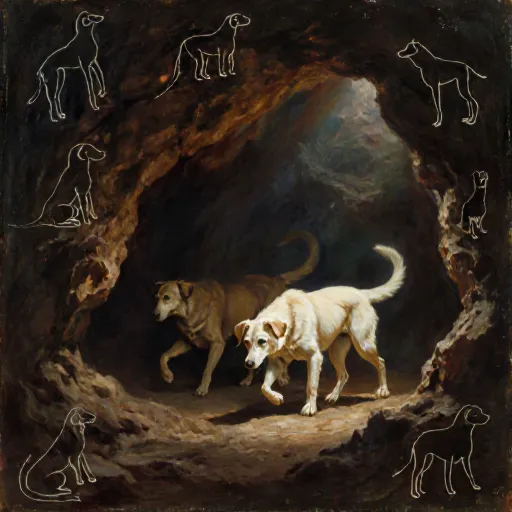
Trace Dogs' Journey Through Art and History
Dogs: From Cave Paintings to Now
Table of Contents
- Ancient Representations of Dogs in Art
- Egyptian Hieroglyphs Featuring Dogs
- Dogs in Greek and Roman Art
- Medieval Illustrations of Canine Companions
- Renaissance Dogs: A Symbol of Status
- Baroque Era and the Artistic Evolution of Dogs
- Dogs in Romantic Period Art
- Realism and Naturalism: Dog Portraits of the 19th Century
- Impressionist Dogs: Capturing Light and Movement
- Modernist Interpretations of Dogs in Art
- Surrealism and the Enigmatic Dog
- Pop Culture's Love for Dogs in Art
- Contemporary Digital Representations of Dogs
- Conclusion: The Enduring Influence of Dogs in Art
- FAQ About Dogs in Art
Ancient Representations of Dogs in Art
In the exploration of art's rich tapestry, dogs have always held a special place. Their presence in ancient paintings and sculptures offers profound insights into human-dog relationships that span centuries. As detailed in "Dogs in Art: From Ancient Paintings to Modern Pop Culture," early civilizations revered dogs not only for their utility but also as symbols of loyalty, protection, and companionship.
The earliest known depictions of dogs in art date back to ancient Egypt, where canines were deeply integrated into religious practices. The god Anubis was often portrayed with a jackal head, emphasizing the sacredness of dogs in Egyptian culture. Dog mummies have been found in tombs, symbolizing their importance as companions and guides in the afterlife.
Assyrian Art
In Assyria, dogs were frequently depicted on palace walls, guarding the royal residences. These engravings not only served a functional purpose but also conveyed messages of power and authority. Dogs were seen as protectors of the realm, aligning with the human rulers' need to maintain order.
Egyptian Frescoes
From Egyptian frescoes, we see dogs depicted in various roles—both practical and symbolic. They are shown assisting hunters, protecting livestock, and even participating in religious ceremonies. The loyalty and trust that these animals demonstrated towards their masters made them ideal subjects for art.
During the classical era, dogs continued to be significant figures in art. In Greek mythology, dogs were associated with various gods and heroes. For instance, Cerberus, the three-headed dog guarding Hades' gates, is a prime example of this association.
Roman Mosaics
Roman mosaics offer detailed depictions of domesticated dogs engaged in everyday activities like hunting and herding. These artworks provide evidence of the close bonds between humans and their canine companions during that time. The mosaic "The Dog Barking at a Gazelle" is particularly noteworthy for its intricate design and depiction of a dog's loyalty to its master.
The Renaissance period saw an evolution in the portrayal of dogs, reflecting changing societal values. Artists like Albrecht Dürer captured the elegance and grace of dogs with precision and detail. His "The Great Dane" is a testament to the appreciation for the breed's beauty.
Baroque Era
In the Baroque era, dog art became more symbolic and allegorical. Painters used dogs to represent loyalty, fidelity, and nobility. Diego Velázquez's "Las Meninas" features a dog that adds depth to the composition, illustrating its role as both a family pet and an artistic element.
The modern era has seen dogs represented in art with a renewed emphasis on individuality and personality. Contemporary artists like Robert Wilson and Jeff Koons have pushed the boundaries of traditional representations, using dogs to explore themes of identity, companionship, and consumer culture.
Pop Culture Influence
Today, dogs in art are influenced by pop culture phenomena such as animated films and television series. Characters like Scooby-Doo, Garfield, and Lassie have become iconic, embodying different facets of canine characters—from the adventurous to the humorous.
In conclusion, from ancient Egypt to modern times, dogs in art have not only documented their physical appearances but also conveyed deep emotional and symbolic meanings. Their evolution in representation reflects changing societal values and artistic movements.
Egyptian Hieroglyphs Featuring Dogs
In the rich tapestry of visual storytelling, dogs have long been a recurring theme across various cultures. From ancient civilizations to modern-day pop culture, these loyal creatures have found their place in art, symbolizing companionship, protection, and loyalty. One of the most fascinating journeys through this enduring theme can be traced back to Ancient Egypt, where dogs were not merely pets but held significant cultural and symbolic importance.
During the reign of ancient Egyptians, dogs served as more than just household companions; they were often revered for their roles in hunting, protection, and even religious ceremonies. In many instances, dogs were depicted in hieroglyphs, which played a crucial role in Egyptian art and writing.
Common Dogs Featured
- Imhotep's Dog: Known for his loyalty to the great physician and architect Imhotep, this dog was often depicted as a loyal companion. Such representations highlight the bond between humans and their pets.
- Hunt Dogs: Hieroglyphs frequently showcased dogs engaged in hunting activities, emphasizing their role in supporting the pharaohs and nobles during hunts for both sport and sustenance.
Symbols and Meanings
The choice of which type of dog was depicted often carried symbolic weight. For instance:
- Greyhound: Represented speed, nobility, and royalty.
- Bull Terrier: Symbolized strength and courage.
- Hound: Associated with protection and loyalty to the pharaoh or noble families.
Practical Advice for Bloggers
To effectively incorporate these themes into your WordPress blog, consider the following steps:
- Research Thoroughly: Understand the historical context and significance of dogs in Egyptian culture to accurately portray their role.
- Incorporate Visuals Carefully: Use high-quality images that accurately reflect ancient hieroglyphic art or contemporary renditions inspired by it. Ensure that these visuals enhance your article without overwhelming it.
- Engage Your Audience: Encourage reader interaction through polls, quizzes, or comments about their favorite dog breeds depicted in Egyptian art. This can make the content more engaging and personalized for visitors.
Conclusion
The depiction of dogs in ancient Egyptian hieroglyphs offers a window into both human-animal relationships and cultural values. As we explore how these themes have evolved over time, it is clear that the bond between humans and their canine companions has transcended centuries.
Dogs in Greek and Roman Art
In the rich tapestry of ancient art, dogs hold a significant place, reflecting not just their role as companions but also their symbolic importance in Greek and Roman societies. The portrayal of dogs in Greek and Roman art is deeply intertwined with mythology, daily life, and cultural values.
The dog was often a symbol of fidelity and loyalty, traits highly valued by the Greeks and Romans. In Greek mythology, for instance, the Hound of Hades, Kerberos (Cerberus), is depicted as guarding the gates of the underworld, emphasizing the dog’s role in protecting the sacred and the divine.
Another example from Roman art includes the depiction of dogs alongside gods like Diana (Artemis) who were associated with hunting. Dogs were not only companions but also instruments of sport and ritual, as seen in the hunting scenes that adorned walls and mosaics during this period.
Besides their symbolic significance, dogs played a crucial role in daily life. They were used for herding livestock, guarding property, and assisting in agriculture. In Greek and Roman art, dogs are frequently depicted accompanying farmers or shepherds, highlighting these practical roles.
The visual representation of dogs varied widely depending on the medium. Mosaics, frescoes, and sculptures often featured detailed depictions of dogs engaged in various activities. For example, a well-known mosaic from the House of the Faun in Pompeii shows a dog with its mouth open in an expression that suggests playfulness or surprise.
These artworks also provided insights into the breeds of dogs that were popular during these periods. While modern breeds are not directly comparable due to crossbreeding over centuries, some similarities can be drawn from the depiction of small, alert dogs resembling terriers or greyhounds.
The influence of Greek and Roman dog art is palpable in modern depictions. Contemporary artists often draw inspiration from ancient canine portrayals, blending them with their own interpretations to create unique works. For instance, a sculpture or painting that combines the grace of a Greco-Roman hound with contemporary elements can be seen in various public spaces today.
Moreover, popular culture references often nod back to these classical roots. Characters from literature and film that involve dogs, such as the iconic Lassie, echo the themes of loyalty and companionship present in Greek and Roman art.
The depiction of dogs in Greek and Roman art is a testament to their enduring significance across cultures. From mythological guardians to everyday companions, these representations not only capture the essence of canine traits but also provide valuable insights into ancient societies.
Medieval Illustrations of Canine Companions
The portrayal of dogs in art during the medieval period reflects a profound connection between humans and their canine companions that has endured through centuries. In the Middle Ages, dogs were not merely pets but held significant symbolic value, often representing loyalty, protection, and nobility. Their depictions in illuminated manuscripts, tapestries, and sculptures provide valuable insights into the role of dogs within medieval society.
Dogs were frequently used as symbols in medieval art to convey deeper meanings related to human behavior and morality. For instance, the hound was often associated with fidelity, making it a popular choice for representing loyalty in various narratives. The famous "Hunt of the Unicorn" series from the 15th century features numerous dogs engaged in hunting scenes, each dog playing a role that emphasizes different virtues or moral lessons.
The Tres Riches Heures du Duc de Berry is an exquisite example of medieval art featuring canine companions. Within this illuminated manuscript, dogs are depicted in various hunting scenes and pastoral settings, highlighting their role as both functional and symbolic figures. These illustrations showcase the detailed craftsmanship and attention to realism that characterized much of medieval art.
If you're a modern blogger interested in exploring this topic, consider incorporating medieval dog art into your content strategy. You can use these images as visual aids to educate readers about the historical context and significance of dogs in society. Additionally, creating an interactive section where visitors can explore different medieval artworks with detailed captions or explanations can enhance engagement.
The influence of medieval depictions on contemporary art is undeniable. Many modern artists and designers draw inspiration from these ancient illustrations, creating works that blend old traditions with new interpretations. By understanding how dogs were portrayed during the Middle Ages, you can better appreciate their enduring place in human culture.
The medieval illustrations of canine companions offer a rich tapestry of cultural heritage and artistic expression. They serve as a bridge between past and present, reminding us of the timeless bond between humans and dogs. As you delve into this fascinating subject, remember that every piece of art tells a story, and understanding these stories can deepen your appreciation for both medieval art and the enduring legacy of our canine friends.
Renaissance Dogs: A Symbol of Status
In the realm of art, dogs have always held a significant place, symbolizing various emotions and statuses across different eras. During the Renaissance period, dogs were not merely pets but powerful symbols that carried profound social and cultural meanings. The nobility often used dogs to reflect their status and wealth.
The connection between dogs and aristocracy during the Renaissance can be traced back to ancient paintings where dogs were depicted alongside noble figures. For instance, in many Italian frescoes of the 15th century, such as those found in the Vatican and Florence, dogs are often seen accompanying their masters, emphasizing the bond between man and dog while also highlighting the owner's social standing.
One famous example is the painting "The Doge Leonardo Loredan," created by Vittore Carpaccio. This work showcases a nobleman with his faithful dog, symbolizing loyalty and respect. The dog’s presence in this context underscores the importance of such animals in reflecting social hierarchy. It also reflects the cultural value placed on dogs as companions who could be trained for specific tasks, like guarding or hunting.
The Renaissance era was a time when artists began to delve deeper into capturing the essence and emotions of their subjects. Dogs were not just background elements; they became integral parts of the narrative. This trend continued through the Baroque period and beyond, where dogs were often used to illustrate virtues like loyalty, bravery, and nobility.
Moreover, in modern pop culture, the influence of Renaissance-era depictions can still be seen. Characters in films and literature, such as those found in "The Three Musketeers" or "Pride and Prejudice," are often accompanied by dogs that reflect their owners' status. This tradition has persisted, showing a timeless appeal to using animals, particularly dogs, as symbols of social position.
Today, while the specific symbolism may have evolved, dogs continue to be celebrated for their role in society and art. Museums and galleries often feature exhibitions that explore the historical significance of dogs in paintings and sculptures, highlighting how these works reflect changing societal values over time.
In conclusion, Renaissance dogs were not just pets but symbols of status and loyalty. They played a crucial role in reflecting the social dynamics of their era, and this influence can still be seen today in modern pop culture. By examining these historical depictions, we gain deeper insights into both art history and cultural evolution.
Baroque Era and the Artistic Evolution of Dogs
The Baroque era, spanning from approximately 1600 to 1750, was a period marked by dramatic visual art, rich ornamentation, and intense emotional expression. This era also saw significant developments in the portrayal of dogs in art, reflecting societal values and artistic techniques that were prevalent during this time.
Dogs have long been subjects of artistic interest due to their roles as companions and symbols of nobility. During the Baroque period, artists began to depict dogs with greater realism and emotional depth. This was a shift from earlier periods where dogs were often portrayed in more stylized or mythological contexts.
Realism in Dog Portraits
The Baroque era emphasized a heightened sense of reality and naturalism. Artists like Giovanni Battista Tiepolo, known for his vibrant and dynamic paintings, introduced dogs into scenes with increased detail and anatomical accuracy. Tiepolo's "Cupid and the Dogs" (1762) is an excellent example where the dogs are depicted in a manner that captures their individuality and physical characteristics.
Another notable artist from this period was Antonio Tempesta, who created detailed engravings of various breeds. His work showcased not only the physical appearance but also the expressive qualities of different dog species, contributing to an evolving understanding of canine representation.
Symbols and Emotions
Beyond mere realism, dogs in Baroque art often served as symbols for virtues such as loyalty, faithfulness, and companionship. This was particularly evident in paintings that depicted hunting scenes or domestic settings where the dog played a key role. For instance, Peter Paul Rubens' "The Triumph of Helius" (1637) includes dogs symbolizing loyalty to their masters.
The emotional depth赋予的职责
Dogs in Romantic Period Art
In the Romantic period of art, dogs often held significant symbolic value and played pivotal roles within artistic narratives. This era, spanning from approximately 1790 to 1850, saw a shift towards expressing deep emotion, individualism, and nature in contrast to the more formal and ordered styles of previous eras like Neoclassicism.
One of the most common depictions of dogs during this period was their role symbolizing loyalty and companionship. Artists like Caspar David Friedrich often included dogs in their paintings to emphasize themes of solitude, nature's grandeur, and human connection with the natural world.
An excellent example is Friedrich’s "Wanderer above the Sea of Fog," where a dog appears at the bottom left corner of the painting. The presence of this dog adds depth to the scene, suggesting themes of companionship and the bond between man and nature. In this context, dogs were not just passive elements; they were integral parts of the emotional narrative.
Dogs also frequently appeared in romantic landscapes, where their inclusion served to enhance the sense of isolation and introspection that characterized much of the art. Landscapes with dogs often portrayed nature as a vast and sometimes intimidating force.
For instance, in Théodore Géricault’s "The Raft of the Medusa," a dog is depicted lying on the raft among the survivors. This inclusion underscores the human-animal connection during times of crisis, adding an element of pathos to the scene. The dog here becomes a symbol of resilience and survival.
Romantic artists paid careful attention to detail when depicting dogs, aiming to capture their individual personalities as well as their roles within the larger context of the work. This meticulous approach was not just about realism; it involved a deeper exploration into the emotional and psychological dimensions of dog-human relationships.
If you're writing a blog post about dogs in Romantic period art, consider including high-quality images that illustrate these points. For instance, you could feature "The Raft of the Medusa" and discuss how the dog's placement adds to the story.
Additionally, referencing other works like Friedrich’s "Wanderer above the Sea of Fog" can help readers understand the broader context of how dogs were used as symbols in these paintings. Encourage your audience to think about what messages or emotions these artists might have been trying to convey through their depictions of dogs.
In summary, during the Romantic period, dogs were more than mere animals—they were powerful symbols that enriched the emotional and narrative depth of art. By understanding how they were represented in this era’s artworks, we gain insights into both the artistic techniques of the time and the cultural values that shaped those creations.
Realism and Naturalism: Dog Portraits of the 19th Century
In the 19th century, the art world witnessed a significant shift towards realism and naturalism in various forms of artistic expression. Dog portraiture during this period was no exception, reflecting the changing attitudes towards animals as subjects worthy of serious artistic attention. This movement in dog art paralleled broader trends in landscape painting, portraiture, and genre scenes that emphasized accuracy, detail, and a closer representation of reality.
Dogs in 19th century artwork were not mere accessories or symbols; they were often depicted as integral members of the human family. Realism in dog portraits meant capturing the unique physical characteristics of each breed, from the delicate fur patterns on a dachshund to the broad, muscular build of a St. Bernard. The artists aimed to convey a sense of authenticity and fidelity to nature.
Naturalism, meanwhile, sought to depict not only the outer appearance but also the essence or personality of the dogs. This approach was evident in how artists chose to capture certain expressions—whether it be alertness, playfulness, or even melancholy. For instance, a portrait might show a spaniel’s ears perked up as it gazes curiously at its human companion, emphasizing an emotional connection that goes beyond mere physical likeness.
Artists of this era often studied their subjects closely to achieve the desired level of realism and naturalism. They would spend time with dogs, observing how they moved, interacted with people, and responded to different stimuli. This meticulous observation is reflected in works like Edwin Landseer’s "Monarch" (1837), where he meticulously rendered a terrier’s fur and the playfulness of its posture.
It's important to note that while realism was championed by artists like Jean-Baptiste-Camille Corot, Eugène Delacroix, and others in human portraits and landscapes, it also found expression in animal subjects. Dogs were particularly favored for their loyalty, varied personalities, and the close bonds they formed with humans.
The influence of these artistic movements extended beyond 19th century Europe to other regions influenced by Western art traditions. In America, artists like Thomas Jefferson’s dogs were depicted with the same attention to detail as in European portraits. The portrayal of dogs was not just about aesthetics but also a reflection of societal values and human-animal relationships.
Looking ahead to "Dogs in Art: From Ancient Paintings to Modern Pop Culture," we see that this 19th century trend towards realism and naturalism laid the groundwork for how animals have been depicted ever since. The evolution from these early portraits shows a continuous progression where artists have strived to capture not just what dogs look like, but also their unique characters and roles in human life.
For modern artists today, understanding this historical context can provide valuable insights into the techniques and philosophies of earlier masters. Whether through oil paints or digital mediums, contemporary artists can draw inspiration from the 19th century’s focus on realism and naturalism to create compelling works that resonate with viewers.
Impressionist Dogs: Capturing Light and Movement
Impressionist dogs, a unique subset within the broader genre of impressionism, have been captivating viewers since the late 19th century. This style emphasizes capturing light and movement in a spontaneous manner, often through bold brush strokes and vibrant colors. In art history, impressionism emerged as a pivotal movement that sought to depict scenes with a focus on the immediate visual effect rather than strict adherence to traditional techniques.
Dogs have long held a special place in human hearts and homes, and it is no surprise that they were frequently portrayed by impressionist artists. These artists often captured dogs not just as pets but also as symbols of loyalty, companionship, and joy. By focusing on light and movement, these artists aimed to convey the ephemeral quality of life—something particularly poignant when depicting living creatures like dogs.
Light and Movement in Impressionist Dogs
- Capturing Light: Impressionists were masters at capturing how light interacts with objects, including furry companions. Artists like Pierre-Auguste Renoir and Camille Pissarro painted their dogs outdoors under natural sunlight, emphasizing the play of shadows and highlights across fur and skin. These paintings often showcase dogs in various poses, such as running or playing, to highlight the dynamic interplay between light and form.
- Movement: Dogs are inherently active creatures, making them perfect subjects for capturing motion. Impressionist artists frequently depicted dogs mid-stride or engaged in lively activities. By using rapid brush strokes and loose compositions, these painters could convey a sense of energy and spontaneity that is characteristic of impressionism.
Examples from Art History:
- Pierre-Auguste Renoir's Dog on the Seashore: This painting exemplifies how light can be used to enhance a scene. The dog, standing with its back to the viewer, is captured in motion as if caught in a fleeting moment by the sun's rays.
- Camille Pissarro's Two Dogs Playing on the Beach: In this work, Pissarro uses light and color to create a sense of vibrancy. The dogs are depicted as active participants in their environment, with the play of sunlight adding depth and character to the scene.
- Amedeo Modigliani's Dog in Profile: This piece showcases how impressionist artists can use subtle brush strokes to suggest movement even when the subject is not actively engaged. The dog’s pose conveys a sense of quiet reflection, yet there is an underlying energy that hints at its usual lively nature.
Modern Impressionist Dogs in Pop Culture:
The influence of impressionism on contemporary art and pop culture cannot be overstated. Modern artists continue to explore the themes of light and movement through their depictions of dogs, often blending traditional techniques with digital tools to create vibrant and dynamic pieces.
- Dog Walkers by Robert Rauschenberg: This piece combines impressionist elements with pop art to highlight the everyday activities of dog walkers. The use of bold colors and abstract forms suggests movement and energy, much like in traditional impressionism.
- Instagram accounts dedicated to impressionist dogs: Platforms such as Instagram have given rise to communities that celebrate these artistic interpretations. Hashtags like #ImpressionistDogs or #DogArt allow enthusiasts to discover and share artworks that pay homage to this style.
Practical Advice for Art Enthusiasts:
- Study the Masters: Familiarize yourself with the works of impressionist artists by visiting museums or exploring online resources. Understanding their techniques will help you appreciate the depth and artistry behind these paintings.
- Create Your Own Impressions: Try experimenting with light and movement in your own artwork, whether through painting, photography, or digital media. Start by setting up a simple scene involving dogs—perhaps outdoors on a sunny day—and focus on capturing fleeting moments of interaction between the subject and its environment.
- Engage with Online Communities: Participate in forums or social media groups focused on impressionist art to connect with other enthusiasts and artists. Sharing ideas and feedback can inspire new approaches to your work.
In conclusion, impressionist dogs serve as a testament to the enduring appeal of this artistic movement. By celebrating light and movement, these works invite viewers to engage with both the visual beauty and emotional depth of the subject. Whether you are an art historian, artist, or simply someone who appreciates canine companionship, there is much to admire in the portrayal of dogs through impressionist eyes.
Modernist Interpretations of Dogs in Art
The modernist interpretation of dogs in art represents a significant shift from traditional depictions. Unlike earlier eras where dogs were often portrayed as symbols of loyalty and companionship, modern artists have explored the animal through abstract forms, symbolic meanings, and existential themes.
In the early 20th century, artists like Pablo Picasso and Henri Matisse began to explore abstraction in their works. Dogs became subjects that could be reimagined through geometric shapes and bold colors. For example, Picasso's "Dog" (1945) uses simple, angular lines to depict a dog’s form, emphasizing the essence rather than the literal appearance.
Modernist artists have used dogs as symbols in their critiques of society. Francis Bacon's "Three Studies for Figures at the Base of a Crucified Christ" (1944) features distorted, abstracted figures including one that could be interpreted as a dog, embodying themes of suffering and existential crisis.
Dogs in modern art often explore deeper existential questions. Mark Rothko’s works sometimes include images or references to dogs, symbolizing the human condition and emotional depth. His use of color and form reflects a profound exploration of inner states rather than external reality.
The influence of modernist interpretations has extended into pop culture, where artists like Banksy have used dogs in their street art to comment on contemporary issues. His pieces often feature dogs as symbols of consumerism and societal norms.
Understanding these interpretations can enrich one's appreciation for modern art. It encourages viewers to look beyond the surface level, fostering a deeper connection with the artwork and its message. Teachers and students can use this approach to enhance learning in art history courses.
Artists and galleries can leverage these modernist interpretations for promotional purposes. Exhibitions focusing on dogs as subjects have gained popularity, bringing together enthusiasts from various backgrounds. These exhibitions provide platforms for artists to showcase their unique perspectives while engaging with the public.
Surrealism and the Enigmatic Dog
In the realm of surrealism, where the boundaries between reality and imagination blur into an enigmatic tapestry, the enigmatic dog stands as a compelling symbol. This section explores how dogs have been portrayed in art across different eras, from ancient paintings to modern pop culture, with a particular emphasis on their significance within surrealist movements.
In surrealism, the enigmatic dog represents more than just an animal. It is a symbol that challenges conventional perceptions and invites viewers to explore deeper meanings. Salvador Dalí, known for his dreamlike imagery, often incorporated dogs into his work. His painting "Lobster Telephone" features a dog in a surreal setting, highlighting its role as a transitional object between the real and the fantastical.
Historical Context
The use of dogs in art can be traced back to ancient civilizations like Egypt, where they were revered for their roles as companions and guardians. In the Middle Ages, dogs appeared in illuminated manuscripts, often symbolizing loyalty and fidelity. As art evolved through the centuries, so too did the representation of dogs, reflecting changing cultural values.
Modern Interpretations
In modern pop culture, dogs continue to inspire artistic expressions. For instance, the character "Clayton" from the film A Dog's Purpose is an embodiment of love and loyalty that resonates deeply with audiences. Similarly, in contemporary street art, dogs are used as a medium for social commentary, addressing issues like urbanization and environmental concerns.
The Surrealist Influence on Dogs in Art
Surrealism's influence on the depiction of dogs is profound. Artists like René Magritte employed their unique visual language to explore themes of identity and perception through canine forms. His painting "Lobster Telephone" not only features a dog but also blurs the line between objects, making viewers question what they see.
Practical Advice for Bloggers
If you are writing about surrealism and dogs on your WordPress blog, consider incorporating high-quality images of dogs in various artistic contexts. This could include historical paintings, modern sculptures, or contemporary digital art pieces. Additionally, exploring the symbolism behind these representations can add depth to your content.
Conclusion
The enigmatic dog in surrealism is more than just a subject of artistic interest; it serves as a powerful symbol that invites reflection and interpretation. By understanding its role across different eras, you can enrich your blog posts with meaningful insights into the intersection of art and culture.
Pop Culture's Love for Dogs in Art
Dogs have long been a favorite subject in art, from ancient times to modern pop culture. Their loyalty, companionship, and endearing personalities make them perfect subjects for artists who seek to capture emotion and connection. In "Dogs in Art: From Ancient Paintings to Modern Pop Culture," the book explores how dogs have been portrayed across various mediums throughout history.
In ancient civilizations, dogs were often depicted as symbols of protection, loyalty, and even divinity. For instance, in Egyptian art, dogs like the Jackal-headed Anubis were revered for their role in guiding souls to the afterlife. Ancient Greek and Roman art also featured dogs, not just as pets but also as companions for hunting and war.
During the Middle Ages, dogs continued to appear in Christian iconography, often representing faithfulness or fidelity. The dog's role extended beyond religious symbolism; artists would sometimes include dogs in their scenes of daily life, such as in illuminated manuscripts and tapestries.
The Renaissance marked a new era for dog art, where artists began to depict dogs with greater realism. Leonardo da Vinci’s sketches of dogs were particularly notable for capturing the subtleties of their forms and expressions. During this time, wealthy patrons commissioned paintings that included dogs as symbols of nobility and good fortune.
The 19th century saw a surge in dog-themed artwork, driven by both the rise of animal rights movements and the growing popularity of domestic pets. Artists like Rosa Bonheur gained fame for their detailed paintings of dogs, horses, and other animals. Dogs were also featured prominently in literature, such as Charles Dickens’ "Barnaby Rudge," where a loyal dog is central to the plot.
In modern pop culture, dogs have maintained their status as beloved subjects in art and media. Comic books, movies, and television shows often feature dogs as both supporting characters and protagonists. For example, "The Adventures of Tintin" by Hergé includes a dog named Milou (Snowy in English), who is an integral part of the story.
Today, artists continue to explore the relationship between humans and dogs through various mediums. Street art, digital illustrations, and even viral social media posts celebrating dog antics have become popular forms of modern dog art. Social platforms like Instagram and TikTok are filled with user-generated content that celebrates these four-legged friends.
If you're writing a blog post about pop culture's love for dogs in art, consider including examples of famous artworks featuring dogs. You might also include interviews with contemporary artists who draw inspiration from this theme. Incorporating interactive elements like quizzes or polls can engage your audience and encourage them to share their favorite dog-related artworks.
Contemporary Digital Representations of Dogs
The contemporary digital representations of dogs have evolved significantly from their traditional counterparts, drawing inspiration and techniques from ancient paintings to modern pop culture. In this era of advanced technology and widespread internet access, digital artists and designers have embraced the medium to capture the essence of these beloved animals in innovative ways.
The history of dogs in art spans thousands of years, with early depictions found on cave walls and ancient pottery. These earliest representations were often symbolic or mythological, serving as a connection between humans and the divine. Over time, as art techniques advanced, so did the portrayal of dogs, reflecting more realistic and detailed imagery.
Today, digital technology has allowed for even greater creativity and precision in representing dogs. Digital artists can manipulate lighting, angles, and color palettes to create stunning digital portraits that go beyond mere realism, adding a layer of emotion and expression. The use of software like Adobe Photoshop, Procreate, and Blender enables artists to transform their ideas into interactive 3D models or intricate vector illustrations.
Digital representations of dogs range from hyper-realistic to abstract interpretations. Hyper-realism focuses on capturing every detail, from the texture of fur to the subtle nuances in a dog's eyes. This style often mirrors traditional painting techniques but with added enhancements through digital tools.
On the other end of the spectrum are abstract and conceptual representations that emphasize certain aspects like emotion, movement, or symbolism rather than exact physical appearance. These pieces might use bold colors, geometric shapes, or unconventional compositions to convey a message or evoke specific emotions in viewers.
Contemporary digital representations of dogs are not just confined to galleries and museums; they play an integral role in pop culture as well. Characters like Scooby-Doo, Pluto from Disney’s Pluto: Newest Rescue, and various animated counterparts have become iconic figures in global media.
Digital artists often collaborate with brands and influencers to create promotional content or limited-edition prints that celebrate the beauty of dogs. Social media platforms provide a vast audience for these works, allowing them to go viral quickly and reach millions of people worldwide.
To excel in creating digital representations of dogs, aspiring artists should focus on mastering basic skills such as sketching and understanding the anatomy of both humans and animals. Familiarizing oneself with software used by professionals can also be beneficial.
For those interested in hyper-realistic styles, studying reference images closely and experimenting with different lighting setups is crucial. Abstract artists may benefit from exploring various color schemes and composition techniques to develop unique interpretations.
Incorporating feedback into one’s work is another key aspect of growth as a digital artist. Joining online communities or participating in workshops can provide valuable insights and encouragement.
The contemporary digital representations of dogs reflect the diverse ways modern technology intersects with art and culture. Whether through traditional techniques adapted for digital use or entirely new styles born out of innovation, these representations continue to captivate audiences, bridging gaps between generations and fostering a deeper connection with our four-legged friends.
Conclusion: The Enduring Influence of Dogs in Art
The enduring influence of dogs in art spans across millennia, from ancient civilizations to modern pop culture. The bond between humans and canines has been depicted through various mediums such as paintings, sculptures, and digital media, showcasing the versatility and depth of canine imagery.
Dogs have always held a special place in human hearts and history. From ancient Egyptian hieroglyphics to Renaissance masterpieces like those by Leonardo da Vinci and Michelangelo, dogs have been immortalized for their loyalty and companionship. In these artworks, dogs are not just animals; they represent virtues such as faithfulness, bravery, and intelligence.
The influence of dogs in art extends beyond historical contexts into contemporary times. Today, artists continue to draw inspiration from the unique relationship between humans and canines. For instance, in modern pop culture, dogs appear in numerous forms—movies like "Bolt" by Disney or television series such as "The Dog Whisperer." These portrayals highlight the role of dogs as both beloved pets and cultural icons.
Moreover, digital platforms have further amplified the reach of canine imagery. Social media sites feature countless images and videos of dogs, each sharing a unique story or moment. This widespread visibility has made dogs even more influential in shaping public perception and emotional connections with various communities.
In summary, the enduring influence of dogs in art is evident through their consistent portrayal across different eras. They serve as reflections of human values and emotions, making them timeless subjects for artistic expression. As long as there are humans and dogs, this relationship will continue to inspire artists and touch hearts around the world.
FAQ About Dogs in Art
Dogs have been a beloved subject of artistic expression for thousands of years, from ancient paintings to modern pop culture. Here are some frequently asked questions about the role and significance of dogs in art.
Q: What is the history of dogs in art?
The history of dogs in art can be traced back to prehistoric times. Early cave paintings, such as those found in Lascaux, France, often depicted various animals, including dogs, which were important for survival. These early depictions showed a deep connection between humans and their canine companions.
Q: How have dogs been portrayed in different cultures?
In many cultures, dogs hold significant symbolic meanings. For instance, in Ancient Egypt, dogs like the Egyptian Mau were revered as sacred animals, often depicted alongside pharaohs in art and tomb paintings to guide them into the afterlife.
In Chinese art, dogs are frequently associated with loyalty and protection. They are often found in traditional paintings and ceramics, symbolizing a family's safety and security. In contrast, Greek mythology features Cerberus, the three-headed dog guarding the gates of Hades, which is an example of how dogs have been used in mythological contexts to represent guardianship and strength.
Q: How did dogs influence Renaissance art?
The Renaissance era saw a significant increase in the artistic representation of dogs. Artists like Leonardo da Vinci and Raphael often included dogs in their paintings, emphasizing the bond between humans and their pets. Da Vinci's sketches of dog anatomy demonstrate his deep interest not only in the aesthetic but also in the scientific study of animals.
Q: What role do dogs play in modern pop culture?
In contemporary times, dogs continue to be a popular subject in art and media. They are often featured in advertisements, music videos, and social media content due to their relatability and universal appeal. For example, the character Snowball from the "SpongeBob SquarePants" cartoon series is a well-known representation of how dogs have become integral parts of entertainment.
Q: How can one incorporate dogs into art?
Incorporating dogs into your own artwork can be both fun and rewarding. Start by observing the dog's form, posture, and expression. Sketching from life is an excellent way to understand these elements better. You can then use various mediums such as oil paints, watercolors, or digital art software to bring your sketches to life.
For beginners, consider starting with simple charcoal drawings before moving on to more complex techniques like oil painting or sculpture. There are numerous online tutorials and workshops that provide step-by-step guidance on how to accurately capture the essence of a dog in your artwork.
Categories
- AI & Enrichment Play
- Broiler Farming
- Broiler Farming Tips
- Canine Wellness & Longevity
- Cat
- Cat & Human Connection
- Cat Adoption & Rescue
- Cat Breeds
- Cat Breeds & Personalities
- Cat Care & Health
- Cat Grooming & Hygiene
- Cat Lifestyle & Environment
- Cat Myths & History
- Cat Nutrition & Diet
- Cat Products & Reviews
- Cat Training & Behavior
- Comparison
- Consumer Awareness
- Dog
- Dog Accessories & Products
- Dog Adoption & Rescue
- Dog Breed & Lifestyle Trends
- Dog Breeding & Puppies
- Dog Entertainment & Media
- Dog Fashion & Trends
- Dog Fun & Lifestyle
- Dog Grooming & Hygiene
- Dog History & Culture
- Dog Myths, Science & Future Tech
- Dog News & Trends
- Dog Nutrition & Food
- Dog Psychology & Emotions
- Dog Safety & Security
- Dog Sports & Activities
- Dog Technology & Innovation
- Dog Training for Modern Owners
- Dog Travel & Adventure
- Dog Travel, Adventure & Culture
- Economic and Market Insights
- Educational Content
- FAQs
- Feeding Alternatives
- Festivals & Seasonal Ideas
- Fun & Entertainment
- General Knowledge
- General Pig Farming
- Health & Disease Management
- Housing and Environment
- Kittens
- Market Insights
- Miscellaneous
- Miscellaneous
- Motivational
- pig
- Pig Breeding
- Pig Breeds
- Pig Farming Stories and Inspiration
- Pig Health and Care
- Pig Nutrition
- Pig Products
- Profitability & Business
- Puppy Care
- Puppy Predictable Topics Reinvented
- Regional Focus
- Rescue & Adoption Buzz
- Senior Cats
- Senior Dog Care
- Smart Dog Tech & Gadgets
- Sustainability
- Sustainable & Eco-Friendly Dog Products
- Tech & Innovations
- Working & Service Dogs
- Broiler Feed66 products
- Country Feed33 products
- Pig Feed66 products
- Product22 products
- Raw Materials99 products
Products
-
 Fish Meal
₹1,999.00 – ₹2,999.00Price range: ₹1,999.00 through ₹2,999.00Rated 0 out of 5
Fish Meal
₹1,999.00 – ₹2,999.00Price range: ₹1,999.00 through ₹2,999.00Rated 0 out of 5 -
 FATTENING BROILER FEED
₹2,299.00 – ₹2,349.00Price range: ₹2,299.00 through ₹2,349.00Rated 0 out of 5
FATTENING BROILER FEED
₹2,299.00 – ₹2,349.00Price range: ₹2,299.00 through ₹2,349.00Rated 0 out of 5 -
 LAYER COUNTRY FEED
₹1,549.00 – ₹1,649.00Price range: ₹1,549.00 through ₹1,649.00Rated 0 out of 5
LAYER COUNTRY FEED
₹1,549.00 – ₹1,649.00Price range: ₹1,549.00 through ₹1,649.00Rated 0 out of 5 -
 COUNTER BROILER FEED
₹1,199.00 – ₹1,299.00Price range: ₹1,199.00 through ₹1,299.00Rated 0 out of 5
COUNTER BROILER FEED
₹1,199.00 – ₹1,299.00Price range: ₹1,199.00 through ₹1,299.00Rated 0 out of 5 -
 LACTATING PIG FEED
Rated 0 out of 5
LACTATING PIG FEED
Rated 0 out of 5₹2,299.00Original price was: ₹2,299.00.₹1,740.00Current price is: ₹1,740.00. -
 Maize
Rated 0 out of 5
Maize
Rated 0 out of 5₹1,650.00Original price was: ₹1,650.00.₹1,300.00Current price is: ₹1,300.00. -
 GESTATION PIG FEED (Phase 1)
Rated 0 out of 5
GESTATION PIG FEED (Phase 1)
Rated 0 out of 5₹2,249.00Original price was: ₹2,249.00.₹1,699.00Current price is: ₹1,699.00. -
 Pre Starter Broiler Feed
₹2,399.00 – ₹2,499.00Price range: ₹2,399.00 through ₹2,499.00Rated 0 out of 5
Pre Starter Broiler Feed
₹2,399.00 – ₹2,499.00Price range: ₹2,399.00 through ₹2,499.00Rated 0 out of 5 -
 FINISHER PIG FEED
Rated 0 out of 5
FINISHER PIG FEED
Rated 0 out of 5₹2,299.00Original price was: ₹2,299.00.₹1,749.00Current price is: ₹1,749.00. -
 Broiler Premix
Rated 0 out of 5
Broiler Premix
Rated 0 out of 5₹820.00Original price was: ₹820.00.₹699.00Current price is: ₹699.00.